Buying guides
What to check before buying, category by category: the criteria that really matter, what you get for each budget, and the mistakes that come up most often in reviews.
 6 steps
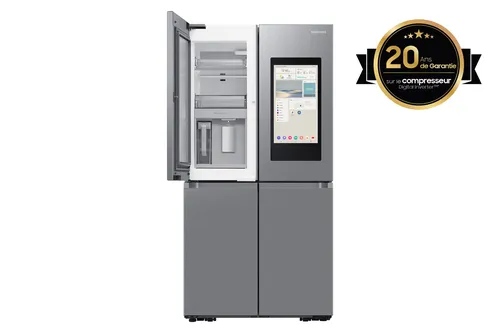
American Fridge Freezers: How to Choose Well
An American-style fridge freezer is chosen mainly on capacity, annual consumption and noise level, three criteria that vary widely between models. Freezing power and storage time during a power cut matter most for households that stock a lot or worry about outages. The scores on this site place each appliance against market benchmarks, so you can compare beyond the price tag alone.
Read the guide
 3 steps
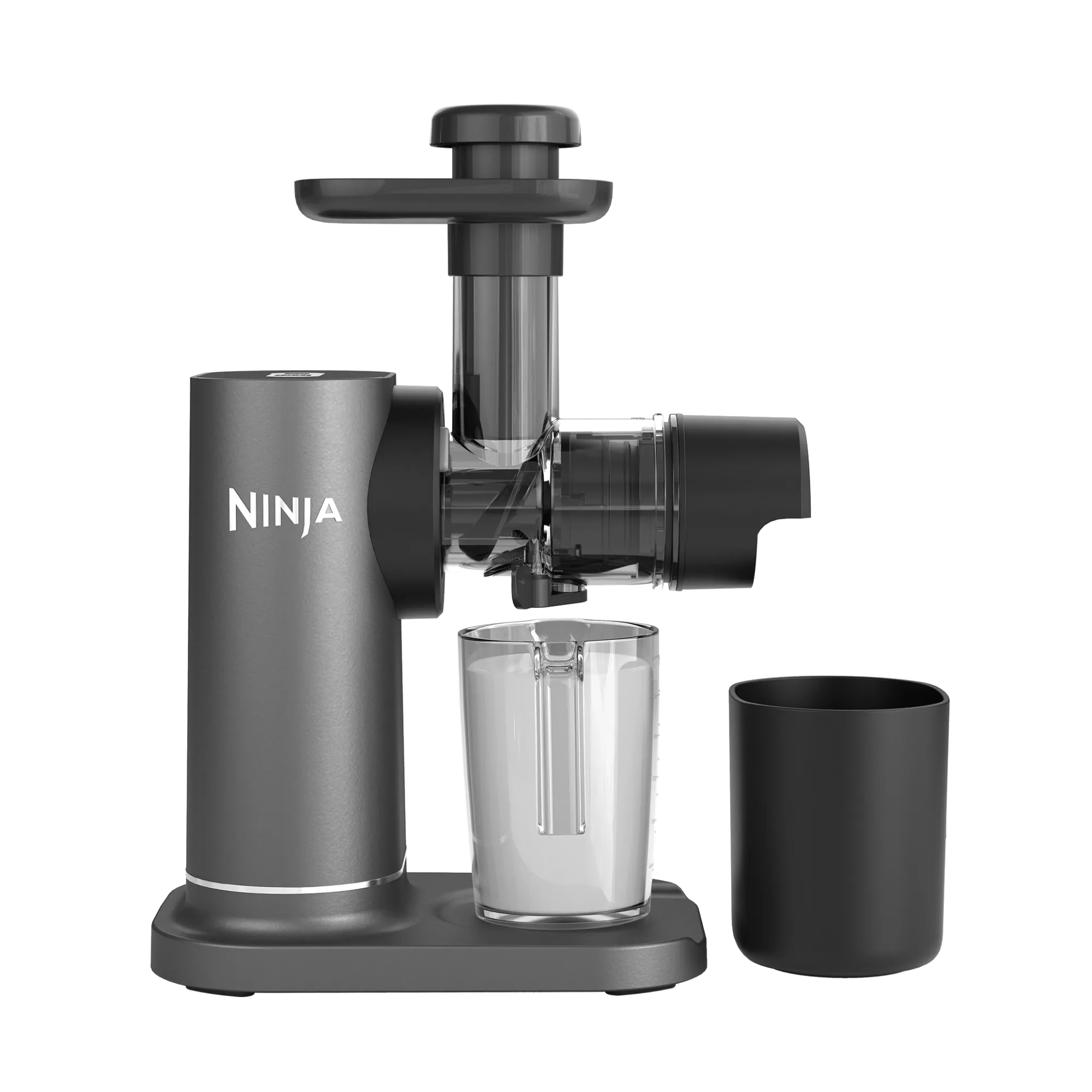
Buying guide for juicers and citrus presses
Choosing a juicer or citrus press depends on its ability to extract juice efficiently from various fruits and vegetables. Motor power and the number of available speeds determine the effectiveness and versatility of the appliance in daily use.
Read the guide
 5 steps
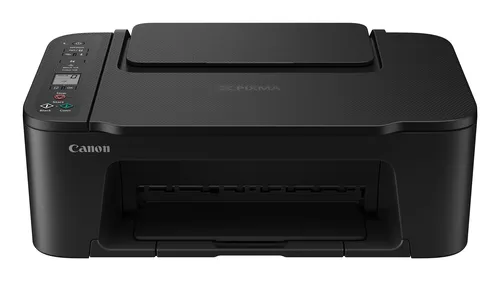
Buying guide: all-in-one printers
An all-in-one printer is chosen first on print speed and paper capacity, two criteria that shape everyday comfort. Power consumption and internal memory then refine the choice according to intended use.
Read the guide
 4 steps
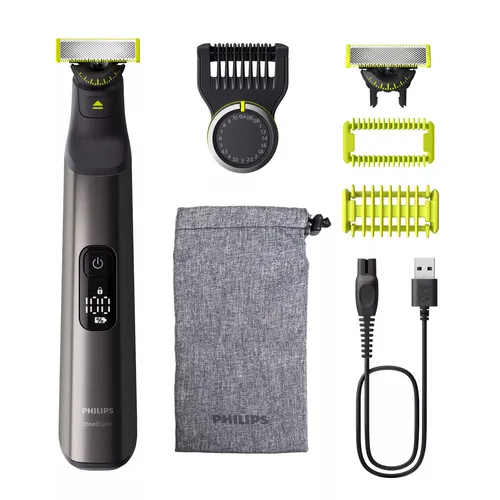
Buying guide: beard and body trimmers
A beard and body trimmer is chosen primarily by the number of length settings and the minimum cutting length it offers. Battery life then determines everyday freedom of use. The three criteria measured on Kalyneo help you compare the real performance of each model.
Read the guide
 4 steps
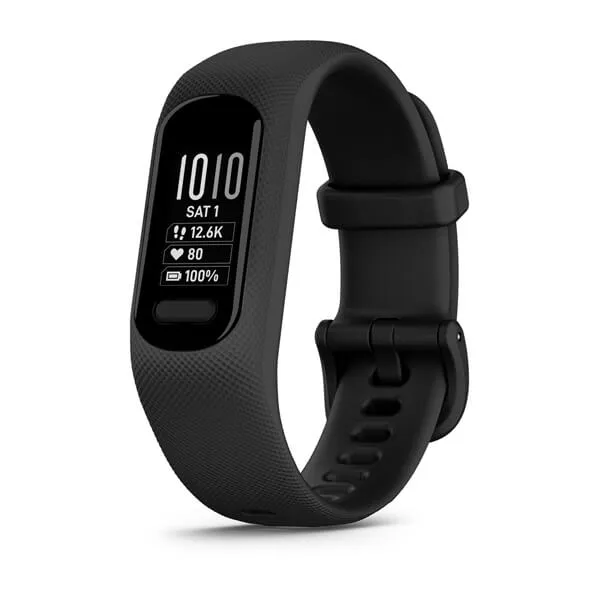
Buying guide: choosing a fitness tracker
A fitness tracker is chosen mainly on battery life, water resistance and the quality of its phone connection. These three points separate recent models far more clearly than design or advertised features.
Read the guide
 4 steps
Buying guide: Dash cams
A dash cam is chosen primarily by the number of cameras to cover front and rear views. Recording smoothness and storage capacity then determine the quality of captured evidence and autonomy between card clearances.
Read the guide
 3 steps
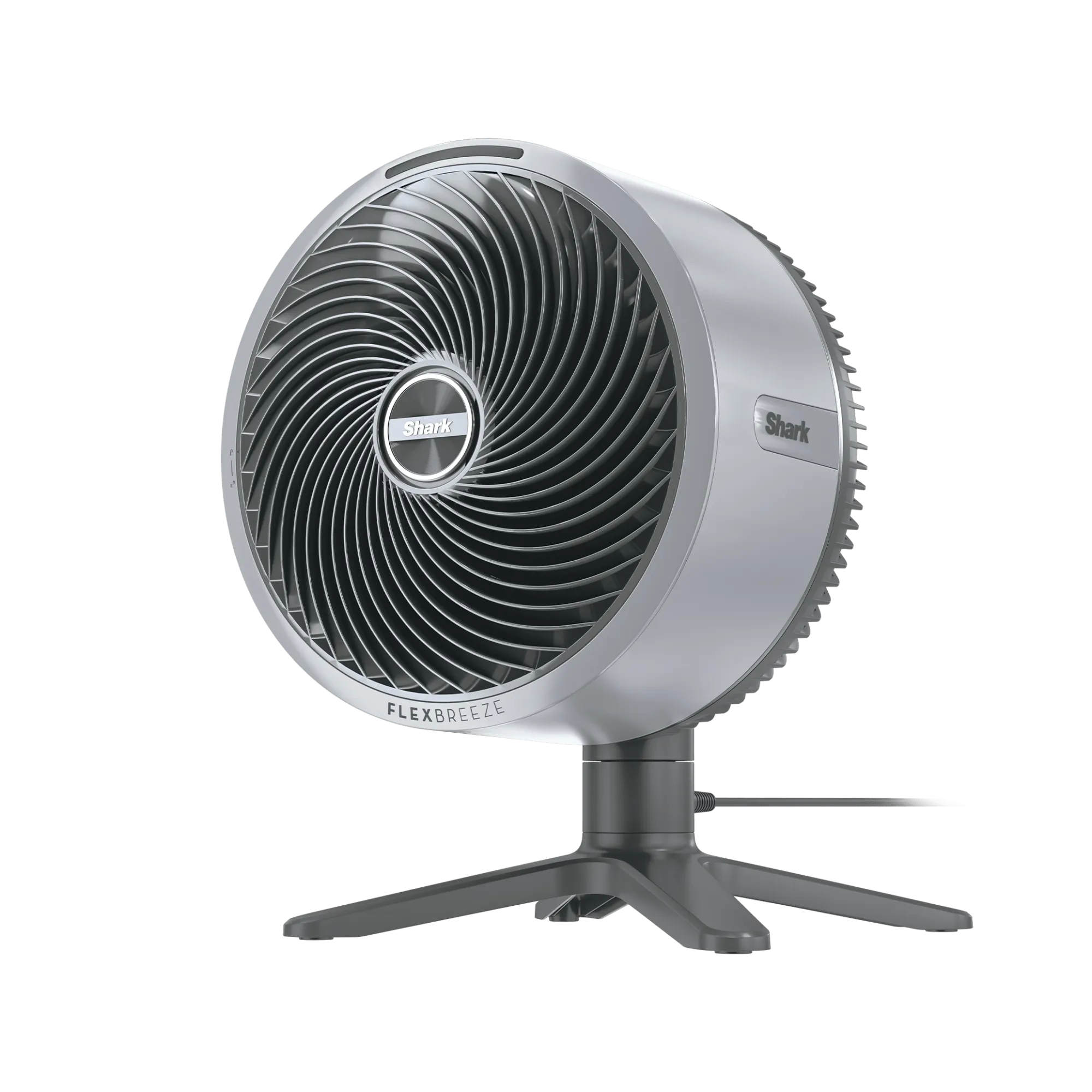
Buying guide: Fans and air coolers
Choosing a fan relies on two measurable criteria: the number of available speeds and power consumption. Entry-level models offer three speeds while the best-equipped provide twelve, with a median of five settings. Consumption ranges from twenty to sixty-three watts depending on the appliance.
Read the guide
 3 steps
Buying guide: headphones and earphones
Choosing headphones or earphones mainly comes down to driver size, which shapes bass response and available volume. Budget then narrows down what the market offers at each price level.
Read the guide
 4 steps
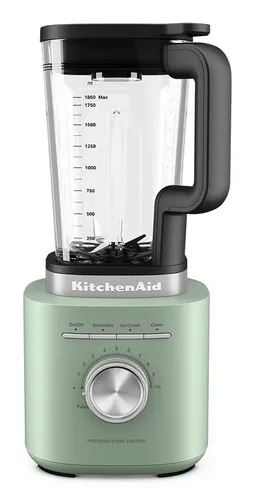
Buying guide: how to choose a blender
A blender is chosen first on motor power and number of speeds, which determine how fine the resulting texture is. Bowl capacity comes next, depending on the quantities prepared at each use.
Read the guide
 4 steps
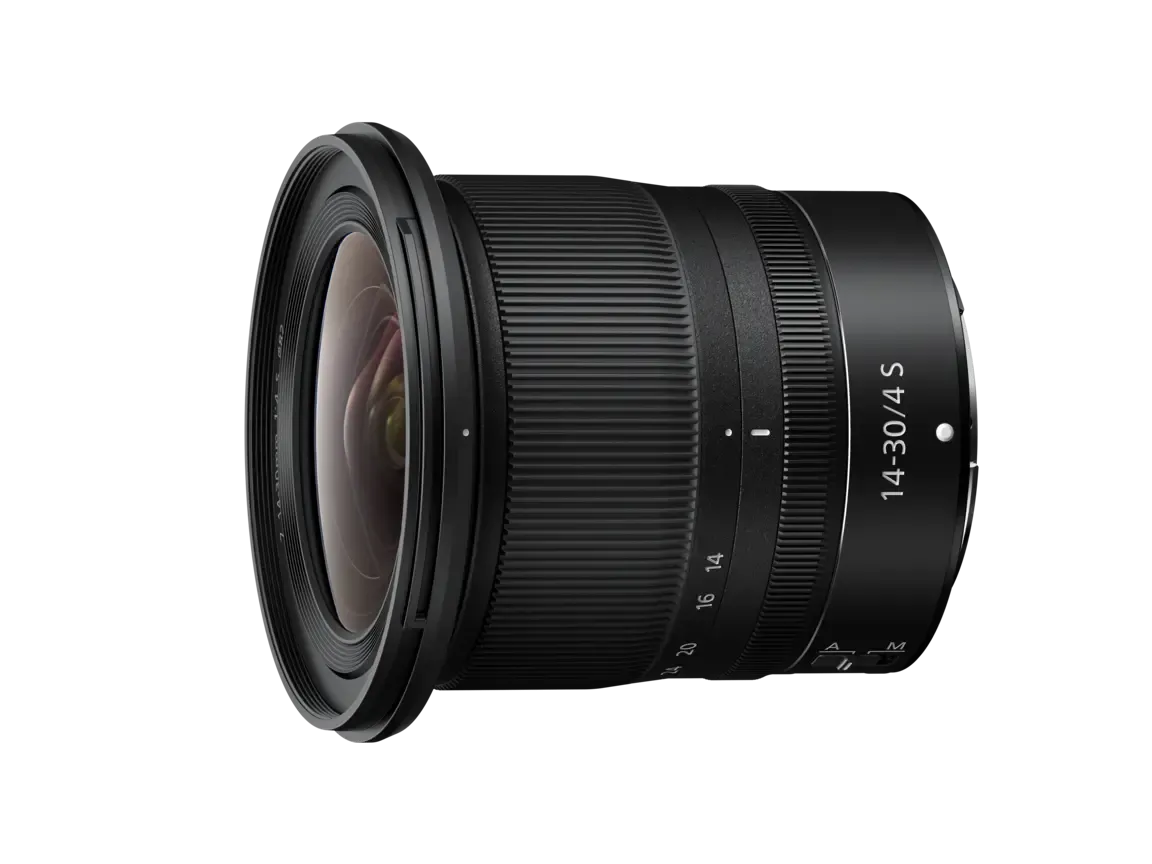
Buying guide: how to choose a camera lens
A lens is chosen first on its brightness, its ability to focus up close, and the quality of its background blur. These three measured criteria explain most of the score differences before price even comes into play.
Read the guide
 5 steps
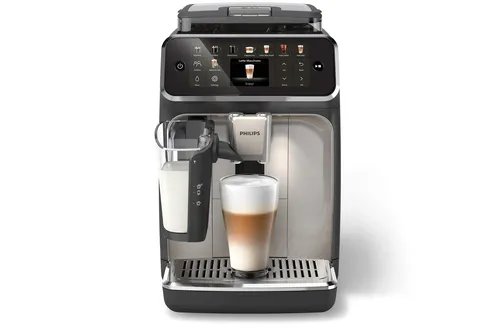
Buying guide: how to choose a coffee machine
A coffee machine is chosen first on its water tank capacity and power, which shape daily comfort of use. Cup count and extraction pressure then refine the choice depending on how many people are served and the type of coffee sought.
Read the guide
 6 steps
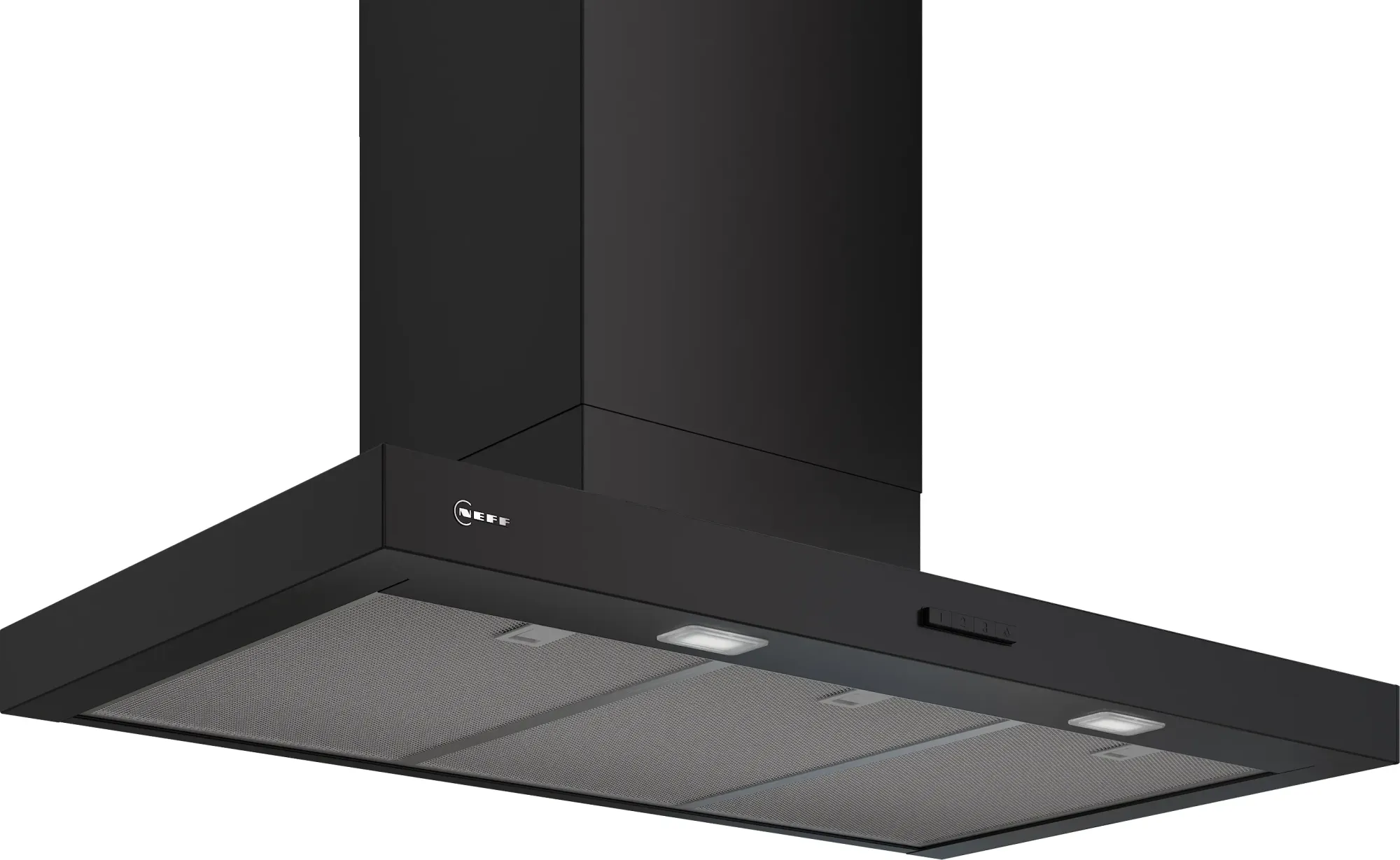
Buying guide: how to choose a cooker hood
A cooker hood is chosen first for its ability to extract stale air without filling the kitchen with noise, then for the flexibility of its speed settings and how little electricity it draws. Lighting over the cooking zone rounds out these criteria, well before price comes into play.
Read the guide
 5 steps
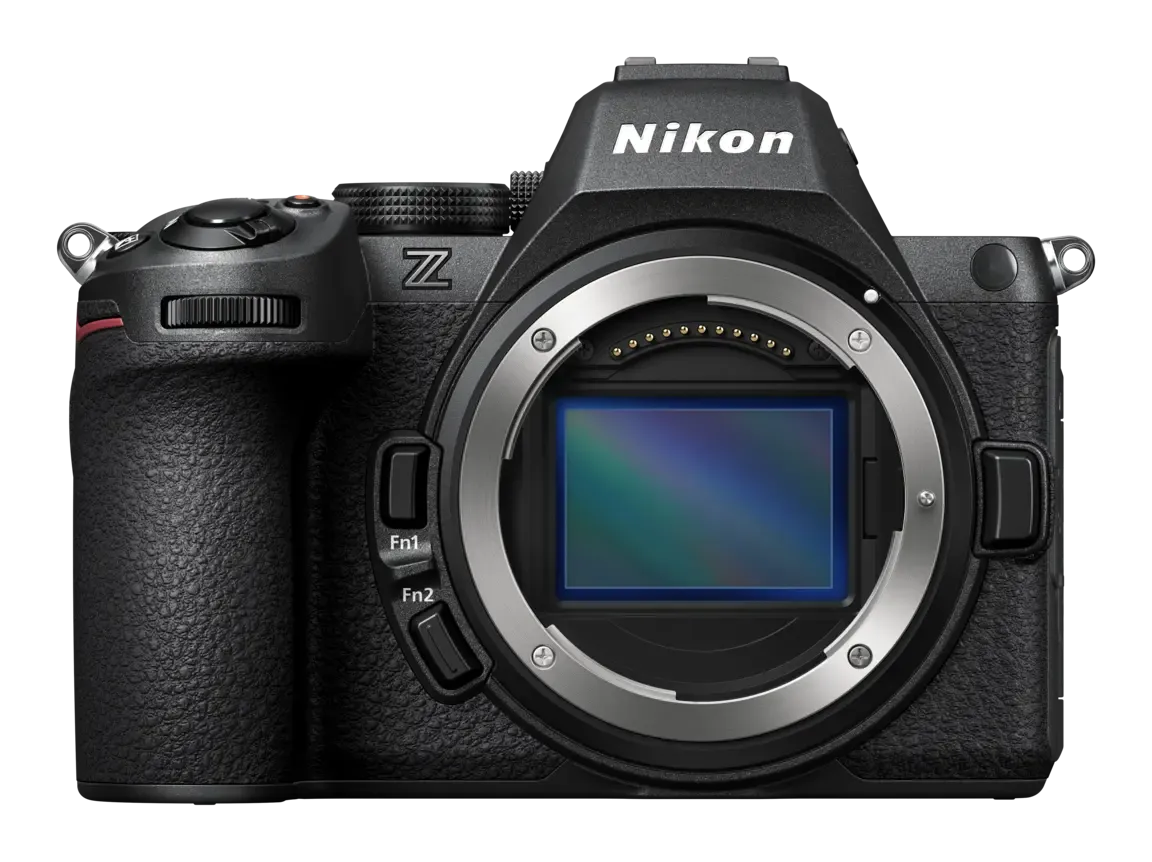
Buying guide: how to choose a digital camera
Between two digital cameras, the real gap lies in picture resolution, low light capability and video quality. Screen size and connectivity matter less, but they ease daily use.
Read the guide
 6 steps
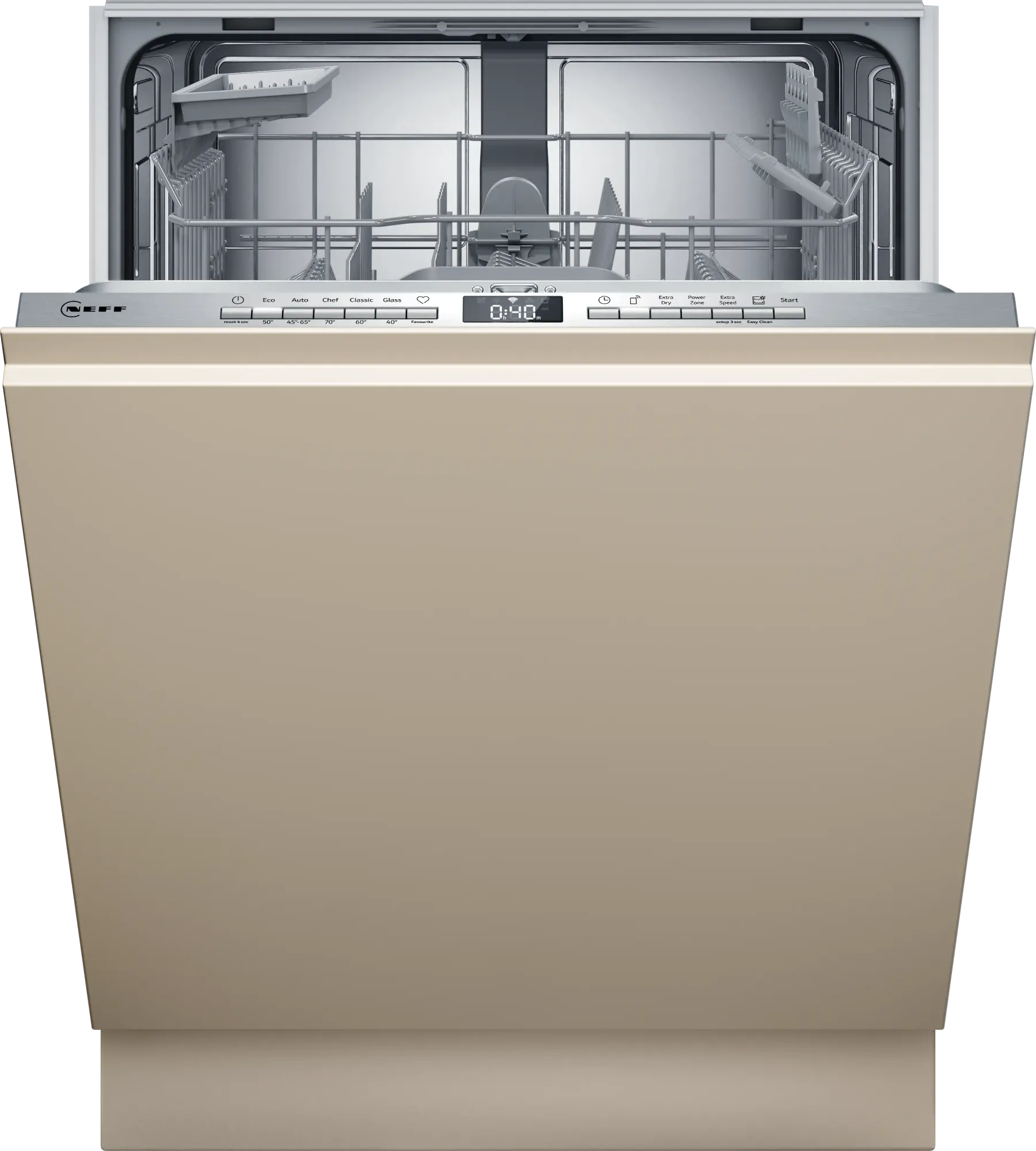
Buying guide: how to choose a dishwasher
A dishwasher is chosen first on the noise it makes, the water and energy it uses, then on its capacity and programs. These measured criteria are what truly set appliances apart in daily use.
Read the guide
 6 steps
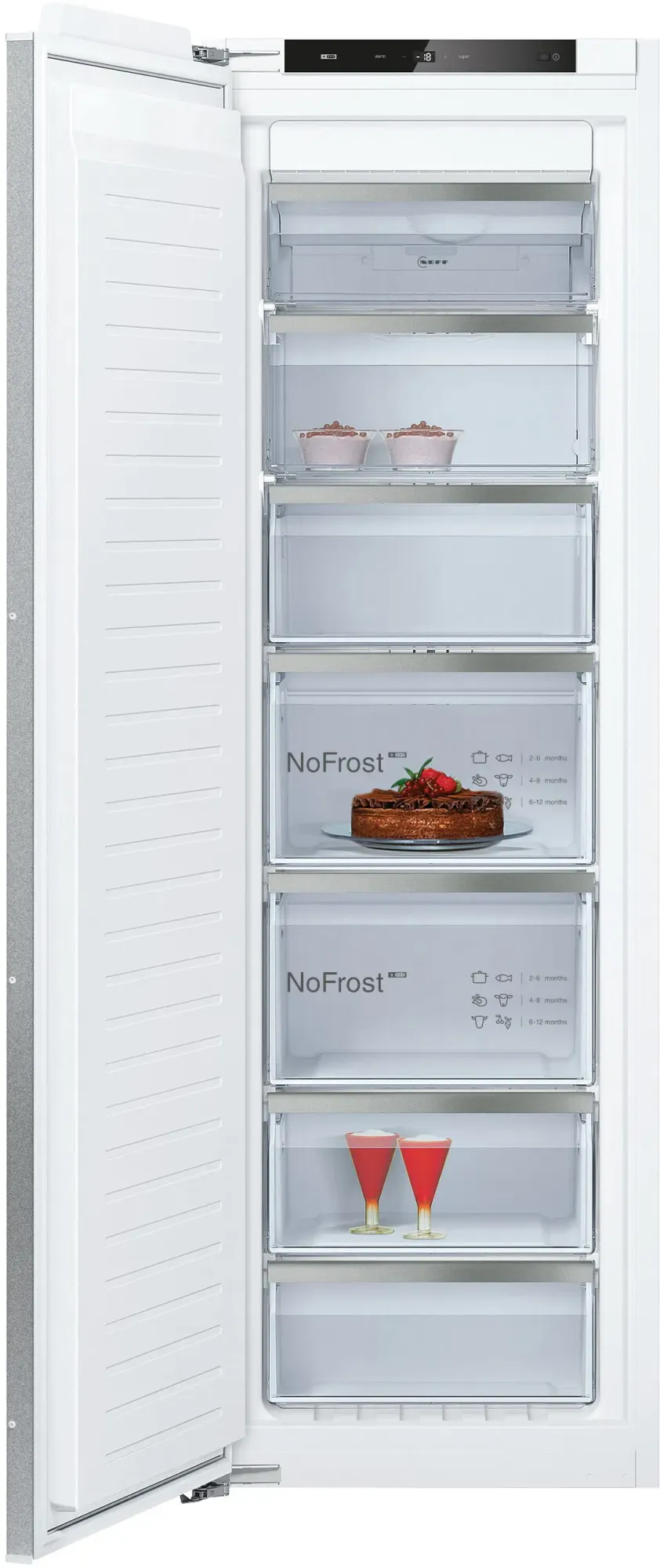
Buying guide: how to choose a freezer
A freezer is chosen first on its capacity and how quiet it runs, then on its annual energy use and its ability to freeze quickly and keep food safe during a power cut. The site’s ratings compare each appliance against these benchmarks to tell apart models that look similar at first glance.
Read the guide
 5 steps
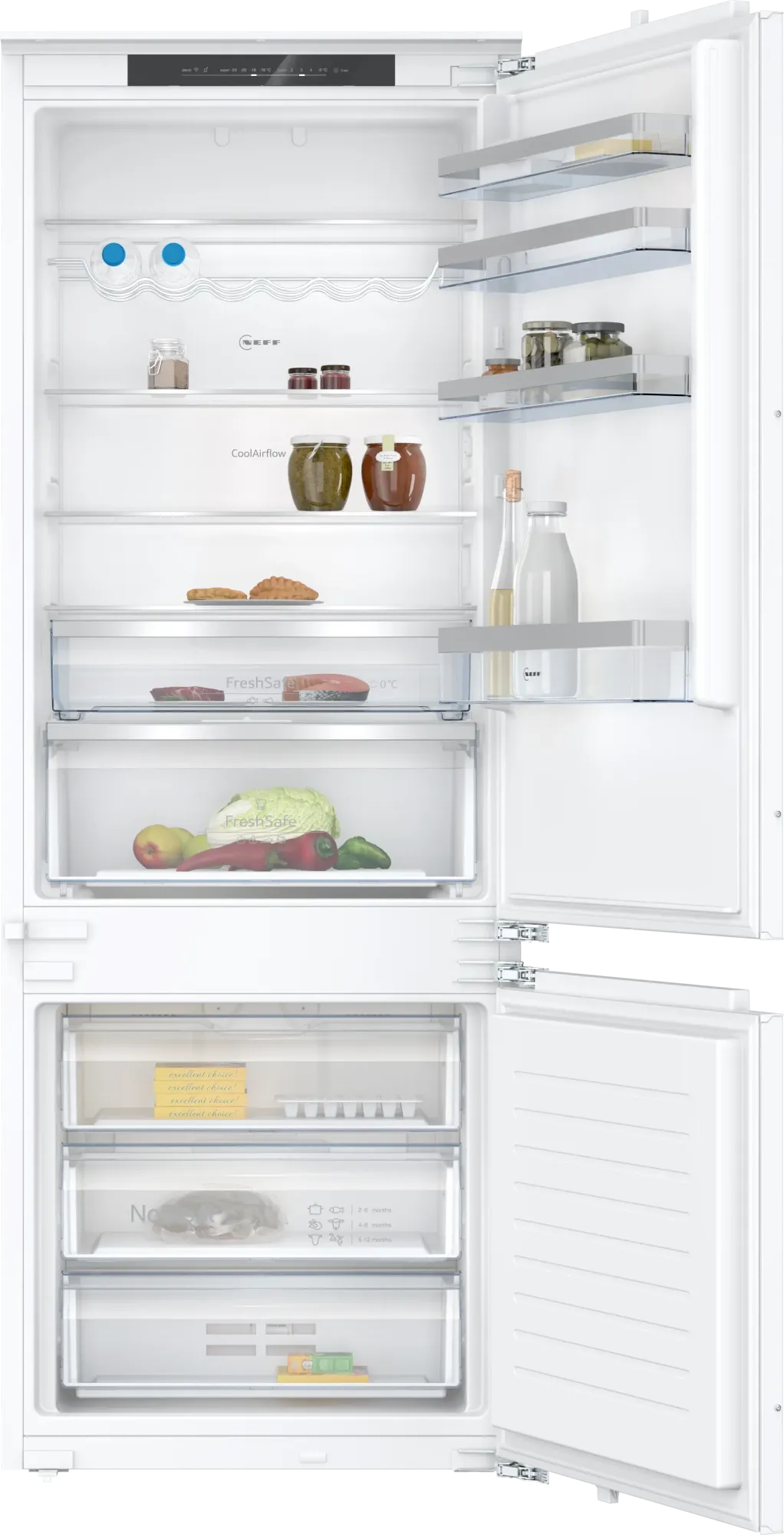
Buying guide: how to choose a fridge
A fridge is chosen first on its storage capacity and annual energy consumption, then on how quiet it runs day to day. Freezing capacity and power failure autonomy separate models that otherwise look similar on paper.
Read the guide
 6 steps
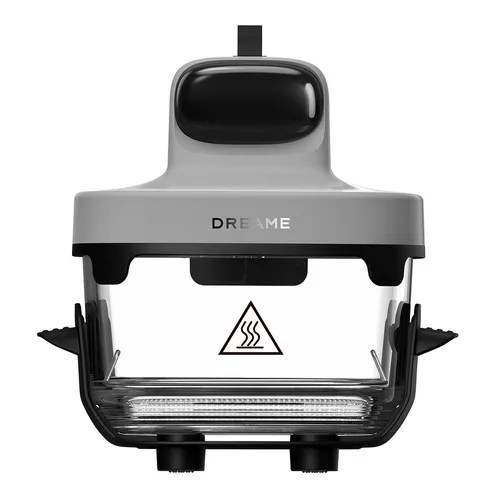
Buying guide: how to choose a fryer
What truly sets fryers apart is bowl capacity, the amount of food cooked in one batch, and how fast the appliance reaches temperature. Automatic programs and maximum temperature then help fine tune the choice to your habits.
Read the guide
 5 steps
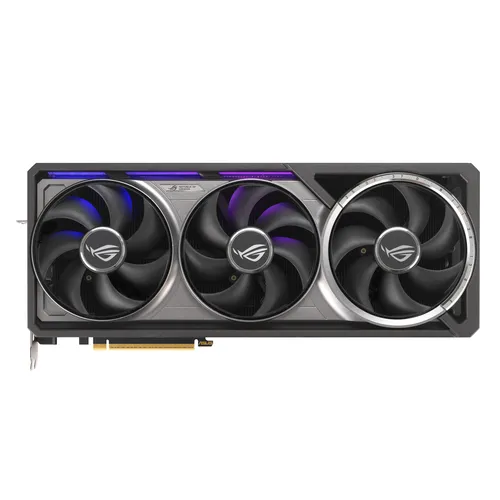
Buying guide: how to choose a graphics card
A graphics card is chosen first on its video memory and processing power, which define comfort in gaming or creative work. Connectivity and quietness then refine the choice according to the intended setup.
Read the guide
 5 steps
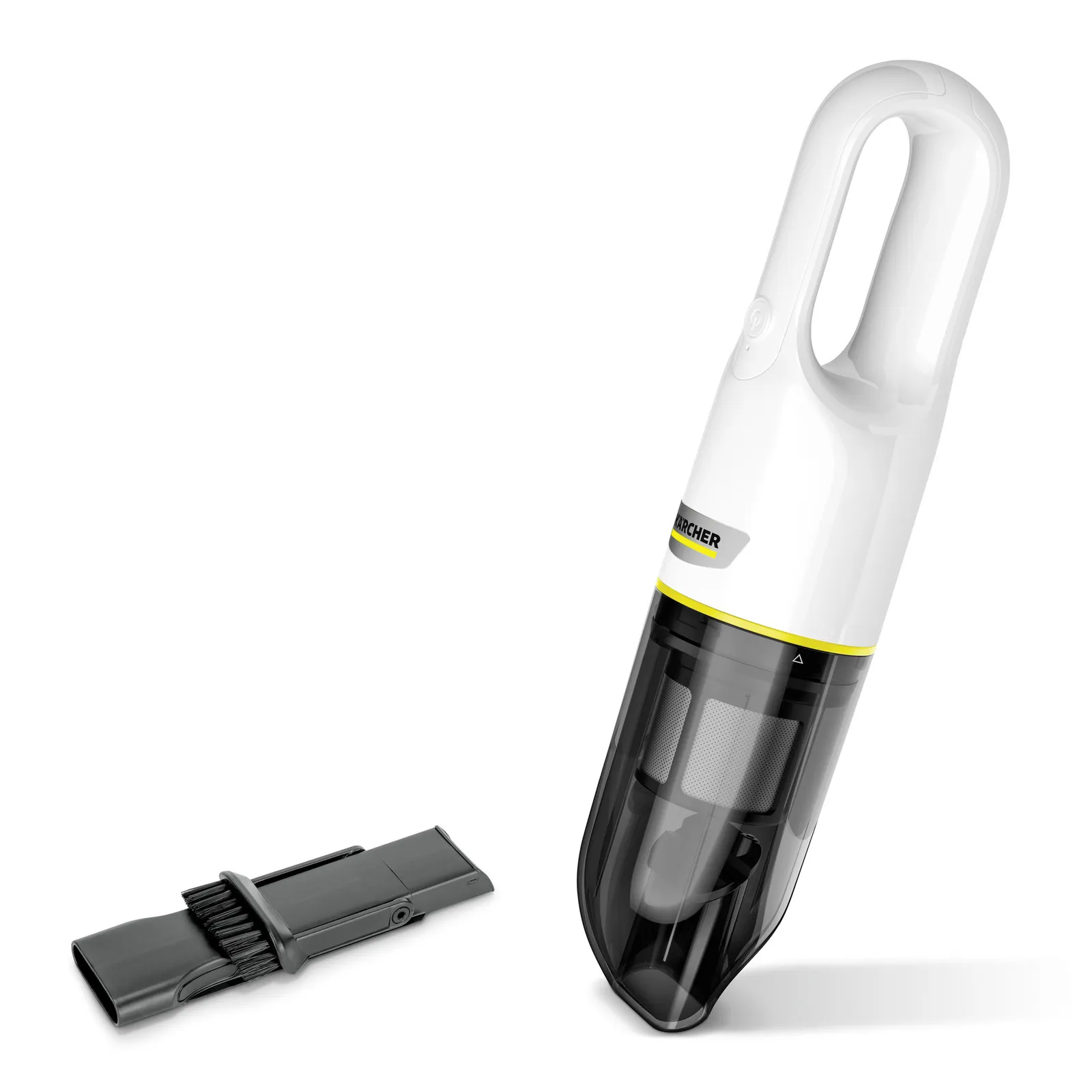
Buying guide: how to choose a handheld vacuum cleaner
A handheld vacuum cleaner is selected based on its runtime, dust capacity and suction power. Runtime determines how long you can clean between charges, while bin capacity affects how often you need to empty it. Power determines effectiveness on different types of dirt.
Read the guide
4 steps
Buying guide: how to choose a hi-fi amplifier?
Choosing a hi-fi amplifier depends on three key factors: the power delivered per channel, the number of available channels, and the purity of the audio signal. These criteria determine how well the amplifier matches your speakers, your listening setup, and your sound fidelity requirements.
Read the guide
 4 steps
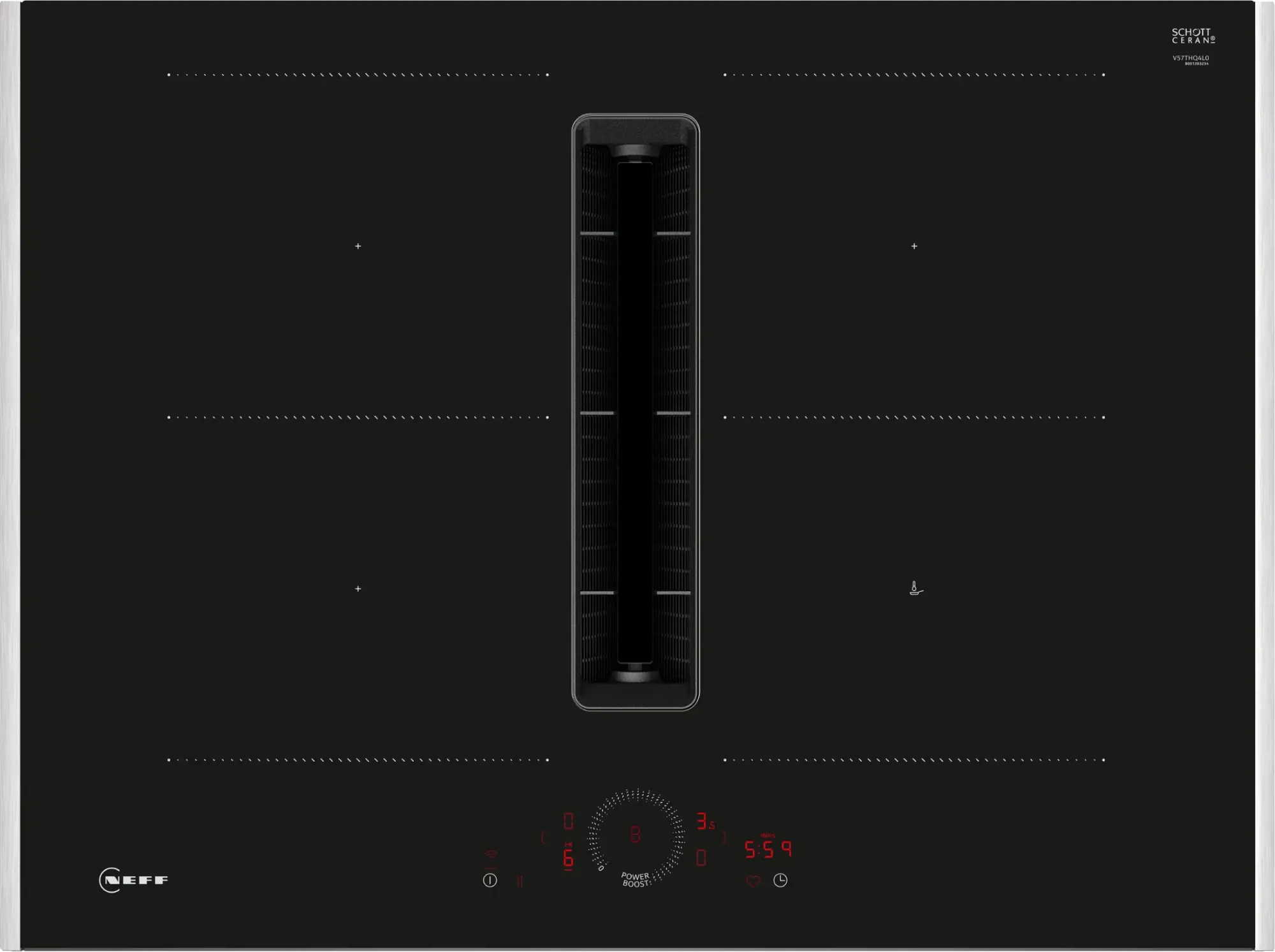
Buying guide: how to choose a hob
A hob is chosen first on the number of cooking zones, the total power available and the strength of the main zone. These three measures, listed on every product page, determine what the appliance really allows in the kitchen.
Read the guide
 5 steps
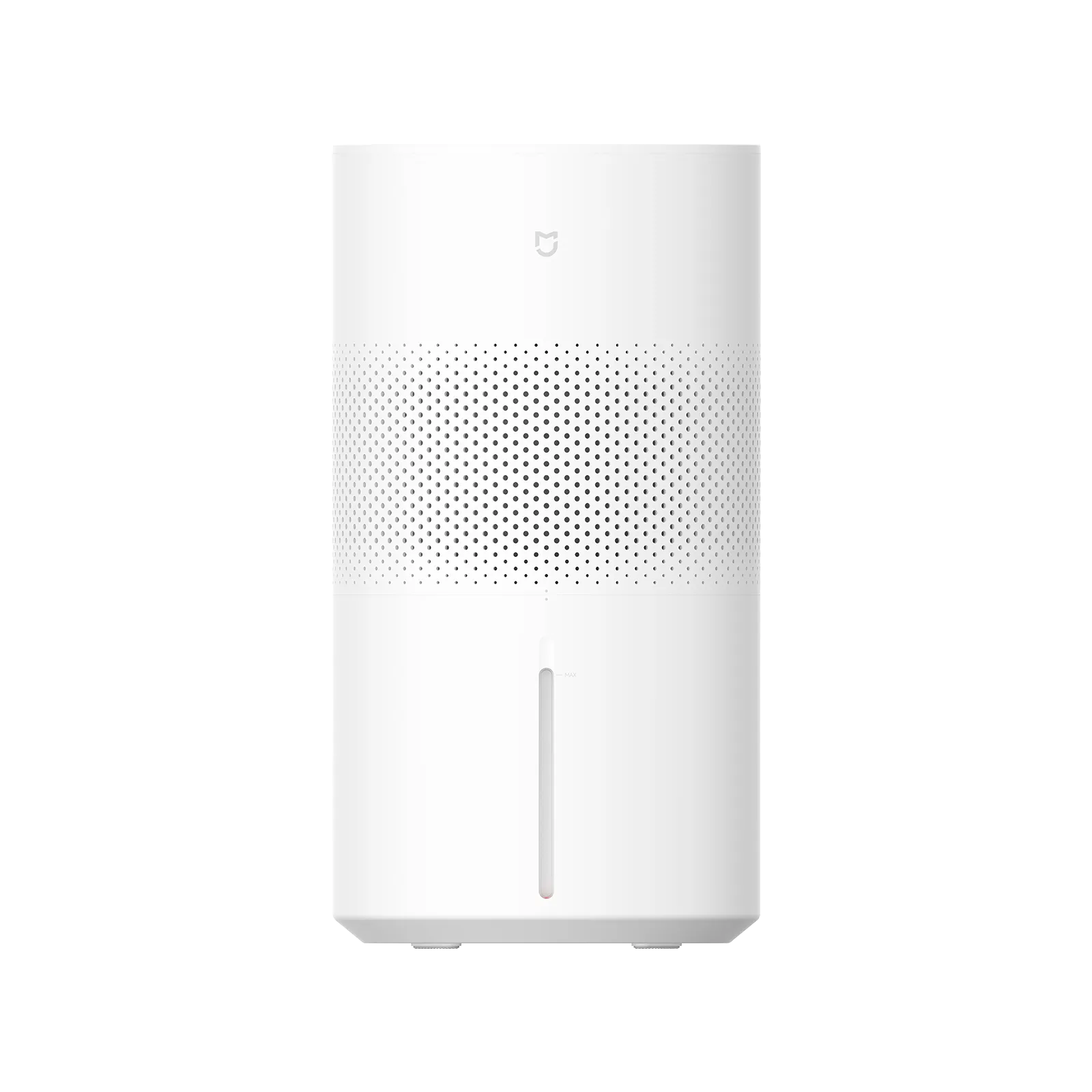
Buying guide: how to choose a humidifier
Choosing a humidifier depends on balancing room coverage with desired runtime. Humidification output determines how quickly the air is treated, while noise level dictates suitability for bedrooms.
Read the guide
 6 steps
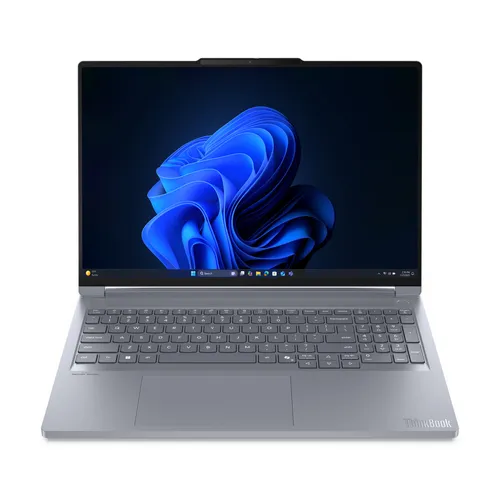
Buying guide: how to choose a laptop
A laptop is chosen first on processor speed, battery capacity, and storage and memory size. These criteria, measured on every listing, shape very different profiles from one model to another. Price is then compared, at matching specifications, across merchants.
Read the guide
 5 steps
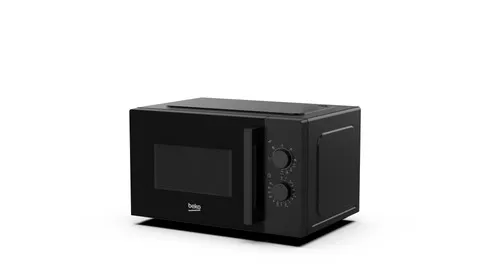
Buying guide: how to choose a microwave
A microwave is chosen first on its interior capacity, its cooking power and the number of power levels it offers. Power consumption then separates models with similar specs, while price is best compared across merchants for equivalent features.
Read the guide
 5 steps
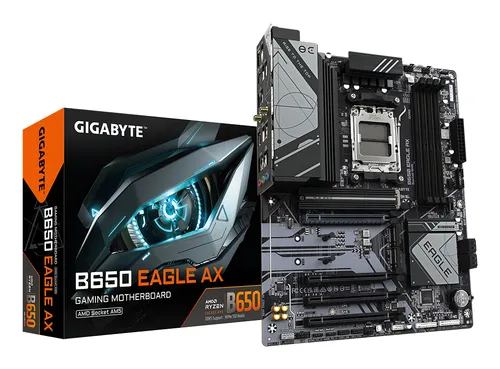
Buying guide: how to choose a motherboard
A motherboard is chosen primarily on its connectivity, its storage slots and its maximum memory, since these capacities set the limits for future upgrades. Price follows these characteristics rather than the other way around.
Read the guide
 2 steps
Buying guide: how to choose a mouse
The number of programmable buttons and the sensor’s precision are what truly set mice apart. Price should follow actual usage, whether occasional or intensive, not the other way around: start from your needs before comparing prices across merchants.
Read the guide
 5 steps
Buying guide: how to choose a PC monitor
Two monitors can share the same diagonal yet feel very different to use: smoothness, brightness and responsiveness often matter more than screen size alone. Comparing scores rather than marketing sheets helps avoid disappointment once the monitor is on the desk.
Read the guide
 4 steps
Buying guide: how to choose a photo printer
Photo printers differ in portability, ease of use and energy efficiency. A generous display simplifies image selection, while low weight and modest power consumption determine everyday practicality.
Read the guide
 5 steps
Buying guide: how to choose a robot vacuum
A robot vacuum is judged first on battery life, noise level, suction power and dustbin capacity. Price comes next, worth comparing across merchants for equivalent specifications. Each product page shows a score per criterion to place a model against the market.
Read the guide
 5 steps
Buying guide: how to choose a security camera
A security camera is chosen on what it actually captures, day and night, and on what it costs to run around the clock. Resolution, night vision range, smoothness and power use set models apart far more than their looks.
Read the guide
 6 steps
Buying guide: how to choose a smartphone
Two smartphones at the same price can last very different amounts of time or shoot photos with unrelated sensors. Battery life, screen, camera, storage and power together set the real differences between models, well before the design of the case.
Read the guide
 5 steps
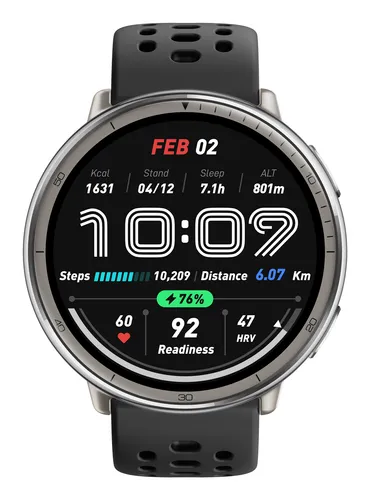
Buying guide: how to choose a smartwatch
Between two smartwatches, the real difference comes from battery life, processor speed and water resistance, far more than the case design. Comparing these scores avoids paying for a spacious display attached to a battery that barely lasts a day.
Read the guide
 4 steps
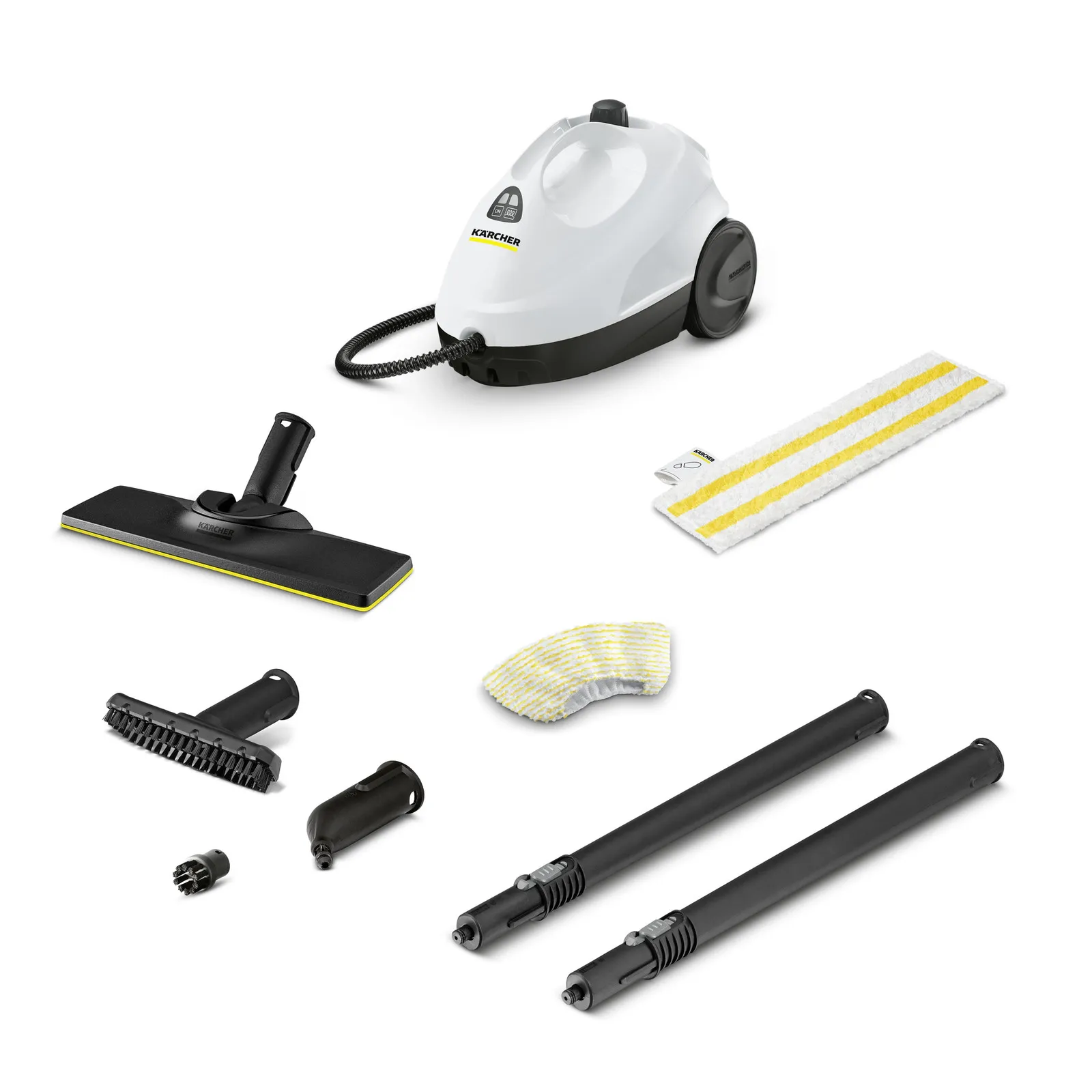
Buying guide: how to choose a steam cleaner
A steam cleaner is judged on how quickly it produces steam, how forcefully it projects it to lift dirt, and how long it can run before needing a refill. Power, steam pressure and tank capacity are the three criteria that truly set appliances apart.
Read the guide
 6 steps
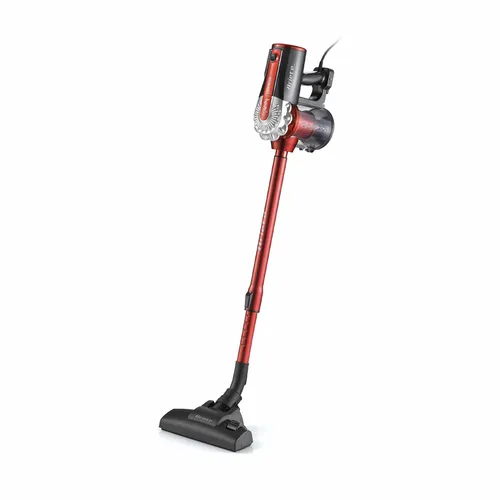
Buying guide: how to choose a stick vacuum
A stick vacuum cleaner is chosen mainly on the balance between suction power, battery life and everyday handling. Differences between models also show up in quietness, dust capacity and charging speed, criteria that matter over time.
Read the guide
 5 steps
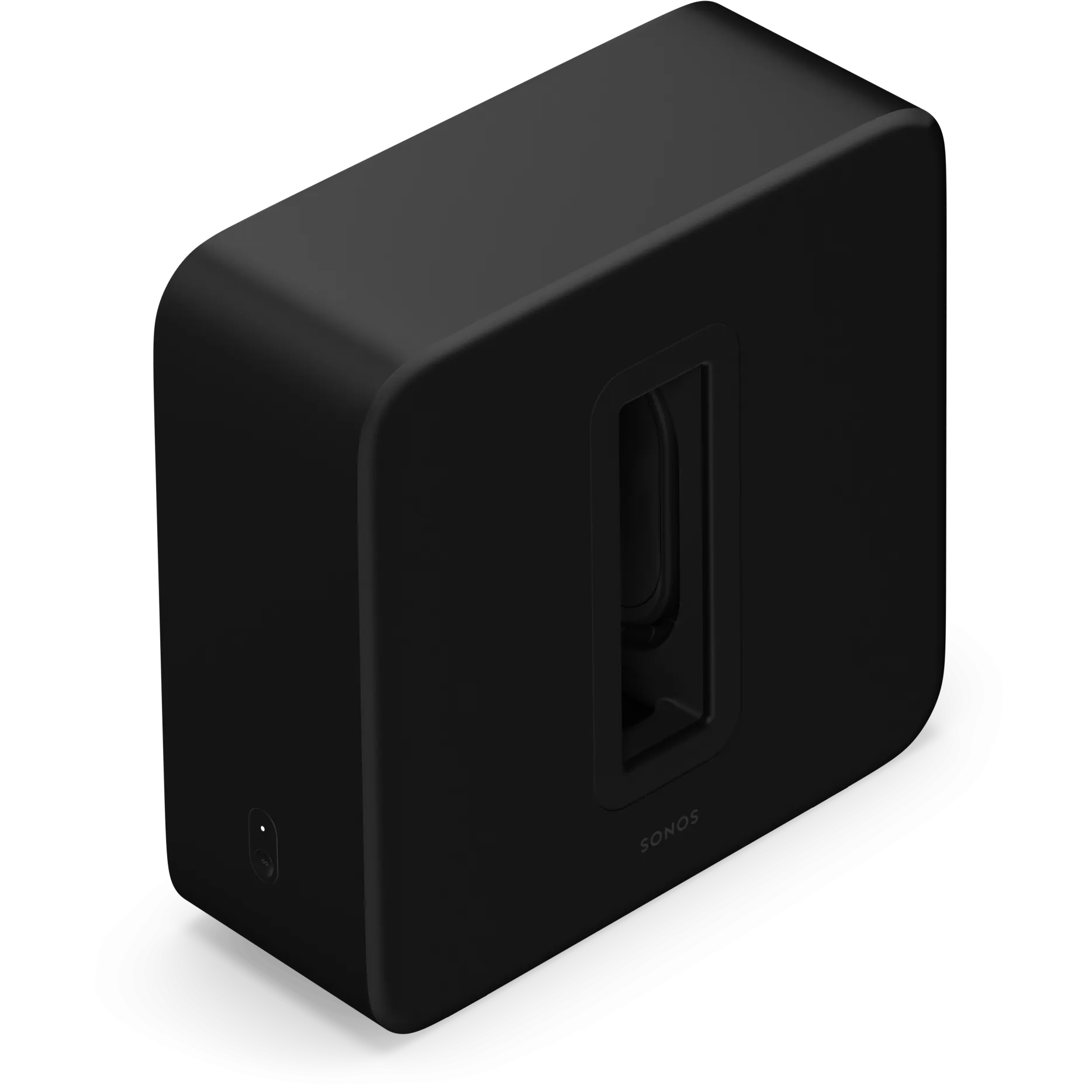
Buying guide: how to choose a subwoofer
A subwoofer is chosen for its ability to deliver deep, powerful bass without strain. Power, driver size and sensitivity each tell part of this story, and the site’s rating summarises them.
Read the guide
 6 steps
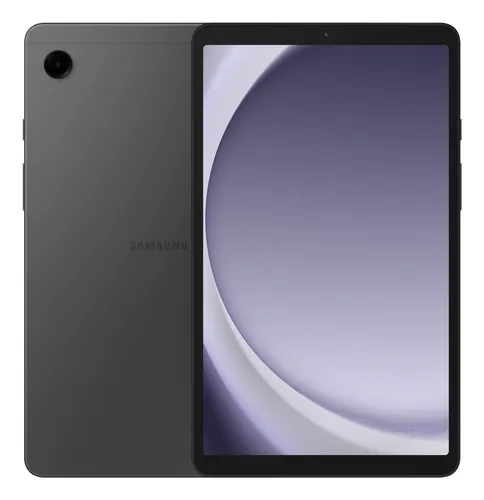
Buying guide: how to choose a tablet
The real gap between tablets for reading and browsing and tablets for work and creation lies in processor power, memory and storage. Battery life and rear camera resolution complete the picture depending on how the tablet will be used.
Read the guide
4 steps
Buying guide: how to choose a tablet keyboard
A tablet keyboard transforms your touch device into a genuine productivity tool. The choice hinges on three dimensions: lightness for mobility, number of keys for comprehensive use, and thinness for portability. These criteria determine whether the keyboard will accompany your travels or remain on a desk.
Read the guide
 5 steps
Buying guide: how to choose a television
A television is judged on the balance between screen size, image sharpness, and motion smoothness, well before looking at price. Sound power and the number of HDMI ports round out the picture and matter more or less depending on intended use. The scores on each listing let you compare these factors without relying on marketing claims alone.
Read the guide
 5 steps
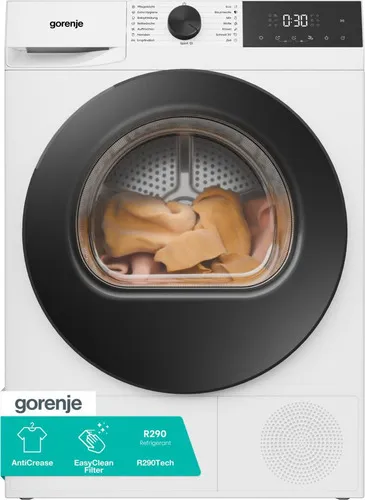
Buying guide: how to choose a tumble dryer
A tumble dryer is chosen mainly on capacity, noise level and energy use over time. These factors matter more than the purchase price alone, since they show up every week in the home and on the electricity bill.
Read the guide
 6 steps
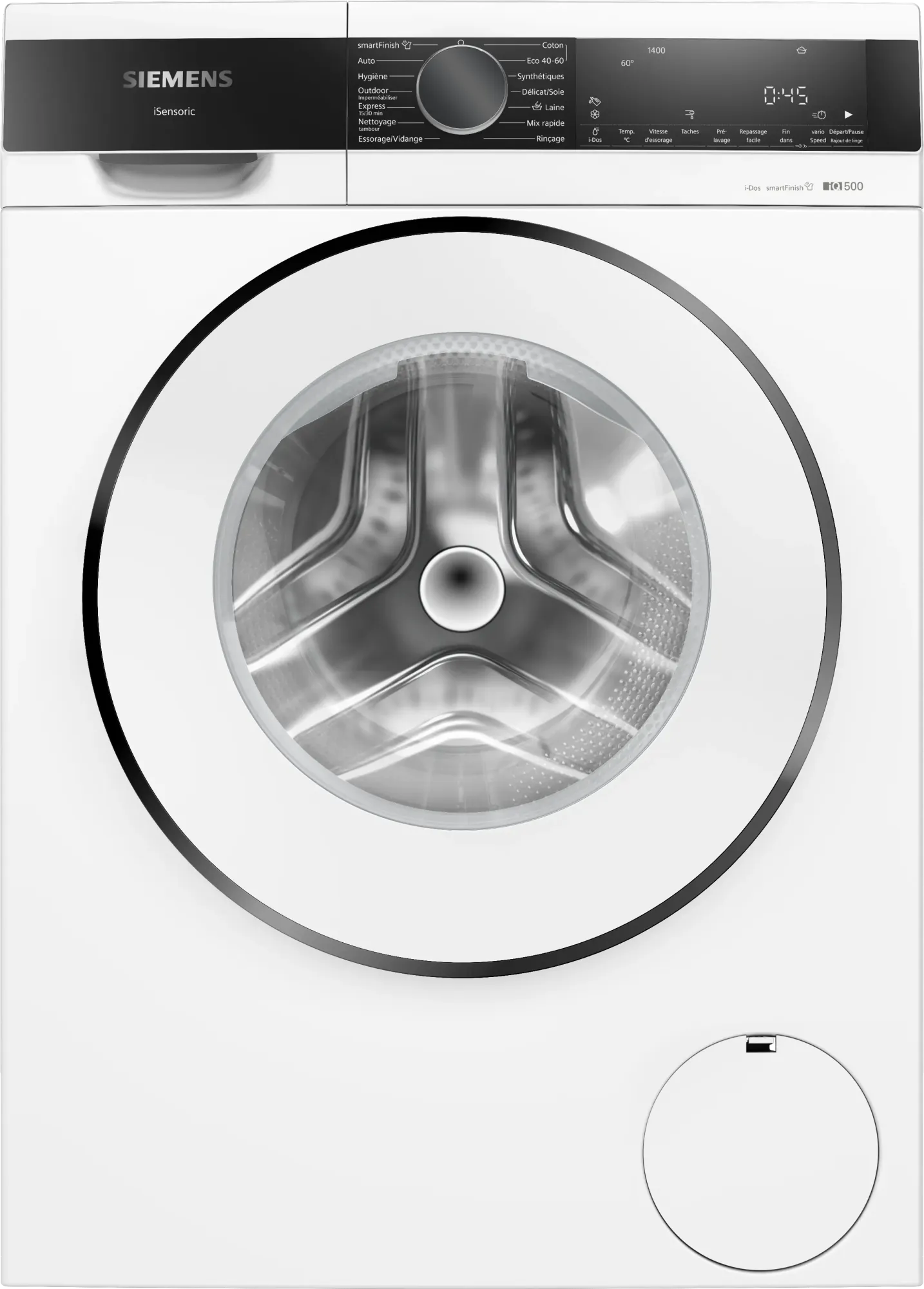
Buying guide: how to choose a washing machine
A washing machine is chosen first on its capacity, water and energy consumption, and noise level during spinning. The scores shown on each product page place these measurements against the market, making it easier to compare beyond marketing claims.
Read the guide
 3 steps
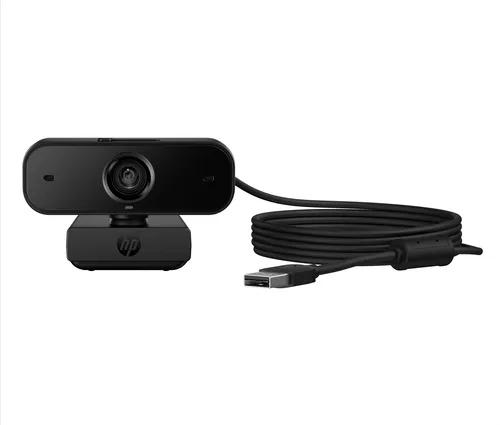
Buying guide: how to choose a webcam
A webcam is chosen above all on the sharpness of the image it captures and the smoothness with which it displays it. Price follows these two technical qualities, for comparable features.
Read the guide
 5 steps
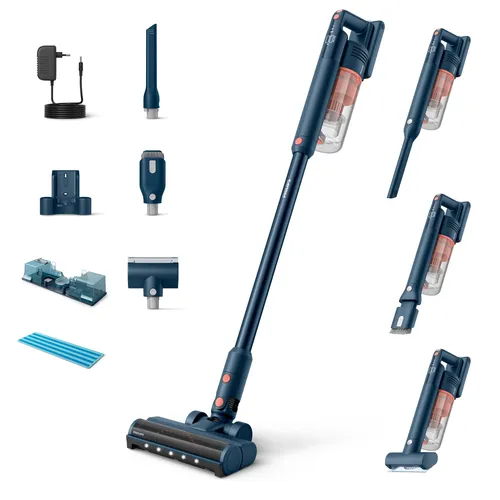
Buying guide: how to choose a wet and dry vacuum
A wet and dry stick vacuum is judged above all on its ability to clean through several rooms without stopping: power, runtime and dirty water tank size make the daily difference. Quietness and charging speed round out the picture for hassle-free use.
Read the guide
 5 steps
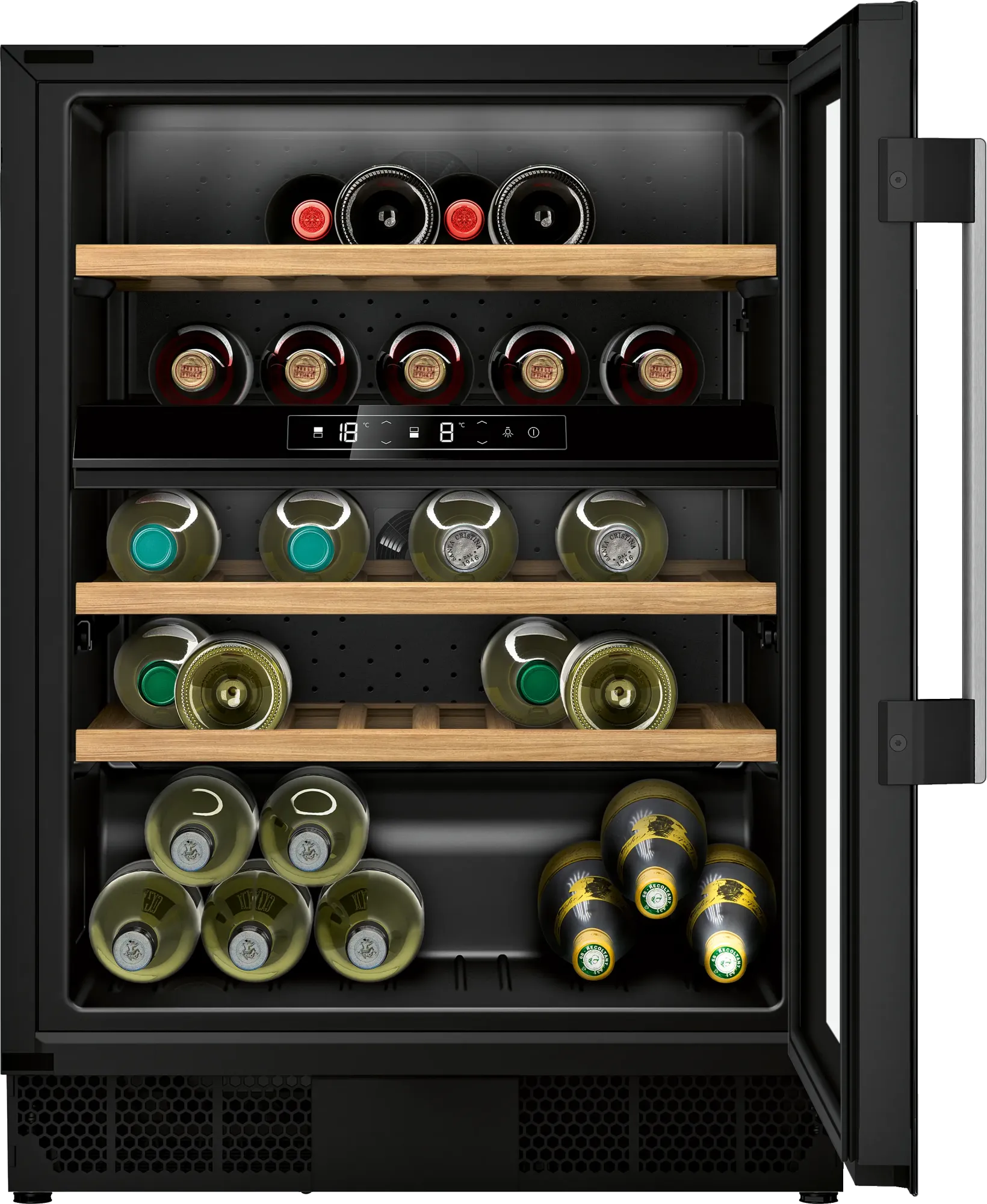
Buying guide: how to choose a wine cooler
A wine cooler is chosen first on its capacity and how quiet it runs, since these are the most noticeable traits day to day. Annual energy use and the number of temperature zones then separate models that look similar on paper.
Read the guide
6 steps
Buying guide: how to choose an all-in-one PC
An all-in-one PC integrates the computer into the display to save desk space. Your choice depends primarily on processor power and memory capacity, which determine multitasking fluidity. Screen size and brightness then affect daily comfort.
Read the guide
 4 steps
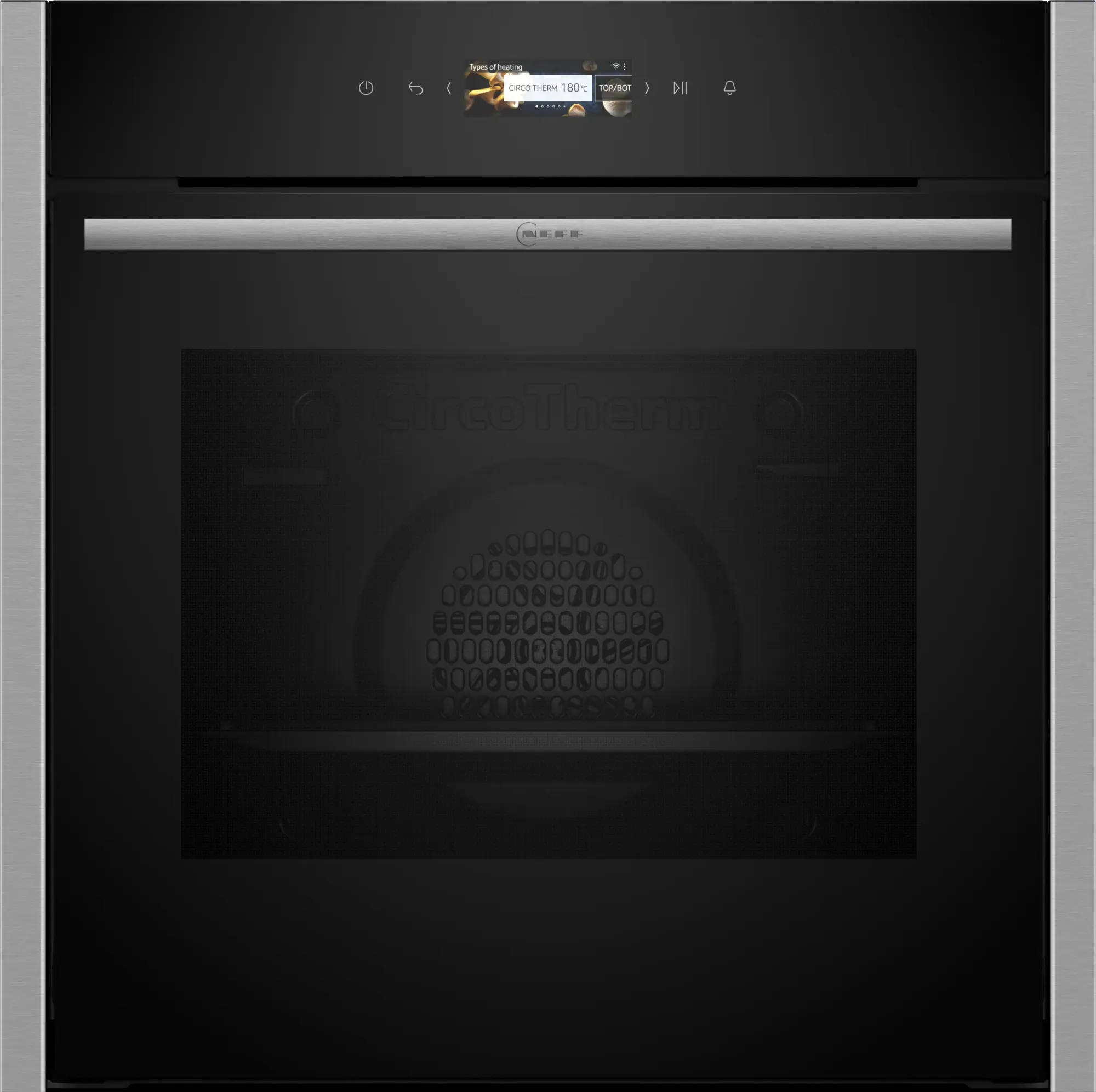
Buying guide: how to choose an oven
What really separates one oven from another is the usable capacity of the cavity, overall energy efficiency, and actual consumption in forced convection mode. These three measures, drawn from recent market listings, are enough to compare models without relying on marketing claims alone.
Read the guide
 5 steps
Buying guide: how to choose hi-fi speakers
The advertised power rating never tells the whole story: the number of drivers, the woofer diameter and the number of tweeters all shape the final sound just as much. Comparing these criteria together helps match a speaker to its intended use rather than to a single headline figure.
Read the guide
 4 steps
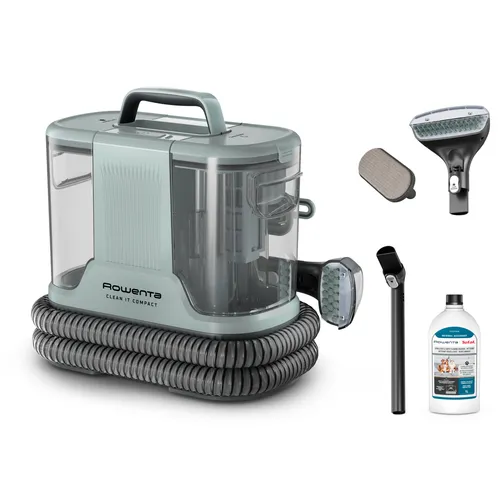
Buying guide: how to choose your carpet cleaner
A carpet cleaner is selected according to three measurable criteria: motor power for deep cleaning, fresh water tank capacity to cover large areas in one go, and cord length to move freely without constraint. Comparing these values helps identify the appliance that matches your actual needs.
Read the guide
 5 steps
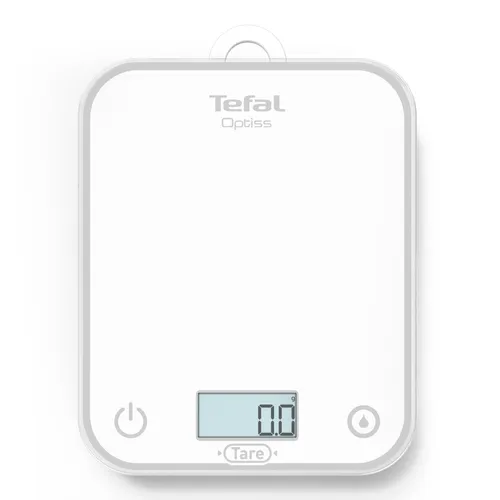
Buying guide: how to choose your kitchen scale
A kitchen scale is chosen primarily by its weighing precision and maximum capacity. Space-saving design also plays a key role in kitchens where every centimetre matters. The right balance between these three criteria leads to the model that fits your needs.
Read the guide
 5 steps
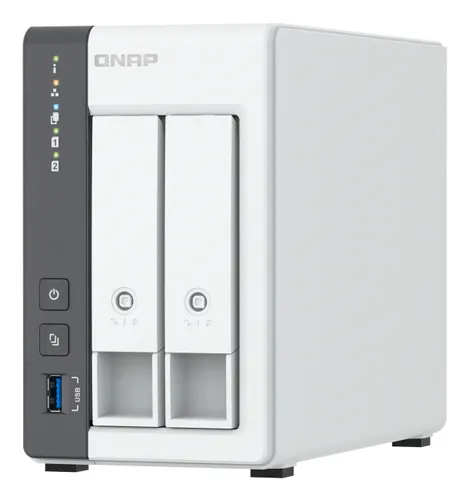
Buying guide: how to choose your NAS drive
A NAS drive is chosen based on storage scalability, processing power and network connectivity. The number of bays determines your data capacity, while the processor and RAM control the smoothness of simultaneous access and applications.
Read the guide
 5 steps
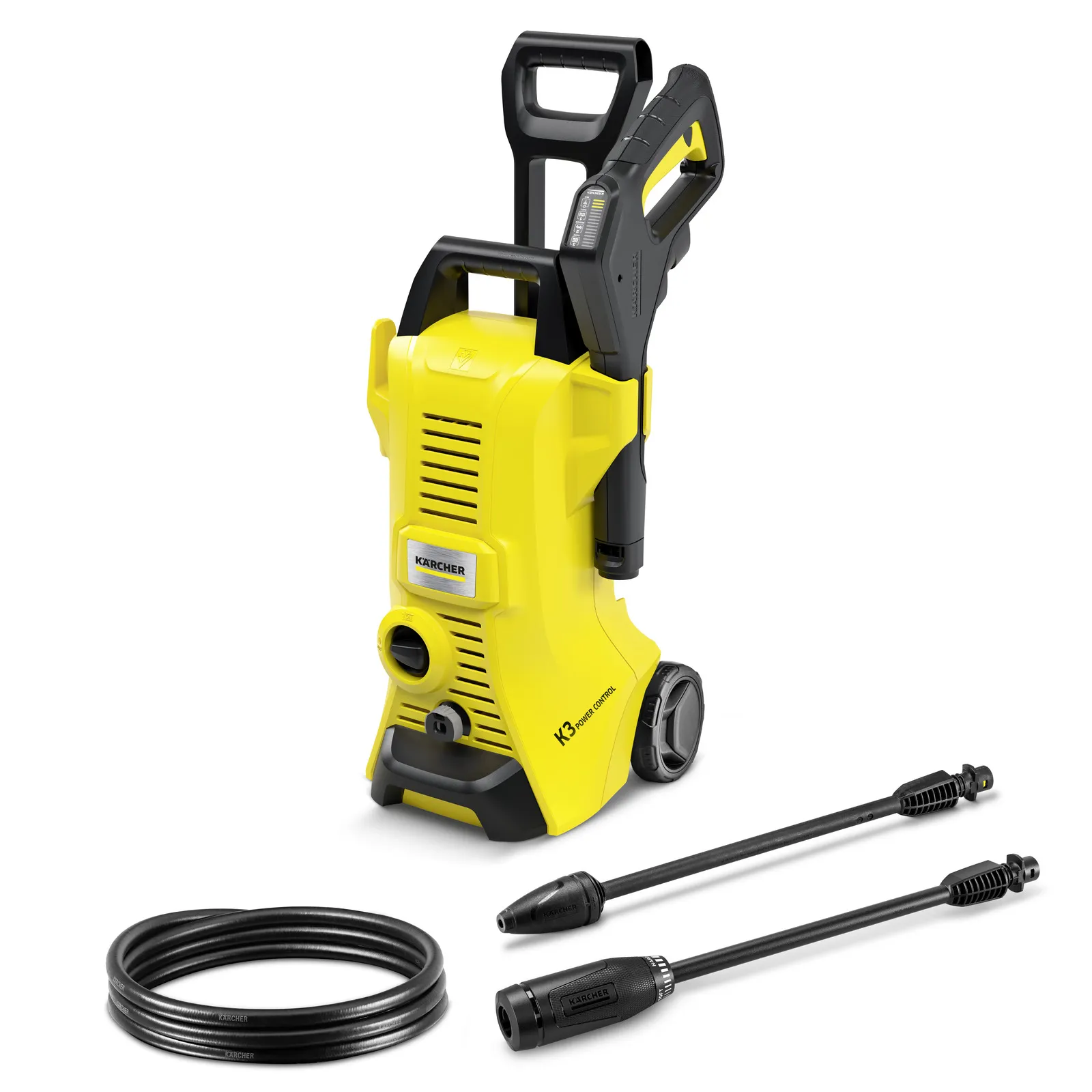
Buying guide: how to choose your pressure washer
Choosing a pressure washer balances power and practicality. Pressure and flow rate determine cleaning effectiveness on different surfaces, while working range and noise level directly influence operating comfort.
Read the guide
5 steps
Buying guide: how to choose your steam generator iron
A steam generator iron differs from a standard iron through its power and autonomy. Steam performance determines effectiveness on stubborn creases and thick fabrics, while tank capacity affects ironing duration without refilling. Your choice depends on your laundry volume and result expectations.
Read the guide
 4 steps
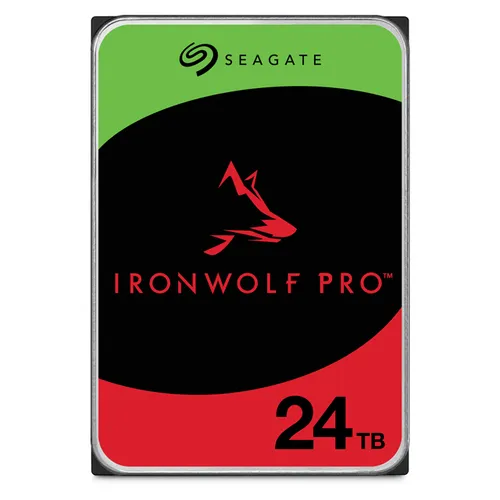
Buying guide: Internal hard drives
Selecting an internal hard drive depends on three core factors: storage capacity determines how much data you can keep, rotational speed affects how quickly you access that data, and interface throughput sets the maximum transfer rate. These three criteria combine to shape your storage system’s overall performance.
Read the guide
 3 steps
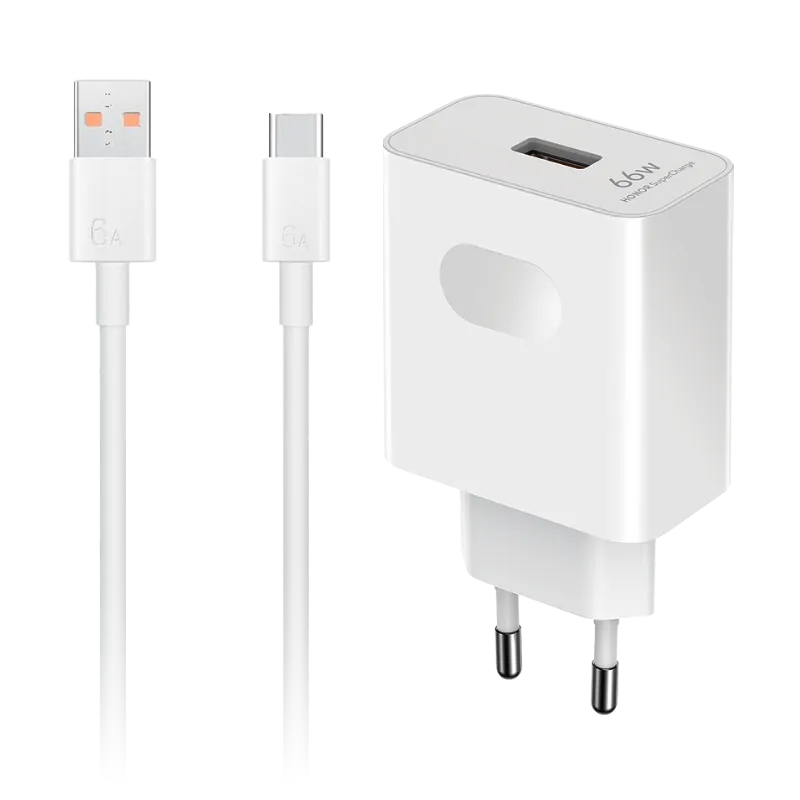
Buying Guide: Phone Chargers
Choosing a phone charger comes down to two main factors: the number of USB-C ports available and the ability to charge multiple devices simultaneously. These criteria determine the charger’s versatility in daily use and its capacity to meet your equipment needs.
Read the guide
 4 steps
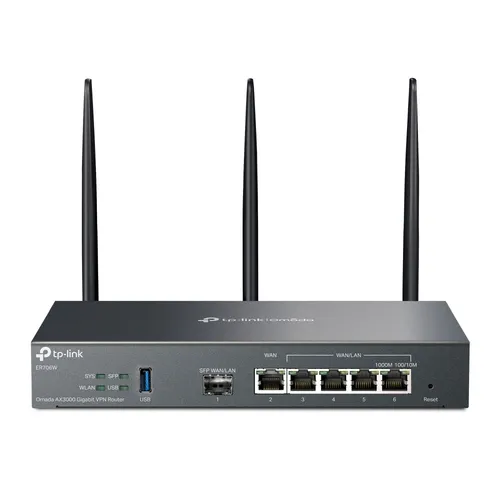
Buying guide: routers and mesh Wi-Fi systems
Choosing a router or mesh system hinges on three pillars: maximum throughput determines transfer fluidity, the number of Ethernet ports governs wired connections, and antennas influence signal range. The gap between entry-level models and premium solutions is measured in tens of gigabits and coverage capacity.
Read the guide
3 steps
Buying guide: Smoke, gas and water leak detectors
Compactness and lightness set apart the easiest detectors to install. A discreet and lightweight unit mounts effortlessly on ceilings or walls while delivering the expected monitoring. These criteria guide the choice beyond the detection type.
Read the guide
 4 steps
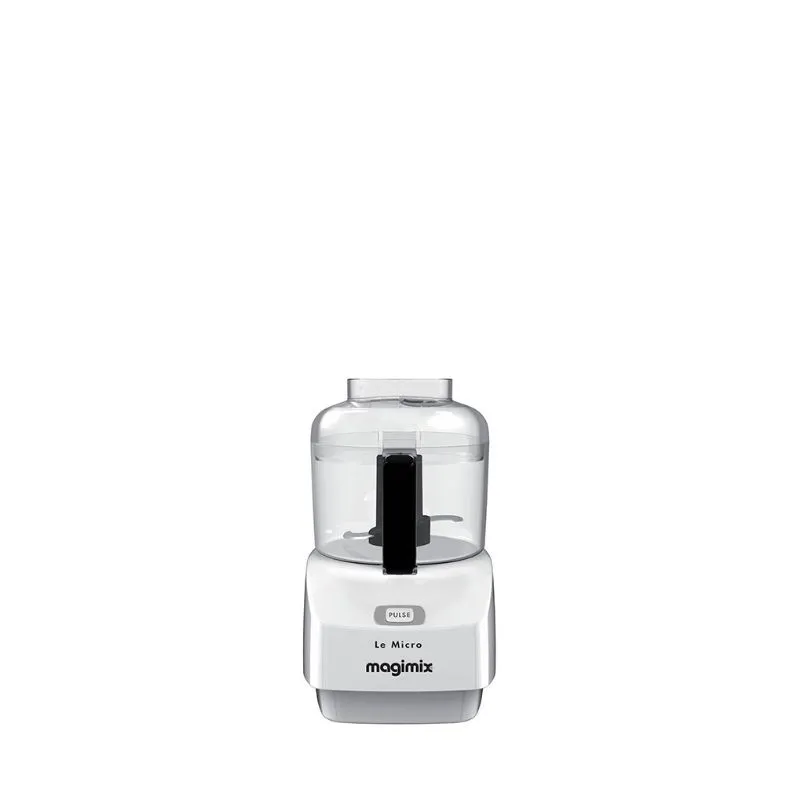
Chopper and mincer price comparison
An electric chopper is selected based on motor power, bowl capacity and number of speeds available. These three criteria determine the appliance’s versatility and its ability to process different types of food. Price varies mainly according to these technical specifications.
Read the guide
 5 steps
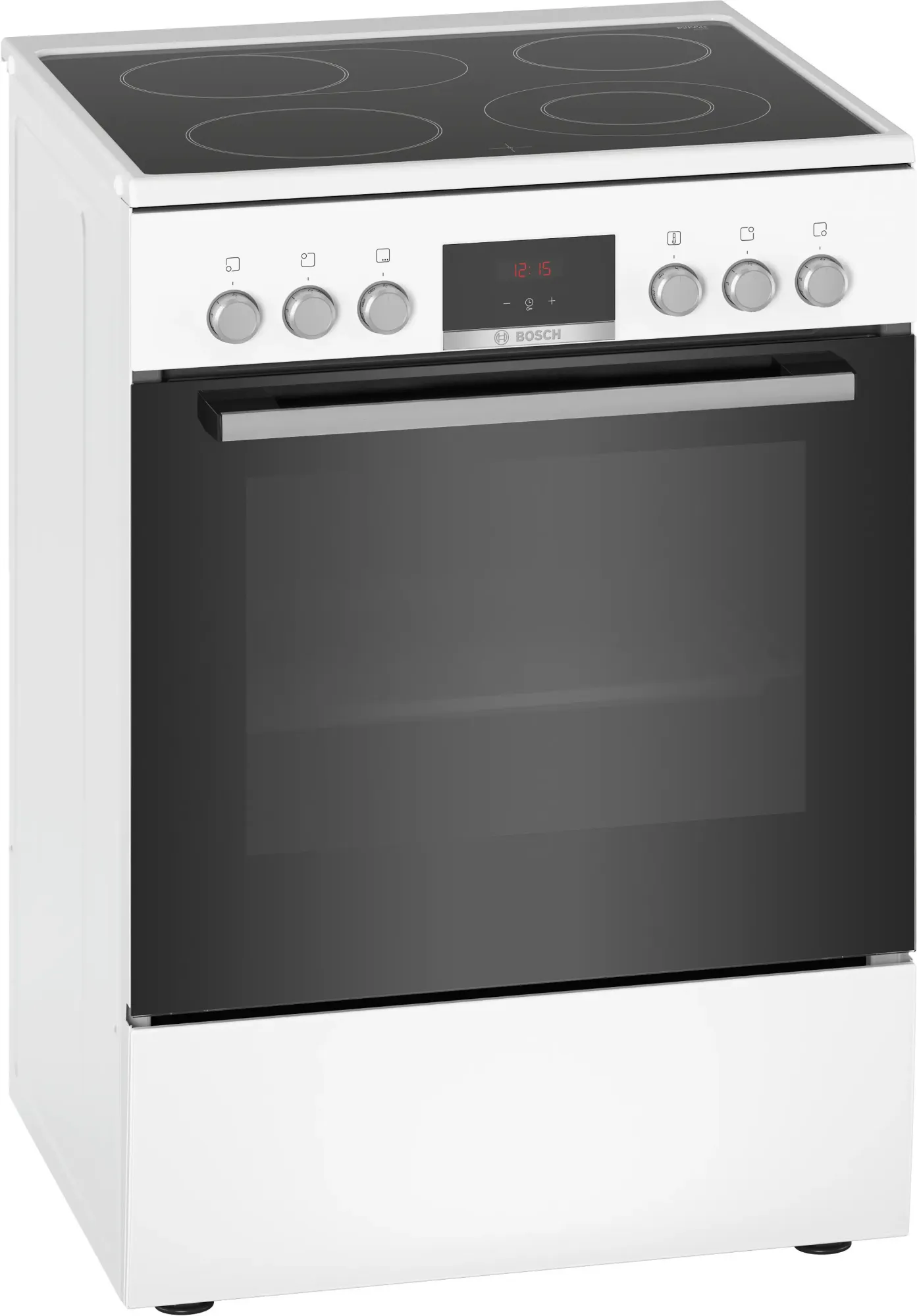
Cooker buying guide: capacity, zones, energy consumption
Choosing a cooker rests on three measurable criteria: oven capacity determines the volumes you can cook, the number of cooking zones affects your flexibility in the kitchen, and energy consumption impacts your bills over time. Product pages on the site rate each appliance on these points, using standardised measurements.
Read the guide
 6 steps
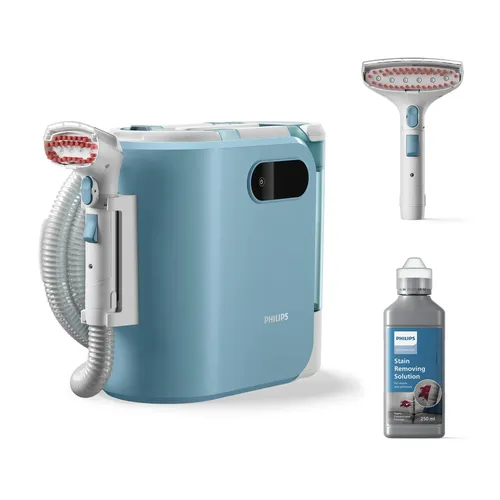
Cylinder Vacuum Cleaners: Buying Guide
A cylinder vacuum cleaner is chosen on the balance between suction power, dust capacity and noise level, alongside energy use and operating radius. These measured criteria, compared listing by listing, are what really separate the models beyond the sticker price.
Read the guide
 5 steps
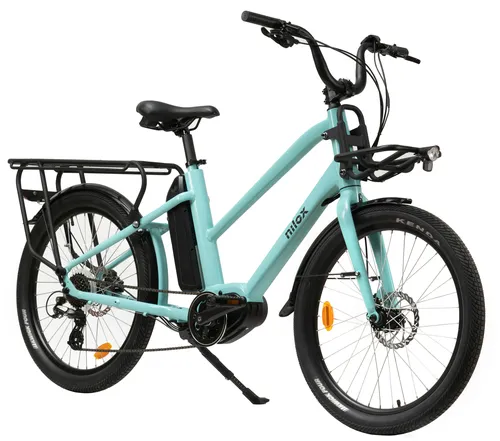
Electric bike buying guide: how to choose
An electric bike is chosen based on four measurable criteria: maximum range, charging time, motor power and load capacity. These values directly determine daily use and versatility of the assisted bicycle.
Read the guide
 4 steps
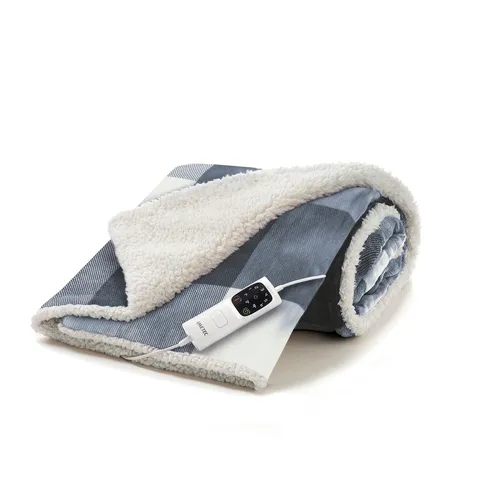
Electric Blankets Buying Guide
Electric blankets differ in their ability to distribute heat evenly or individually. The number of temperature zones, heating power and cord length determine your daily comfort.
Read the guide
 7 steps
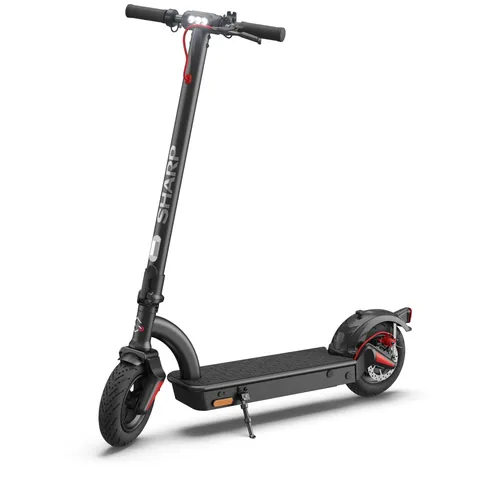
Electric scooter buying guide
An electric scooter is chosen primarily by range and power, which determine your daily journeys. Maximum speed, charging time and load capacity complete the picture to match the device to your real usage.
Read the guide
 4 steps
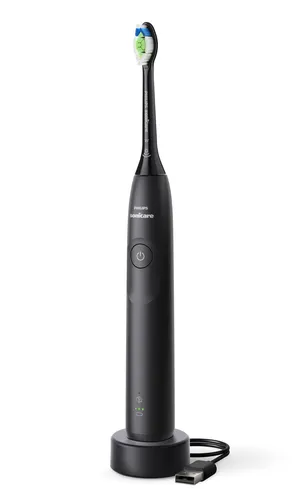
Electric Toothbrushes Buying Guide
Electric toothbrushes differ in battery life, number of brushing modes and movement frequency per minute. A long-lasting battery reduces charging frequency, while multiple modes adapt to each user’s specific needs.
Read the guide
 4 steps
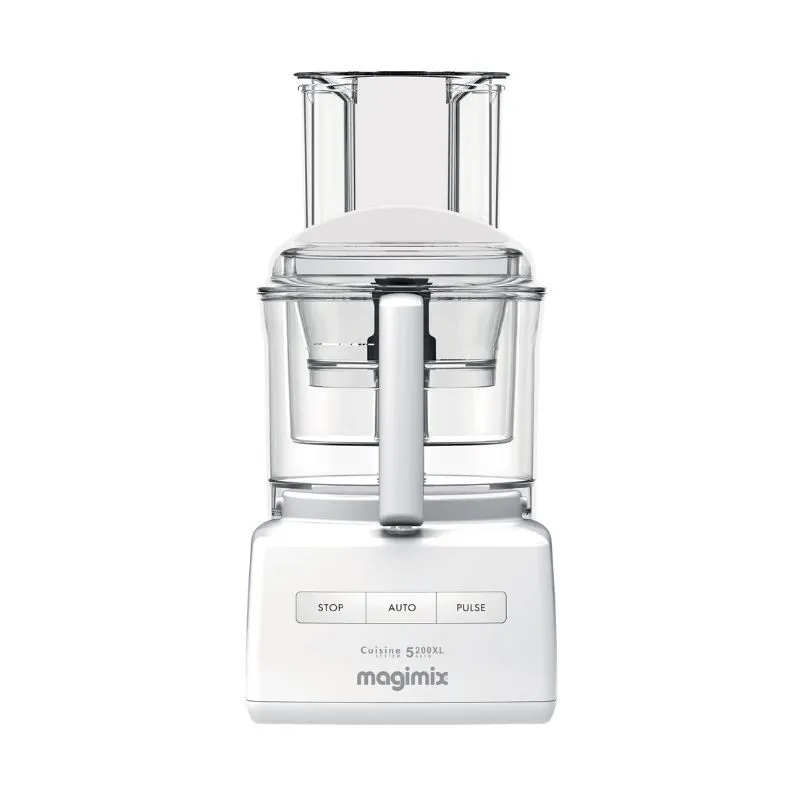
Food processors: choosing power and bowl capacity
Between a processor for simple tasks and a model that handles dense batter and large quantities, the real difference lies in motor power, bowl capacity, and the number of speeds. These three measurements, compared against recent market listings, are what truly separate the products in this category.
Read the guide
 4 steps
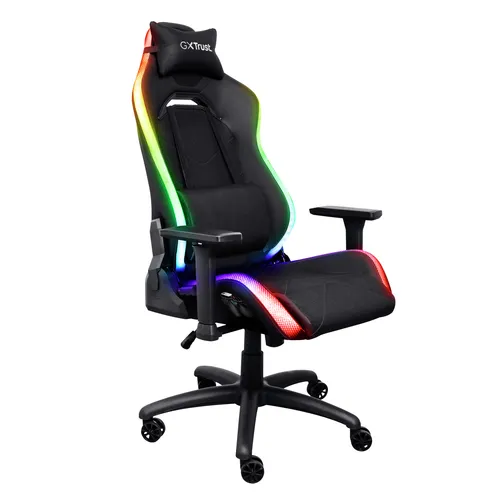
Gaming chairs: buying guide and comparison
A gaming chair is judged on the weight it can support, the sturdiness of its gas lift, and how finely its armrests adjust. Price then follows the level of features sought.
Read the guide
 5 steps
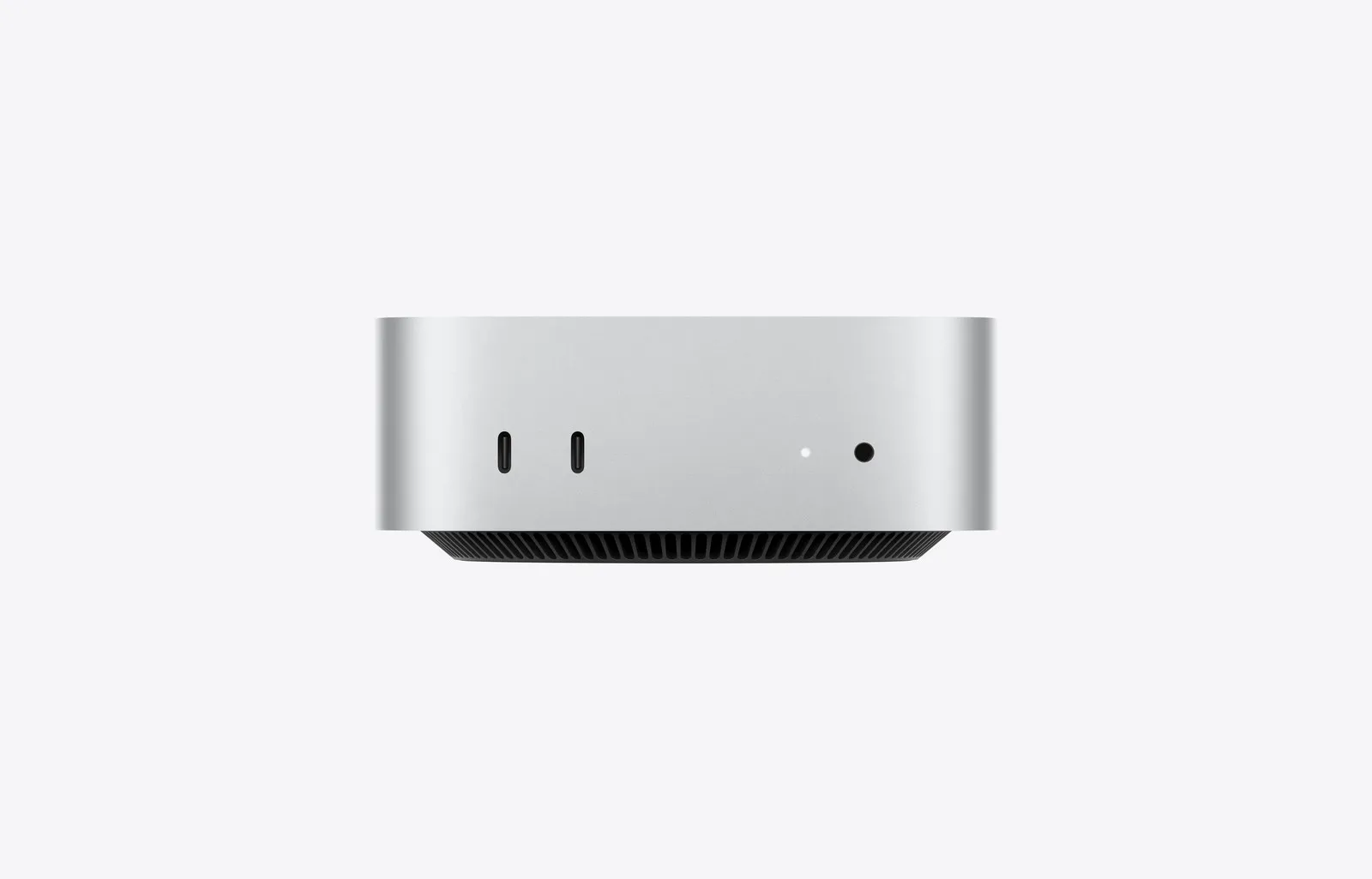
How to choose a desktop PC
Choosing a desktop PC depends on four main criteria: processor power, memory capacity, storage space and available connectivity. Configurations vary significantly depending on use: light office work, intensive multitasking or content creation.
Read the guide
 5 steps
How to choose a hair dryer: buying guide
A good hair dryer balances drying power with precise control. Motor power determines drying speed, while multiple speed and temperature settings allow you to adapt the airflow to different hair types. Cable length affects daily comfort and freedom of movement.
Read the guide
 3 steps
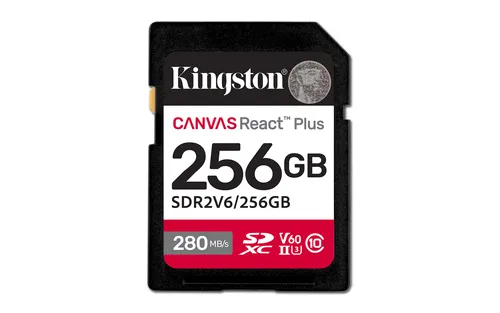
How to choose a memory card: buying guide
Memory cards differ mainly in storage capacity and read speed. A sixty-four gigabyte card suits occasional use, while models with several hundred gigabytes meet the needs of photographers and videographers. Transfer speed determines fluidity during recording and playback.
Read the guide
 5 steps
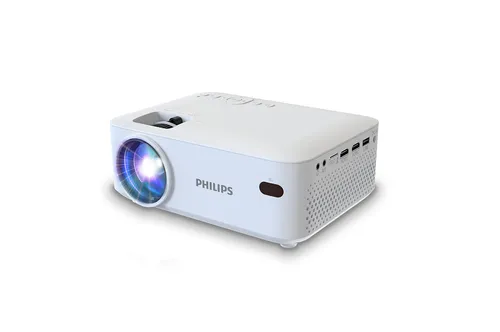
How to choose a projector | Buying guide
Choosing a projector comes down to brightness, lamp lifespan and operating noise. Light output determines whether the image remains visible in lit rooms, while source longevity and sound level affect daily comfort.
Read the guide
 3 steps
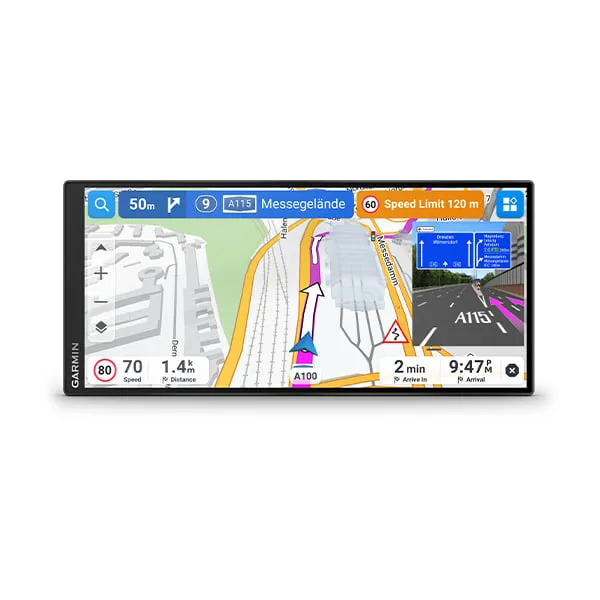
How to choose a sat nav
Choosing a sat nav depends on screen size and storage capacity. A generous screen improves map readability while driving, and sufficient storage lets you load multiple regional maps without compromise.
Read the guide
 4 steps
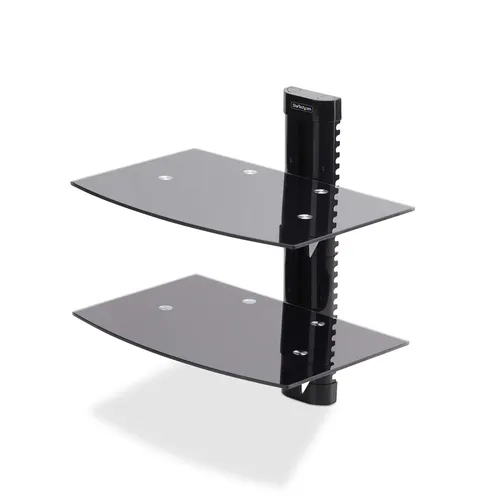
How to choose a TV stand? Buying guide
Choosing a TV stand depends primarily on its weight capacity and dimensions. Sturdiness determines how much equipment it can support, while width and depth affect integration into your space and overall stability.
Read the guide
 3 steps
How to choose a Wi-Fi extender? Buying guide
A Wi-Fi extender broadens your wireless network coverage where the signal weakens. Maximum speed determines how smoothly your online activities run, while Ethernet ports let you connect wired devices in the extended area.
Read the guide
 3 steps
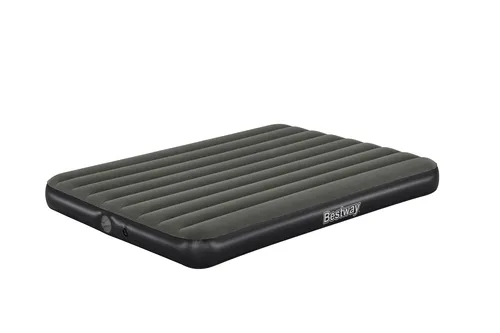
How to choose an air bed
Choosing an air bed relies on three measurable criteria: the weight it supports, how quickly it inflates, and its weight for transport. These technical characteristics determine comfort, practicality and ease of movement.
Read the guide
 5 steps
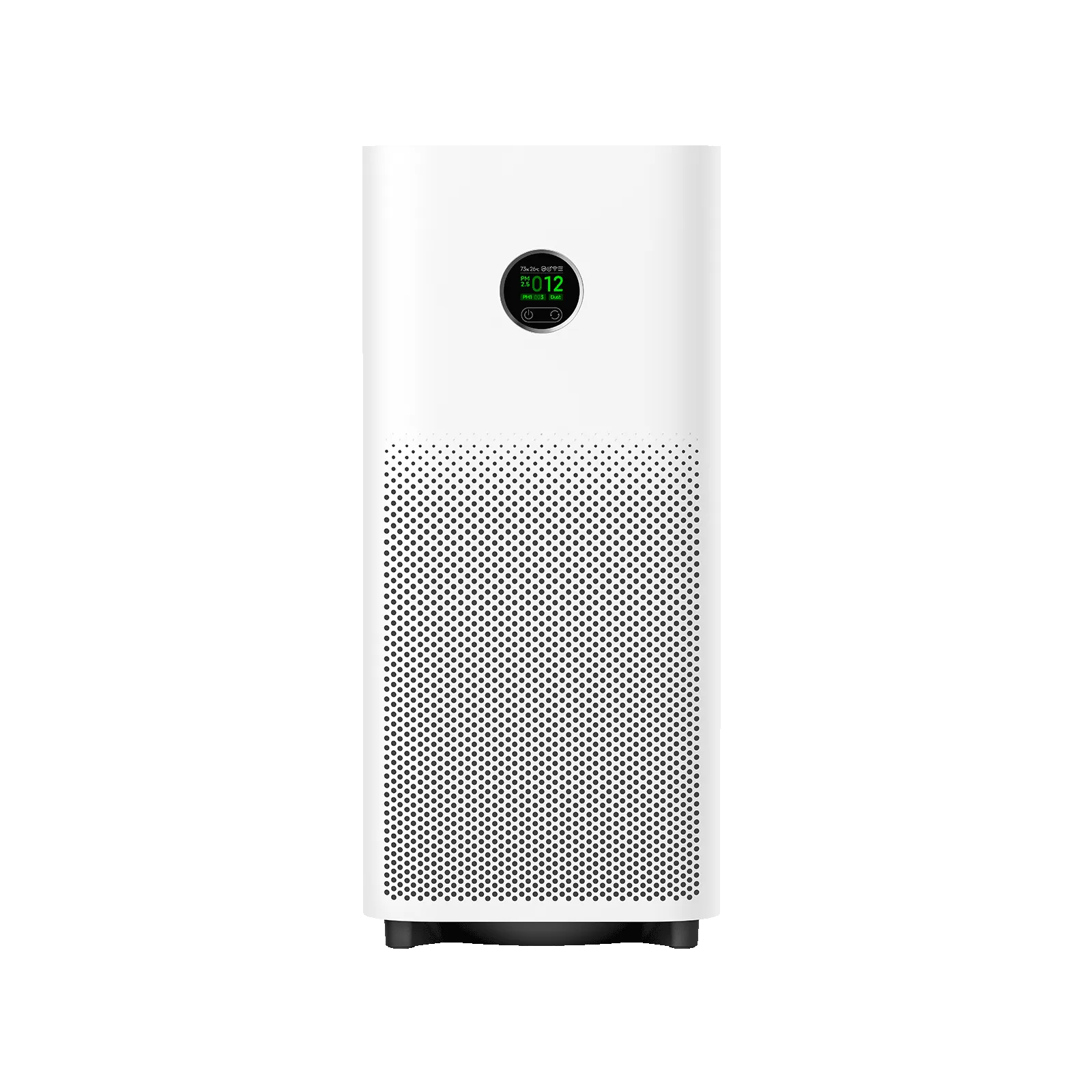
How to choose an air purifier
An air purifier is chosen first by the room area it covers and its purification flow rate. Noise level and power consumption then determine everyday comfort and running costs.
Read the guide
 4 steps
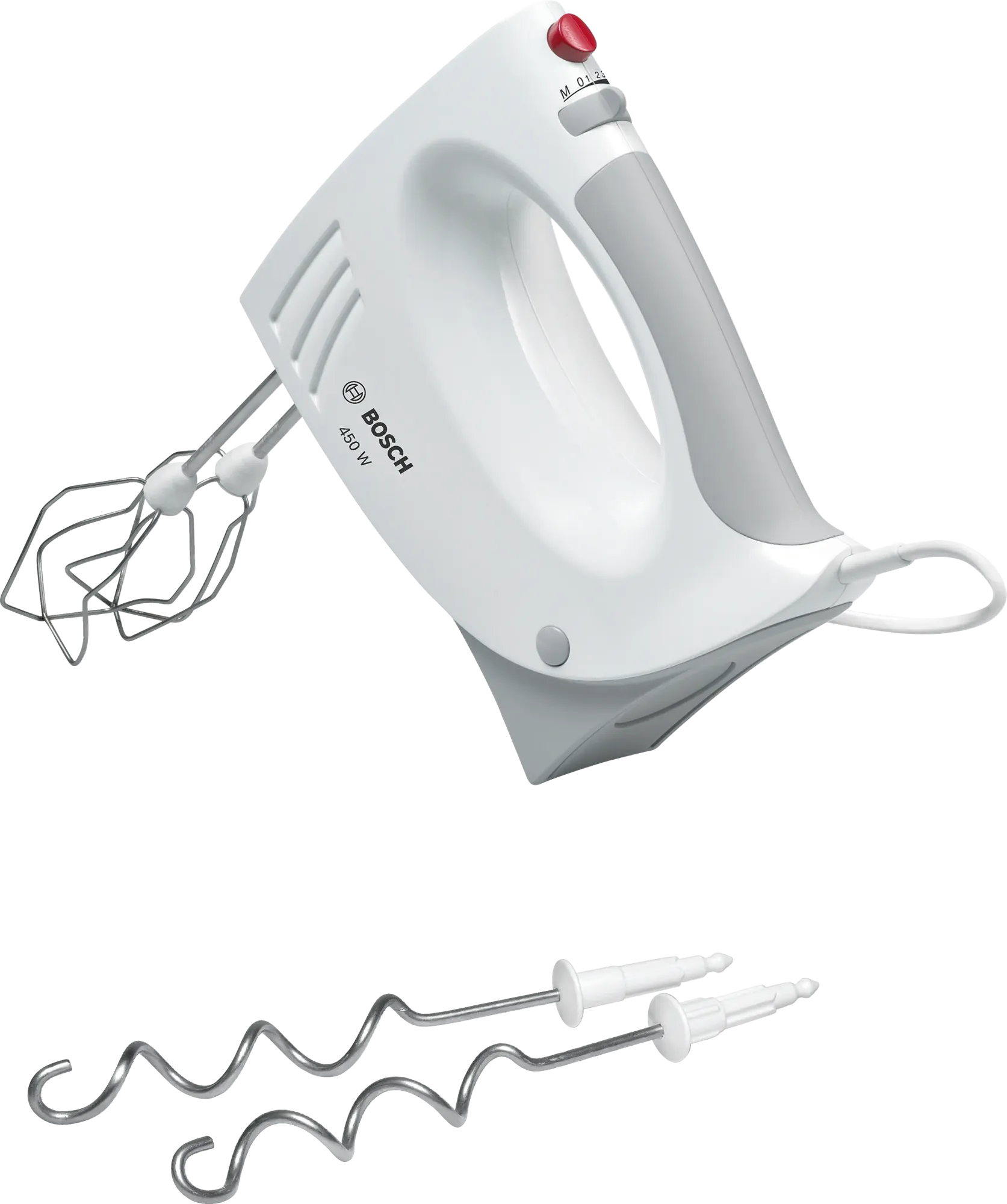
How to choose an electric mixer
A mixer is chosen primarily by motor power, which determines effectiveness with thick batters. The number of speeds then allows precise control of mixing force. For models with a bowl, capacity defines the volume you can prepare at once.
Read the guide
 4 steps
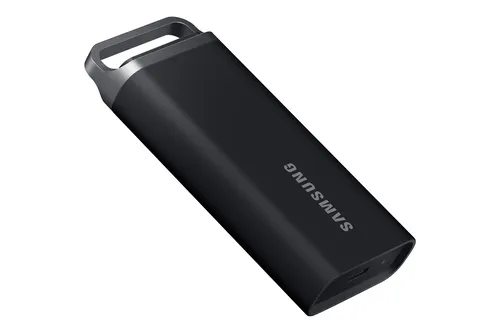
How to choose an external SSD: capacity and speed
An external SSD is chosen primarily by storage capacity, then by read and write speeds. Performance varies considerably between models, with transfer rates ranging from single to fivefold. Price typically follows these two criteria.
Read the guide
 4 steps
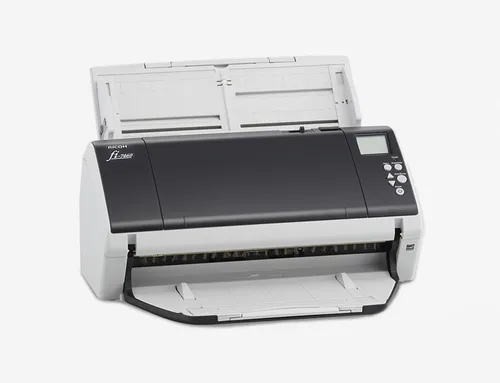
How to choose the right professional scanner?
Scanner selection hinges on three factors: the automatic document feeder capacity, which determines autonomy between reloads, the maximum daily throughput, which defines the volume of pages you can process, and power consumption, which impacts operating costs. Differences between models are substantial.
Read the guide
 5 steps
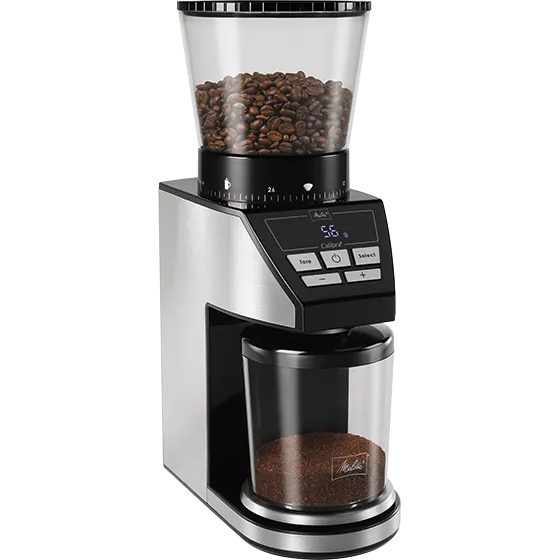
How to choose your coffee grinder
Choosing a coffee grinder relies on four measurable technical criteria. The number of grind settings and hopper capacity determine versatility and autonomy. Motor power and weight influence grinding performance and ease of daily use.
Read the guide
 4 steps
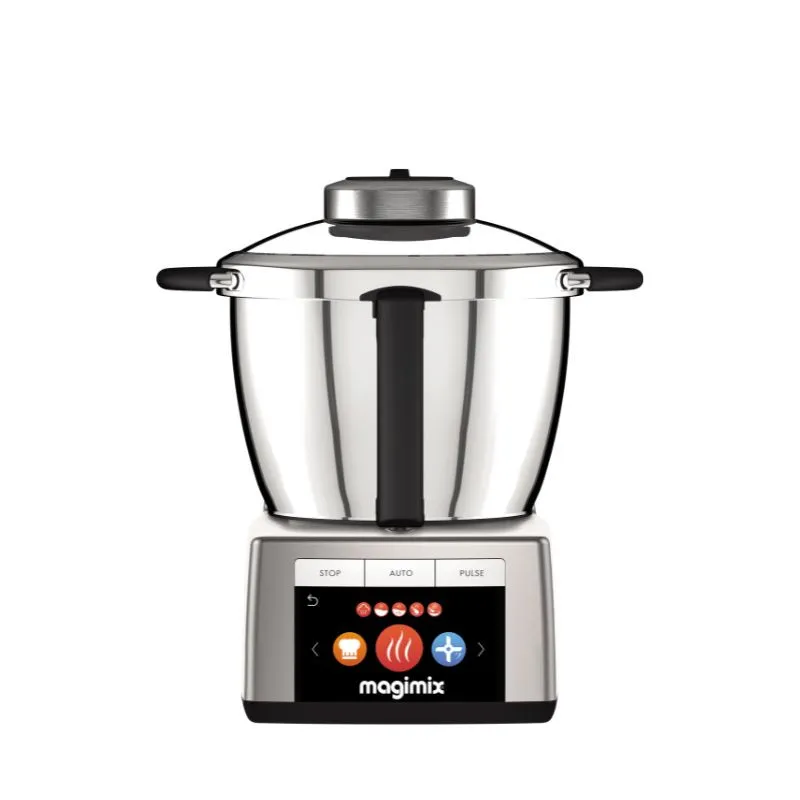
How to choose your cooking food processor
A cooking food processor combines preparation and cooking to simplify everyday meals. Maximum temperature determines possible cooking techniques, while power affects kneading and blending efficiency. Your choice depends on culinary needs and desired versatility.
Read the guide
 3 steps
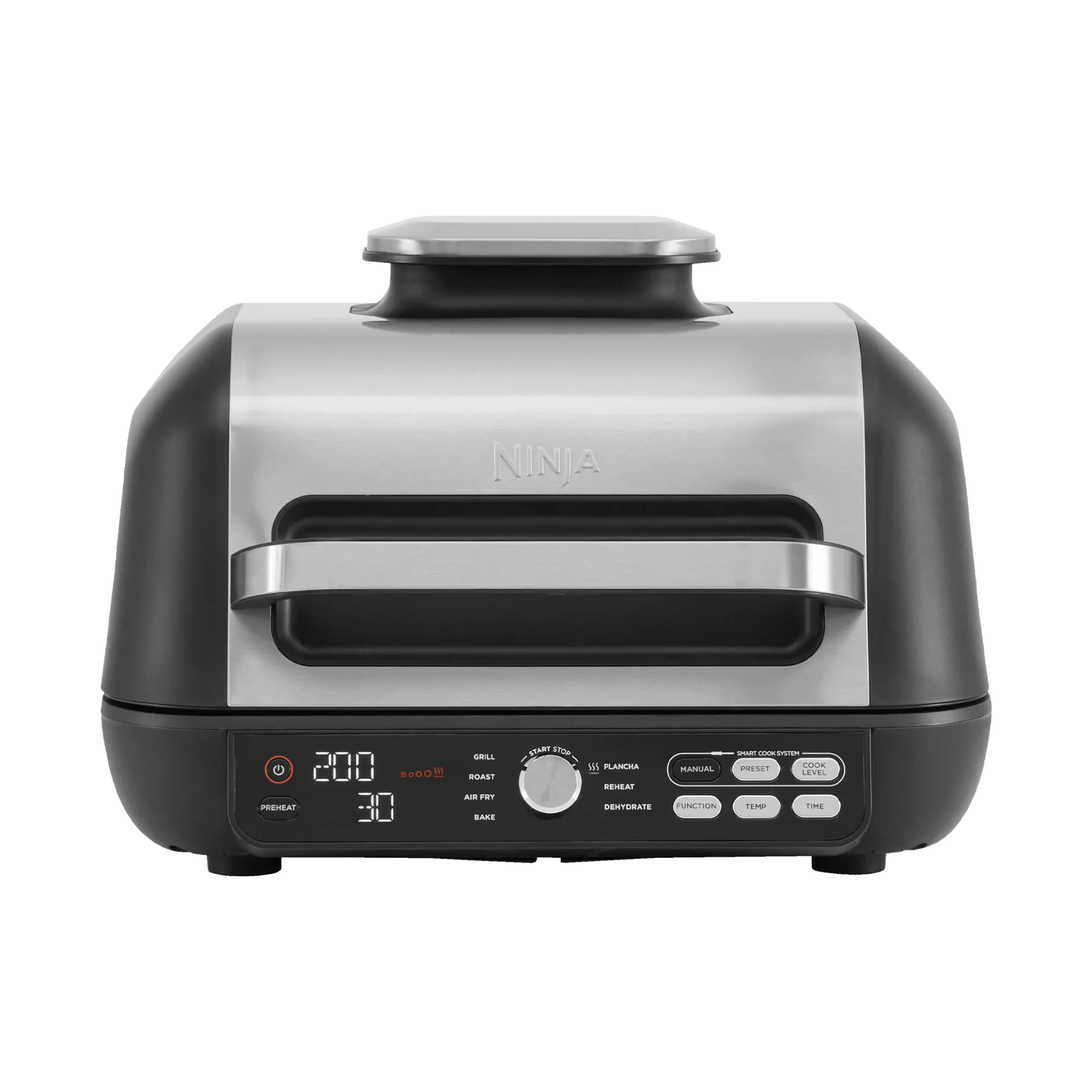
How to choose your electric grill or griddle
Choosing an electric grill or griddle depends on two measurable technical criteria: power, which determines cooking speed and efficiency, and surface area, which sets the quantity of food you can prepare simultaneously. These two characteristics directly define the appliance’s performance.
Read the guide
 4 steps
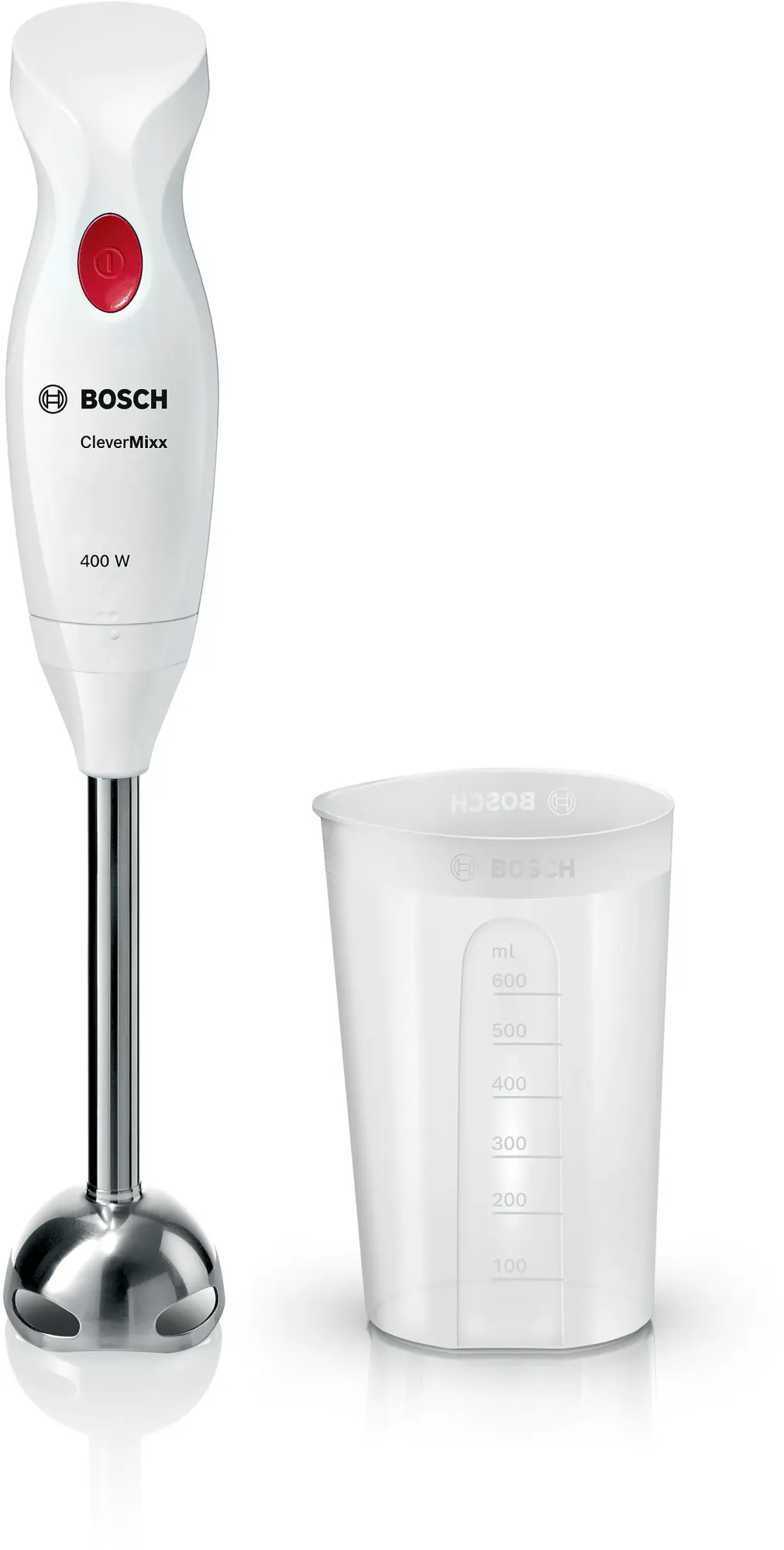
How to choose your hand blender
A hand blender is chosen by its power, which determines its ability to blend hard ingredients, and its number of speeds for adjusting preparation fineness. The capacity of the supplied bowl influences the quantities prepared at once.
Read the guide
5 steps
How to choose your iron
A good iron stands out through its heating power and steam performance. Power ensures fast heat-up, while continuous and boost steam outputs determine efficiency across all fabrics. Tank autonomy completes the picture for uninterrupted ironing sessions.
Read the guide
 3 steps
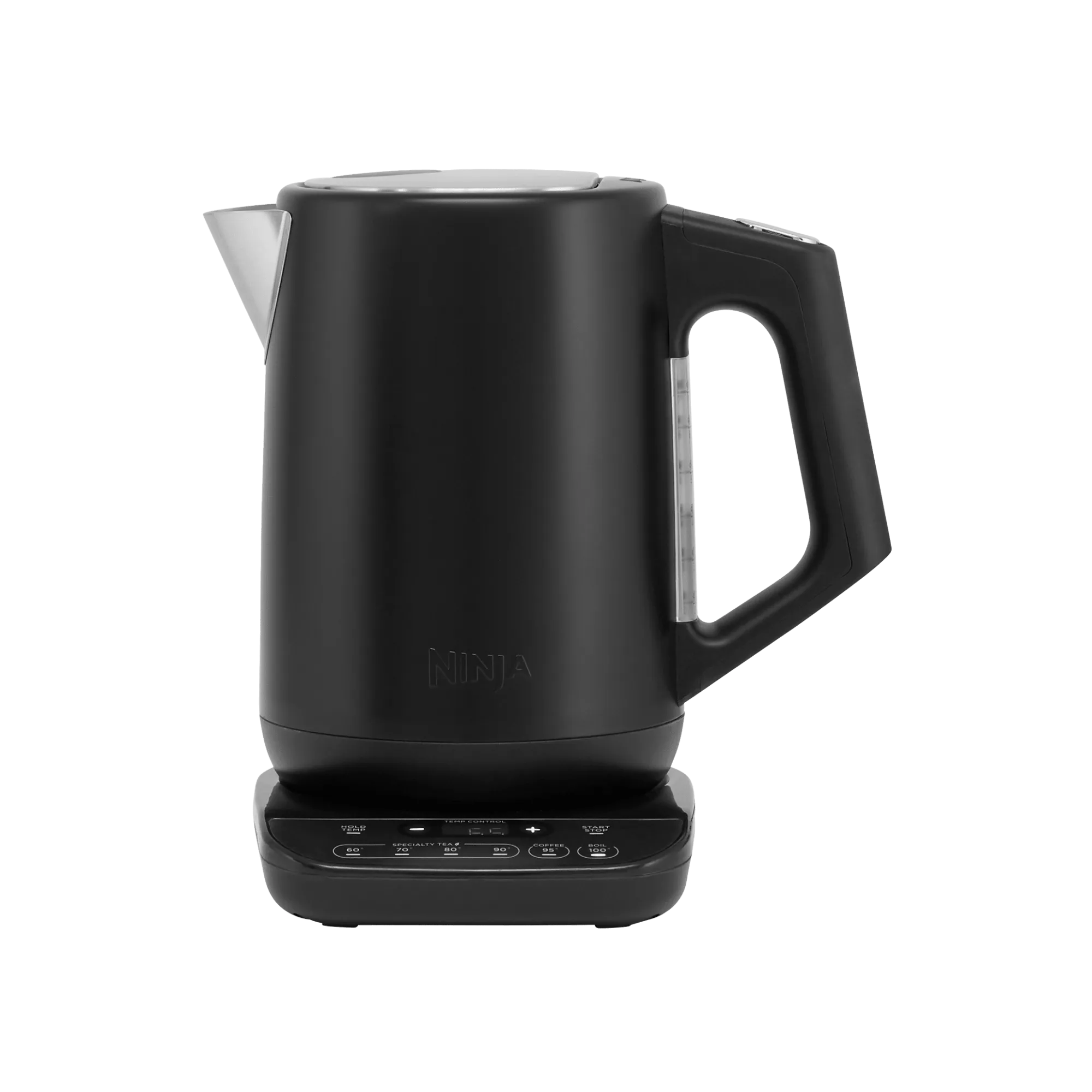
How to choose your kettle: buying guide
Choosing a kettle comes down to power and capacity. Power determines how quickly water boils, while capacity sets the volume available at once. These two criteria guide your choice based on your daily needs.
Read the guide
 4 steps
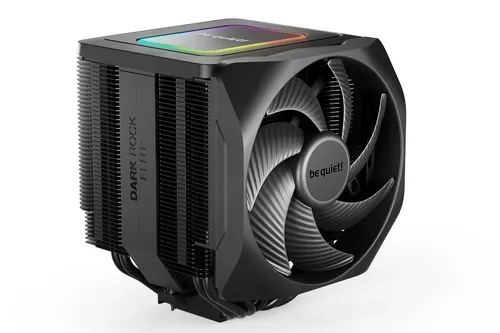
How to choose your PC cooling system
CPU cooling relies on three measurable characteristics: airflow, maximum rotational speed and fan diameter. Each directly influences heat dissipation capacity and operating noise level. Kalyneo ratings position each product against current market references.
Read the guide
 4 steps
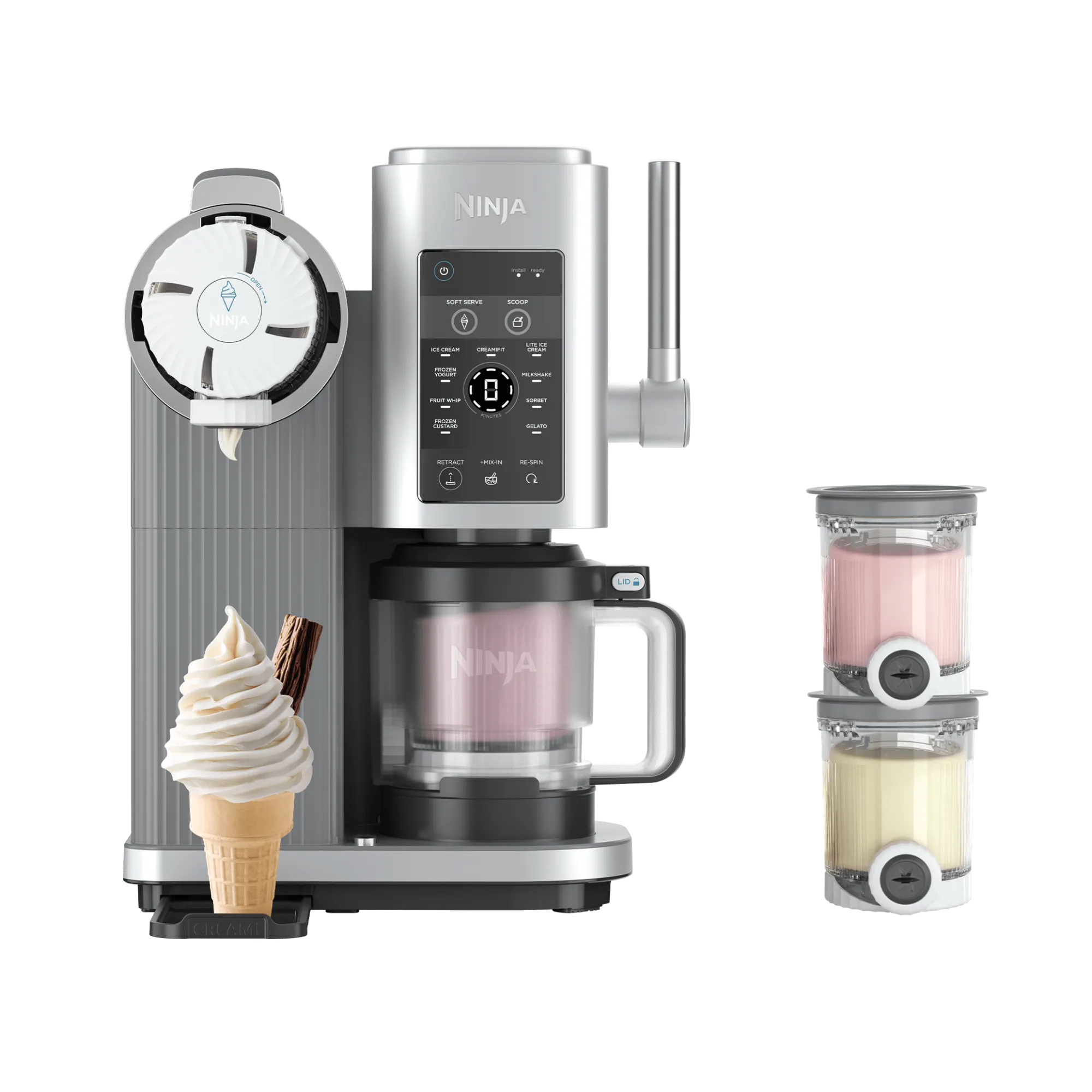
Ice cream and yogurt makers: how to choose
Between an occasional ice cream maker and one built for regular use, the real differences show up in bowl capacity, number of bowls, motor power and preparation time. These four scored criteria are enough to compare machines against each other.
Read the guide
 4 steps
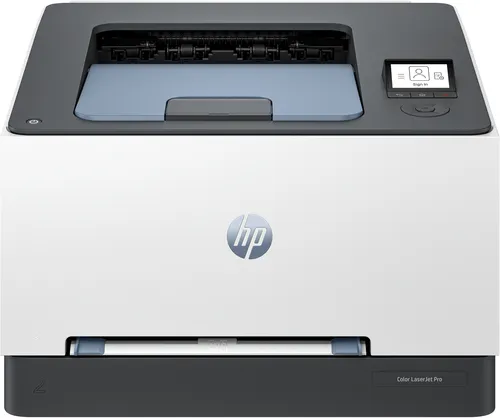
Laser printer comparison: price and performance
A laser printer is primarily chosen for its print speed and paper capacity, which determine everyday use. Power consumption and response time then distinguish economical models from energy-intensive ones. Price varies according to these performance levels, from entry-level to intensive office use.
Read the guide
 3 steps
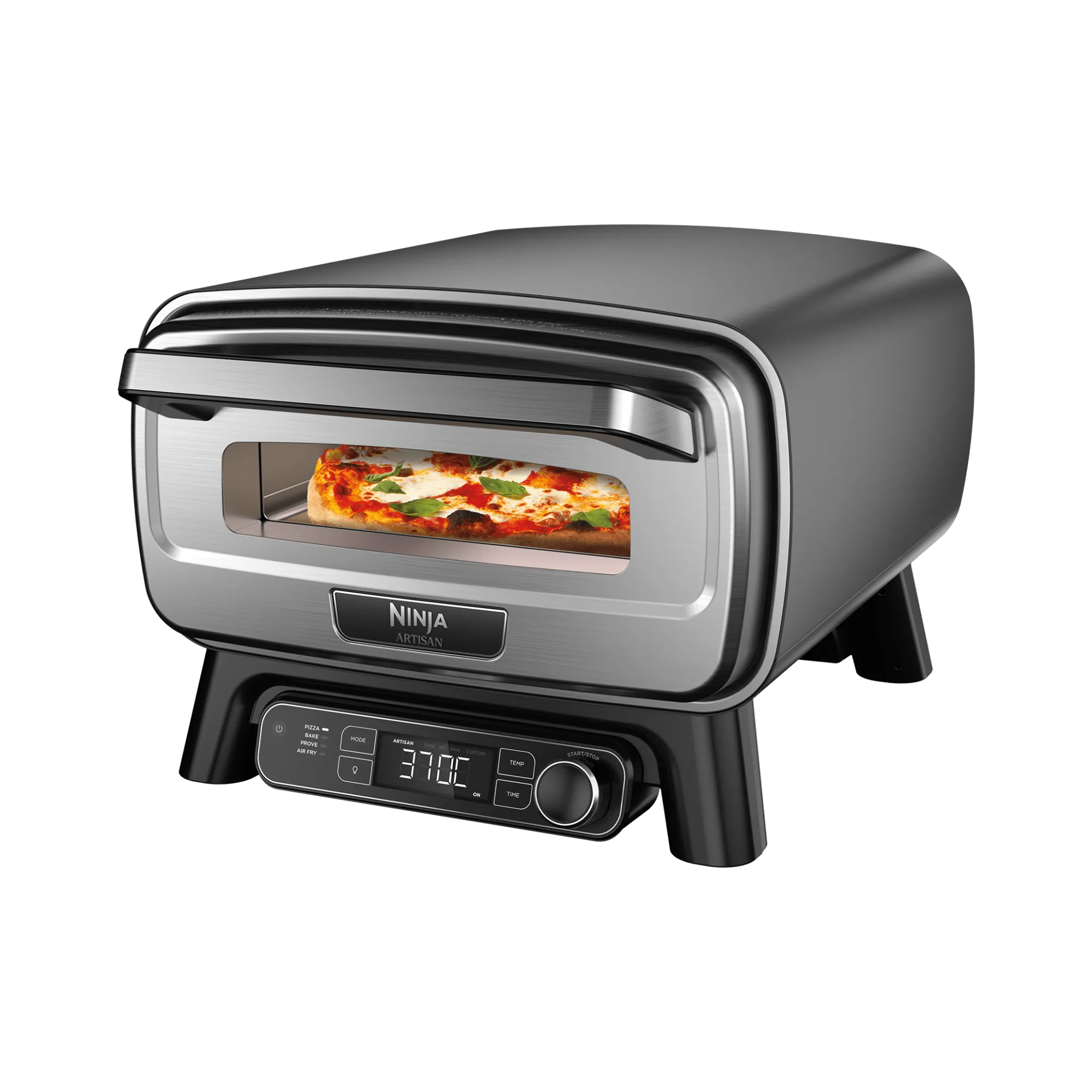
Mini oven buying guide: capacity, power and cooking
Choosing a mini oven depends on two main factors: its capacity and power. Capacity determines how much food you can cook at once, while power affects heating speed and intensity.
Read the guide
 4 steps
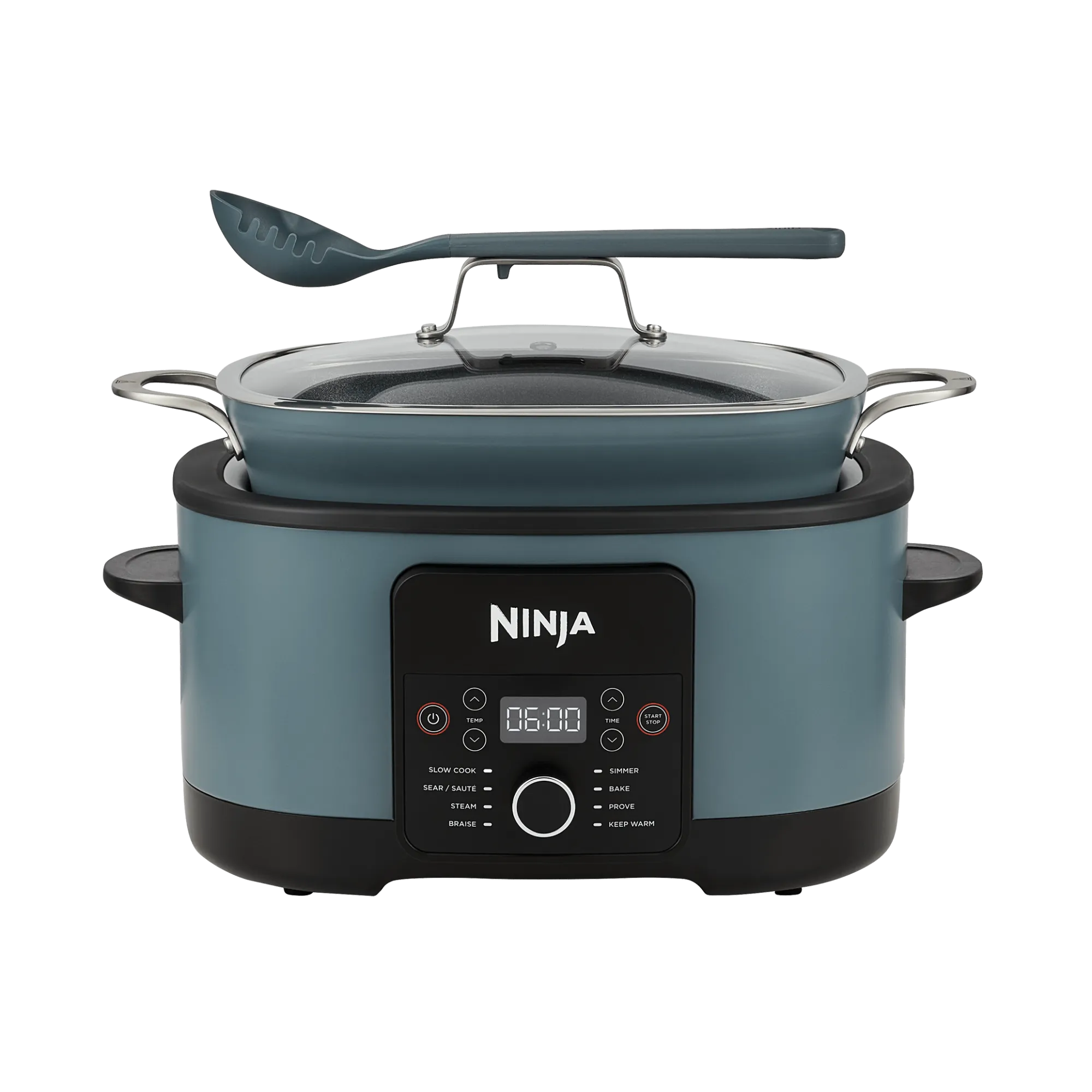
Multicooker and pressure cooker buying guide
Choosing a multicooker or pressure cooker depends on three main criteria: bowl capacity determines how many portions you can prepare, power affects cooking speed, and automatic programs define the appliance’s versatility. The site’s ratings allow you to compare these features across market models.
Read the guide
 3 steps
PC and multimedia speakers buying guide
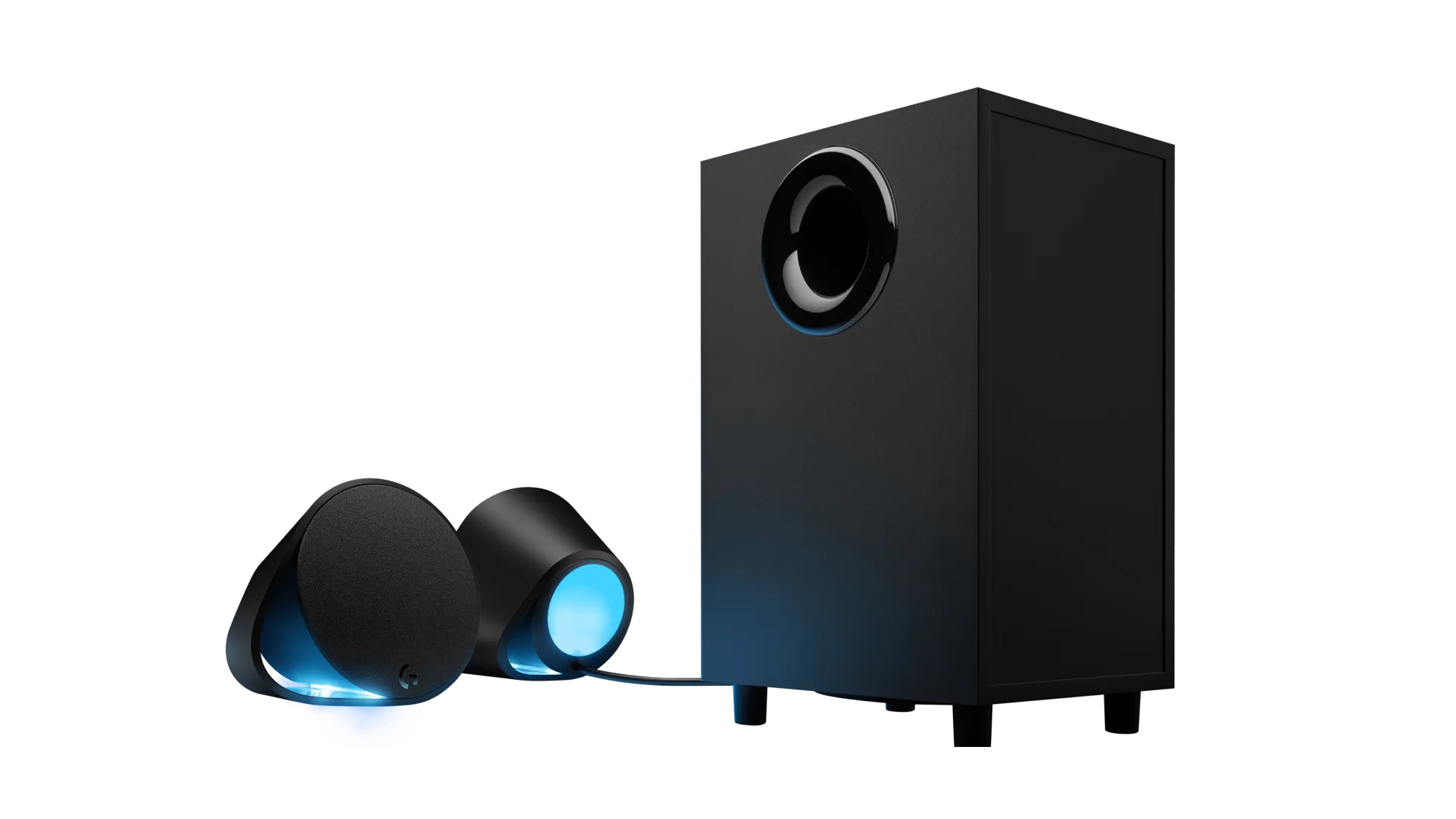
Choosing PC speakers depends on power output and channel configuration. Power determines maximum volume, while the number of channels shapes sound spatialization. Your usage and budget will guide these two criteria.
Read the guide
 4 steps
PC power supply buying guide: choosing the right wattage
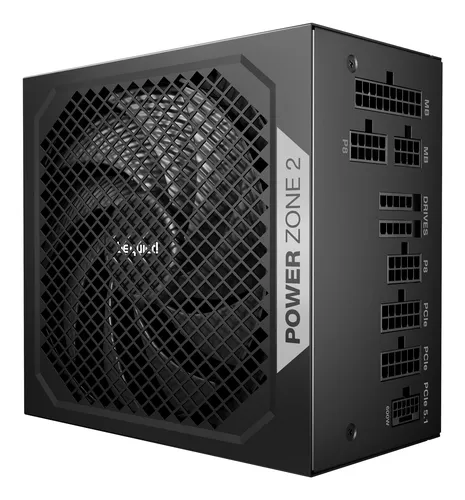
A PC power supply is chosen first by its total wattage, which determines whether it can run all your components. The twelve-volt rail capacity then dictates compatibility with high-performance processors and graphics cards. Finally, the number of SATA connectors defines how many drives and SSDs you can install.
Read the guide
4 steps
Portable air conditioner buying guide
A portable air conditioner is primarily chosen according to the area to be cooled, which determines the required power. Energy efficiency directly affects electricity consumption, while noise level conditions daily comfort.
Read the guide
 5 steps
Portable speakers: buying guide
A portable speaker is chosen on its sound power, its battery life and the number of speakers it packs in. These three measured criteria separate a backup speaker from a model built to fill a whole day outdoors with sound.
Read the guide
 4 steps
Power bank buying guide: comparison and advice
A power bank is chosen primarily by its storage capacity, which determines how many times you can recharge your devices. The number of devices you can charge simultaneously and the weight directly affect everyday practicality.
Read the guide
 3 steps
RAM Buying Guide: Choosing the Right Module
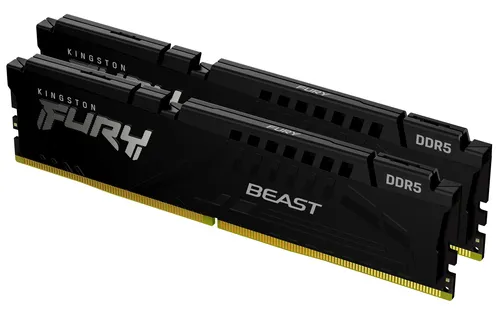
A memory module is chosen above all on its capacity and its clock speed, the two measures that truly separate listings from one another. Price follows naturally from these two criteria, to be weighed against the actual use of the machine.
Read the guide
 4 steps
Straightener and curler buying guide: how to choose
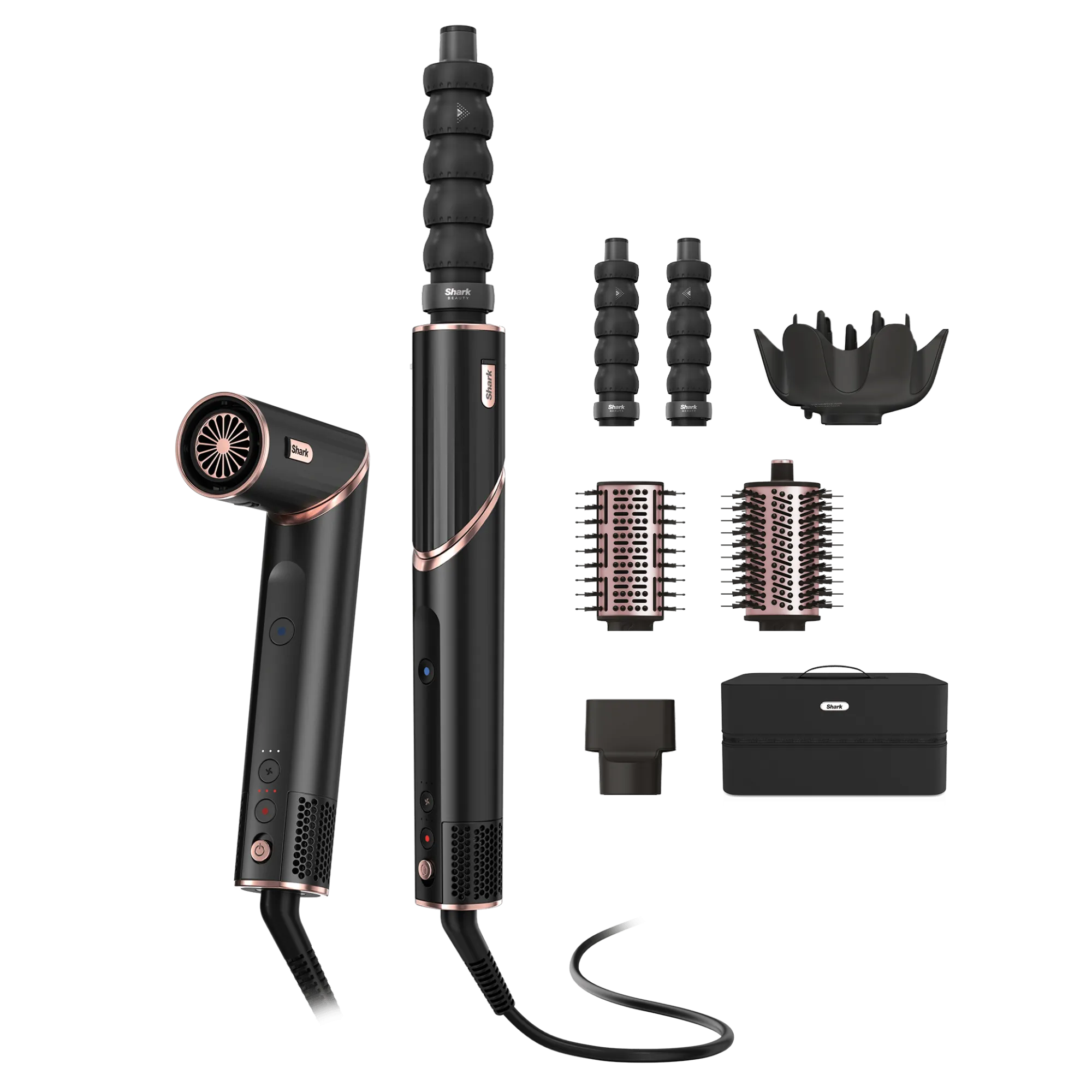
A straightener or curler stands out through its ability to suit all hair types thanks to its temperature settings. Power ensures rapid heating, while cord length provides essential freedom of movement for daily use.
Read the guide
 4 steps
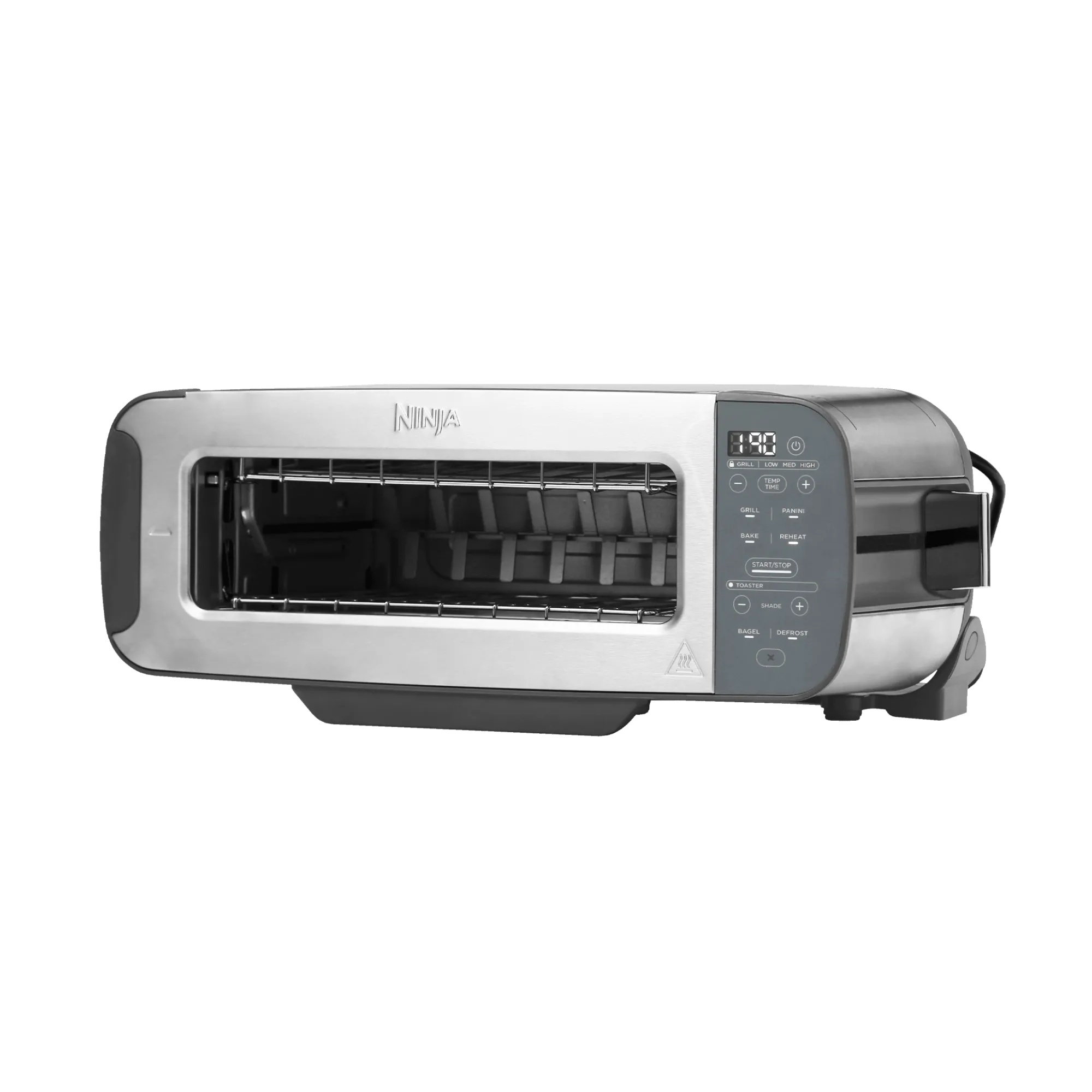
Toaster buying guide: compare capacity and power
Choosing a toaster relies on three measurable criteria: the number of slots determines how many slices you can toast simultaneously, the power in watts influences toasting speed, and the number of browning levels offers varying precision. These technical specifications can be directly compared between models.
Read the guide
 4 steps
USB flash drive buying guide: capacity, speed and price
A USB flash drive is chosen primarily by the storage space you need, then by the transfer speed you want. Capacity ranges from a few dozen to several hundred gigabytes, while read speed directly affects the time spent copying your files.
Read the guide
 4 steps
Video baby monitor buying guide: how to choose
Choosing a video baby monitor comes down to four measurable criteria. Screen size determines viewing comfort, maximum range sets the possible distance between you and the nursery, and battery life affects how often you need to recharge.
Read the guide
 5 steps
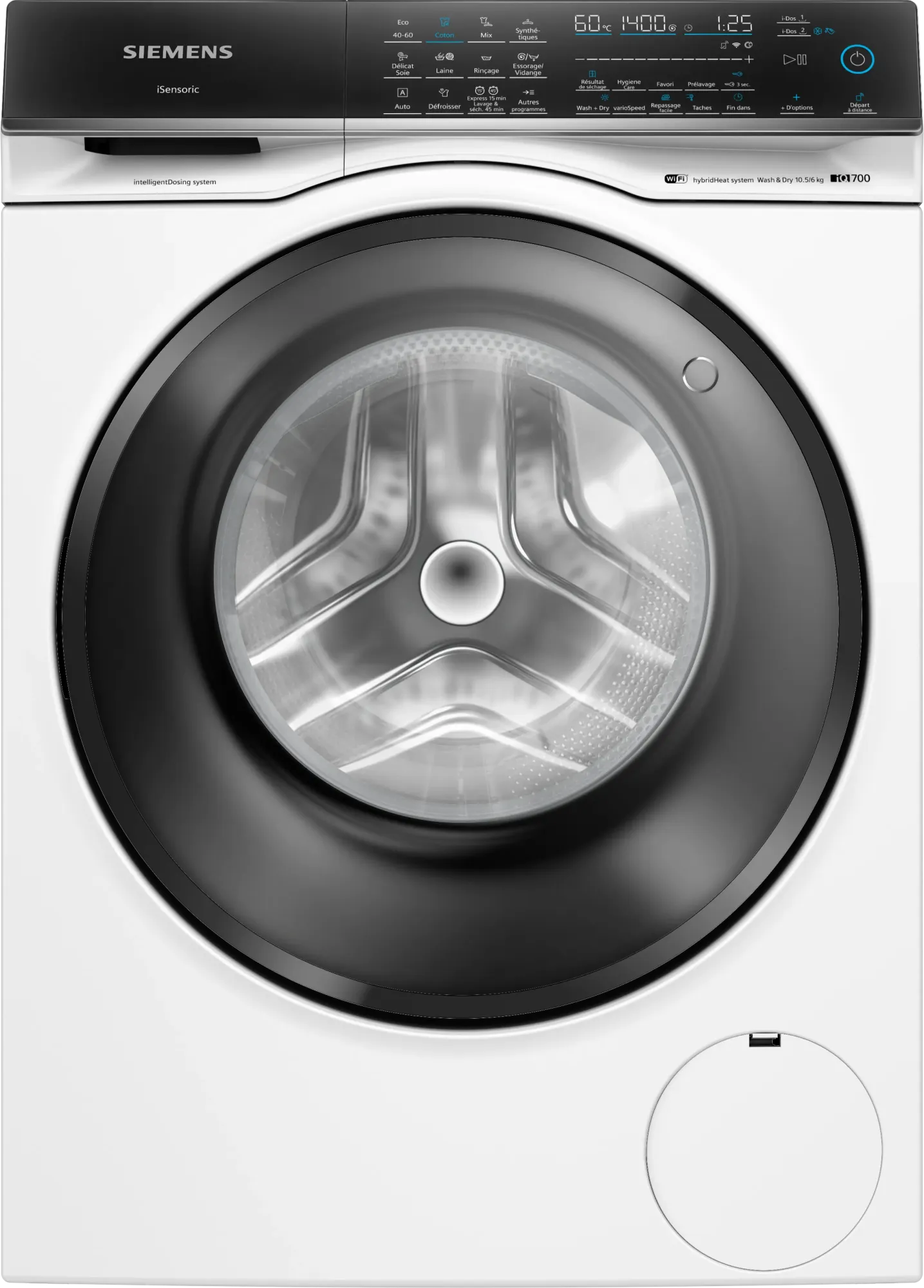
Washer dryer buying guide: how to choose
A washer dryer combines two functions in a single appliance, but performance varies significantly between models. Washing capacity, energy and water consumption, and noise level determine efficiency and daily comfort.
Read the guide