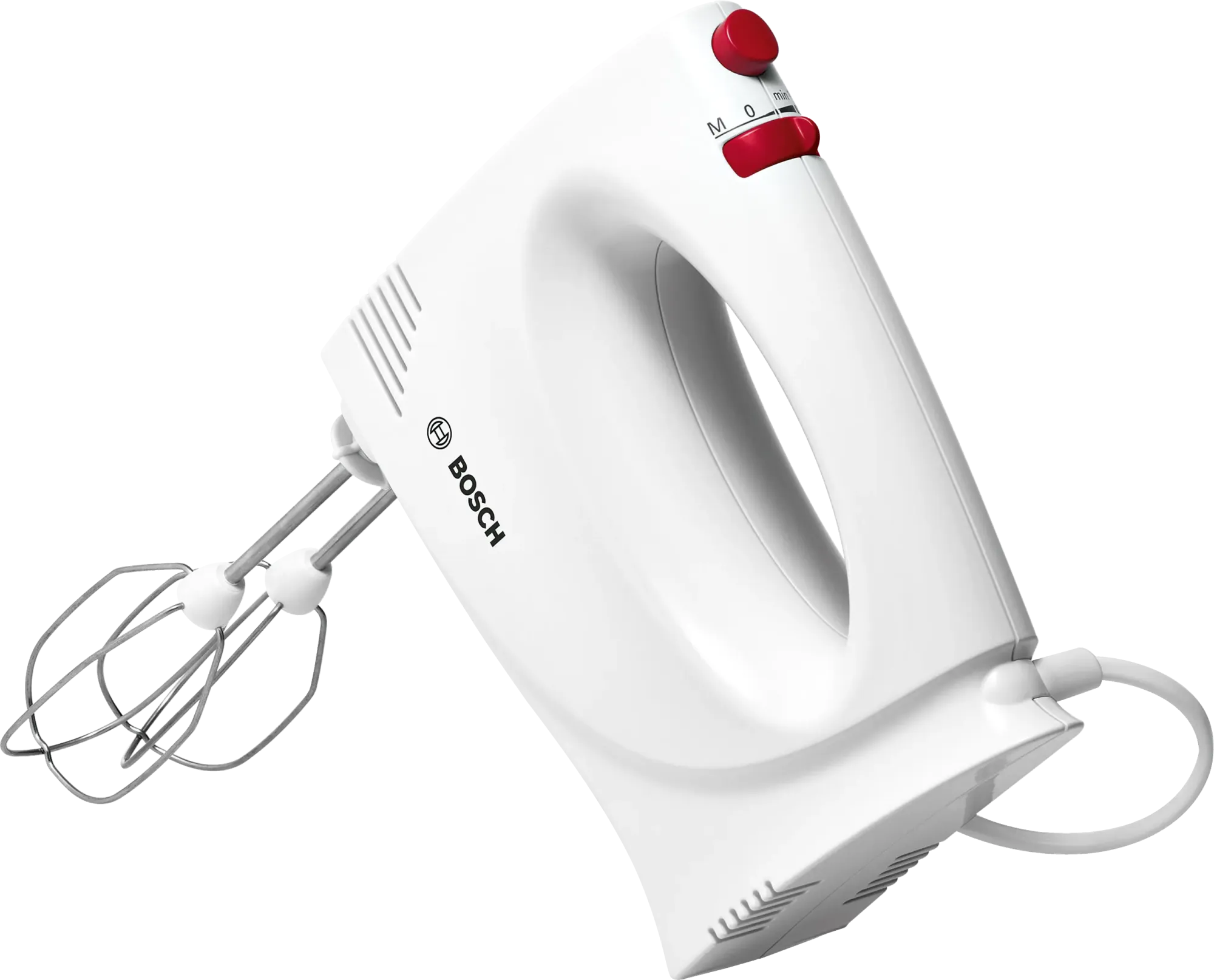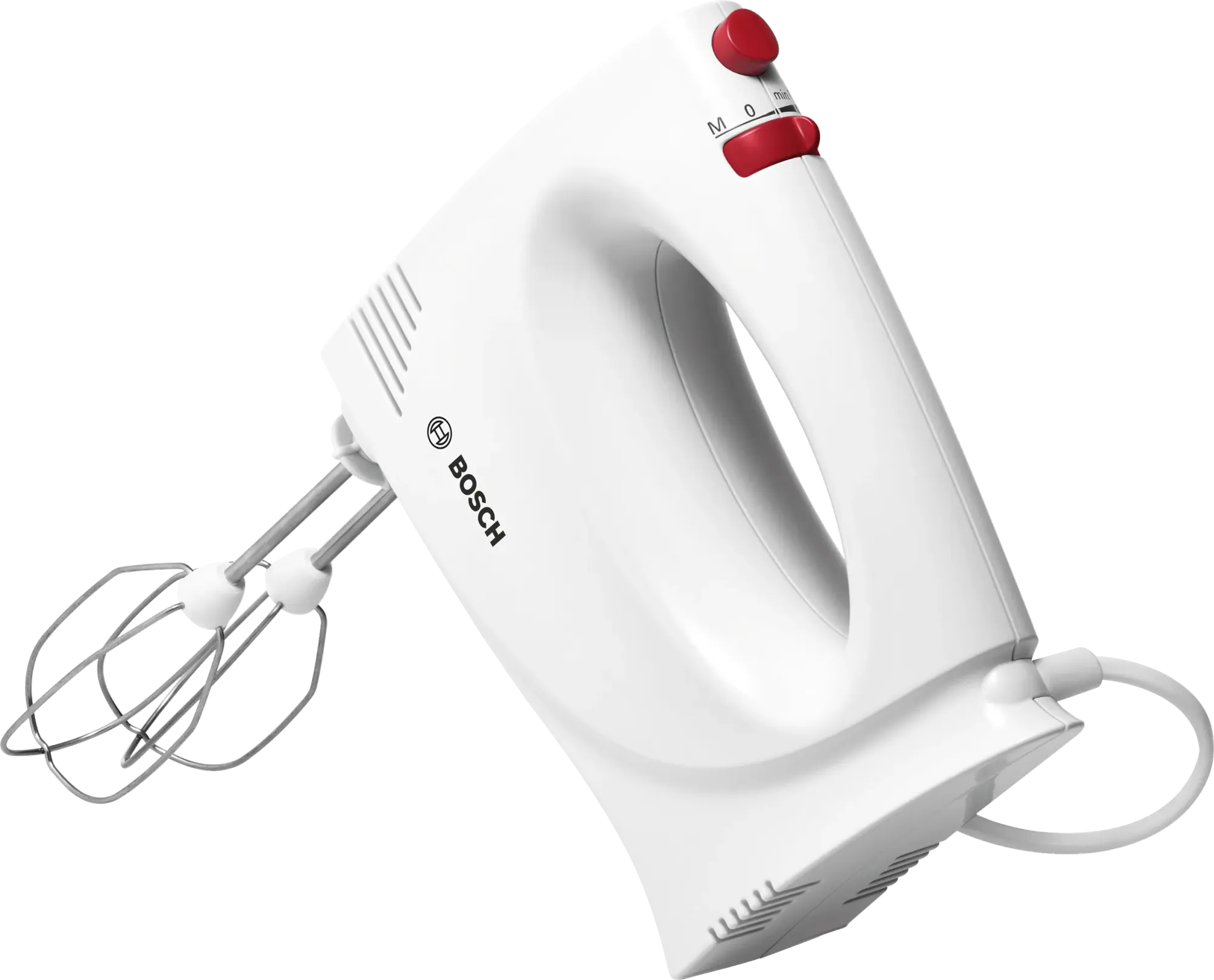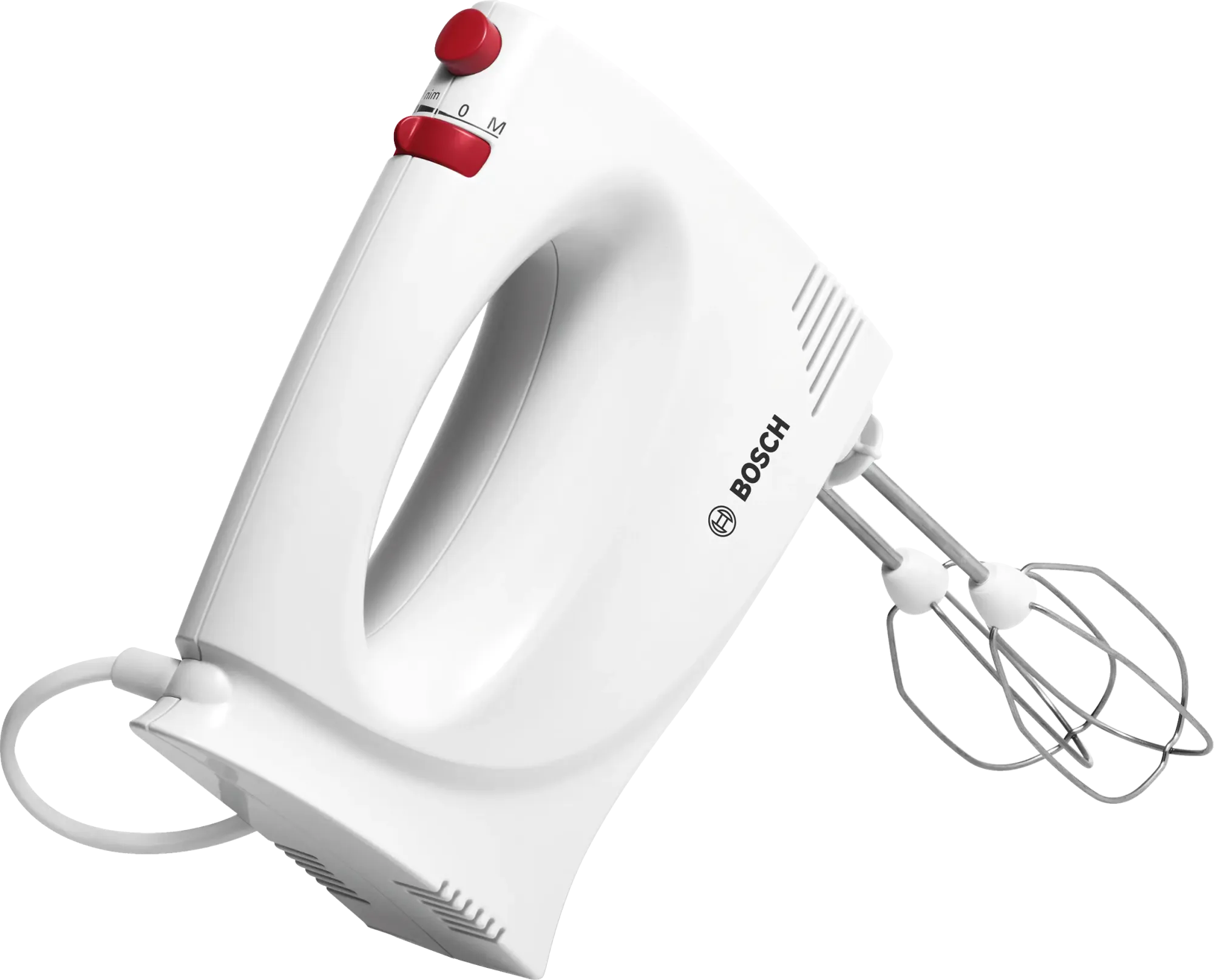
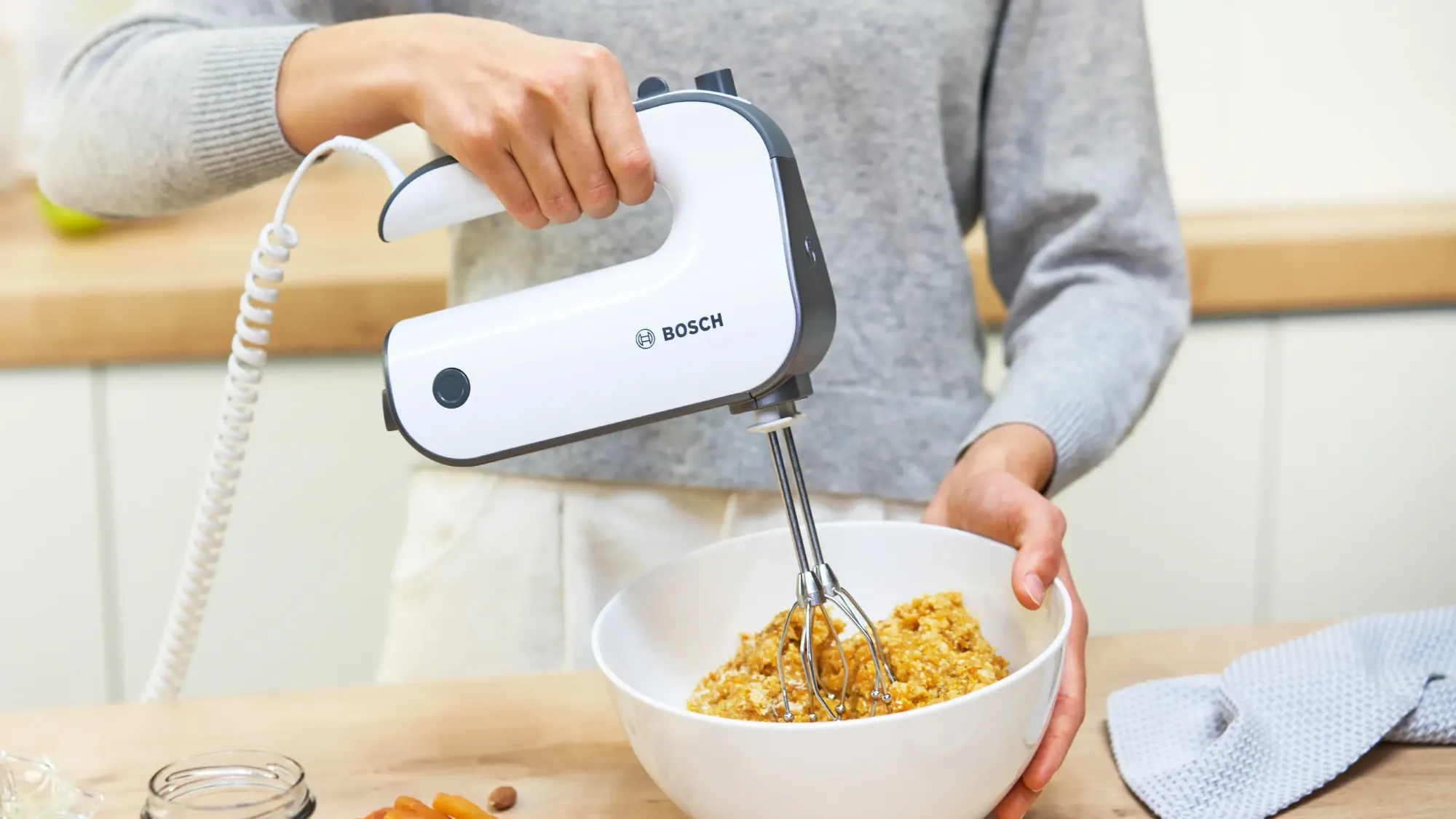
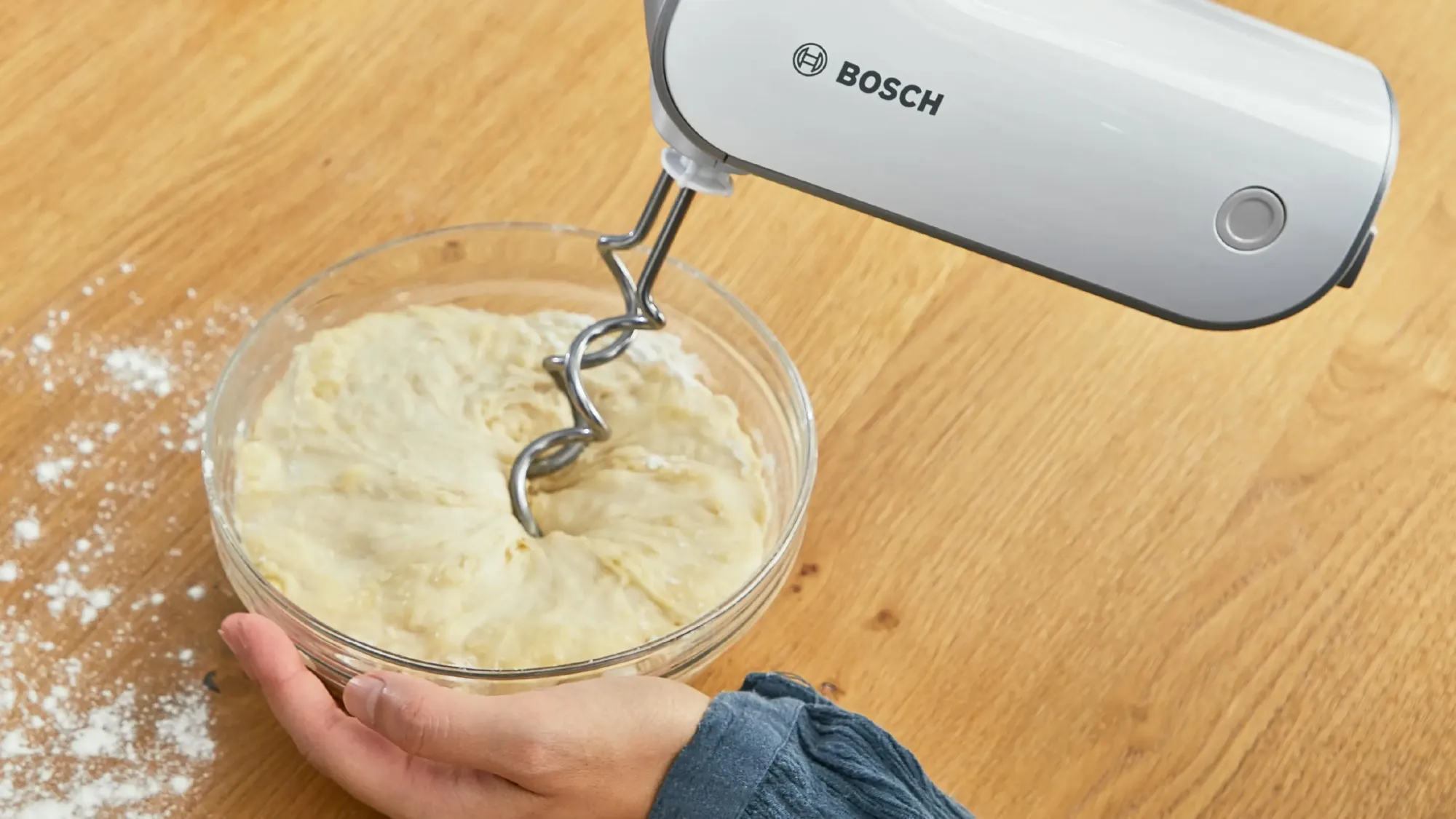
Mixers Bosch
How to choose an electric mixer
A mixer is chosen primarily by motor power, which determines effectiveness with thick batters. The number of speeds then allows precise control of mixing force. For models with a bowl, capacity defines the volume you can prepare at once.
What to check
Motor power
Power in watts measures motor strength. It determines the mixer’s ability to handle dense preparations like bread dough or thick batters. Current market models surveyed across thirty listings range from eighty-five watts for entry-level units to one thousand three hundred watts for the most robust, with a median value of three hundred and seventy-five watts. The site’s score reflects this positioning: the higher it is, the more reserve power the mixer has for demanding tasks. A weak motor slows down or overheats when facing resistant textures.
Market median: 375 W
Speed settings
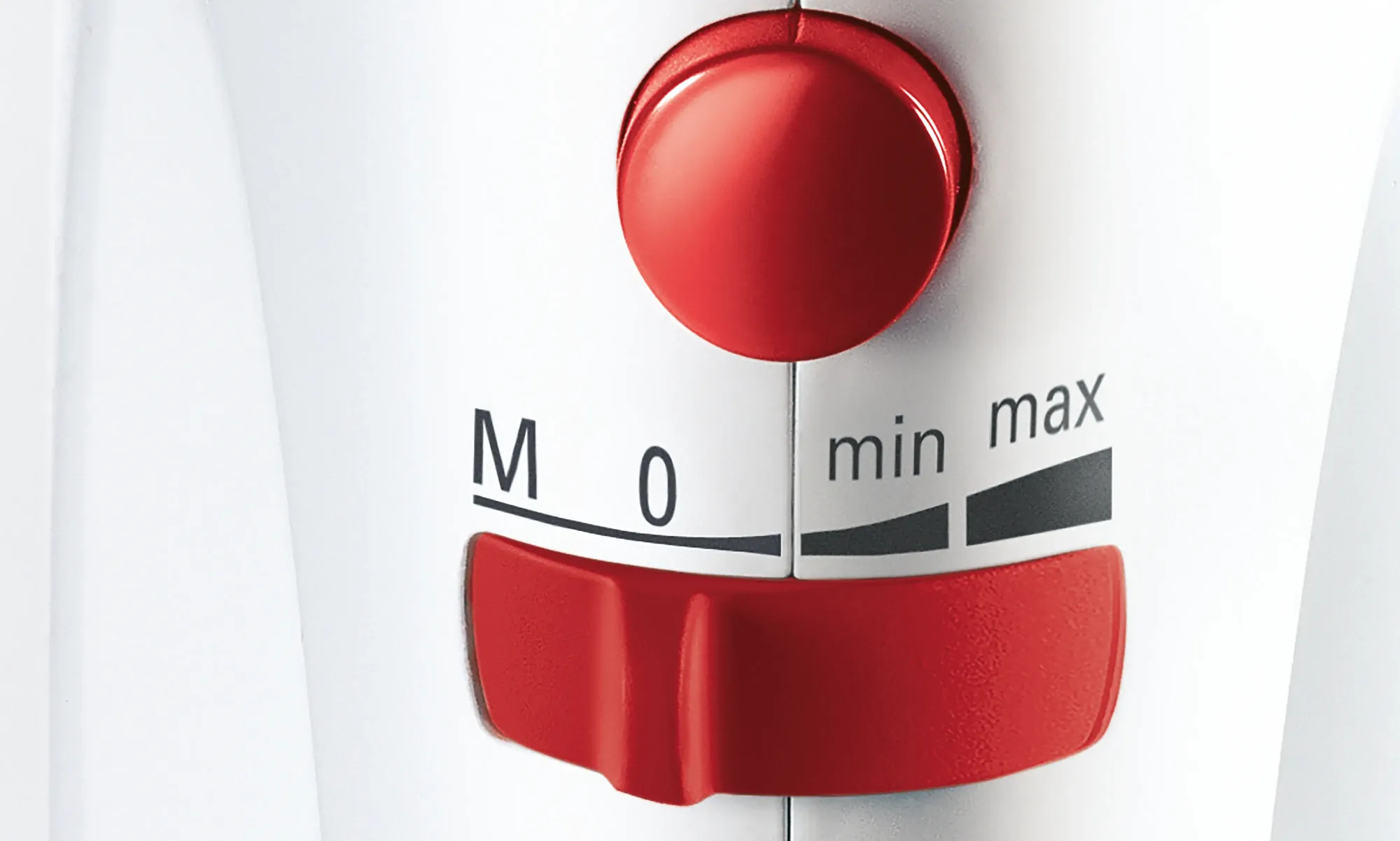
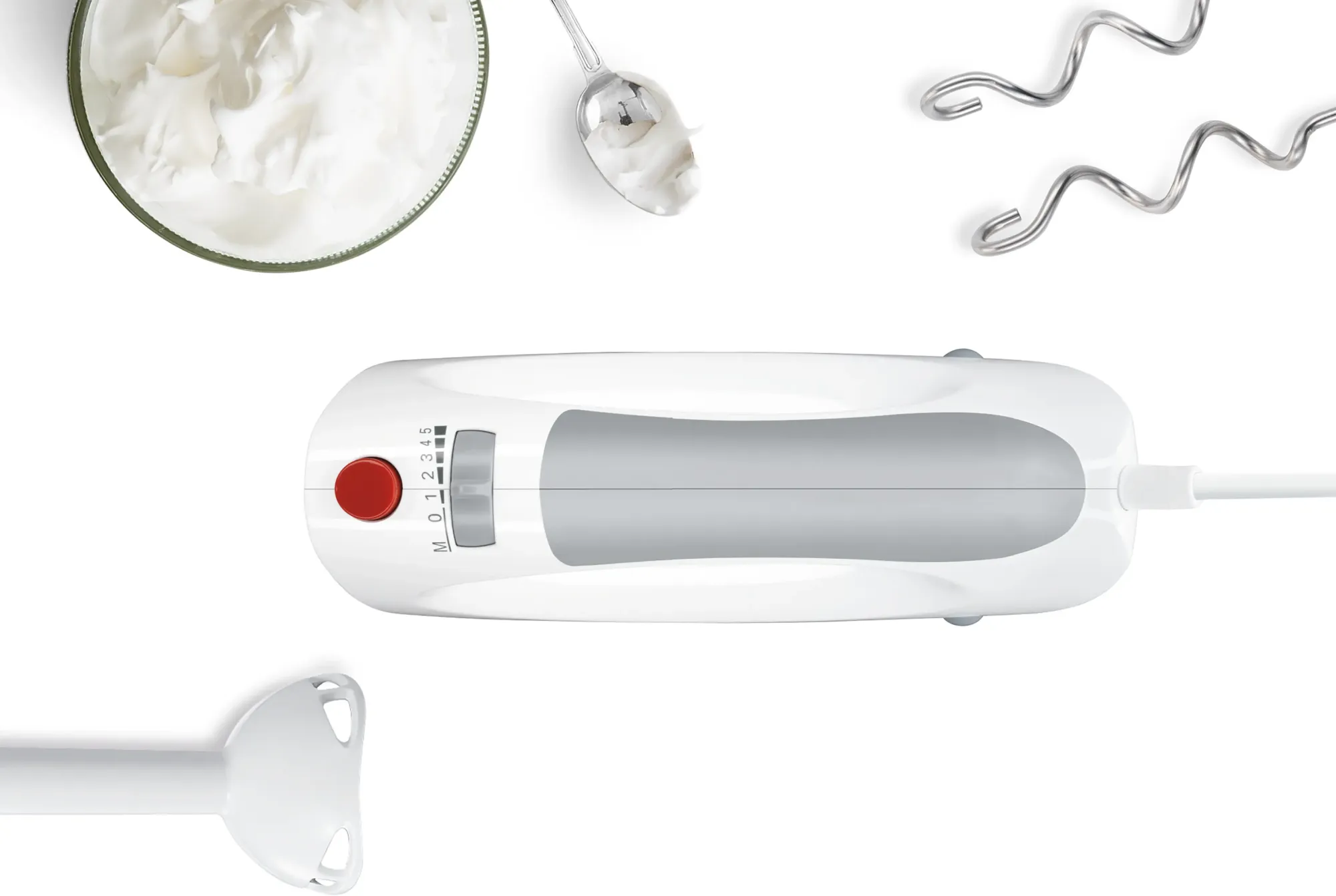
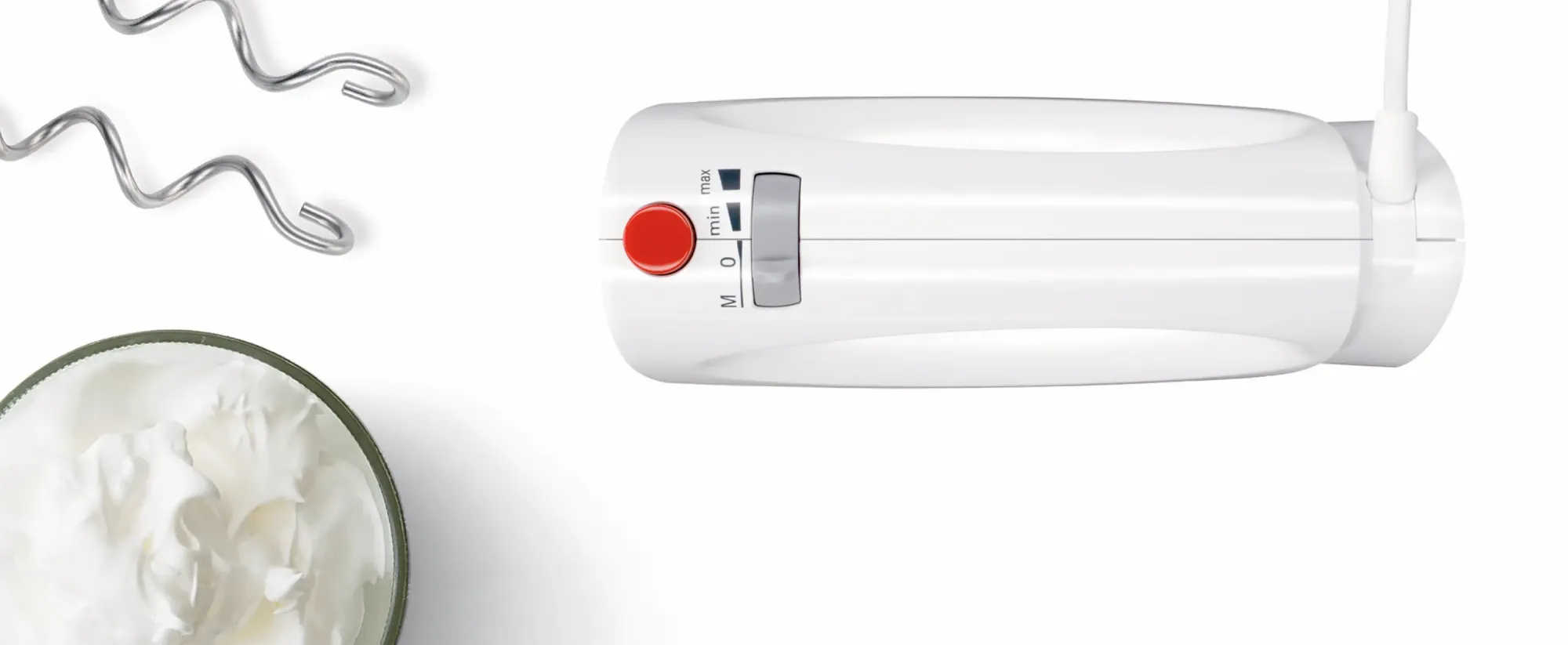
The number of available speeds determines how finely you control mixing intensity. Recent listings show a range from five speeds for basic models to eleven for the best equipped, with a median of ten speeds. The score reflects this gradation: a longer bar indicates a unit offering more intermediate settings. This variety matters for starting gently without splattering, accelerating gradually according to texture, and adapting force for egg whites, creams or heavy doughs. Limited settings reduce flexibility in use.
Market median: 10
Bowl capacity
For mixers equipped with a bowl, the capacity in litres sets the maximum preparation volume. Models surveyed offer bowls from four point seven to six point six litres, with a median of five point one litres. The site’s score lengthens with capacity: a generous bowl allows working larger quantities in one go, which matters for big families or batch baking. A bowl that is too small forces you to divide recipes or multiply batches. Check that the size matches your usual needs.
Market median: 5.1 L
Cleaning and maintenance
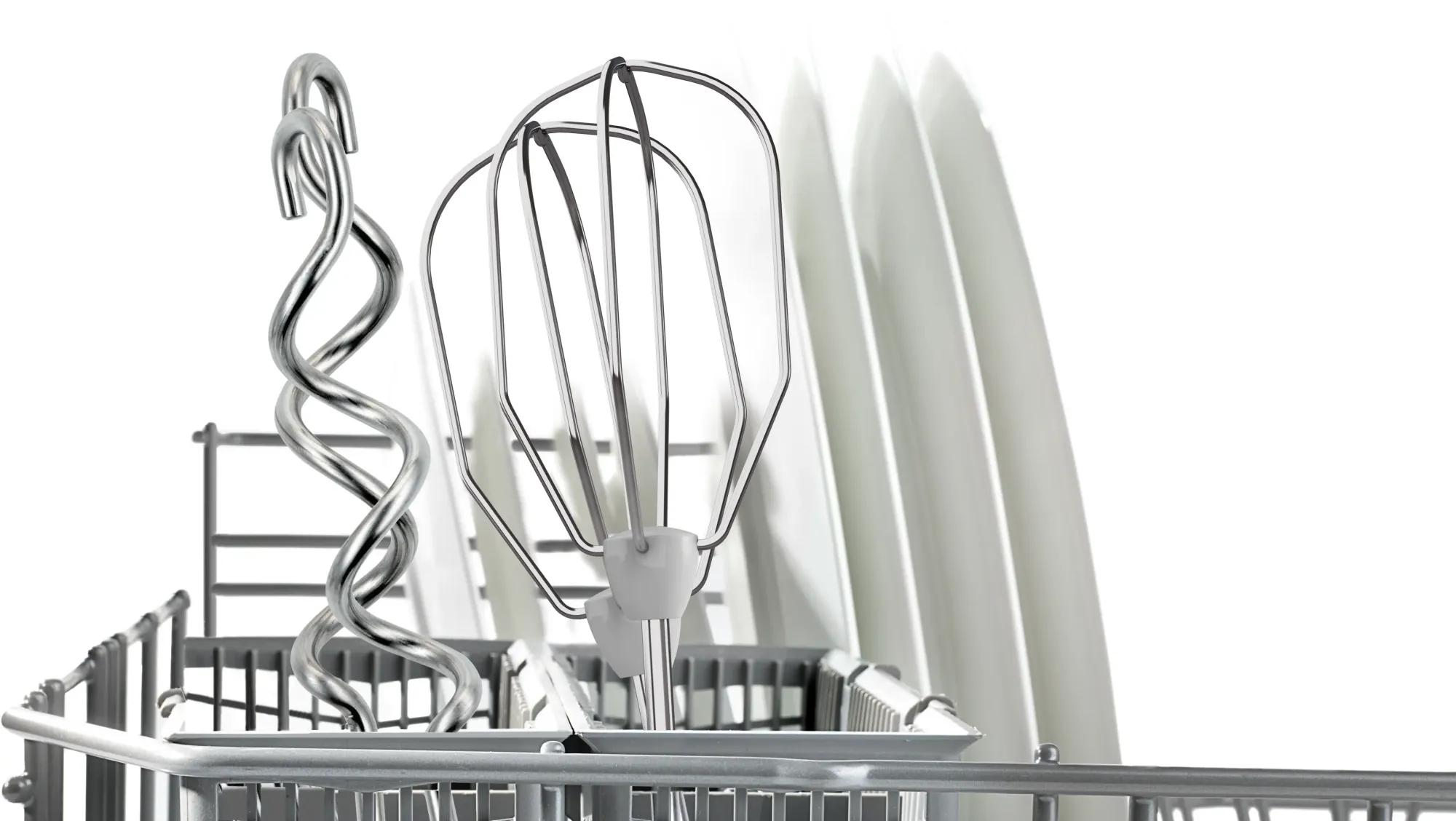
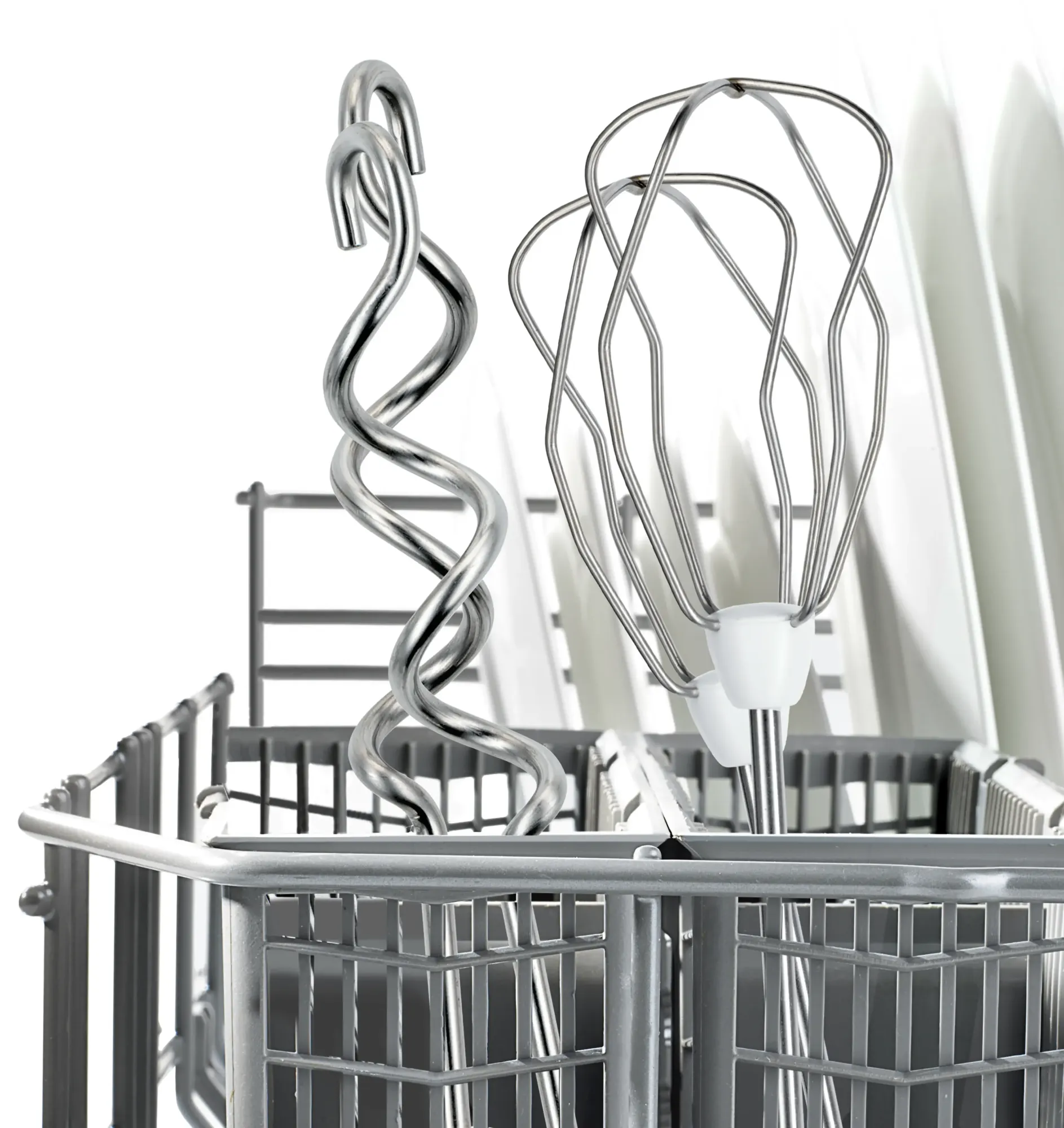
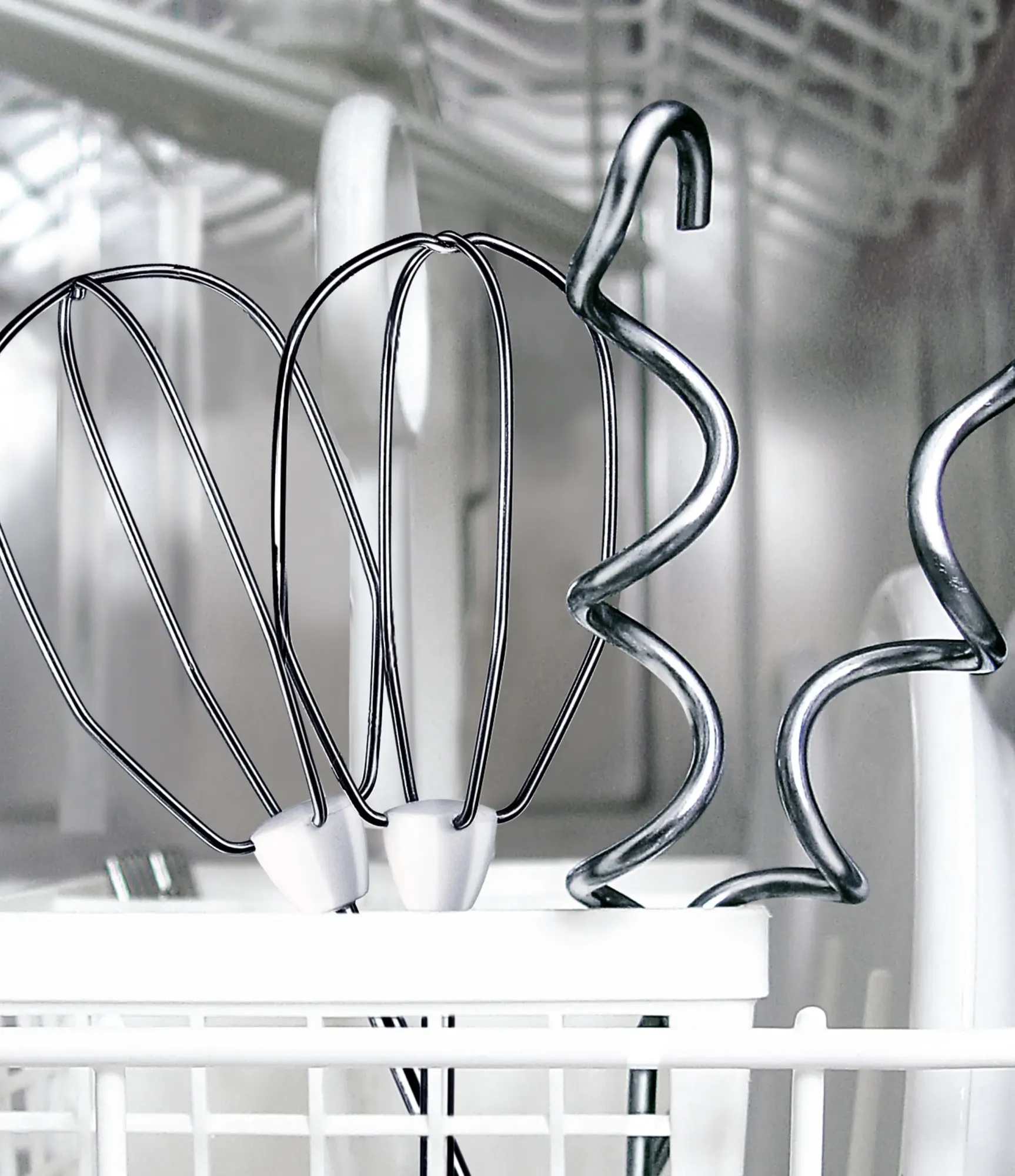
Beaters and hooks get dirty with every use and must wash easily. Choose detachable accessories compatible with the dishwasher to save time. The bowl, when present, should also release without effort. Check that the housing wipes clean with a damp cloth, without crevices where batter accumulates. Simple maintenance encourages regular use and extends the appliance’s lifespan. Seals and shafts deserve thorough rinsing to prevent stuck residue.
Benchmarks based on 30 recent market listings, collected on 4 October 2026.
What you get for each budget
Under €25
Mixers under twenty-five euros offer limited power and fewer speeds, suitable for light and occasional preparations.
€25 to €50
Between twenty-five and fifty euros, power approaches the median and speeds multiply, enabling more regular use and varied mixing tasks.
Over €50
Above fifty euros, models reach high power levels, more speeds and, for those with bowls, generous capacities suited to large preparations.
Frequent mistakes
Overlooking power while assuming all preparations are equal: thick doughs require a motor capable of sustained effort.
Choosing a mixer with few speeds and compensating manually: fine progression avoids splattering and respects texture.
Underestimating bowl capacity if you cook for several people: insufficient volume forces recipe division.
Ignoring dishwasher compatibility for accessories: tedious cleaning discourages daily use.
Models in this category
Best rated first, among those our merchants offer.
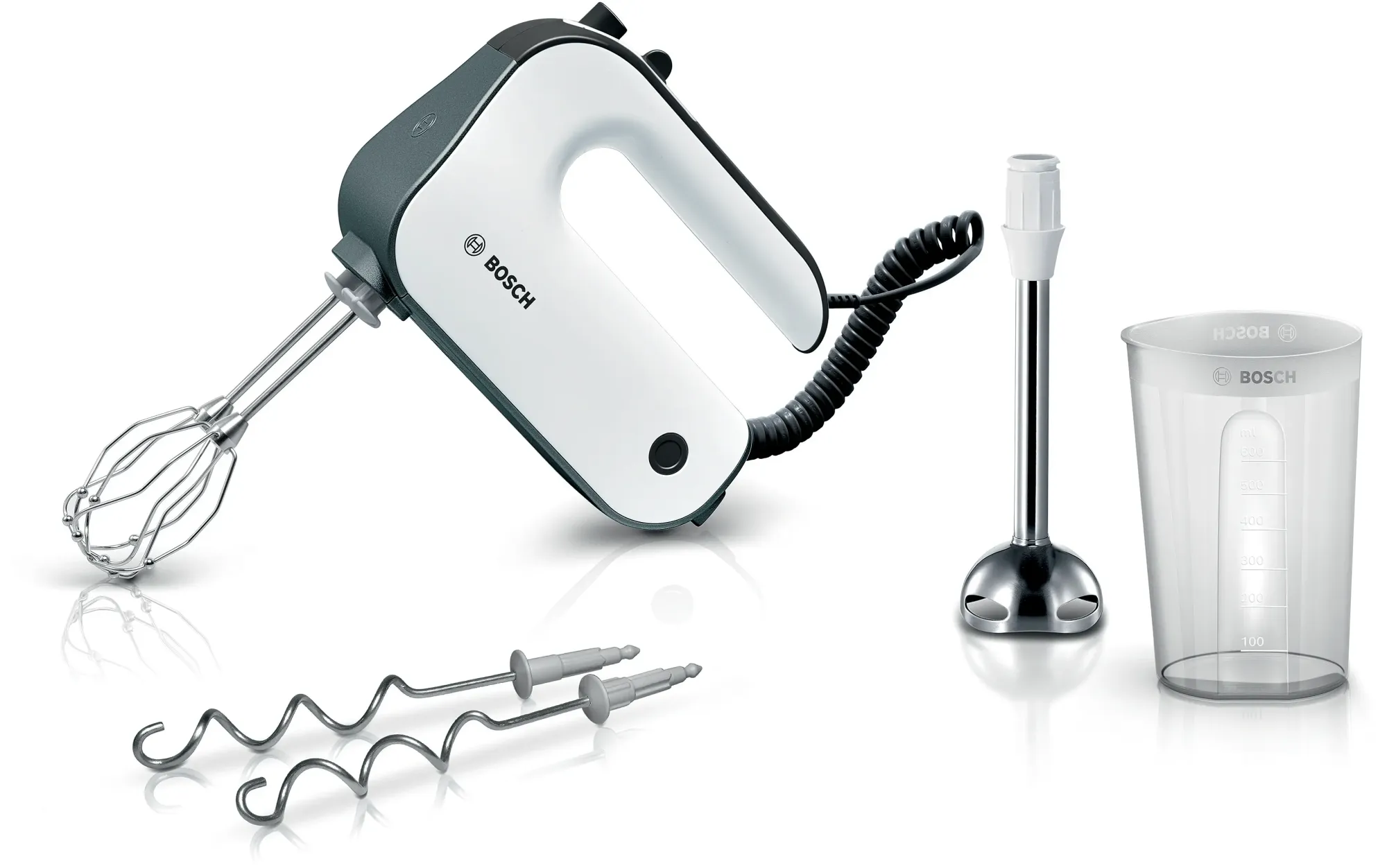
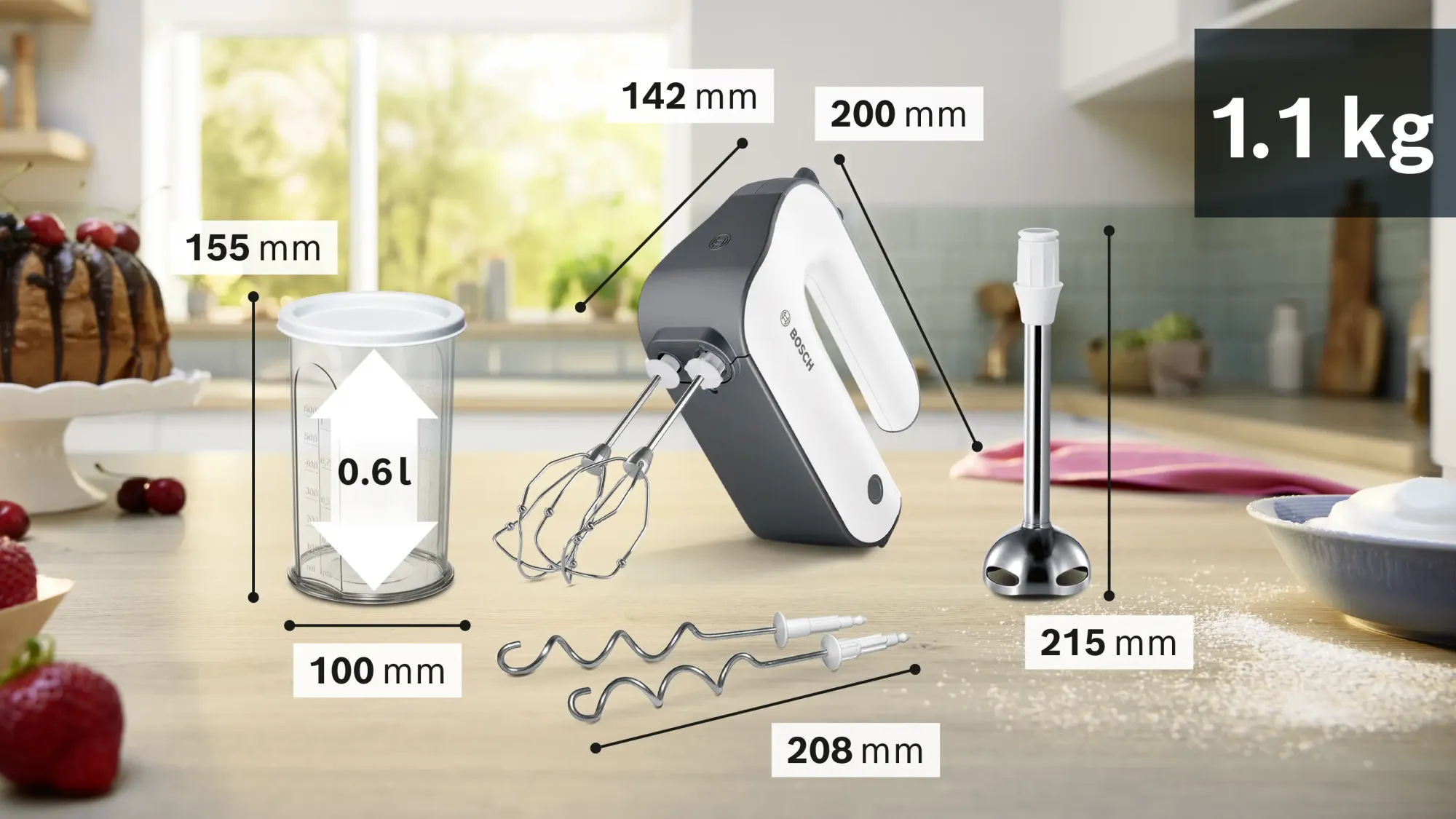
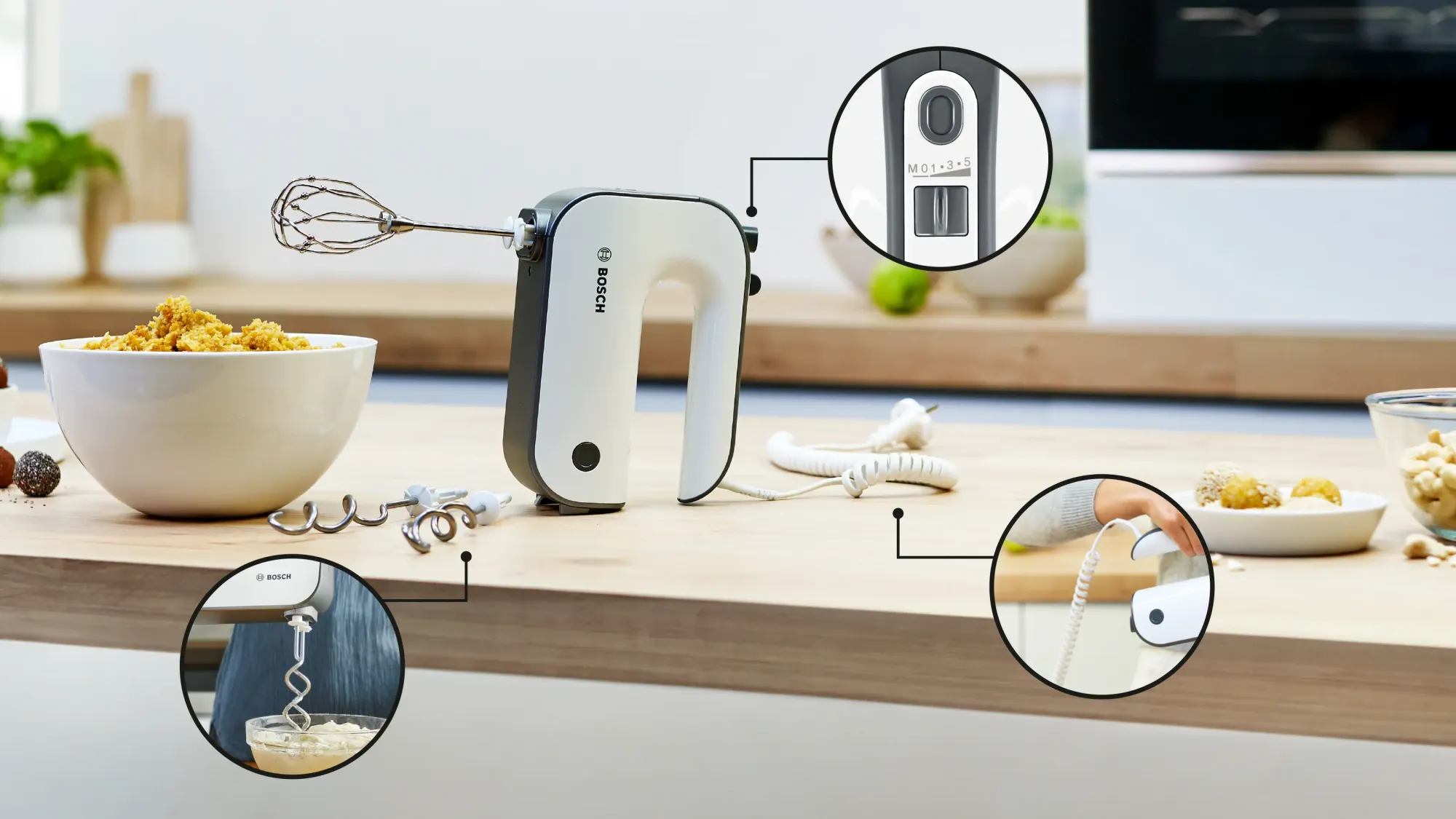
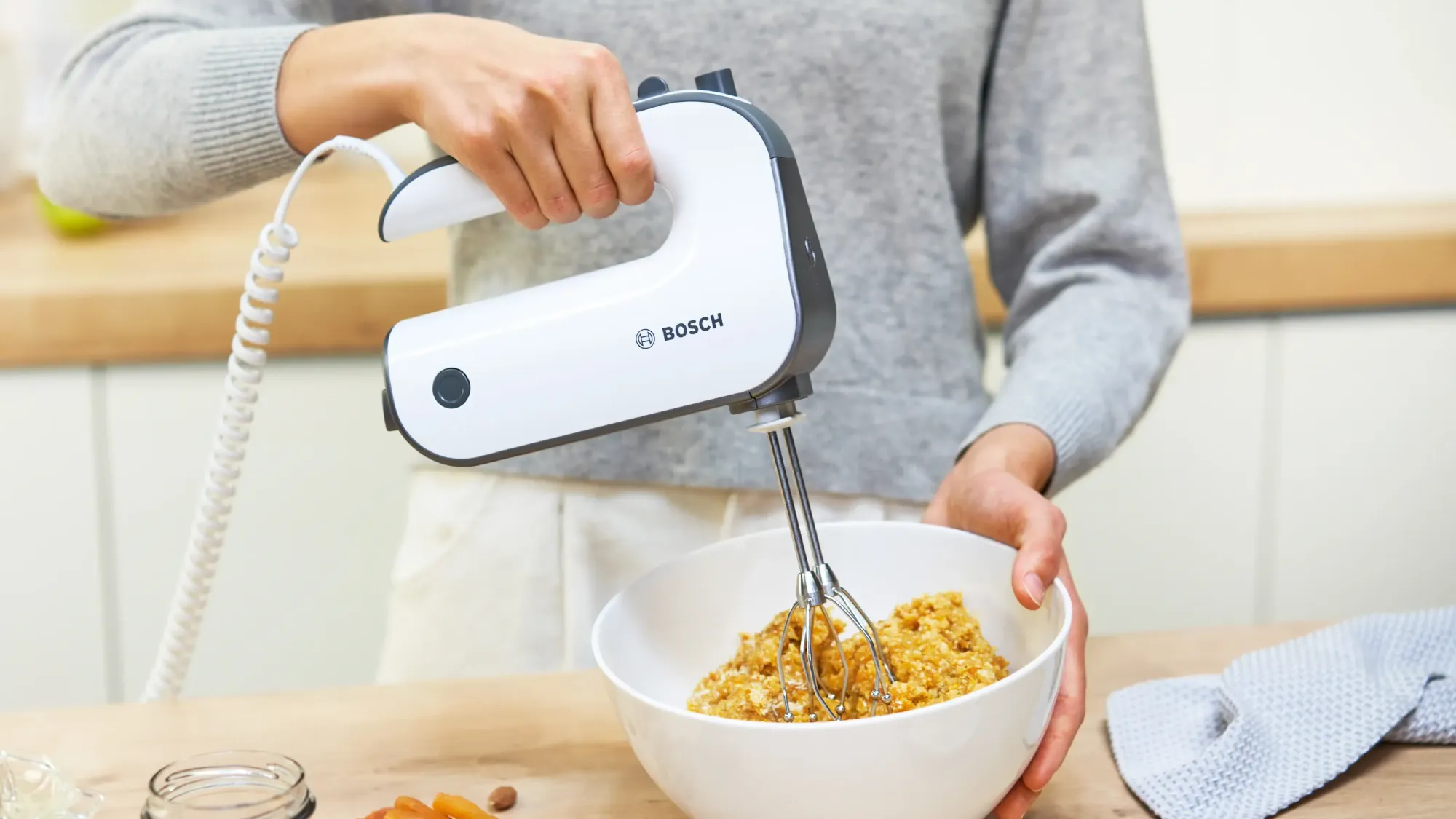
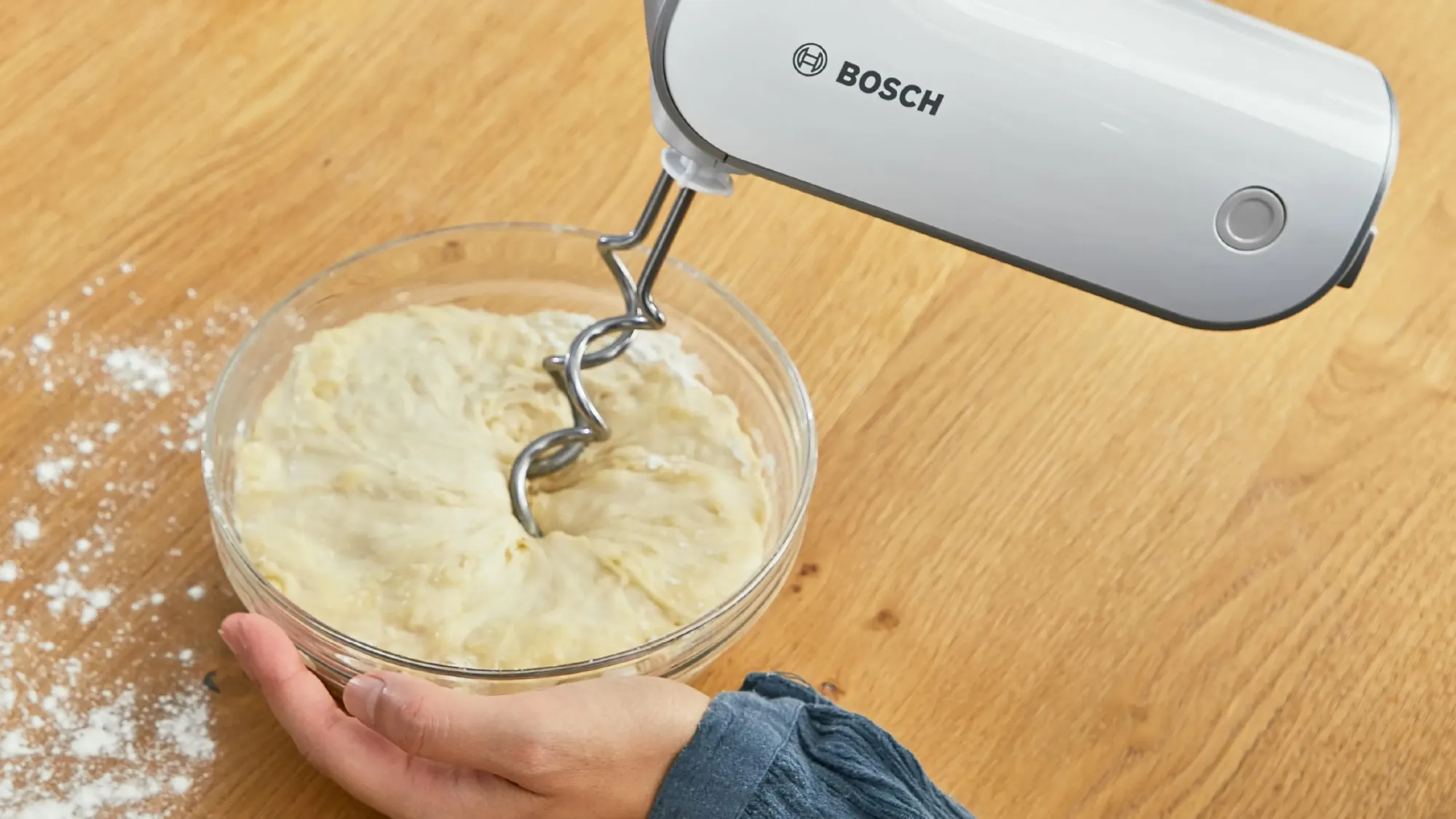
Mixers Bosch
MFQ4 850 W Hand Mixer White MFQ49700
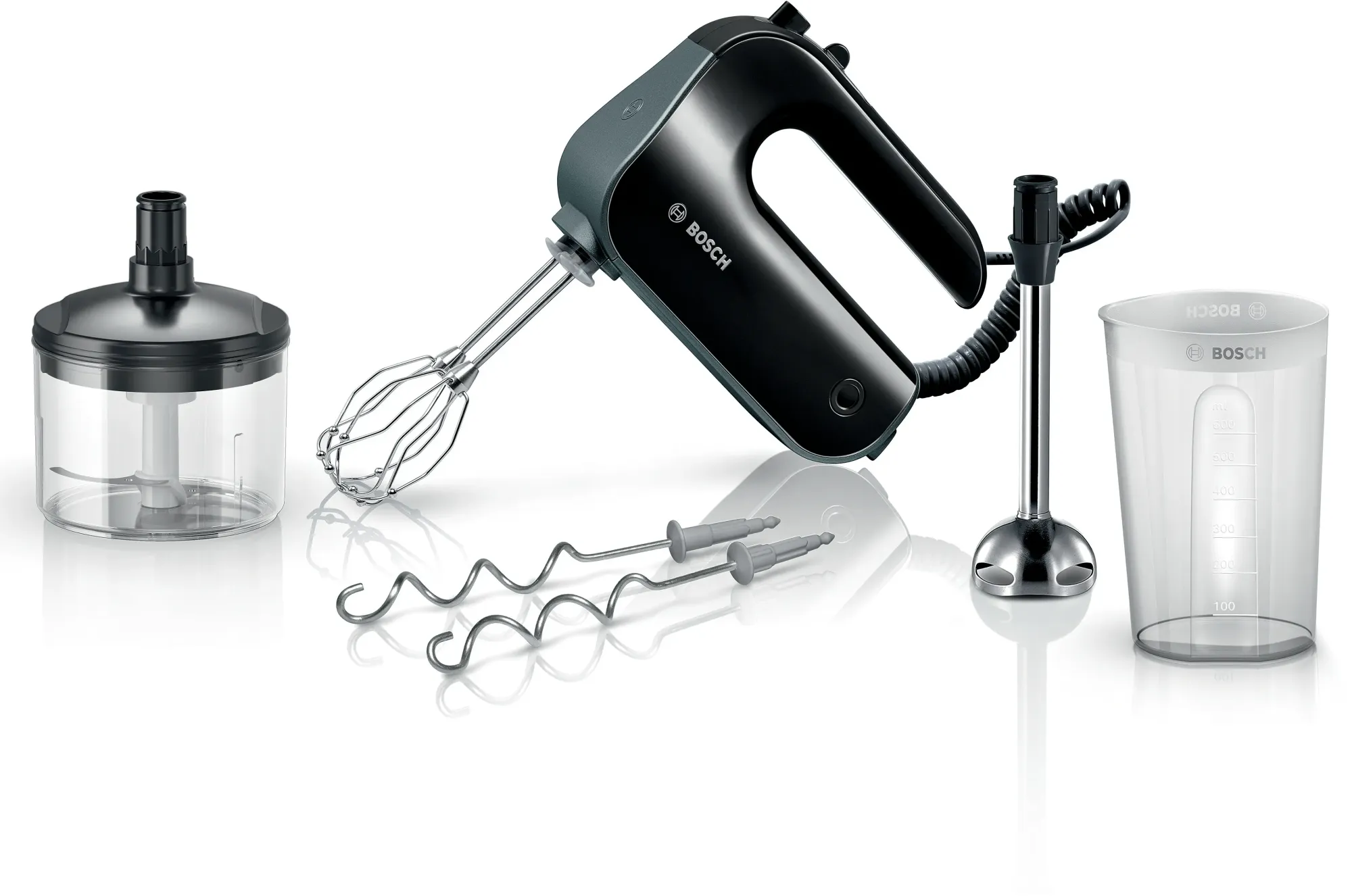
Mixers Bosch
MFQ4 850 W Hand Mixer Black MFQ4980B
Mixers Bosch
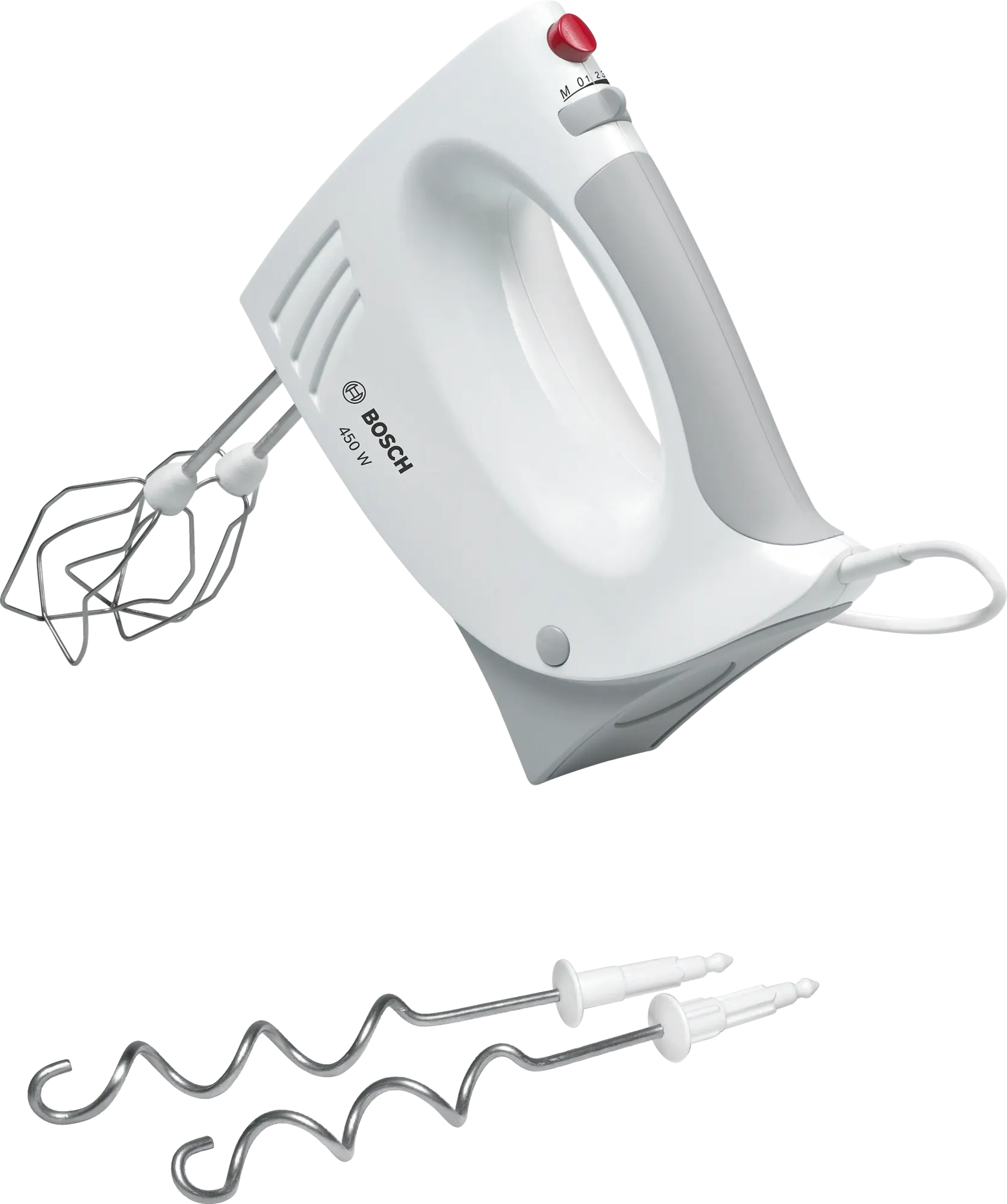
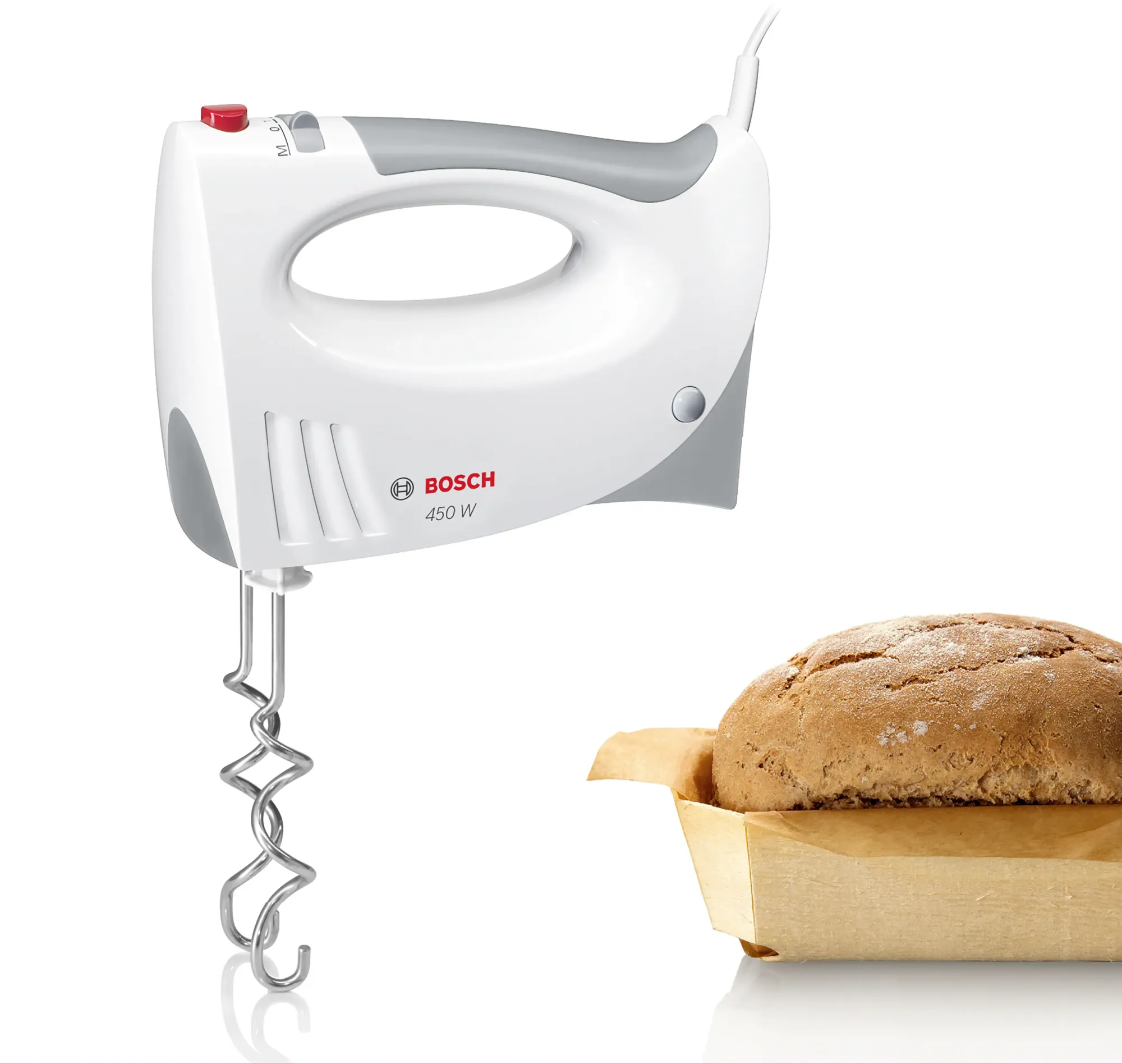
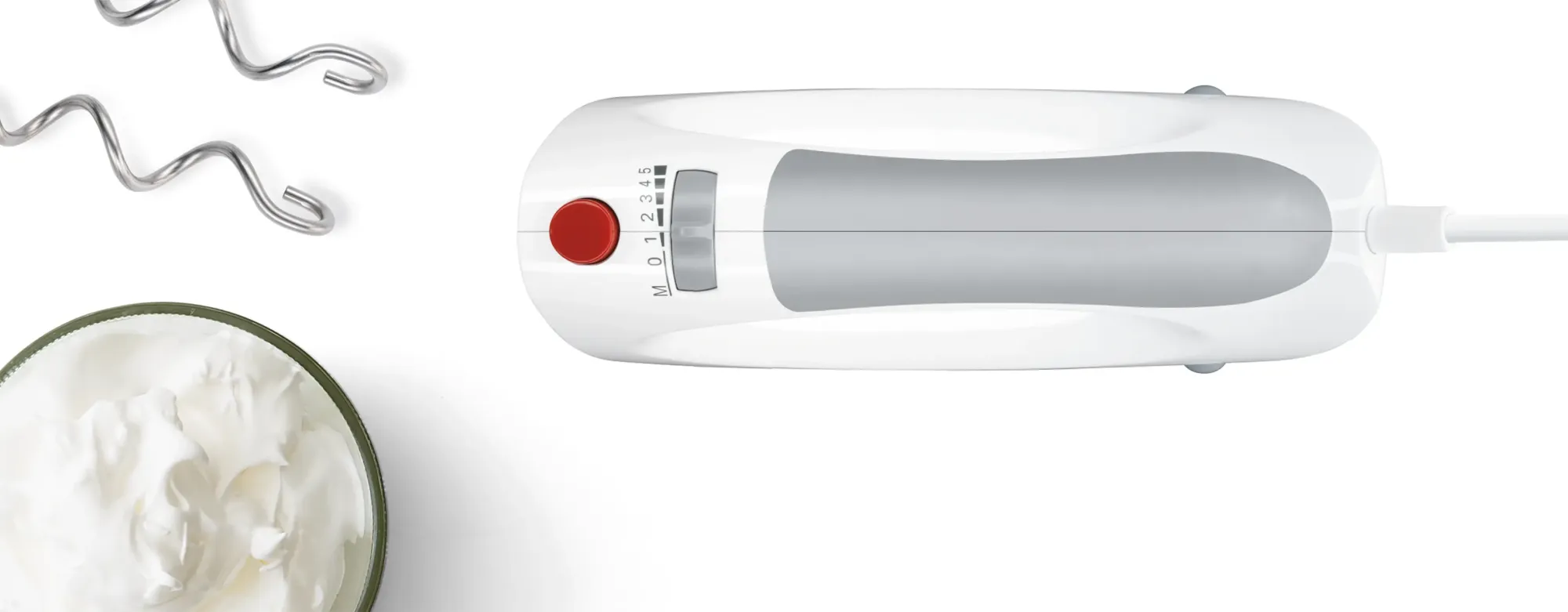
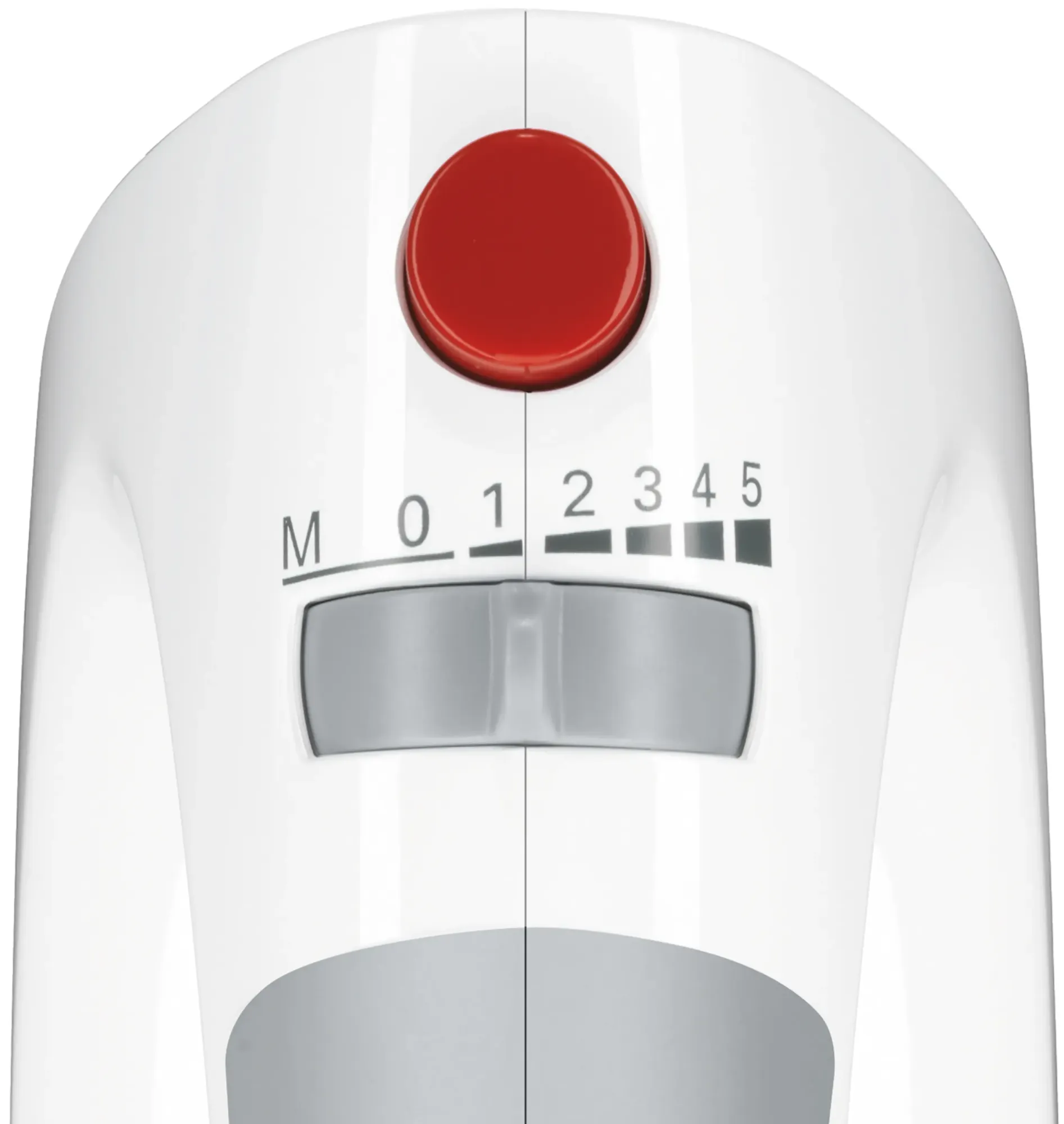
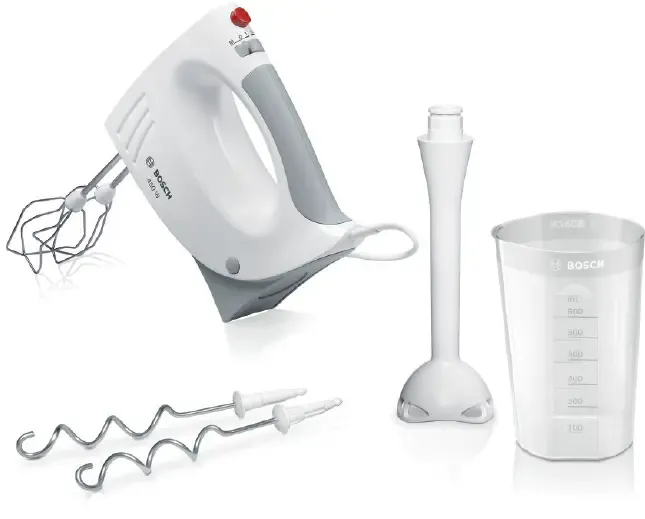
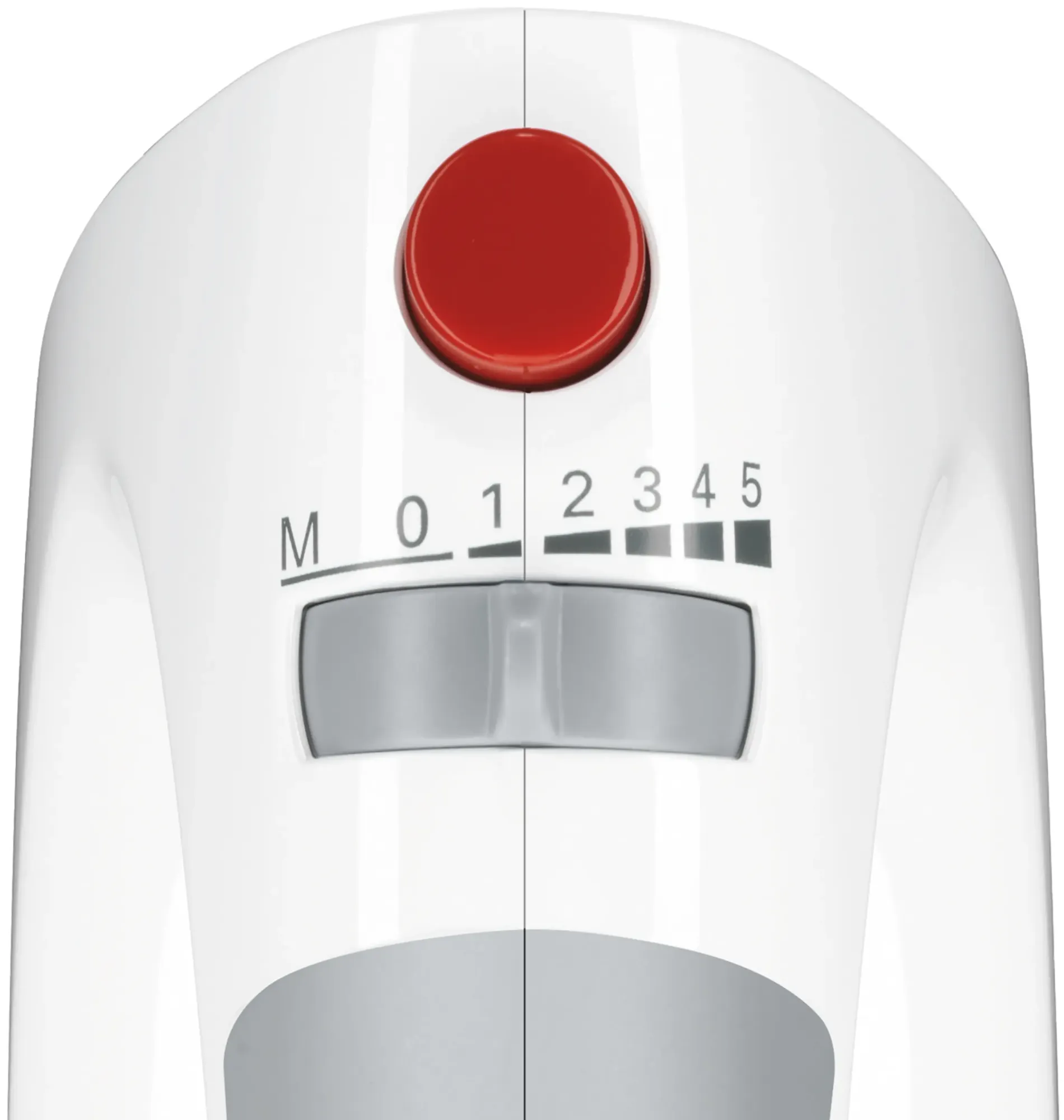
Hand Mixer CleverMixx 450 W White, Grey MFQ3530
Mixers Bosch
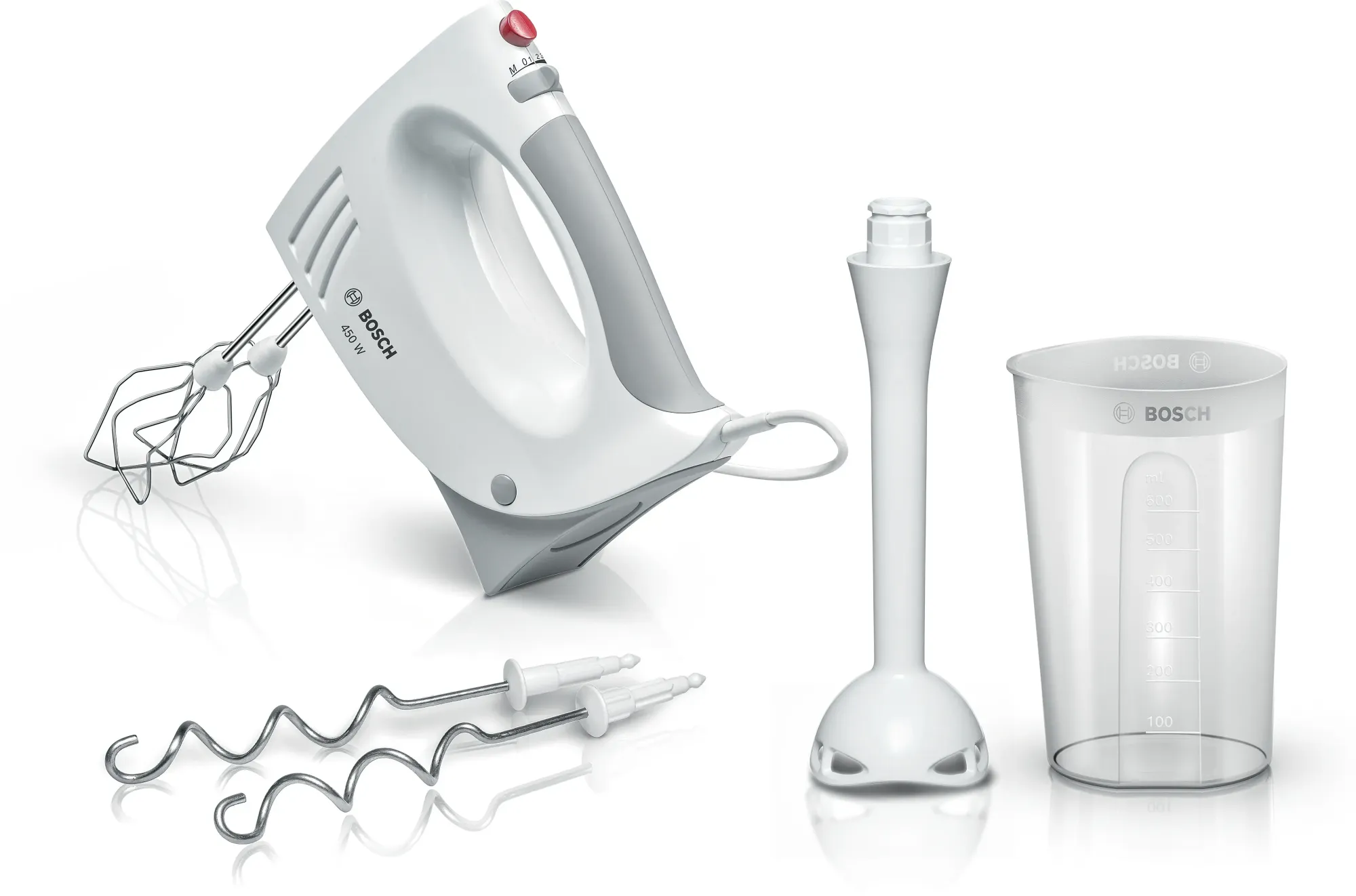
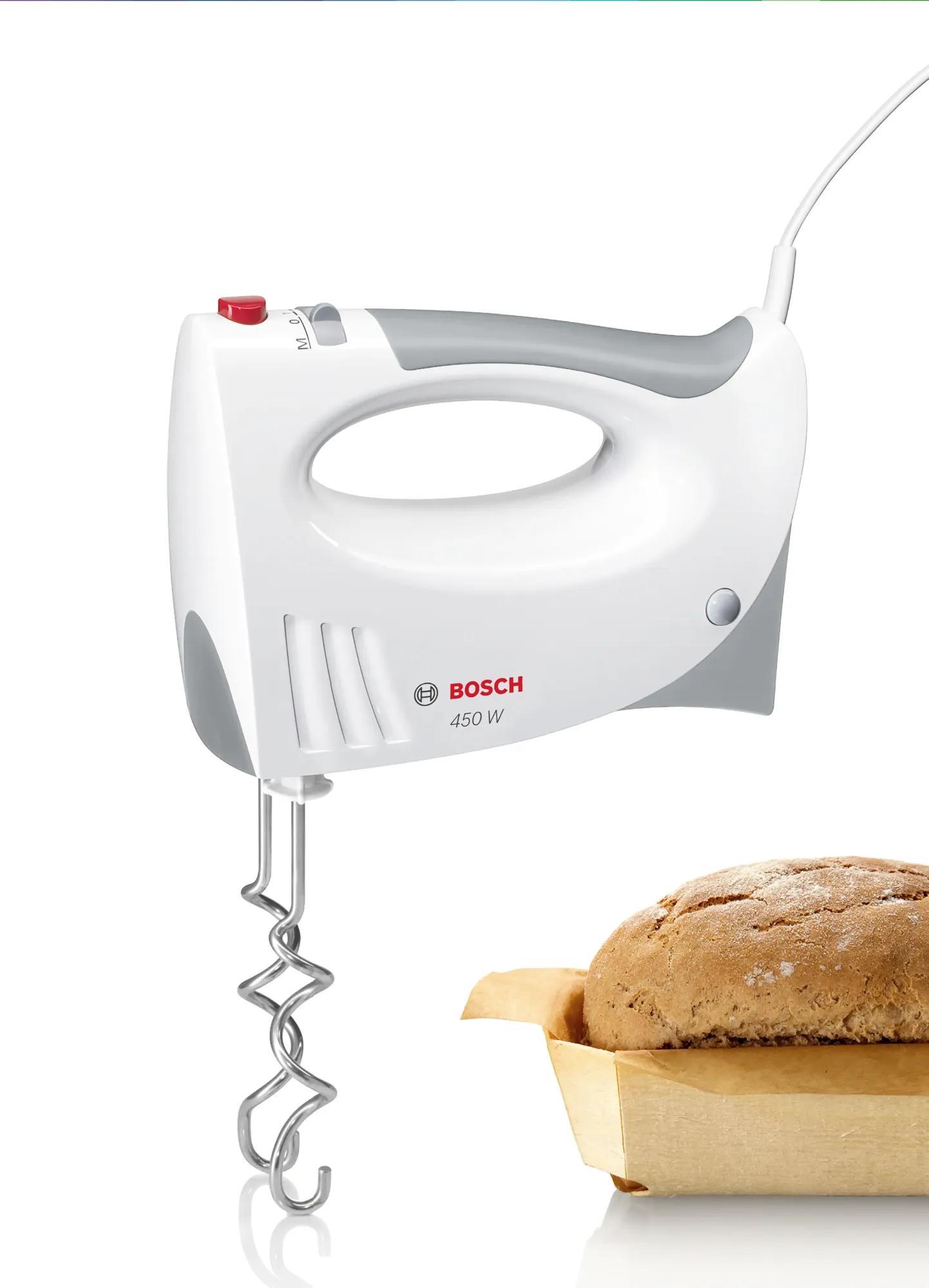
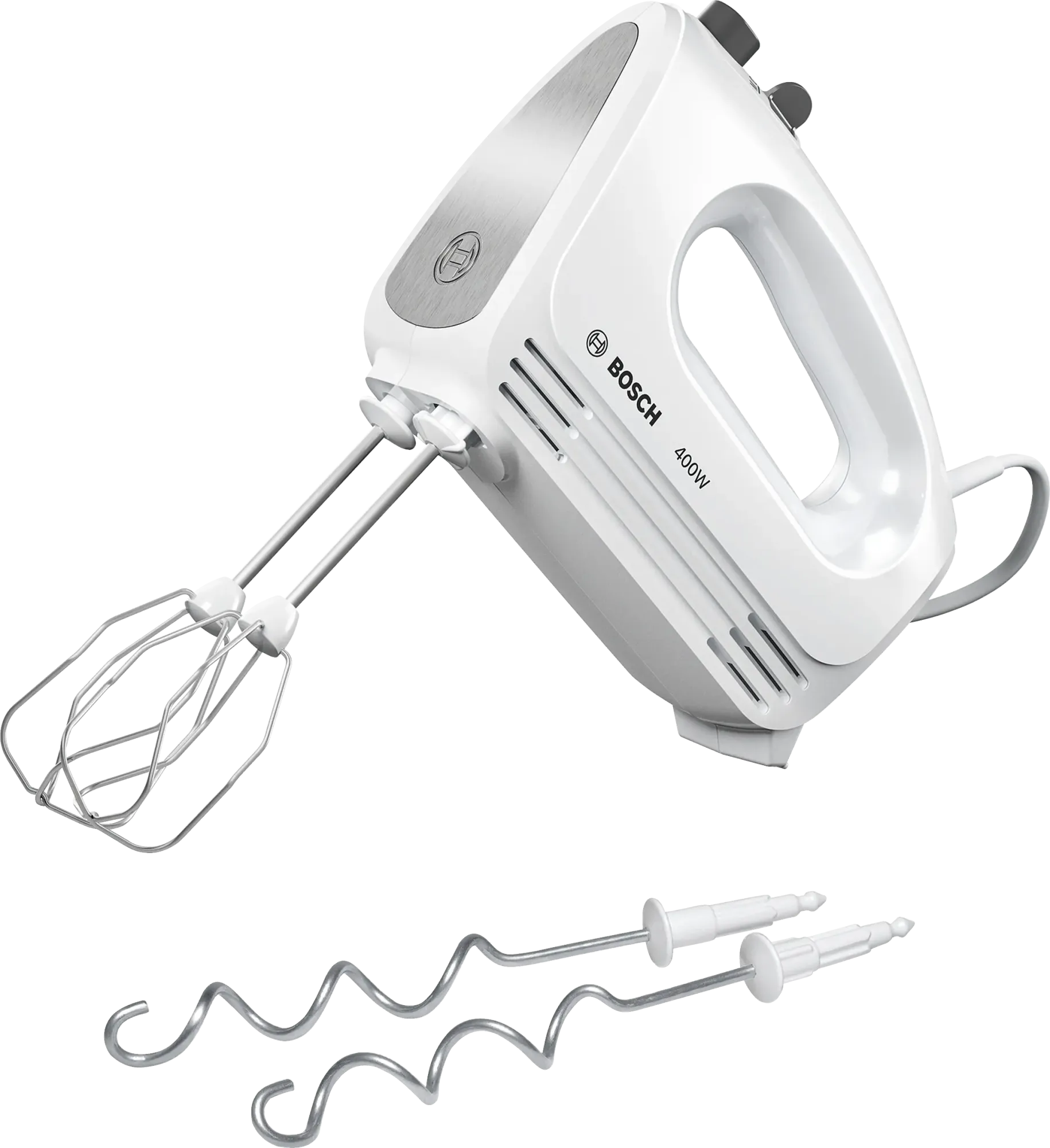
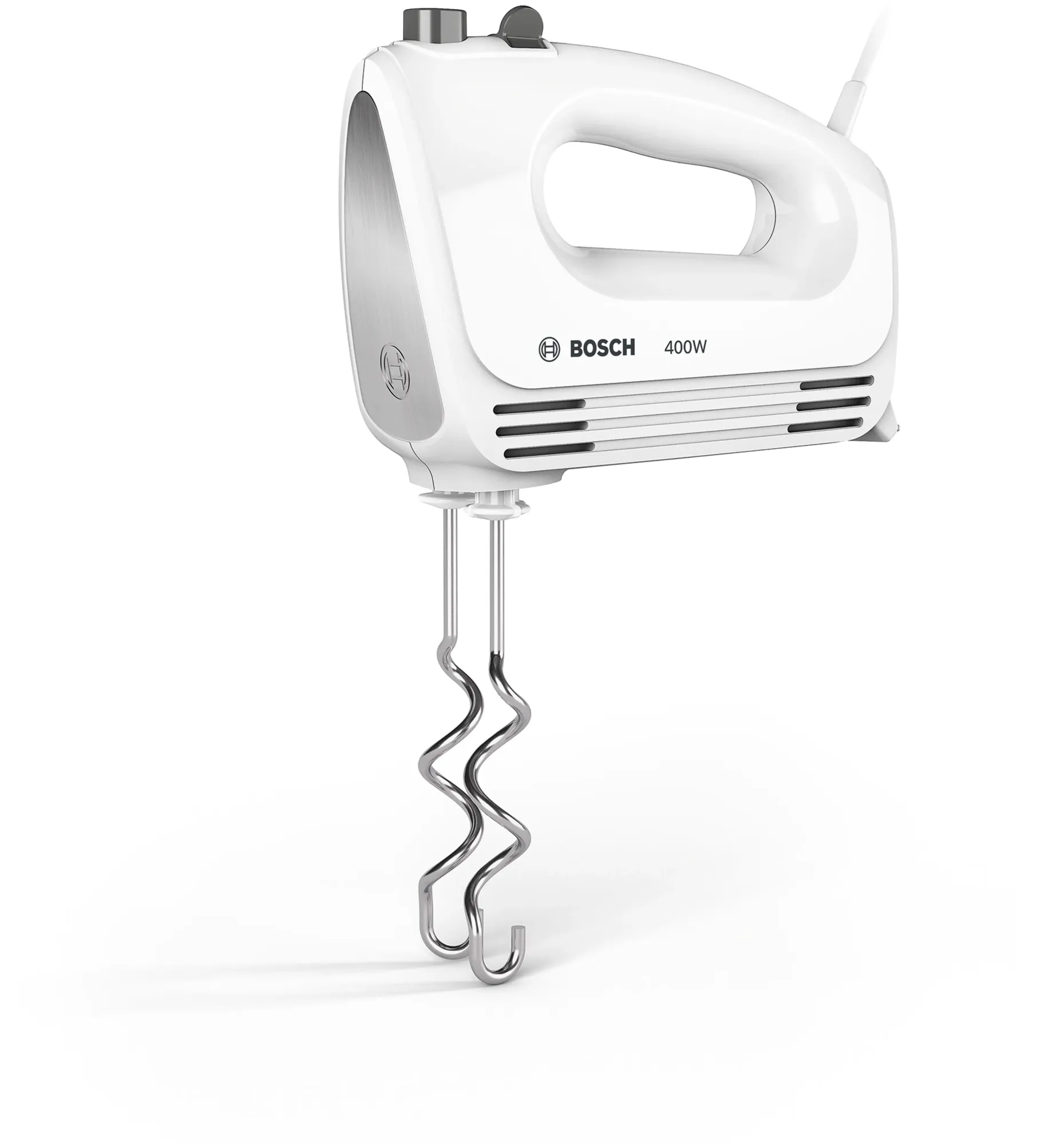
Hand Mixer 450 W White, Grey MFQ3540
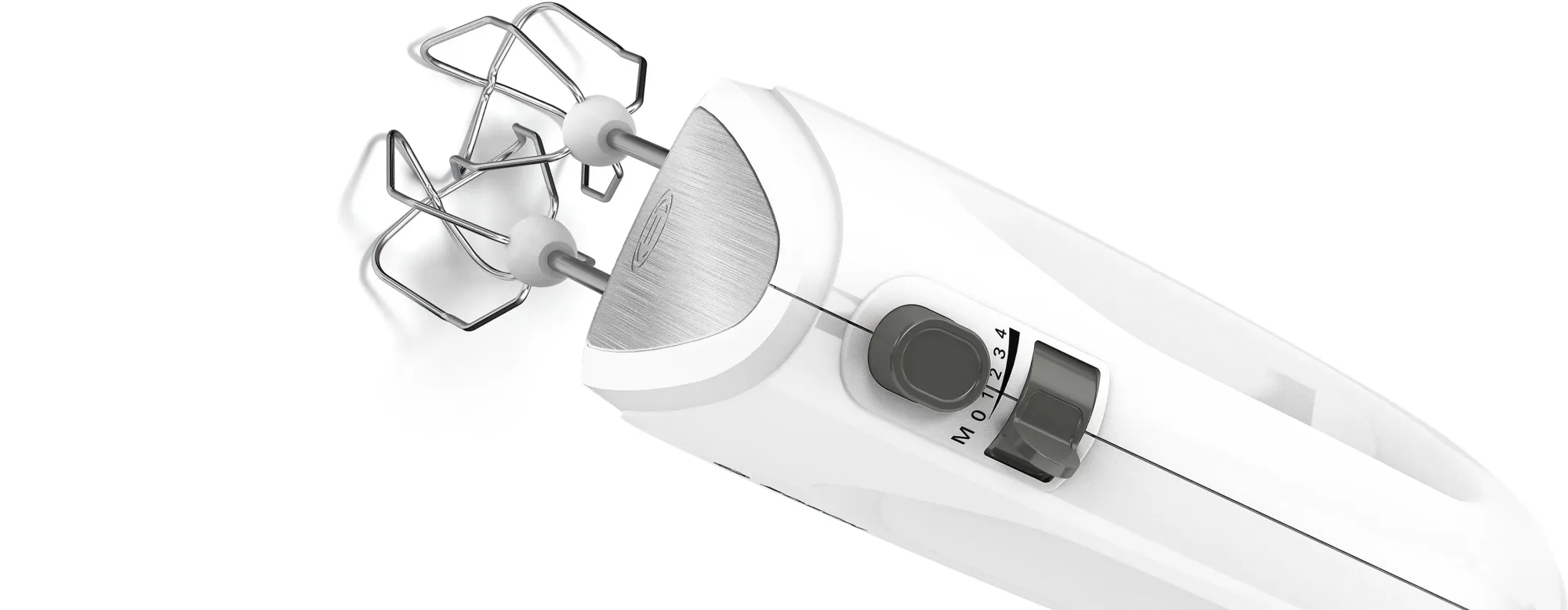
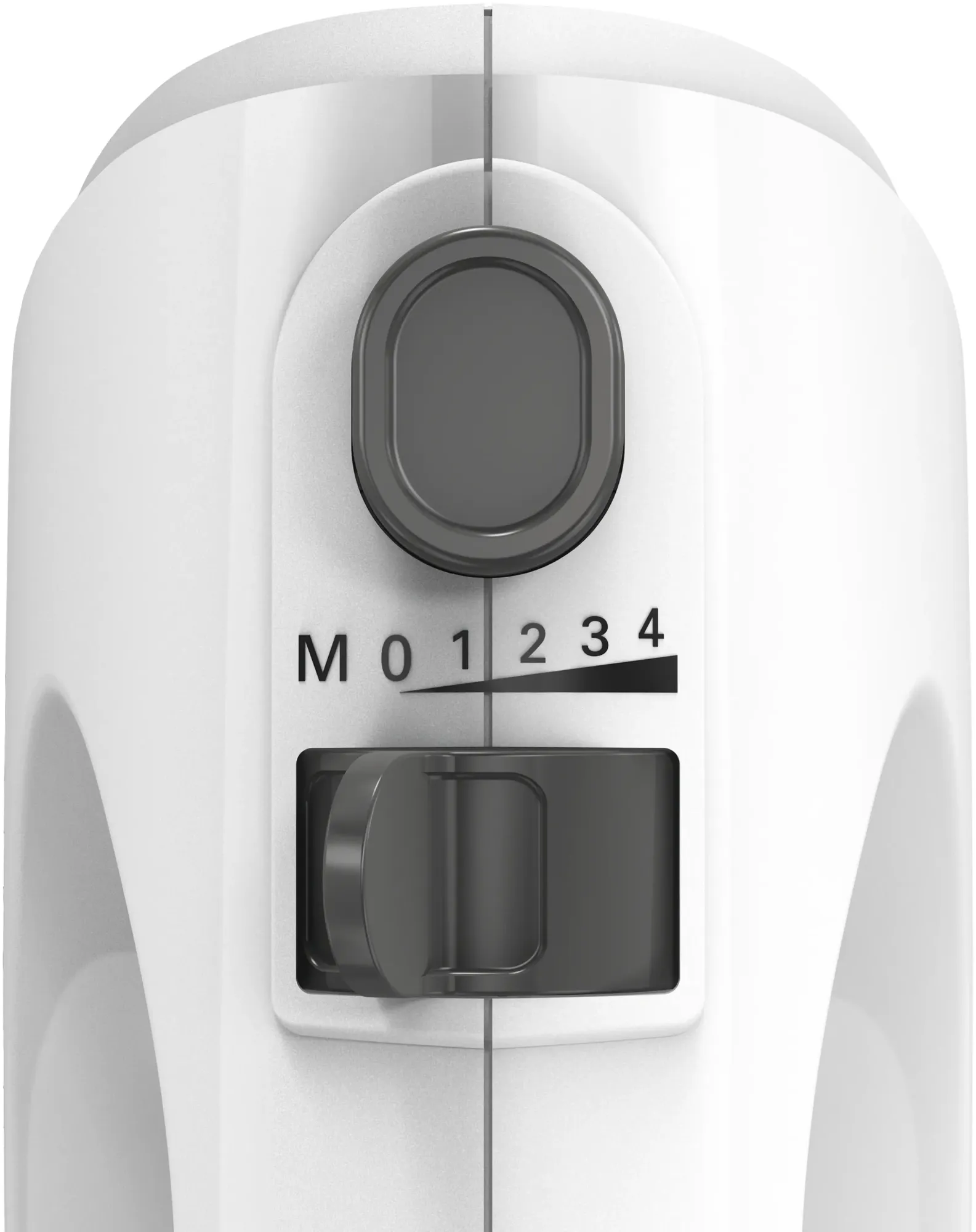
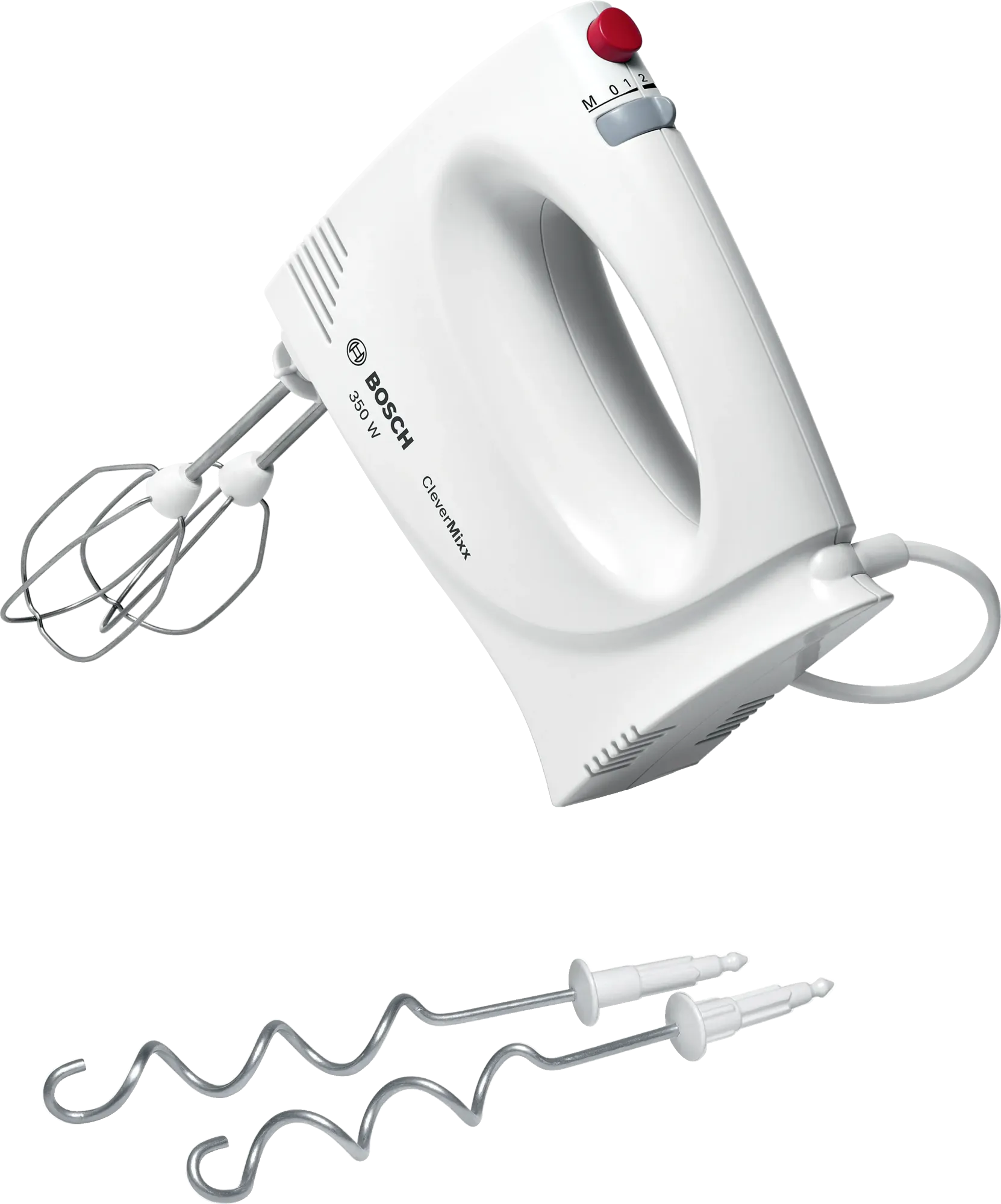
Mixers Bosch
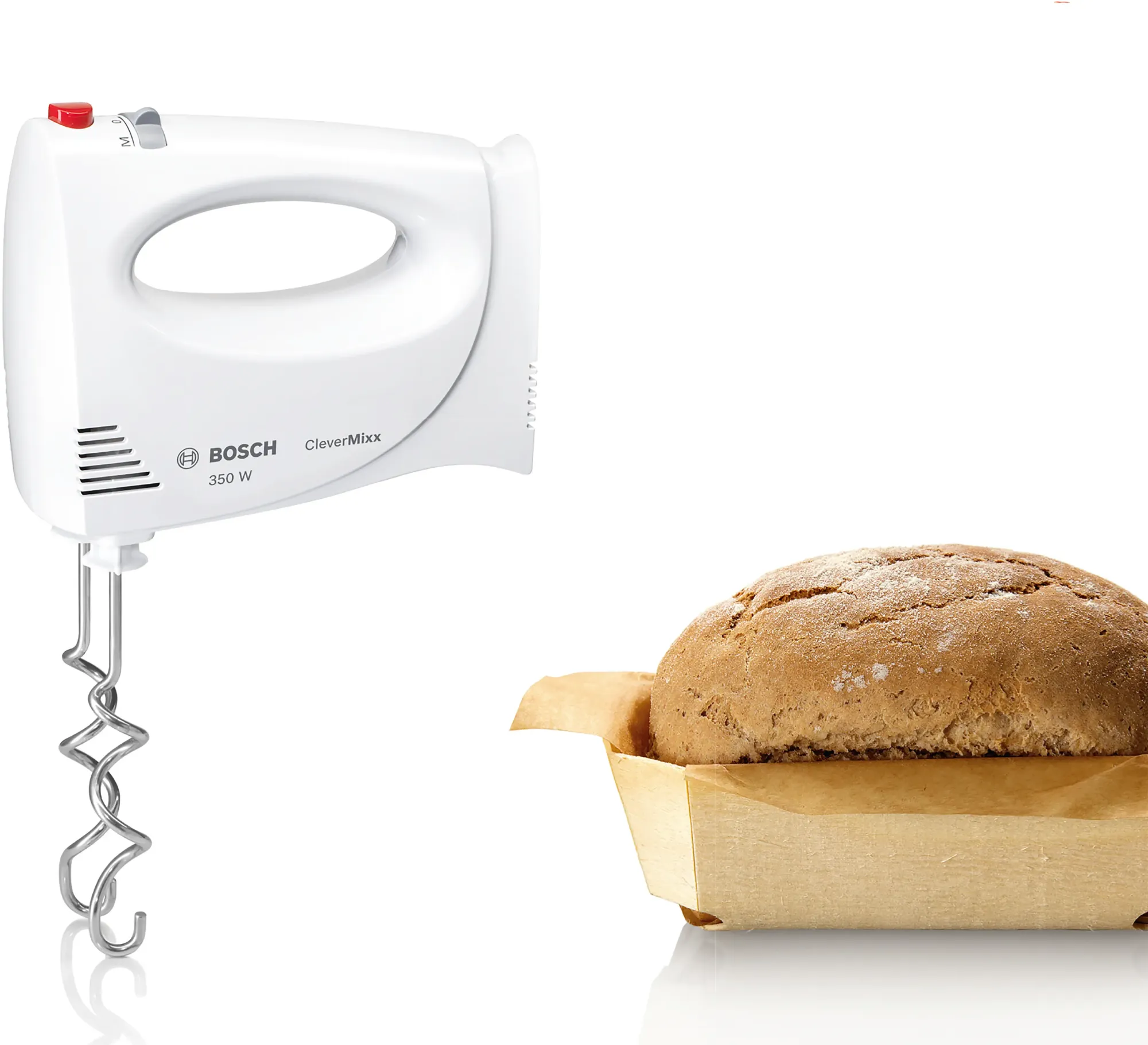
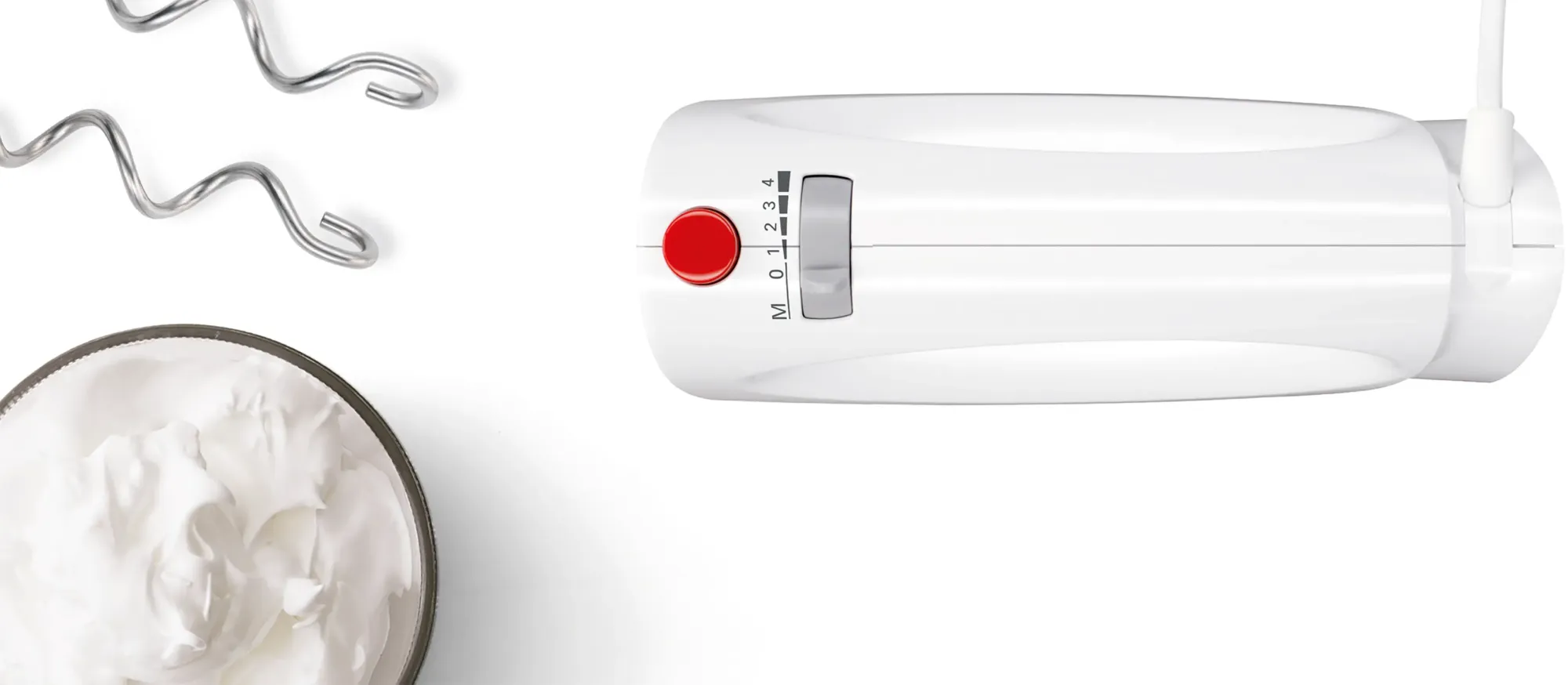
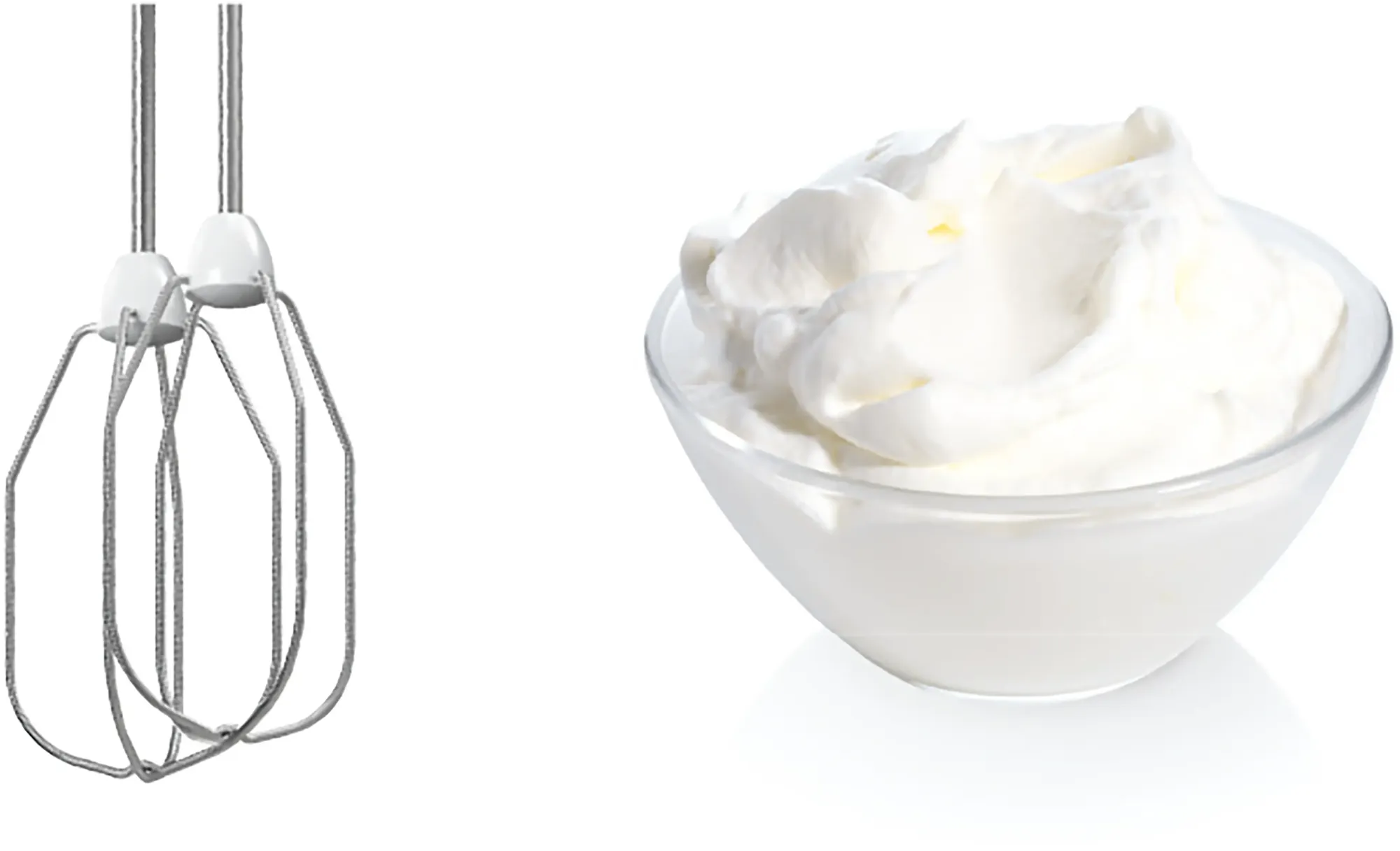
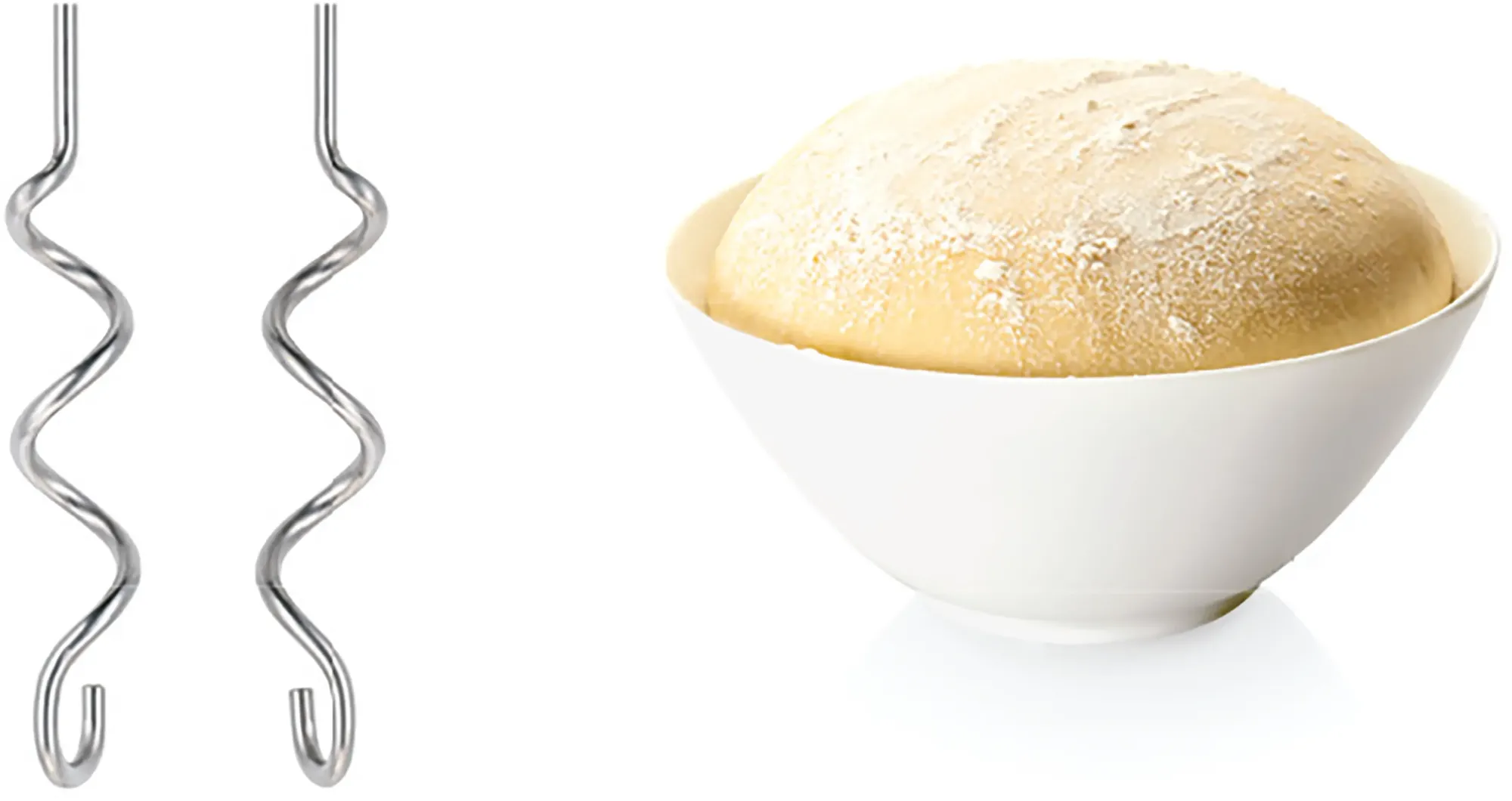
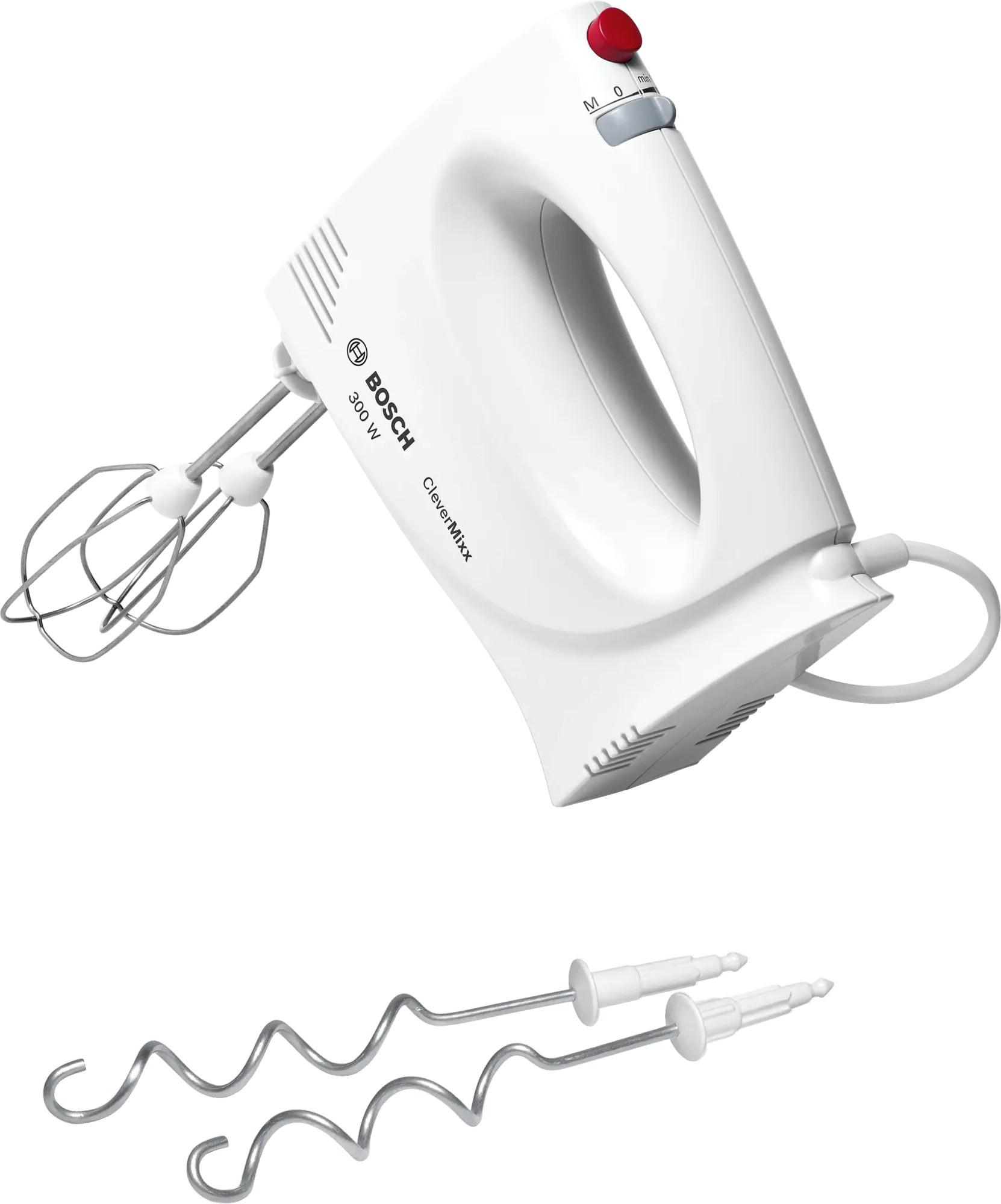
Hand Mixer CleverMixx 350 W White, Red MFQ3030
Mixers Bosch