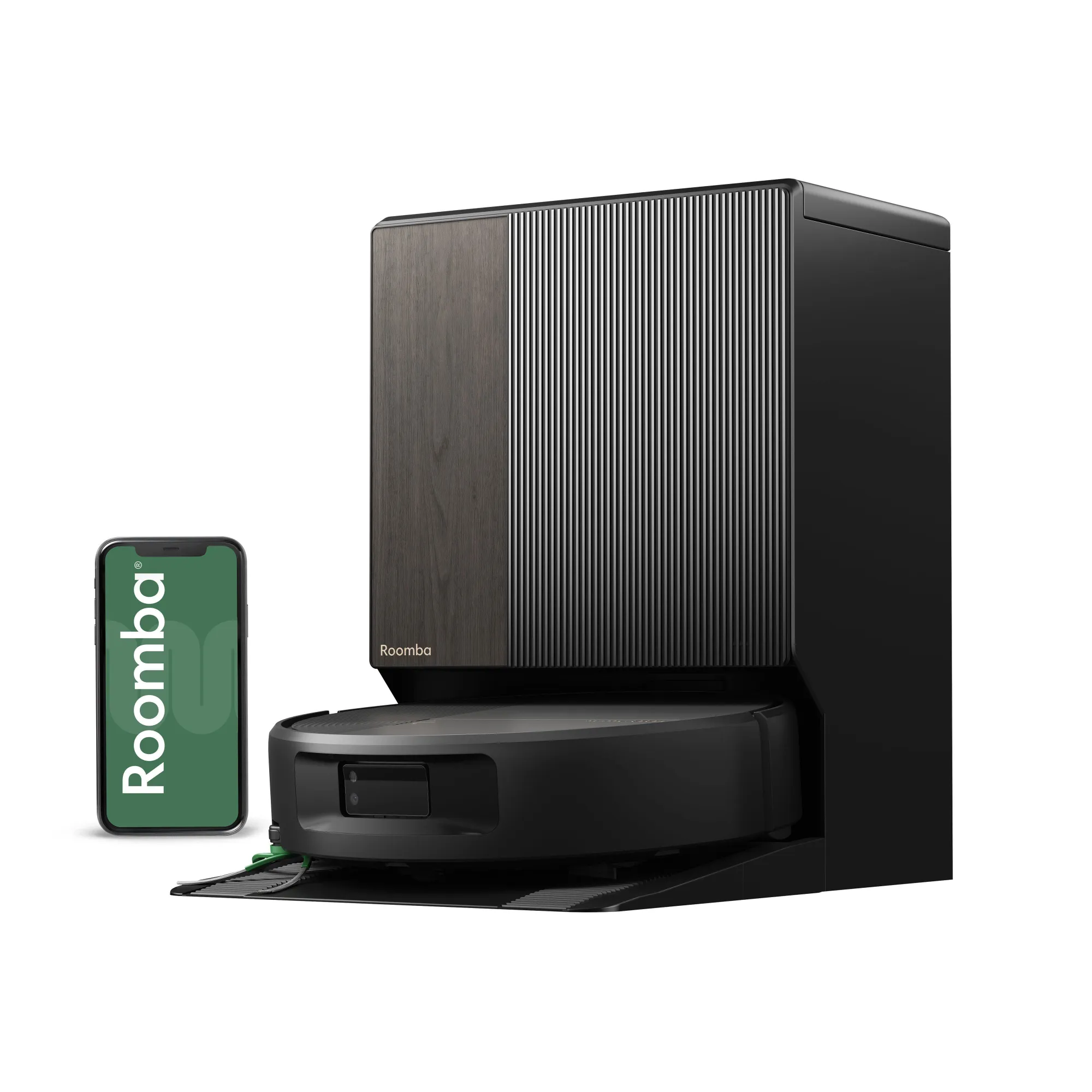
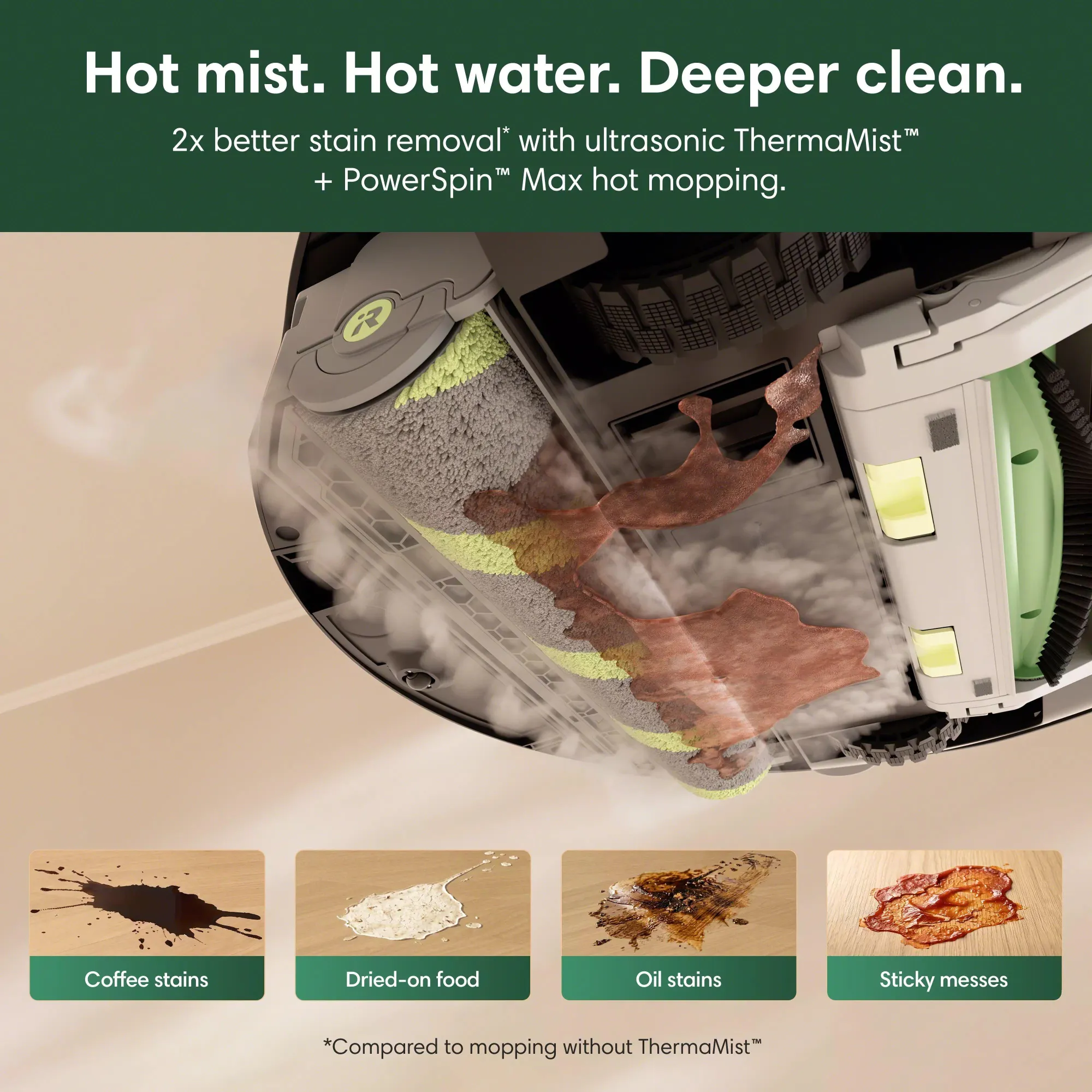
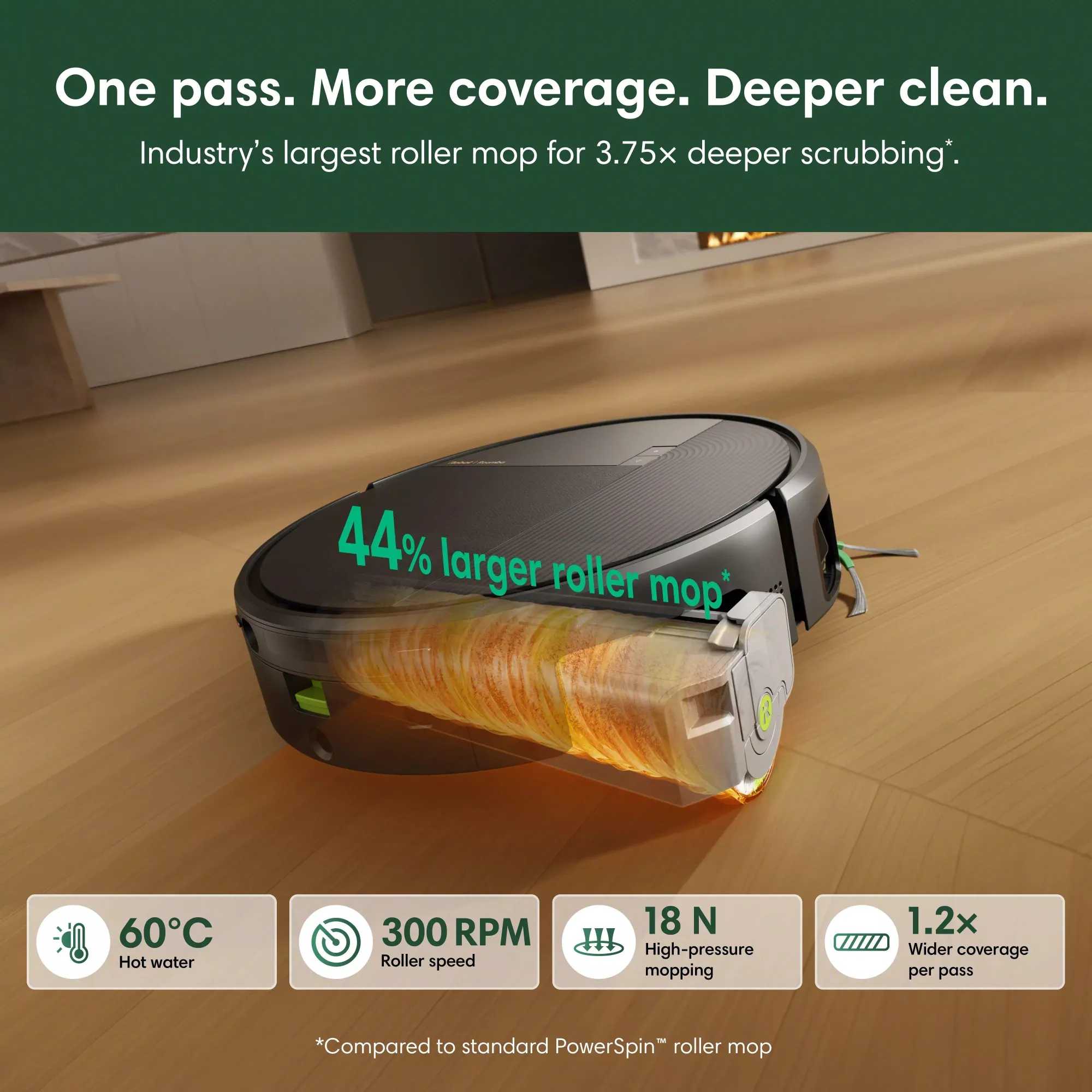
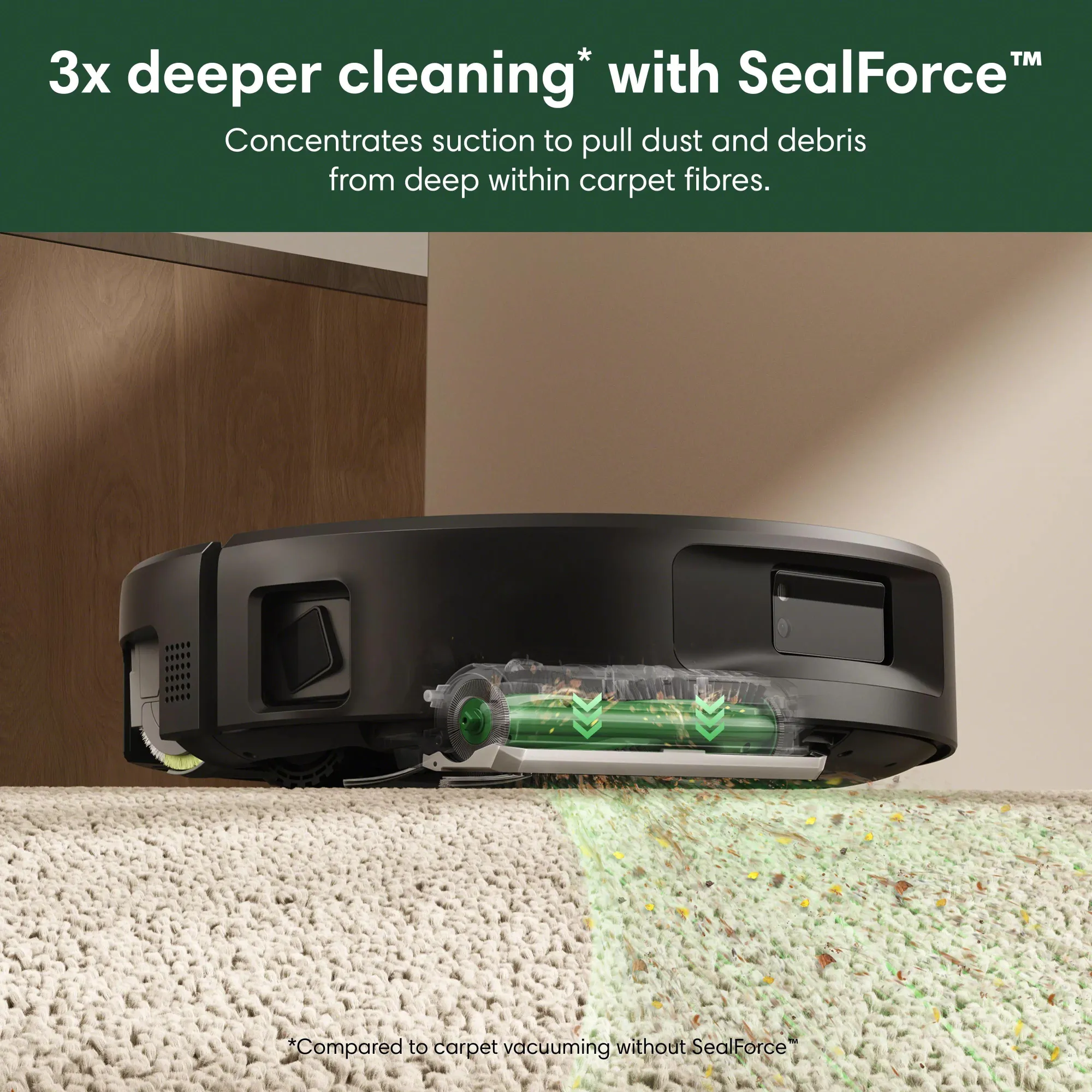
Robot vacuum cleaners iRobot
Buying guide: how to choose a robot vacuum
A robot vacuum is judged first on battery life, noise level, suction power and dustbin capacity. Price comes next, worth comparing across merchants for equivalent specifications. Each product page shows a score per criterion to place a model against the market.
What to check
Battery life
This criterion measures how long the appliance runs before it must return to charge. Short battery life means more frequent charging stops or an inability to cover large areas in a single cycle. On the product page, the longer the bar, the longer the robot lasts on a single charge. Market benchmarks range from a modest runtime to a much longer one, with the median sitting in between: a useful reference for the runtime to expect from a typical model.
Market median: 180 min
Noise level
This criterion measures the sound emitted while cleaning. A quiet unit can run while people are present or asleep without becoming a nuisance. Here, lower is better: on the product page, the longer the bar, the quieter the robot vacuum. Benchmarks range from a loud level to a much quieter one, with the median in between. Comparing this score helps avoid models that force occupants to leave the room during cleaning.
Market median: 65 dB
Suction power
This criterion measures the appliance’s suction strength, key to capturing fine dust and dirt embedded in carpets or crevices. The higher the value, the deeper the clean. On the product page, the longer the bar, the higher the suction power. Market benchmarks show a wide gap between the weakest and strongest models, with the median staying far from the top of the scale: a good way to judge whether a model suits demanding floors or pet hair.
Market median: 10,000 Pa
Dustbin capacity
This criterion measures the volume of the robot’s built-in dustbin. A larger bin means less frequent emptying, better suited to large homes or households with pets. Higher is better: on the product page, the longer the bar, the less often intervention is needed. Benchmarks range from a small capacity to a much larger one, with the median in between. This criterion matters most for anyone wanting to limit handling between cleaning cycles.
Market median: 0.3 L
Setup and maintenance
Setup usually involves placing the charging dock in an accessible spot and letting the robot map the rooms during its first runs. An app or remote control makes scheduling easier. On maintenance, the dustbin, brushes and sensors need regular cleaning to keep performance steady over time. Neglecting upkeep can lower perceived suction and effective runtime, even though the appliance’s original specifications remain unchanged.
Benchmarks based on 30 recent market listings, collected on 1 October 2026.
What you get for each budget
Under €400
Under €400: models here often combine more modest battery life and suction power, with a smaller dustbin capacity.
€400 to €700
€400 to €700: this range offers a better balance between battery life, quietness and suction power, with more generous bin capacity.
Over €700
Over €700: this range gathers the best scores for battery life, suction power and capacity, along with quieter operation.
Frequent mistakes
Choosing based on suction power alone without checking battery life, risking a robot that stops before finishing.
Overlooking noise level when the appliance needs to run during the day in an occupied home.
Underestimating dustbin capacity for a large home, which multiplies emptying trips.
Comparing prices across models with different specifications instead of matching power and battery life.
Skipping regular brush and sensor cleaning, which lowers actual cleaning performance.
Models in this category
Best rated first, among those our merchants offer.
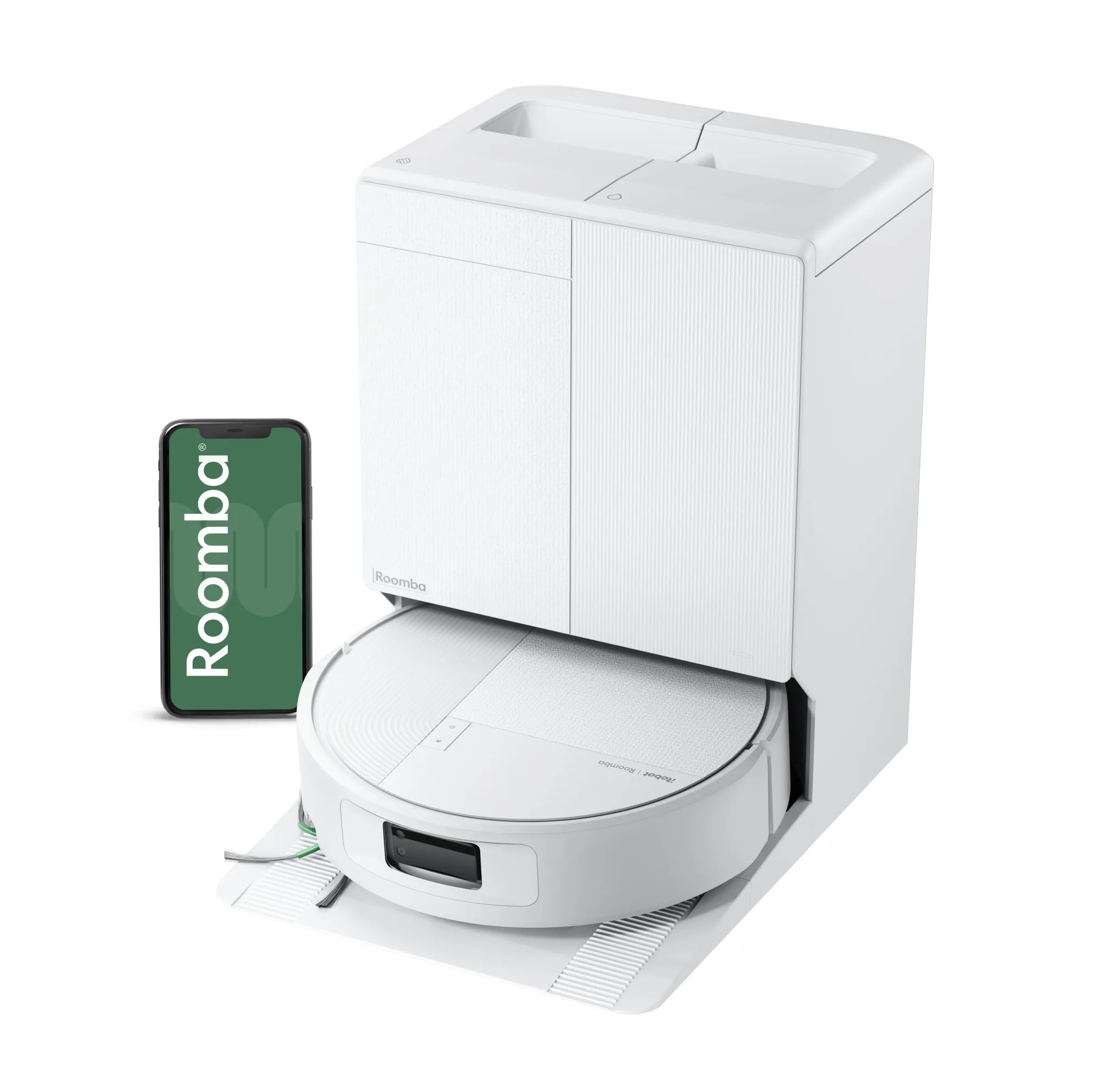
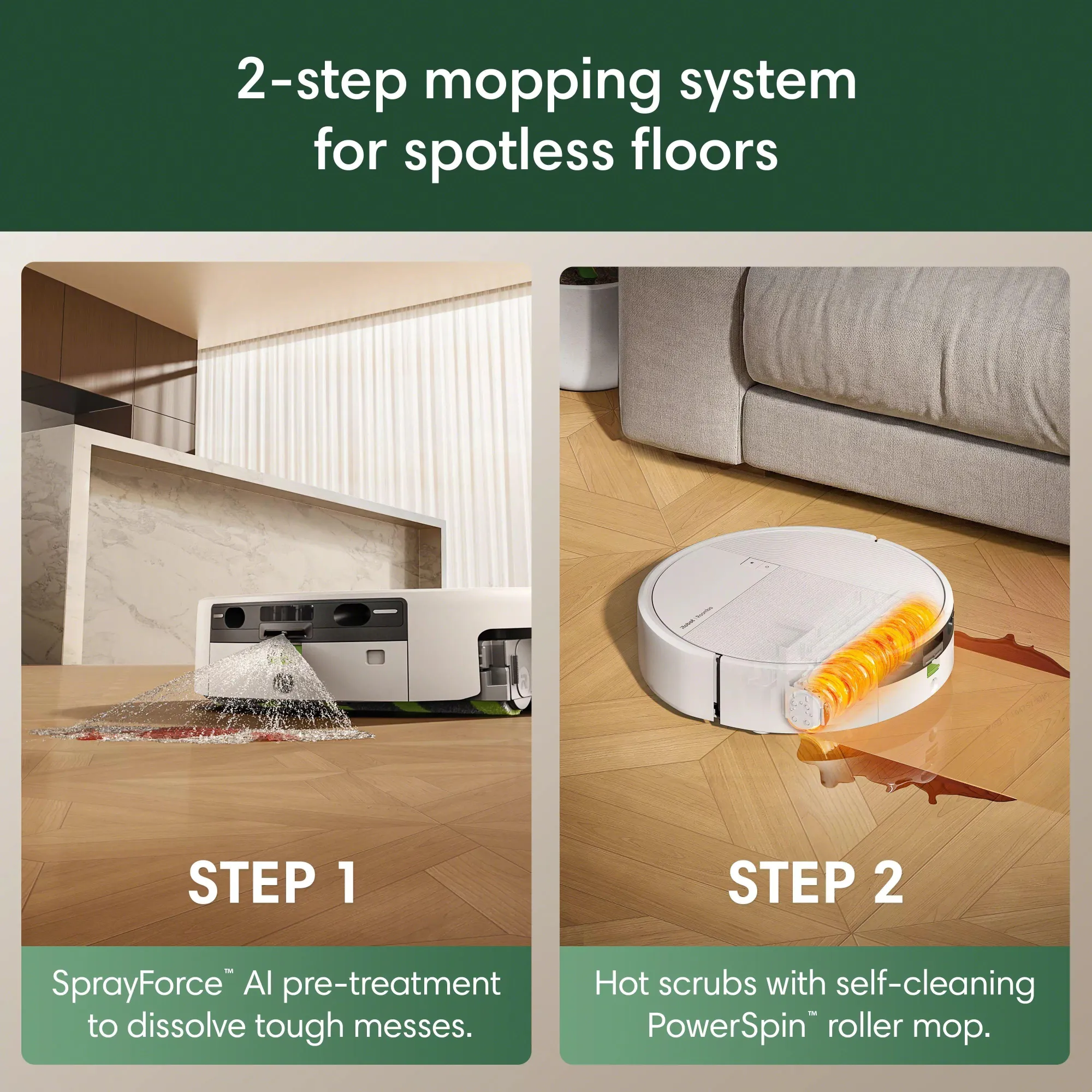
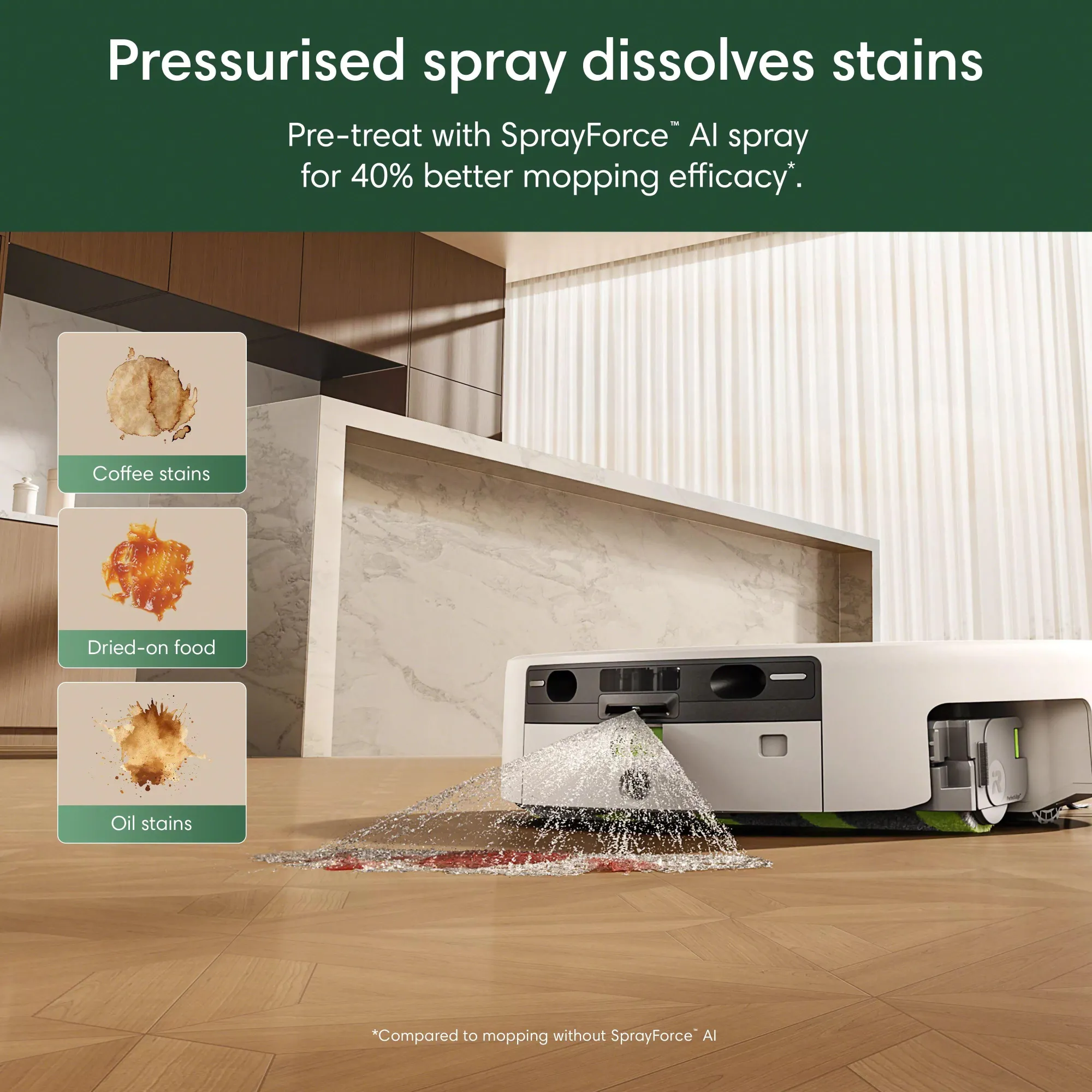
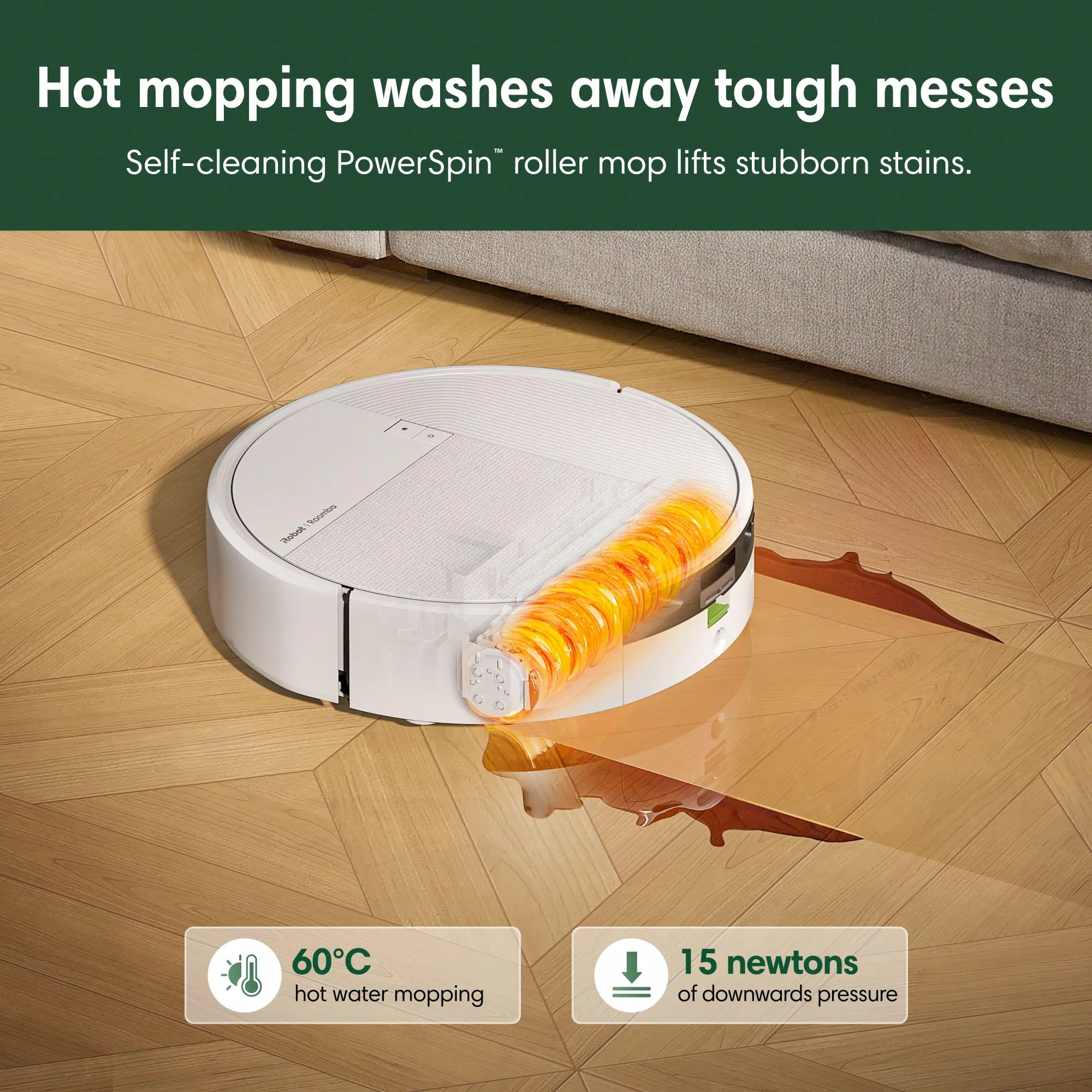
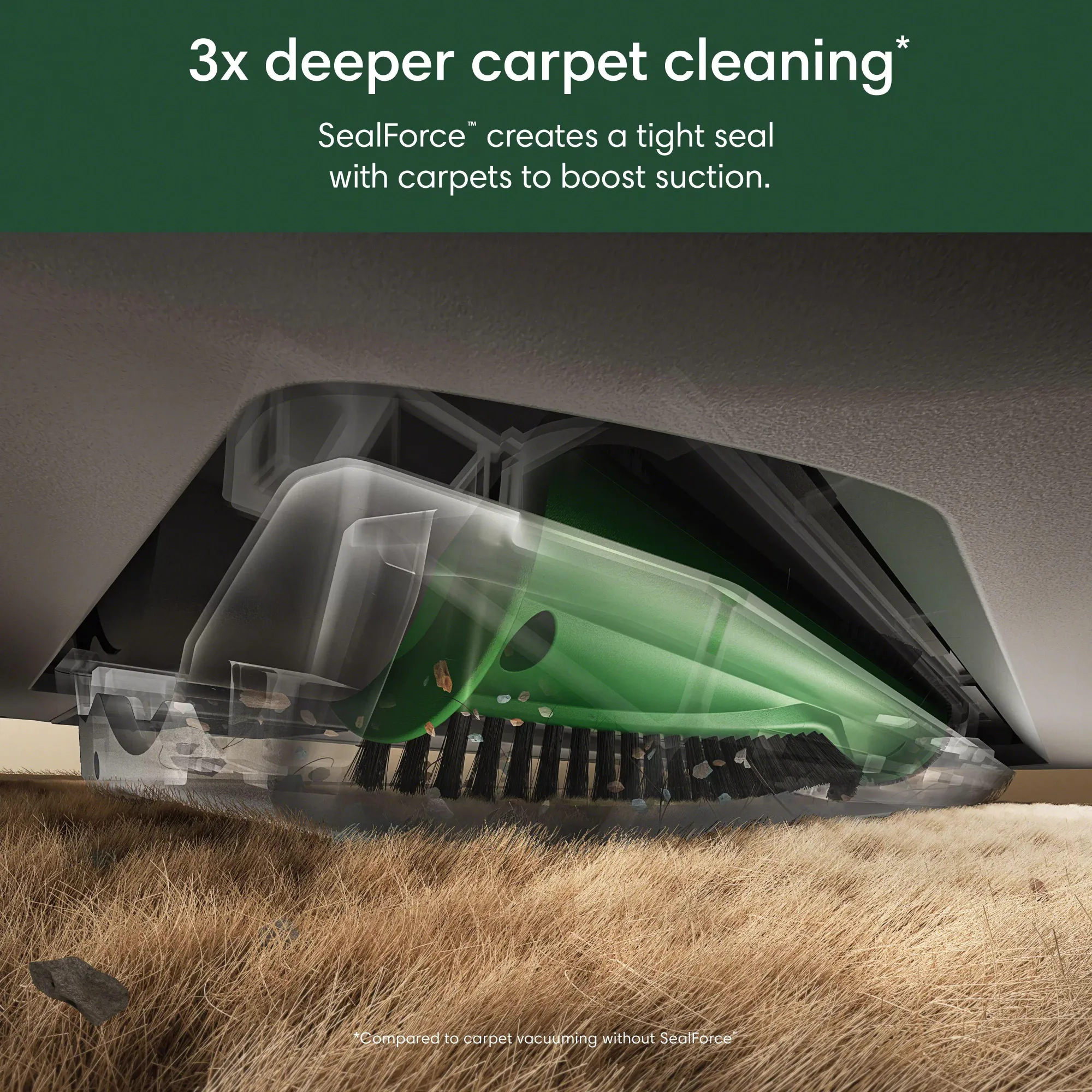
Robot vacuum cleaners iRobot
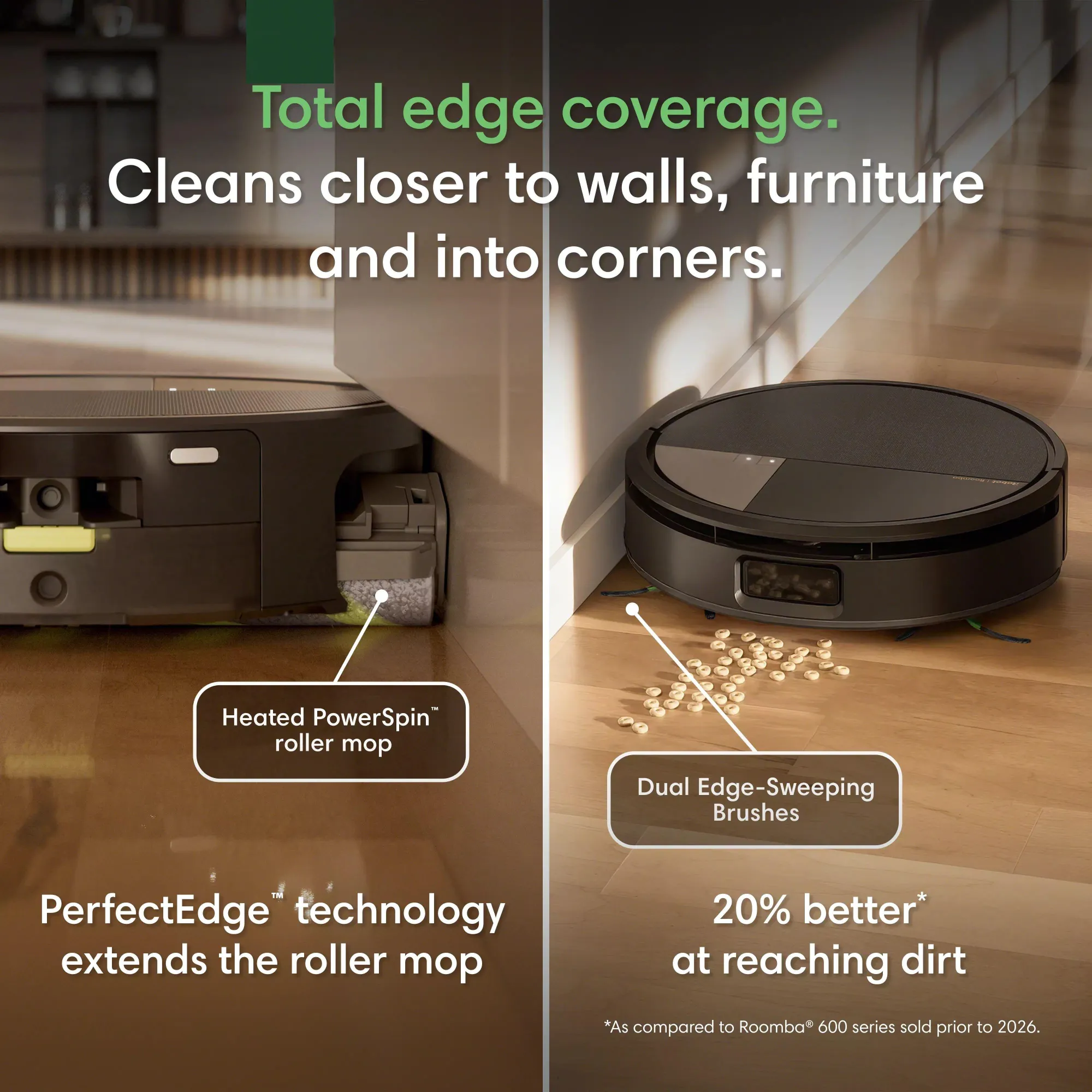
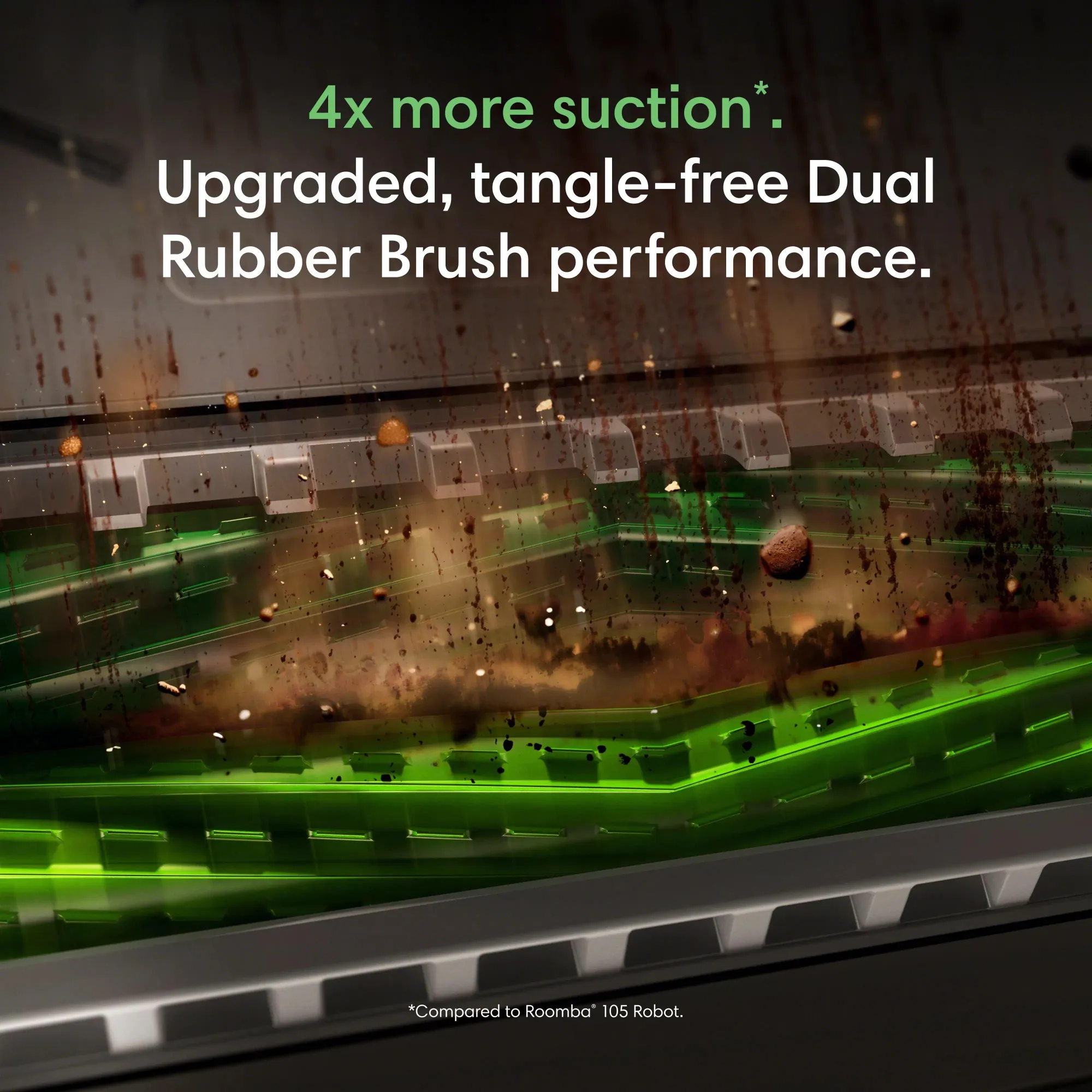
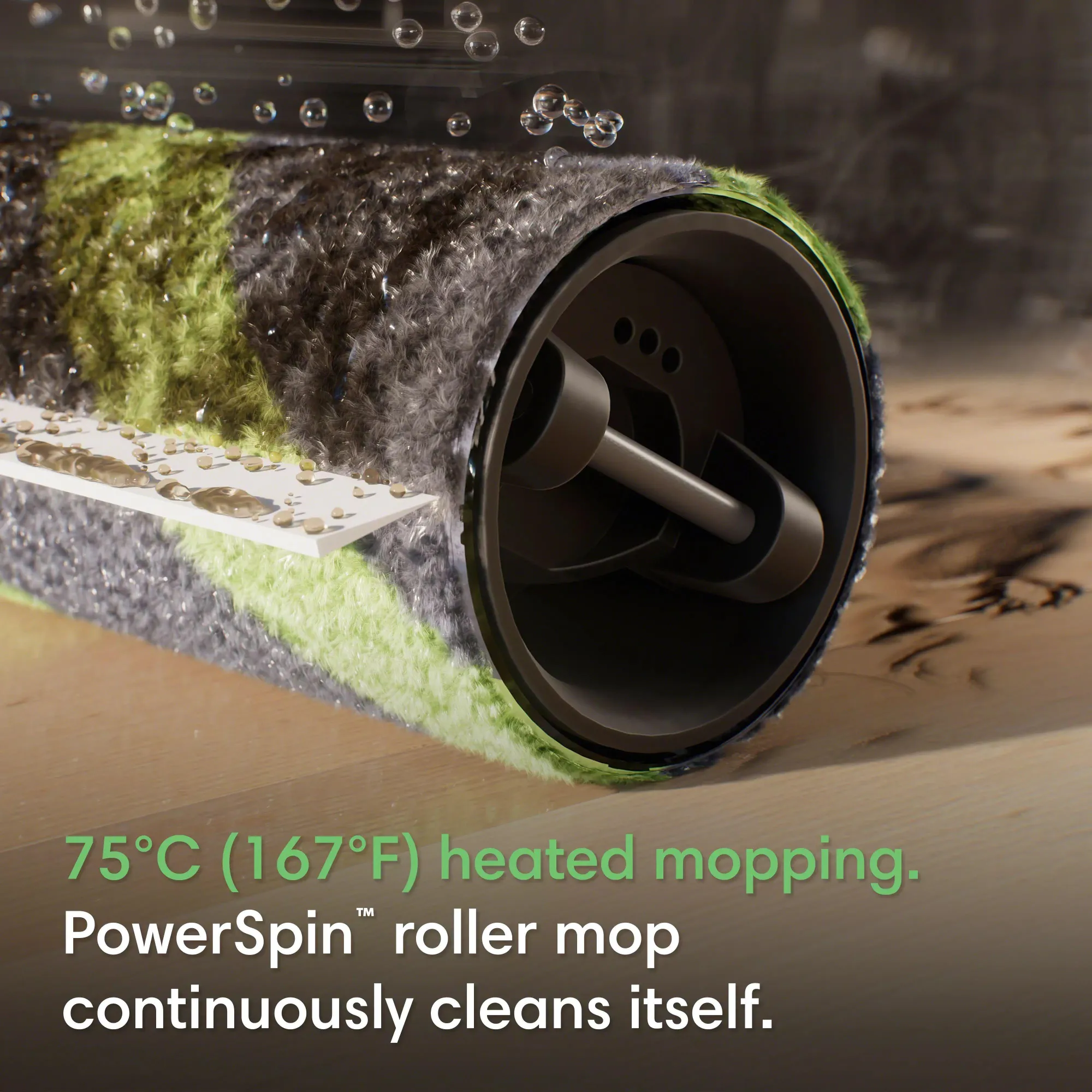
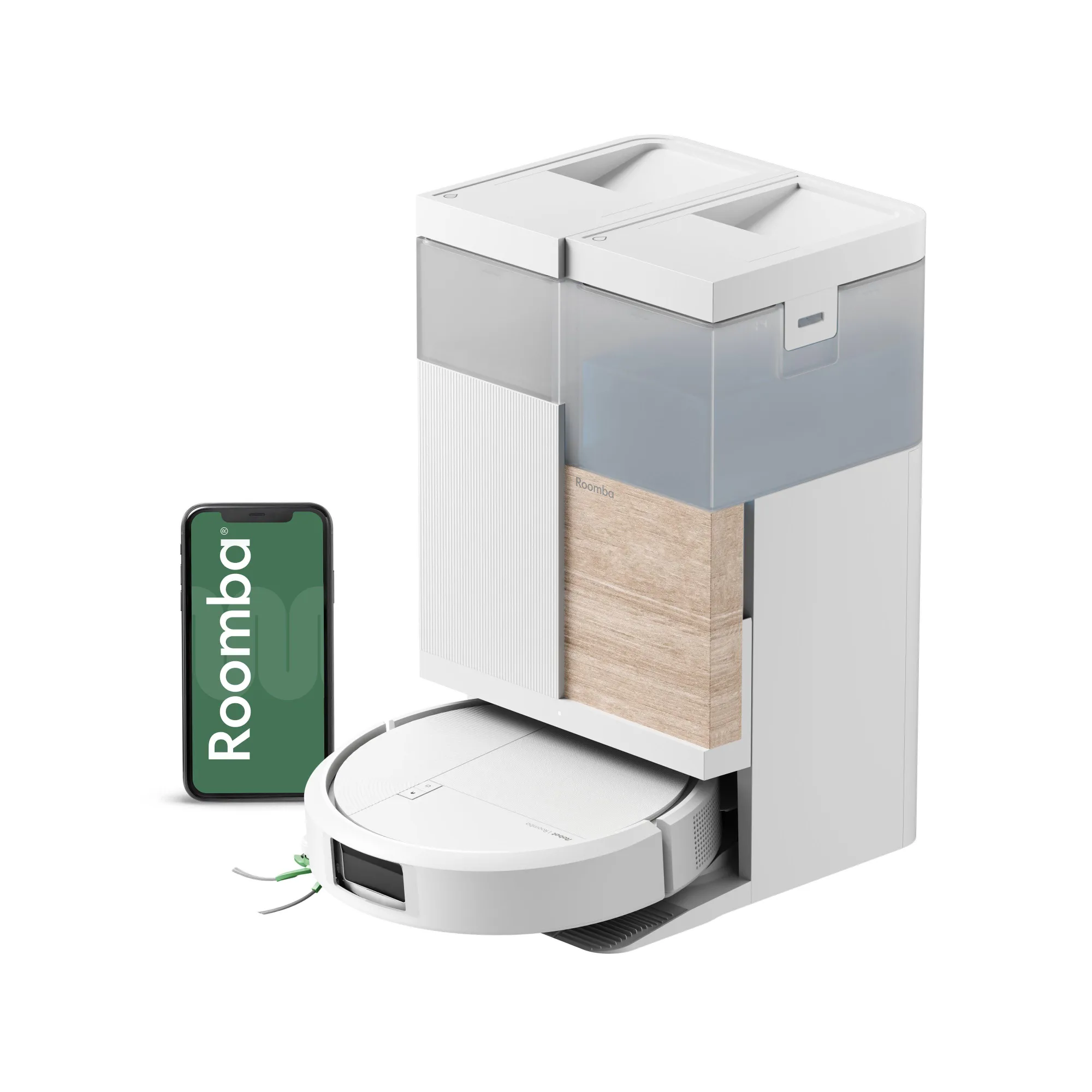
Roomba Plus 675 Combo robot + AutoWash base White
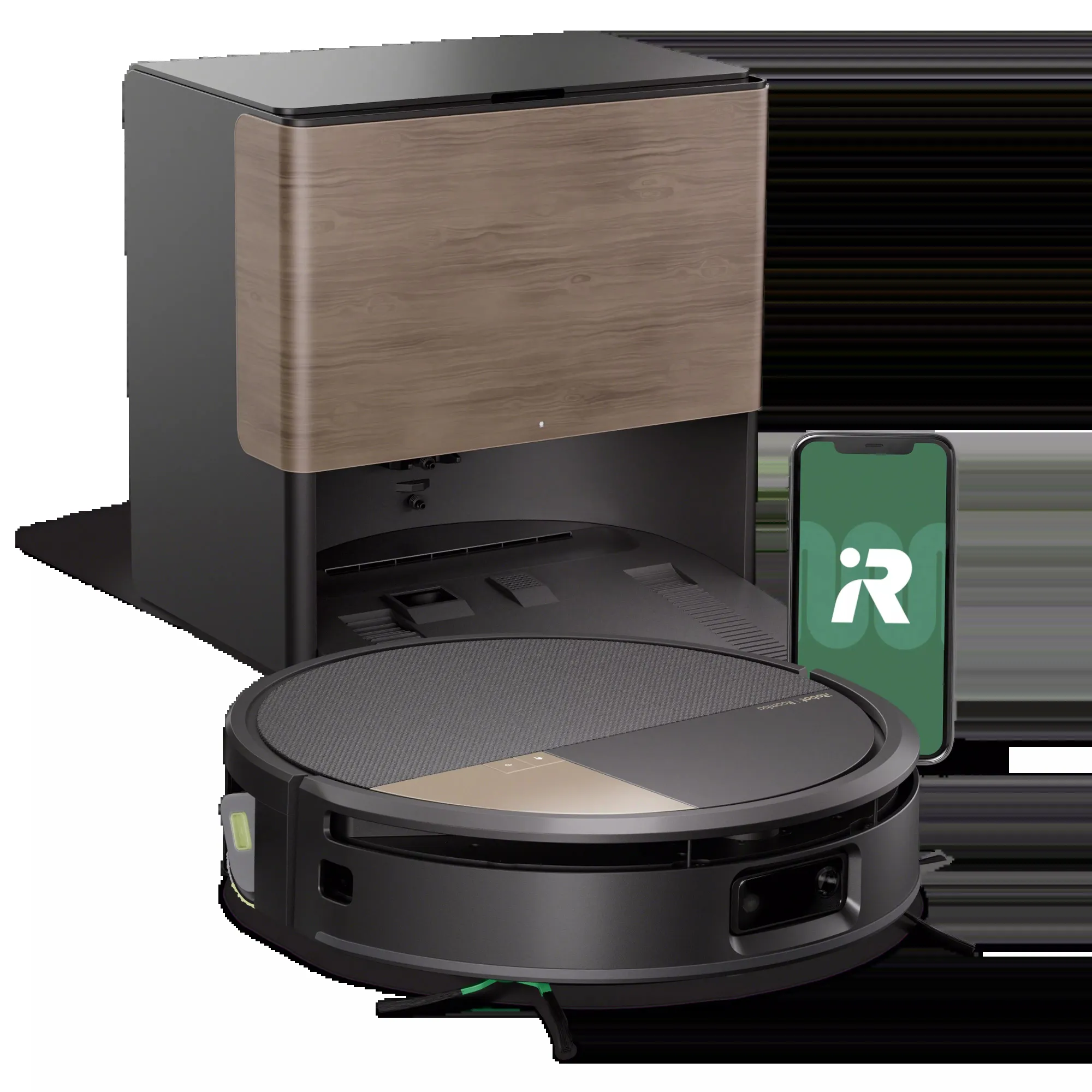
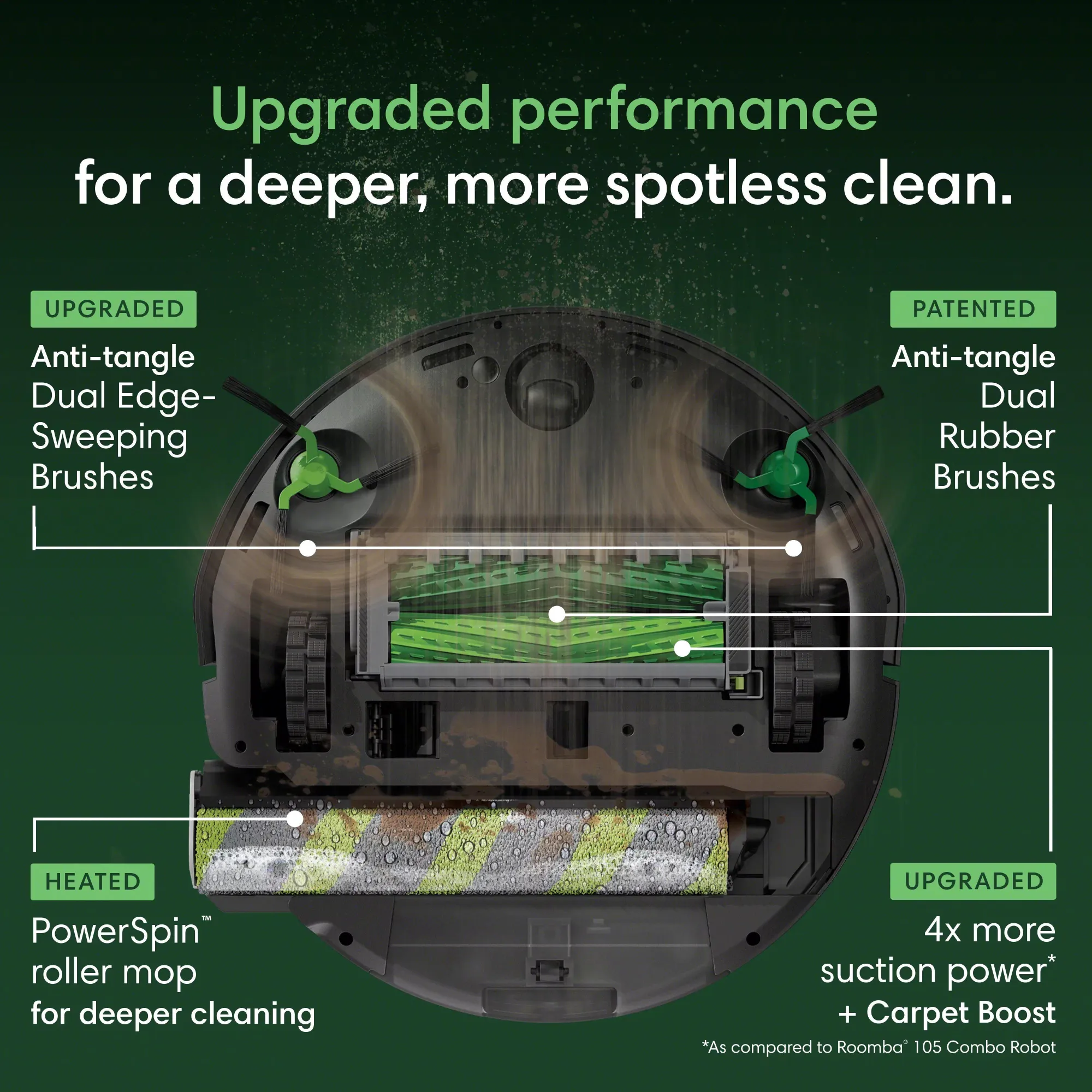
Robot vacuum cleaners iRobot
Robot Roomba Max 775 Combo + AutoWash base Black
Robot vacuum cleaners iRobot
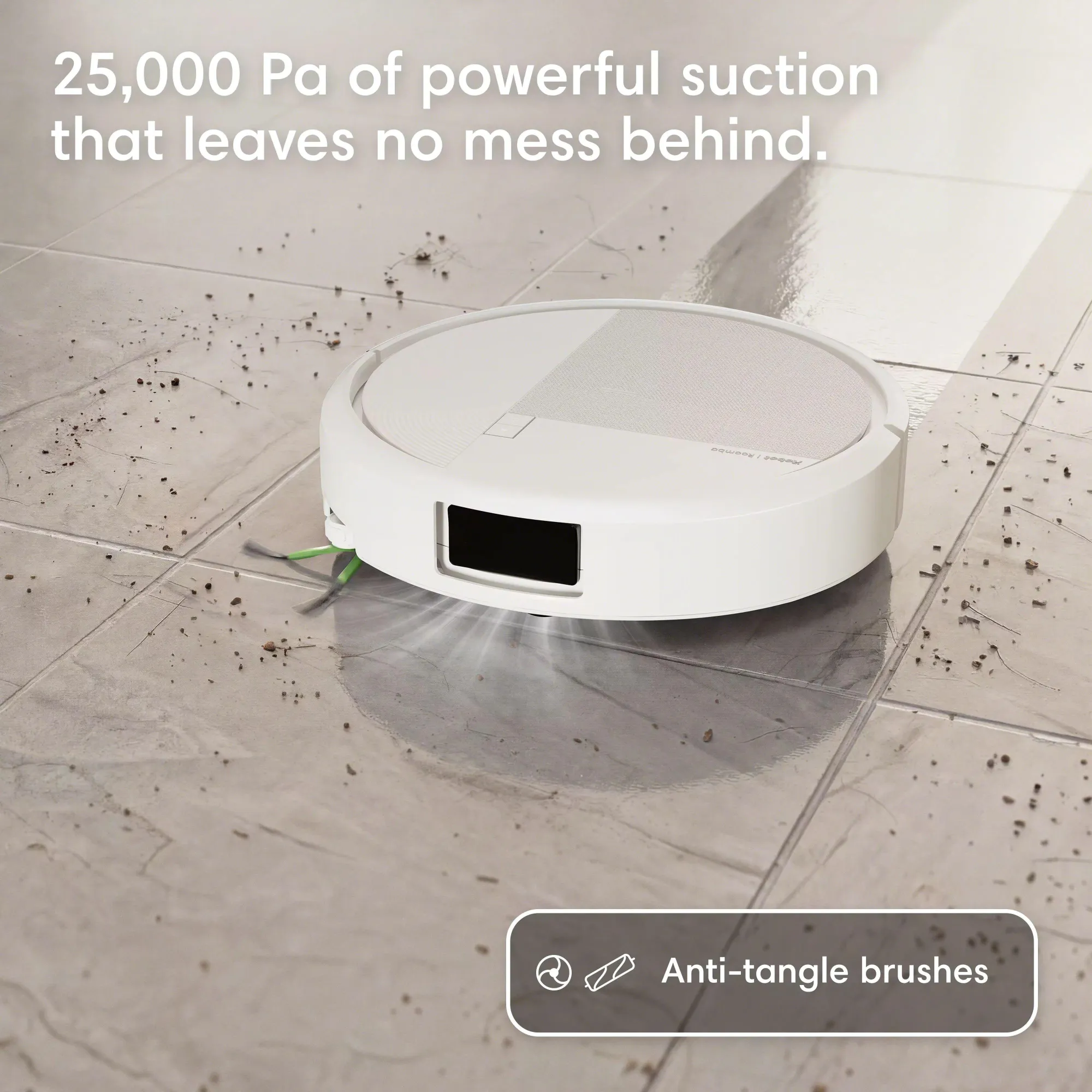
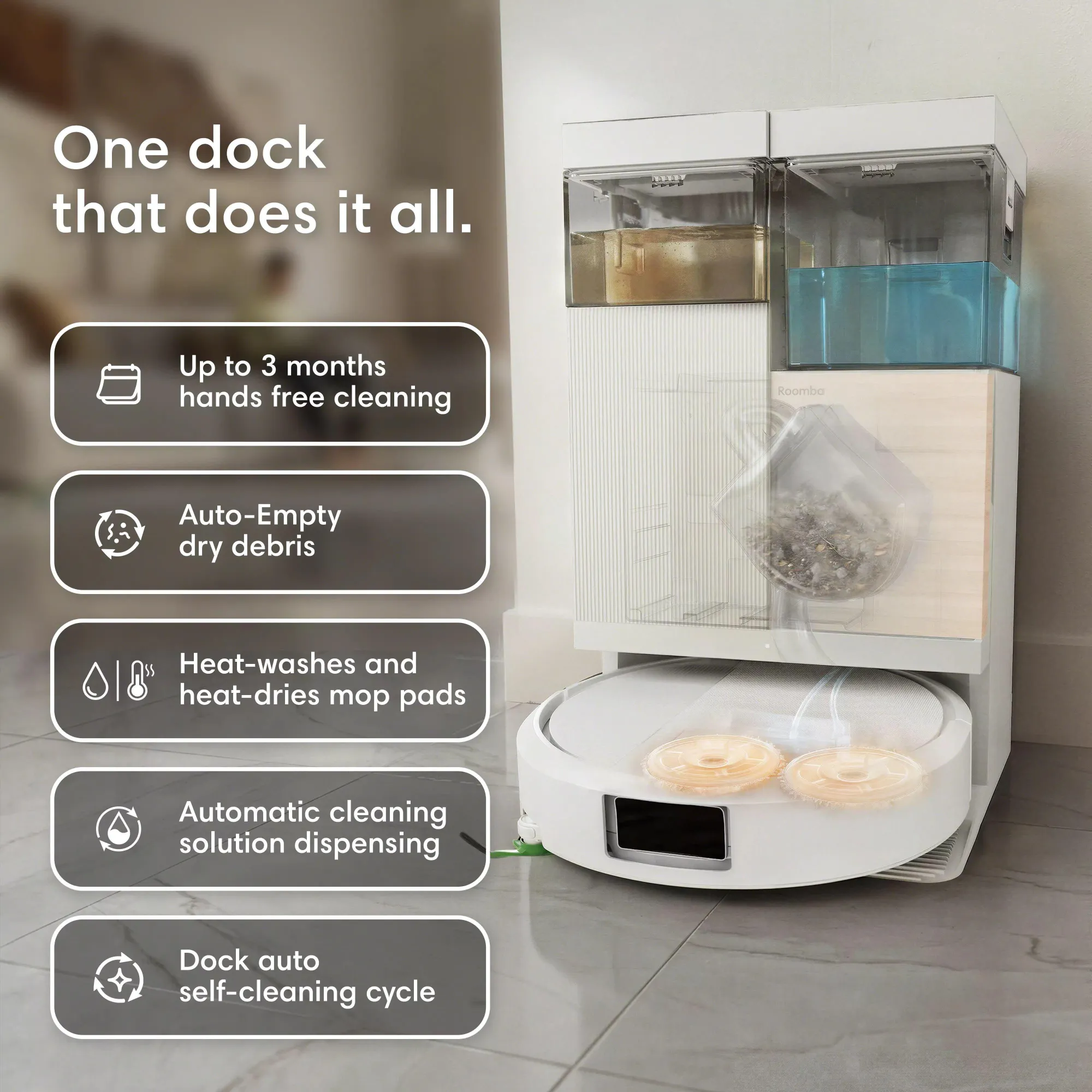
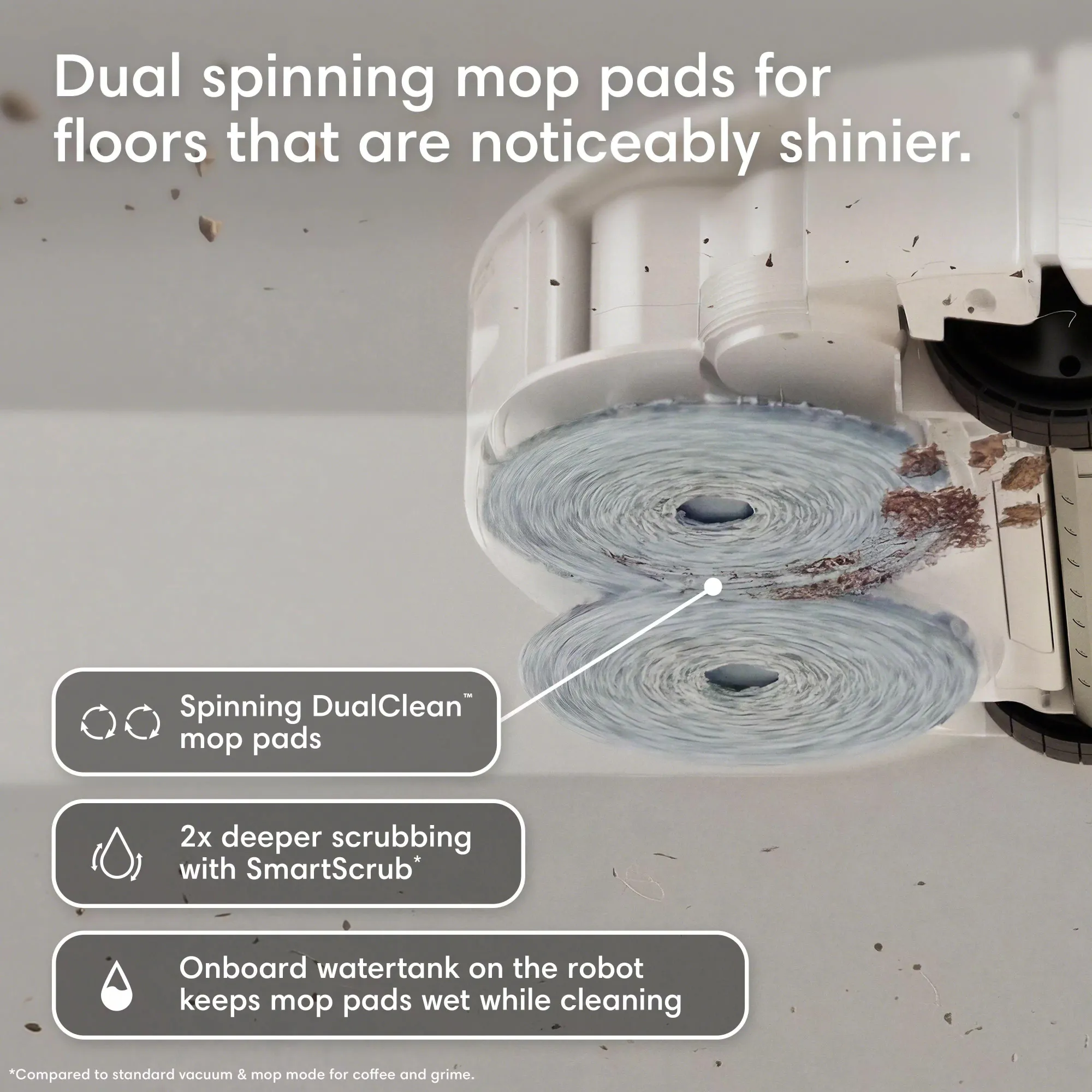
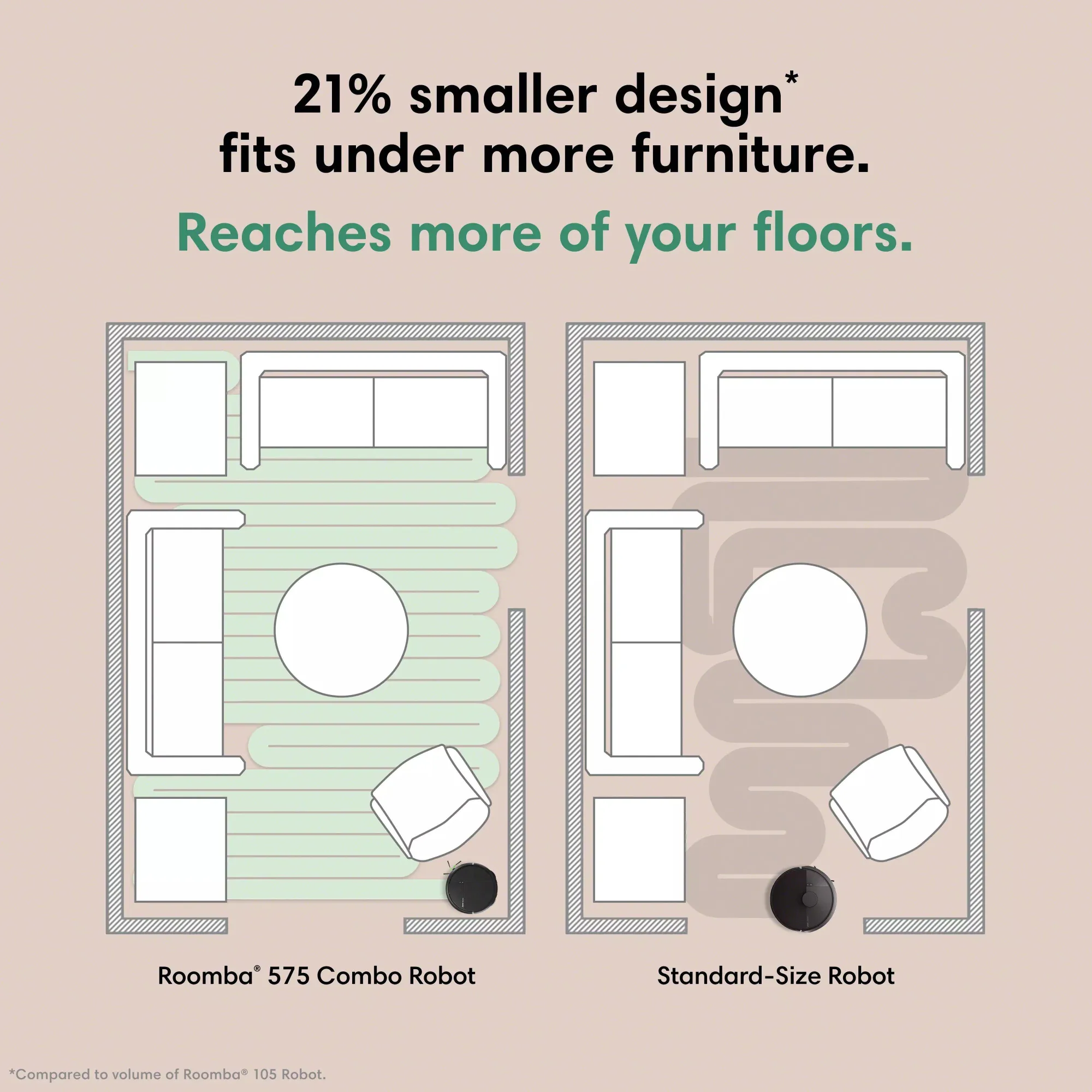
Robot Roomba Plus 575 Combo + AutoWash base White
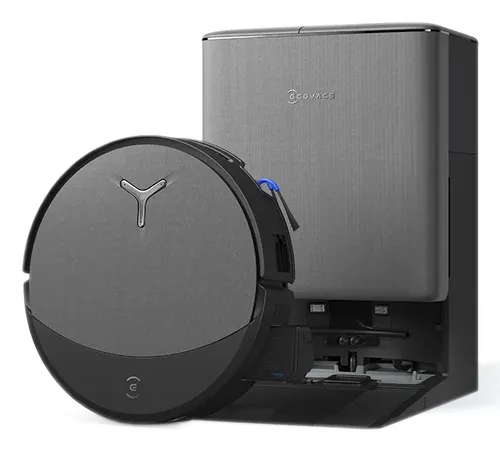
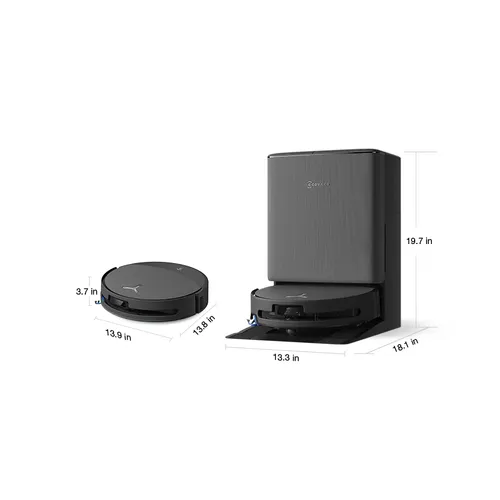
Robot vacuum cleaners Ecovacs
Ecovacs Automated Vacuum Cleaner(30,000Pa Suction, Instant Self-Cleaning OZMO Roller Mop)
30000 Pascal suction and 350 min runtime, with self-cleaning station
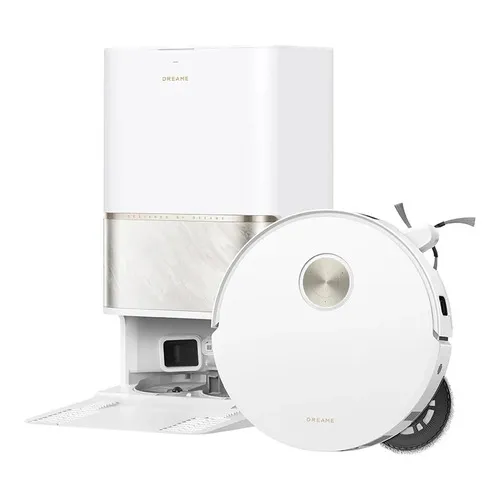
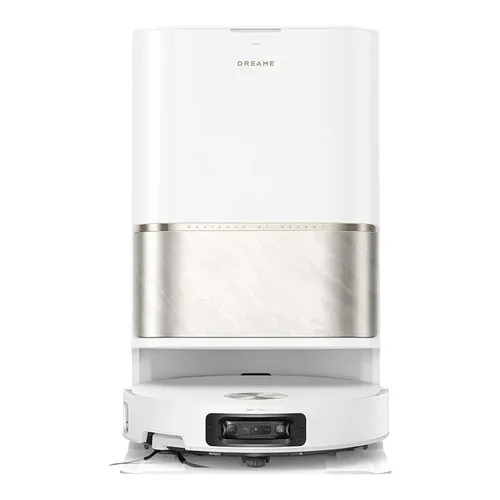
Robot vacuum cleaners Dreame
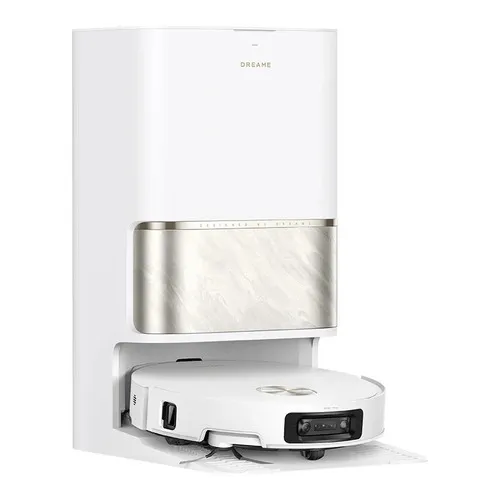
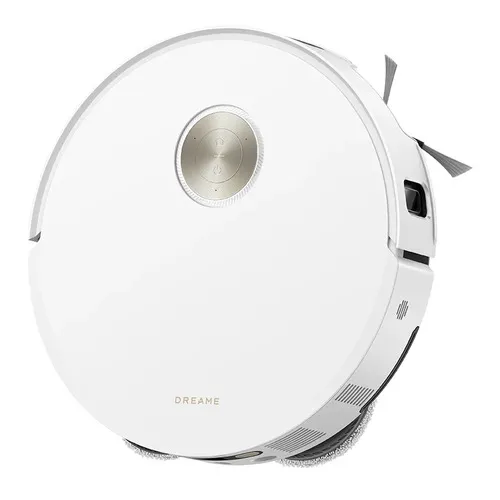
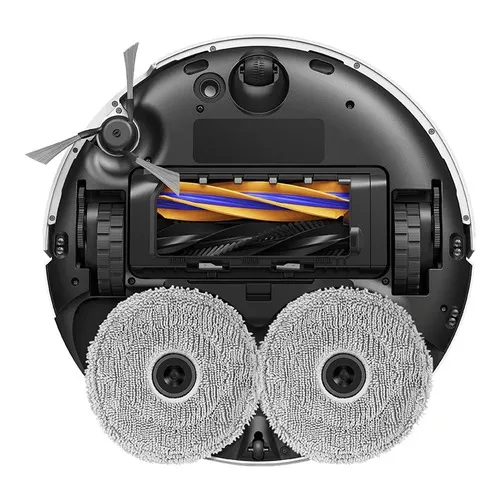
Dreame L60 ULTRA 0.275 L White
35000 Pascal suction with automatic mop washing and drying at the base

Robot vacuum cleaners Dreame
Dreame X60 Pro Master integrated smart robot vacuum & mop - black
42000 Pascal suction, 165 min runtime, automatic base return
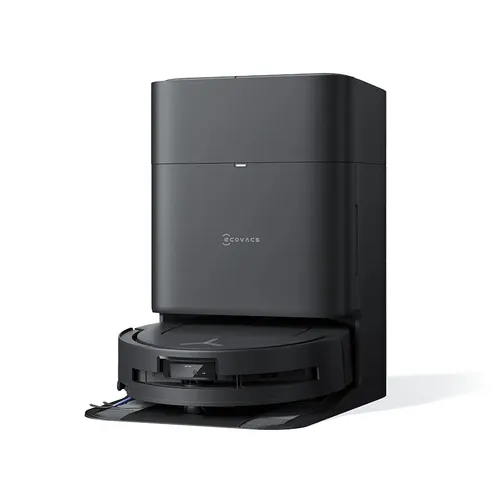
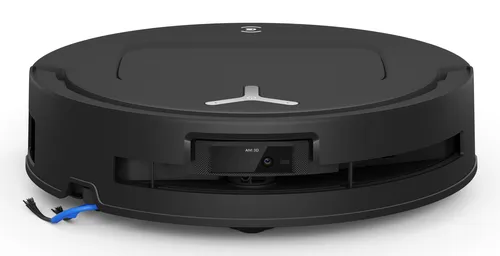
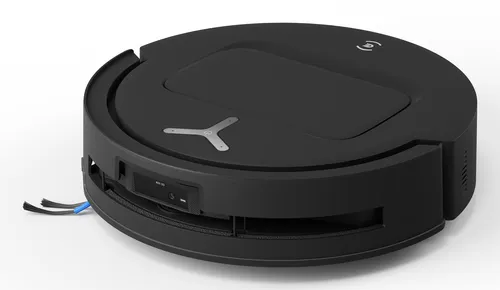
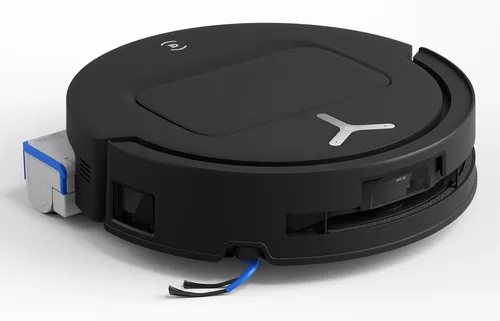
Robot vacuum cleaners Ecovacs
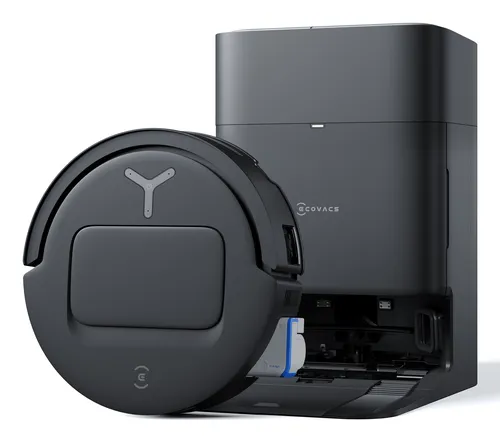
Ecovacs Deebot T80 Omni Black
18000 Pascal suction, 297 min runtime, with self-emptying base
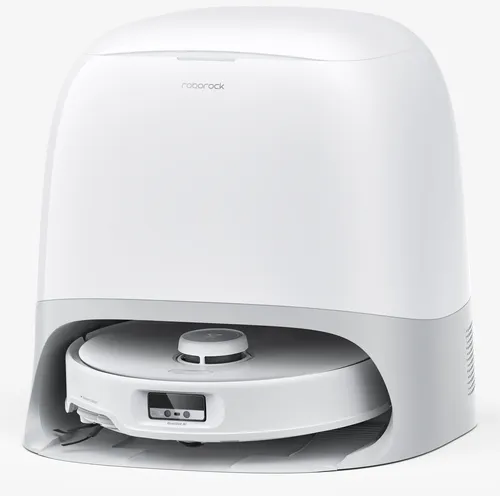
Robot vacuum cleaners Roborock
Roborock Qrevo Curv 0.325 L White
18.5 kPa suction, wet mopping and auto-return, at 61.5 dB
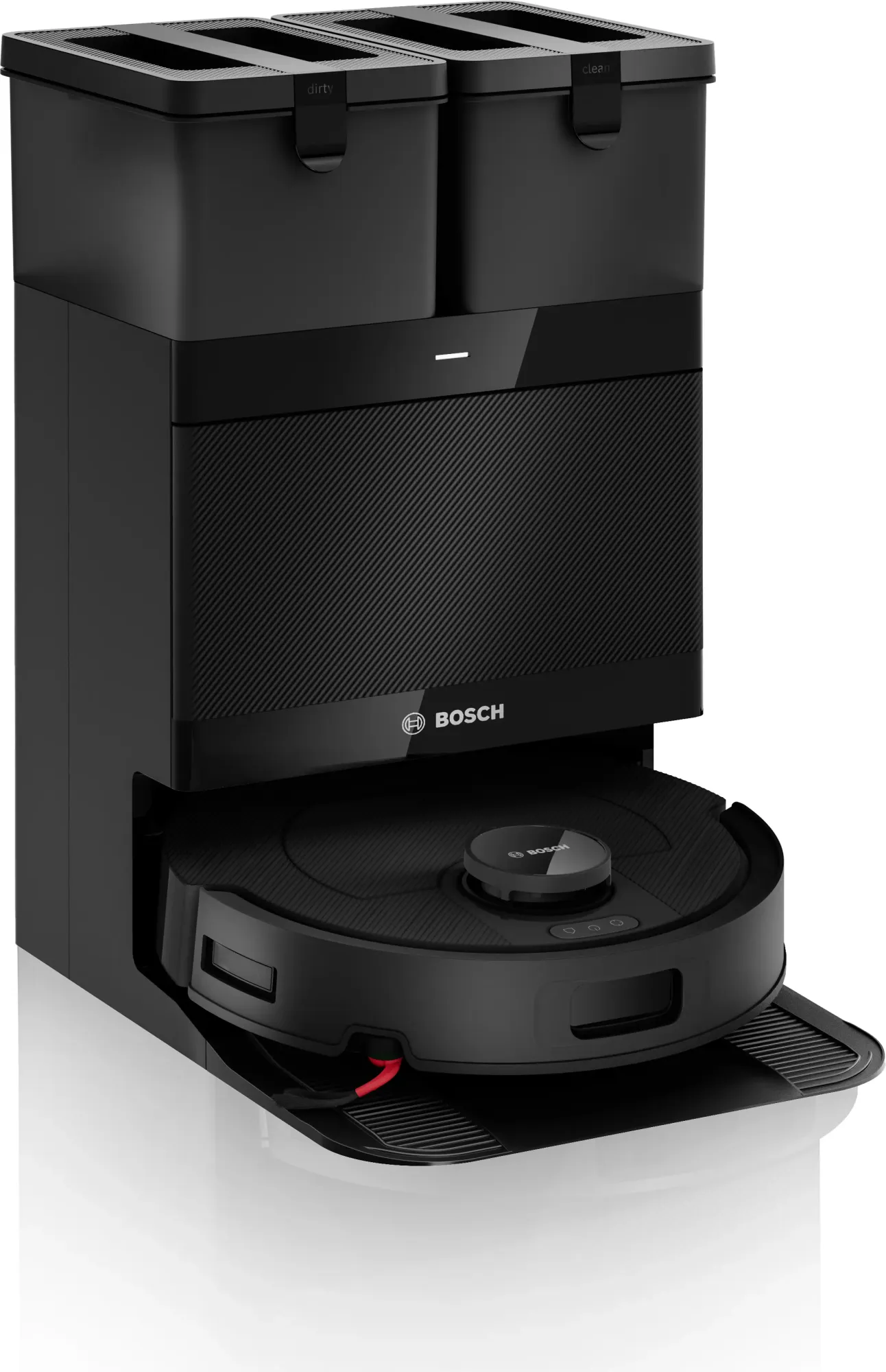
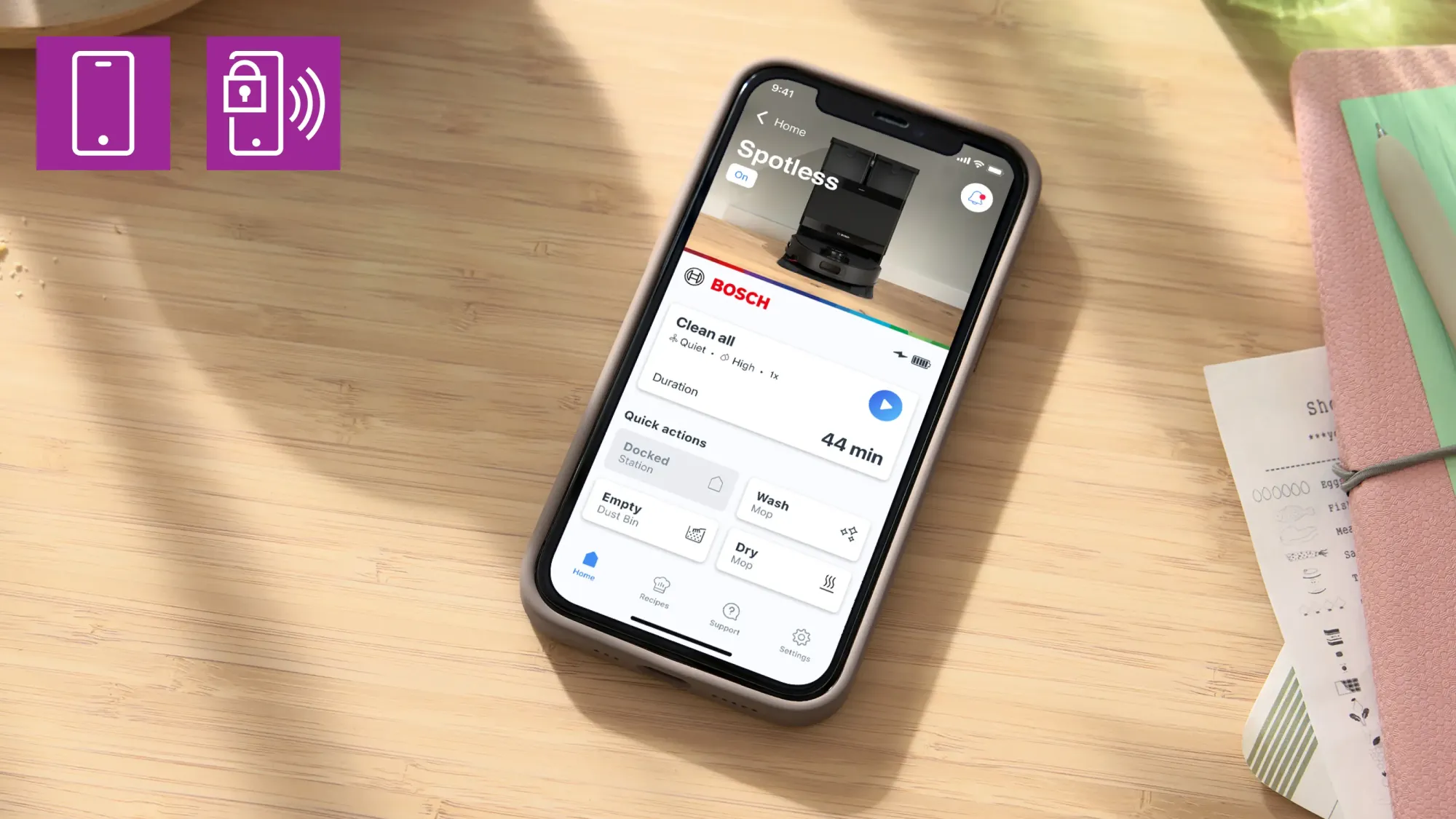
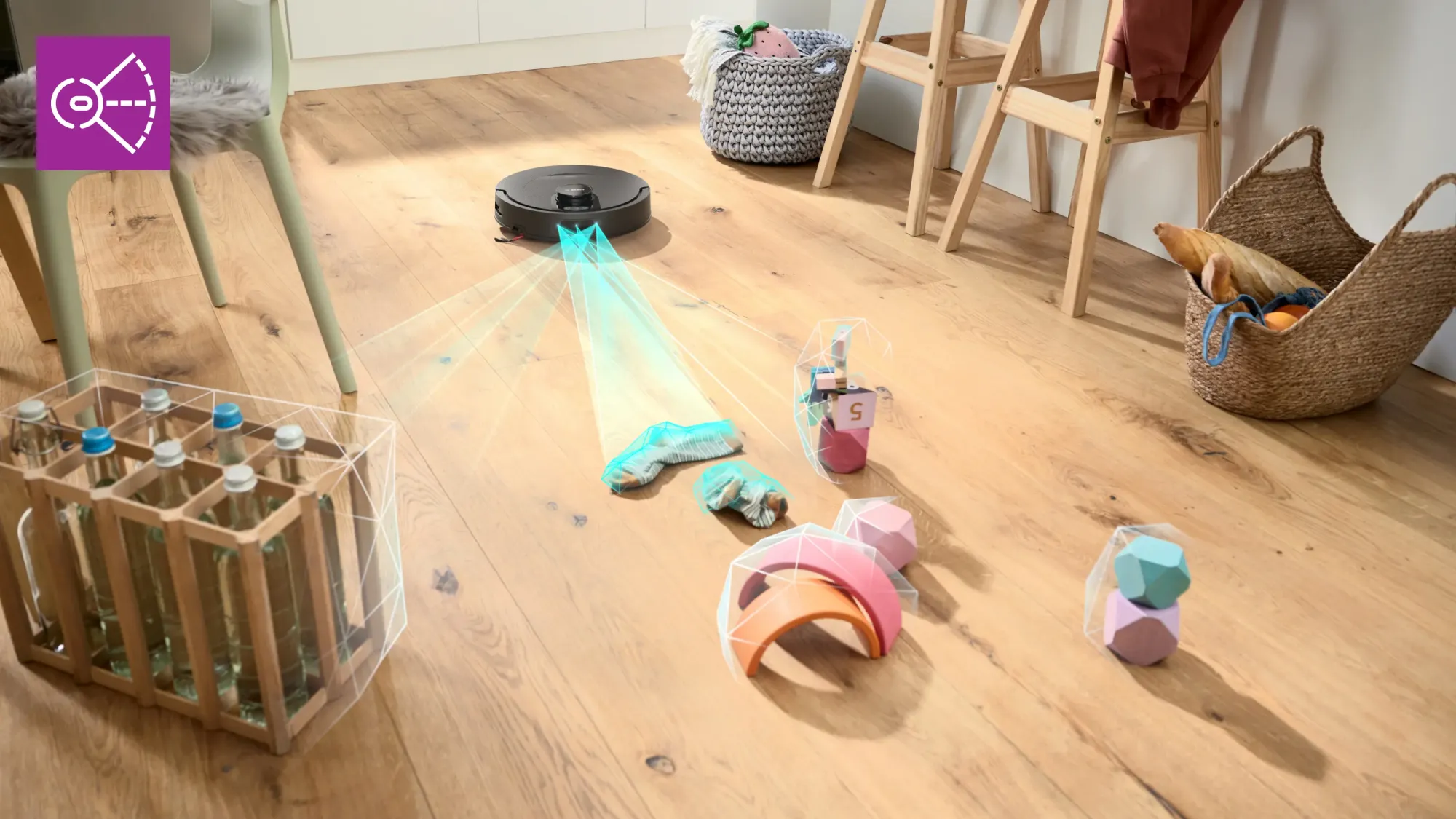
Robot vacuum cleaners Bosch
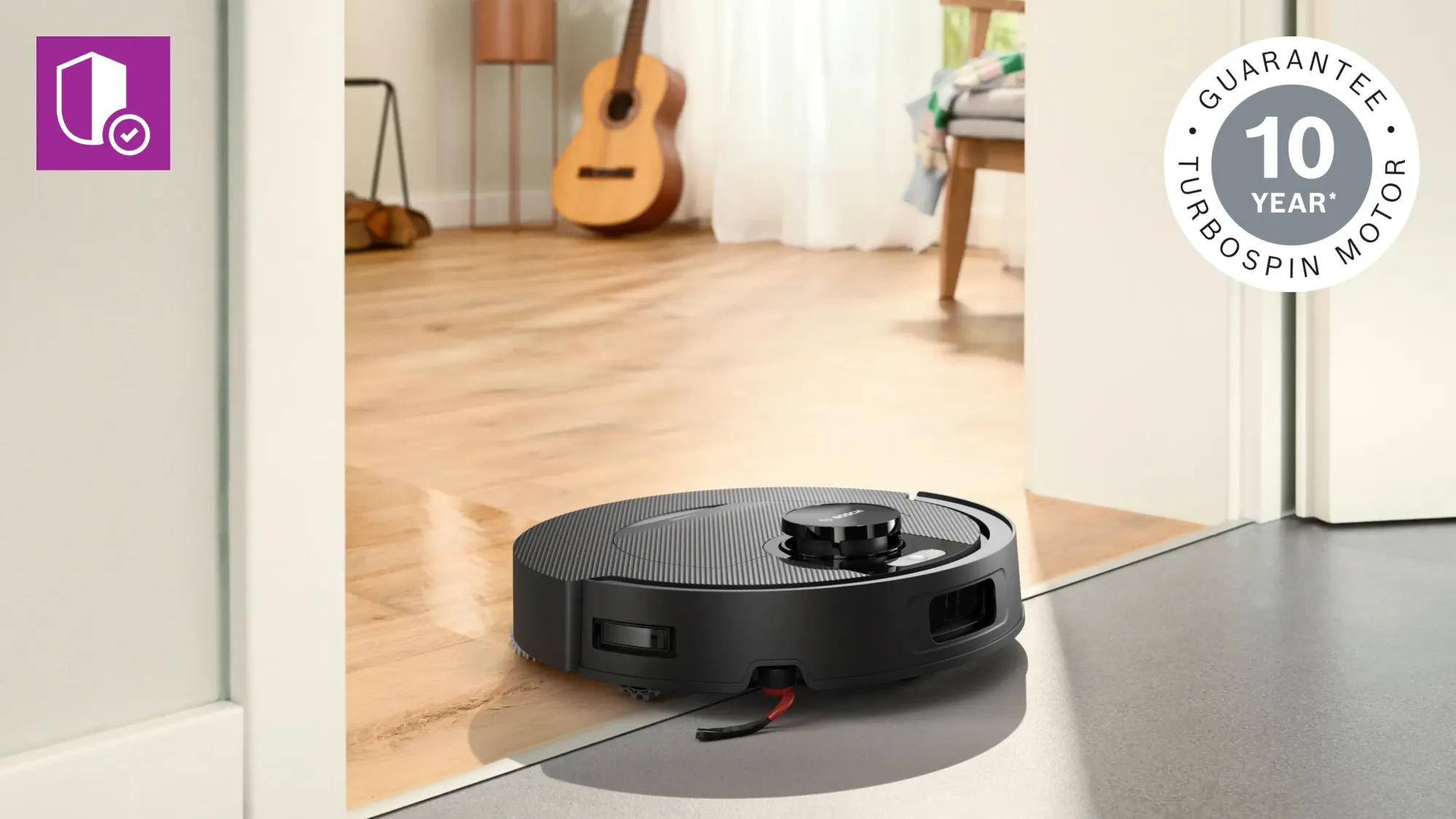
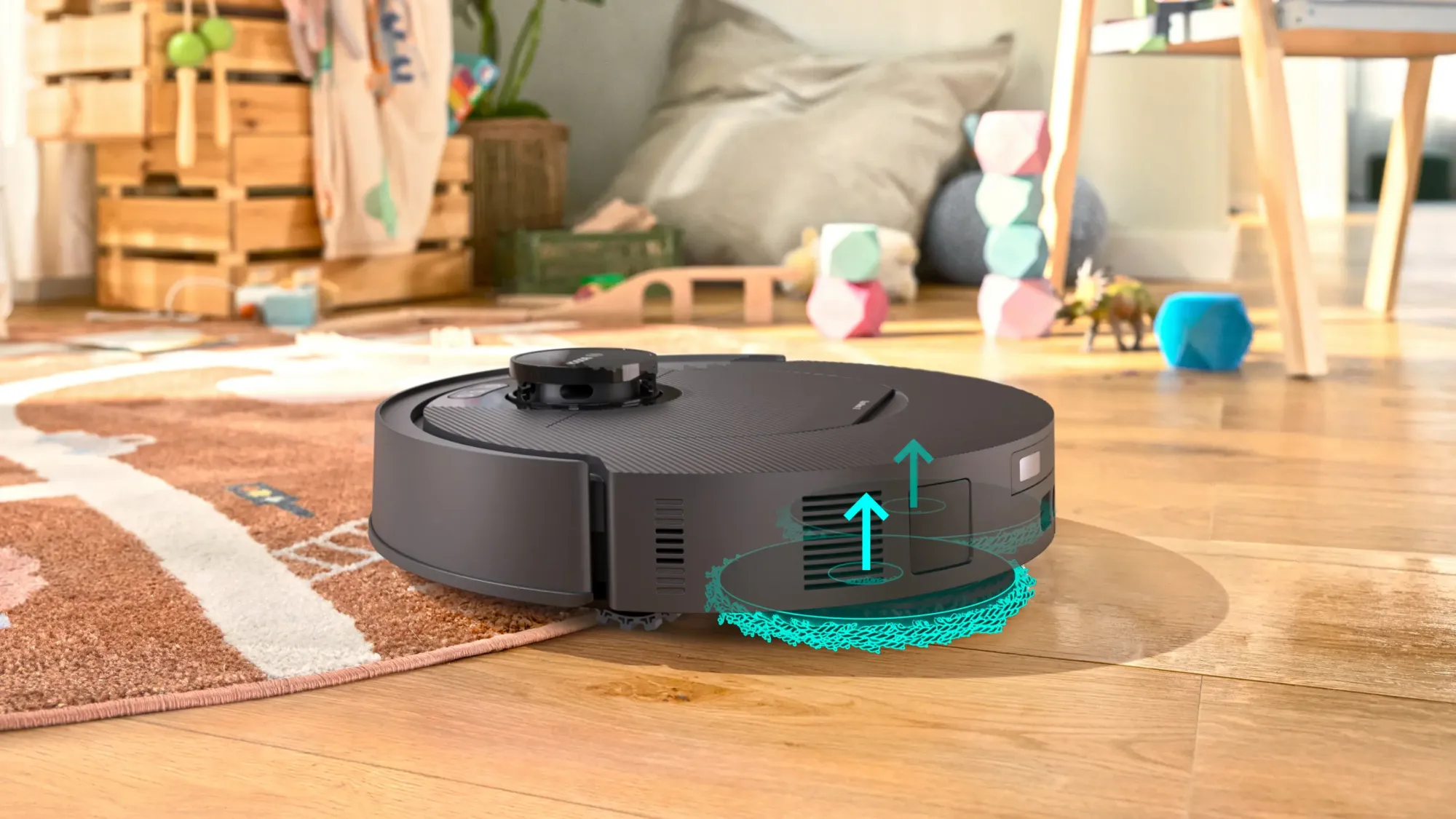
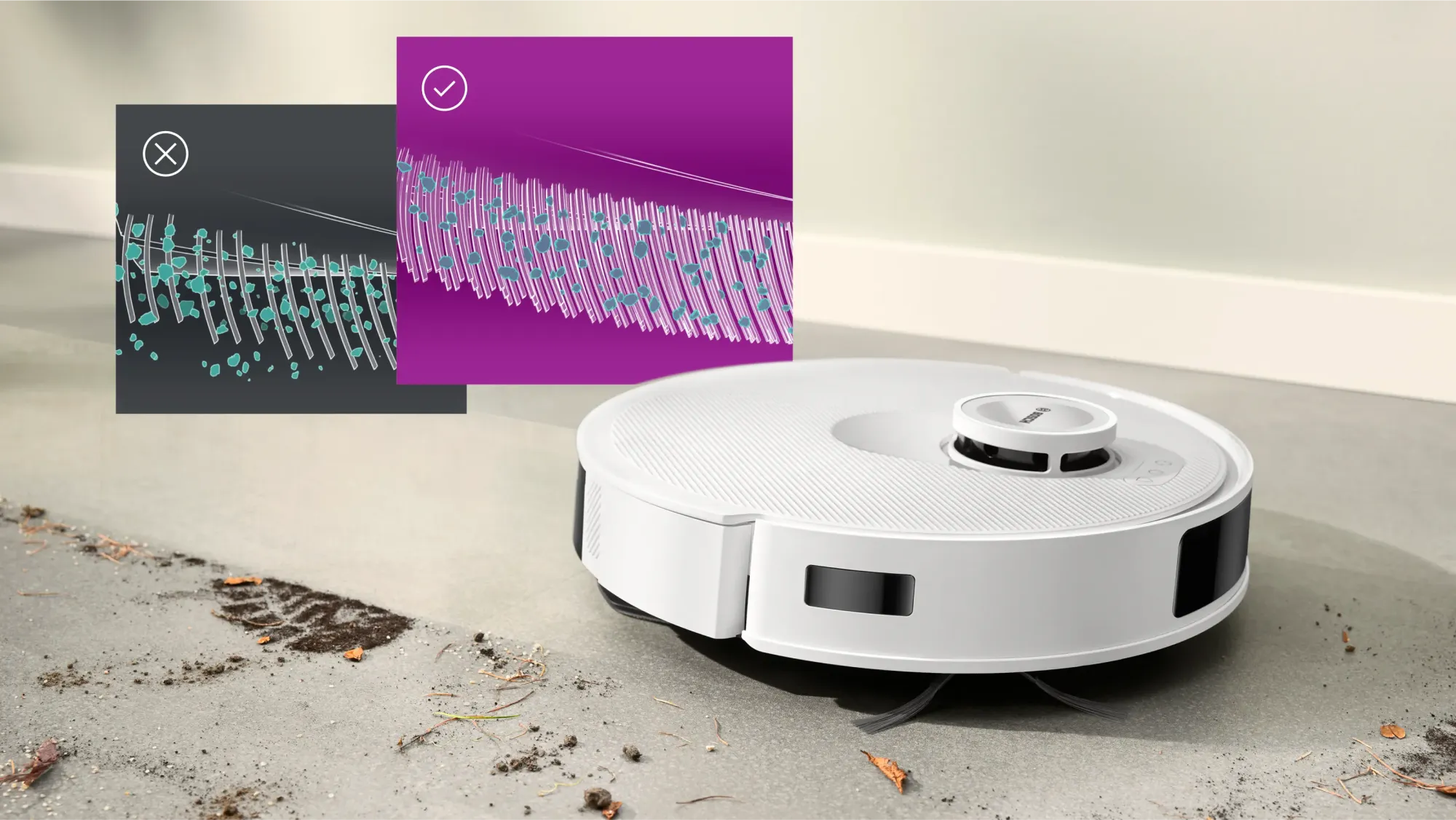
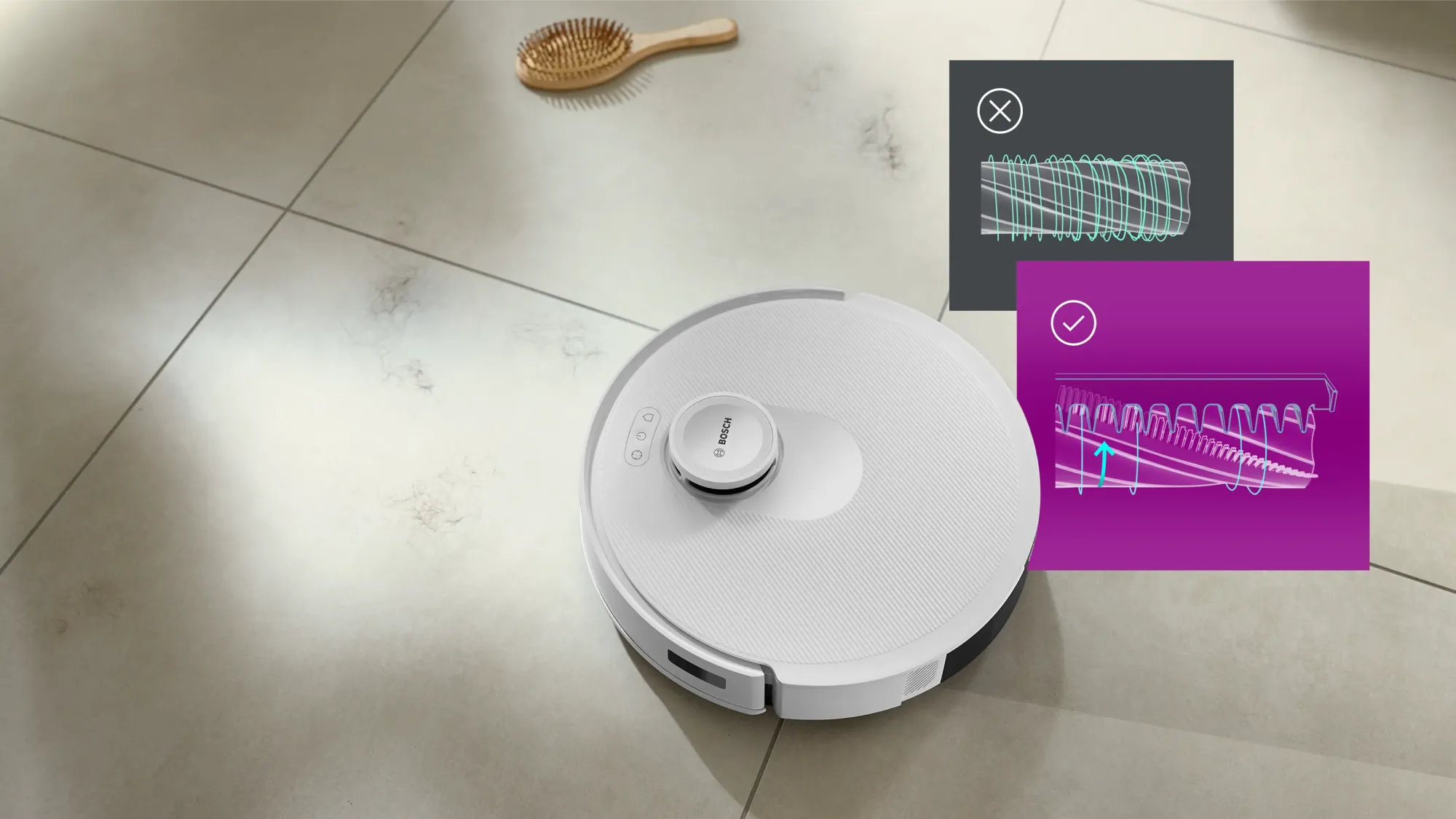
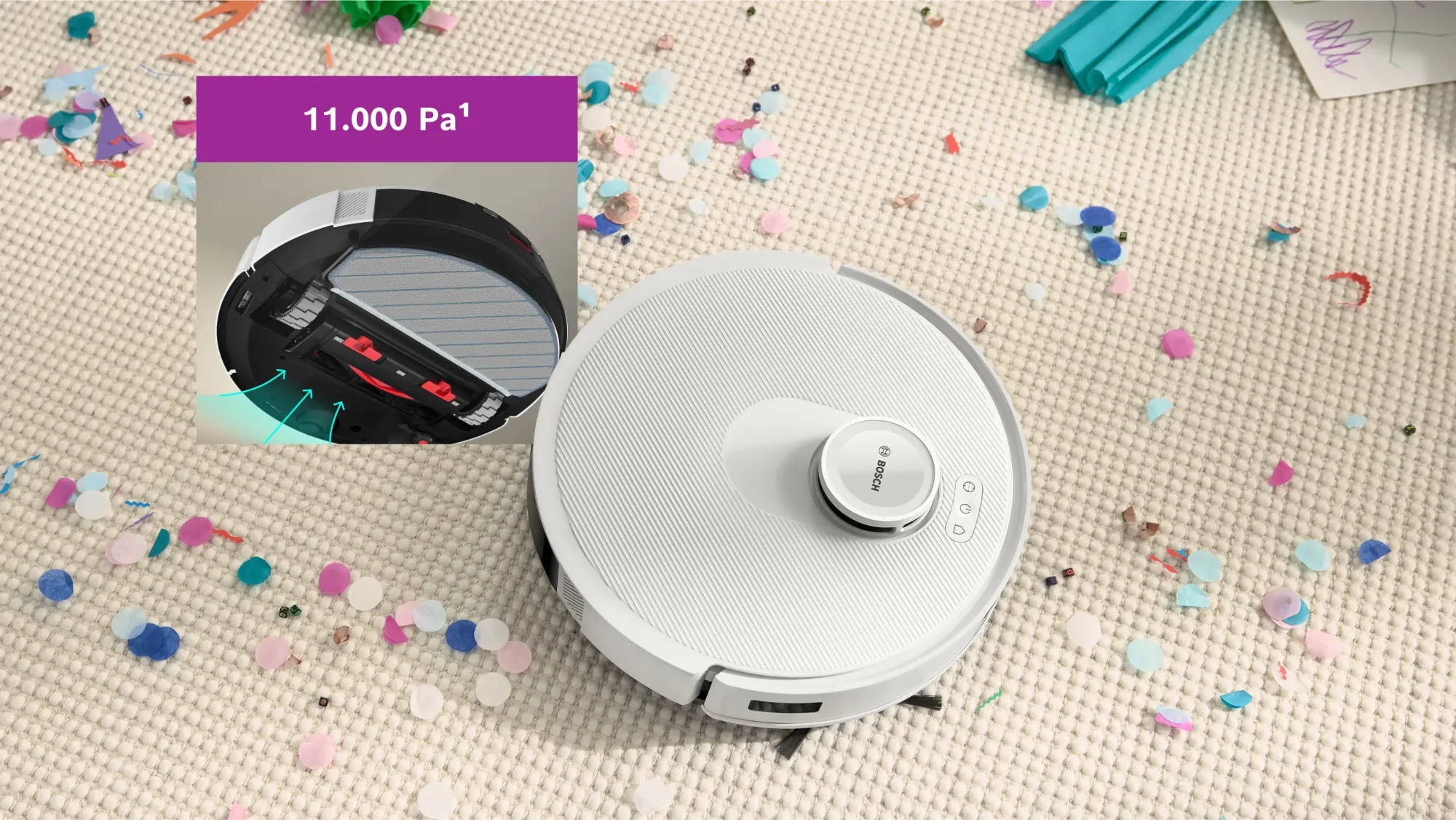
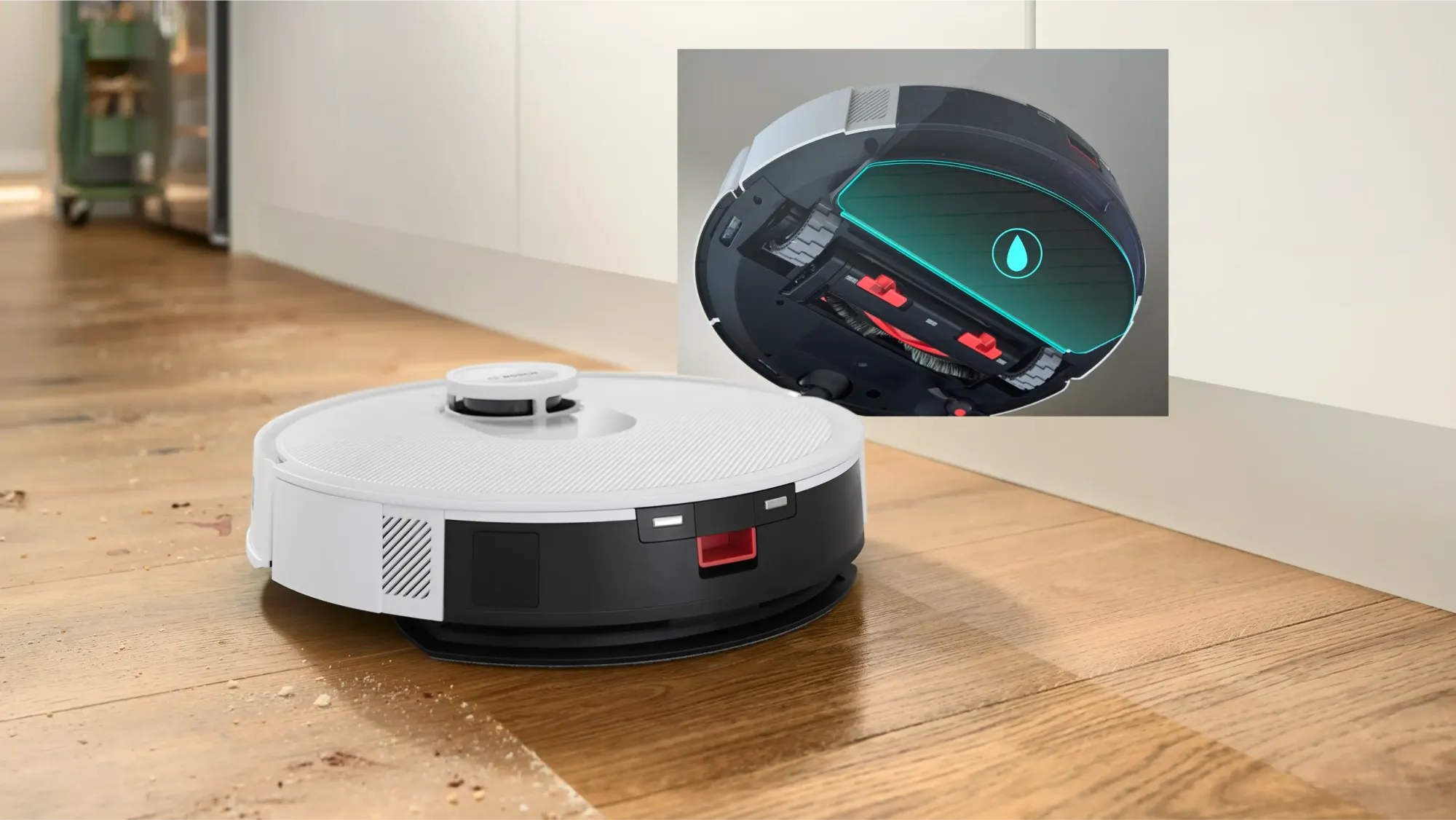
Robot vacuum cleaner Spotless 2 BCR2S1B

Robot vacuum cleaners Shark
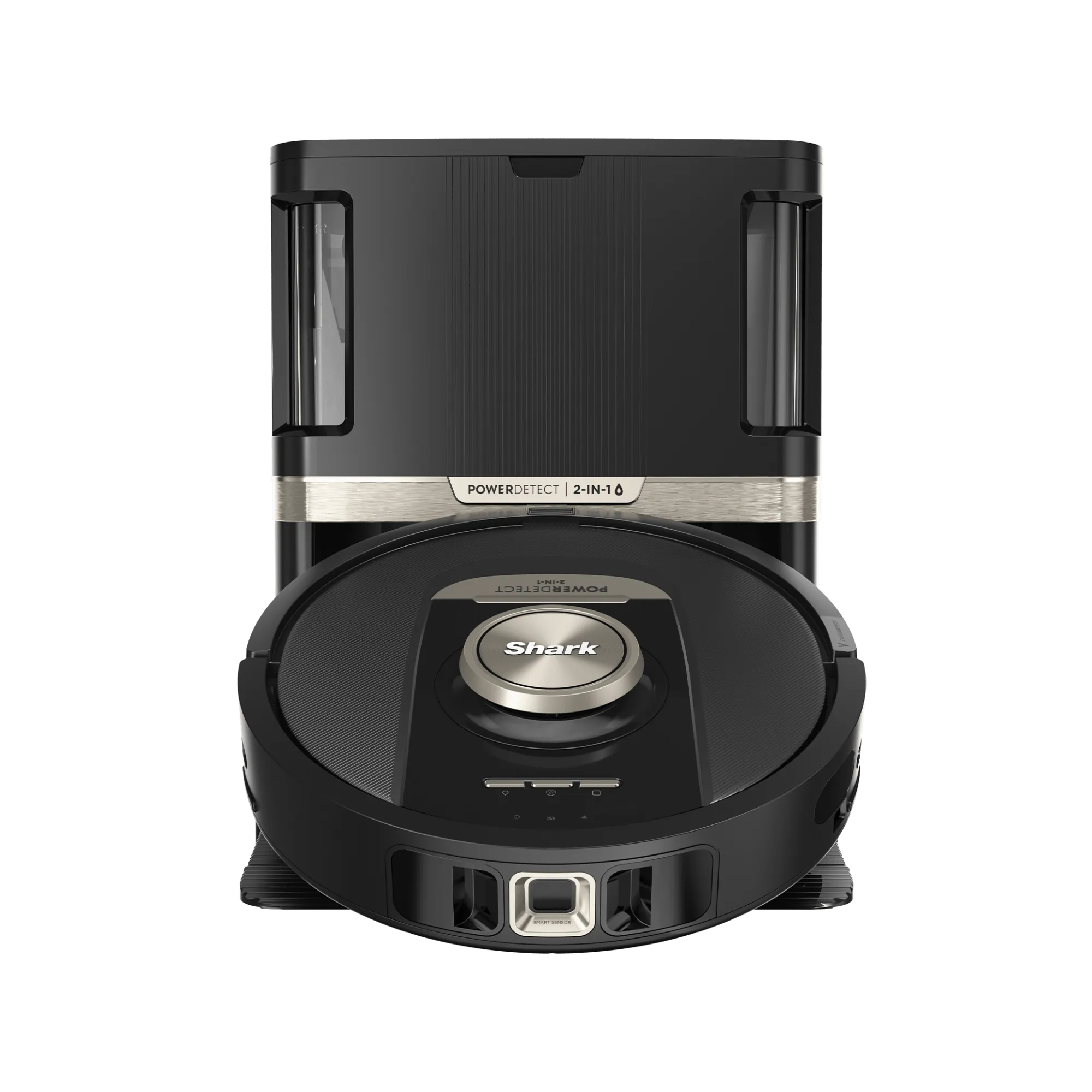
Shark PowerDetect NeverTouch Pro self-emptying and self-refilling robot vacuum and mop Black
Robot vacuum cleaners Bosch