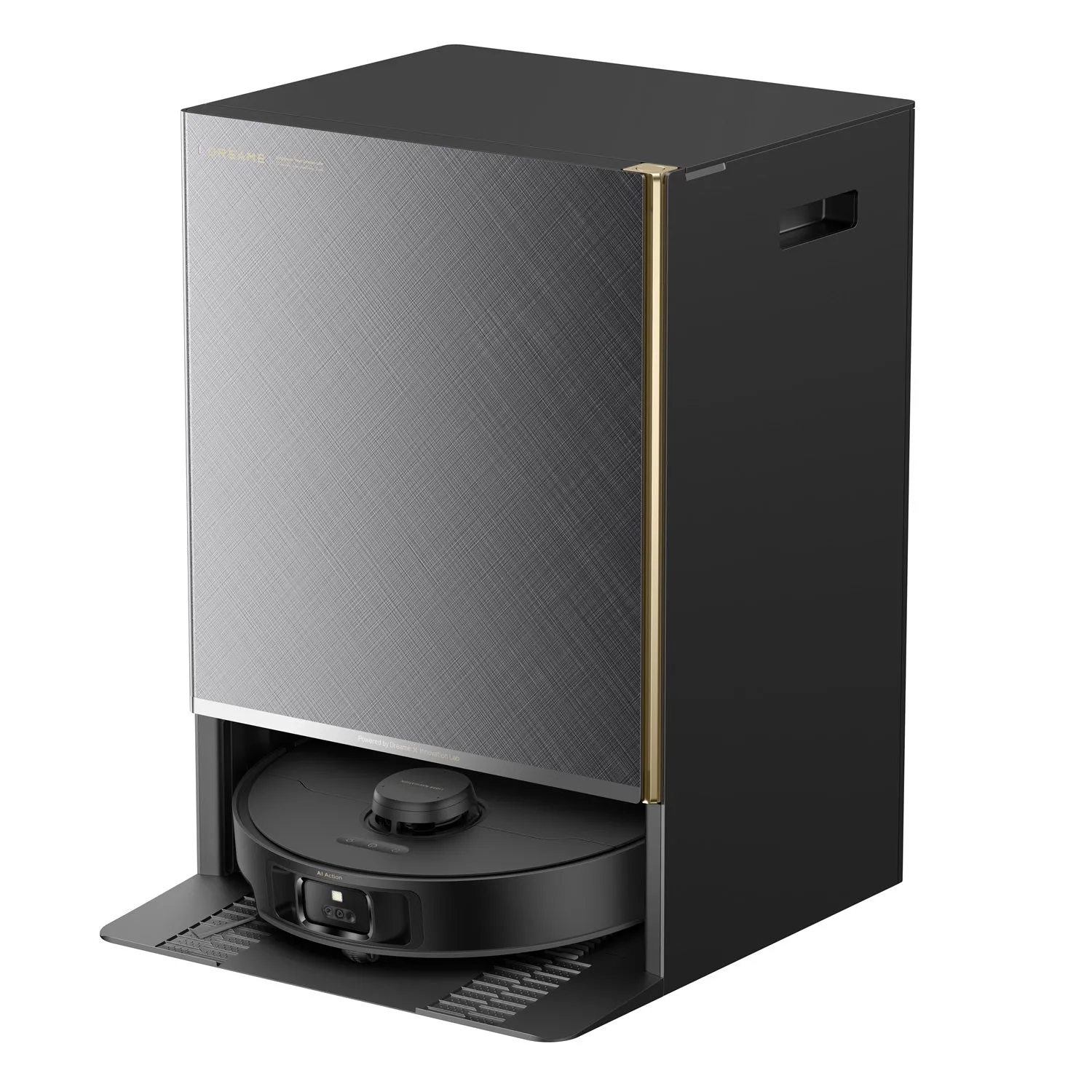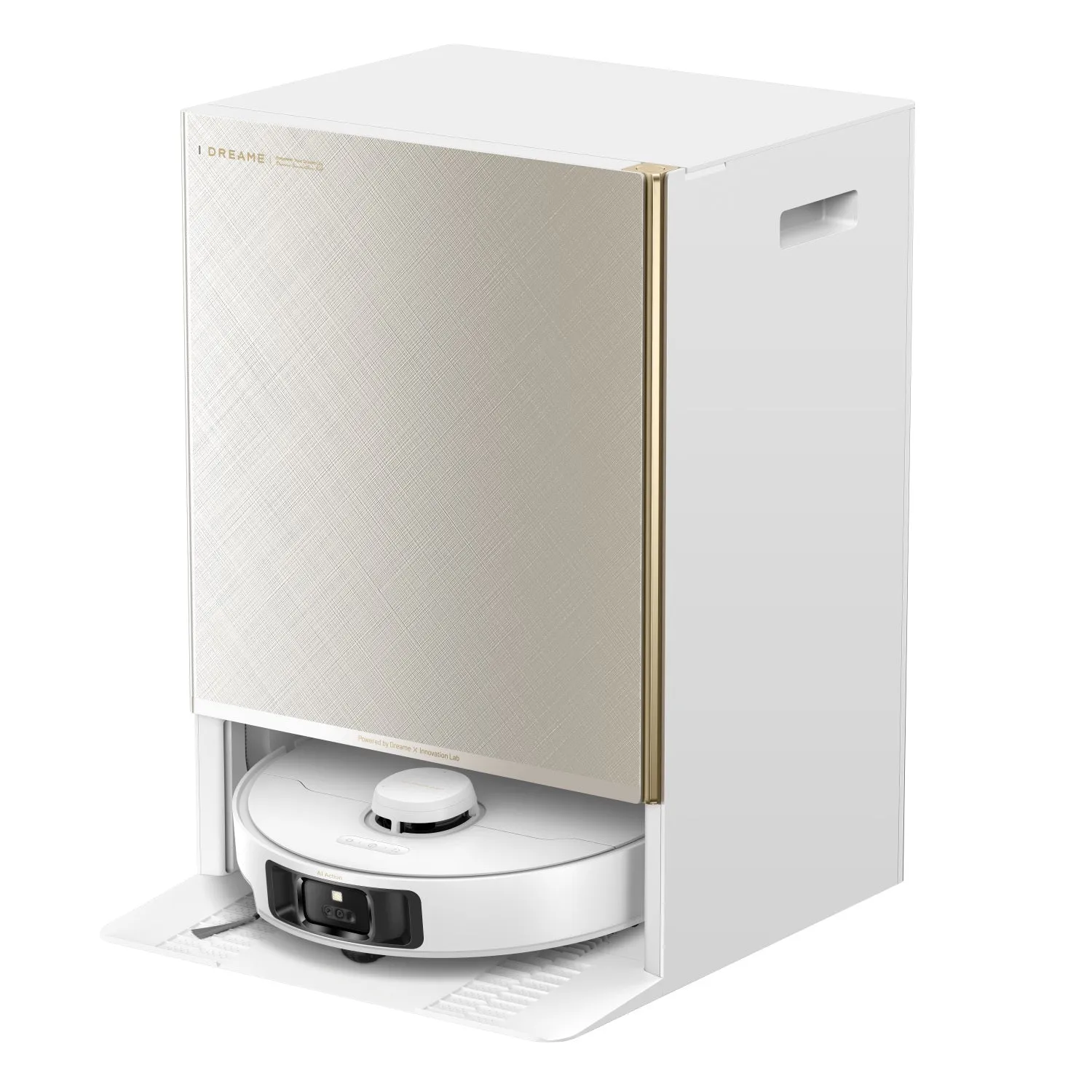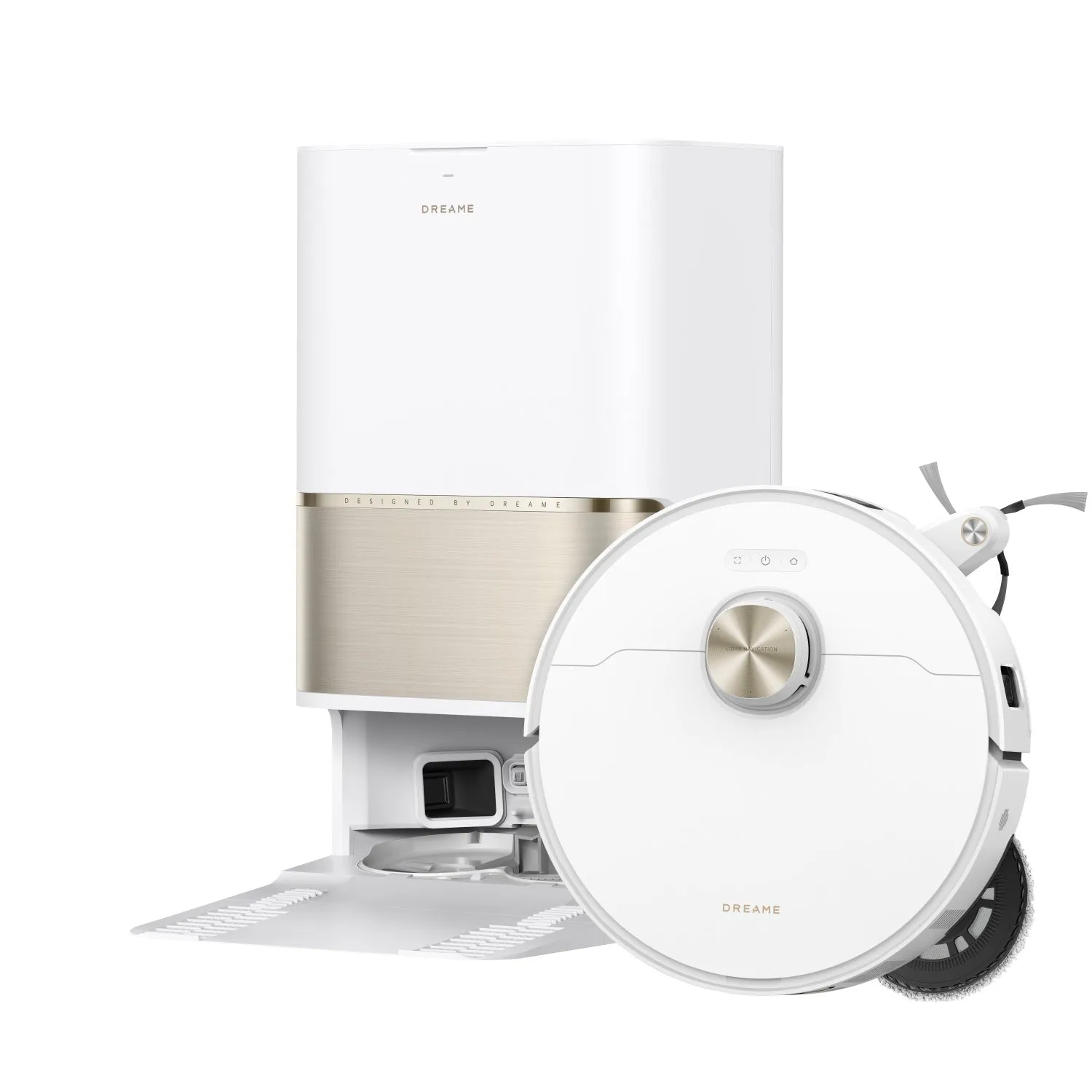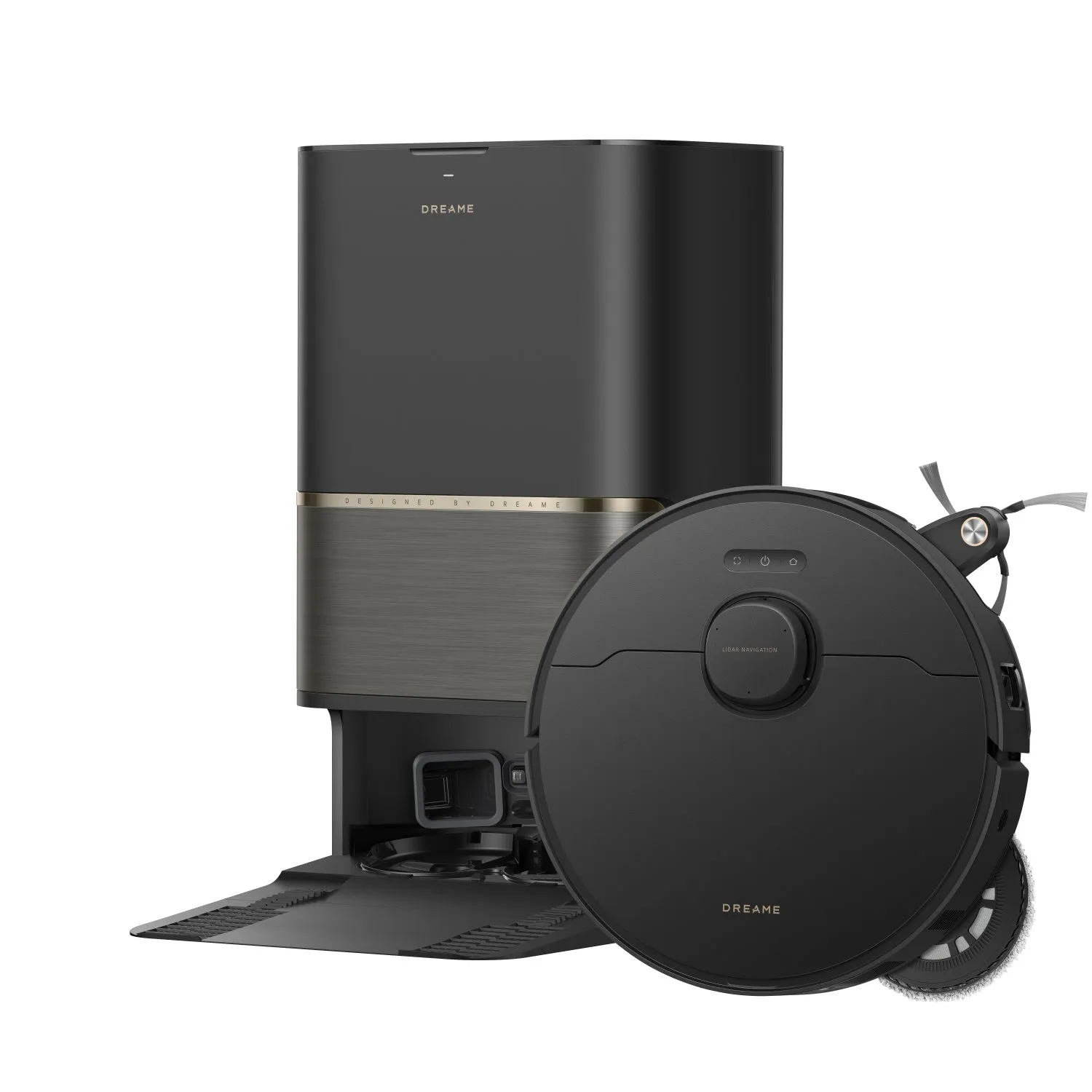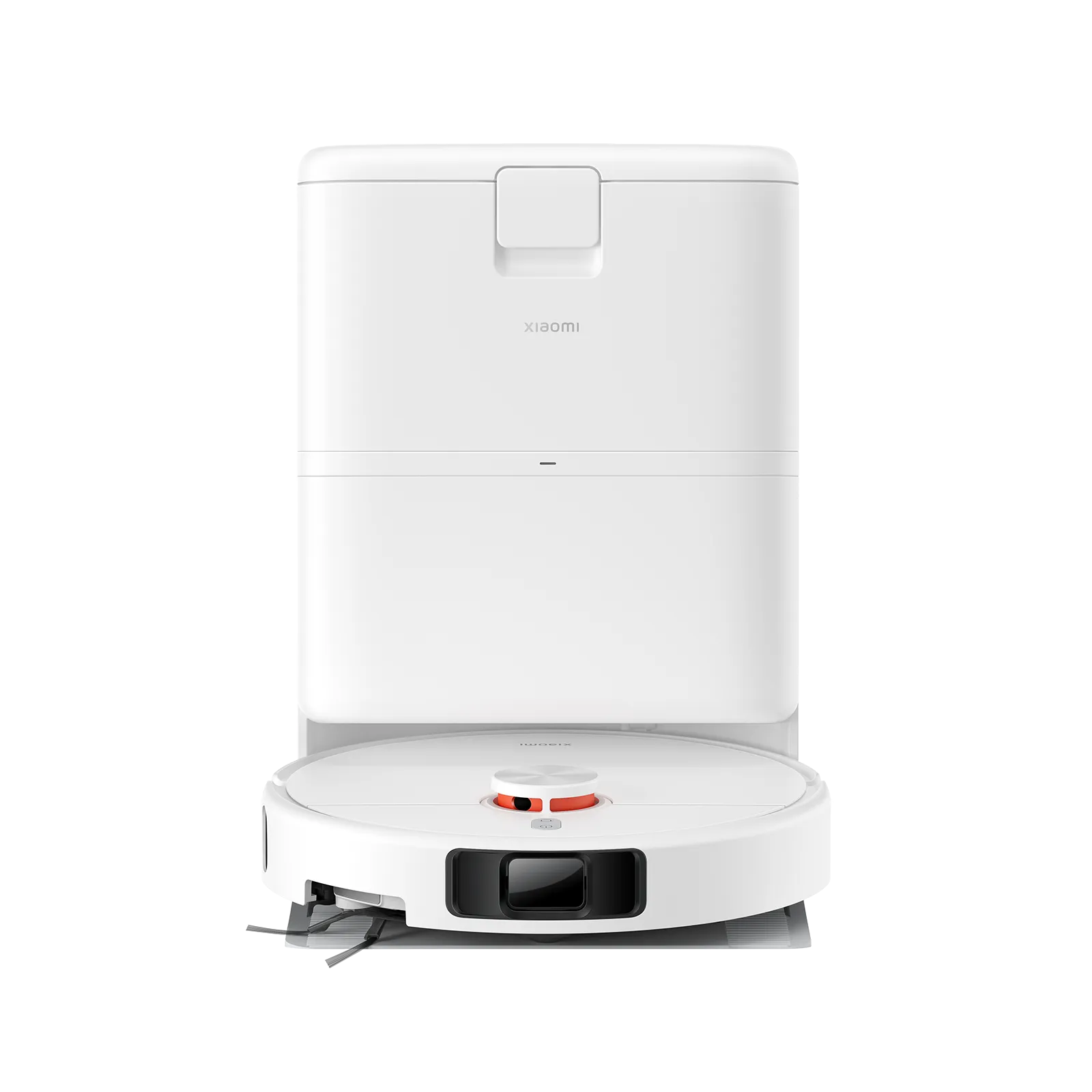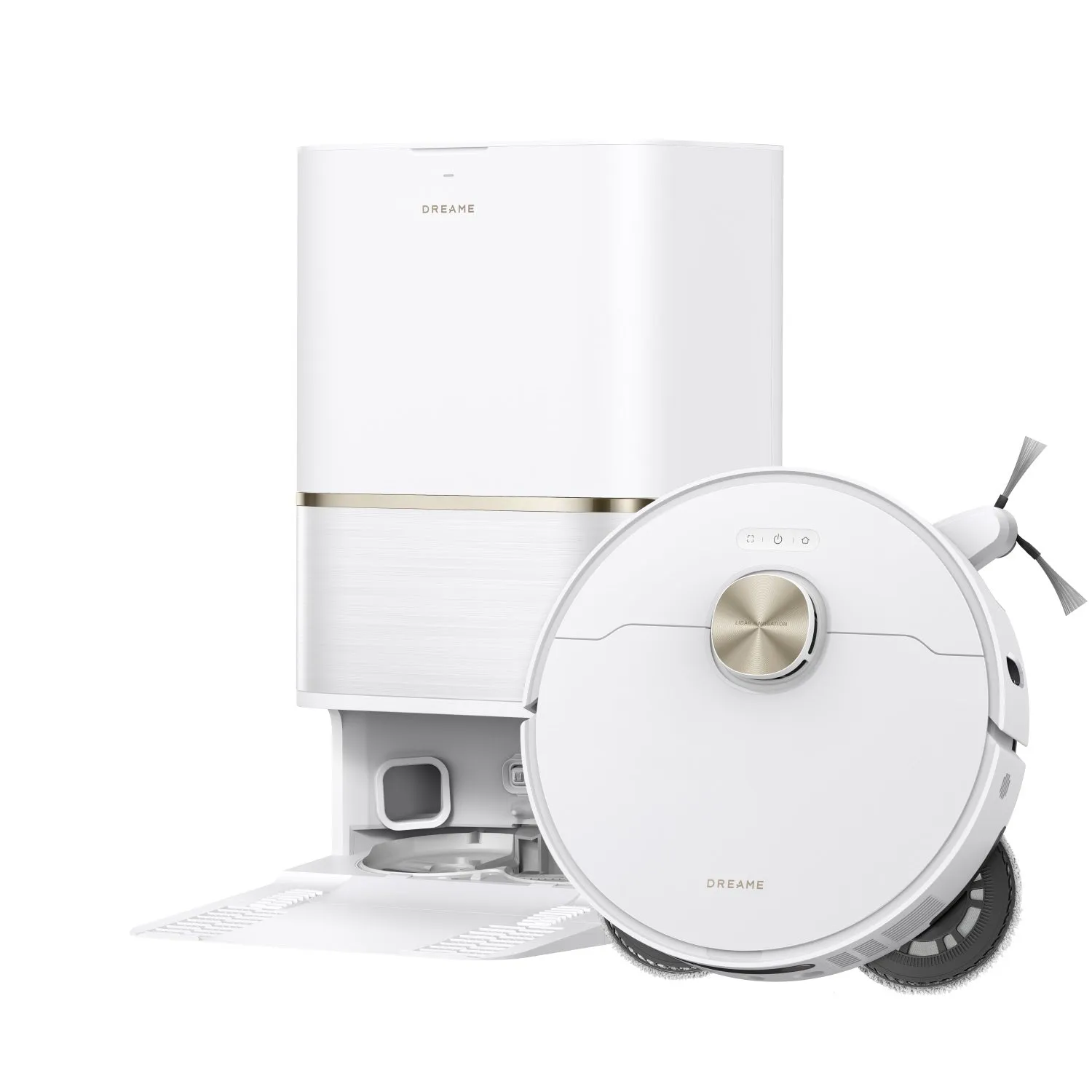
Robot vacuum cleaners Dreame
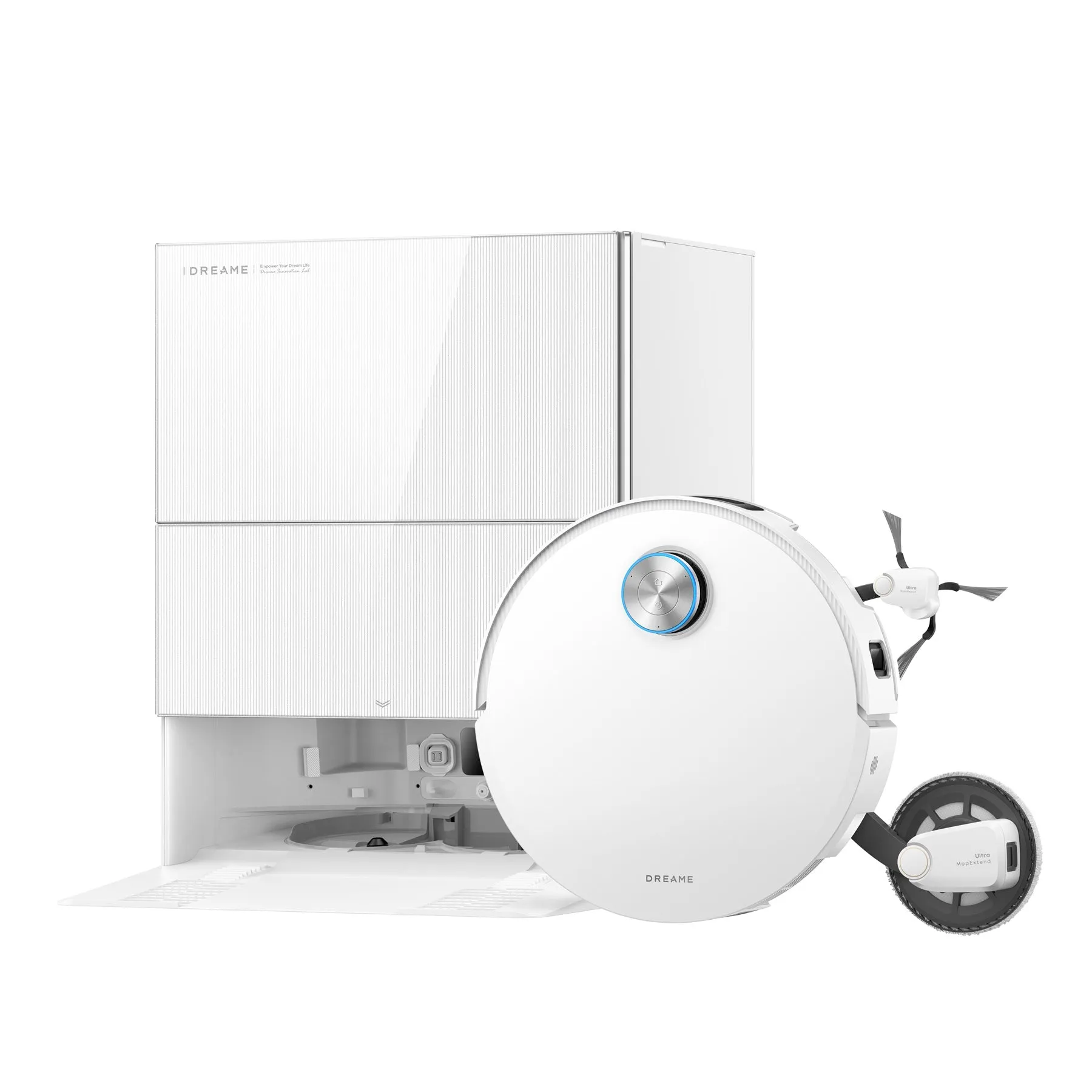
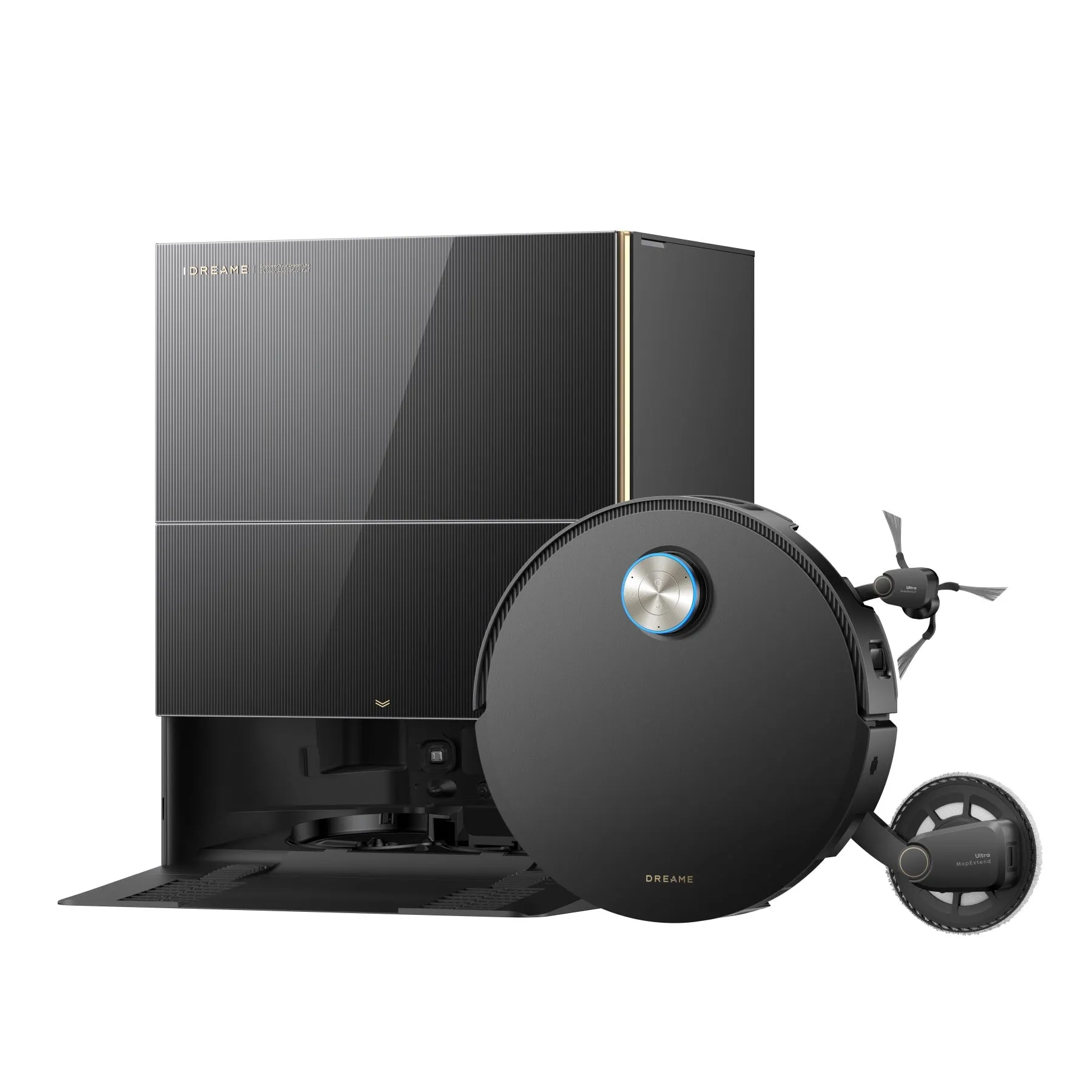
Dreame X60 Pro Ultra Complete Black Robot Vacuum Cleaner
Relevance for this use: 95/100
Running a robot vacuum in a room that also serves as a place to sleep, such as a studio or bedroom, brings a constraint that few other situations share: noise becomes the first comfort criterion, ahead of raw suction power. A unit scheduled during the day or in the early morning should not turn every pass into a source of disturbance, whether for someone sleeping, a napping child, or someone working nearby.
This situation shifts the usual balance between criteria. Quiet operation outweighs suction strength, because a limited living space accumulates less embedded dust than a large home crossed daily by several people. Battery life and dustbin capacity remain useful but matter a bit less, since the surface to cover is limited and travel time shrinks accordingly.
Price keeps its usual weight in the trade-off: there is no reason to pay more for features that this use will not benefit from, nor to sacrifice quietness to save on a secondary criterion in this context.
The same criteria as on the category page, but not the same weight: here is what goes up and what goes down.
Battery life matters a bit less here: a single room cleans quickly, so even a modest charge easily covers the surface before the unit needs to return and recharge. Benchmarks range from one hundred and thirteen minutes at the low end to two hundred and ninety-seven minutes at the high end, with a median of one hundred and eighty minutes; aiming for the top of that range brings little benefit relative to its cost in this context.
This is by far the most important criterion in this situation: a low noise level avoids disturbing sleep, a nap, or concentration if the unit runs during the day. The longer the bar, the quieter the unit; benchmarks range from seventy-six decibels at the low end to fifty-five decibels at the high end, with a median of sixty-five decibels. The gap between these values is clearly noticeable to the ear in an enclosed room.
Price keeps its usual weight: it is compared at equal specifications, with no fixed benchmark figure, but it remains a central trade-off against a unit chosen for its quietness. There is little point paying extra for strengths that bring no benefit in a single room, better to direct the budget toward acoustic comfort.
Suction power matters less: a single room usually does not build up the deeply embedded dirt found in a large home crossed daily by several occupants or pets. Benchmarks range from four thousand two hundred pascals at the low end to thirty-five thousand pascals at the high end, with a median of eight thousand six hundred and fifty pascals; a level close to the median is more than enough in this context.
Dustbin capacity matters a bit less: a small surface mechanically produces less dust to store between two emptyings, which makes a large volume less decisive. Benchmarks range from zero point twenty-two litres at the low end to zero point fifty-seven litres at the high end, with a median of zero point thirty-three litres; emptying the bin a little more often remains an acceptable trade-off given the quietness gained.
The features pushed in this category that make no difference in this context.
A very large dustbin capacity
A single room gets dirty slowly: a medium-sized bin empties without hassle, no need to pay for a volume designed for a large home cleaned across several connected rooms.
Maximum suction power
Without thick carpets or a large area to cross, very high suction power brings no noticeable benefit in a single room, and often comes with a higher noise level, working against the goal here.
Orders of magnitude, not displayed prices: a price only appears on Kalyneo once it has been collected from a merchant, with its collection date.
Under €400
Under €400: quiet-running models already exist at this level, with modest power and capacity that suffice for a single room.
€400 to €700
€400 to €700: the choice widens, with lower noise levels and a better balance between quietness and battery life.
Over €700
Over €700: the quietest models are found at this level, with added comfort for discreet cleaning at any time of day.
Ranked by relevance for this specific case, not by their overall score.
Robot vacuum cleaners Dreame
Relevance for this use: 95/100
Robot vacuum cleaners Dreame
Relevance for this use: 95/100
Robot vacuum cleaners iRobot
Relevance for this use: 90/100
Robot vacuum cleaners iRobot
Relevance for this use: 86/100
Robot vacuum cleaners iRobot
Relevance for this use: 86/100
Robot vacuum cleaners Dreame
Relevance for this use: 86/100
Robot vacuum cleaners Dreame
Relevance for this use: 86/100
Robot vacuum cleaners Dreame
Relevance for this use: 86/100
Robot vacuum cleaners Dreame
Relevance for this use: 86/100
Robot vacuum cleaners Dreame
Relevance for this use: 84/100
Robot vacuum cleaners Dreame
Relevance for this use: 84/100
A product only enters this list if it meets every one of these points. Its relevance is rated for this specific use, independently of its overall score in the category.