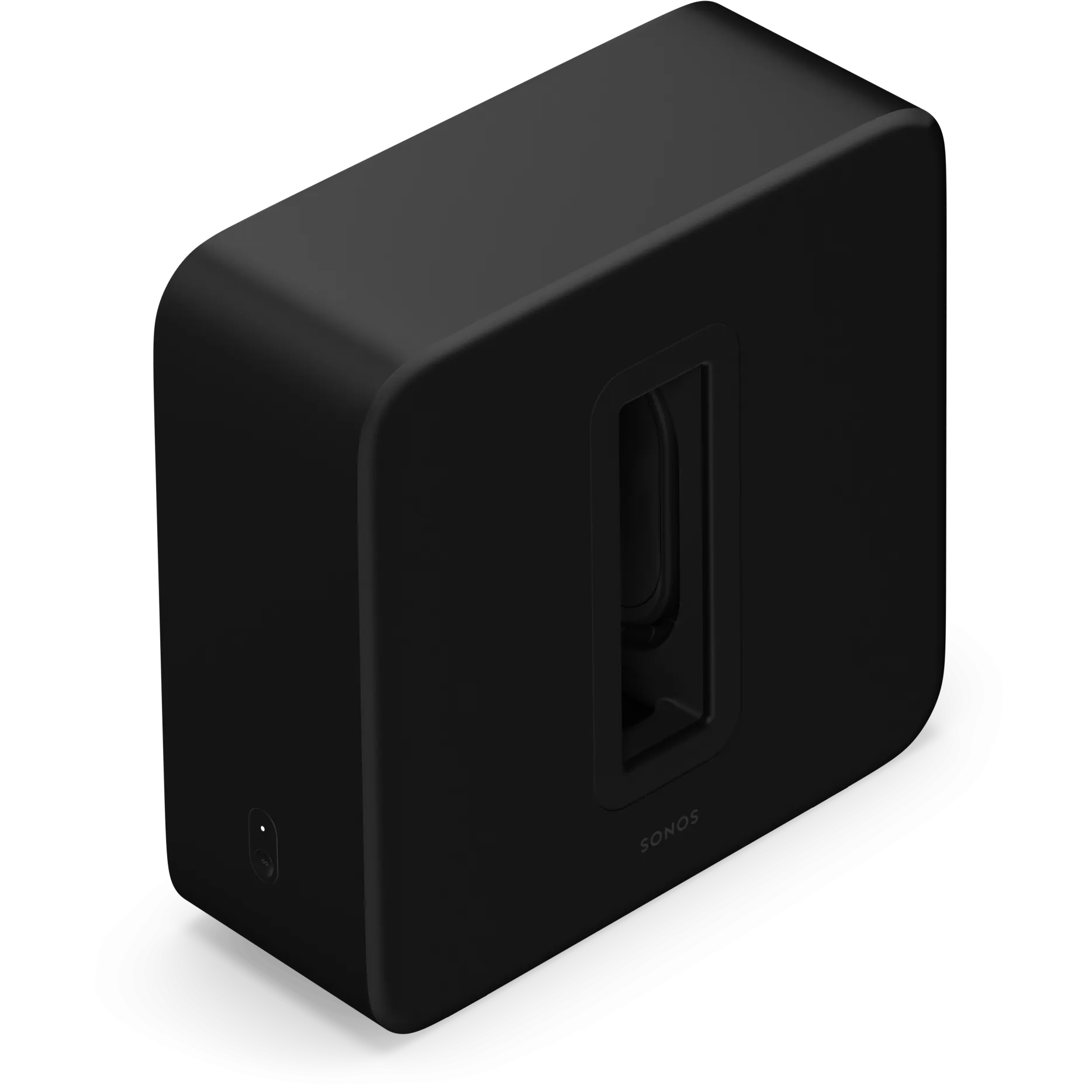
Subwoofers Sonos
Buying guide: how to choose a subwoofer
A subwoofer is chosen for its ability to deliver deep, powerful bass without strain. Power, driver size and sensitivity each tell part of this story, and the site’s rating summarises them.
What to check
Driver diameter
This criterion measures the size of the bass driver, expressed in inches. The larger it is, the more air the subwoofer can move and the deeper it can reach into bass frequencies. Market listings range from a low benchmark of two inches to a high benchmark of eighteen inches, with a median of fifteen inches. The site’s rating places each product on this scale: a diameter close to the high benchmark promises deep bass, while a diameter close to the low benchmark suits a more discreet use or a tighter space.
RMS power
RMS power indicates the power the subwoofer handles continuously, according to figures stated by the manufacturer. The higher it is, the larger the space it can fill without distorting. Market benchmarks range from a low of one hundred and fifty watts to a high of three thousand two hundred watts, with a median of eight hundred watts. The site’s rating compares each product against these benchmarks: power near the median suits everyday use, while power near the high benchmark targets larger rooms or demanding use.
Sensitivity
Sensitivity measures the sound volume produced for a given electrical power. The higher it is, the louder the subwoofer plays without straining the amplifier. Market listings place a low benchmark at ninety four decibels and a high benchmark at one hundred and twenty decibels, with a median of one hundred and two decibels. Sensitivity close to the high benchmark means efficient output, useful when the paired amplifier stays modest; low sensitivity needs more power for the same volume.
Peak power
Peak power indicates the maximum power the subwoofer withstands for short moments, such as a sudden sound surge. The higher it is, the better the subwoofer absorbs these peaks without damage. Market benchmarks range from a low of one thousand watts to a high of twelve thousand eight hundred watts, with a median of four thousand watts. This criterion complements RMS power: it shows the safety margin a subwoofer has against the most dynamic passages of a sound source.
Placement and use
A subwoofer is placed according to the available space and the intended use: a fixed installation in a dedicated room tolerates a larger format, while mobile use or a small space favours a compact one. Wiring to the amplifier should respect the power the subwoofer handles, without exceeding its peak power. A clear location, away from walls that sit too close, limits unwanted resonance and lets the bass develop fully.
What you get for each budget
Less than 150 €
At this price level, subwoofers show diameters and power ratings close to the low benchmarks recorded on the market, suited to occasional use or a tight space.
150 to 350 €
This range brings together products whose power and diameter sit near the median, a common compromise between size and bass depth.
More than 350 €
Beyond that, subwoofers aim for the high benchmarks in power, diameter and sensitivity, delivering deep bass with a comfortable margin against sound peaks.
Frequent mistakes
Comparing only peak power without checking RMS power leads to overestimating the subwoofer’s real capacity.
Choosing a driver diameter too large for the available space harms bass quality just as much as one too small limits it.
Overlooking sensitivity leads to underestimating the amplifier power needed to reach the desired volume.
Placing the subwoofer against a wall or in a corner without checking the effect on sound distorts the bass output.
Models in this category
Best rated first, among those our merchants offer.
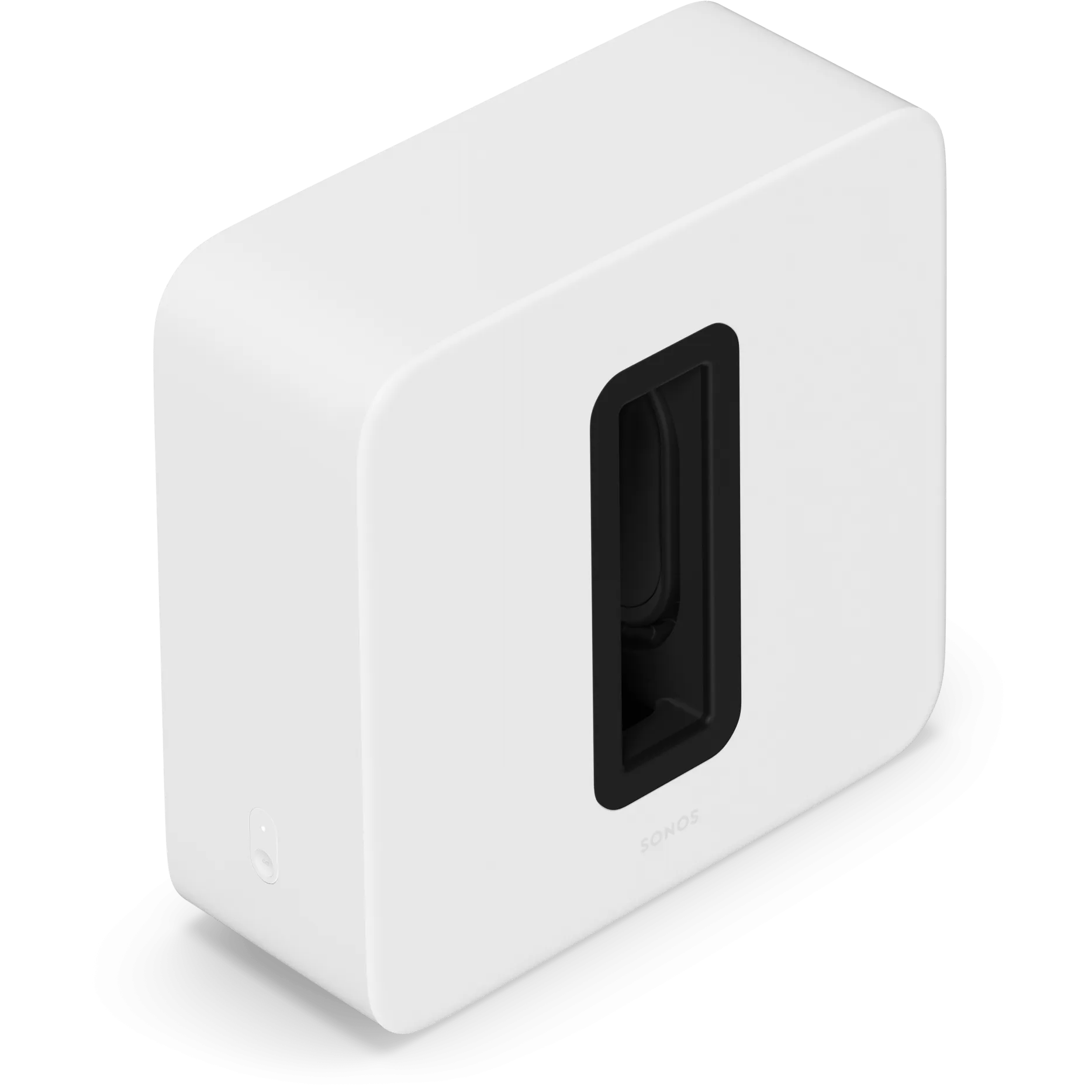
Subwoofers Sonos
Sonos Sub 4 White
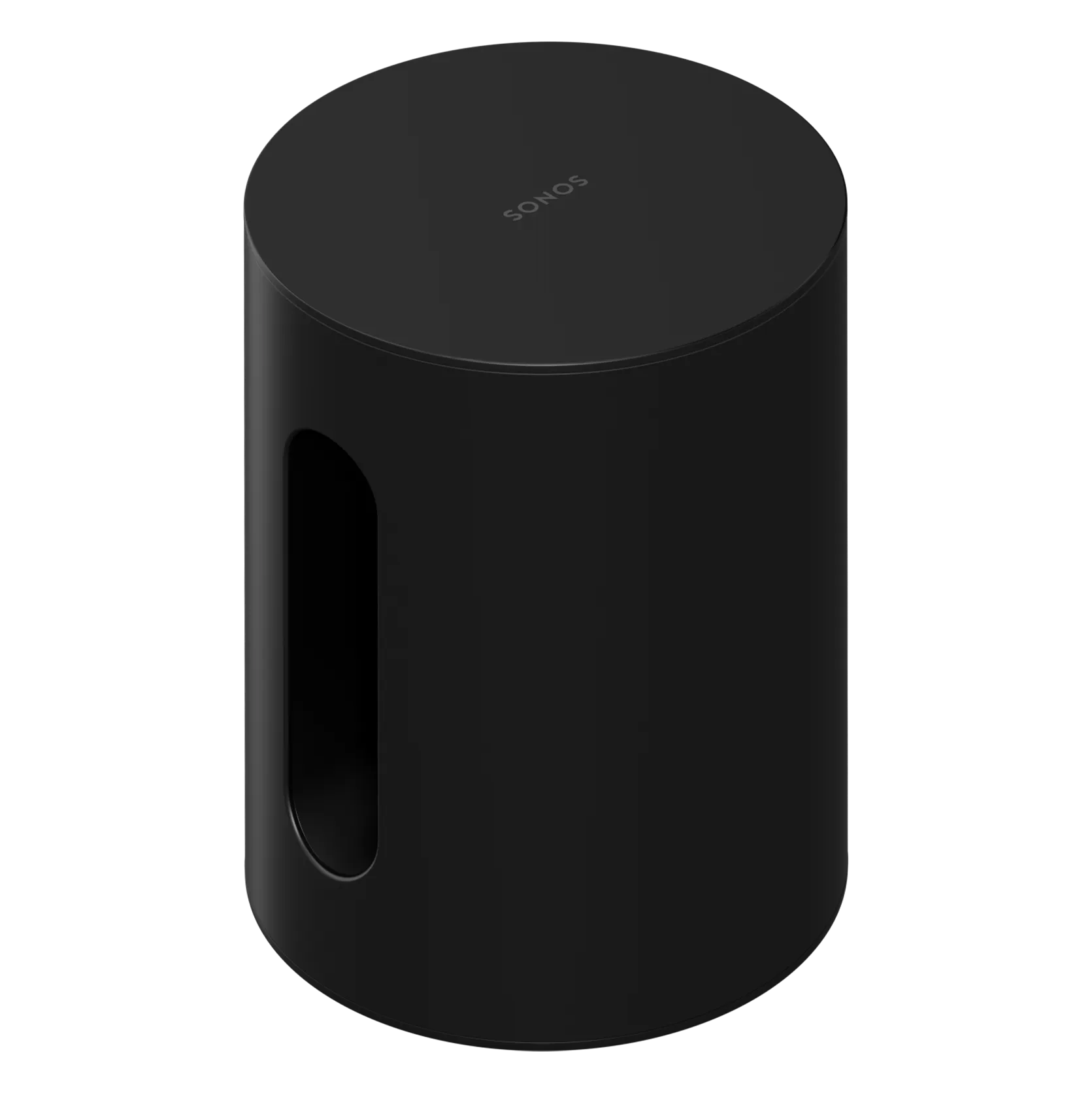
Subwoofers Sonos
Sonos Sub Mini Black
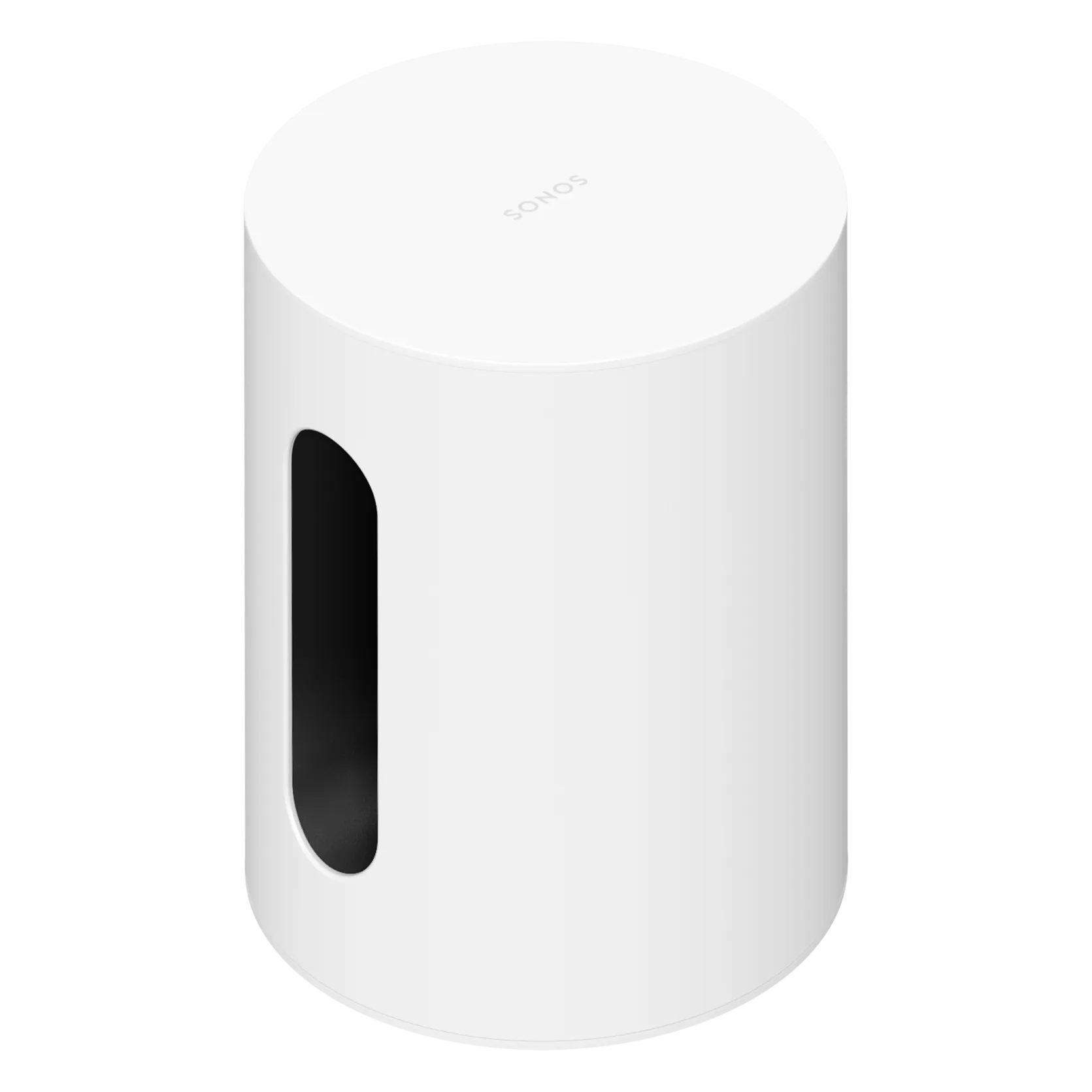
Subwoofers Sonos
Sonos Sub Mini White


Subwoofers Marshall
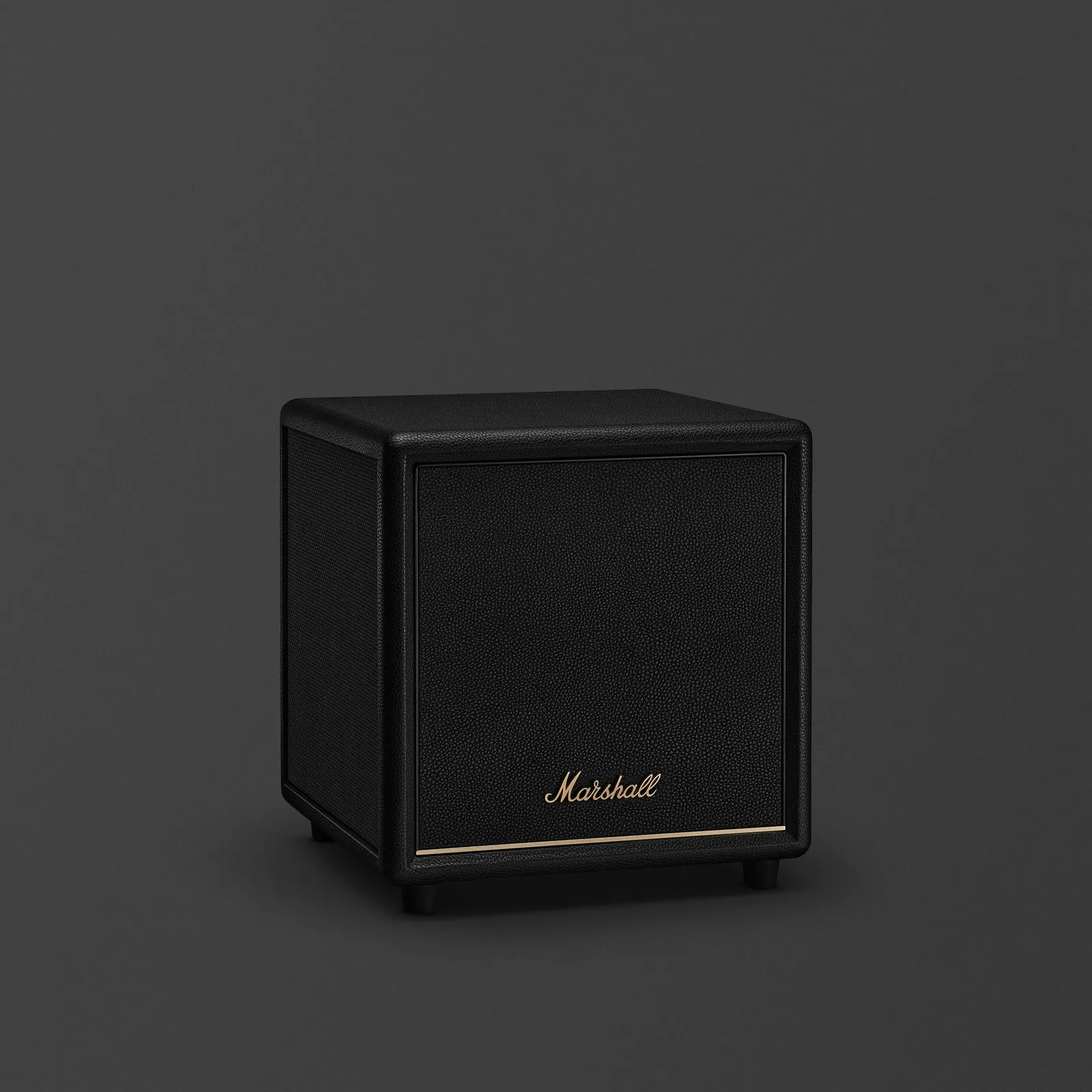
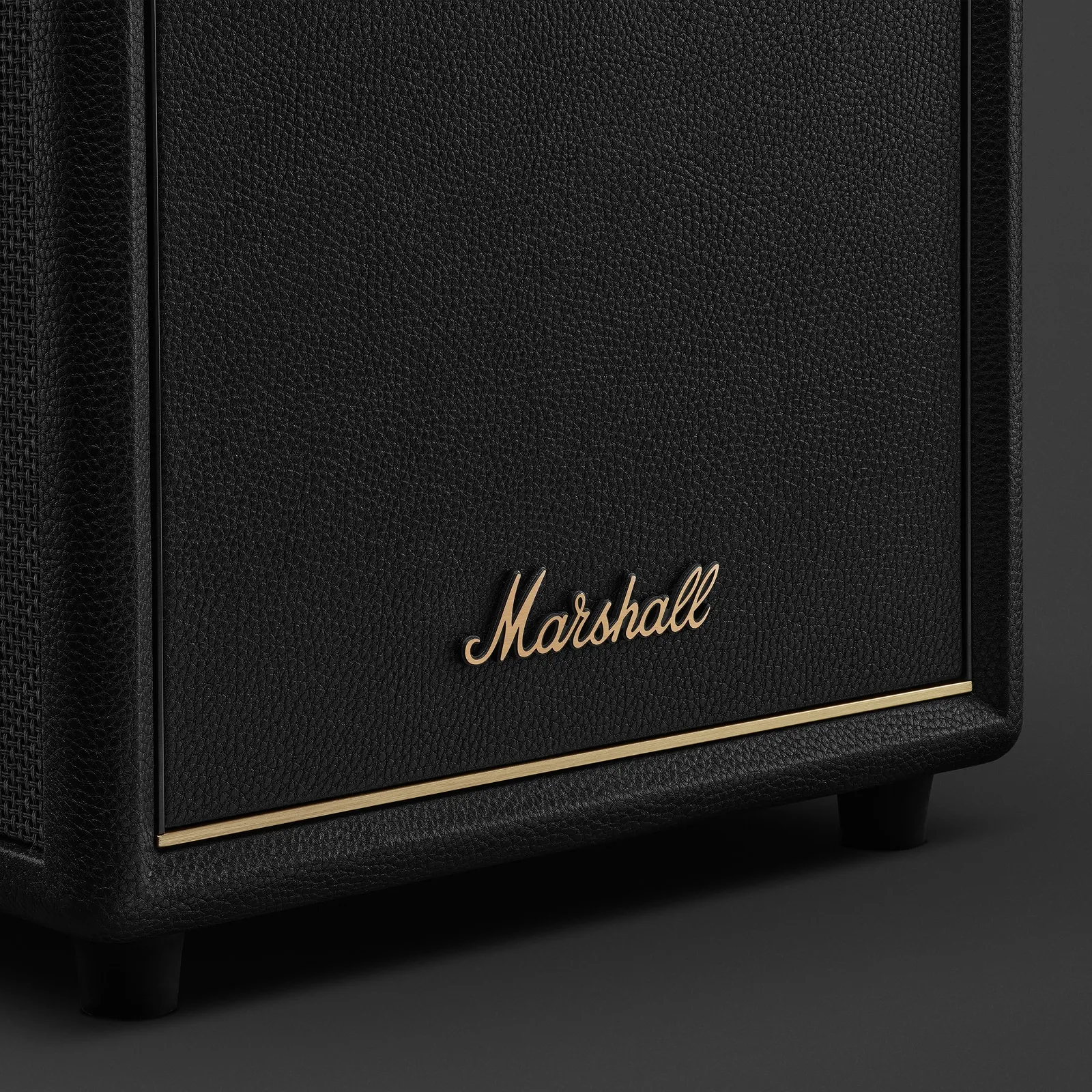
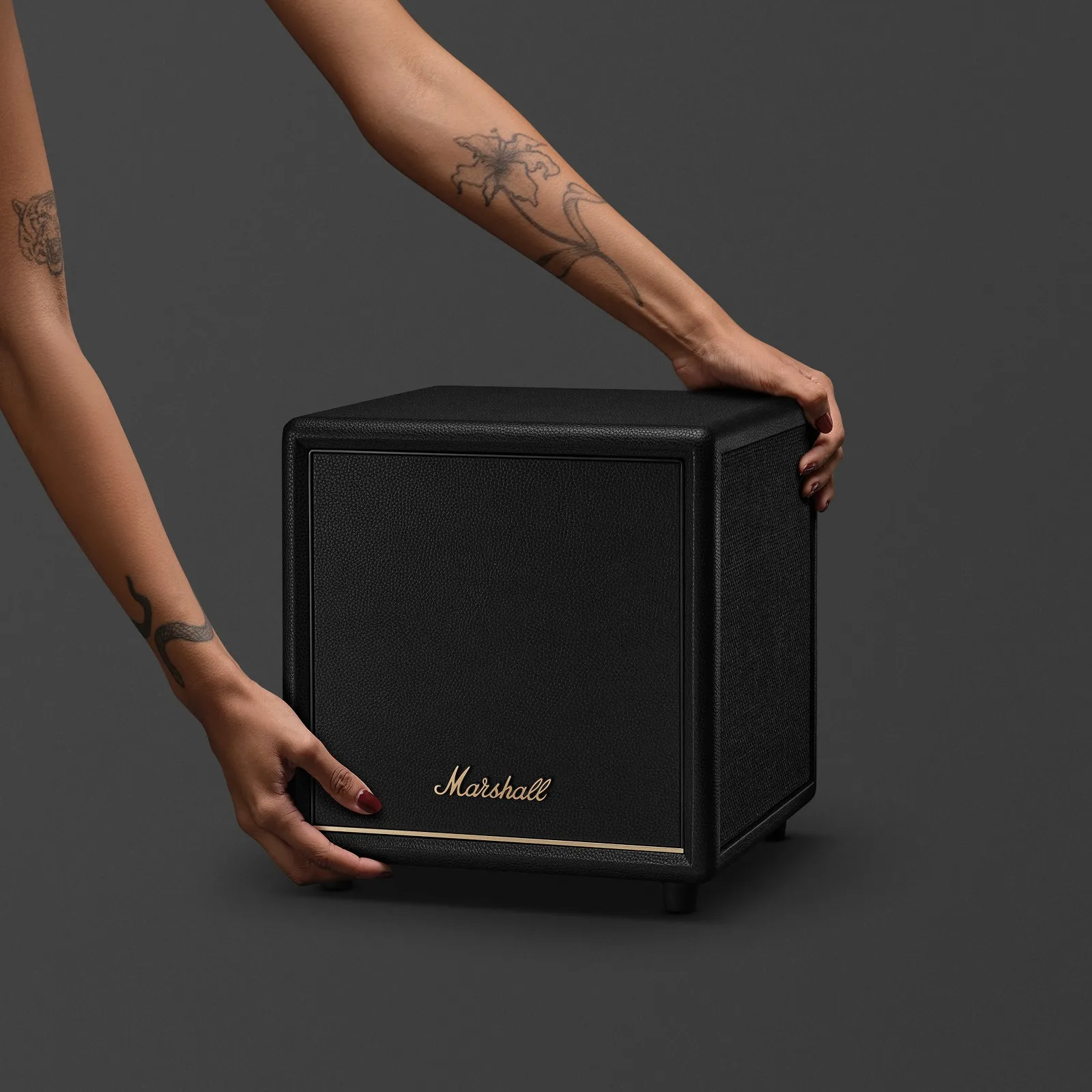
Marshall Heston Sub 200 Black
Subwoofers Sennheiser