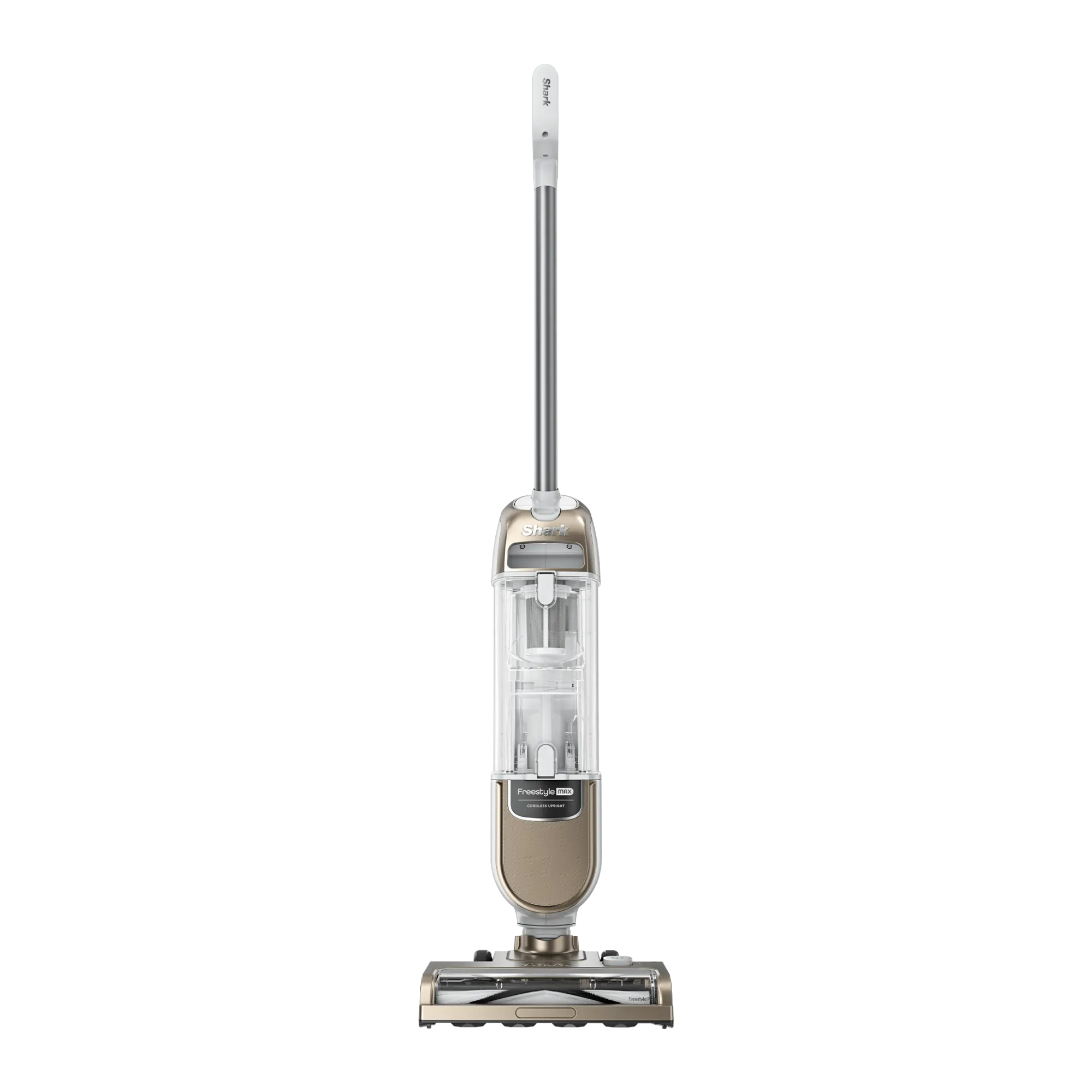

Stick vacuum cleaners Shark
Buying guide: how to choose a stick vacuum
A stick vacuum cleaner is chosen mainly on the balance between suction power, battery life and everyday handling. Differences between models also show up in quietness, dust capacity and charging speed, criteria that matter over time.
What to check
Suction strength
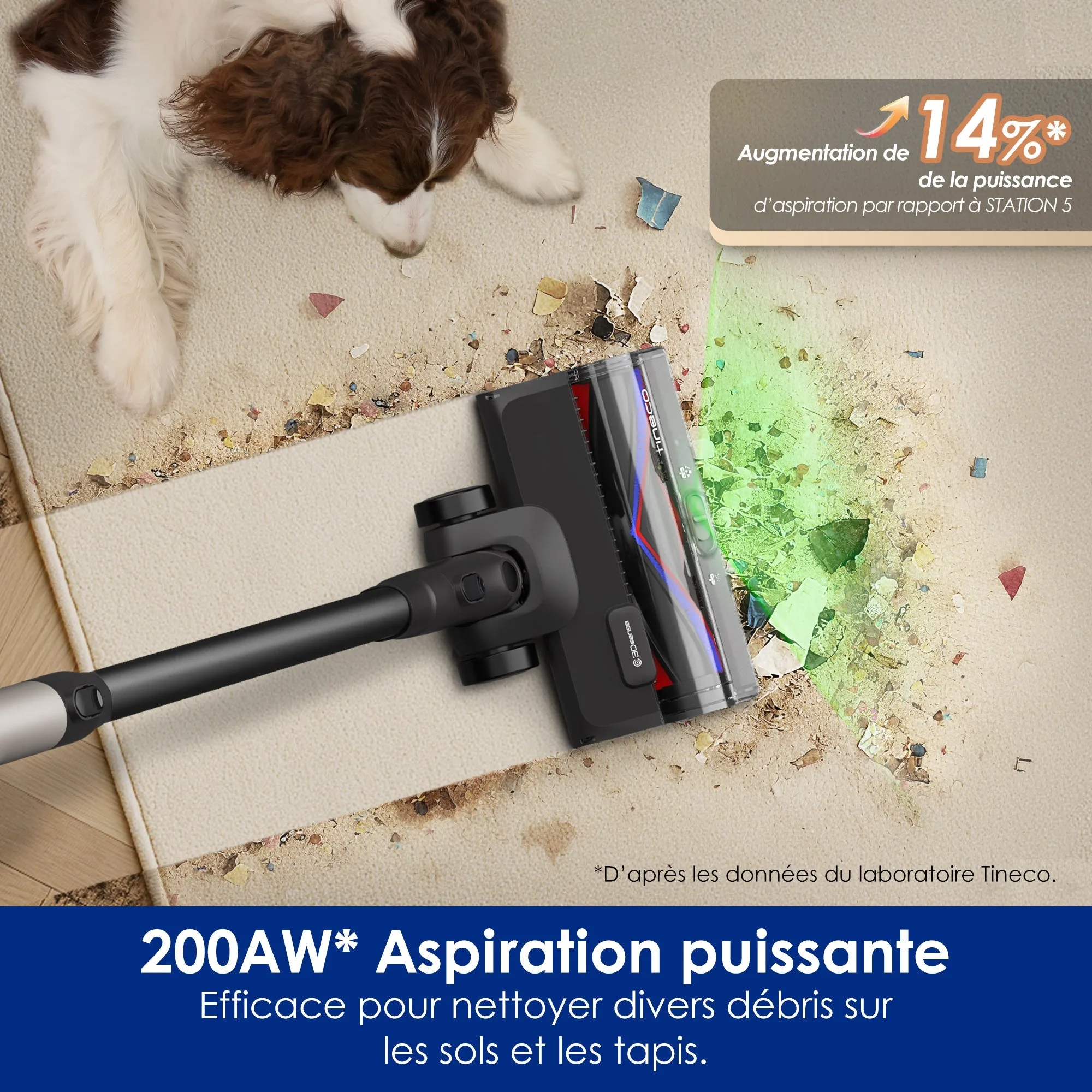
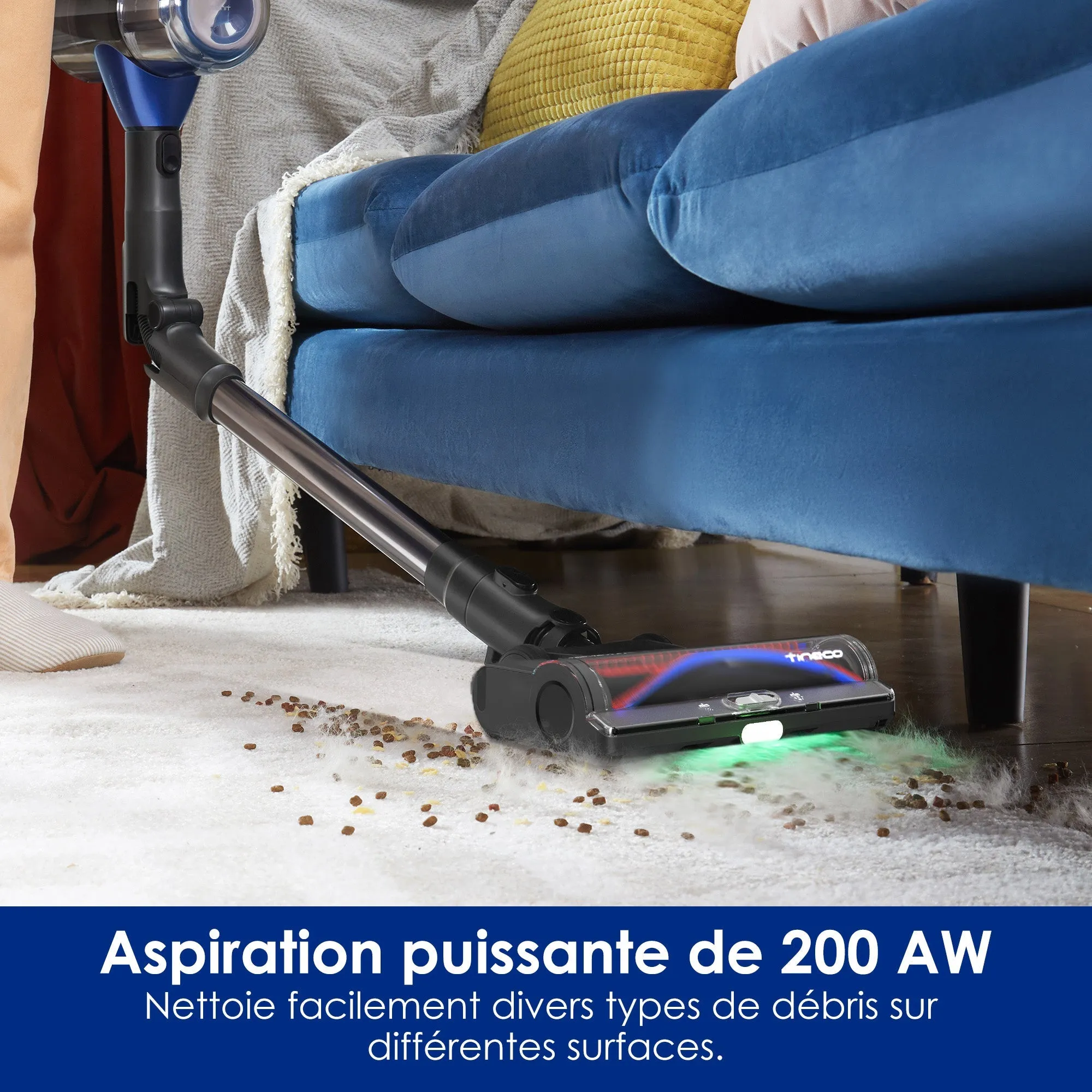
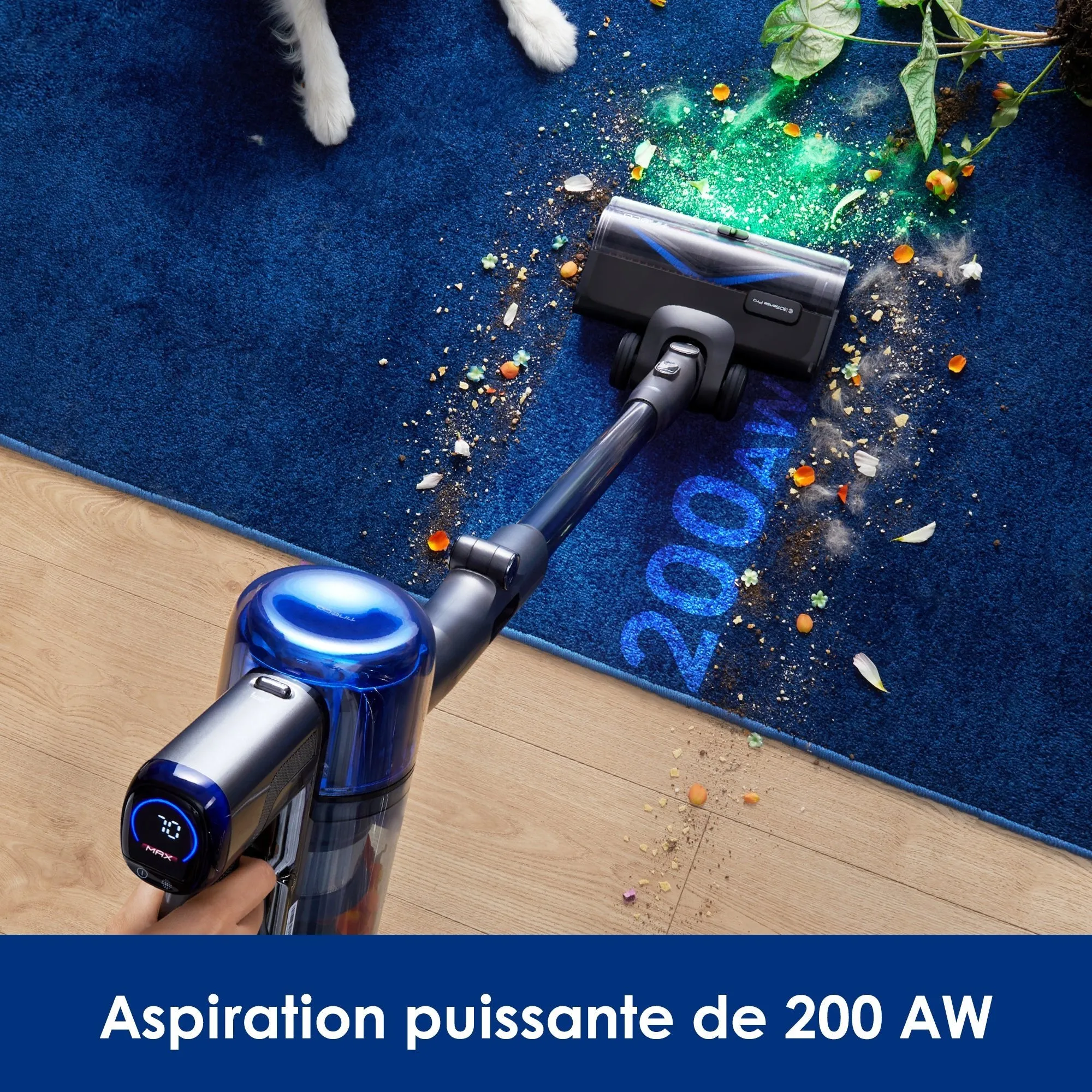
This criterion measures how strongly the appliance captures dust and debris. The higher it is, the more effective the cleaning, including on cluttered floors or thick carpets. The site’s score compares this value against the reference points recorded on the market: a low score points to an appliance better suited to smooth surfaces, while a high score signals suction capable of handling ground-in dirt. It is often the first criterion to check before comparing prices.
Market median: 200 AW
Runtime without recharging
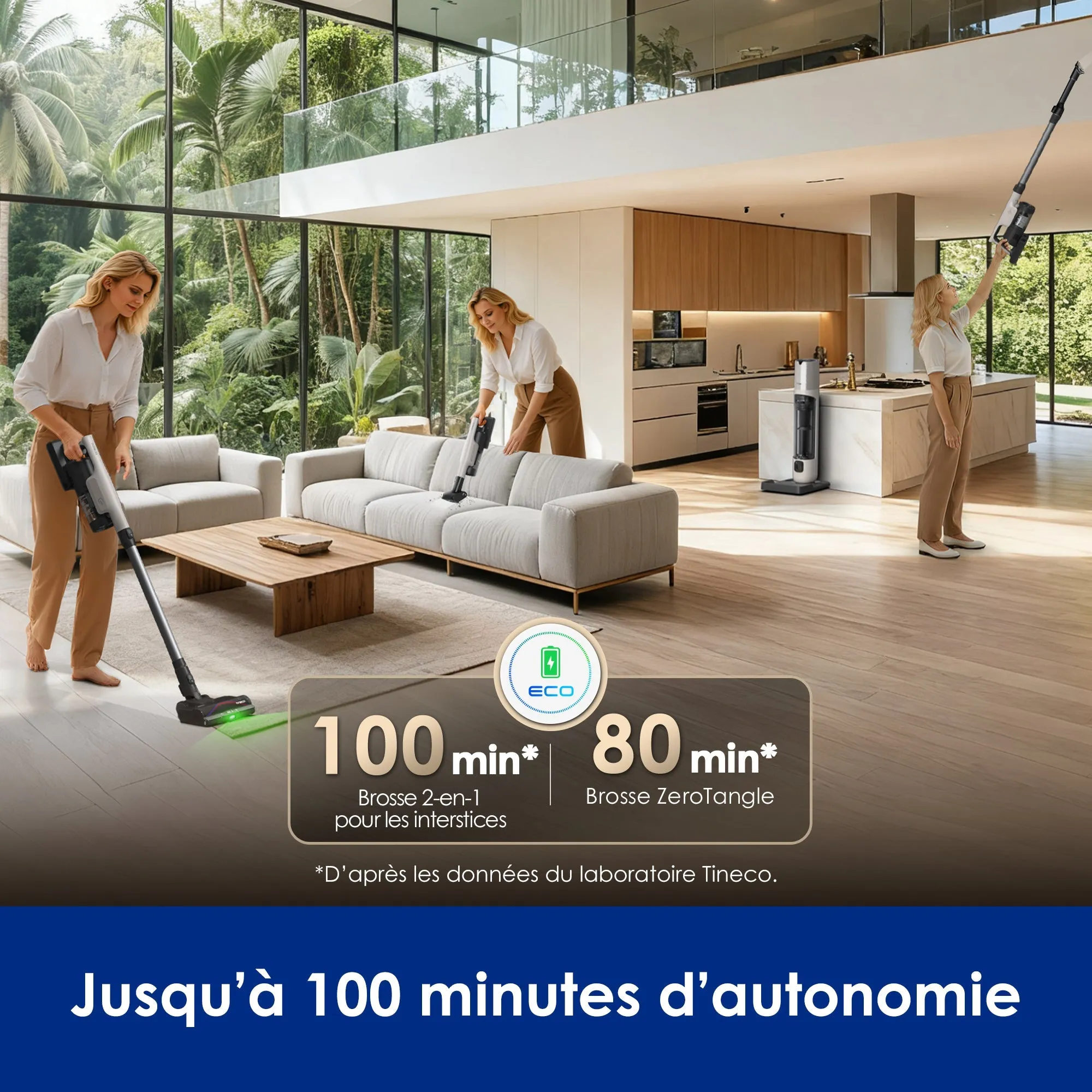
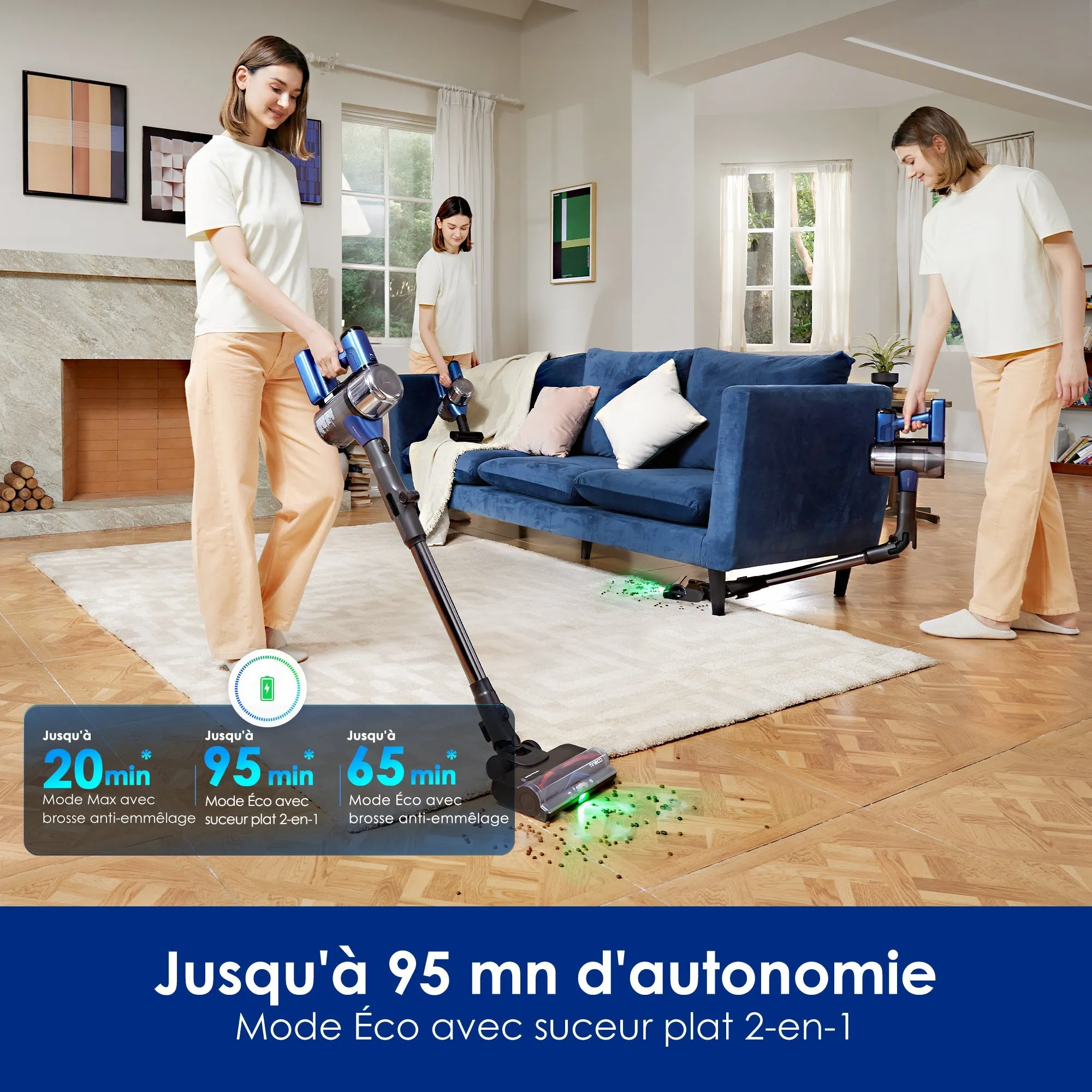
Battery life indicates how long the appliance runs on a full charge. The longer it is, the more floor space it covers without interruption. A short runtime forces users to split cleaning sessions or recharge midway, which matters in larger homes. The site’s score places each appliance between the market’s reference points, helping to spot models built for extended use versus those meant for quick, occasional cleaning.
Market median: 60 min
Electrical power
This criterion measures the appliance’s maximum electrical input power. A higher value suggests more effective suction on difficult floors, but it also affects energy consumption and how quickly the battery drains. The site’s score places each model against market reference points: it is best read alongside suction power and battery life, rather than in isolation, to judge the appliance’s overall balance.
Market median: 365 W
Noise level
This criterion measures the noise produced during operation, in decibels. Here, lower is better: a quiet appliance goes unnoticed and suits frequent use better, including around children or pets. The site’s score reflects the inverted scale: a high score therefore corresponds to a quiet appliance. This is a criterion worth watching for daily use without disturbance.
Market median: 82.5 dB
Dust bin volume
This criterion measures the volume of the bin that collects dust and debris. A larger capacity lets users clean several rooms without emptying it, simplifying cleaning in larger homes or households with pets. A smaller capacity means more frequent emptying, especially with heavy use. The site’s score places each appliance against market reference points, helping identify models built for uninterrupted cleaning.
Market median: 0.6 L
Charging time
This criterion measures how long it takes to fully recharge the battery. Again, lower is better: an appliance that recharges quickly is ready sooner between cleaning sessions. A long charging time means planning ahead or owning a spare battery. The site’s score accounts for this inverted scale: a high score signals a short charging time, an advantage for regular use without waiting.
Market median: 3.5 h
Benchmarks based on 30 recent market listings, collected on 1 October 2026.
What you get for each budget
Under €100
At this price level, appliances tend to show more modest scores for suction power and battery life, with limited bin capacity: suited to occasional cleaning of smaller spaces.
€100 to €250
This tier brings a better balance between suction power, battery life and quietness, suited to regular use in a mid-sized home.
Over €250
Above this threshold, appliances generally show the best scores across the board, with bin capacity and battery life built for larger spaces and heavy use.
Frequent mistakes
Relying only on electrical power without checking suction power, which better reflects real cleaning effectiveness.
Overlooking battery life and ending up with an appliance that cannot cover the whole home on a single charge.
Forgetting that for quietness and charging time, a lower value means a better result, not the opposite.
Choosing a bin that is too small for the space to be cleaned, leading to frequent emptying during use.
Comparing prices without checking that the measured features are actually comparable between models.
Models in this category
Best rated first, among those our merchants offer.
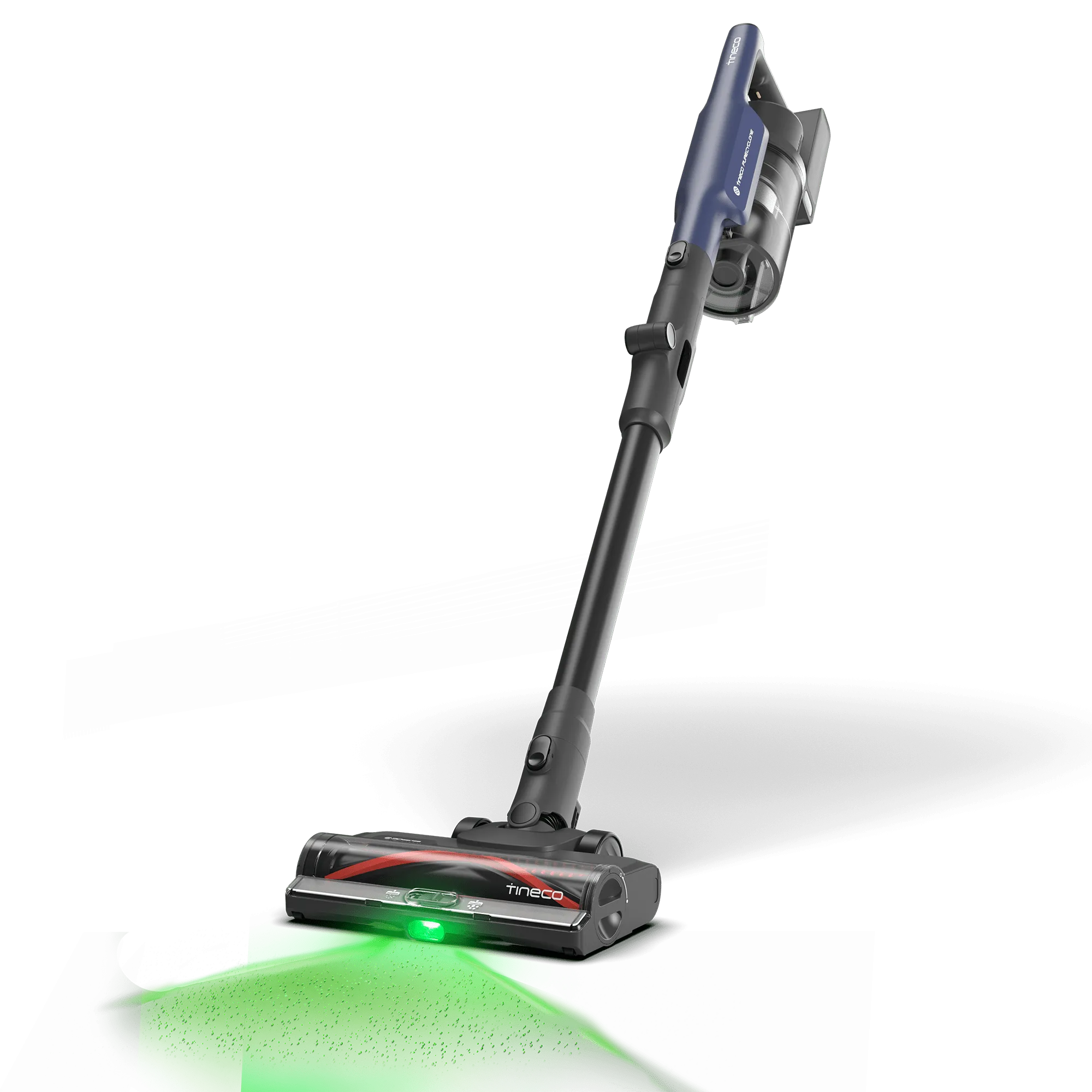
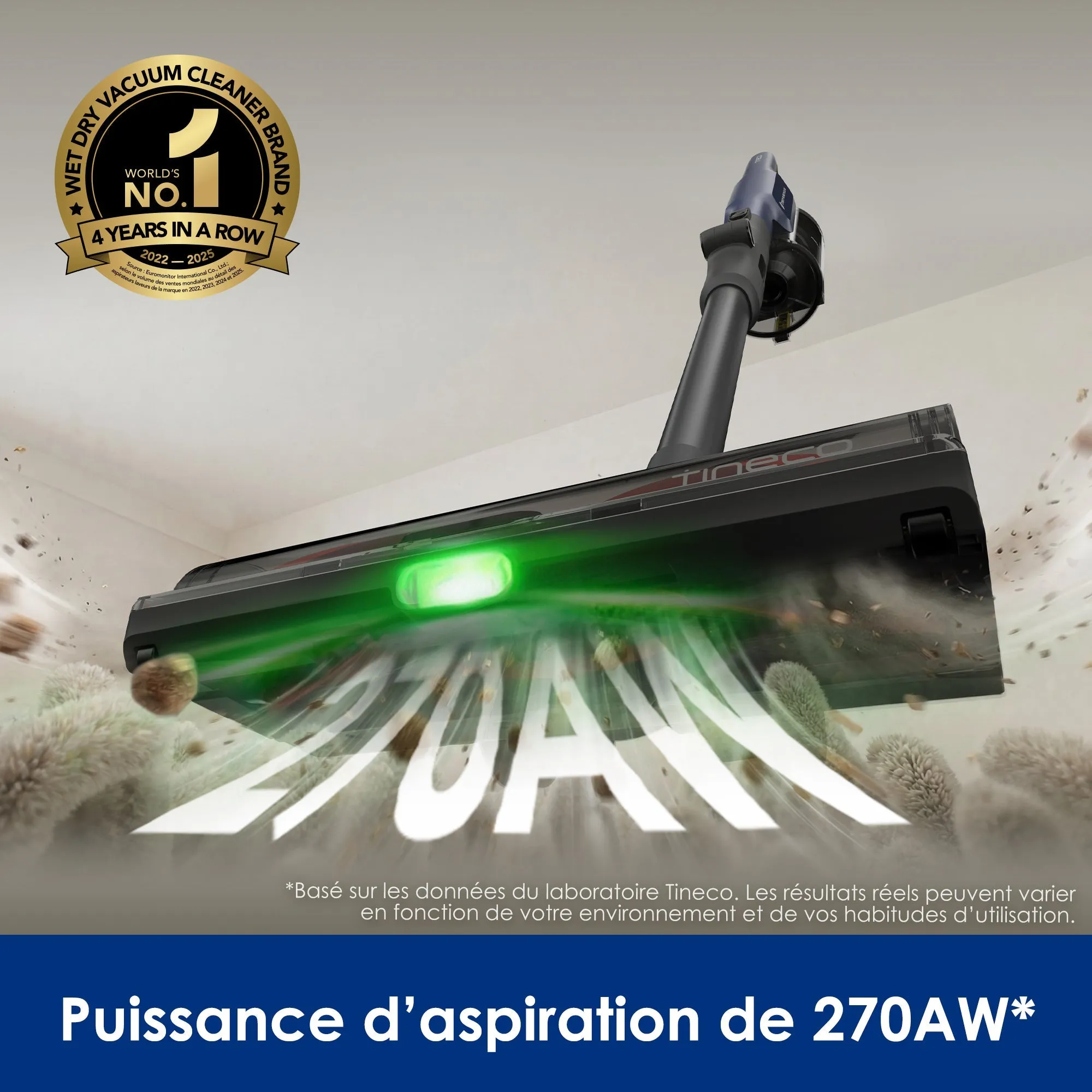
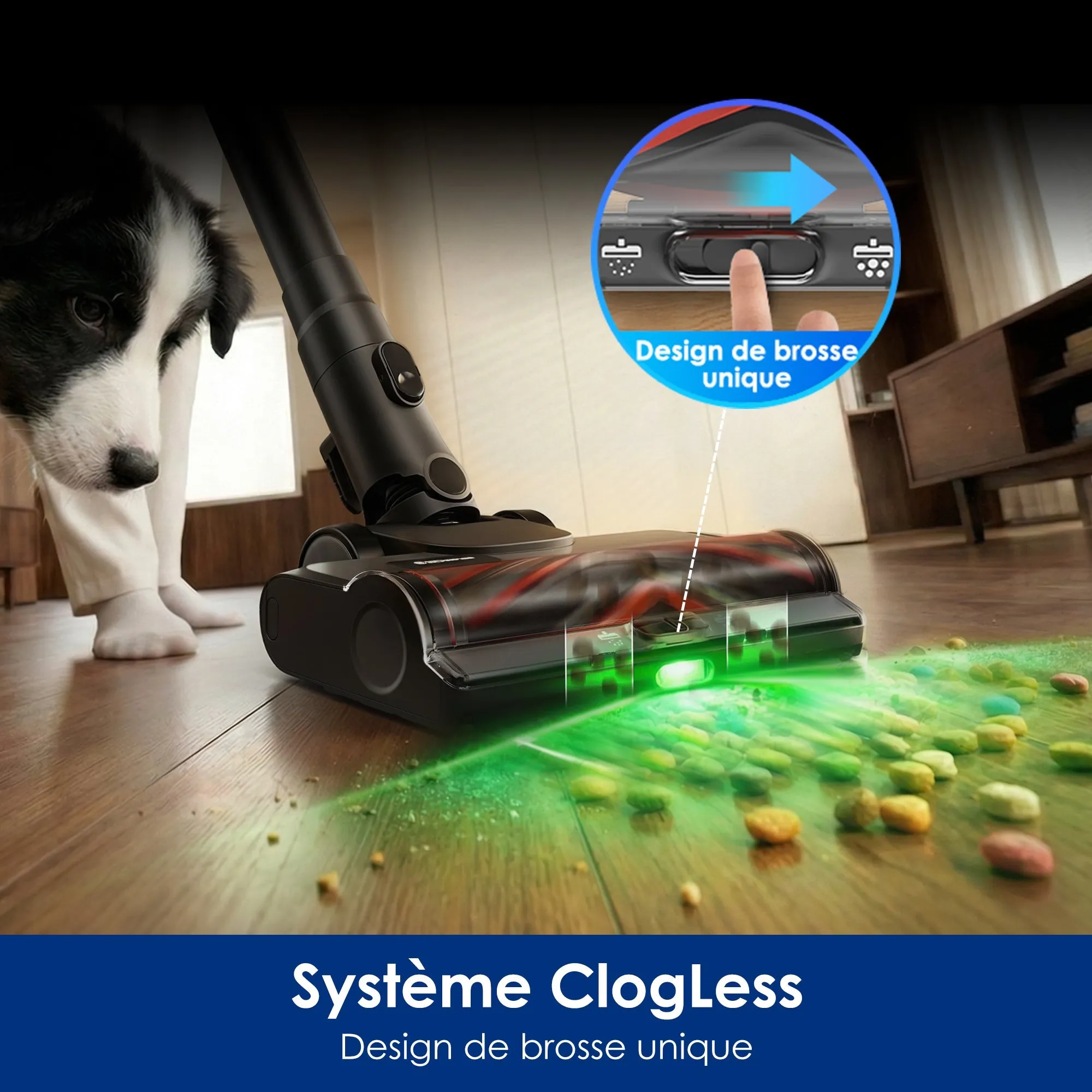
Stick vacuum cleaners Tineco
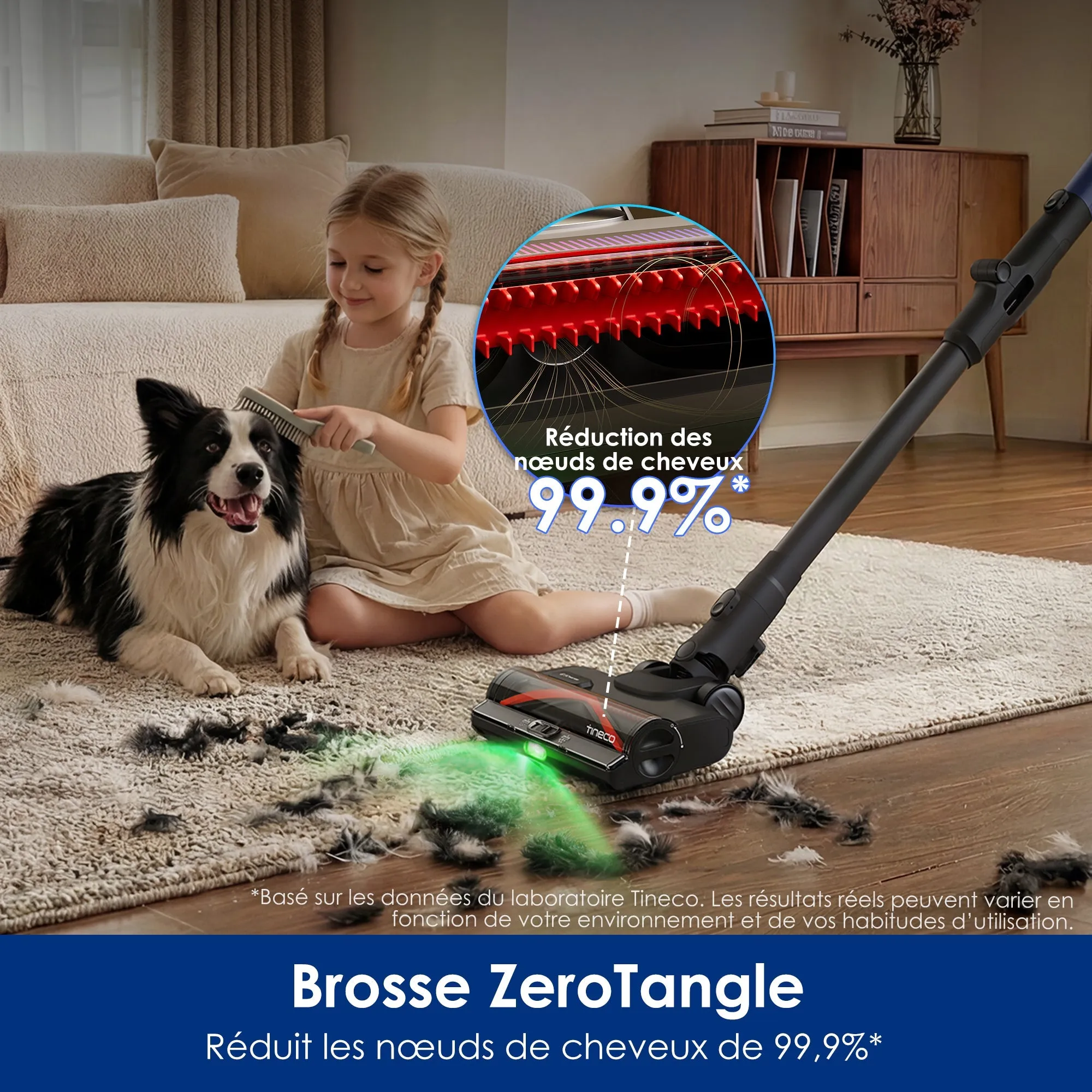
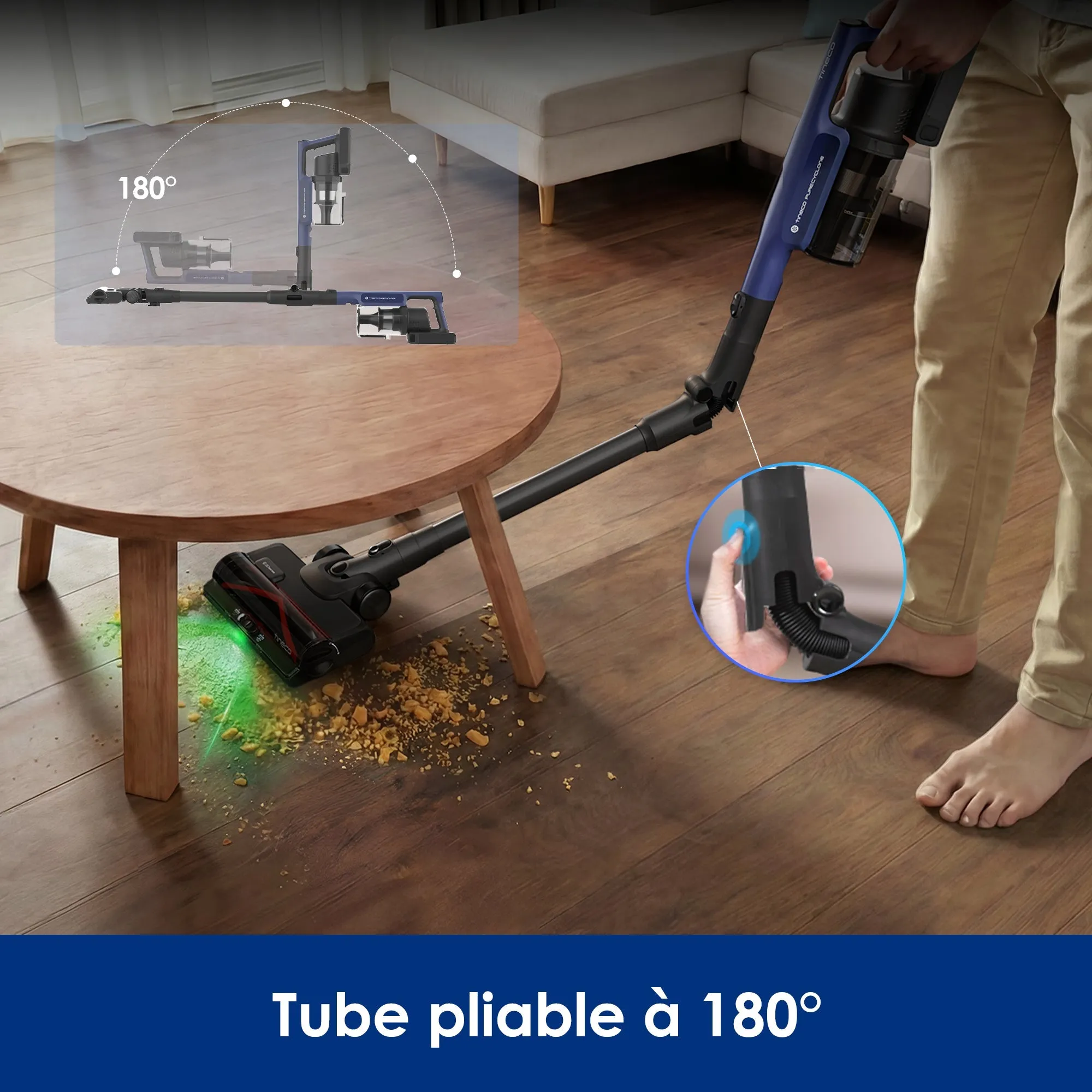
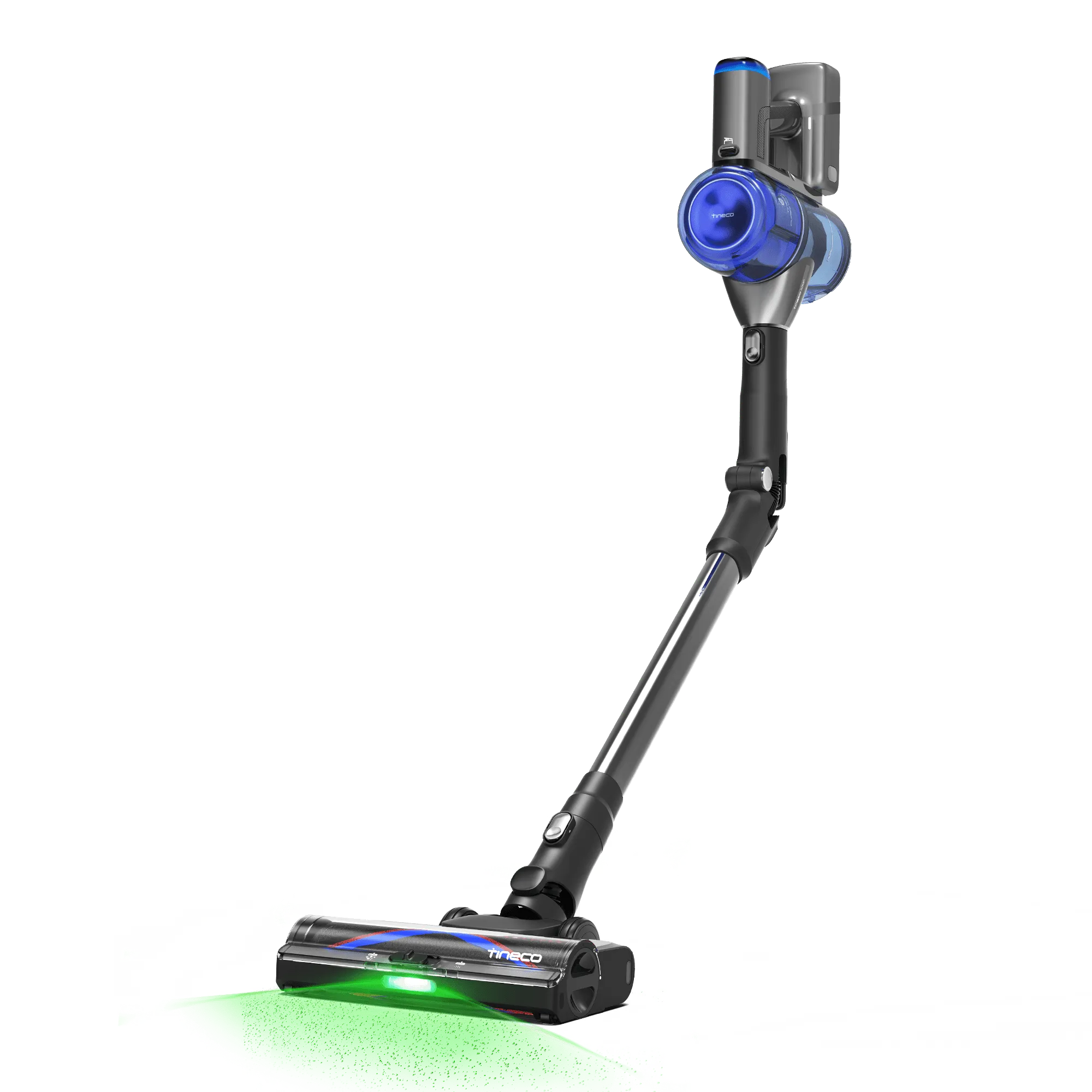
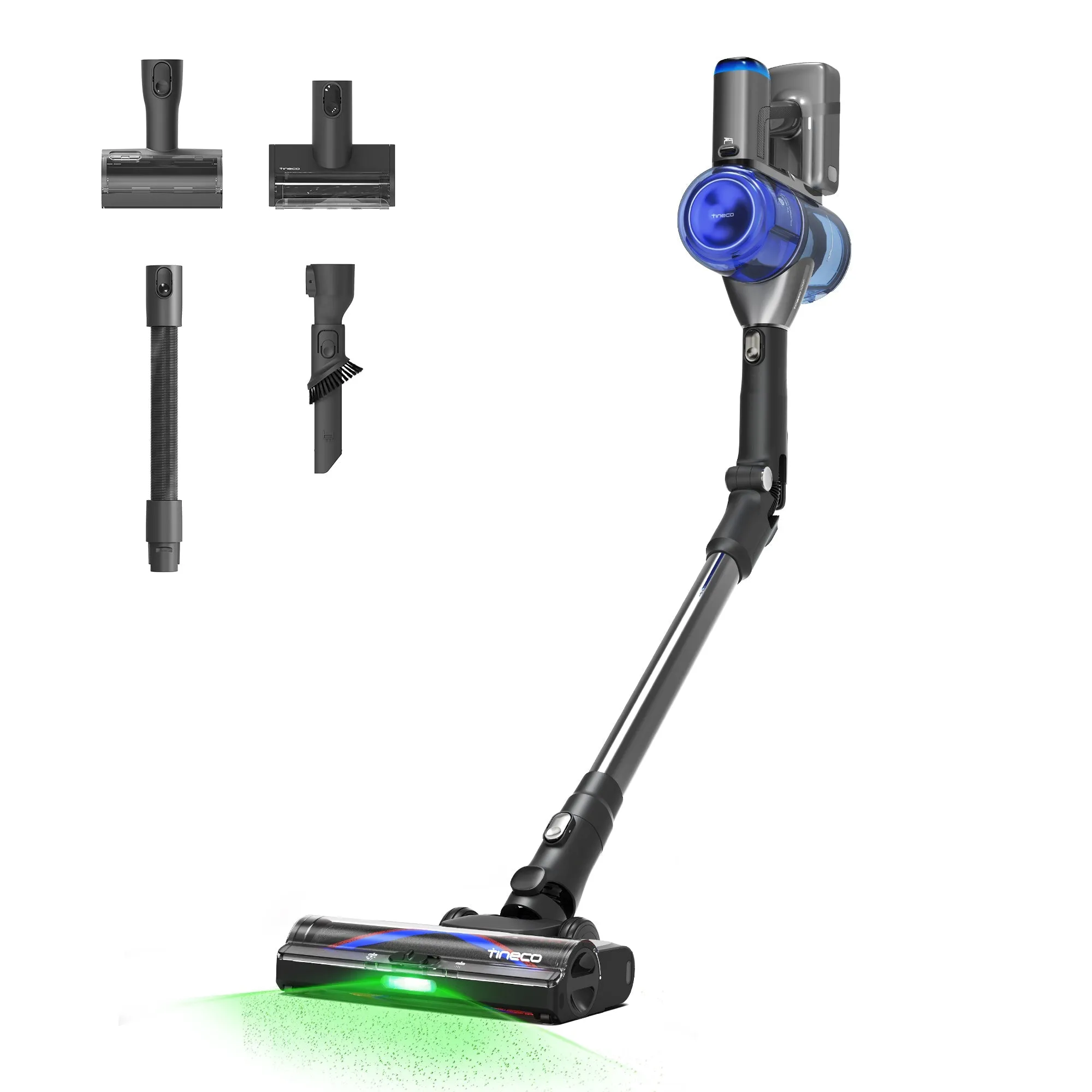
Tineco Pure One A70S Cordless Stick Vacuum Cleaner
Stick vacuum cleaners Ariete
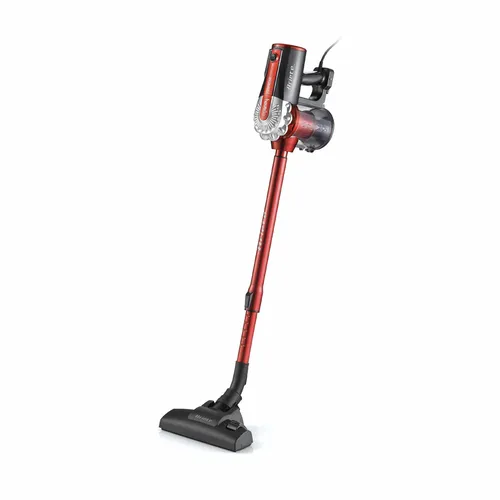
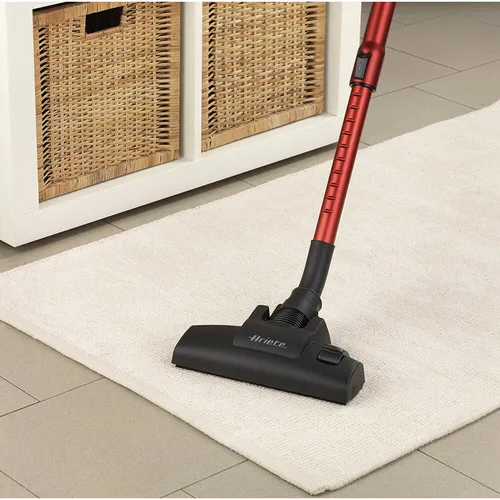
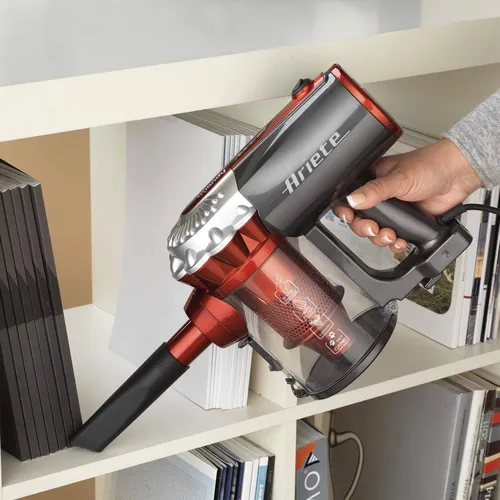
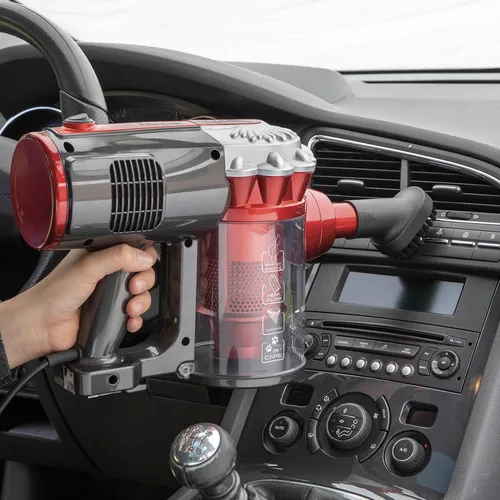
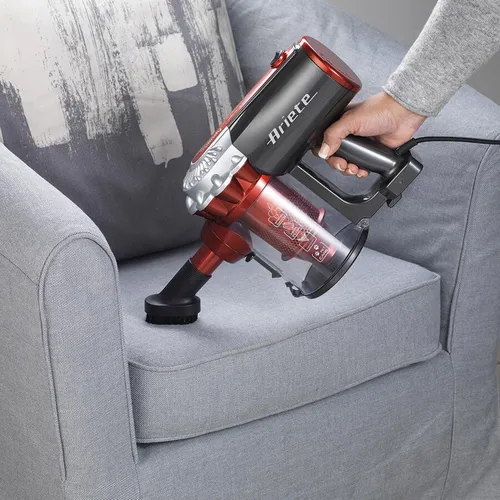
Ariete 2761 Handy Force - Corded electric broom - Handheld vacuum cleaner - Bagless cyclonic technology - Telescopic tube - Hepa filter
2 in 1 corded stick vacuum, bagless, washable HEPA filter, 600 W
Stick vacuum cleaners Tineco
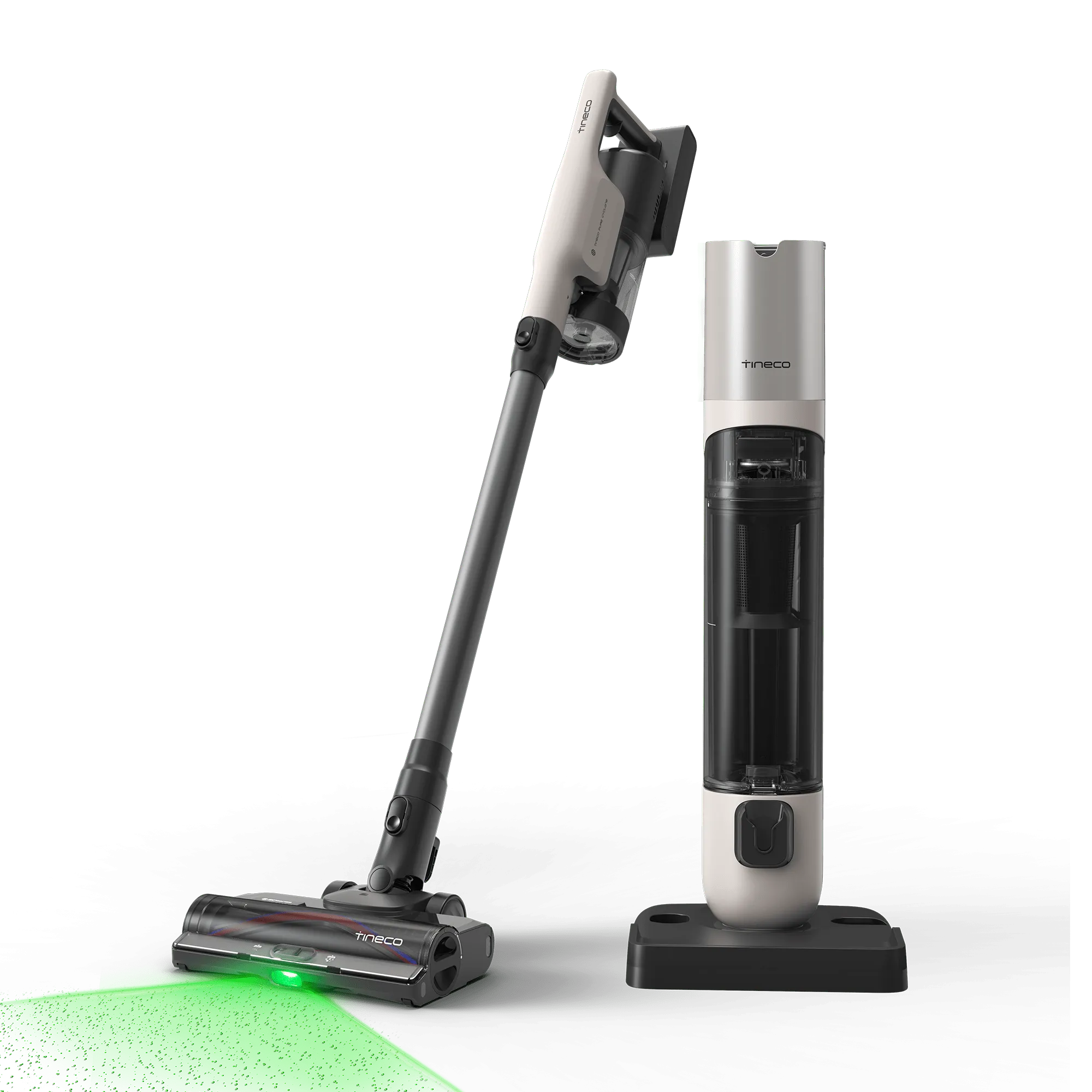
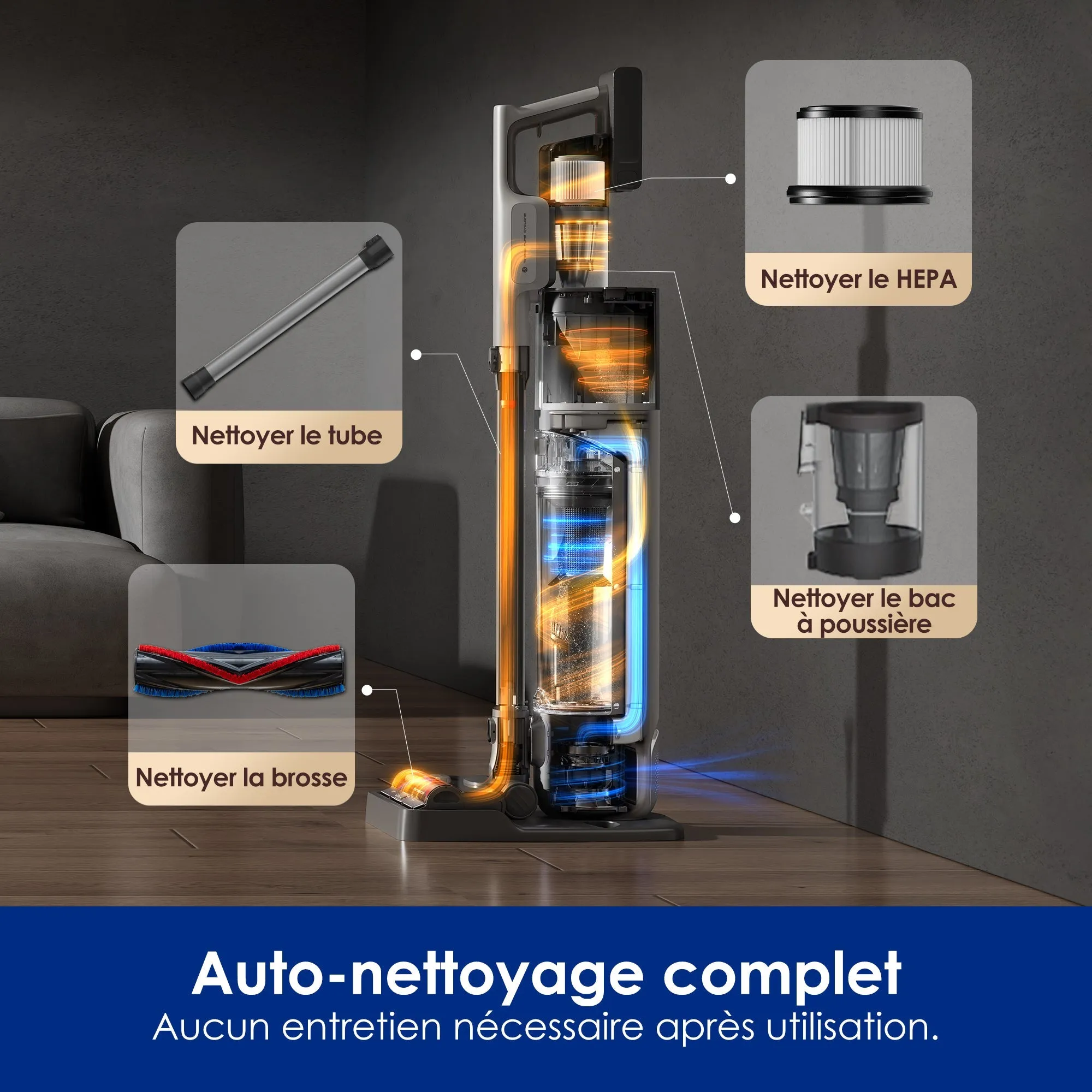
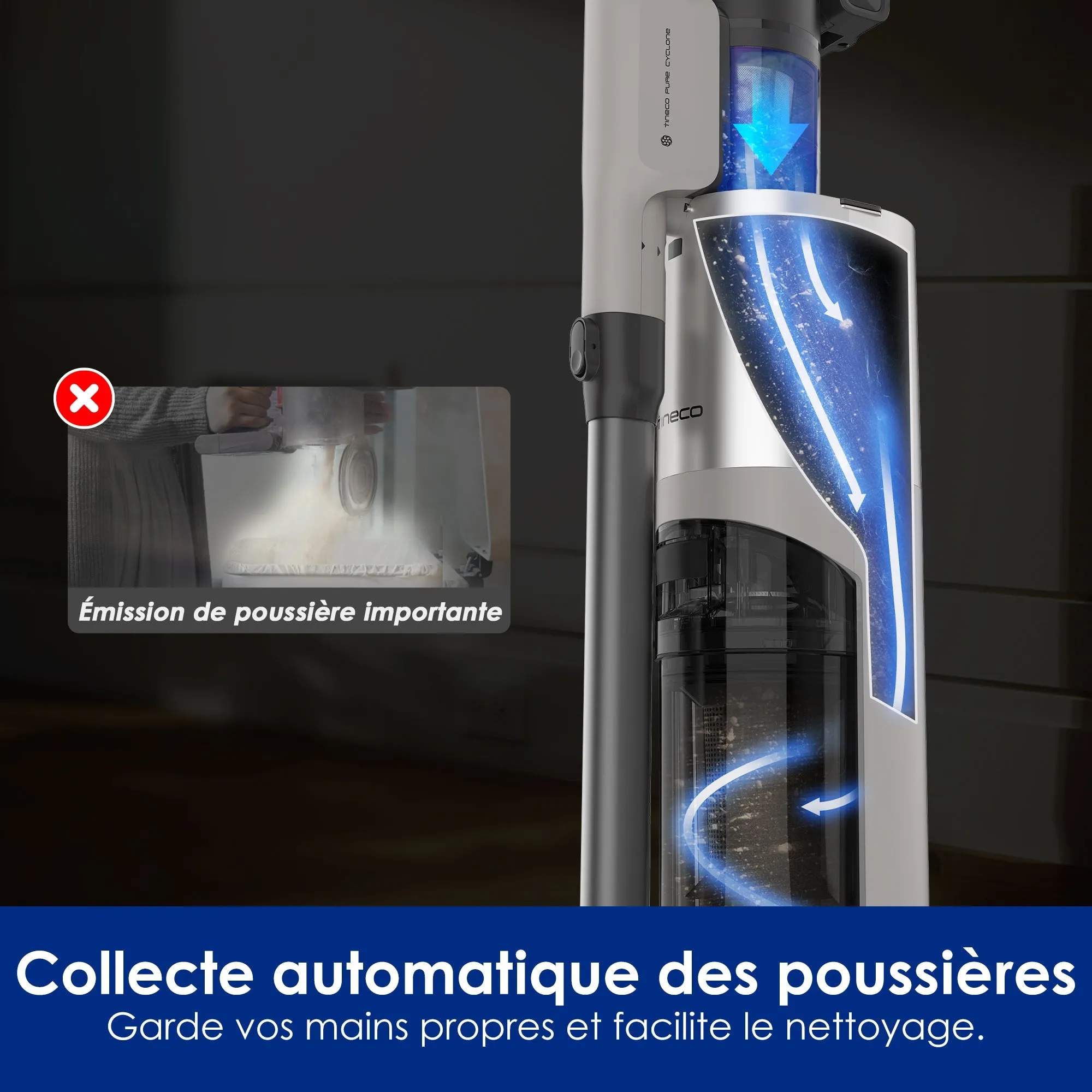
Tineco Pure One Station 5 Pro Cordless Stick Vacuum Cleaner with Base
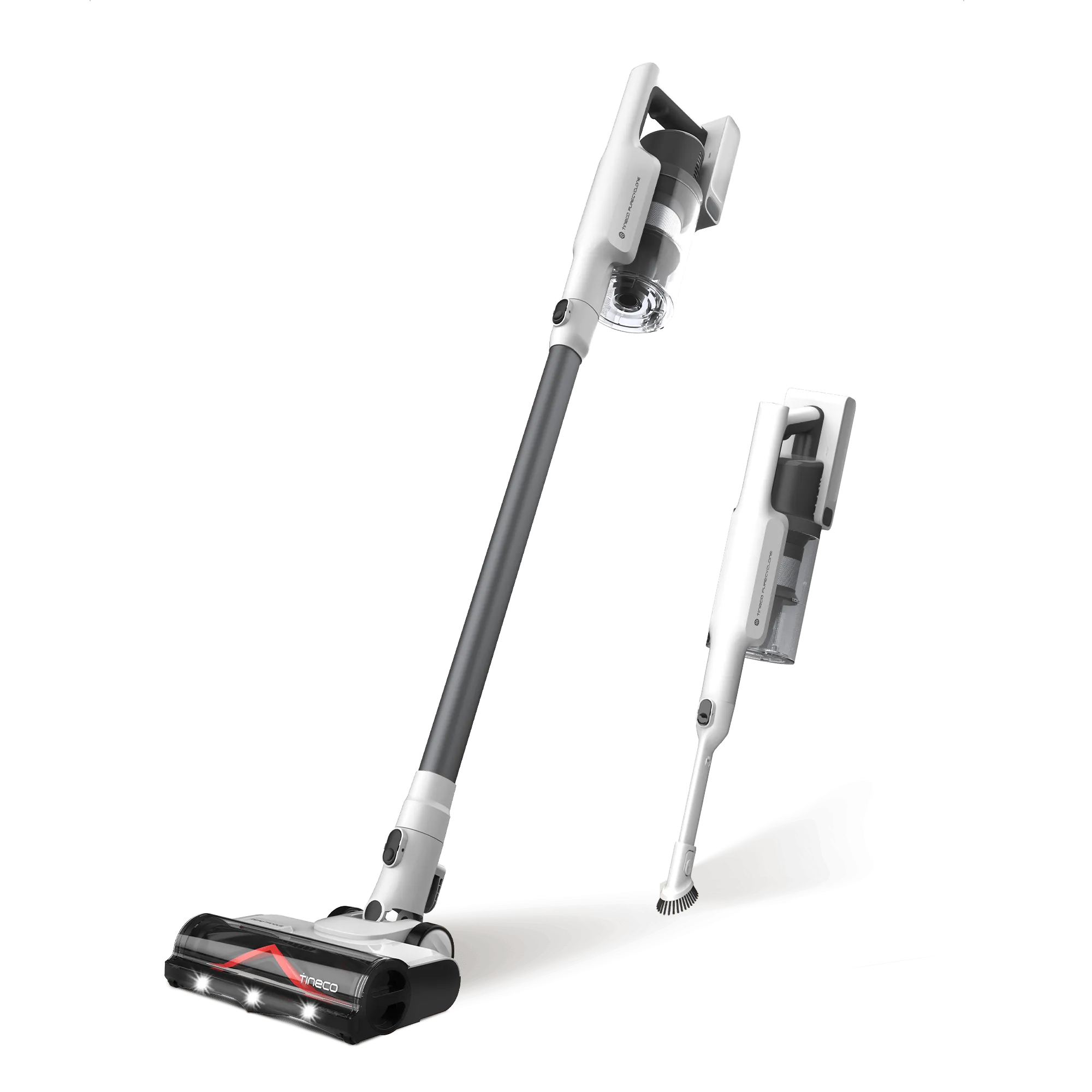
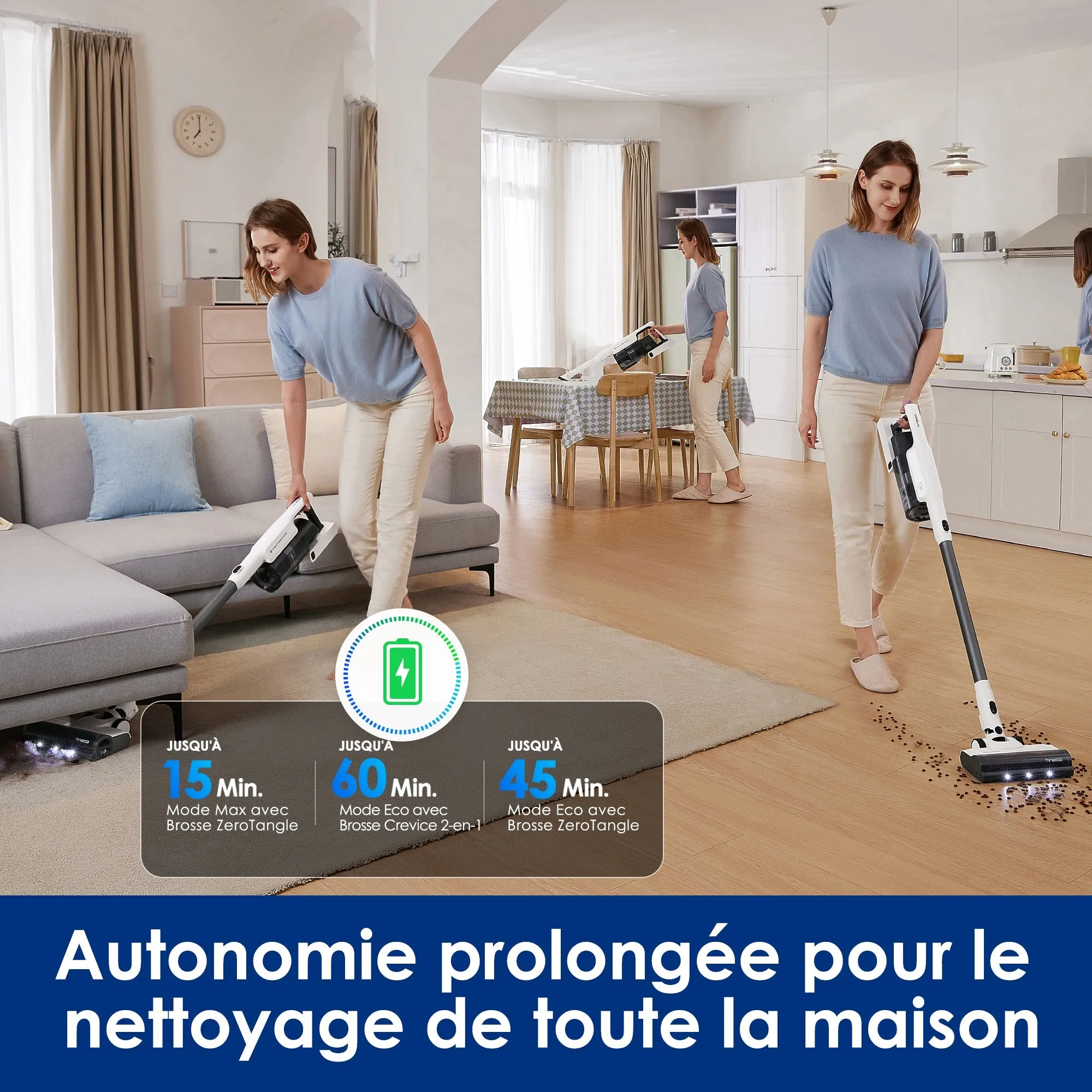
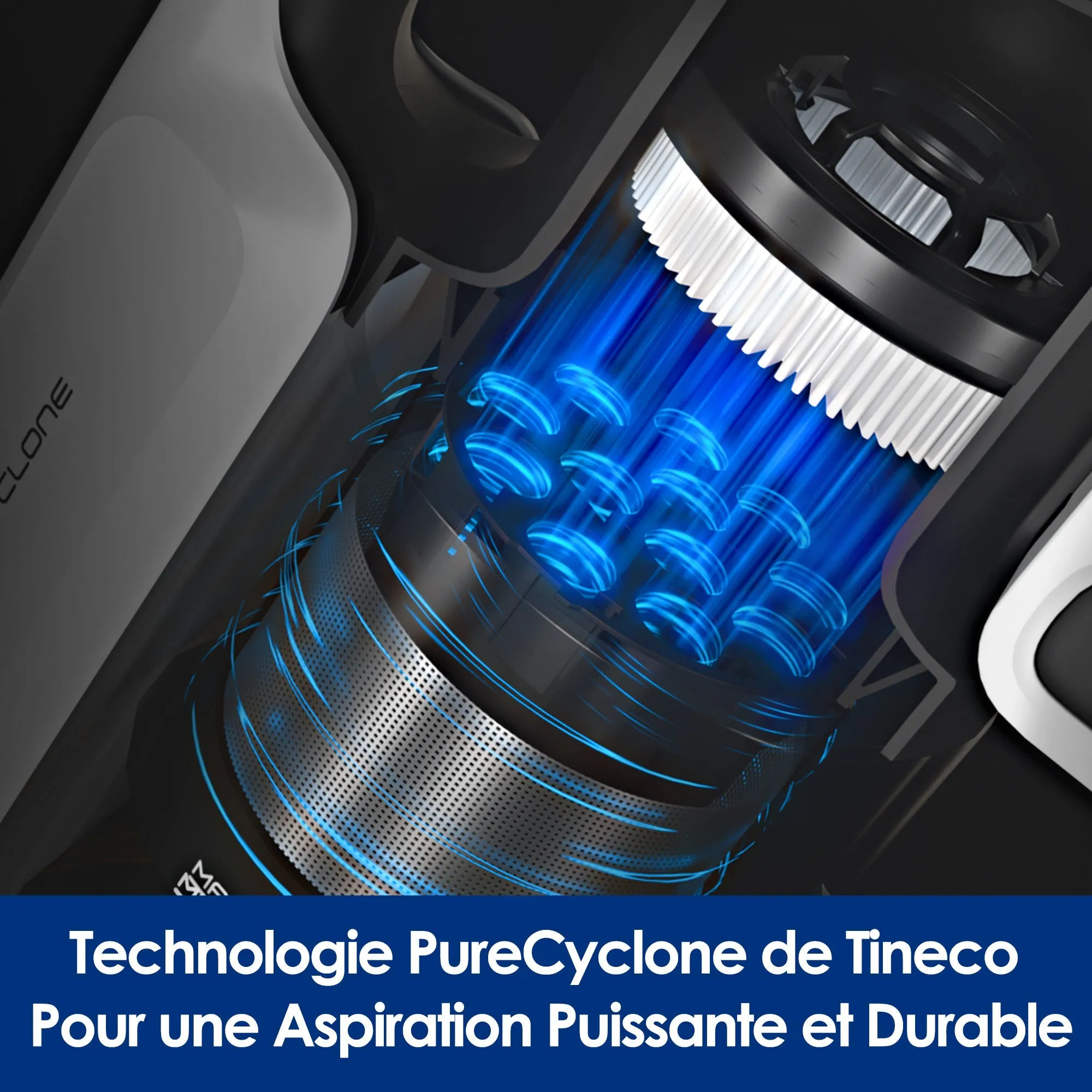
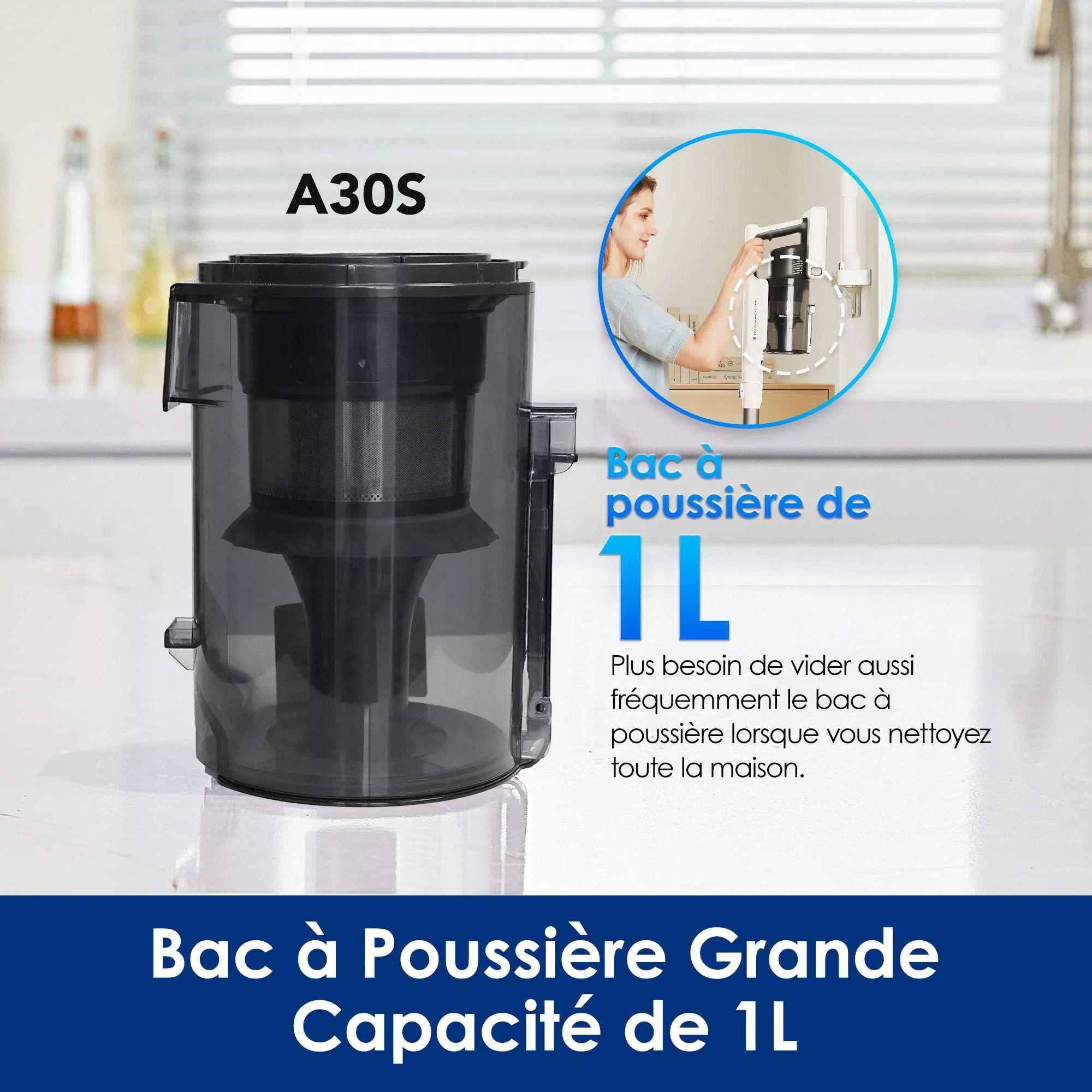
Stick vacuum cleaners Tineco
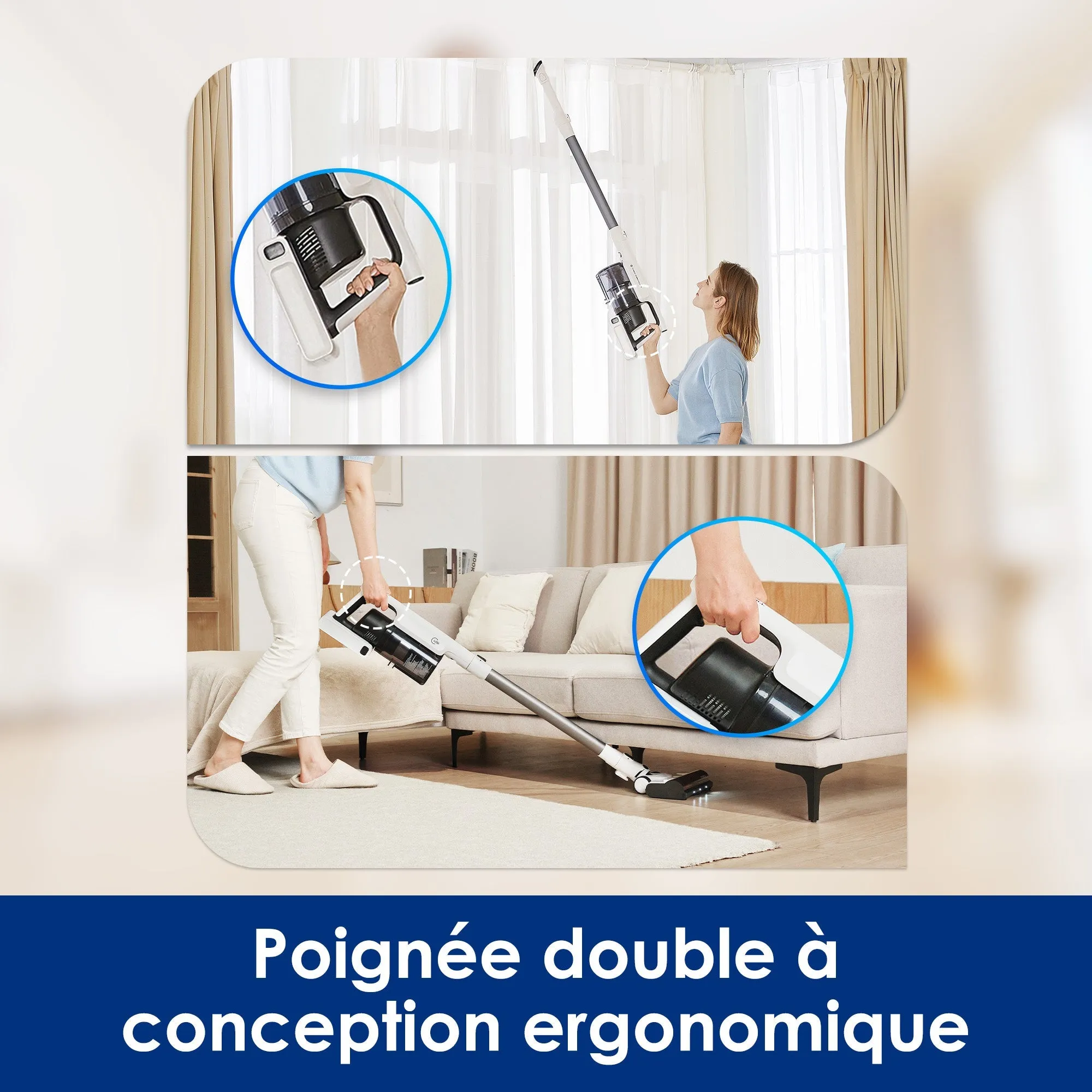
Tineco A30S Cordless Stick Vacuum Cleaner
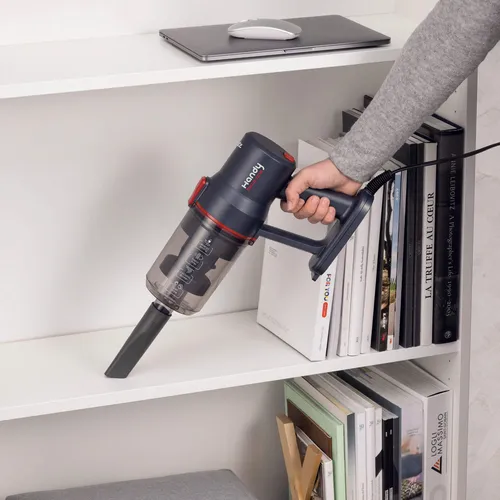
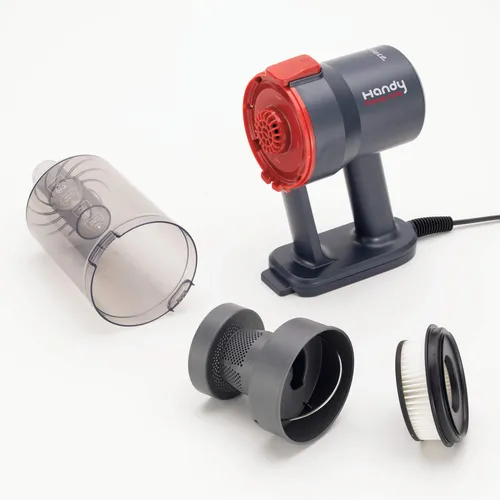
Stick vacuum cleaners Ariete
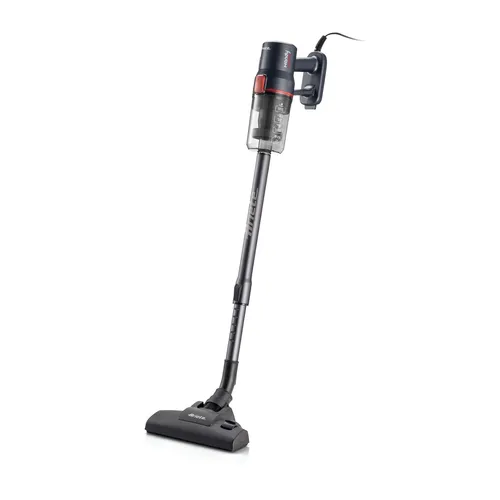
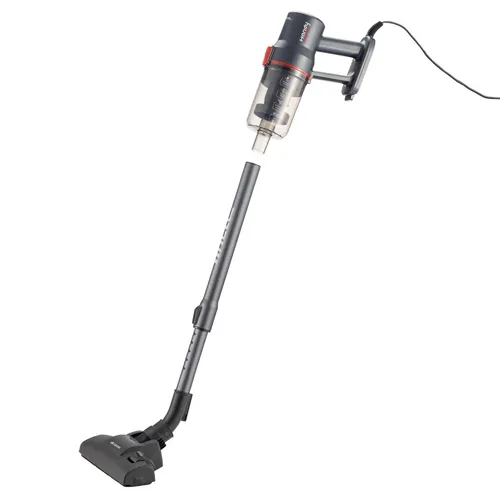
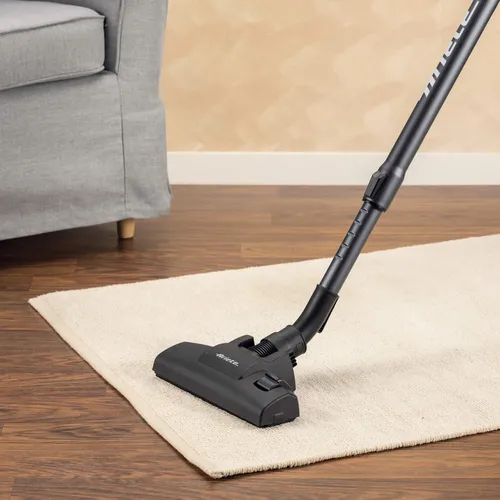
Ariete 2708 Handy Force One, Electric broom and Handheld vacuum cleaner, 600W, 2in1, Cyclonic technology, Bagless, Tank 0.6L, Hepa Filter.
2-in-1 stick vacuum with HEPA cyclonic filtration and telescopic tube
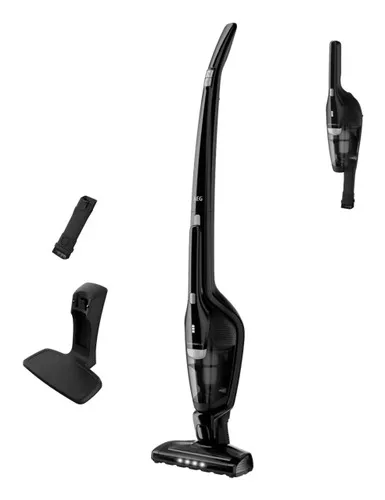
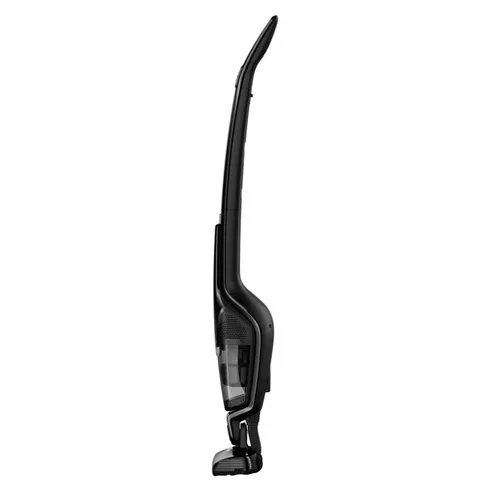
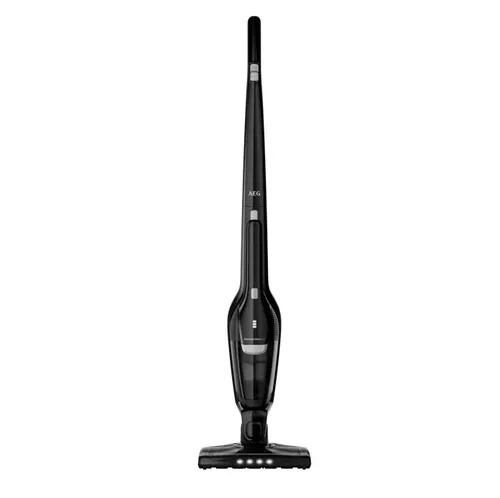
Stick vacuum cleaners AEG
AEG CX7-3-45EB 2-in-1 stick vacuum Battery Dry HEPA Bagless Black
HEPA cordless vacuum, 48 min runtime, removable 14.4 V battery
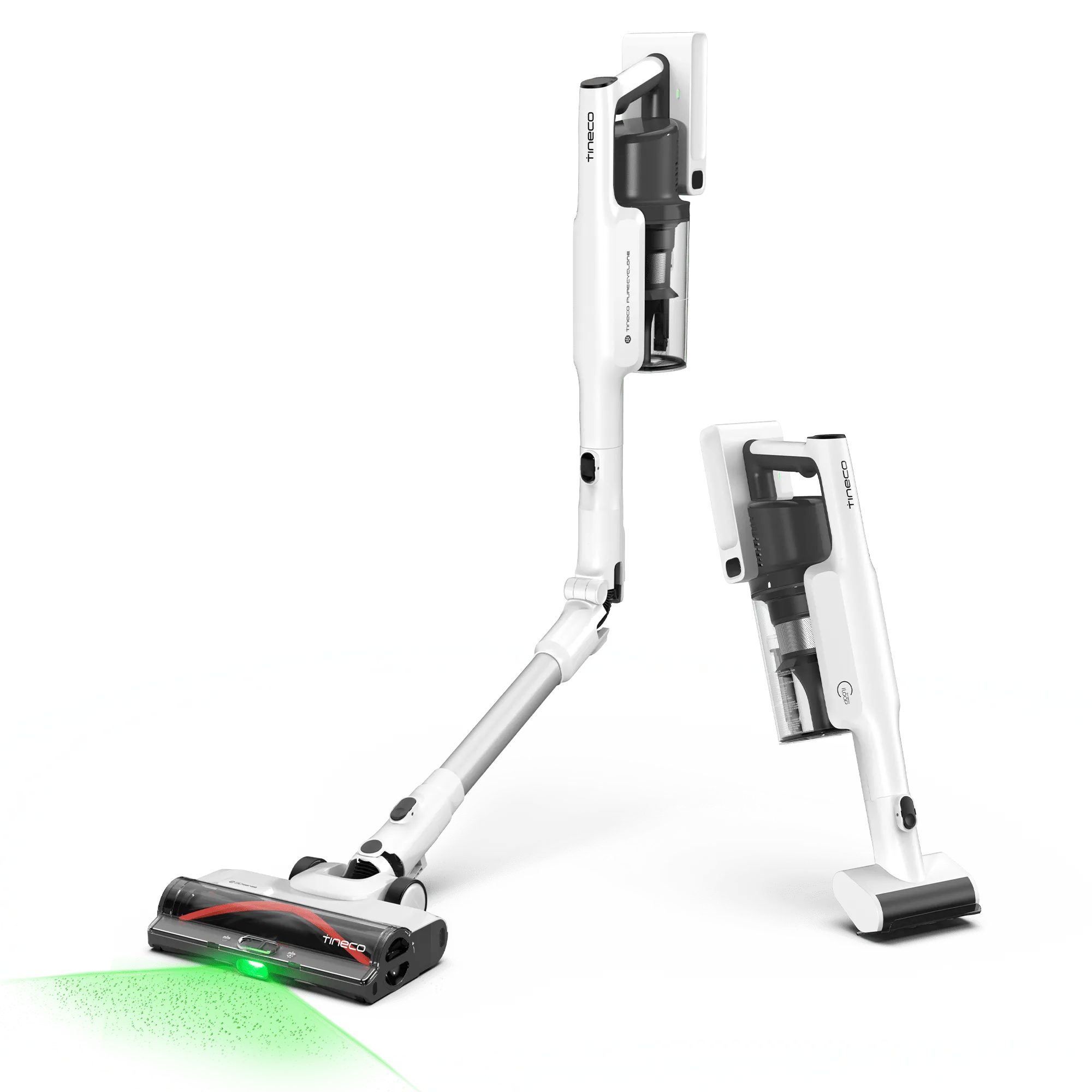
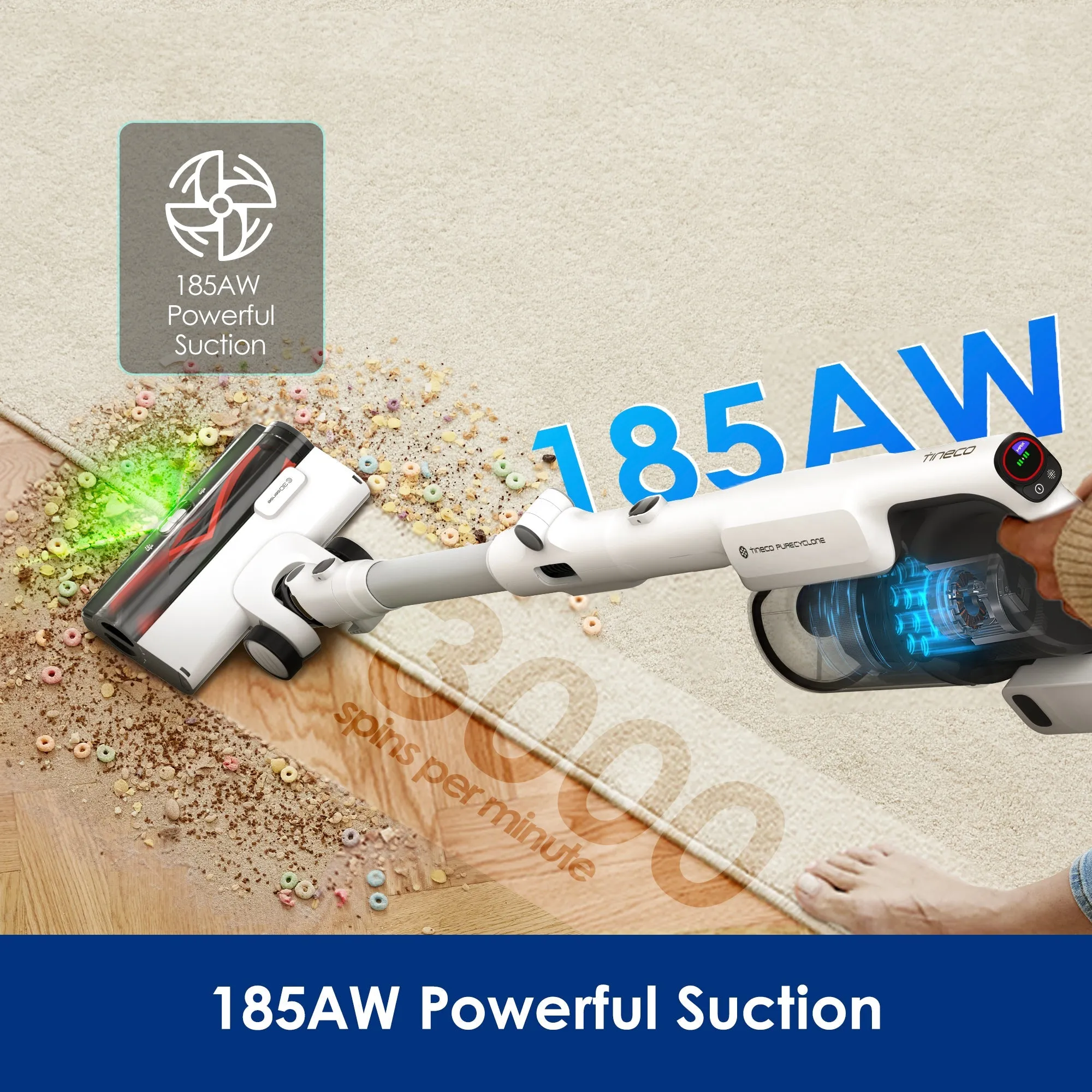
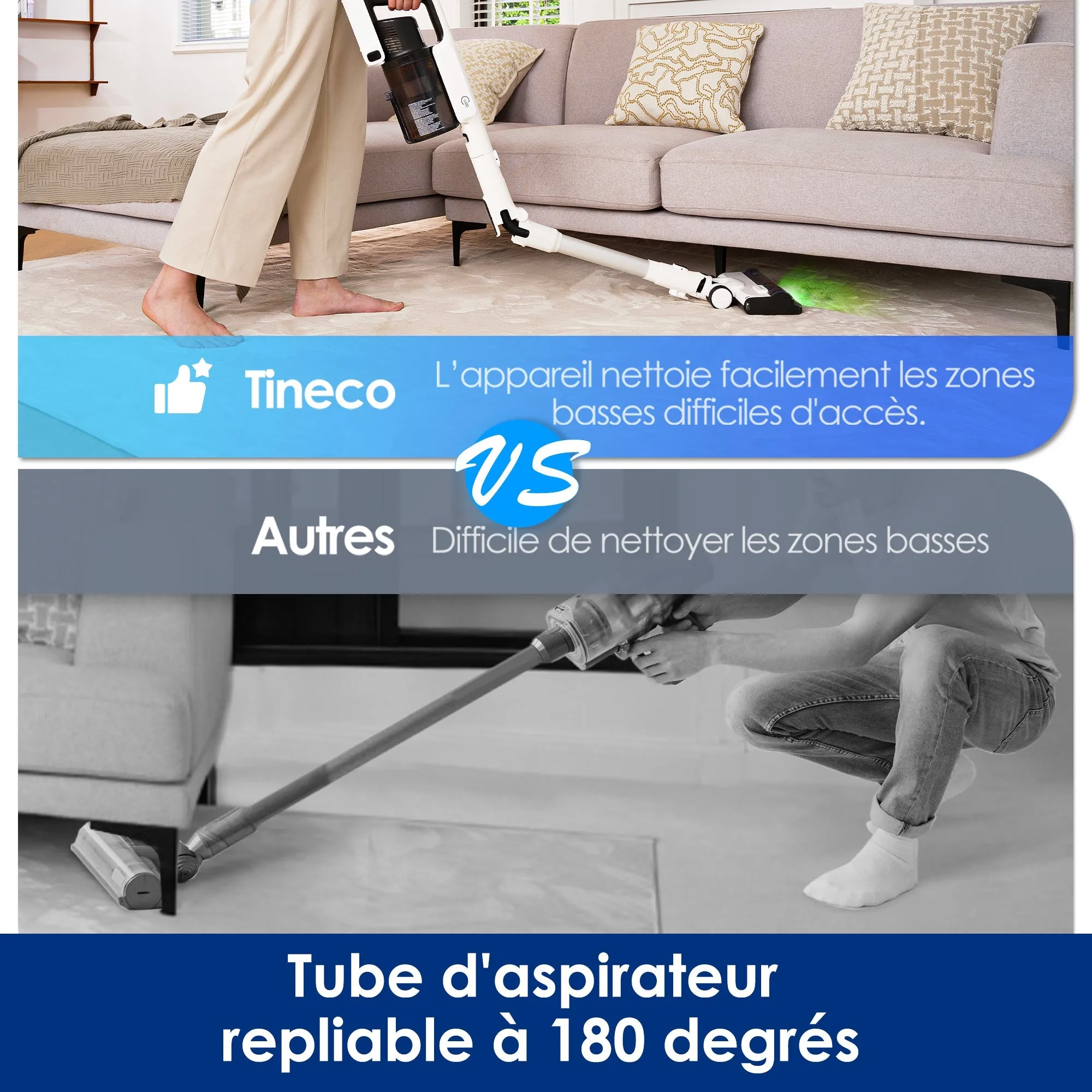
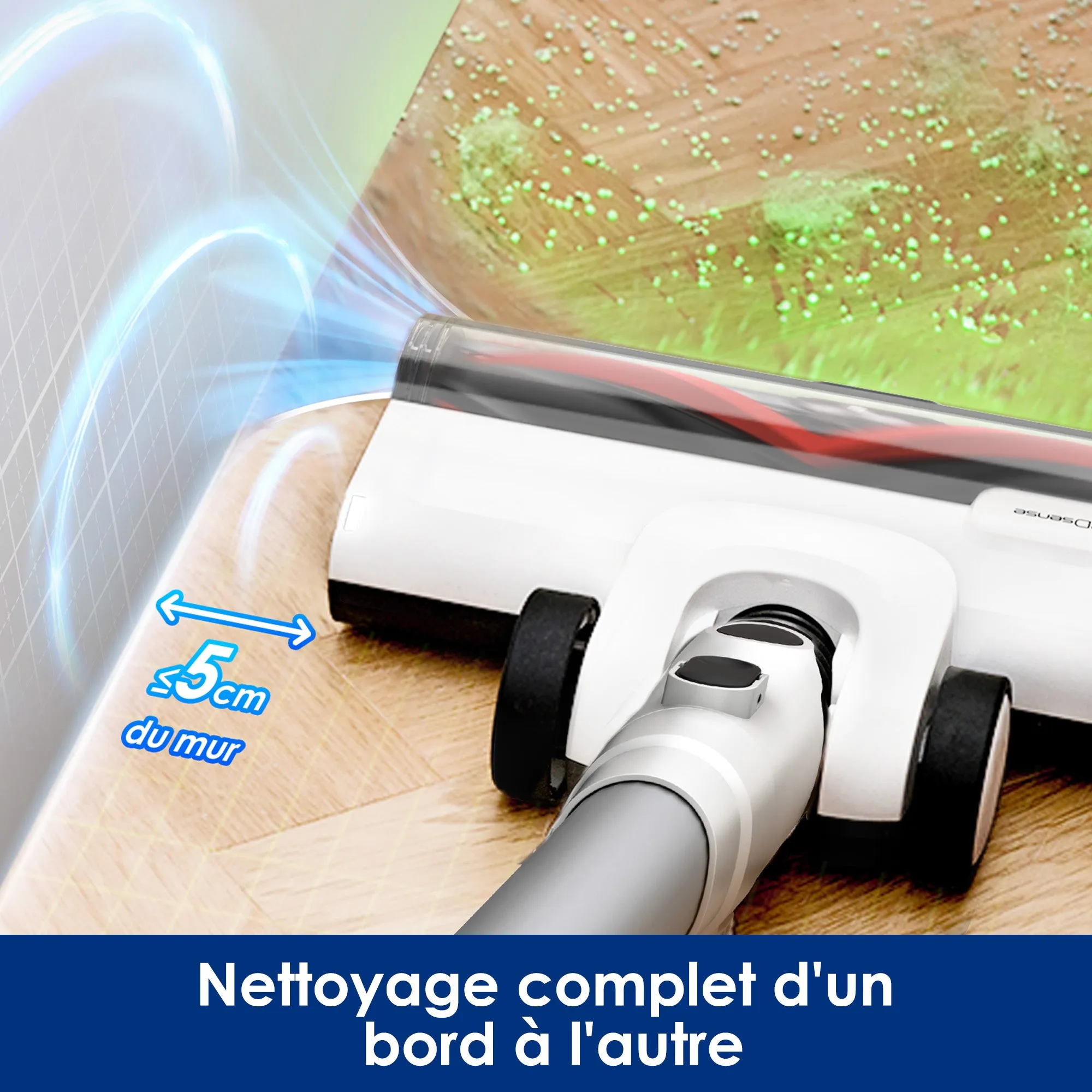
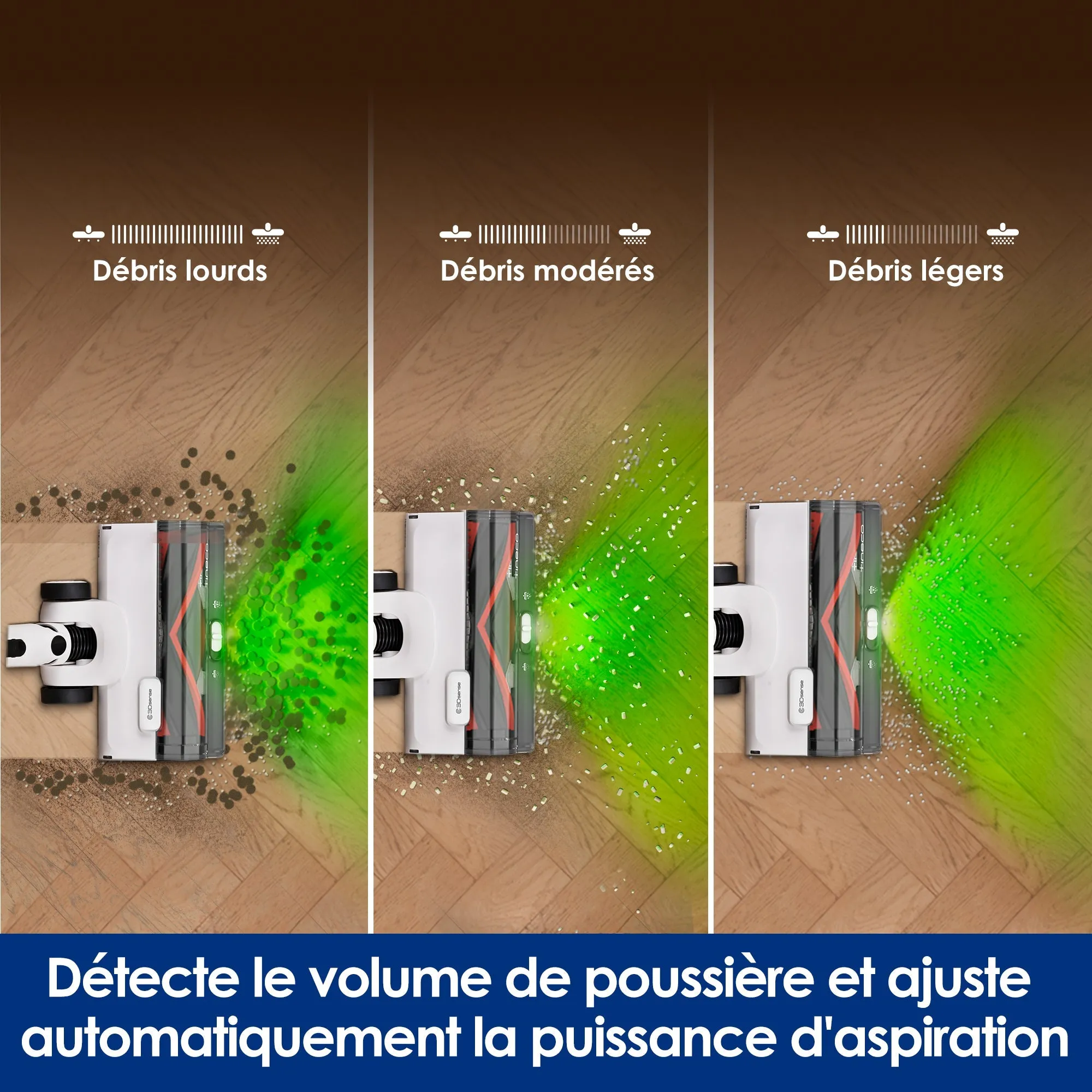
Stick vacuum cleaners Tineco
Tineco PURE ONE A50S PLUS Cordless Stick Vacuum Cleaner
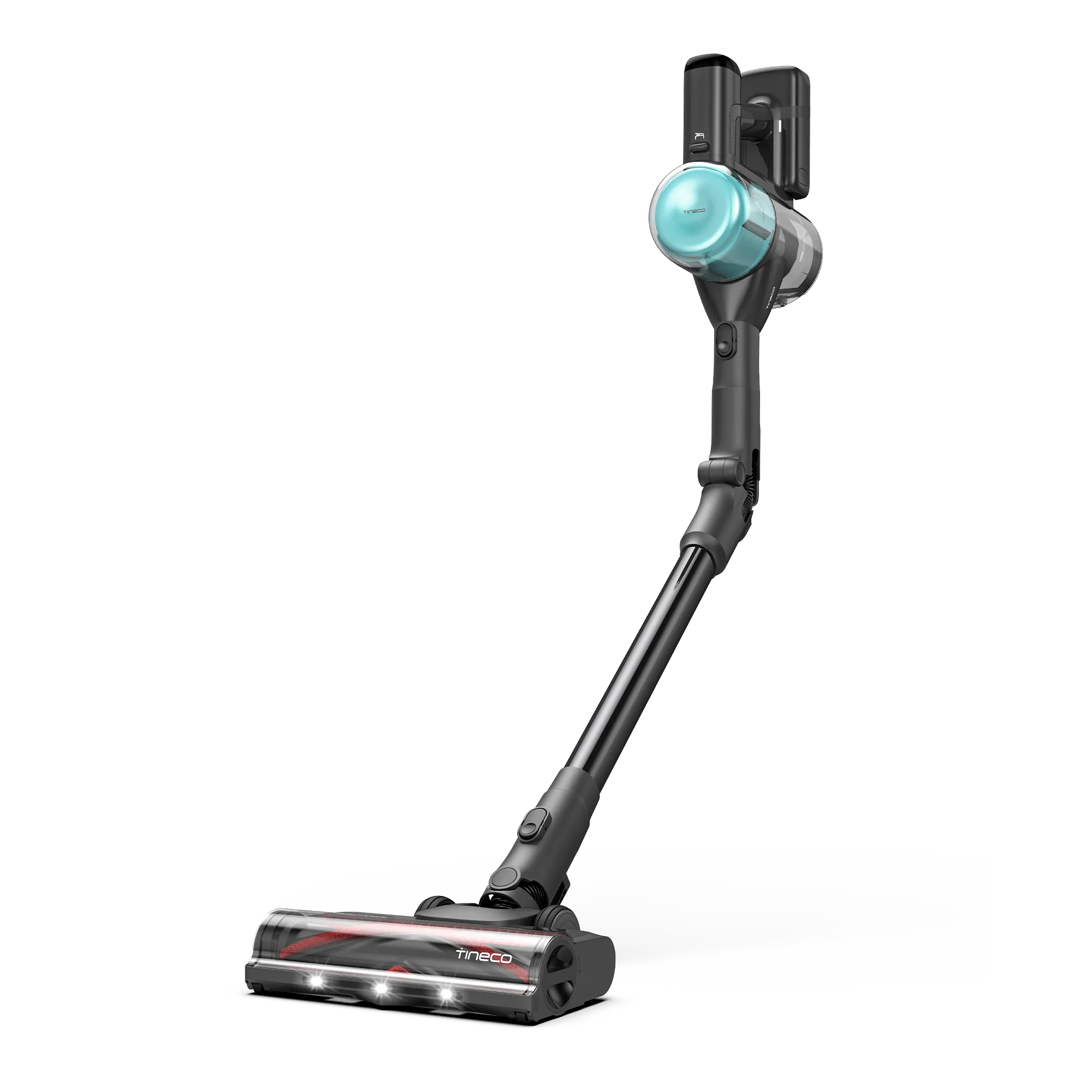
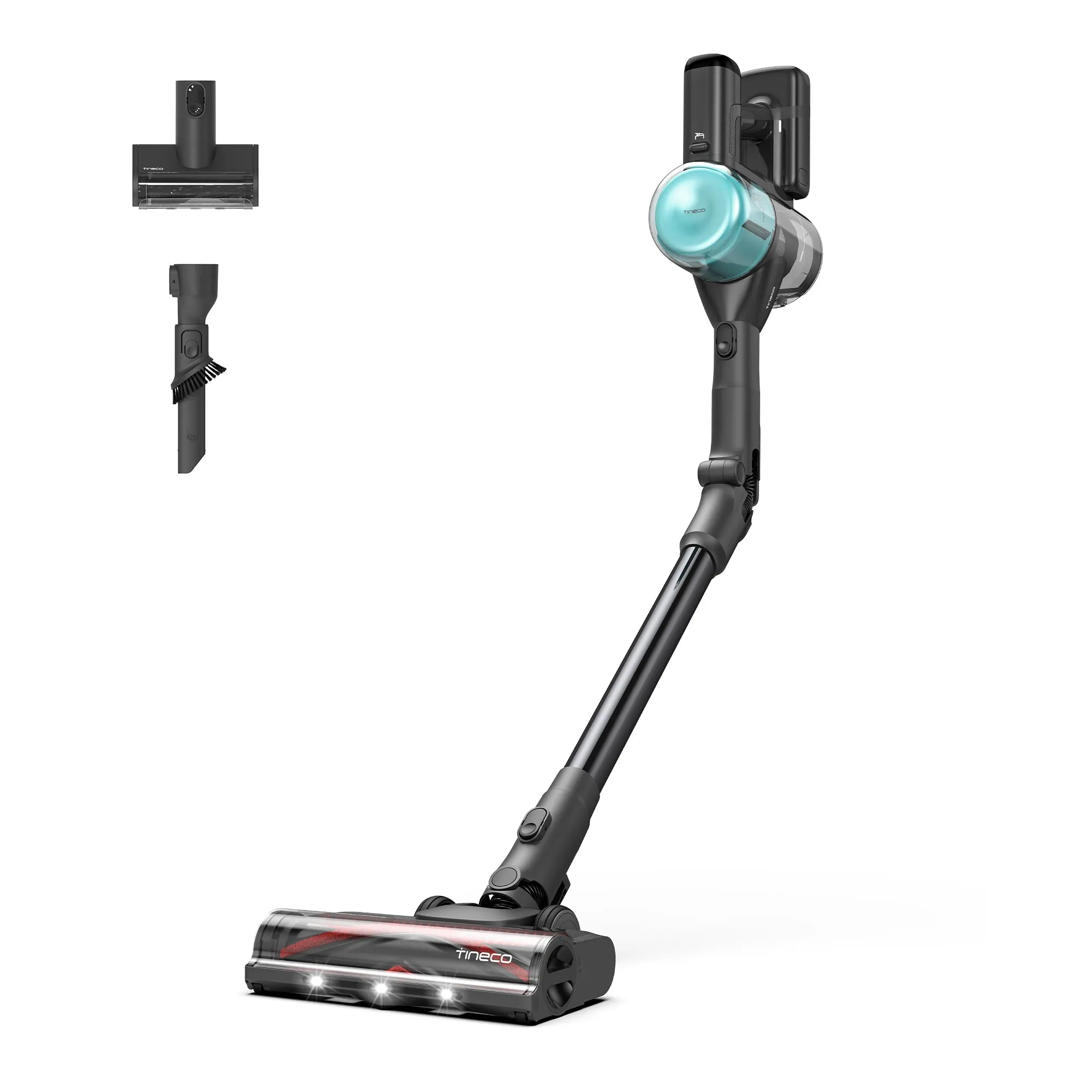
Stick vacuum cleaners Tineco
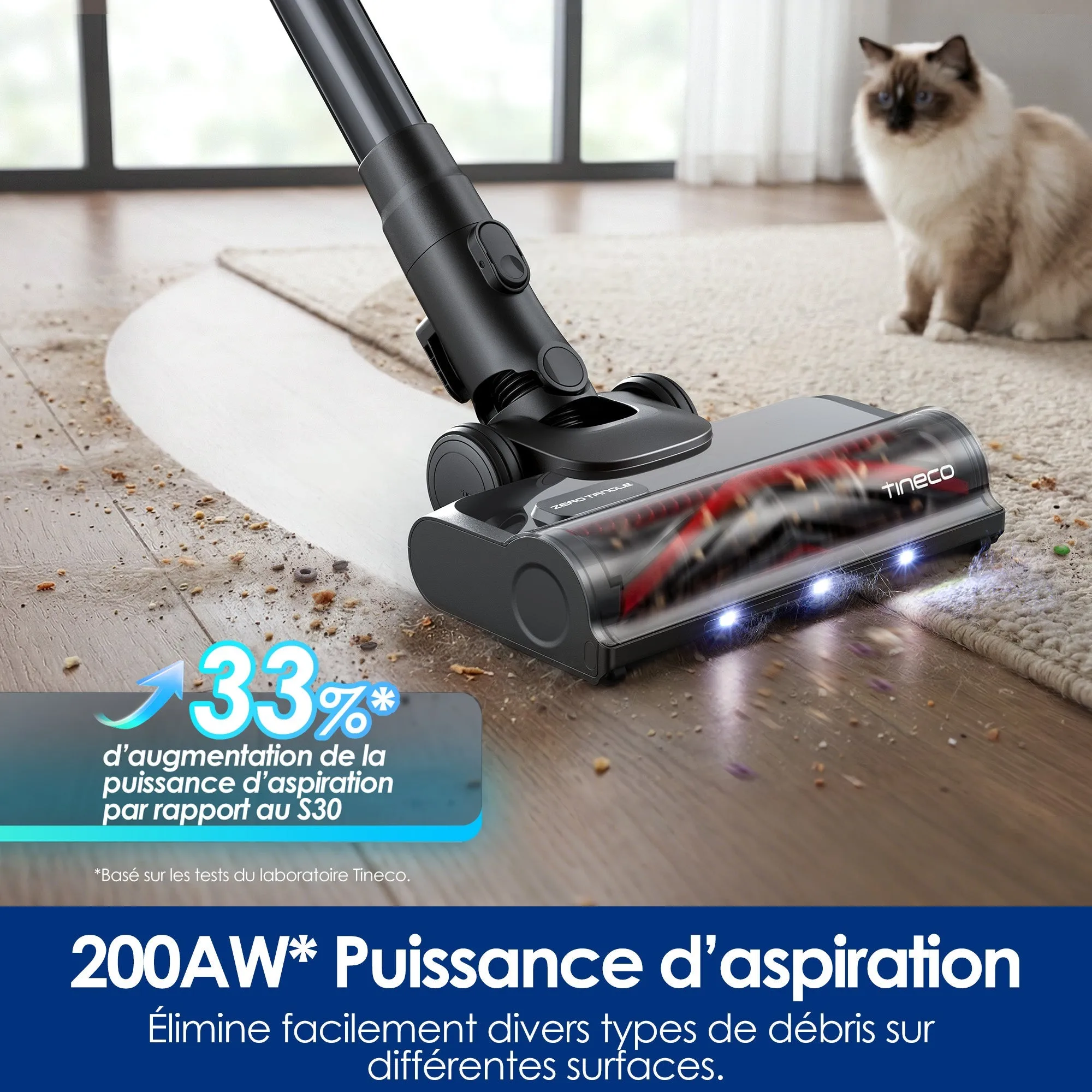
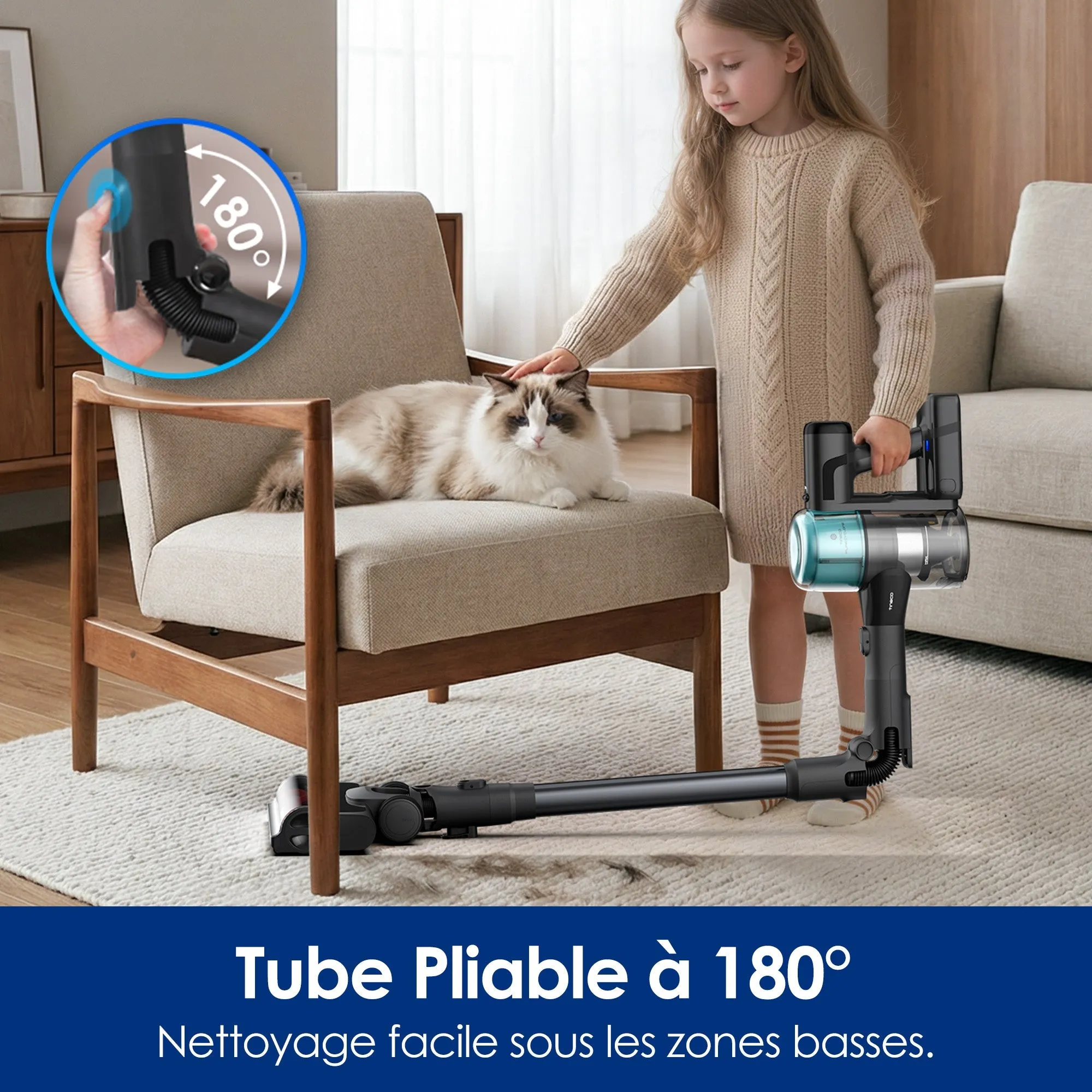
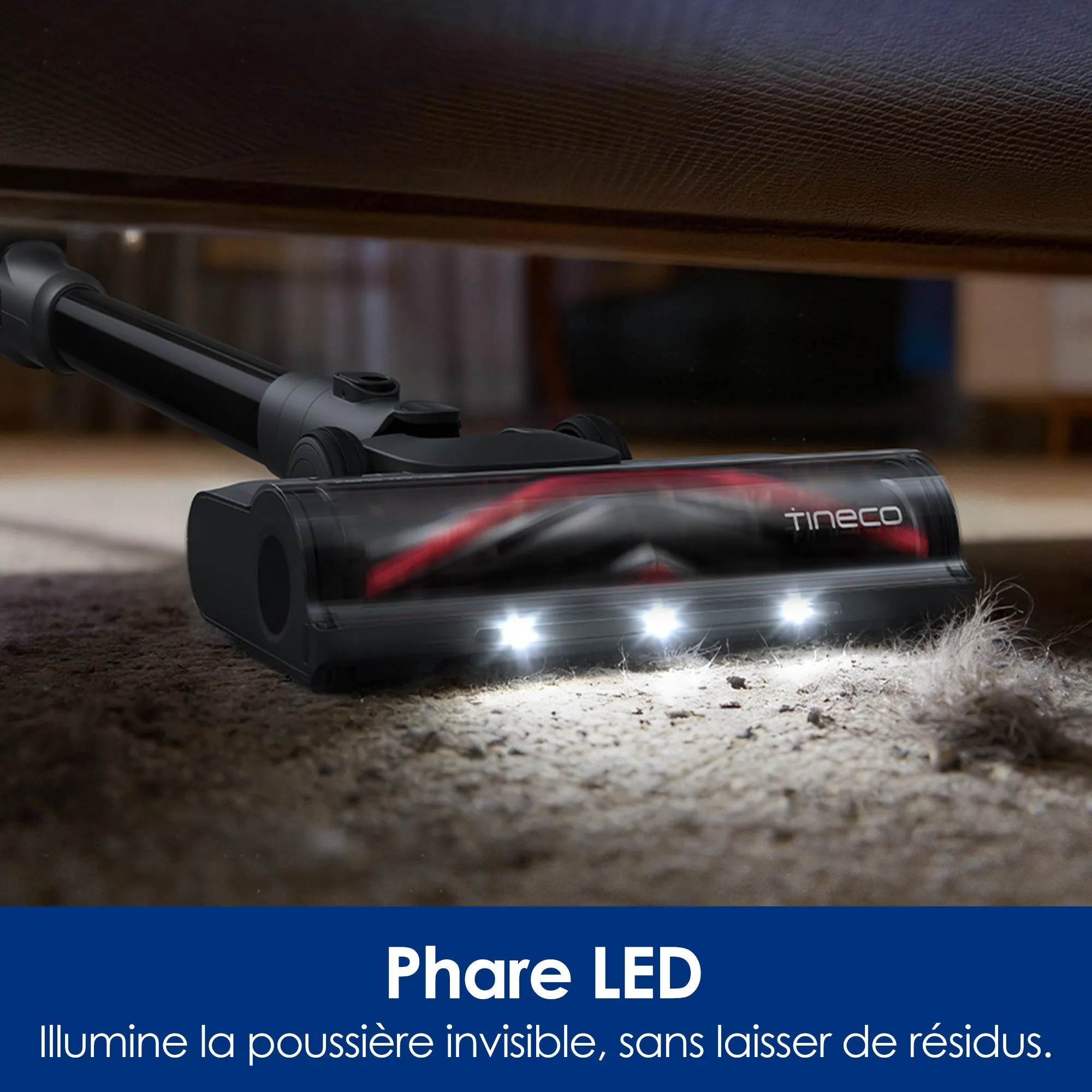
Tineco PURE ONE S50 Pro Pet Cordless Stick Vacuum Cleaner

Stick vacuum cleaners Tineco
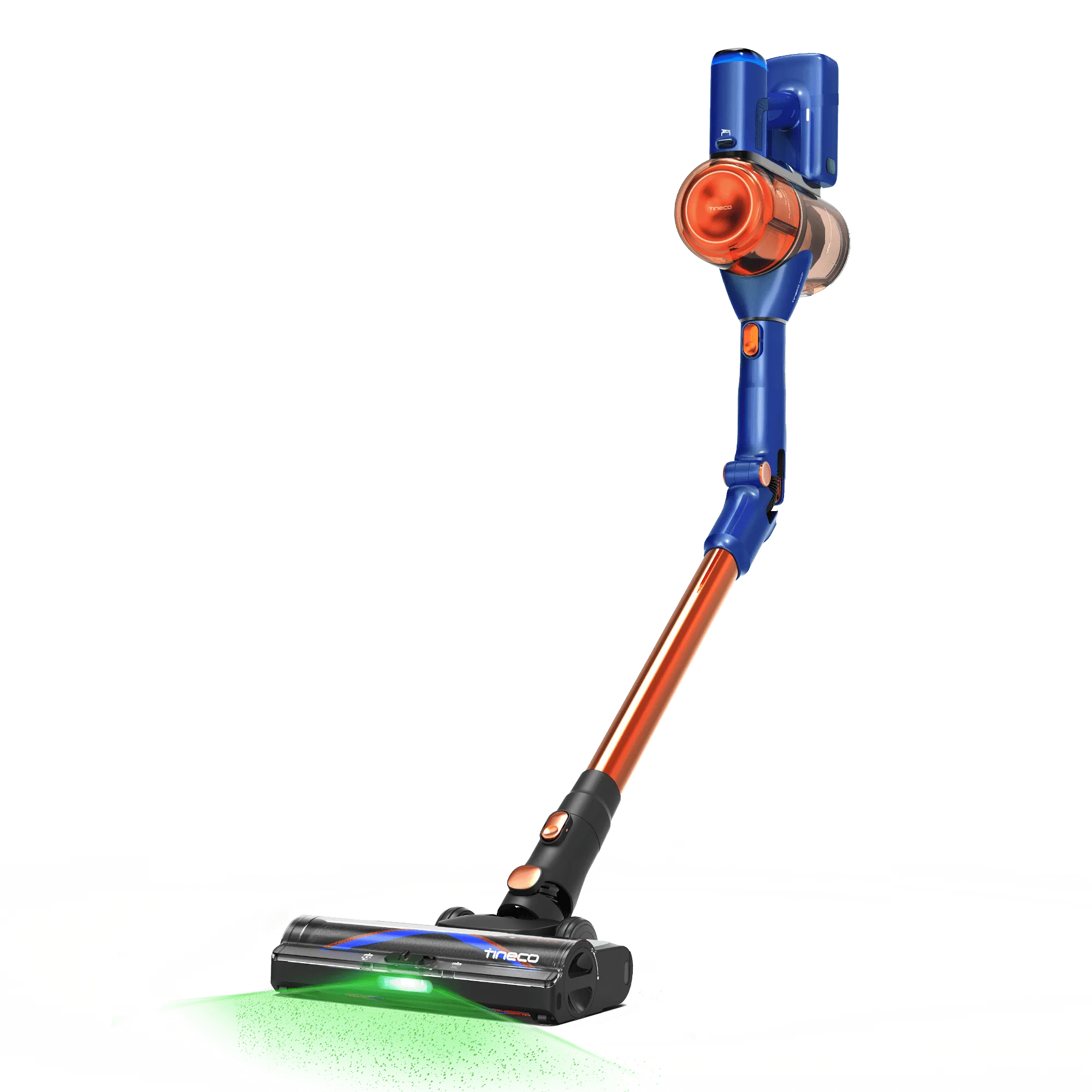
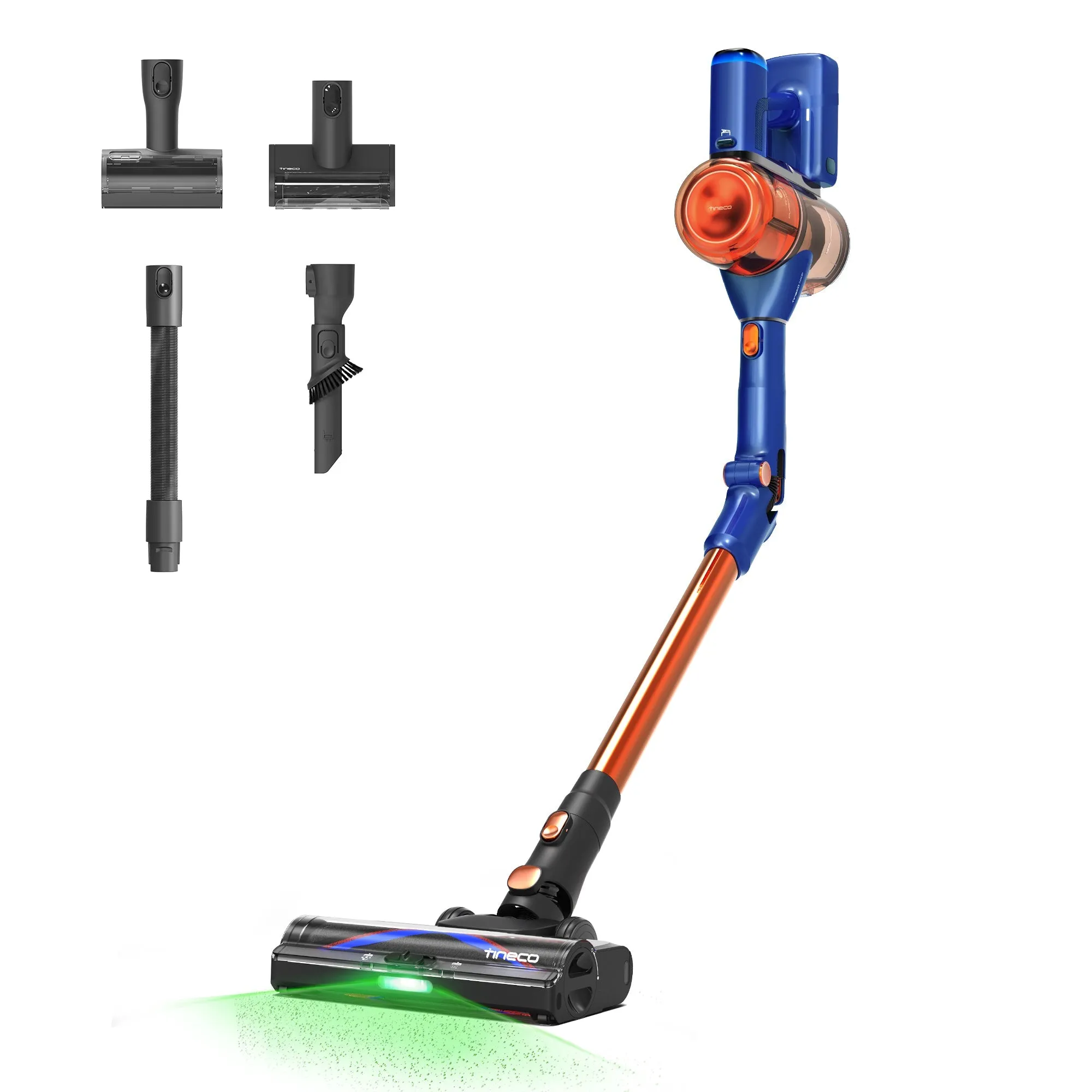
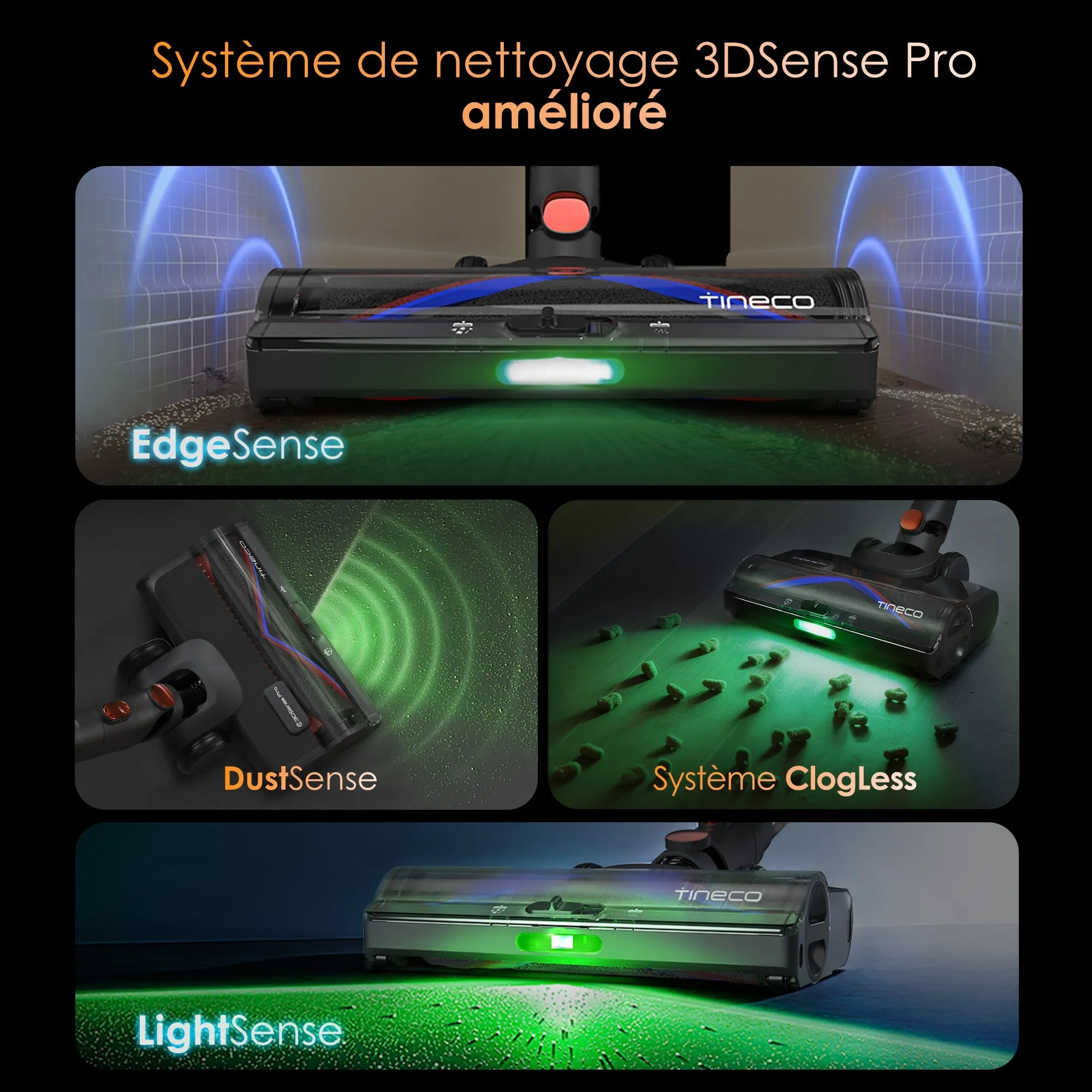
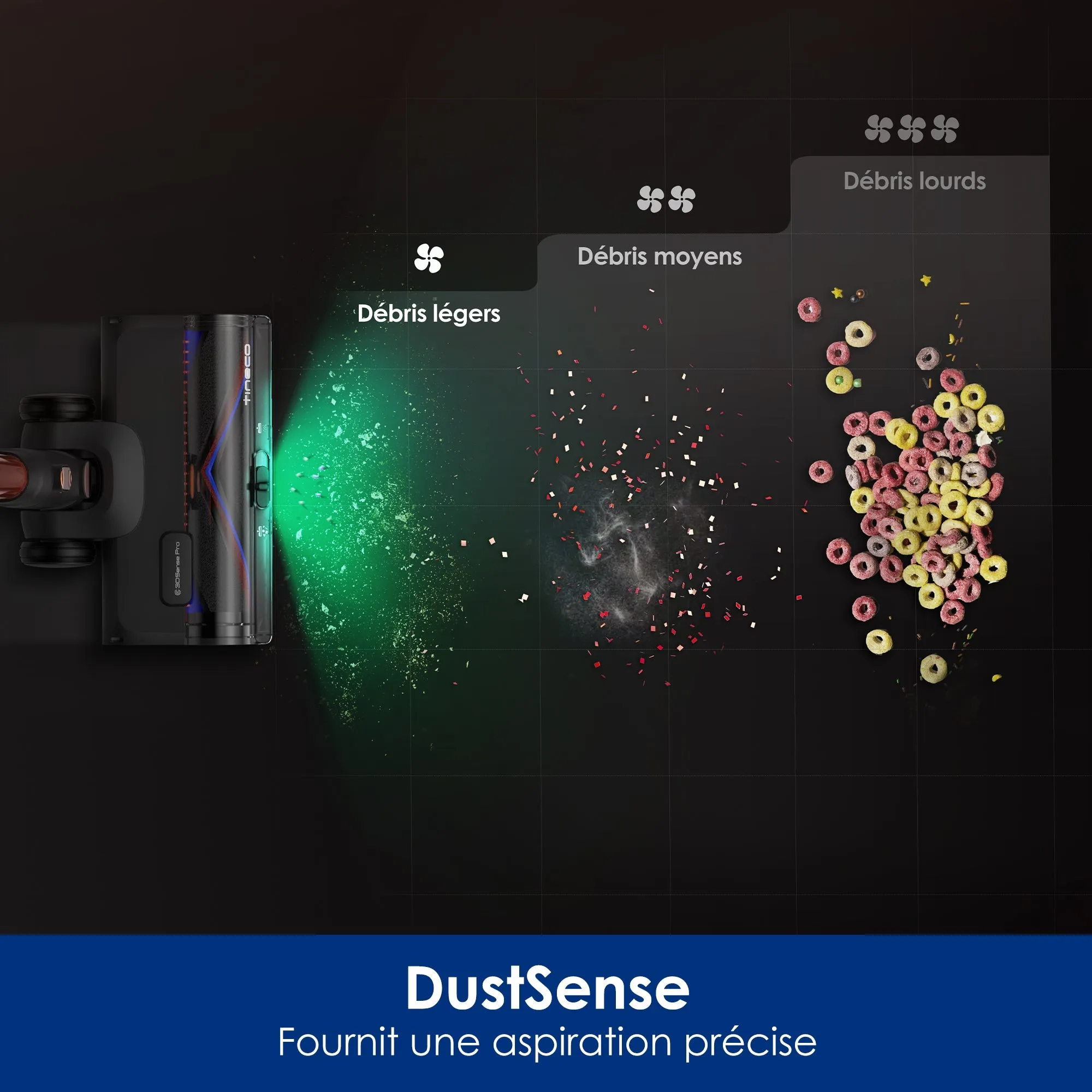
Tineco Pure One S70 Cordless Stick Vacuum Cleaner (Orange)
Stick vacuum cleaners Tineco
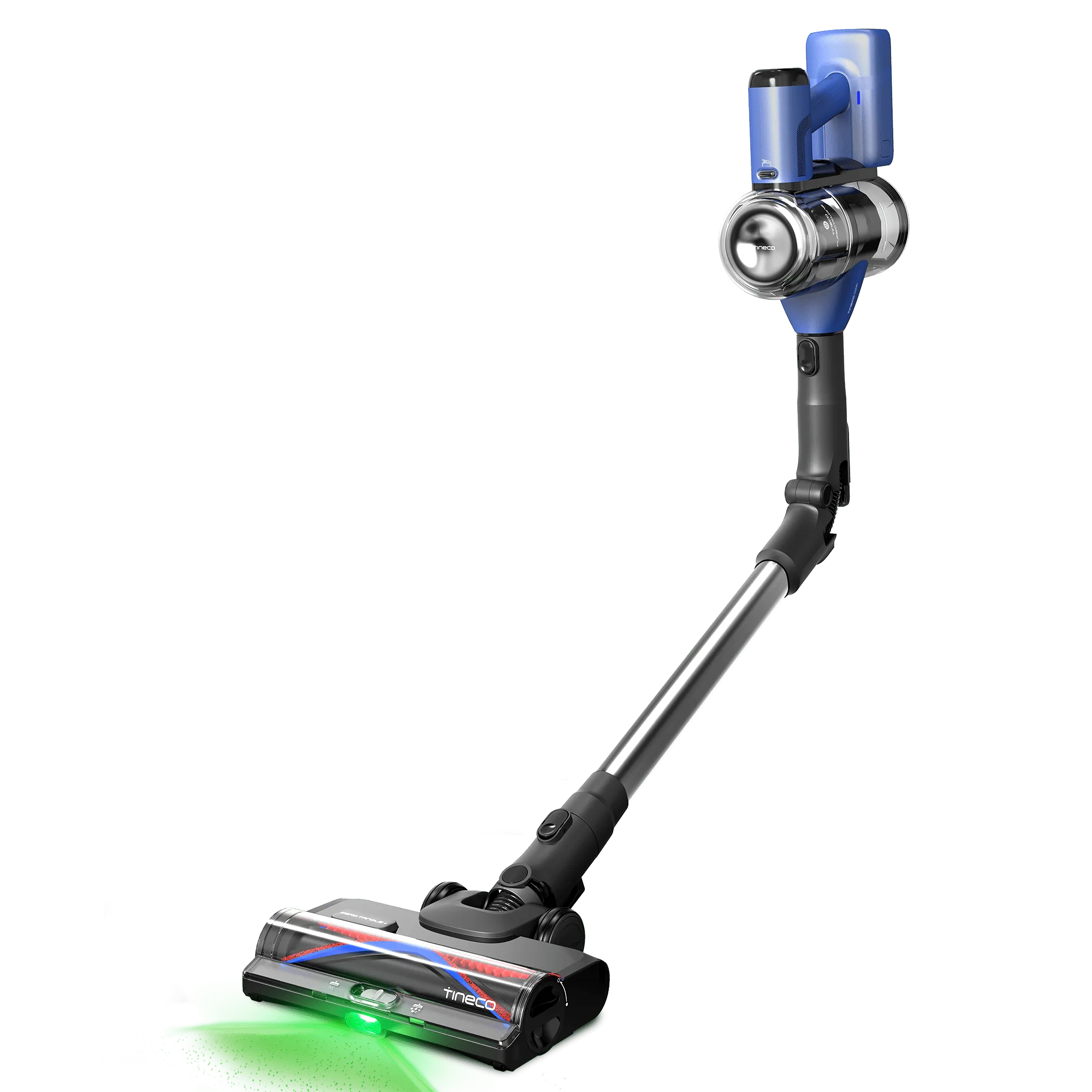
Tineco Pure One S50 Pro Cordless Stick Vacuum Cleaner
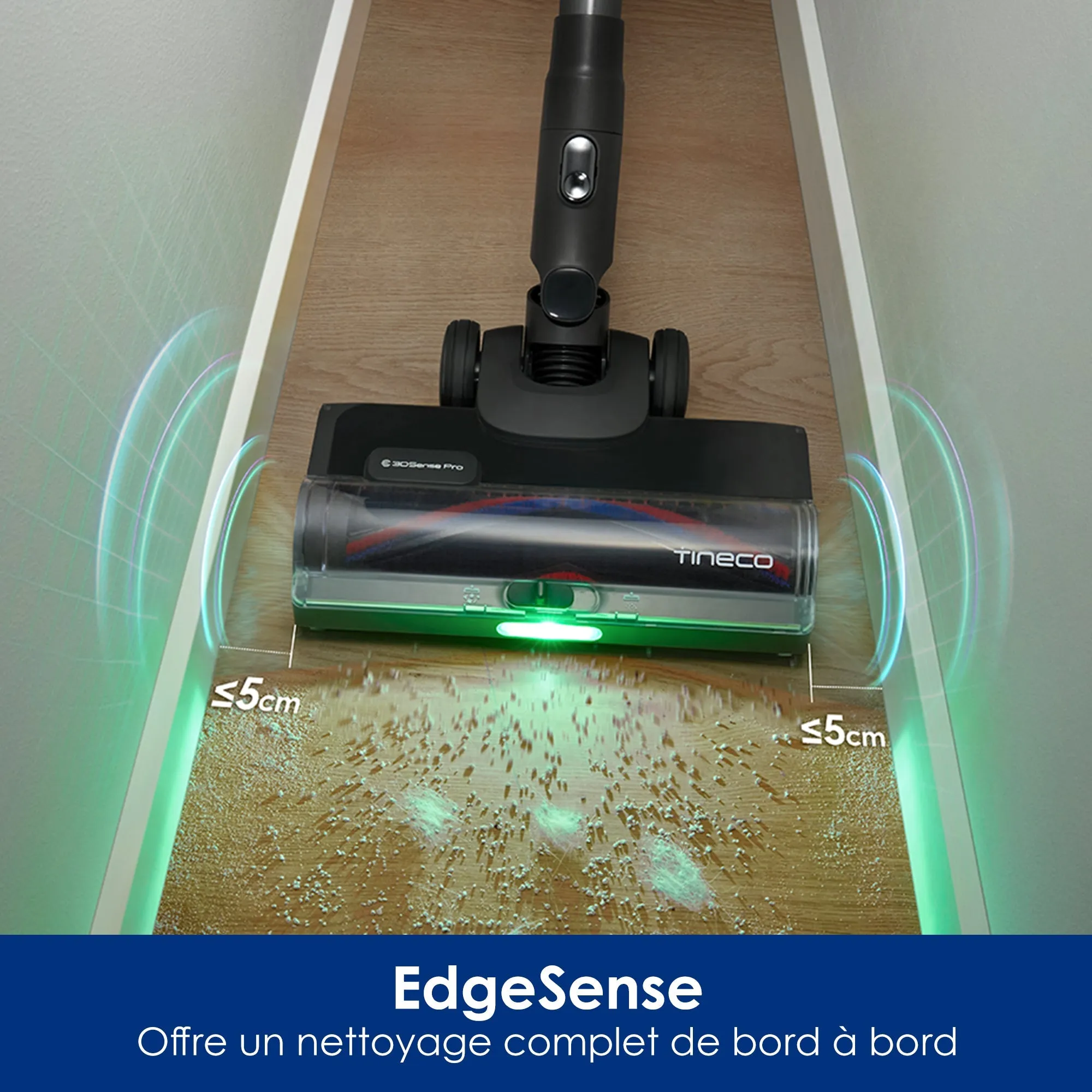
Stick vacuum cleaners Tineco