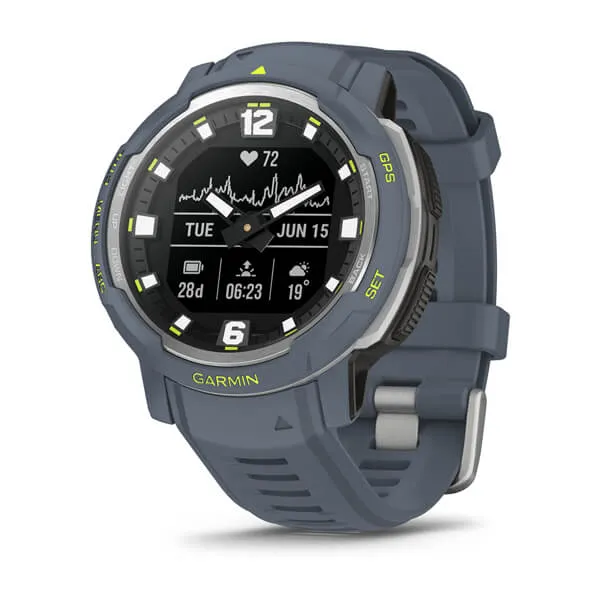
Smartwatches Garmin
Buying guide: how to choose a smartwatch
Between two smartwatches, the real difference comes from battery life, processor speed and water resistance, far more than the case design. Comparing these scores avoids paying for a spacious display attached to a battery that barely lasts a day.
What to check
Battery life
This criterion measures battery capacity in mAh: the higher it is, the longer the watch lasts between charges. Among recent listings on the market, the weakest models sit around 230 mAh, the median is around 425 mAh, and the best reach around 590 mAh. Low battery life means daily charging, which quickly becomes a burden in everyday use. The site’s score places each watch on this scale: the higher it is, the less charging gets in the way of daily life.
Market median: 425 mAh
Processor speed
This criterion counts the number of processor cores: the higher it is, the faster the watch responds and handles apps without slowing down. The most modest listings on the market sit around two cores, the median is around five, and the best configurations reach around ten. A less powerful watch may suffice for the time and simple notifications, but it shows its limits once several apps run at once. The site’s score directly reflects this available power.
Market median: 5
Water resistance and durability
This criterion is based on water resistance, measured in ATM, a good indicator of build quality and how well the watch holds up over time. The lowest values found on the market are around 3 ATM, the median around 5 ATM, and the best listings reach up to 10 ATM. The higher the value, the better the watch withstands rain, sweat or accidental immersion without damage. This criterion matters especially for sports use or everyday wear without special care.
Market median: 5 ATM
Display size
This criterion measures display size in inches: the larger it is, the more spacious and comfortable the display is to read, whether for notifications or activity data. The smallest displays found on the market are around 1.2 inches, the median is around 1.32 inches, and the largest reach around 1.81 inches. A larger display improves readability but also affects bulk on the wrist. The site’s score helps compare this trade off between readability and discretion.
Market median: 1.3 "
Processing capacity
This criterion measures available RAM in MB: the higher it is, the more information the watch can process at once without slowing down. The most modest listings on the market sit around 768 MB, while the median and the best configurations meet around 2,000 MB. Limited memory can slow down simultaneous use of several apps or functions. This criterion complements processor speed in judging day to day comfort of use.
Market median: 2,000 MB
Benchmarks based on 30 recent market listings, collected on 23 September 2026.
What you get for each budget
Under €90
At this level, watches often show a display and battery life close to the most modest values found on the market, with limited water resistance.
€90 to €300
This tier covers most configurations close to the median values for battery life, speed and durability, a balance that suits everyday use.
Over €300
Above this threshold sit the best combinations of battery life, processor speed and water resistance found on the market.
Frequent mistakes
Judging only by display size without checking the actual battery life that comes with it.
Choosing a weak processor for intended use with several apps running at once.
Overlooking water resistance for regular sports or outdoor use.
Confusing RAM with storage, two different notions often mixed up.
Comparing prices without checking that the technical specifications are truly comparable.
Models in this category
Best rated first, among those our merchants offer.
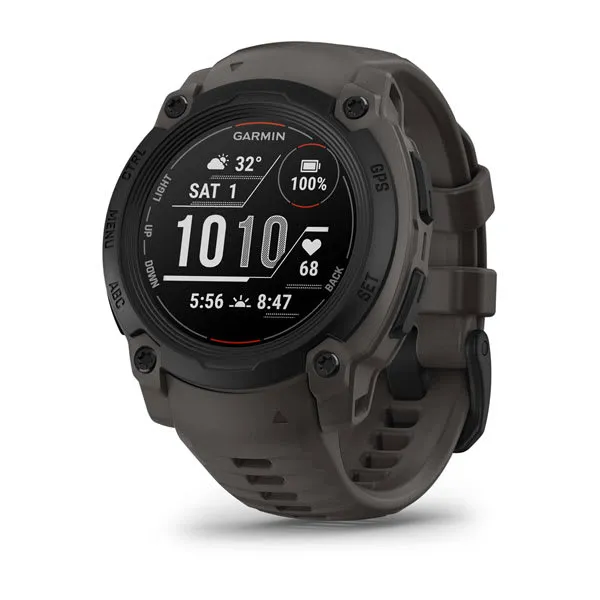
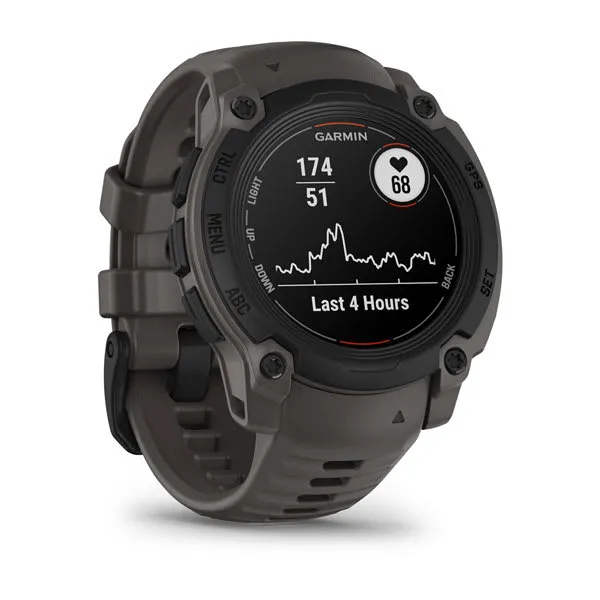
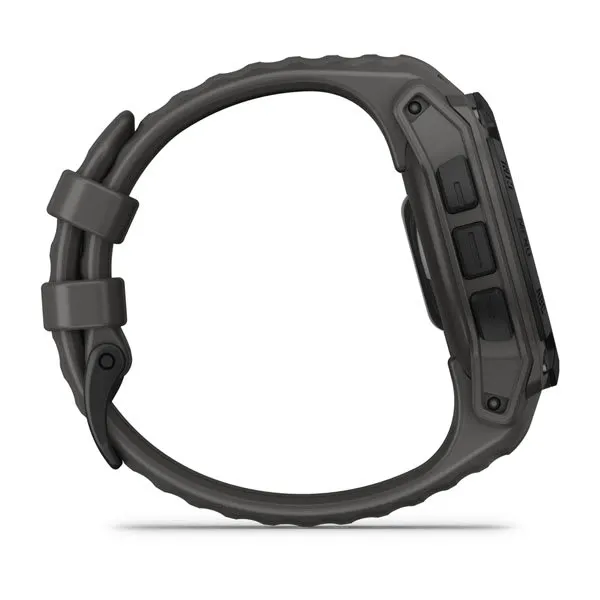
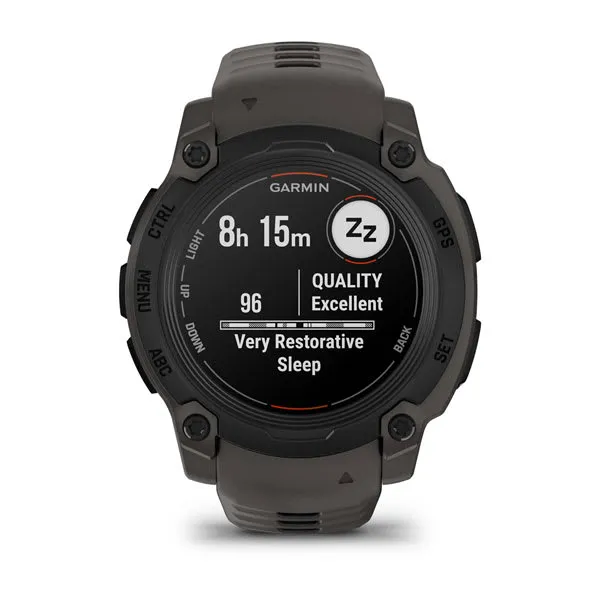
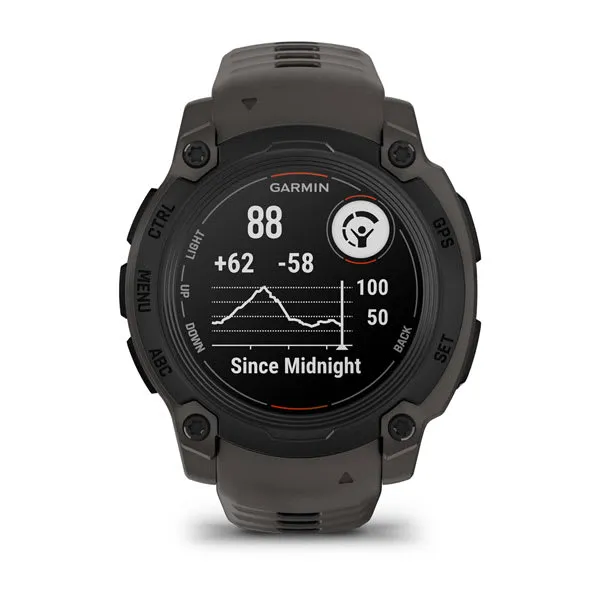
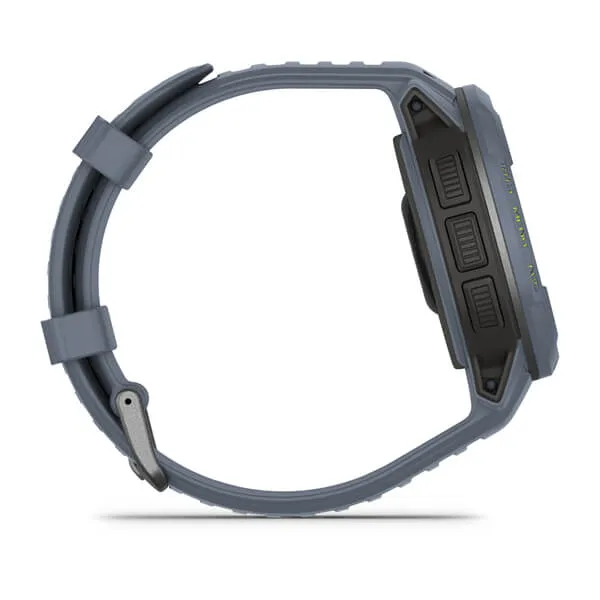
Smartwatches Garmin
Garmin Instinct E 40 mm
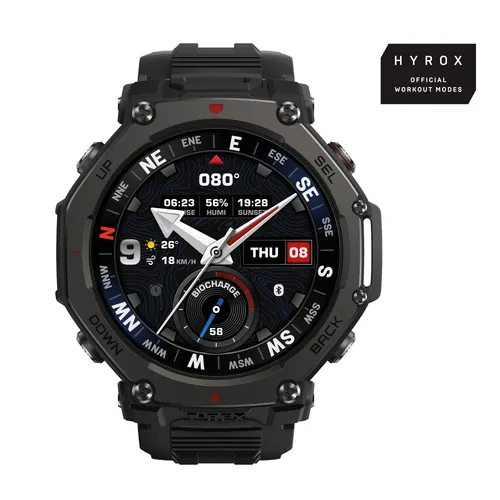
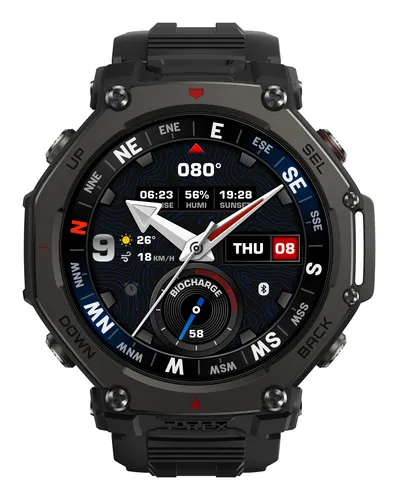
Smartwatches Amazfit
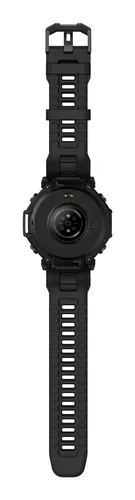
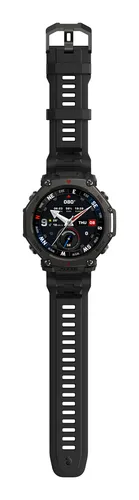
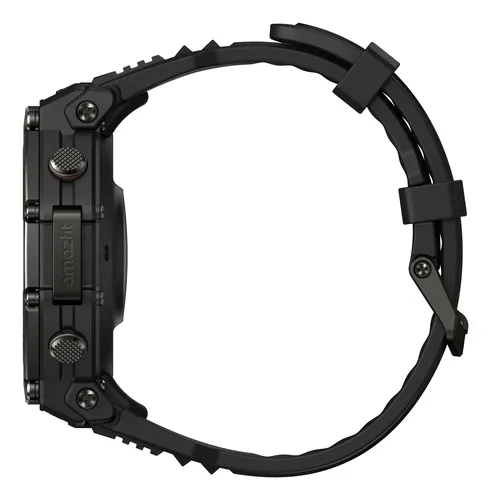
Amazfit T-Rex 3 Pro 3.81 cm (1.5") AMOLED 48 mm Digital 480 x 480 pixels Touchscreen Black Wi-Fi GPS (satellite)
AMOLED display at 3000 cd/m², water resistant to 45 m, 27-day battery
Smartwatches Garmin
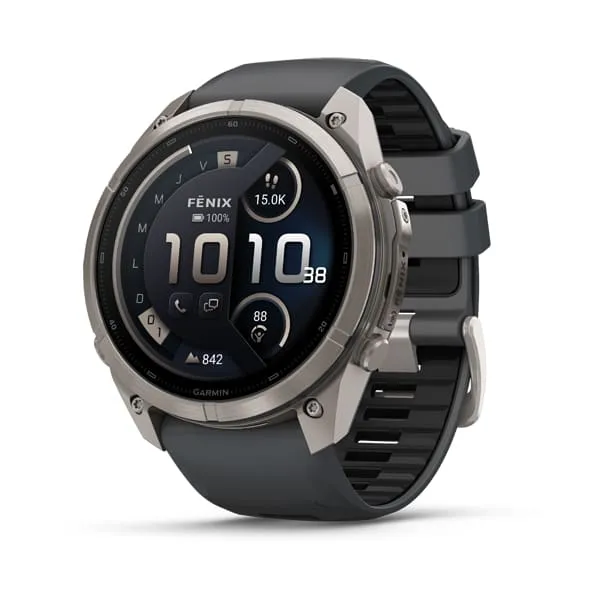
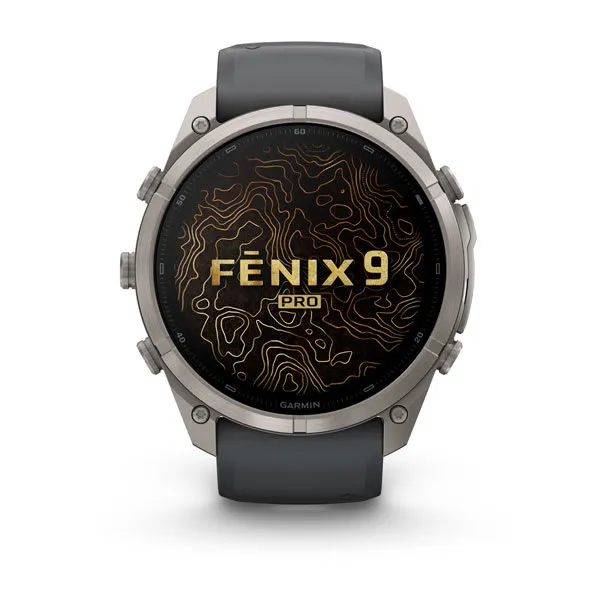
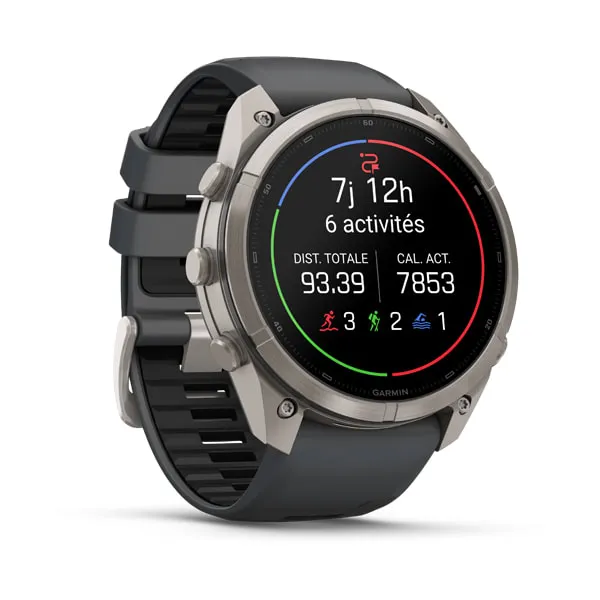
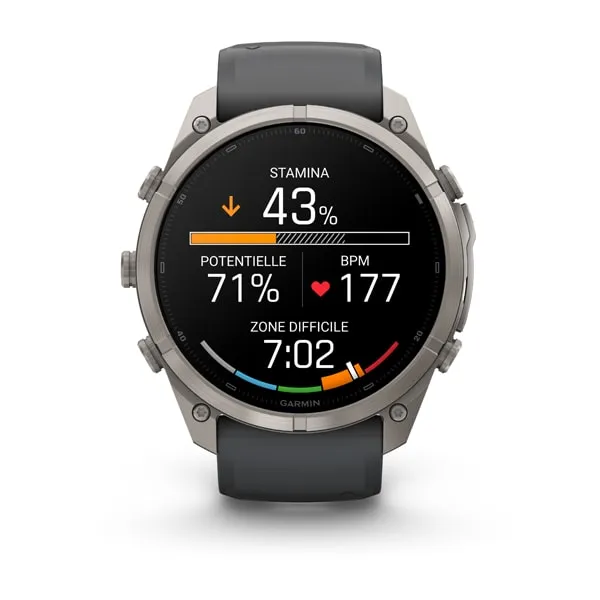
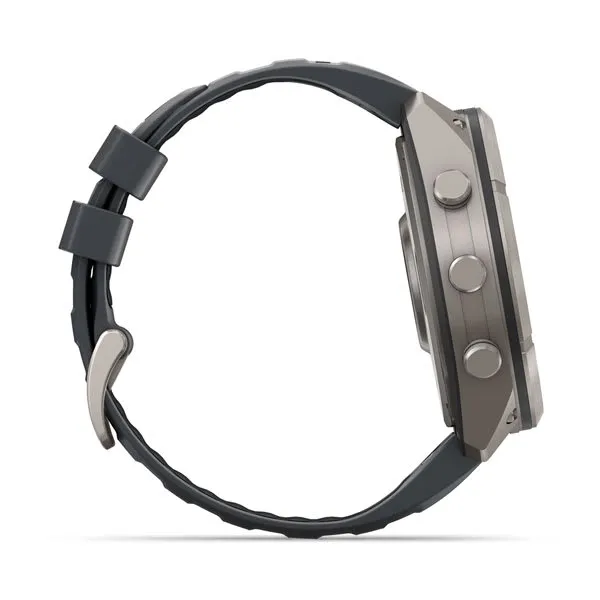
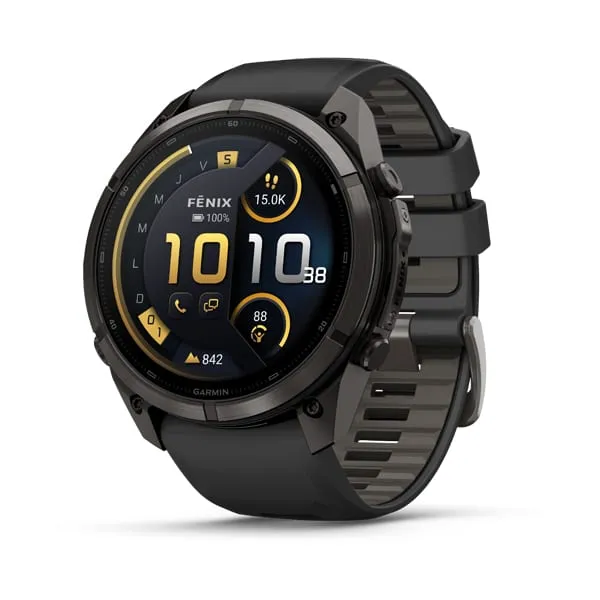
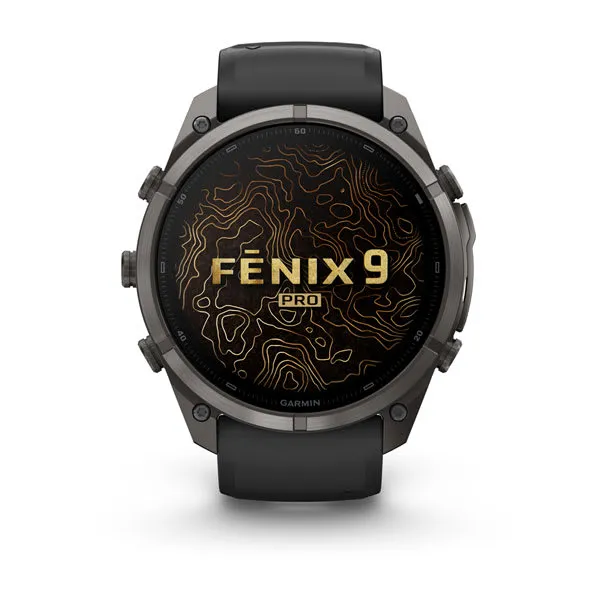
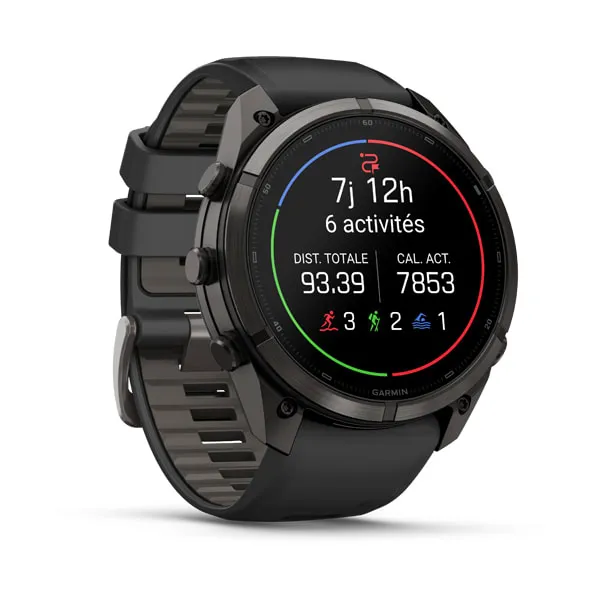
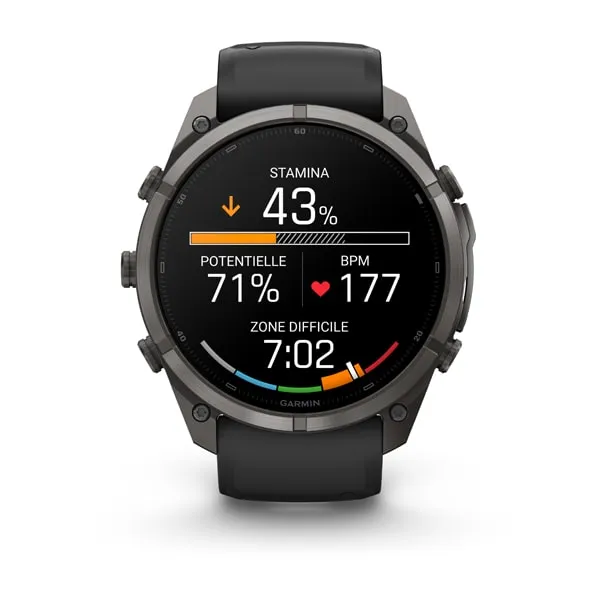
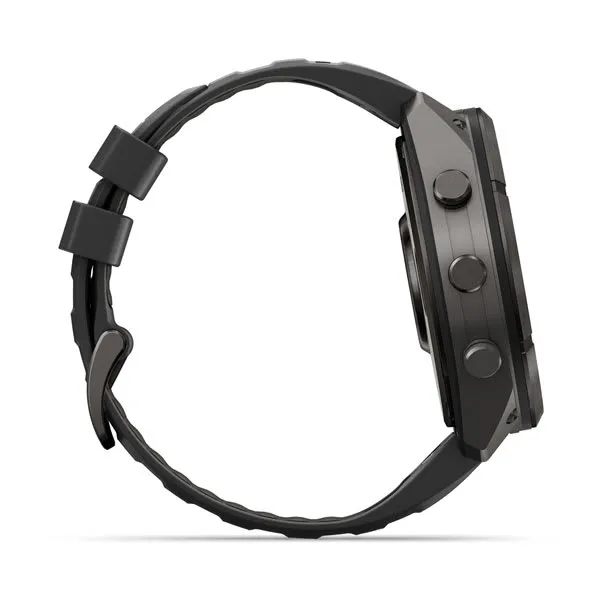
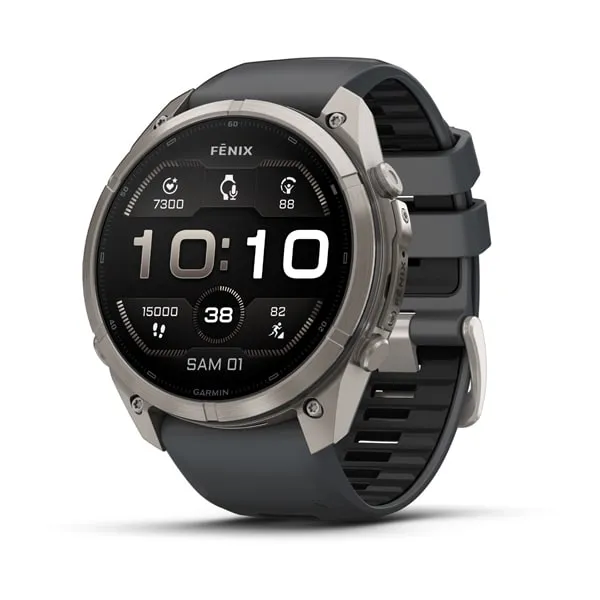
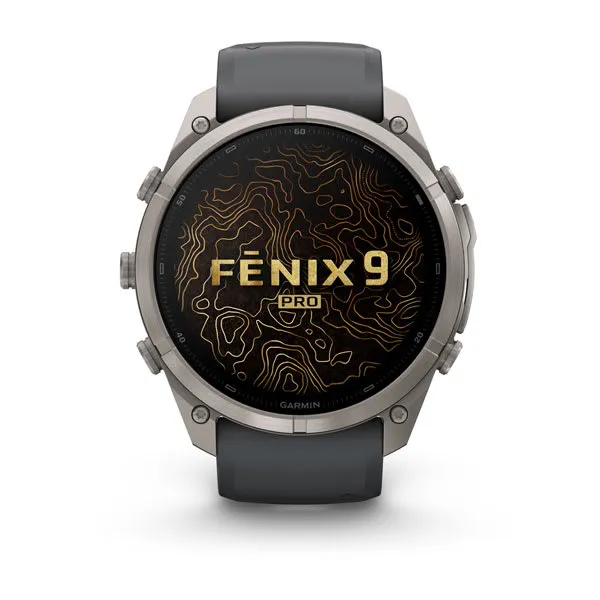
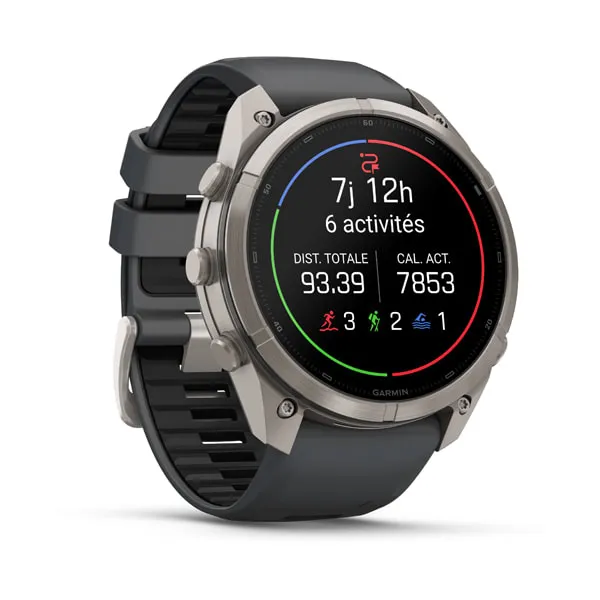
Garmin fēnix 9 Pro inReach, 51mm Titanium with graphite/black silicone strap
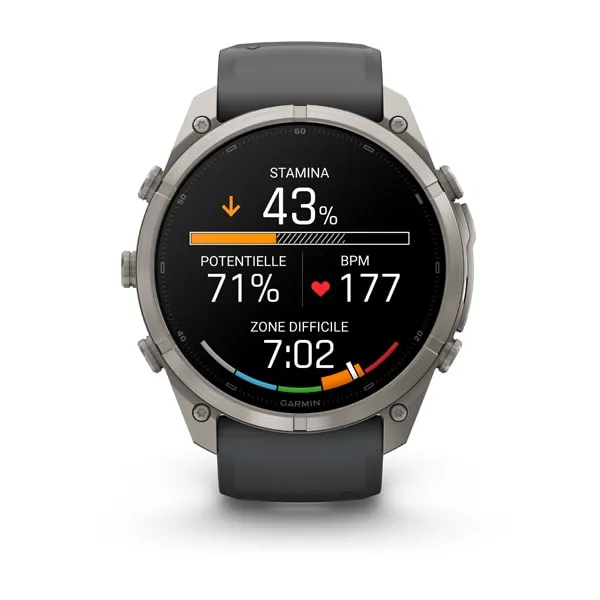
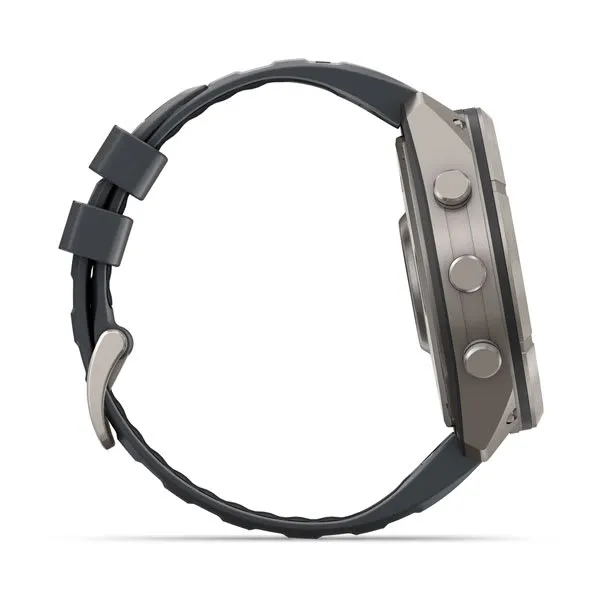
Smartwatches Garmin
Garmin fēnix 9 Pro 51mm Titanium with graphite/black silicone strap
Smartwatches Motorola
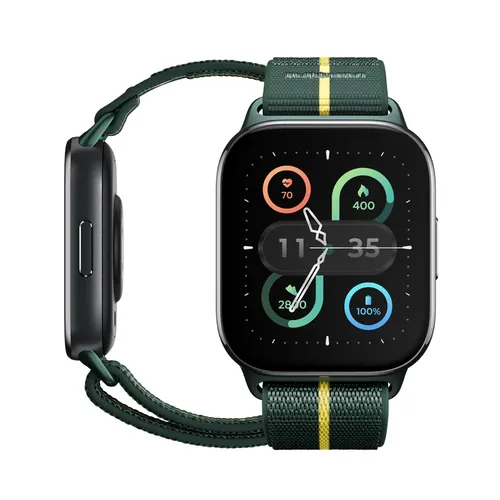
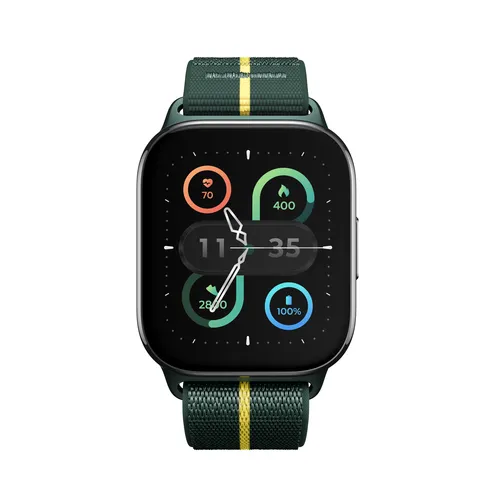
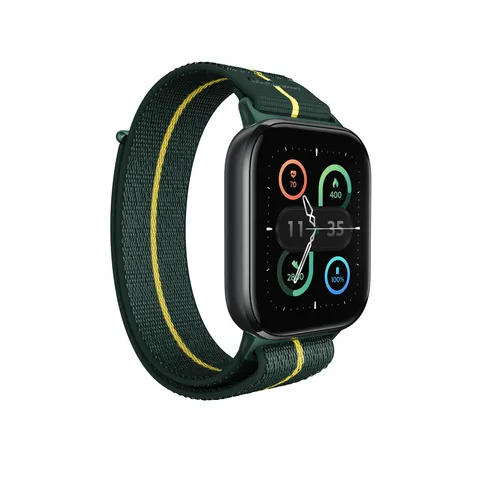
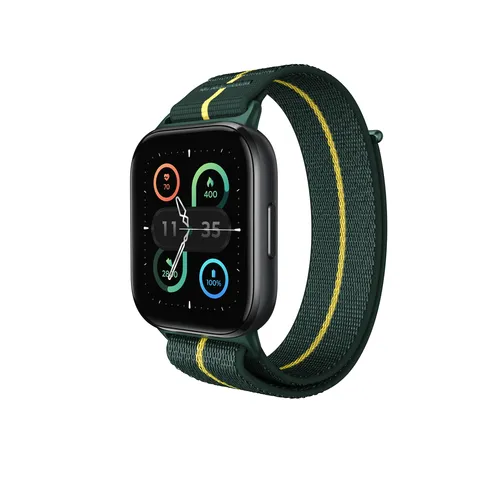
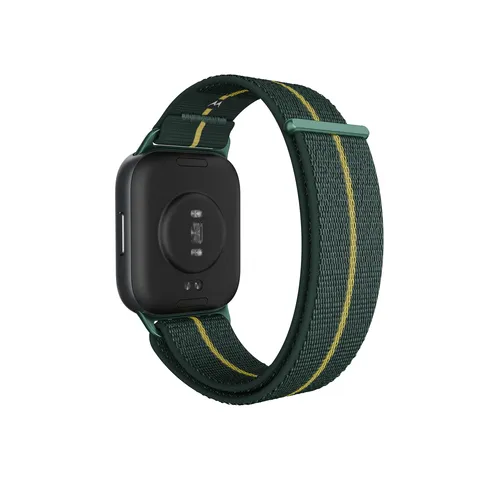
Motorola moto watch fit 4.83 cm (1.9") OLED 44.5 mm Digital Touchscreen Green, Grey GPS (satellite)
OLED screen 1000 cd/m², 16-day battery life, water-resistant to 50 m
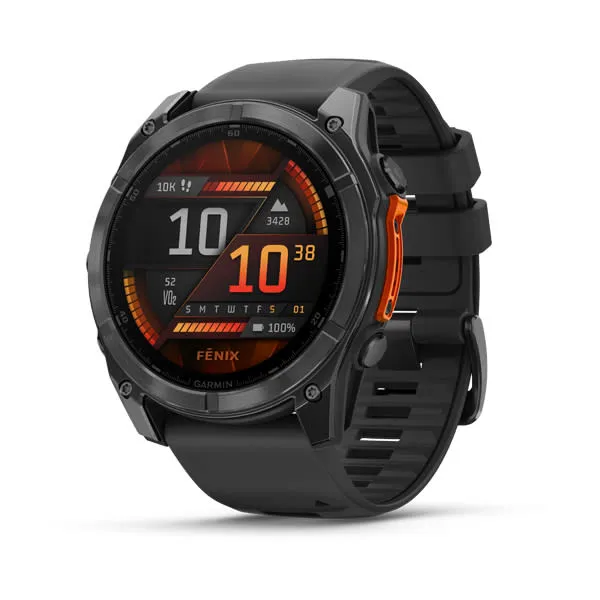
Smartwatches Garmin
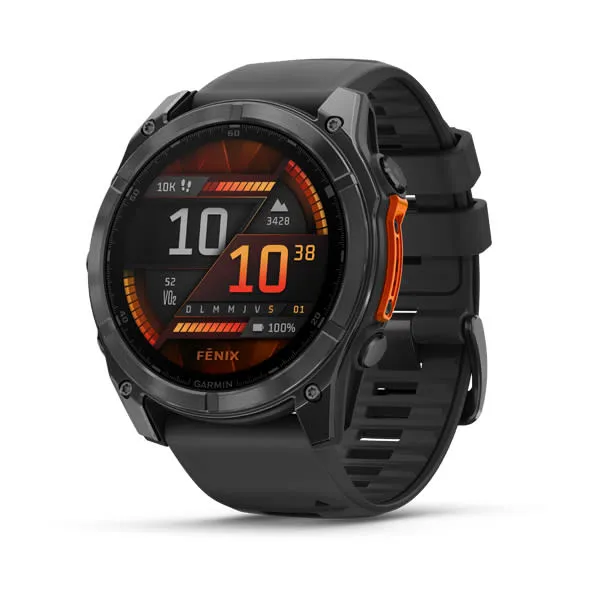
Garmin fēnix 8 51 mm, AMOLED Steel Gray with black silicone strap
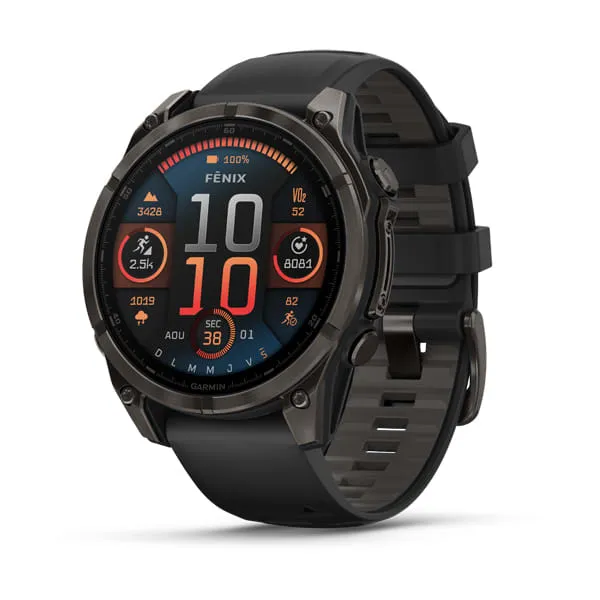
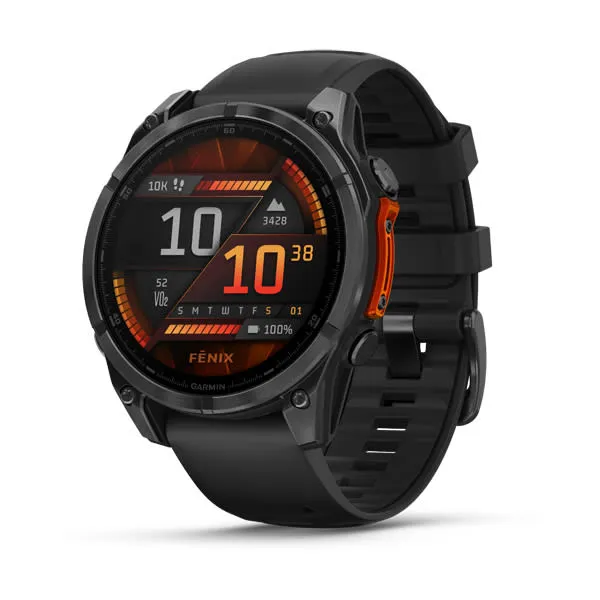
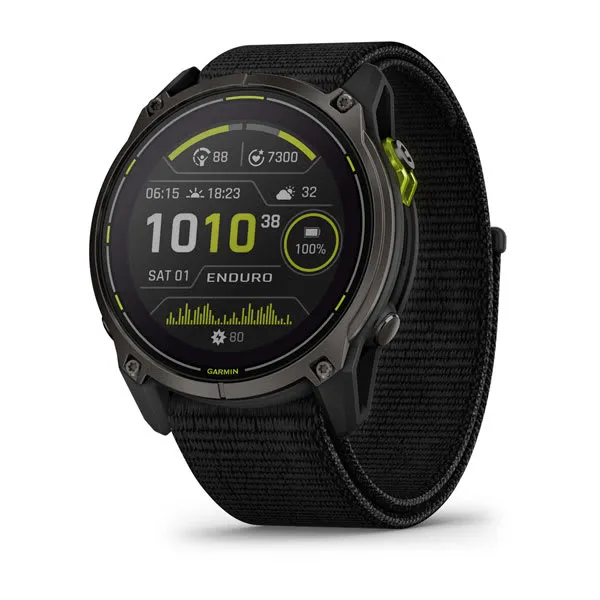
Smartwatches Garmin
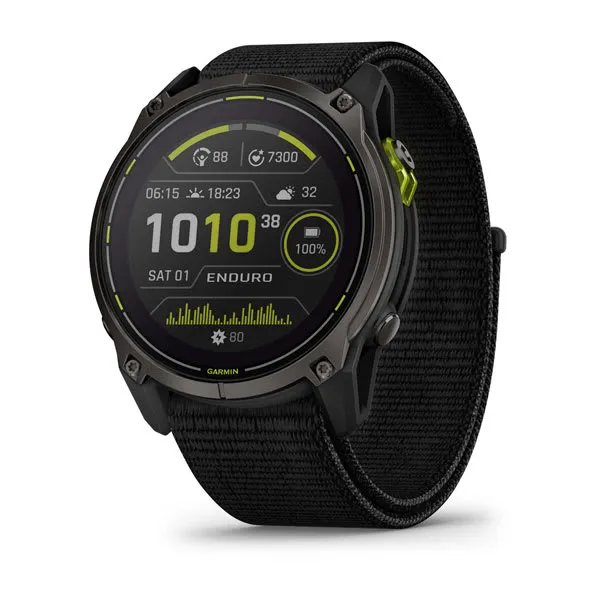
Garmin Enduro 3
Smartwatches Garmin
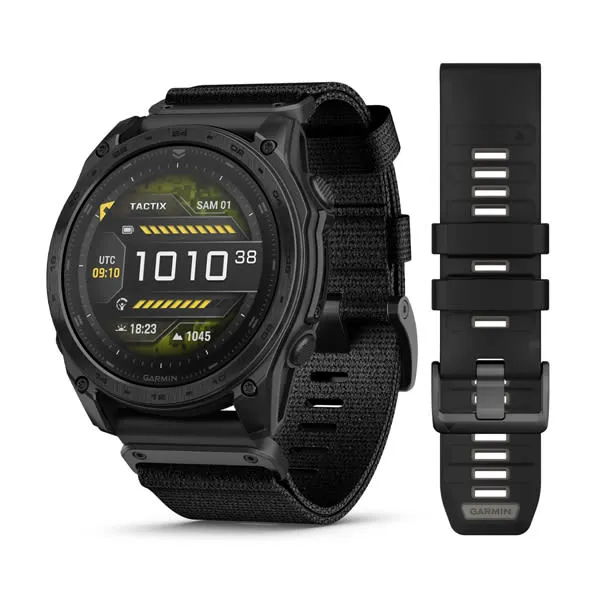
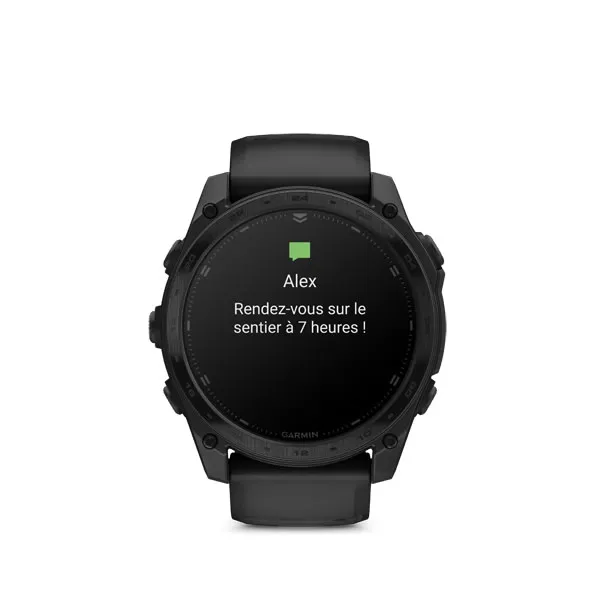
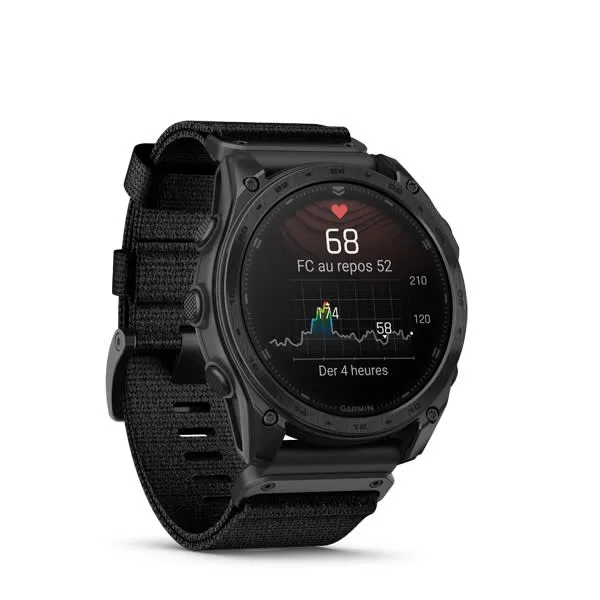
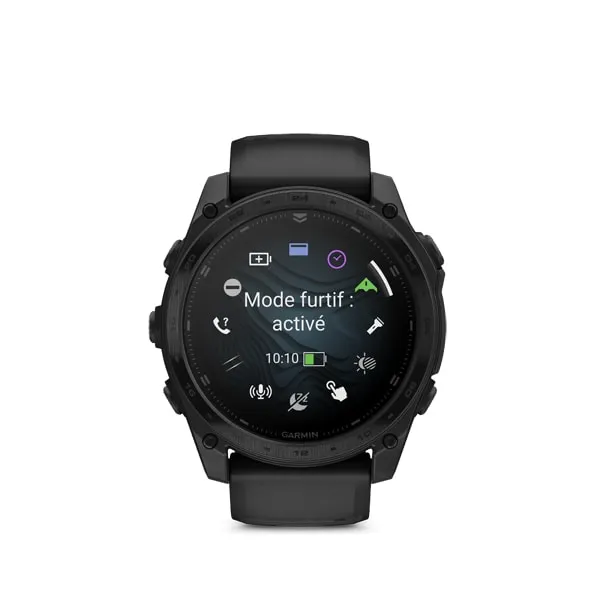
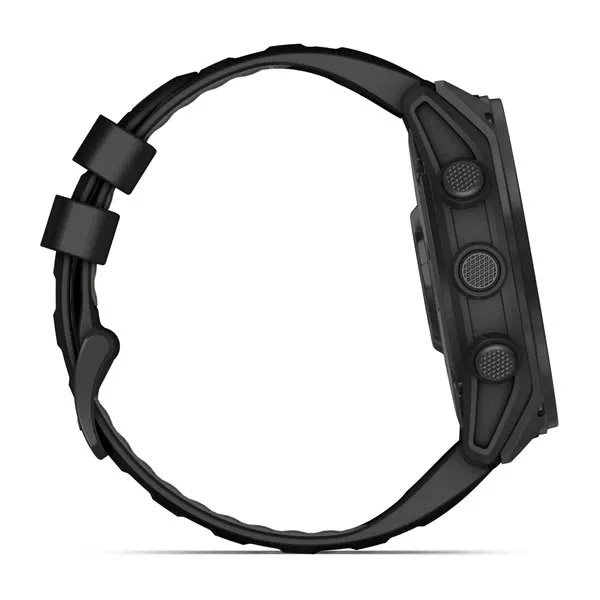
Garmin tactix 8 51 mm, AMOLED


Smartwatches Garmin