Smartwatch for running
For running regularly with a smartwatch, the main constraint is not the display or app fluidity, but the ability to last several outings without going through the charger. A watch that needs charging after every session quickly becomes a burden, especially for long or split training sessions over several consecutive days.
This situation shifts priorities compared to general use: battery life takes precedence over everything else, while display size and processor power move to the background. Price stays watched, since simple, long-lasting models exist without needing the top of the market on every criterion.
Sturdiness and memory capacity keep their usual weight: contact with sweat or small knocks during effort stays covered by a common level of durability, with no need to look for more on this specific point for this single use.
What matters in this specific case
The same criteria as on the category page, but not the same weight: here is what goes up and what goes down.
-
Display
Matters less coefficient 0.6Display size matters less here: a modest size is enough to read a pace or distance mid run. References range from one point two inches for the most compact formats to one point eighty-one inches for the largest, with the median at one point thirty-two inches; a format close to the low end suits this use well.
-
Battery life
Matters more coefficient 2Battery life becomes the decisive criterion: the higher the battery capacity, the more sessions the watch covers without recharging. References range from two hundred thirty milliampere-hours to five hundred ninety, with a median at four hundred twenty-five; aiming for at least the median, or beyond, limits frequent recharging over a week of training.
-
Speed
Matters less coefficient 0.7Processor power matters little in this use: tracking a run does not require heavy multitasking. Core count ranges from two to ten across listings, with a median of five; a modest number is not a limitation for this kind of regular sporting practice.
-
Price
Matters more coefficient 1.2Price keeps a slightly above average attention: it is better to direct the budget toward battery life rather than features unnecessary for running, which often allows staying within a reasonable tier while keeping the essentials.
-
Sturdiness
Unchanged weight coefficient 1Sturdiness keeps its usual weight: it measures resistance to daily use, a reassuring point during effort and sweat, but it does not become more decisive than for common use, a median level already covering this need well.
-
Capacity
Unchanged weight coefficient 1Memory capacity also keeps its usual weight: it measures what the device processes at once, an aspect with no direct link to the endurance sought for running, staying secondary in this choice.
What is not worth paying for
The features pushed in this category that make no difference in this context.
-
A large display
Quickly reading a piece of data while moving does not require a wide format; the saved money can go toward the battery.
-
A powerful processor
Tracking a physical activity does not require heavy app management, a modest core count is largely enough for this use.
-
High memory capacity
Tracking a running session does not require processing large data volumes at once, this criterion stays secondary for this choice.
Price ranges for this use
Orders of magnitude, not displayed prices: a price only appears on Kalyneo once it has been collected from a merchant, with its collection date.
Under €90
Under €90: simple models focused on activity tracking, with decent battery life if this criterion is prioritised when choosing among available listings.
€90 to €300
€90 to €300: the tier best suited to combine good battery life with sufficient but non priority display and power in this situation.
Over €300
Over €300: more complete watches, where high battery life often comes with a larger display, without this being necessary for this targeted sporting use.
The products selected for this use
Ranked by relevance for this specific case, not by their overall score.
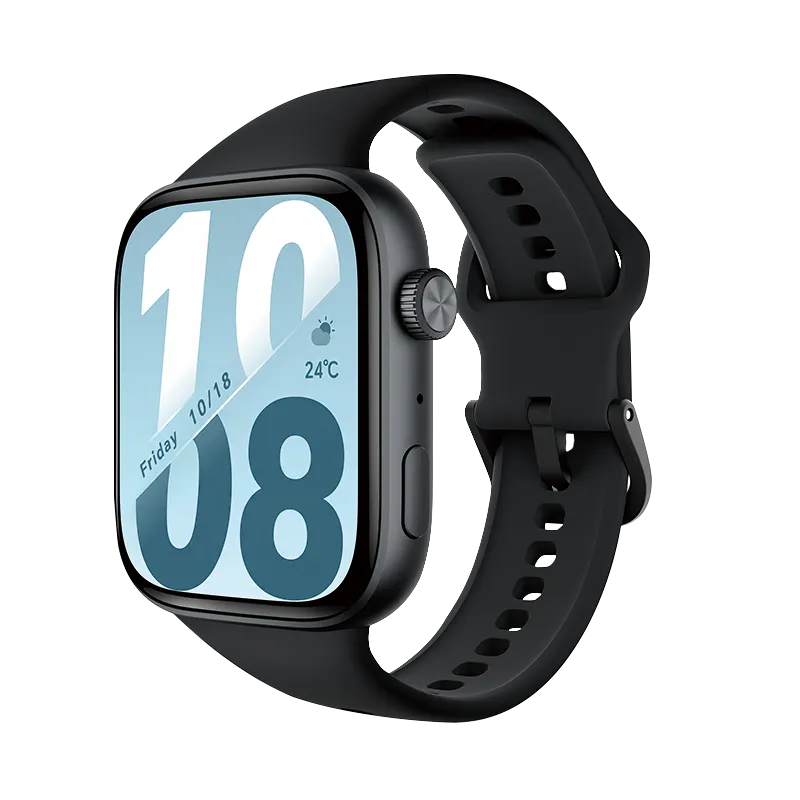
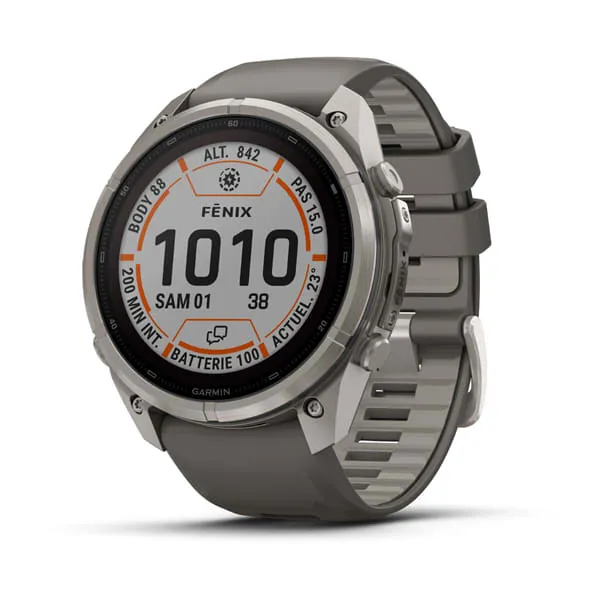
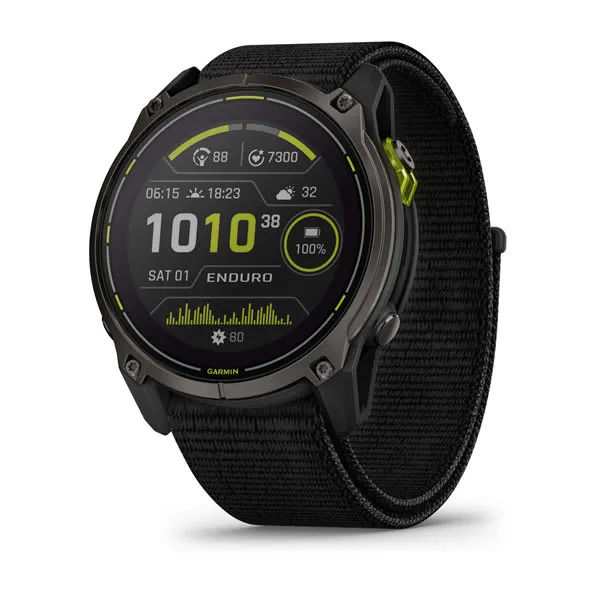
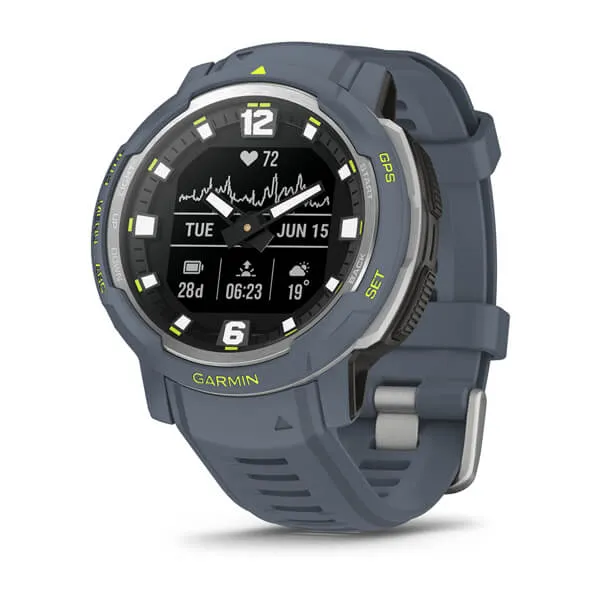
Smartwatches Garmin
Garmin Instinct Crossover Standard Edition Granite Blue
Relevance for this use: 89/100
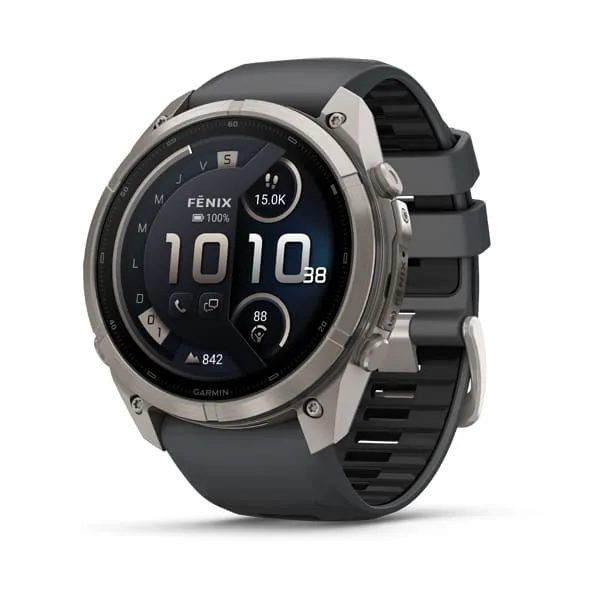
Smartwatches Garmin
Garmin fēnix 9 Pro inReach, 51mm Titanium with graphite/black silicone strap
Relevance for this use: 88/100
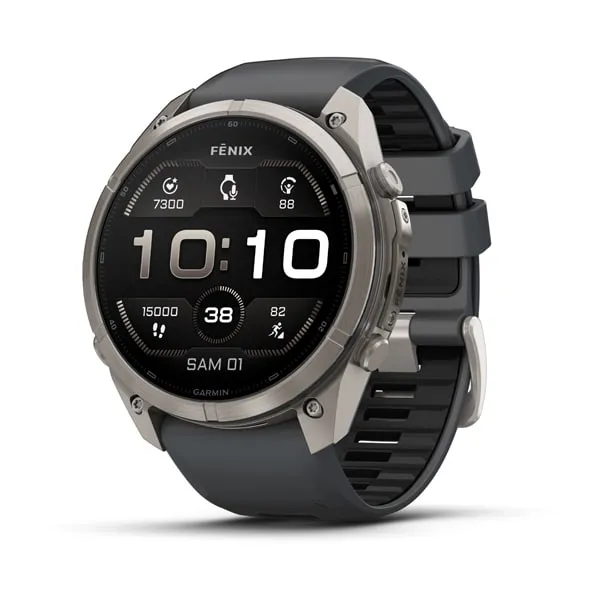
Smartwatches Garmin
Garmin fēnix 9 Pro 51mm Titanium with graphite/black silicone strap
Relevance for this use: 88/100
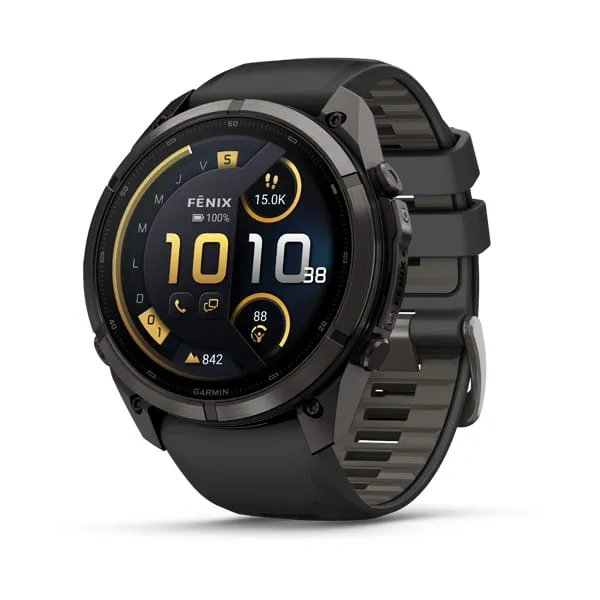
Smartwatches Garmin
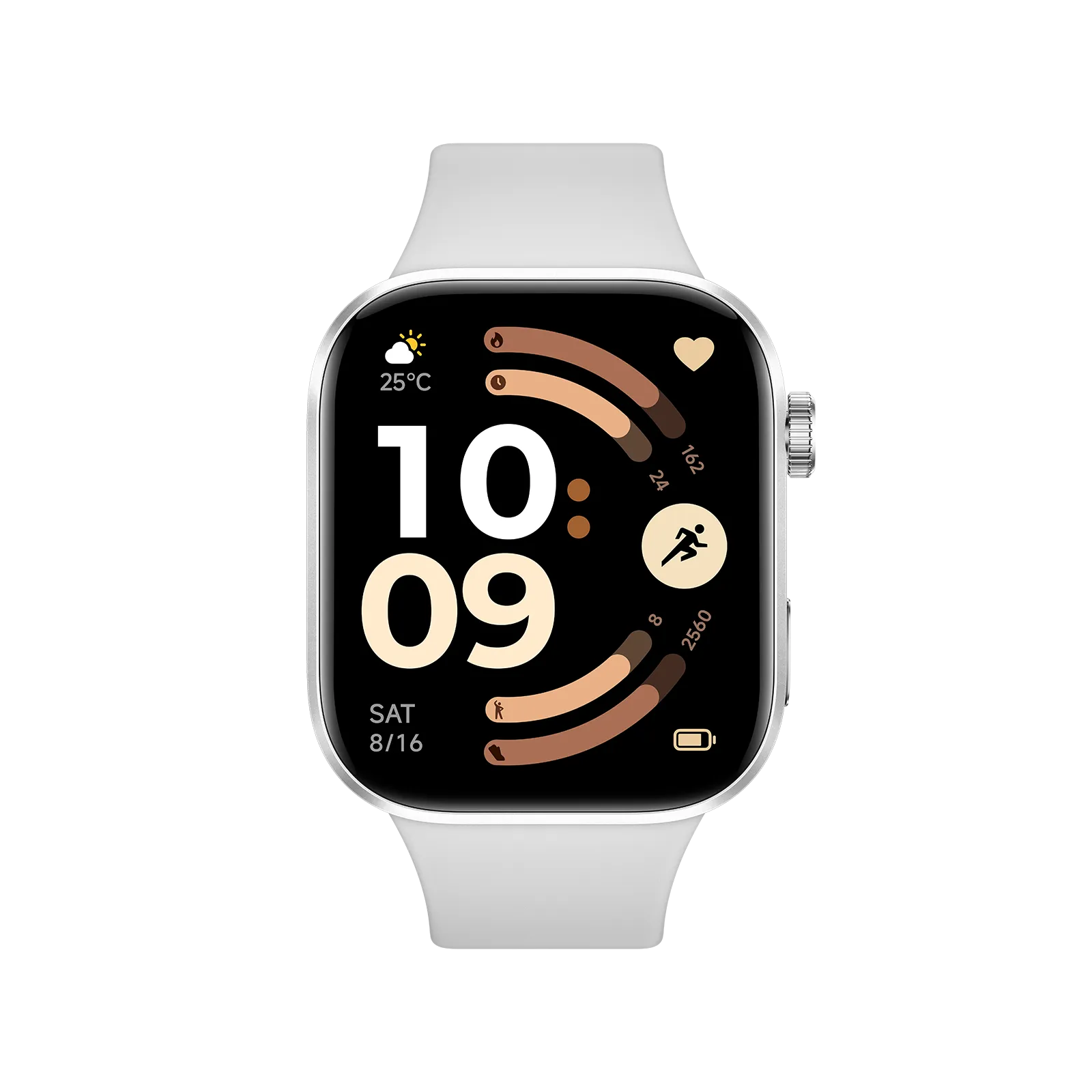
Garmin fēnix 9 Pro inReach, 51mm Titanium with Carbon Gray DLC coating and black/pebble grey silicone strap
Relevance for this use: 88/100
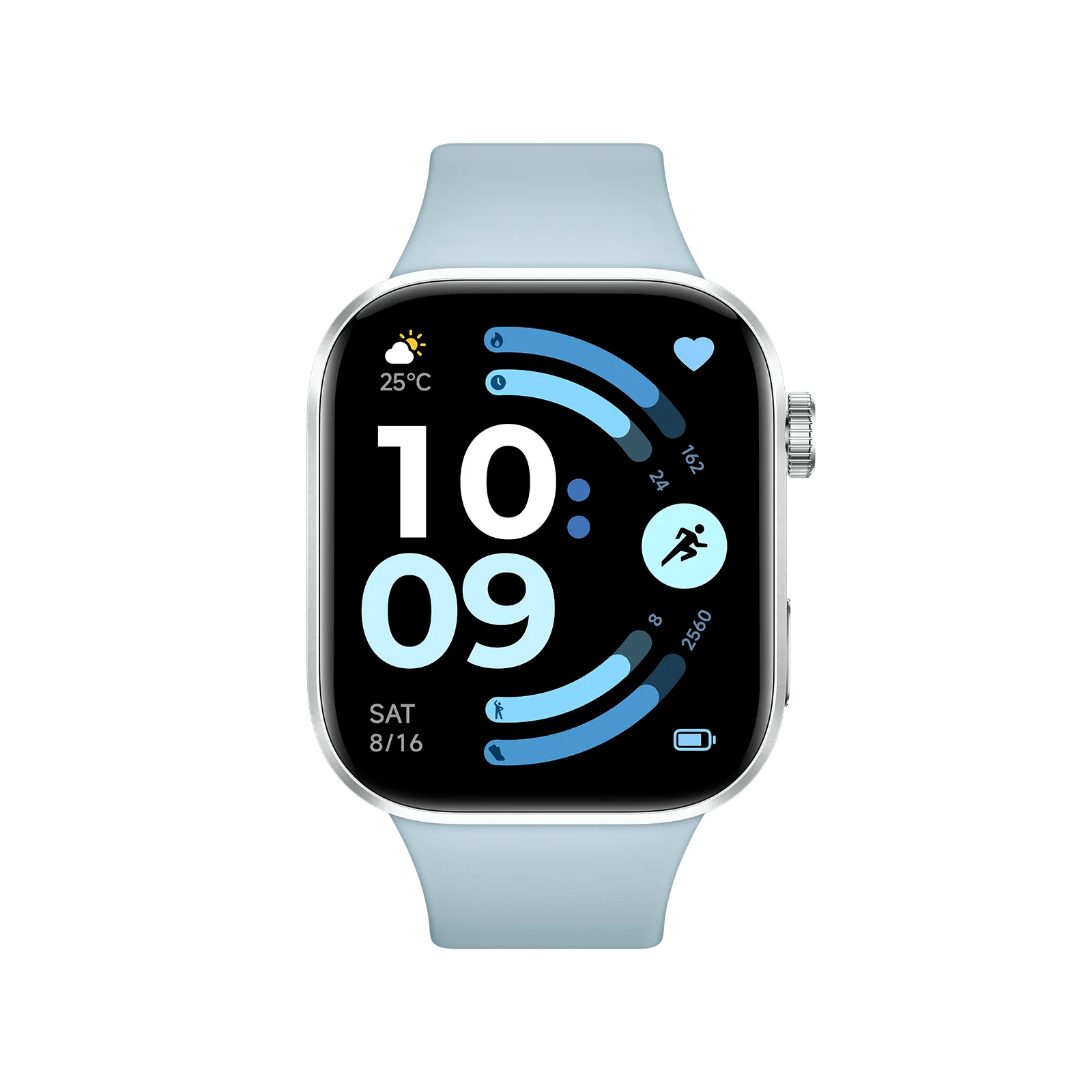
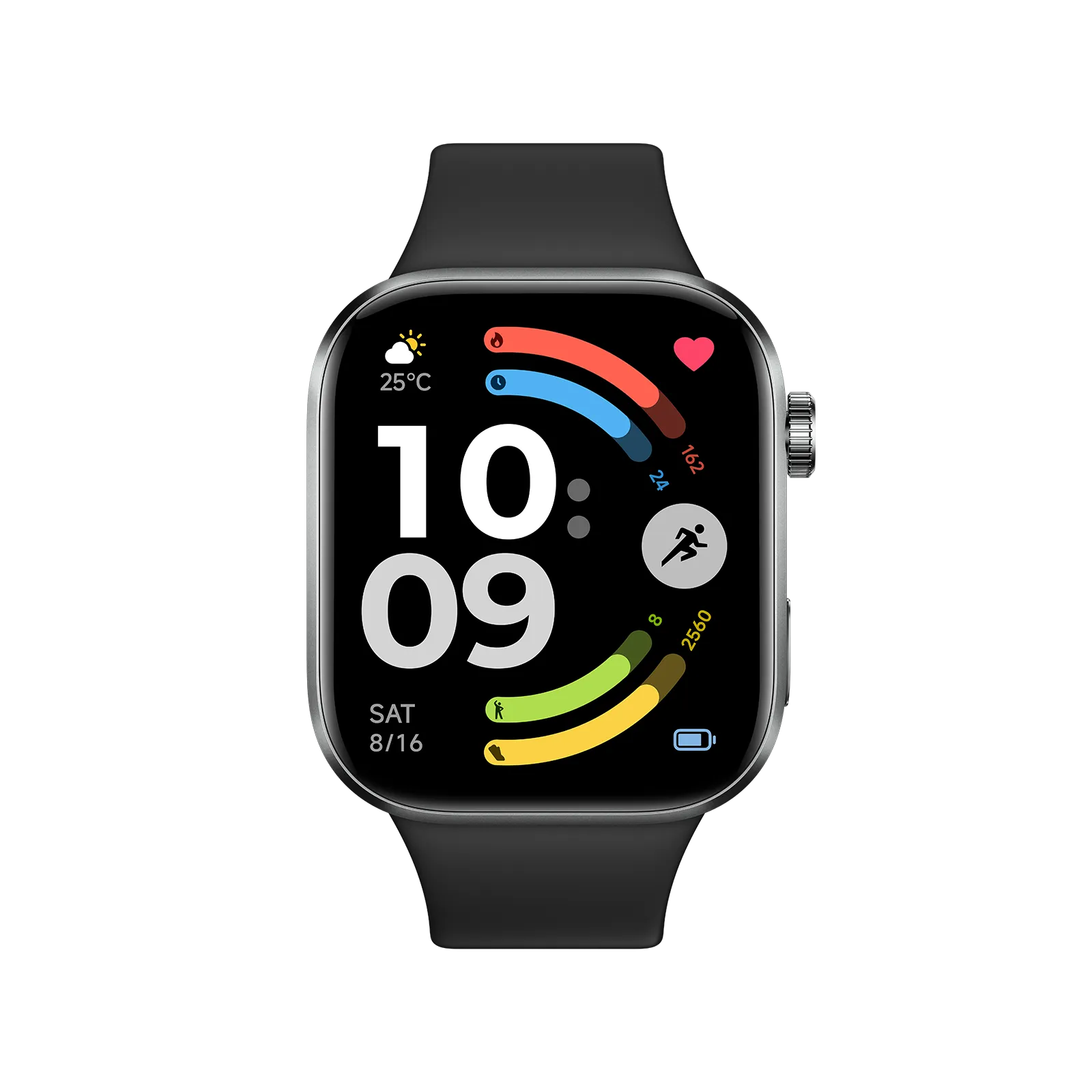
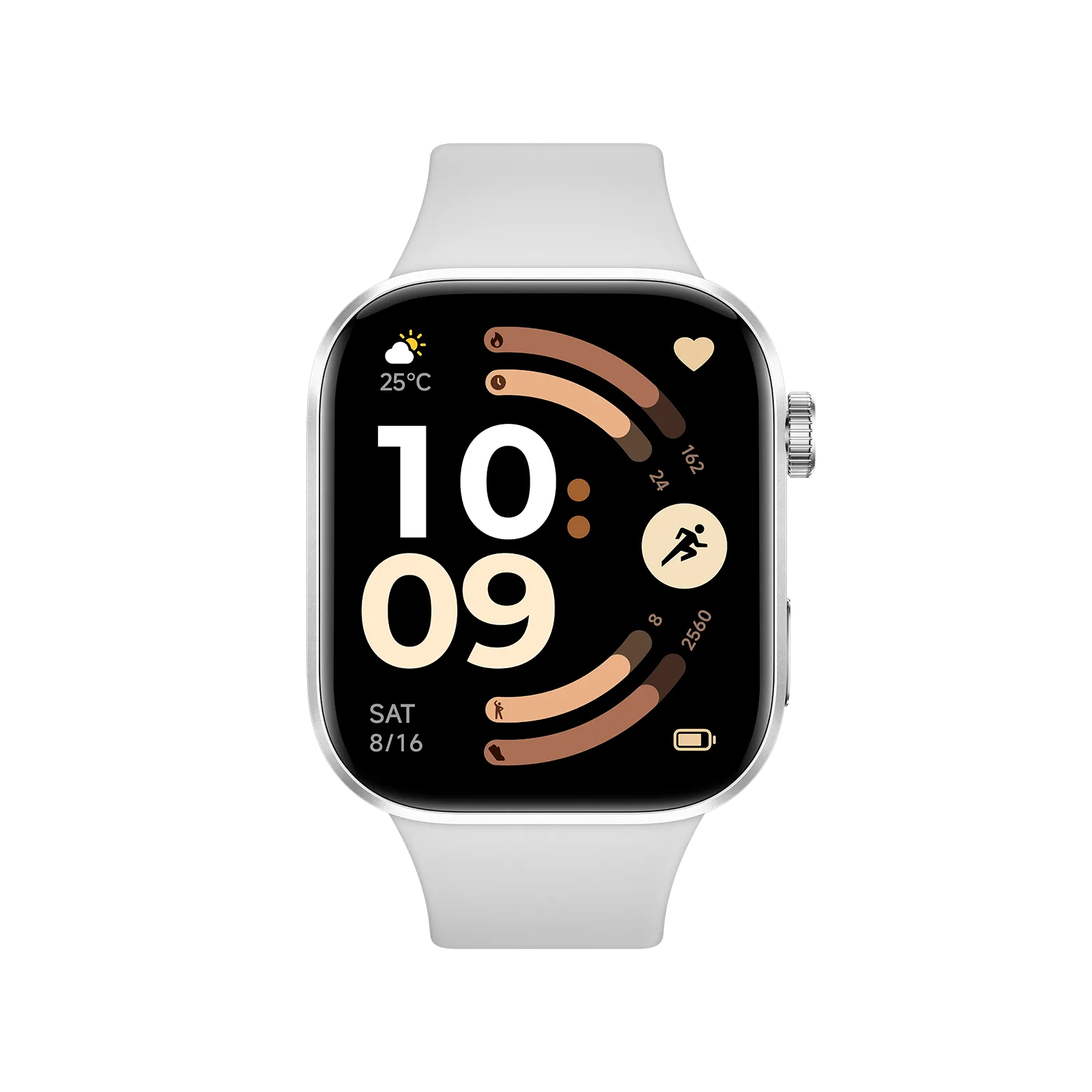
Our selection criteria for this use
A product only enters this list if it meets every one of these points. Its relevance is rated for this specific use, independently of its overall score in the category.
- The product shows a battery capacity at least equal to the market median.
- The product stays within a reasonable display size without aiming for the largest format.
- The product does not require a powerful processor for its tracking functions.
- The product keeps sturdiness suited to regular sporting use.
- The product falls within a price tier consistent with regular sporting use.
Other situations in this category
Smartwatch for a child or teenager
Smartwatch for a child: controlled price and adequate battery life, display and processing power hold little value at this age and use.
Read
Smartwatch for nighttime use
For monitoring sleep without disturbing the night, battery life matters more than a large screen or a powerful processor. Key criteria to favour.
Read
Smartwatch for reading notifications
To read messages and notifications comfortably on the wrist, display and speed matter more than battery life. Key criteria to favour here.
Read