71 prices collected today 5 countries · 3 merchants tracked No merchant pays for its ranking
How we rank Our method
Skip to content

Buying guide: Dash cams

A dash cam is chosen primarily by the number of cameras to cover front and rear views. Recording smoothness and storage capacity then determine the quality of captured evidence and autonomy between card clearances.

What to check

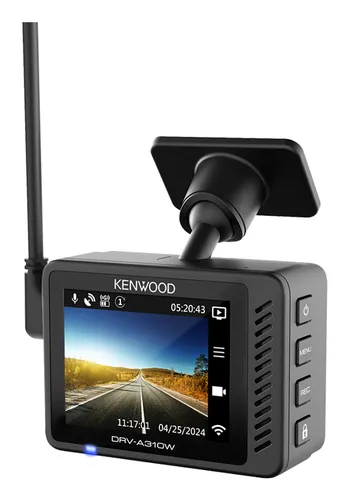
Number of cameras The number of cameras determines video coverage scope. A single-camera model records only the front of your vehicle, which suffices for documenting events ahead. Two cameras film front and rear simultaneously, offering complete protection against rear collisions and reversing incidents. On the current market, the median sits at one camera, while the best-equipped models offer two. The Kalyneo score reflects this coverage: the higher it is, the more angles the system monitors. Market median: 1
Recording smoothness Recording smoothness is measured in frames per second and determines clarity of moving details. The higher this number, the better licence plates, traffic lights and gestures remain readable during frame-by-frame playback. Market benchmarks range from twenty-five frames per second for the least smooth models to thirty frames per second for both median and best devices. A high score on this criterion guarantees usable footage, even when the vehicle is moving rapidly or the scene changes abruptly. Market median: 30 fps
Storage capacity The maximum storage capacity accepted by the camera determines recording duration before the memory card saturates. The higher this limit, the more journeys you can retain without deleting old files. Market devices accept cards ranging from one hundred and twenty-eight gigabytes for the least generous models to two hundred and fifty-six gigabytes for the best-endowed, with the median at one hundred and ninety-two gigabytes. The Kalyneo score favours cameras capable of accommodating large cards, ensuring extended autonomy between manual interventions. Market median: 192 GB
Installation and power A dash cam typically mounts on the windscreen or dashboard using a suction cup or double-sided adhesive. Power comes from the cigarette lighter port or, for permanent installation, direct connection to the vehicle’s fuse box. Some models offer parking mode that activates recording when vibration is detected, requiring continuous power. Check the supplied cable length and adjustable lens orientation to properly frame the road without obscuring your field of vision.

Benchmarks based on 16 recent market listings, collected on 4 October 2026.

What you get for each budget

Under €50

Dash cams under fifty euros offer a single front camera, standard recording smoothness around twenty-five to thirty frames per second and card capacity limited to one hundred and twenty-eight gigabytes.

€50 to €120

Between fifty and one hundred and twenty euros, you access models accepting one hundred and ninety-two gigabyte cards and sometimes benefit from a second camera to film the rear.

Over €120

Beyond one hundred and twenty euros, cameras offer two cameras for complete coverage, maximum smoothness of thirty frames per second and accept cards up to two hundred and fifty-six gigabytes for extended autonomy.

Frequent mistakes

Neglecting maximum storage capacity and finding yourself forced to regularly delete sequences, thus losing valuable evidence.
Choosing a single camera when you often parallel park or suffer undocumented rear collisions.
Underestimating the importance of recording smoothness and obtaining blurry images during slow-motion playback.
Forgetting to verify memory card compatibility with the maximum capacity announced by the manufacturer.
Installing the camera in a windscreen area that obstructs visibility or sits outside the wiper blade sweep field.

Models in this category

Best rated first, among those our merchants offer.