01
Range decides your journeys
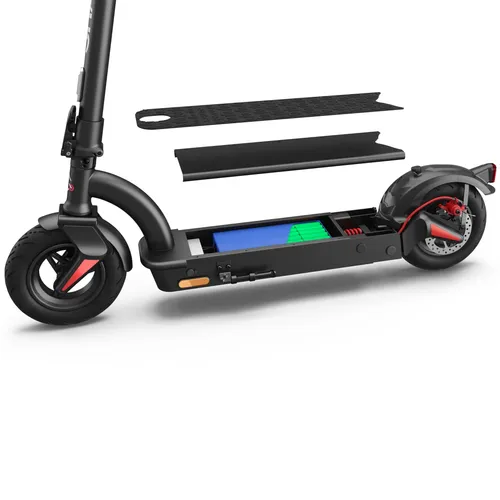
Range measures the maximum distance achievable on a full charge. It varies considerably: the least enduring models reach twenty-three kilometres, the median sits at fifty-five kilometres, and the best climb to ninety kilometres. This figure determines daily use: calculate your return journey and allow a safety margin. On Kalyneo, the range bar shows immediately whether the model will cover your needs without daytime recharging. High range offers more freedom, but affects price and battery weight. Choose according to your actual route, not theoretical maximum journeys.
Market median: 55 km
02
Power for climbing slopes
Motor power, expressed in watts, determines acceleration and hill-climbing ability. Entry-level models offer two hundred and fifty watts, the median sits at four hundred and twenty-five watts, while the most powerful reach one thousand six hundred and fifty watts. A powerful motor becomes essential if your route includes climbs or if you carry loads. On the site, the power bar helps you compare this characteristic at a glance. An undersized motor will struggle uphill and prematurely wear the battery. Match power to your terrain and load requirements for lasting performance.
Market median: 425 W
03
Maximum speed allowed
Maximum speed indicates the top the scooter can reach. Restricted models cap at twenty kilometres per hour, the median reaches twenty-five kilometres per hour, and some models climb to fifty kilometres per hour. Check local legislation: many countries limit the speed authorised on public roads. The speed bar on Kalyneo positions each model in this scale. High speed reduces journey times but consumes more energy and demands greater vigilance. Prioritise safety over pure performance, and ensure compliance with local regulations before purchasing.
Market median: 25 km/h
04
Charging time between rides
Charging time measures the duration needed to fully replenish the battery. The slowest models require eight hours, the median sits at six hours, while the fastest drop to three hours. This figure influences your daily organisation: overnight charging generally suffices, but short times allow regaining range during the day. On the site, the longer the bar, the less you wait. Fast charging facilitates intensive use, but verify that it does not reduce battery lifespan according to manufacturer recommendations. Balance convenience against longevity.
Market median: 7 h
05
Maximum load supported
Maximum load indicates the total weight the scooter can safely transport. Entry models accept one hundred kilograms, the median climbs to one hundred and twenty kilograms, and the sturdiest support one hundred and fifty kilograms. Count your body weight plus any bag or luggage. Exceeding this limit weakens the structure, reduces range and compromises safety. The maximum load bar on Kalyneo helps verify compatibility. Allow a margin to preserve the equipment over time, especially on degraded roads. Choose capacity that accommodates occasional extra weight.
Market median: 120 kg
06
Wheel type and suspension
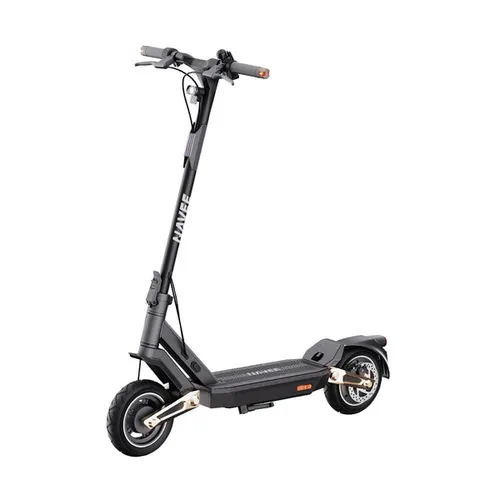
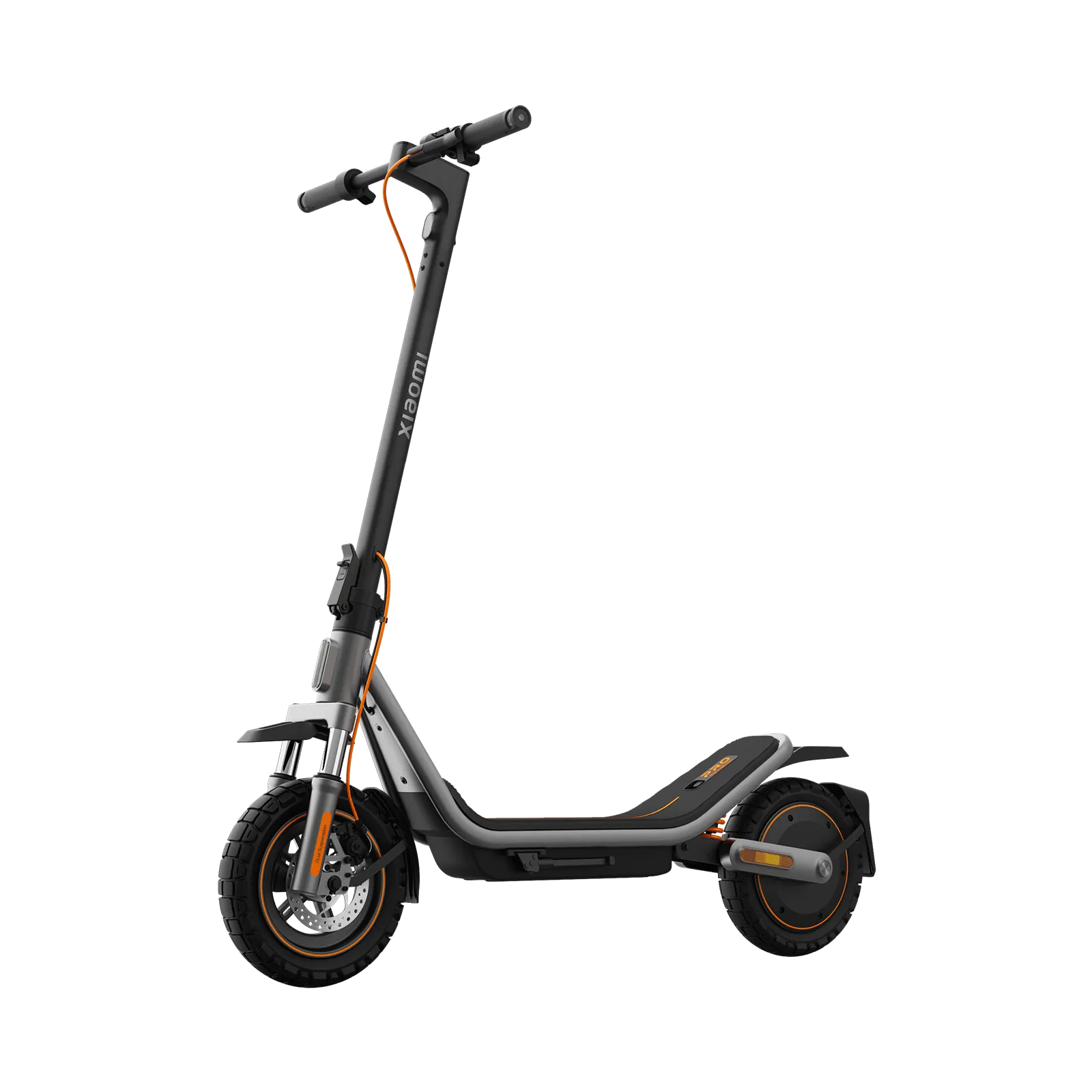
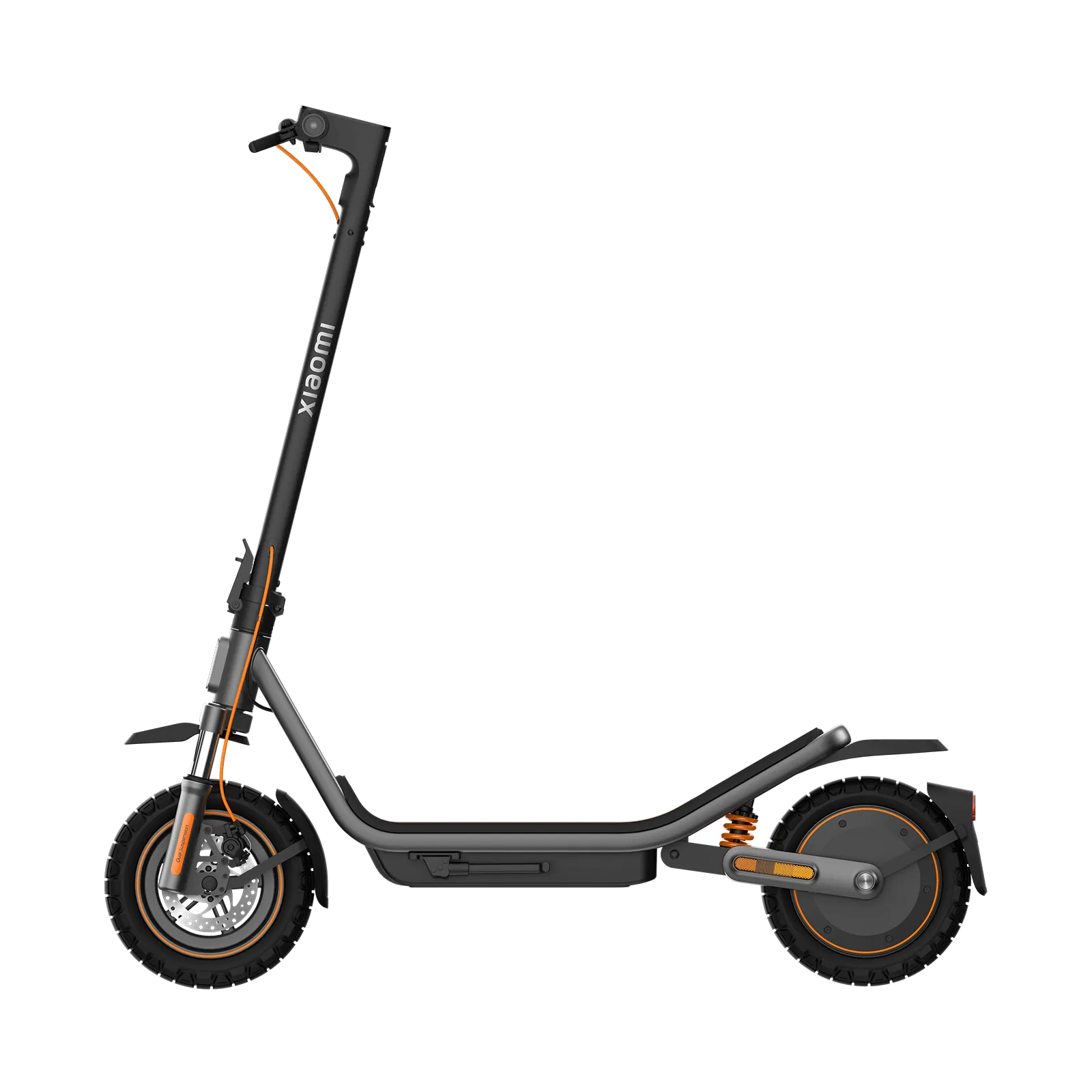
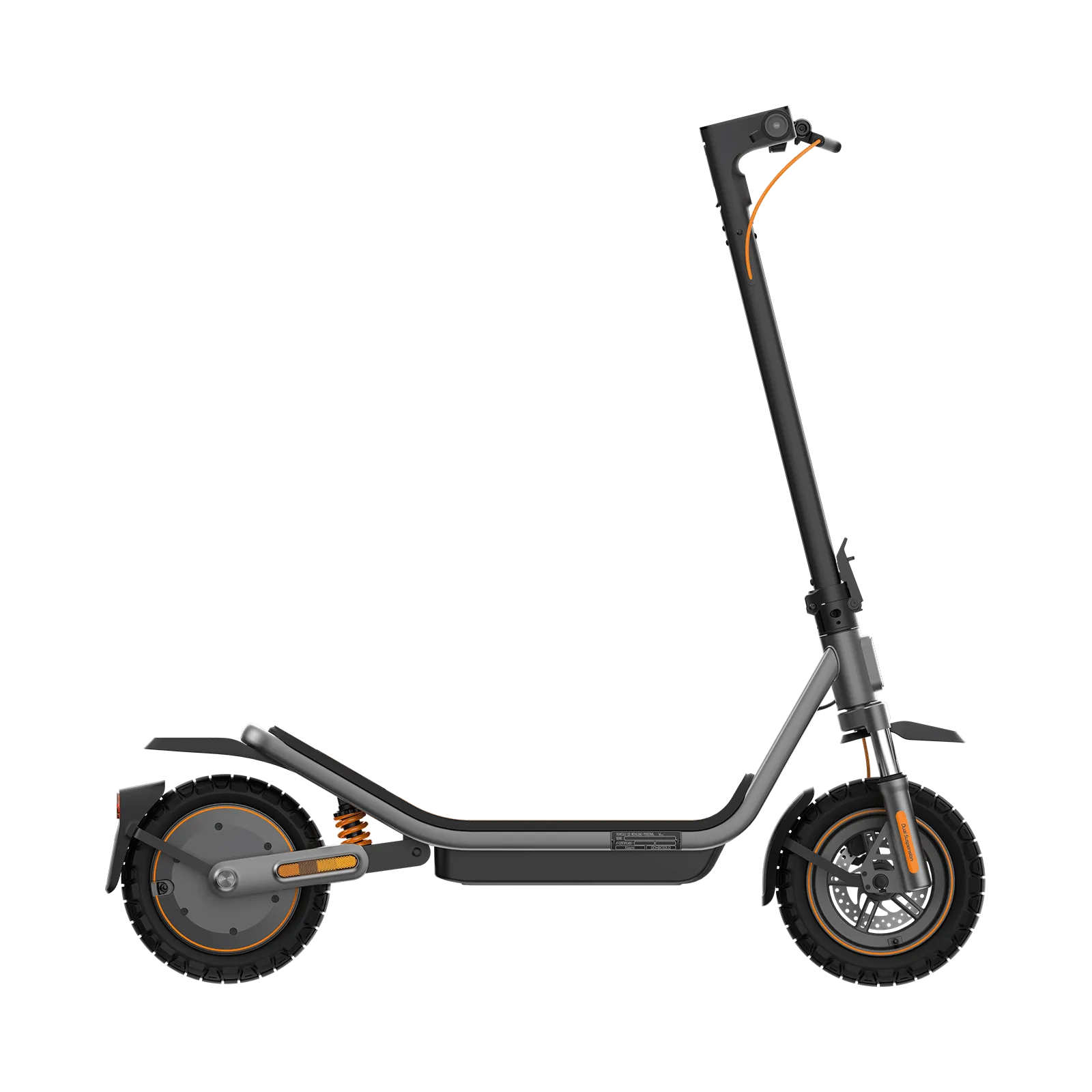
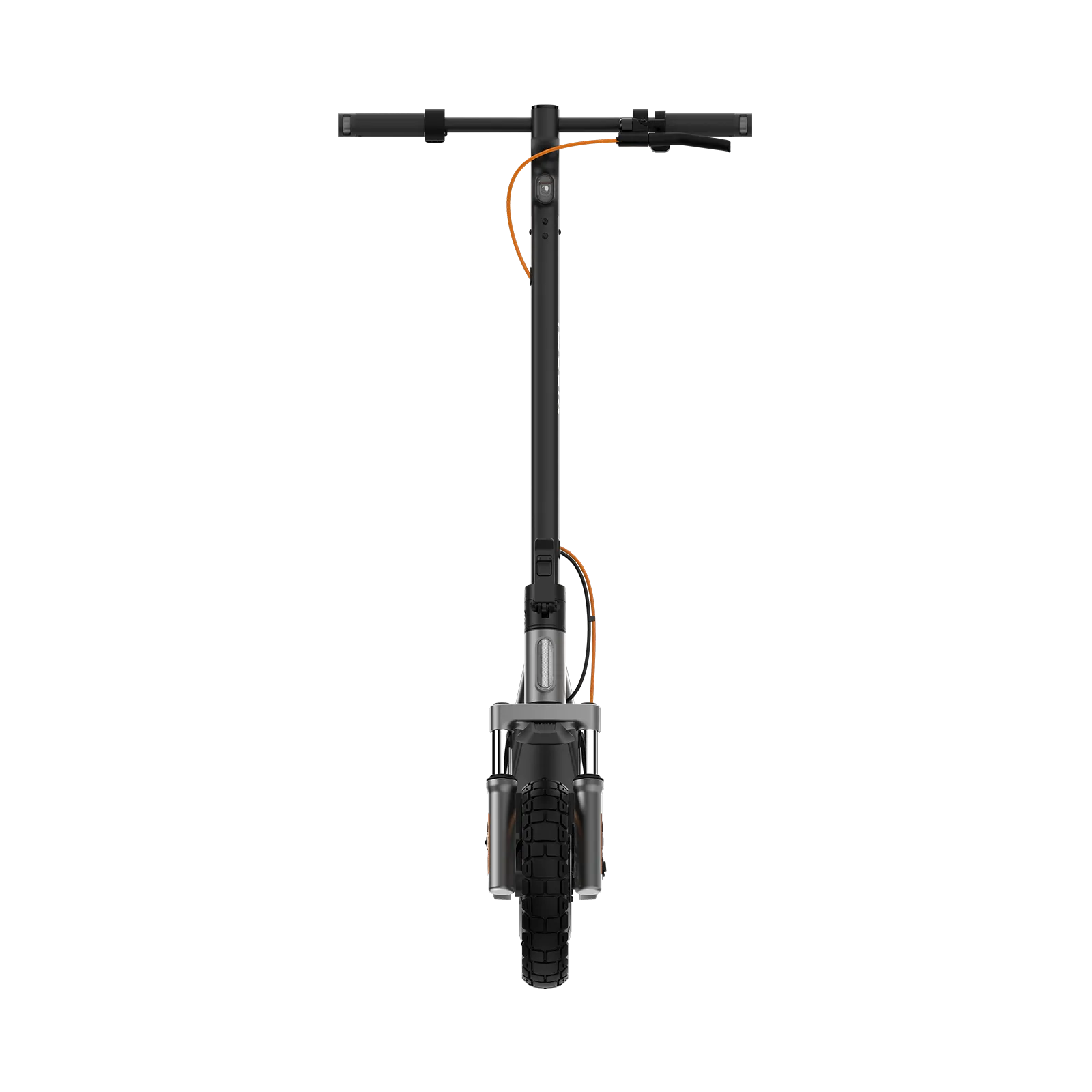
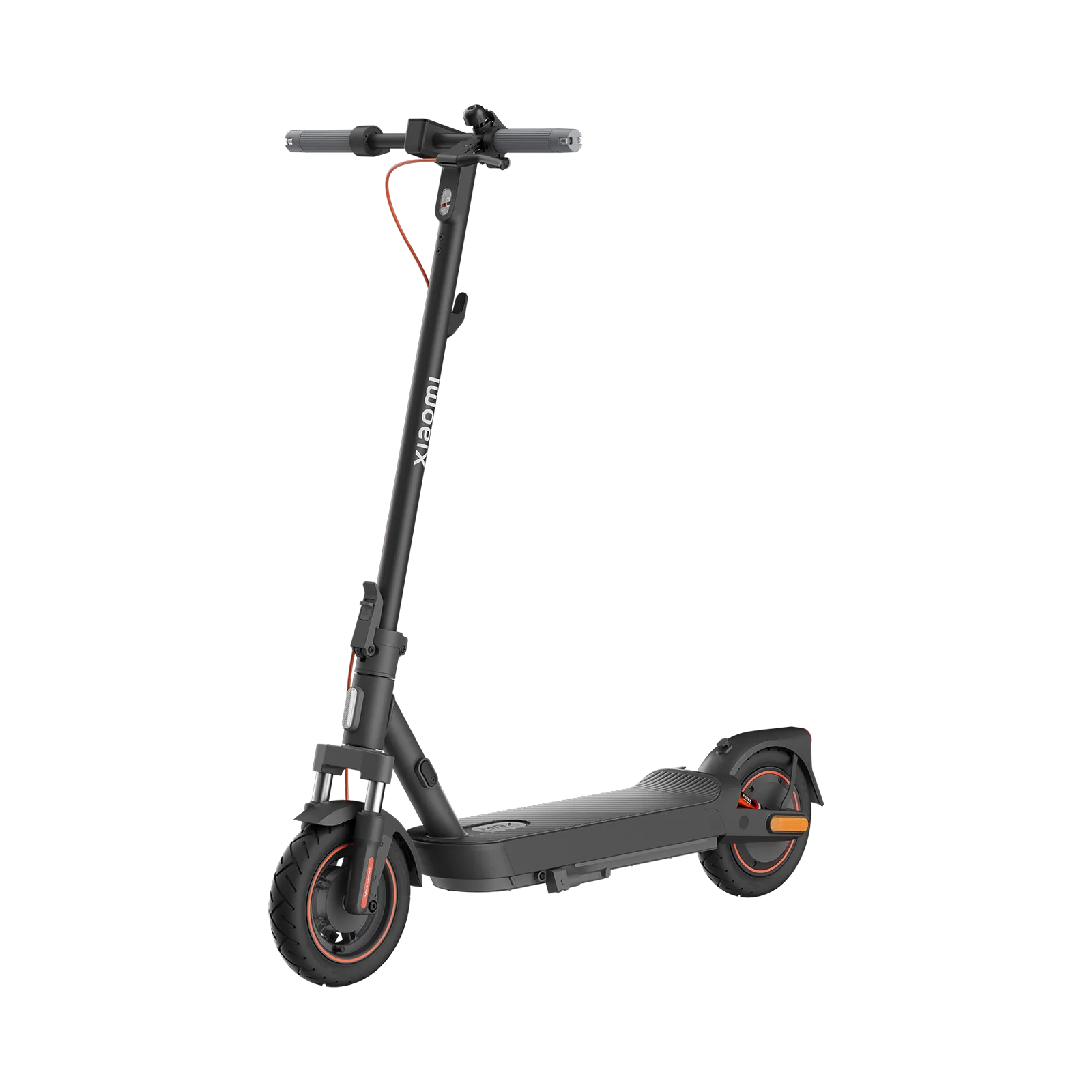
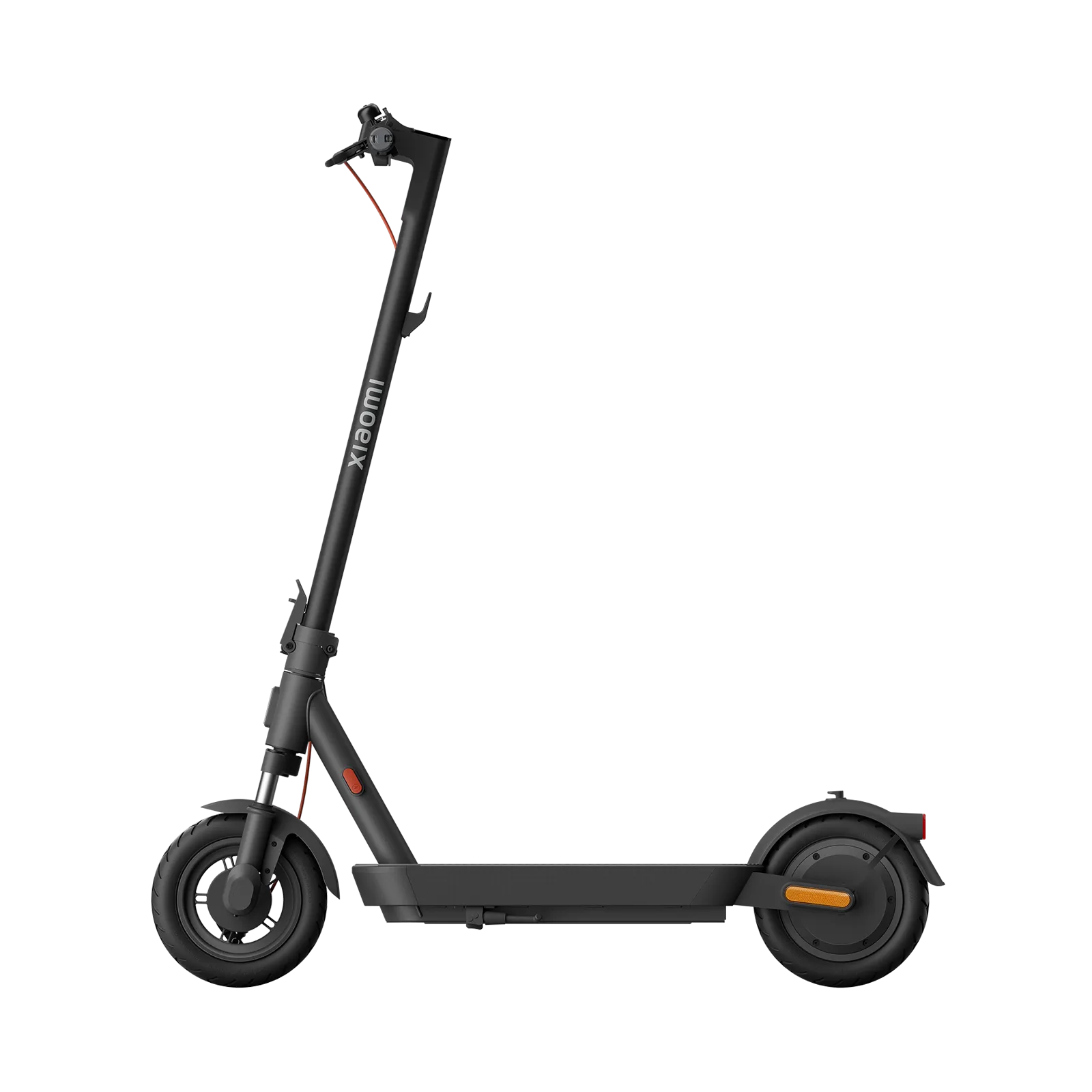
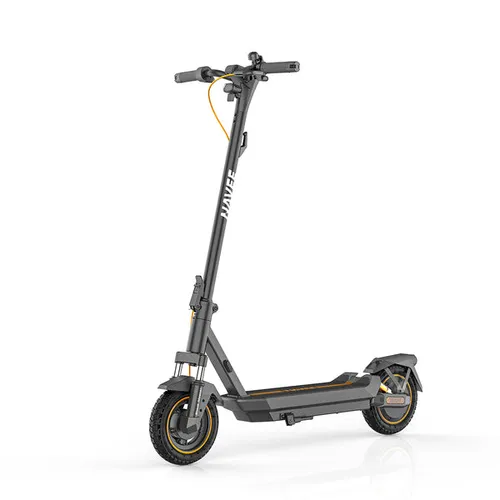
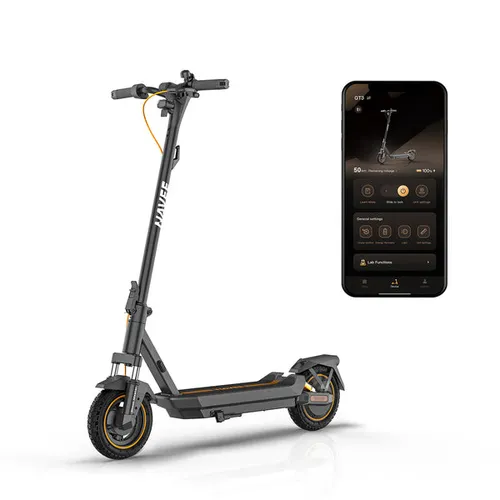
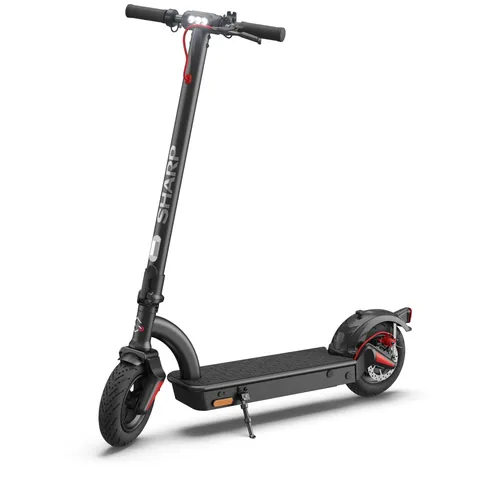
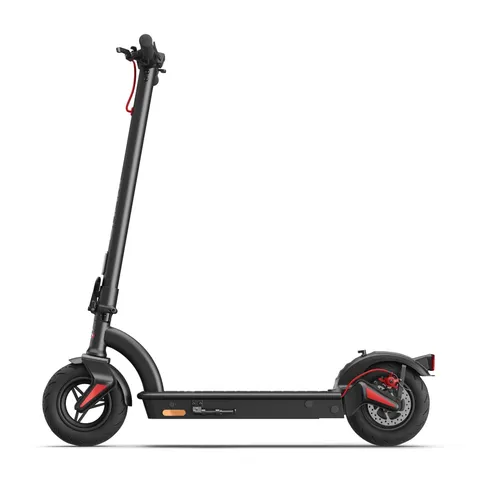
Wheels influence comfort and stability. Models with large pneumatic wheels absorb surface irregularities better, while solid wheels eliminate puncture risk. Suspension, absent on some entry models, significantly improves comfort on cobbles or damaged roads. If your journeys use uneven surfaces, check these characteristics in the product sheet. An adapted suspension system preserves your comfort and reduces fatigue on long trips. These elements complement the reading of scored criteria. Balance puncture protection against ride quality for your typical surfaces.
07
Folding and storage
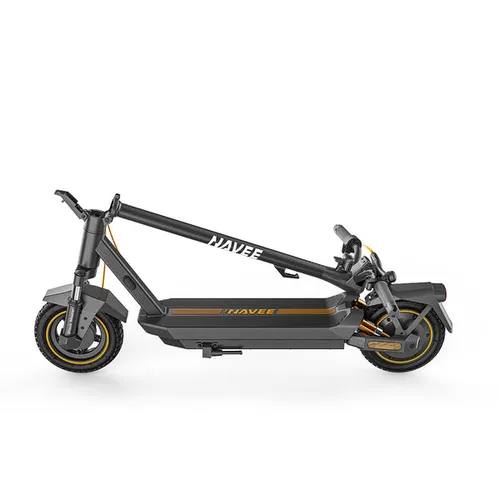
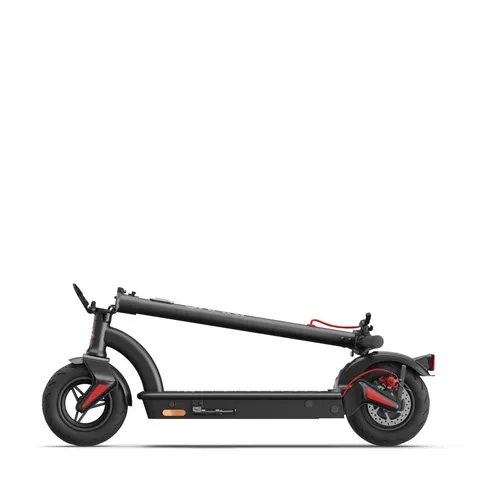
The ability to fold the scooter facilitates transport and storage. Some models fold in seconds to fit in a boot or under a desk, others remain more cumbersome. Total device weight also counts: carrying the scooter on stairs or public transport becomes arduous beyond a certain threshold. Check folded dimensions and weight in the technical sheet. A simple and robust folding mechanism avoids daily inconvenience, especially if you combine the scooter with other modes of travel. Consider portability alongside performance.
Benchmarks based on 40 recent market listings, collected on 1 November 2026.