Scooters for short urban commutes
Commutes of a few kilometres, nearby errands or connections between public transport stops do not require exceptional range. In this dense urban context, the ability to recharge quickly between rides matters more than maximum distance capacity.
Budget then becomes a decisive criterion for modest daily use, while top performance matters little given speed limits in built-up areas. A scooter suited to short city trips combines controlled pricing, efficient charging and reliability without superfluous equipment.
What matters in this specific case
The same criteria as on the category page, but not the same weight: here is what goes up and what goes down.
-
Price
Matters more coefficient 1.8Purchase cost weighs heavily for daily use over limited distances. Impossible to justify an expensive model for neighbourhood routes. Affordable scooters offer essential functions without compromising reliability. Target ranges where equipment-to-price ratio favours basic urban use, without paying for capabilities you will never exploit on your usual journeys.
-
Range
Matters less coefficient 0.6Over routes of a few kilometres per day, even modest ranges suffice amply. Market benchmarks show twenty-three kilometres cover several days of short trips. No need to aim for the median at fifty-five kilometres when you recharge every evening. Prioritise other criteria instead, this distance reserve exceeding your actual needs.
-
Speed
Matters less coefficient 0.5Urban speed limits make maximum performance secondary. Whether the scooter reaches twenty or fifty kilometres per hour matters little given regulations and traffic density. The median at twenty-five kilometres per hour already exceeds permitted urban use. Better invest in other qualities than top speed unusable in daily practice.
-
Power
Matters less coefficient 0.6A modest motor suits flat, short routes through city centres. The two hundred fifty watts at the lower benchmark suffice on level terrain. Power only becomes crucial with repeated hills or strong accelerations. For urban routes without topographic challenges, no need to target the four hundred twenty-five watt median, let alone the one thousand six hundred fifty watt sports models.
-
Charging
Matters more coefficient 1.9Charging speed becomes essential when using the scooter several times daily. Being able to recover range during lunch break or late morning changes usage patterns. The three hours of best models allow recharging between outings, versus eight hours for least efficient ones. This criterion determines flexibility of use in dense urban context where sockets are accessible.
-
Max load
Unchanged weight coefficient 1Load capacity keeps its importance even on short trips, whether carrying shopping or a loaded backpack. The one hundred kilograms at lower benchmark limit possibilities, while the one hundred twenty kilogram median offers comfortable margin. This robustness also influences overall chassis durability facing daily use on degraded road surfaces.
What is not worth paying for
The features pushed in this category that make no difference in this context.
-
Excessive range
Models displaying ninety kilometres of range target long excursions, not fragmented urban trips. This capacity makes the battery heavier, increases price and extends charging time. For daily routes of a few kilometres with regular socket access, this reserve constitutes extra cost without practical benefit.
-
Overpowered motor
Motors exceeding one thousand watts target rough terrain or steep slopes. In flat urban environments, this power remains unexploited whilst inflating budget and electrical consumption. Acceleration and climbing capabilities exceed needs of city travel, where consistency trumps raw performance.
-
Elaborate suspension
Sophisticated suspension systems bring comfort over long distances or difficult terrain. On short trips and regular tarmac, their contribution remains marginal given extra cost and added weight. Suitable tyres and balanced geometry suffice to absorb common urban irregularities without complex equipment.
Price ranges for this use
Orders of magnitude, not displayed prices: a price only appears on Kalyneo once it has been collected from a merchant, with its collection date.
Under €300
Under three hundred euros, entry-level scooters cover essential needs of short trips with overnight charging, without superfluous functions.
€300 to €600
From three hundred to six hundred euros, mid-range models combine faster charging and refined finishes whilst keeping reasonable pricing for daily urban use.
Over €600
Over six hundred euros, equipment often exceeds short trip requirements, unless specific need for robustness or premium integrated accessories.
The products selected for this use
Ranked by relevance for this specific case, not by their overall score.
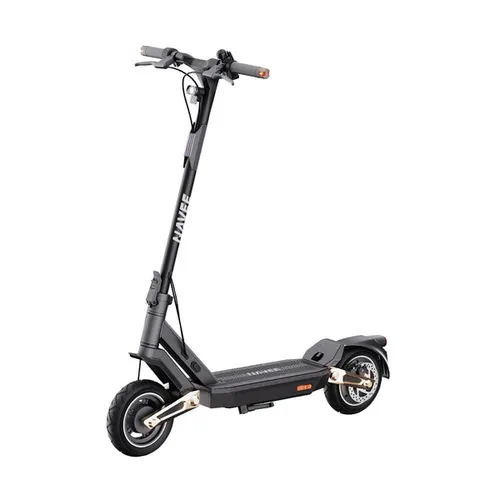
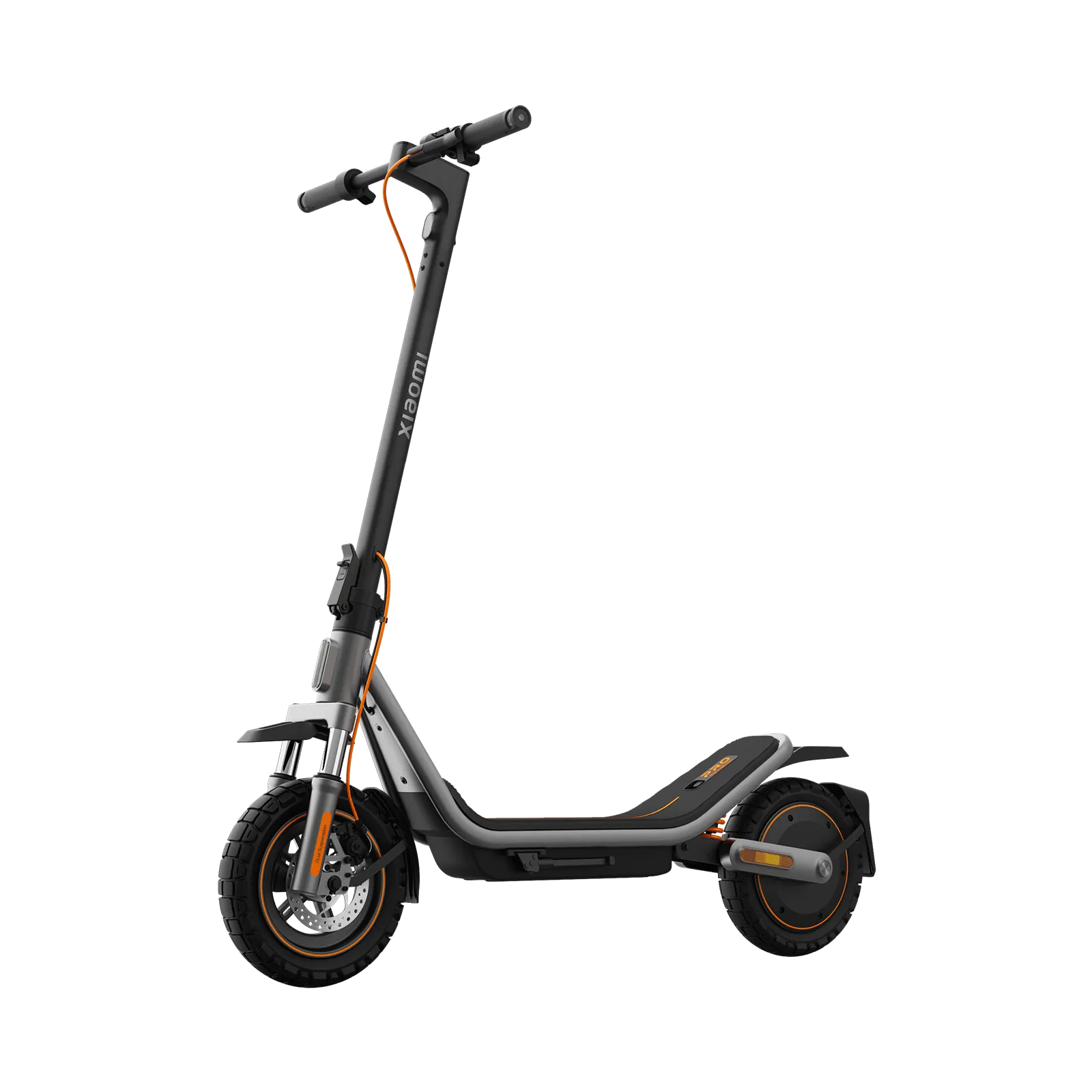
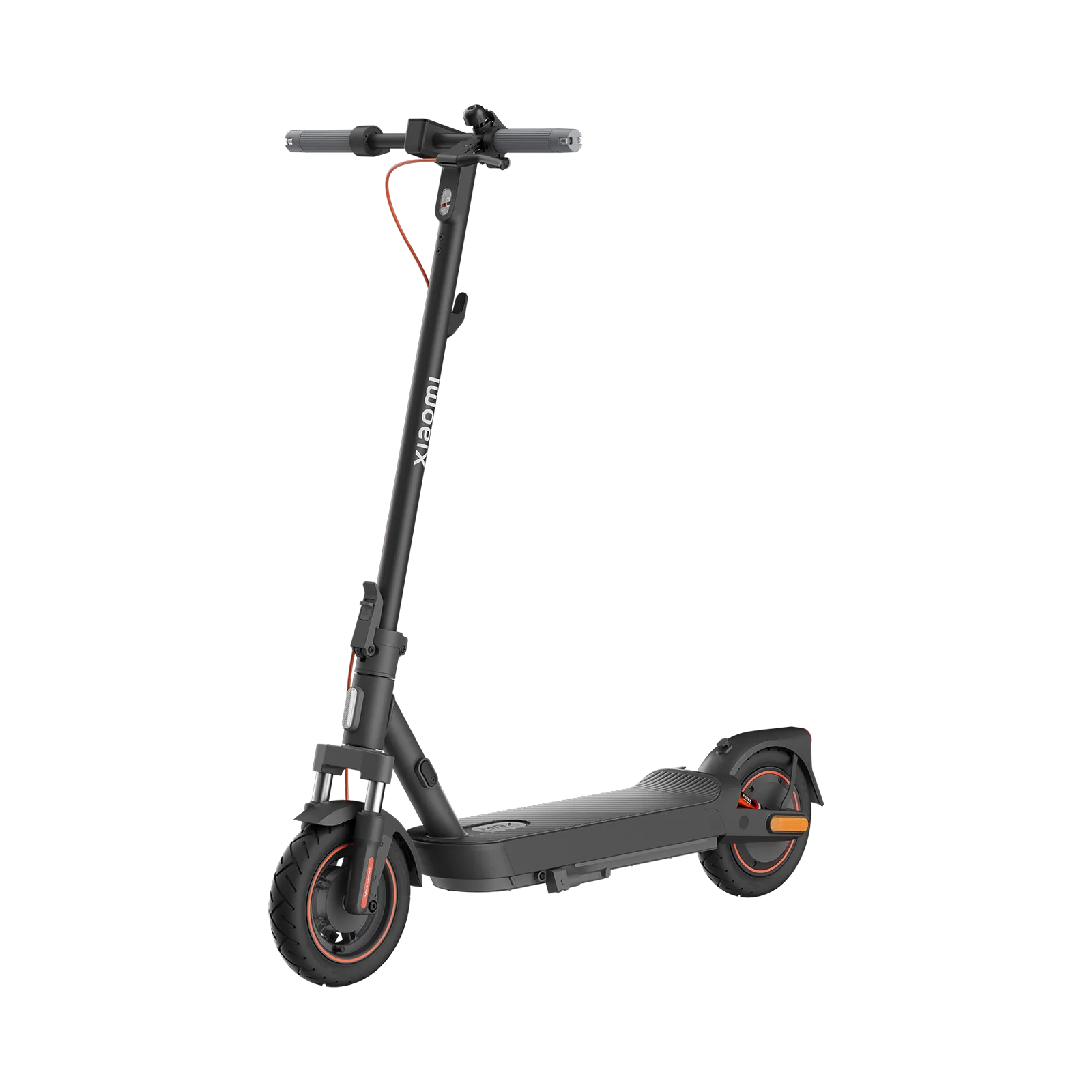
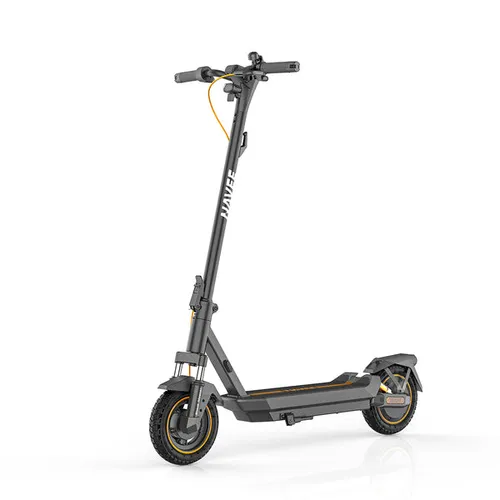
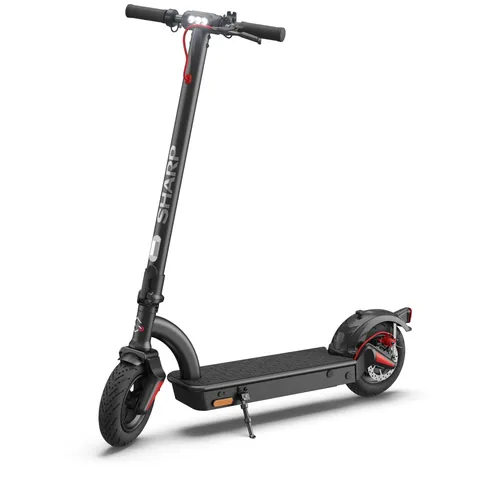
Electric scooters Sharp
Sharp EM-KS2AEU-B electric kick scooter Black, Red 10.4 Ah
Relevance for this use: 61/100
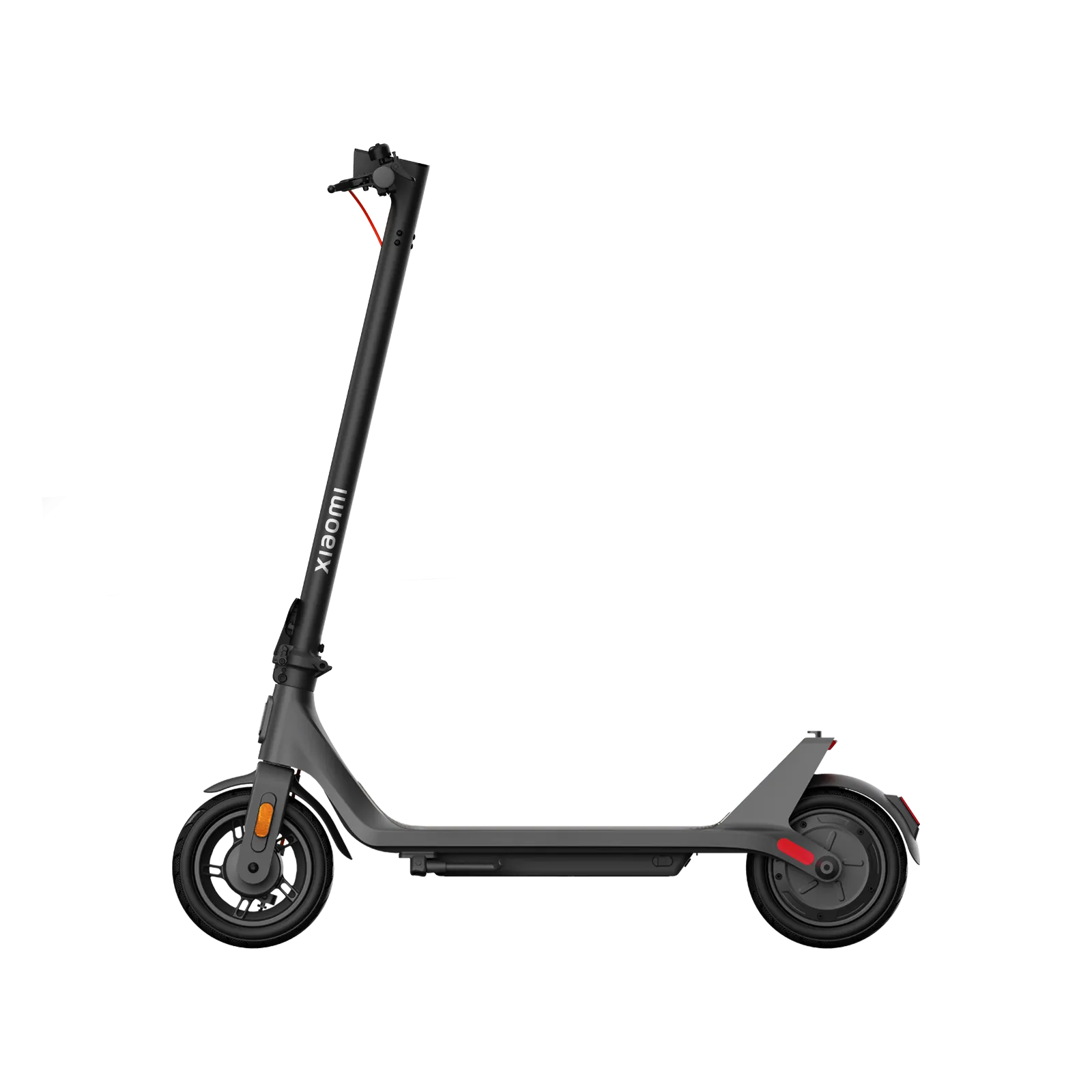
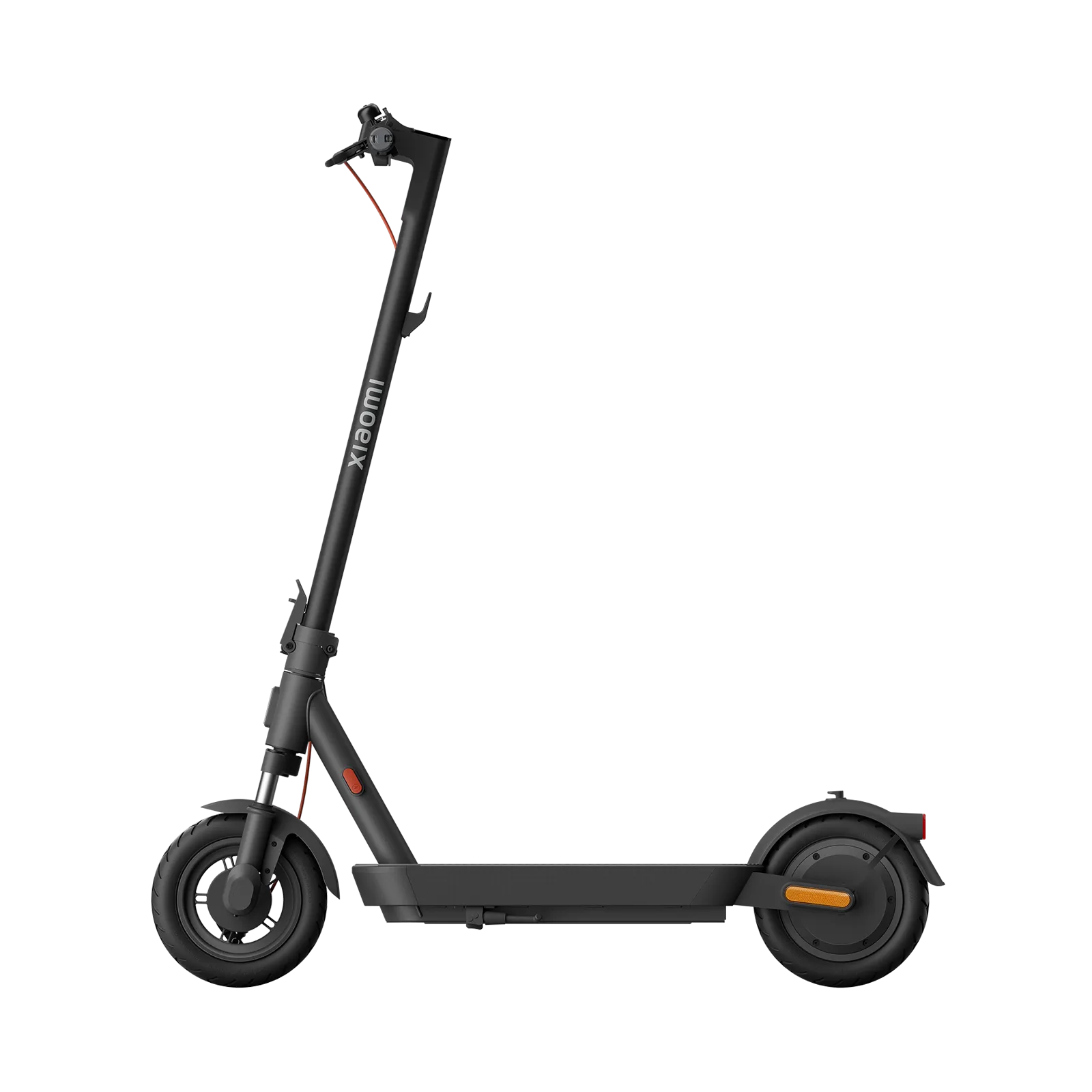
Electric scooters Xiaomi
Xiaomi Electric Scooter 4 Lite (2nd Gen) Black
Relevance for this use: 56/100
Our selection criteria for this use
A product only enters this list if it meets every one of these points. Its relevance is rated for this specific use, independently of its overall score in the category.
- Charging time under six hours to allow multiple daily cycles
- Range sufficient to cover at least three days of usual journeys
- Pricing consistent with basic urban use without sports equipment
- Supported weight of at least one hundred kilograms for versatile use