Scooters for long rides
Weekend excursions, peri-urban rambles or inter-city journeys demand a scooter capable of covering long distances without failure. Range then becomes the central criterion, followed by power necessary to tackle varied elevation and maintain sustained speed over extended duration.
In this context, ability to cover several dozen kilometres trumps charging time, which one completes upon return. Riding comfort and mechanical reliability over long duration justify superior investment, with performance becoming daily assets rather than superfluous options.
What matters in this specific case
The same criteria as on the category page, but not the same weight: here is what goes up and what goes down.
-
Price
Matters less coefficient 0.7Budget takes second place given distance and reliability requirements. Entry-level scooters possess neither range nor robustness required for extended routes. Suitable models concentrate large-capacity batteries and reinforced components, justifying higher pricing. Better invest in durable equipment than frequently replace insufficient material.
-
Range
Matters more coefficient 1.9Range constitutes the very foundation of long-distance use. The ninety kilometres of best models enable ambitious outings without breakdown anxiety. The median at fifty-five kilometres already offers appreciable comfort, where the twenty-three kilometres at lower benchmark severely limit possibilities. This criterion directly determines the scope of your travels and route freedom.
-
Speed
Matters more coefficient 1.6Maximum speed influences comfort and efficiency over long distances. Maintaining twenty-five kilometres per hour across dozens of kilometres tires less than riding at the limit of a restricted model. The fifty kilometres per hour of high-performance scooters offer safety margin and allow enjoying clear sections. The median at twenty-five kilometres per hour suits mixed routes.
-
Power
Matters more coefficient 1.8A powerful motor transforms experience on varied routes. The one thousand six hundred fifty watts of best models easily tackle hills that would stop modest equipment. The four hundred twenty-five median watts suffice on gently rolling terrain, whilst the two hundred fifty watts at lower benchmark struggle from the first slope. This power reserve also preserves components over long duration.
-
Charging
Matters less coefficient 0.8Charging time loses importance when prioritising range and recharging after use. Whether the battery demands three or eight hours matters little if it provides ninety kilometres of range. Long rides organise with a complete charge-discharge cycle, making recovery speed secondary. Total capacity counts more than filling speed.
-
Max load
Matters more coefficient 1.3Load capacity gains relevance for extended outings requiring equipment and provisions. The one hundred fifty kilograms of robust models allow transporting luggage and accessories without compromising safety. This margin also influences mechanical longevity facing repeated stresses of long routes. The one hundred kilograms at lower benchmark limit carrying possibilities.
What is not worth paying for
The features pushed in this category that make no difference in this context.
-
Ultra-fast charging
Accelerated charging systems target intensive fragmented use, not long spaced outings. This technology adds cost without real benefit when recharging once after each excursion. Large-capacity batteries naturally require more time, and having three or six hours changes little in weekly outing planning.
-
Maximum compactness
Ultra-compact models often sacrifice range and comfort to portability gain. For long rides, folding ease matters less than stability and energy equipment. A generous chassis accommodates voluminous batteries and offers better road behaviour. Folded bulk becomes secondary given distance requirements.
-
Extreme lightness
Pursuing minimal weight conflicts with large-capacity batteries and robustness necessary for long journeys. Ultralight materials cost dearly for gain barely relevant when the scooter rolls rather than being carried. Solidity and range justify several extra kilograms against constraints of extended routes.
Price ranges for this use
Orders of magnitude, not displayed prices: a price only appears on Kalyneo once it has been collected from a merchant, with its collection date.
Under €300
Under three hundred euros, models lack range and power to satisfy long-distance demands without frustrating compromises.
€300 to €600
From three hundred to six hundred euros appear first scooters combining decent range and sufficient motorisation for ambitious rides without targeting excellence.
Over €600
Over six hundred euros concentrate truly adapted equipment, offering generous range, comfortable power and reliability on demanding routes.
The products selected for this use
Ranked by relevance for this specific case, not by their overall score.
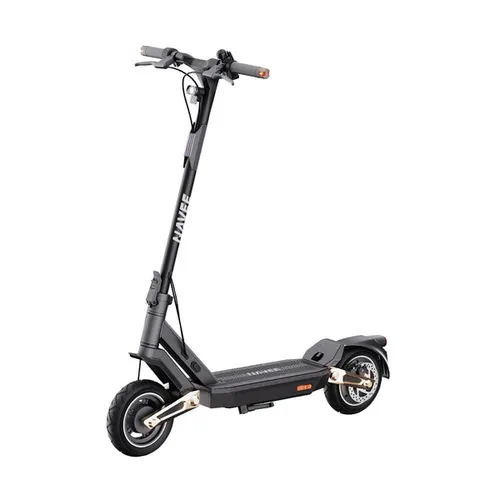
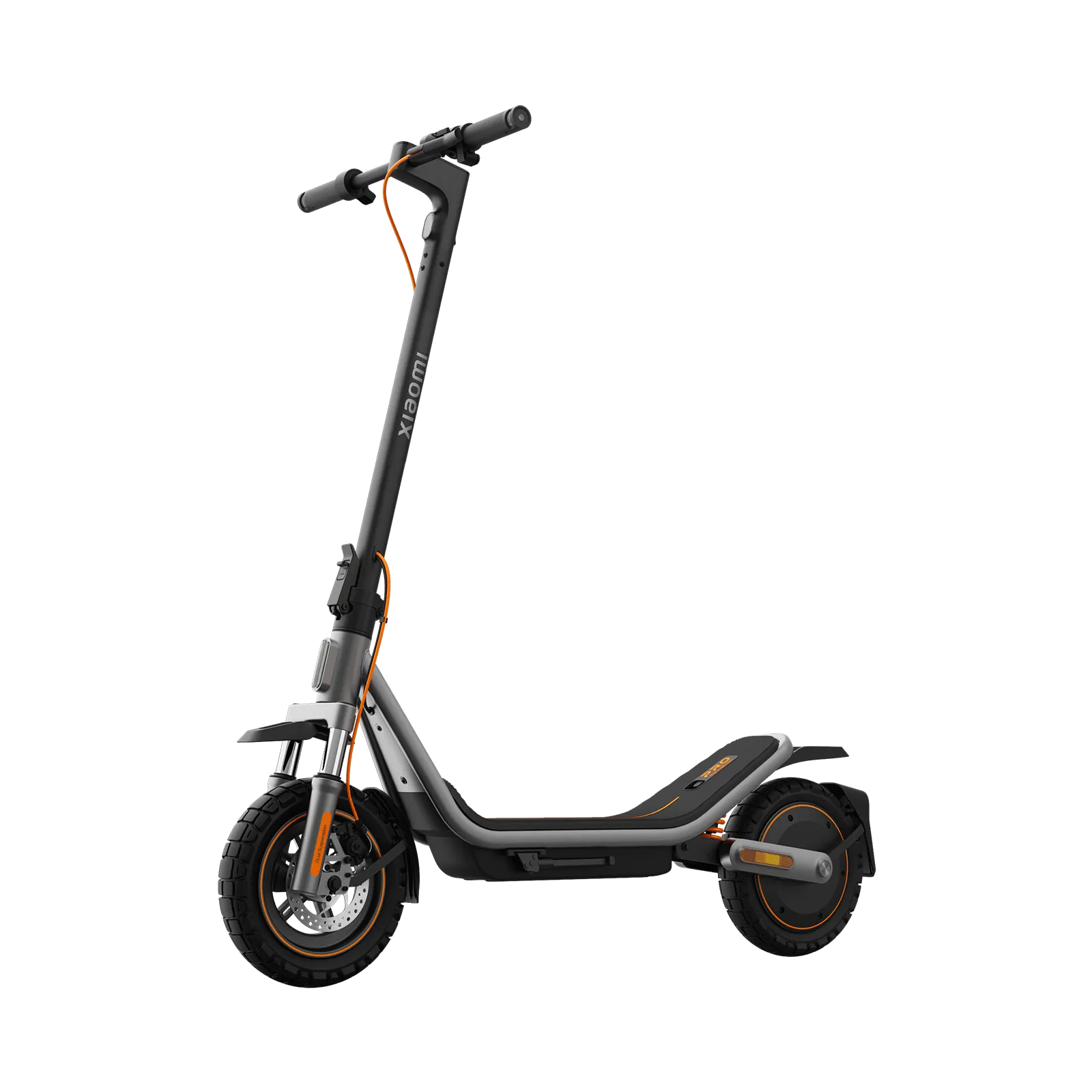
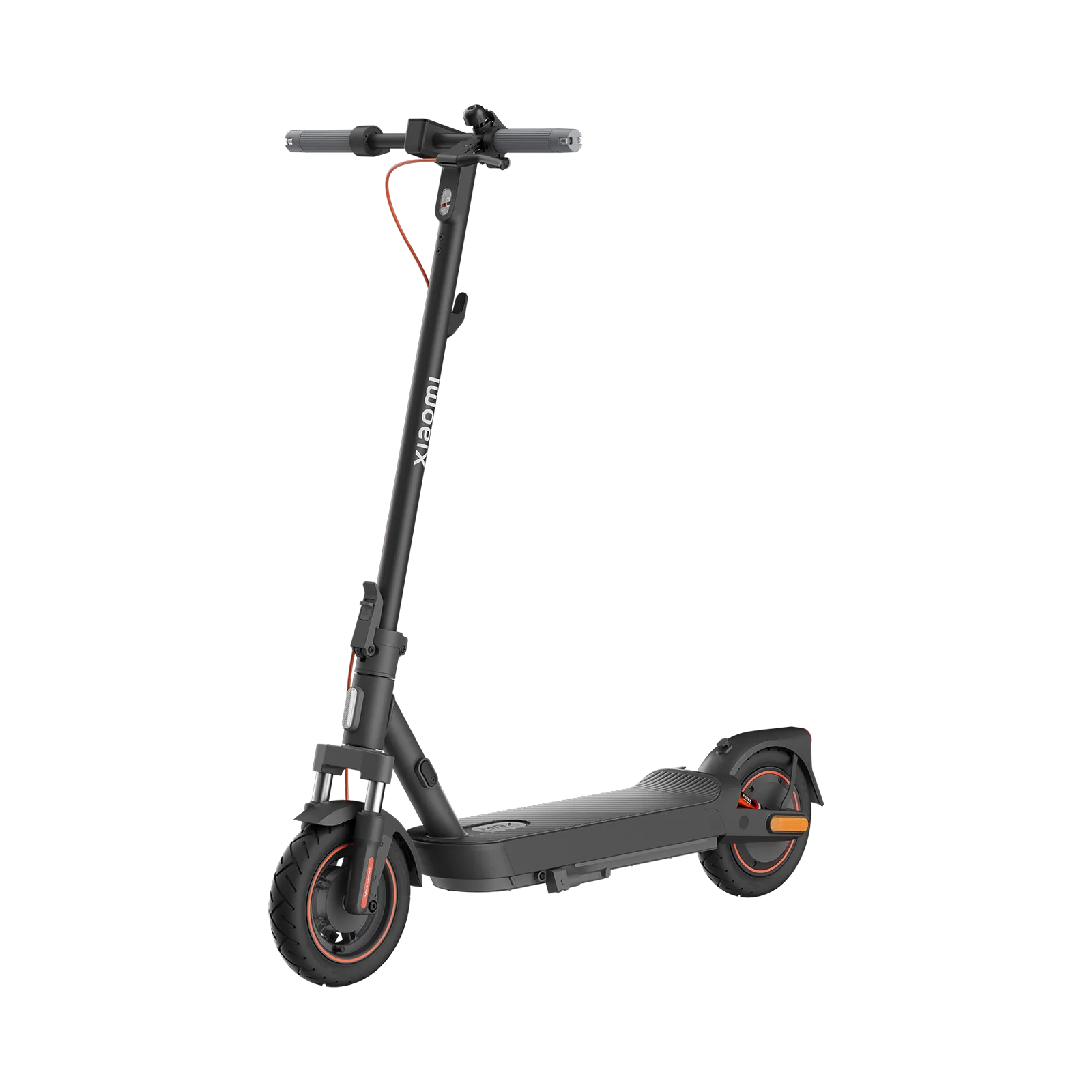
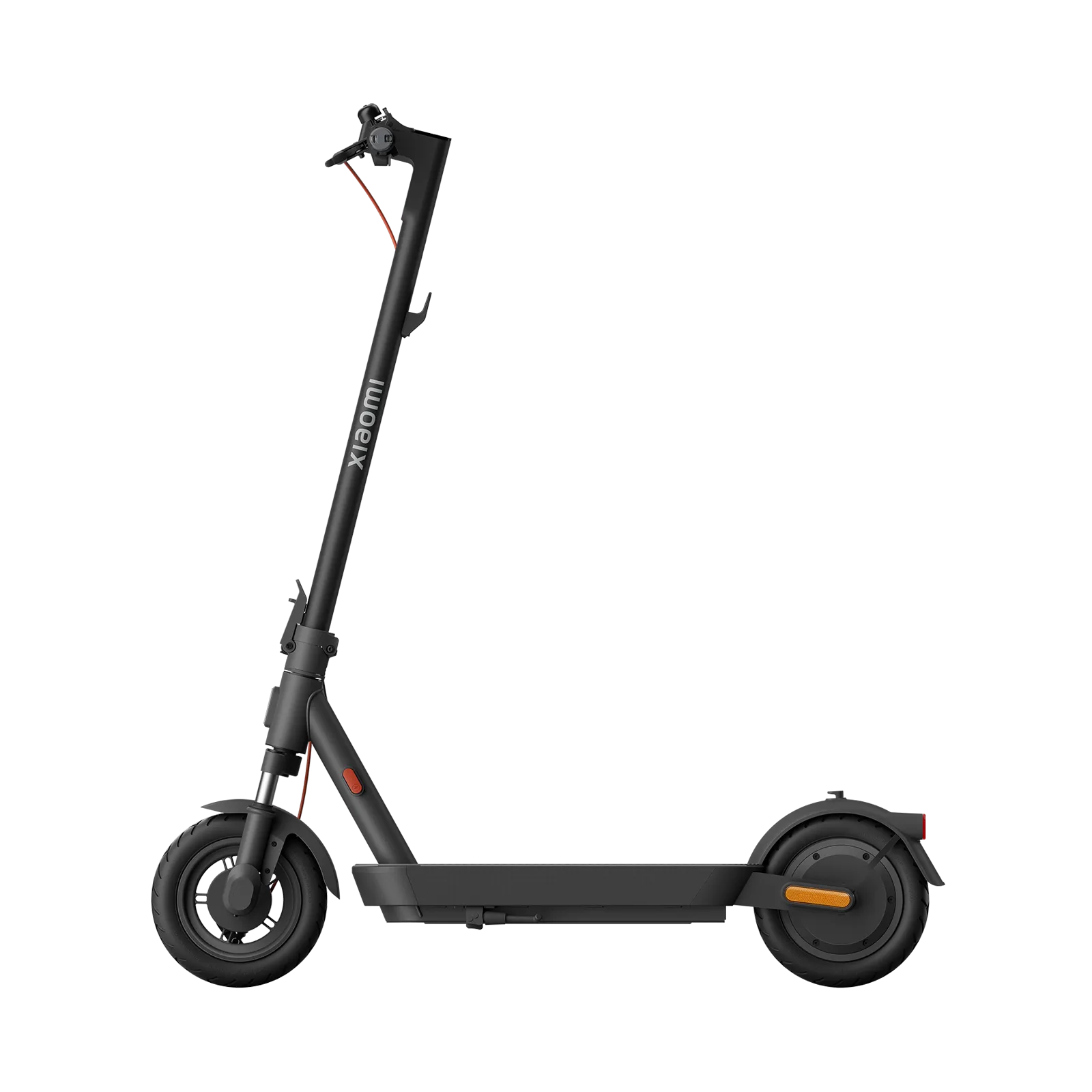
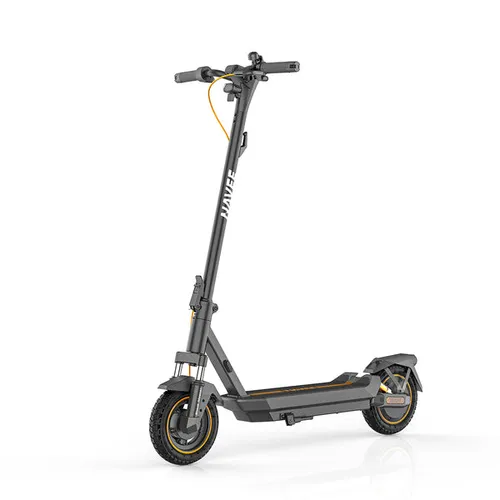
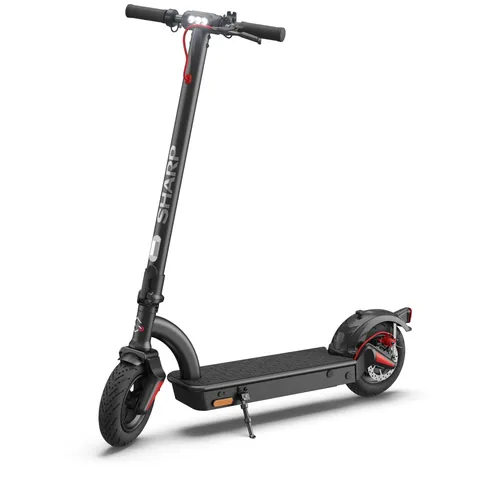
Electric scooters Sharp
Sharp EM-KS2AEU-B electric kick scooter Black, Red 10.4 Ah
Relevance for this use: 59/100
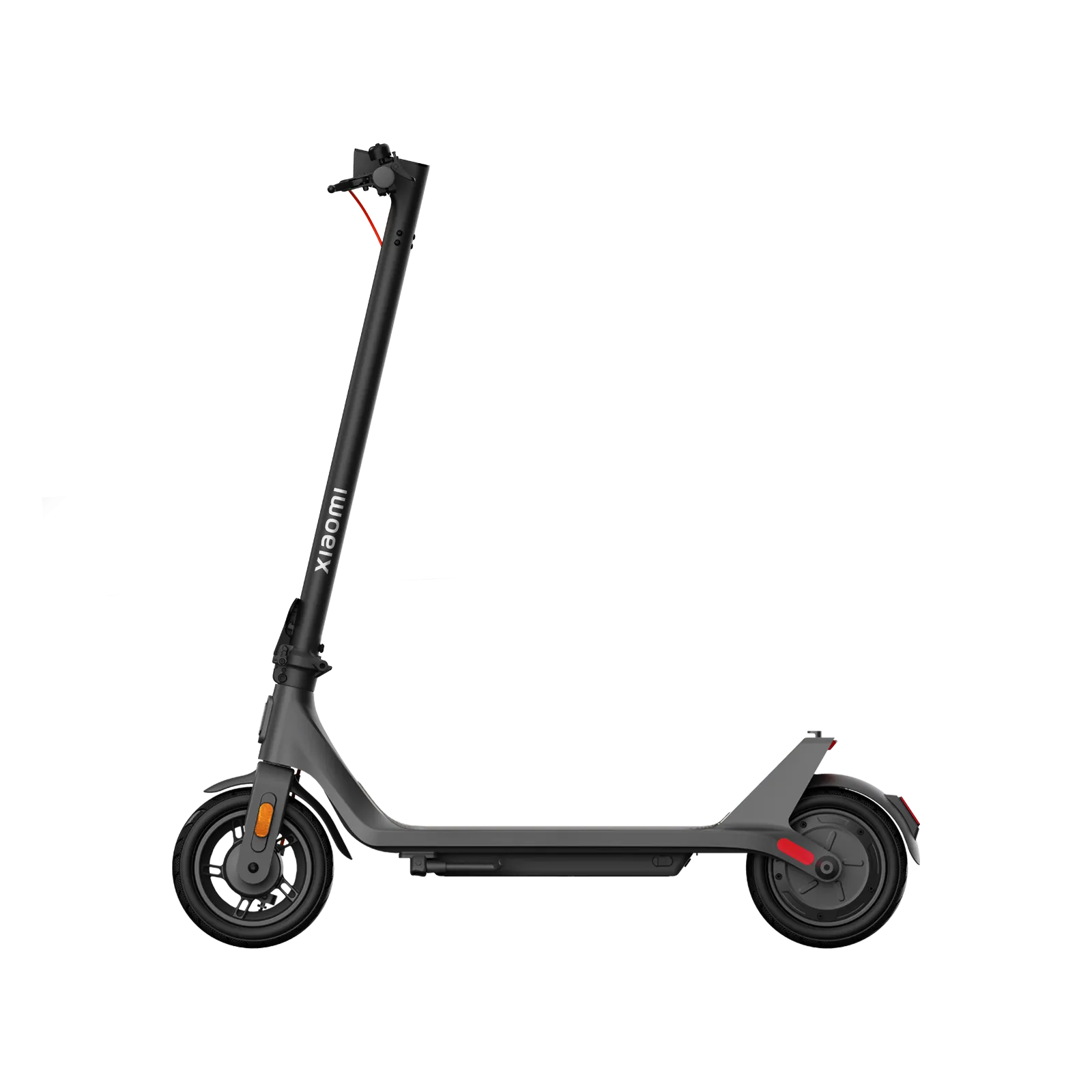
Electric scooters Xiaomi
Xiaomi Electric Scooter 4 Lite (2nd Gen) Black
Relevance for this use: 55/100
Our selection criteria for this use
A product only enters this list if it meets every one of these points. Its relevance is rated for this specific use, independently of its overall score in the category.
- Range exceeding sixty kilometres to cover long outings without anxiety
- Motor power above five hundred watts to tackle varied elevation
- Maximum speed allowing comfortable riding over long duration
- Supported load authorising transport of equipment and provisions
- Robust construction guaranteeing reliability facing prolonged stresses
Other situations in this category
Scooters for short urban commutes
For daily trips of a few kilometres in town, choose a light and economical scooter with fast charging capabilities.
Read
Scooters for heavy riders
For substantial build, target high maximum load, powerful motor and reinforced construction without seeking top speed.
Read