Scooters for heavy riders
Significant body weight demands a scooter designed to support the load without compromising safety or mechanical longevity. Maximum supported capacity becomes the primary criterion, accompanied by sufficient motor power to ensure accelerations and climbs despite high total mass.
In this situation, chassis and component robustness trumps pure speed performance. Suitable equipment guarantees stable and reliable riding over time, where an undersized model would wear prematurely and pose failure risks. Reasonable budget remains achievable without targeting premium sports models.
What matters in this specific case
The same criteria as on the category page, but not the same weight: here is what goes up and what goes down.
-
Price
Matters more coefficient 1.4Pricing must remain controlled whilst guaranteeing necessary robustness. Scooters for high load do not require expensive sports equipment, but correctly dimensioned components. Mid-range offerings often provide best compromise between structural solidity and accessible price. Avoid under-specified entry models like premium models equipped for racing that exceed your needs.
-
Range
Matters more coefficient 1.1Range keeps its importance without becoming priority. The fifty-five kilometre median suits daily uses perfectly without needless extra cost. Transported mass influences consumption, making announced ranges less reliable than at light load. Prioritise decent rather than maximum capacity, budget being better invested in mechanical strength and motor power.
-
Speed
Matters less coefficient 0.6Maximum speed takes second place given stability and safety requirements. Substantial build necessitates composed riding, where twenty to twenty-five kilometres per hour offer comfort and control. The fifty kilometres per hour of sports models become superfluous and even risky. The median amply suffices, allowing resource concentration on robustness and load capacity.
-
Power
Matters more coefficient 1.7A powerful motor becomes indispensable to move total mass with ease. The two hundred fifty watts at lower benchmark already struggle with light load, they become unsuitable here. The four hundred twenty-five median watts constitute reasonable minimum, whilst targeting the one thousand six hundred fifty watts of premium models guarantees responsiveness and longevity. This reserve compensates load and preserves mechanics.
-
Charging
Unchanged weight coefficient 1Charging time retains its standard weight without becoming priority. Whether the battery demands three or eight hours matters as much as for any daily use. Energy capacity influences total duration, and high load consumes more per kilometre. The six-hour median represents acceptable compromise between overnight convenience and reasonable battery dimensioning.
-
Max load
Matters more coefficient 1.9Maximum supported load constitutes the very foundation of choice. The one hundred kilograms at lower benchmark immediately exclude substantial builds. The one hundred twenty kilogram median offers a base, but the one hundred fifty kilograms of robust models guarantee safety margin and durability. This capacity directly conditions structural reliability and component wear intensely stressed under high load.
What is not worth paying for
The features pushed in this category that make no difference in this context.
-
High maximum speed
Performance exceeding thirty kilometres per hour targets sports use incompatible with safe riding at substantial build. This capability adds cost without bringing real benefit, stability recommending moderate speeds. Systems allowing high peaks stress components needlessly, where priority goes to robustness and endurance facing significant load.
-
Lightweight construction
Materials and architectures targeting minimal weight contradict structural strength necessary. Ultralight chassis suit reduced builds, not high loads requiring reinforcements and generous sections. This pursuit of lightness increases price whilst weakening equipment, compromising longevity facing intensified mechanical stresses.
-
Exceptional range
Batteries allowing ninety kilometres add budget and total mass burden without necessity for standard daily trips. Increased consumption under high load reduces theoretical ranges anyway. The fifty-five kilometre median suffices for common needs, freeing resources to strengthen chassis and motorisation facing significant stresses of transported weight.
-
Maximum compactness
Ultra-compact models sacrifice stability and robustness to portability gain barely relevant. Generous wheelbase and good-diameter wheels guarantee better balance under significant load. Folding ease becomes secondary when priority goes to stable support surface and structure dimensioned to withstand high mechanical stresses without deformation.
Price ranges for this use
Orders of magnitude, not displayed prices: a price only appears on Kalyneo once it has been collected from a merchant, with its collection date.
Under €300
Under three hundred euros, scooters generally lack load capacity and structural robustness to sustainably support substantial builds.
€300 to €600
From three hundred to six hundred euros are found models combining decent maximum load, sufficient motorisation and reinforced construction at reasonable price.
Over €600
Over six hundred euros, certain equipment offers maximum safety margins and premium components, but often exceeds actual needs favouring sports use.
The products selected for this use
Ranked by relevance for this specific case, not by their overall score.
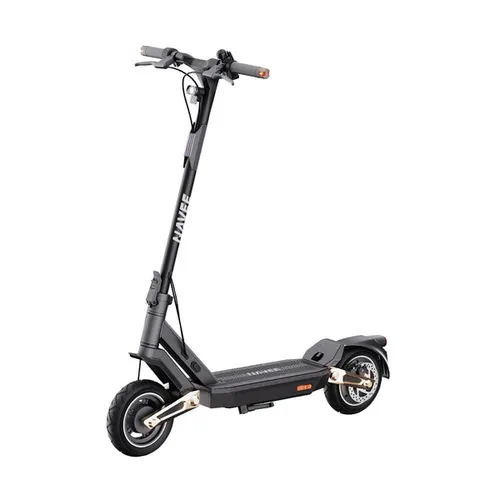
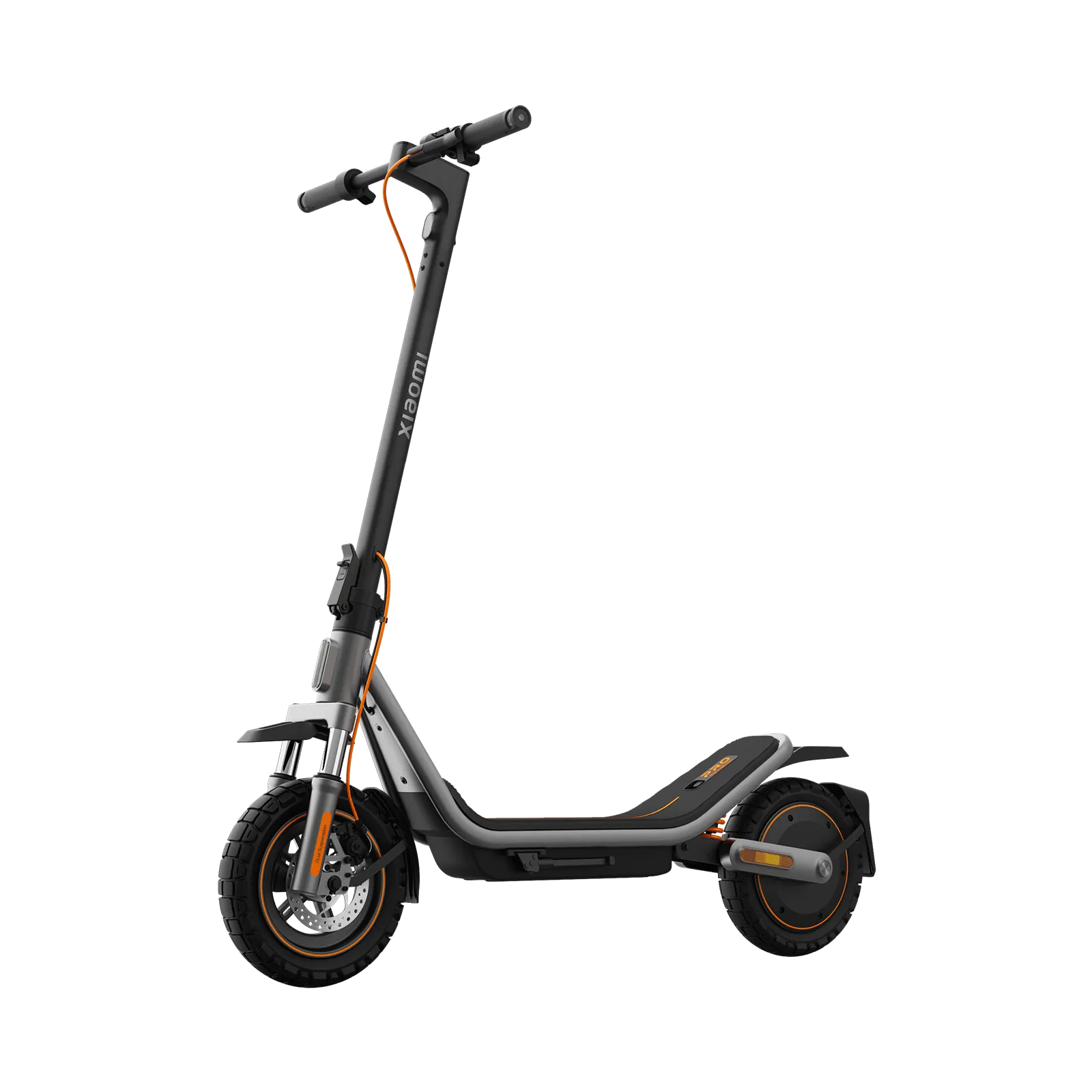
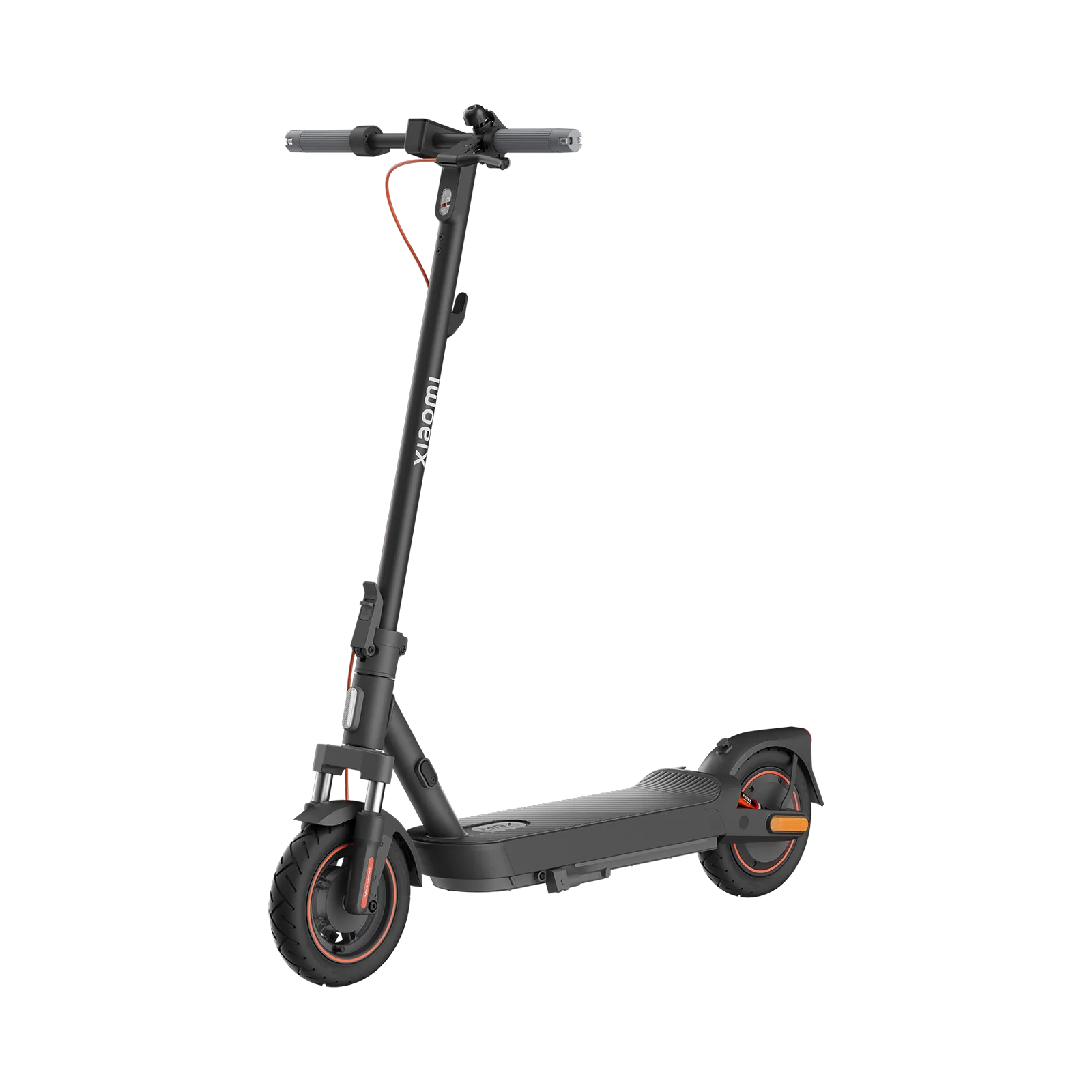
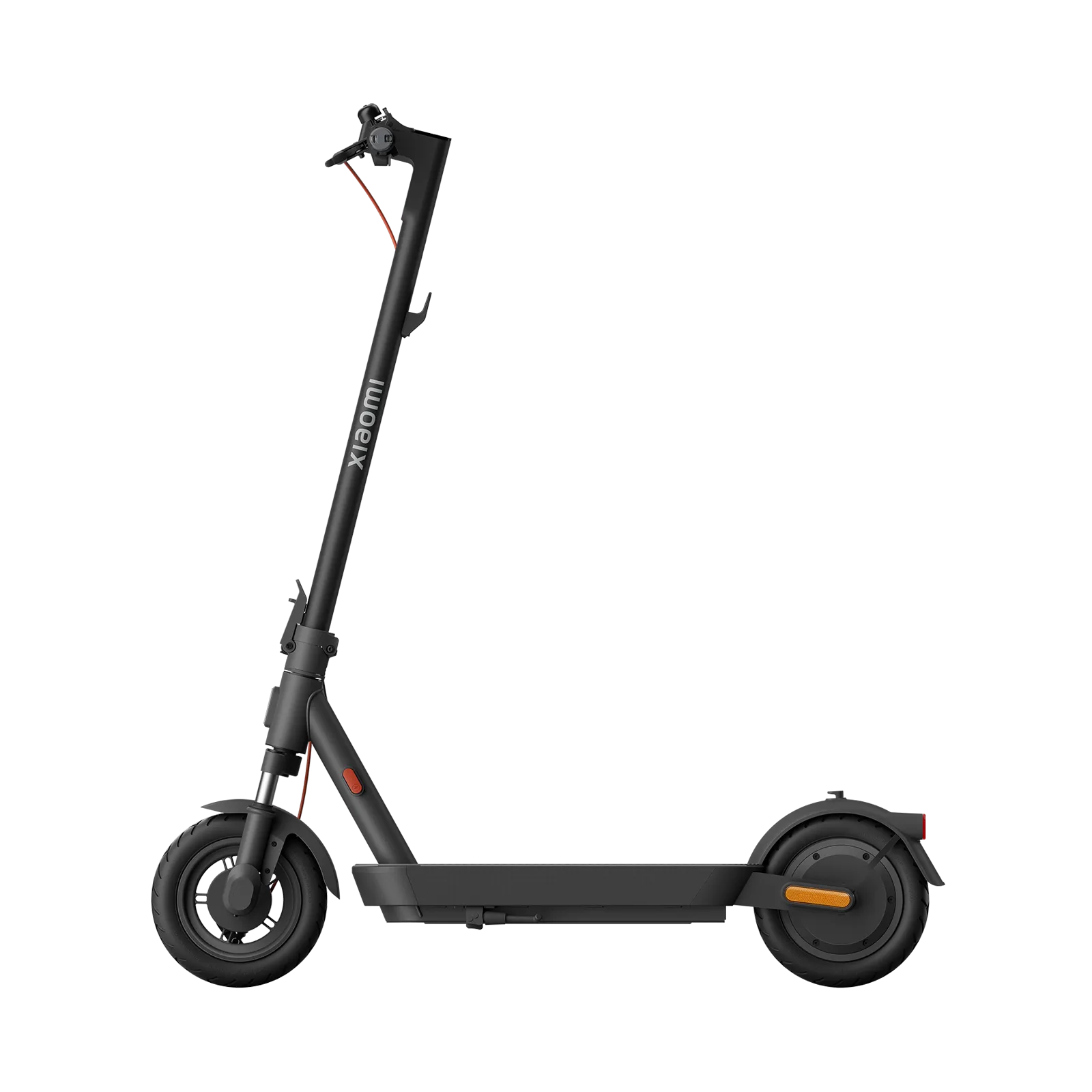
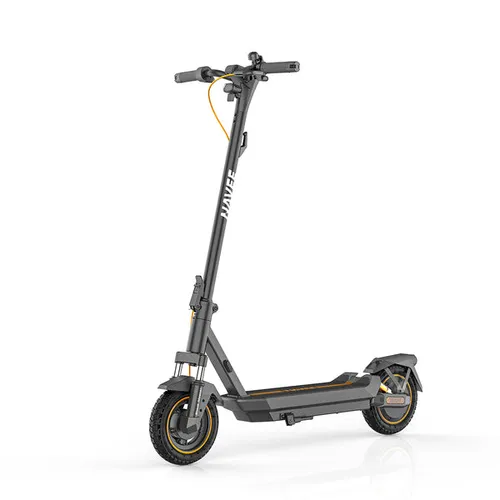
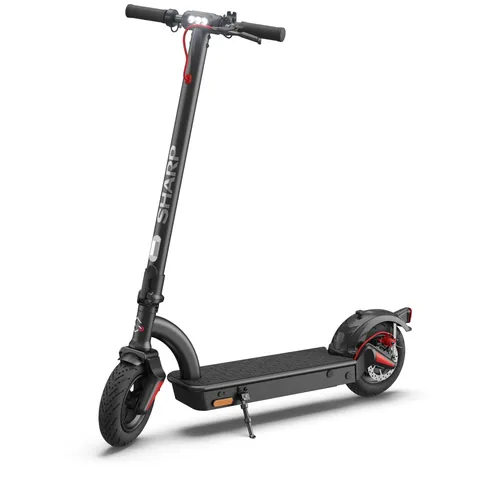
Electric scooters Sharp
Sharp EM-KS2AEU-B electric kick scooter Black, Red 10.4 Ah
Relevance for this use: 60/100
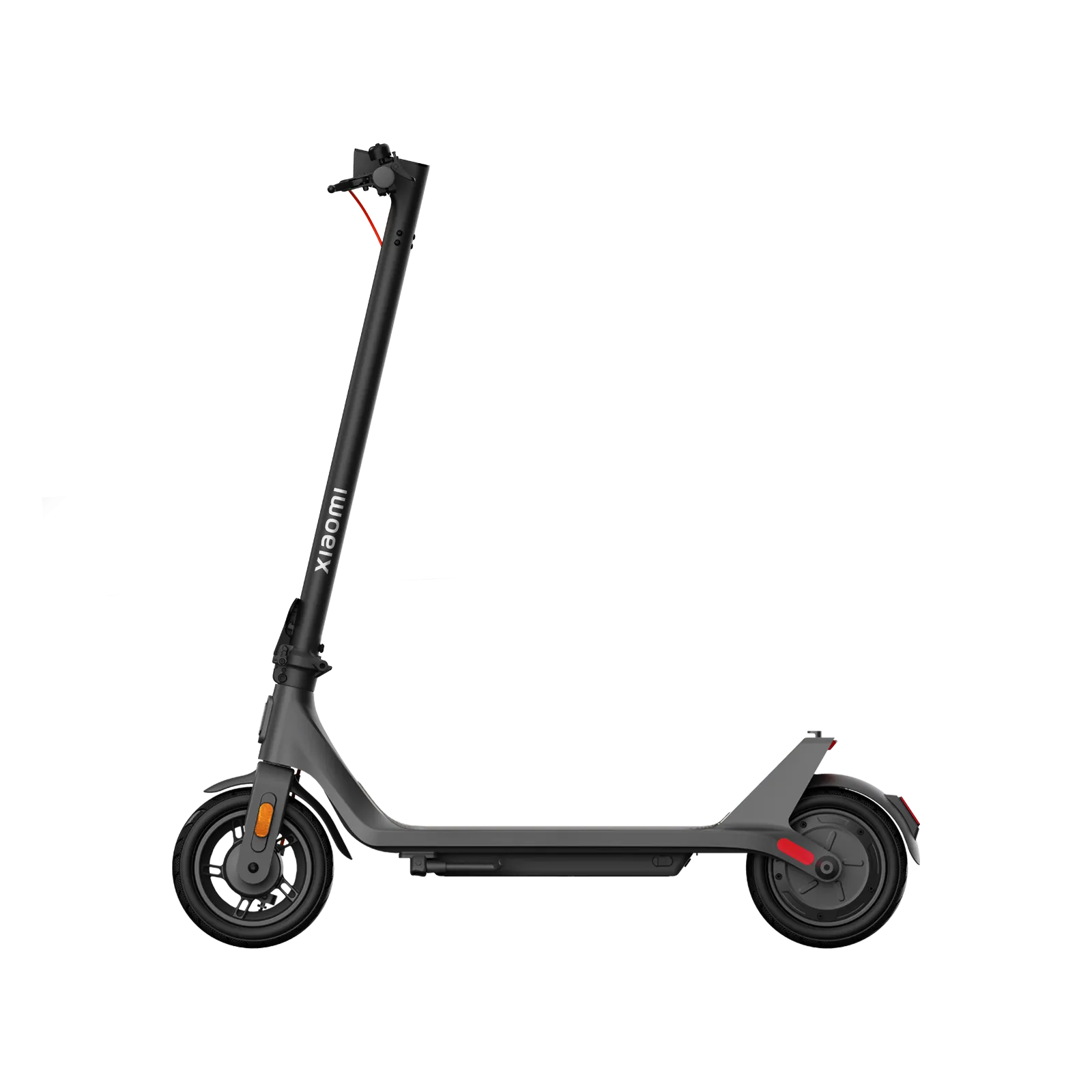
Electric scooters Xiaomi
Xiaomi Electric Scooter 4 Lite (2nd Gen) Black
Relevance for this use: 53/100
Our selection criteria for this use
A product only enters this list if it meets every one of these points. Its relevance is rated for this specific use, independently of its overall score in the category.
- Maximum load of at least one hundred thirty kilograms to guarantee safety margin
- Motor power above five hundred watts to ensure responsiveness under load
- Reinforced construction with materials and sections dimensioned for high stresses
- Stability favoured by generous wheelbase and good-diameter tyres
- Pricing consistent with actual needs without superfluous sports equipment