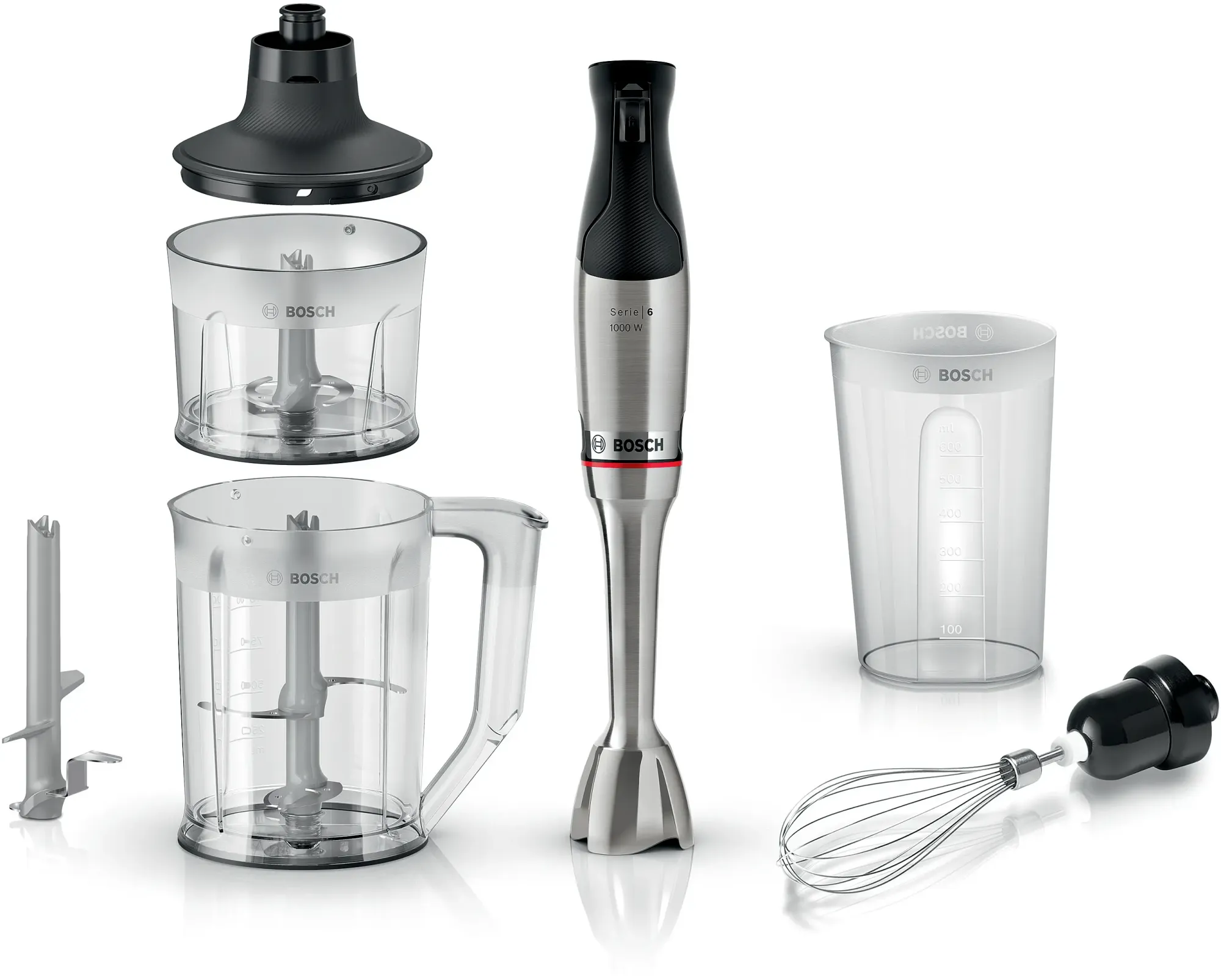
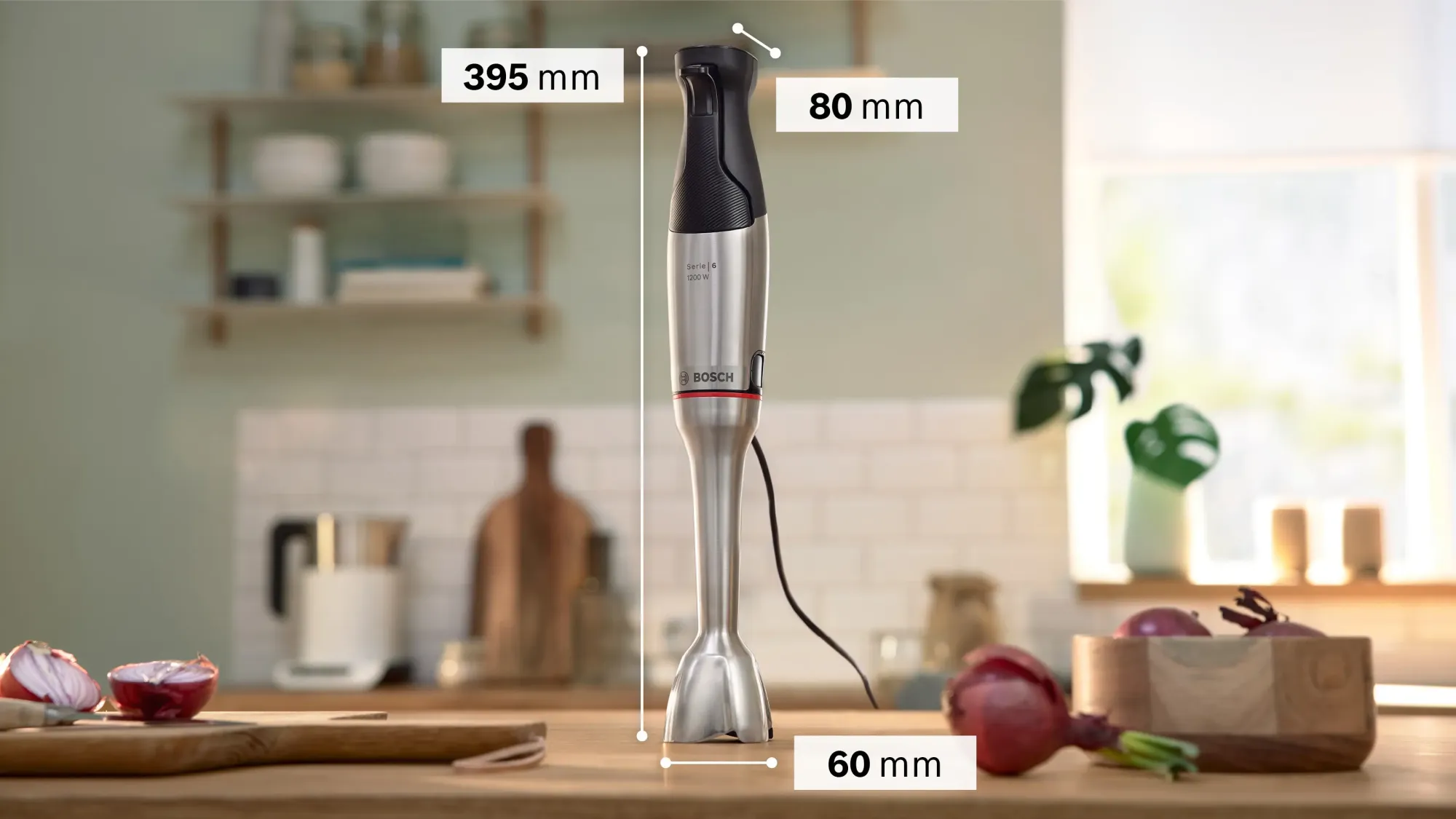
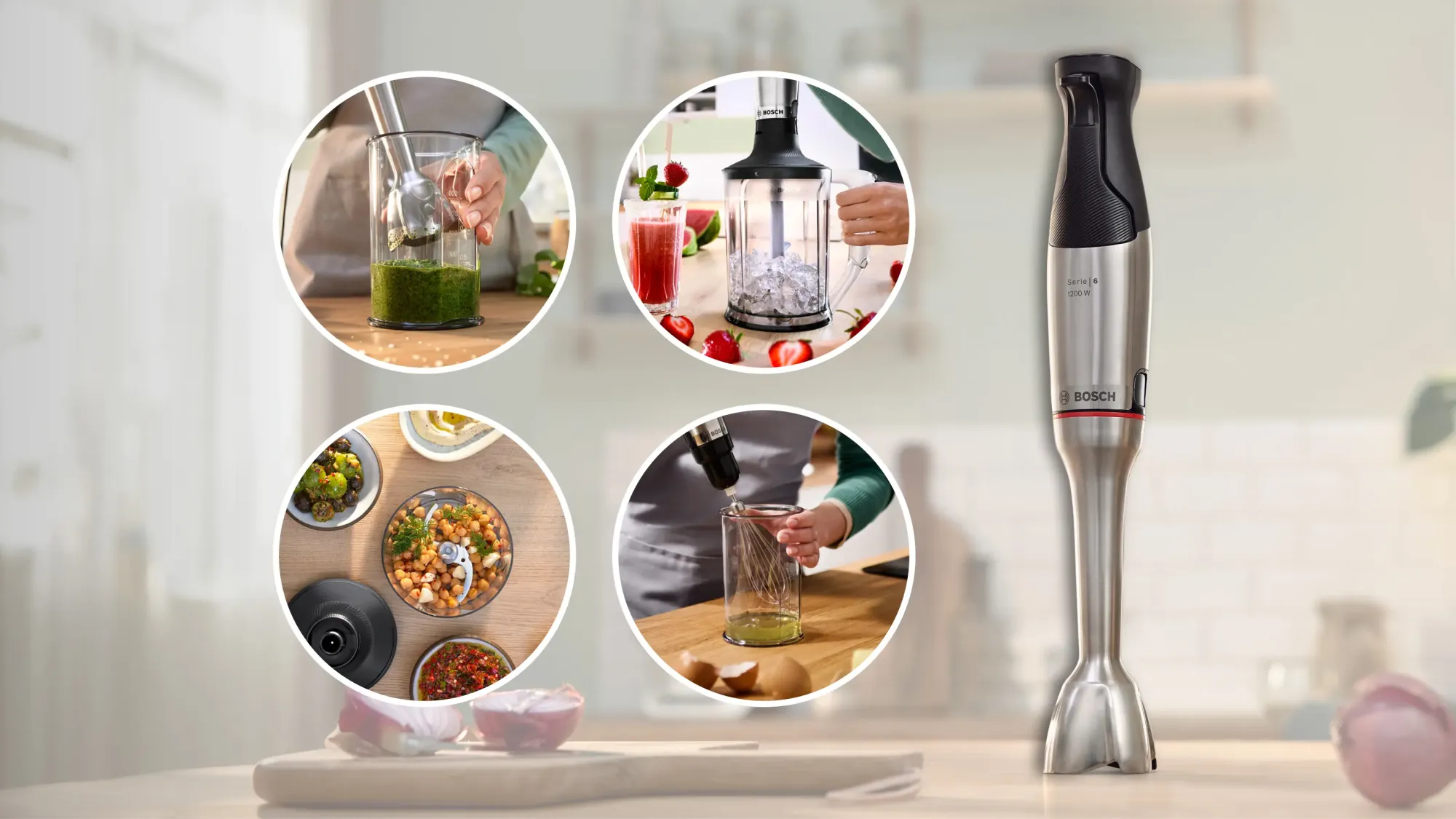
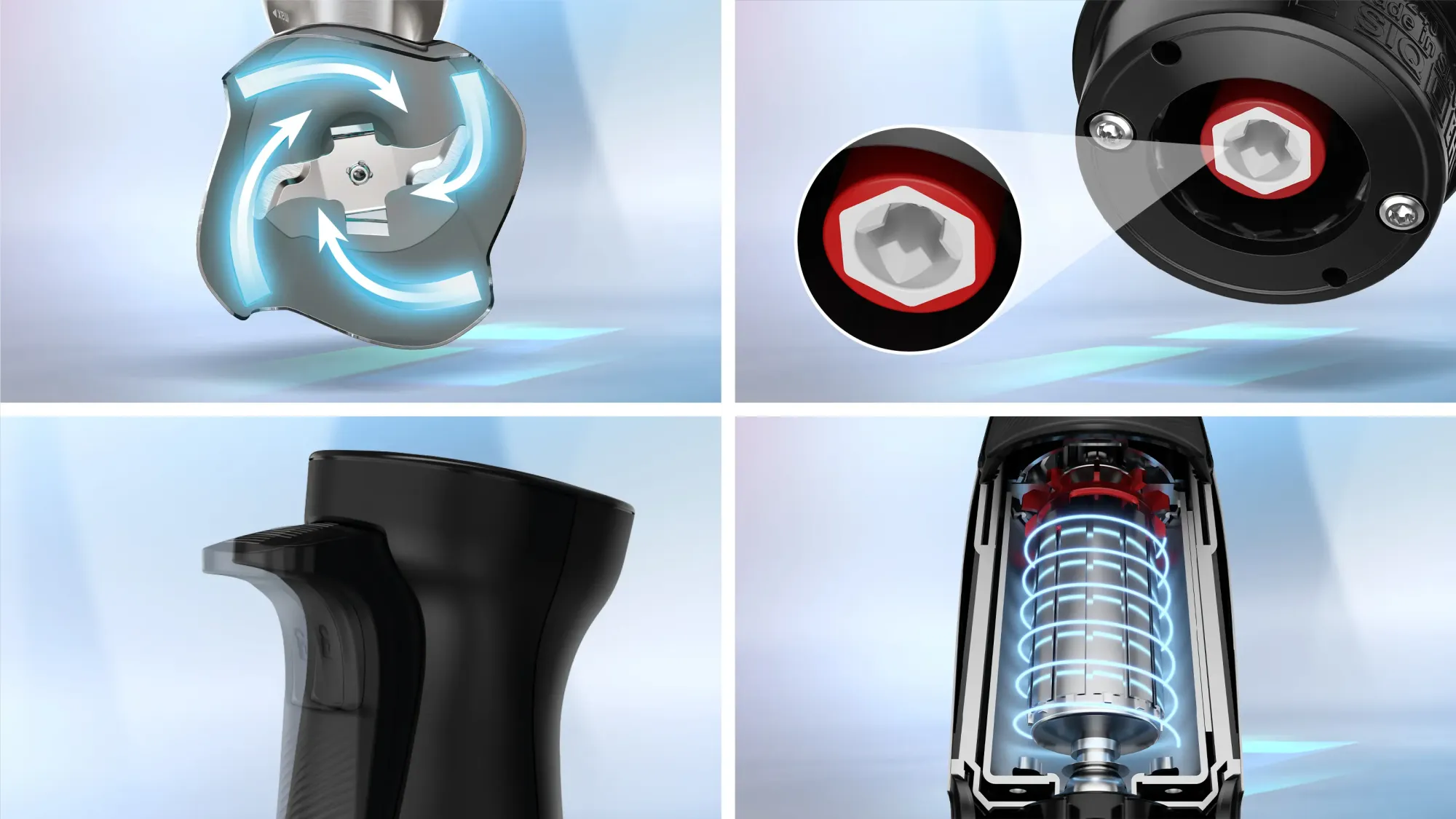
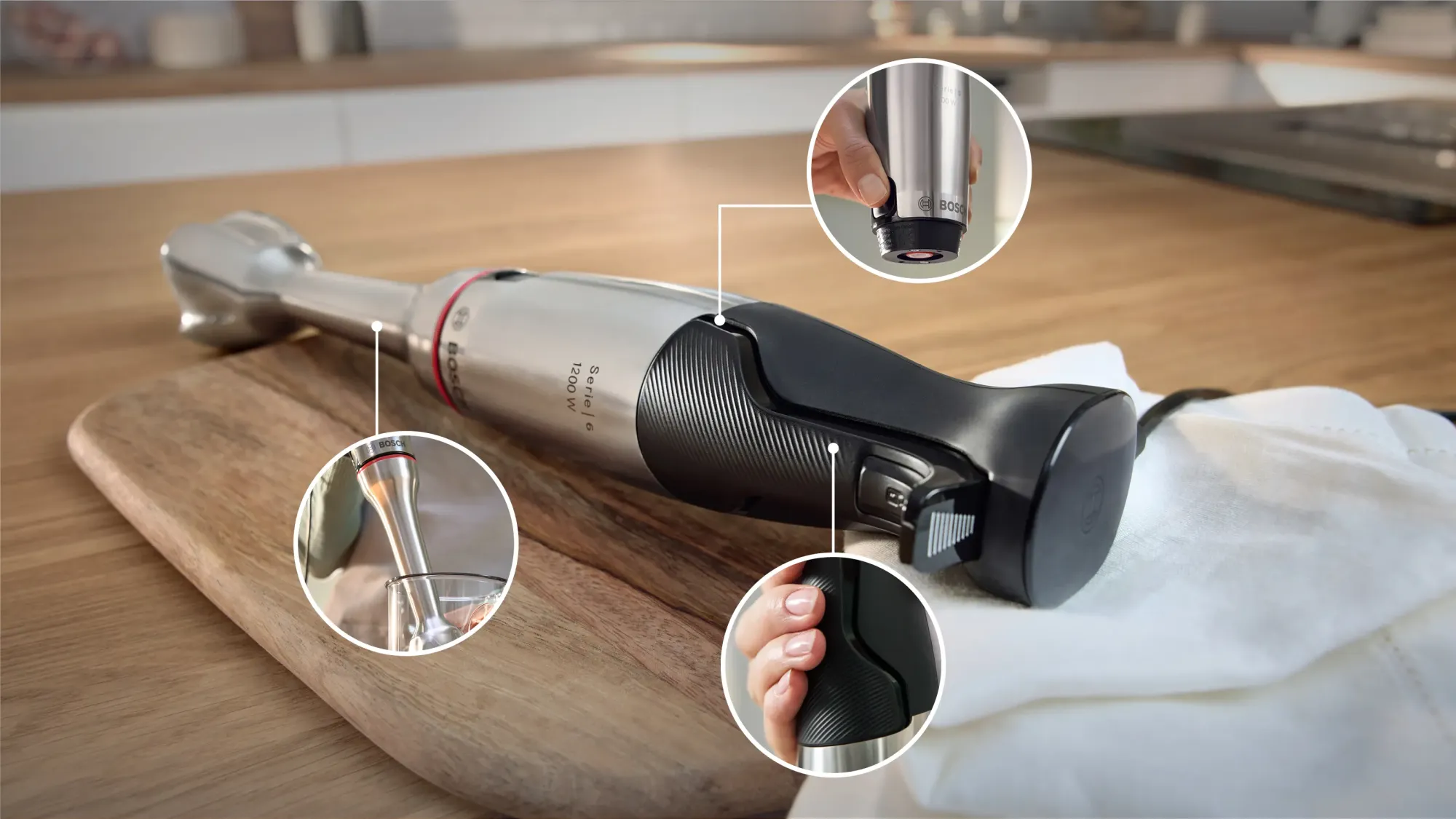
Hand blenders Bosch
How to choose your hand blender
A hand blender is chosen by its power, which determines its ability to blend hard ingredients, and its number of speeds for adjusting preparation fineness. The capacity of the supplied bowl influences the quantities prepared at once.
What to check
Motor power
Power expressed in watts determines the blender’s ability to process all types of ingredients. A more powerful appliance blends hard ingredients like raw vegetables, nuts or ice effortlessly. On the site, the bar extends as power increases. Readings from thirty recent listings show that the least powerful appliances display 180 W, the median sits at 1,000 W and the best reach 1,200 W. High power guarantees a motor that does not strain and increased durability during intensive use.
Market median: 1,000 W
Number of speeds
The number of available speeds allows you to precisely adapt blade rotation to each preparation. With multiple settings, you avoid splashing on hot liquids by starting slowly, then increase speed to obtain a smooth texture. The bar extends as the number of speeds increases. Readings from thirty listings show that basic appliances offer two speeds, the median provides four and the most versatile reach twenty-five. This variety of settings particularly suits those who prepare varied recipes requiring different textures.
Market median: 4
Bowl capacity
The capacity of the bowl supplied with the blender determines the quantity of ingredients you can prepare in one go. A larger bowl avoids working in several batches for soups, smoothies or family preparations. On the site, the bar extends as capacity increases. Readings from thirty recent listings indicate that the smallest bowls hold 0.5 L, the median sits at 0.6 L and the most generous reach 1 L. This capacity adds to the possibility of using the blender directly in a saucepan or mixing bowl.
Market median: 0.6 L
Daily maintenance
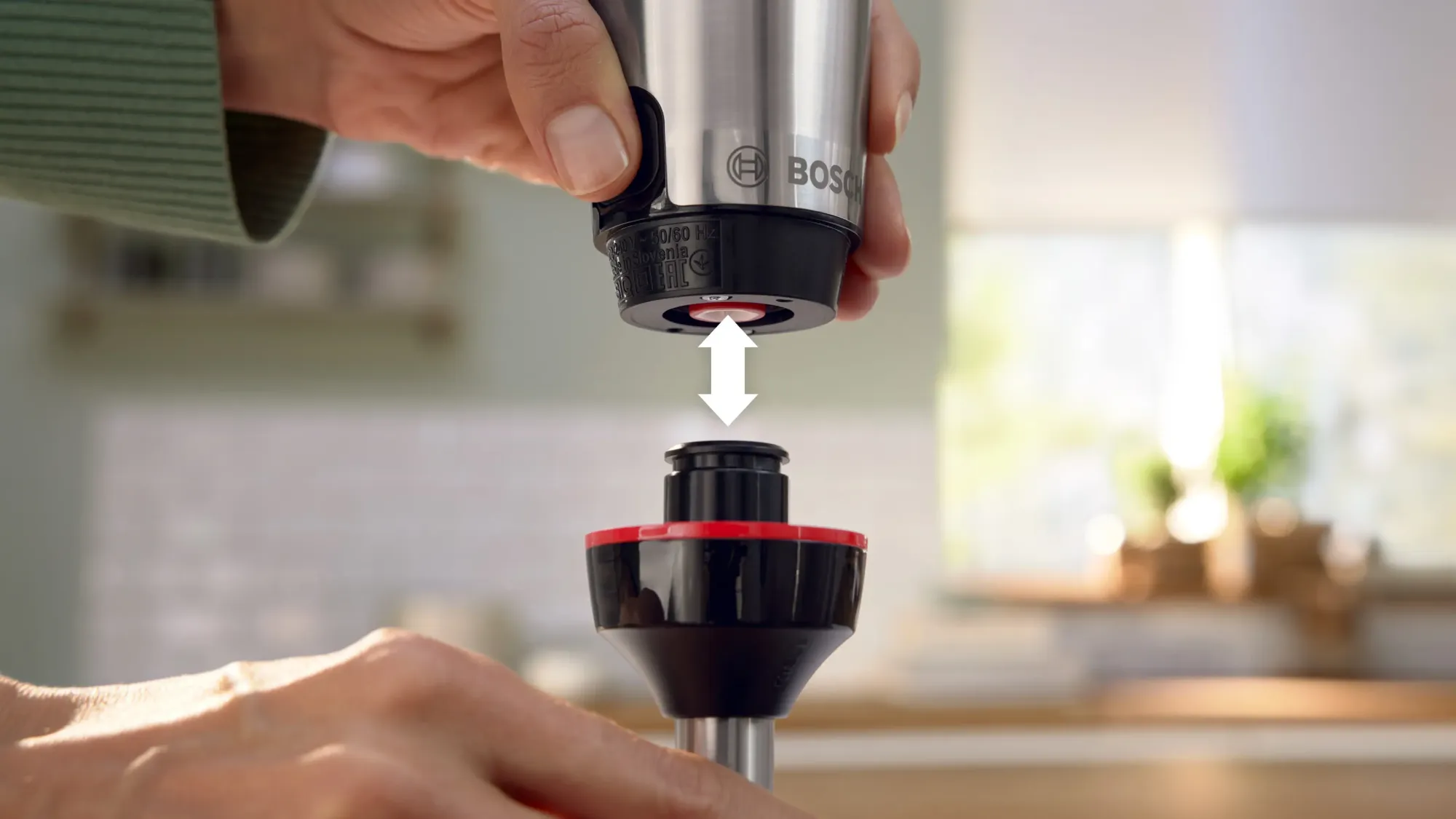
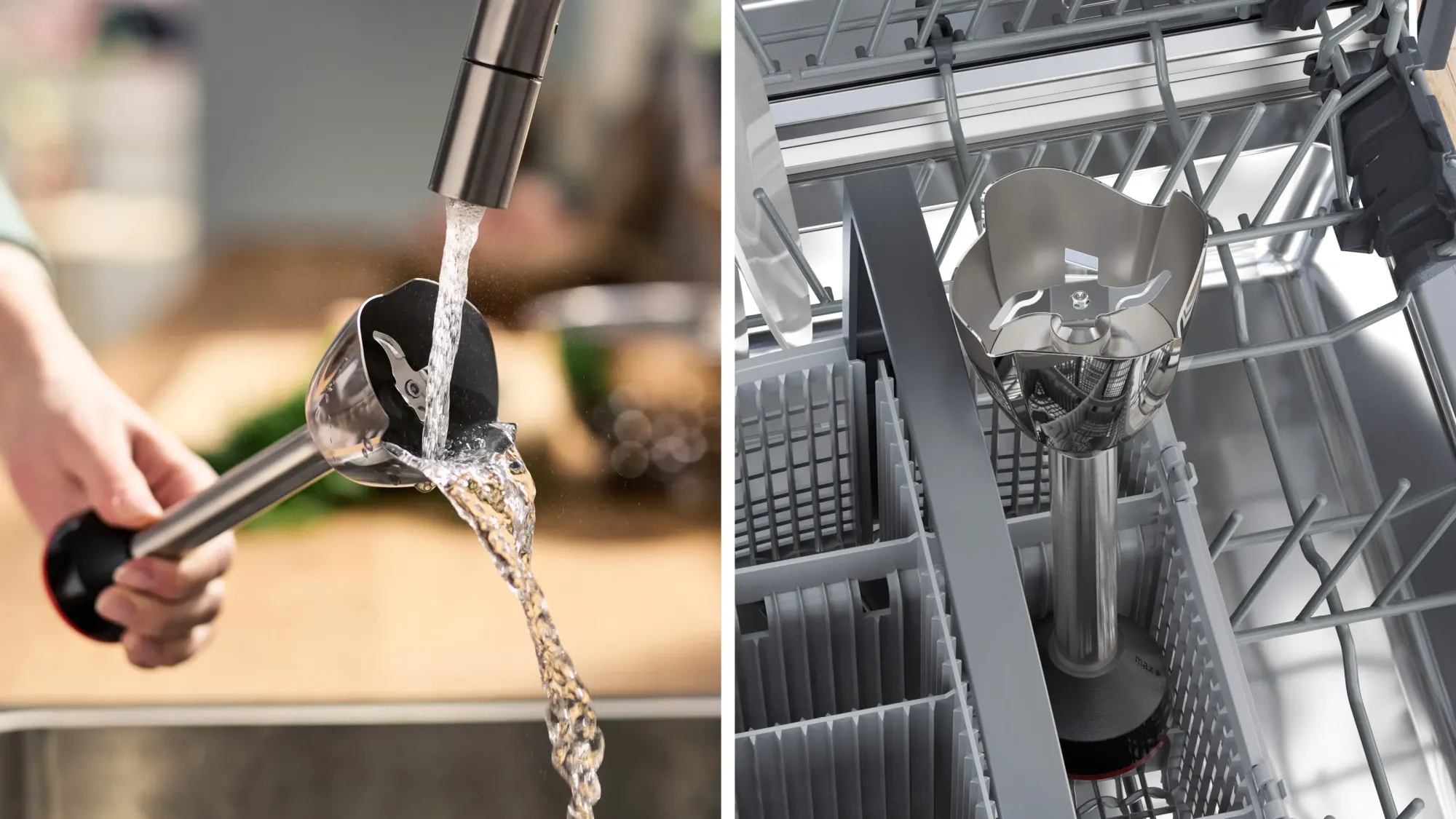
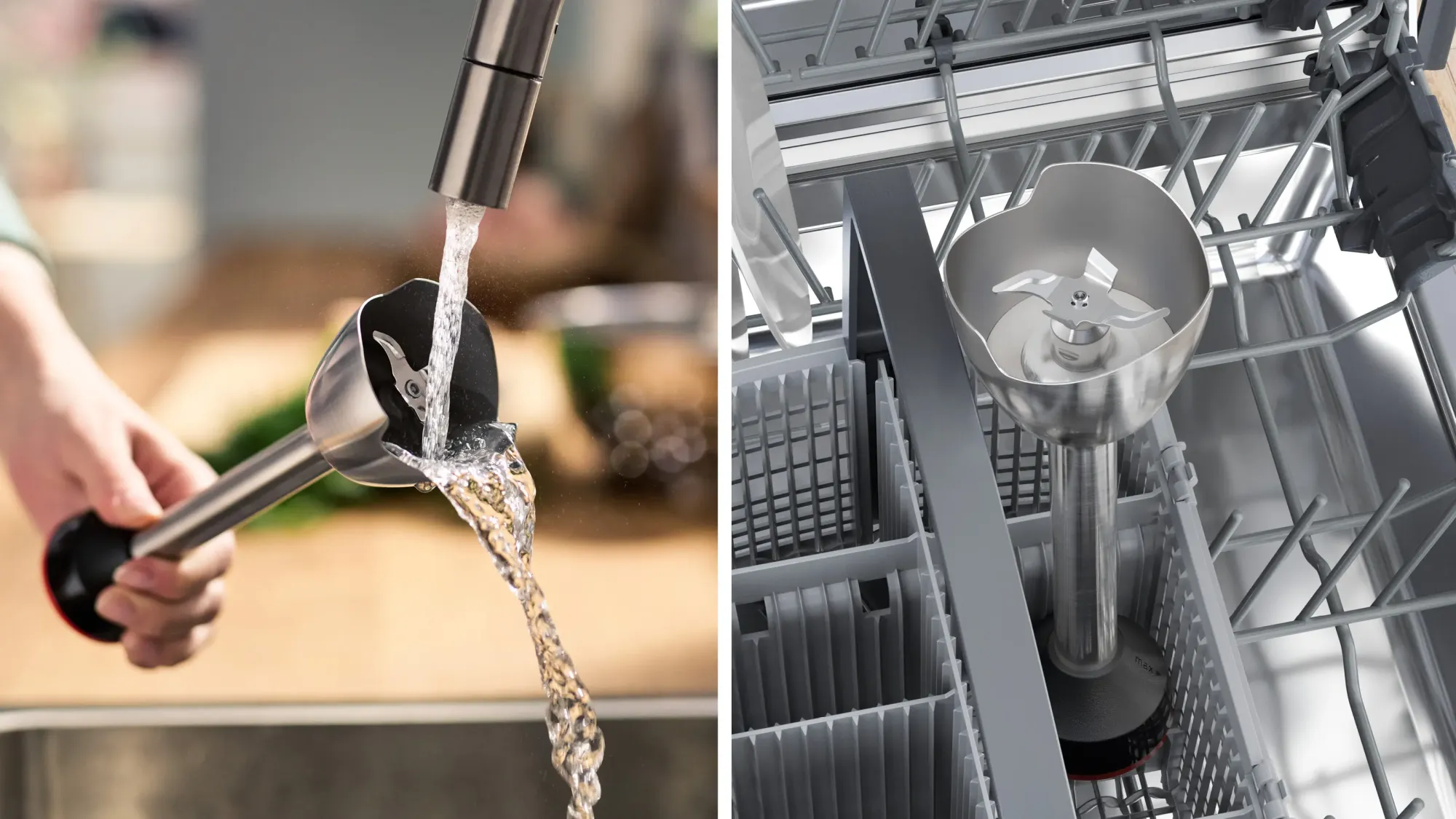
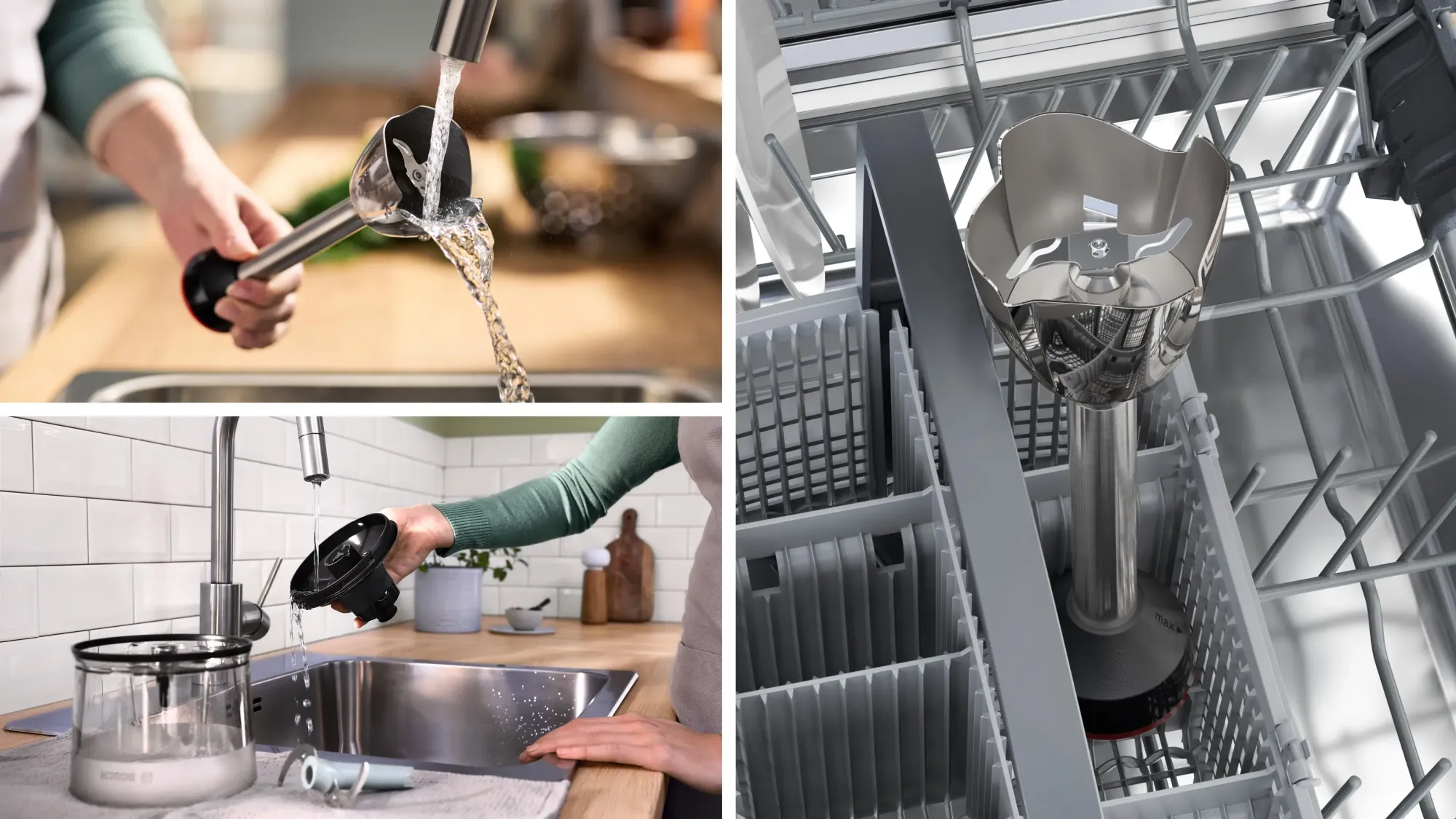
A hand blender cleans easily when accessories are dishwasher-safe. Check that the removable shaft and bowl detach without tools for quick rinsing after each use. Models with a release button simplify accessory changes. Some appliances offer simplified cleaning by immersing the shaft in a container of soapy water and briefly activating the appliance. The motor block cleans only with a damp cloth, never immersing it.
Benchmarks based on 33 recent market listings, collected on 20 October 2026.
What you get for each budget
Under €30
Blenders under €30 offer modest power around 180 W and two speeds, with a bowl of limited capacity suitable for occasional preparations and small quantities.
€30 to €70
Between €30 and €70, you access appliances close to the median with around 1,000 W, four speeds and a 0.6 L bowl, suited to regular use and varied preparations.
Over €70
Over €70, blenders reach 1,200 W and up to twenty-five speeds, with one-litre bowls, for maximum performance and complete versatility on all textures.
Frequent mistakes
Choosing a low-power blender for regularly blending hard ingredients risks excessively straining the motor and reducing its lifespan.
Neglecting the number of speeds limits preparation precision and increases splashing risks with hot liquids.
Opting for a small-capacity bowl forces you to work in several batches for family preparations.
Forgetting to check that accessories are dishwasher-safe complicates daily maintenance.
Immersing the motor block in water during cleaning irreparably damages electrical components.
Models in this category
Best rated first, among those our merchants offer.
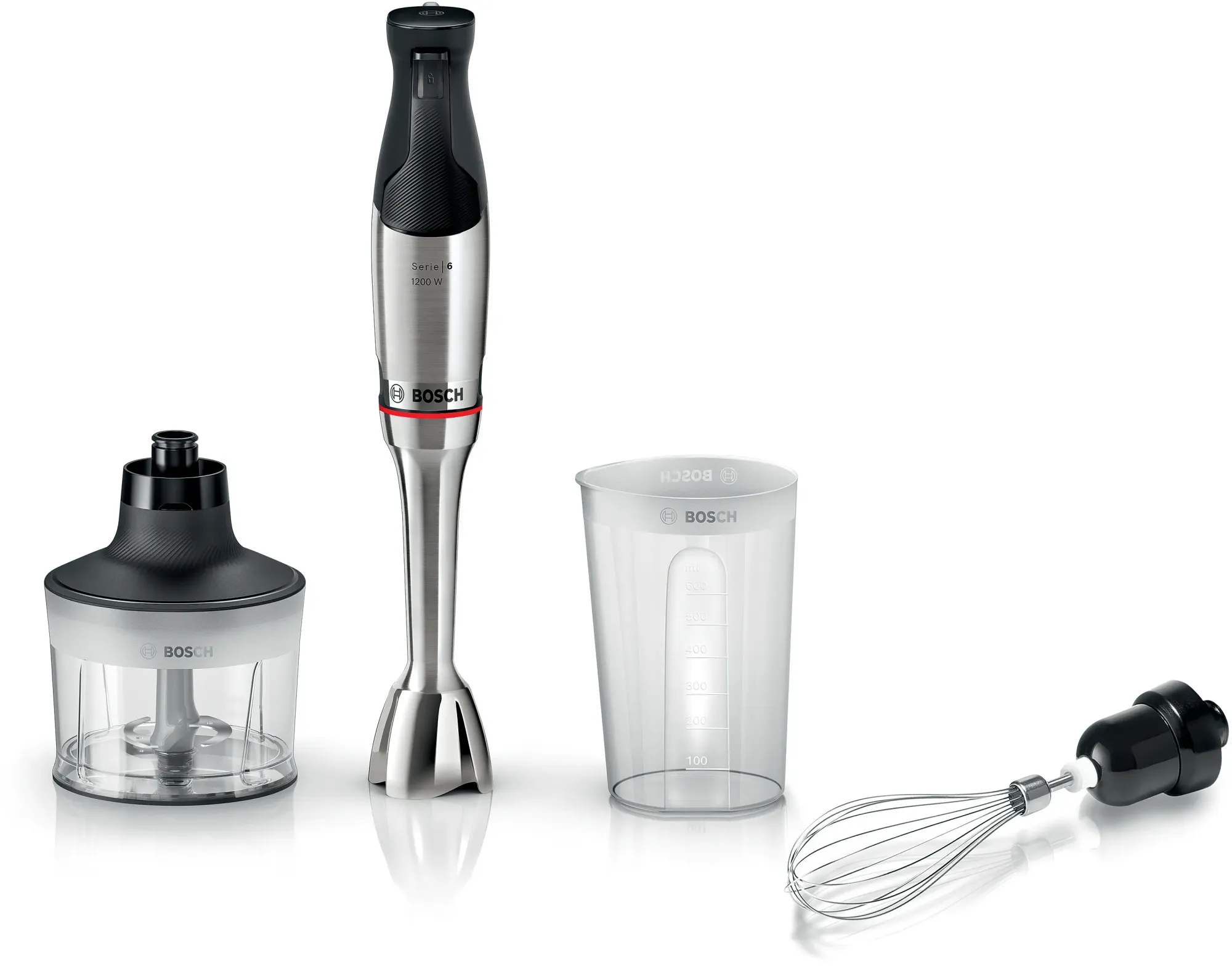
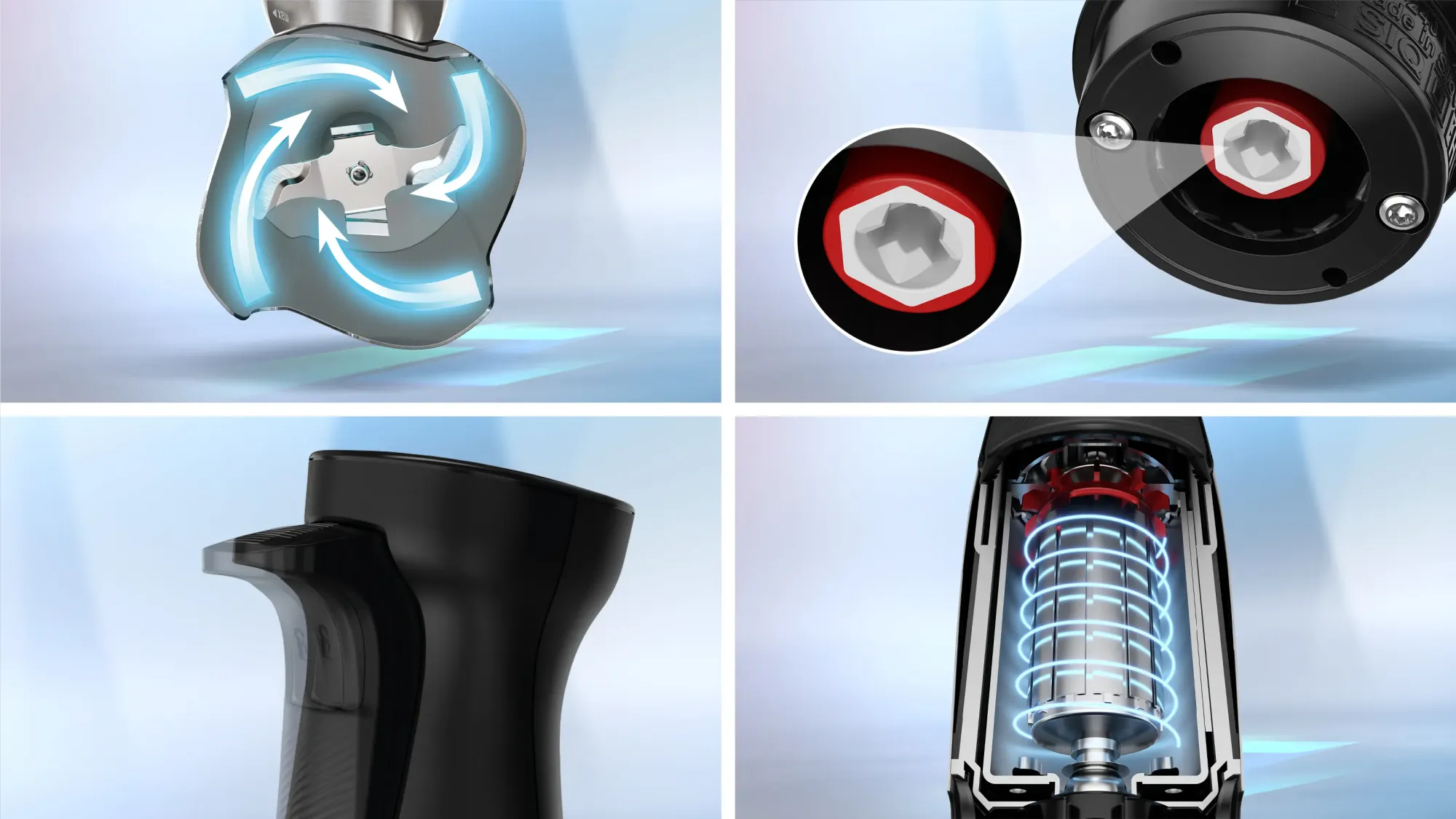
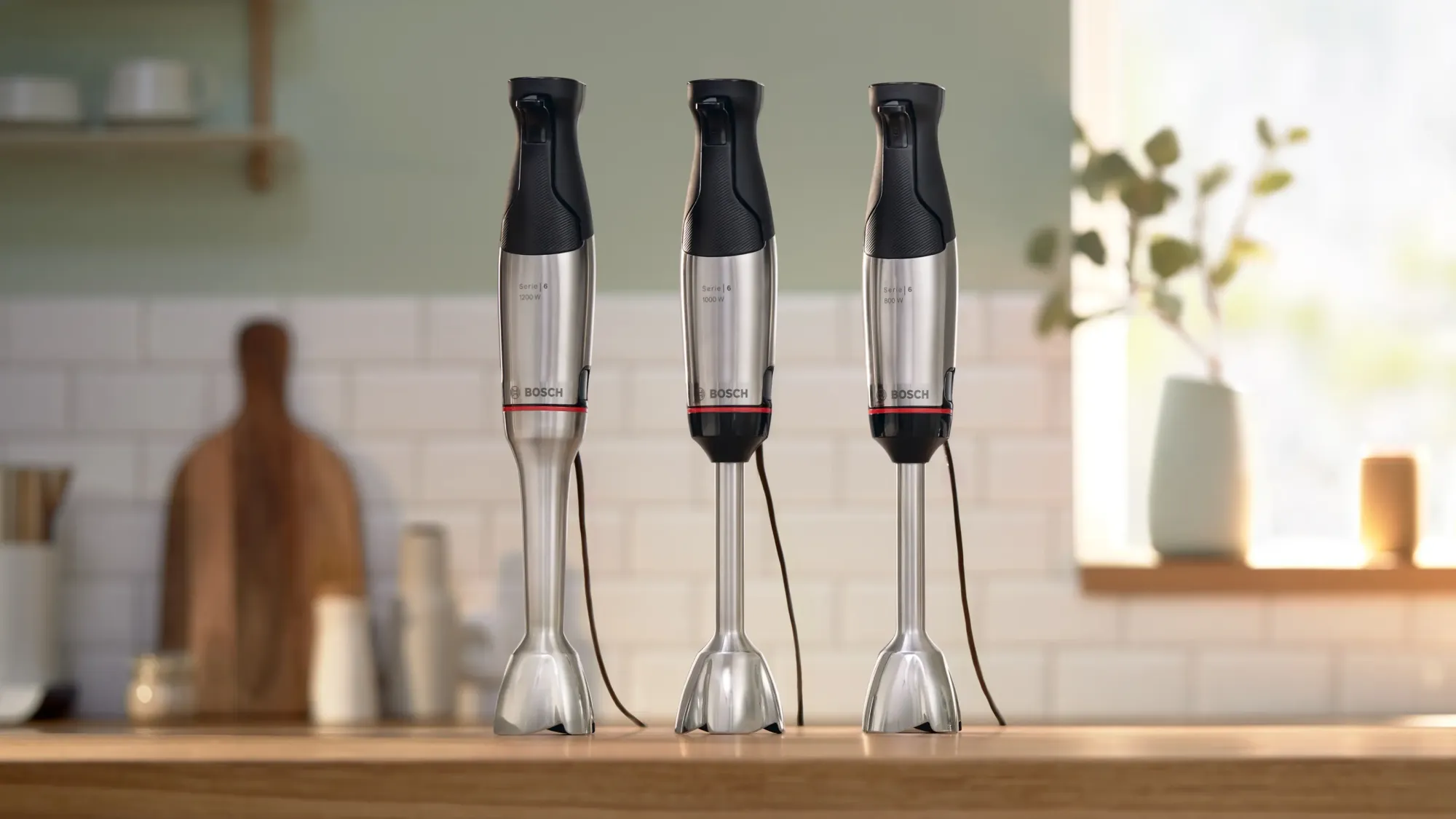
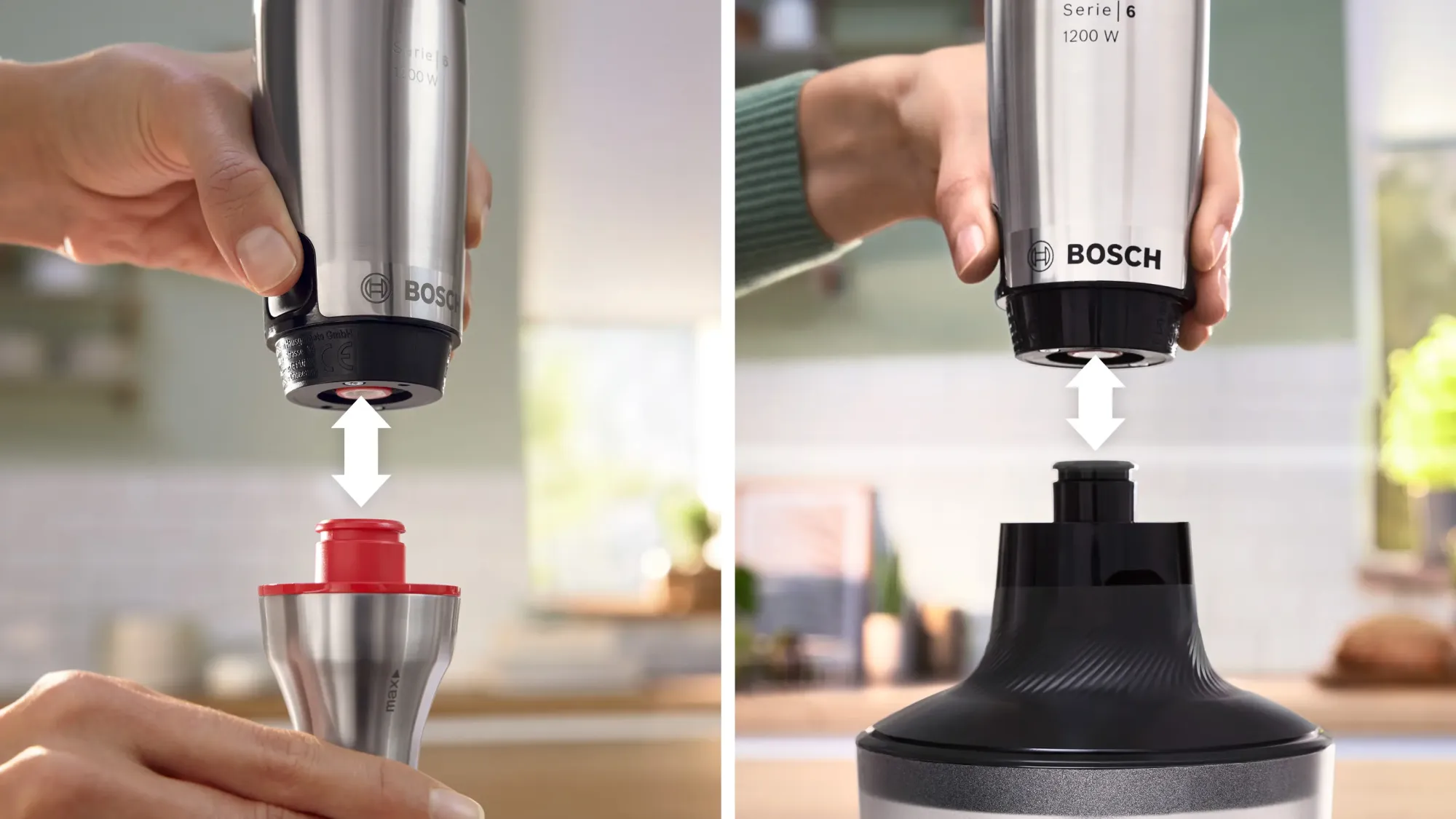
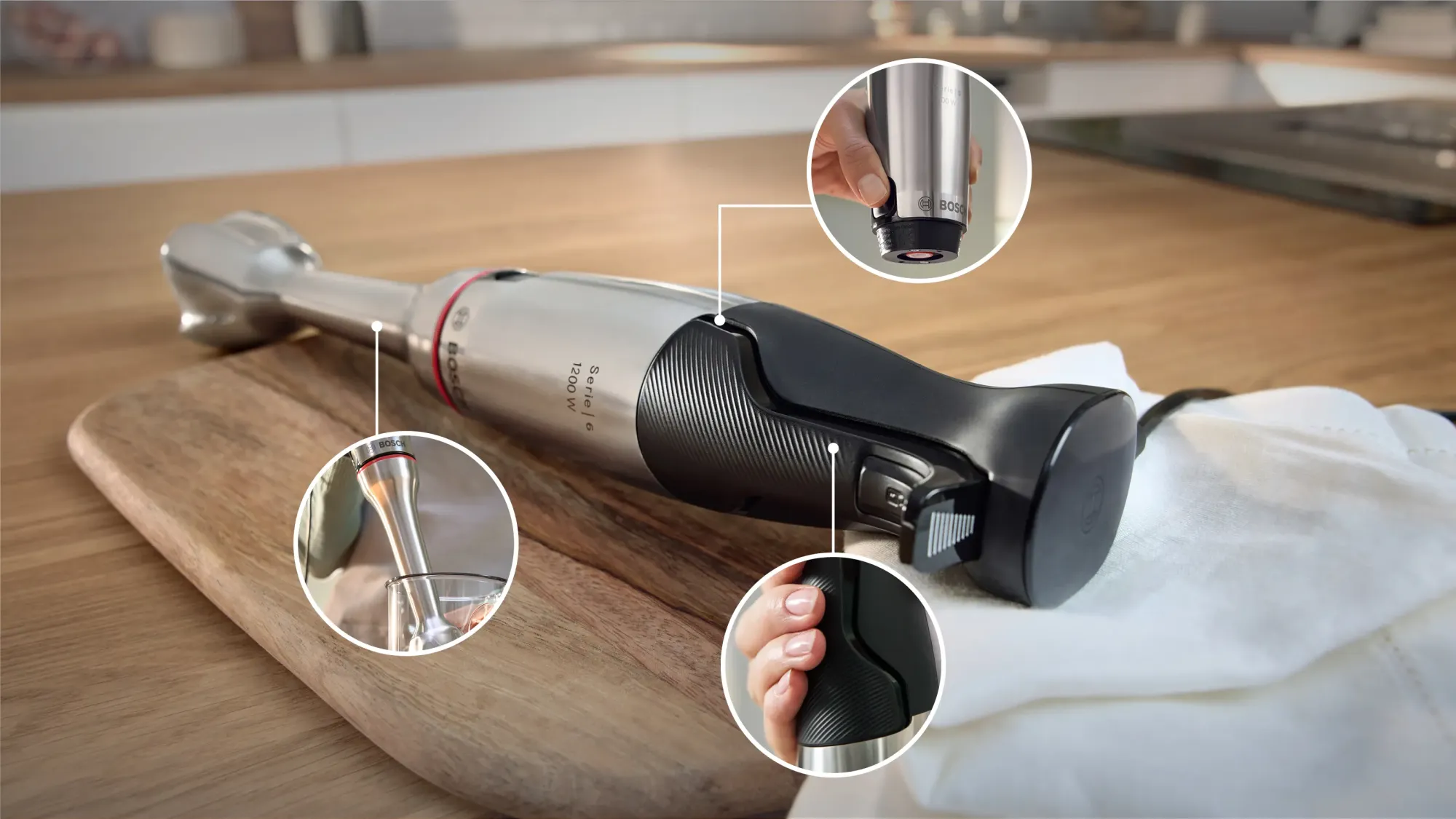
Hand blenders Bosch
Series 6 Hand Blender ErgoMaster 1200 W Stainless Steel MSM6M831
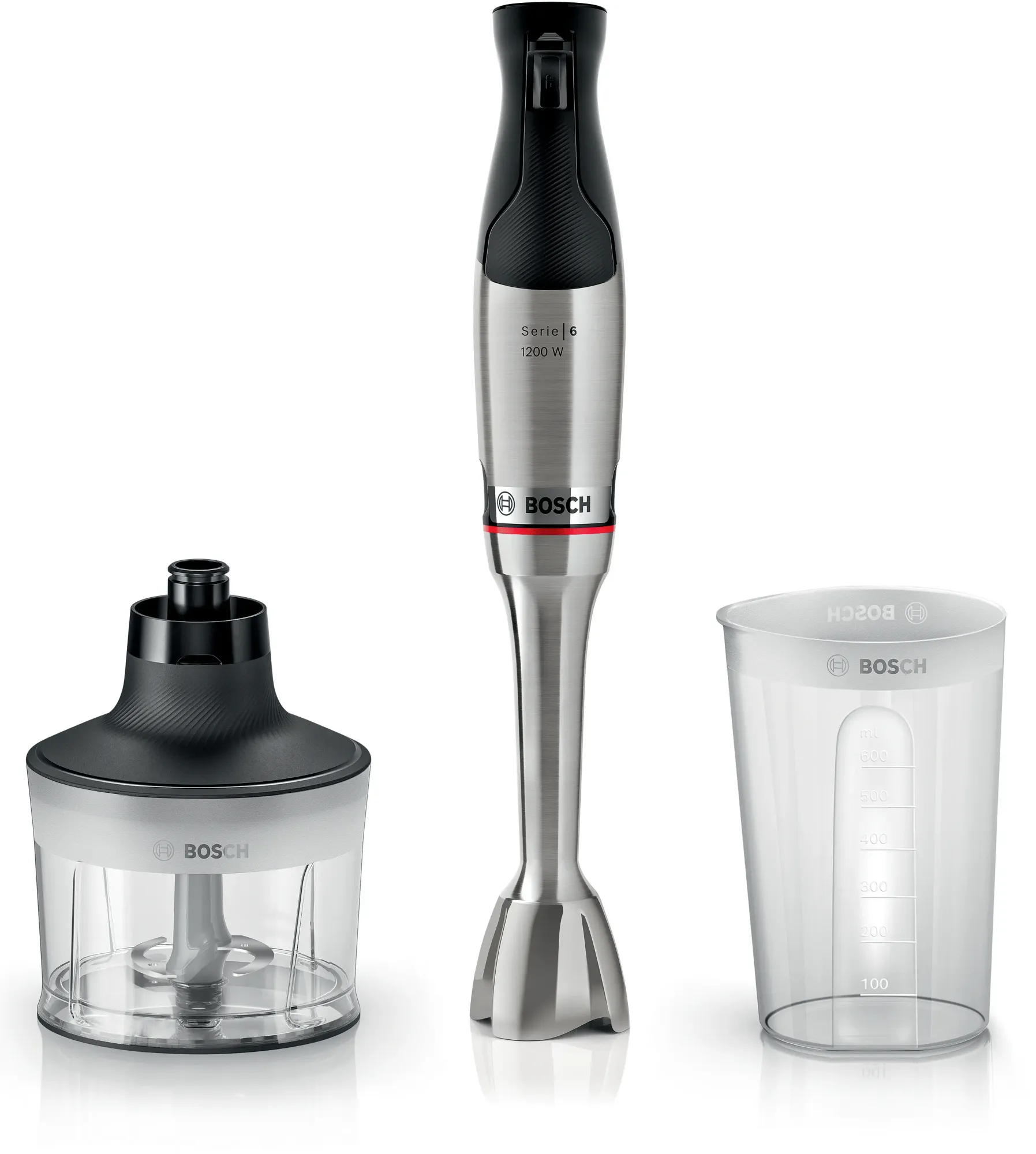
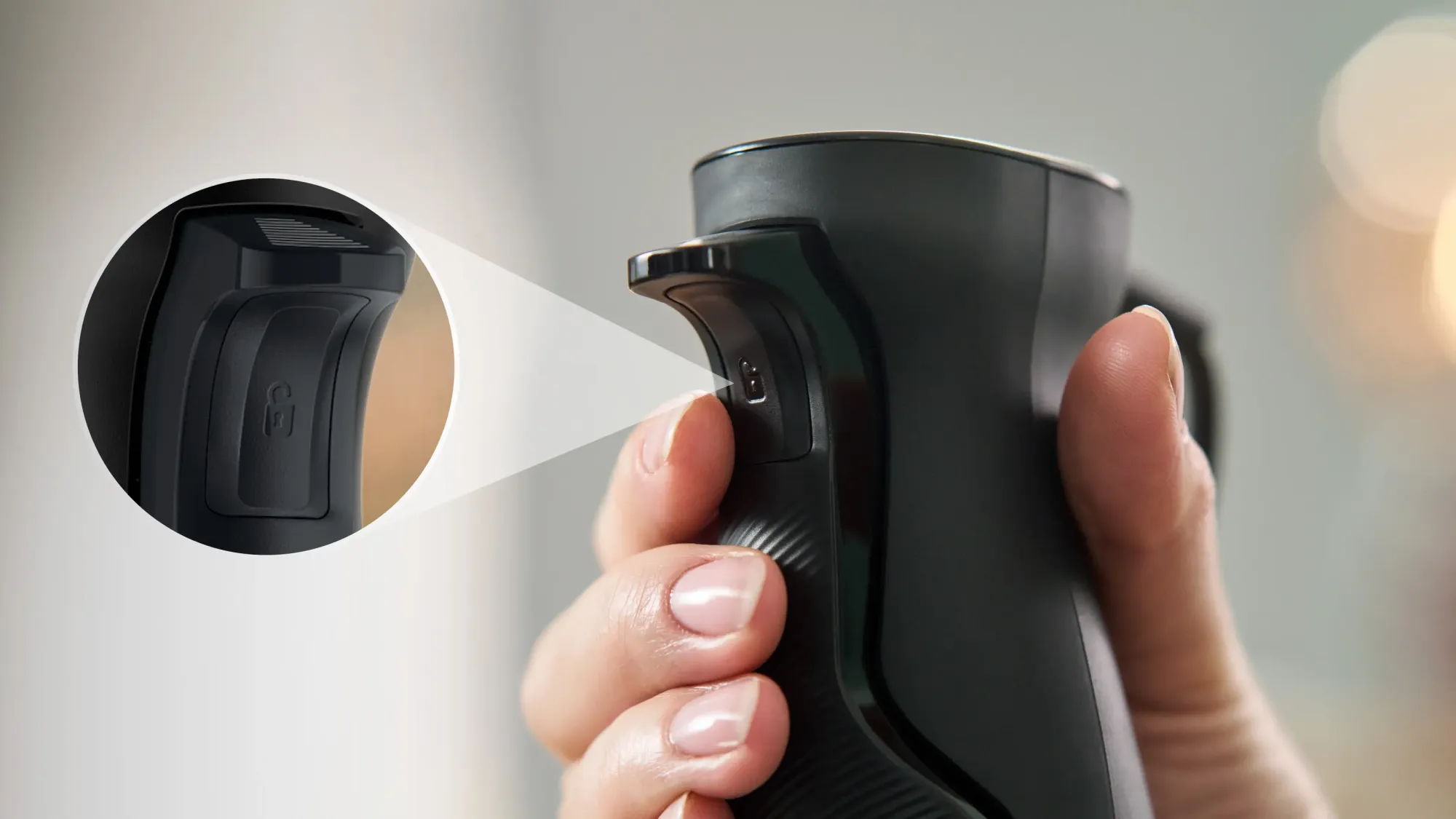
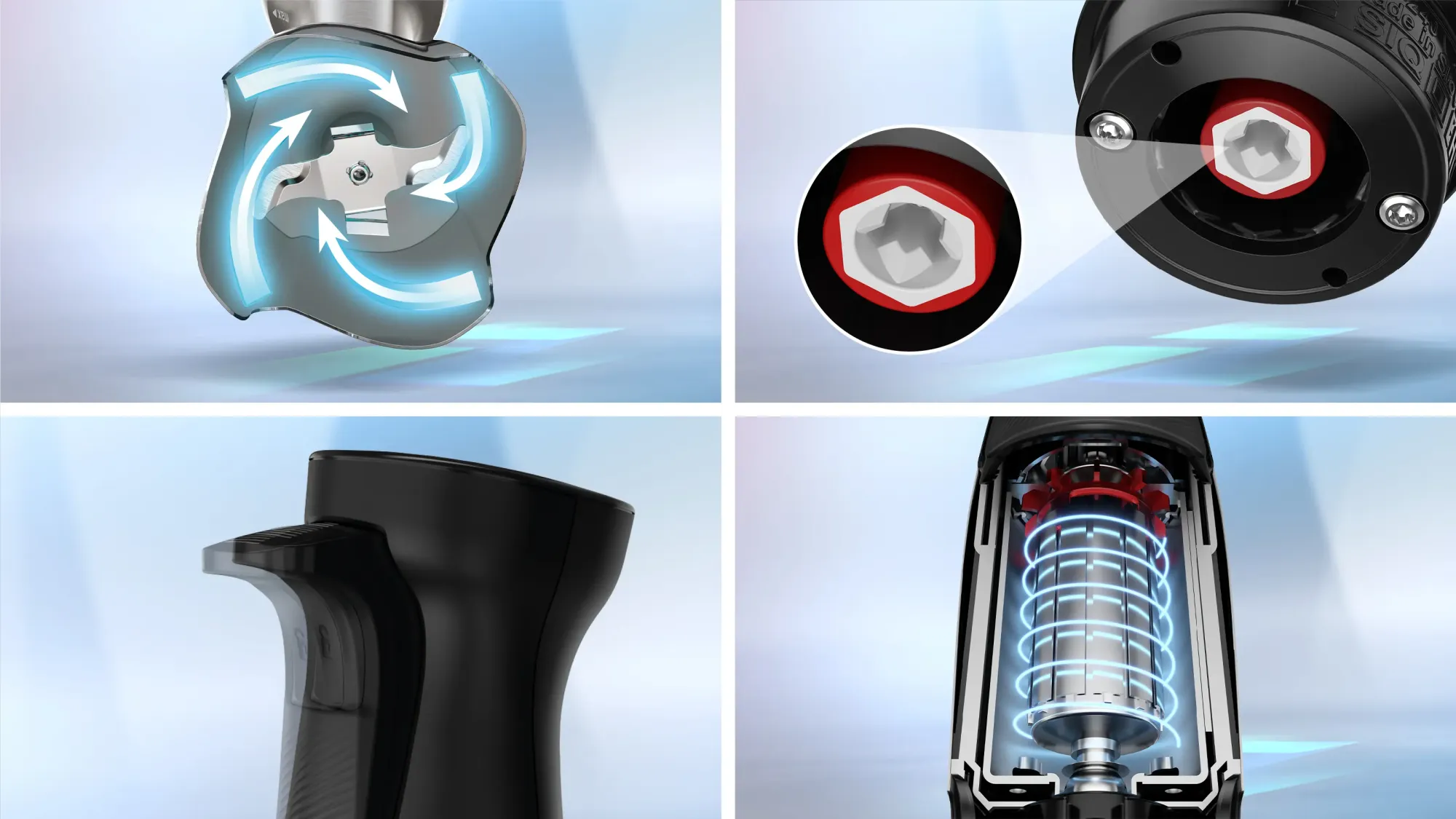
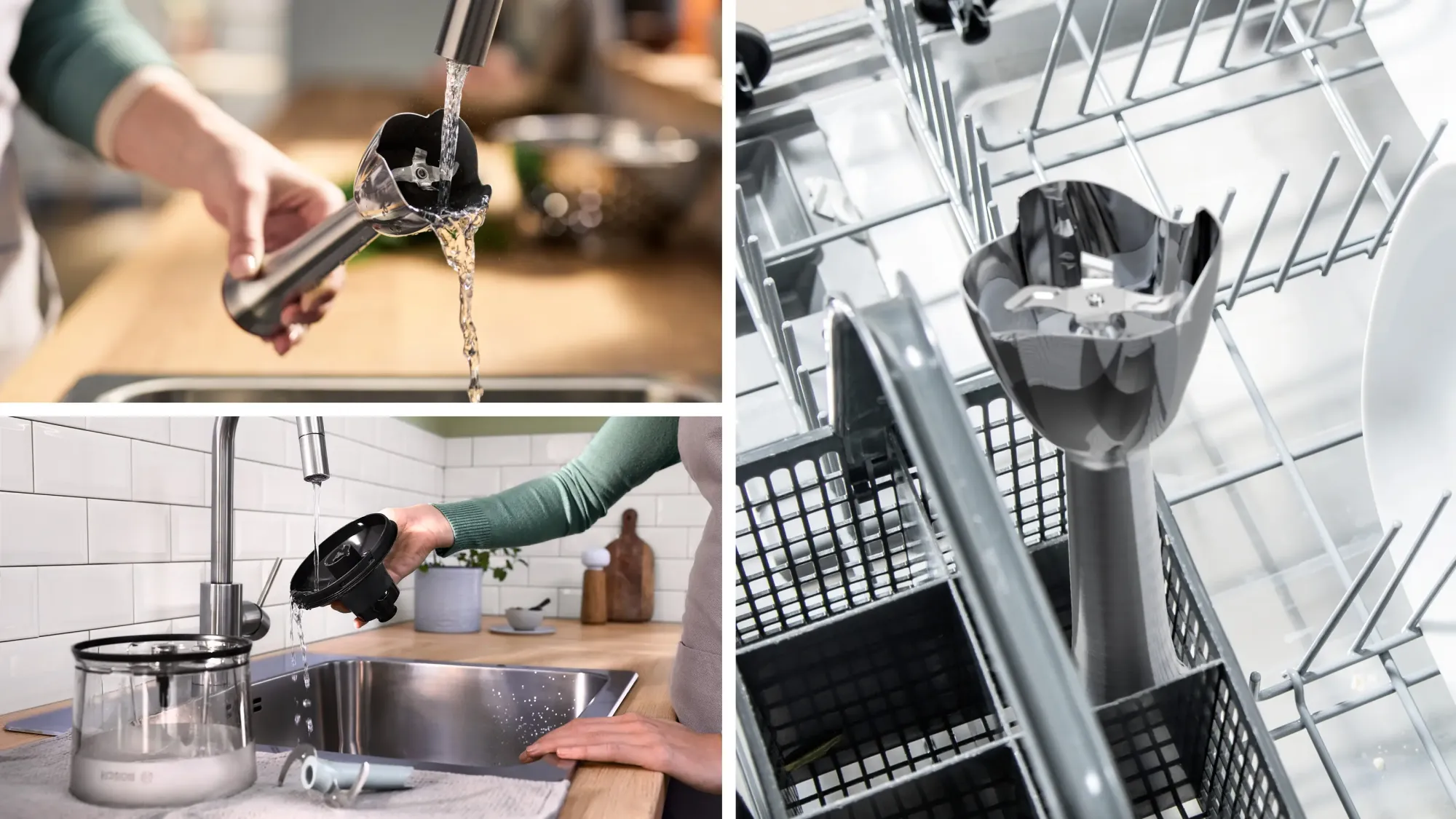
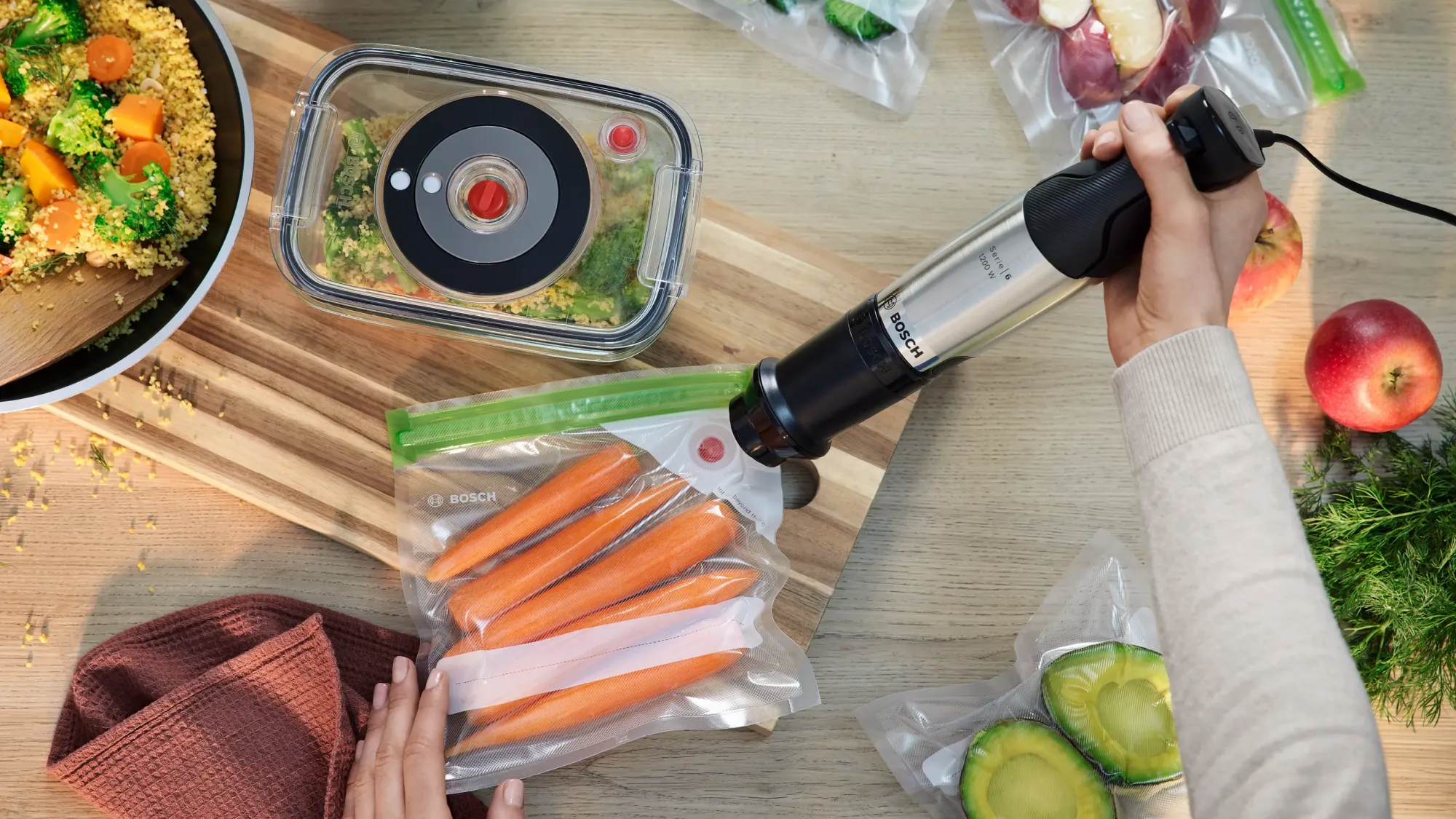
Hand blenders Bosch
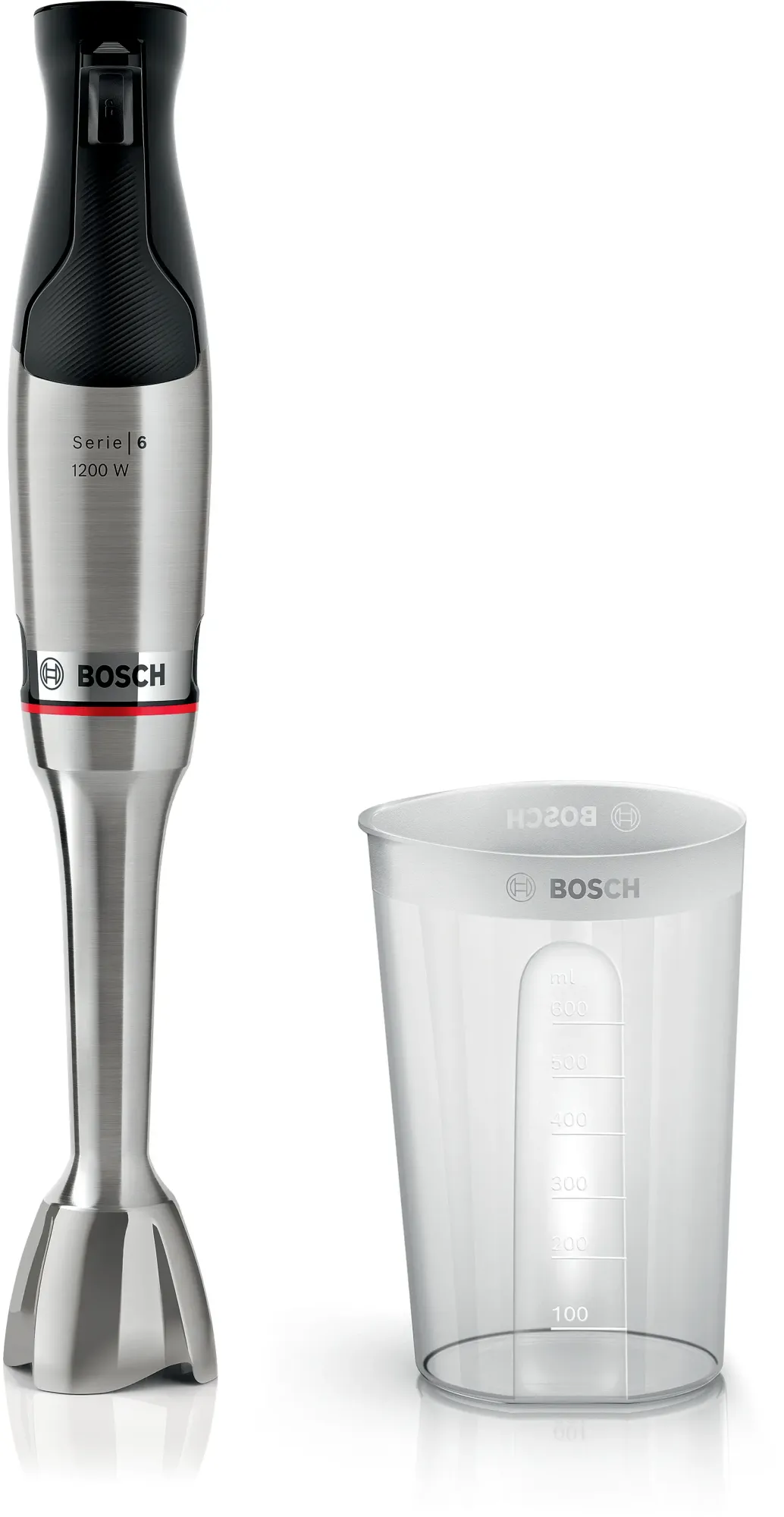
Series 6 Hand Blender ErgoMaster 1200 W Stainless Steel MSM6M830
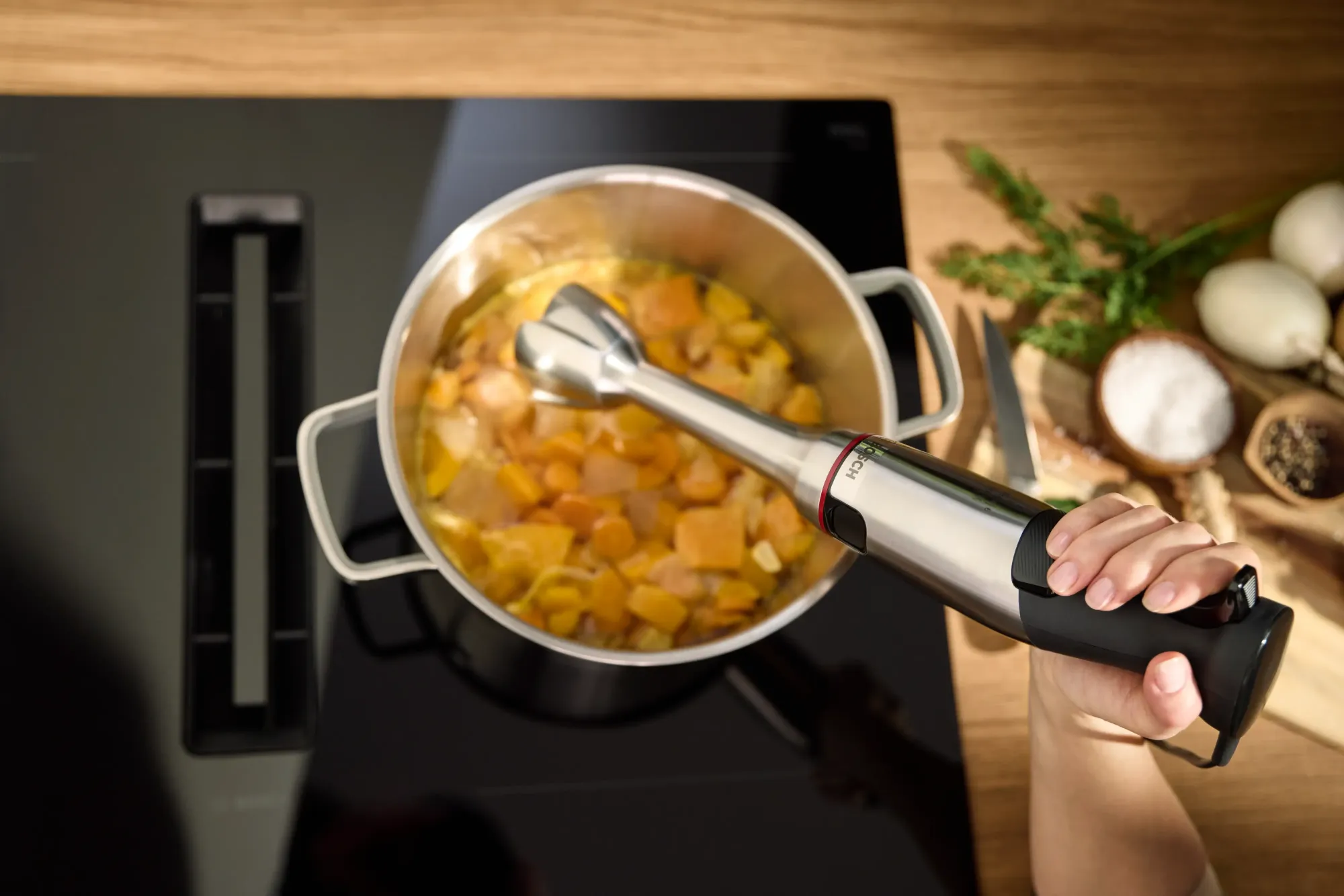
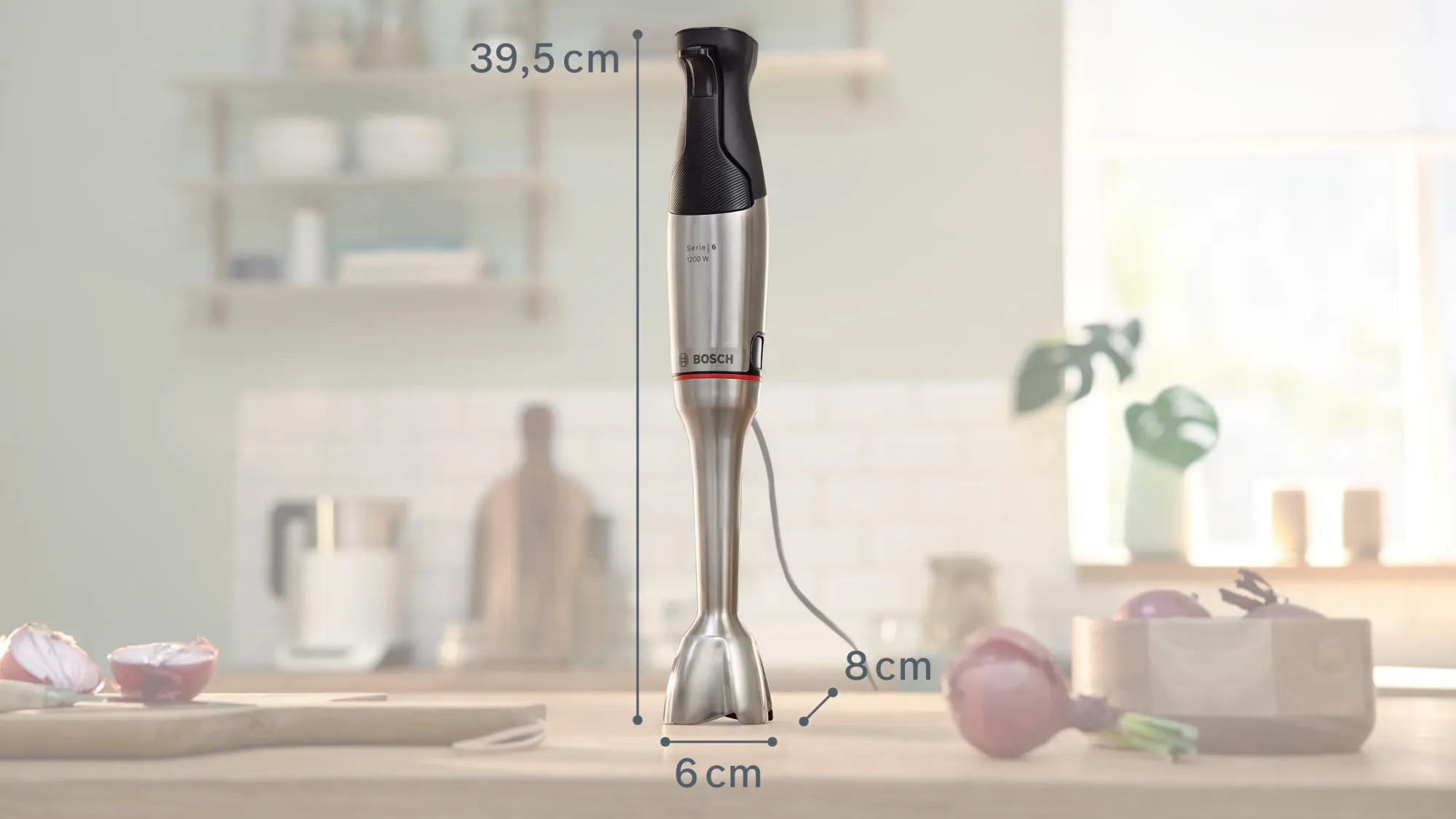
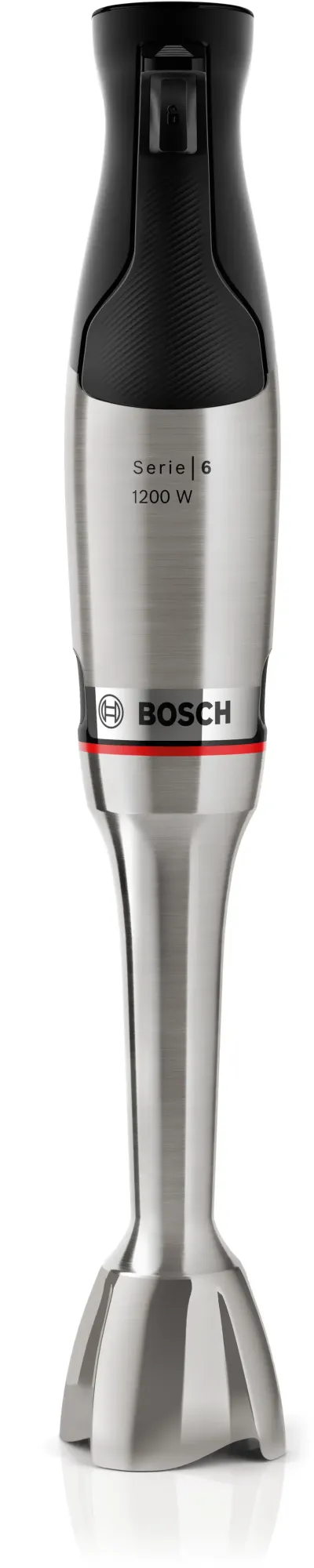
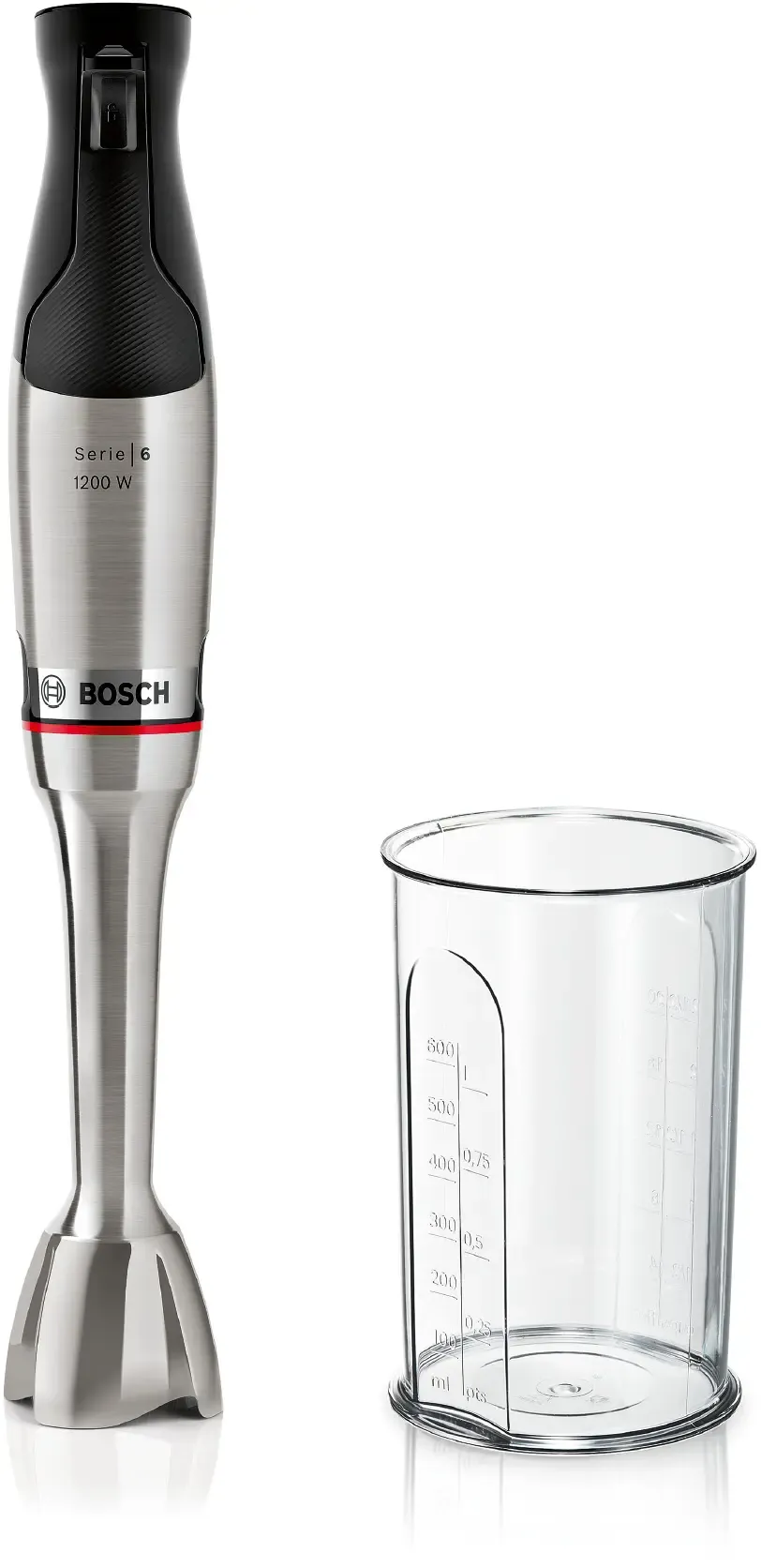
Hand blenders Bosch
Series 6 Hand Blender ErgoMaster 1200 W Stainless Steel MSM6M810
Hand blenders Bosch
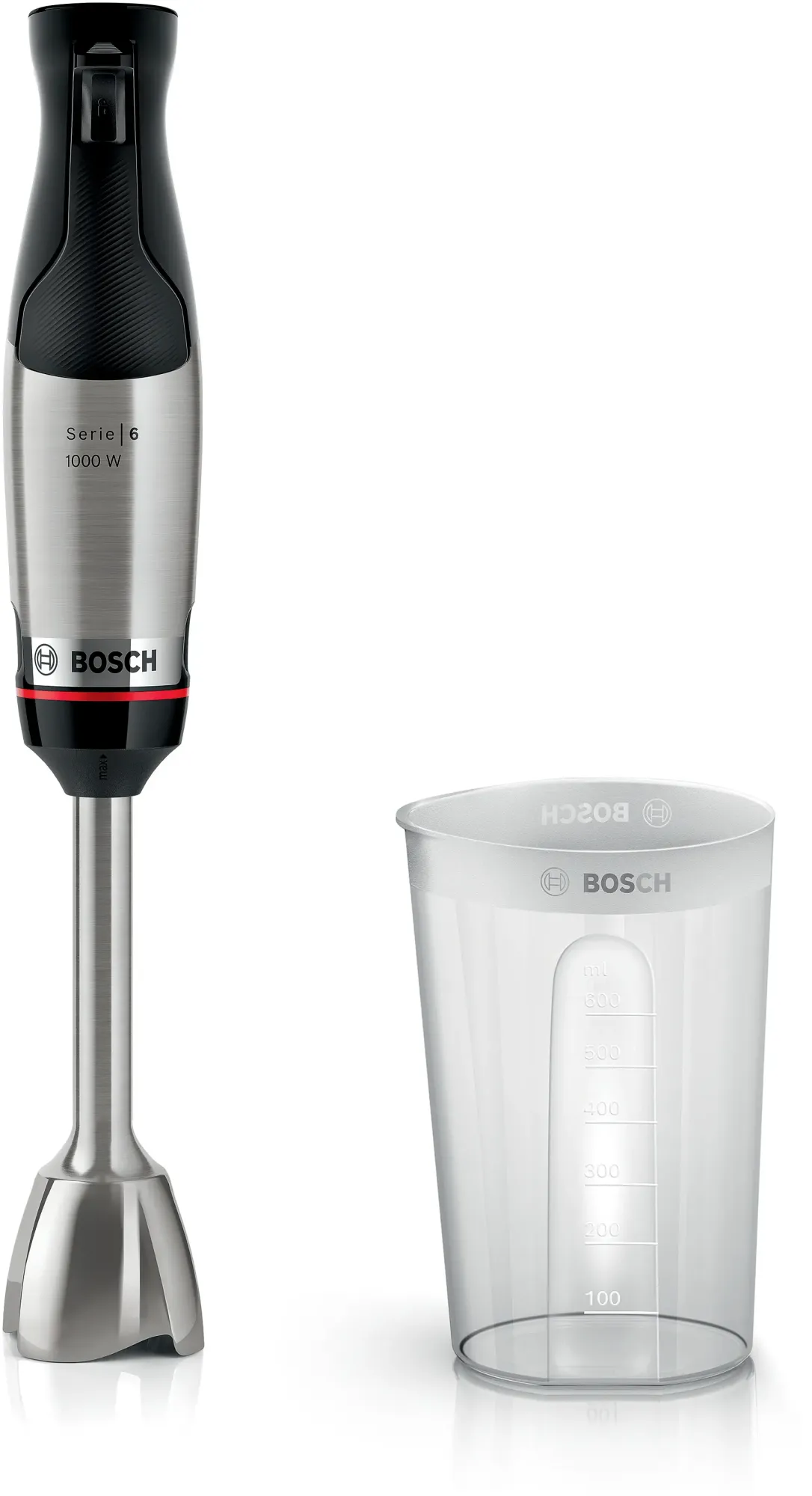
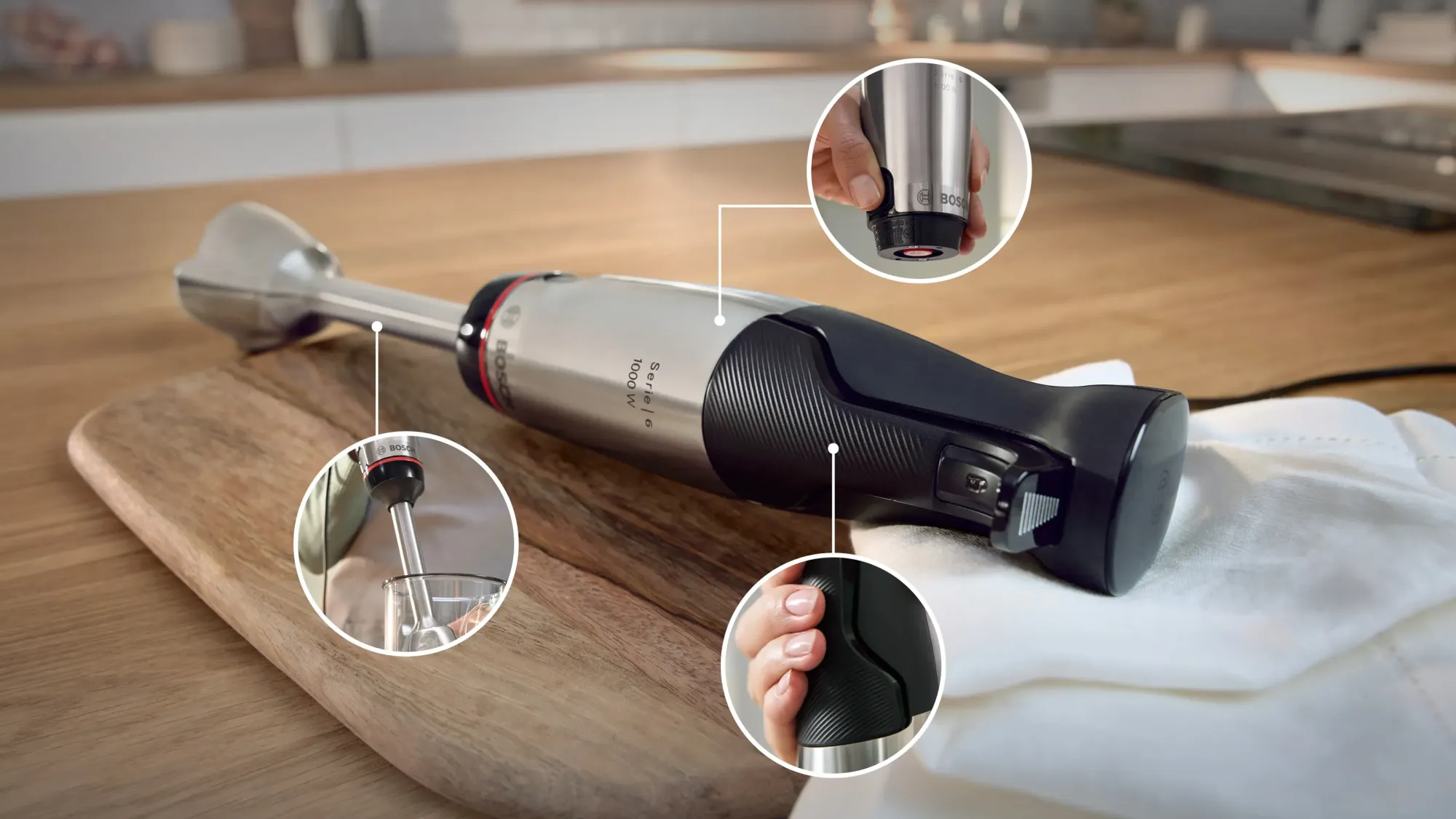
Series 6 Hand Blender ErgoMaster 1000 W Stainless Steel MSM6M610
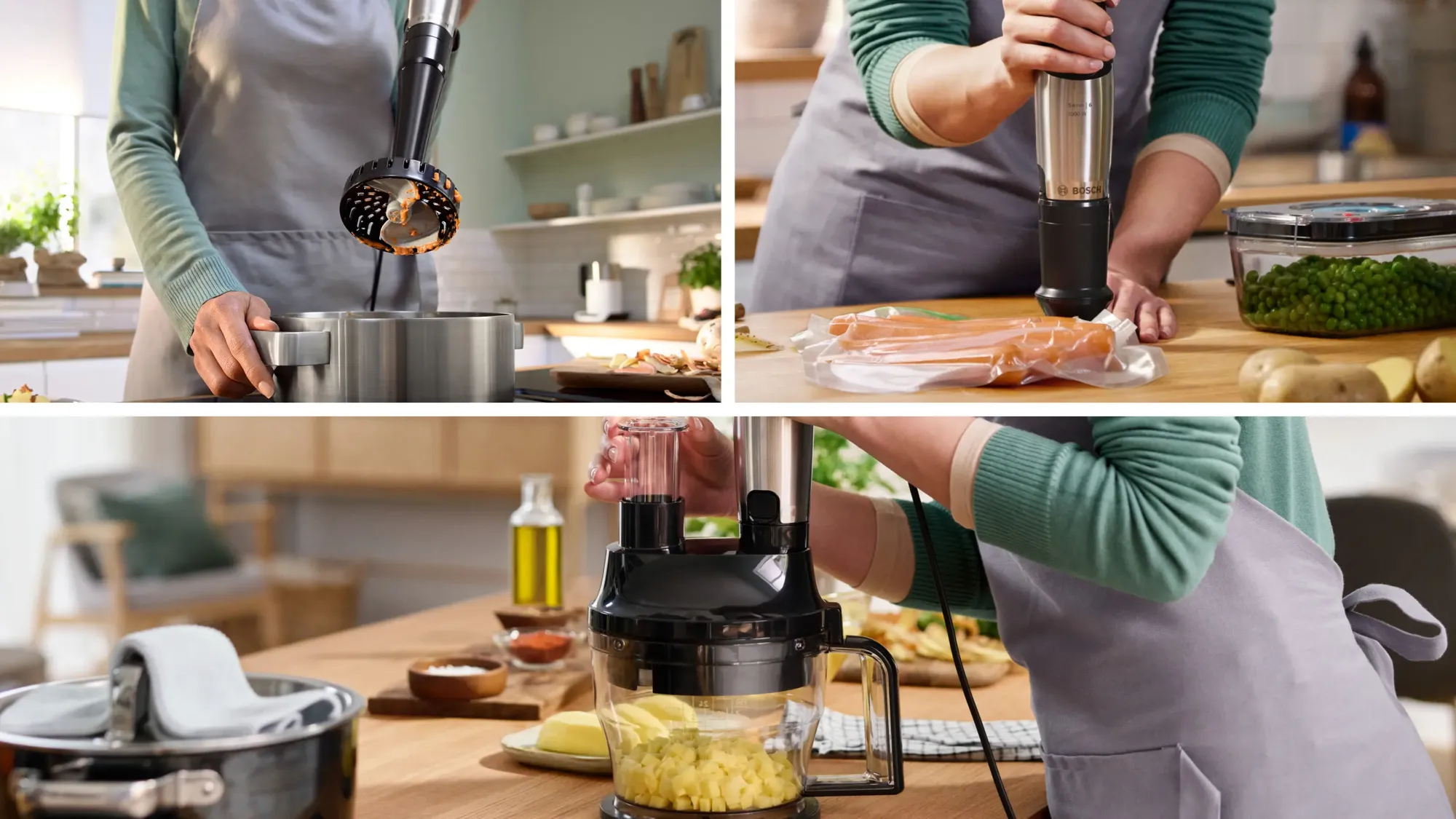
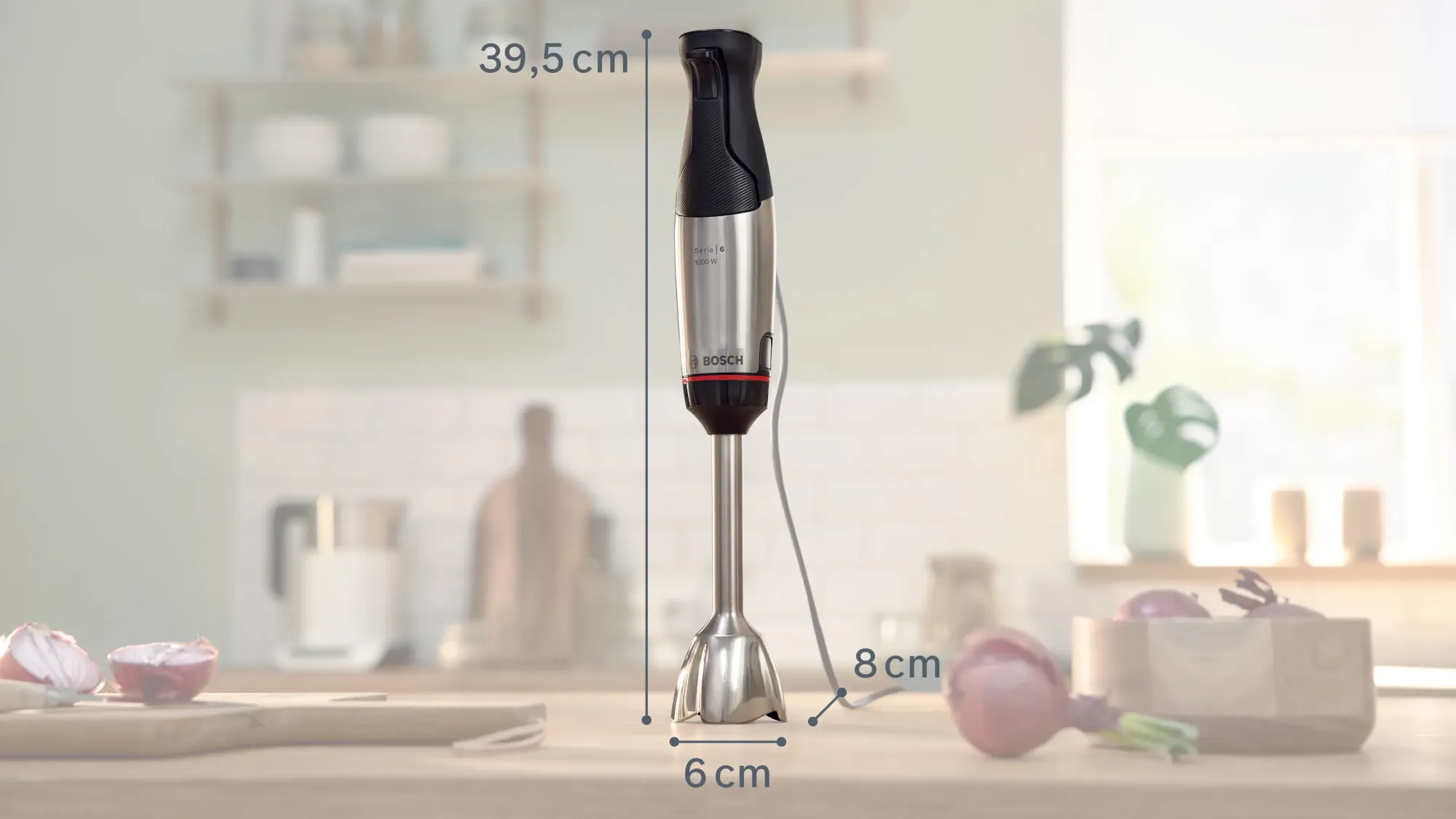
Hand blenders Bosch
Series 6 Hand Blender ErgoMaster 1000 W Stainless Steel MSM6M622
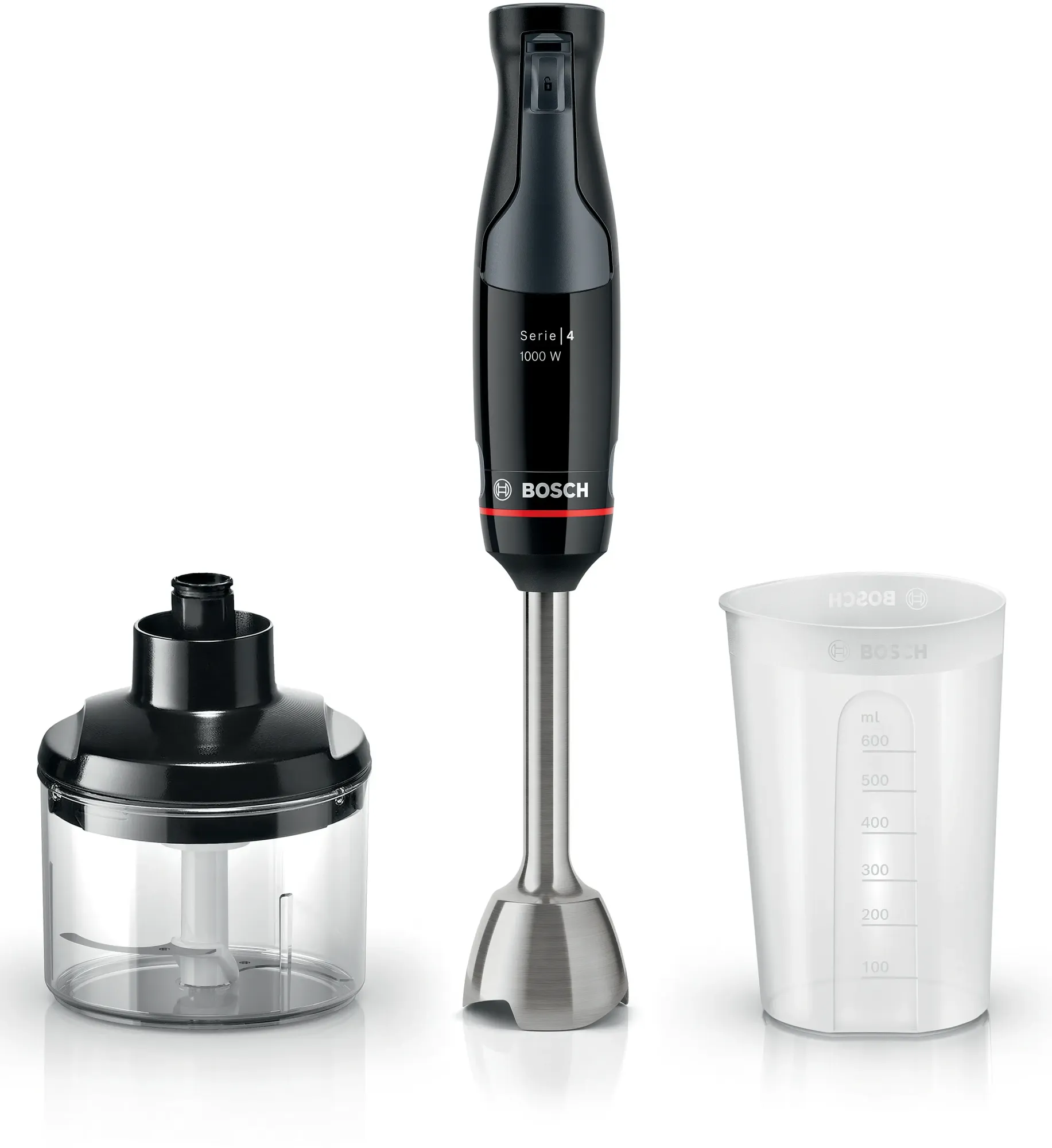
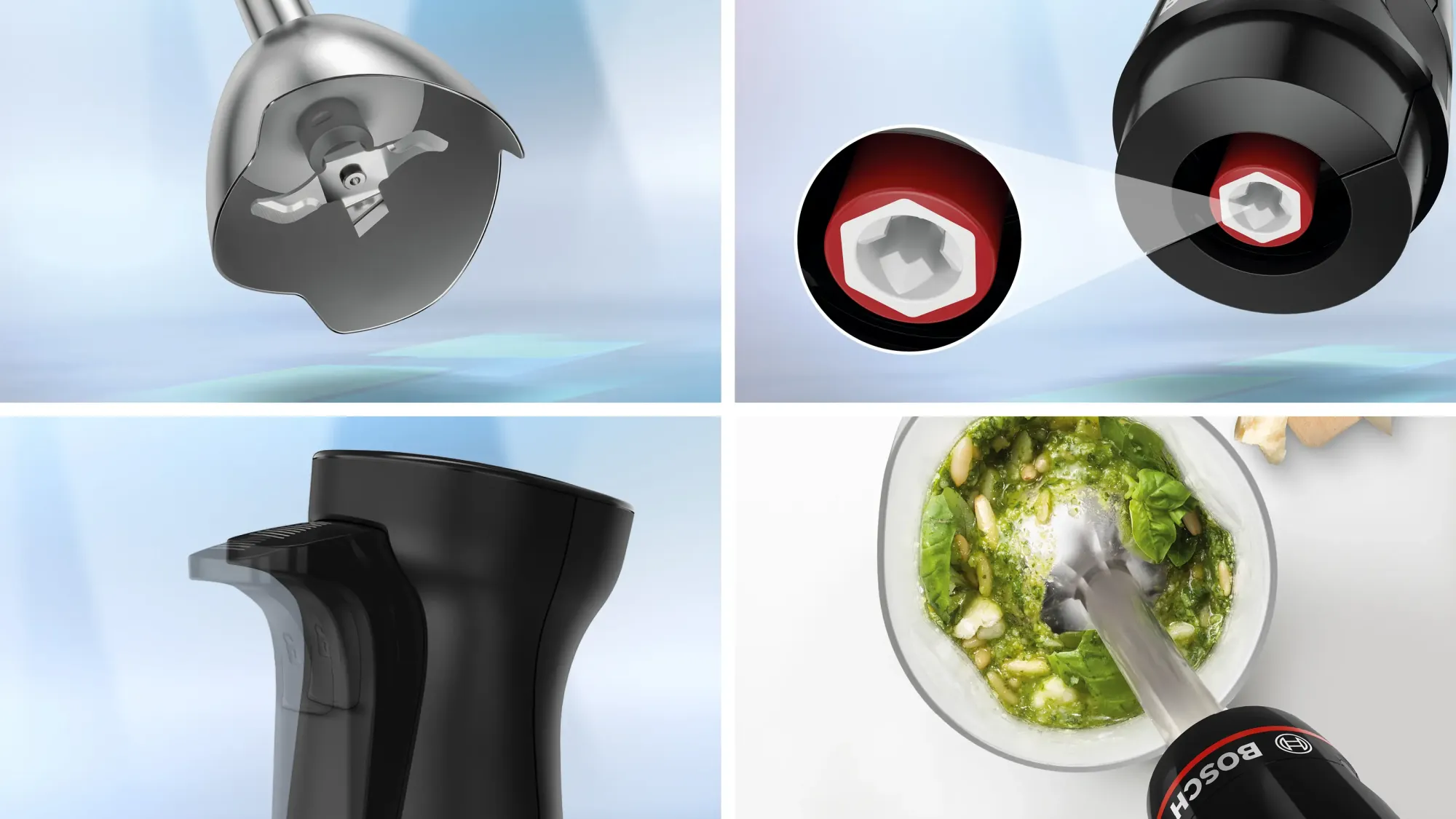
Hand blenders Bosch
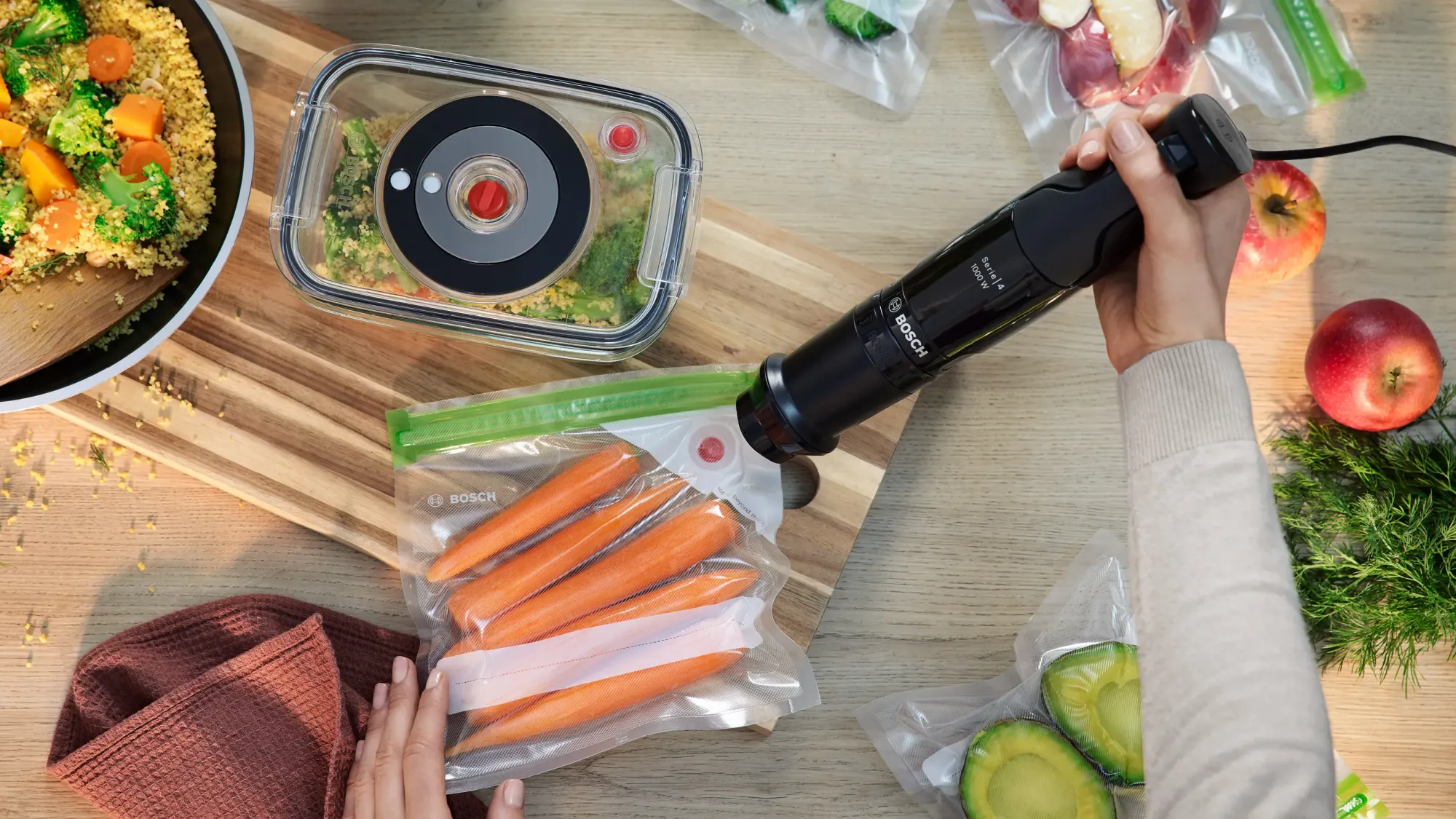
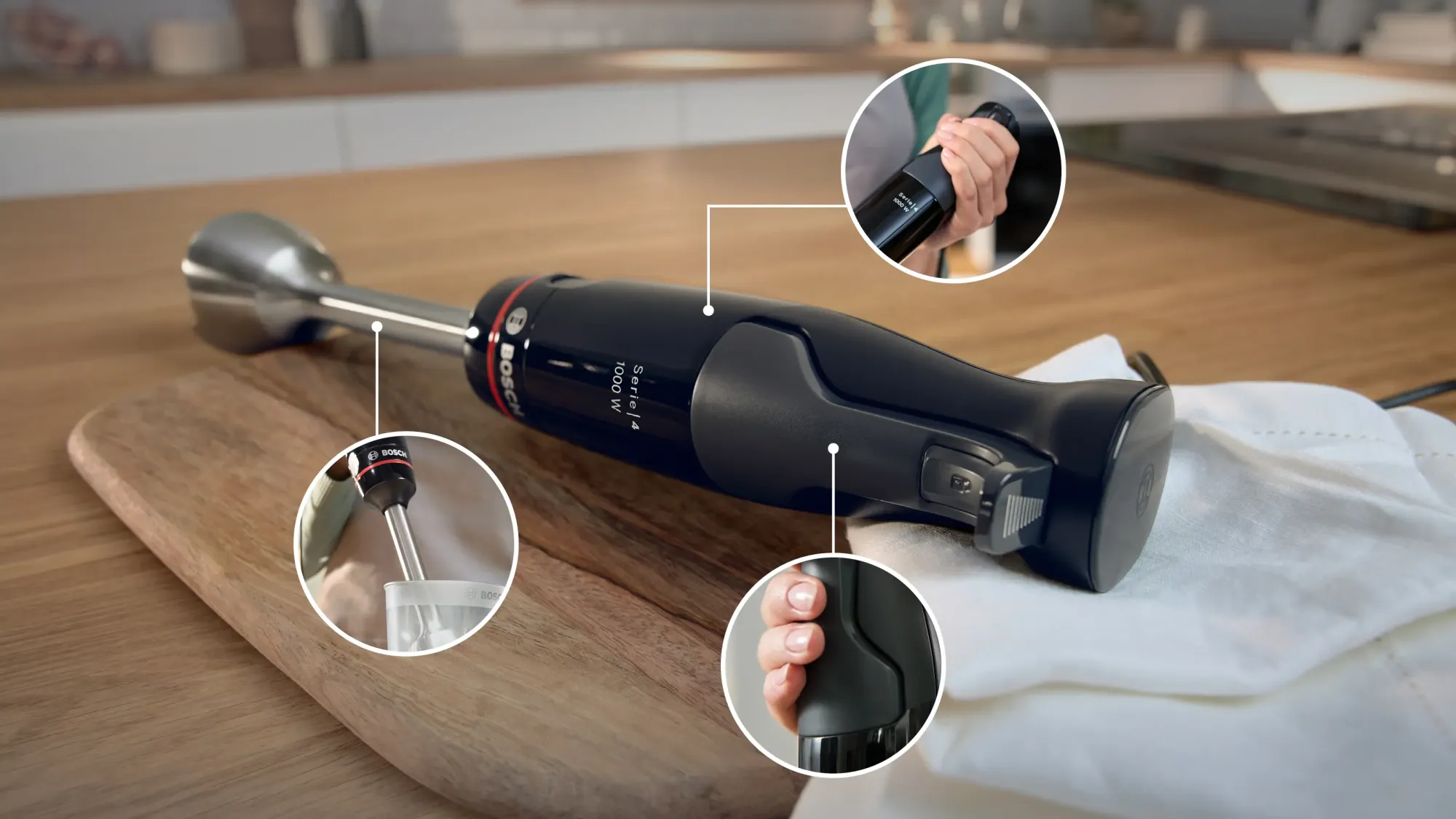
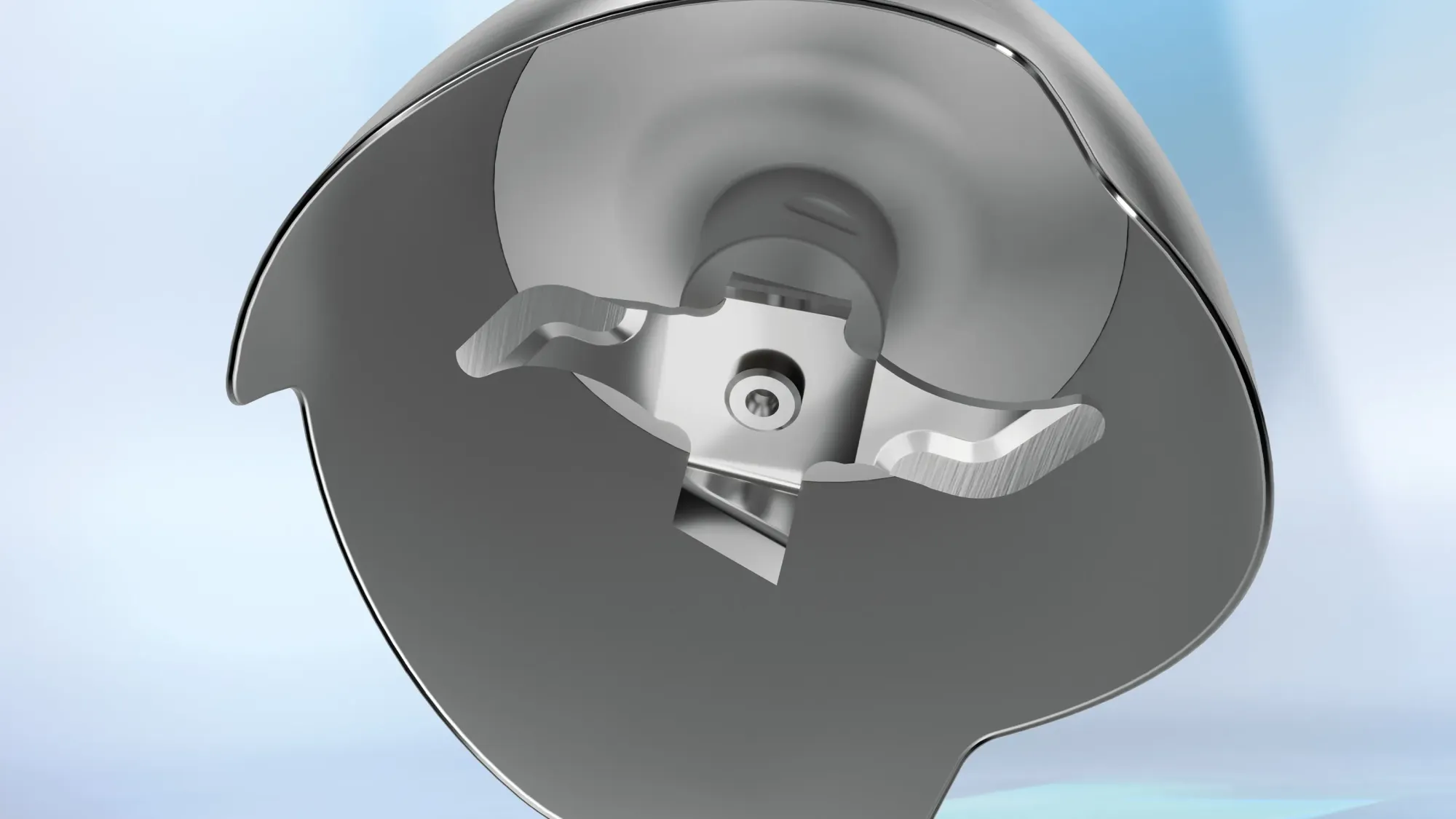
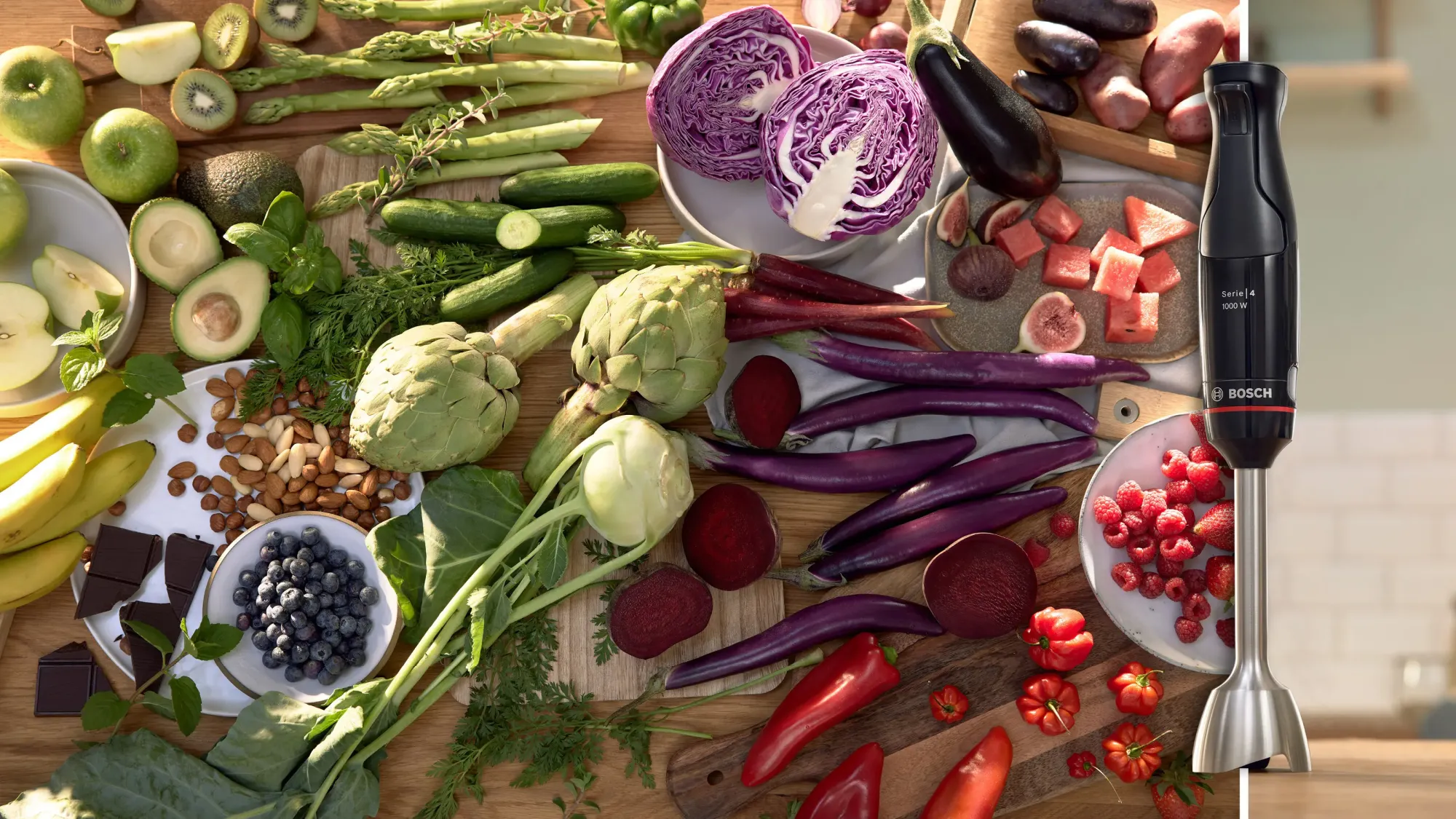
Series 4 Hand blender ErgoMaster 1000 W Black, Anthracite MSM4B620
Hand blenders Bosch
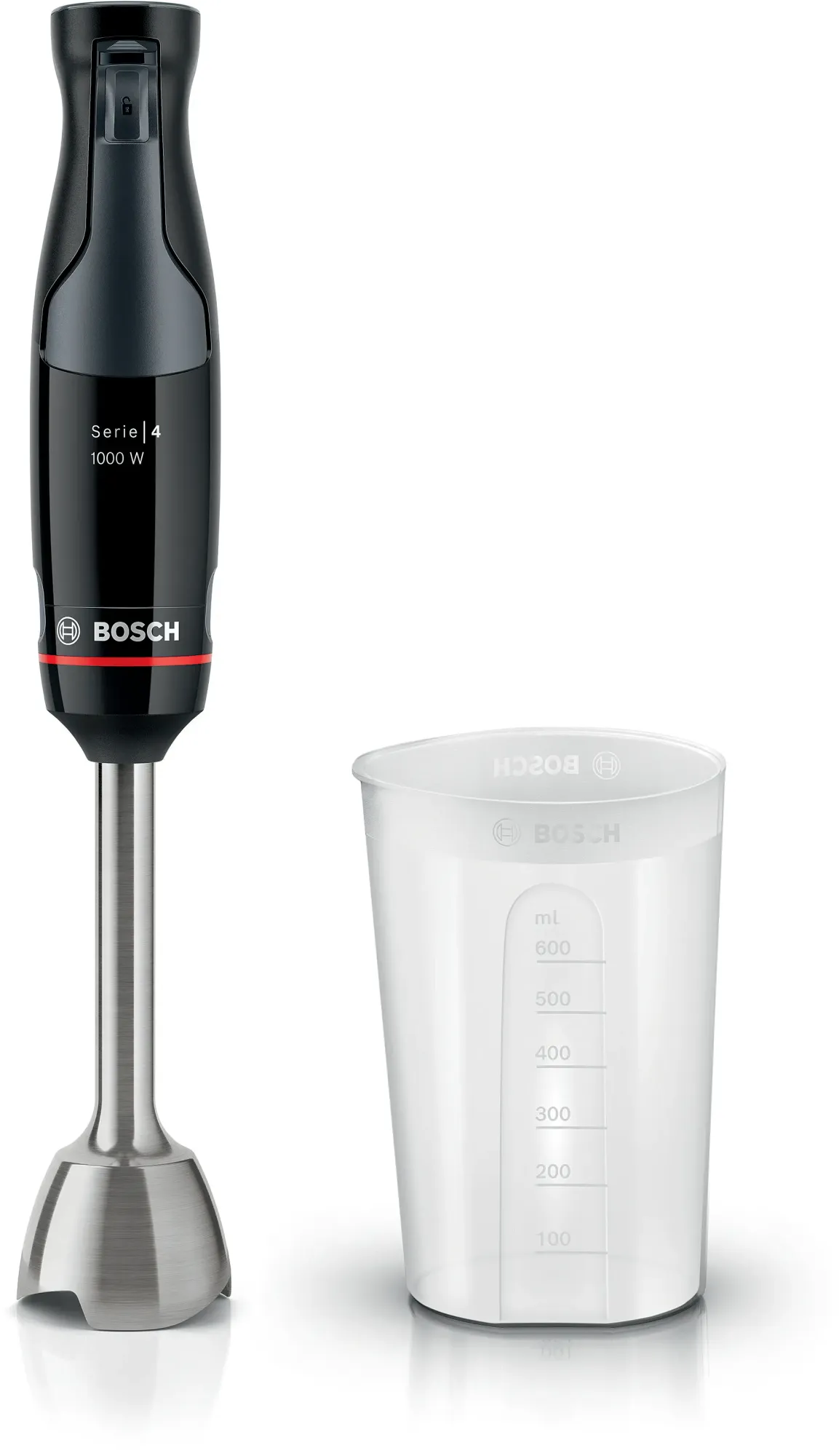
Series 4 Hand blender ErgoMaster 1000 W Black, Anthracite MSM4B610
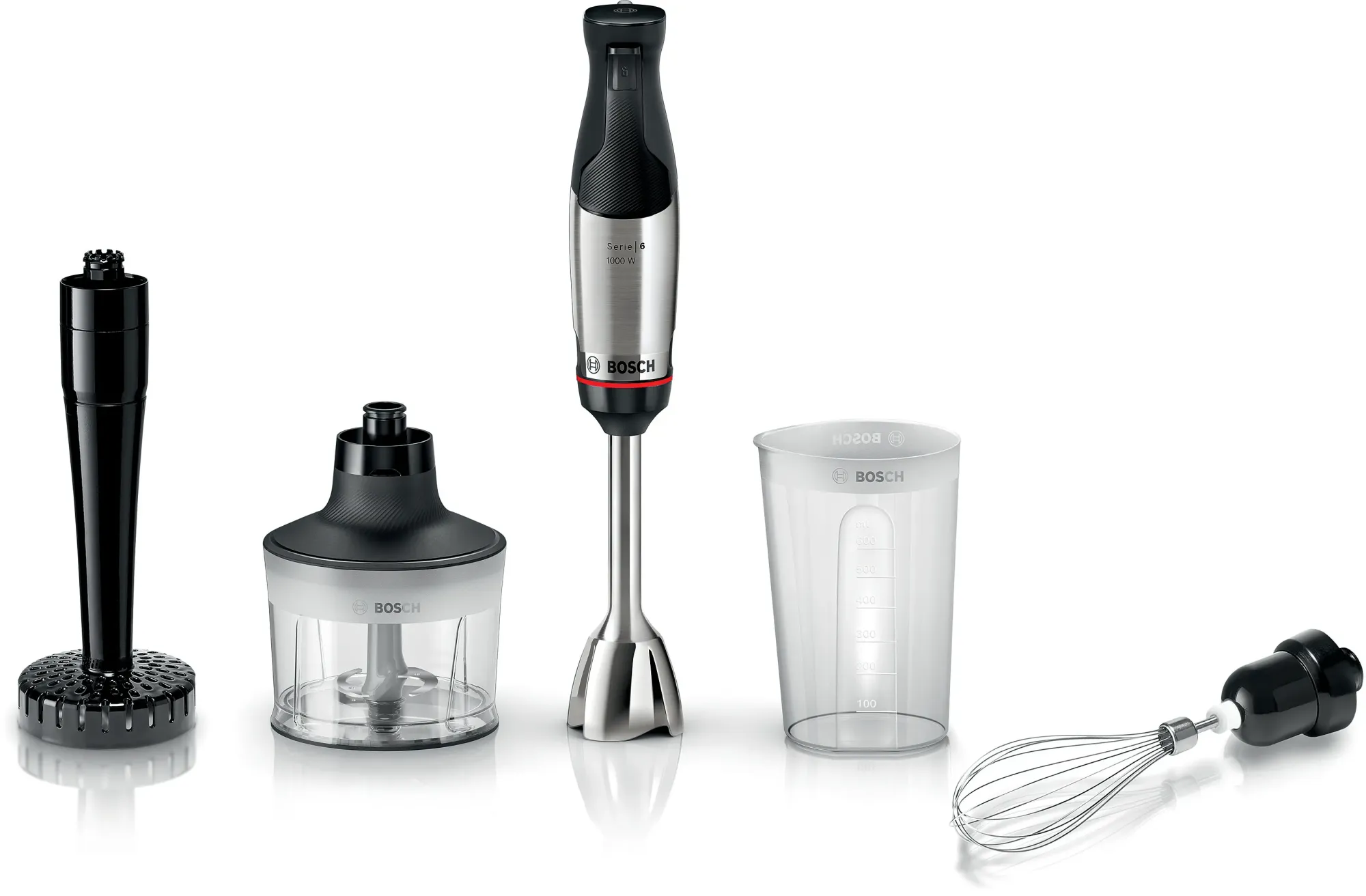
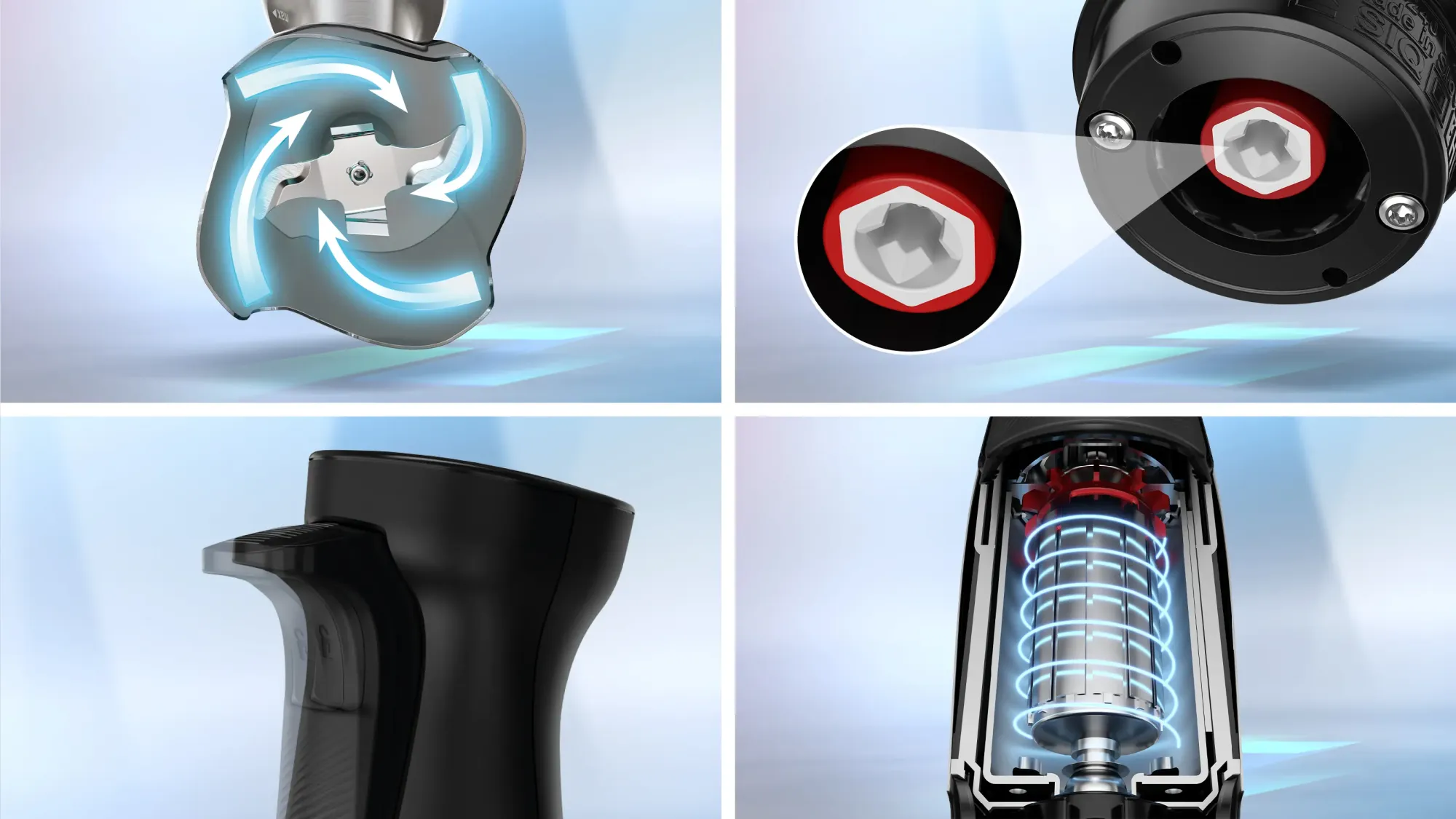
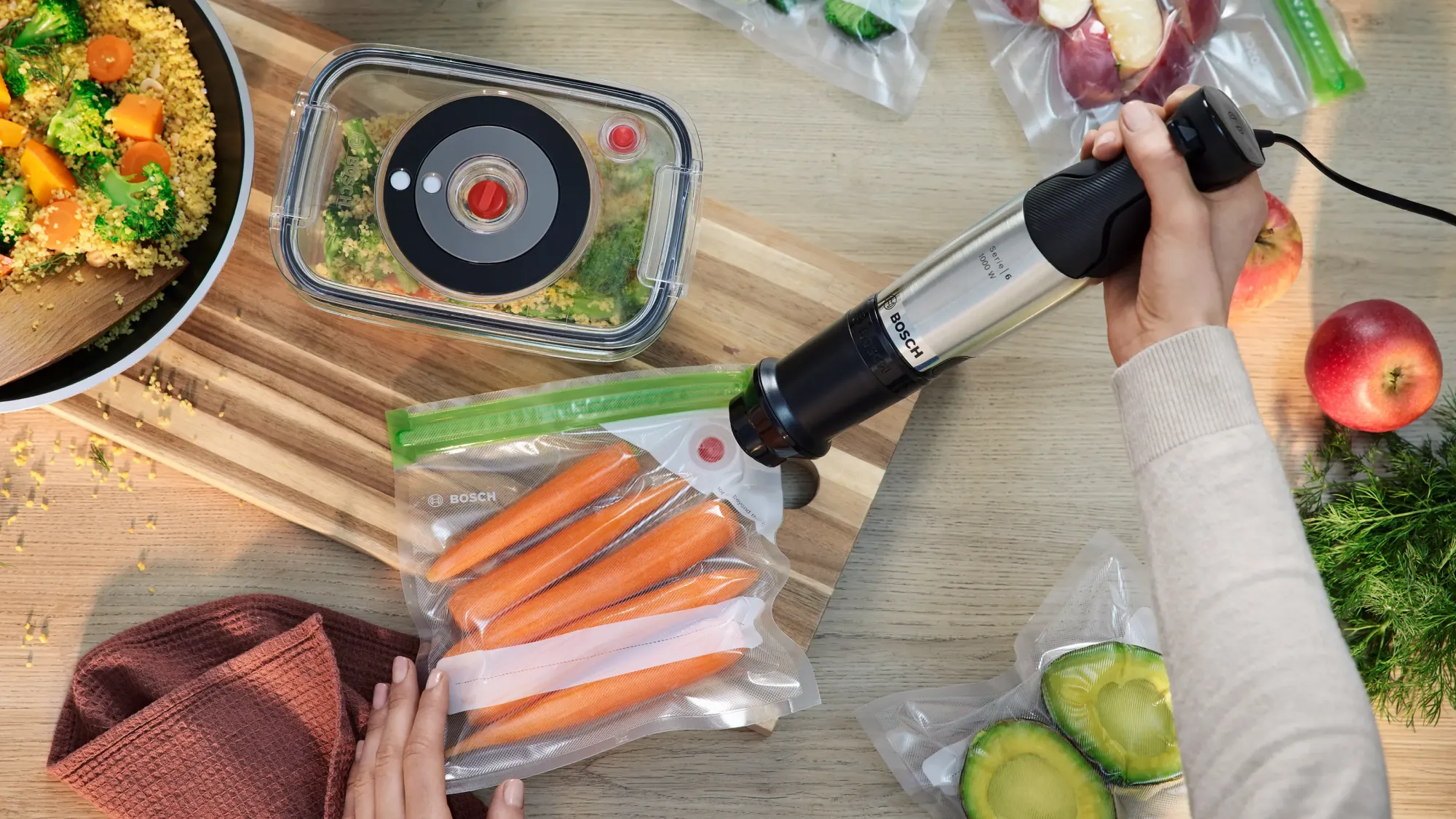
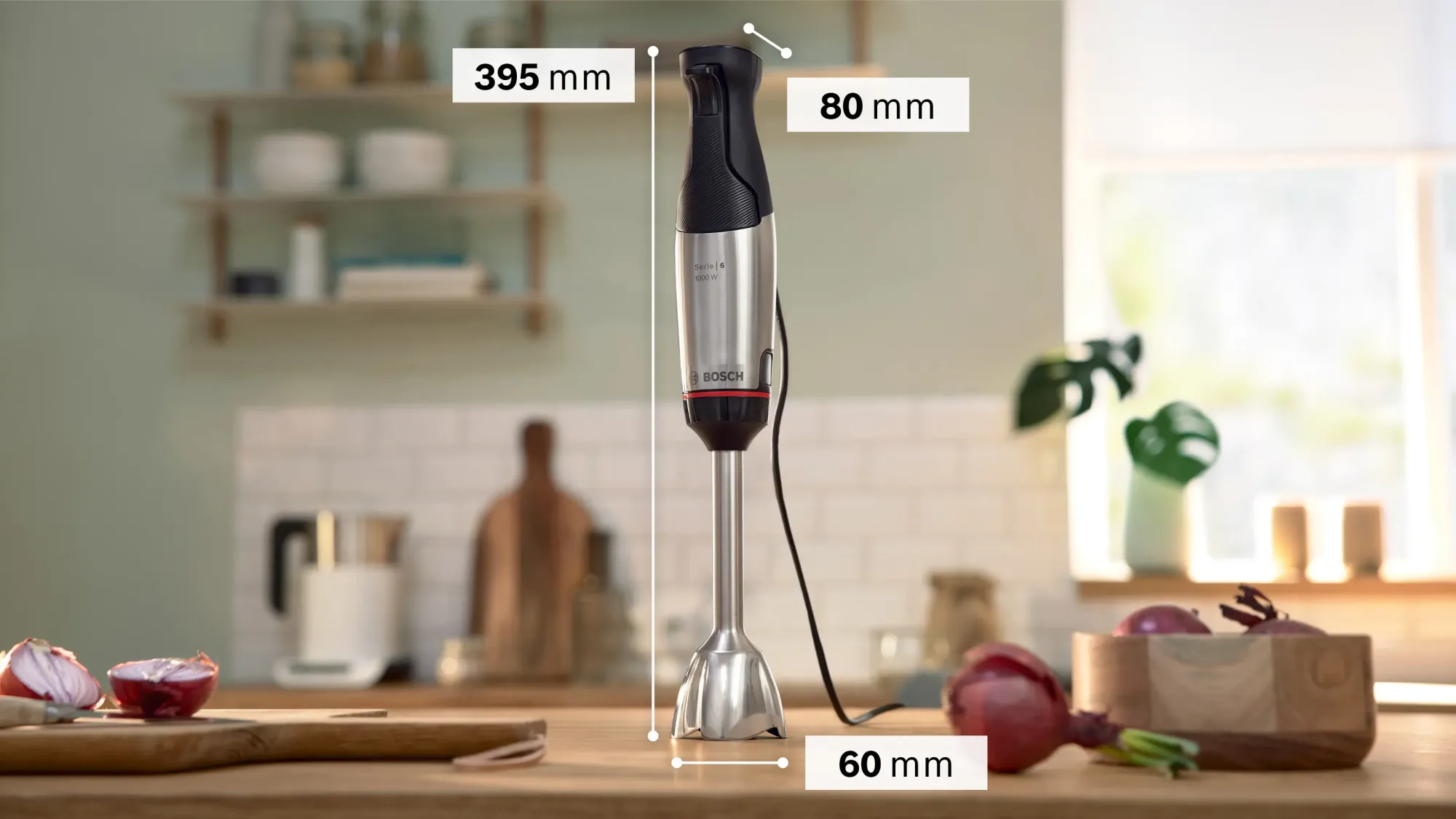
Hand blenders Bosch
Series 6 Hand Blender ErgoMaster 1000 W Stainless Steel MSM6M633
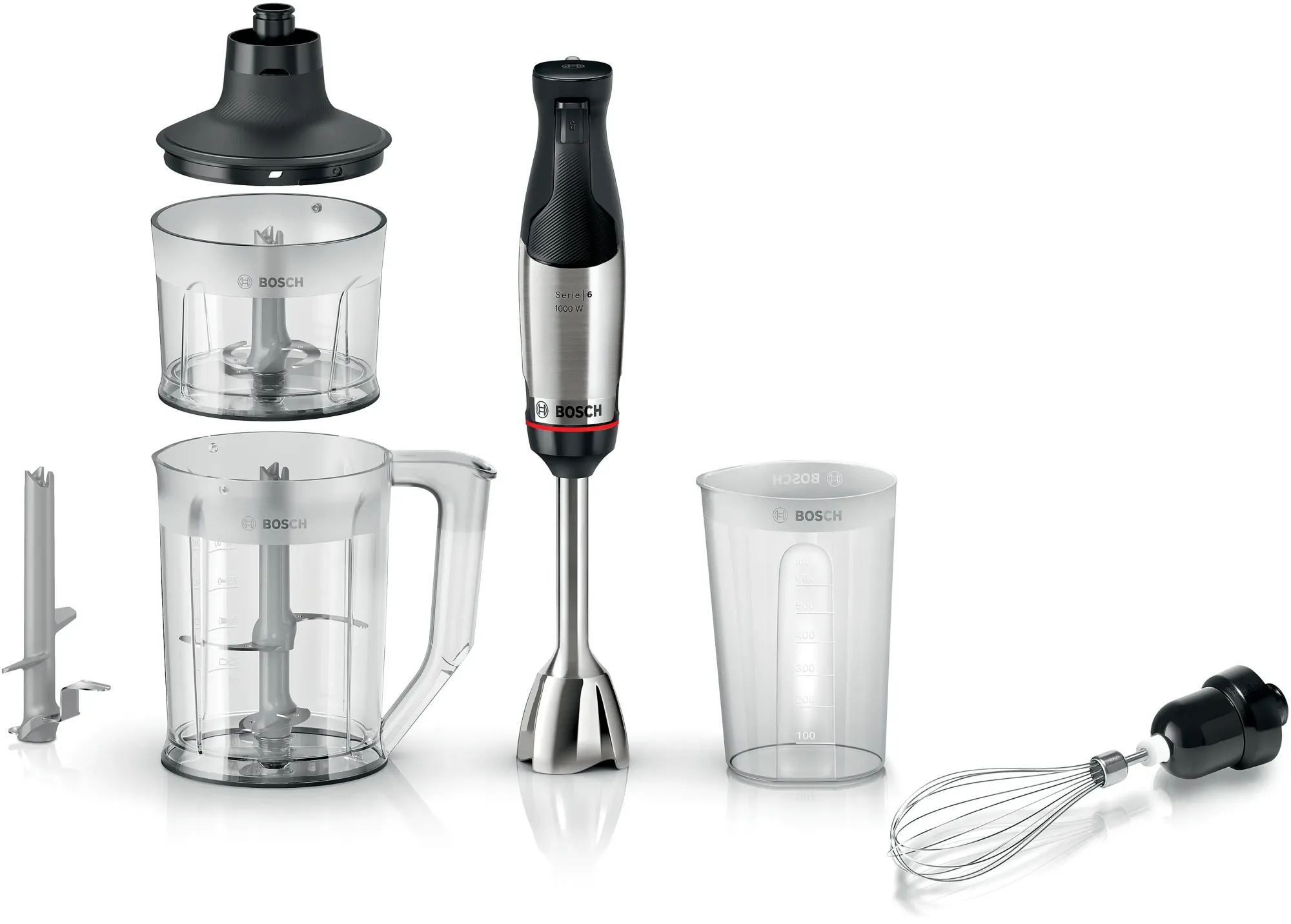
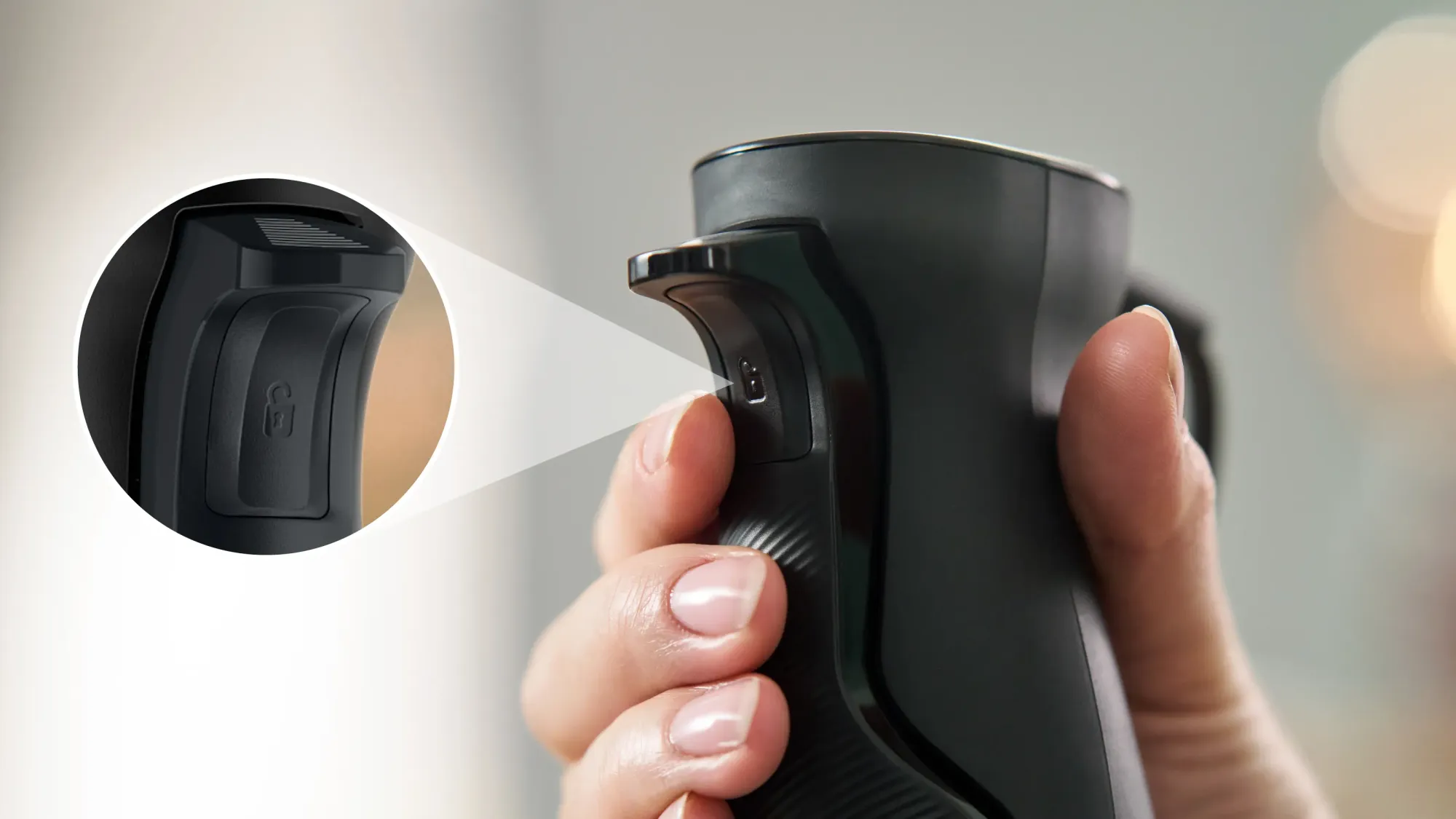
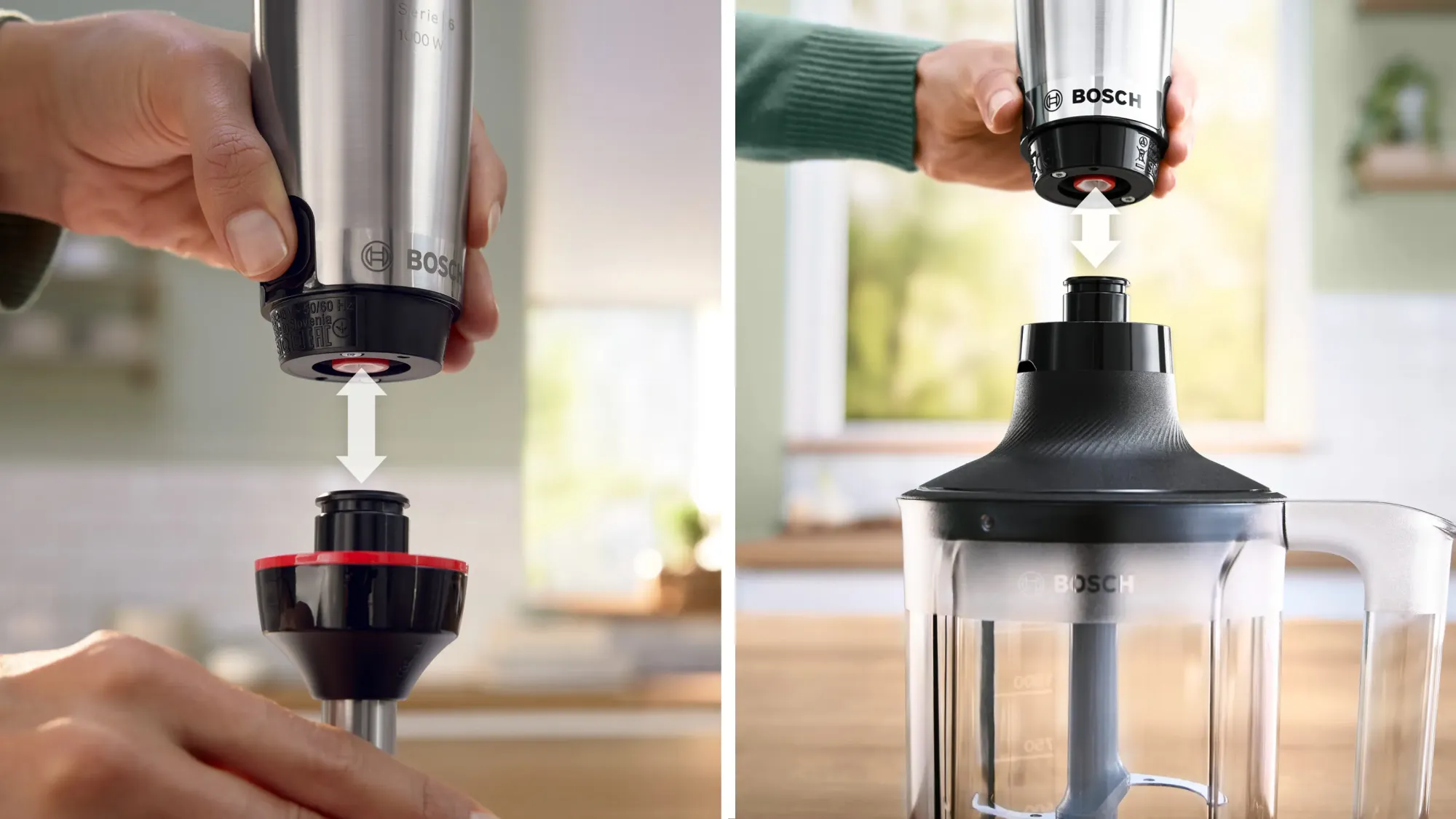
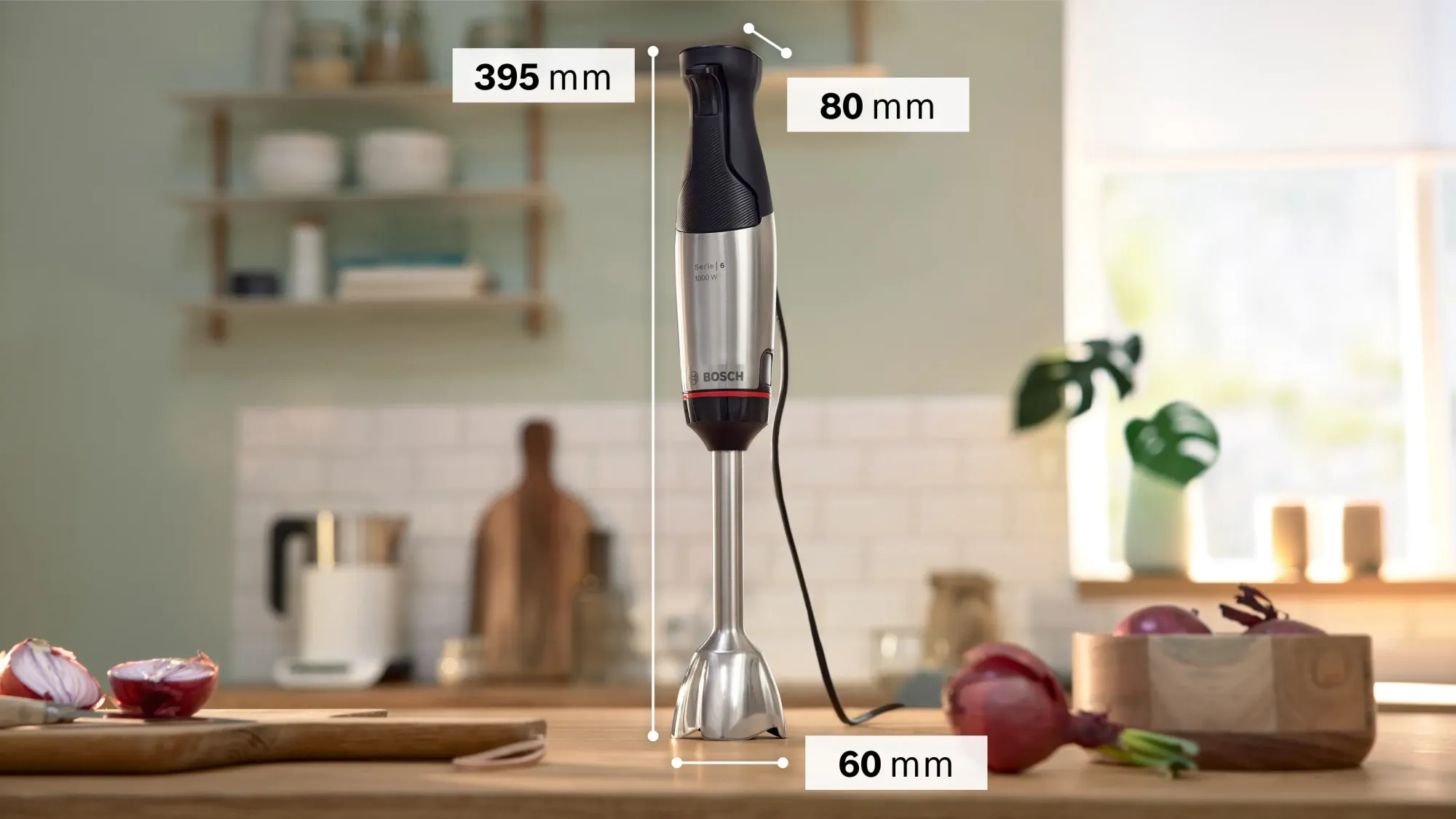
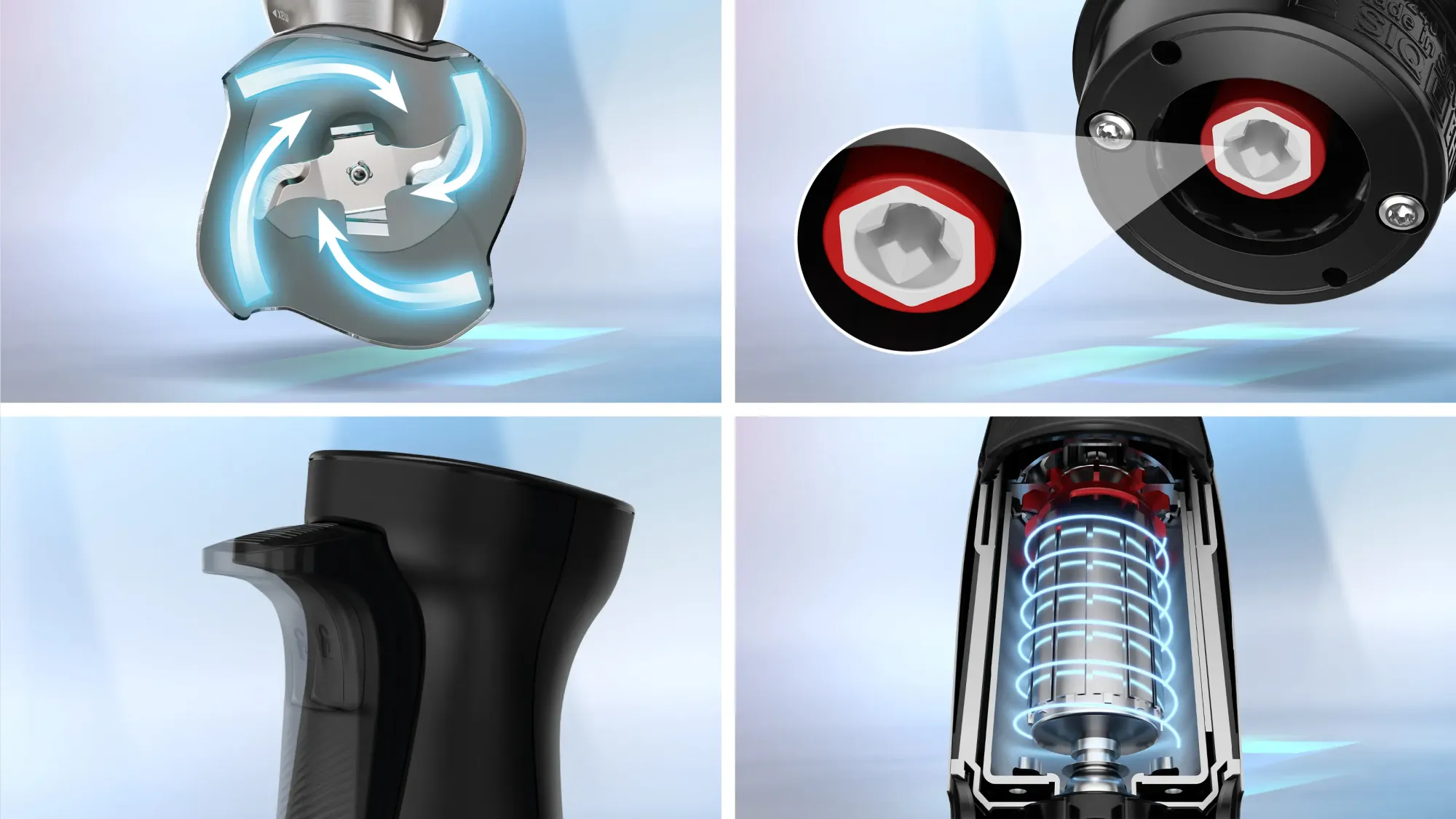
Hand blenders Bosch
Series 6 Hand Blender ErgoMaster 1000 W Stainless Steel MSM6M652
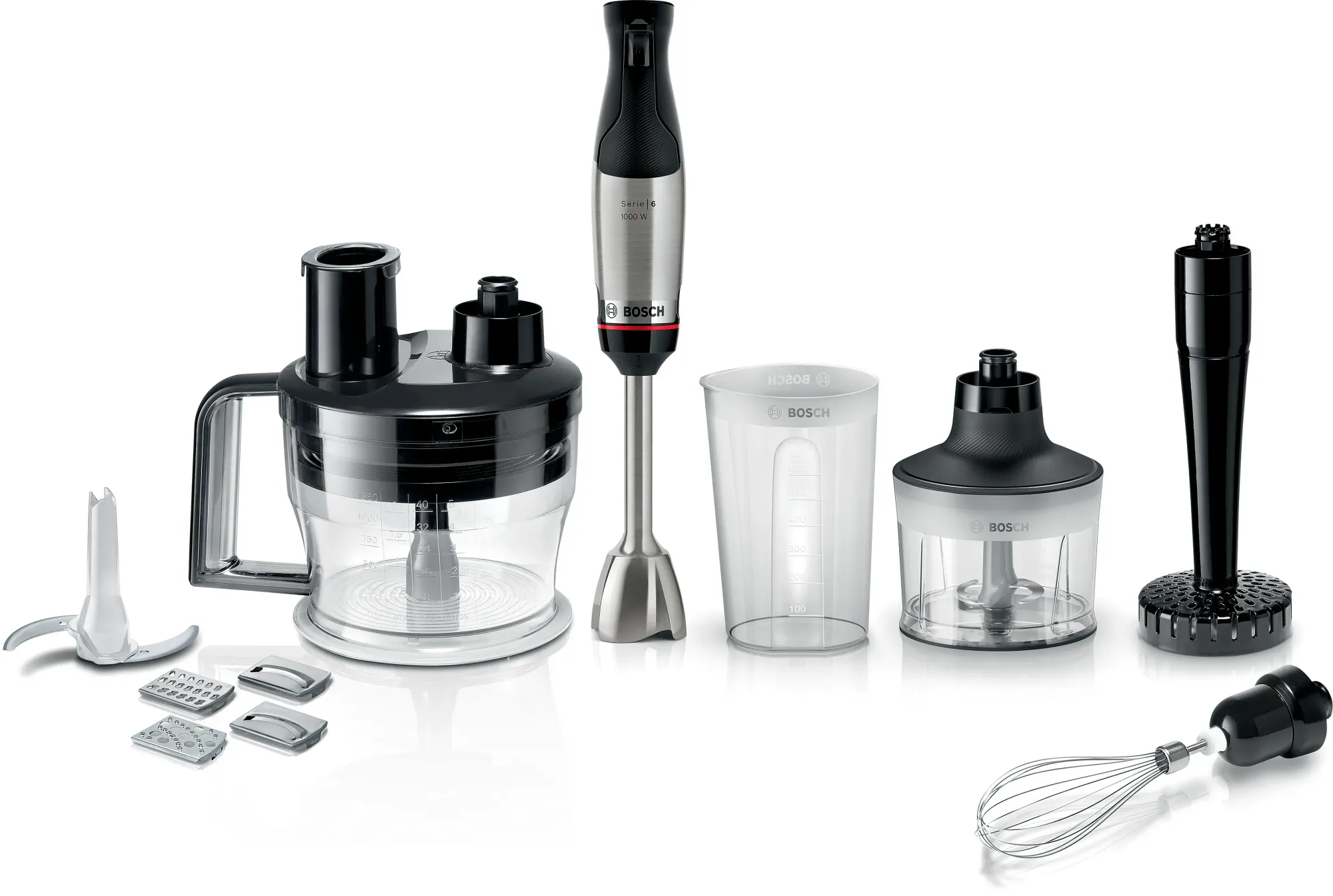
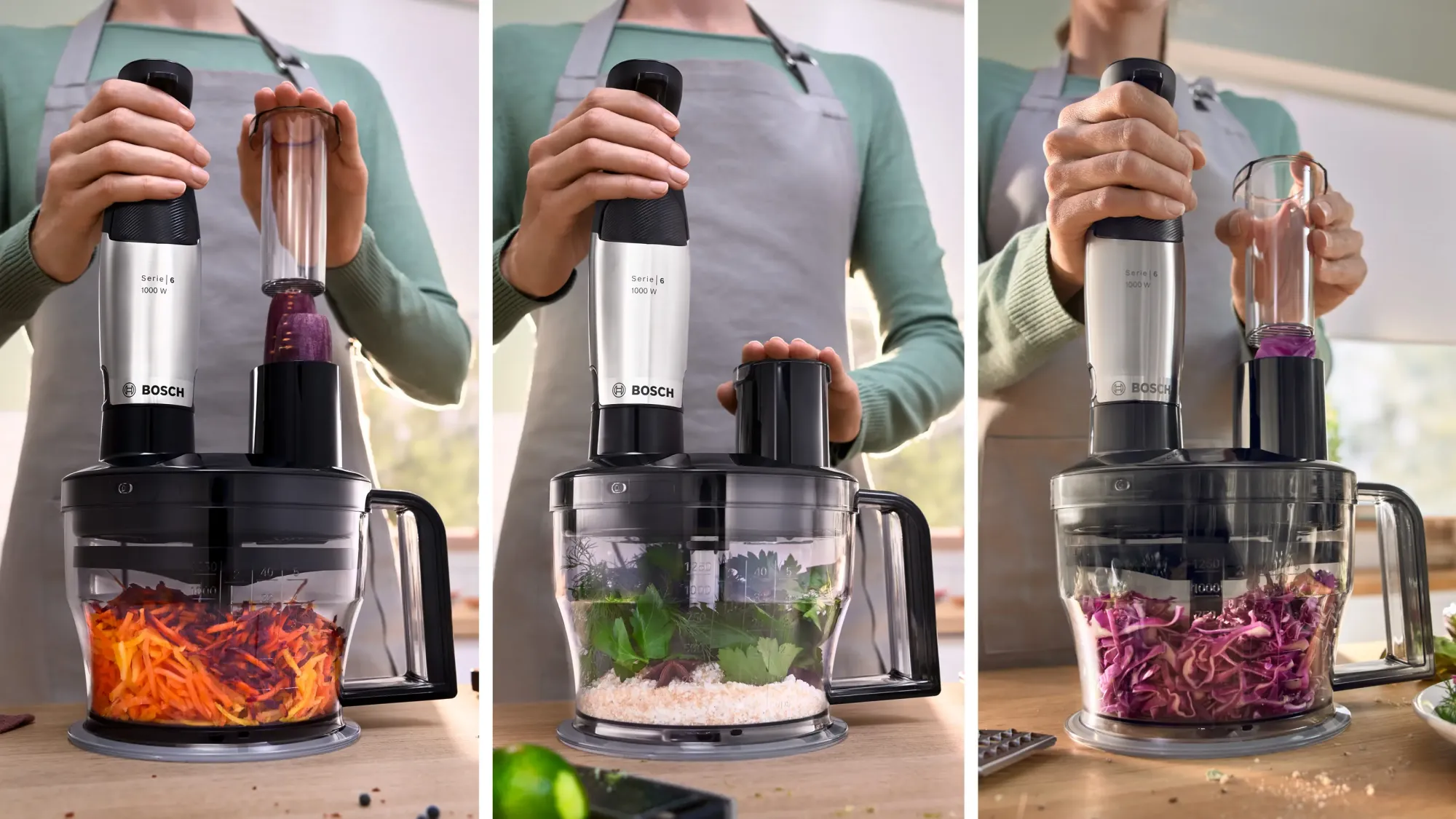
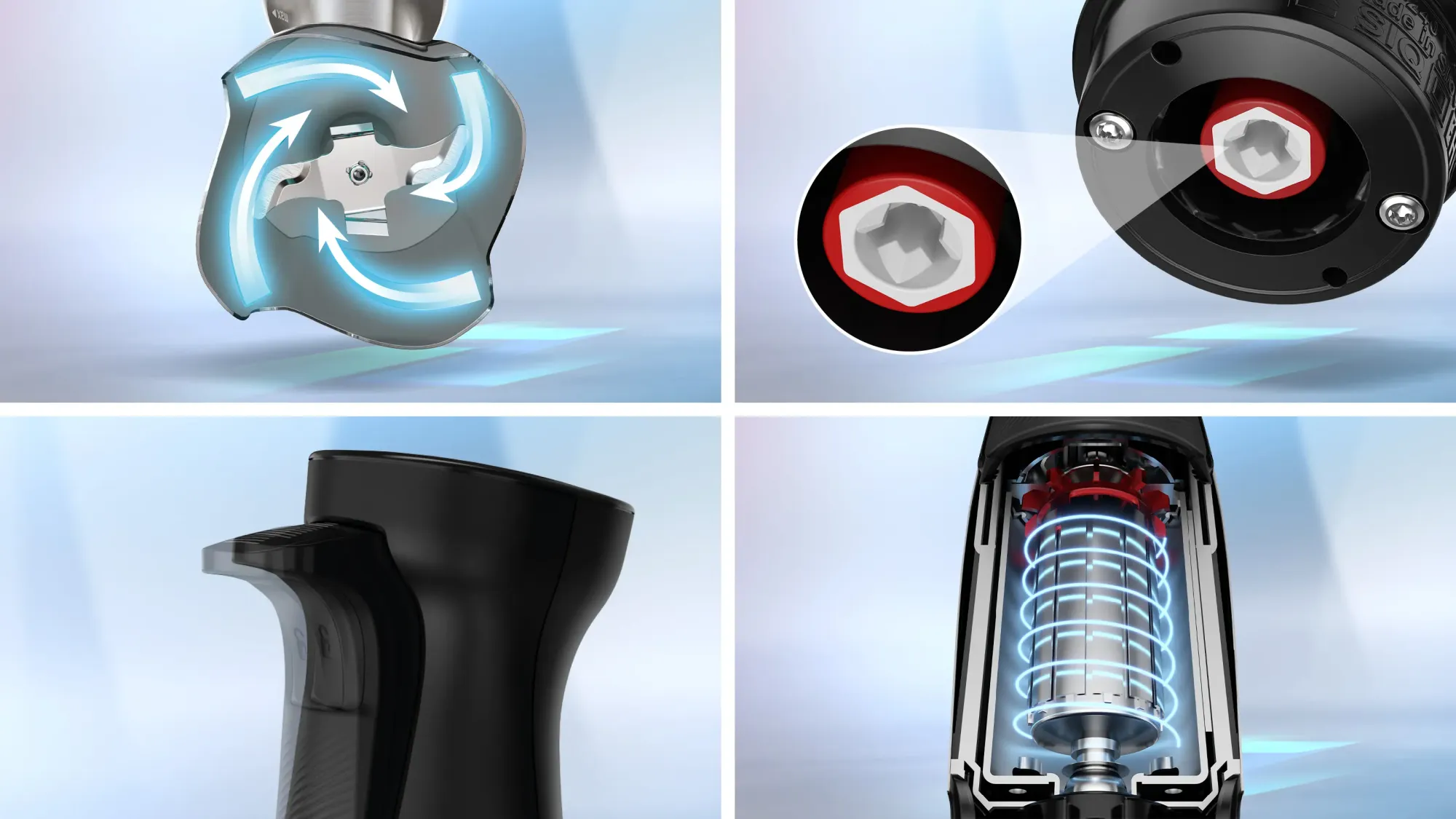
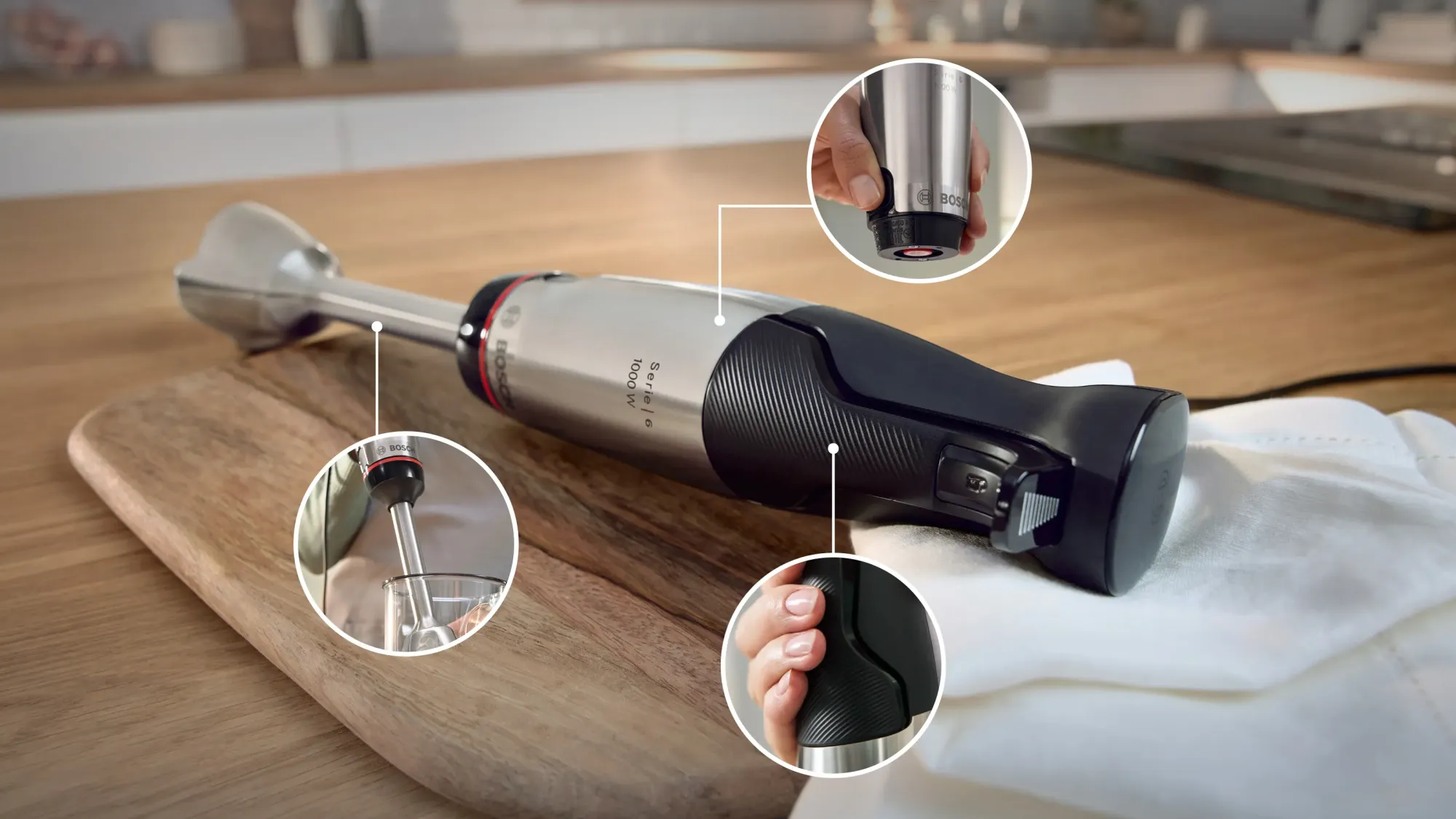
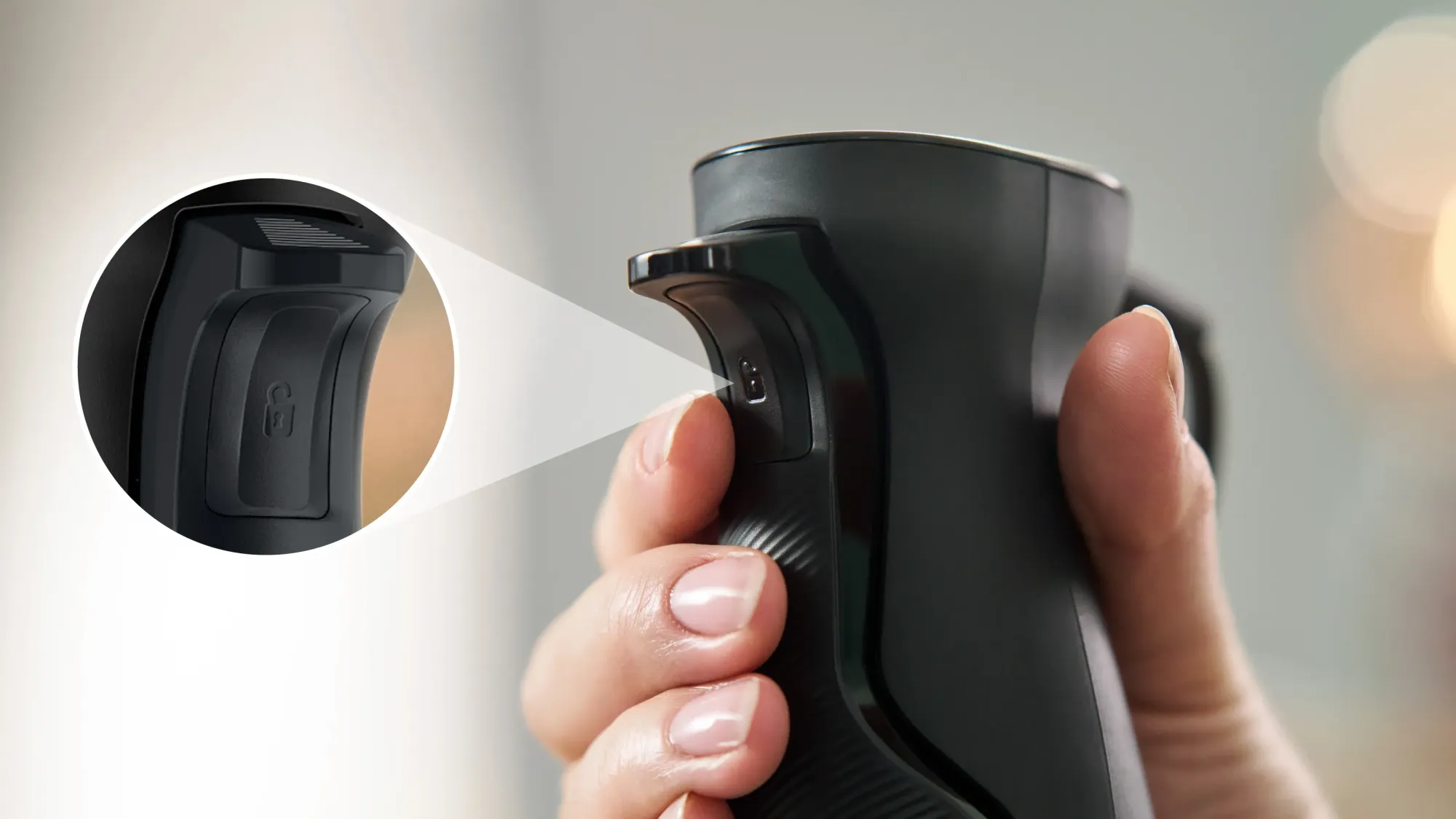
Hand blenders Bosch
Series 6 Hand Blender ErgoMaster 1000 W Stainless Steel MSM6M673
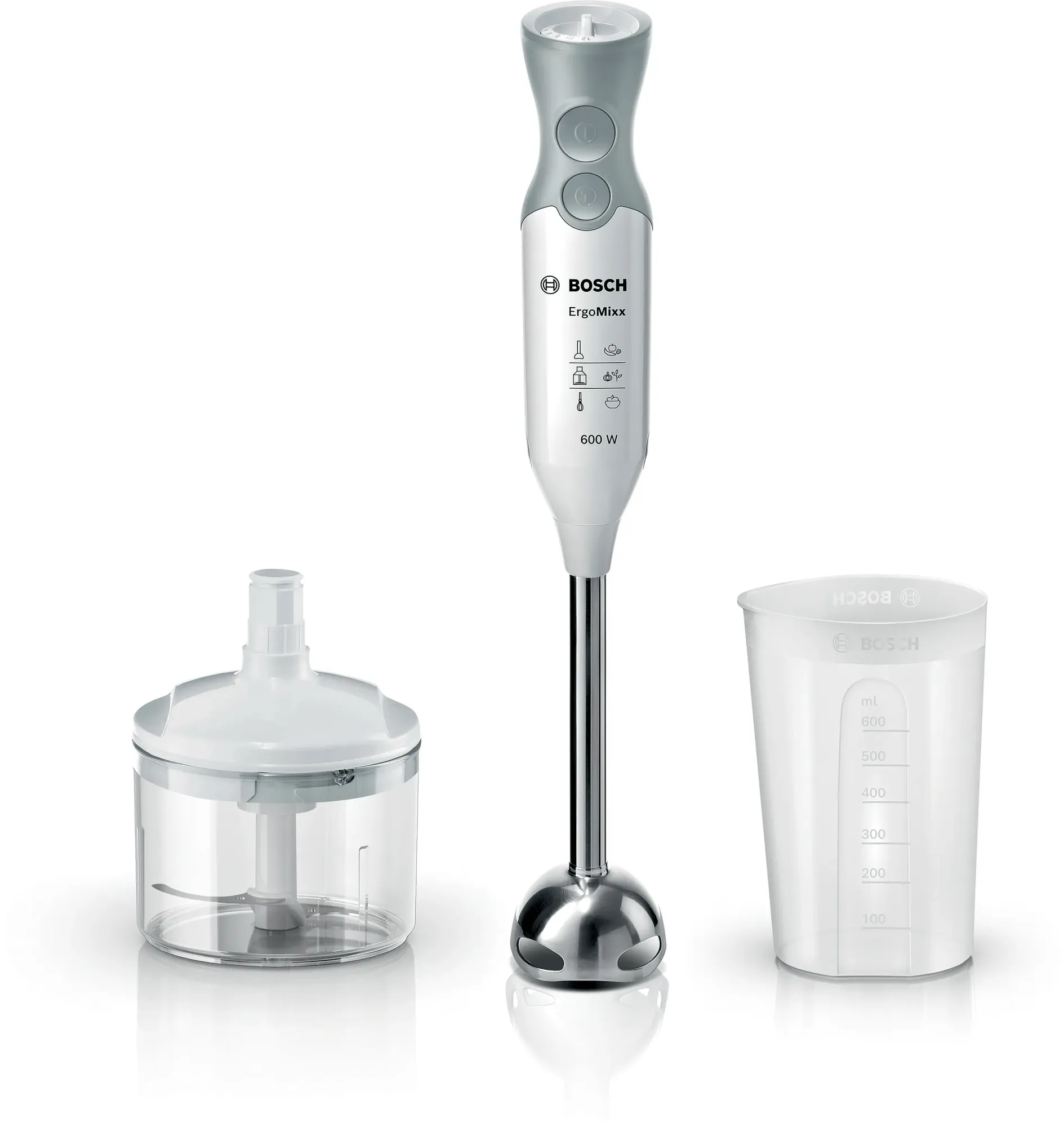
Hand blenders Bosch