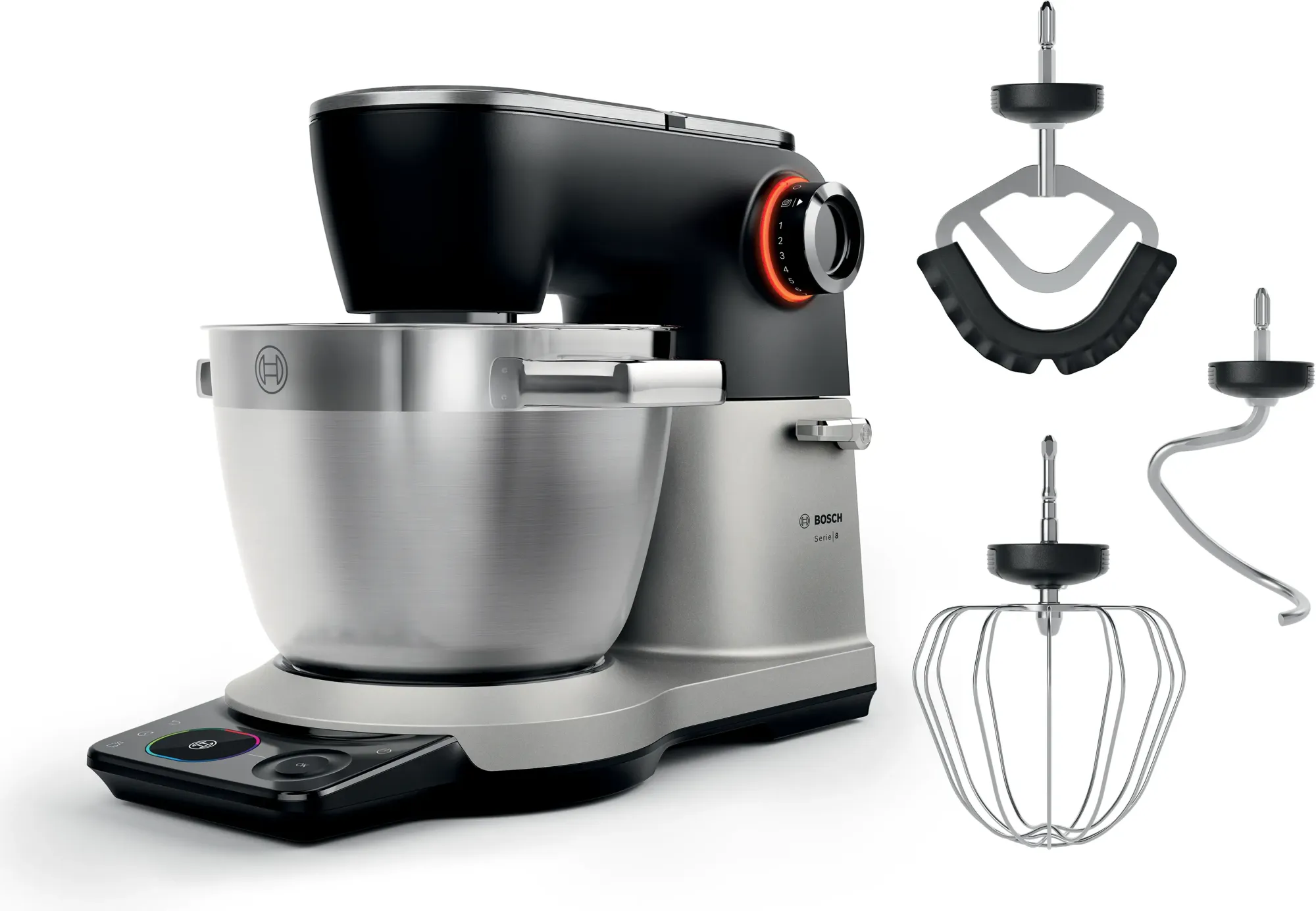
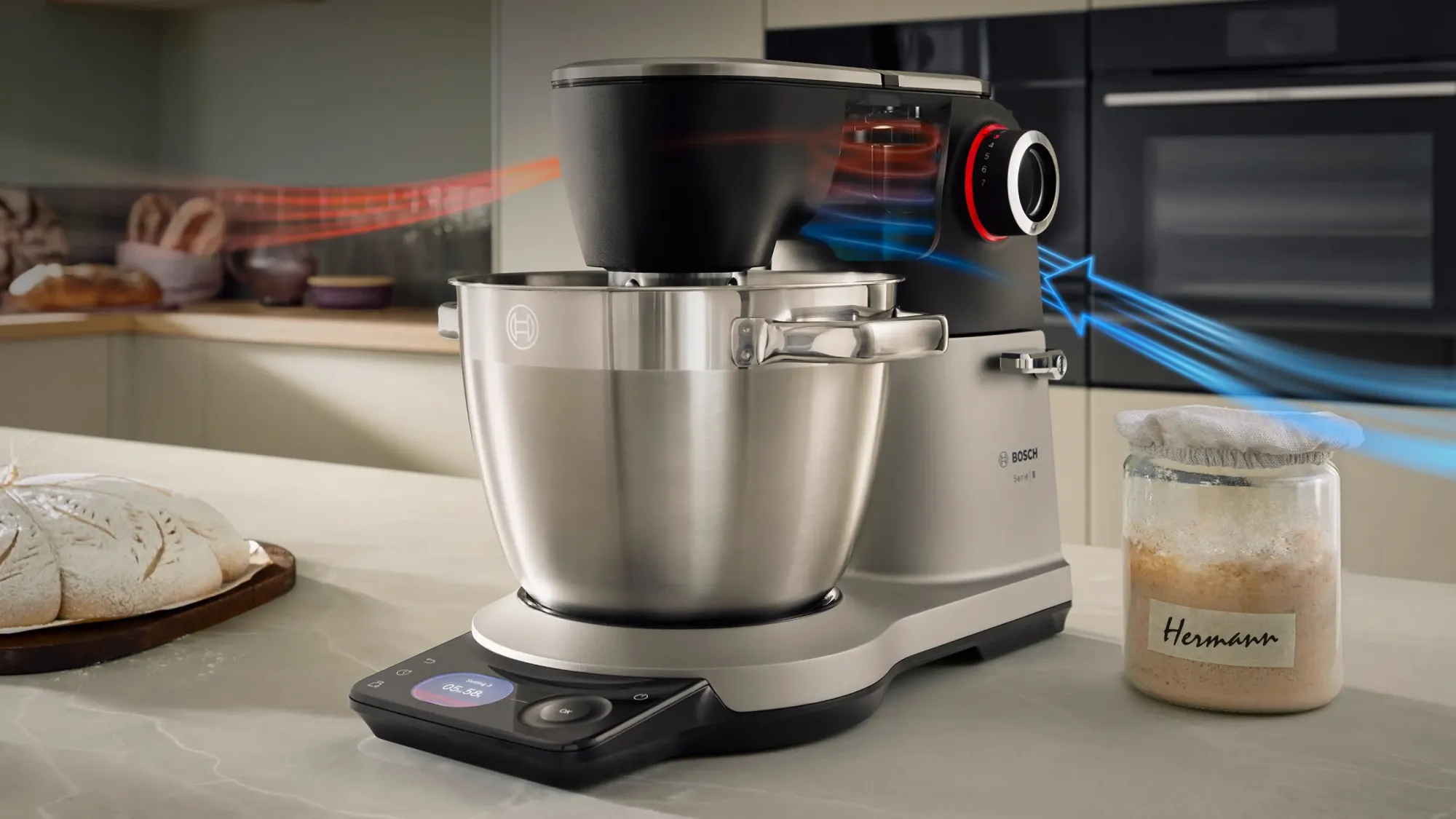

Food processors Bosch
Food processors: choosing power and bowl capacity
Between a processor for simple tasks and a model that handles dense batter and large quantities, the real difference lies in motor power, bowl capacity, and the number of speeds. These three measurements, compared against recent market listings, are what truly separate the products in this category.
What to check
Motor power
This criterion measures motor strength in watts. It matters because a more powerful motor handles heavy batter, long kneading, or large quantities without strain, while a weaker motor can struggle or overheat on these tasks. On the site, the score places the processor between the least powerful listings, around 250 W, a median near 725 W, and the most powerful models, reaching 1,500 W. The longer the bar, the more the processor manages dense preparations with visible ease.
Market median: 725 W
Bowl capacity
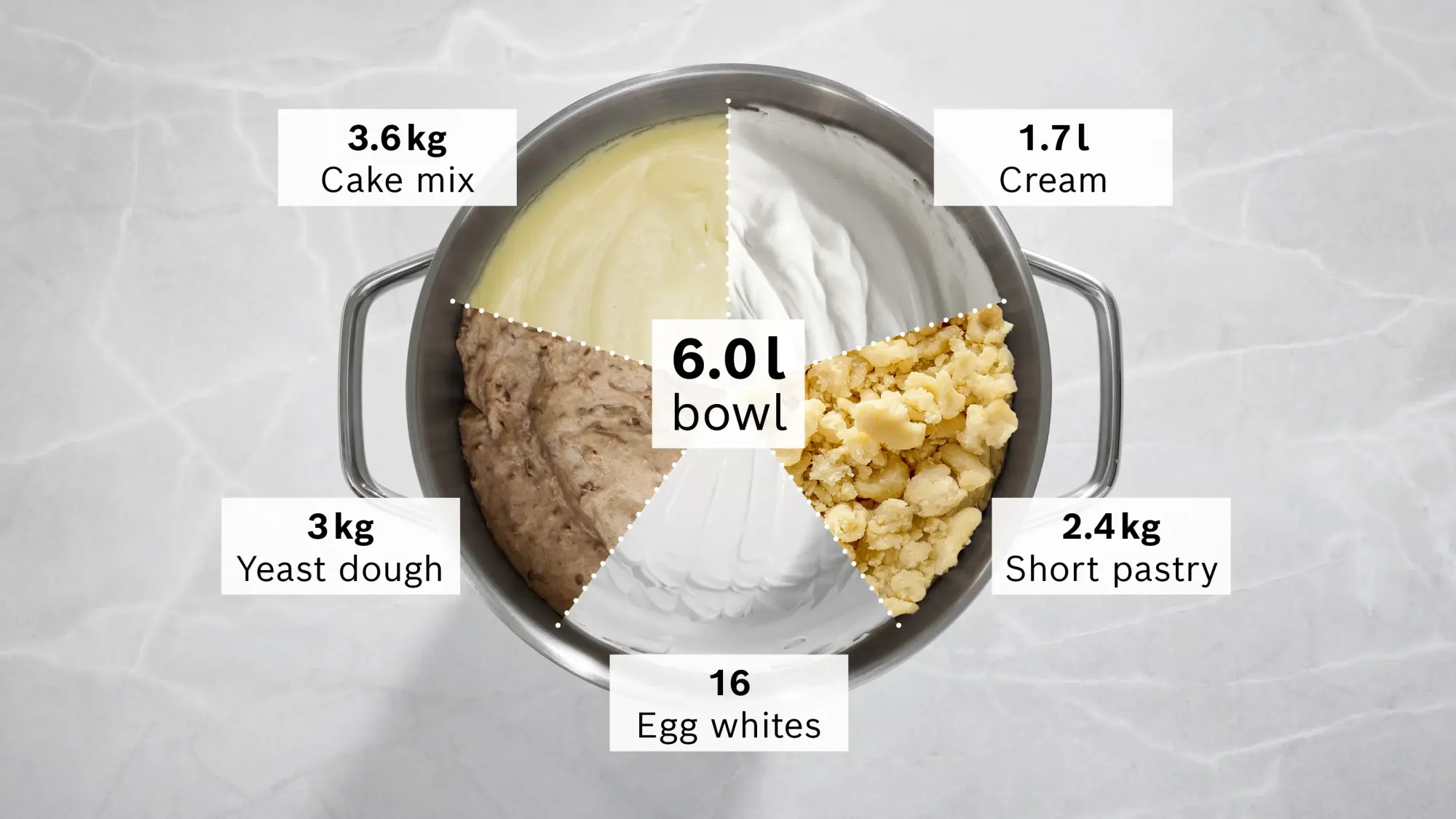
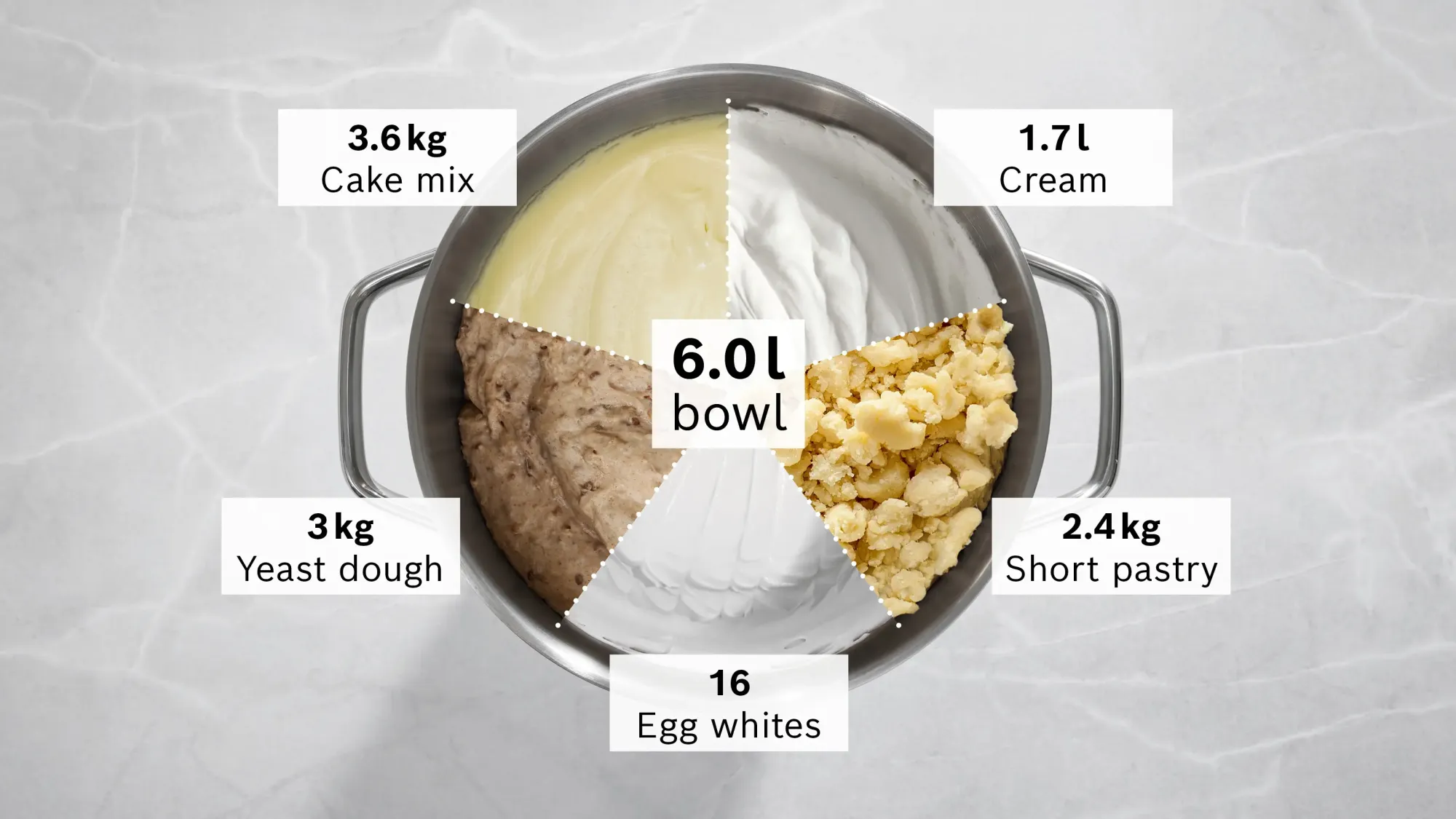
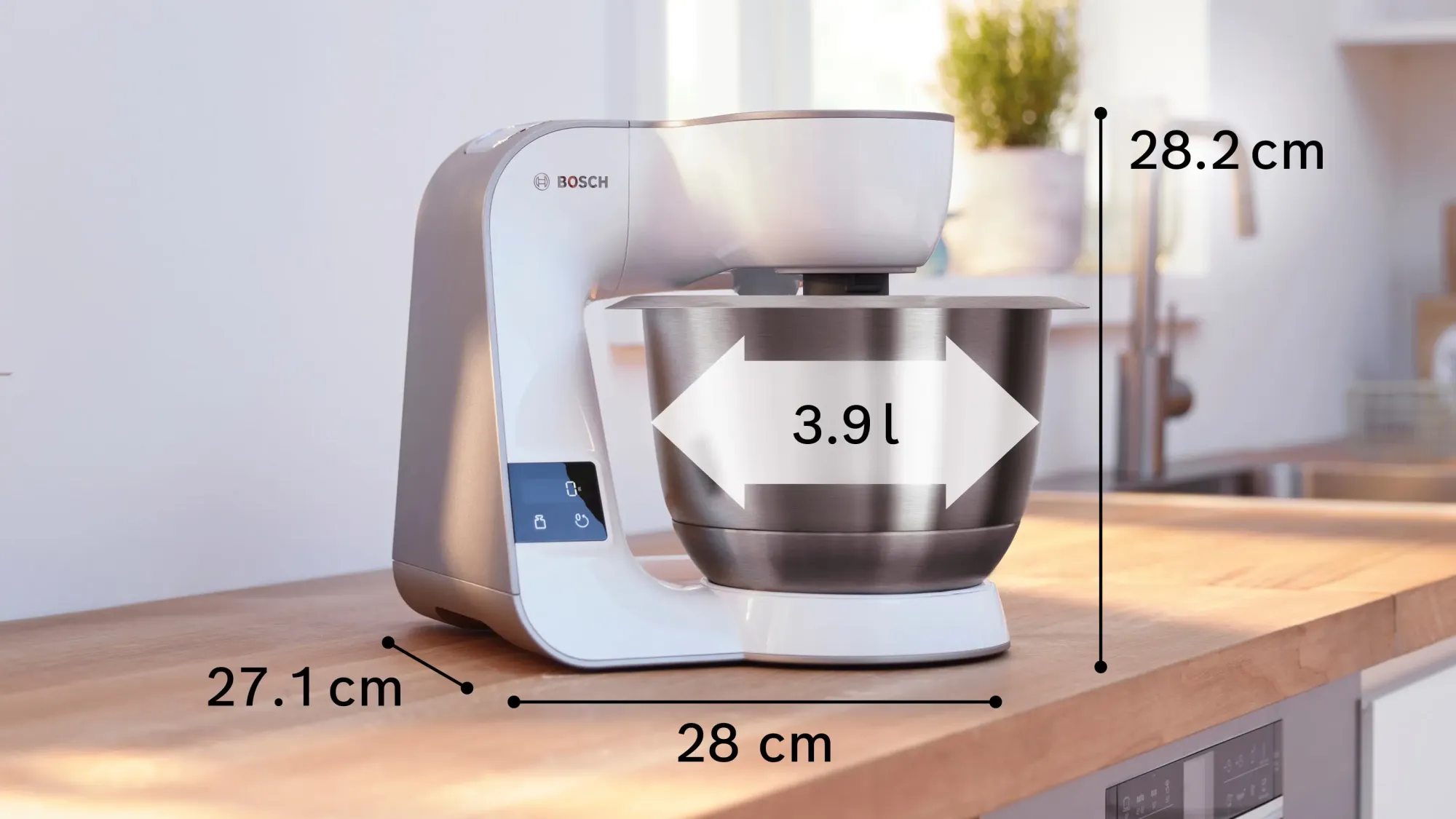
This criterion indicates bowl volume in litres. It matters because a bowl that is too small forces multiple batches, which lengthens preparation and complicates large quantities, for instance for a family or portions meant for storage. The site’s score positions each processor between the smallest bowls, around 1.3 L, a median near 3 L, and the largest, up to 5 L. The longer the bar, the more you can prepare in a single batch without transferring.
Market median: 3 L
Number of speeds
This criterion counts the number of speed settings available. It matters because delicate work, like whipping egg whites or emulsifying, needs a slow, gradual speed, while quick chopping needs the opposite: more settings allow finer adaptation to each texture. The score places the processor between the most limited appliances, around two speeds, a median near three, and the most adjustable, up to twelve. The longer the bar, the more finely the processor adapts to each recipe.
Market median: 3
Cleaning and storage in daily use
A food processor comes apart into several parts: bowl, lid, whisks or blades, which usually go in the dishwasher or rinse easily under water. Check the product page to see if these parts are removable, since easy cleaning encourages regular use rather than leaving the appliance in a cupboard. Also consider worktop space: a bulky processor with a large capacity is harder to store than a compact model, a point worth weighing against the capacity you actually need.
Benchmarks based on 30 recent market listings, collected on 1 October 2026.
What you get for each budget
Under €80
At this price level, processors tend to offer more modest power and capacity, with fewer speeds, enough for simple preparations and small quantities.
€80 to €200
This tier brings more balanced processors, with power close to the median, a comfortable bowl capacity, and more speeds for varied preparations.
Over €200
Beyond that, you reach the most powerful processors, the largest bowls, and the widest range of speed settings, suited to intensive use and large quantities.
Frequent mistakes
Choosing solely on advertised power without checking bowl capacity, which also shapes actual use.
Underestimating the need for large quantities and ending up with a bowl too small for the household.
Overlooking the number of speeds when some preparations need a gradual setting.
Forgetting to check whether accessories clean easily, which affects daily use.
Models in this category
Best rated first, among those our merchants offer.
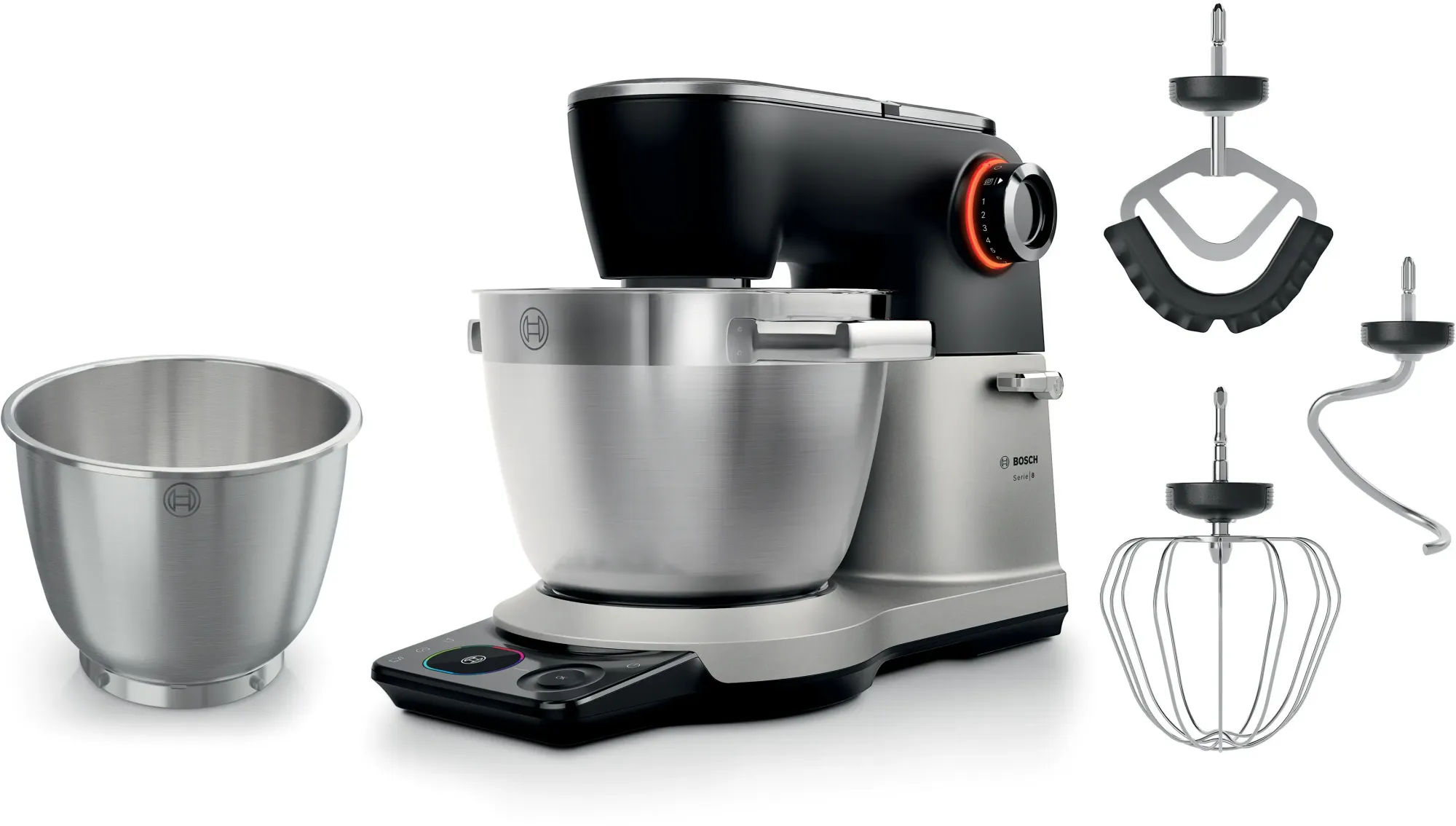
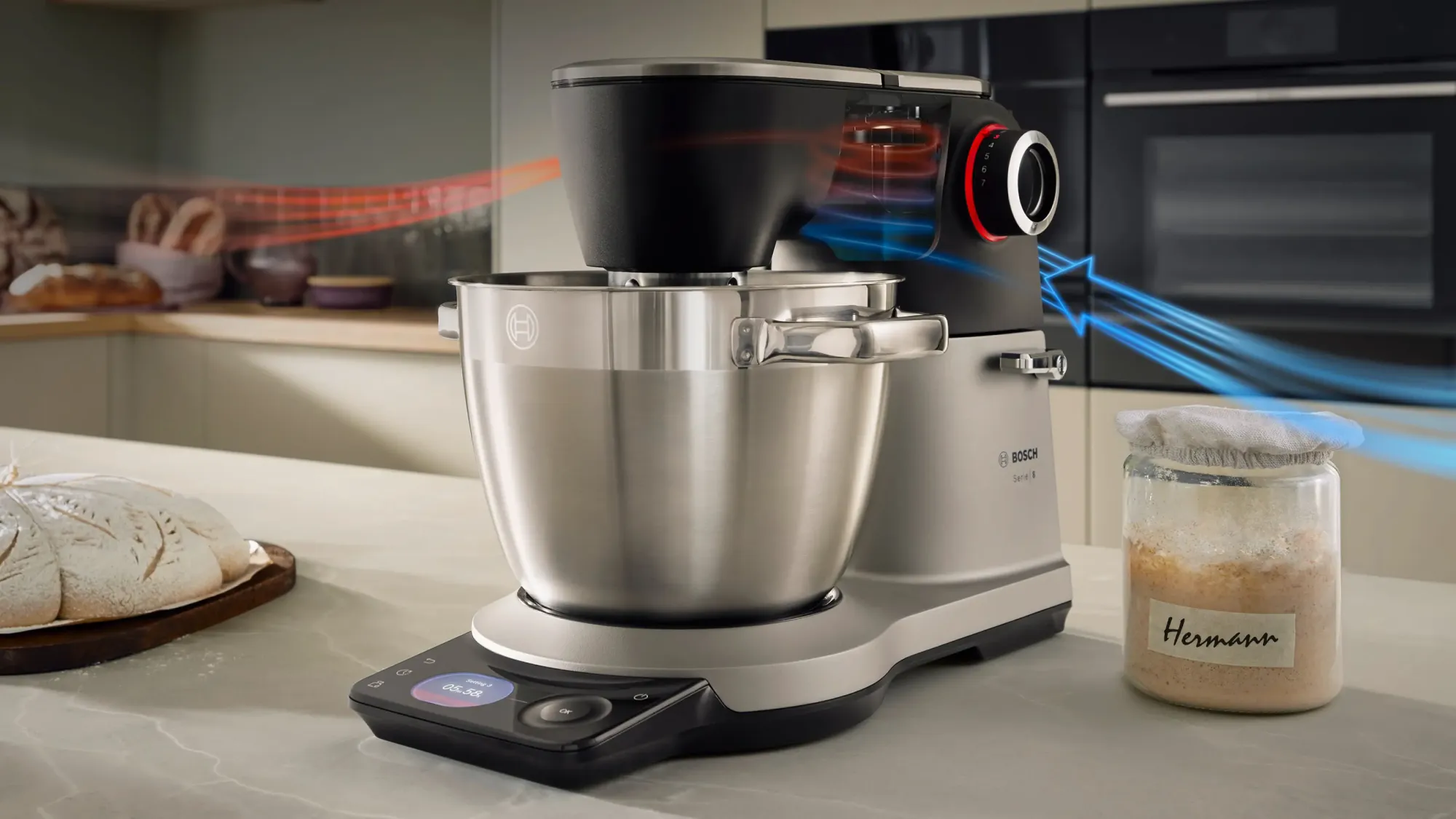

Food processors Bosch
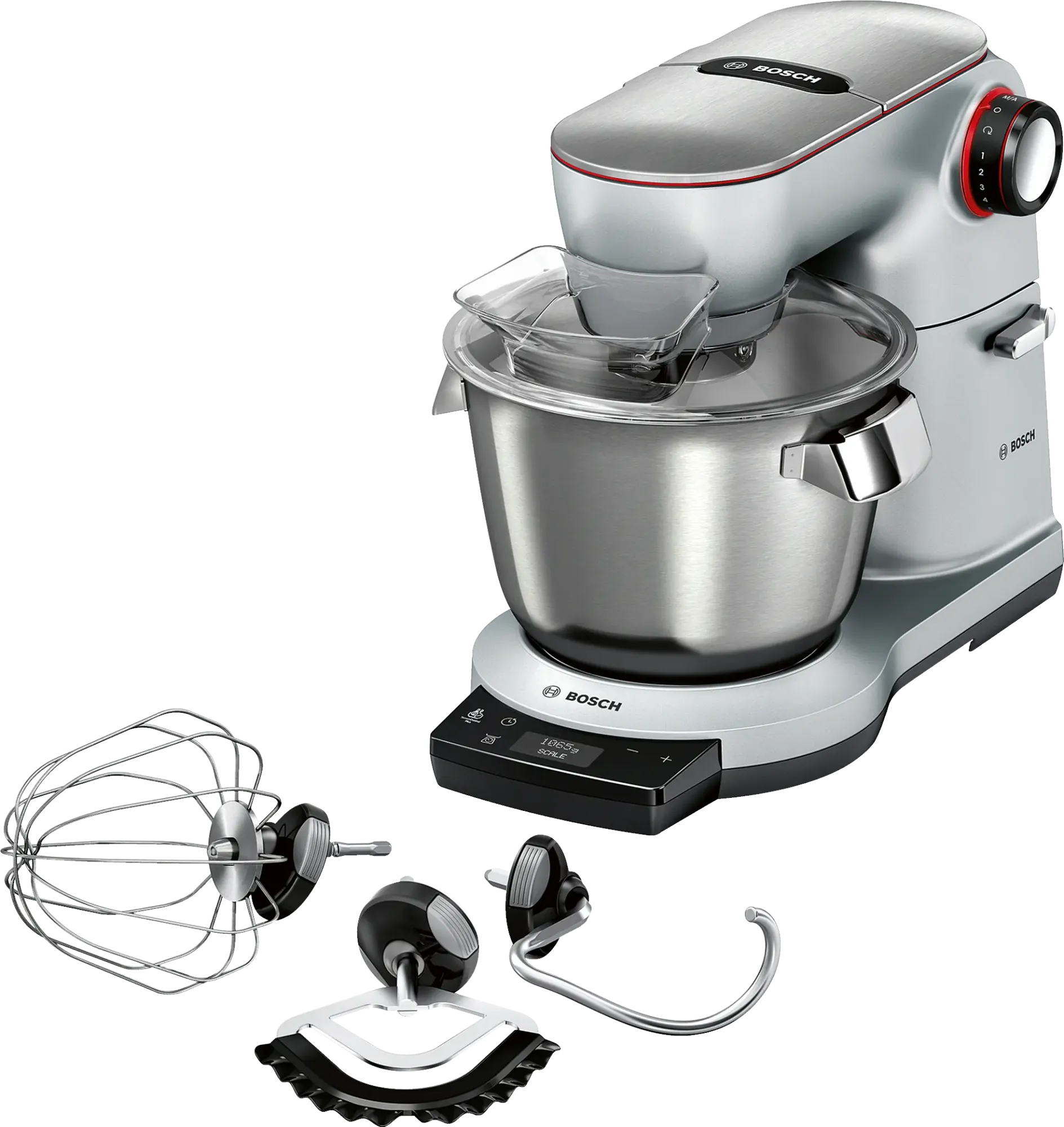
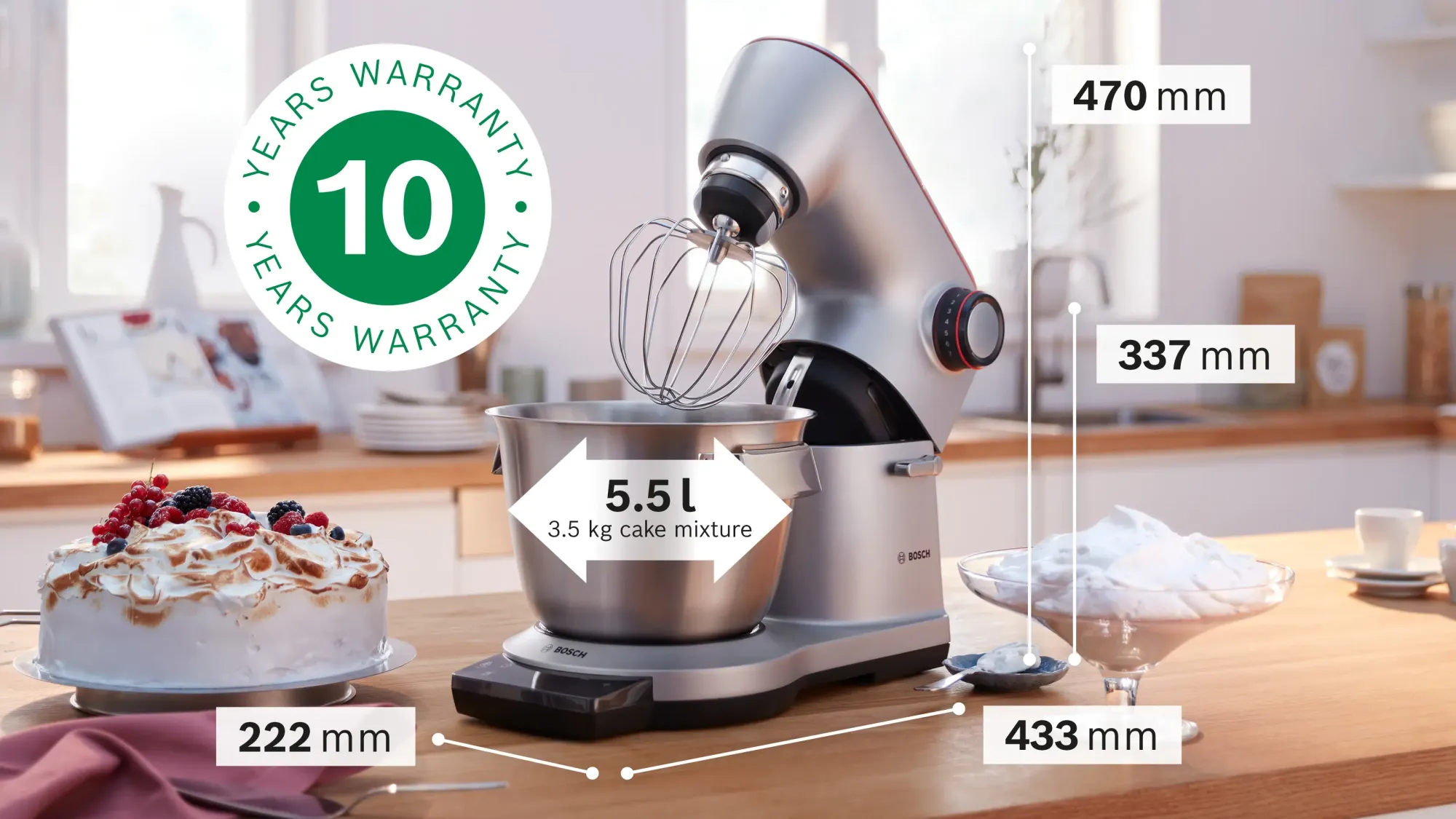
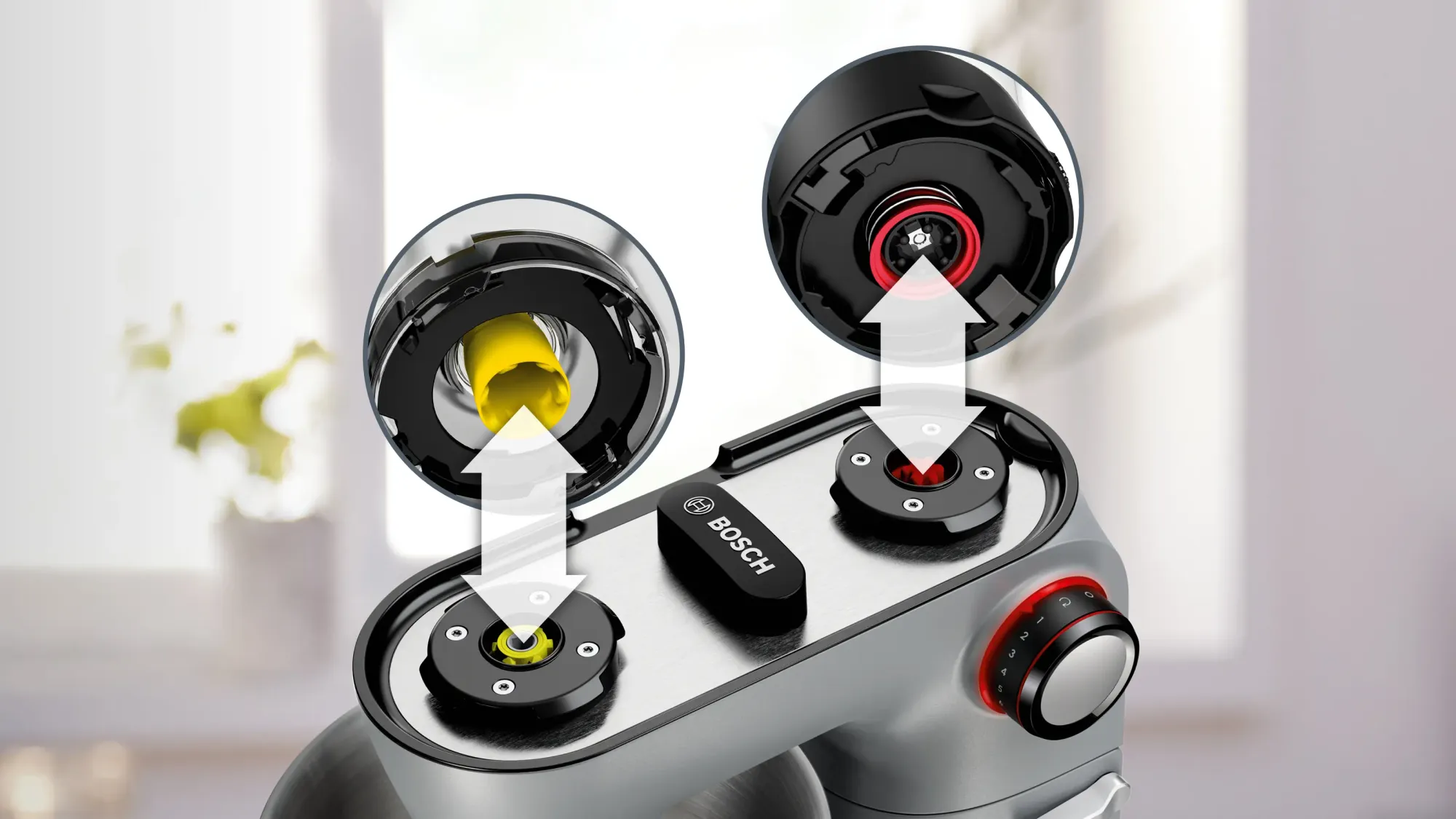
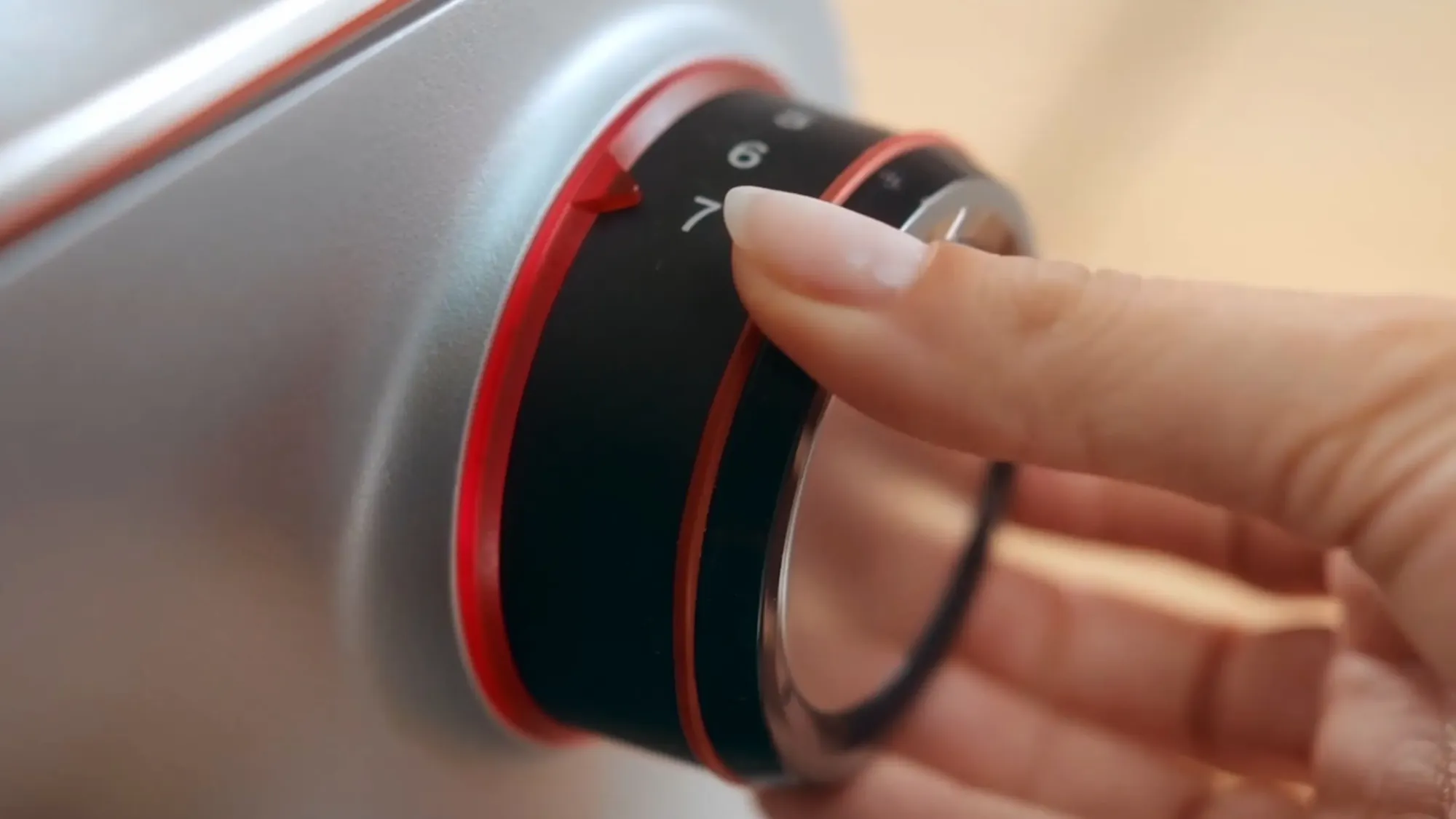
Serie 8 Food Processor with Scales 1800 W Silver, black MUMS8ZS18

Food processors Bosch
Serie 8 Food Processor with Scales OptiMUM 1600 W Silver, silver MUM9AX5S00
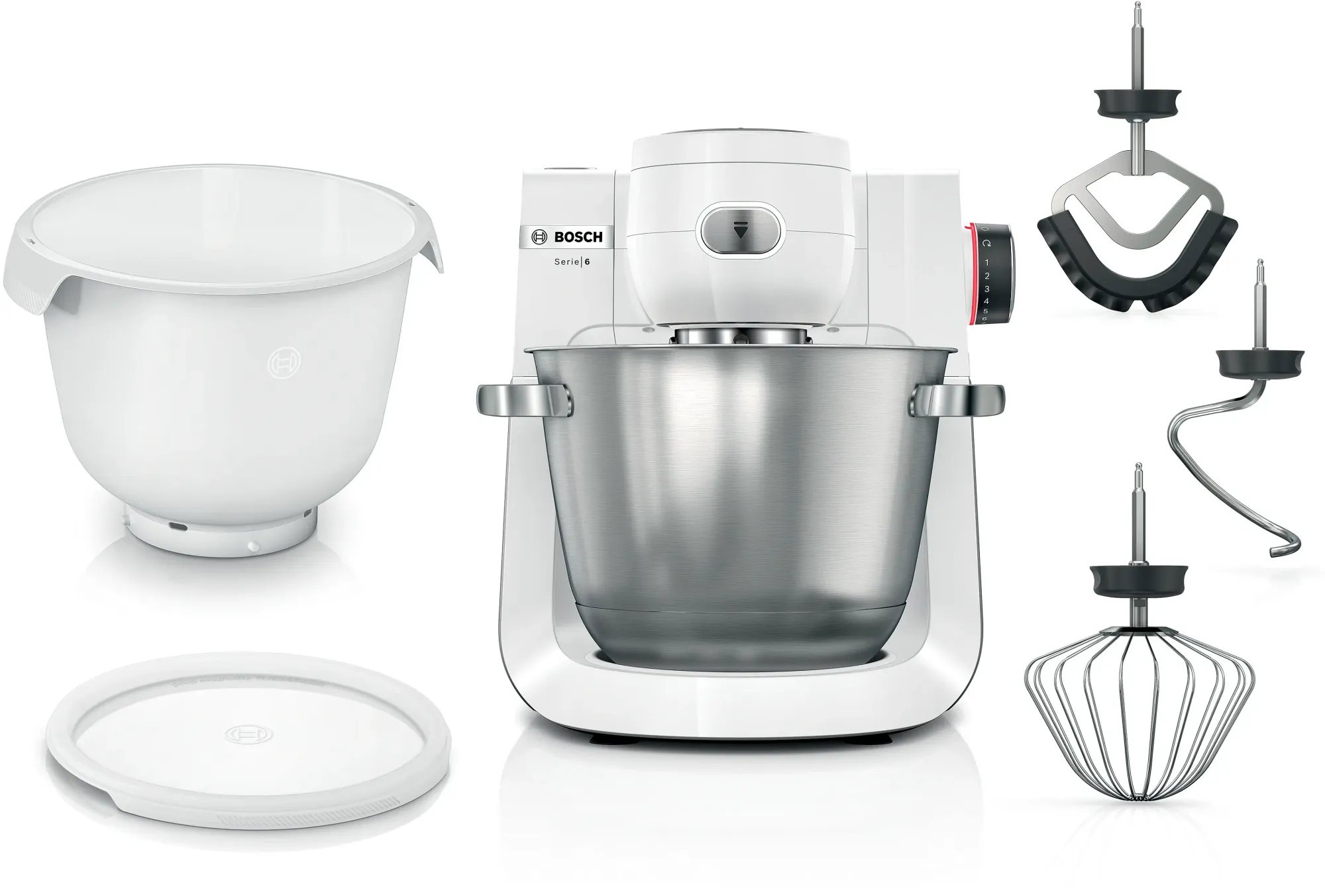
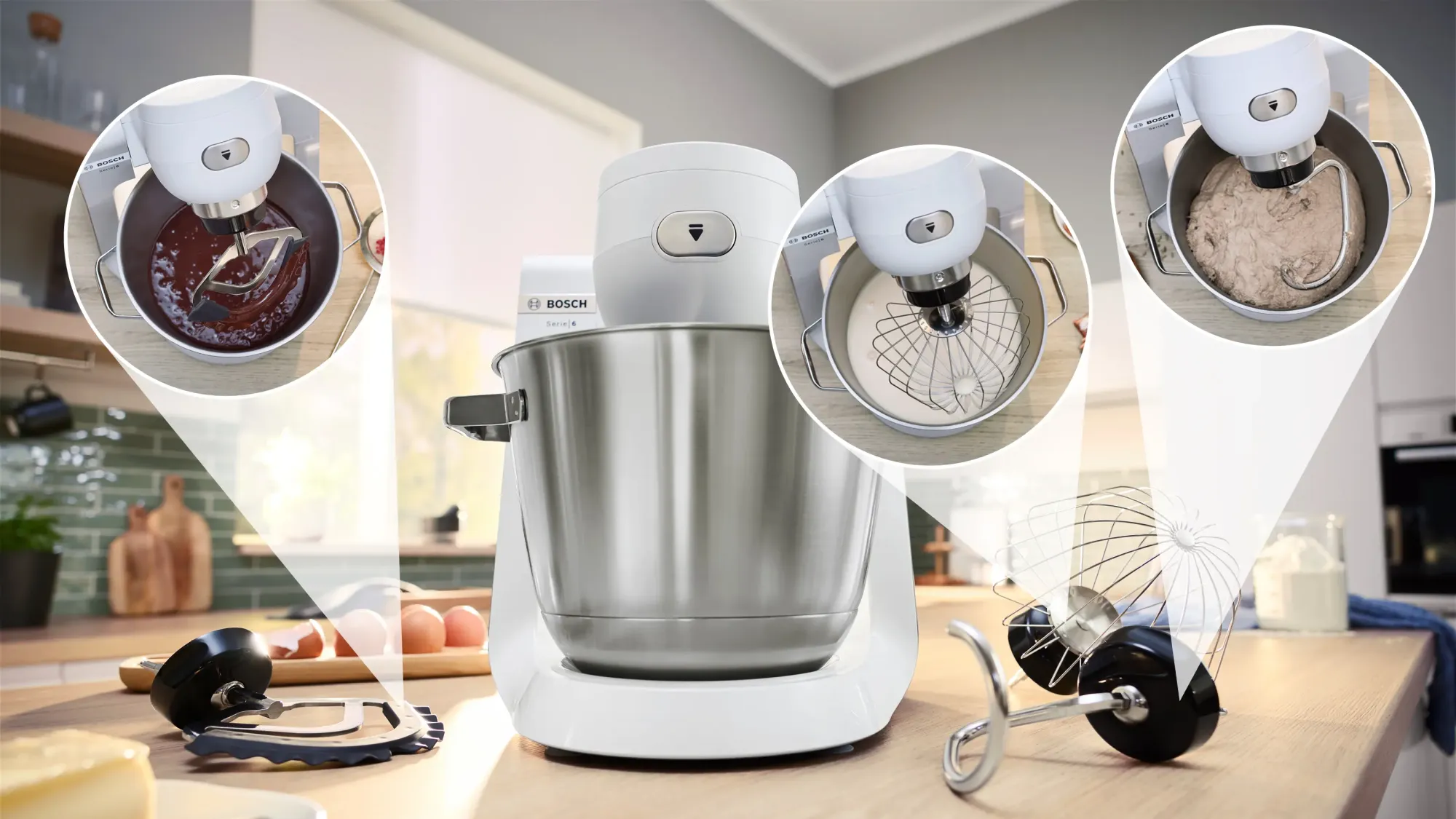
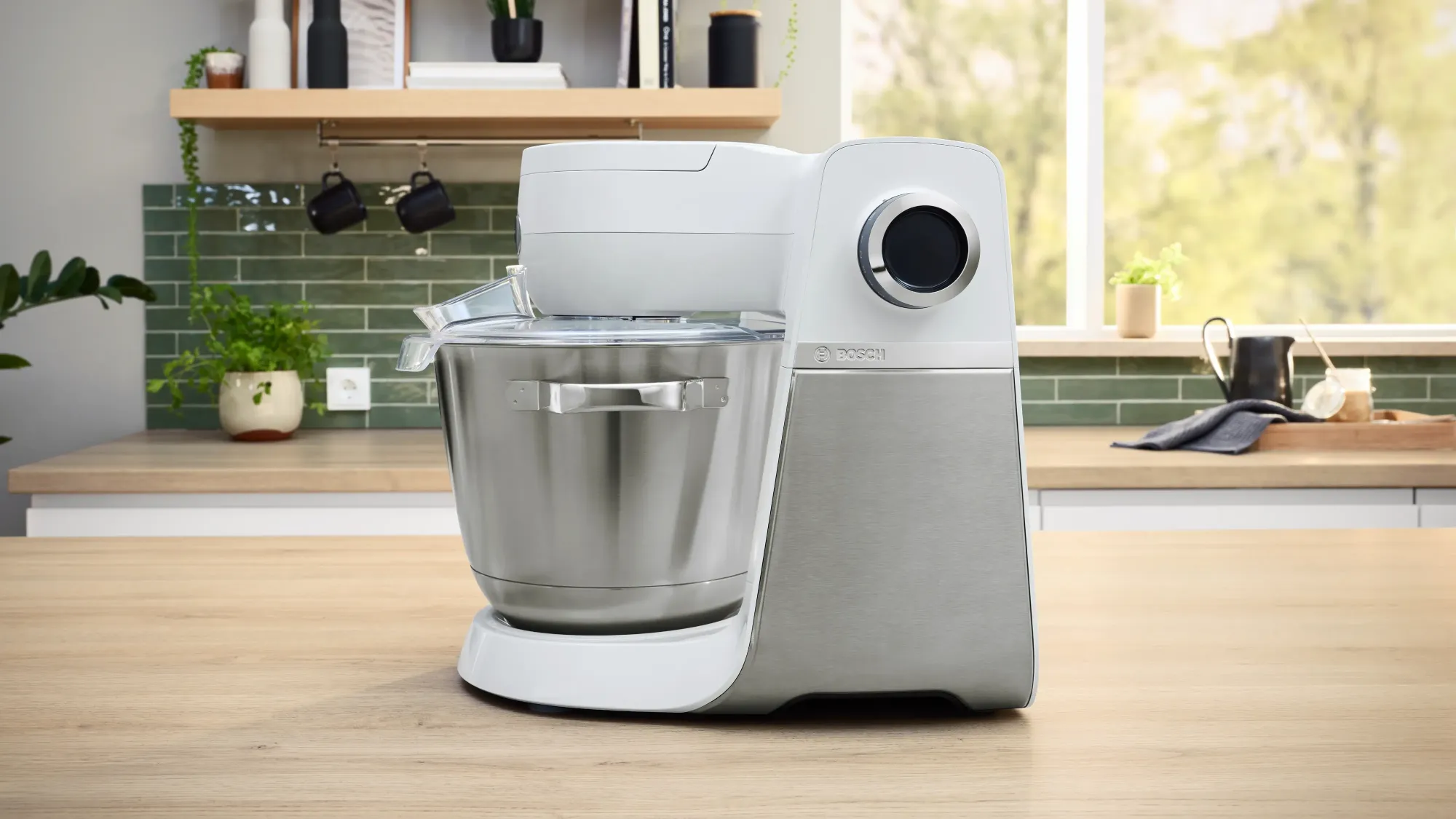
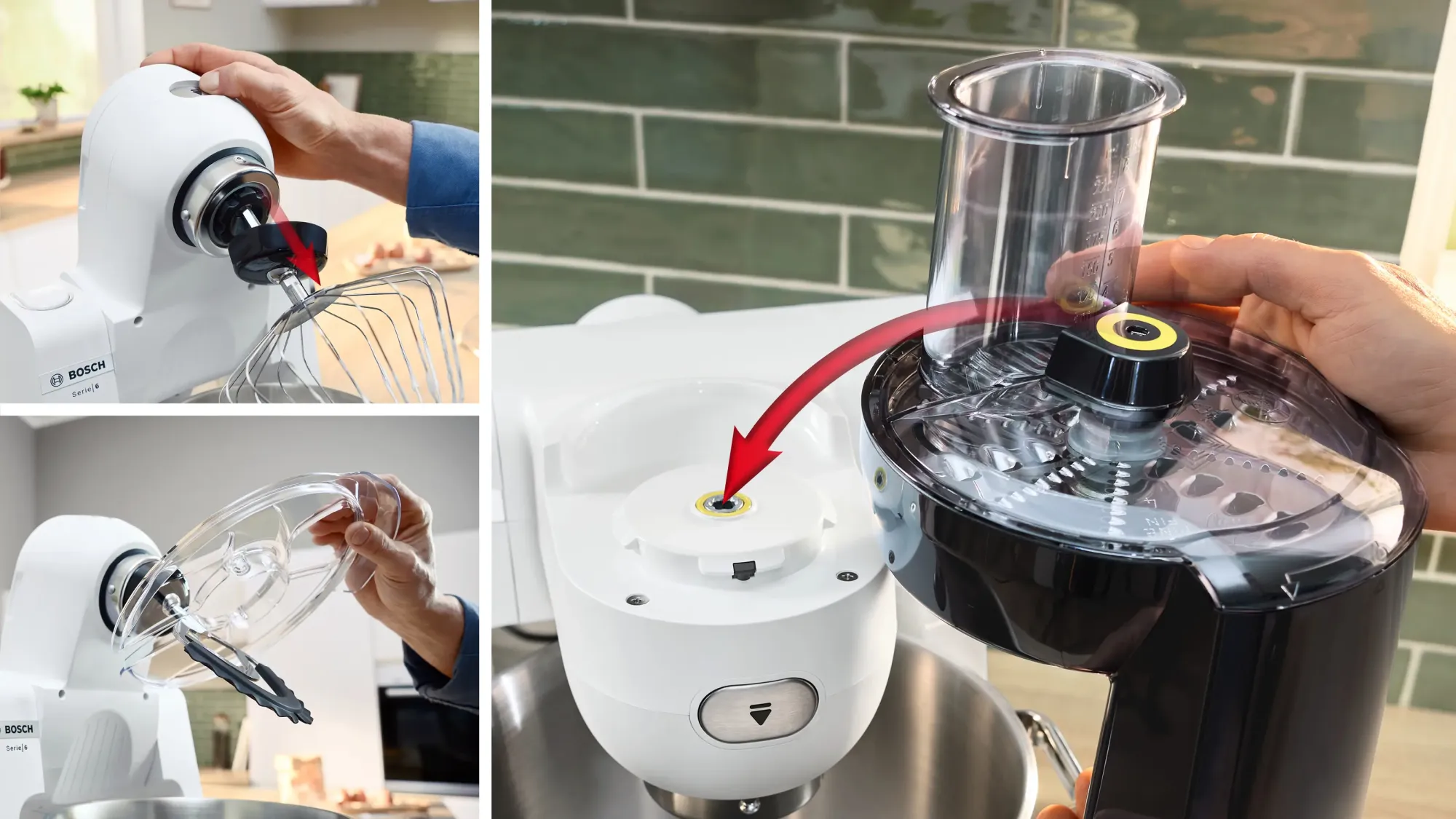
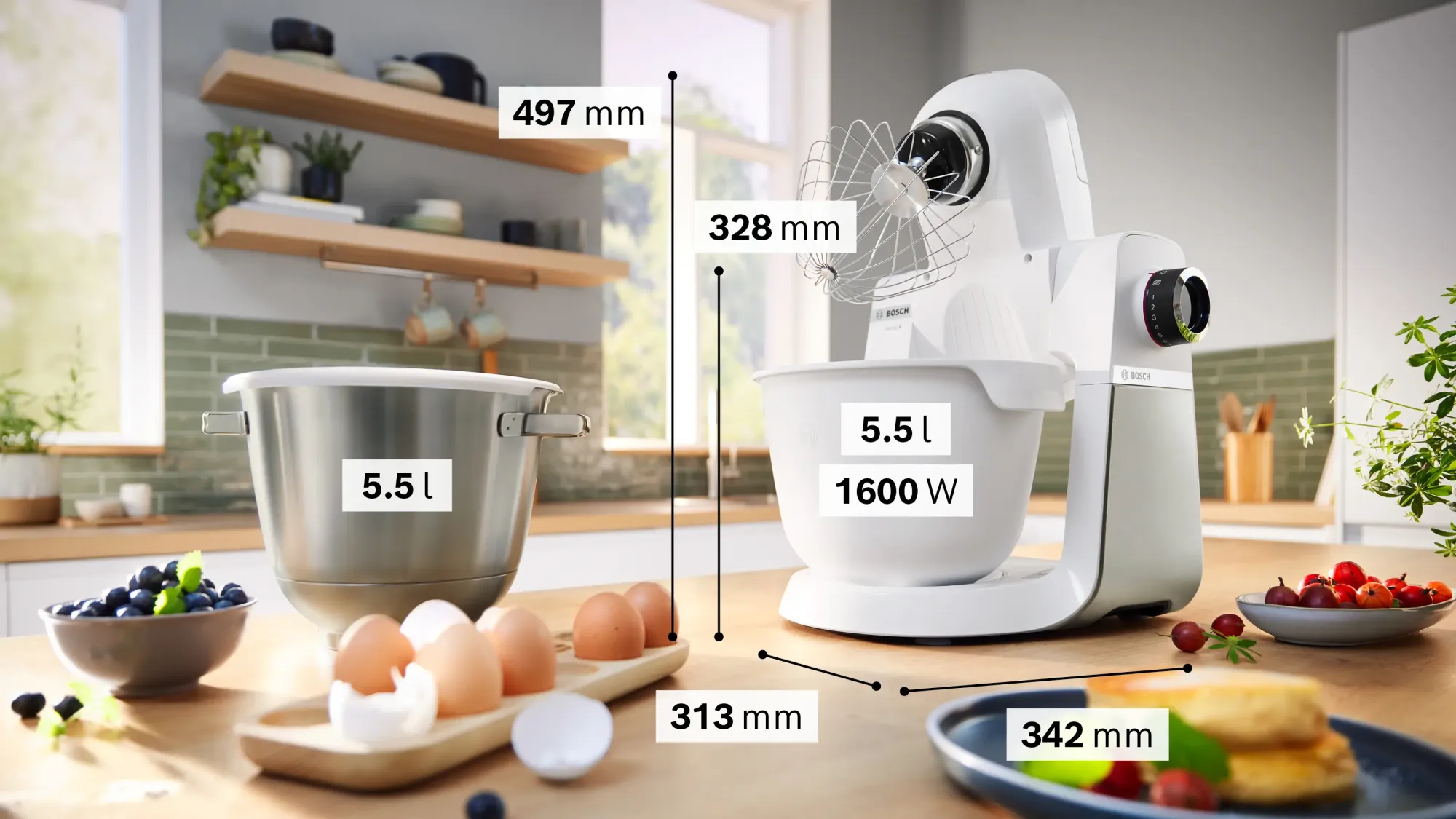
Food processors Bosch
Serie 6 Food Processor 1600 W White, Brushed stainless steel MUMS6EW18
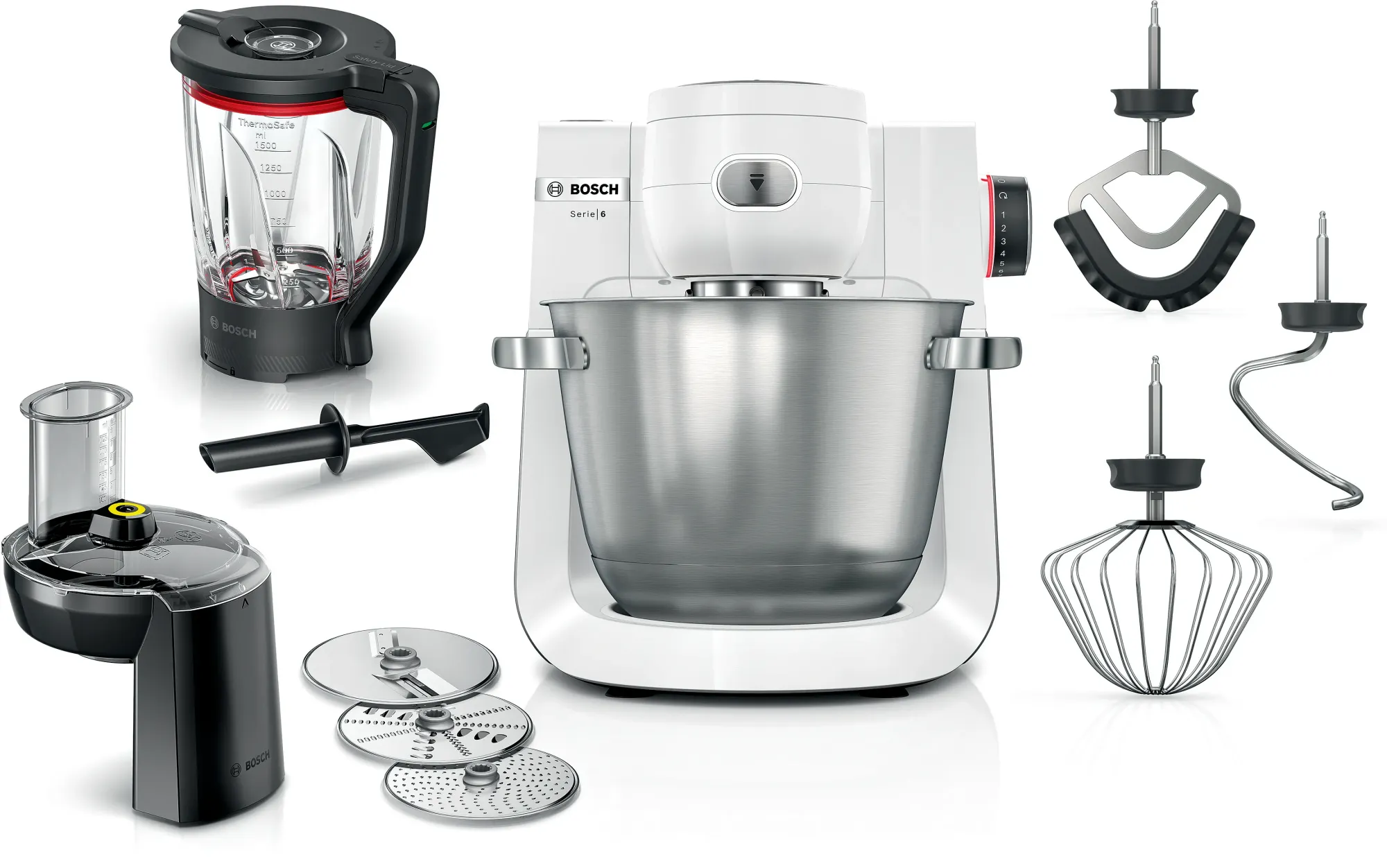
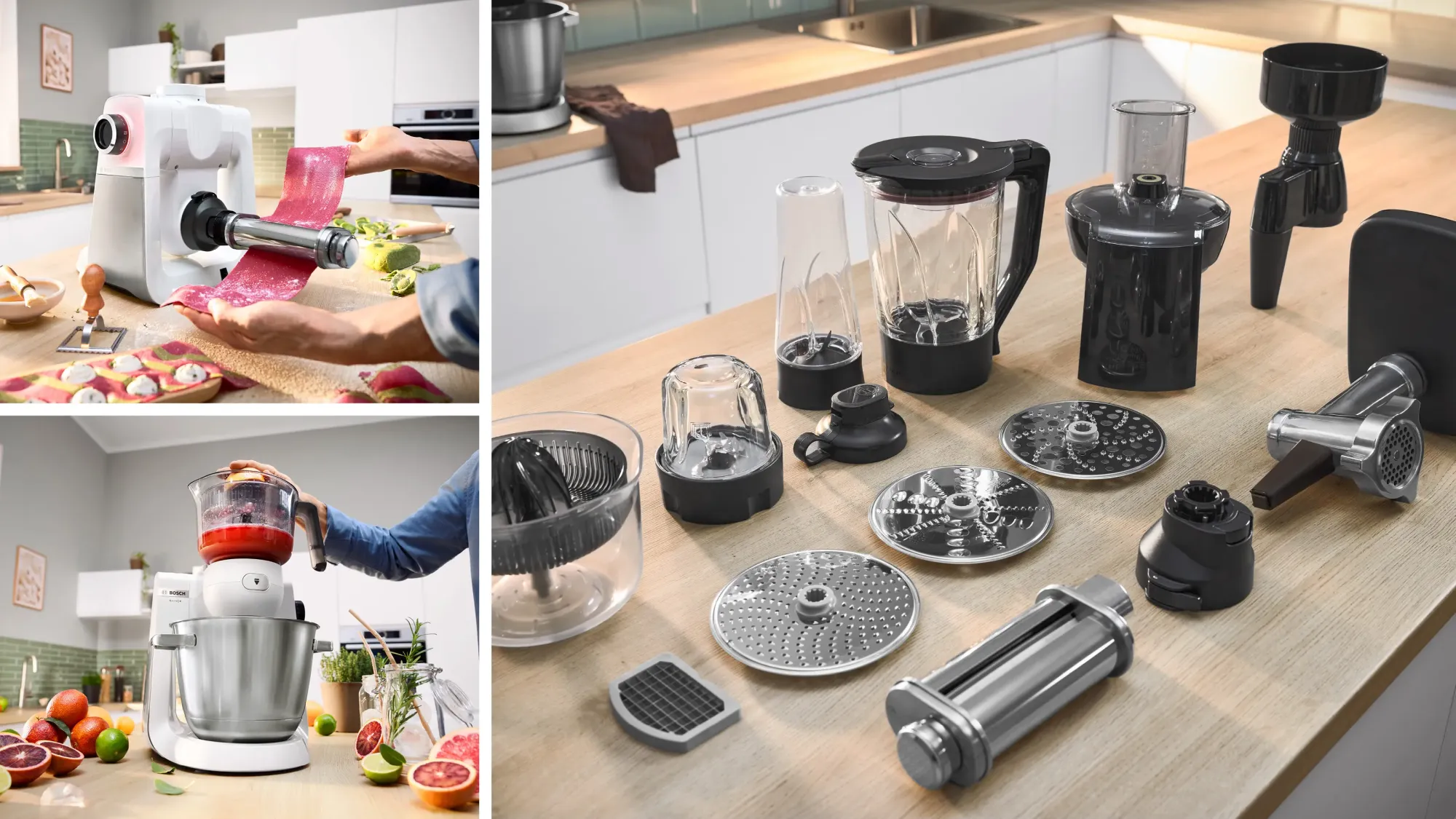
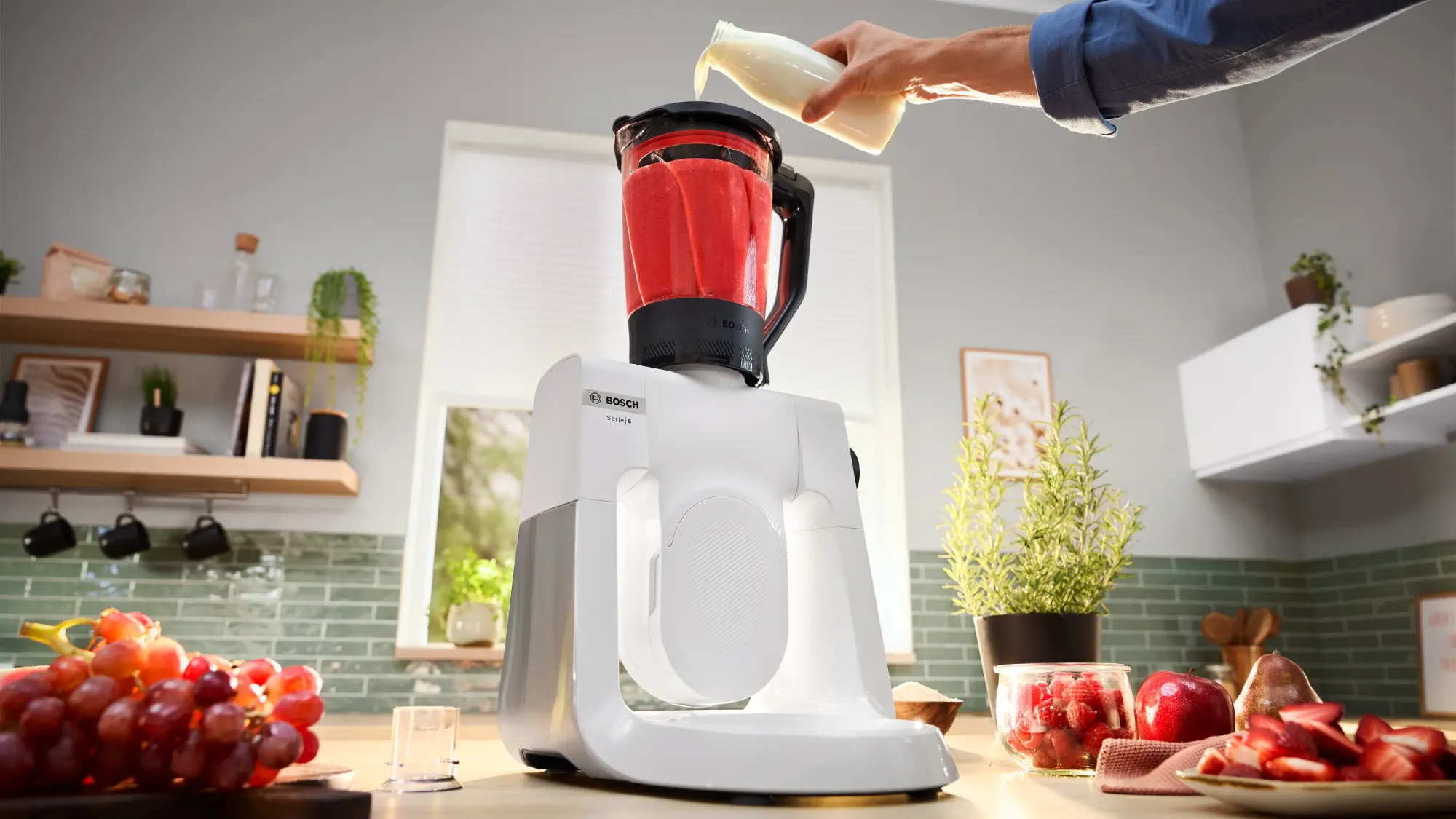

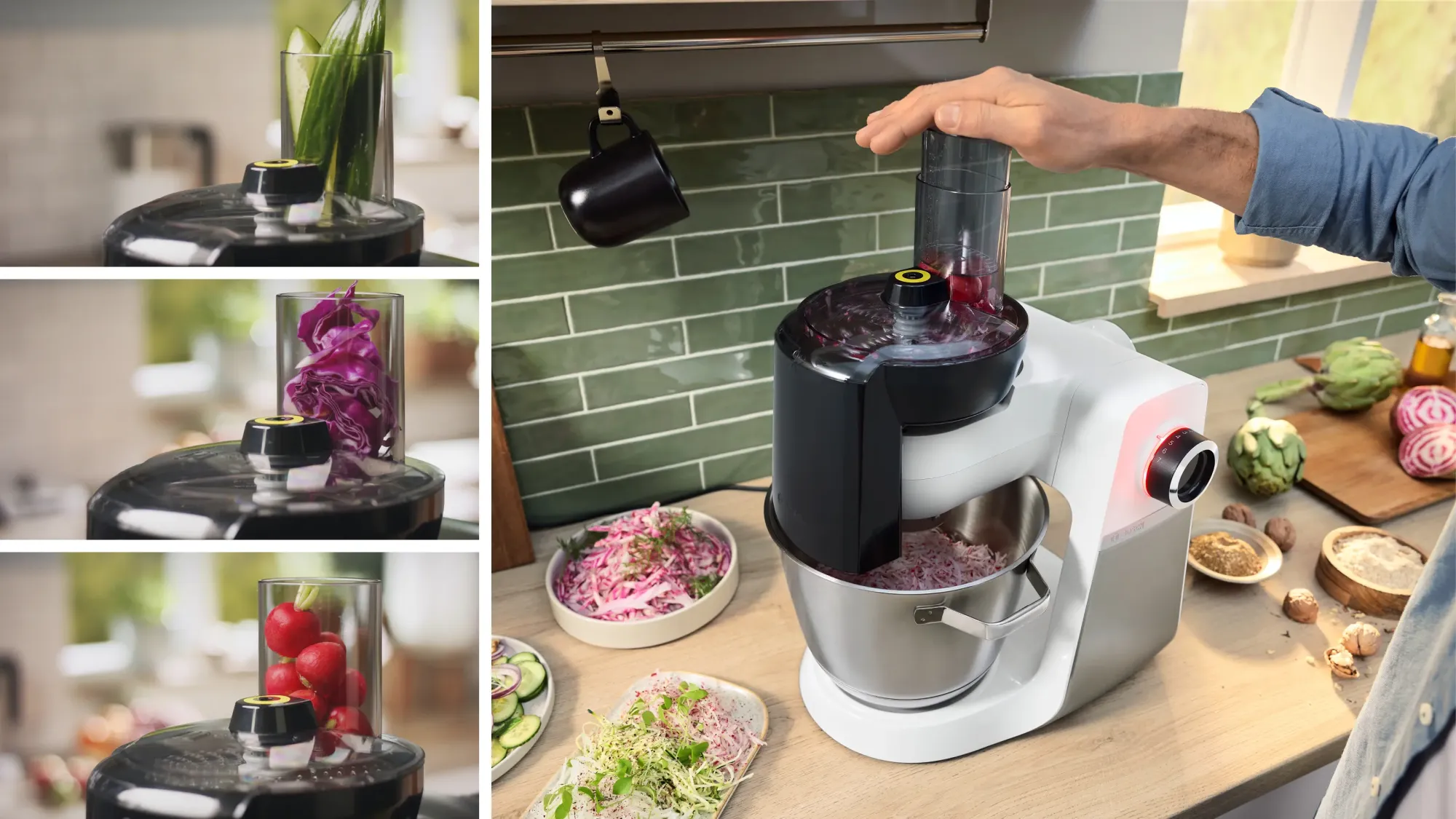
Food processors Bosch
Serie 6 Food Processor 1600 W White, Brushed stainless steel MUMS6EW22
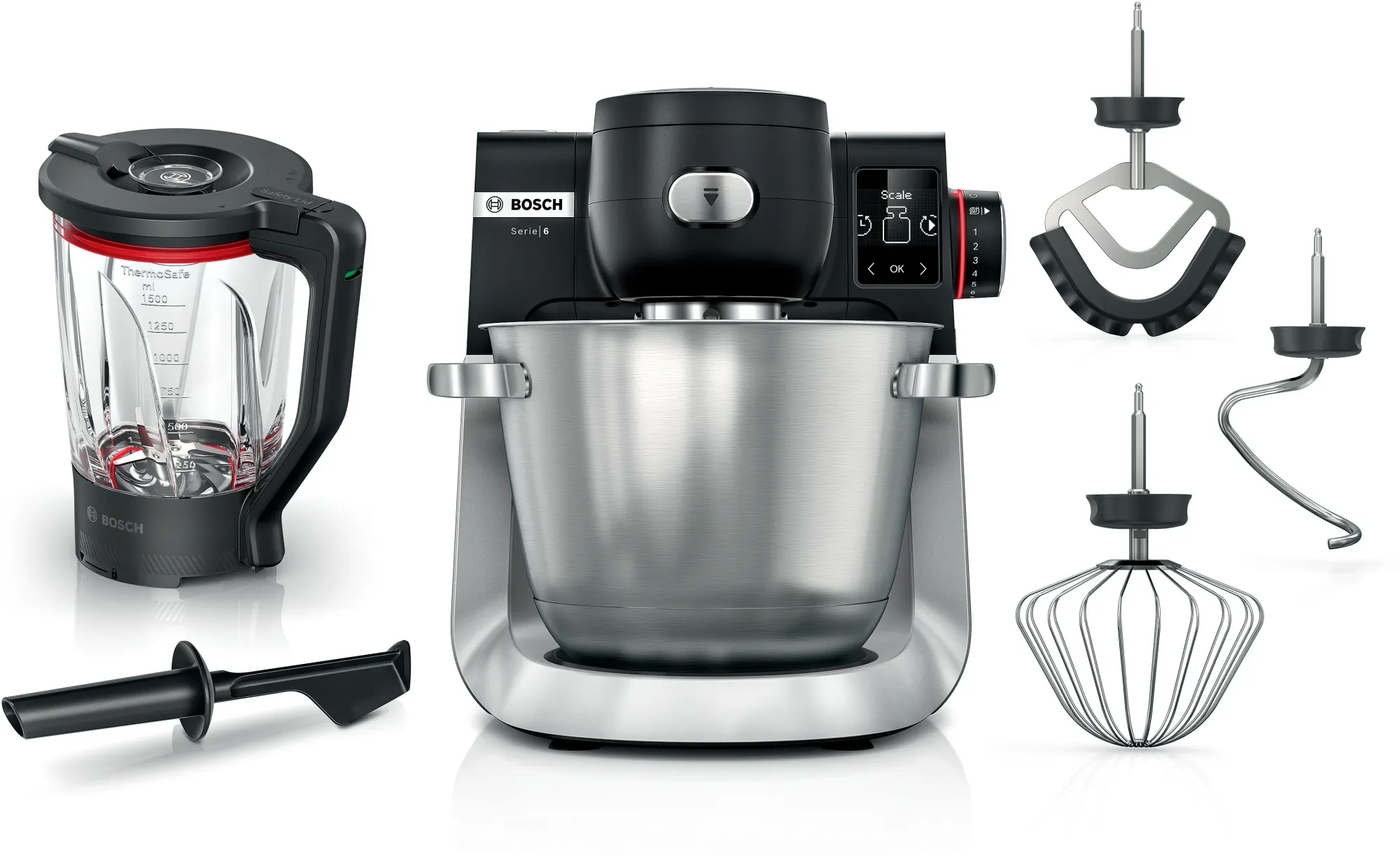
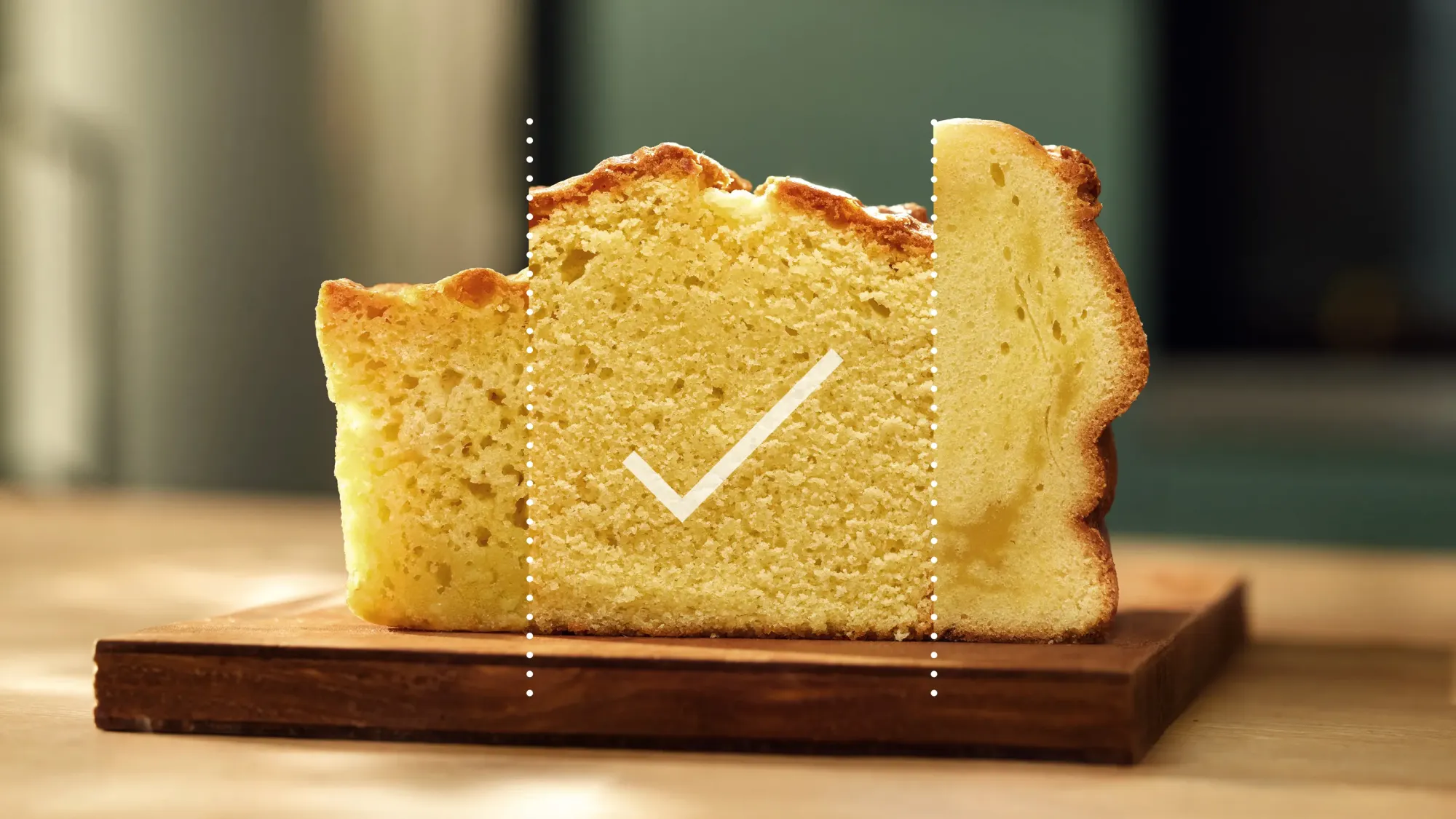
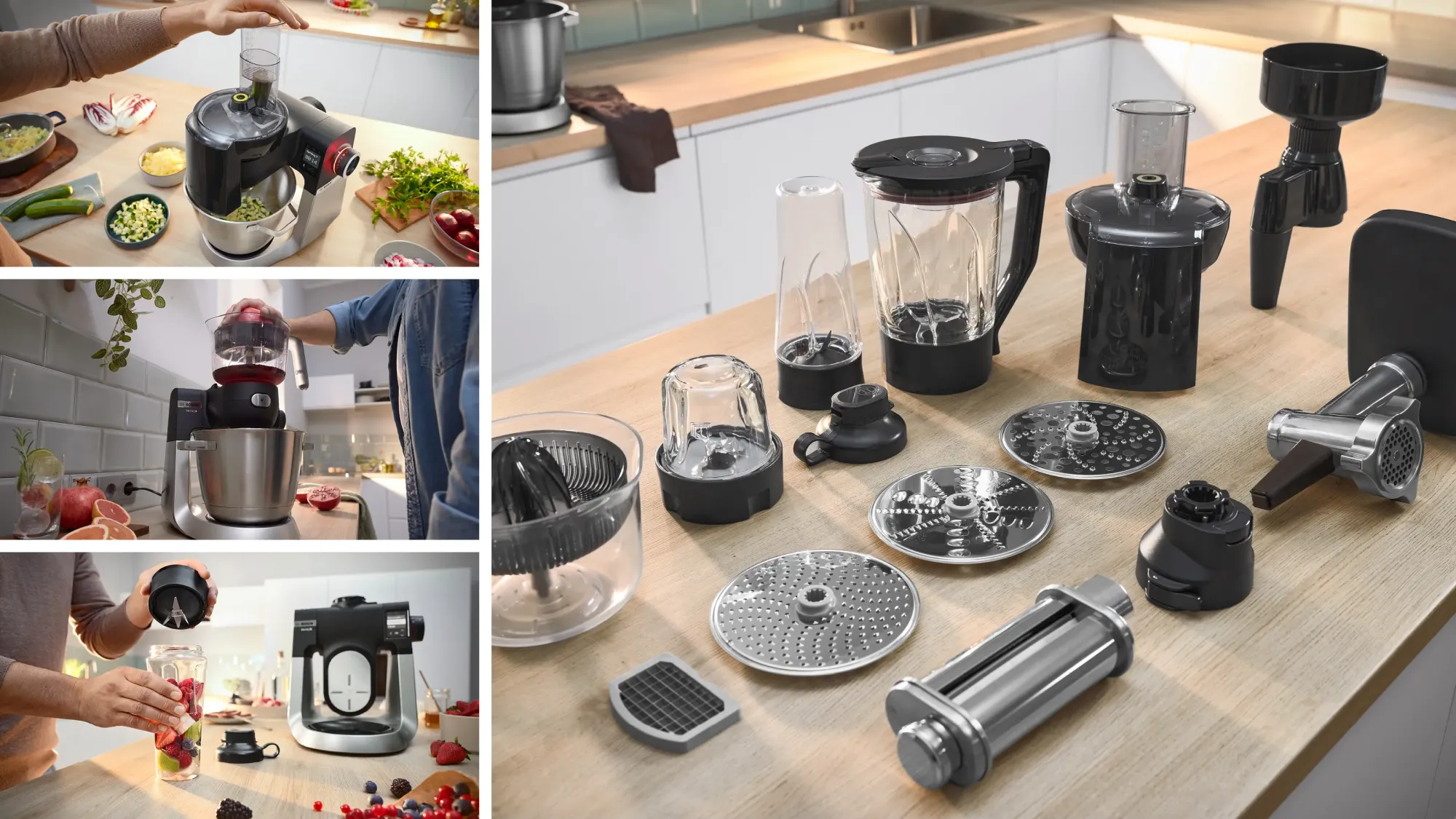
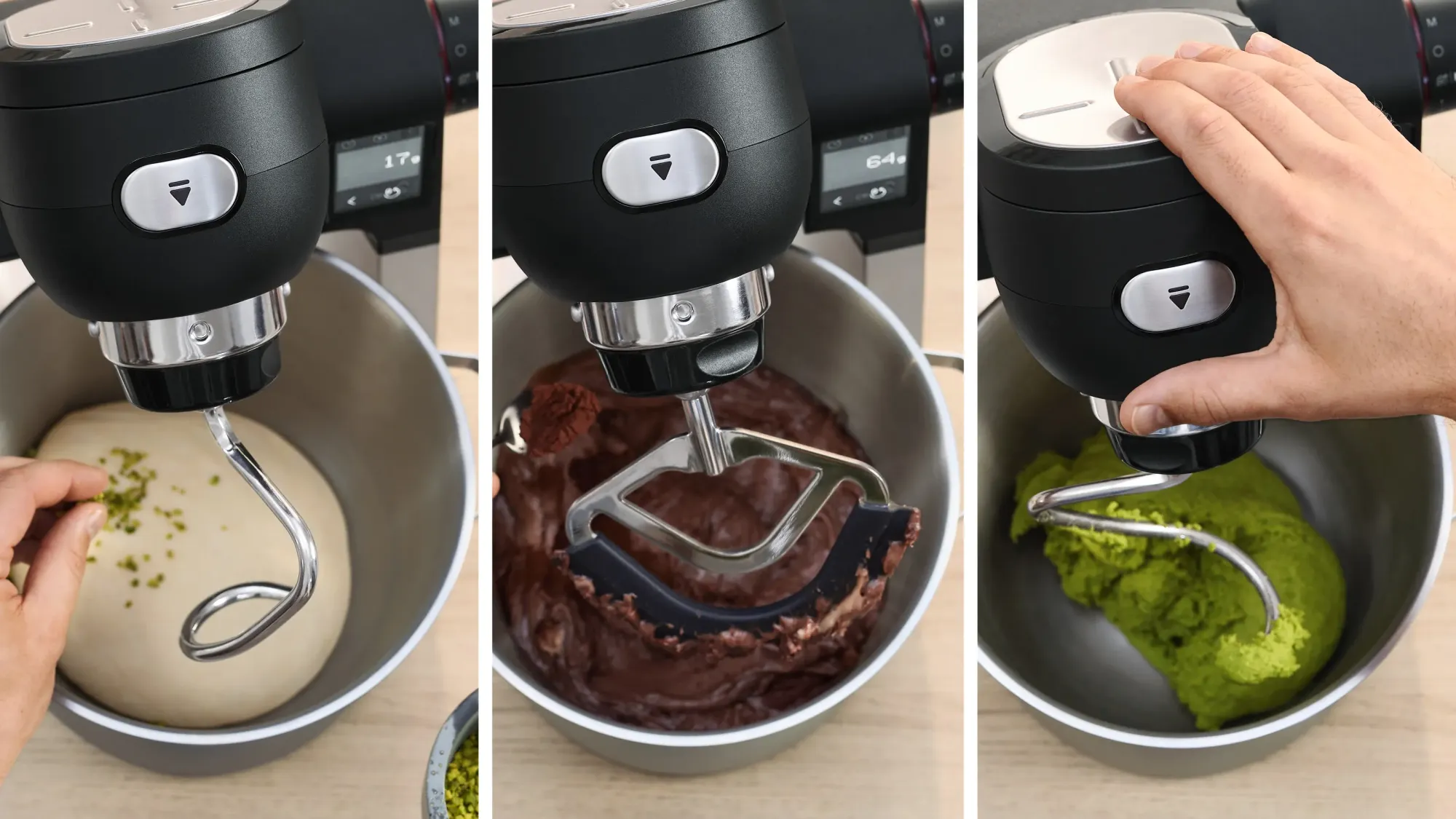

Food processors Bosch
Serie 6 Food Processor with Scales 1600 W Black, Brushed stainless steel MUMS6ZS17
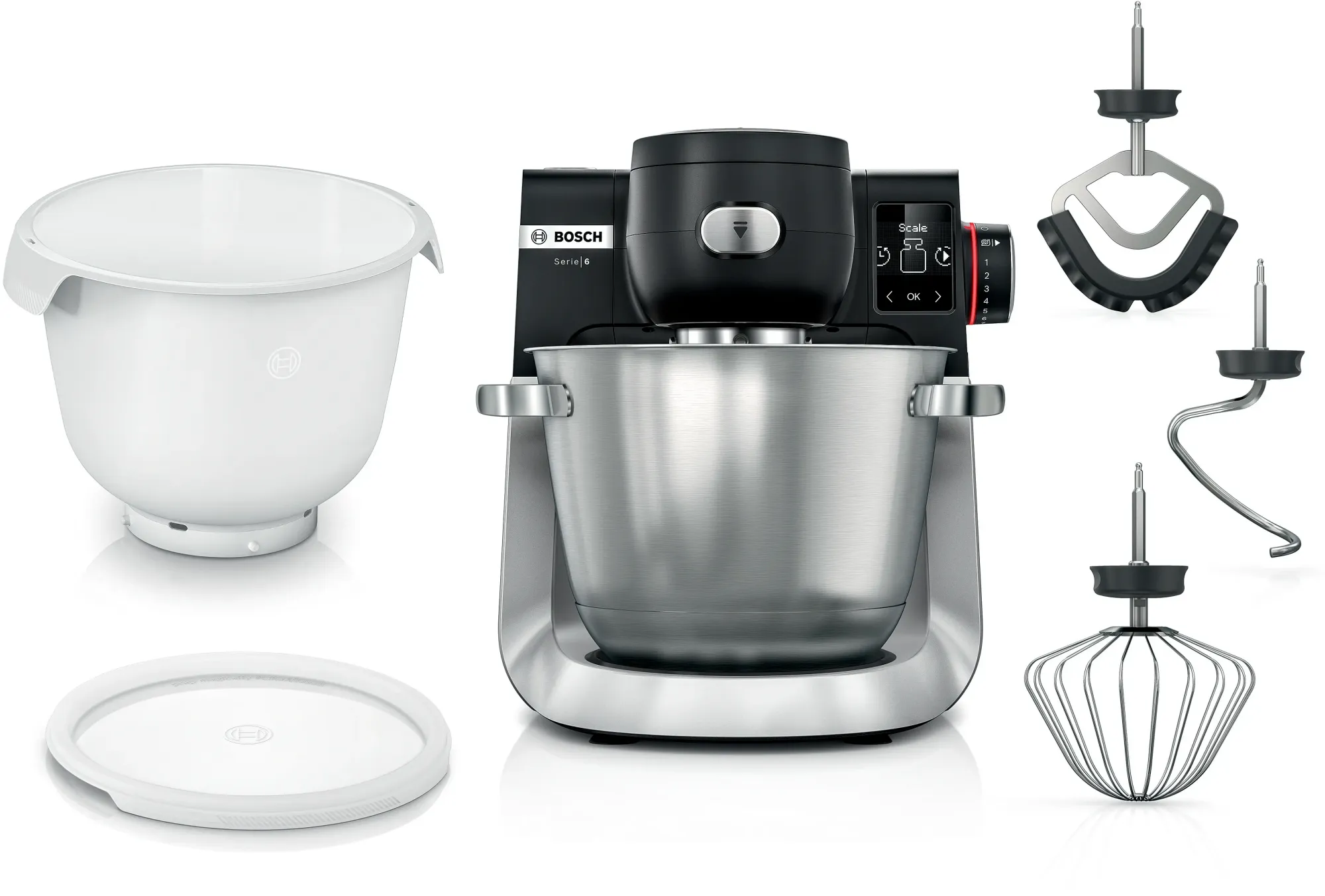
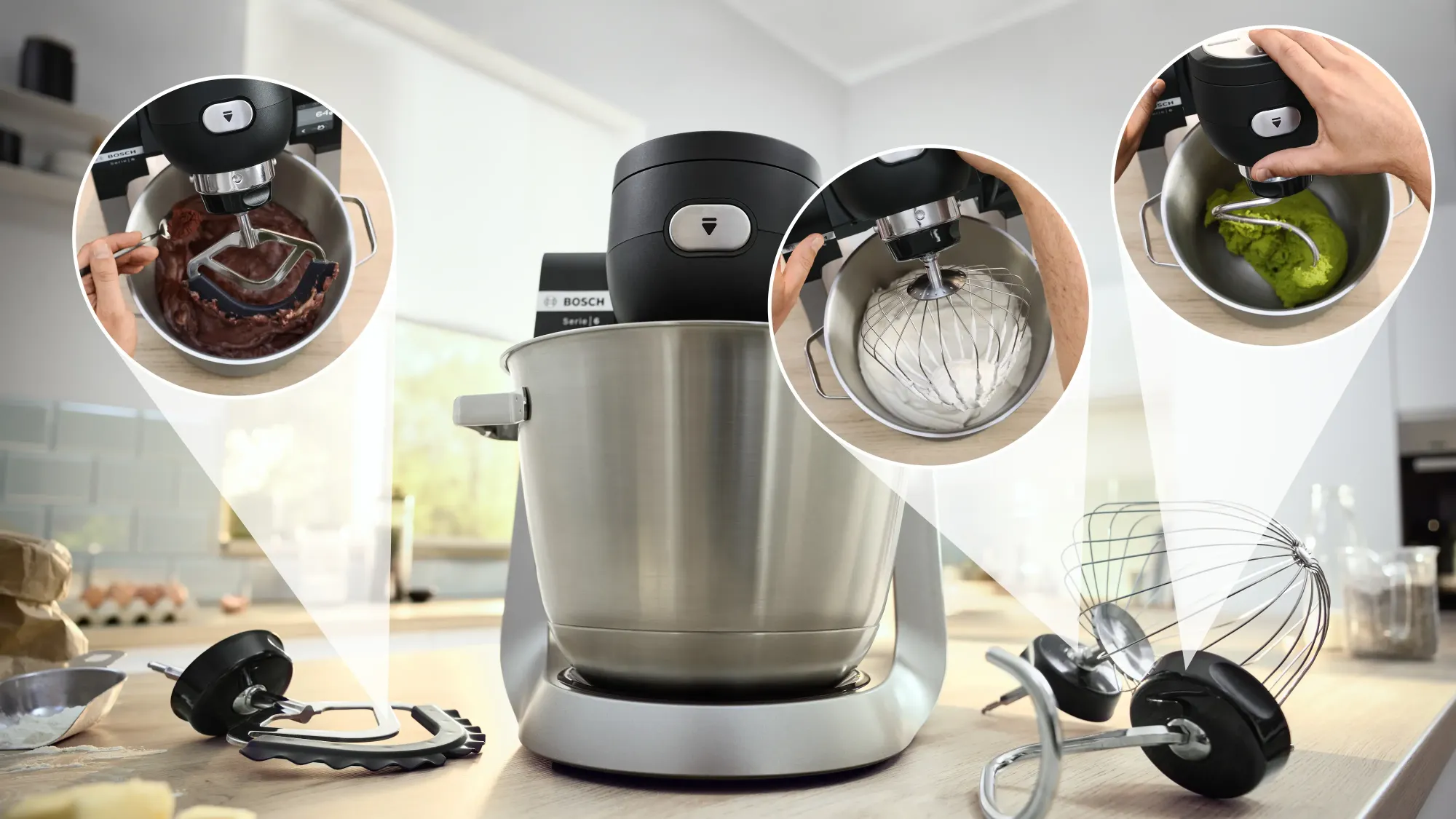

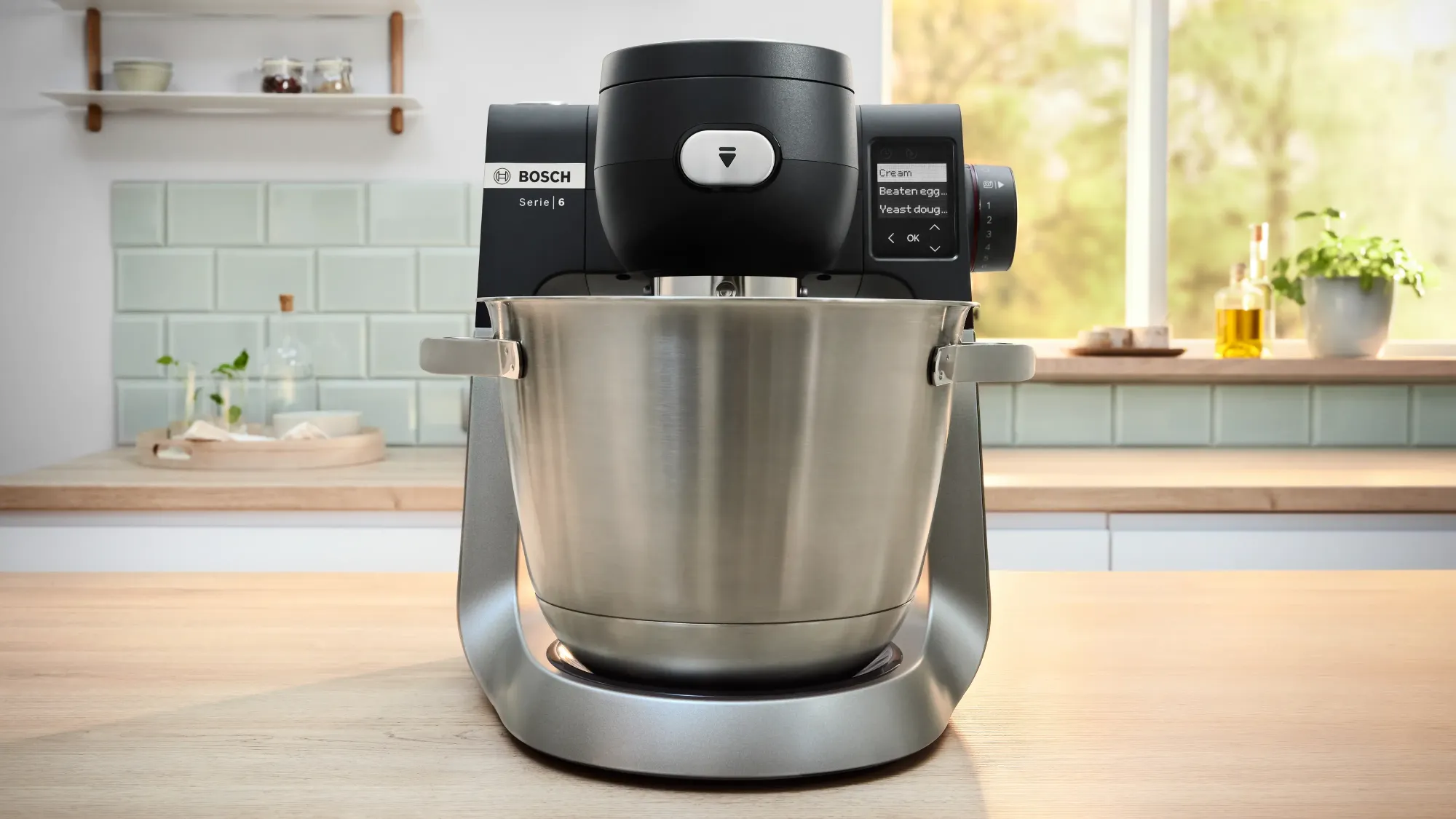
Food processors Bosch
Serie 6 Food Processor with Scales 1600 W Black, Brushed stainless steel MUMS6ZS18
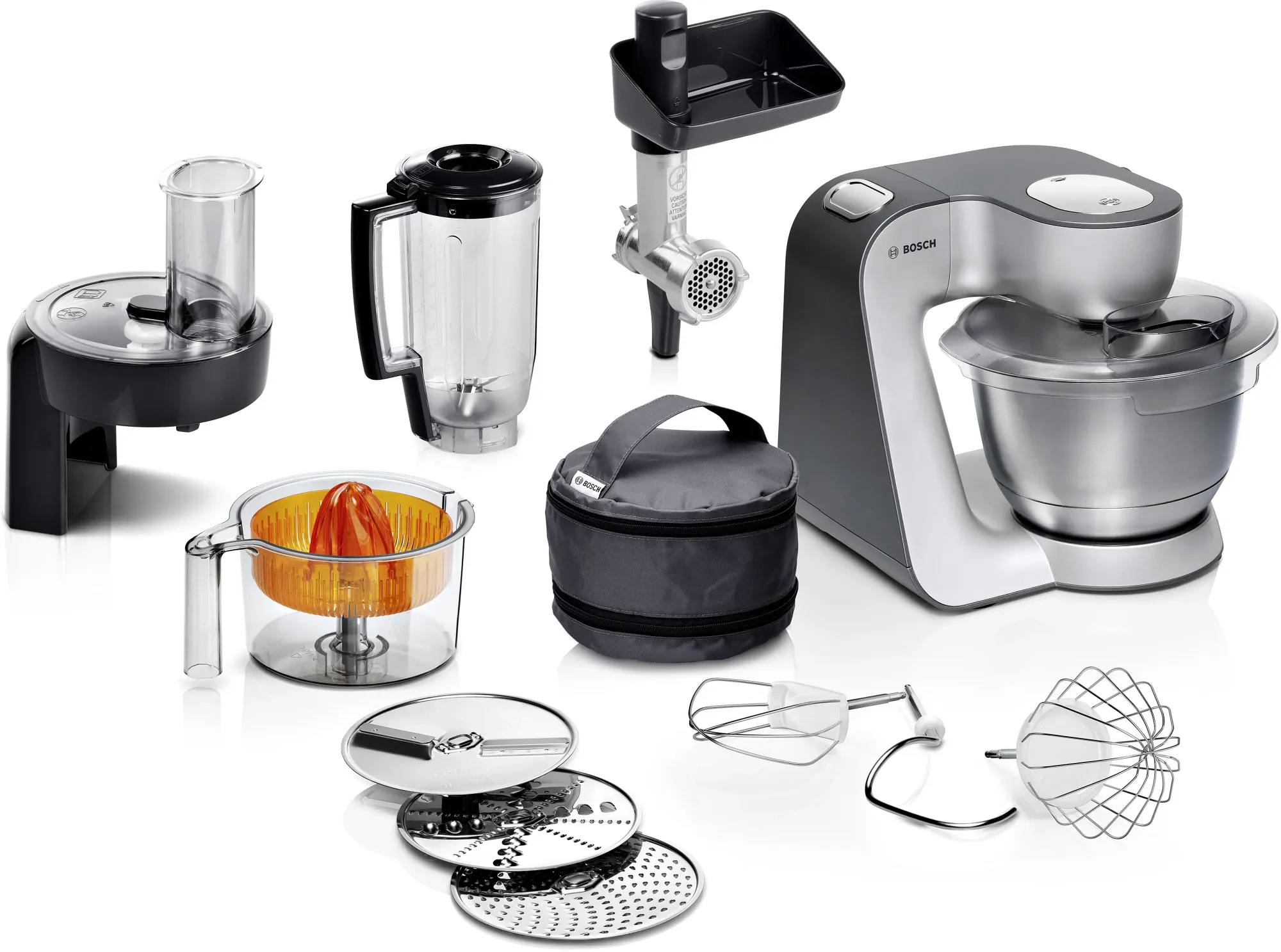
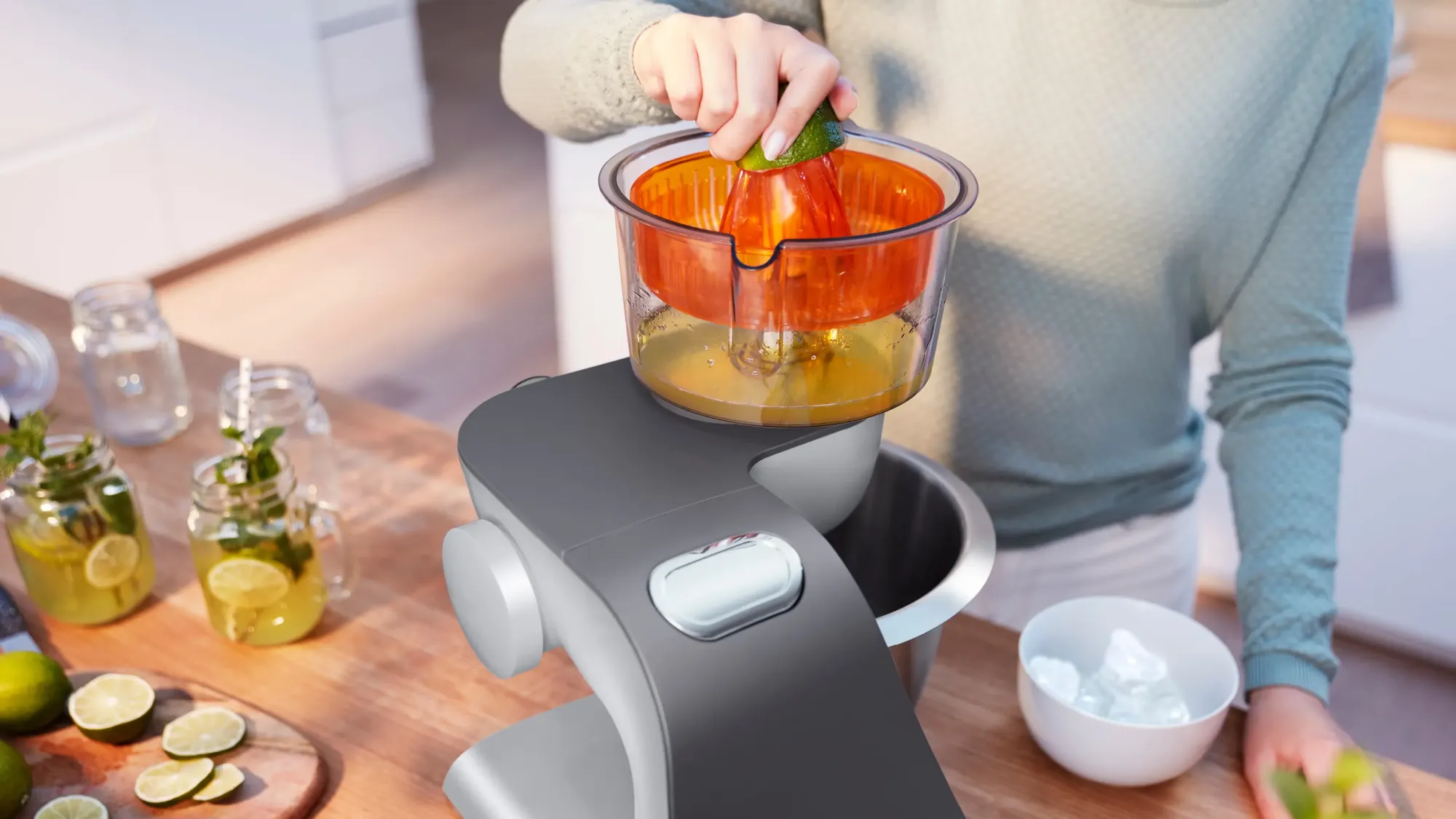
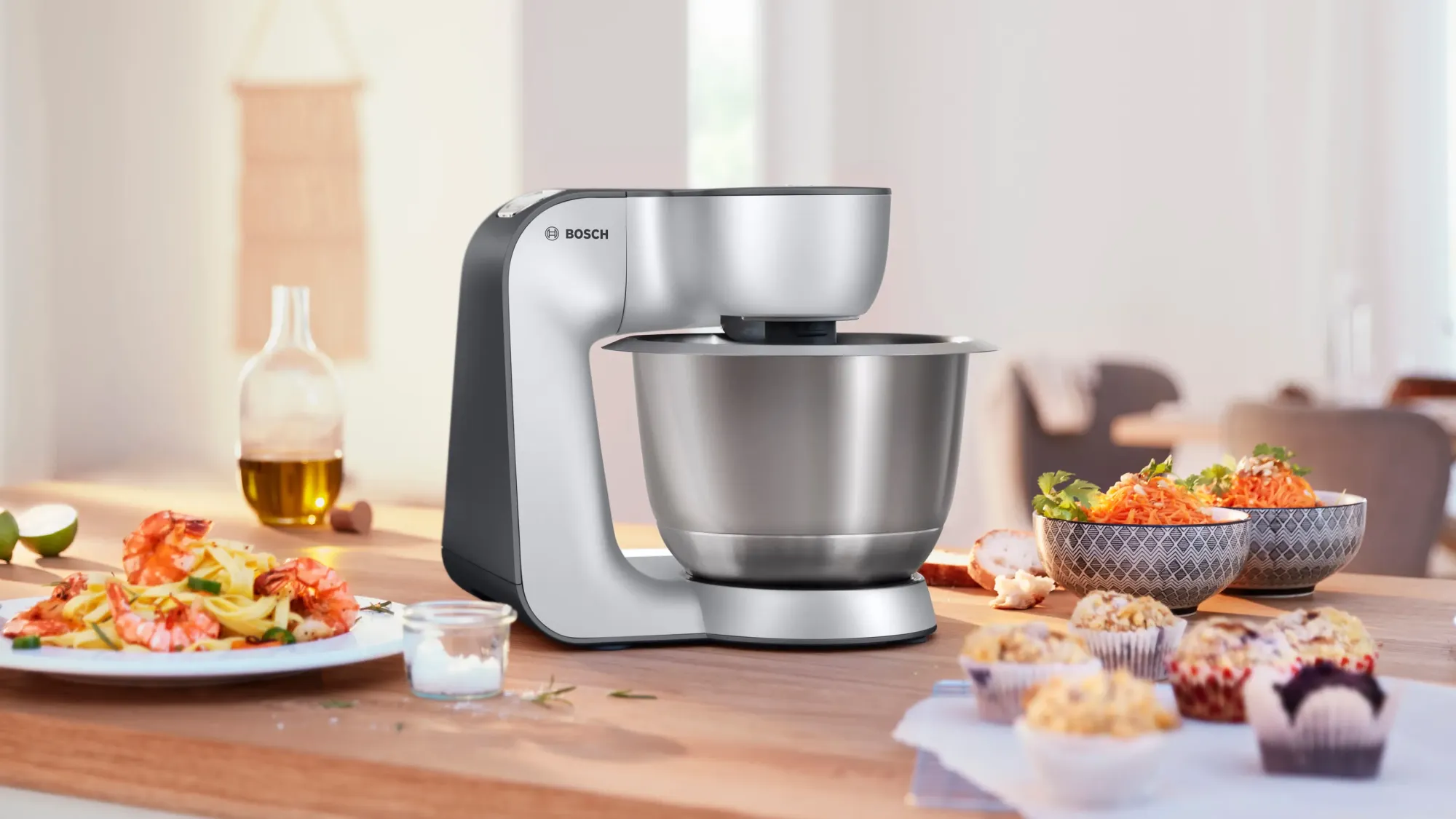
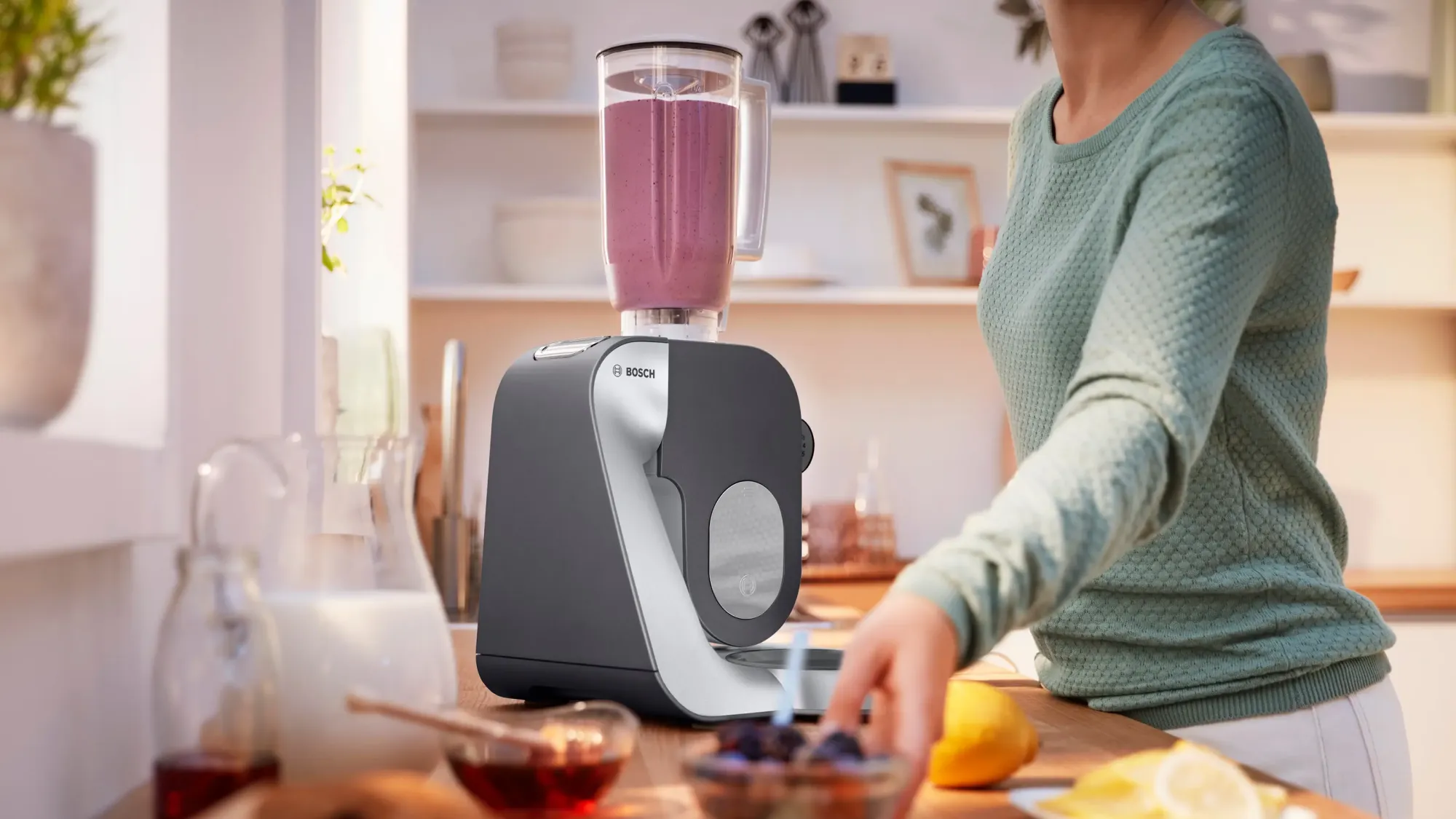
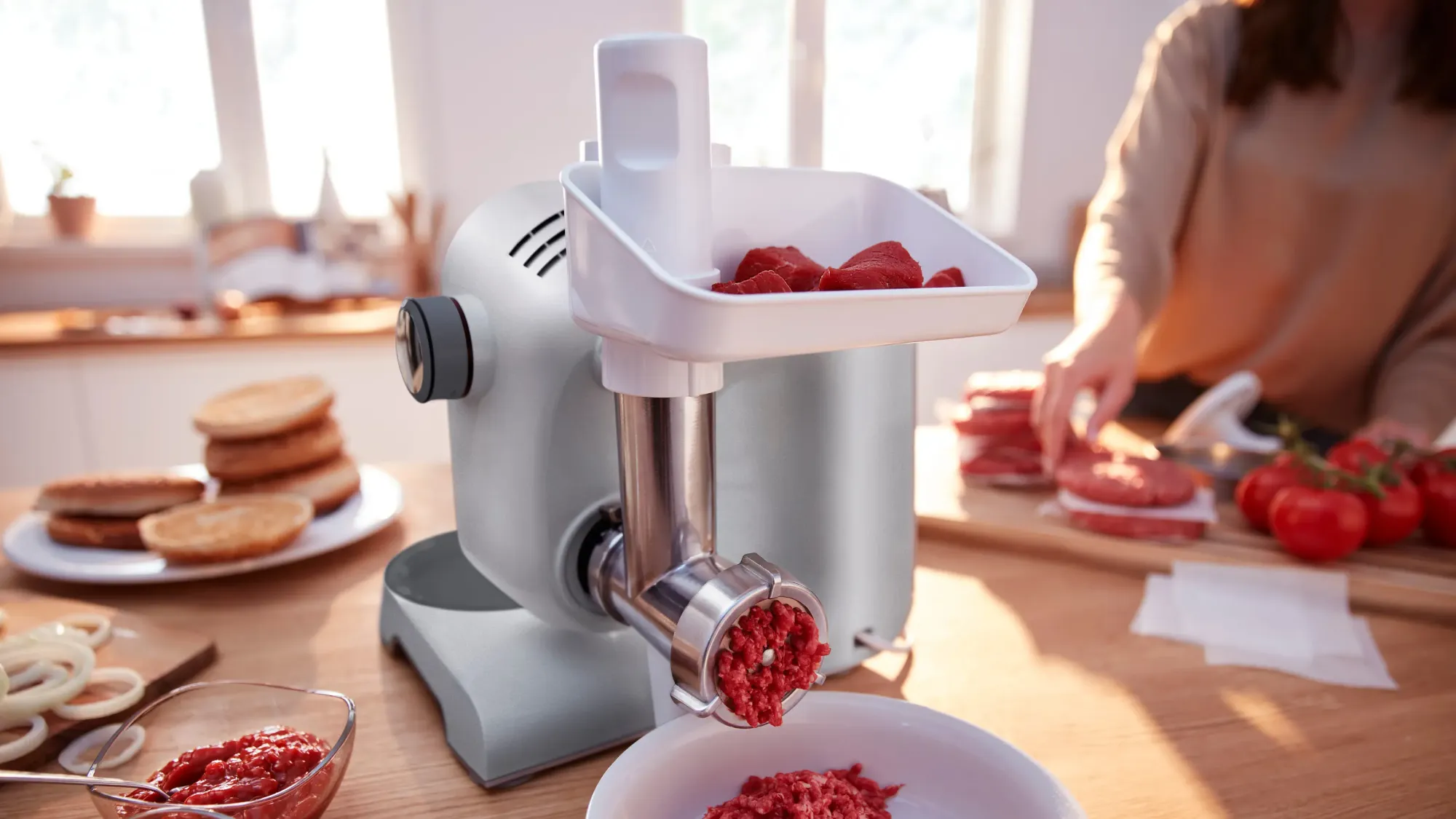
Food processors Bosch
Series 4 Food processor MUM 5 900 W Silver MUM56340
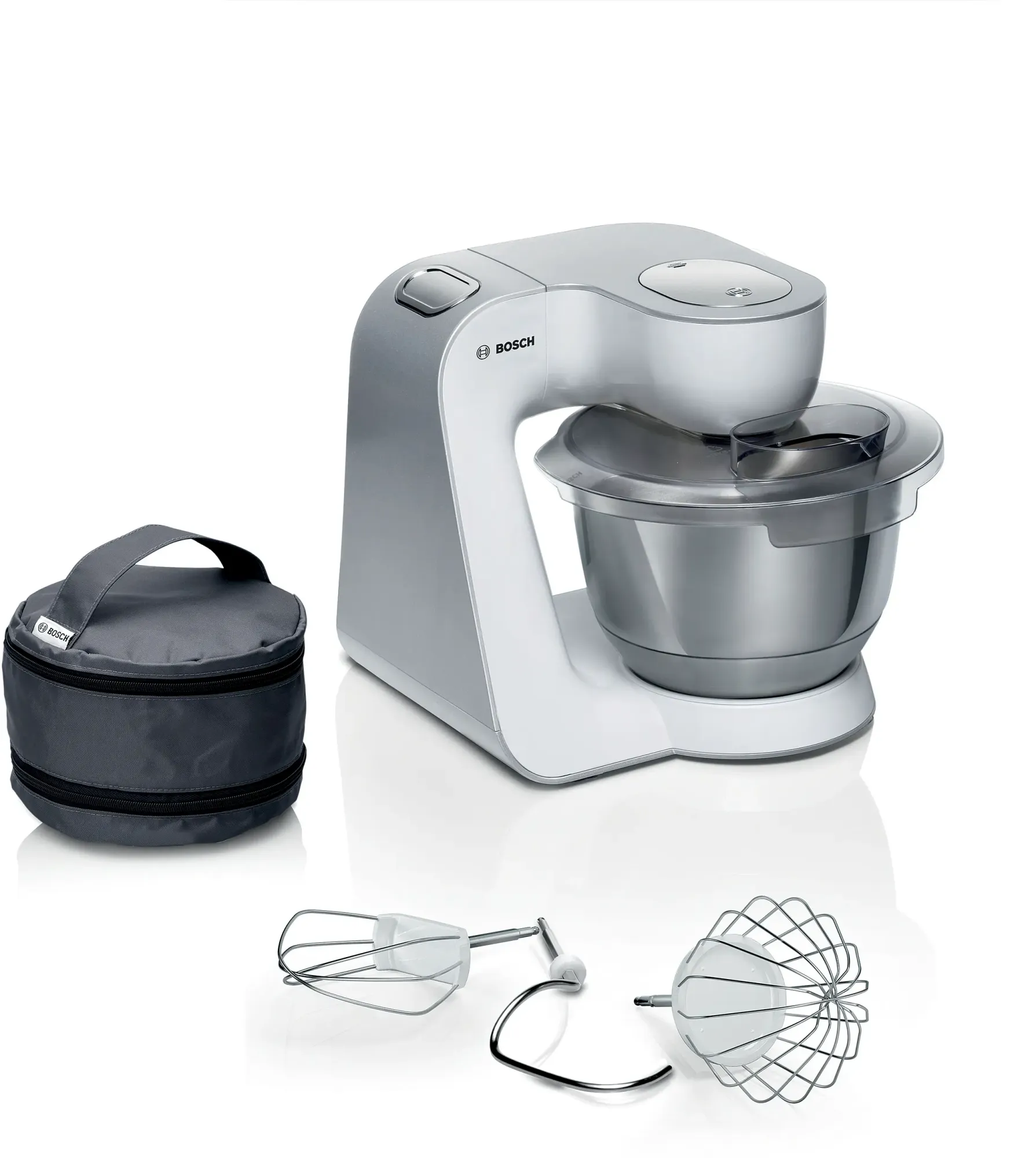
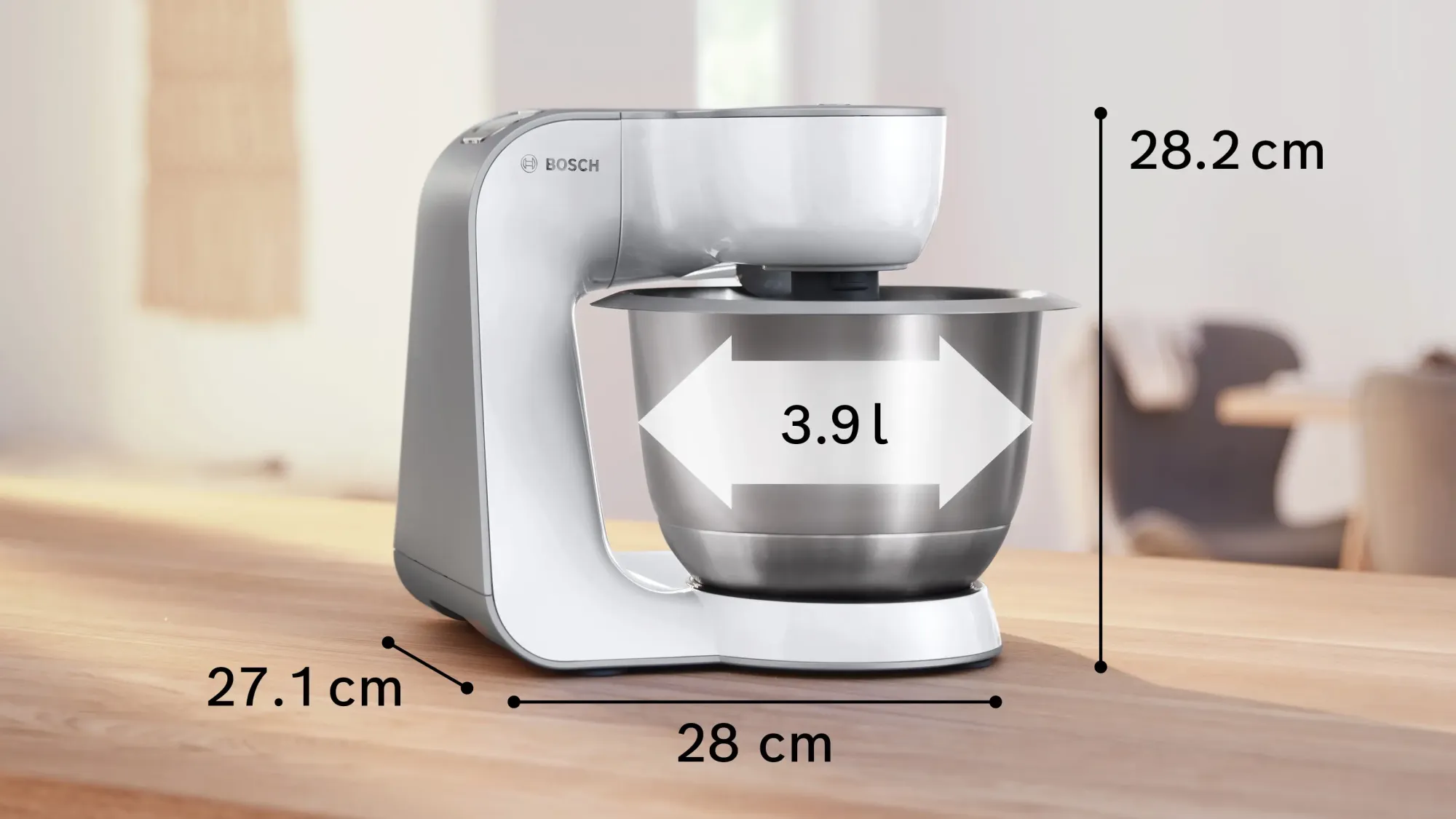
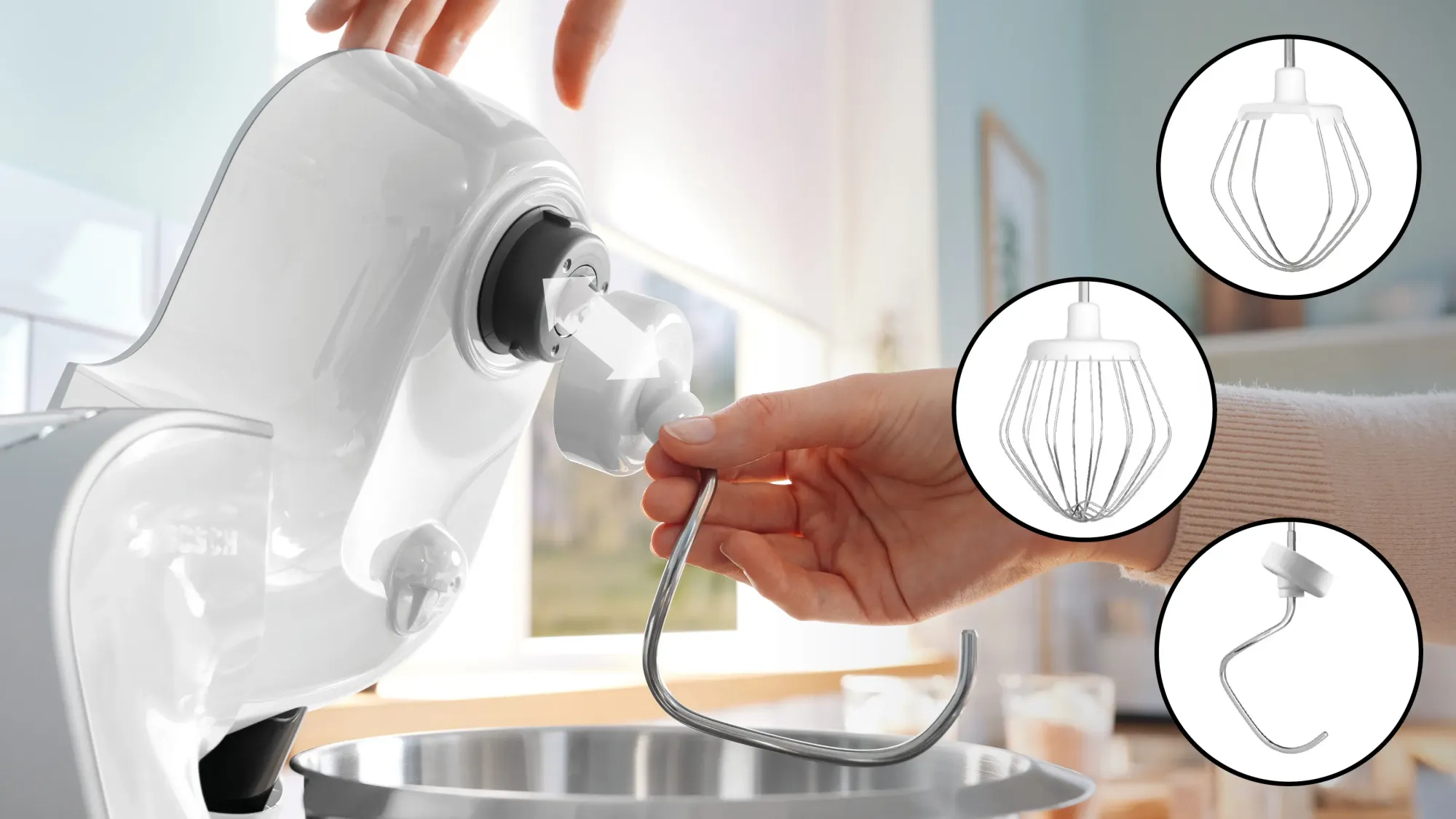
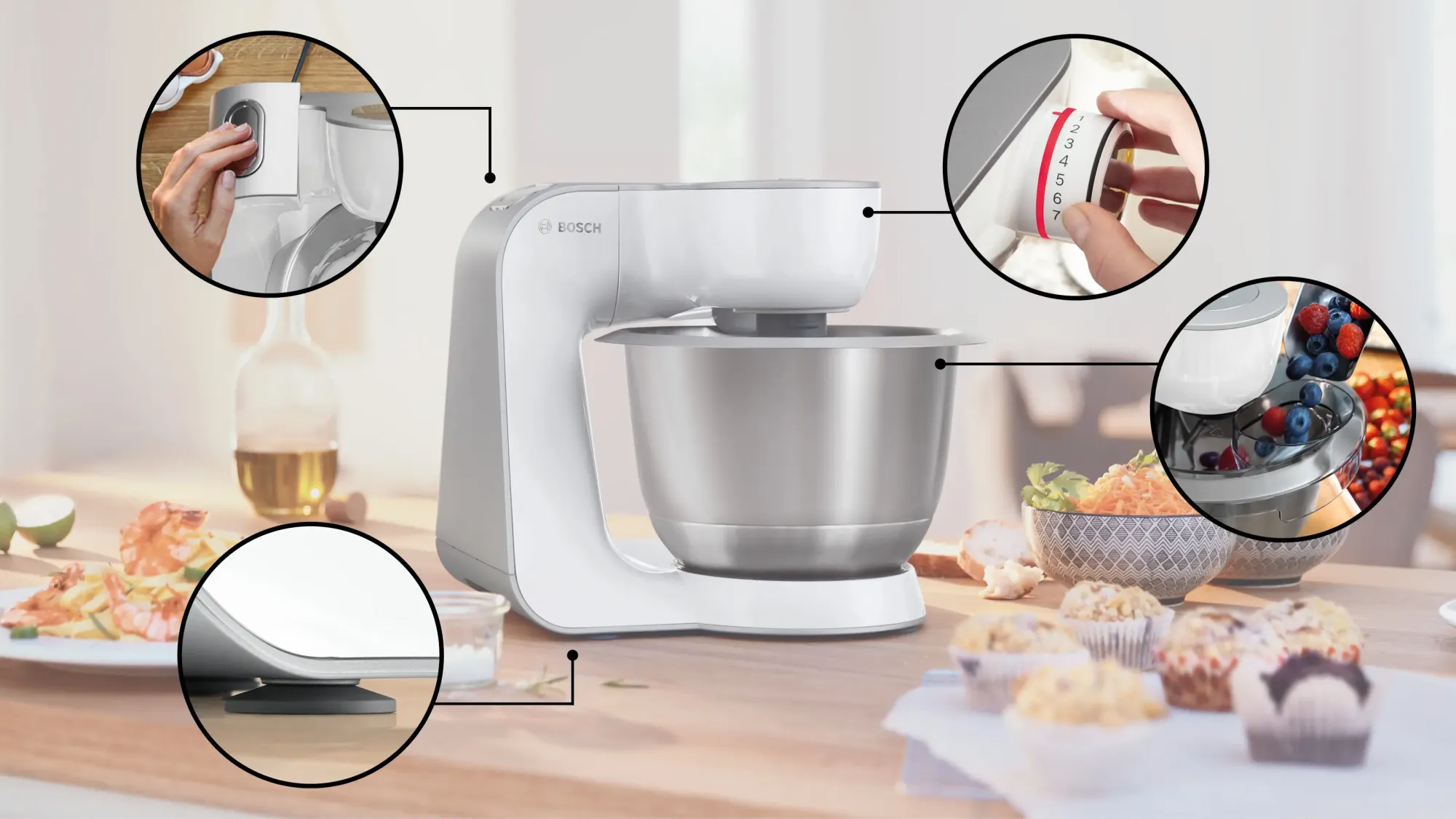
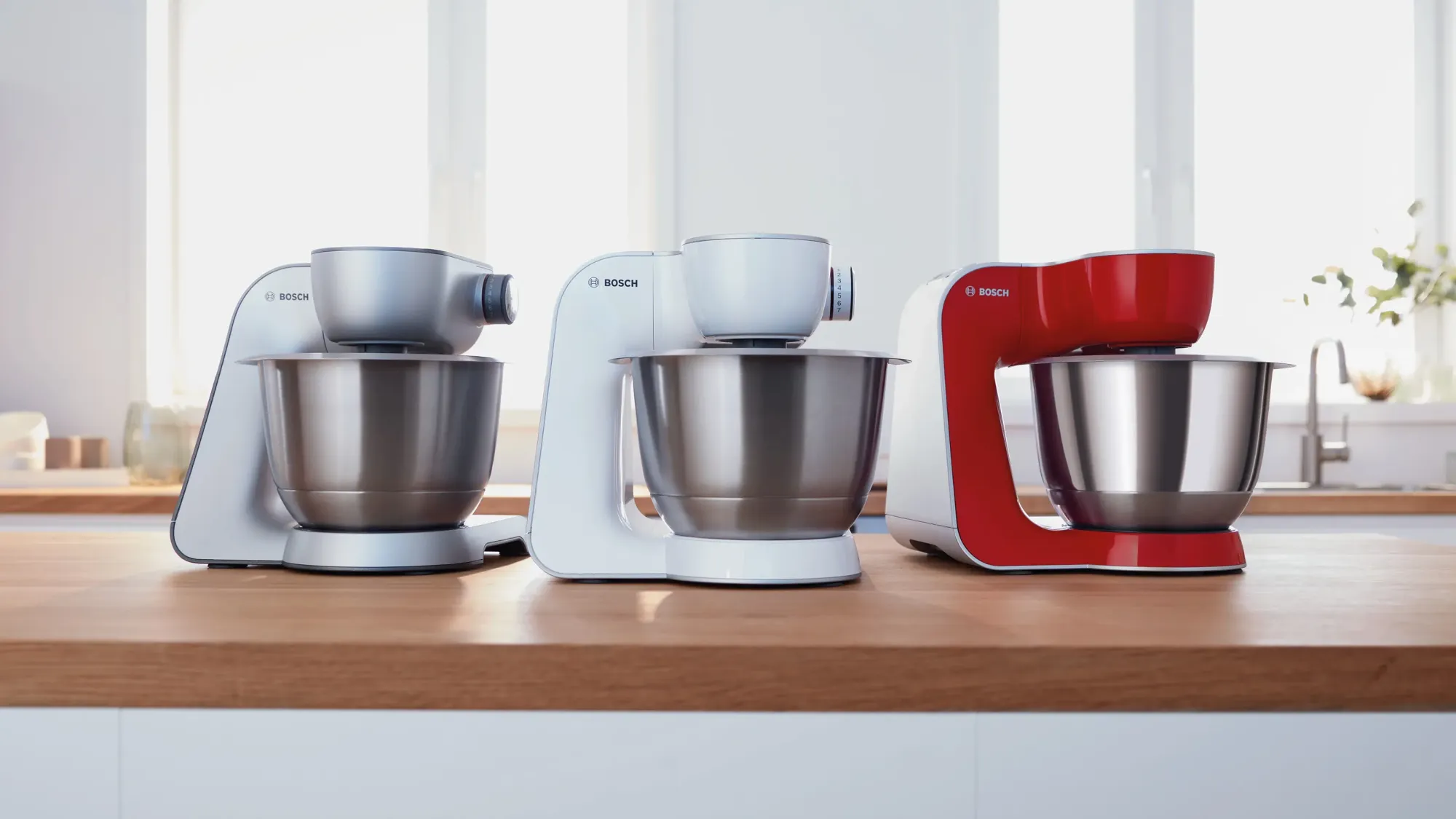
Food processors Bosch
Serie 4 Food processor MUM 5 1000 W White, silver MUM58200
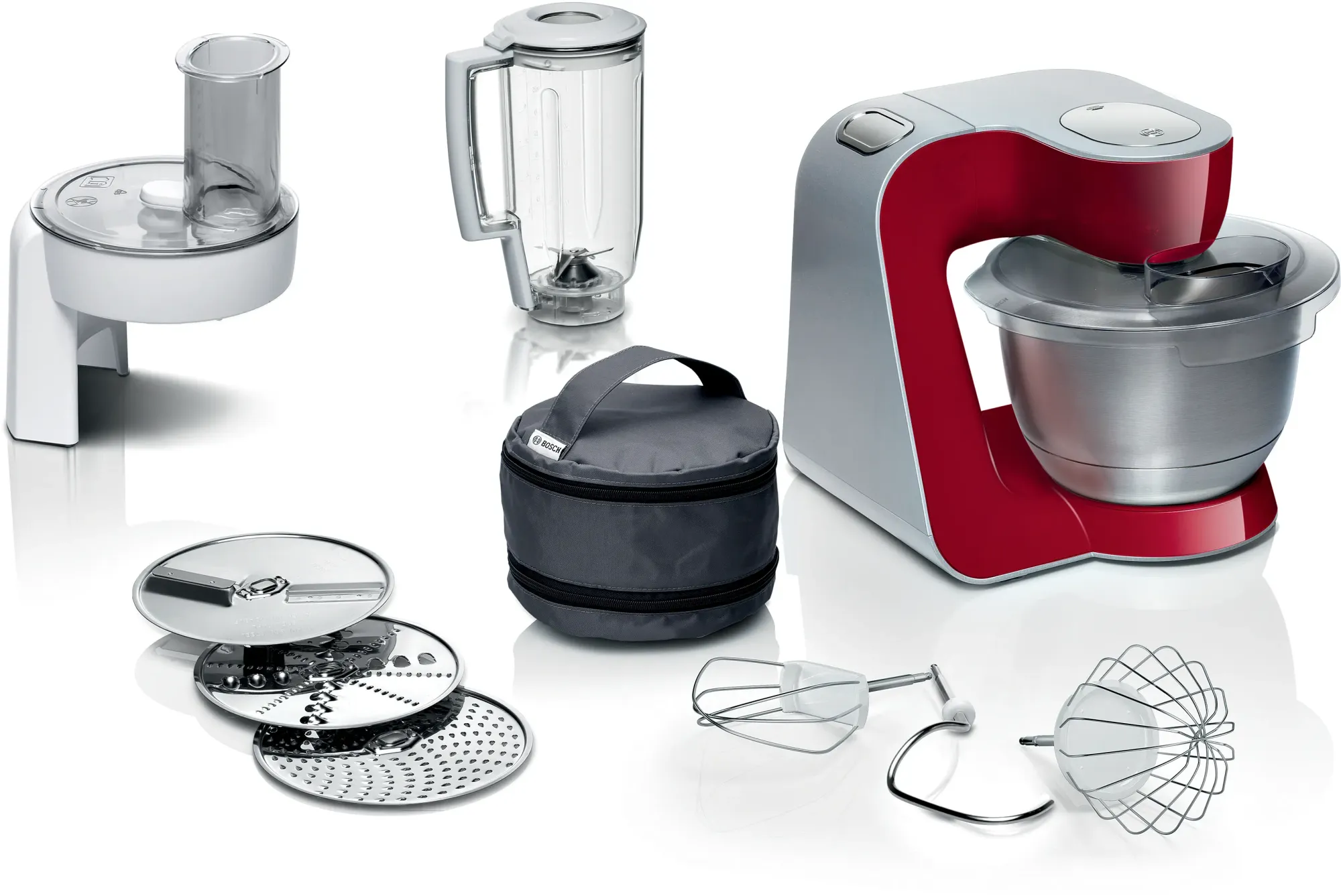
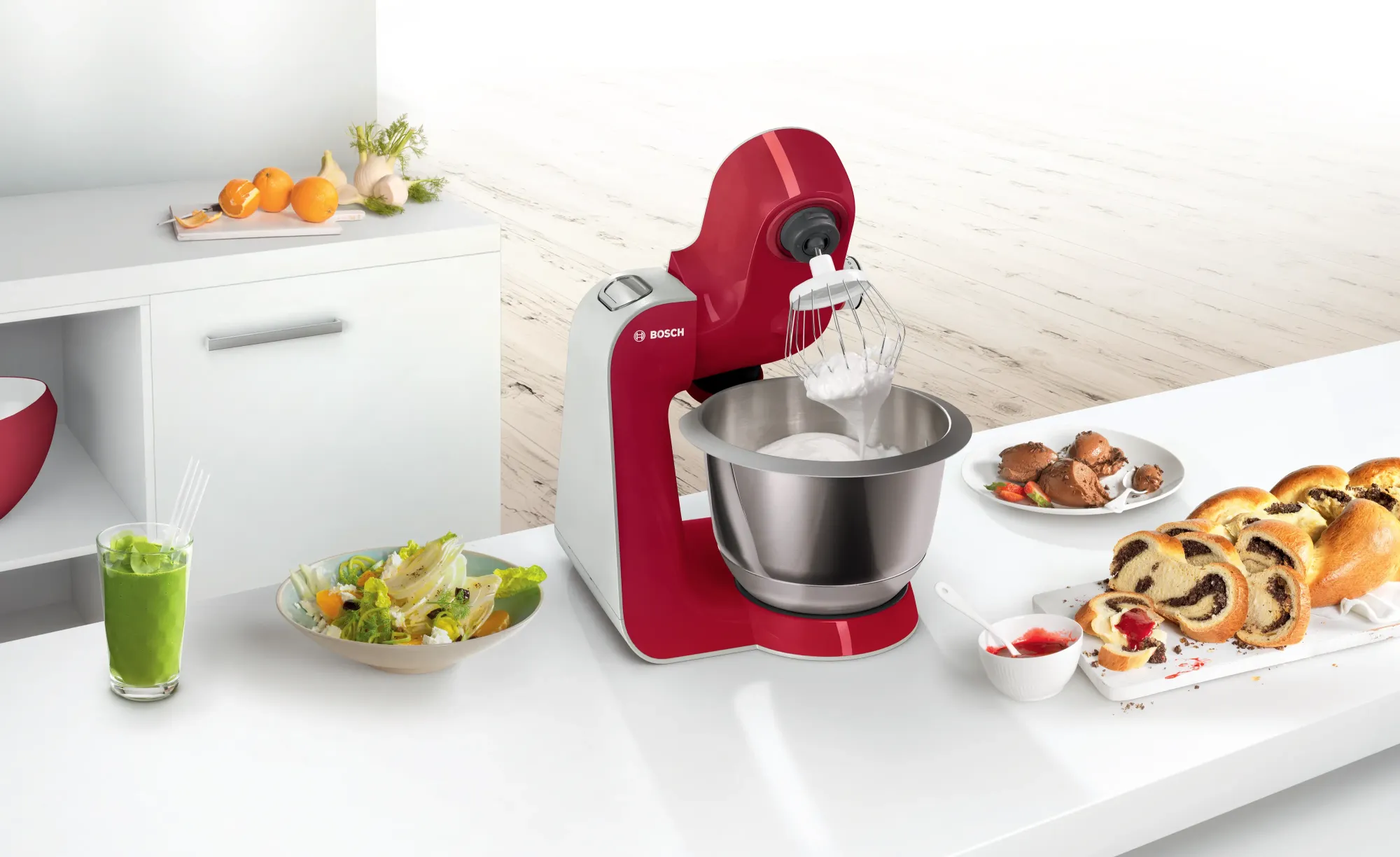
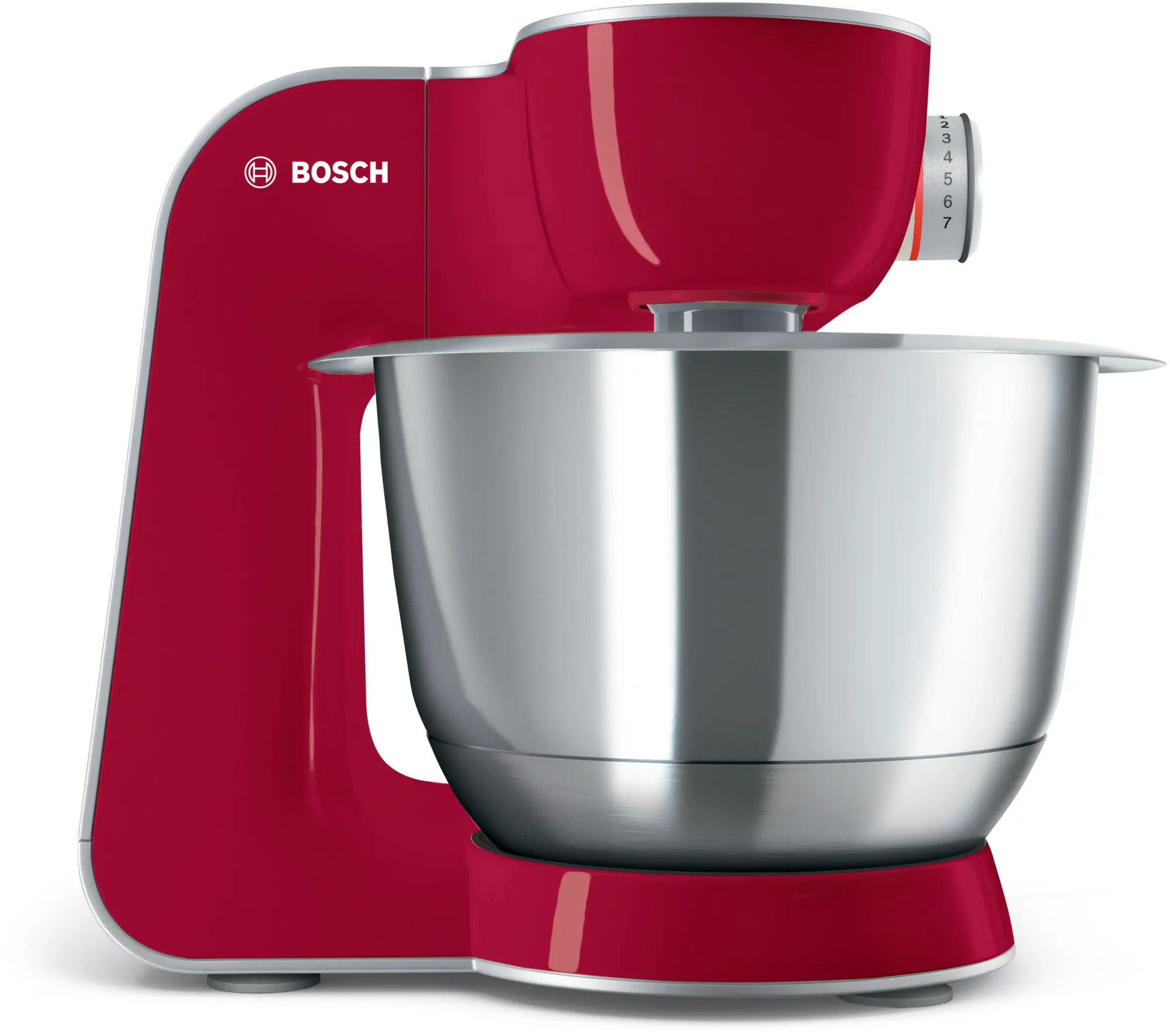
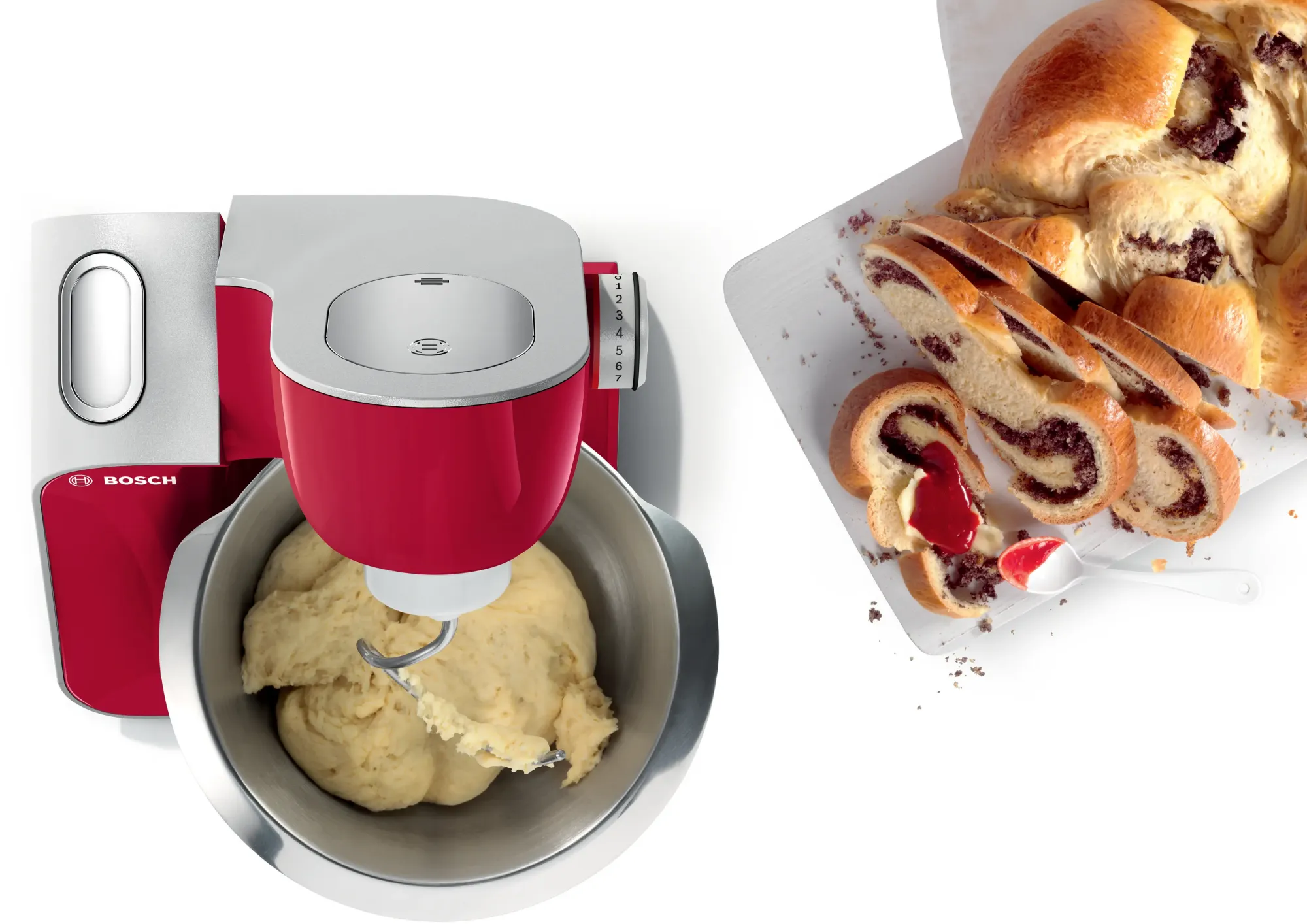
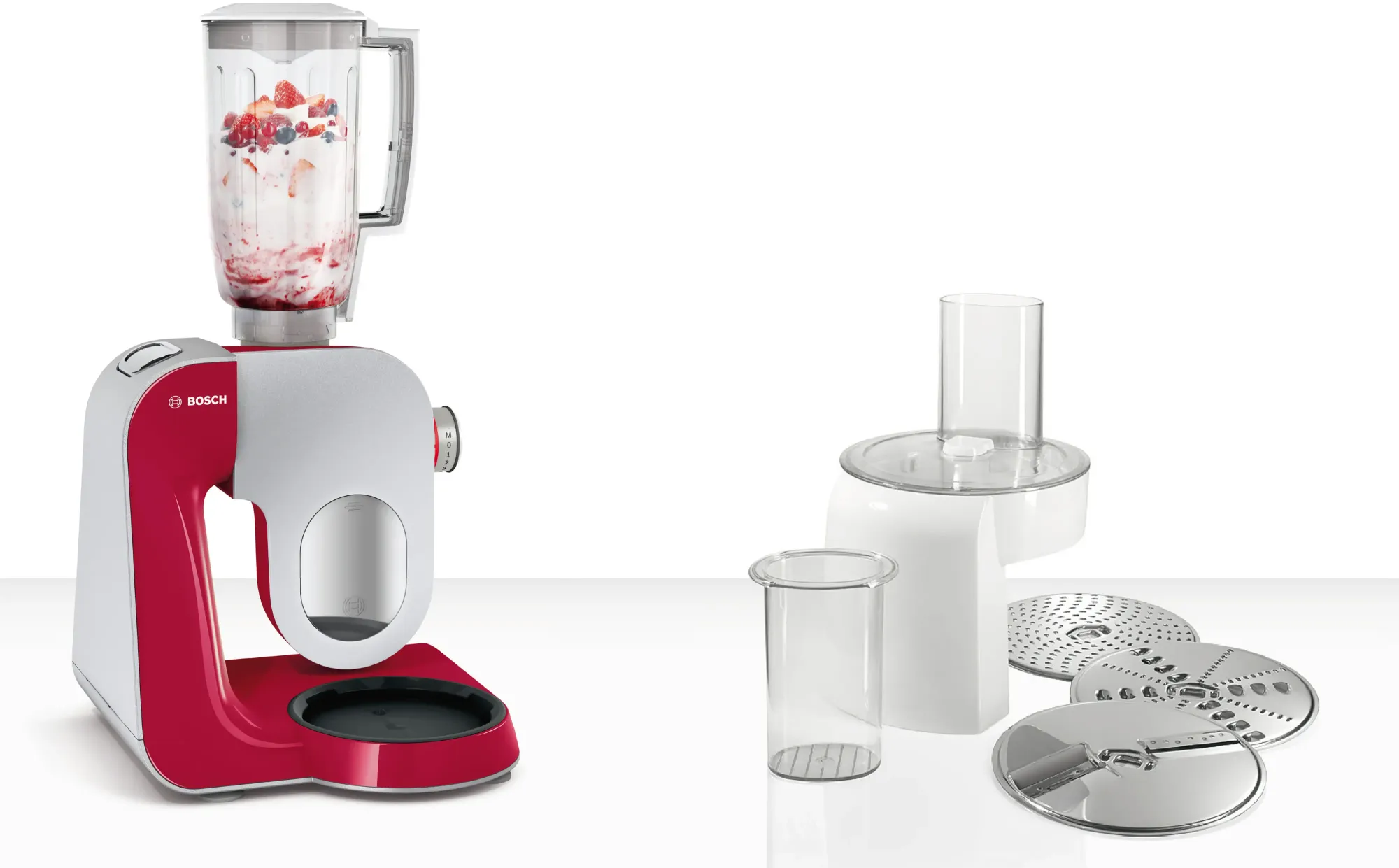
Food processors Bosch
Serie 4 Food processor MUM 5 1000 W Red, silver MUM58720
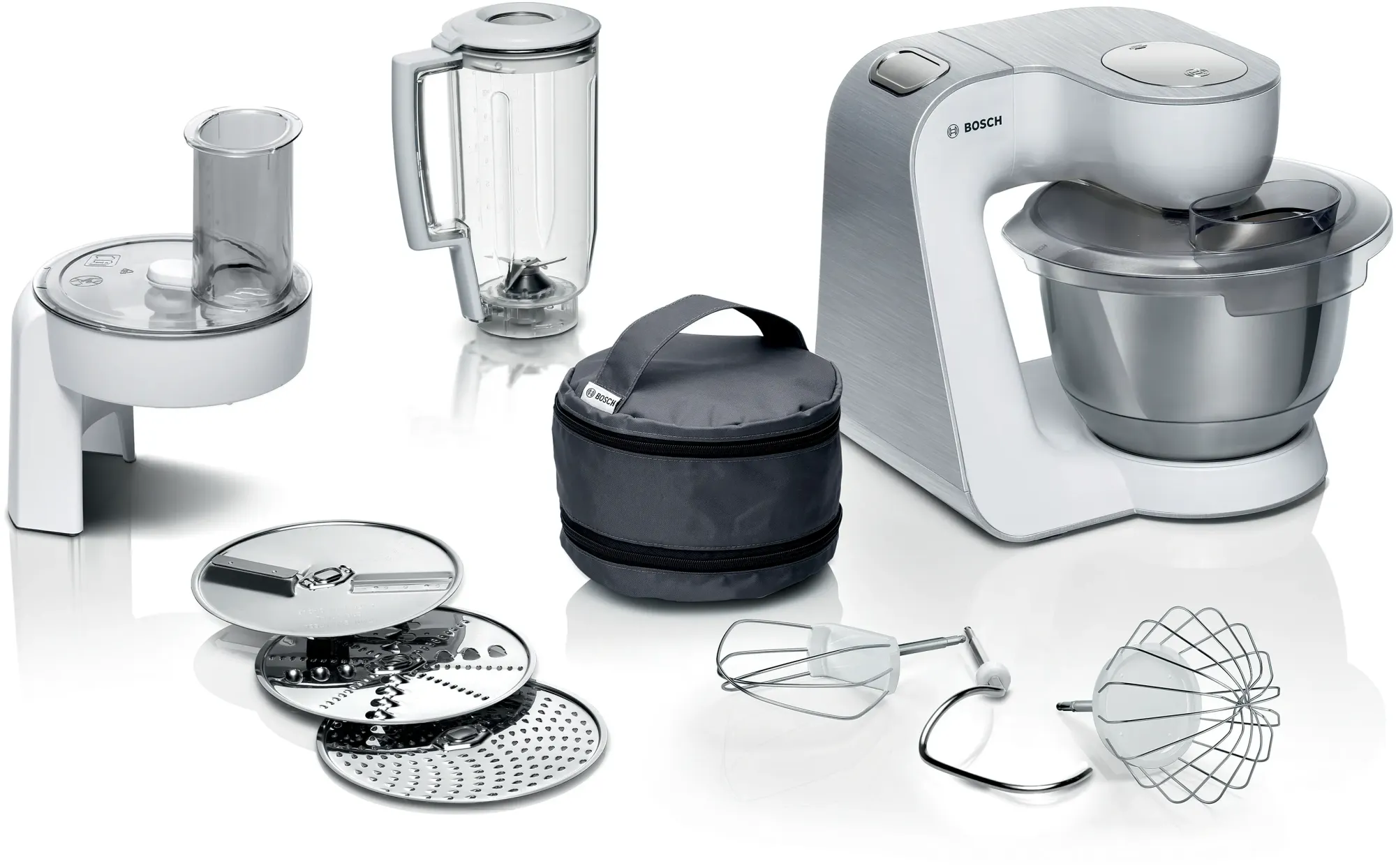
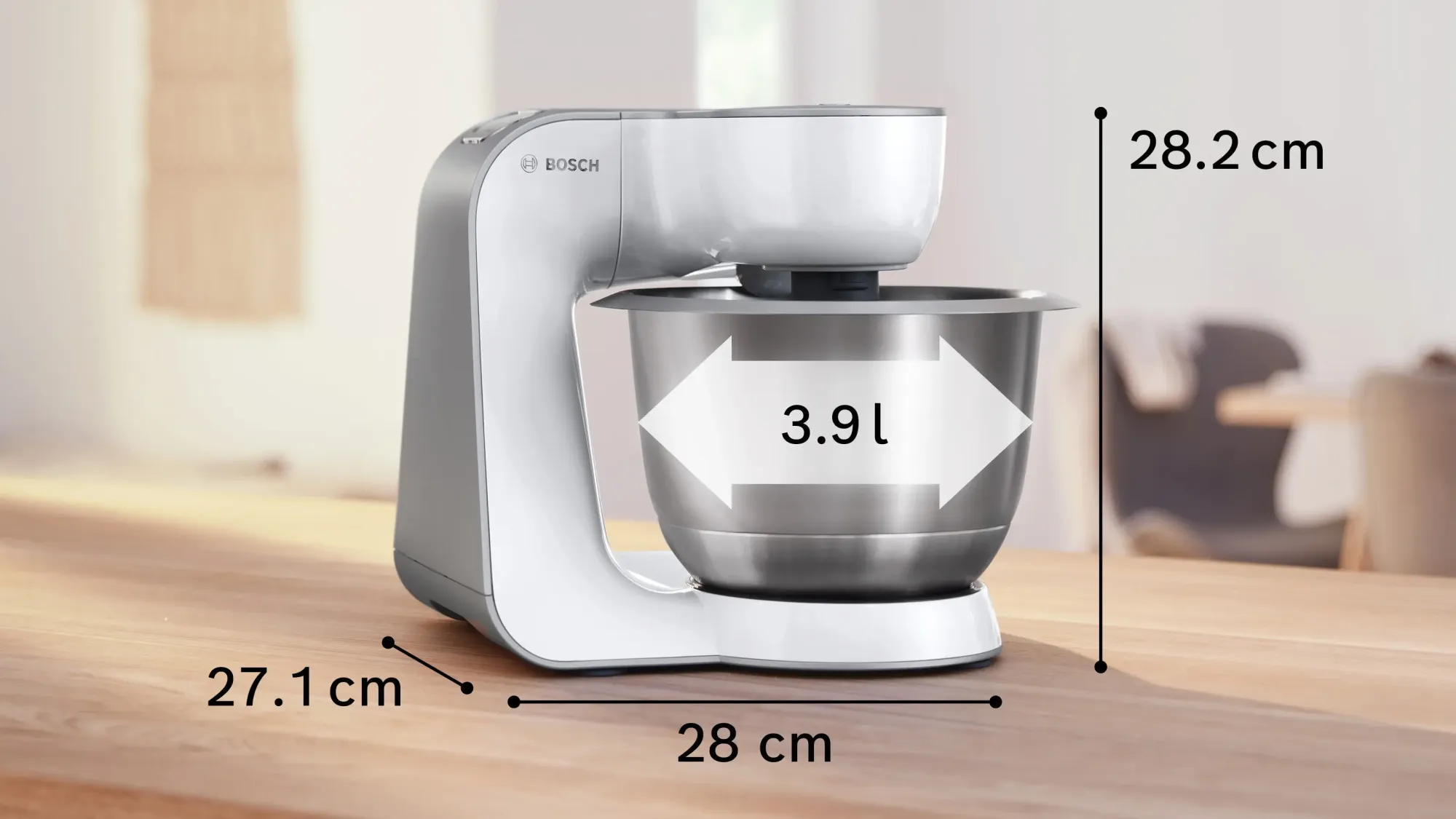
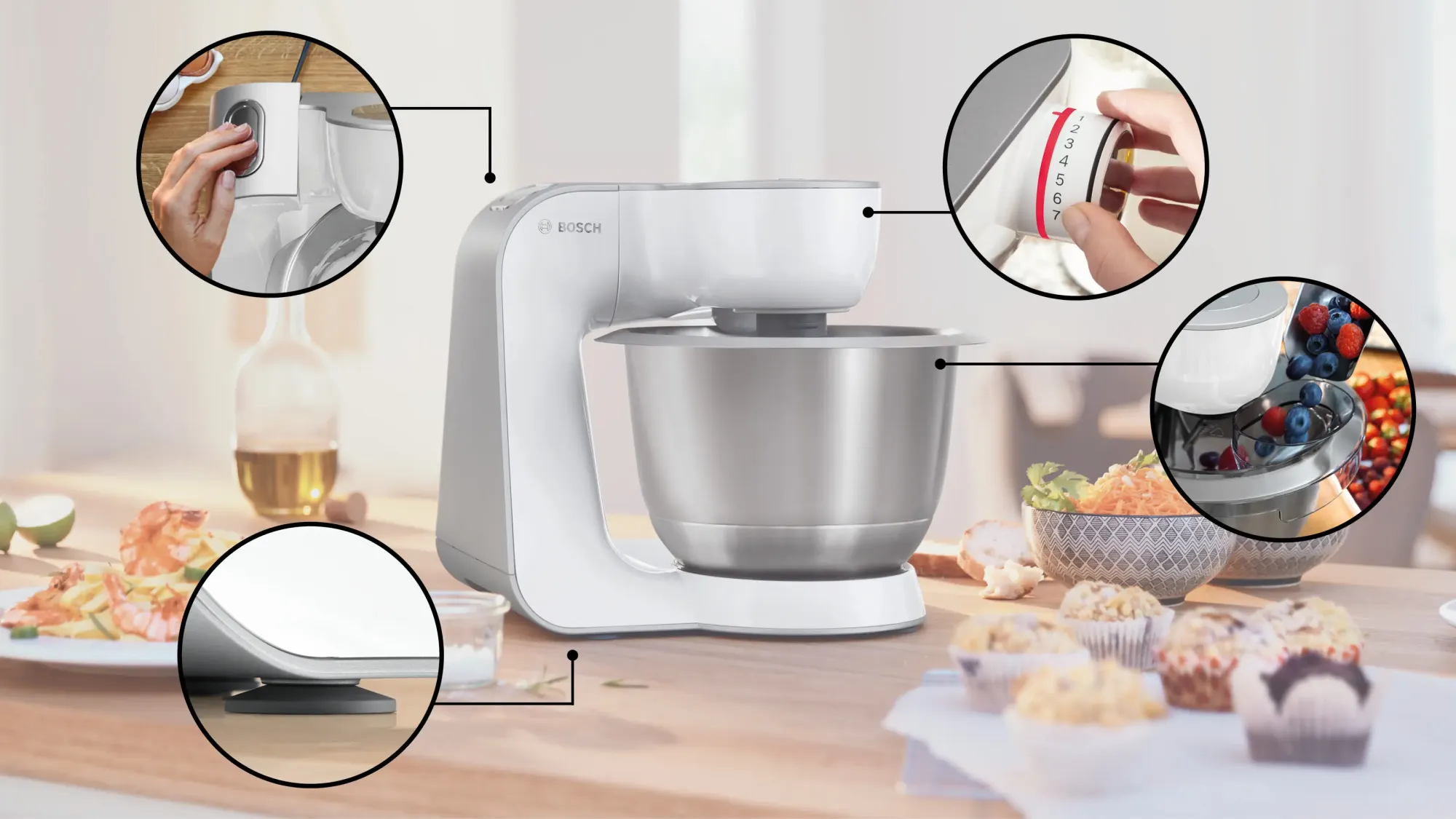
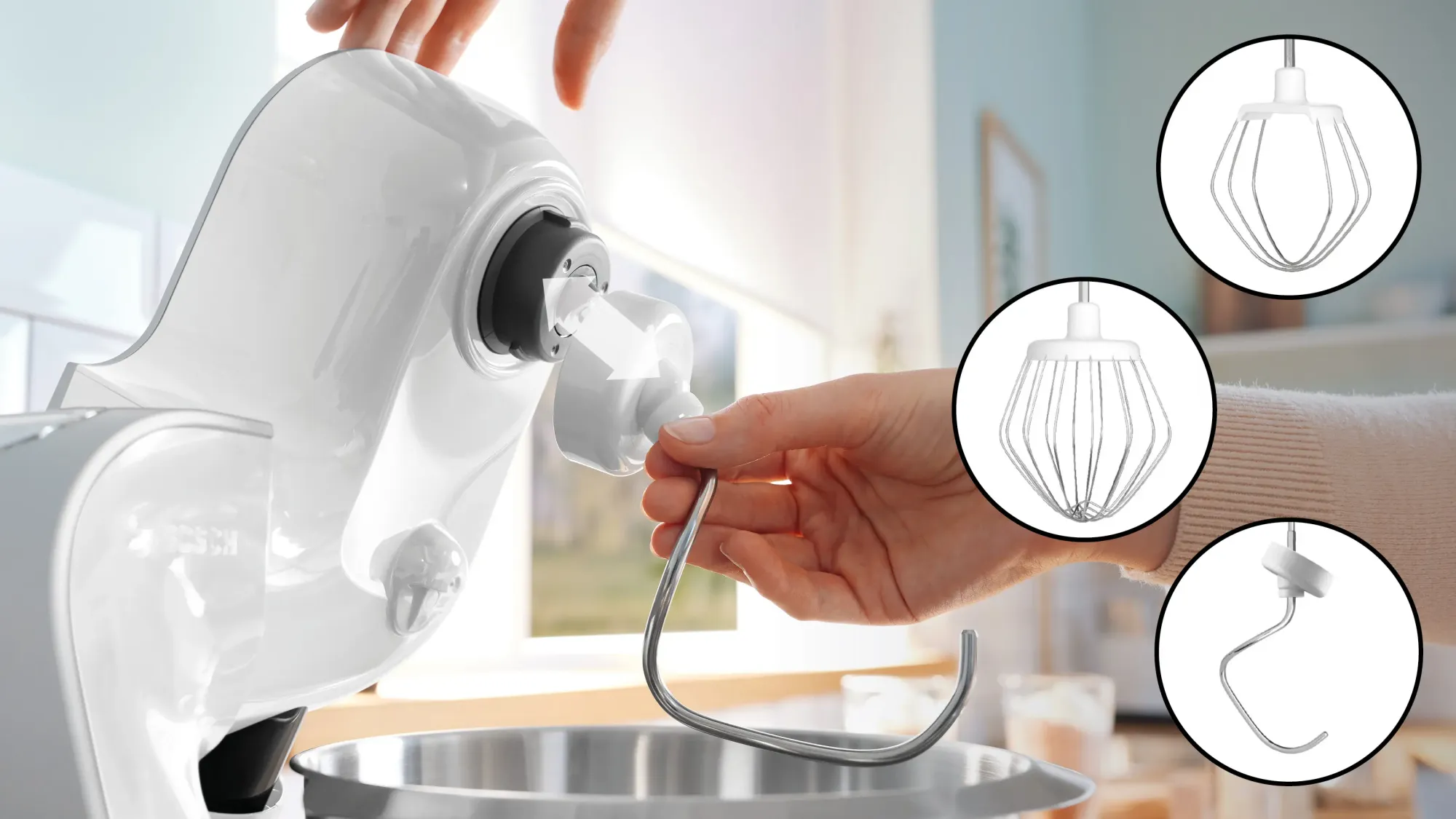
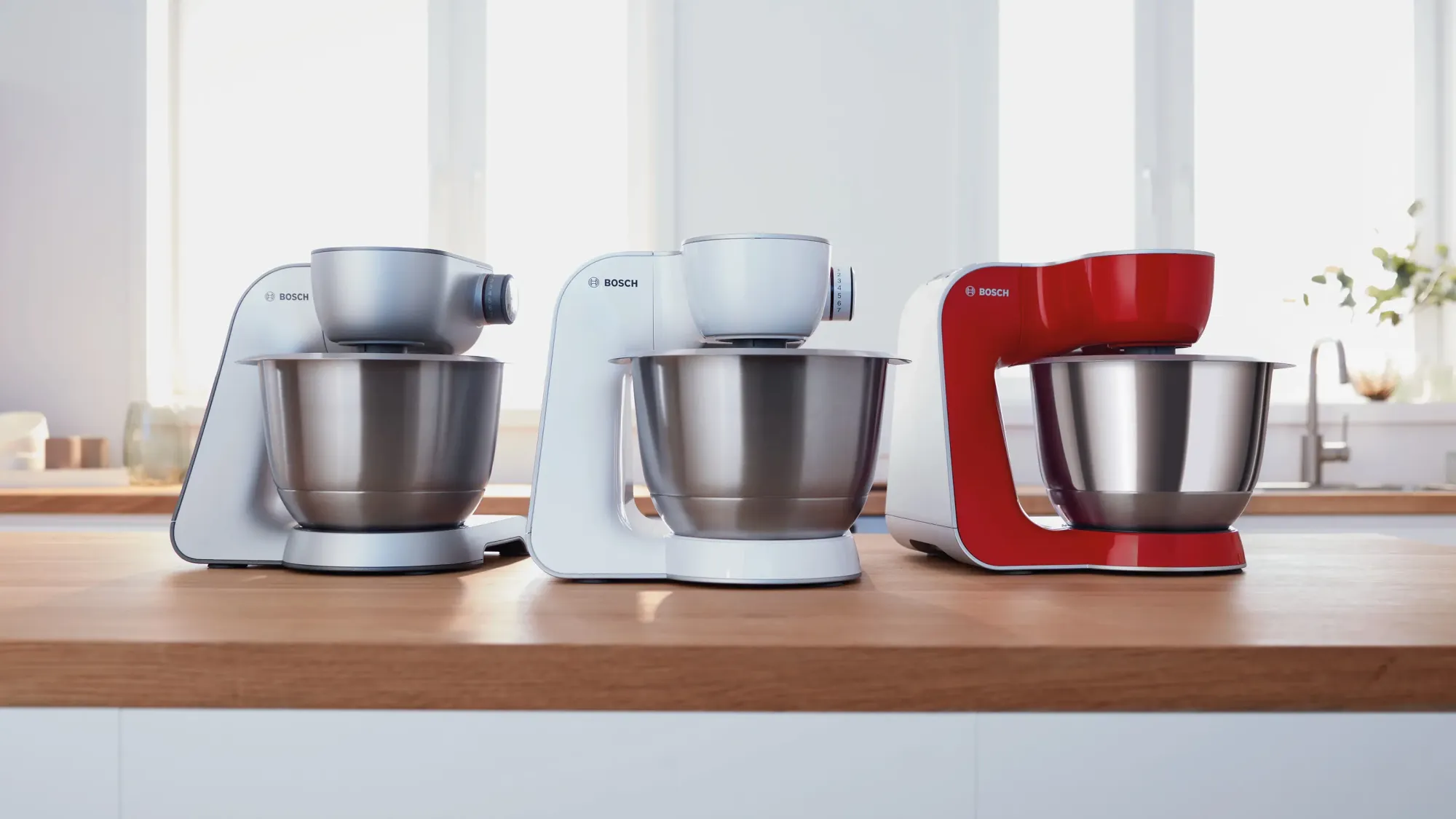
Food processors Bosch
Serie 4 Food Processor MUM 5 1000 W White, silver MUM58W20
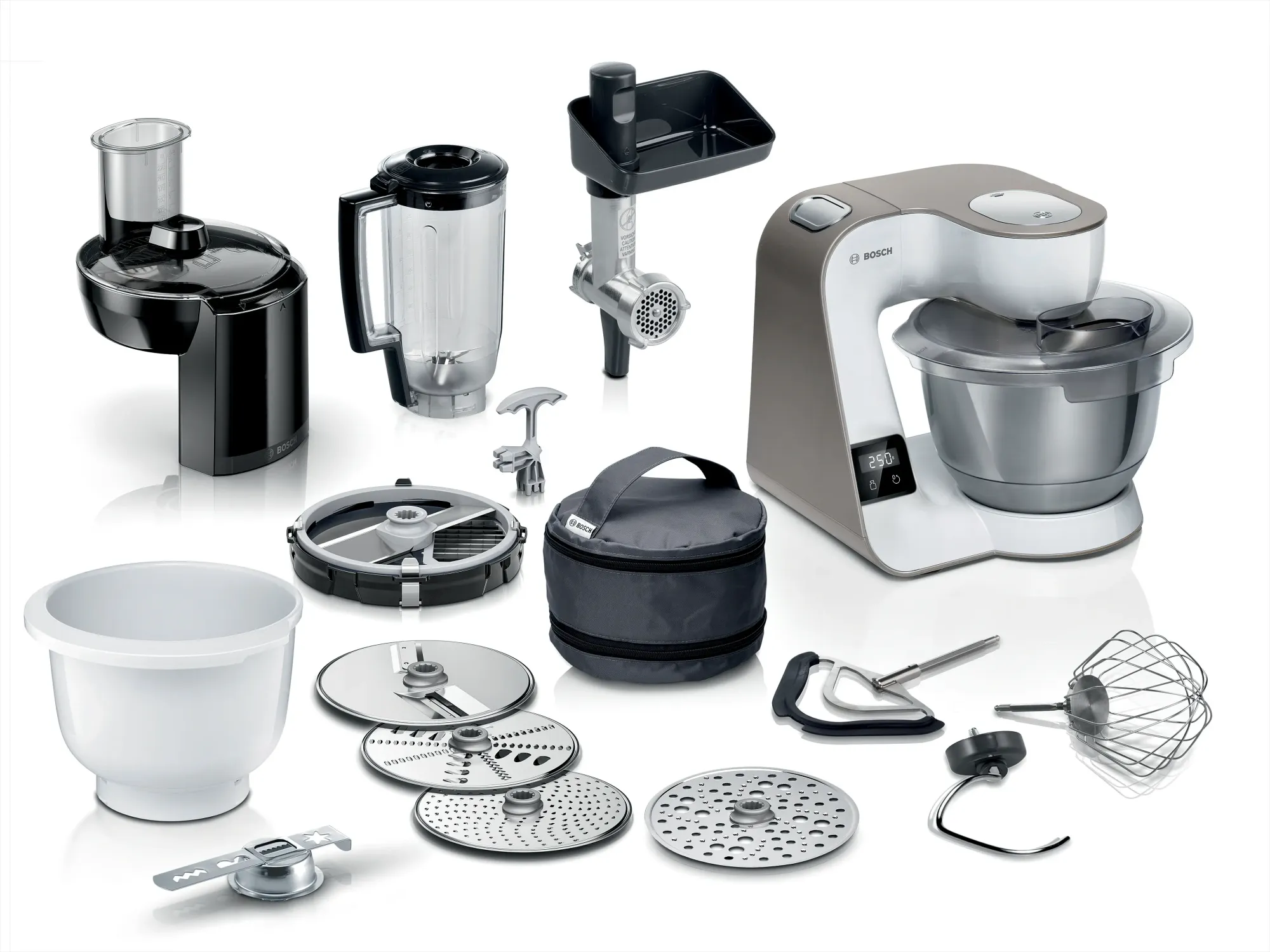
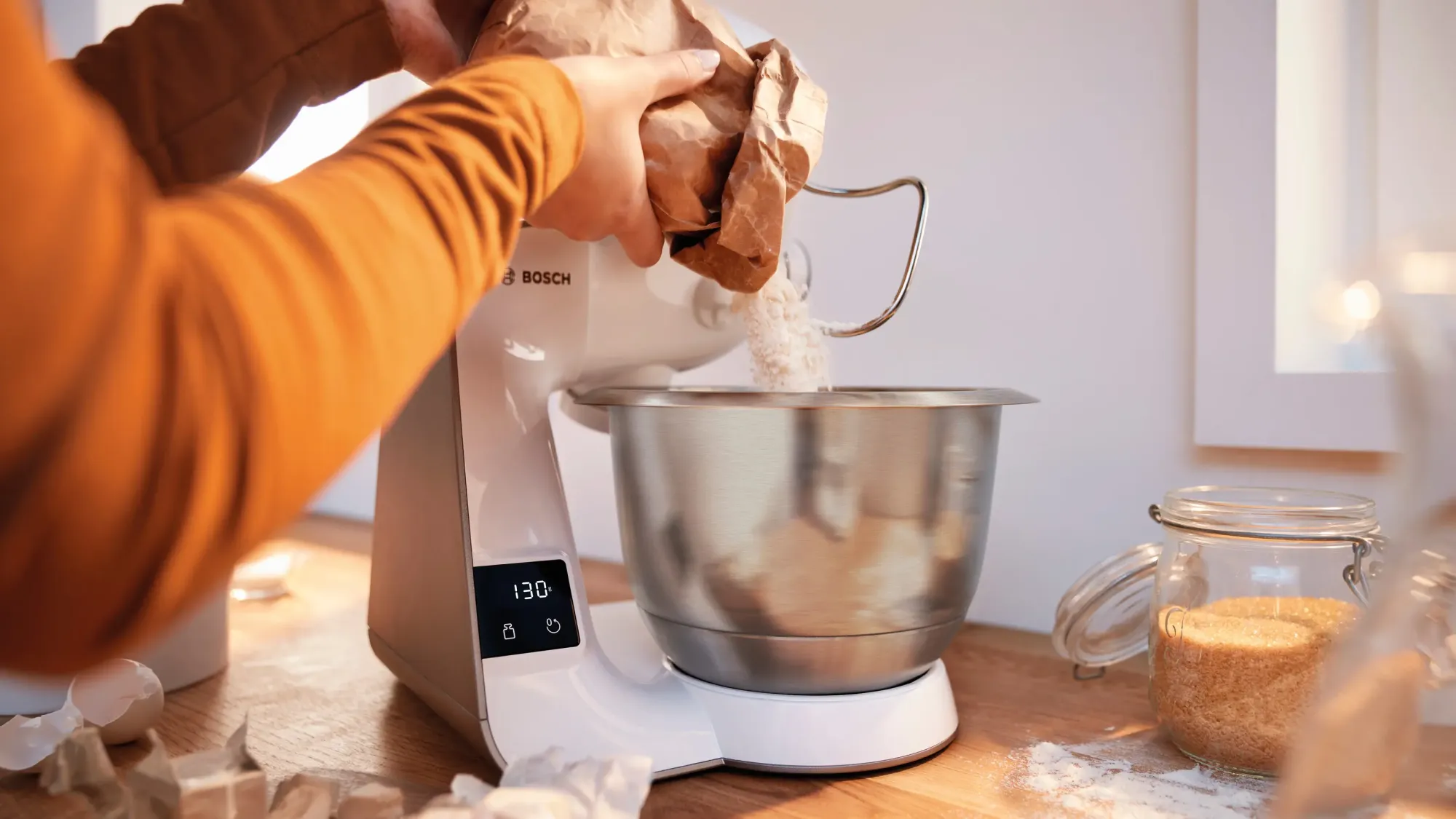
Food processors Bosch