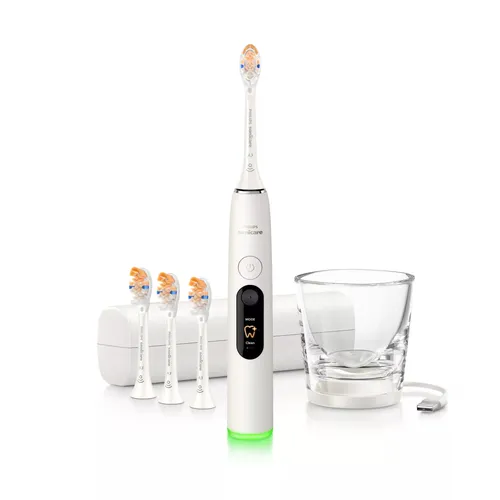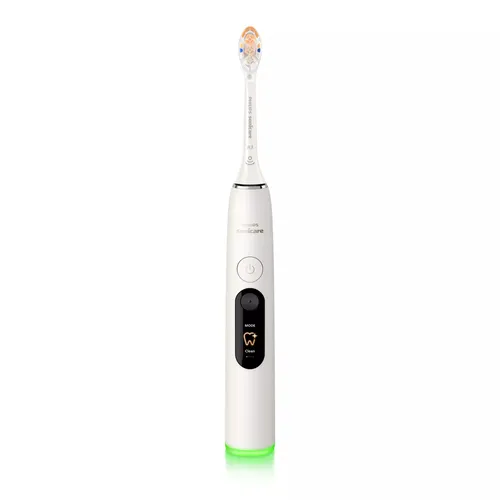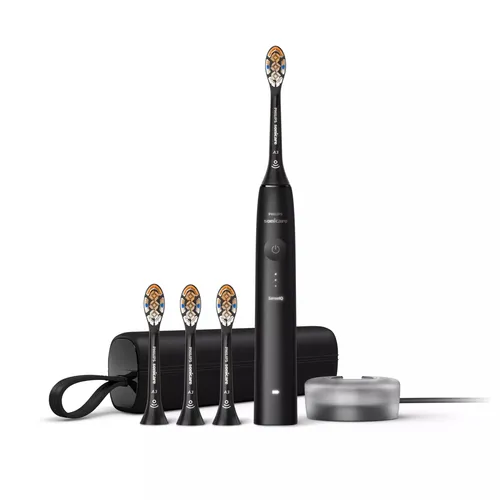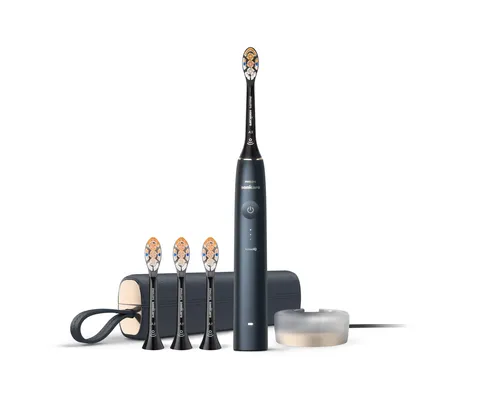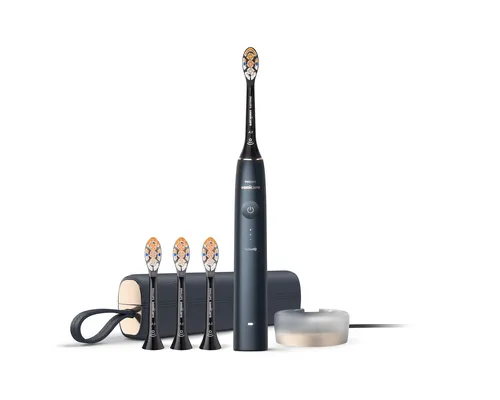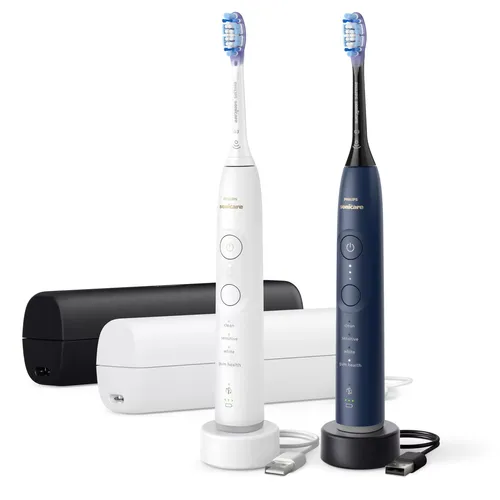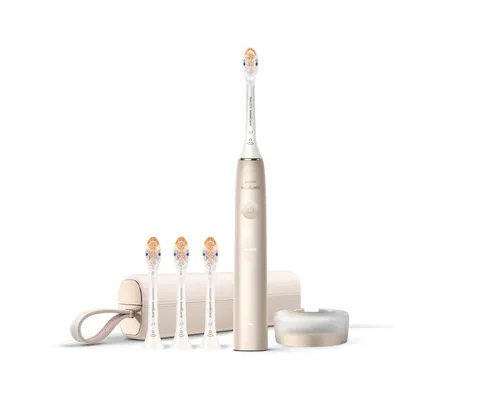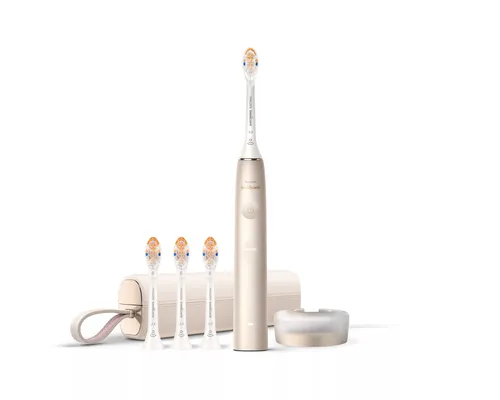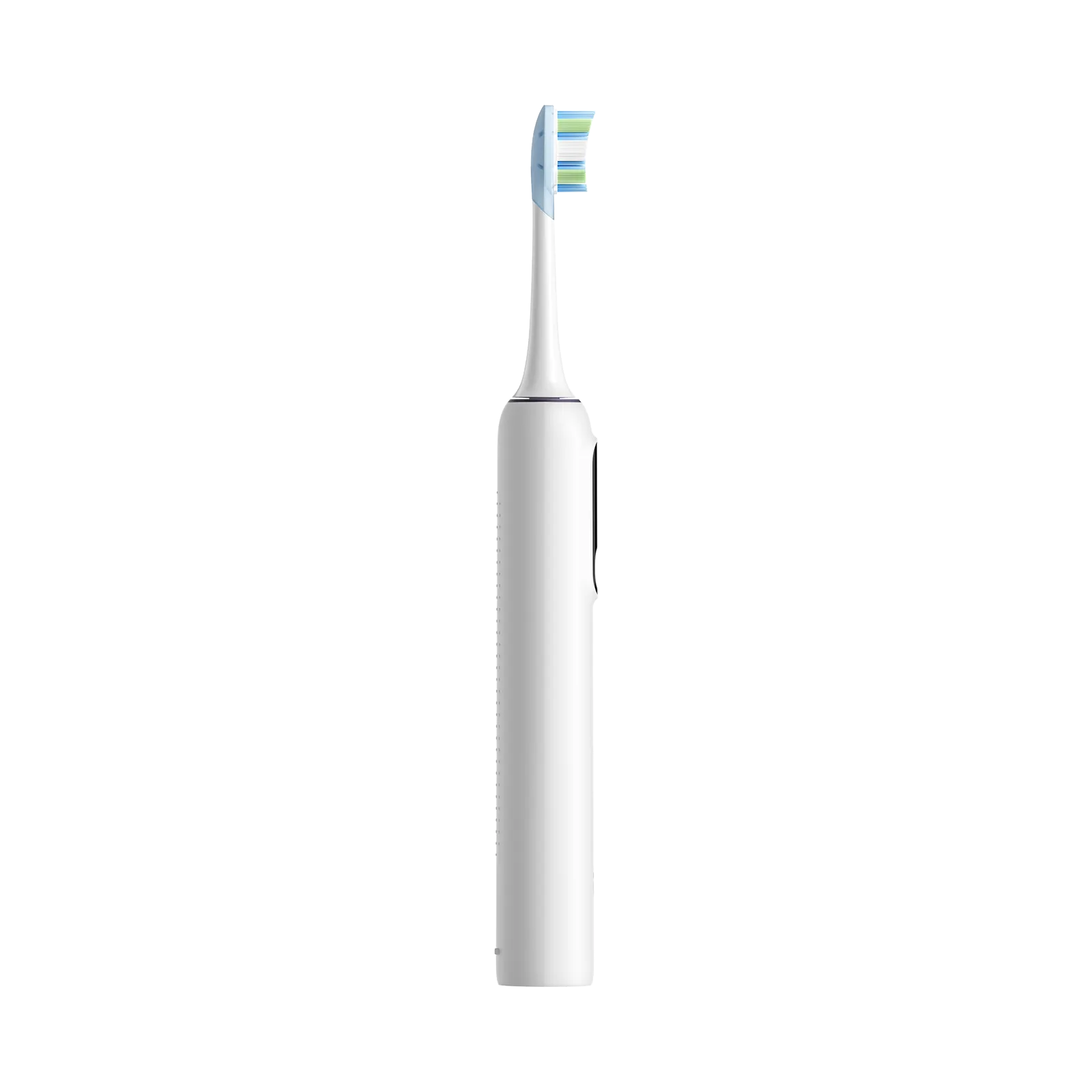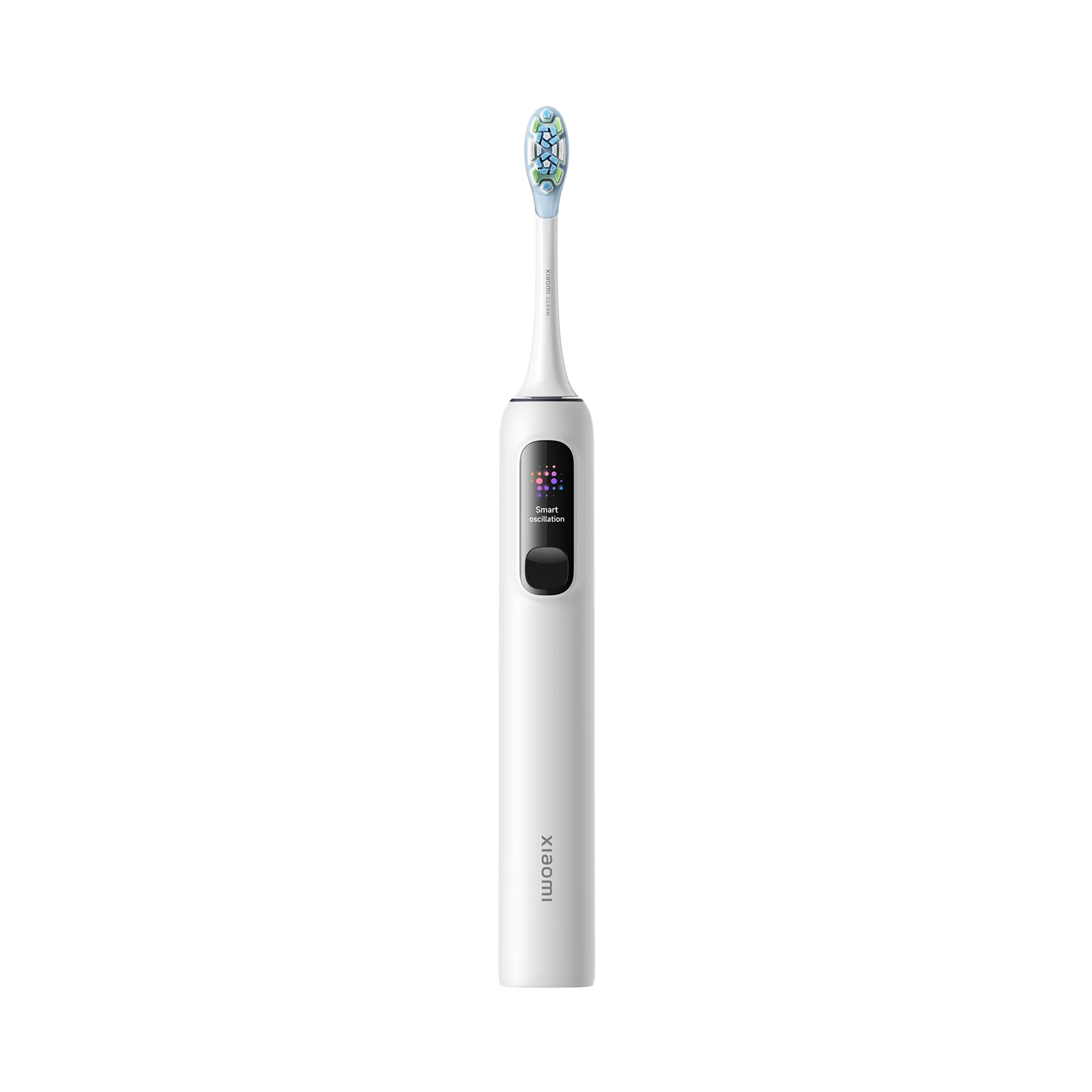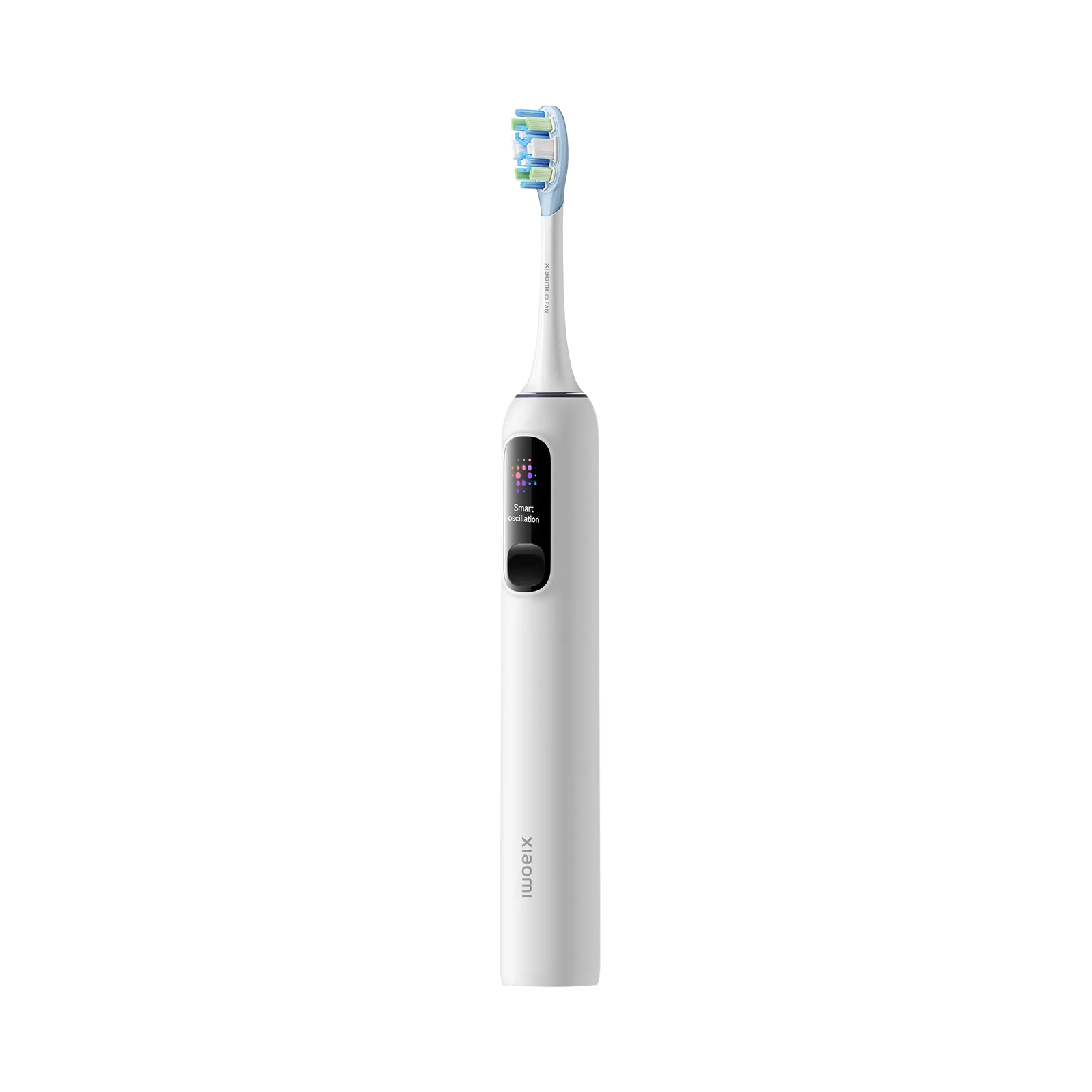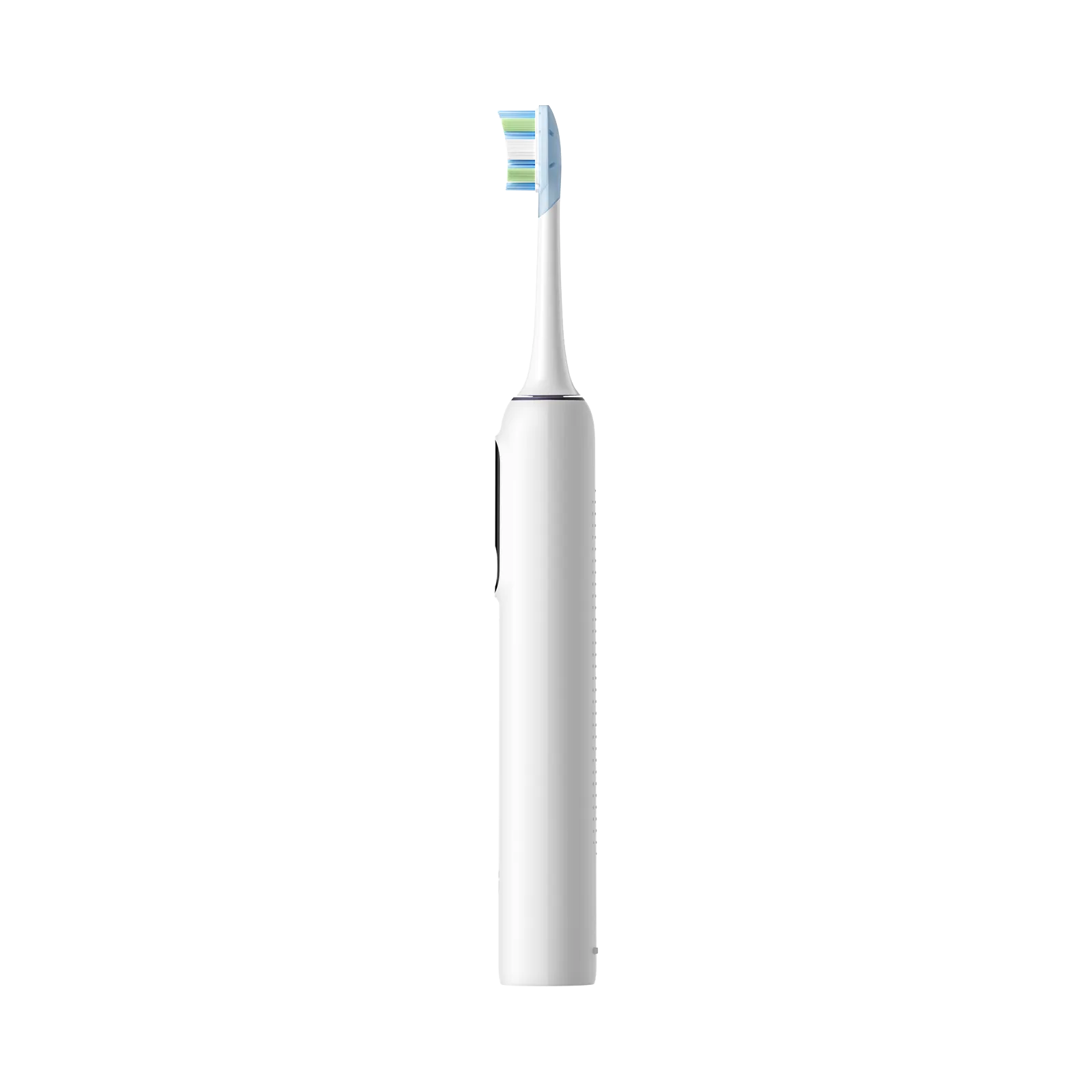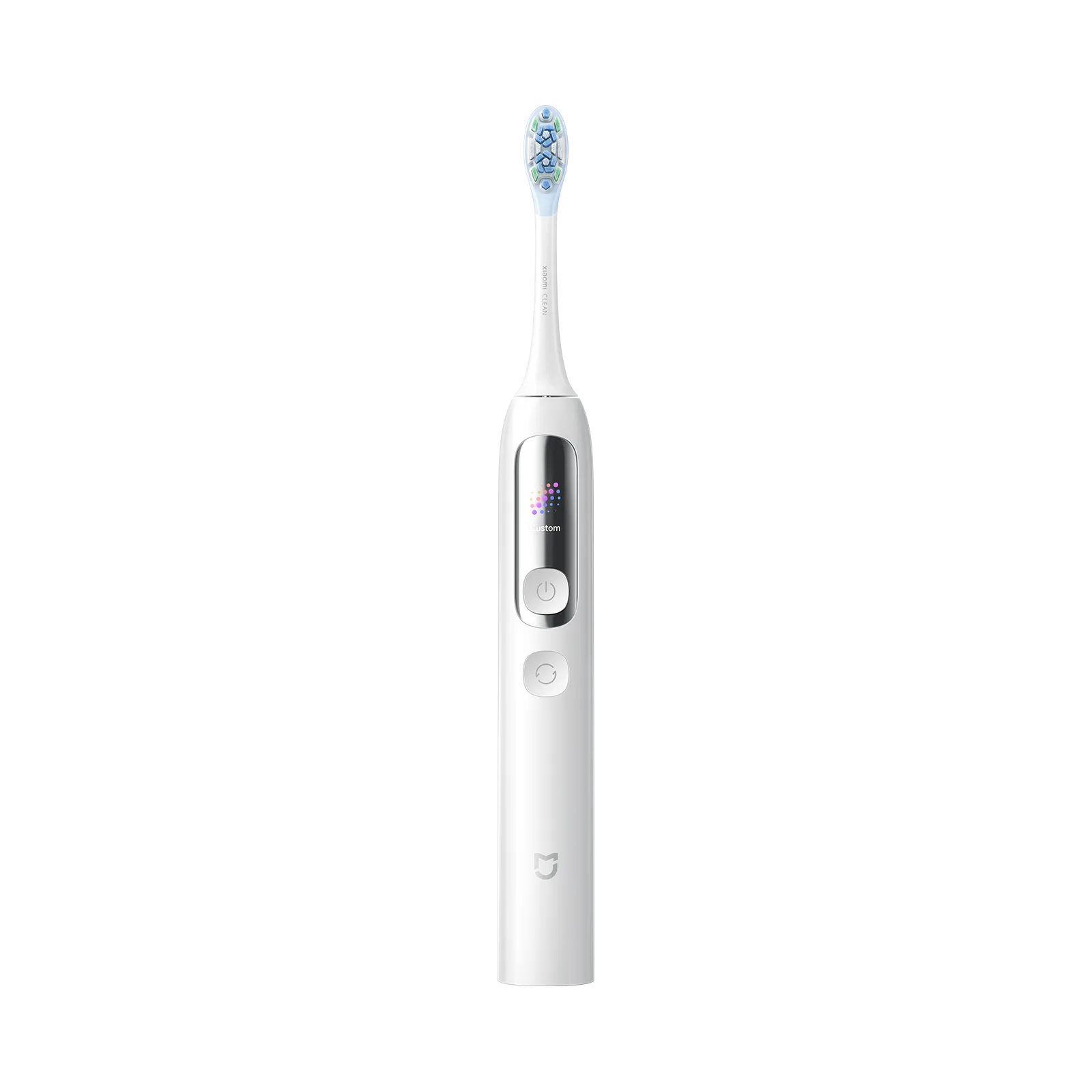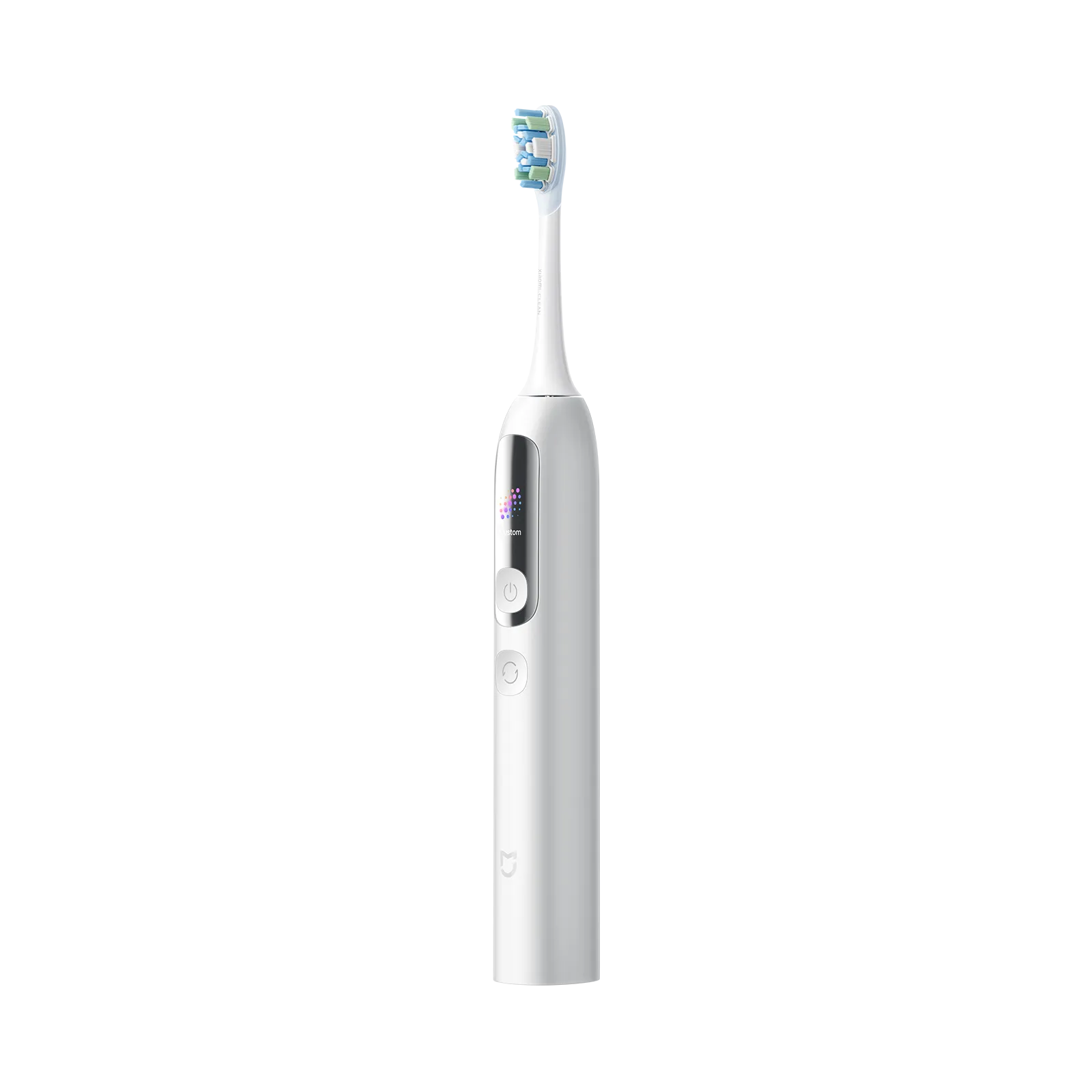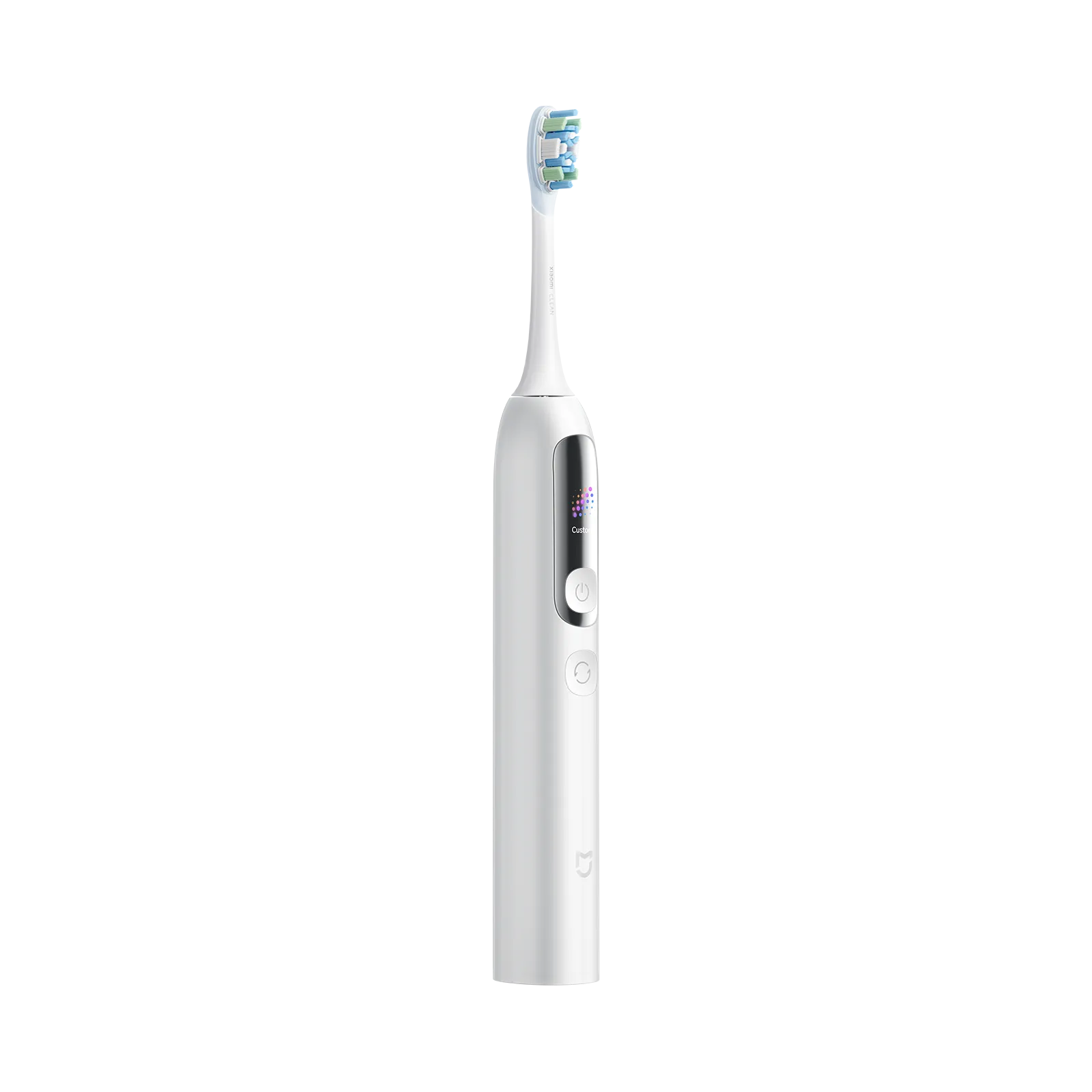
Electric toothbrushes Philips
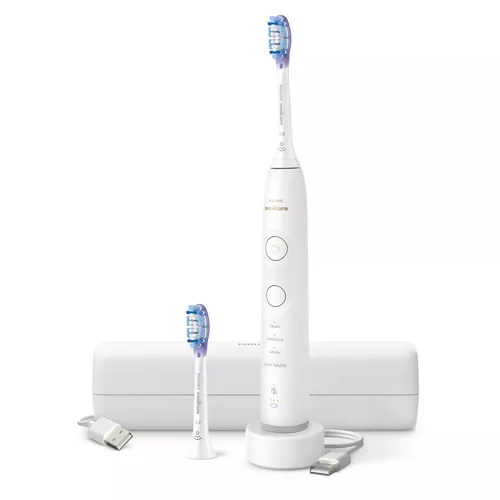
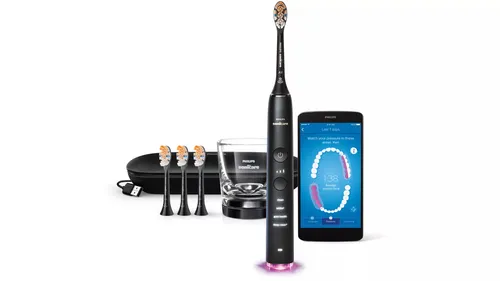
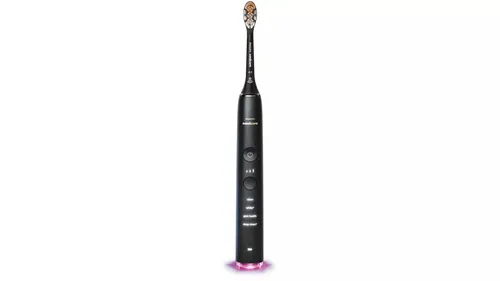
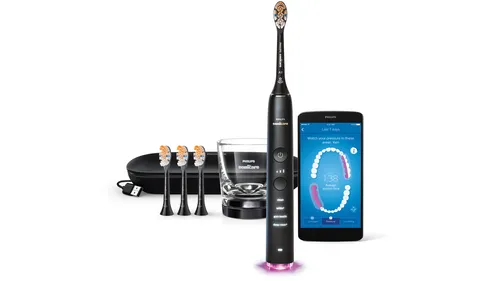
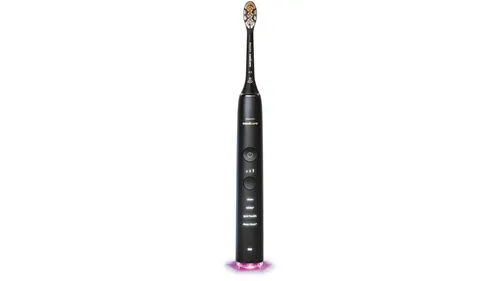
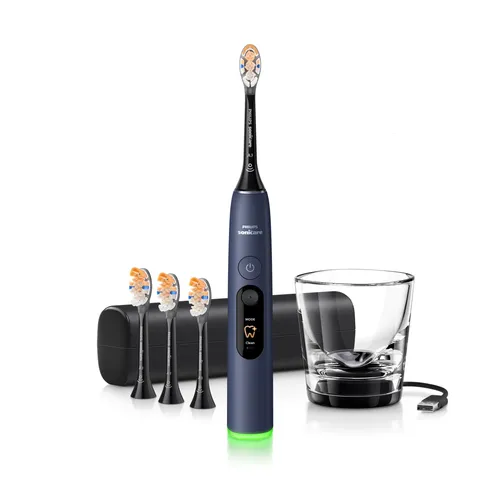
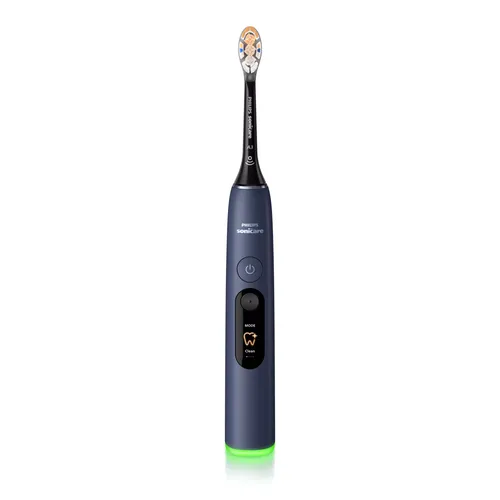
Philips DiamondClean 8500 HX8515/13 Rechargeable Toothbrush
6 brushing modes, pressure sensor and Bluetooth app for precise tracking and care.
Electric toothbrushes differ in battery life, number of brushing modes and movement frequency per minute. A long-lasting battery reduces charging frequency, while multiple modes adapt to each user’s specific needs.
Benchmarks based on 31 recent market listings, collected on 1 November 2026.
Under €30
Models in this range generally offer limited battery life, a single brushing mode and basic movement frequency, sufficient for simple daily use.
€30 to €80
These toothbrushes provide better battery life, several brushing modes for different needs and intermediate movement frequency, suited to versatile family use.
Over €80
Premium devices display maximum battery life, a wide choice of brushing modes and the highest movement frequency on the market, for complete, personalised cleaning.
Best rated first, among those our merchants offer.
Electric toothbrushes Philips
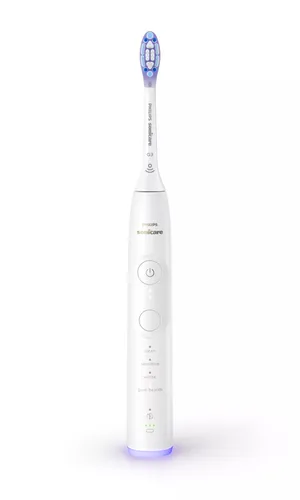
6 brushing modes, pressure sensor and Bluetooth app for precise tracking and care.
Electric toothbrushes Philips
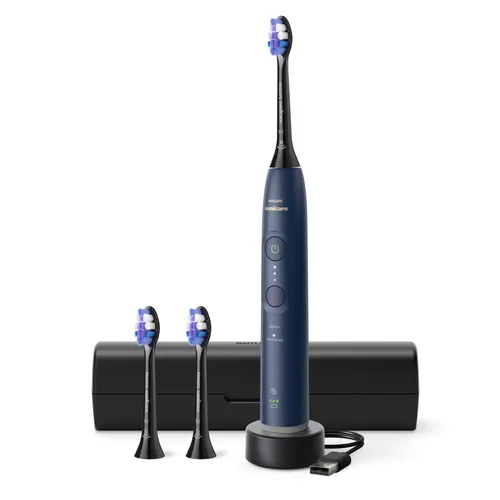
Ultrasonic technology, 6 modes, mobile app support and 336 h measured battery life.
Electric toothbrushes Philips
Sonic brush 62000 strokes, 5 modes, pressure sensor and connected app.
Electric toothbrushes Philips
5 brushing modes, 62000 movements/min, pressure sensor and Bluetooth app connectivity.
Electric toothbrushes Philips
2 handles, 4 modes, 62000 movements per minute, up to 21 days battery life.
Electric toothbrushes Philips
Ultrasonic brush 62000 movements/min, 5 modes, pressure sensor, 14-day battery.
Electric toothbrushes Philips
4 modes, pressure sensor, 504 h battery life and Bluetooth connectivity.
Electric toothbrushes Philips
Exceptional 504 h battery life and pressure sensor for protective brushing.
Electric toothbrushes Xiaomi
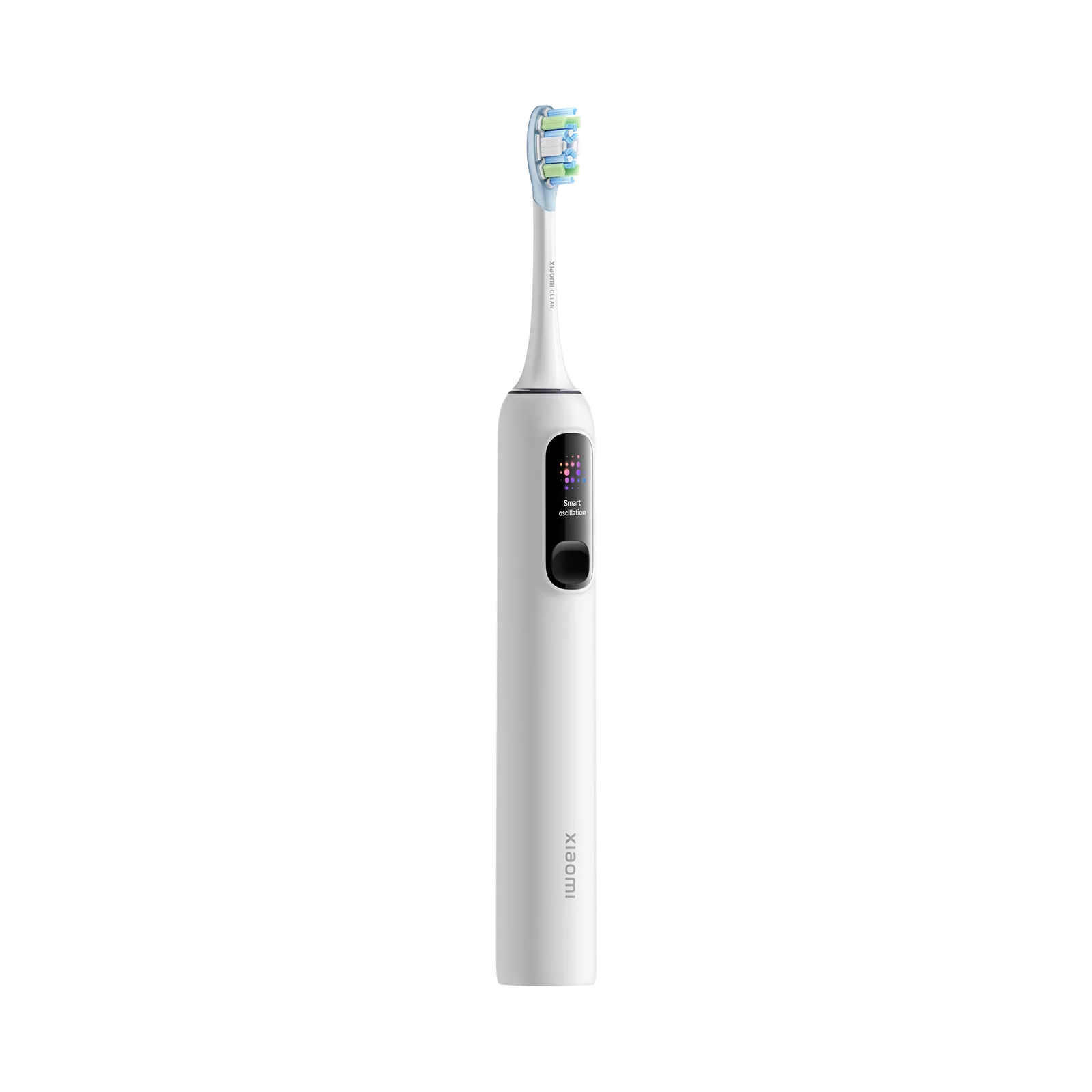
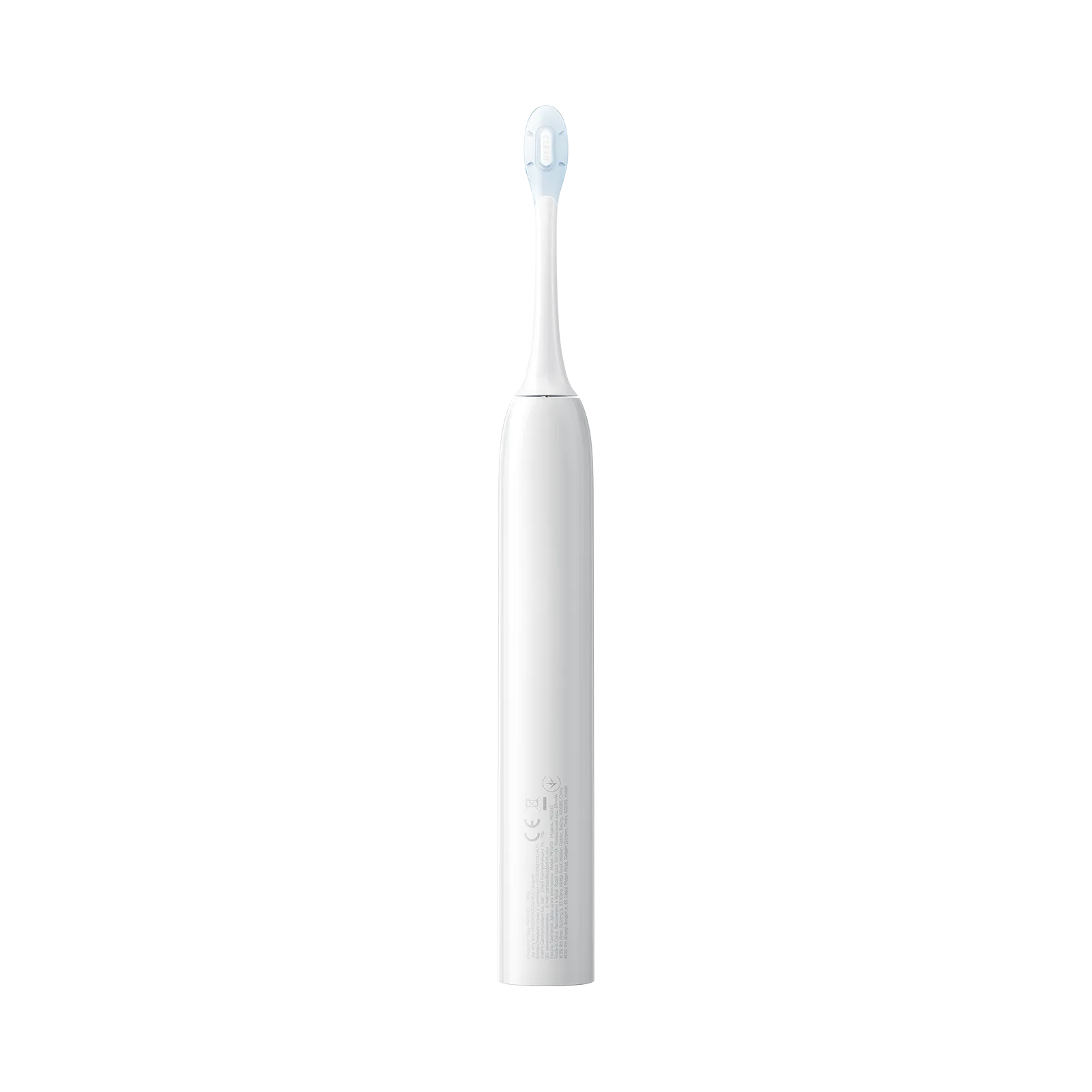
Oscillating electric toothbrush in white finish.
Electric toothbrushes Xiaomi
Smart electric toothbrush with advanced servo-oscillation technology and connectivity.
Electric toothbrushes Xiaomi
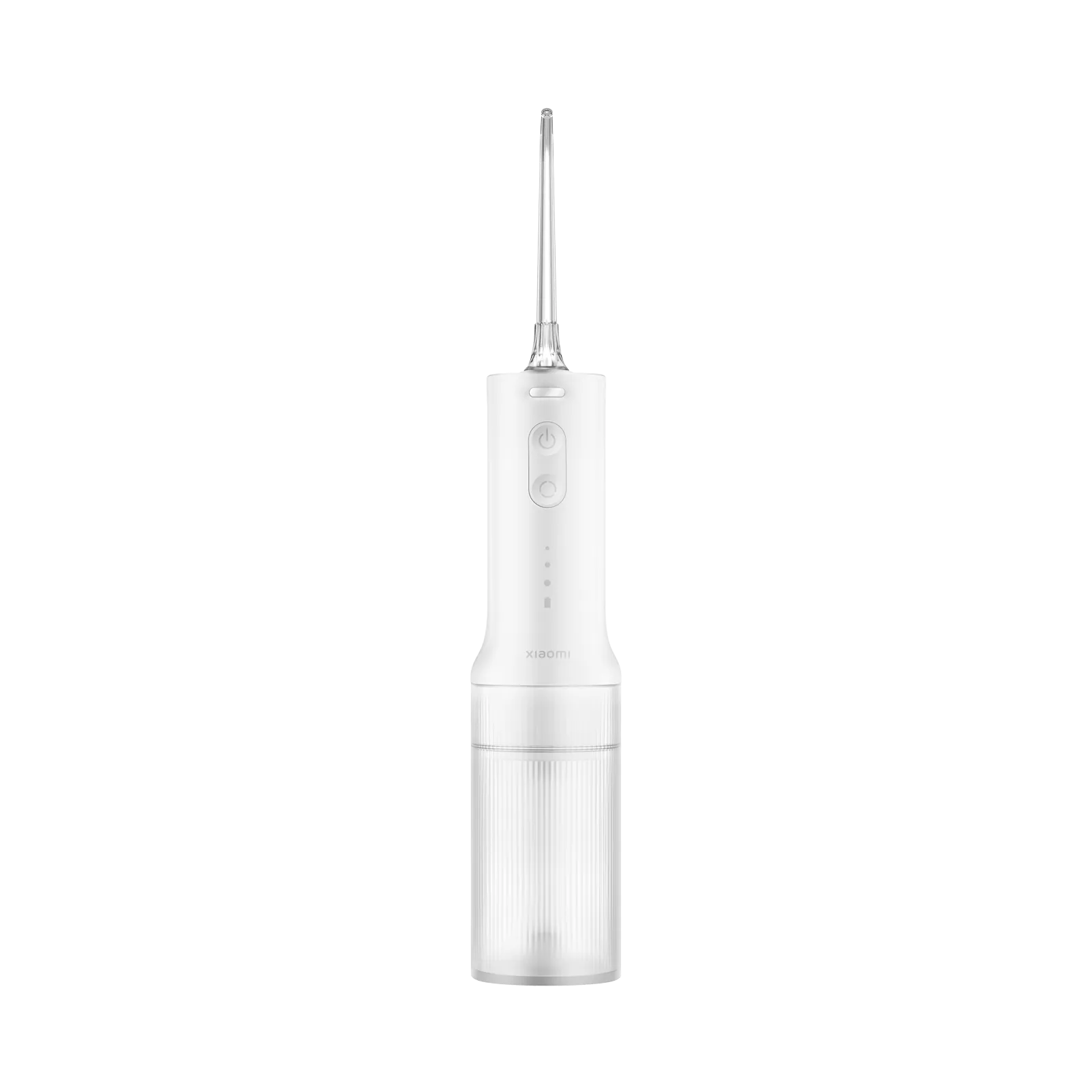
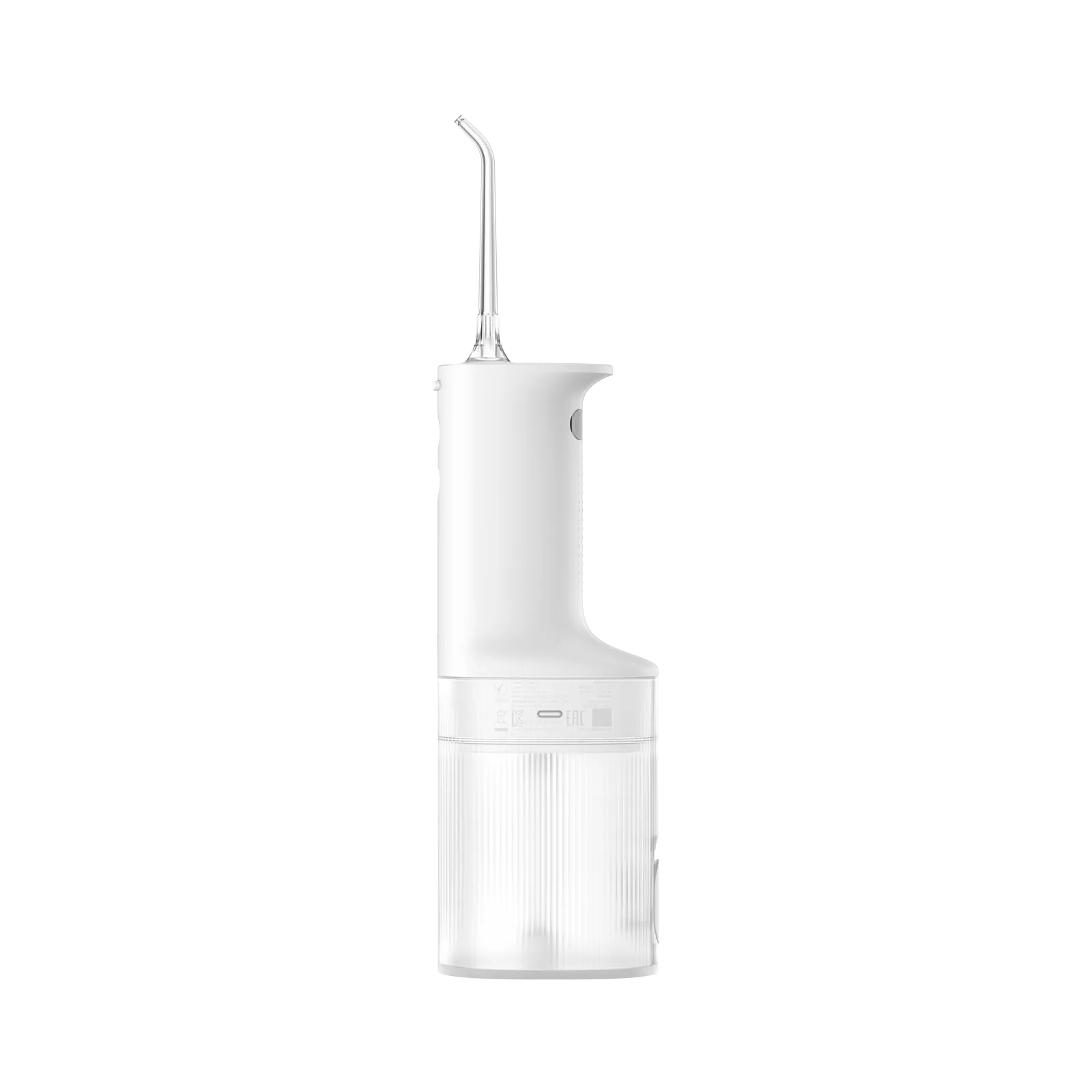
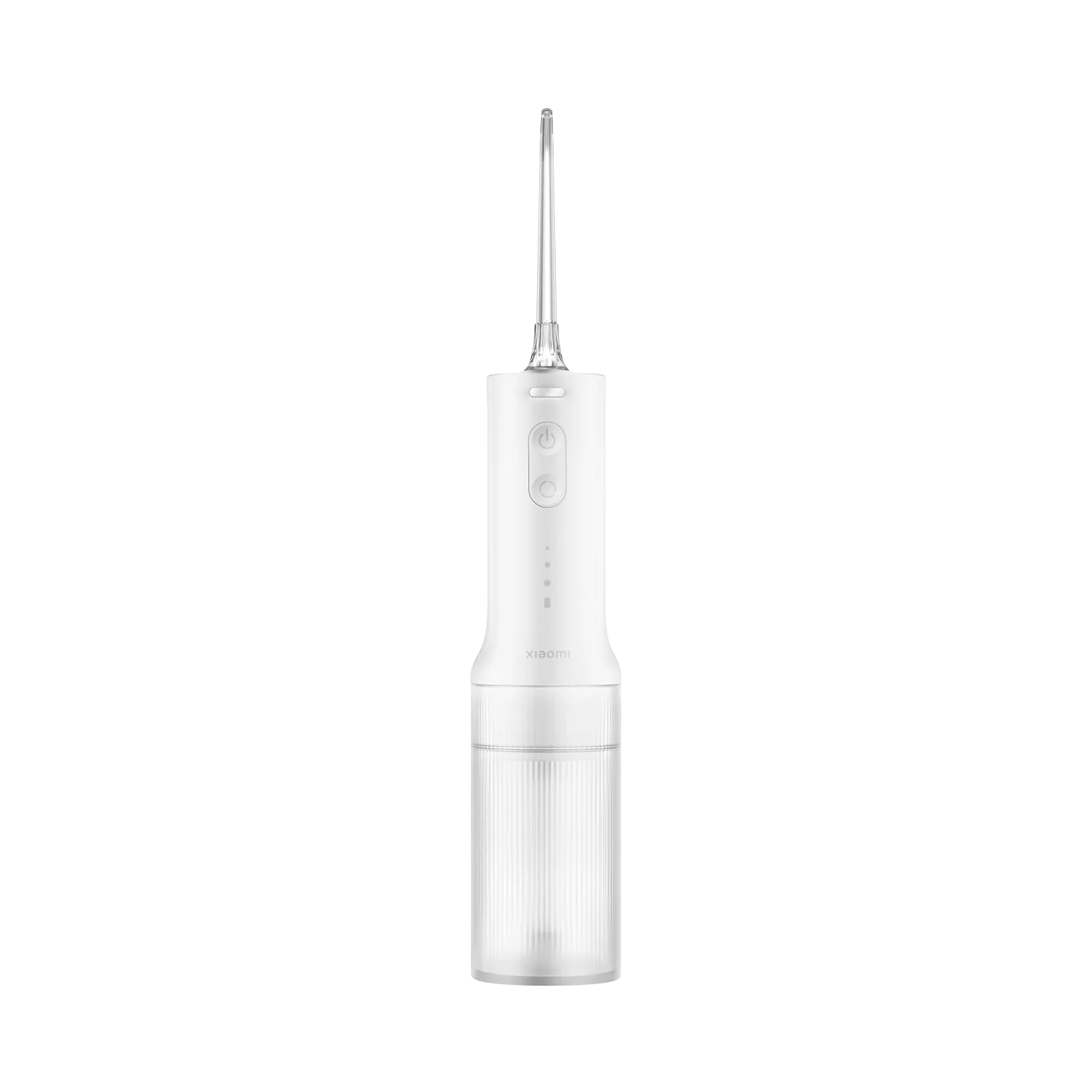
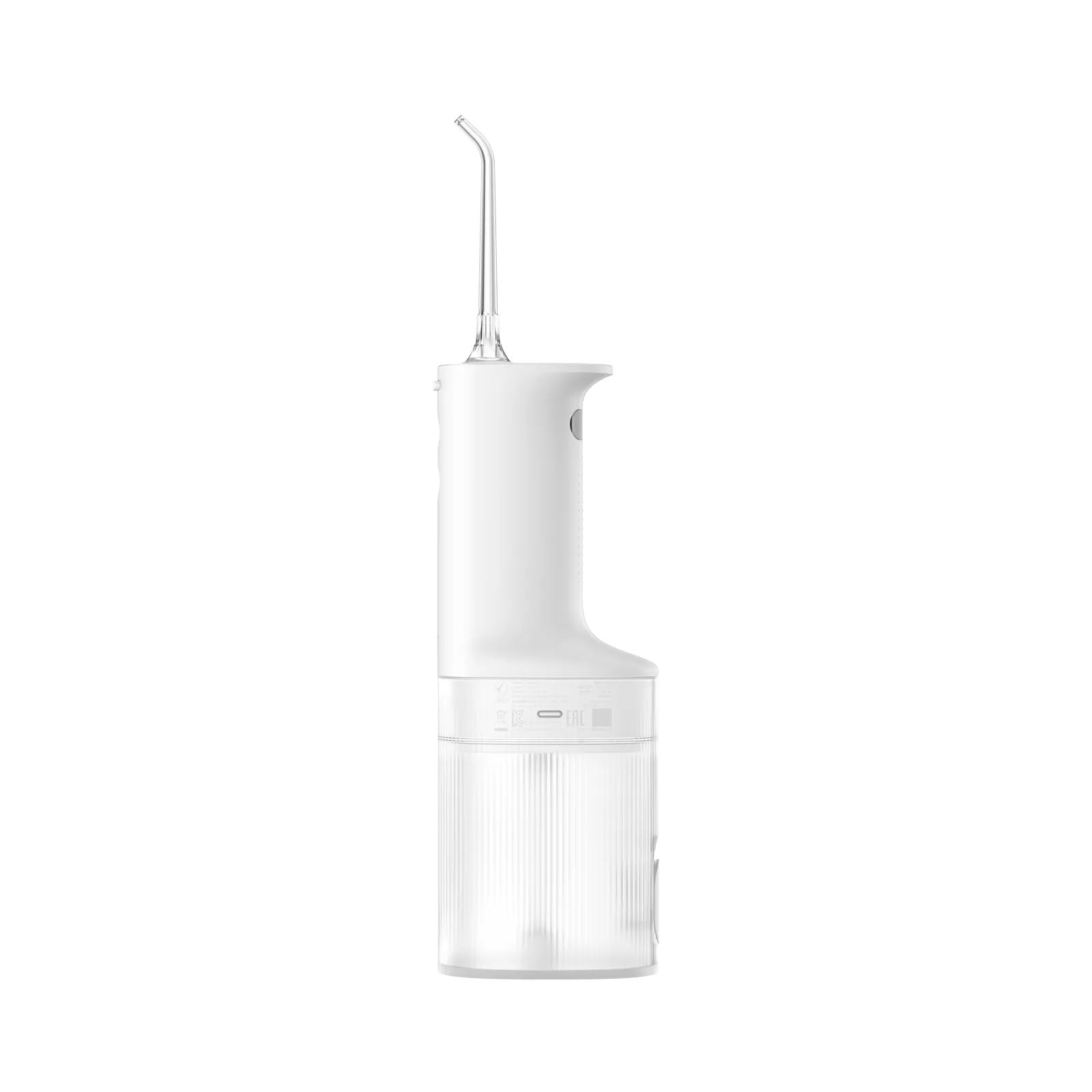
Xiaomi water flosser for thorough interdental cleaning and daily gum care.
Electric toothbrushes Philips
4 brushing modes, pressure sensor and 14 days autonomy with Bluetooth connectivity.