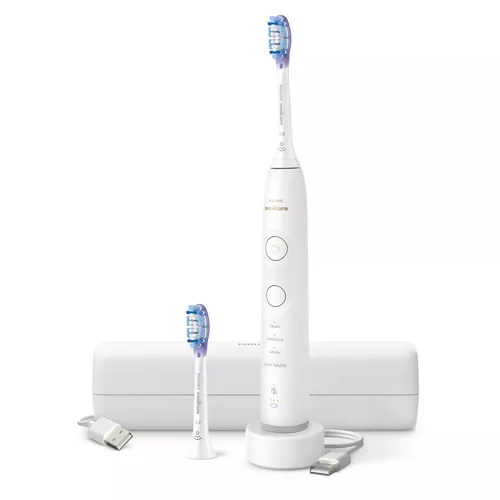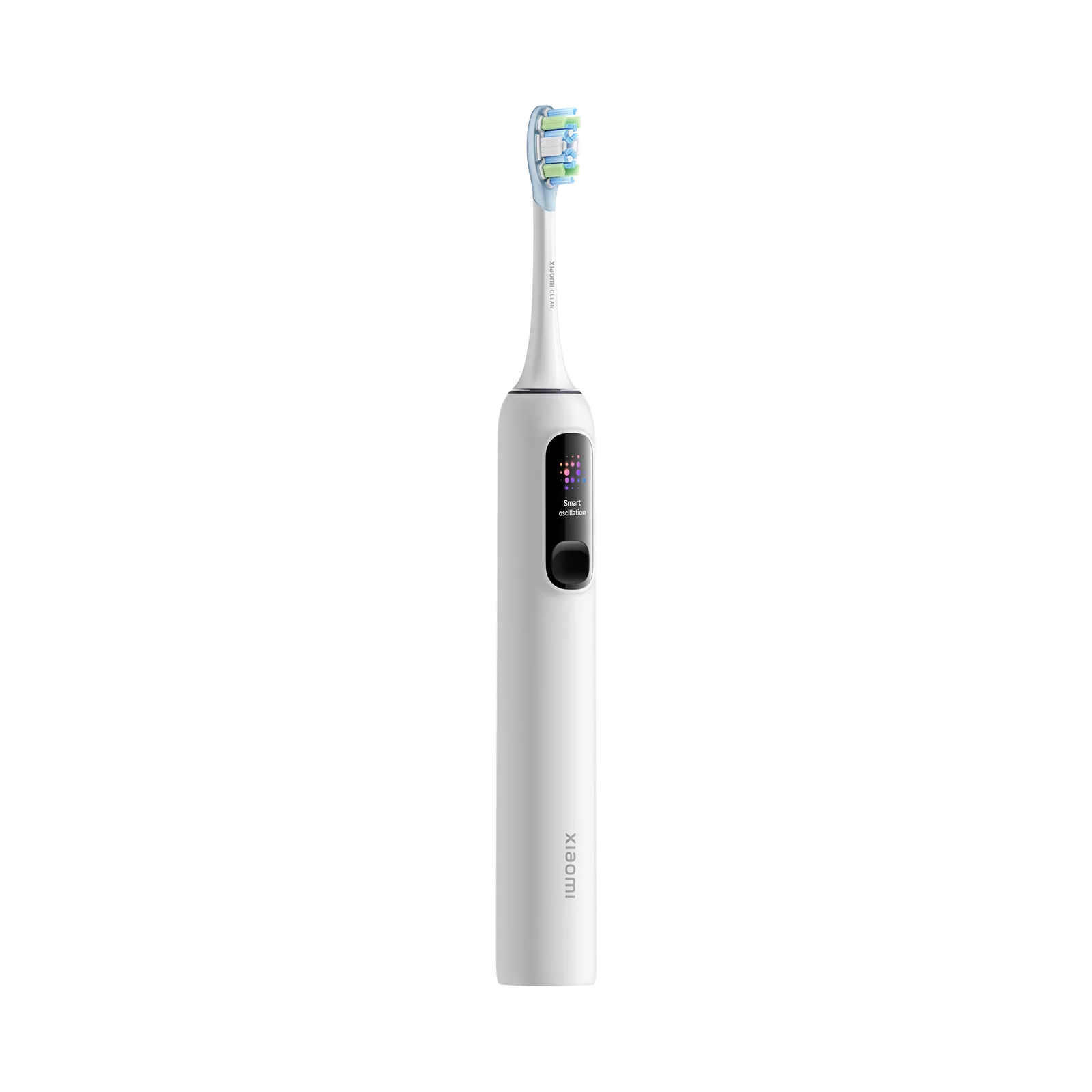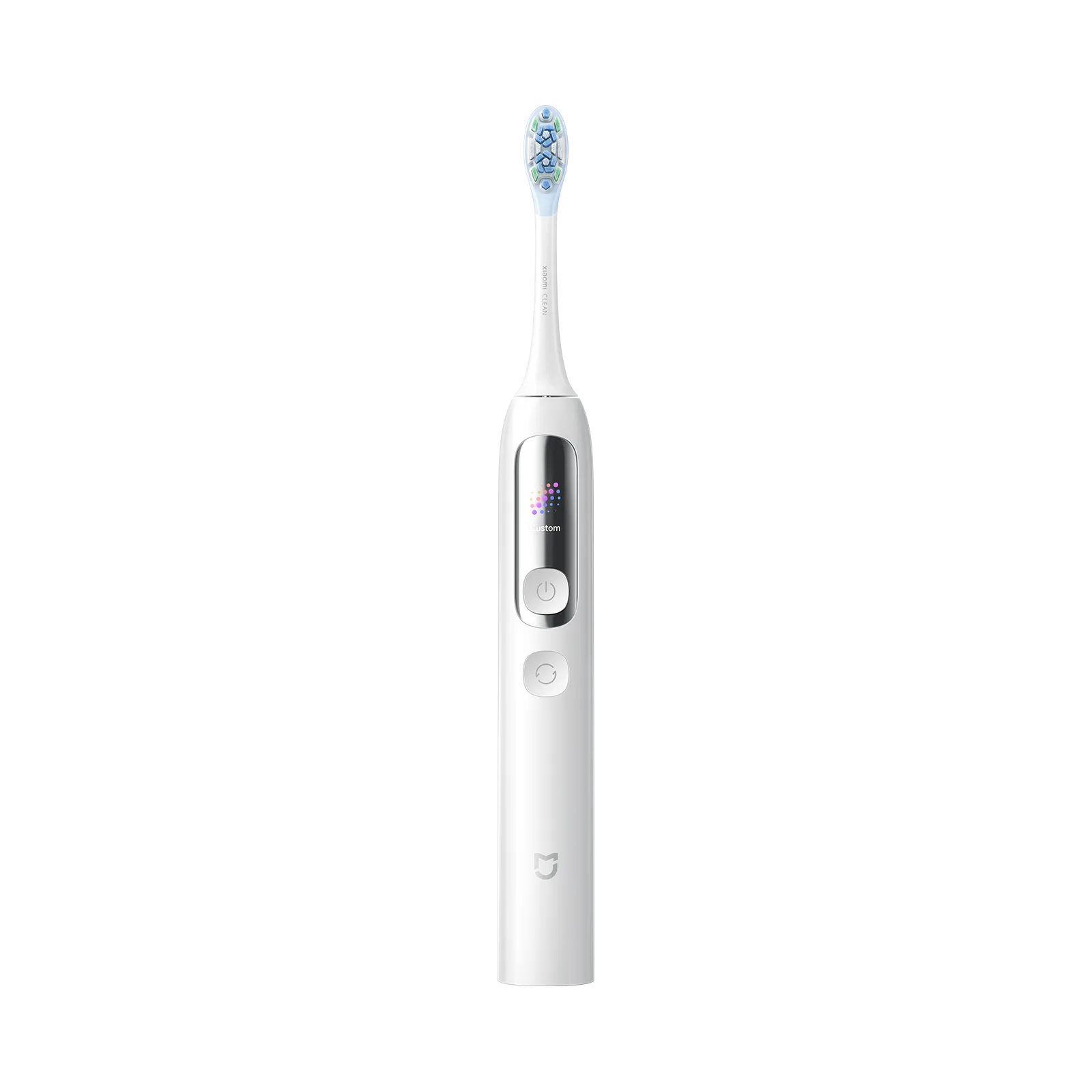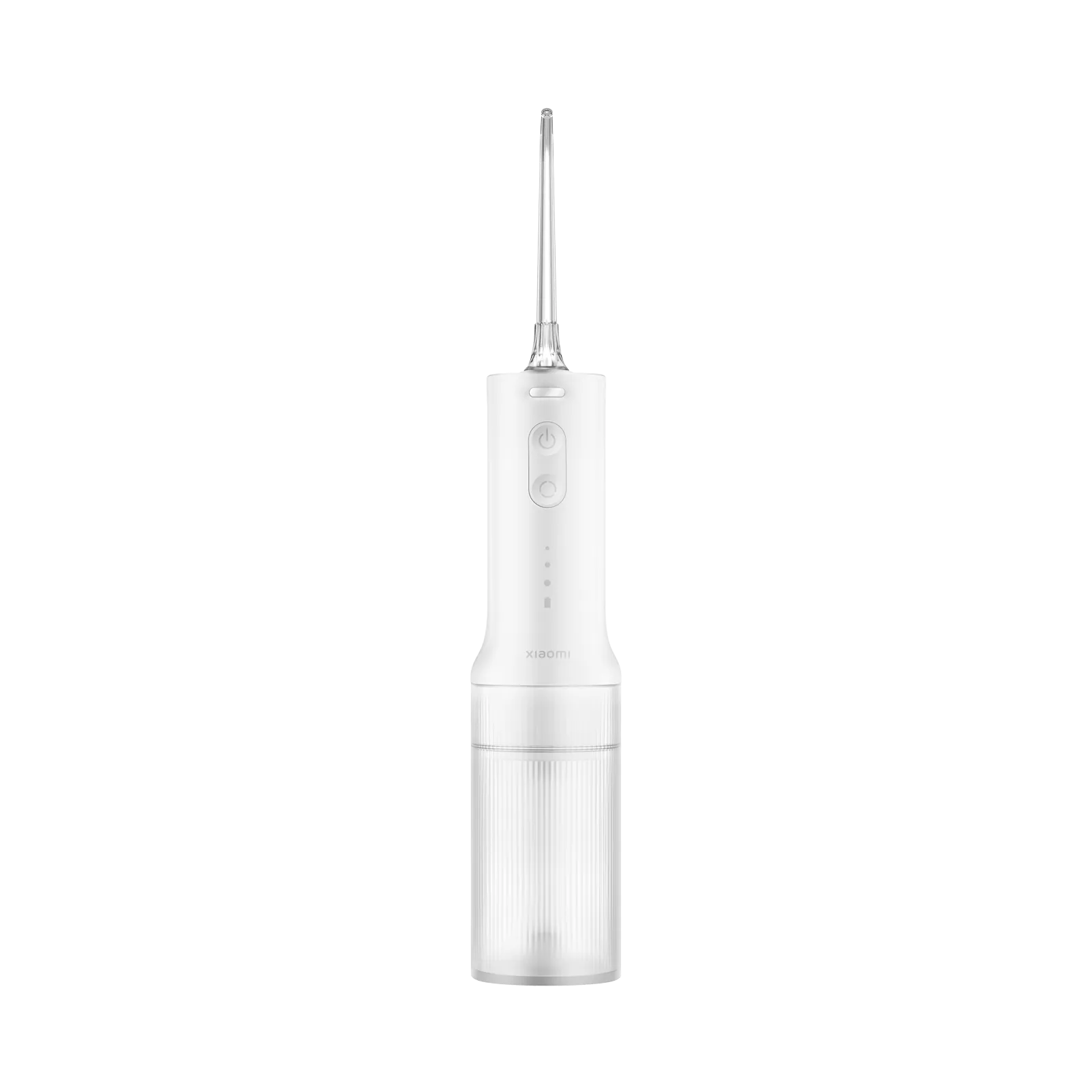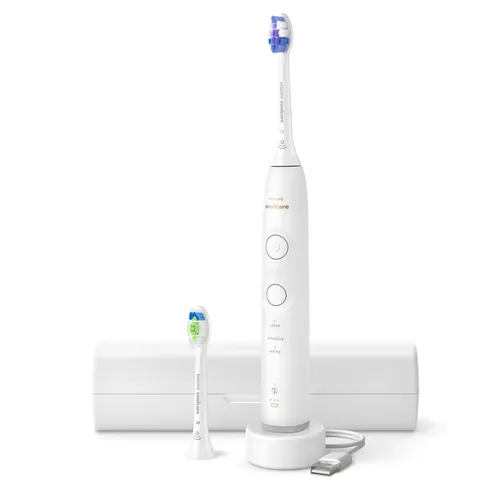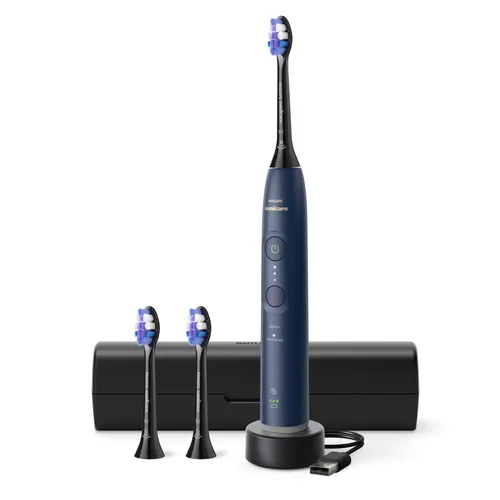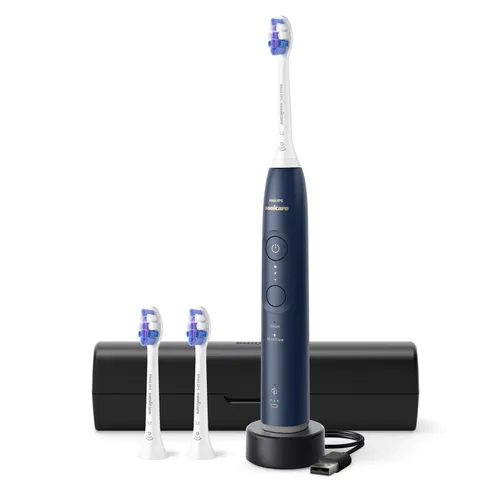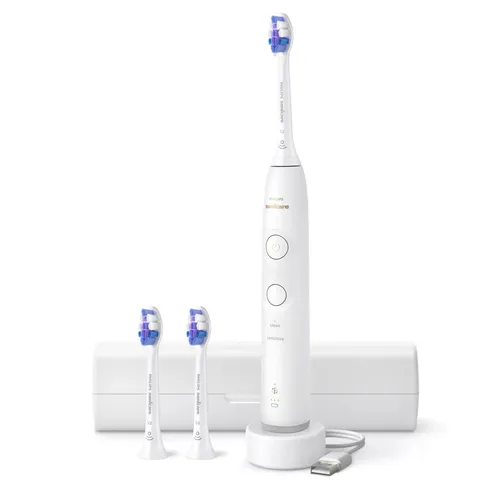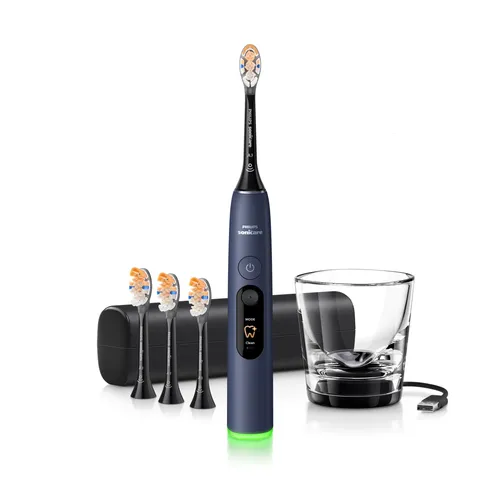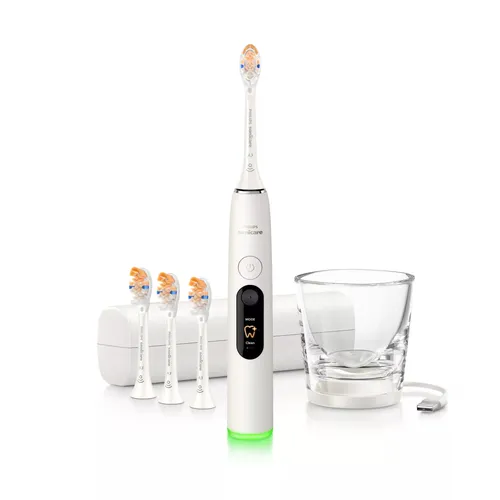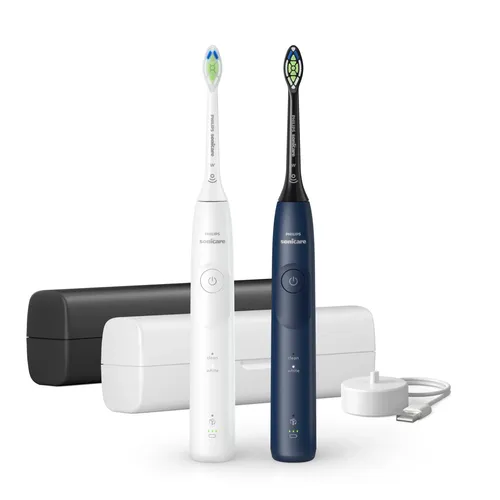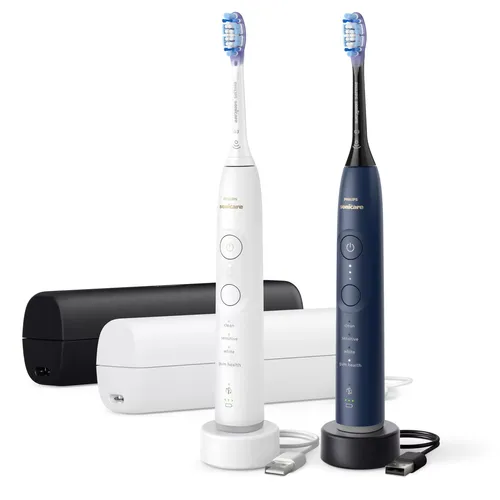
Electric toothbrushes Philips
Philips Sonicare 7100 series Series 7100 HX7429/01 Rechargeable Sonic Electric Toothbrush
Relevance for this use: 71/100
Frequent travel imposes specific constraints on an electric toothbrush. Access to a power socket becomes uncertain, and the possibility of charging the device daily disappears. Battery life then moves to the forefront to avoid any interruption of dental care.
The versatility of brushing modes also gains relevance when conditions of use vary: hotel, camping, temporary accommodation. Having several programmes allows adapting cleaning to circumstances without carrying additional equipment.
By contrast, maximum brushing frequency matters less in this context. Reliable operation and increased endurance take precedence over absolute mechanical performance, which remains useful but secondary to mobility requirements.
The same criteria as on the category page, but not the same weight: here is what goes up and what goes down.
Price retains its usual weight as travel alone does not justify disproportionate expenditure. Models intended for travel must offer necessary characteristics without premium linked to rarely exploited functions. Comparing prices allows identifying references combining battery life and versatility without budgetary drift. Good value for money remains decisive, whether the device serves at home or whilst travelling.
Battery life becomes the most important criterion for mobile use. Benchmarks range from three hundred and thirty-six hours to five hundred and four hours across thirty datasheets, representing two to three weeks of daily use without recharge. The longer this duration, the less the user depends on a power socket and the lower the risk of brushing interruption. Models reaching the highest values offer peace of mind essential during extended stays or touring circuits.
The number of brushing modes gains usefulness whilst travelling. Datasheets record between one and eight programmes, and this variety allows adapting care according to situations: quick brushing before an appointment, deep cleaning after a large meal, or gentle mode in case of temporary sensitivity. Having several options compensates for the absence of other dental care accessories not always carried. This versatility justifies increased attention to this criterion.
Brushing frequency loses relative importance against mobility constraints. Benchmarks range from thirty-one thousand to sixty-two thousand movements per minute across thirty datasheets. Even the lowest values ensure satisfactory cleaning, and the difference in result becomes secondary when priority focuses on continuity of care. Favouring battery life and versatility rather than maximum rate corresponds better to the needs of itinerant use.
The features pushed in this category that make no difference in this context.
Fixed and bulky charging stands
Cumbersome recharging stations weigh down luggage and occupy precious space in a toiletry bag. A compact charger or universal cable fulfils the same function with reduced bulk. Paying for an imposing stand becomes counterproductive whilst travelling.
Connected sensors with mobile application
Tracking functions via smartphone add complexity without improving brushing during a journey. Consulting usage statistics holds little interest when the objective remains simply maintaining regular dental hygiene. This connectivity increases price without addressing mobile priorities.
Multiple brush heads in the set
Sets including numerous replacement heads weigh down baggage for limited benefit. One or two brushes suffice during a journey of reasonable duration. Multiplying accessories supplied as standard raises the price without improving travel practicality.
Orders of magnitude, not displayed prices: a price only appears on Kalyneo once it has been collected from a merchant, with its collection date.
Under €30
Models under thirty euros rarely offer the battery life necessary for extended travel, even if they ensure correct brushing for sedentary use.
€30 to €80
Between thirty and eighty euros, references often combine satisfactory battery life and several brushing modes, with controlled bulk for luggage.
Over €80
Beyond eighty euros, brushes offer the longest battery lives and the greatest variety of programmes, meeting the requirements of frequent travellers.
Ranked by relevance for this specific case, not by their overall score.
Electric toothbrushes Philips
Relevance for this use: 71/100
Electric toothbrushes Philips
Relevance for this use: 71/100
Electric toothbrushes Xiaomi
Relevance for this use: 70/100
Electric toothbrushes Xiaomi
Relevance for this use: 70/100
Electric toothbrushes Philips
Relevance for this use: 70/100
Electric toothbrushes Philips
Relevance for this use: 69/100
Electric toothbrushes Philips
Relevance for this use: 69/100
Electric toothbrushes Philips
Relevance for this use: 69/100
Electric toothbrushes Philips
Relevance for this use: 67/100
Electric toothbrushes Philips
Relevance for this use: 67/100
Electric toothbrushes Philips
Relevance for this use: 67/100
A product only enters this list if it meets every one of these points. Its relevance is rated for this specific use, independently of its overall score in the category.