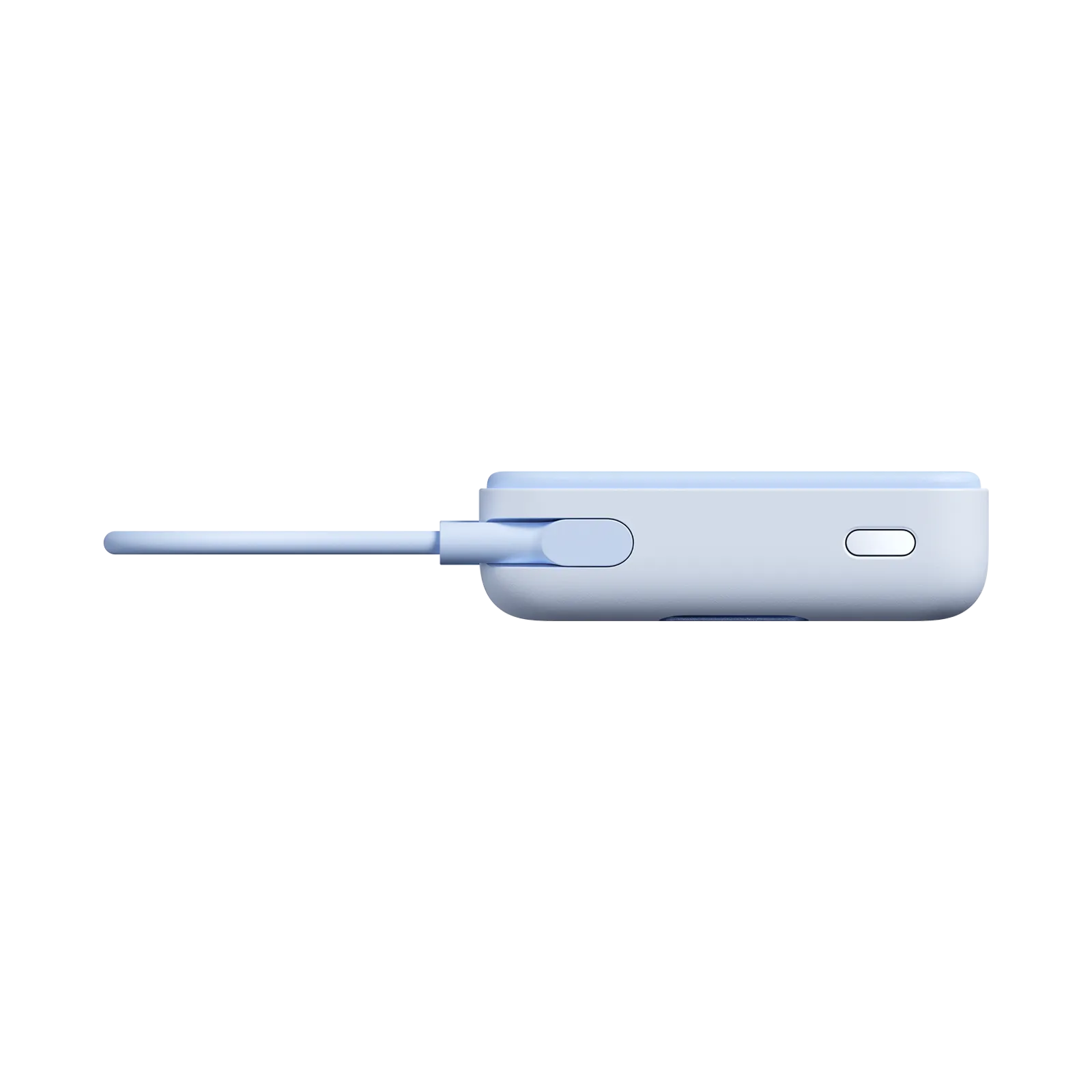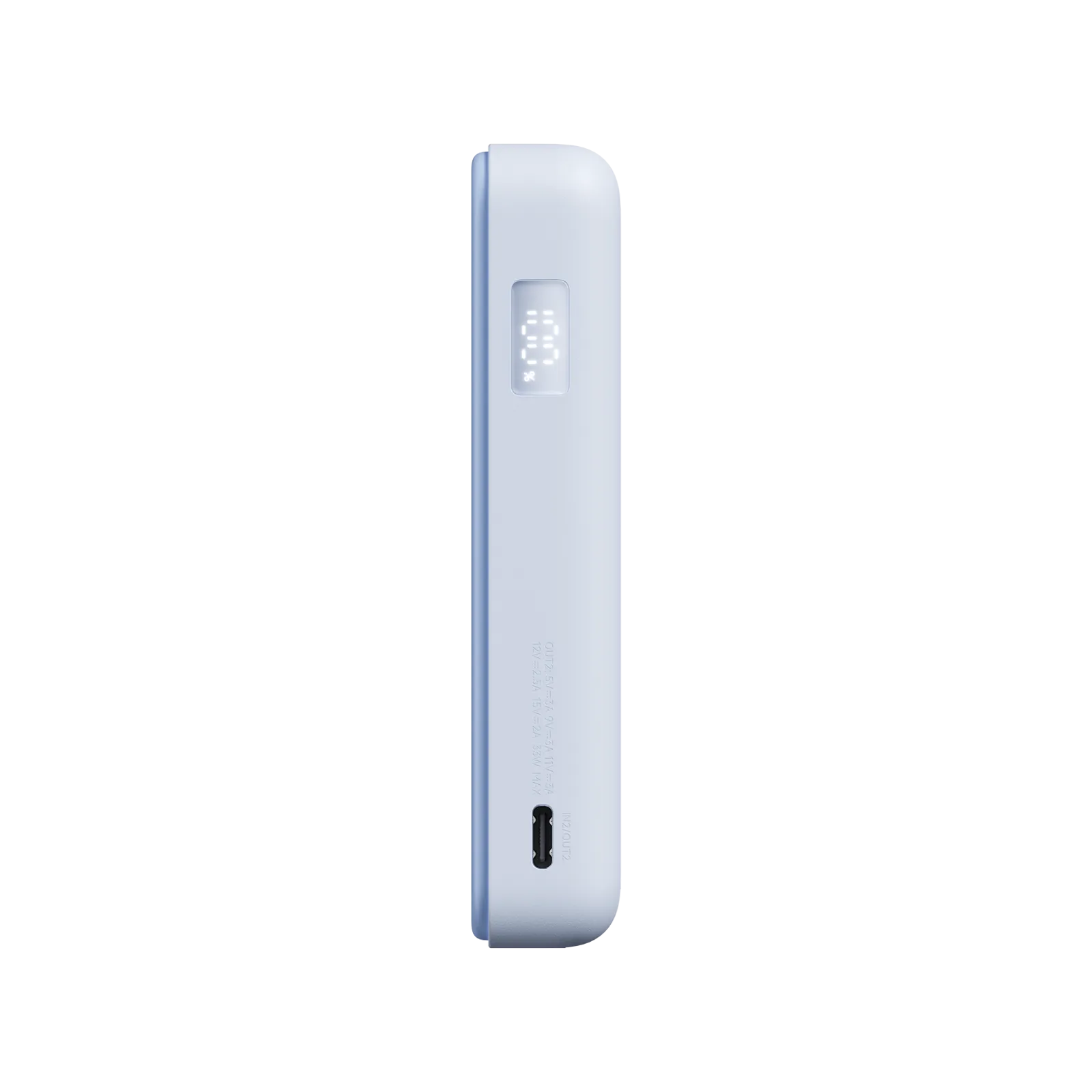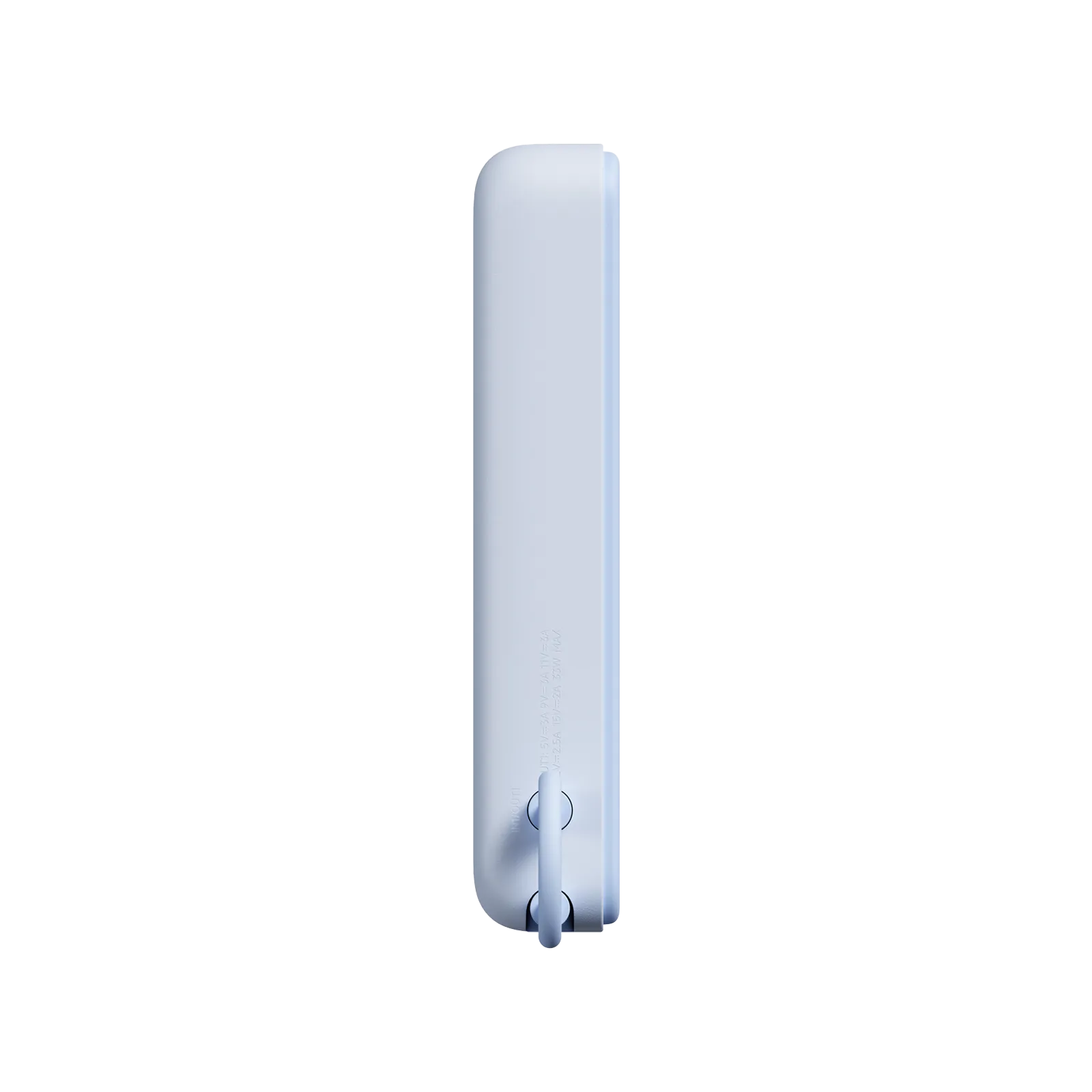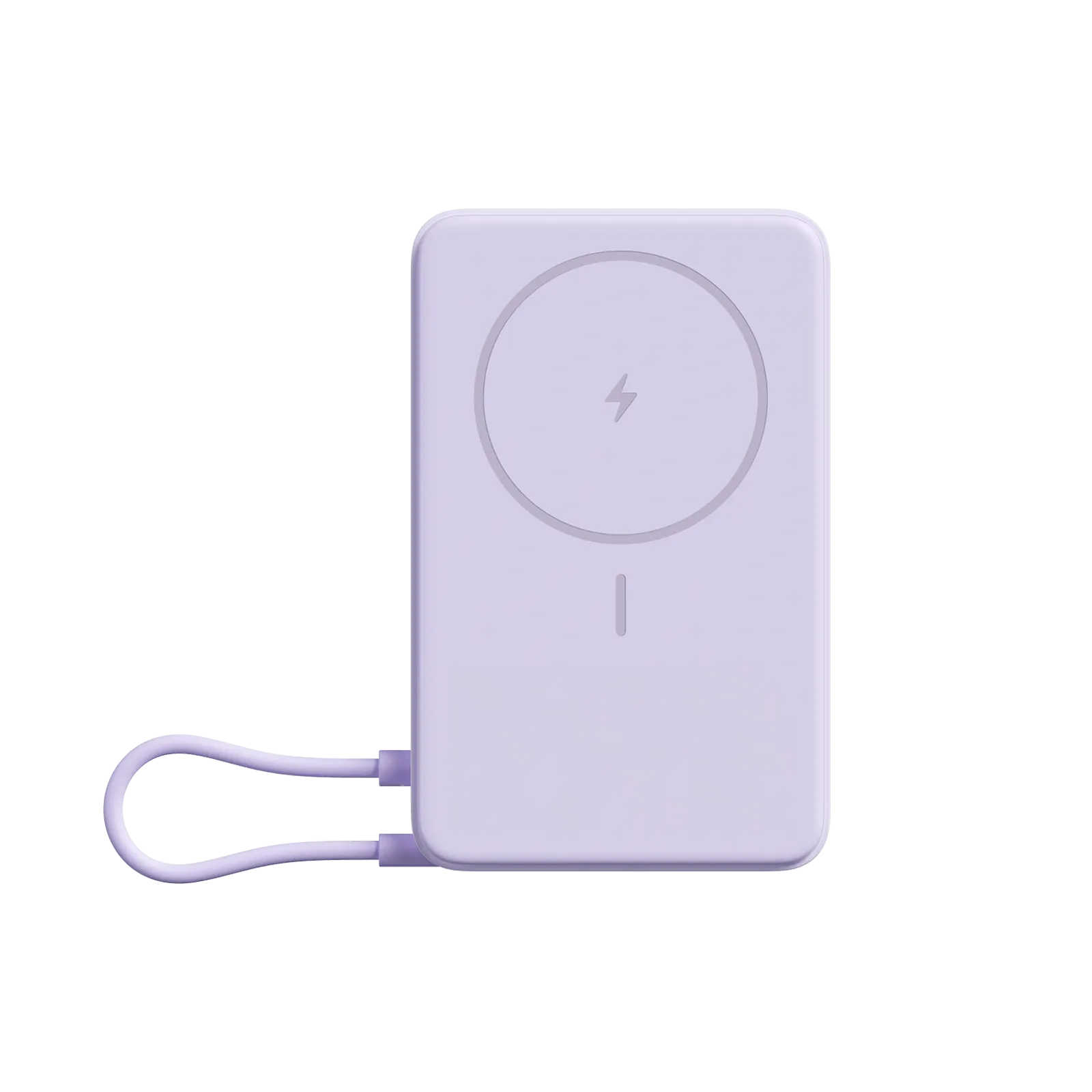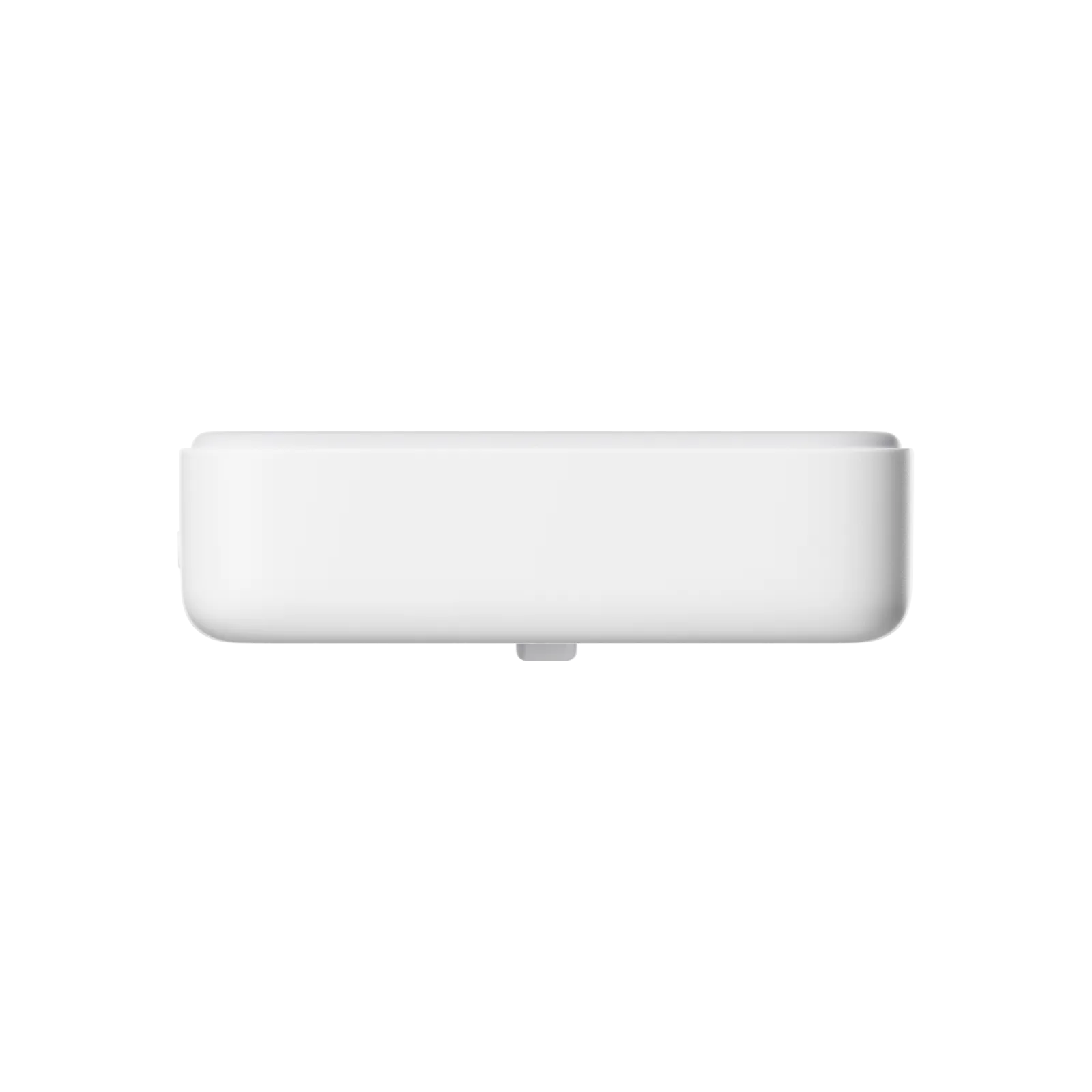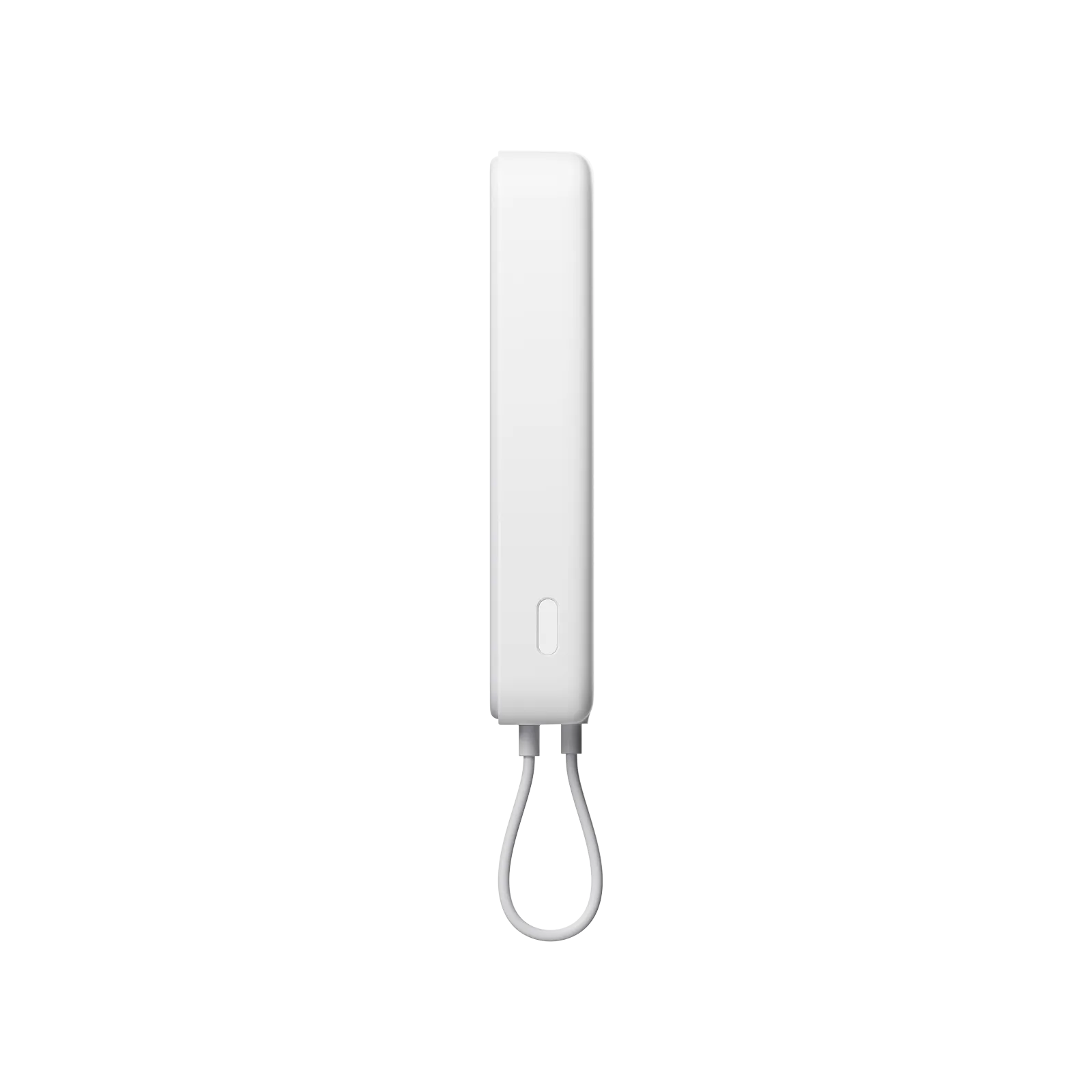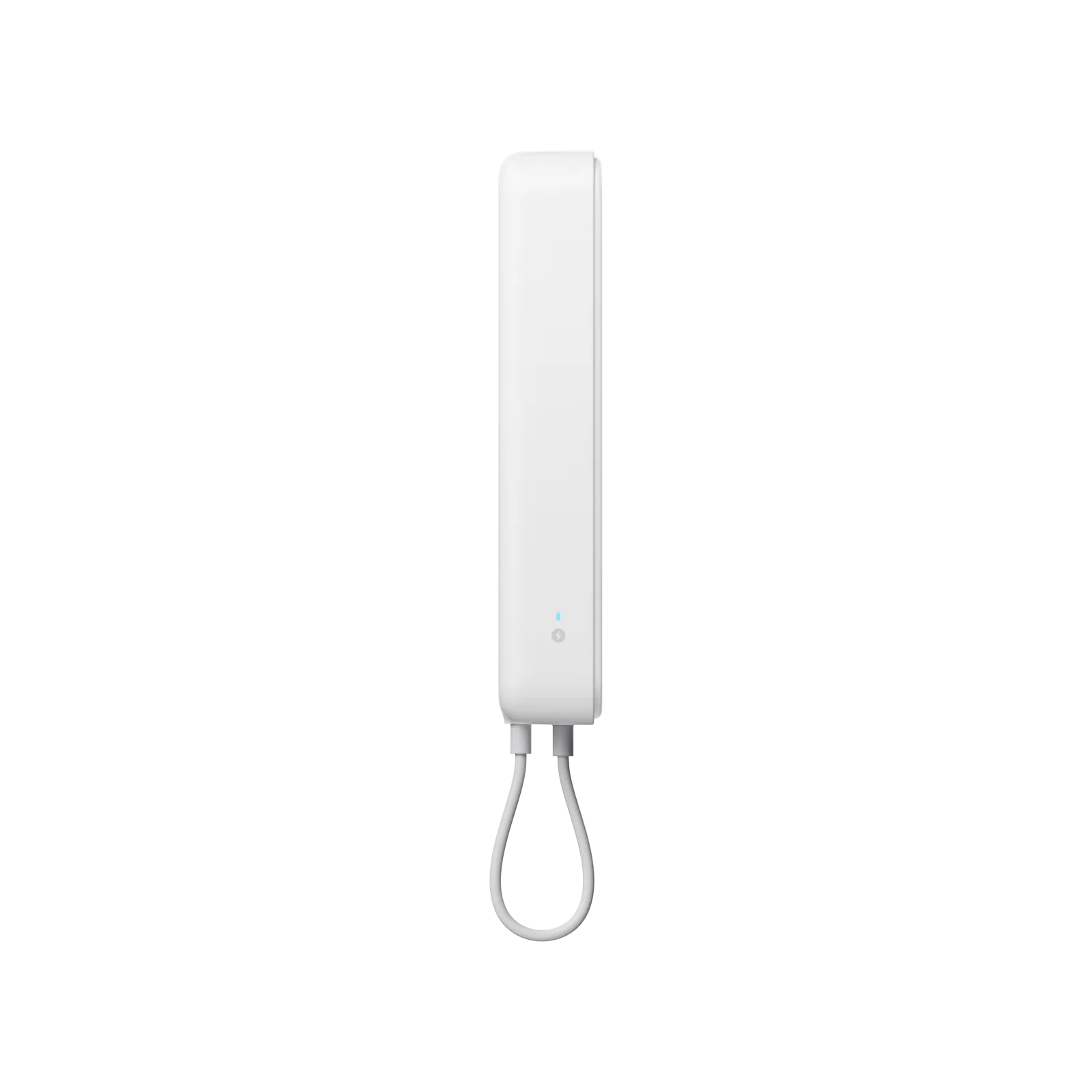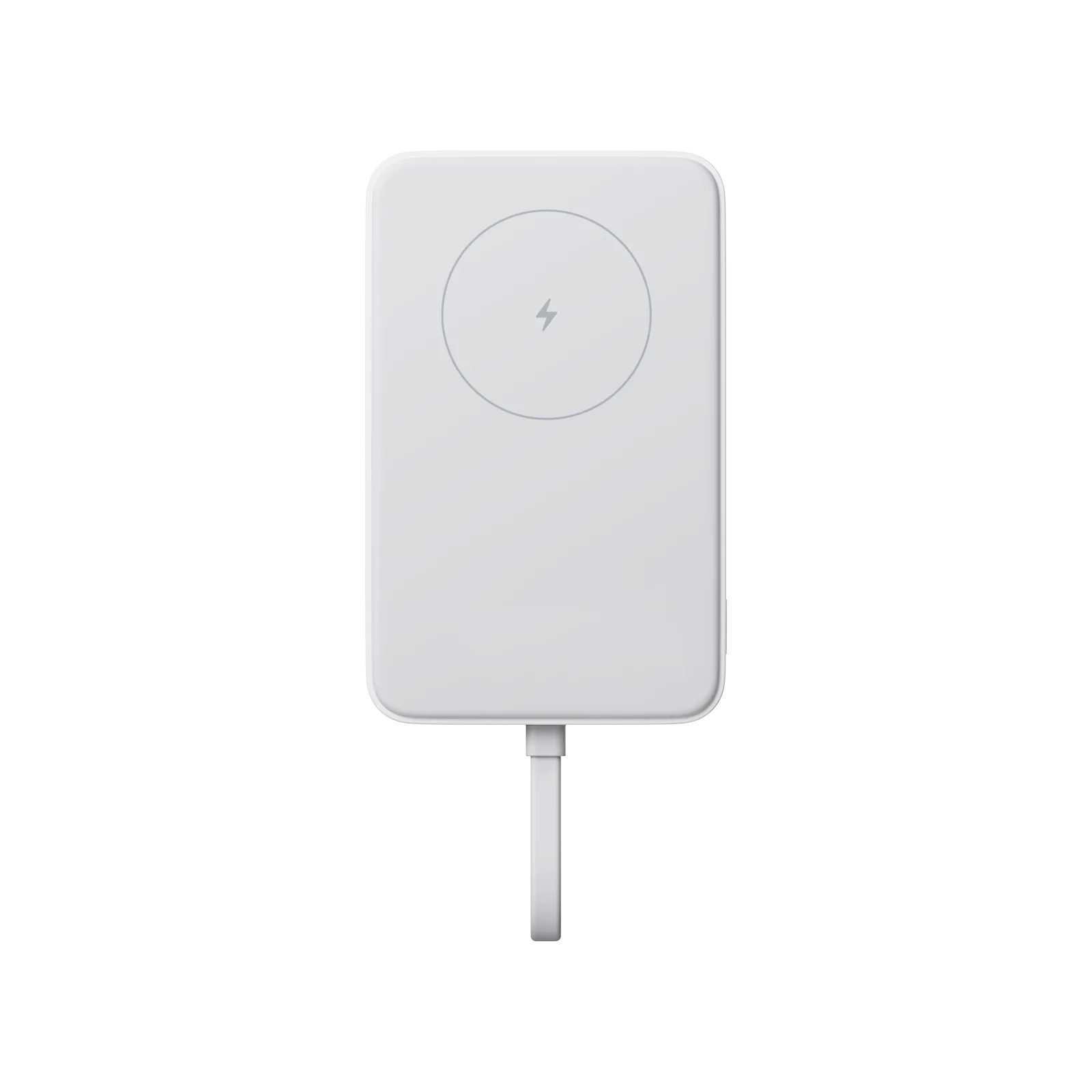
Power banks Xiaomi
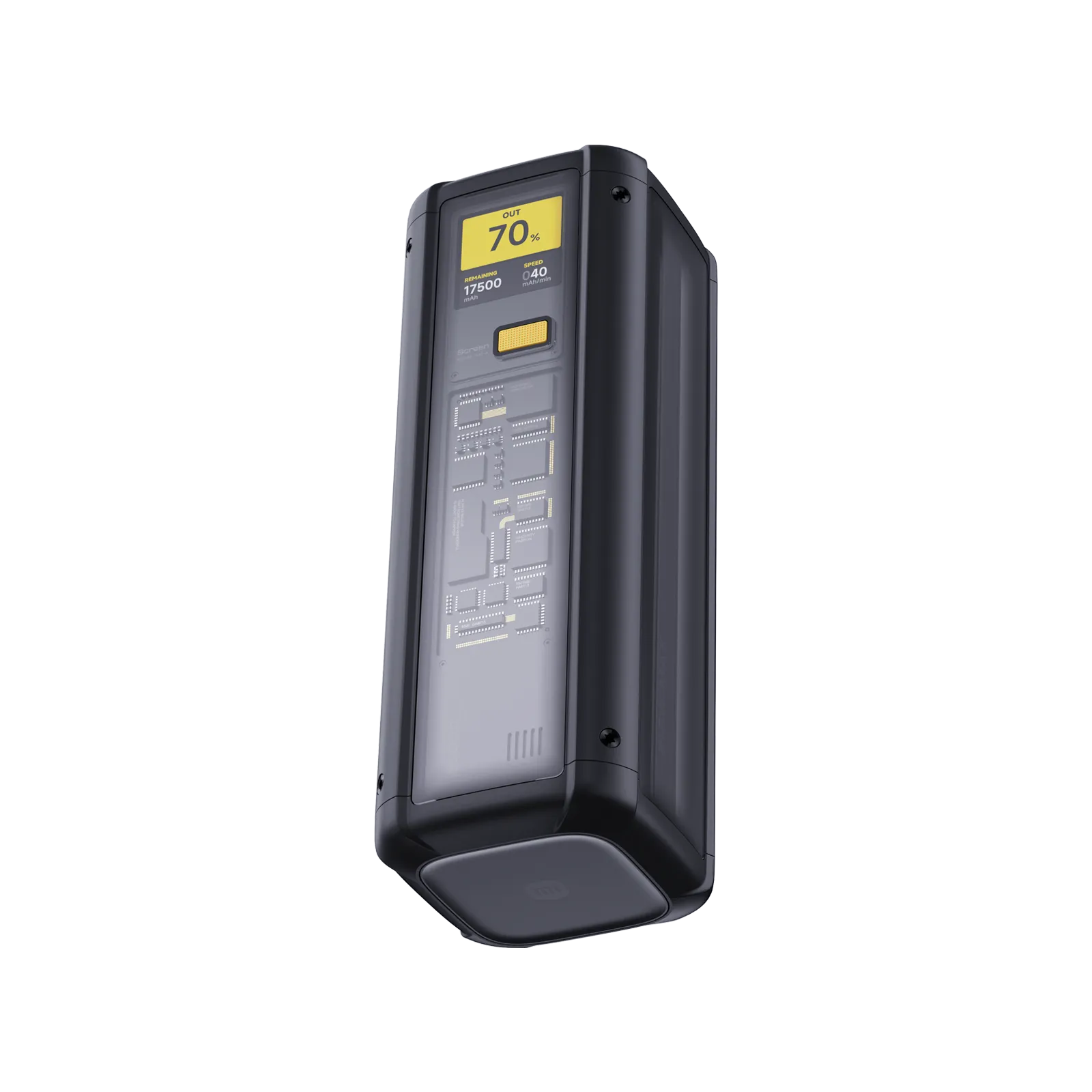
Xiaomi 212W HyperCharge Power Bank 25000mAh 25000mAh Black
25000mAh power bank with 212W HyperCharge for fast, multi-device charging.
A power bank is chosen primarily by its storage capacity, which determines how many times you can recharge your devices. The number of devices you can charge simultaneously and the weight directly affect everyday practicality.
Benchmarks based on 40 recent market listings, collected on 1 November 2026.
Under €20
Entry-level batteries generally offer limited capacity around five thousand milliampere-hours, a single output port and reduced weight, sufficient to rescue a smartphone once.
€20 to €50
This range provides capacities around the median of ten thousand milliampere-hours, often two simultaneous ports and a satisfactory balance between autonomy and weight for regular use.
Over €50
Premium models reach twenty thousand milliampere-hours or more, offer up to four simultaneous ports, but naturally weigh more to deliver this extended autonomy.
Best rated first, among those our merchants offer.
Power banks Xiaomi
25000mAh power bank with 212W HyperCharge for fast, multi-device charging.
Power banks Xiaomi
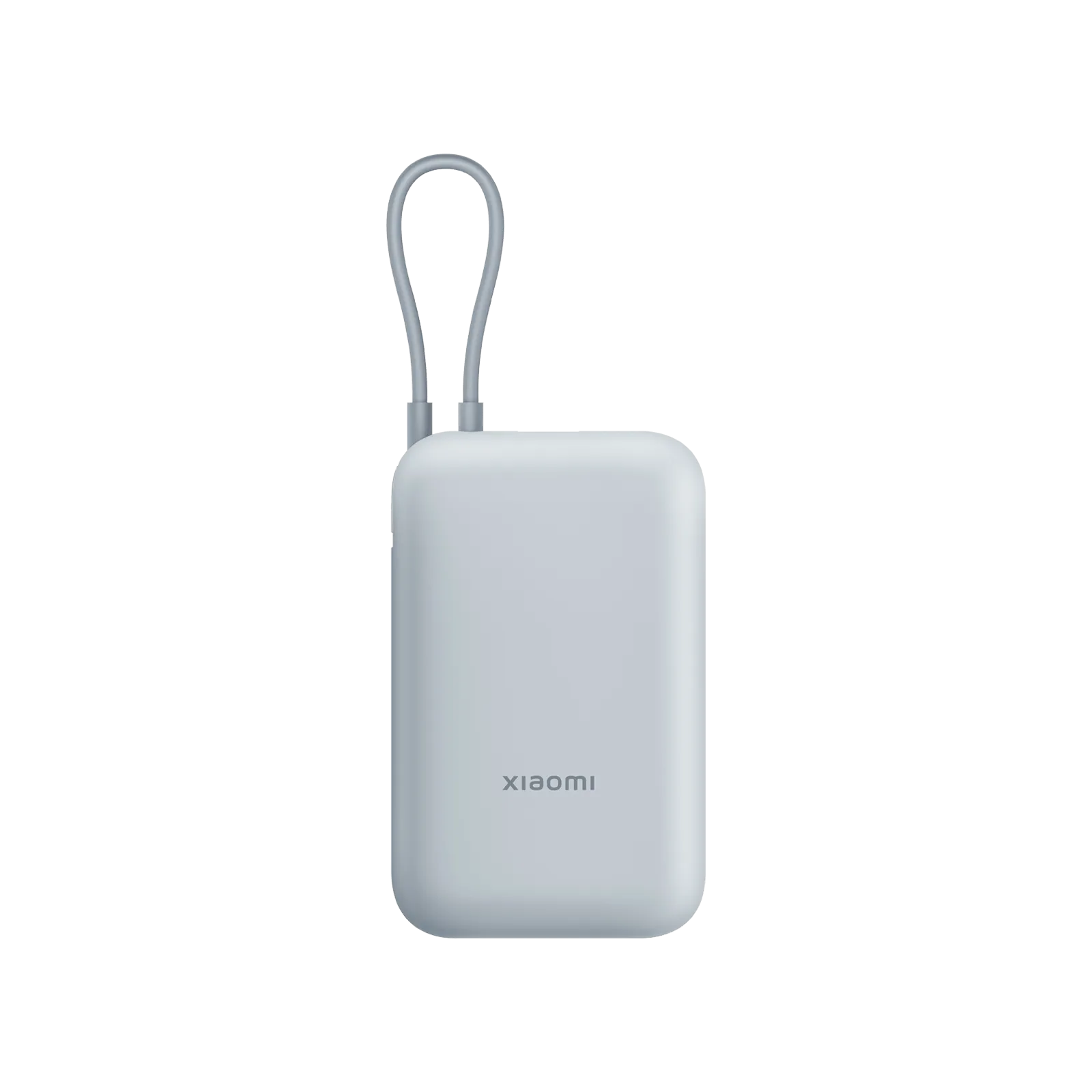
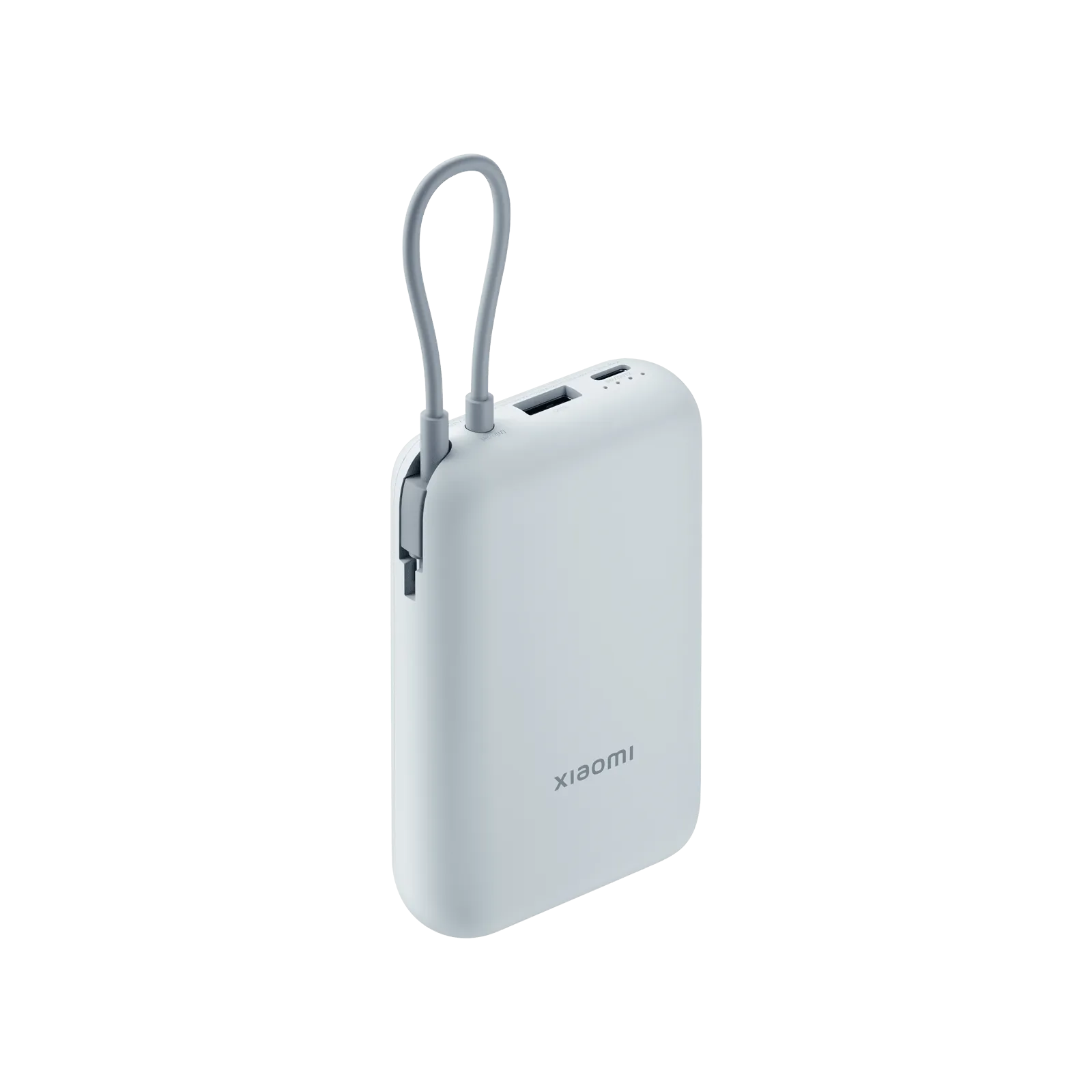
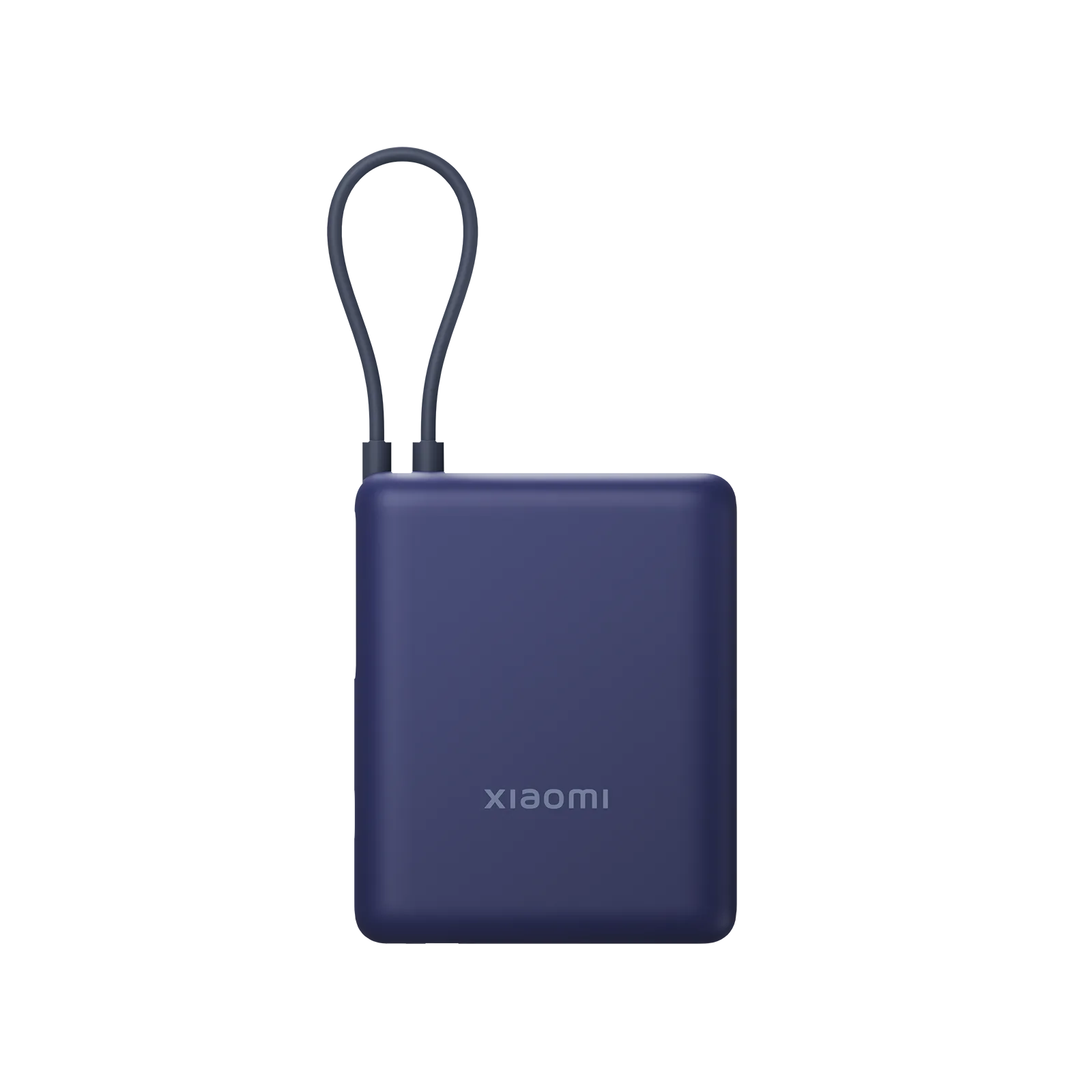
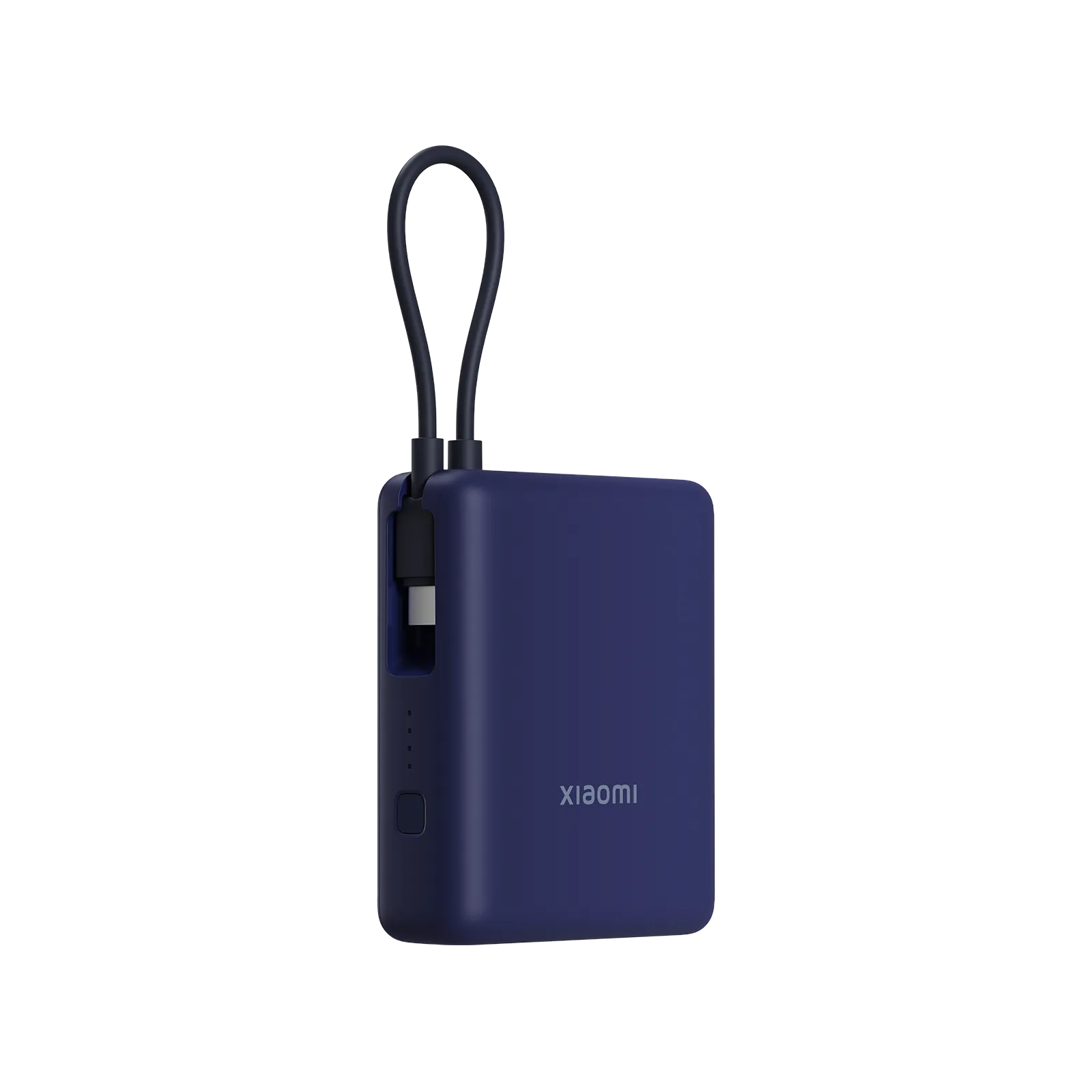
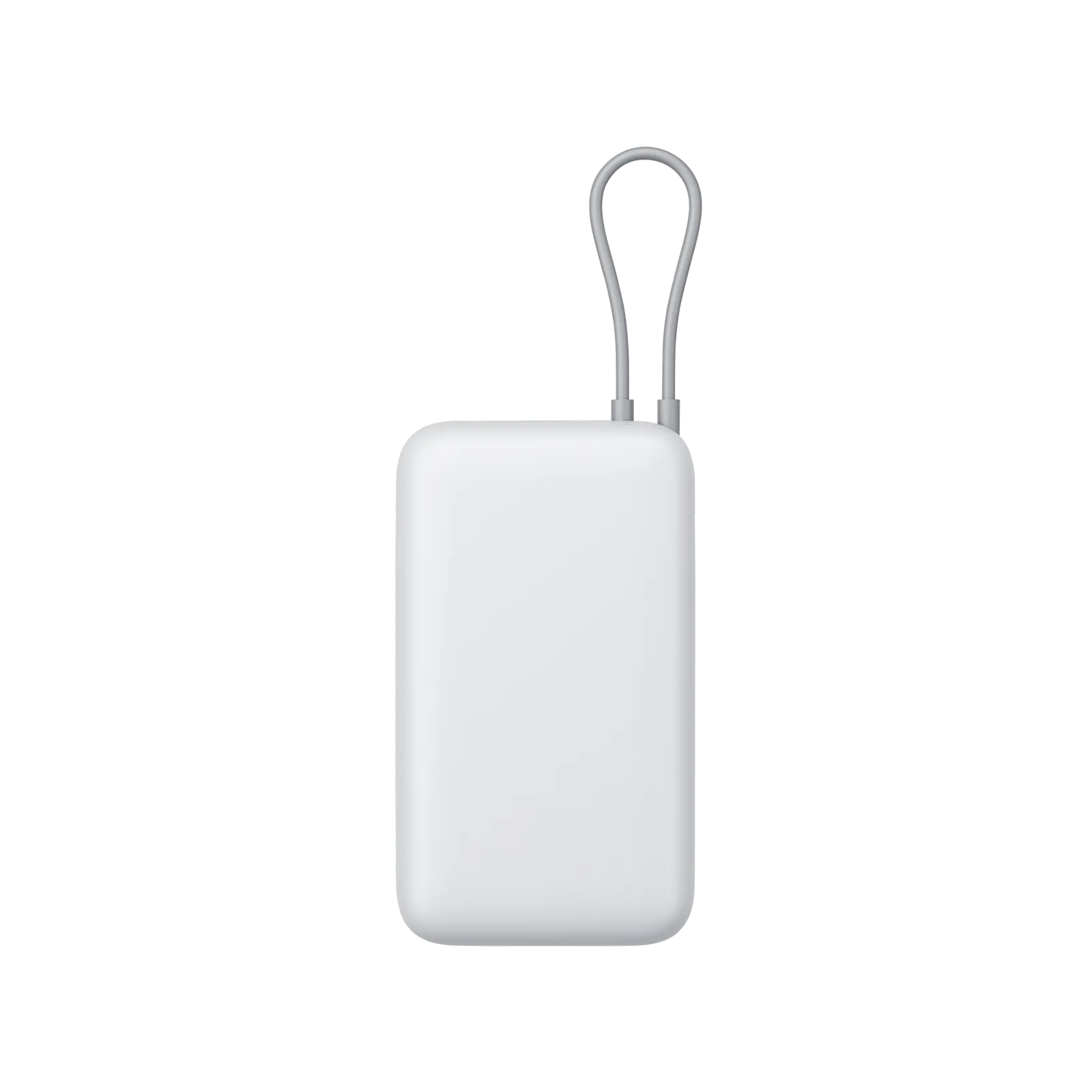
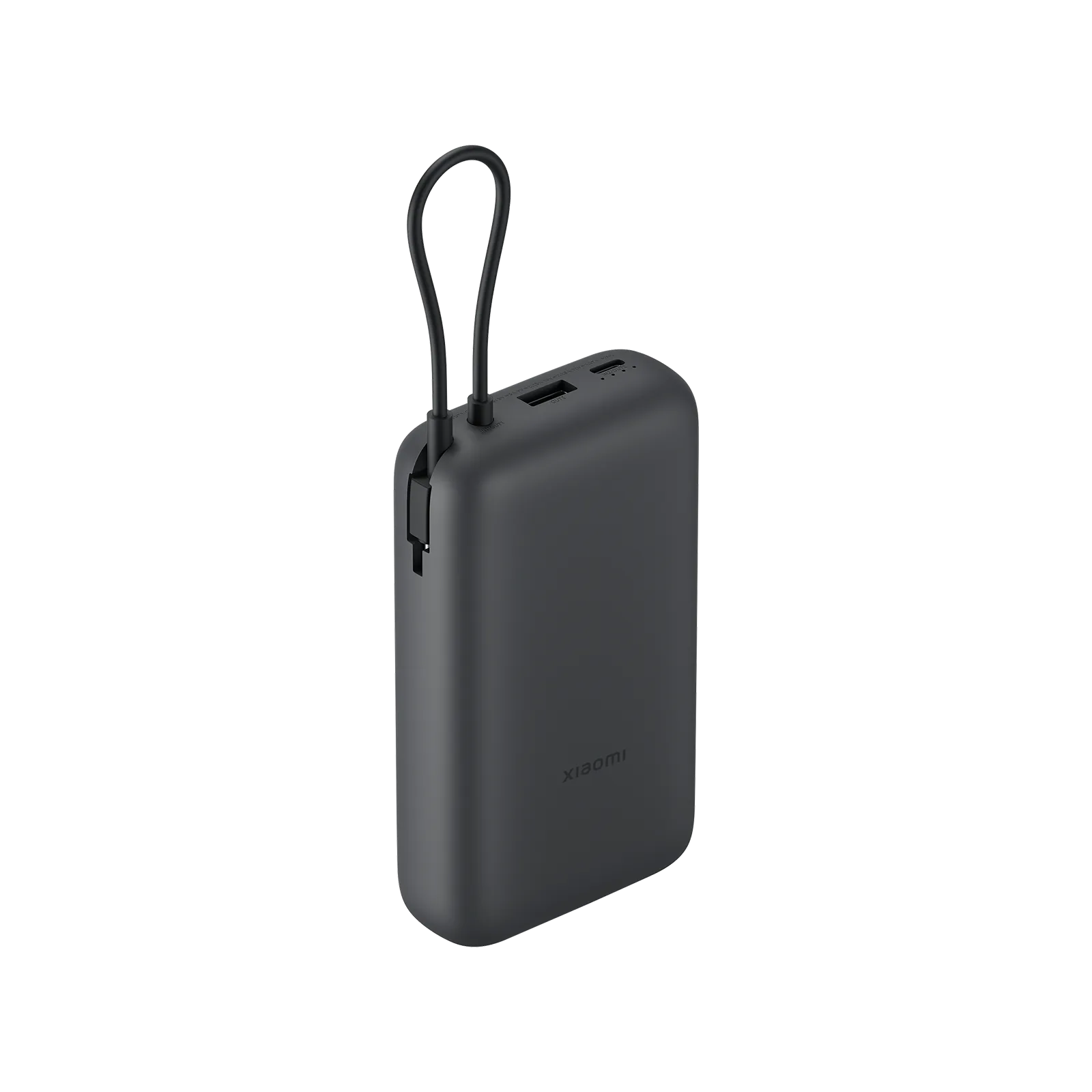
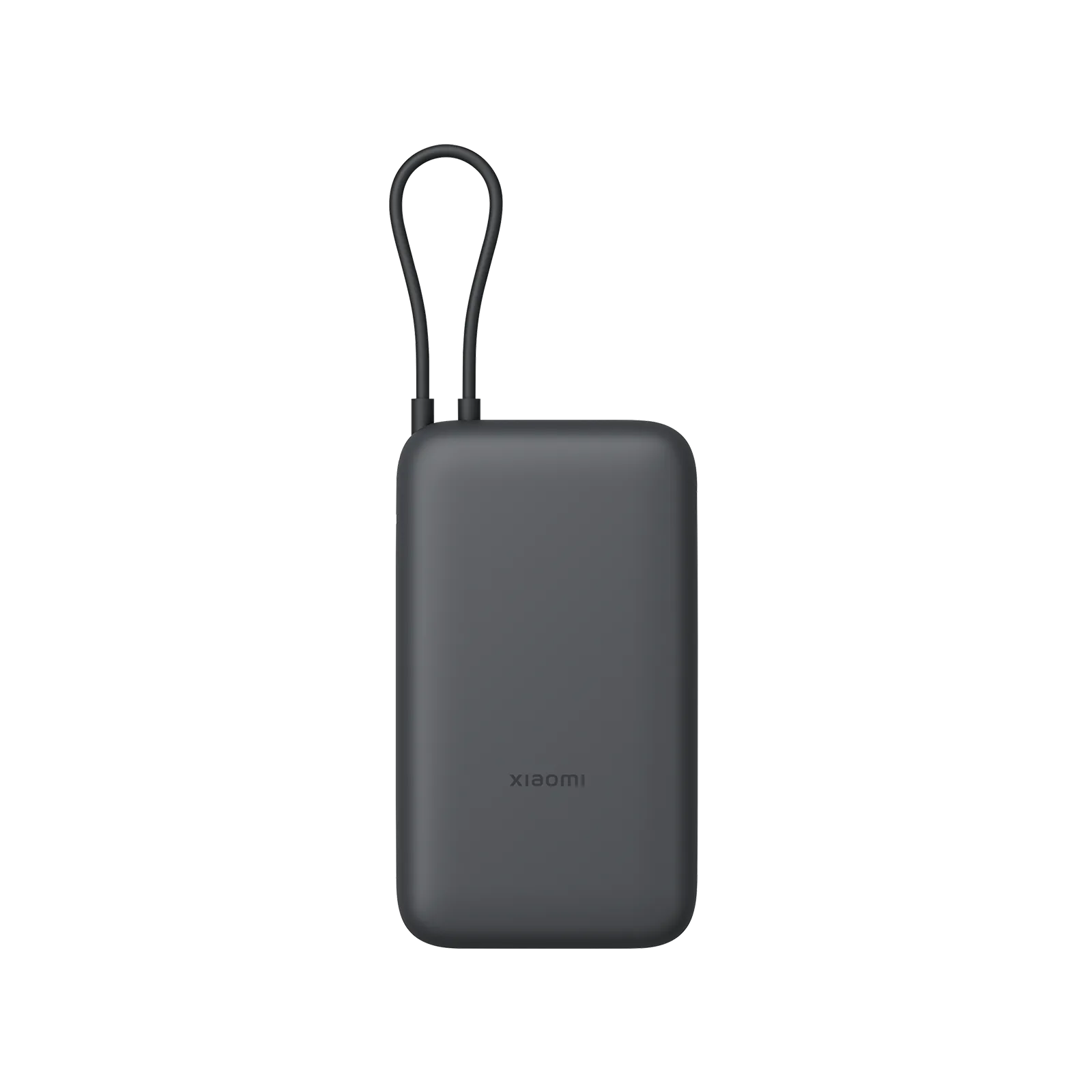
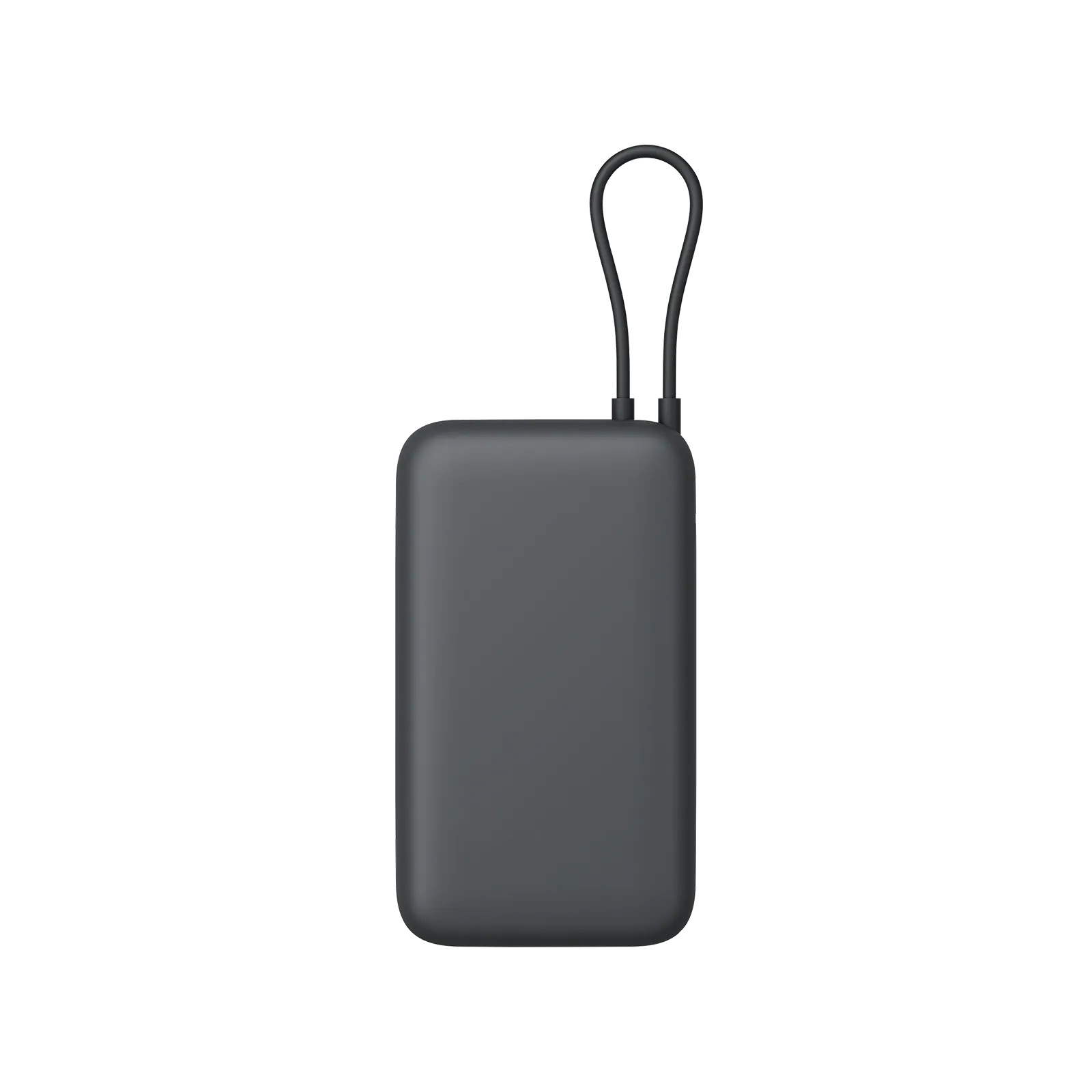
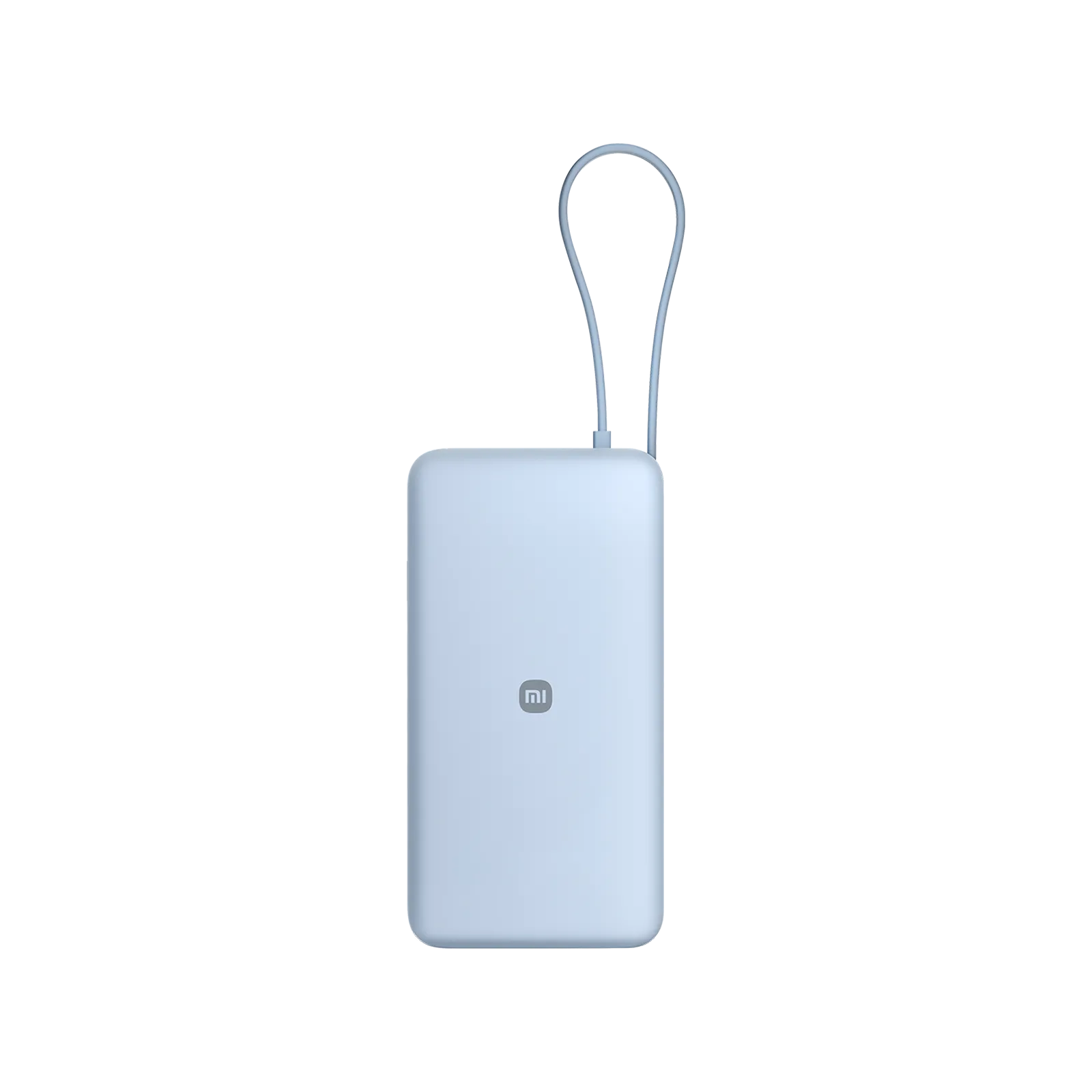
10000mAh battery with built-in cable to recharge without carrying a separate adapter.
Power banks Xiaomi
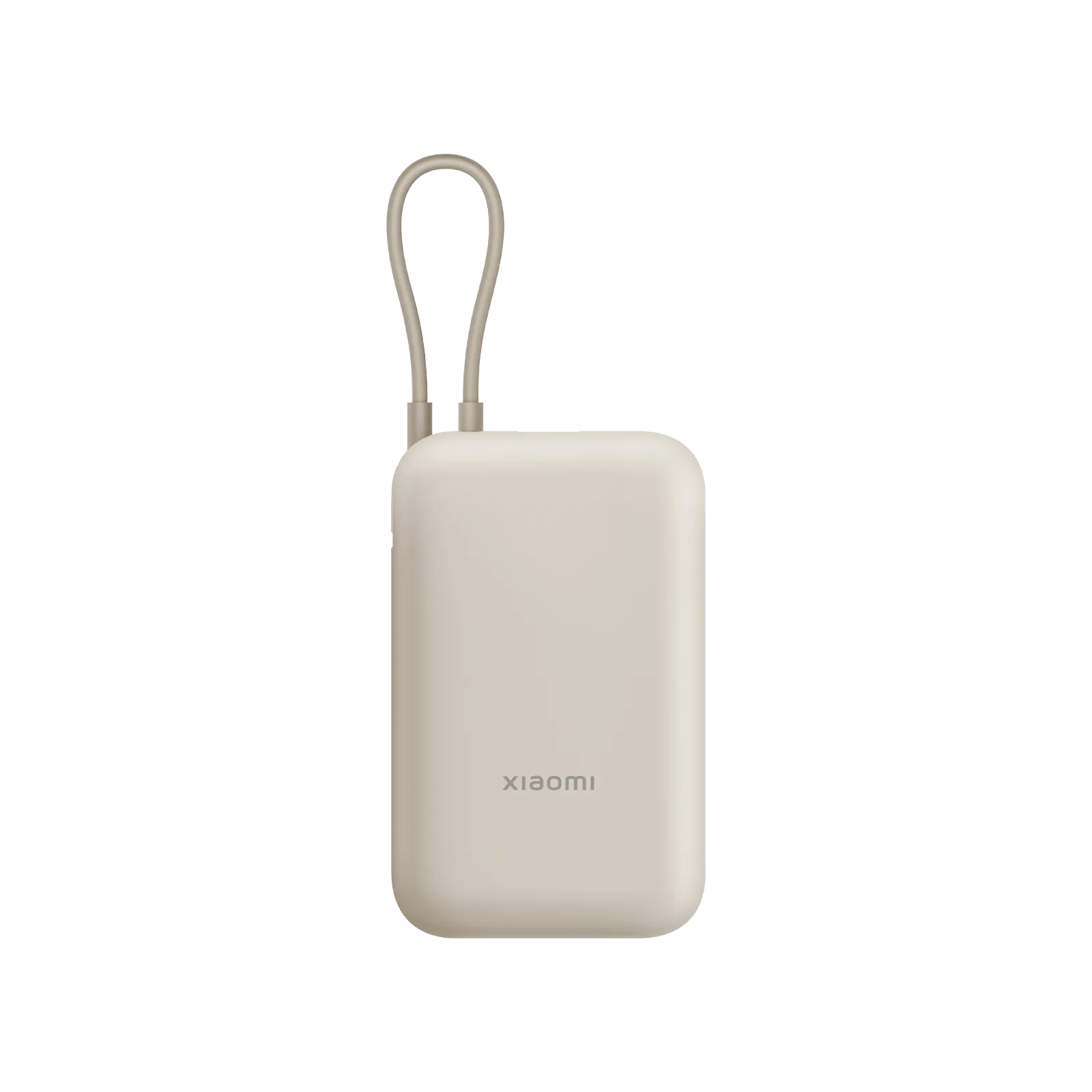
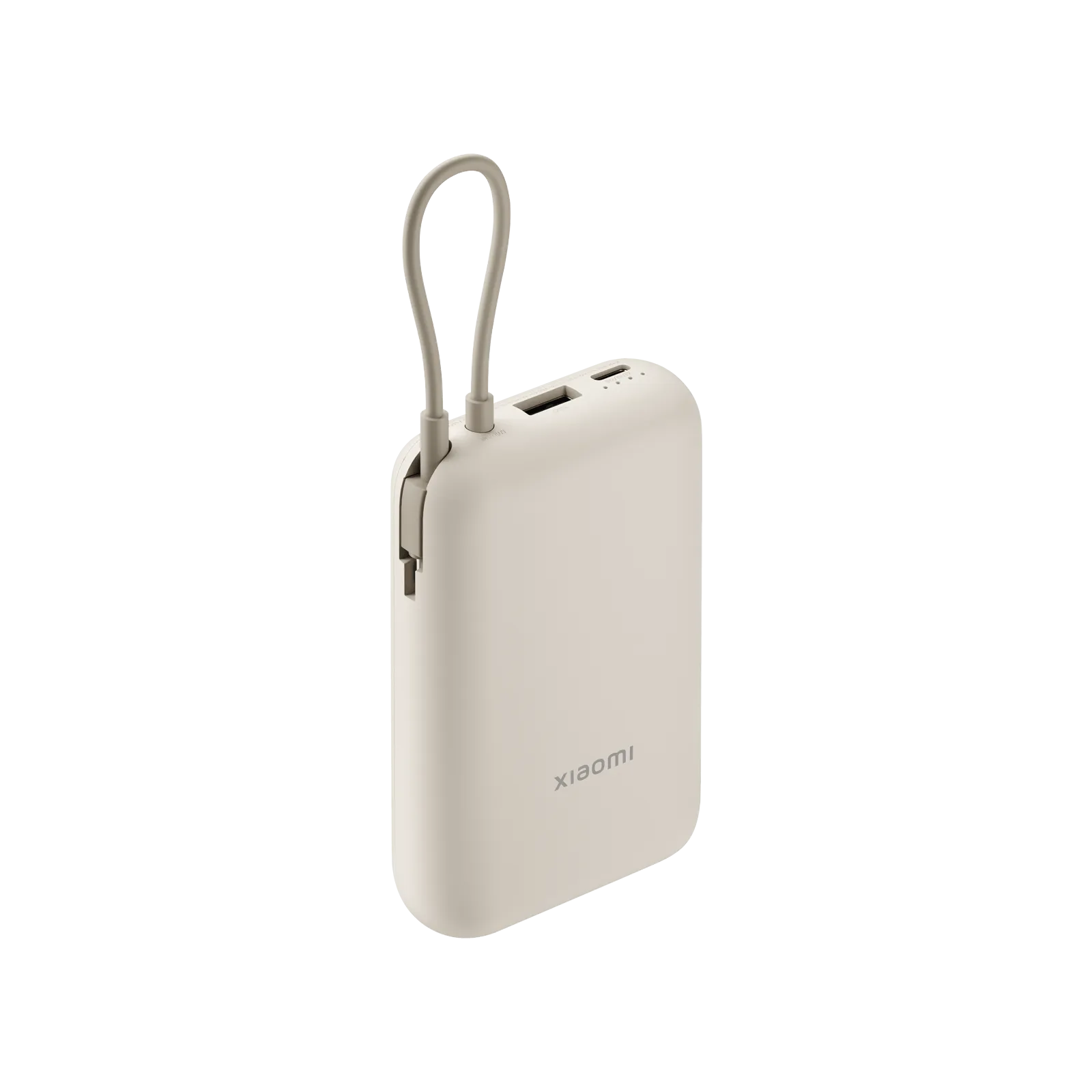
Compact 10000mAh power bank with built-in cable, sand finish for everyday portability.
Power banks Xiaomi
Compact 10000mAh power bank with built-in cable and 33W fast charging capability.
Power banks Xiaomi
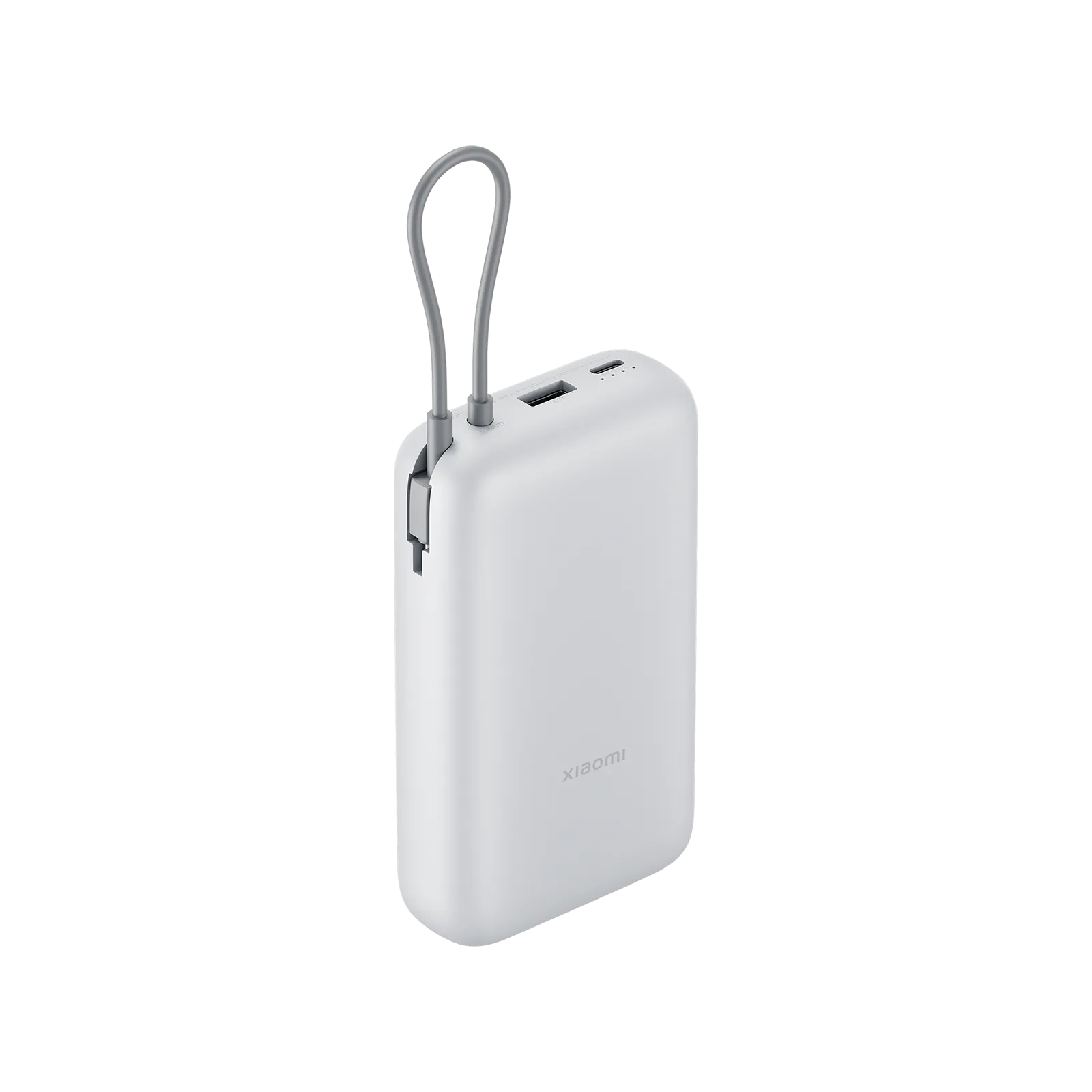
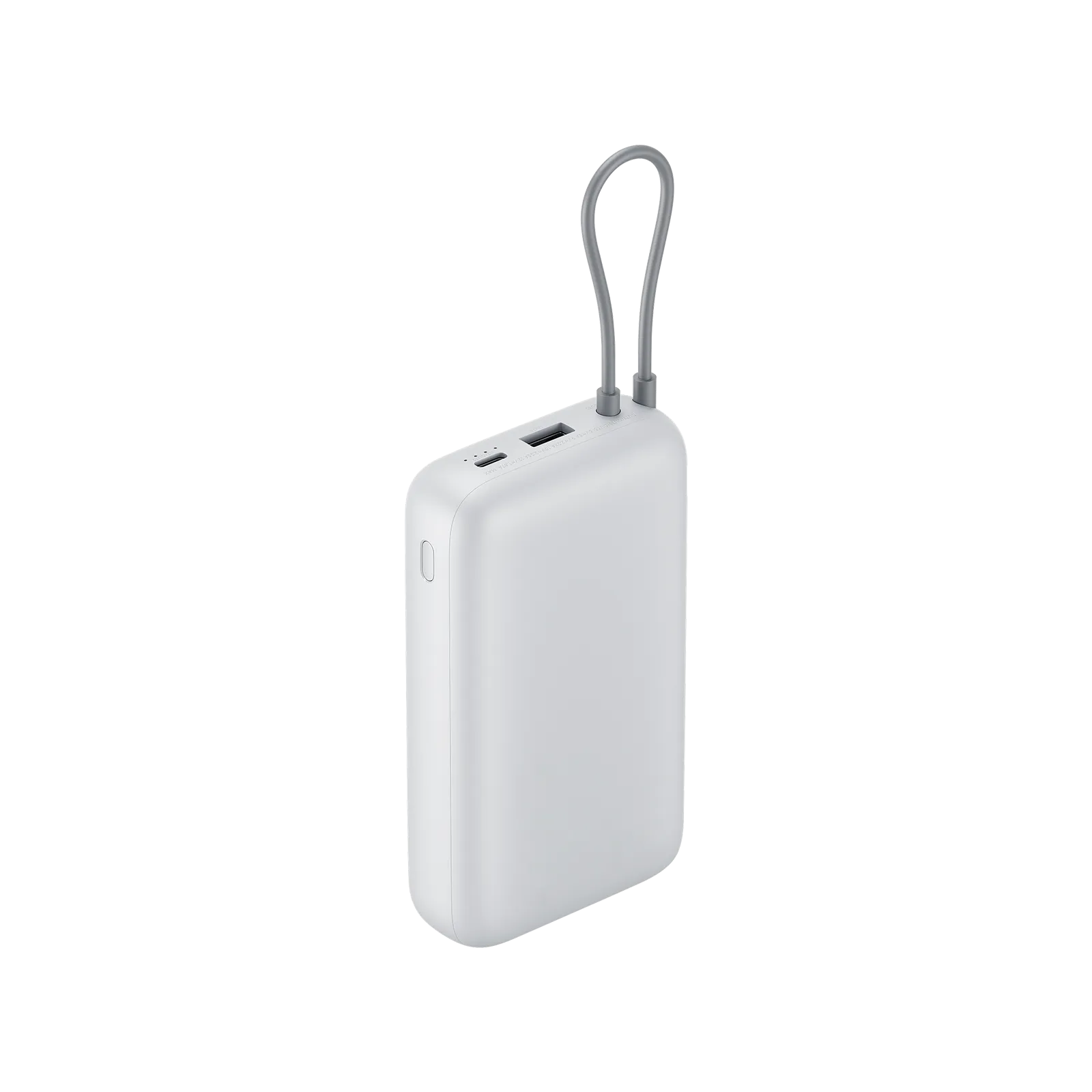
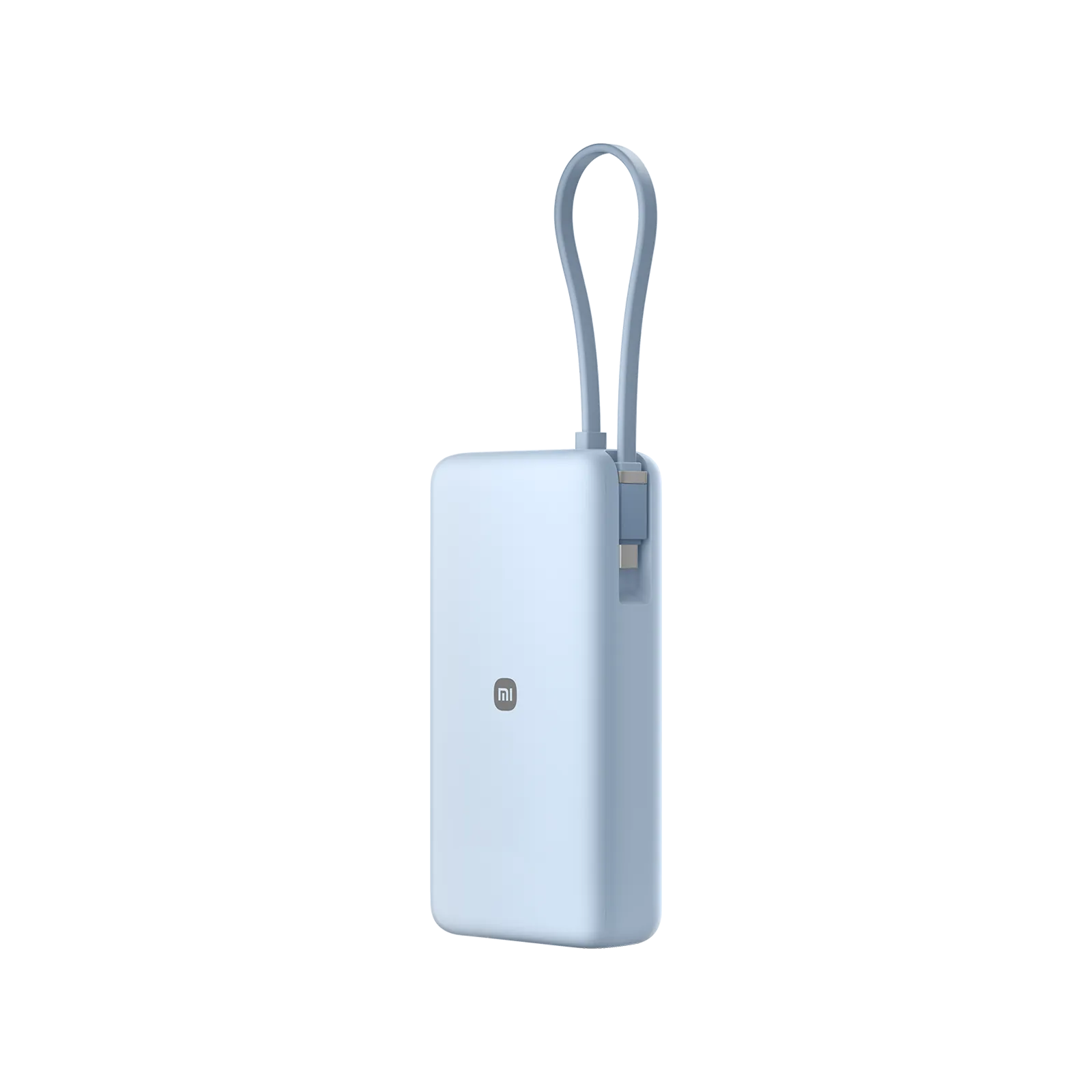
20000mAh power bank with built-in cable for multiple charges on the go.
Power banks Xiaomi
20000mAh power bank with integrated cable, dark grey finish.
Power banks Xiaomi
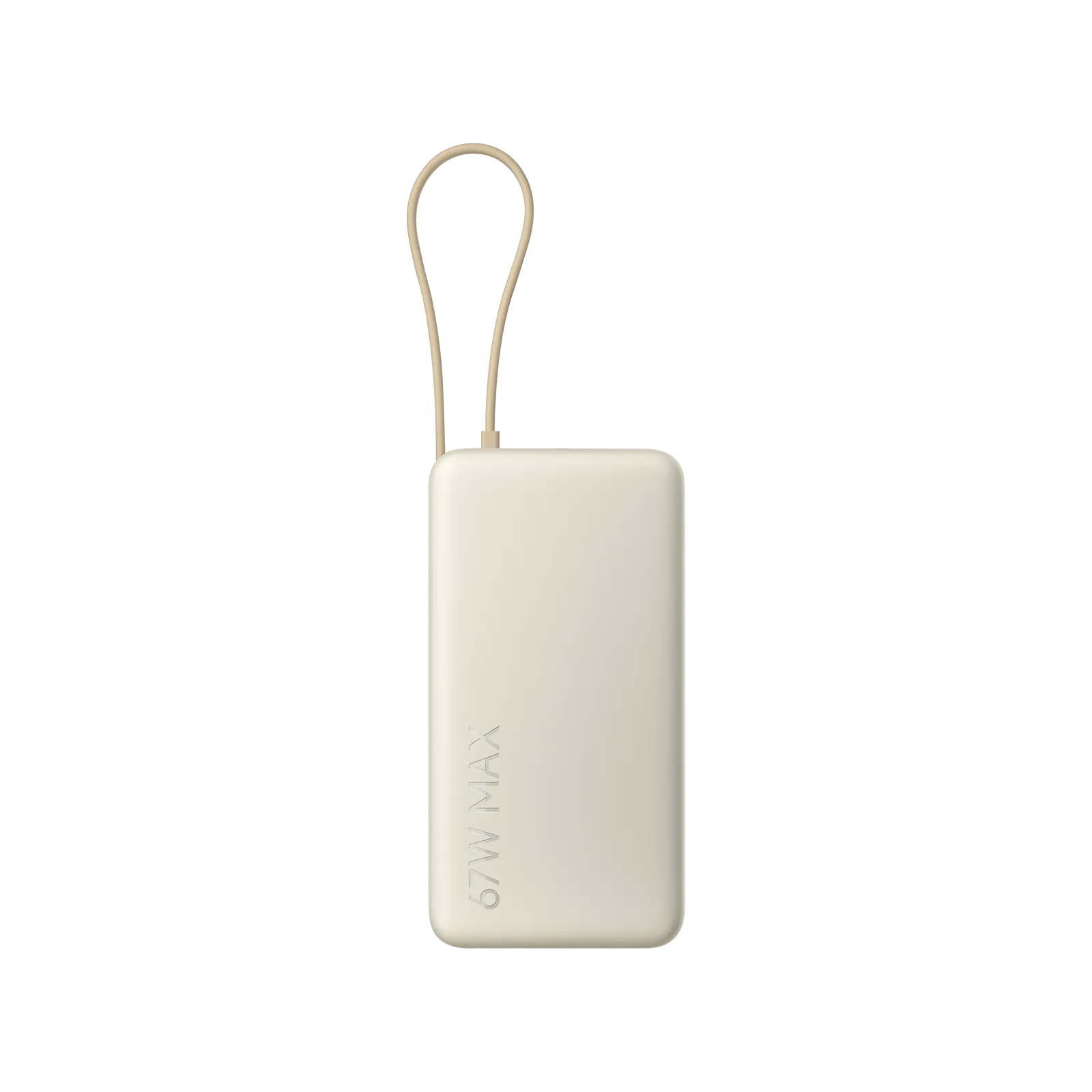
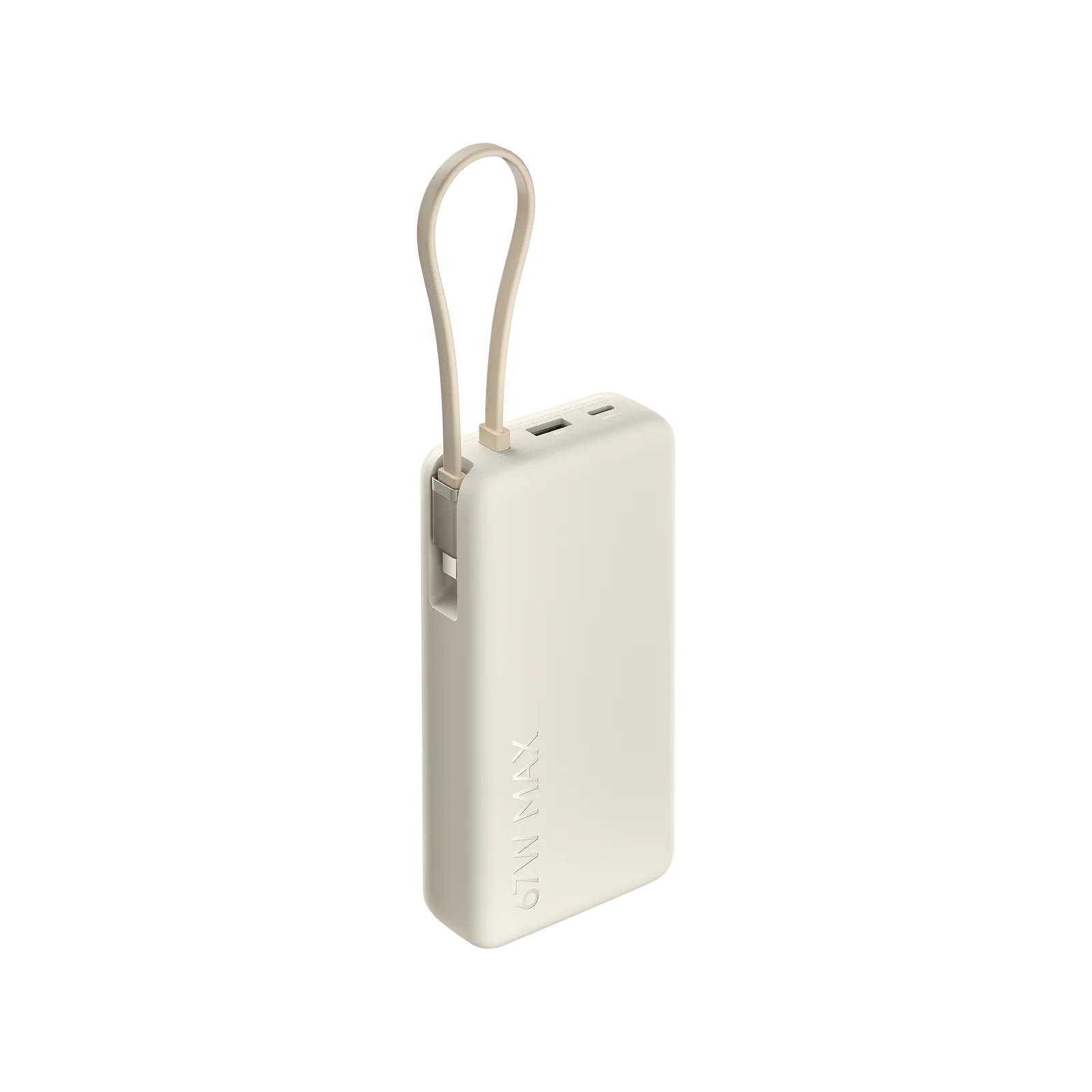
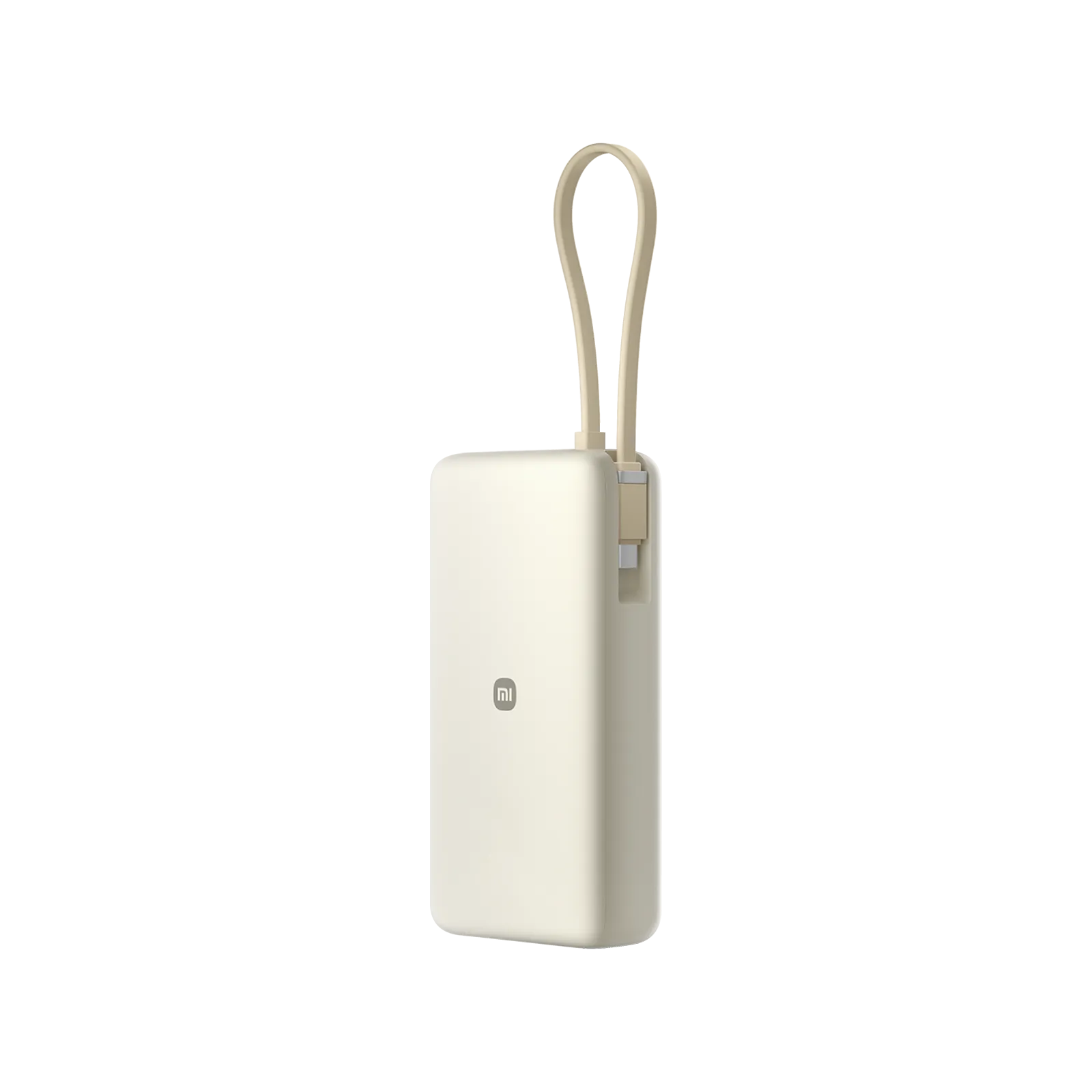
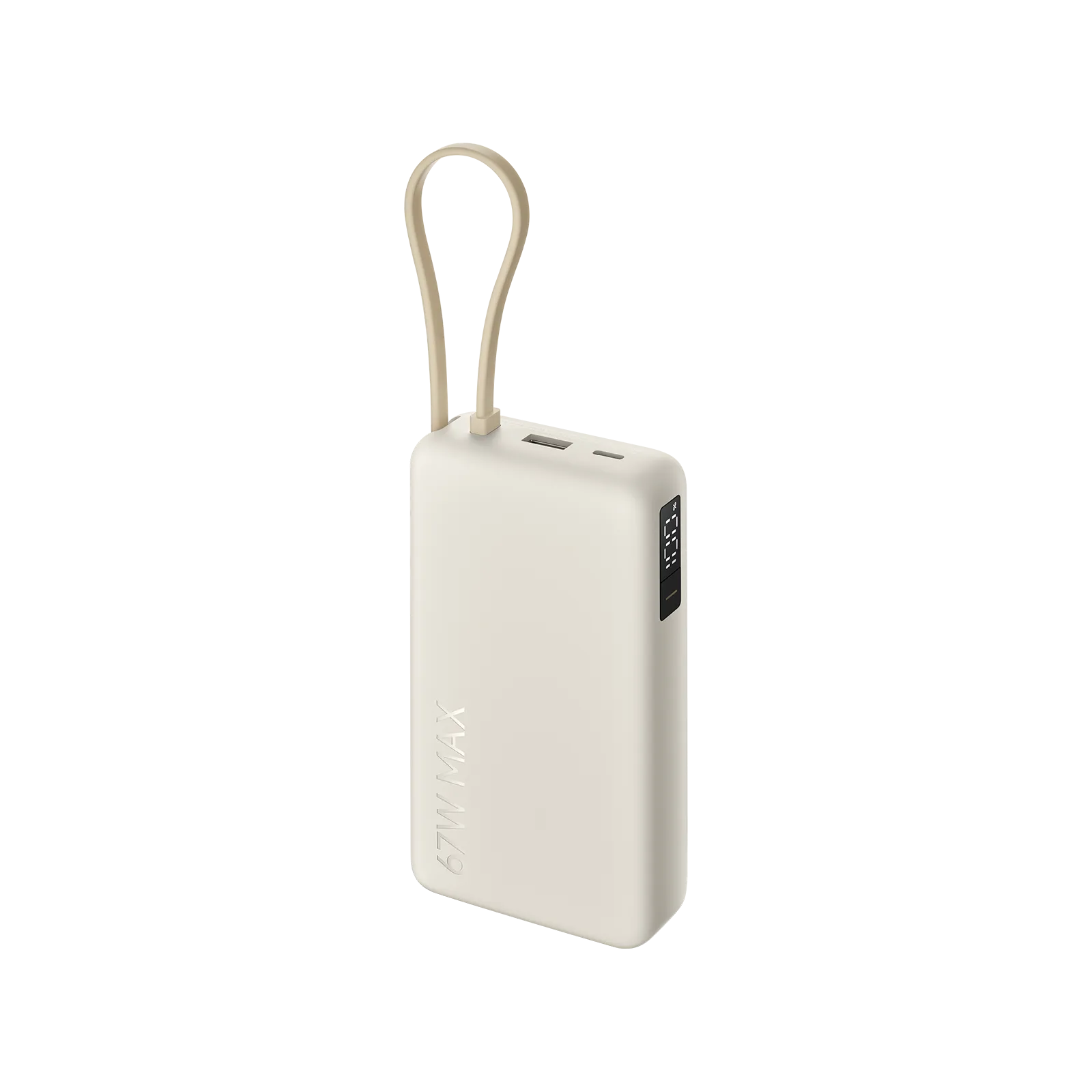
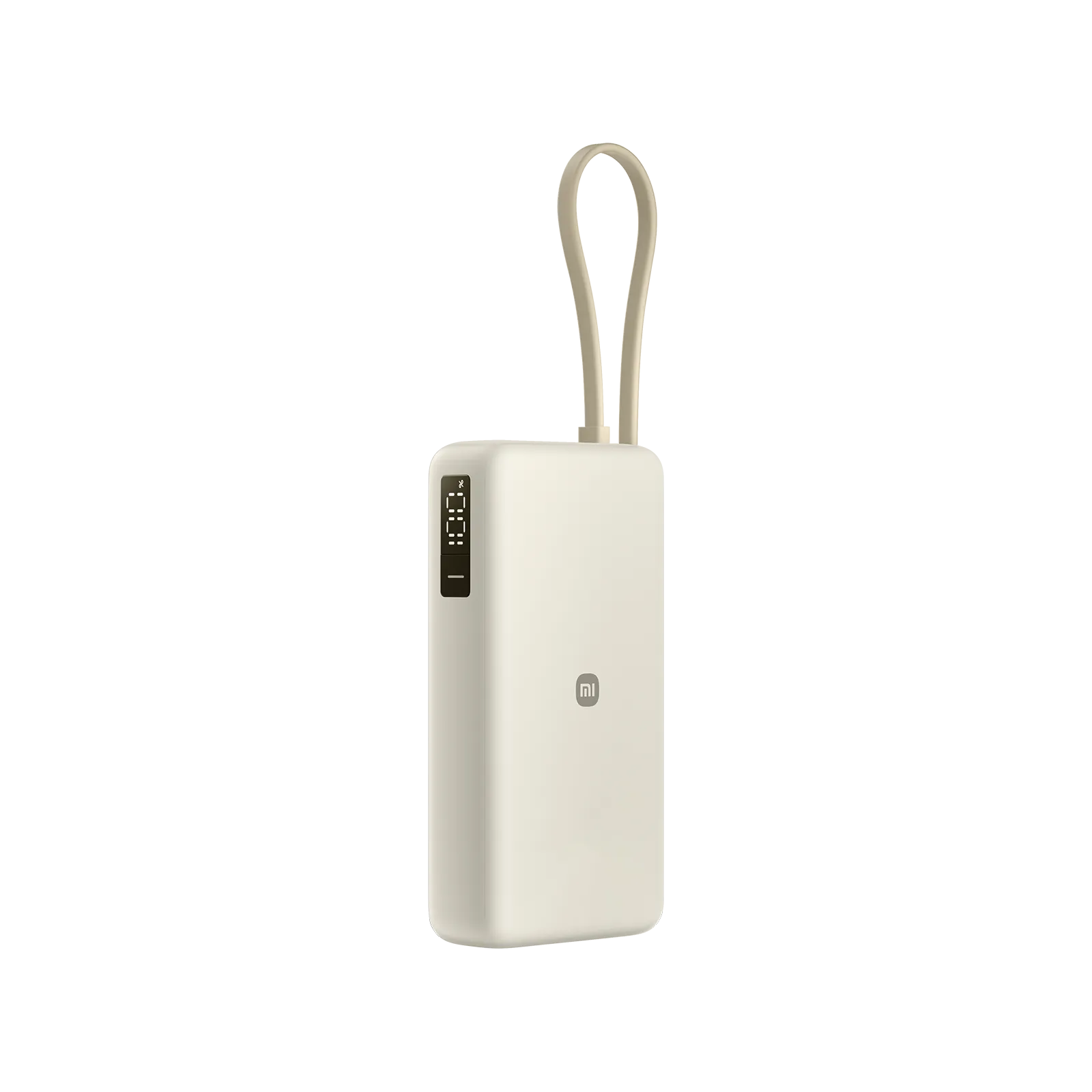
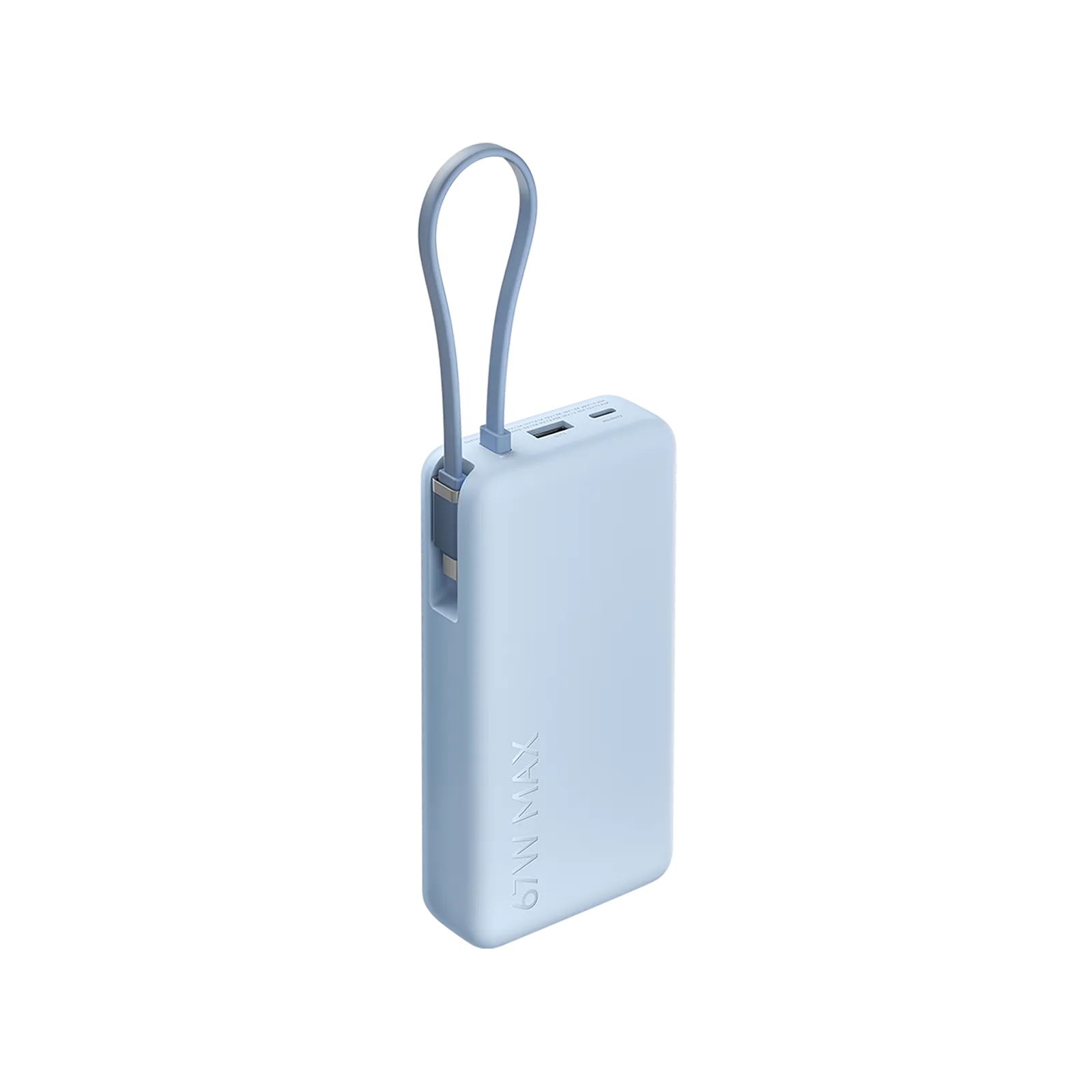
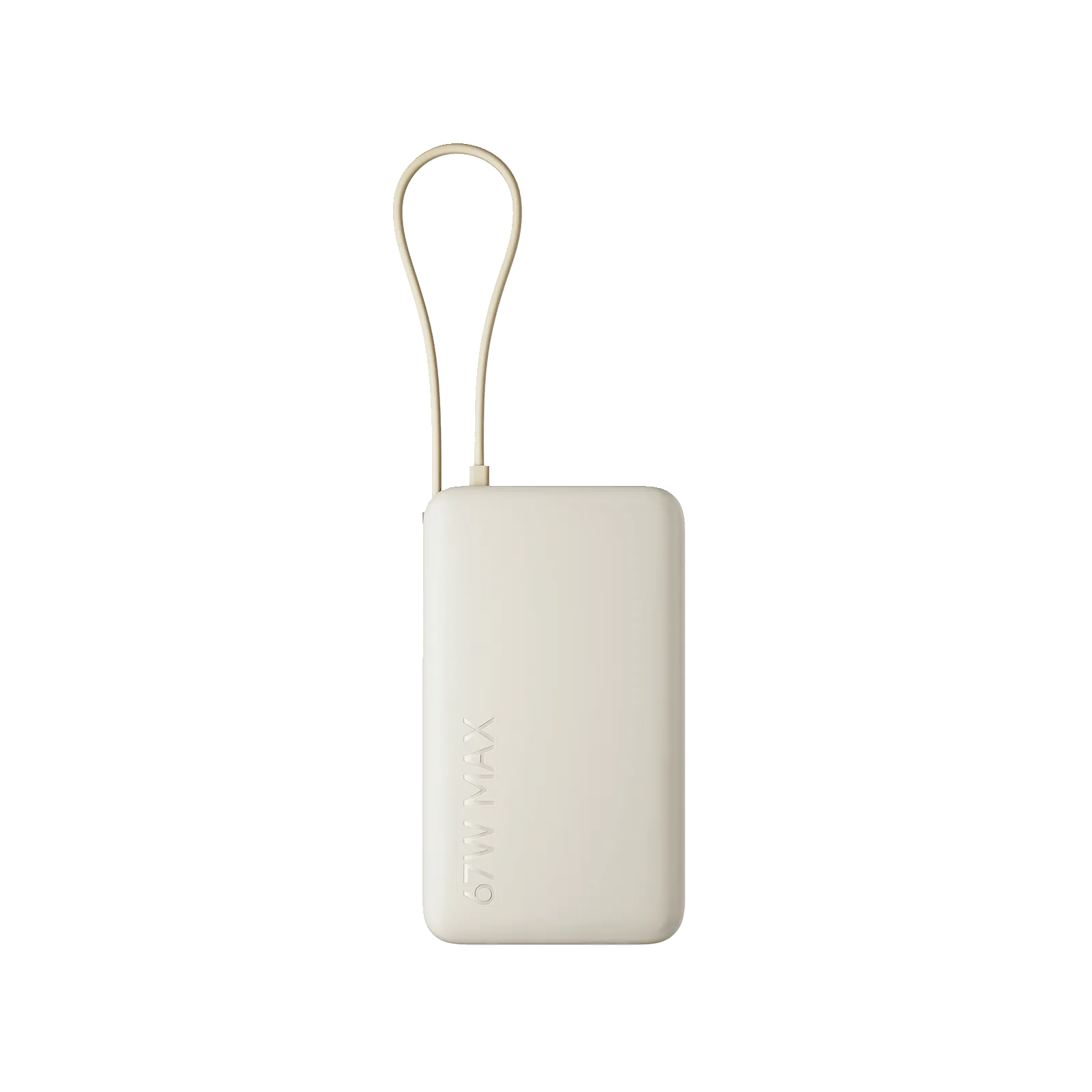
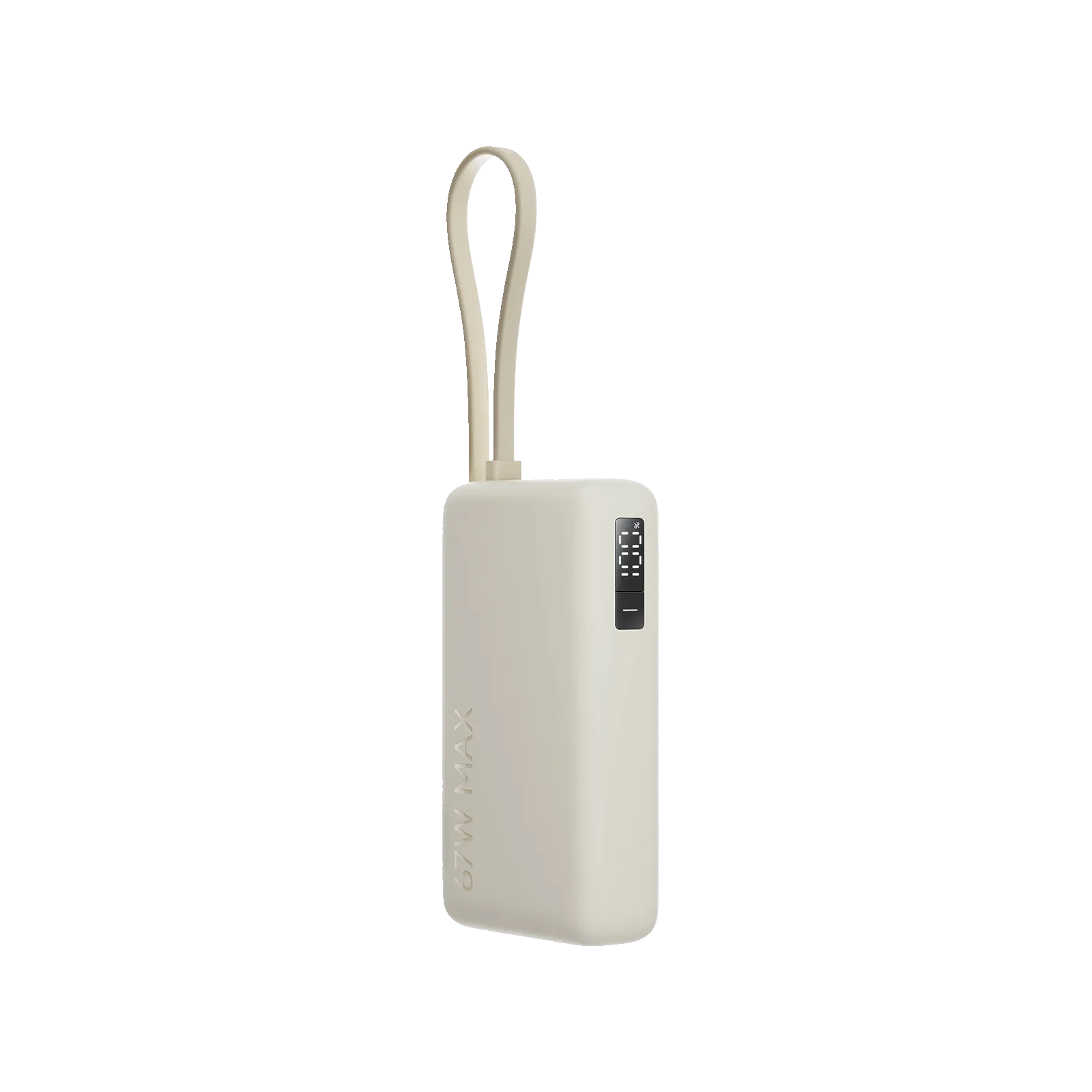
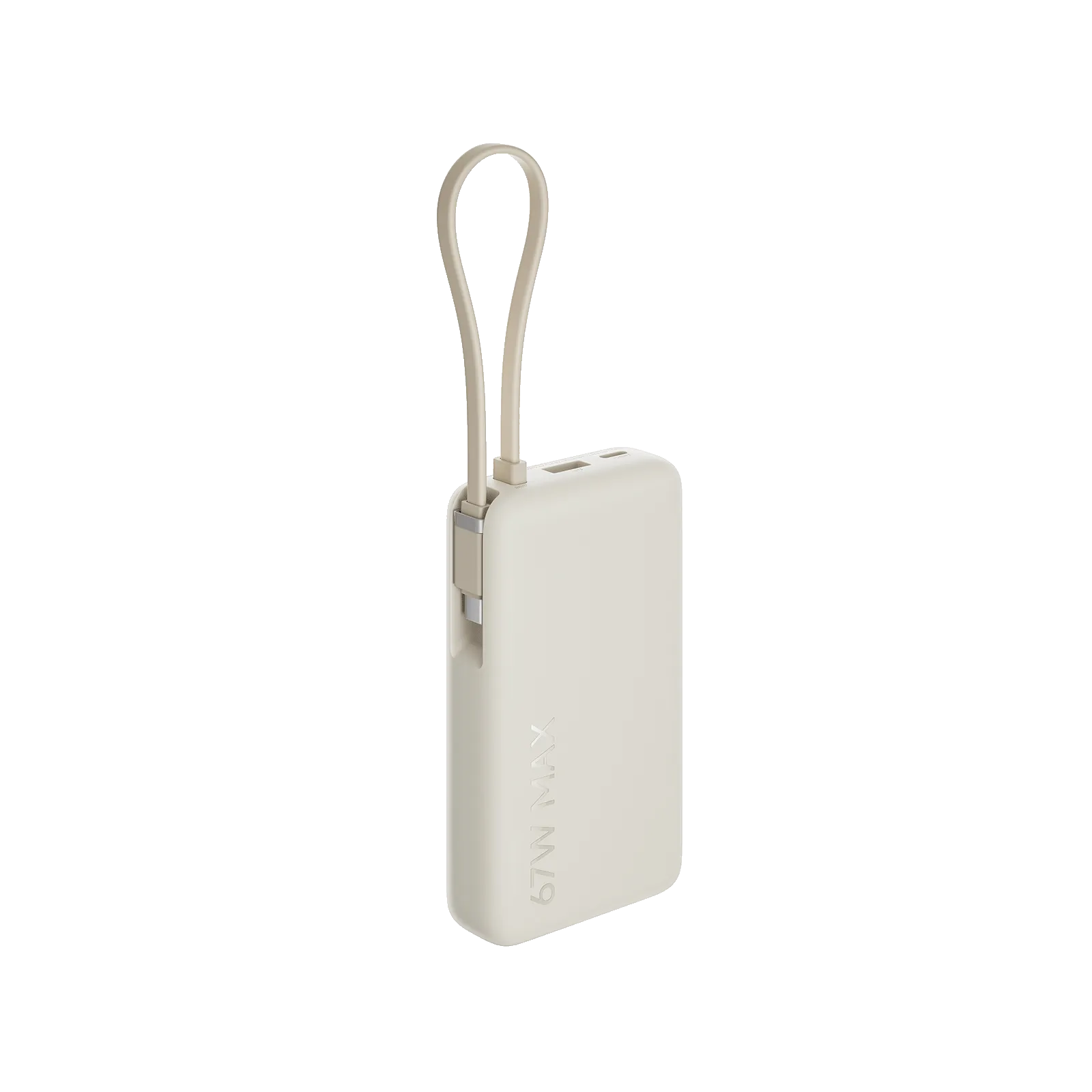
20000mAh power bank with 67W fast charging and built-in cable, sand colour finish.
Power banks Xiaomi
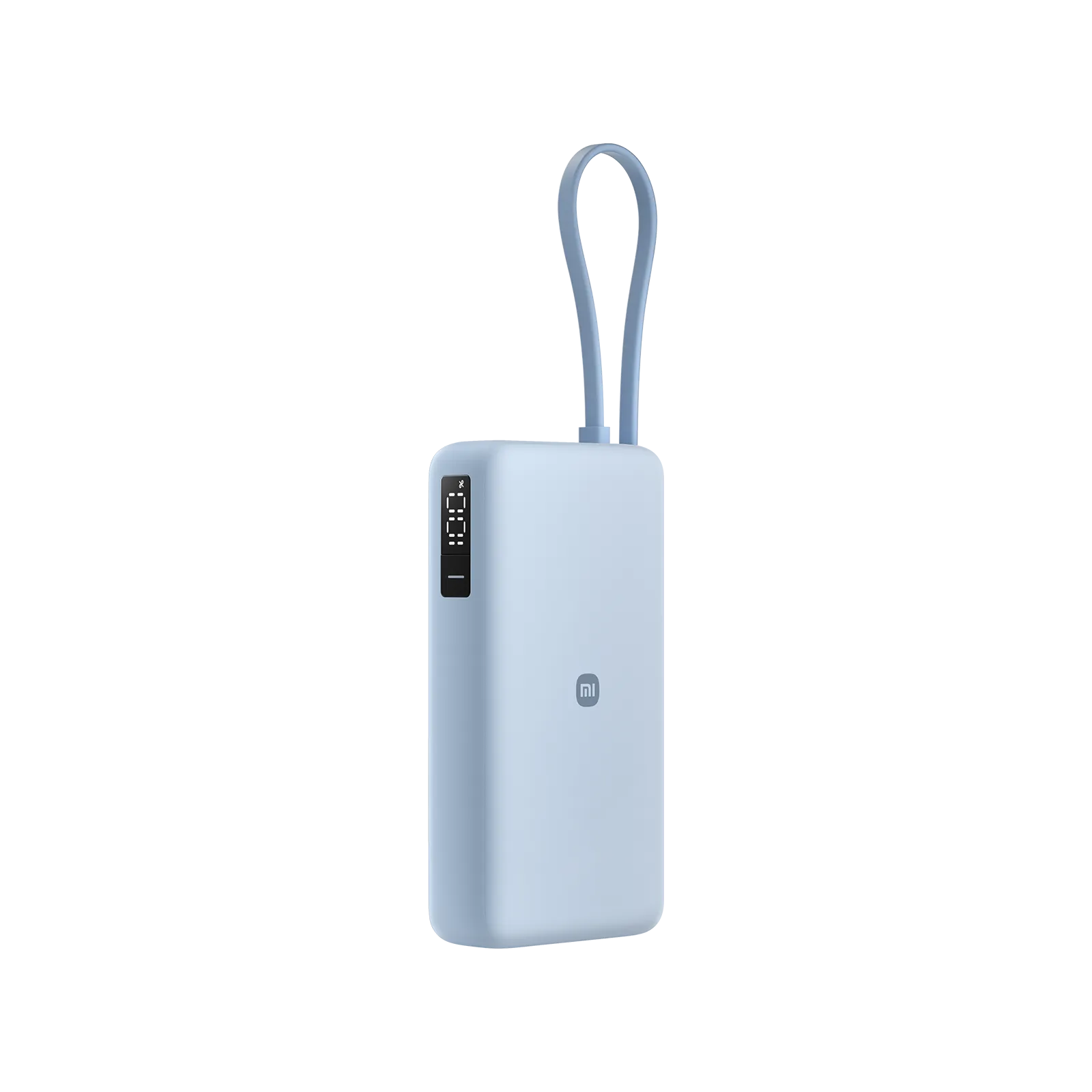
20000mAh power bank with integrated cable and 67W charging power.
Power banks Xiaomi
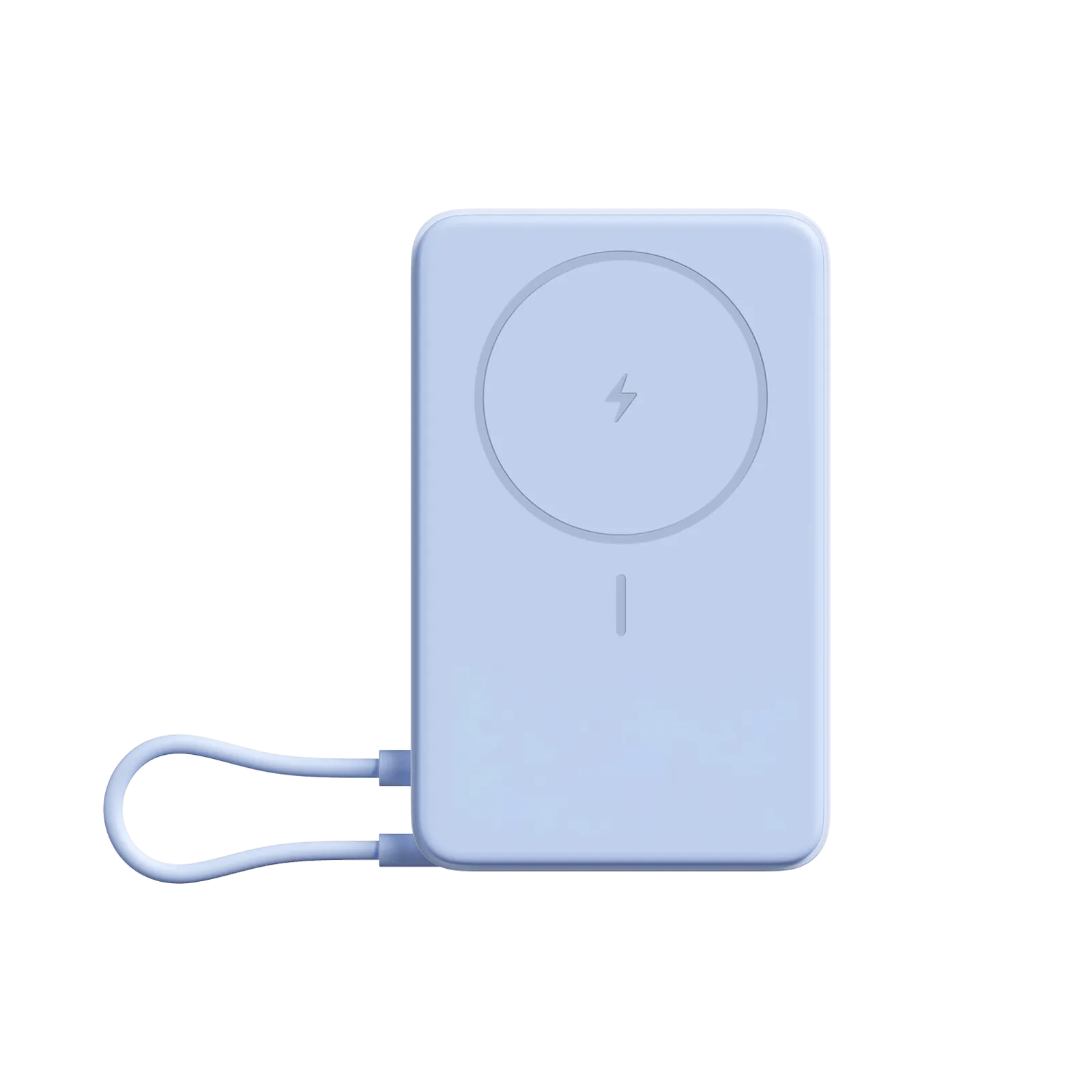
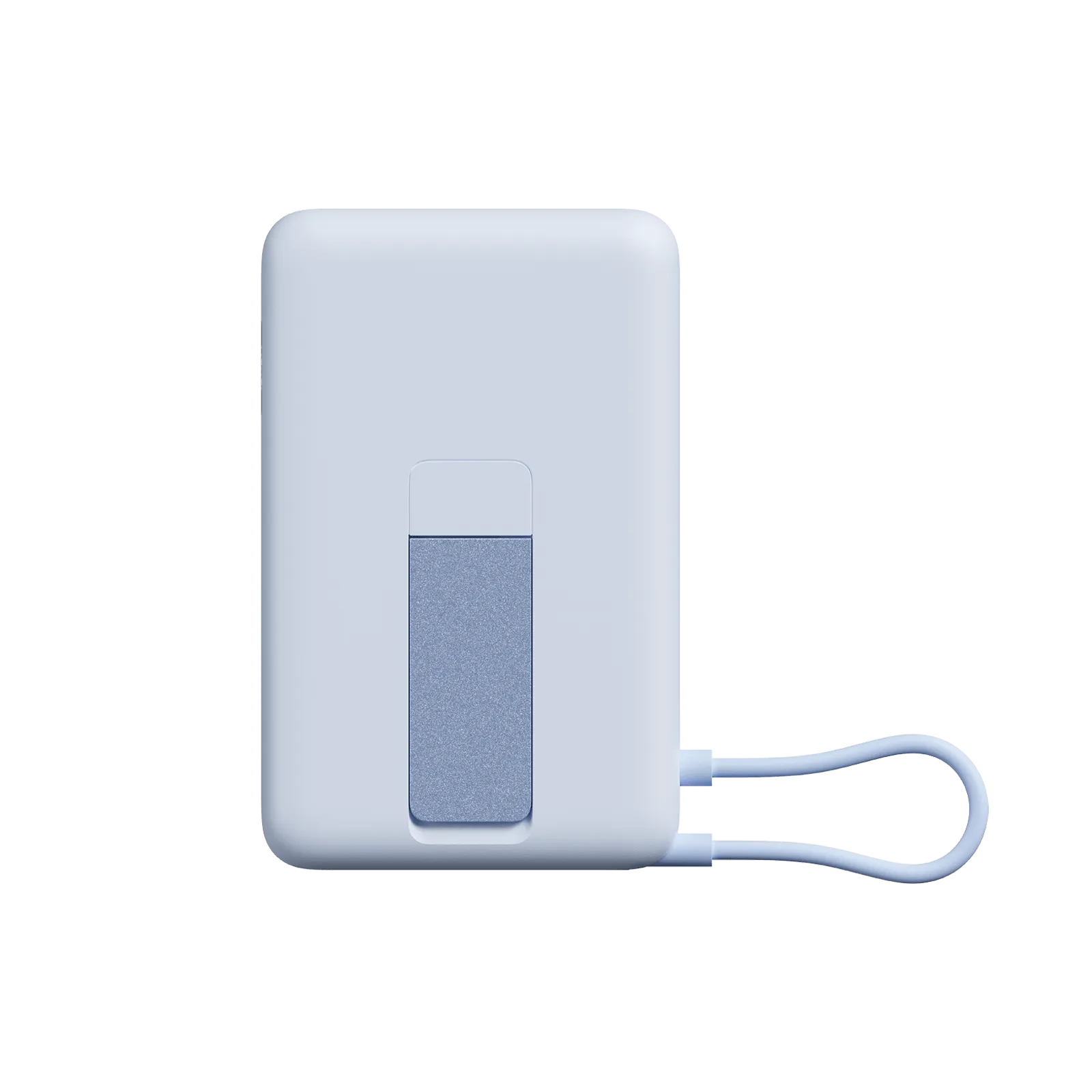
10000mAh magnetic power bank with built-in stand for hands-free charging.
Power banks Xiaomi
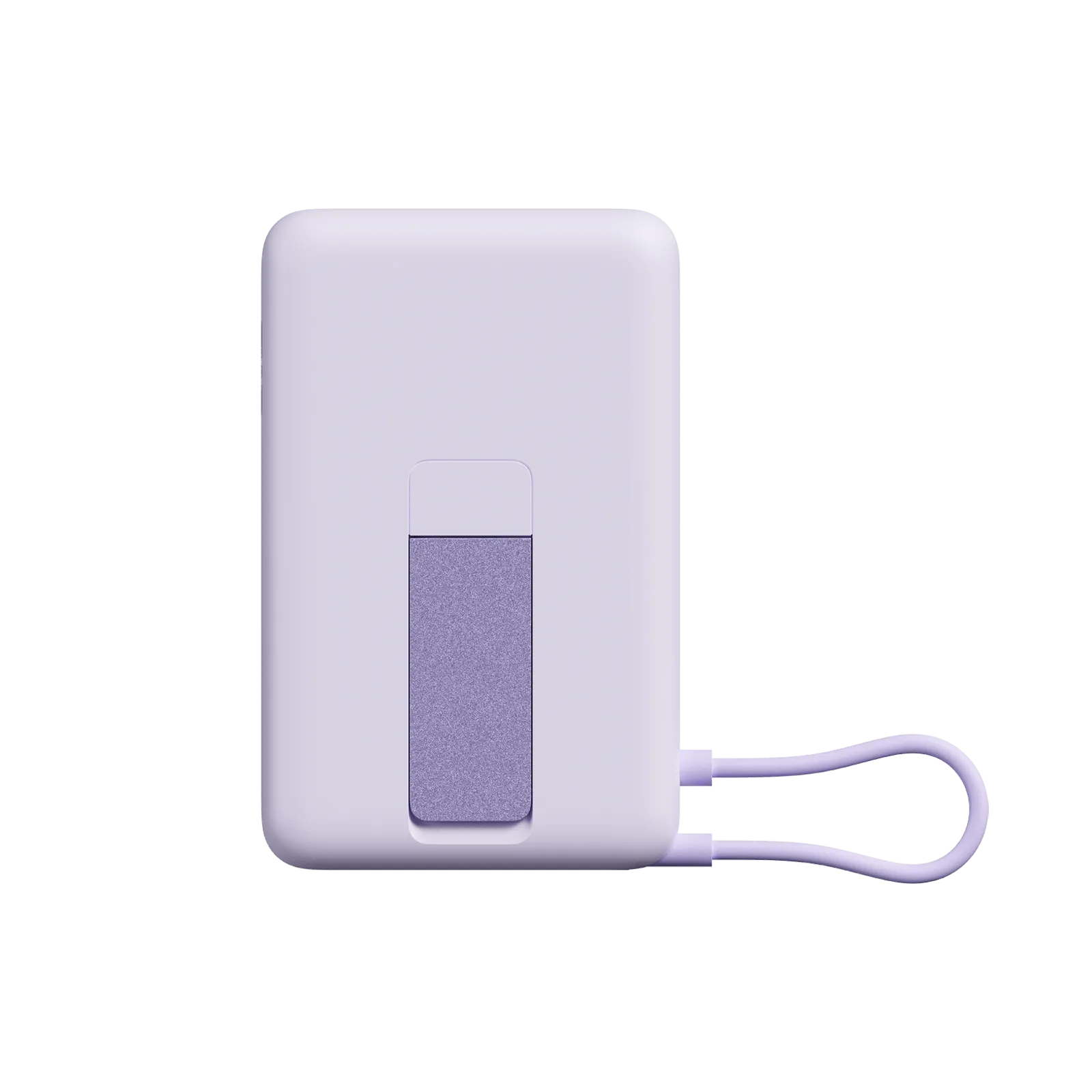
Violet 10000mAh magnetic power bank with built-in foldable stand included.
Power banks Xiaomi
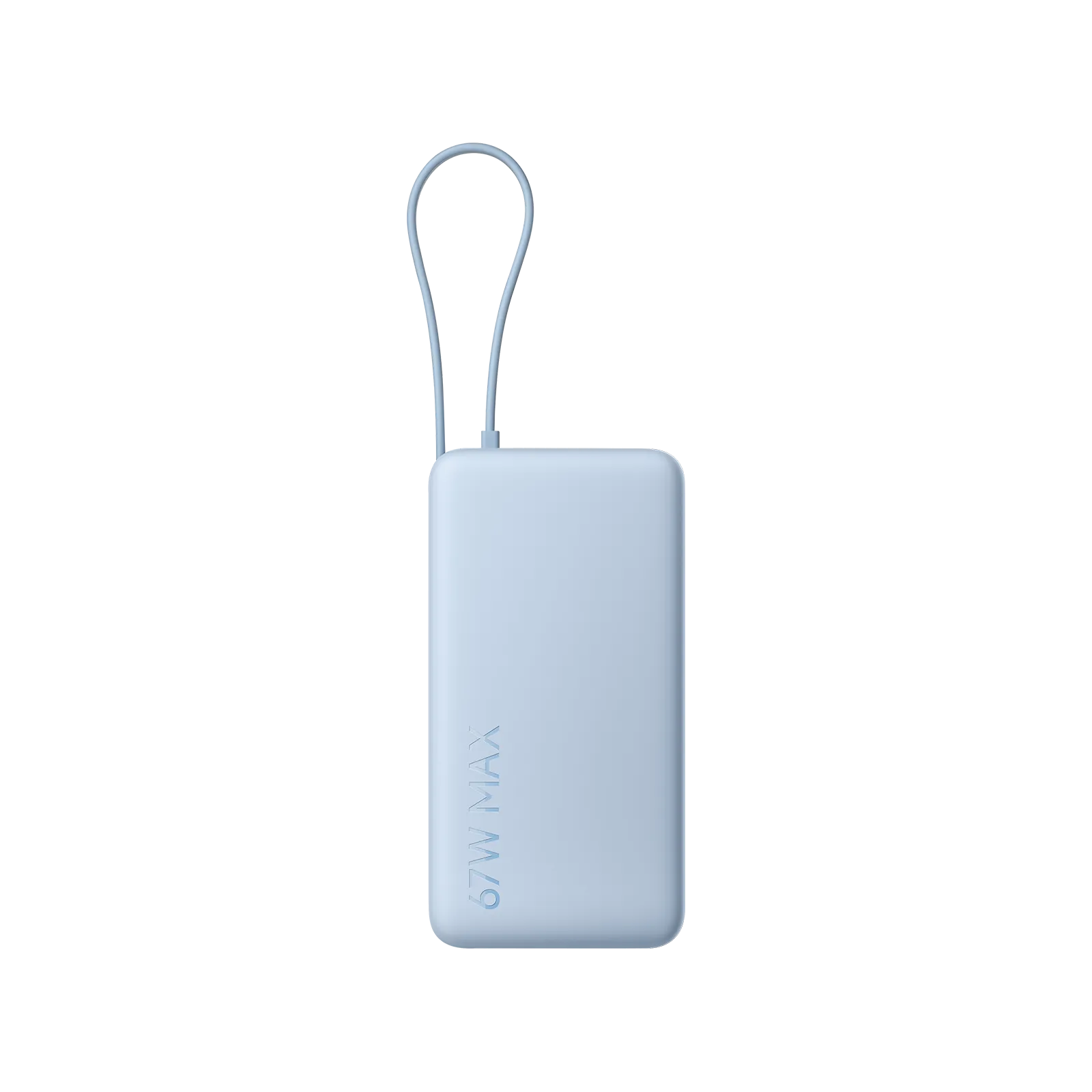
10000mAh power bank with built-in cable and 67W fast charging.
Power banks Xiaomi
10000mAh magnetic power bank with integrated cable and 33W charging for mobile use.