Buying guide: how to choose a hob
A hob is chosen first on the number of cooking zones, the total power available and the strength of the main zone. These three measures, listed on every product page, determine what the appliance really allows in the kitchen.
What to check
Number of cooking zones
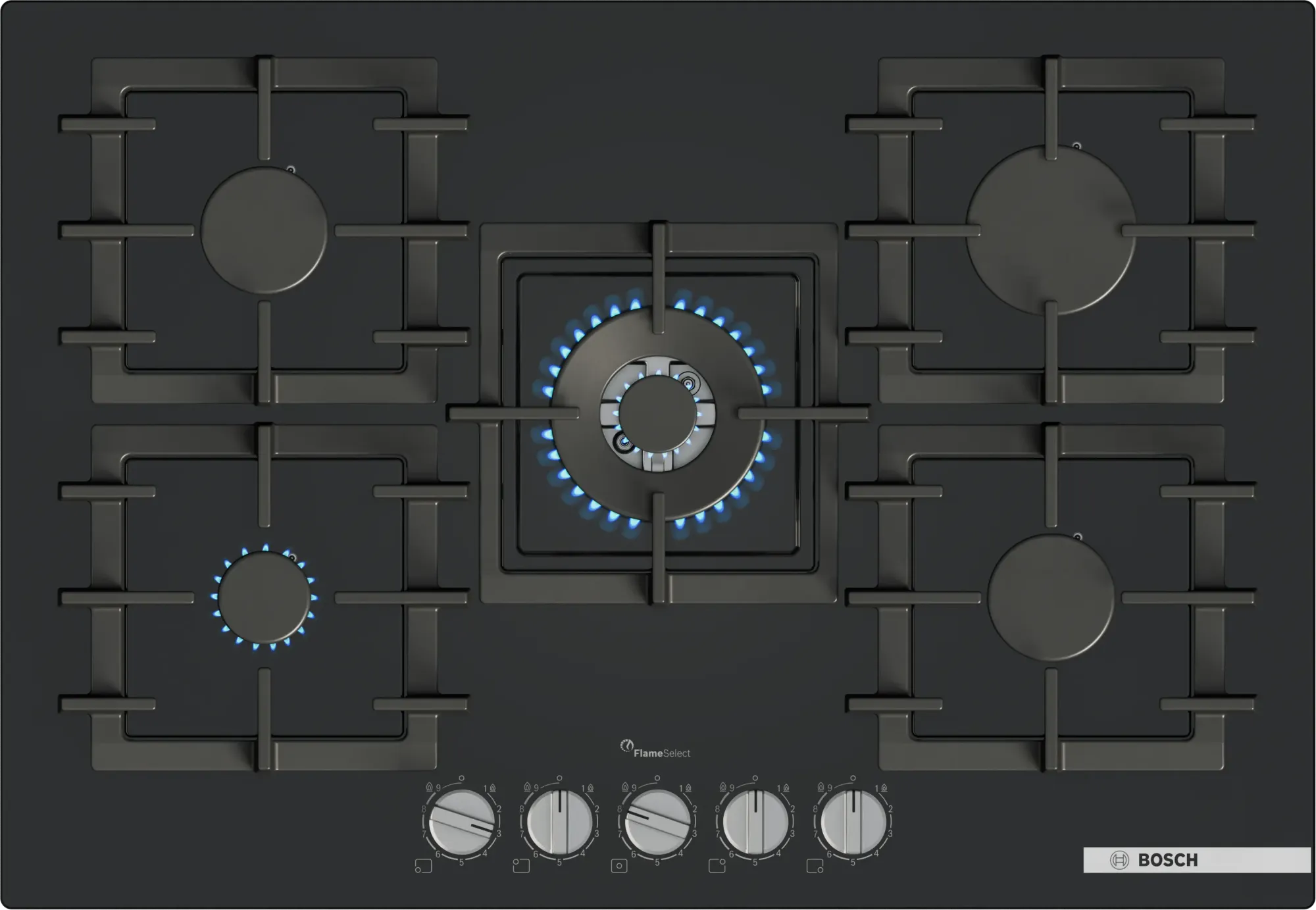
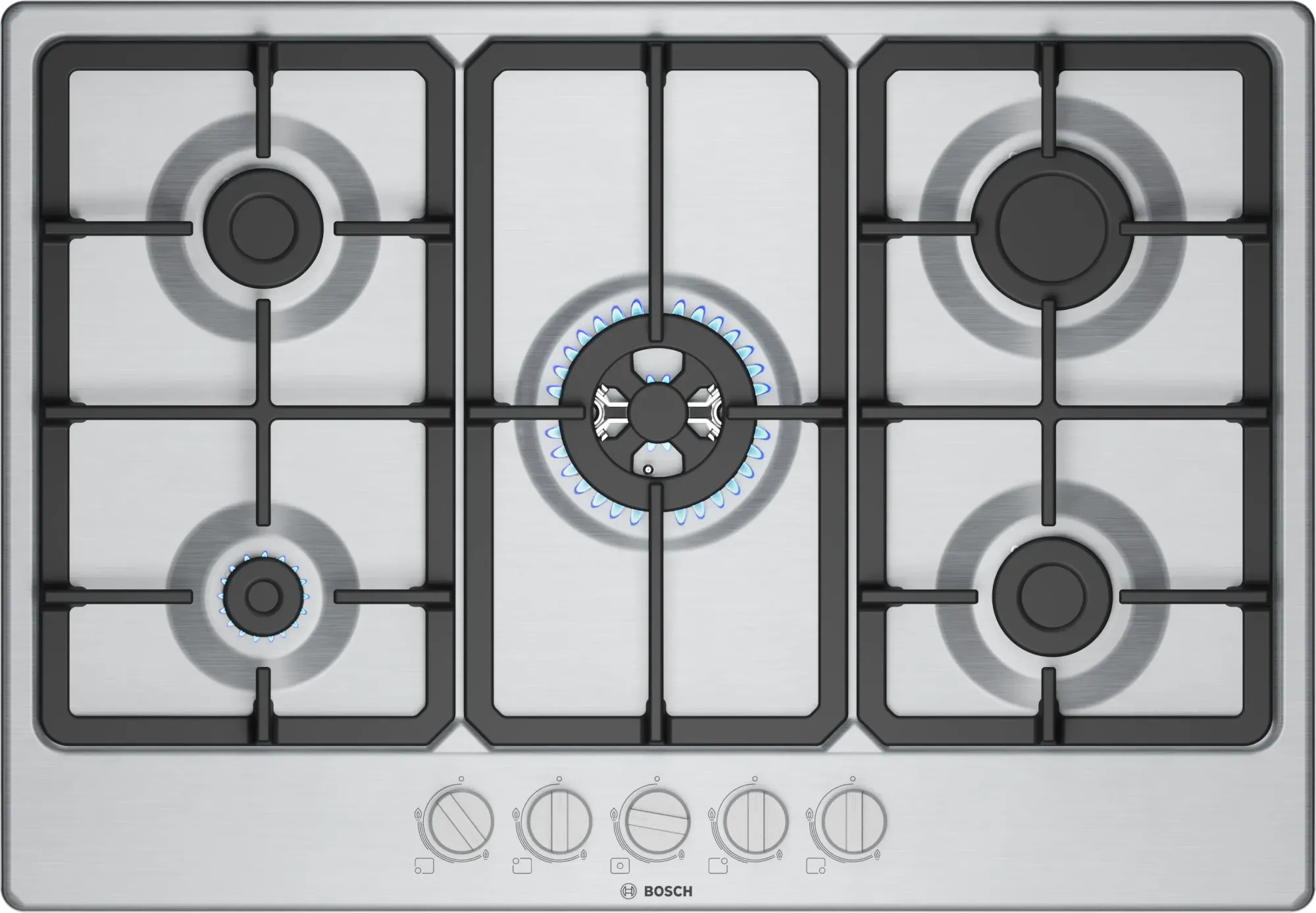
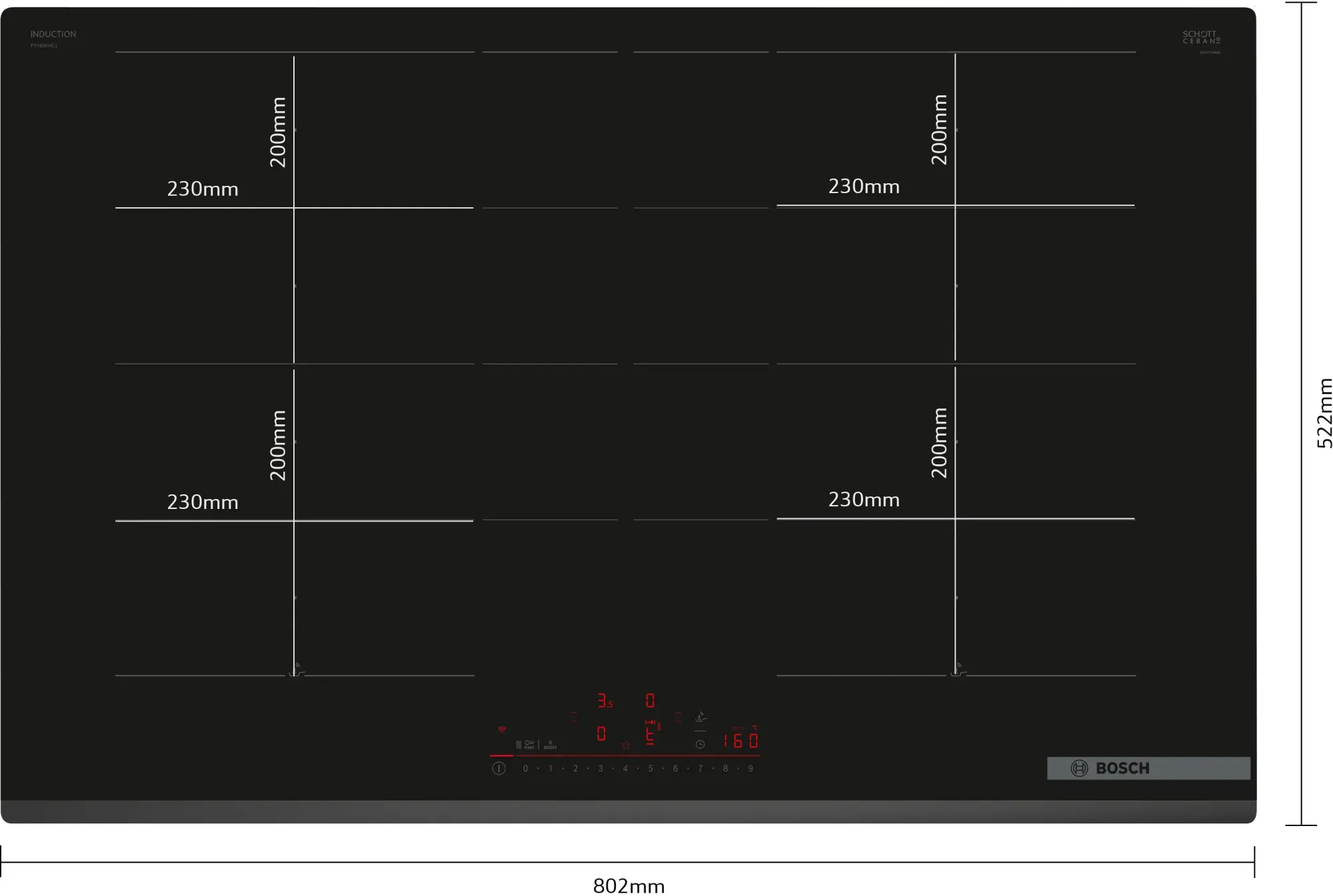
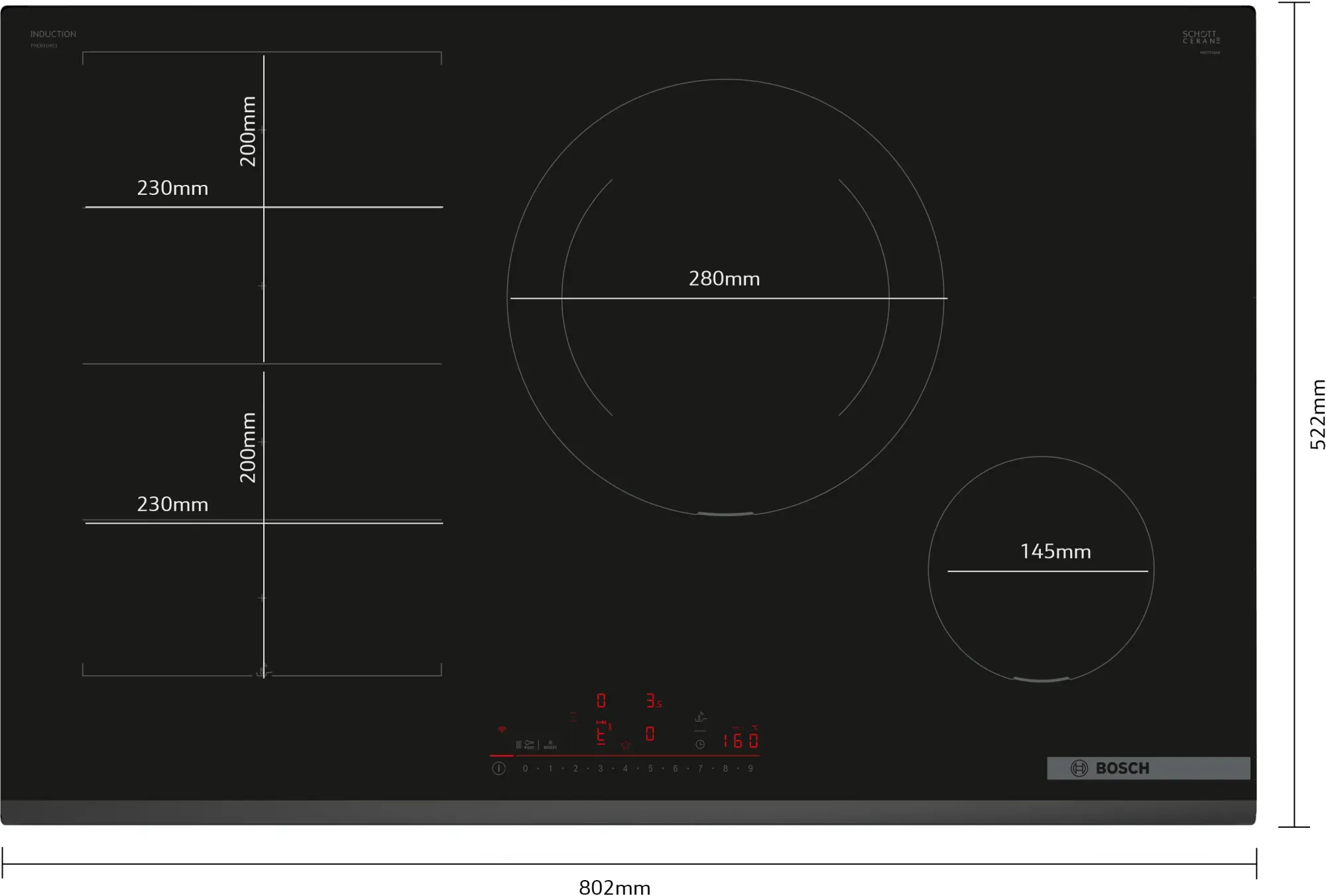
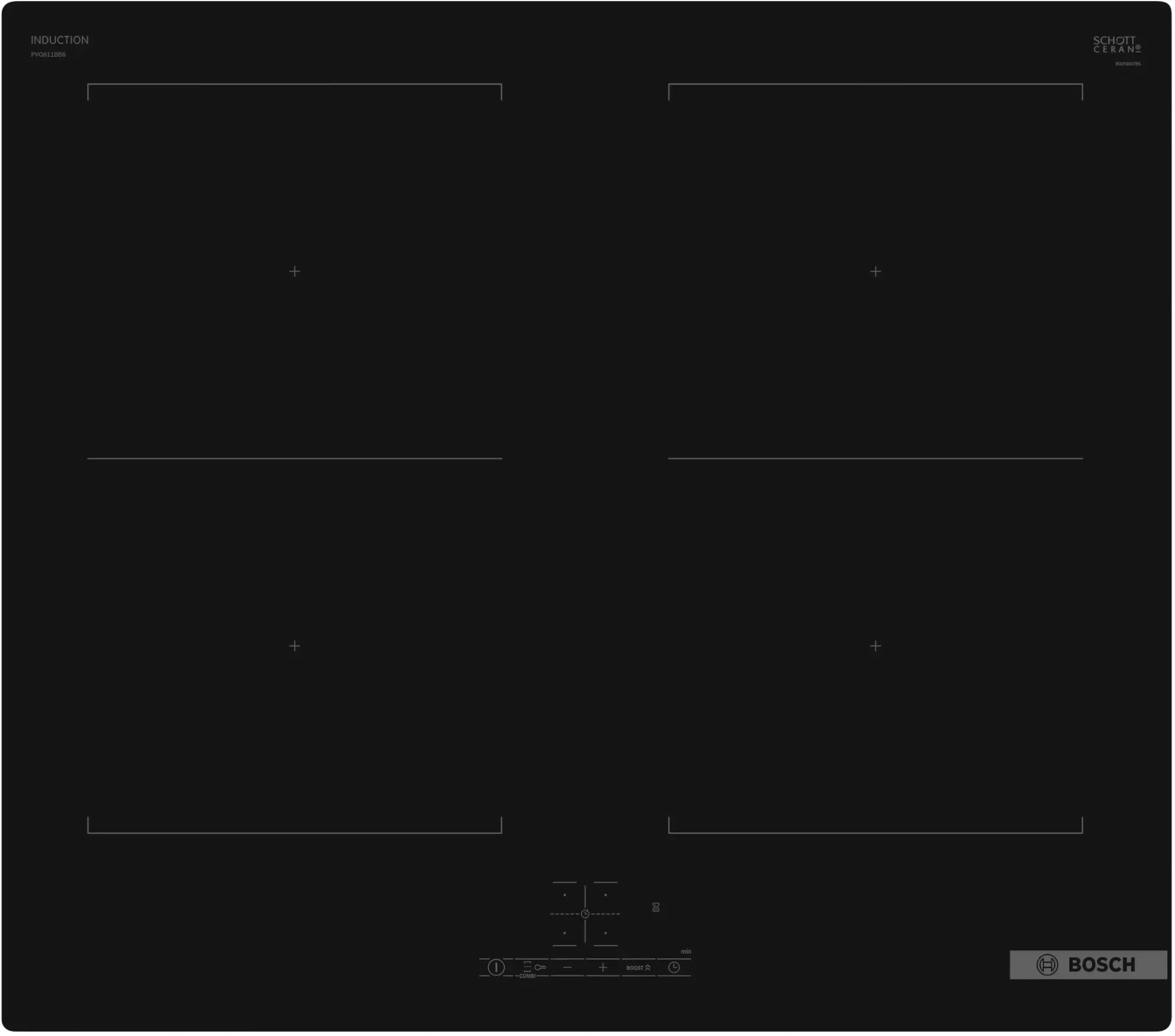
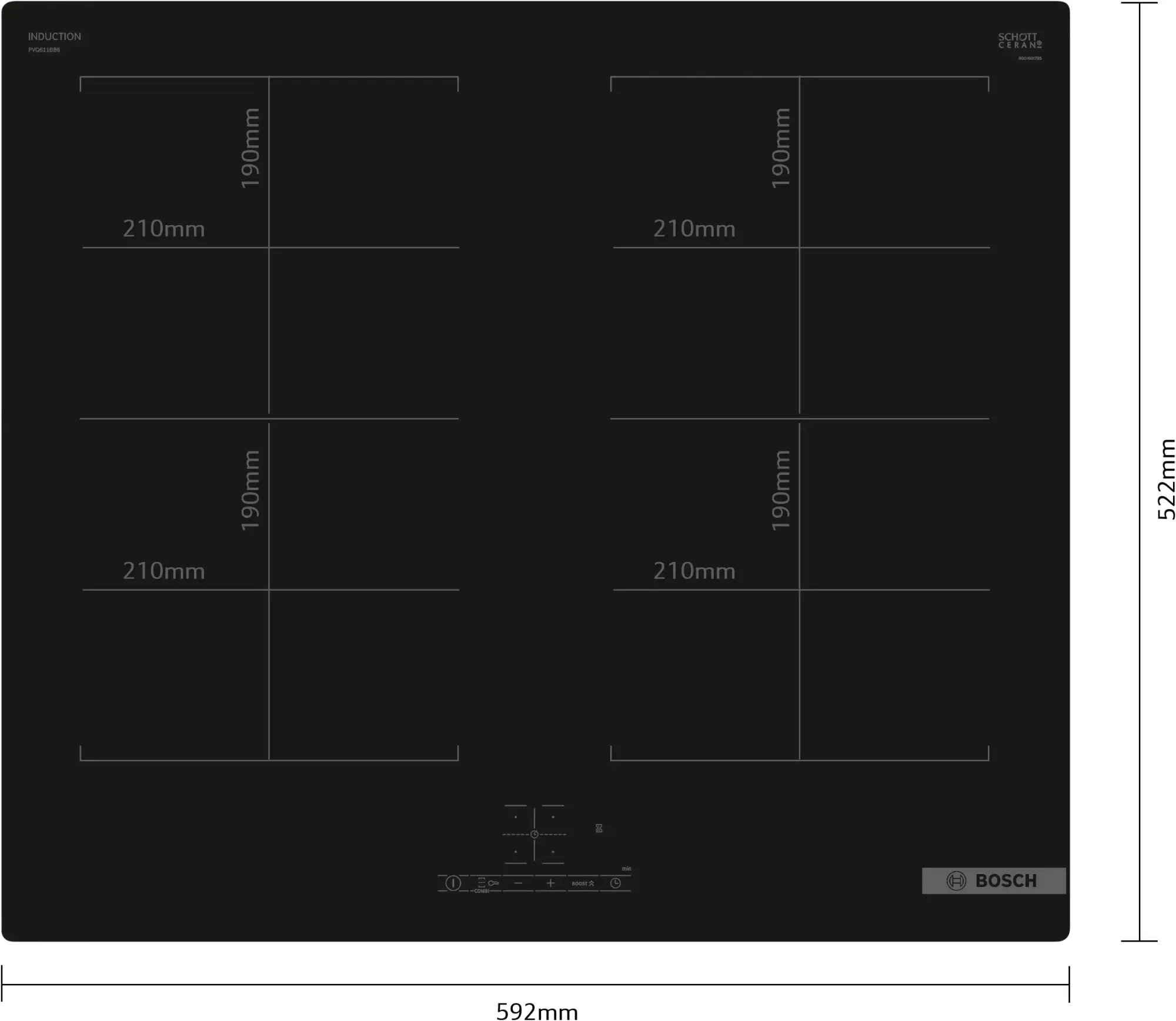
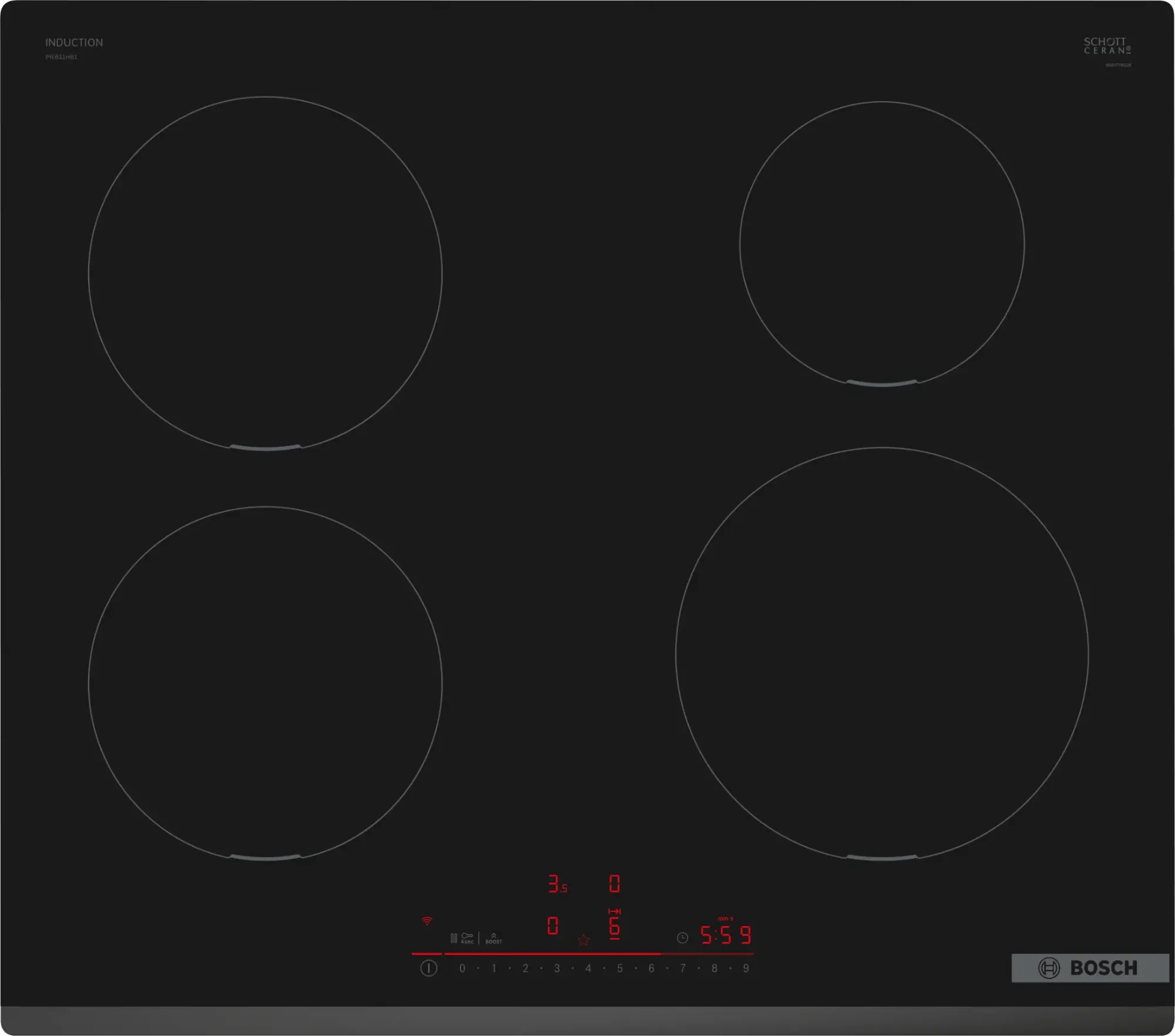
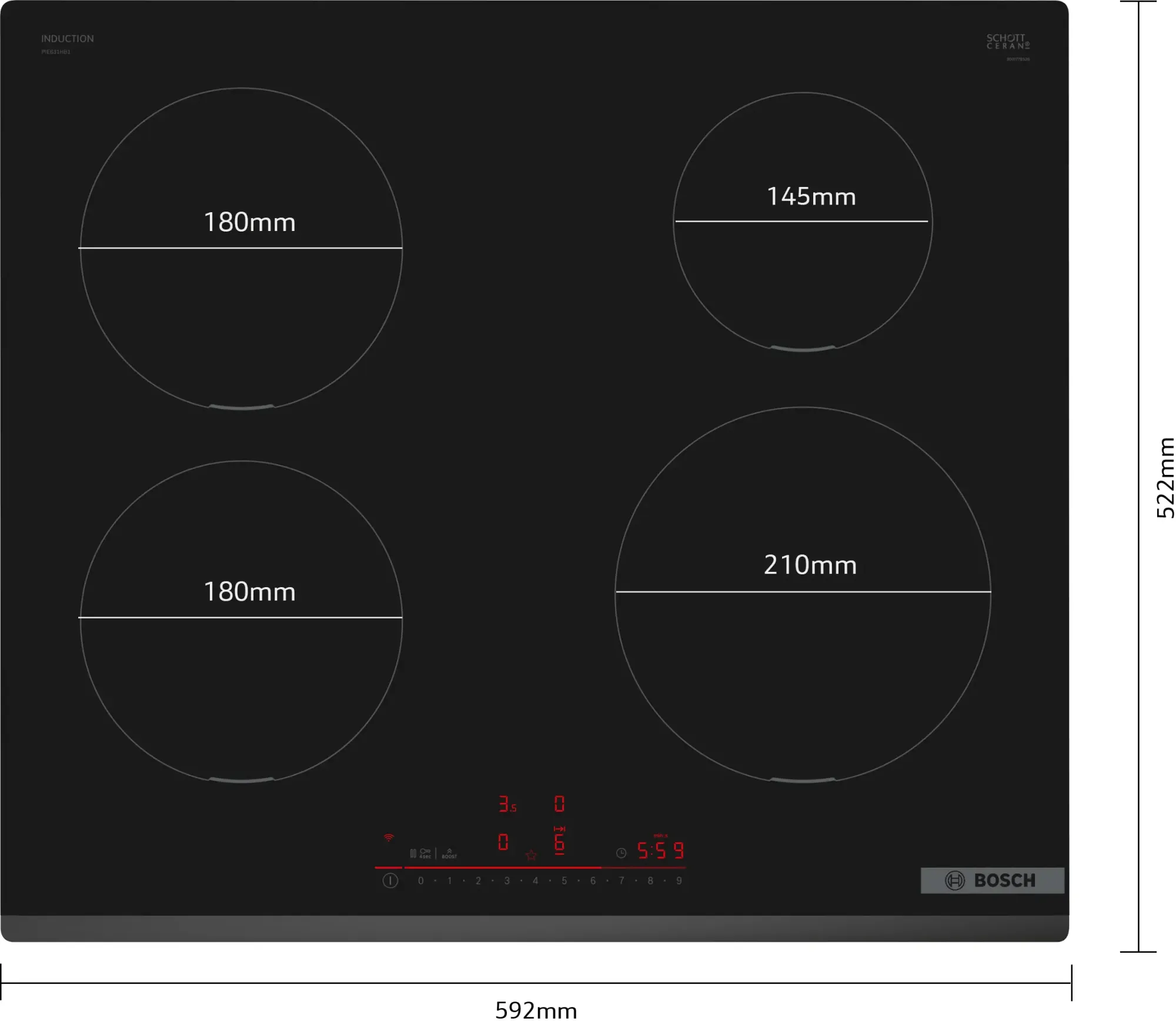
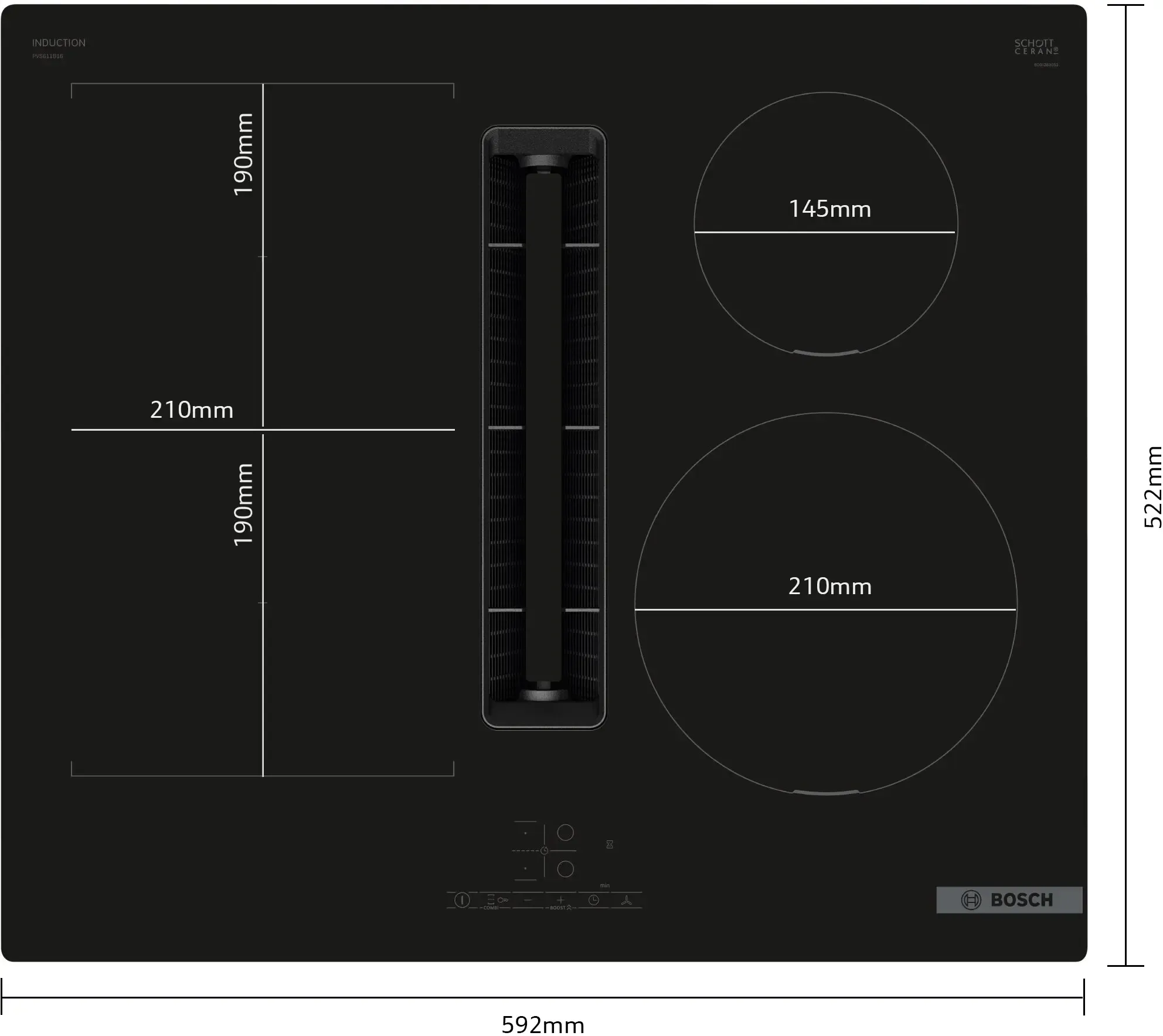
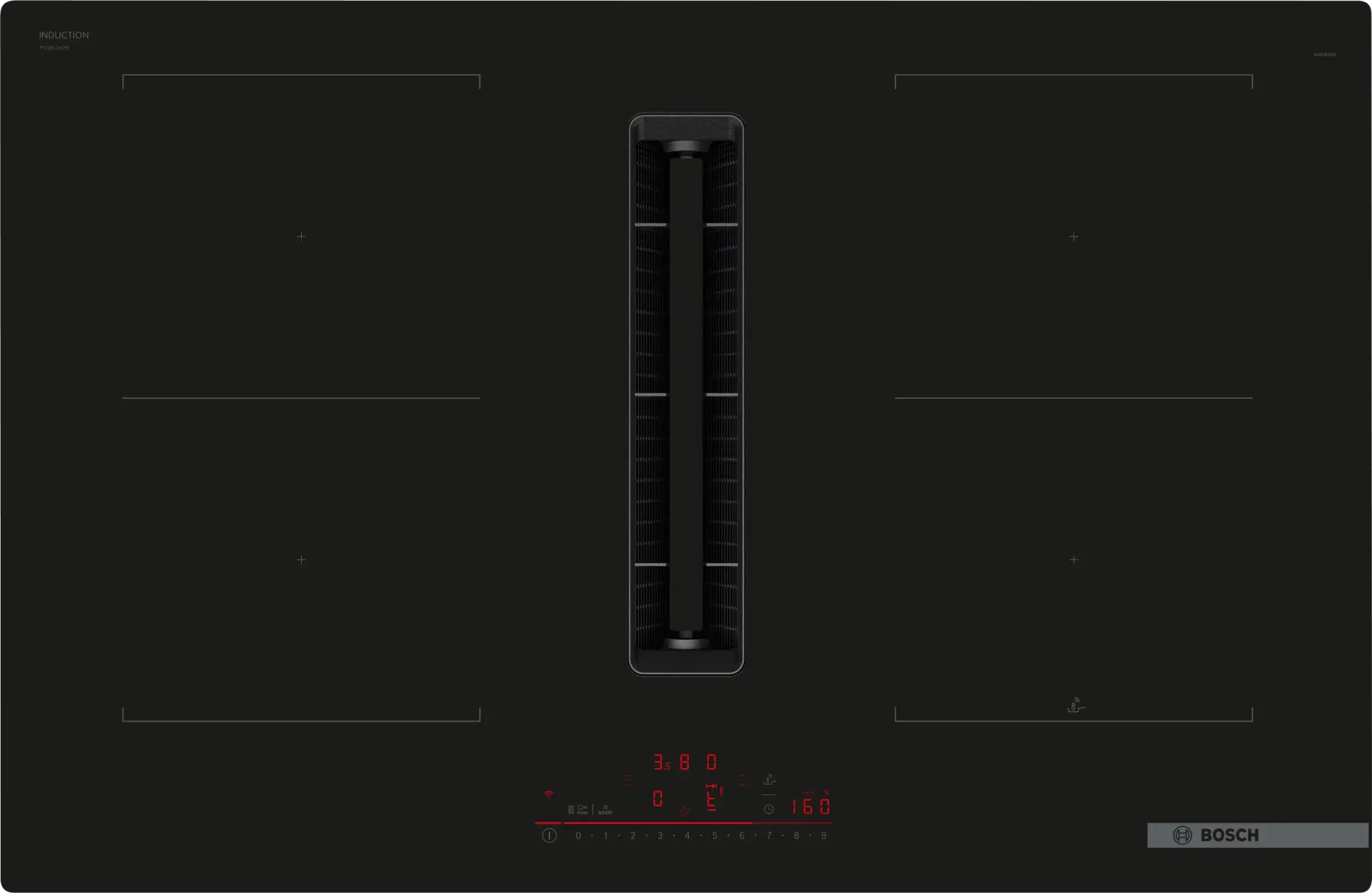
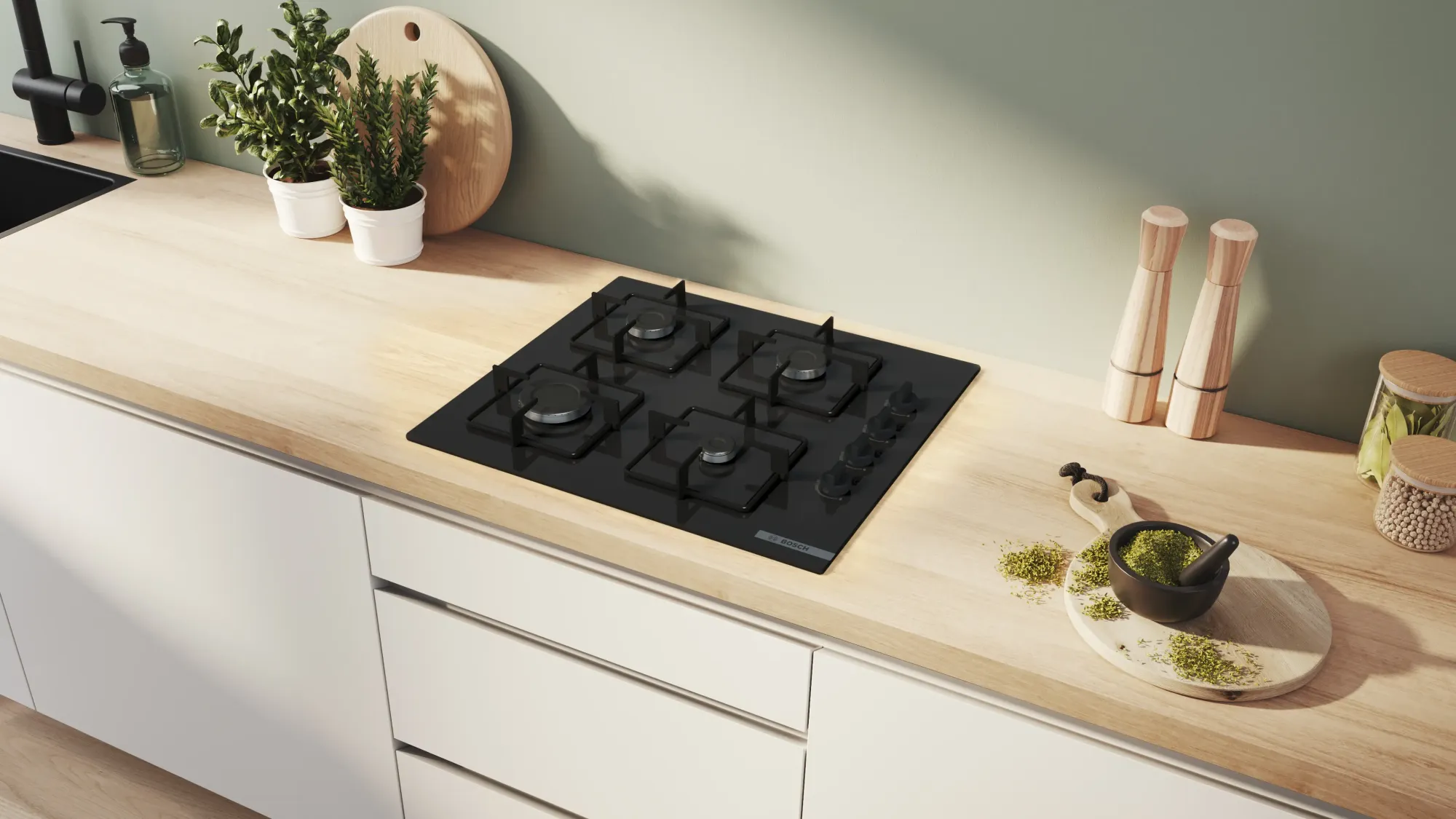
This criterion counts the zones available to cook at the same time. The more there are, the more dishes can be prepared in parallel without waiting for a pan to free up space. The site’s score rises with this number: fiches surveyed range from three zones at the lower end to five zones at the upper end, with a median of four. A household cooking for several people, or anyone who likes preparing several dishes together, should look for a high score here before anything else.
Market median: 4 zone(s)
Total electric power
This criterion adds up the electric power available across all zones. A high total power lets several zones run at full capacity at once without losing performance, useful when the whole hob is in use. Fiches surveyed place the lower mark at four thousand six hundred watts, the median at seven thousand two hundred watts, and the upper mark at seven thousand four hundred watts. A high score here points to a hob that heats up quickly across several zones at the same time, worth checking for larger households.
Market median: 7,200 W
Strength of the main zone
This criterion isolates the power of the first cooking zone, the one most often used for searing or bringing water to the boil quickly. Higher power here shortens heating times for everyday use. Fiches surveyed range from one thousand watts at the lower end to two thousand three hundred watts at the upper end, with a median of two thousand watts. For anyone who mostly cooks on one main zone, this criterion matters as much as the total number of zones.
Market median: 2,000 W
Installation and wiring
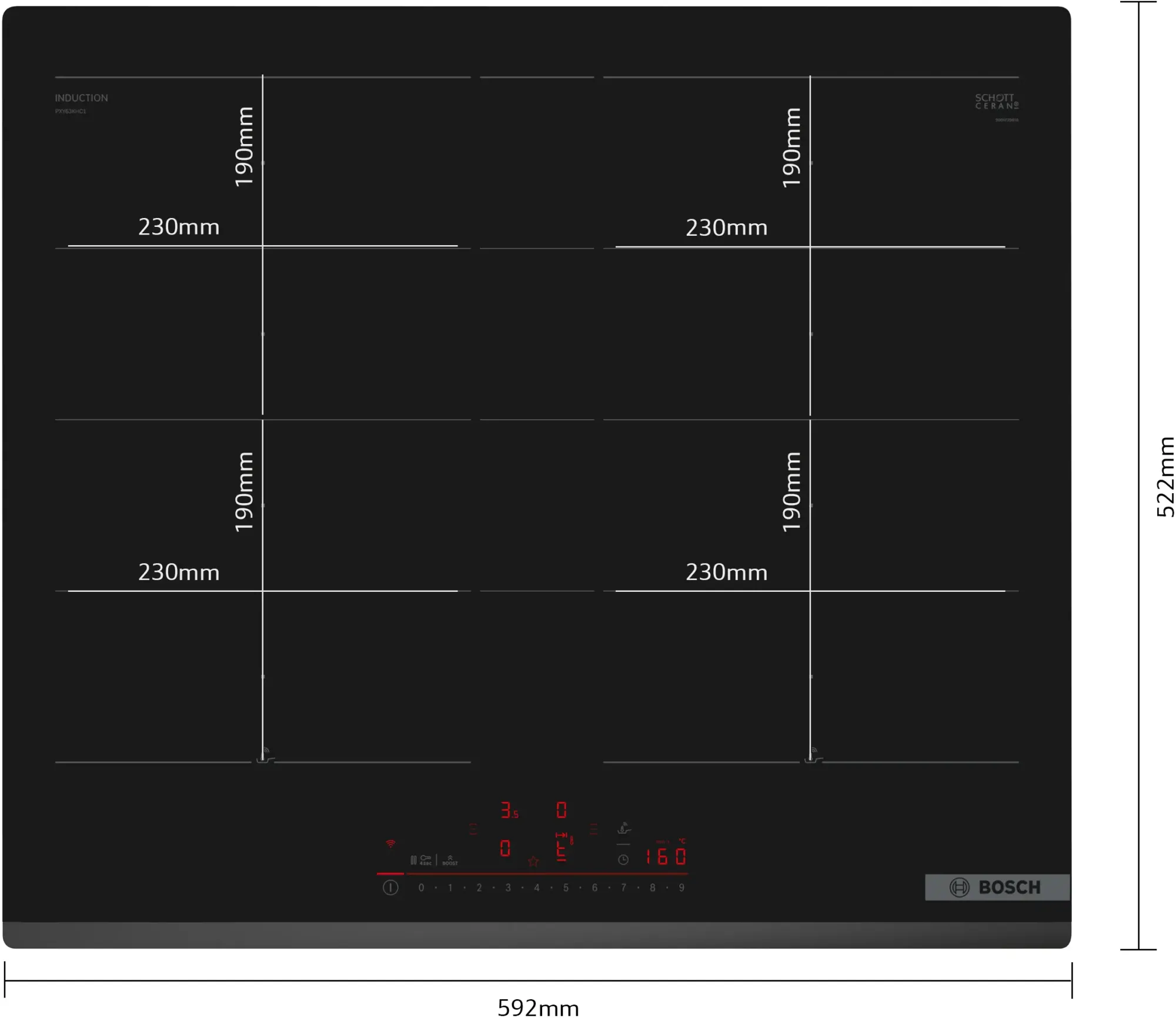
Before buying, check the space available in the worktop and whether the existing electrical wiring matches the total power stated on the product page. A high power hob often needs a dedicated electrical line, which may mean work before installation. Also check access for routine cleaning under the hob and around the controls, especially when built in close to other kitchen units.
Benchmarks based on 30 recent market listings, collected on 2 October 2026.
What you get for each budget
Under €250
At this price level, hobs often show a number of zones and a power close to the lowest marks recorded on the market.
€250 to €600
This range covers hobs whose number of zones and total power sit close to the median, with a stronger main zone.
Over €600
Above this amount, hobs combine the highest number of zones, the highest total power, and a main zone close to the best mark recorded.
Frequent mistakes
Choosing a hob on the number of zones alone without checking total power, which determines whether all zones can run at once.
Forgetting to check that the existing electrical wiring matches the appliance’s total power.
Overlooking the main zone’s power even though it is used most often day to day.
Comparing prices without accounting for differences in power or number of zones between models.
Models in this category
Best rated first, among those our merchants offer.