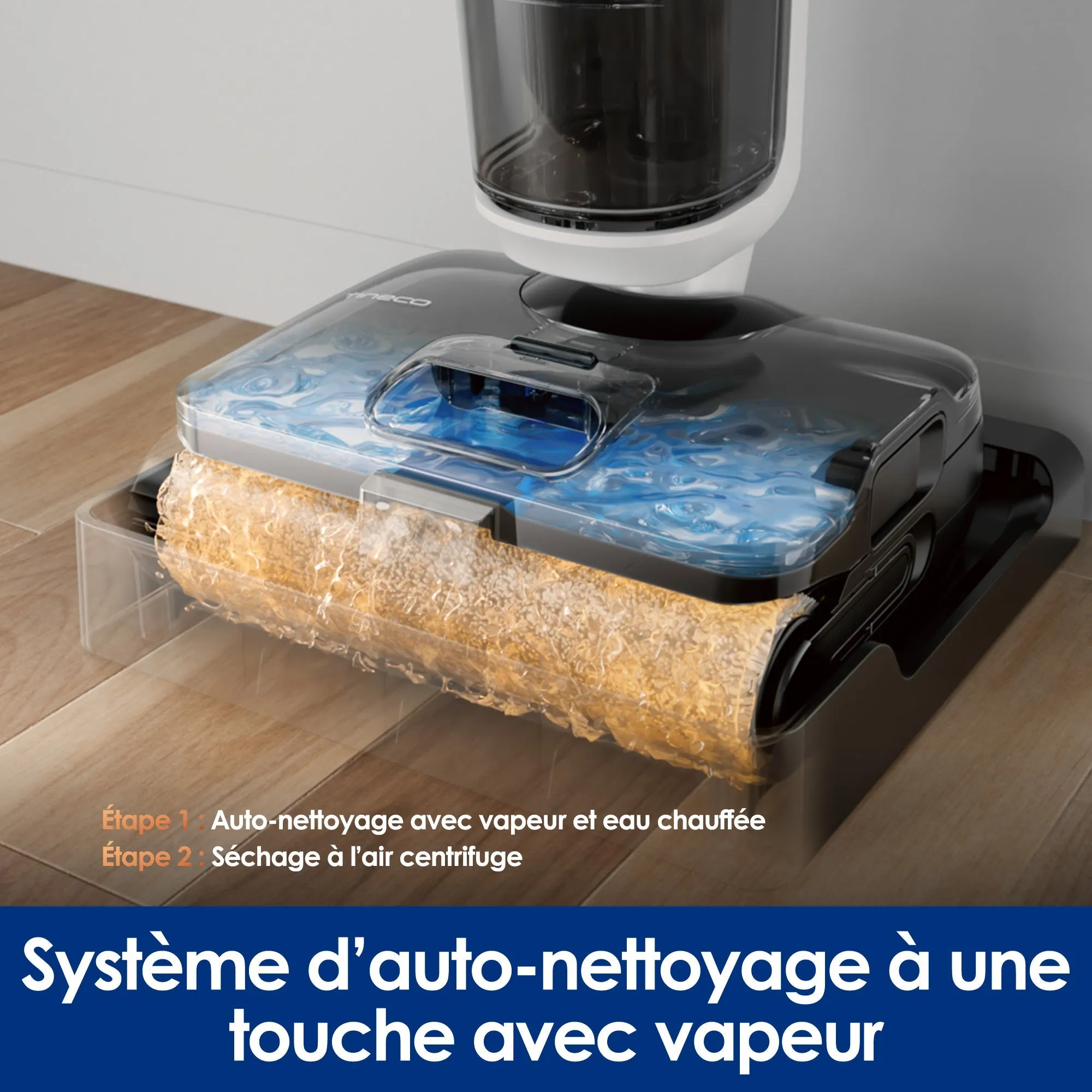
Wet and dry stick vacuums Tineco
Buying guide: how to choose a wet and dry vacuum
A wet and dry stick vacuum is judged above all on its ability to clean through several rooms without stopping: power, runtime and dirty water tank size make the daily difference. Quietness and charging speed round out the picture for hassle-free use.
What to check
Suction and cleaning power
This criterion measures the maximum power the appliance can deliver. It determines its ability to lift ground-in dirt and wash effectively in a single pass. On the site, the score places the appliance between the lowest and highest readings observed on the recent market: the longer the bar, the more power is available. A low-power appliance often needs several passes over heavily soiled areas, which lengthens actual cleaning time.
Market median: 300 W
Battery runtime
This criterion measures how long the appliance can clean before needing a recharge. In a home with several rooms or floors, a short runtime forces you to split the cleaning session or stop mid-room. The site score reflects the measured runtime, with a longer bar as runtime increases. It helps to compare this duration to the area you usually clean rather than the total size of the home.
Market median: 60 min
Dirty water tank capacity
This criterion measures the volume of the tank that collects dirty water during washing. A small tank fills up quickly, forcing frequent trips to empty it, especially on large surfaces or very dirty floors. The score lengthens with tank capacity: a high value signals an appliance able to cover more floor area without interruption. This criterion is worth reading alongside runtime, since together they limit how much can be cleaned in one session.
Market median: 0.6 L
Noise level
This criterion measures the noise the appliance produces while running, in decibels. A high noise level can make cleaning unpleasant, especially with children, pets or close neighbours nearby. On the site, the score works in reverse of the raw figure: the longer the bar, the quieter the appliance. This criterion matters most for frequent use or cleaning at times when quiet matters, such as in the evening.
Market median: 75 dB
Charging time
This criterion measures how long it takes to fully recharge the appliance between uses. A long charging time limits how often the appliance is ready to use, especially if it is used several times a week or for large areas covered in several sessions. The score lengthens as this time shortens: a longer bar signals a faster charge. It is useful to read this alongside runtime to estimate the total time between two full cleaning sessions.
Market median: 4 h
Benchmarks based on 30 recent market listings, collected on 1 October 2026.
What you get for each budget
Under €200
At this price level, appliances generally offer more modest power and runtime, with a limited dirty water tank: enough for occasional use or smaller areas.
€200 to €500
This tier brings more balanced appliances, with a better compromise between power, runtime and tank capacity, suited to regular use.
Over €500
Above this threshold, appliances tend to combine high power, long runtime and a large tank capacity, for intensive use or larger areas.
Frequent mistakes
Choosing based on power alone without checking runtime, which equally limits the area that can actually be cleaned in one go.
Overlooking dirty water tank capacity and having to stop cleaning midway to empty it.
Forgetting charging time and finding the appliance unavailable between two closely spaced sessions.
Underestimating noise level for frequent use or quiet hours, since this criterion reads in reverse of the raw figure.
Comparing appliances without factoring in price tier, since features change noticeably from one tier to the next.
Models in this category
Best rated first, among those our merchants offer.
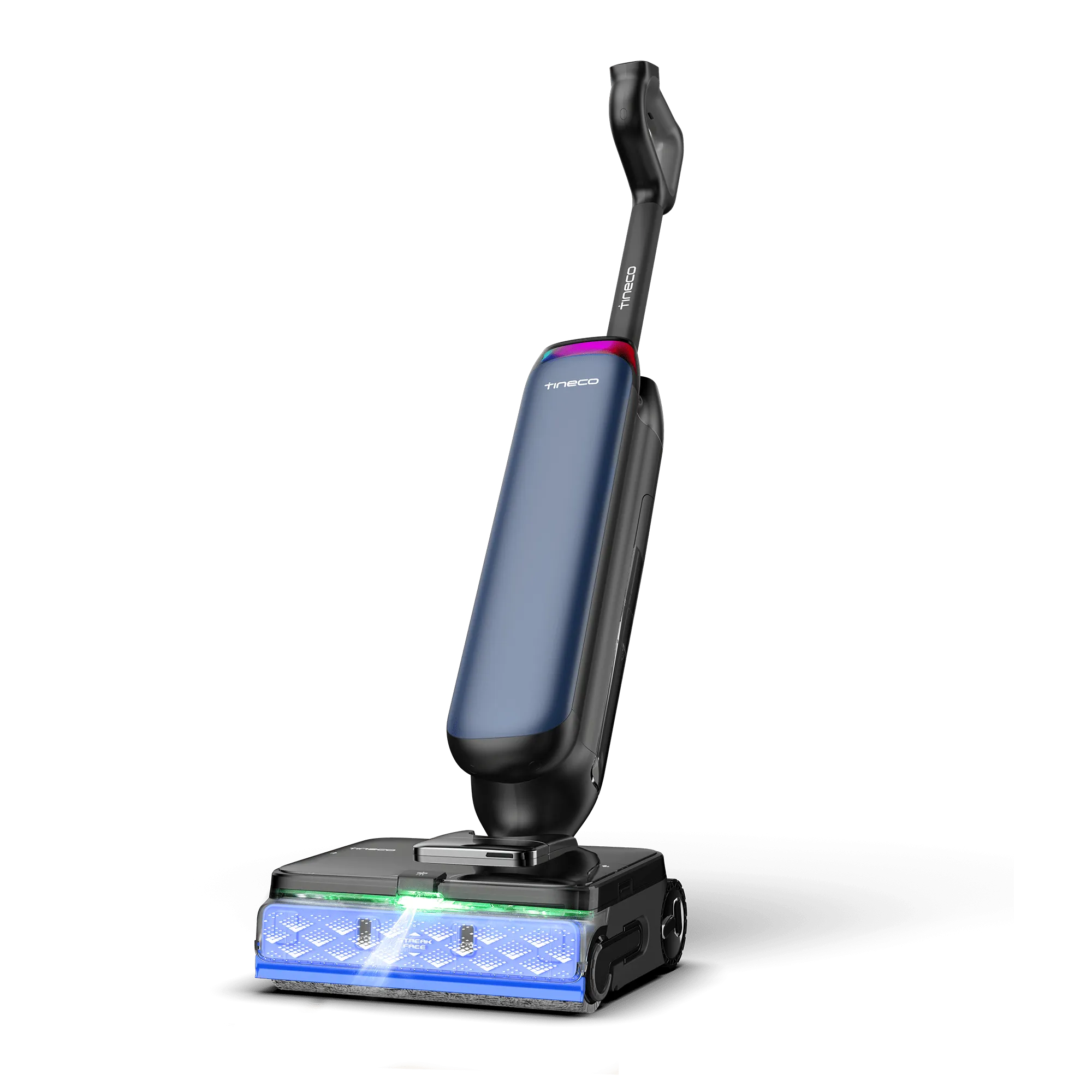
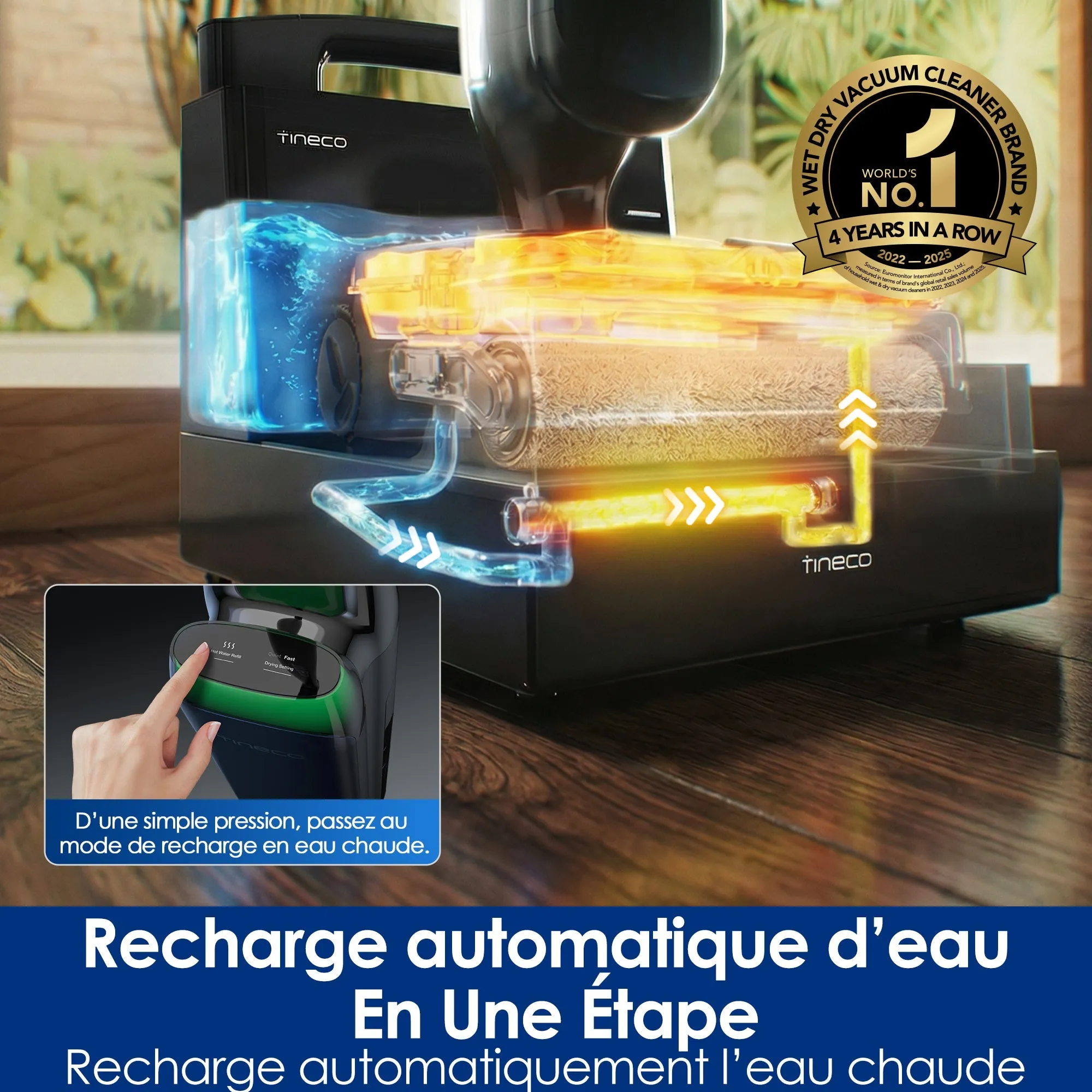
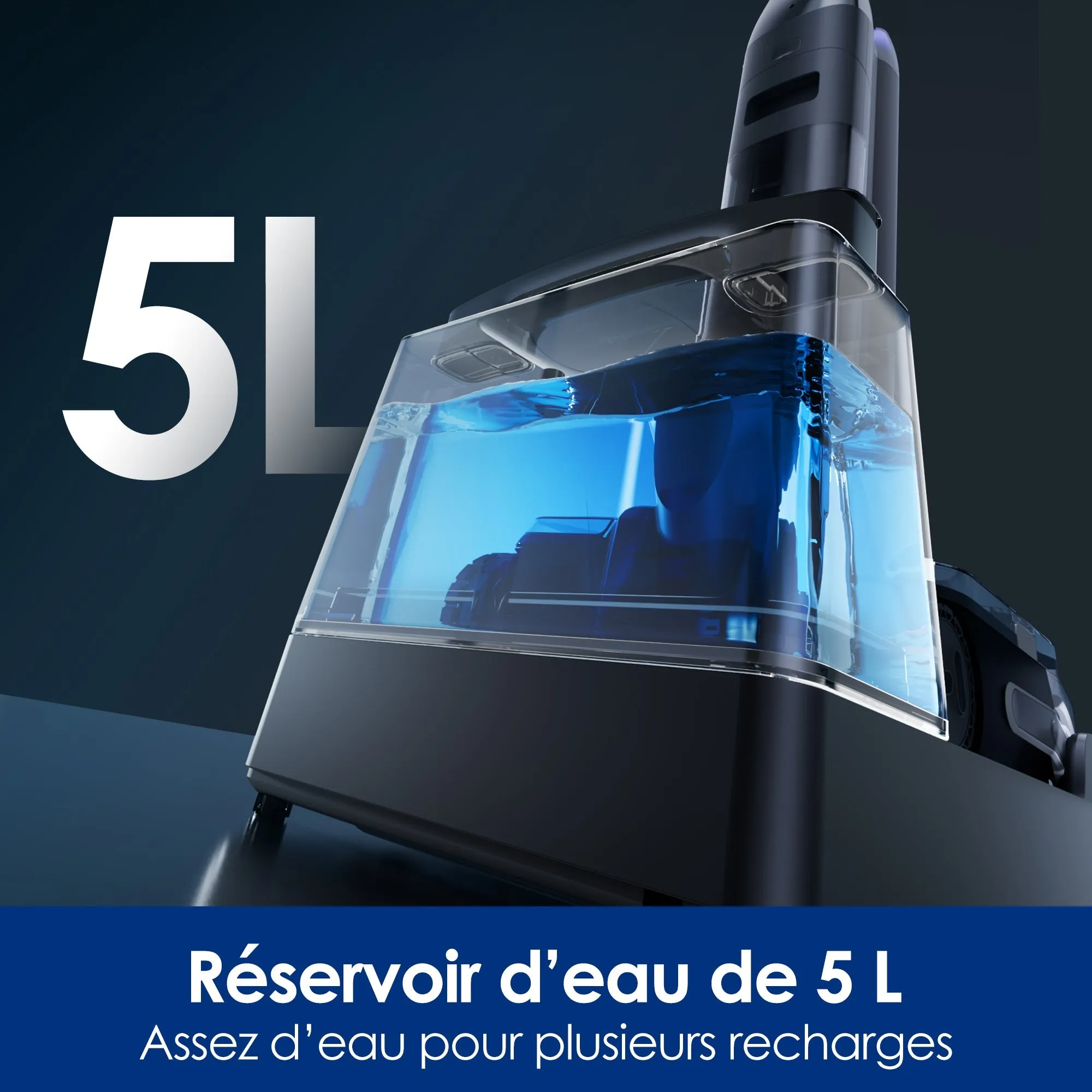
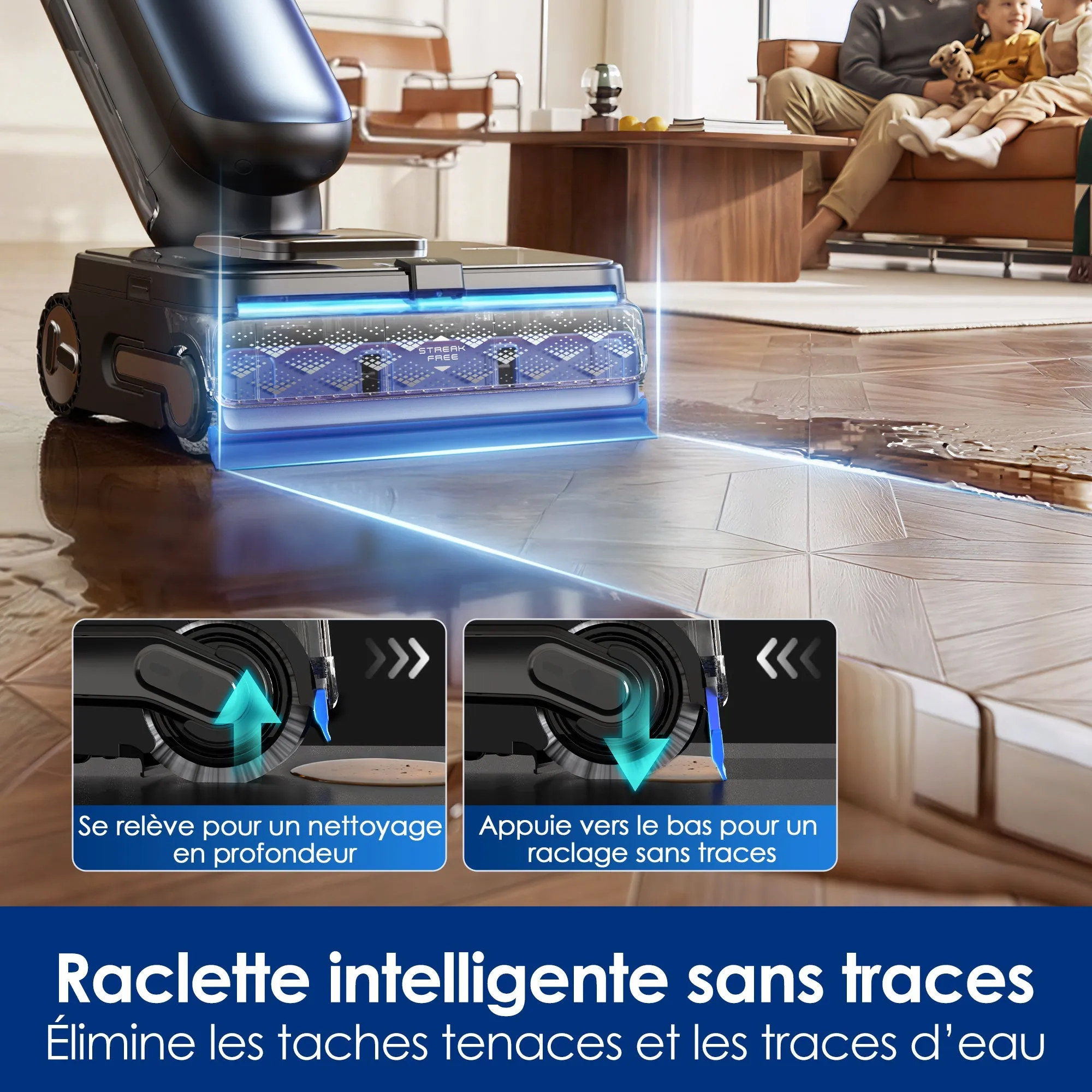
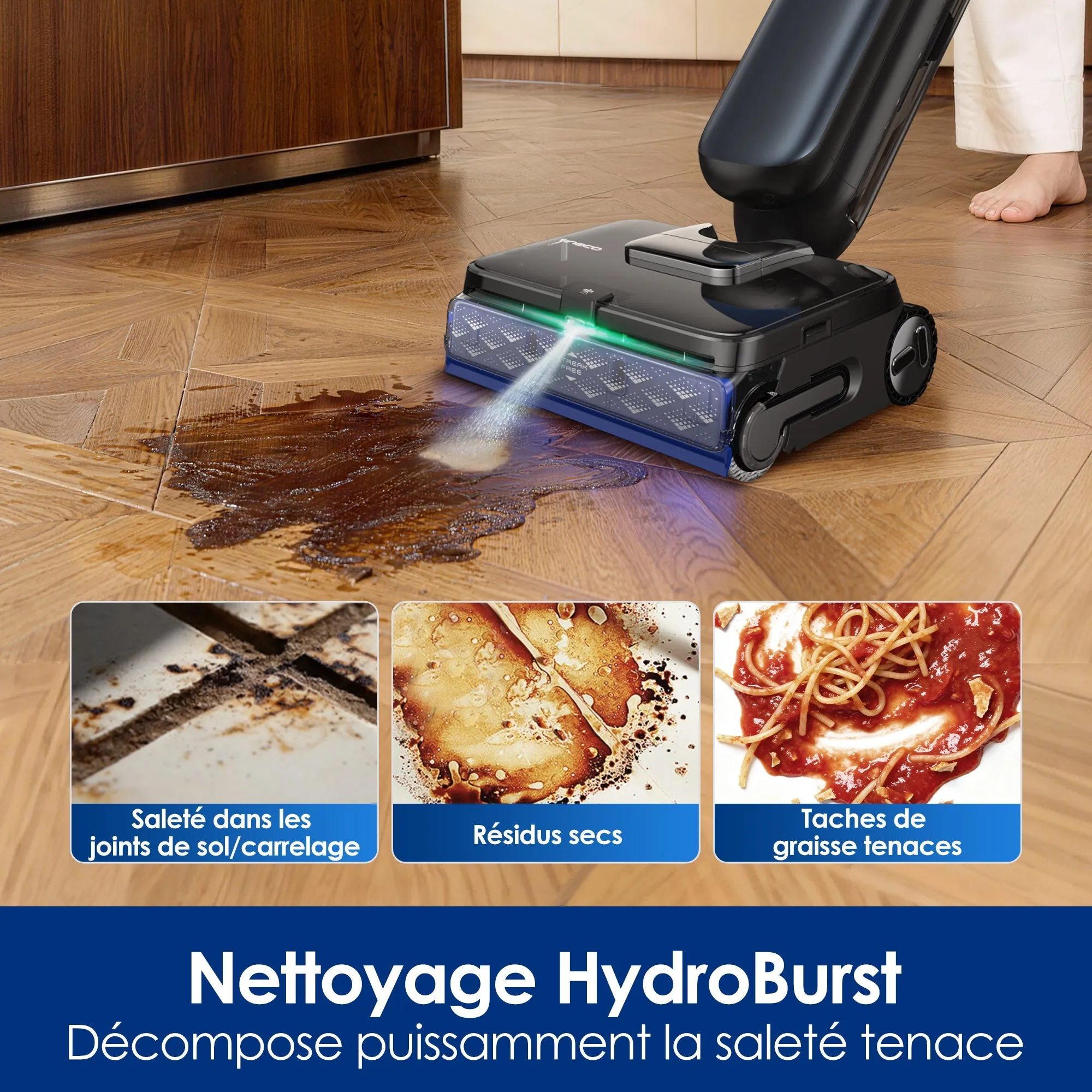
Wet and dry stick vacuums Tineco
Tineco Floor One STATION S9 Artist Cordless Vacuum Cleaner
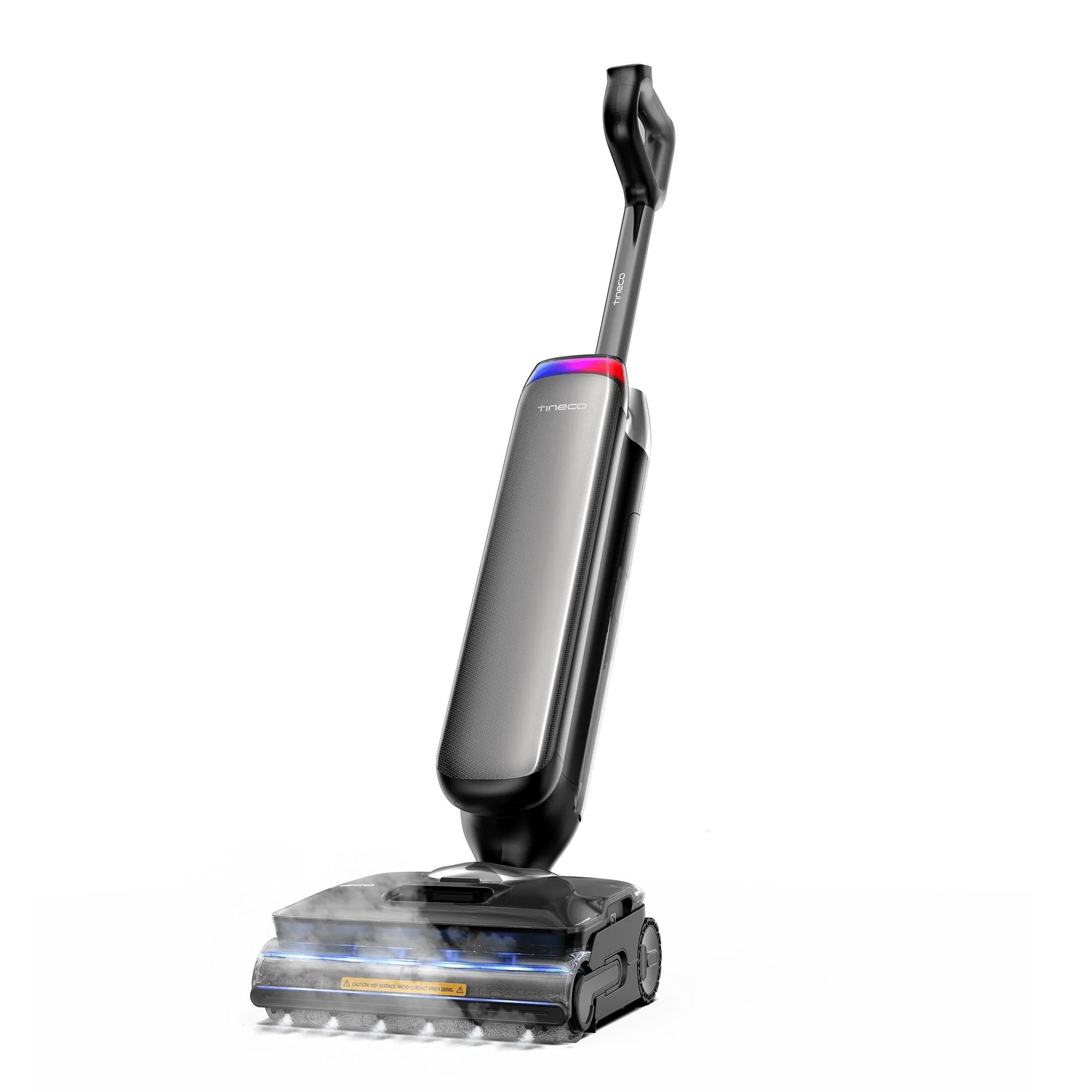
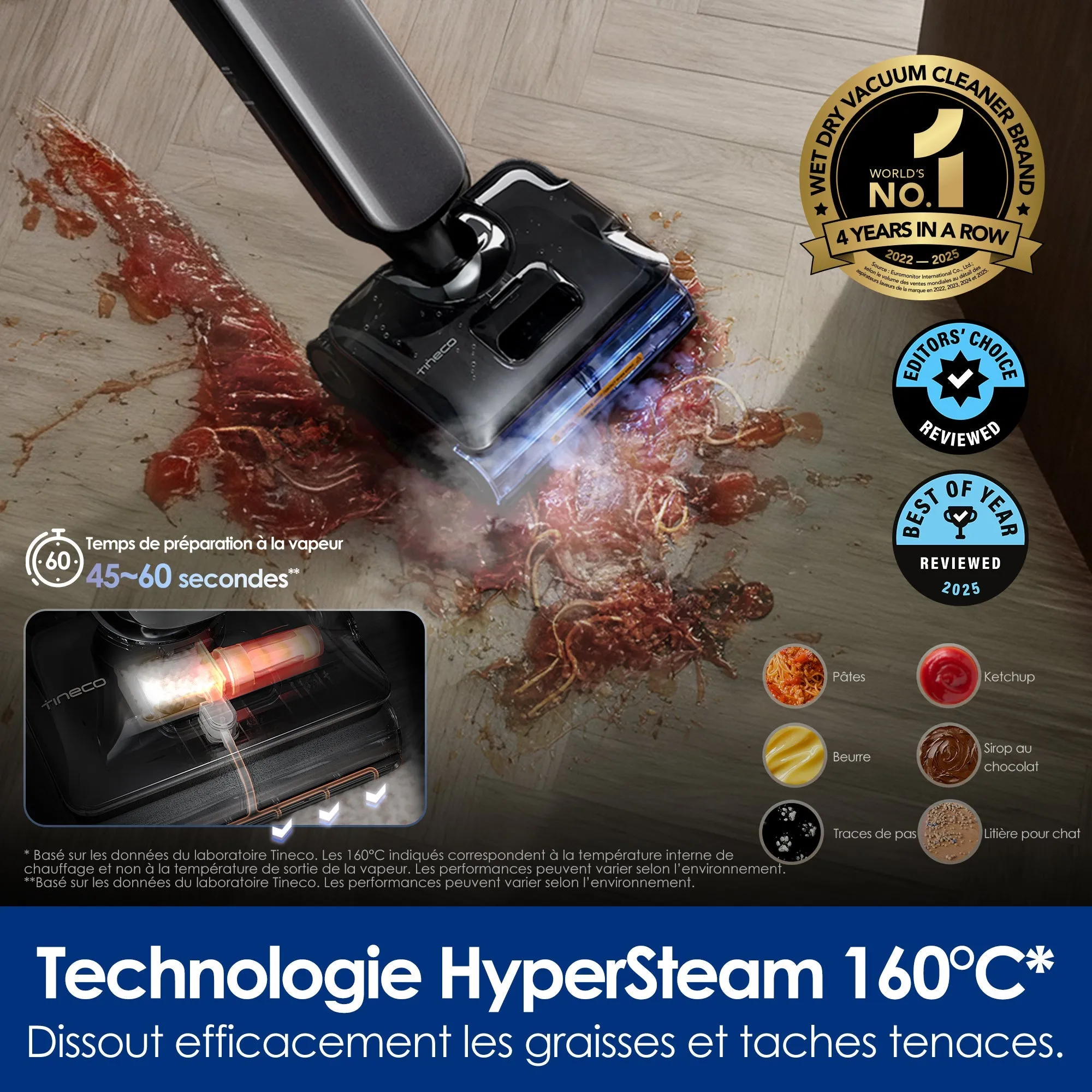
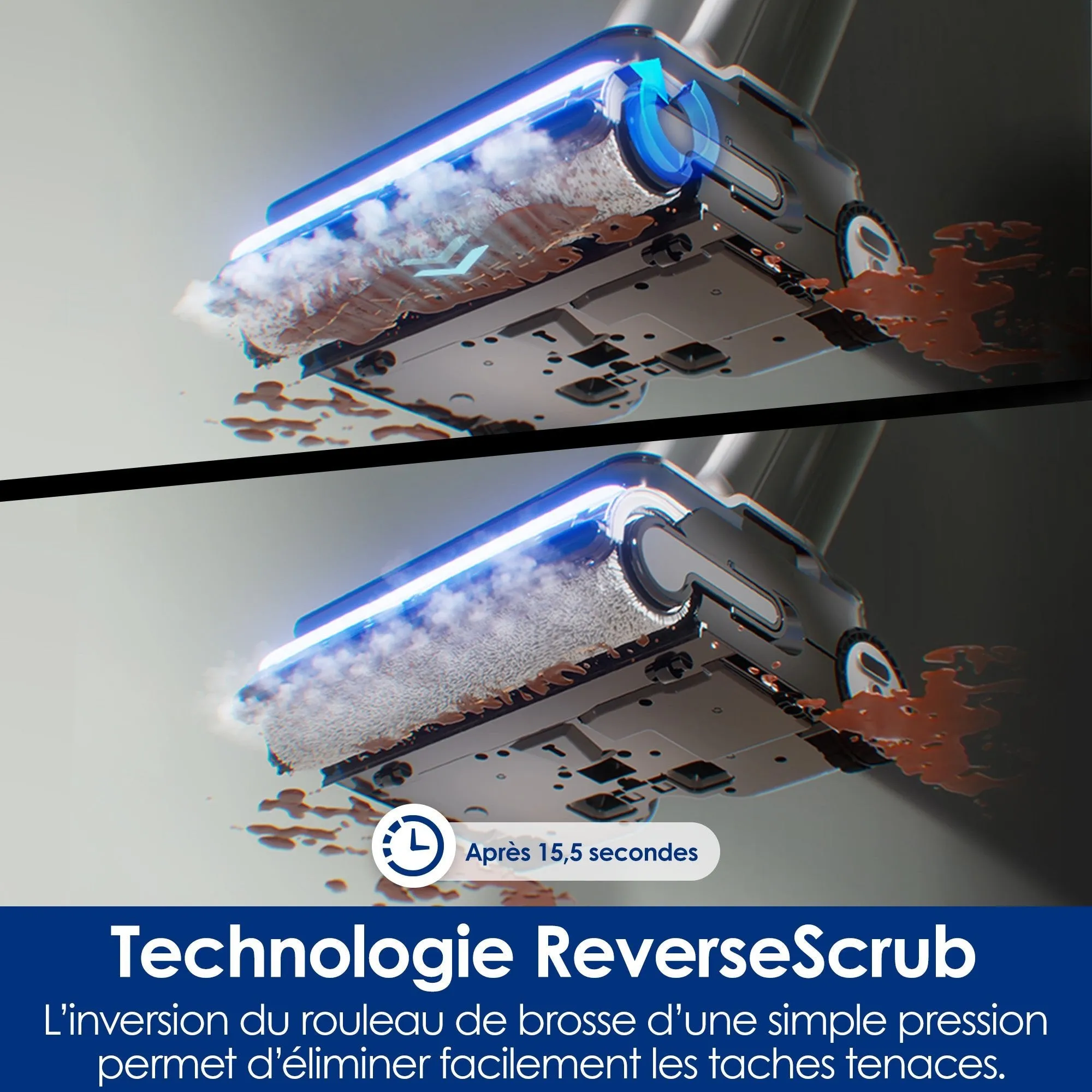
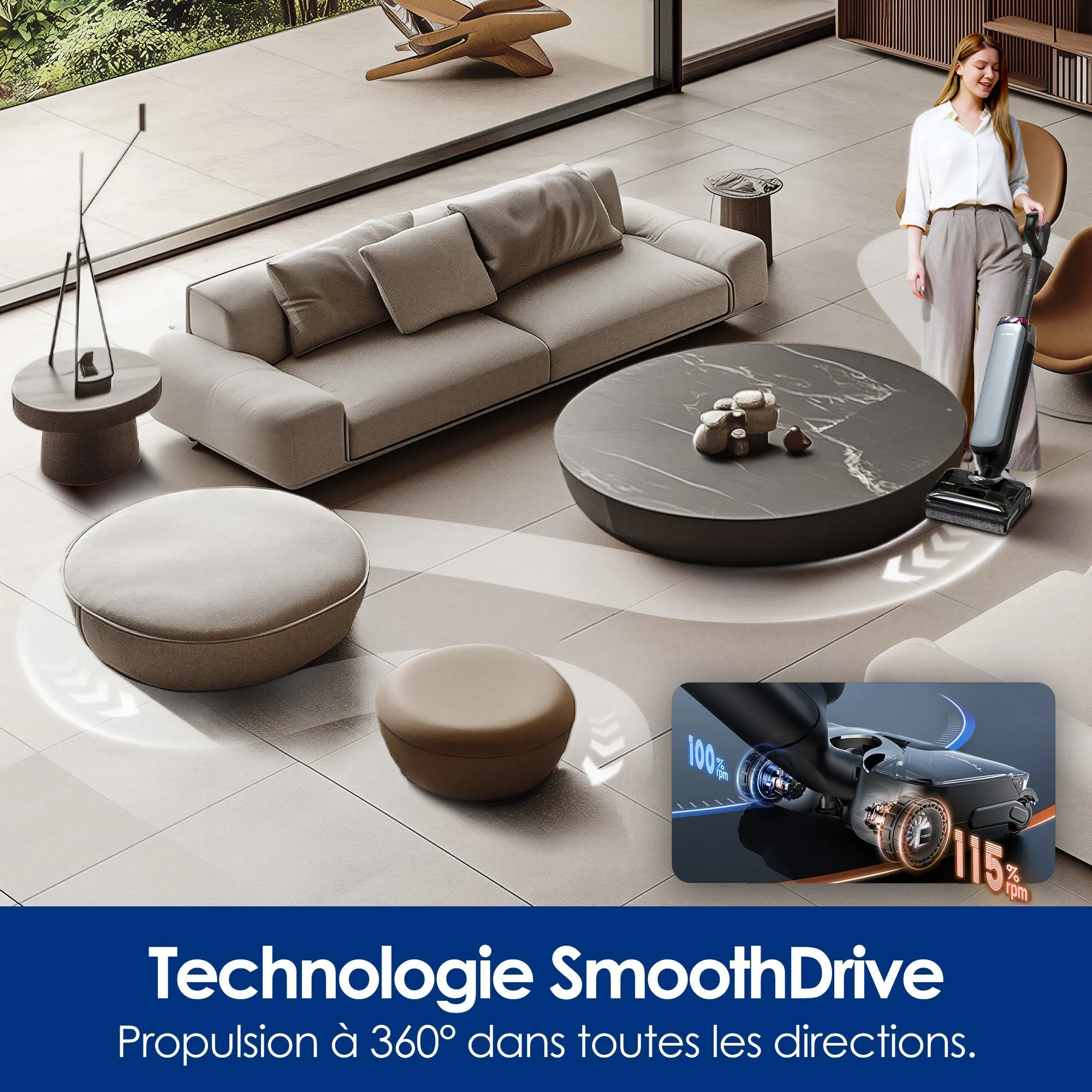

Wet and dry stick vacuums Tineco
Tineco Floor One S9 Artist Steam Pro Vacuum Cleaner Mop
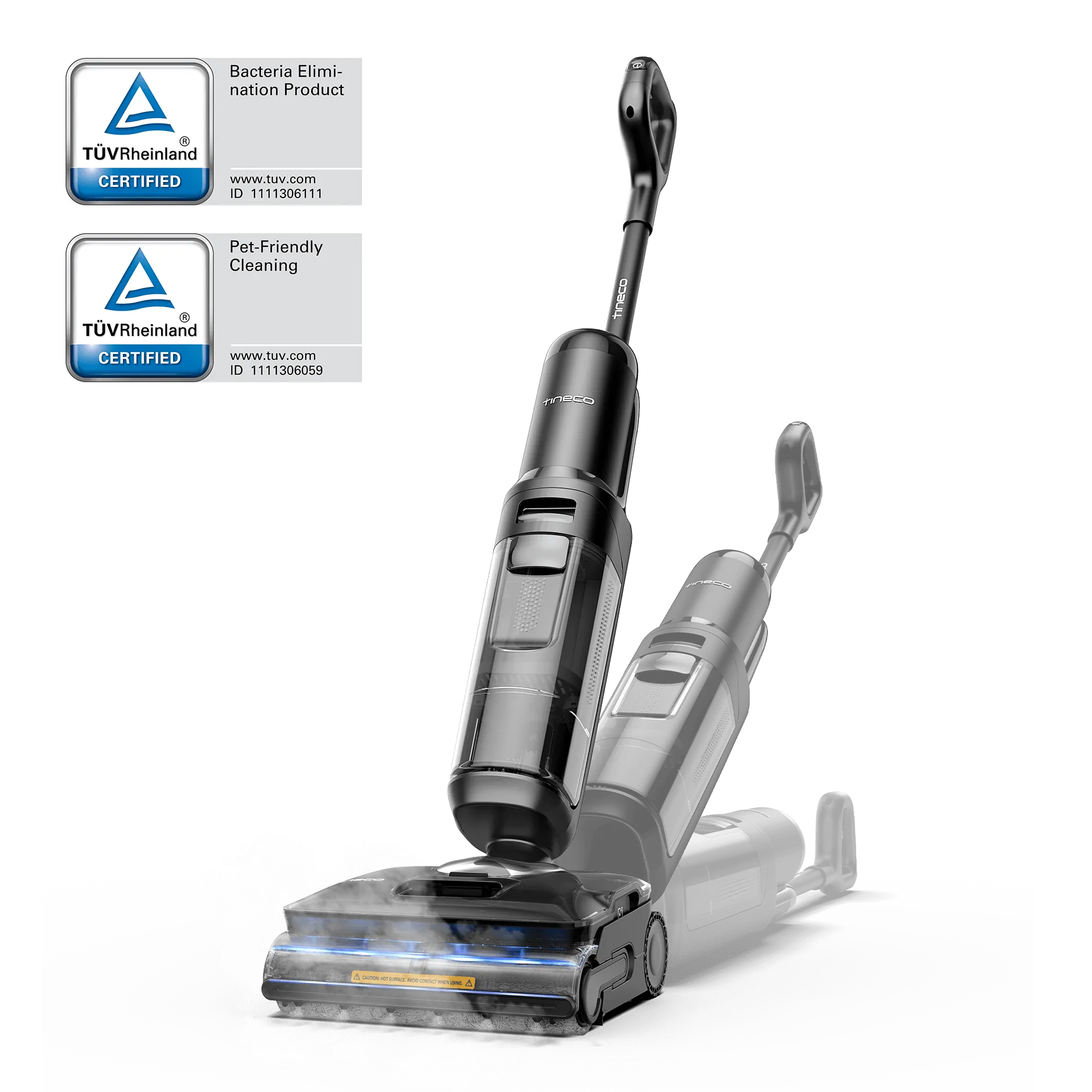
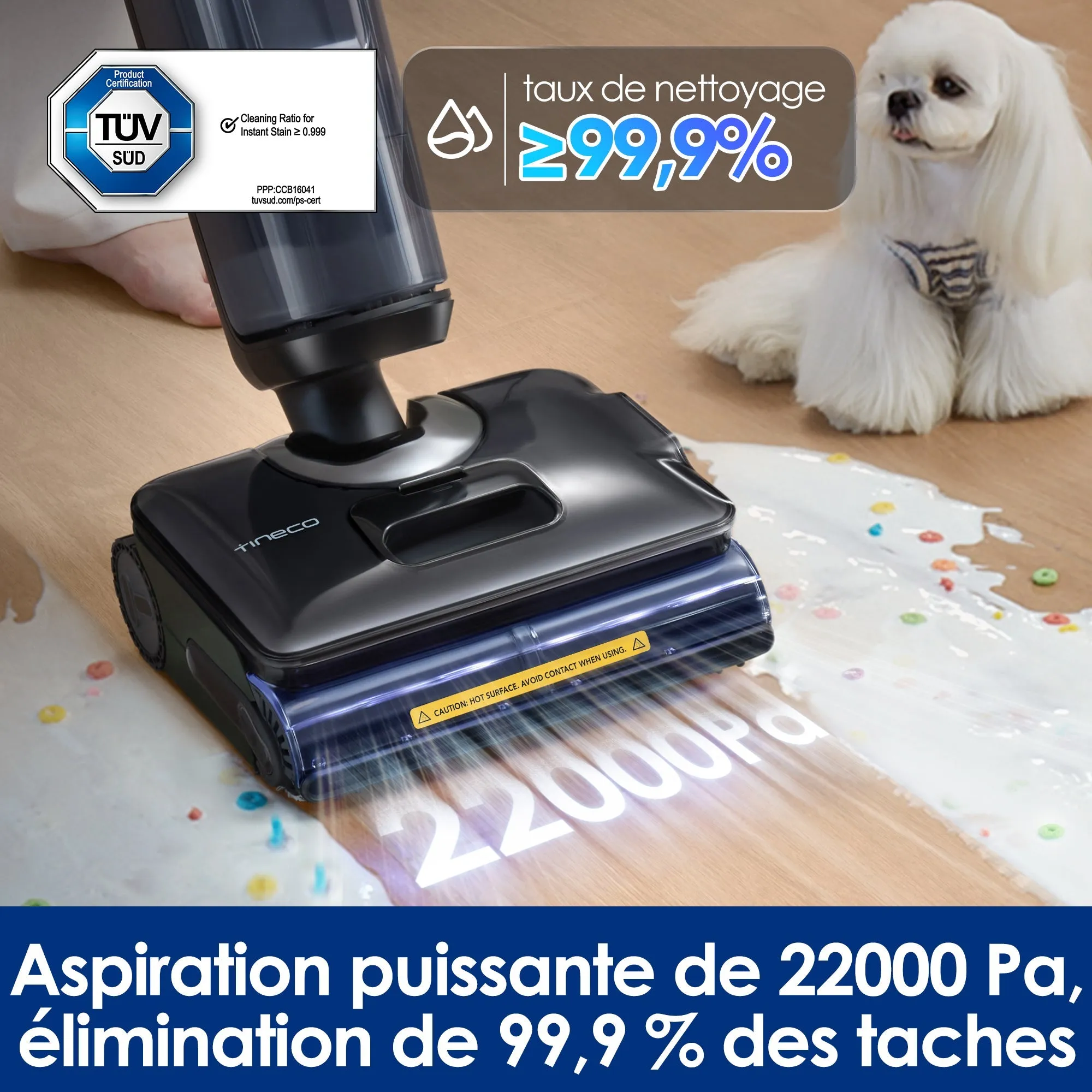
Wet and dry stick vacuums Tineco
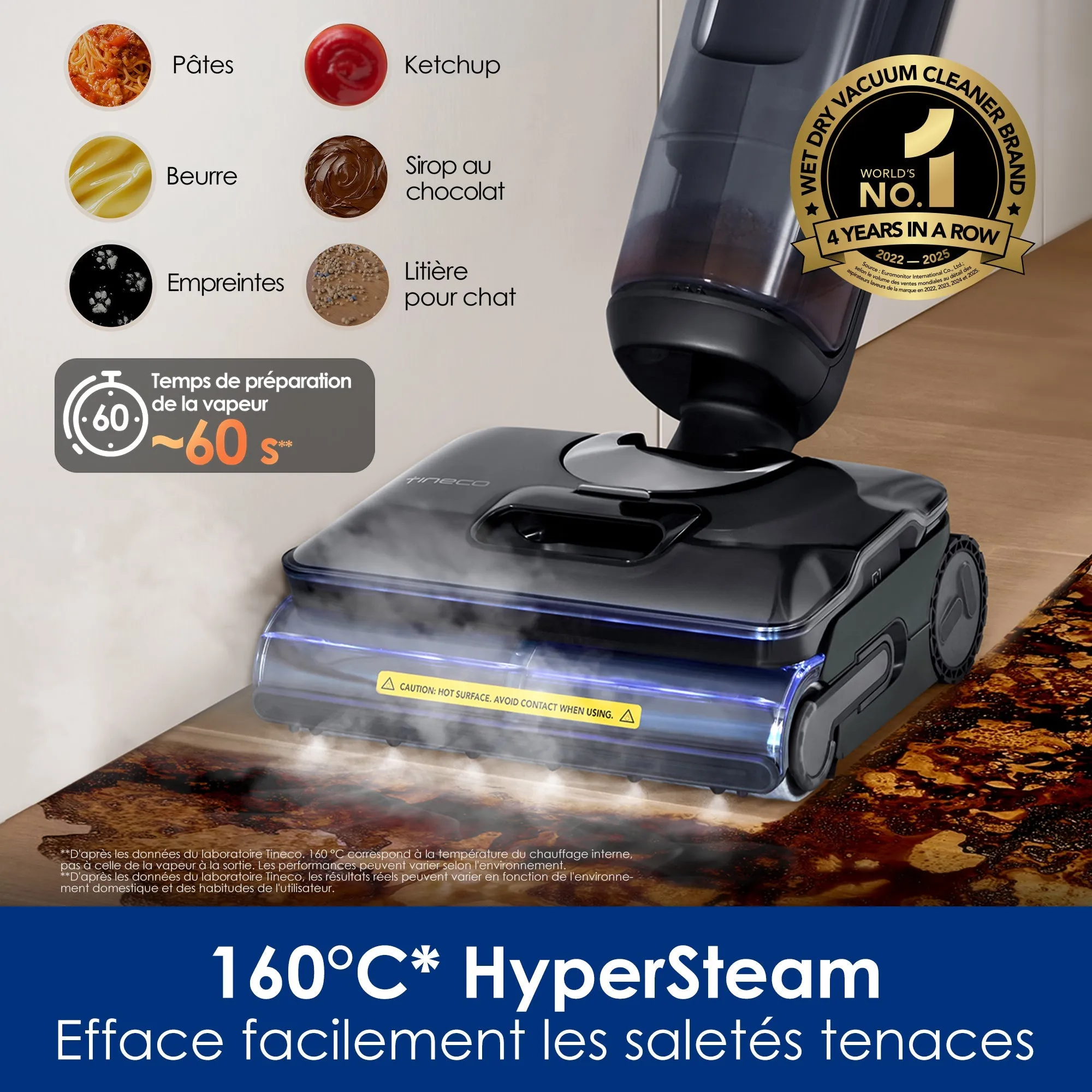
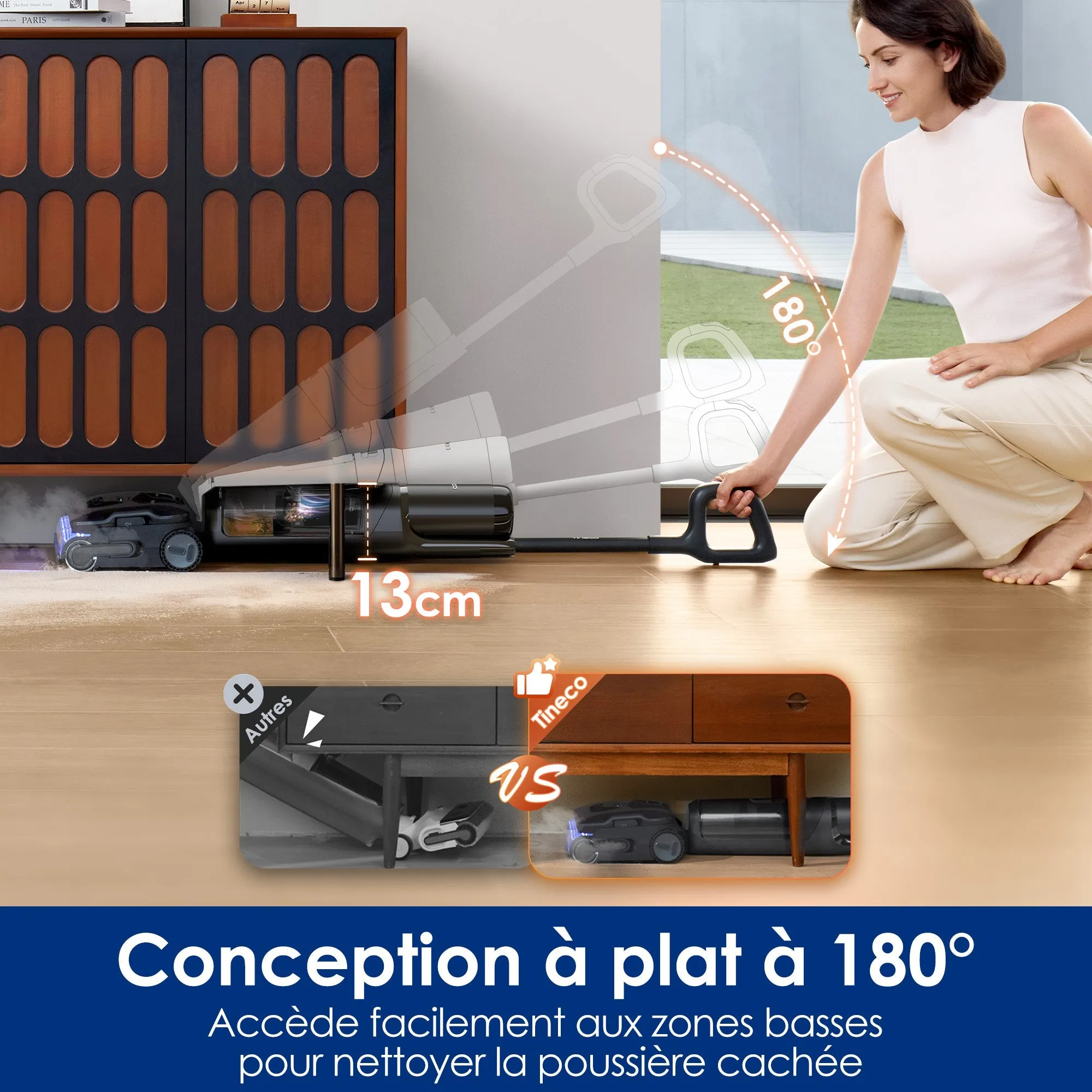
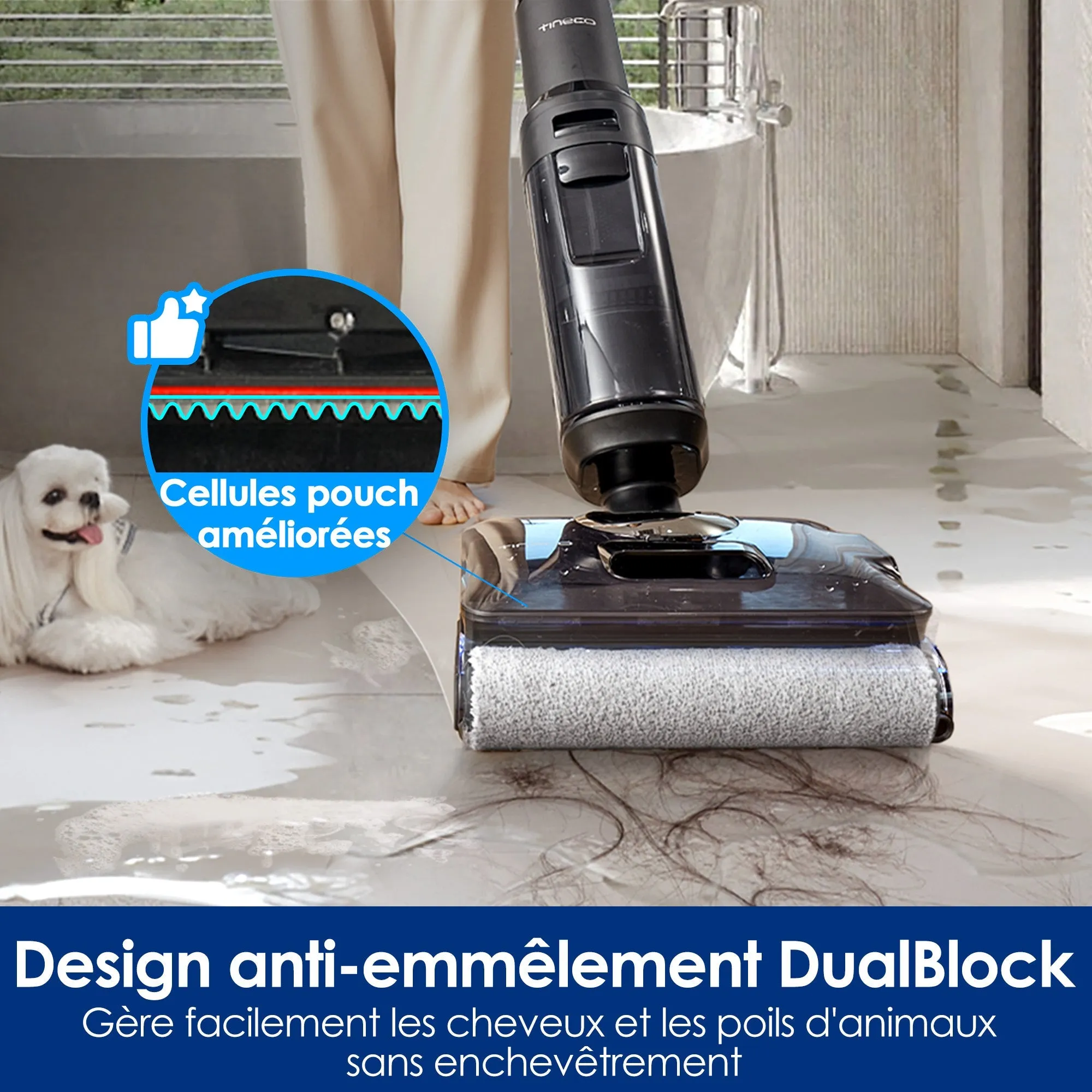
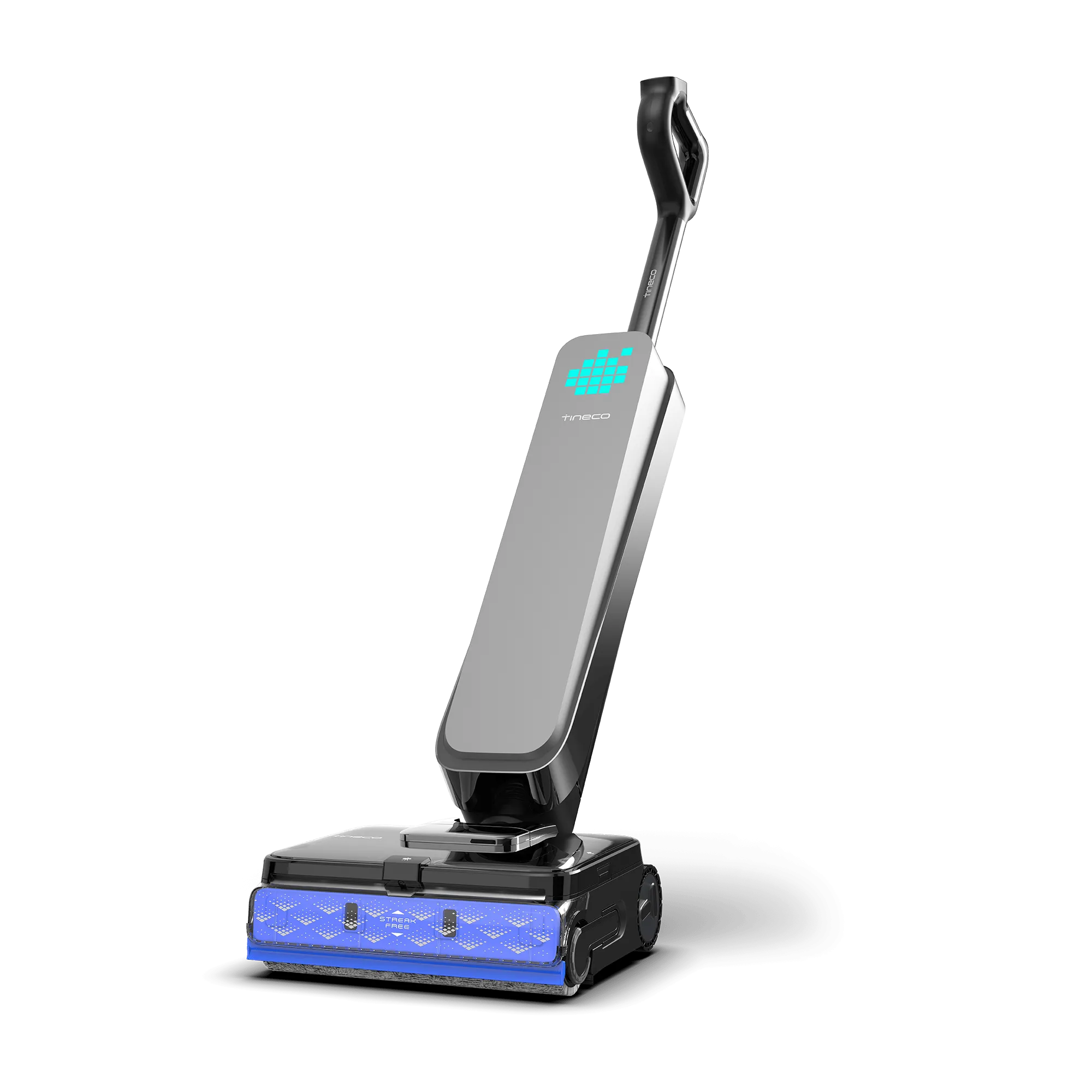
Tineco FLOOR ONE S7 Stretch Steam All-in-One Cordless Steam Vacuum Mop
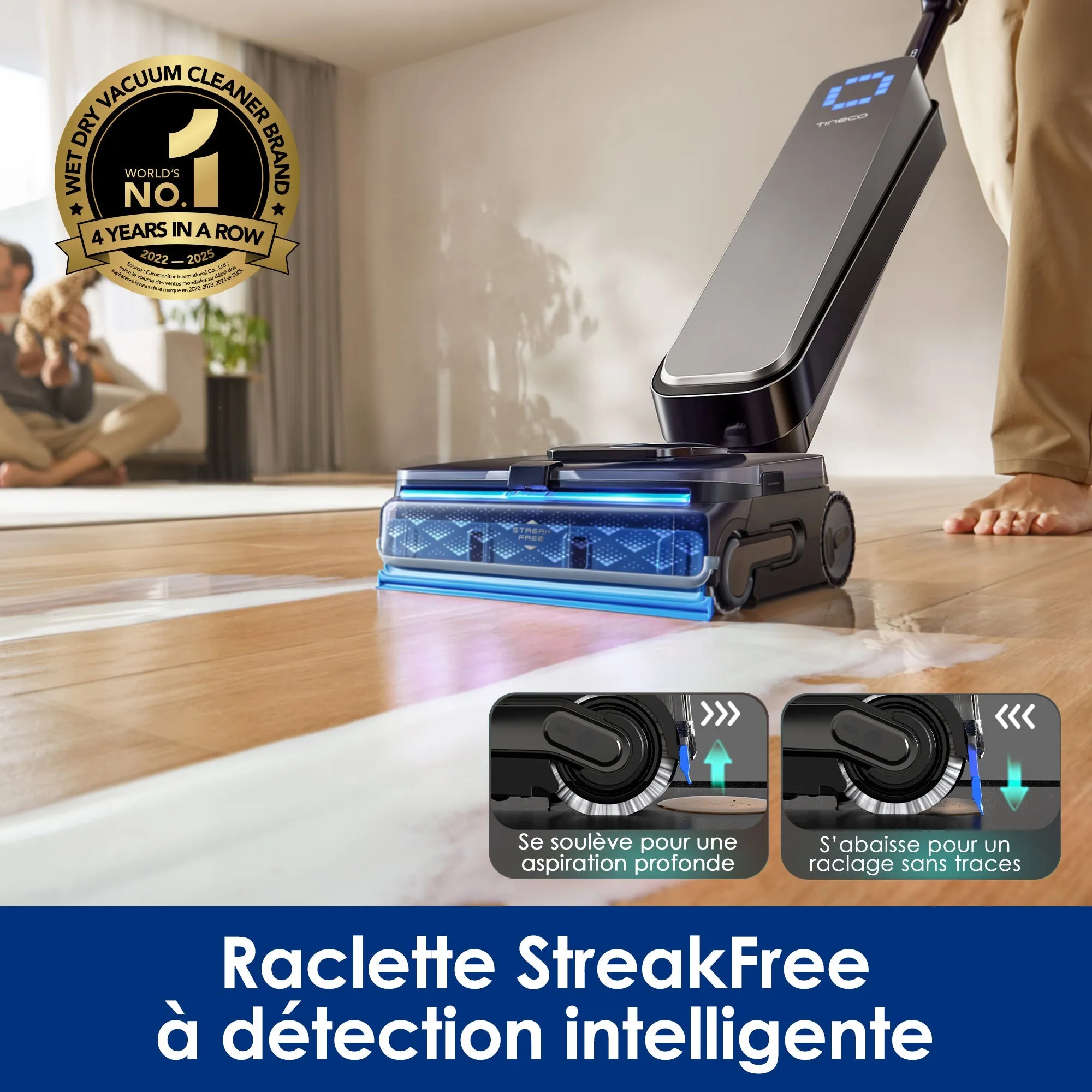
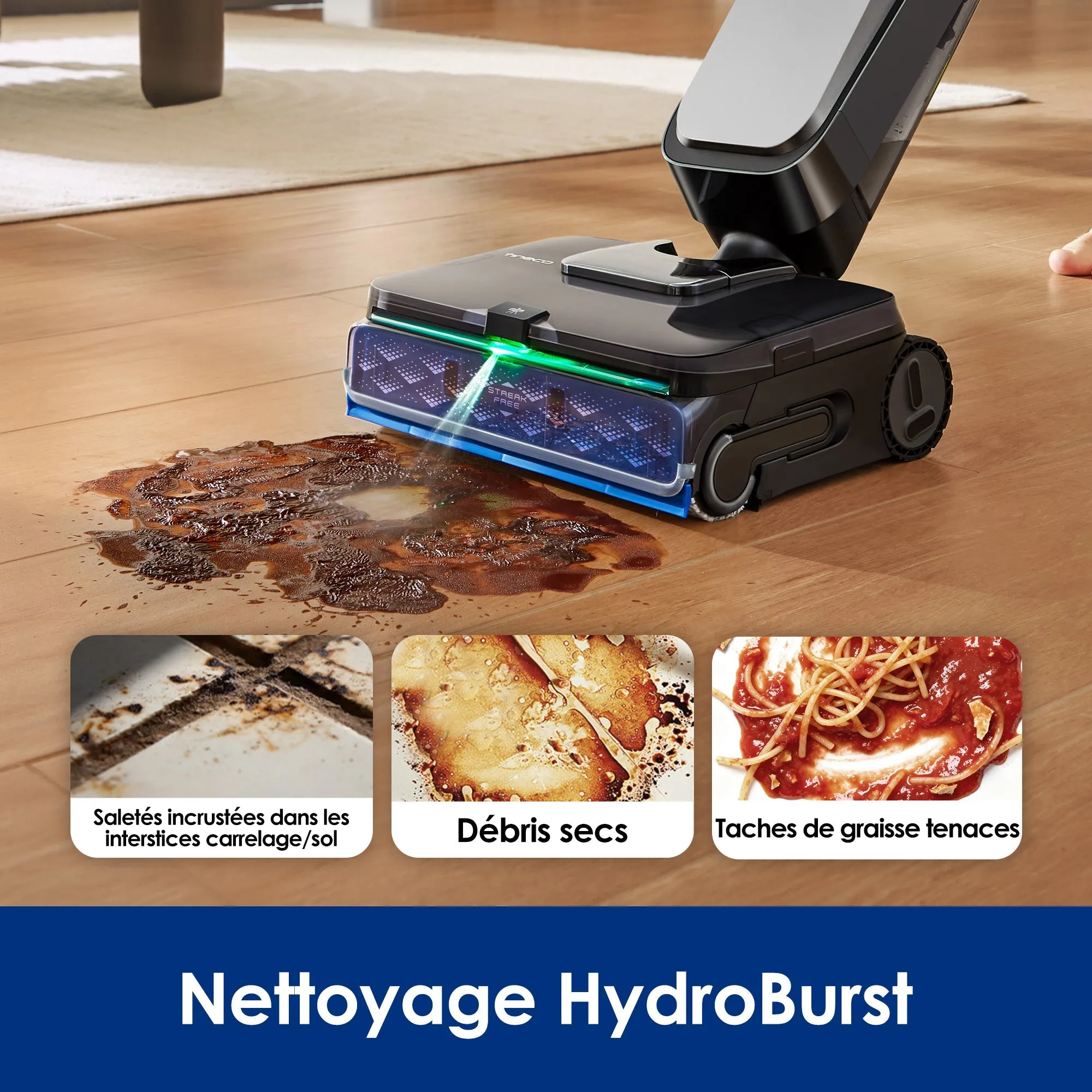
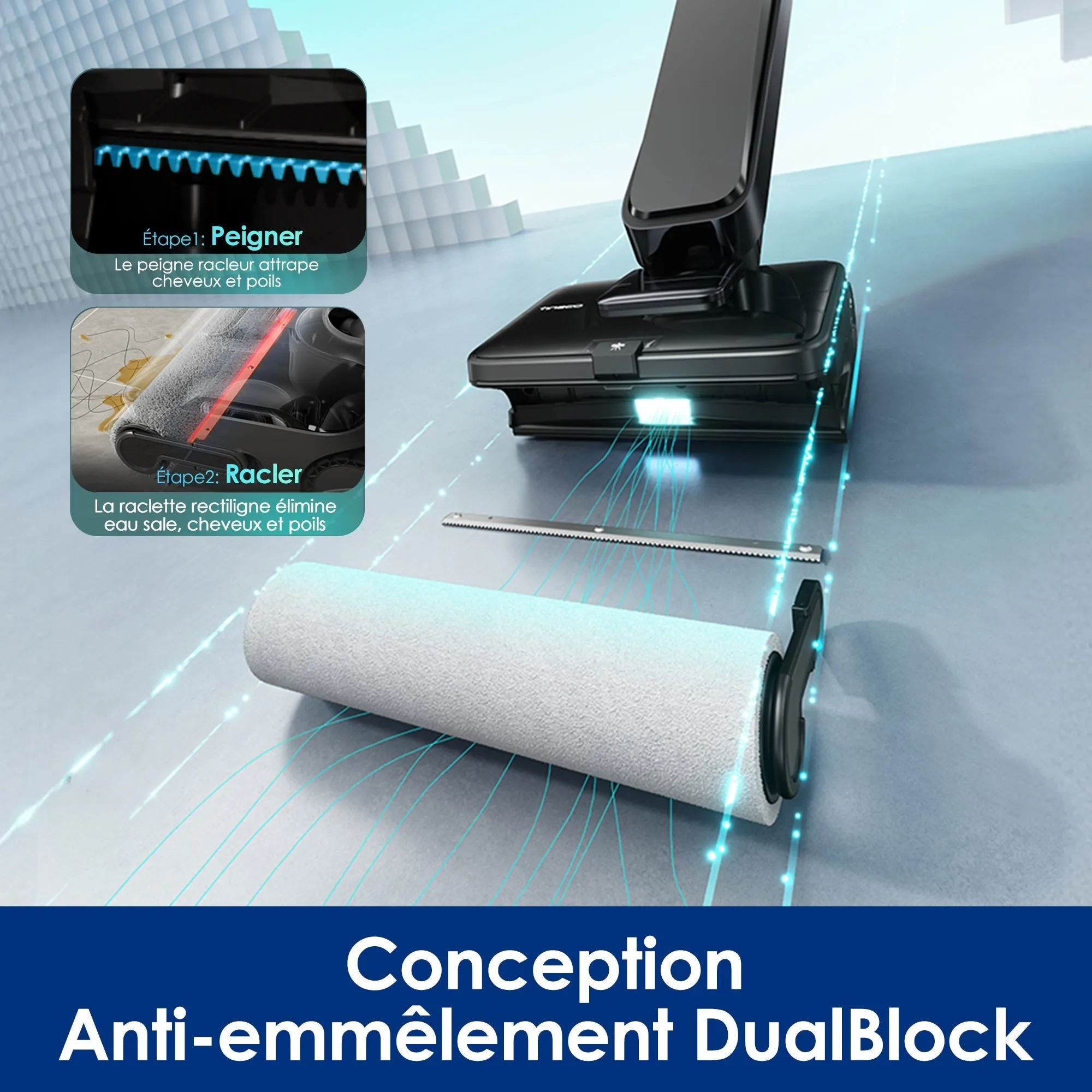
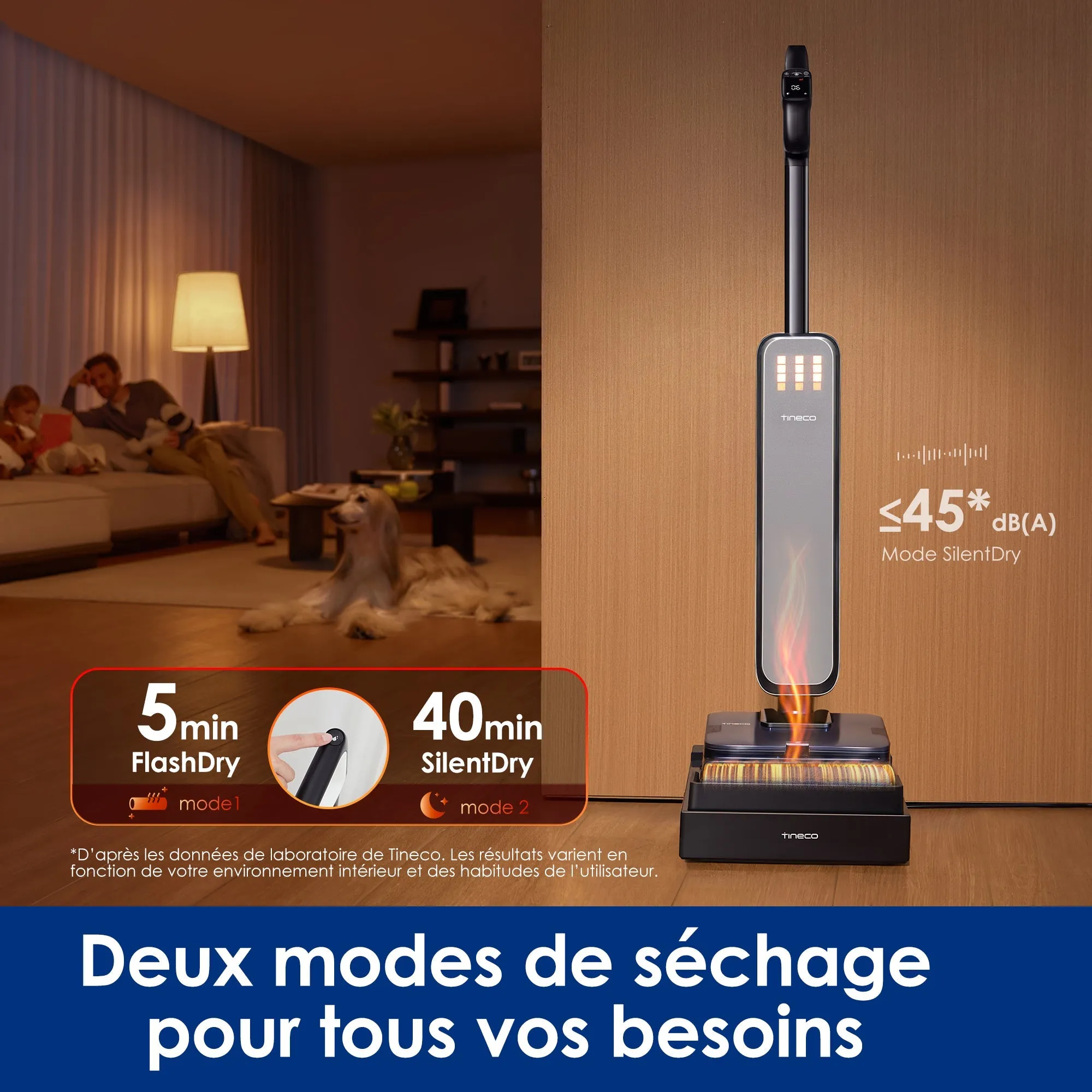
Wet and dry stick vacuums Tineco
Tineco Floor One S9 Scientist Vacuum Cleaner Mop
Wet and dry stick vacuums Tineco
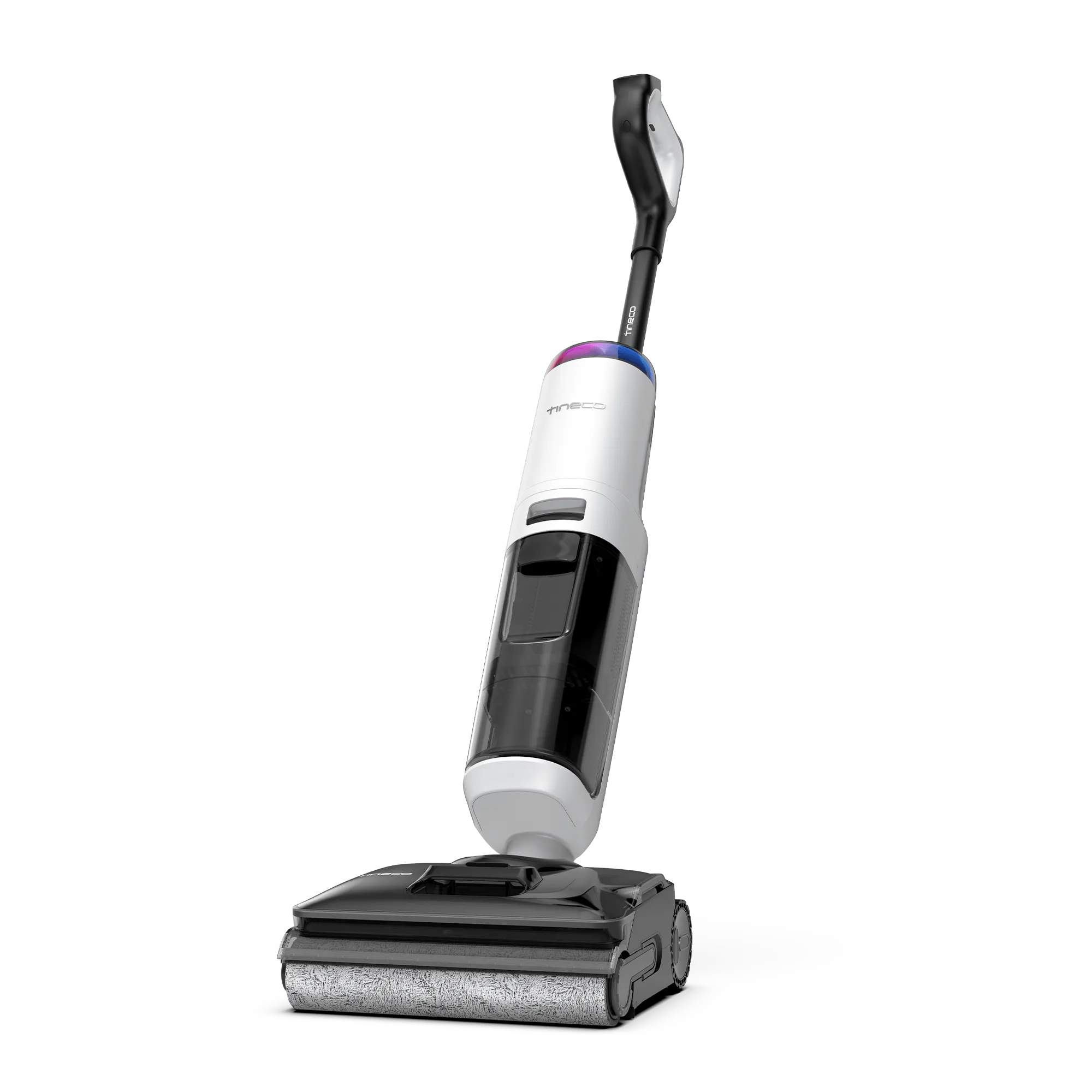
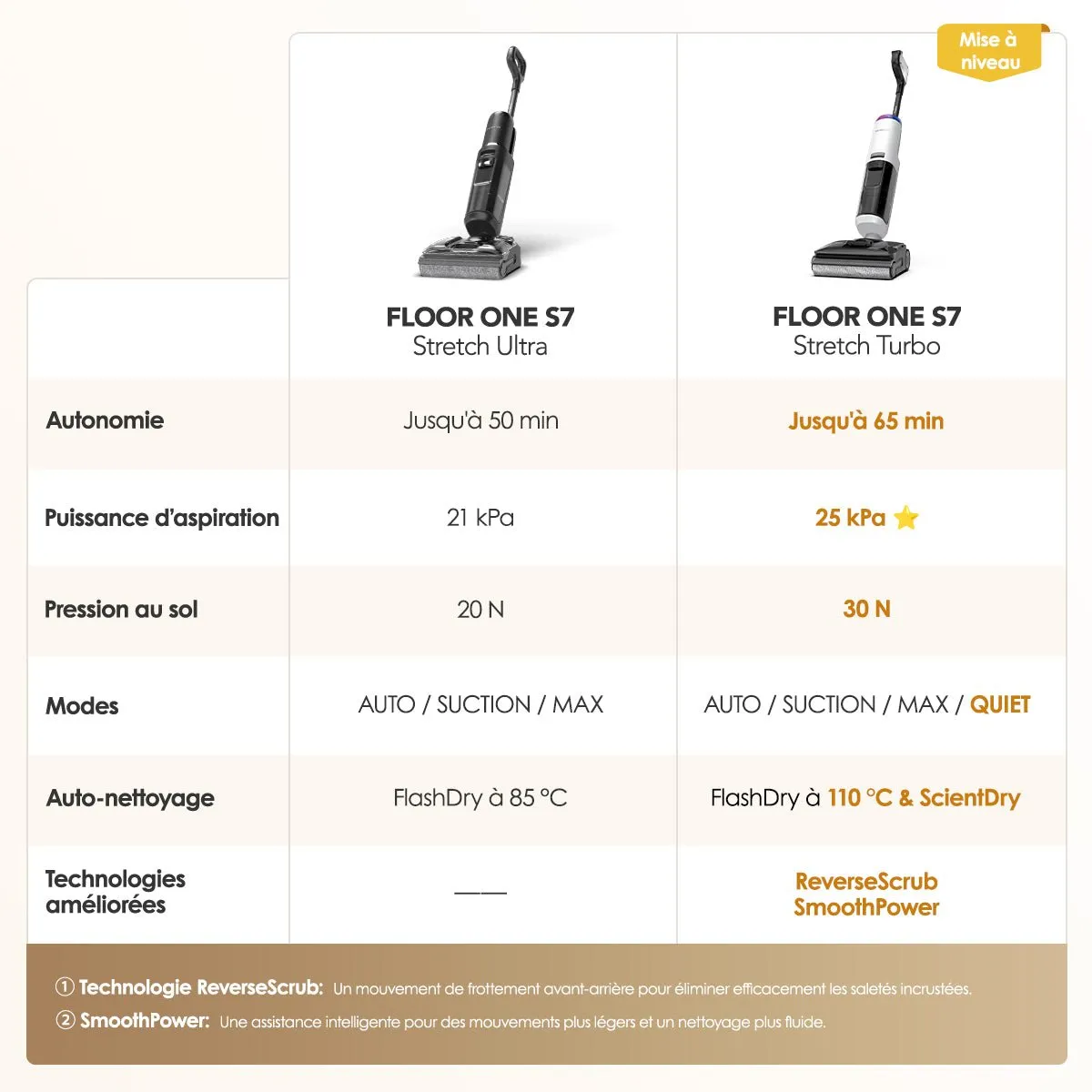
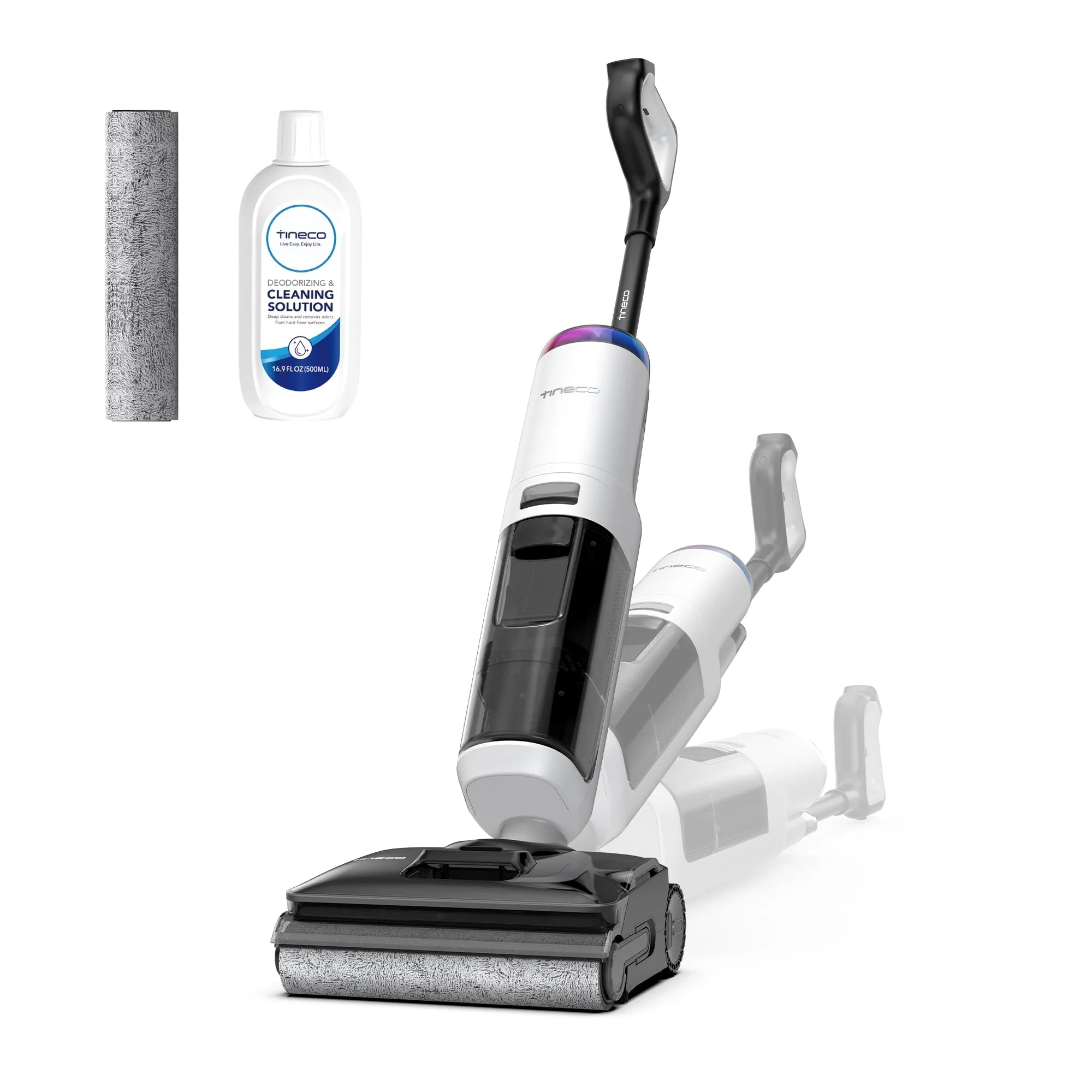
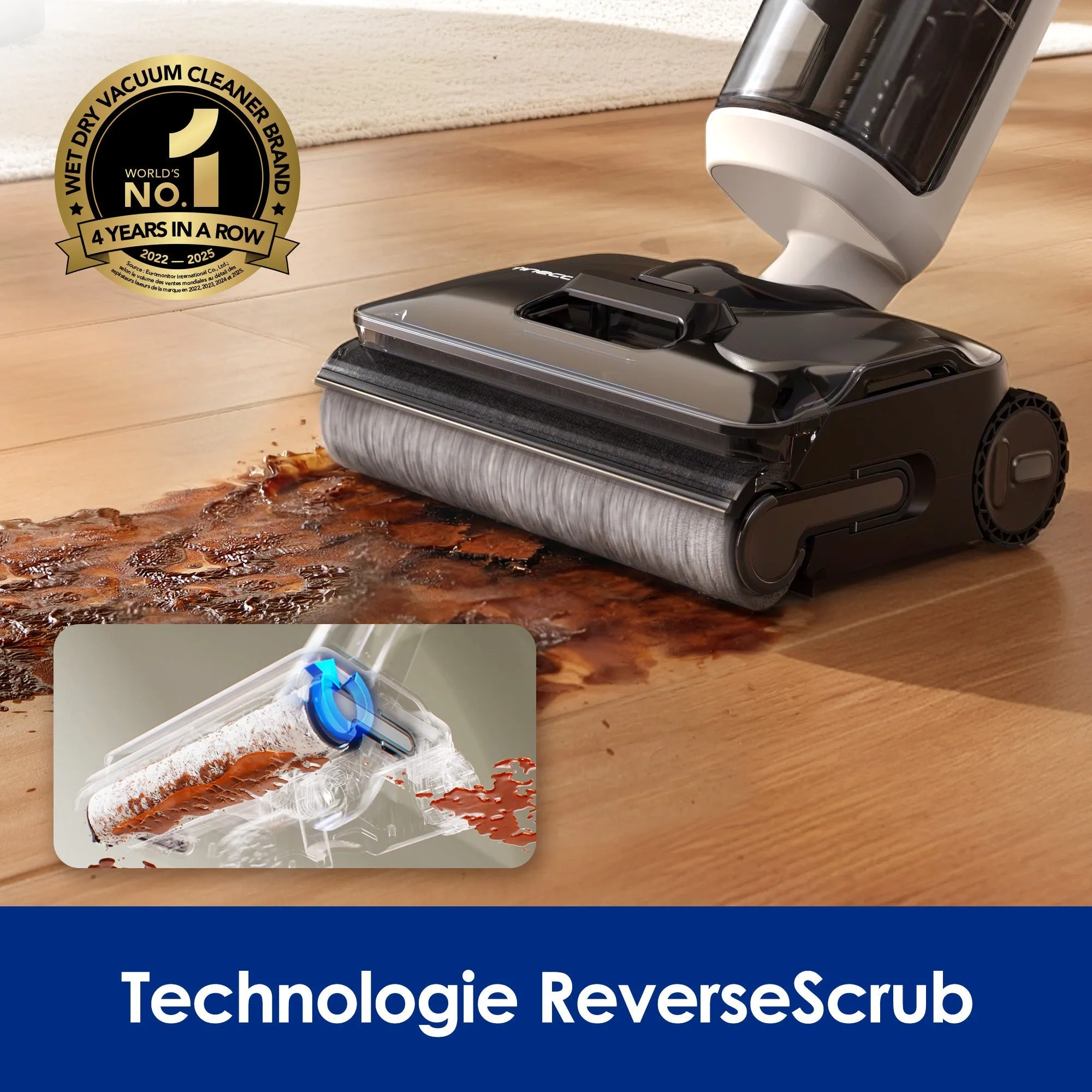
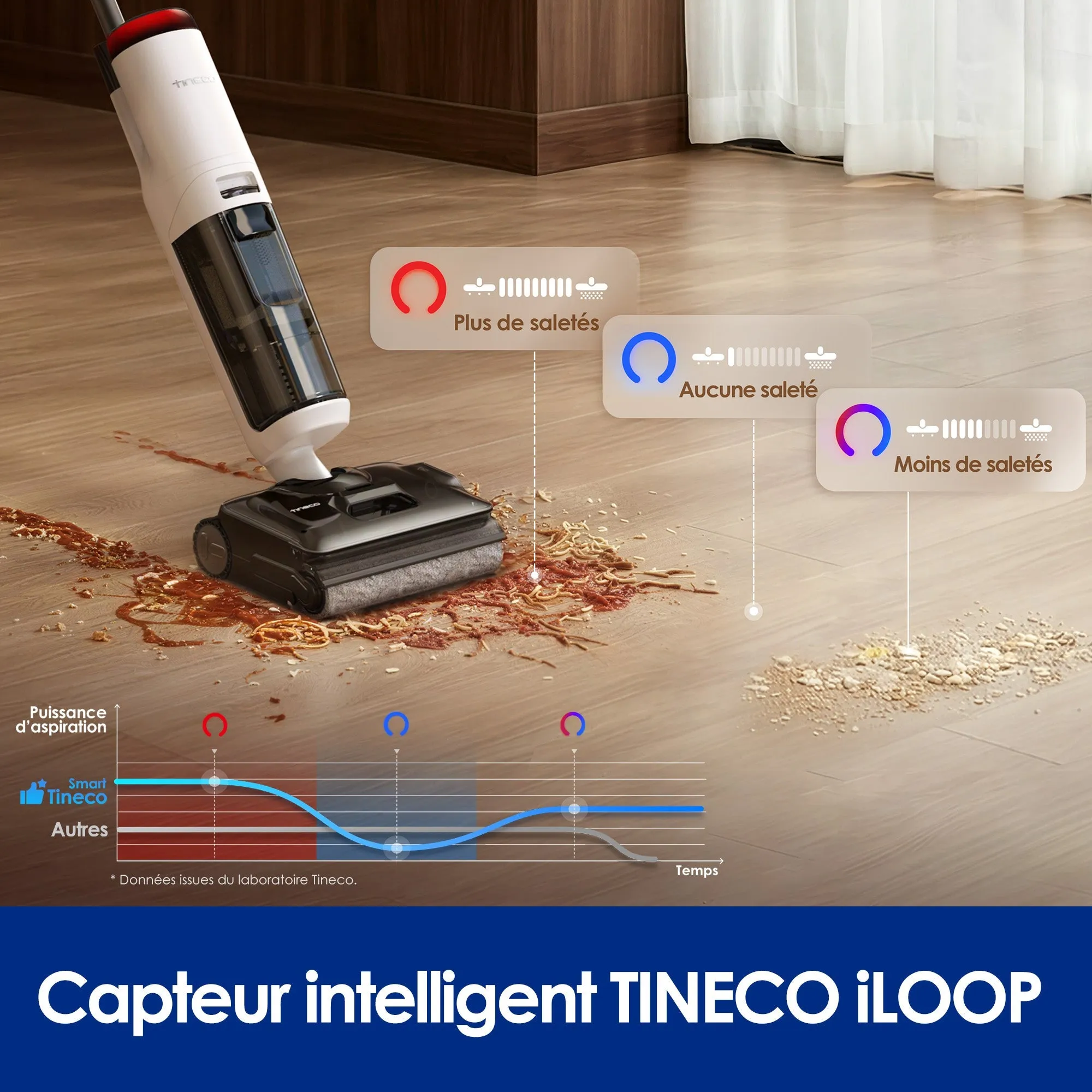
Tineco FLOOR ONE S7 Stretch Turbo Vacuum Cleaner
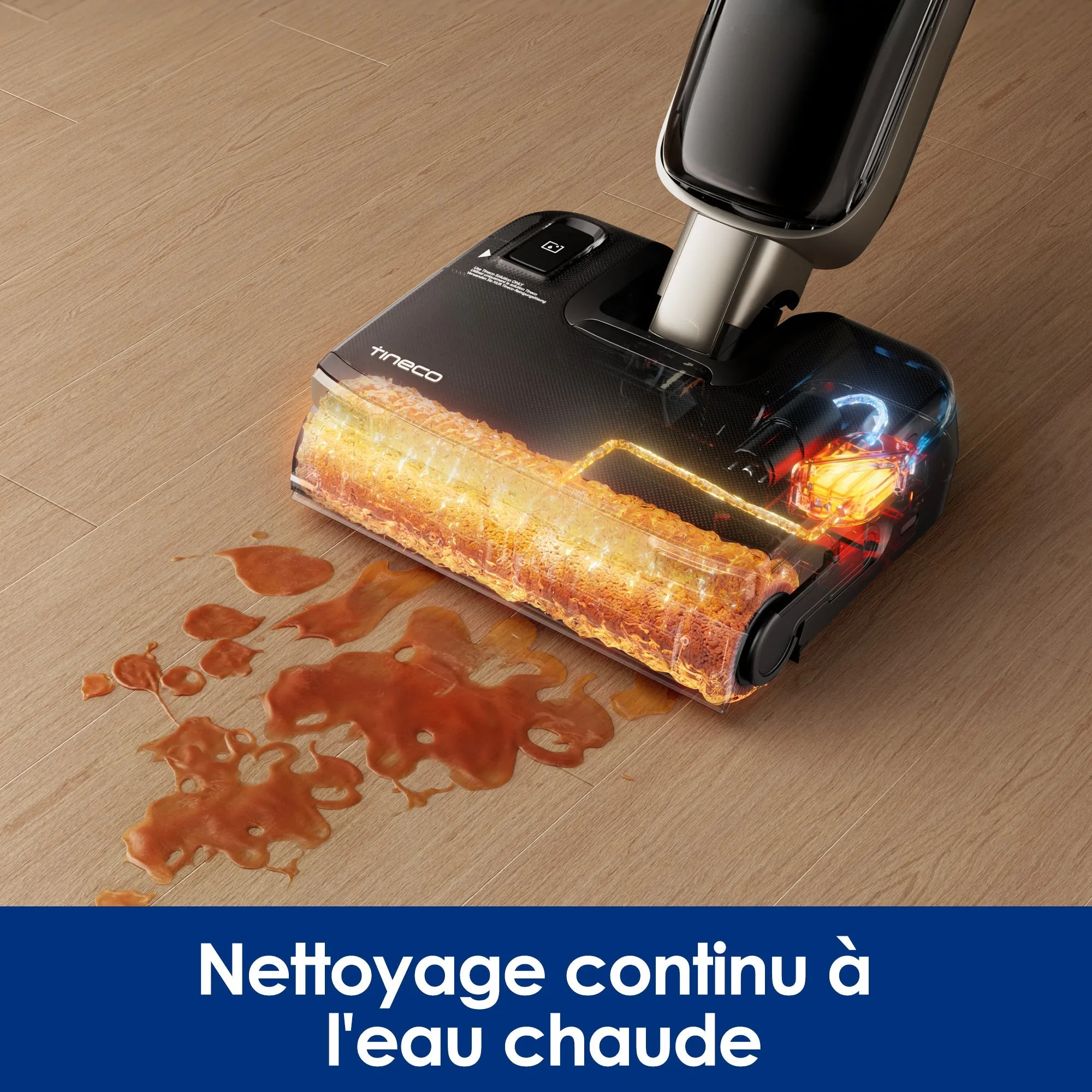
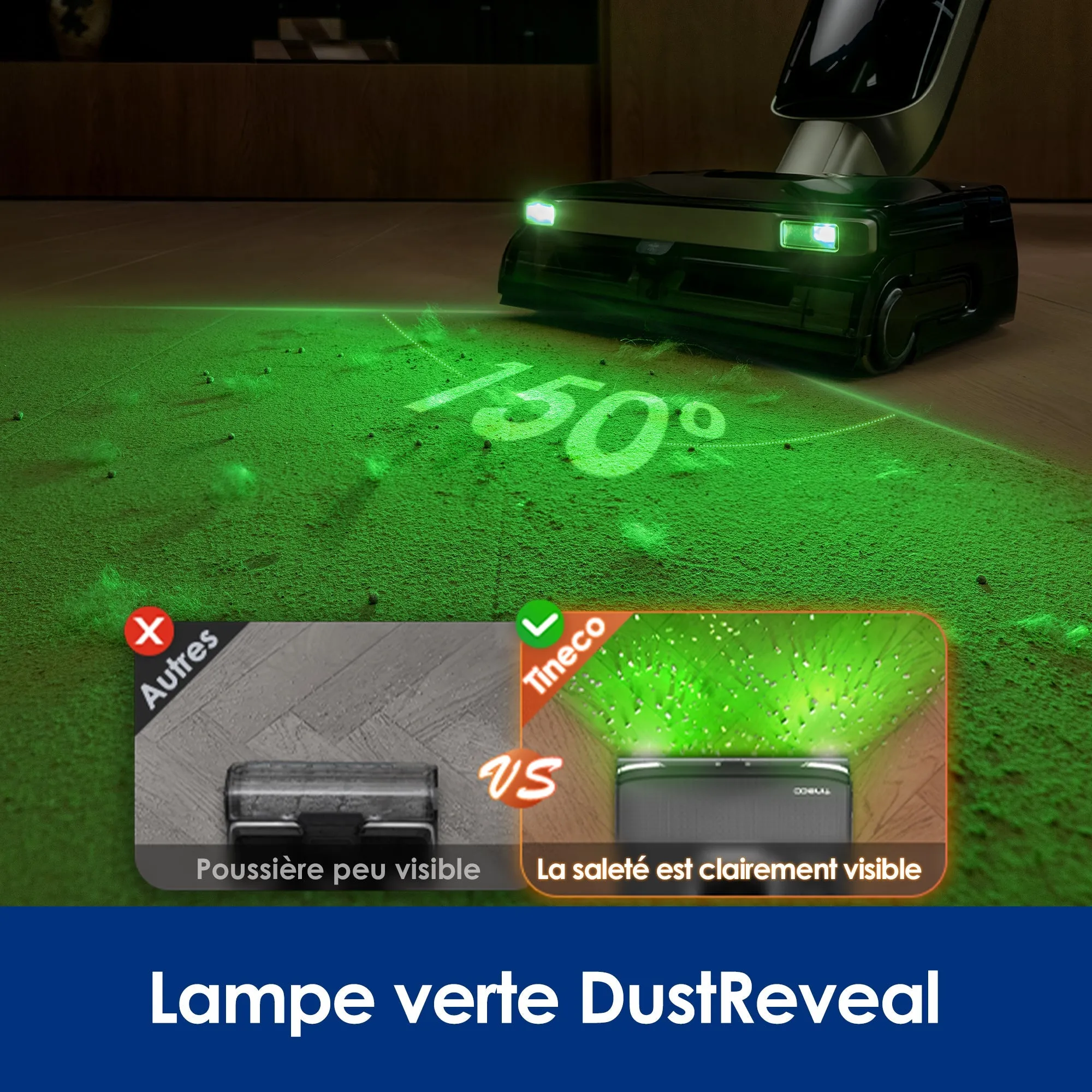
Wet and dry stick vacuums Tineco
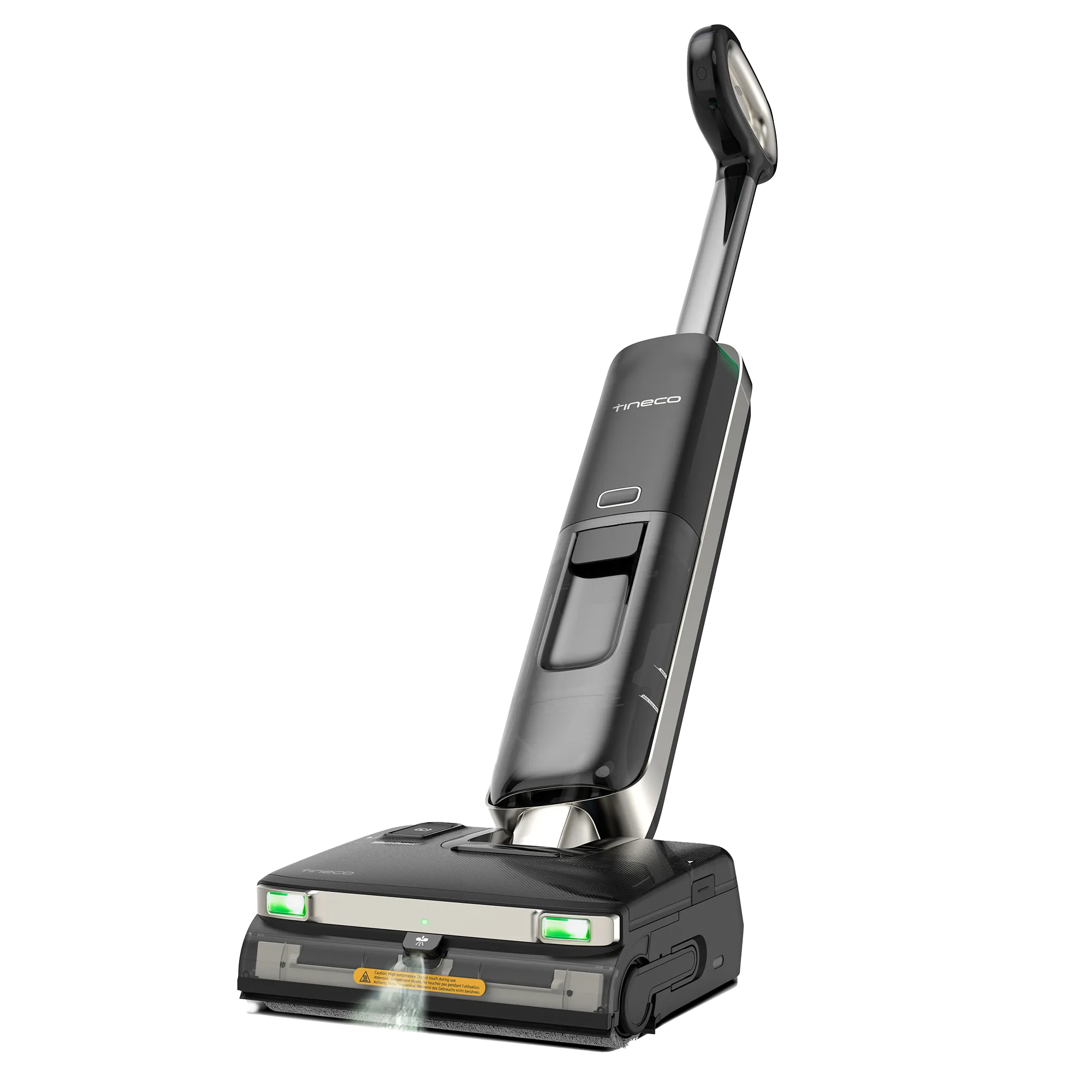
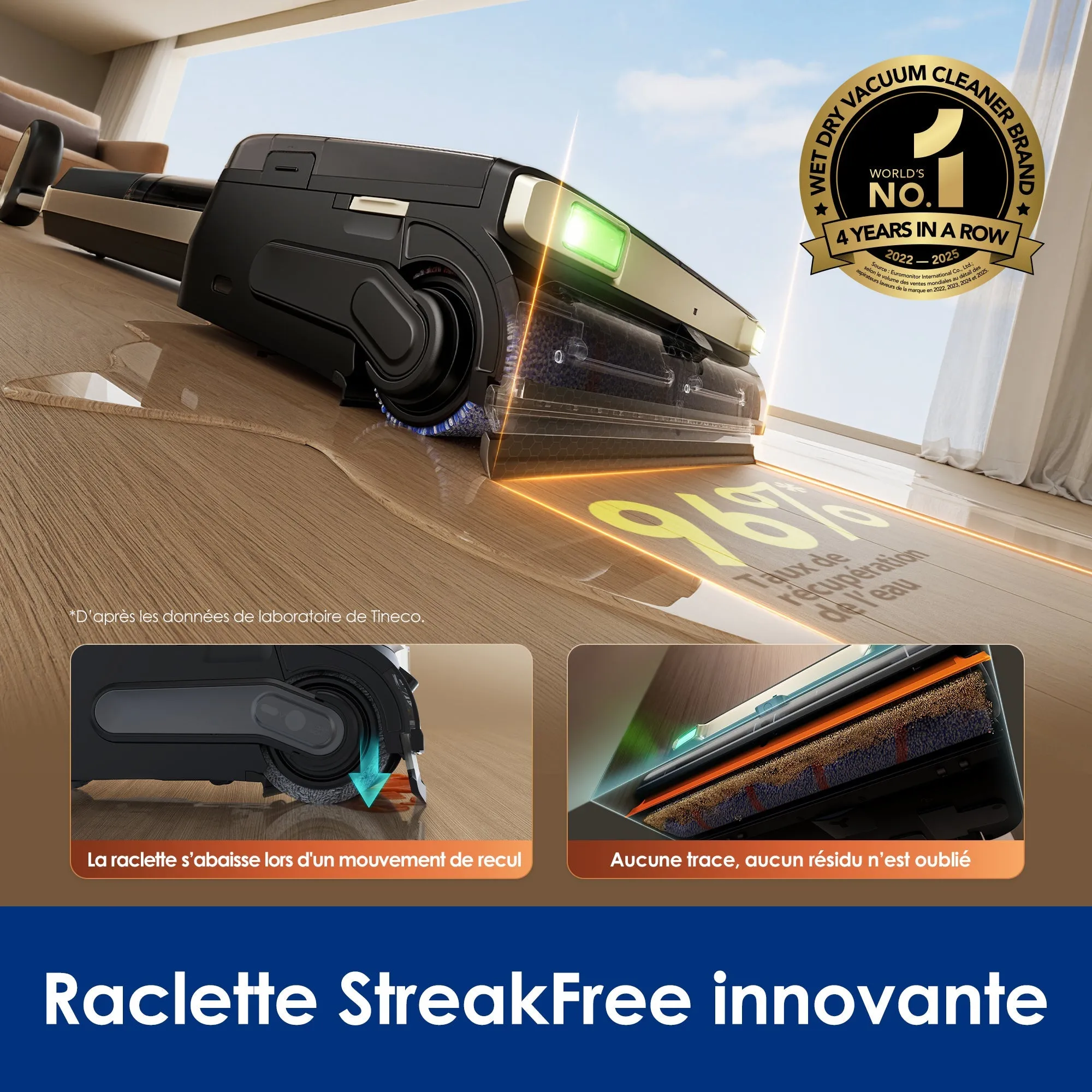
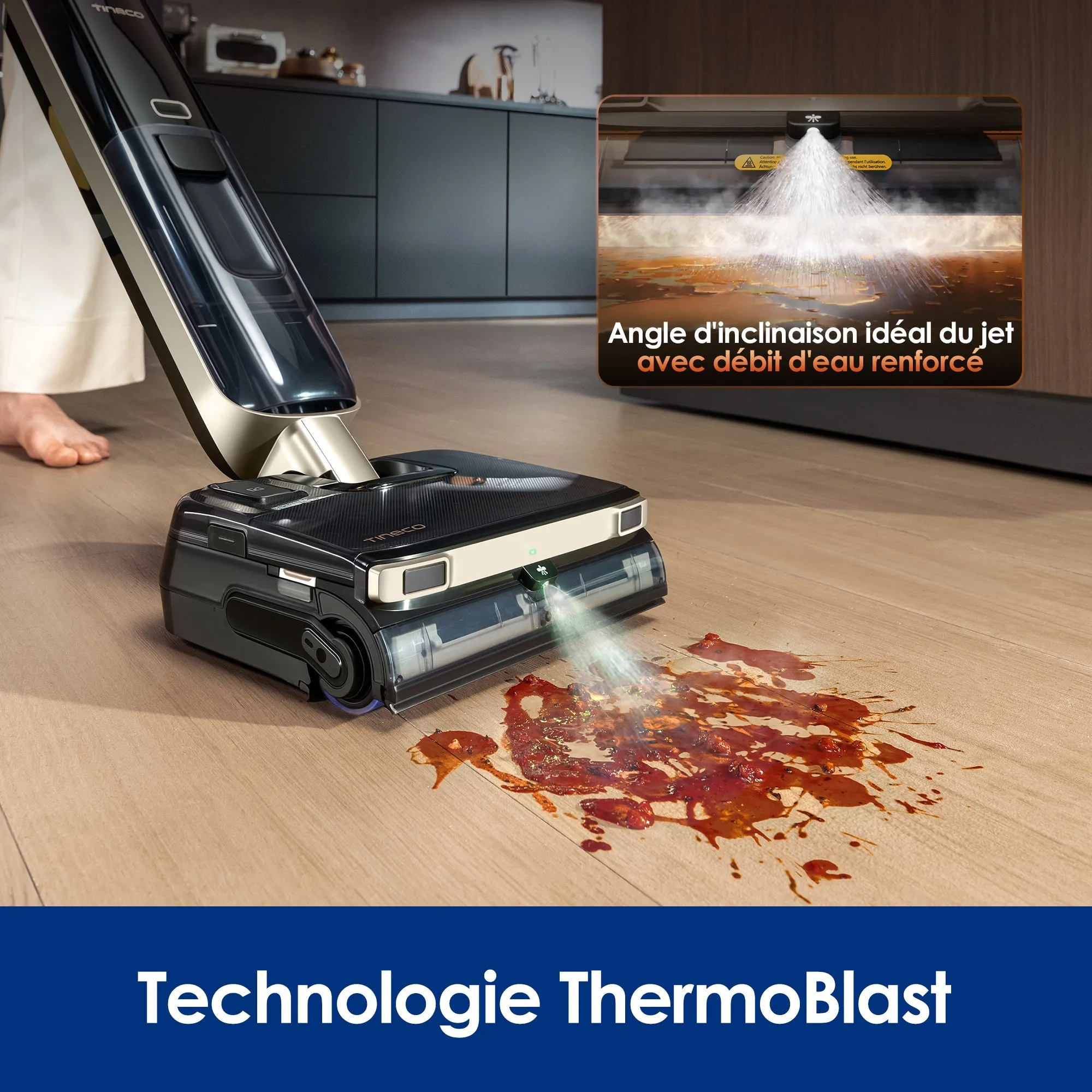
Tineco Floor One S9 Master Vacuum Cleaner Mop
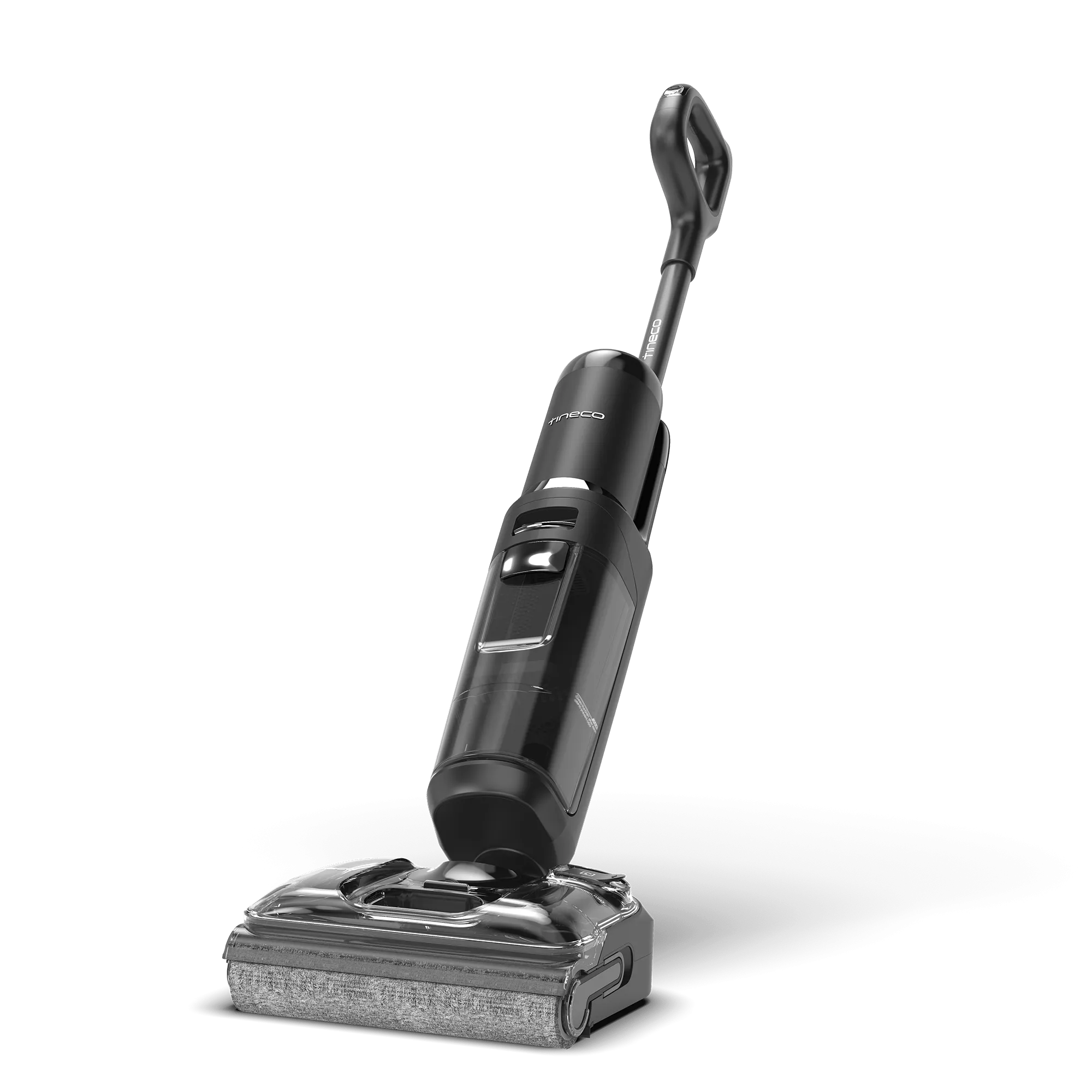
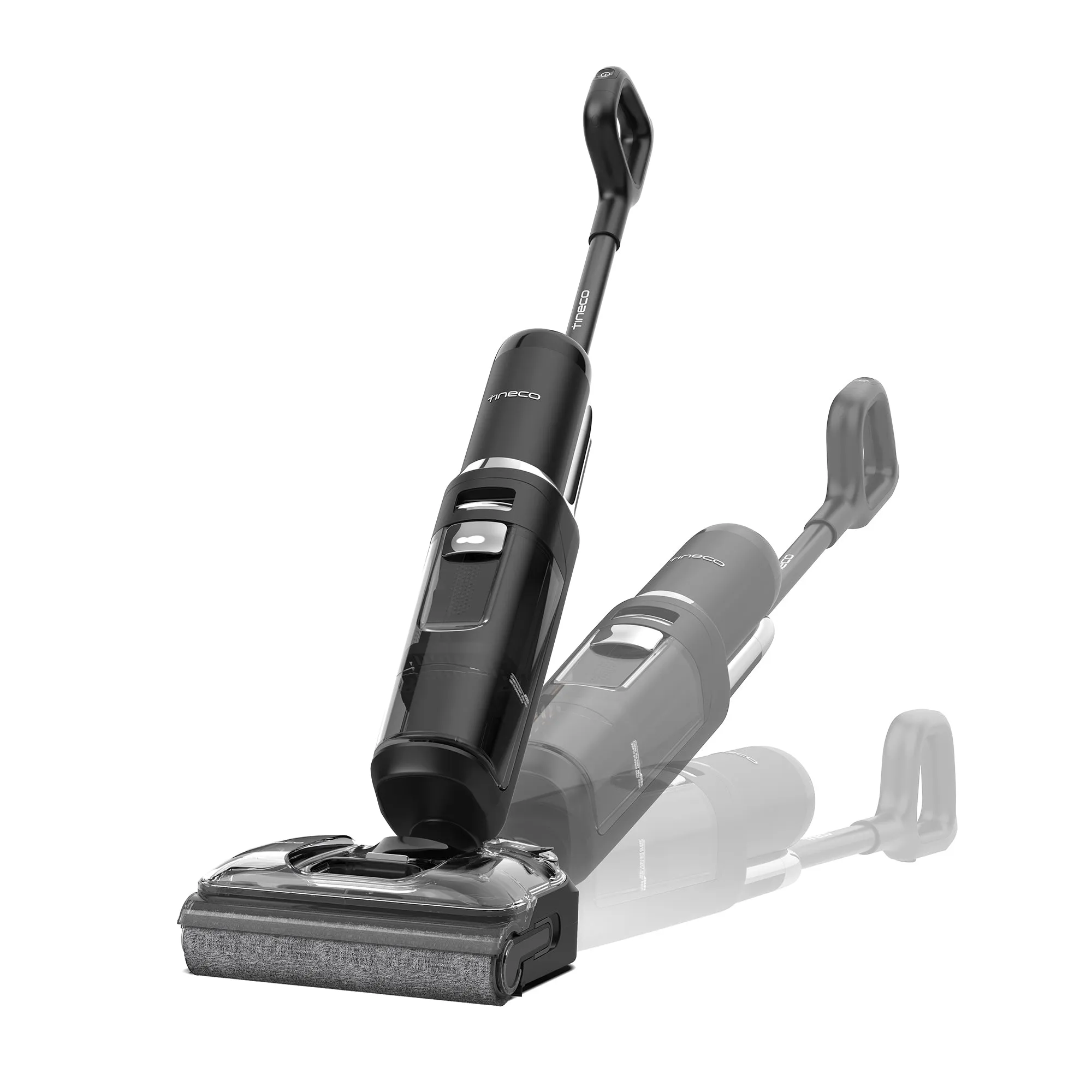
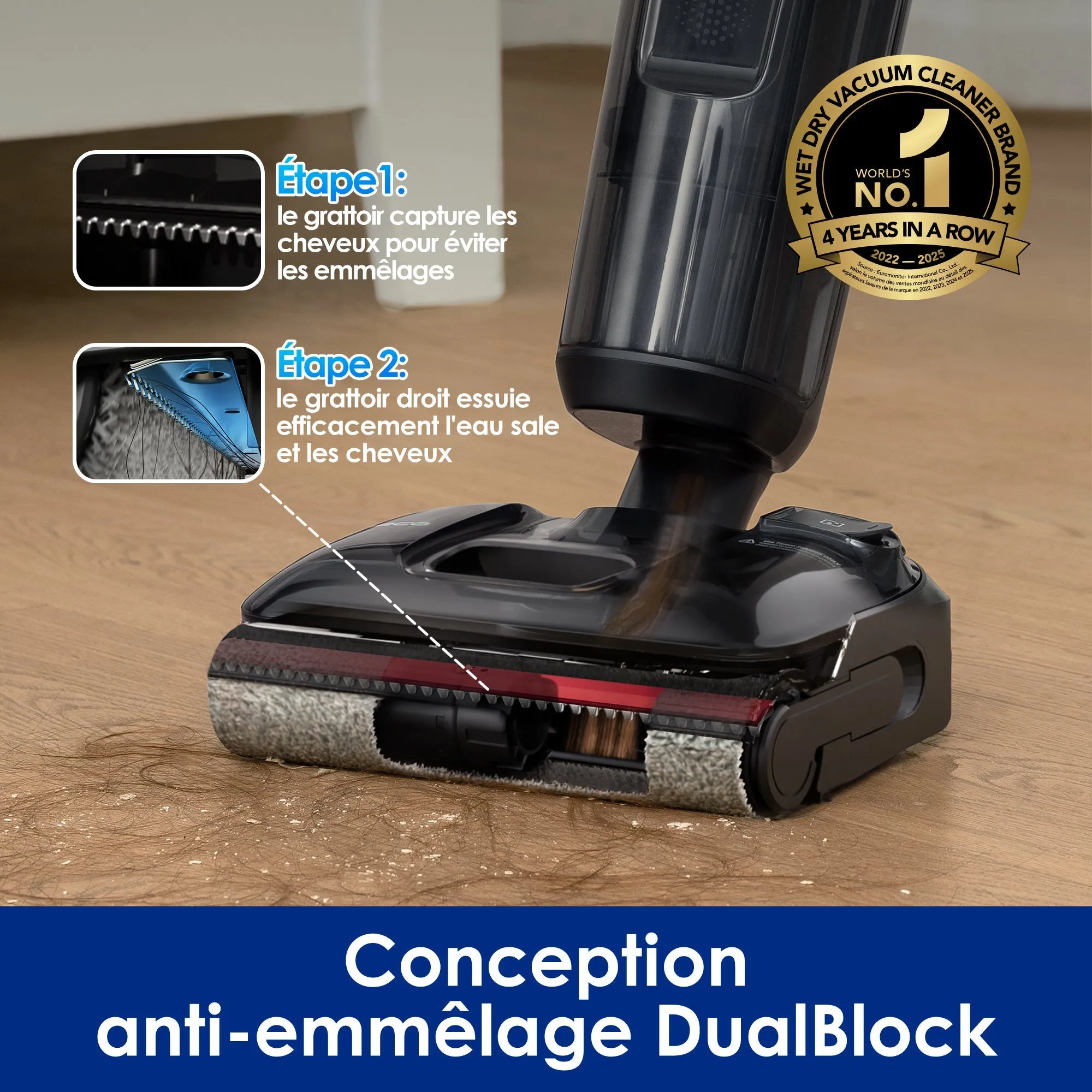
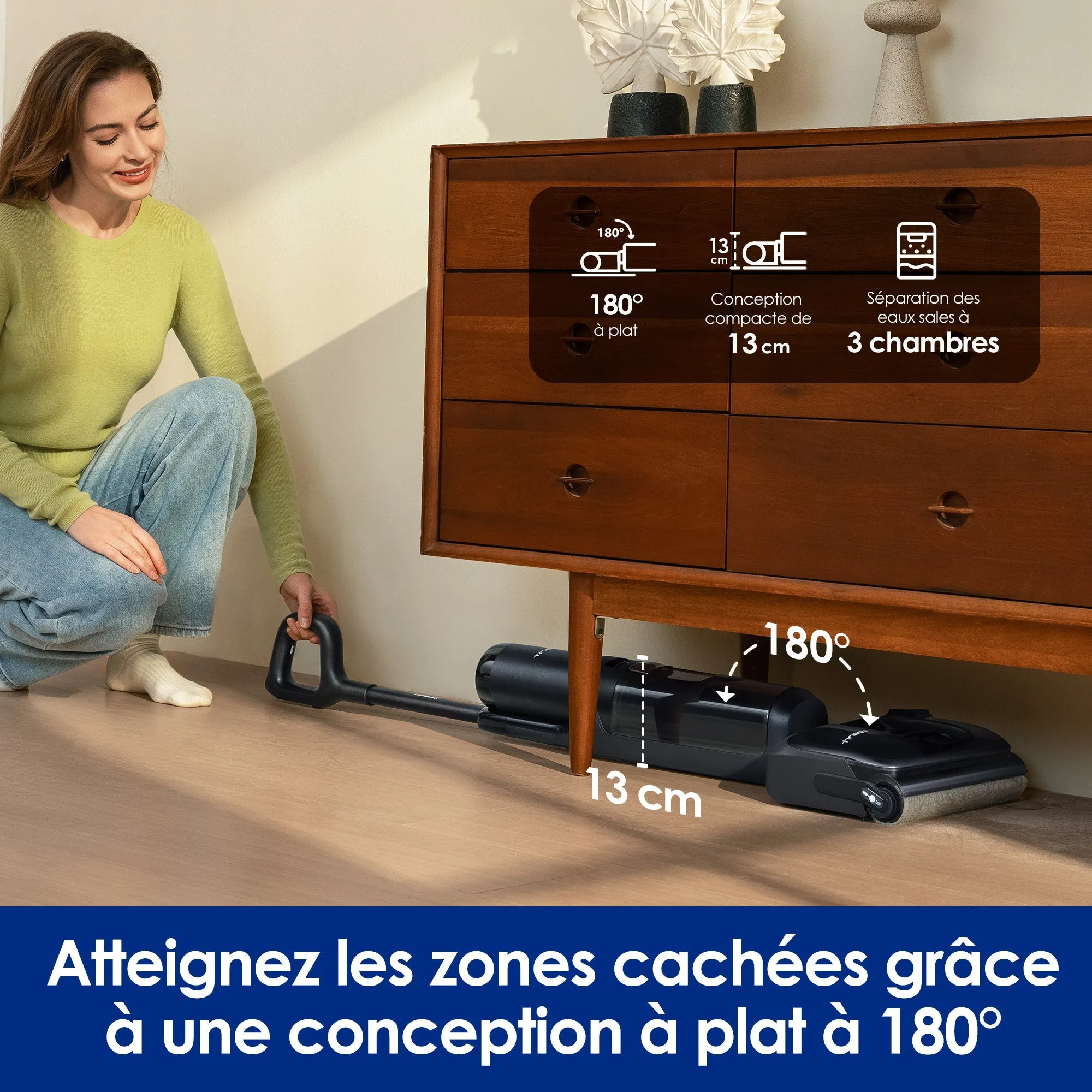
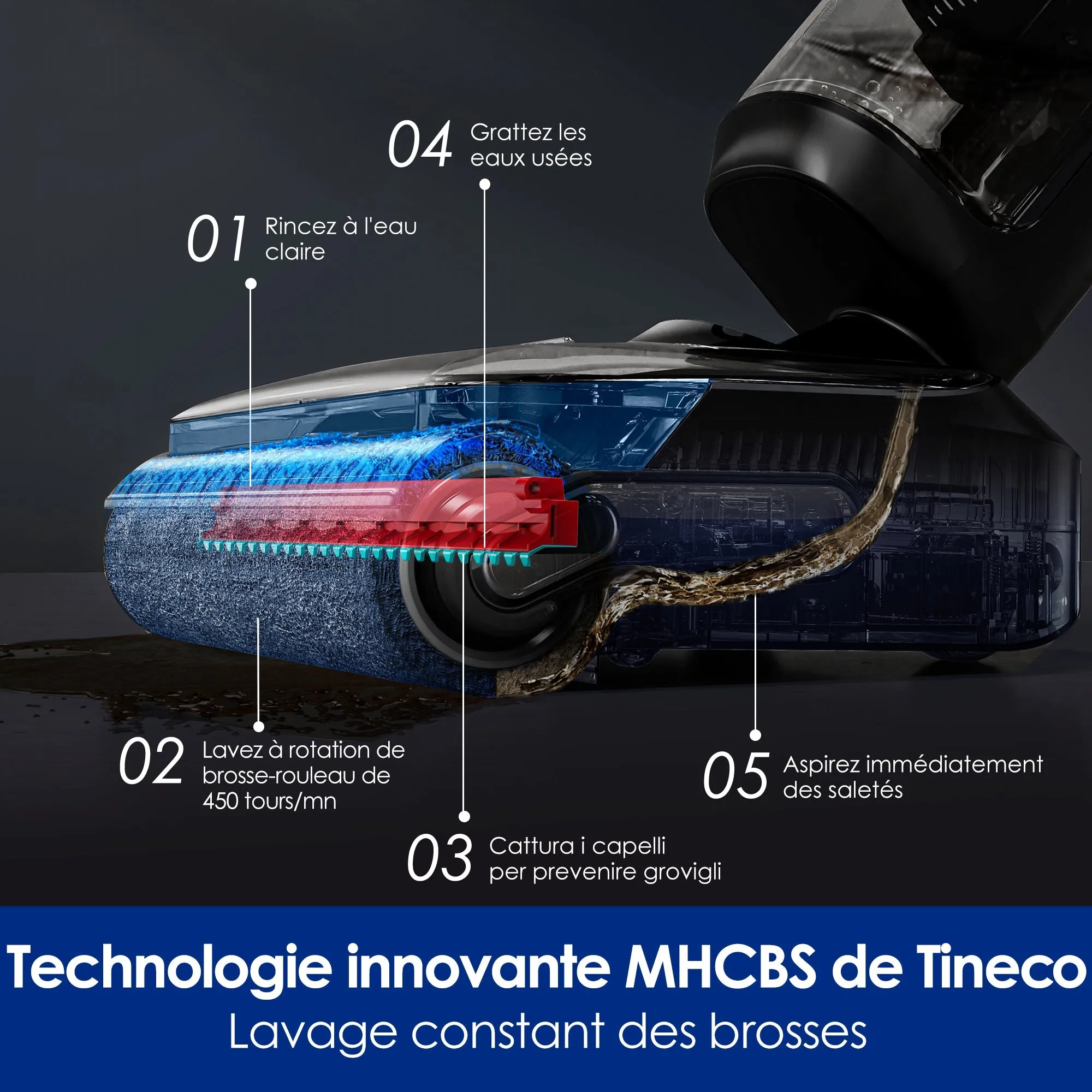
Wet and dry stick vacuums Tineco
Tineco Floor ONE S7 Stretch Ultra Cordless Wet and Dry Vacuum Cleaner
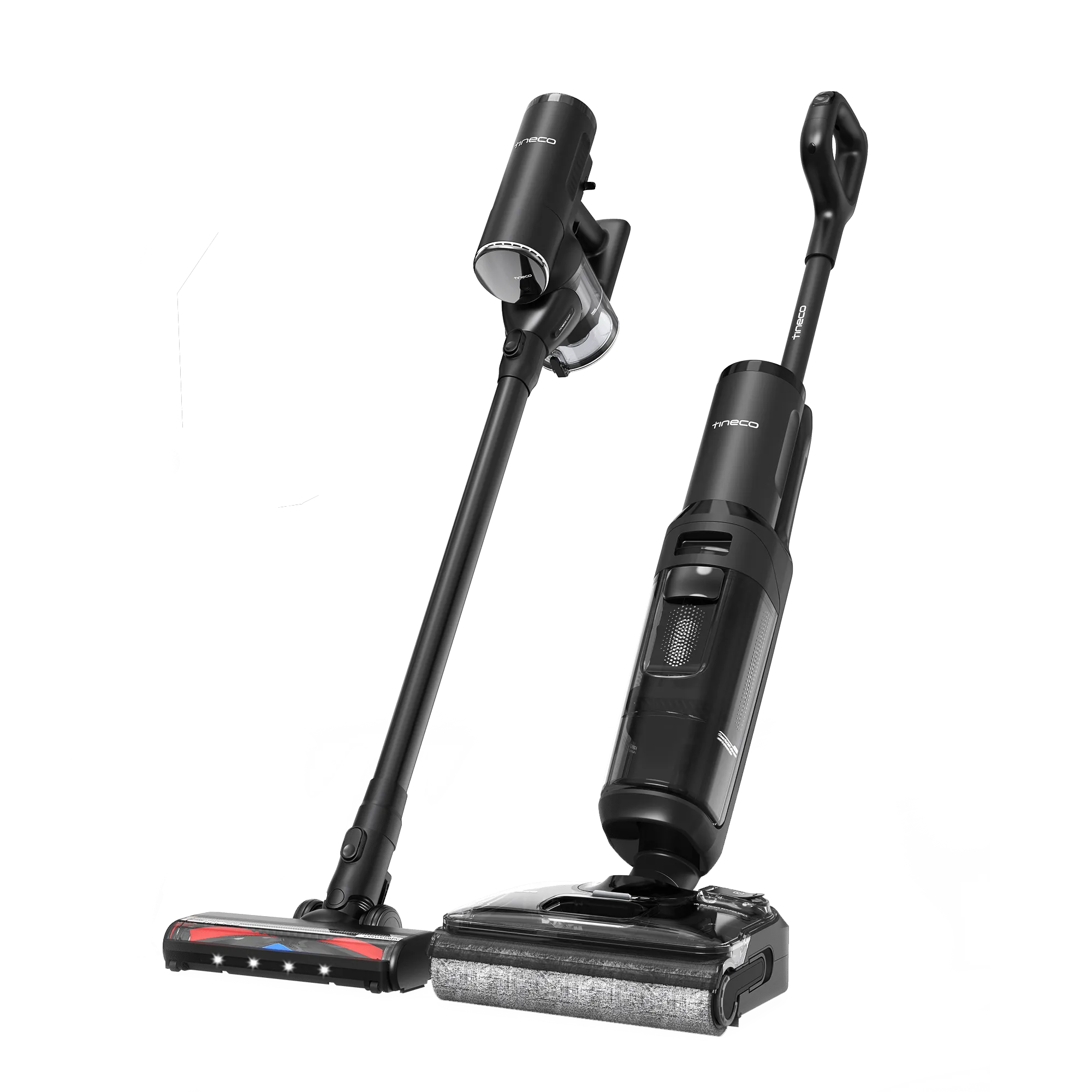
Wet and dry stick vacuums Tineco
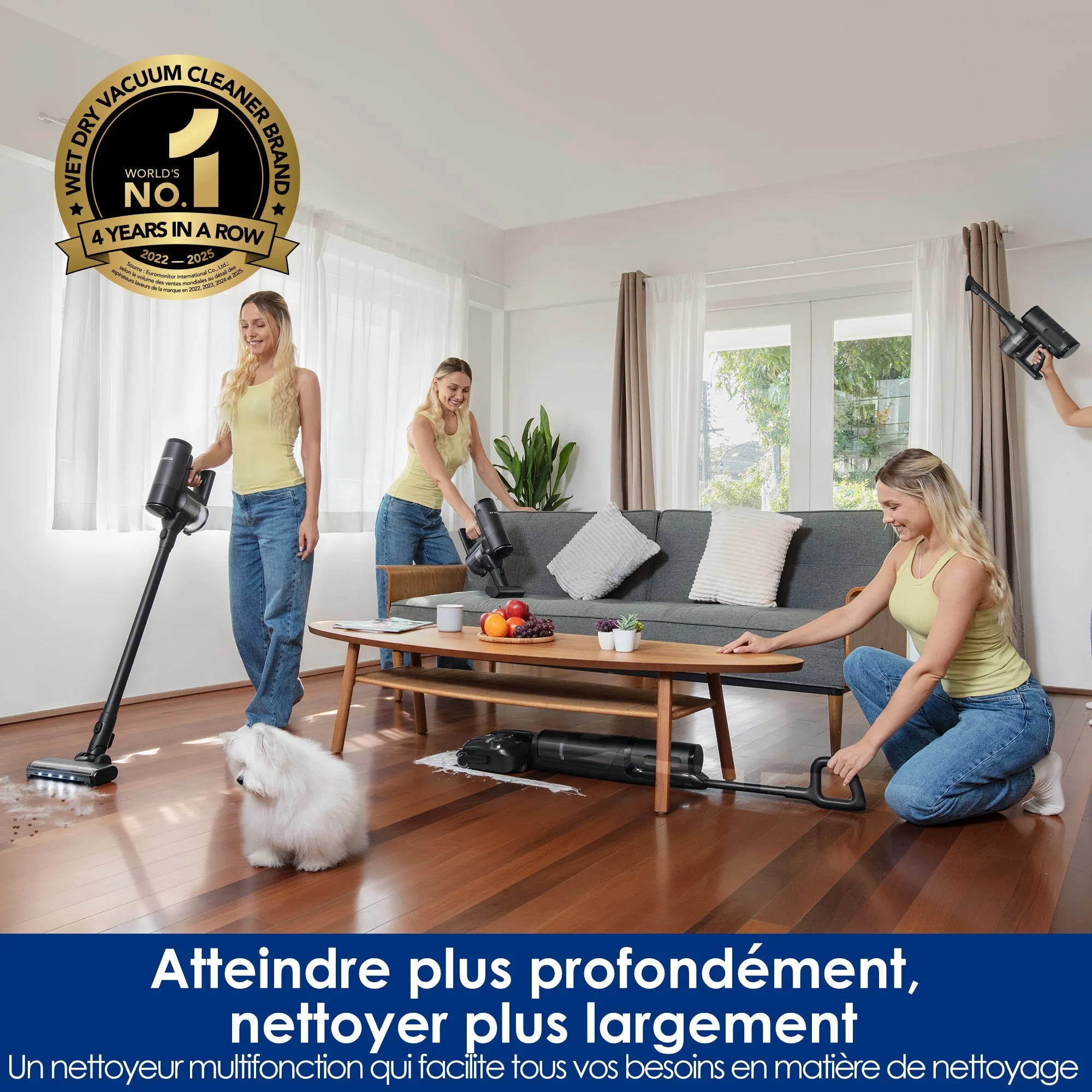
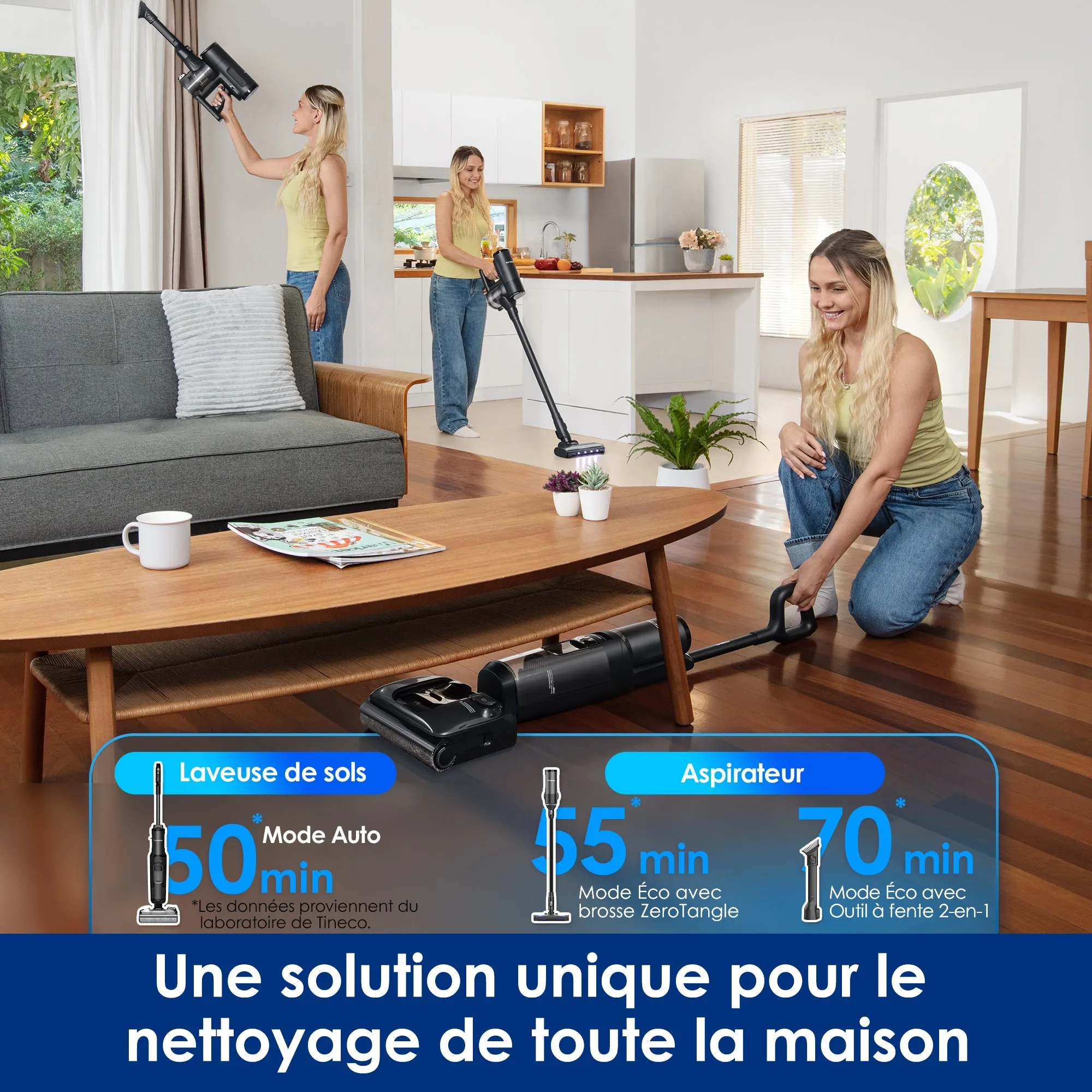
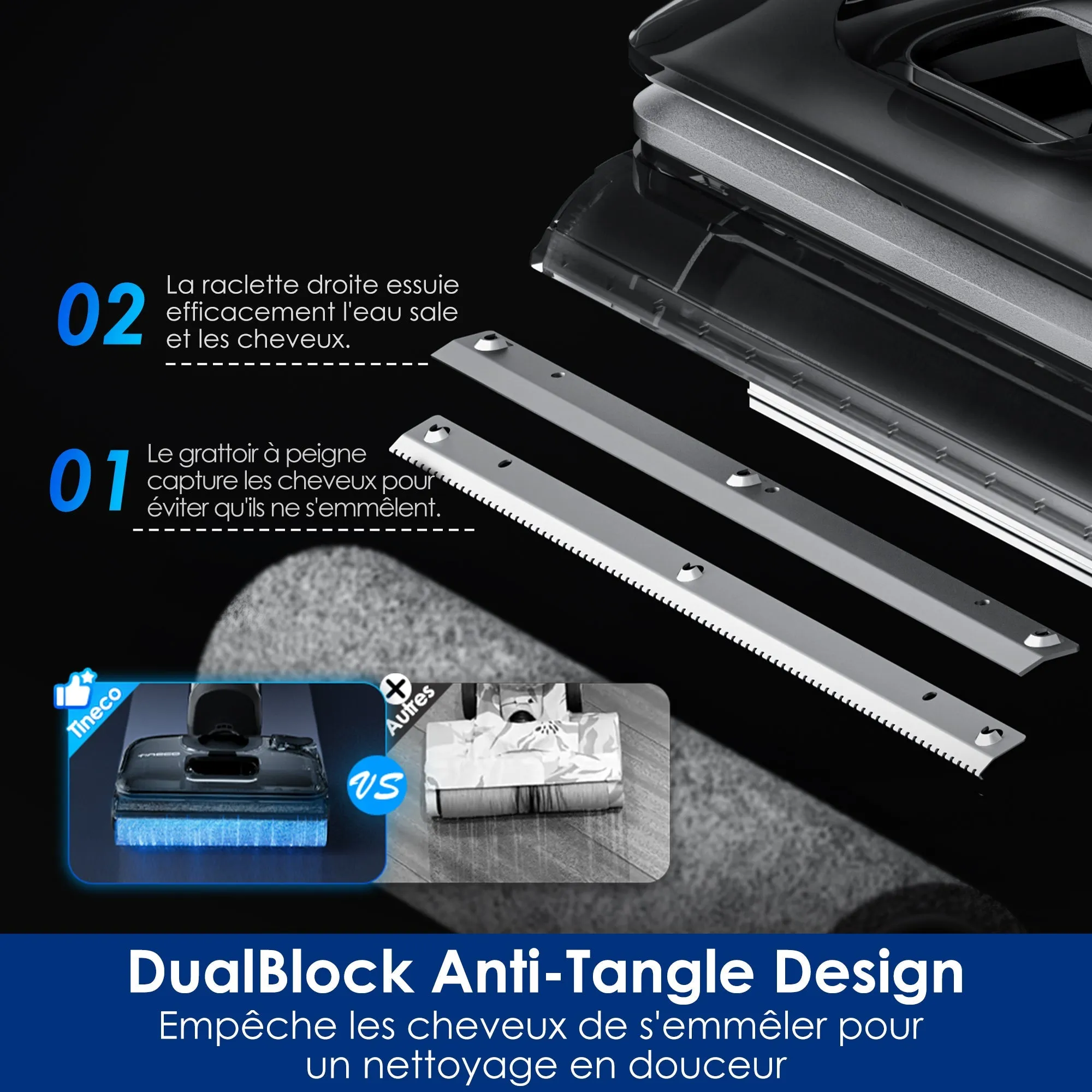
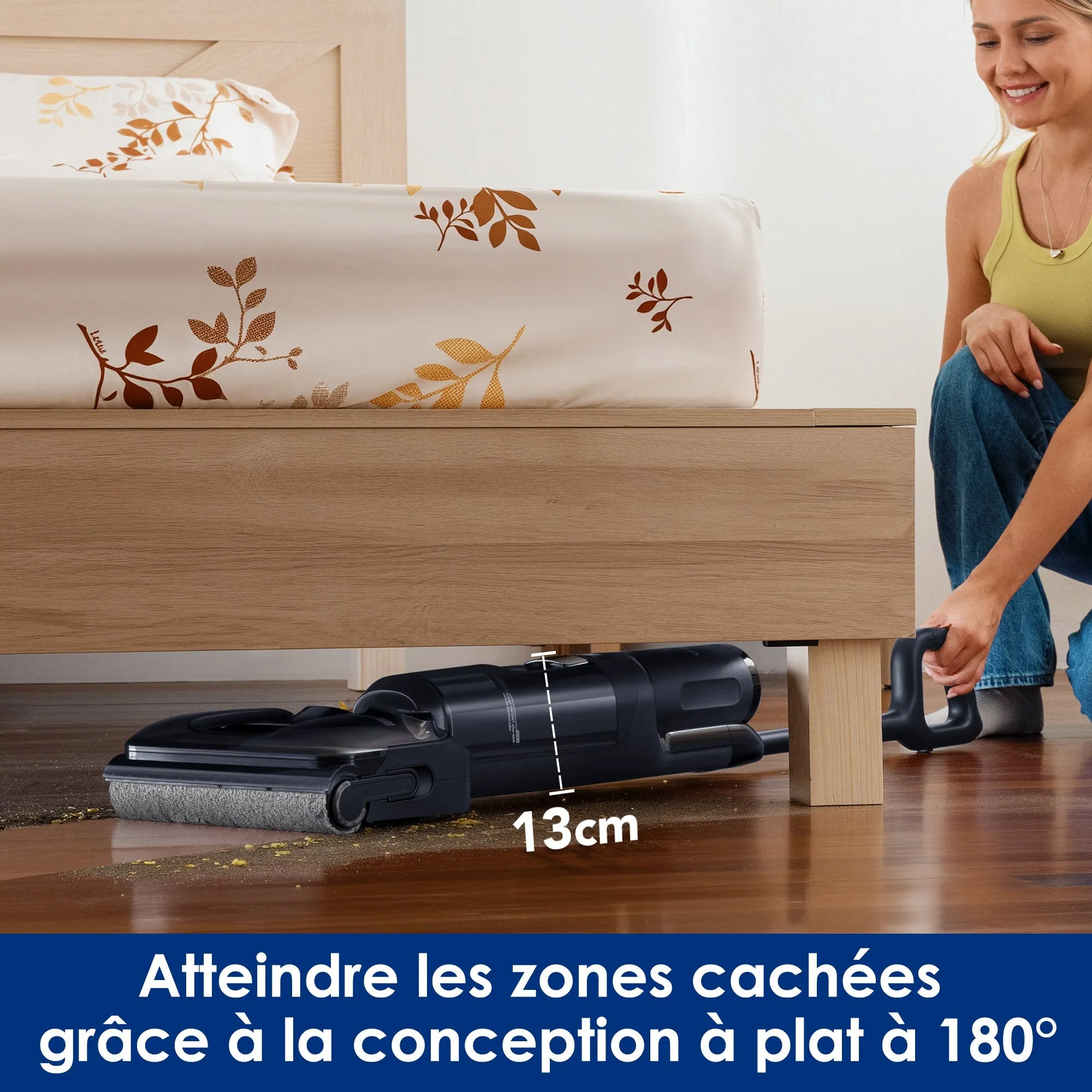
Tineco FLOOR ONE SWITCH S7 Stretch 5-in-1 Multifunction Cleaner
Wet and dry stick vacuums Tineco
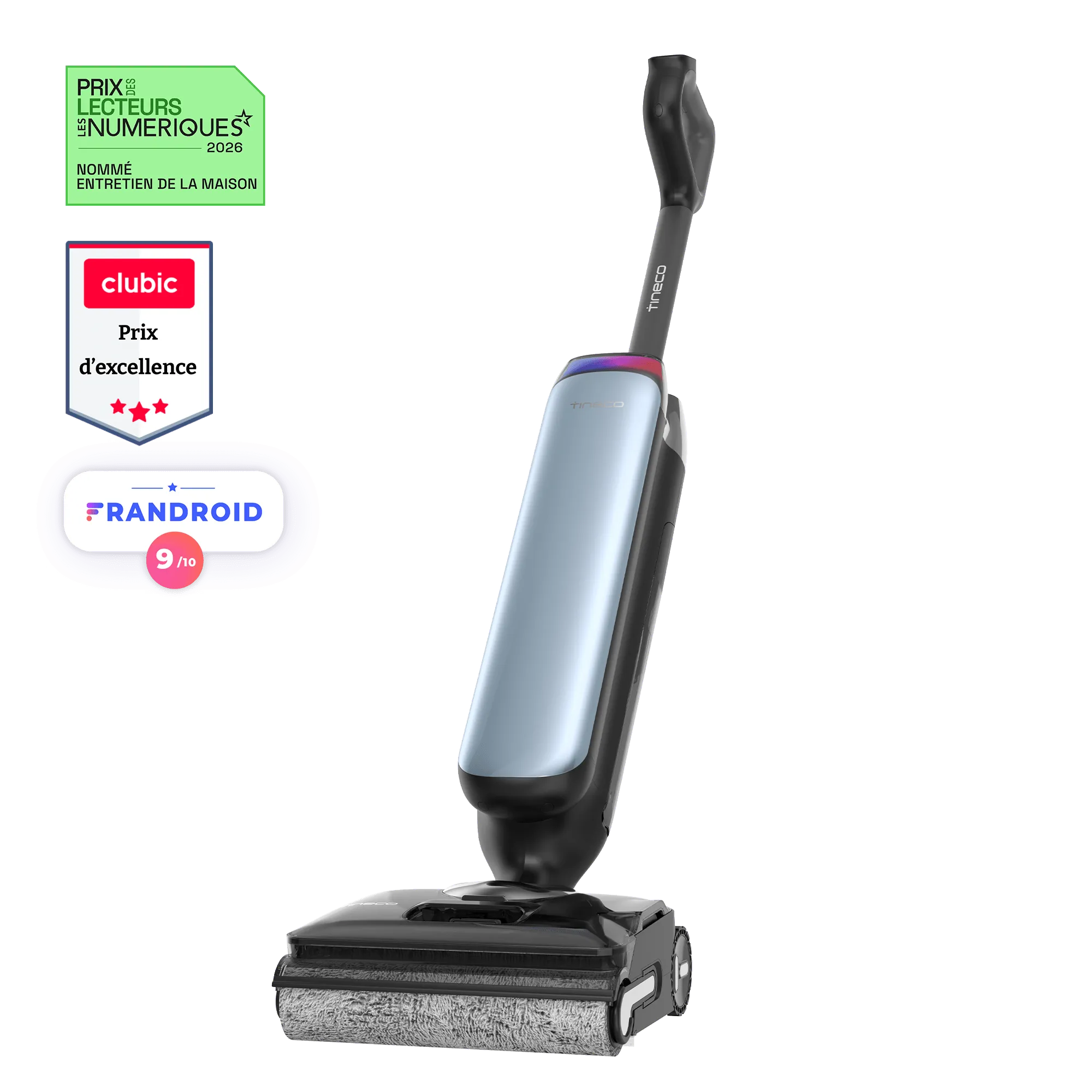
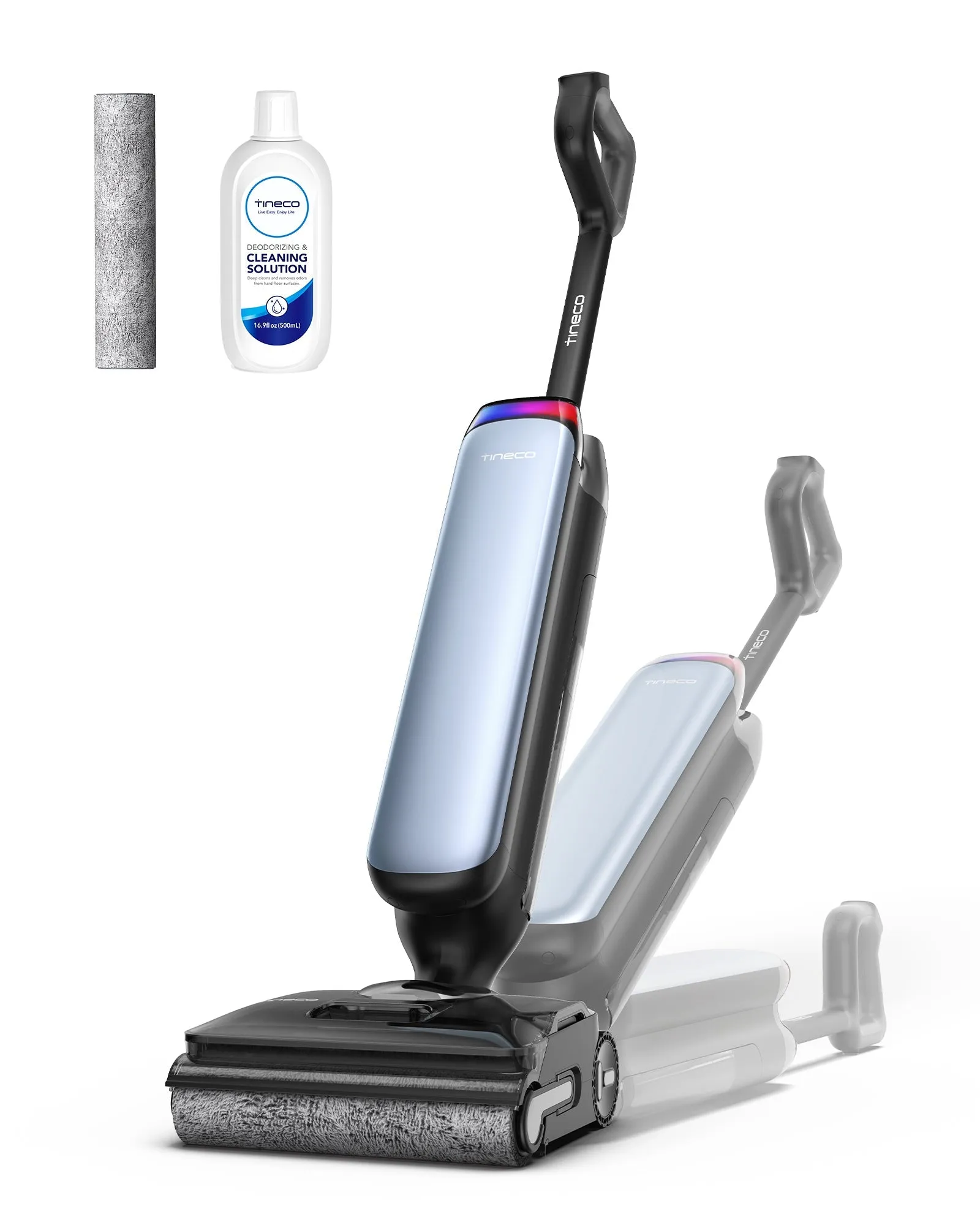
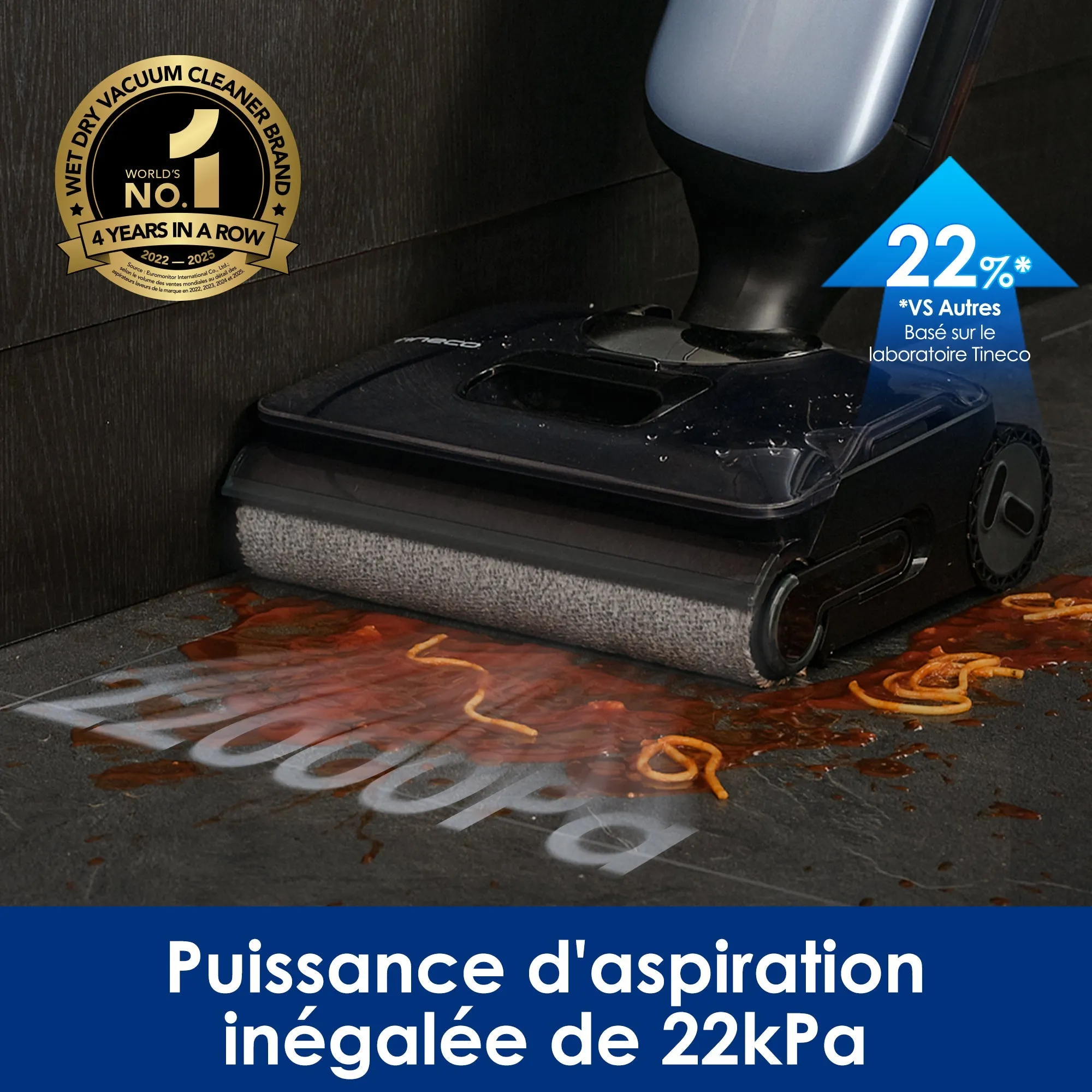
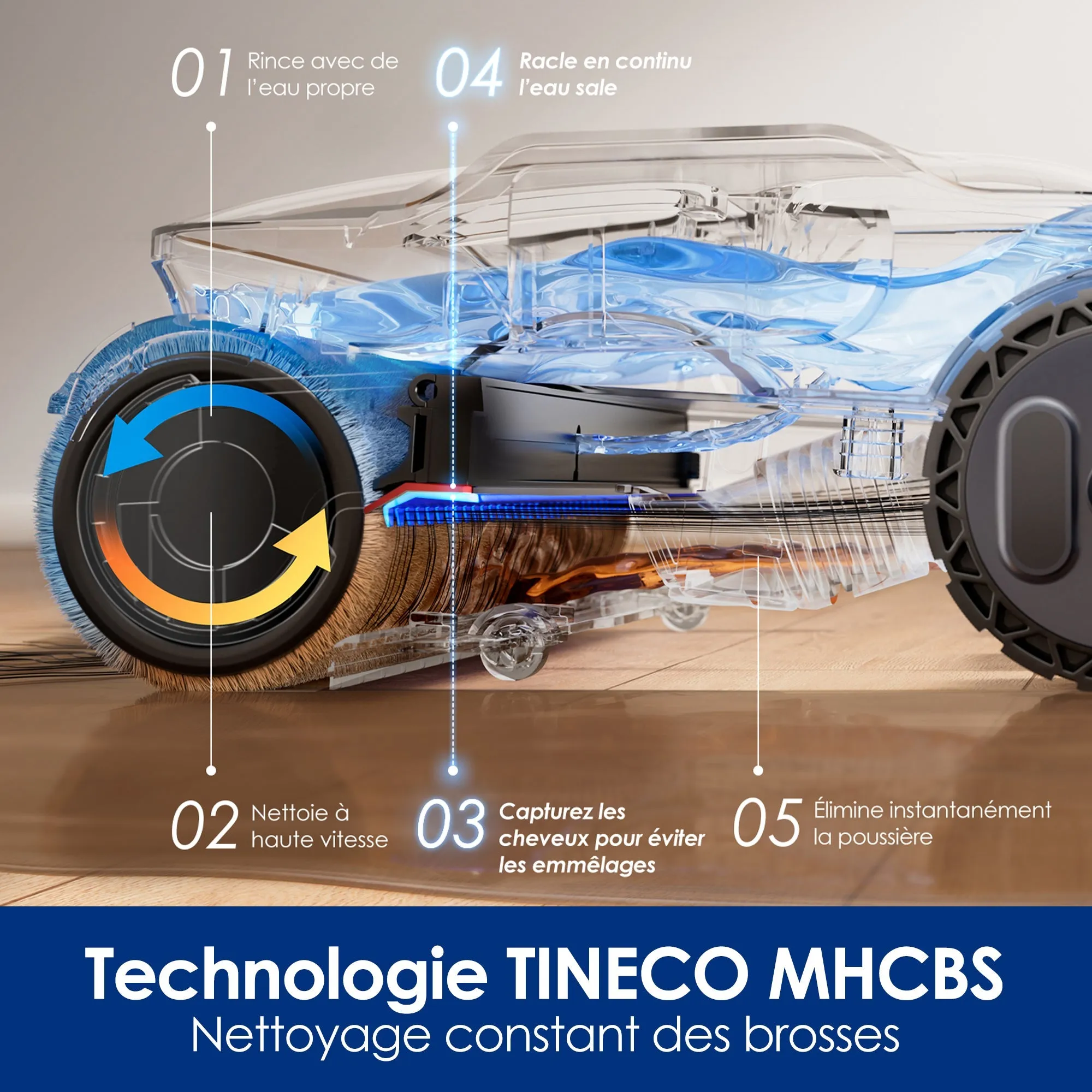
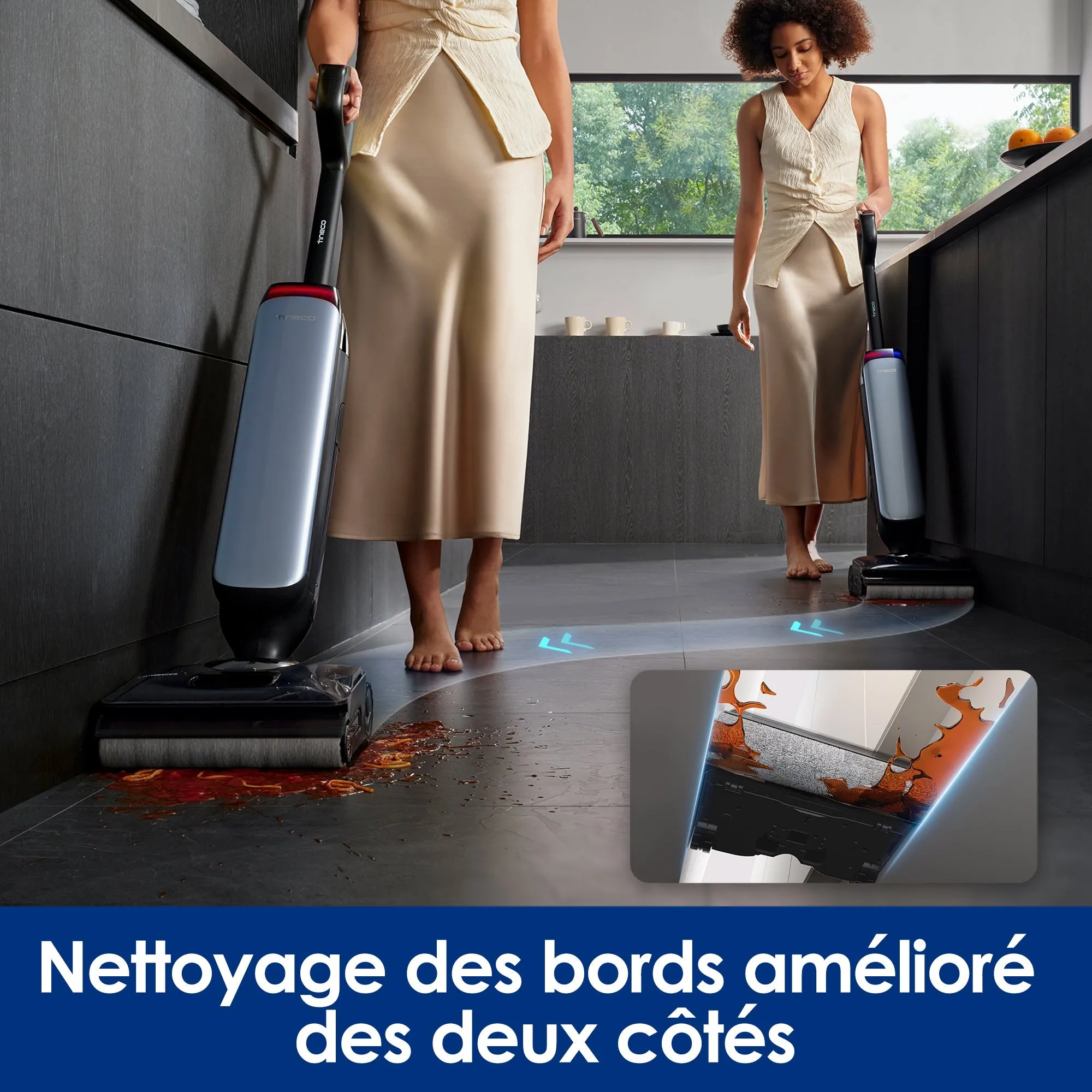
Tineco Floor One S9 Artist Vacuum Cleaner Mop
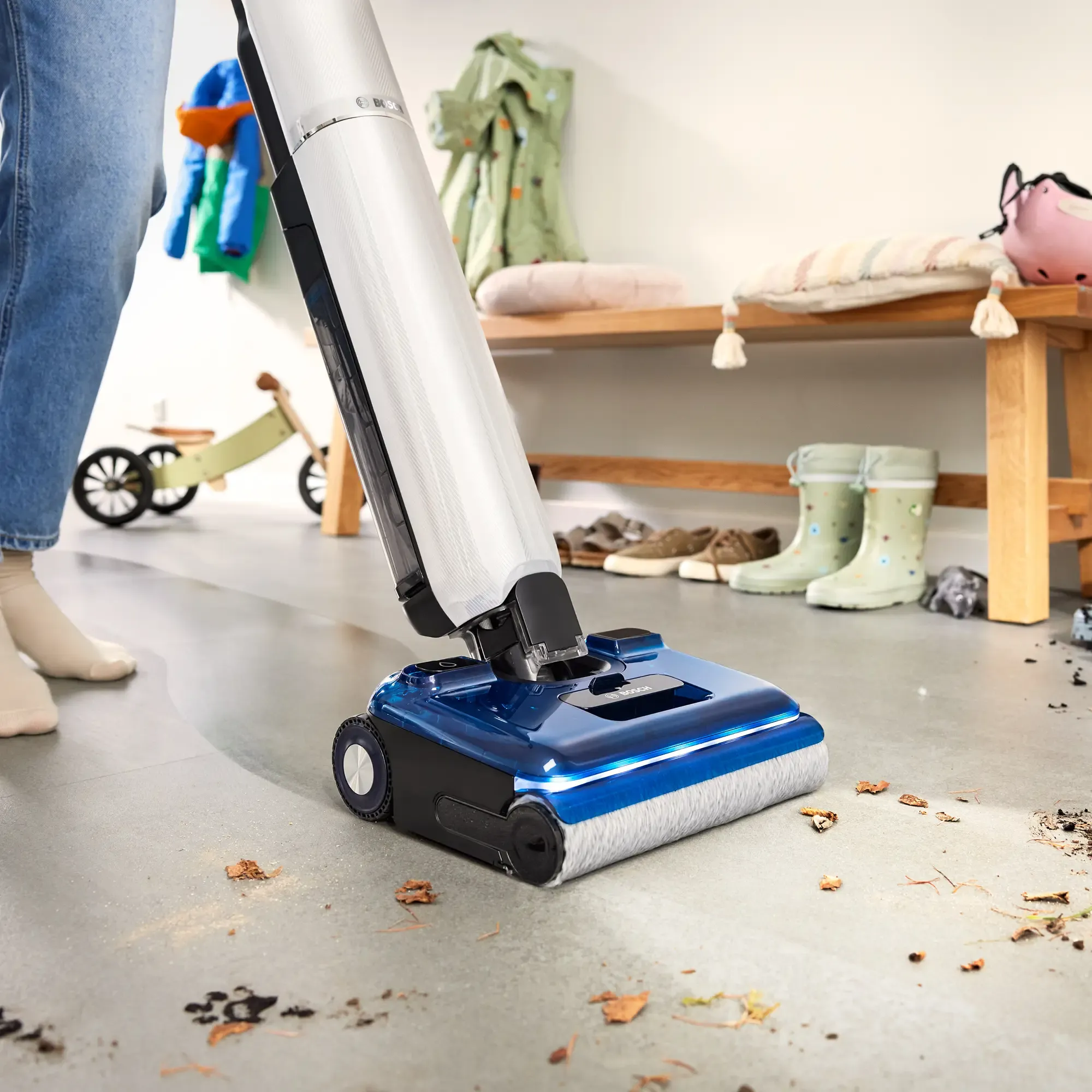
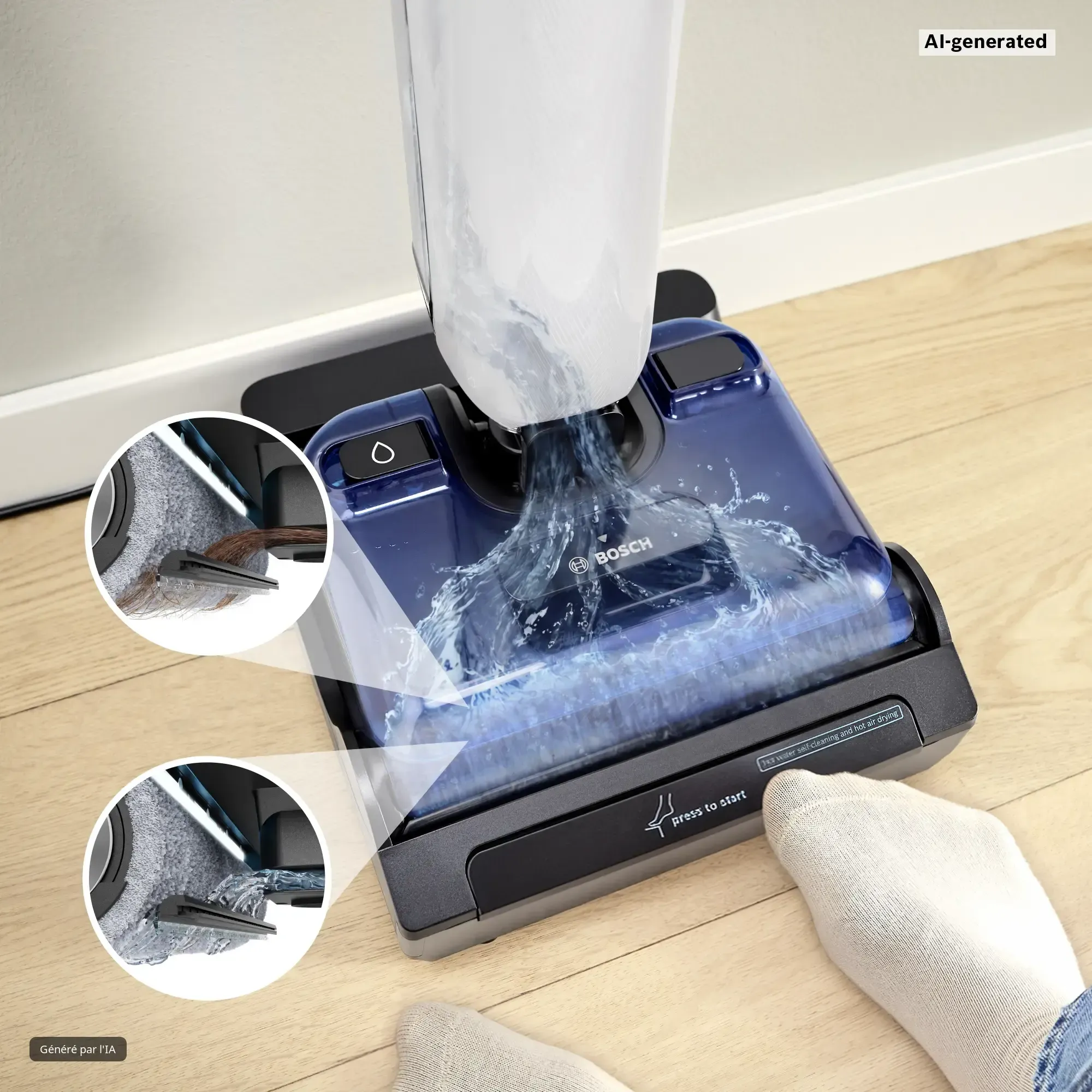
Wet and dry stick vacuums Bosch
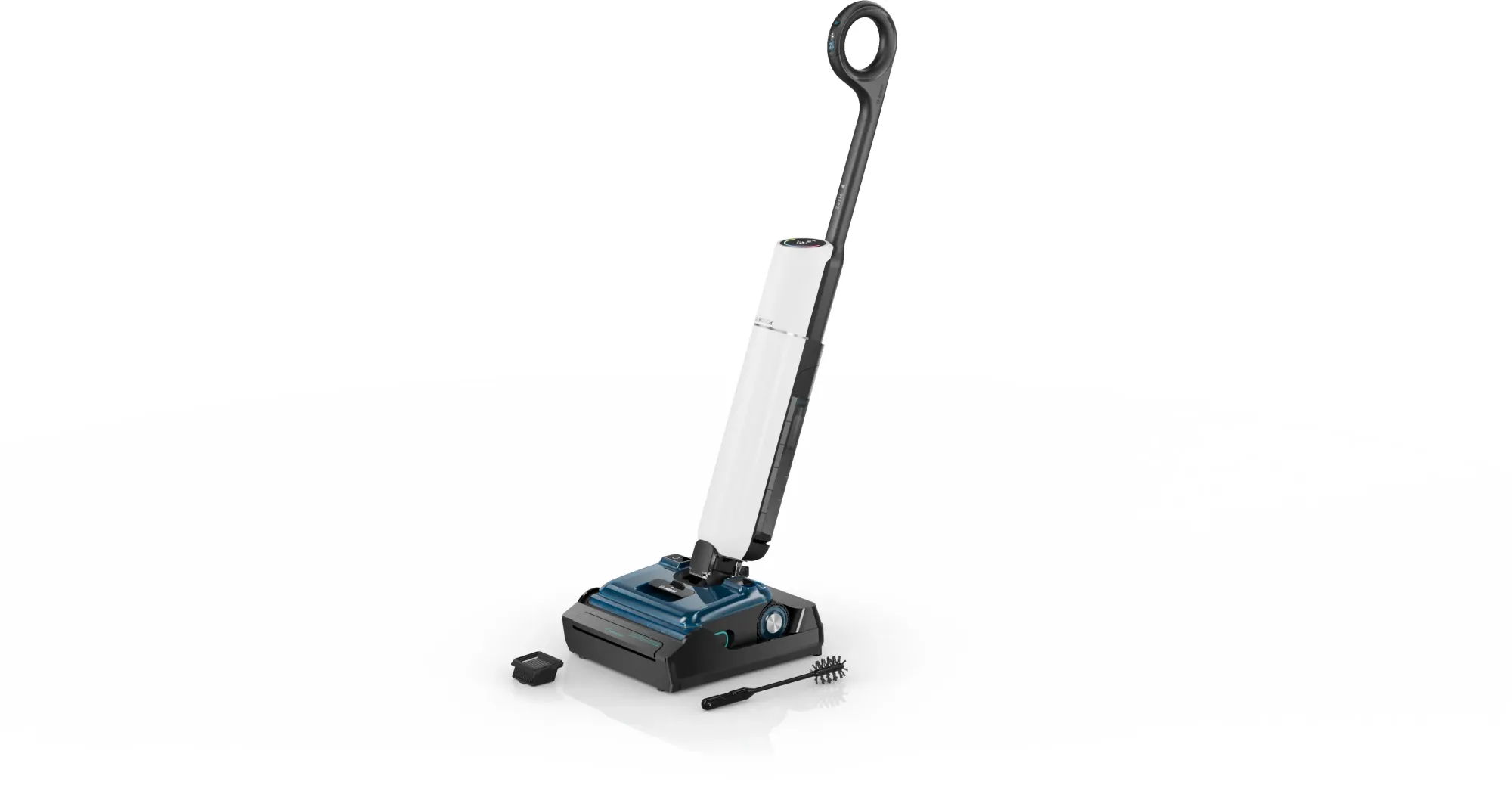
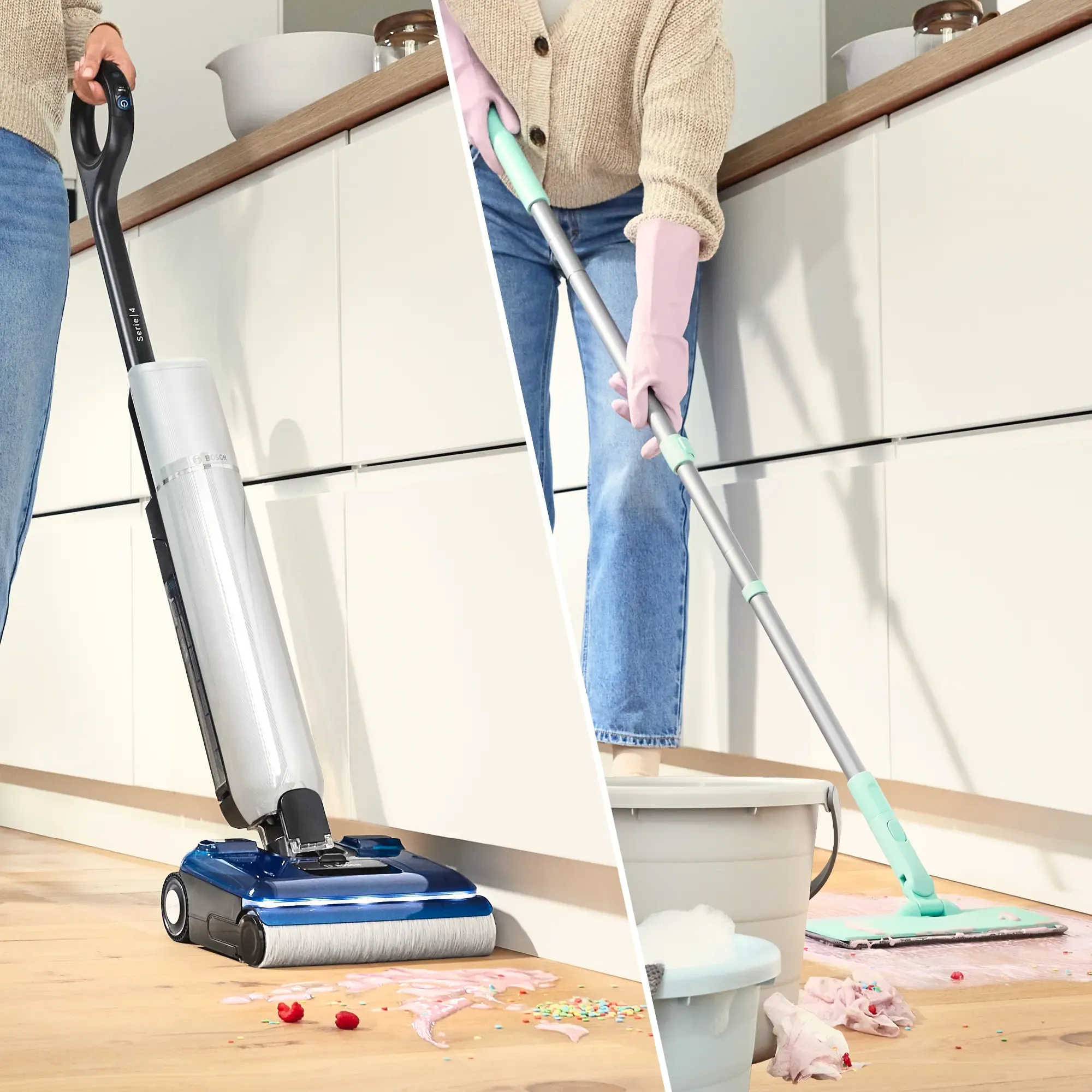
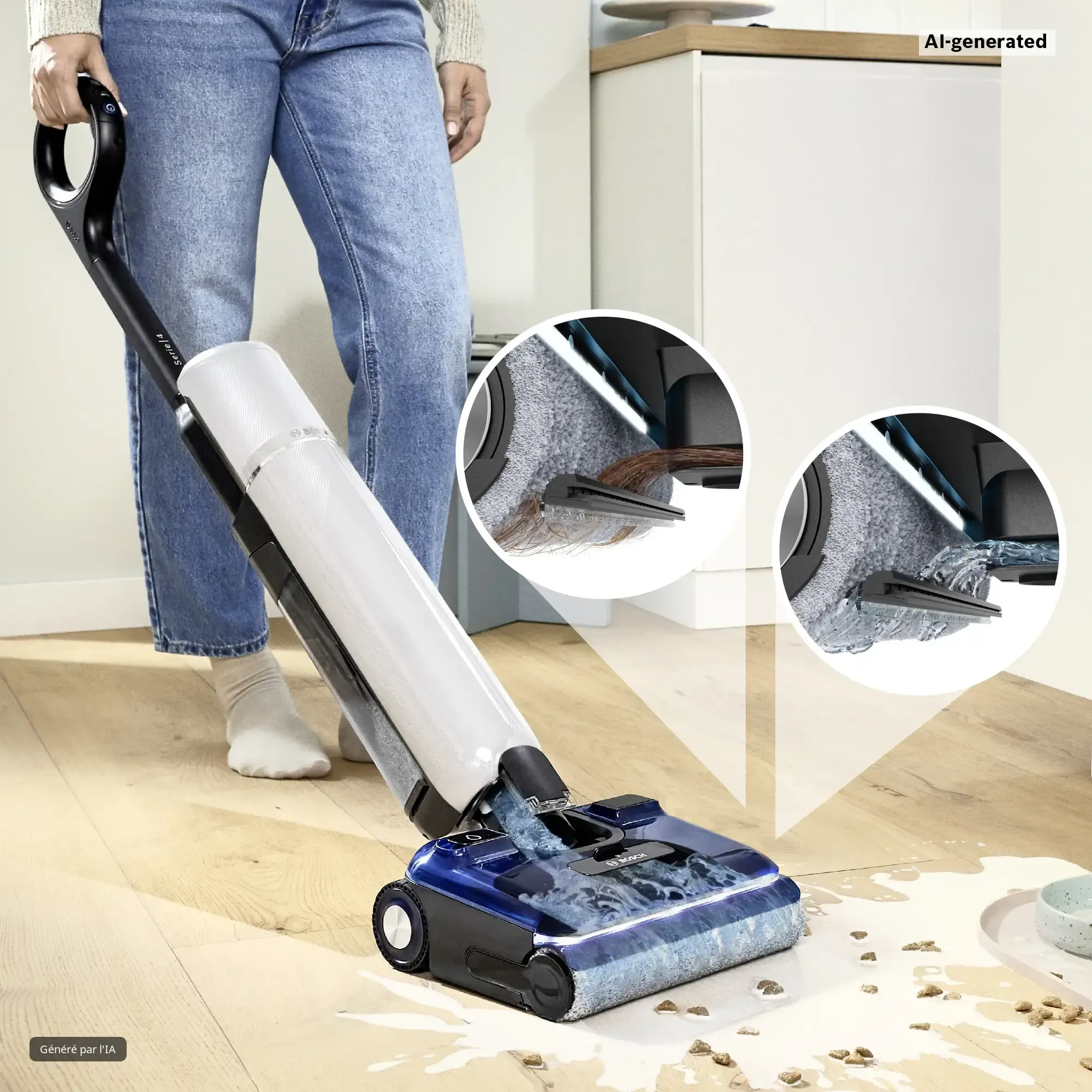
Series 4 Floor washer OneFlow BHF41WS
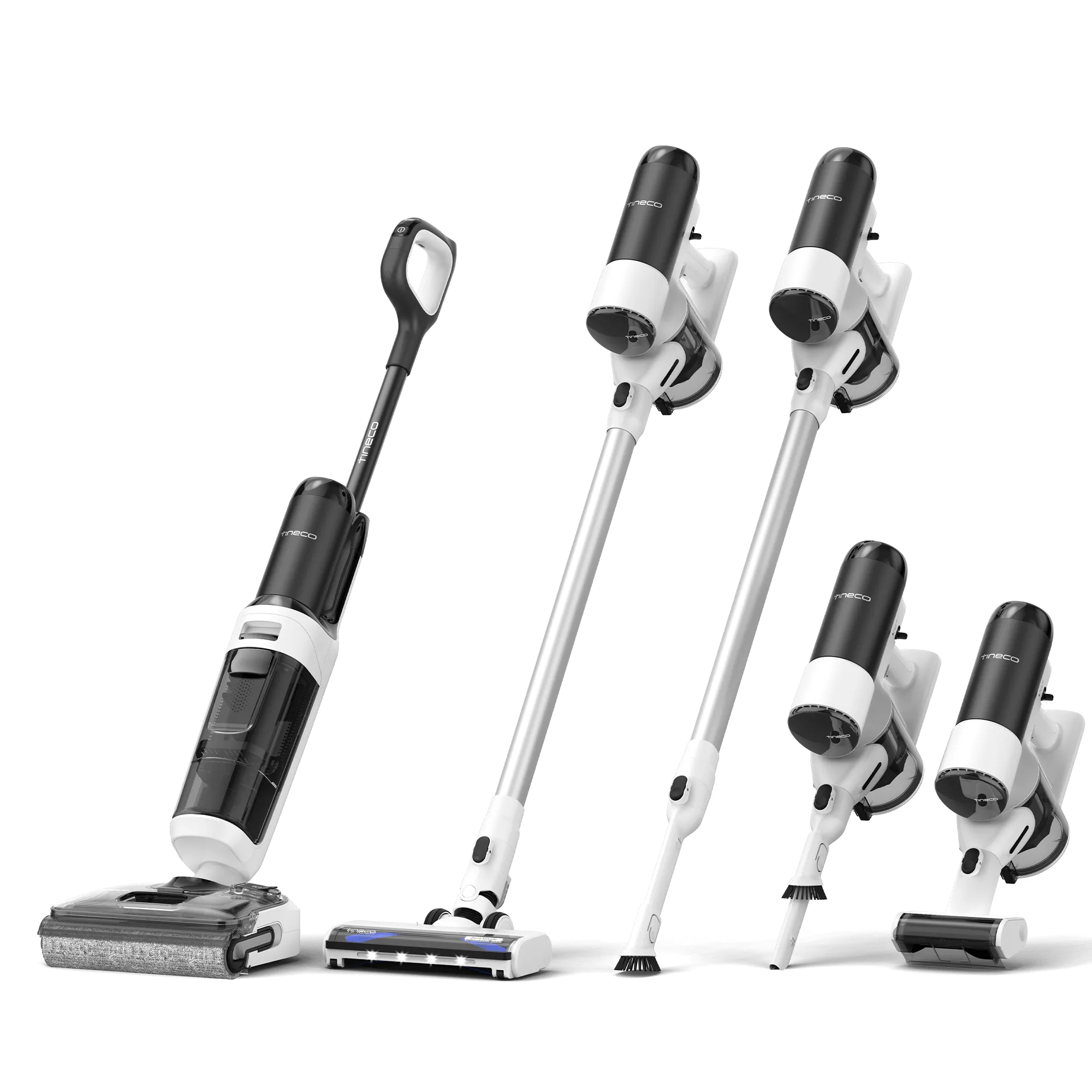
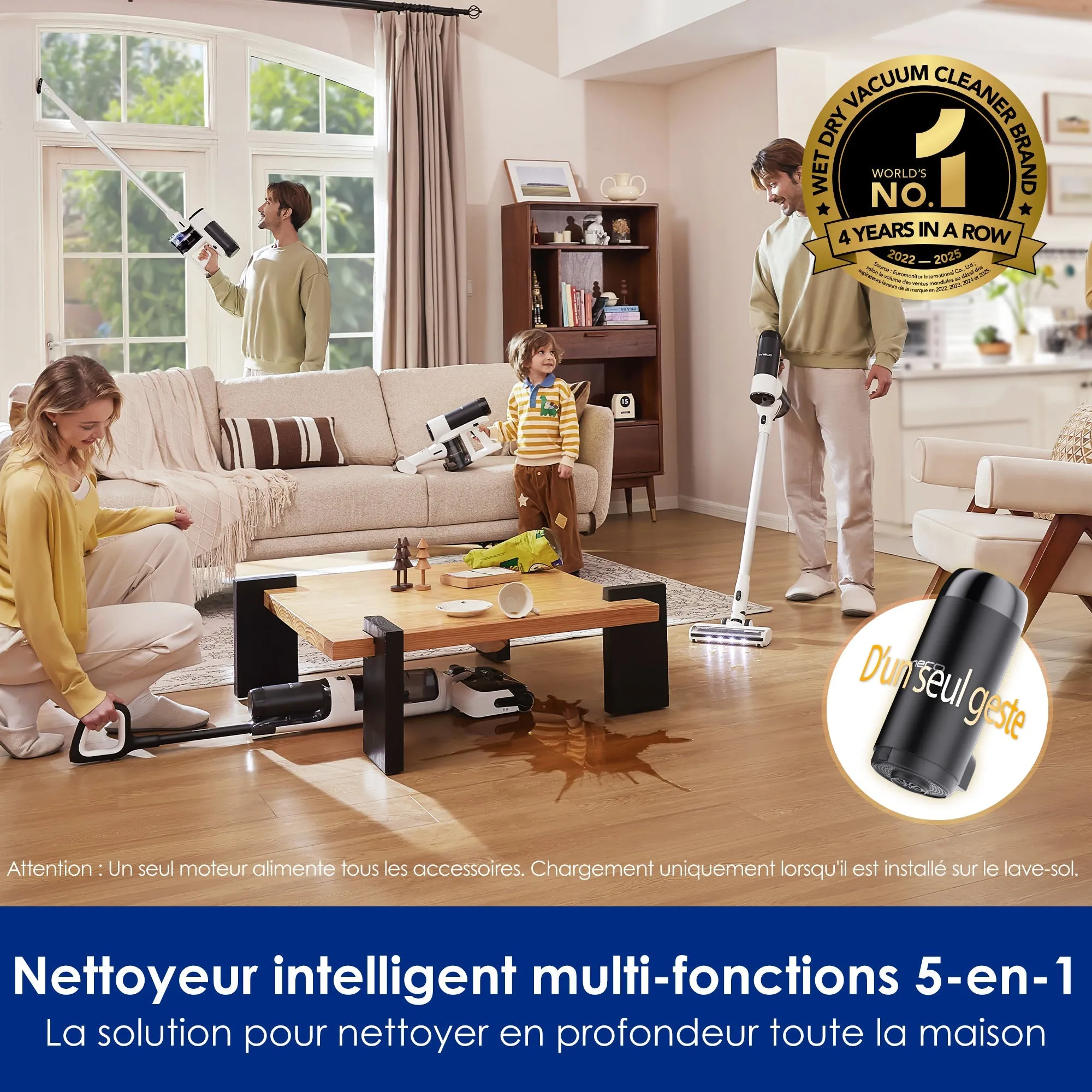
Wet and dry stick vacuums Tineco