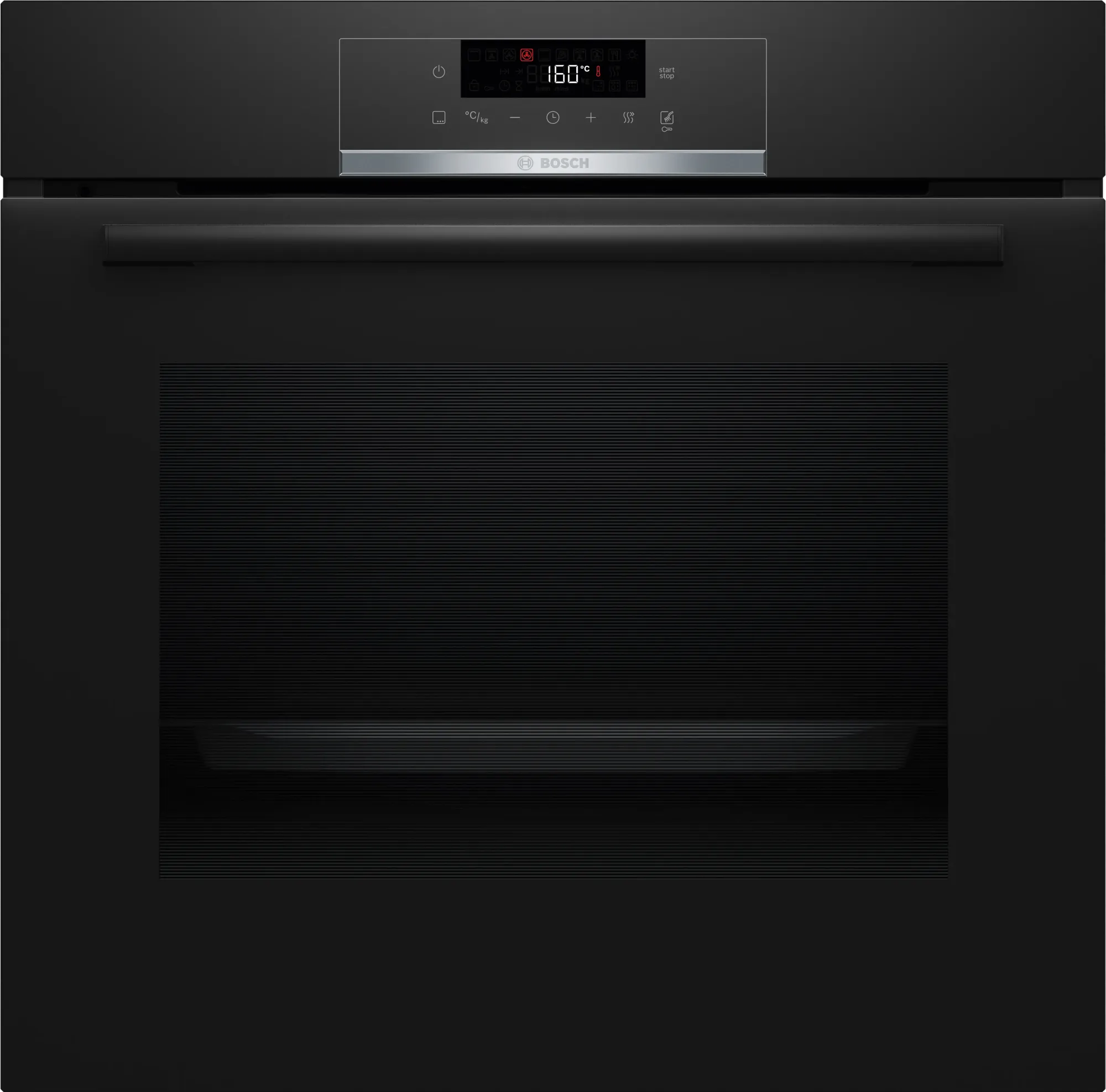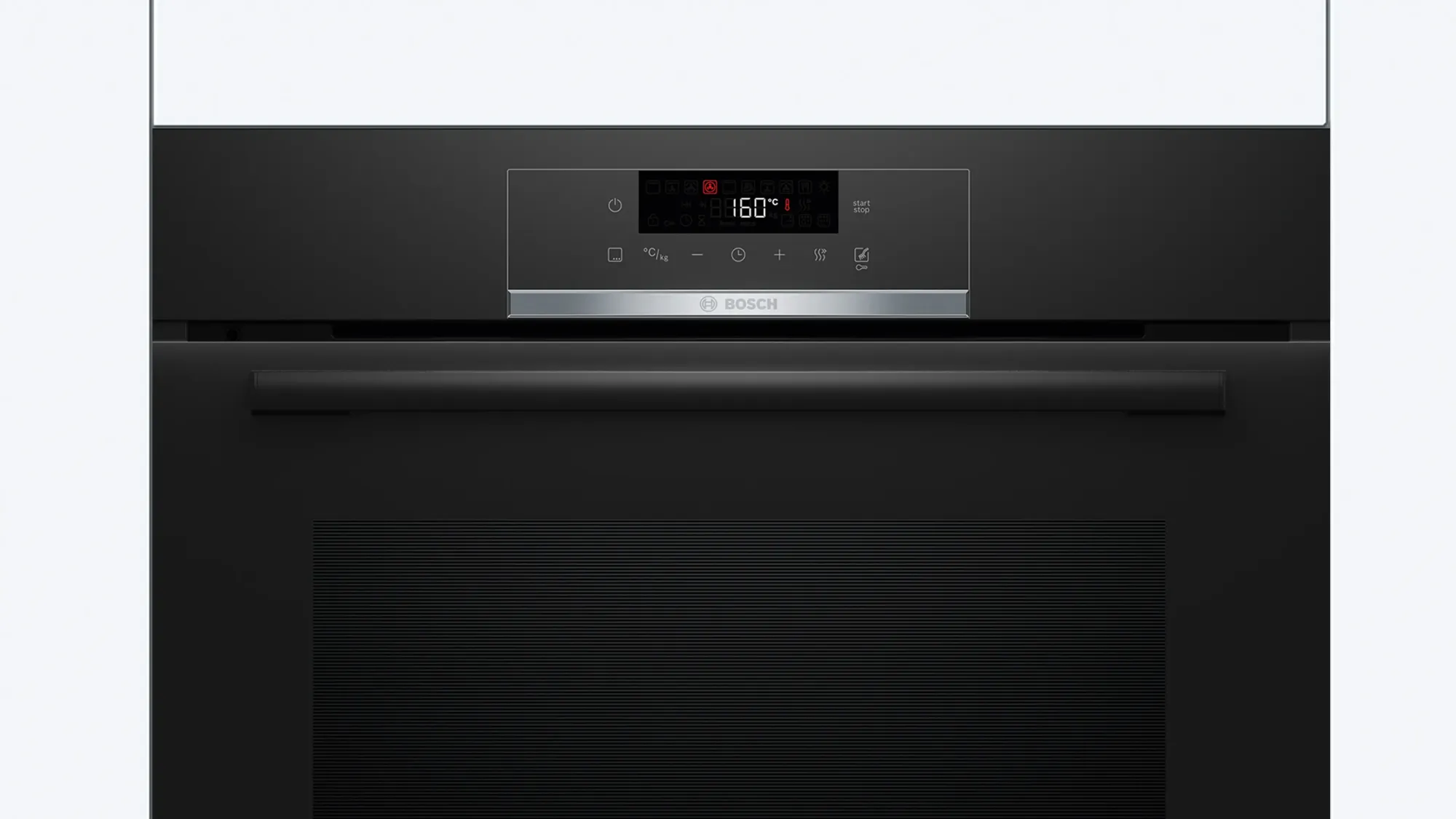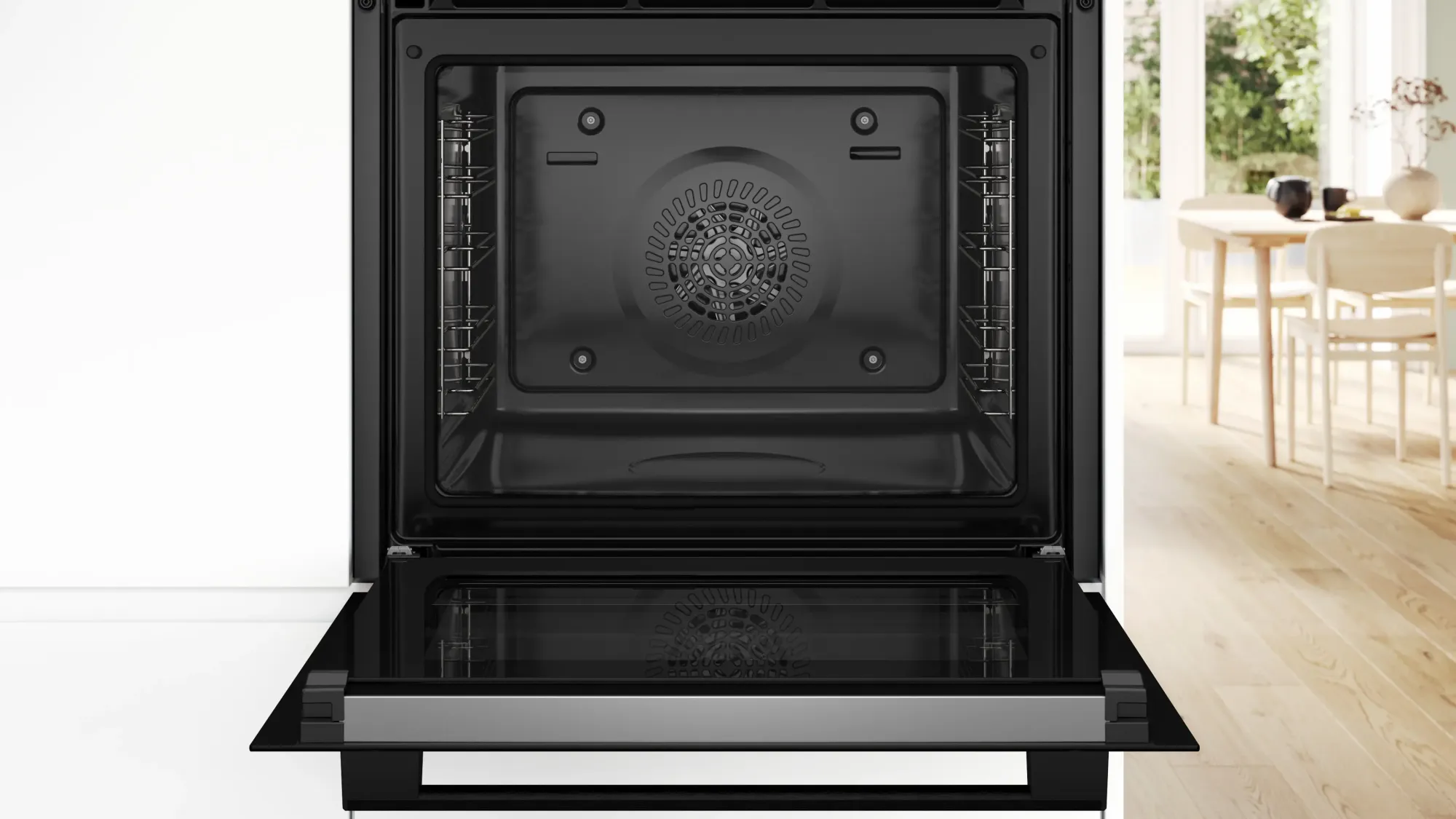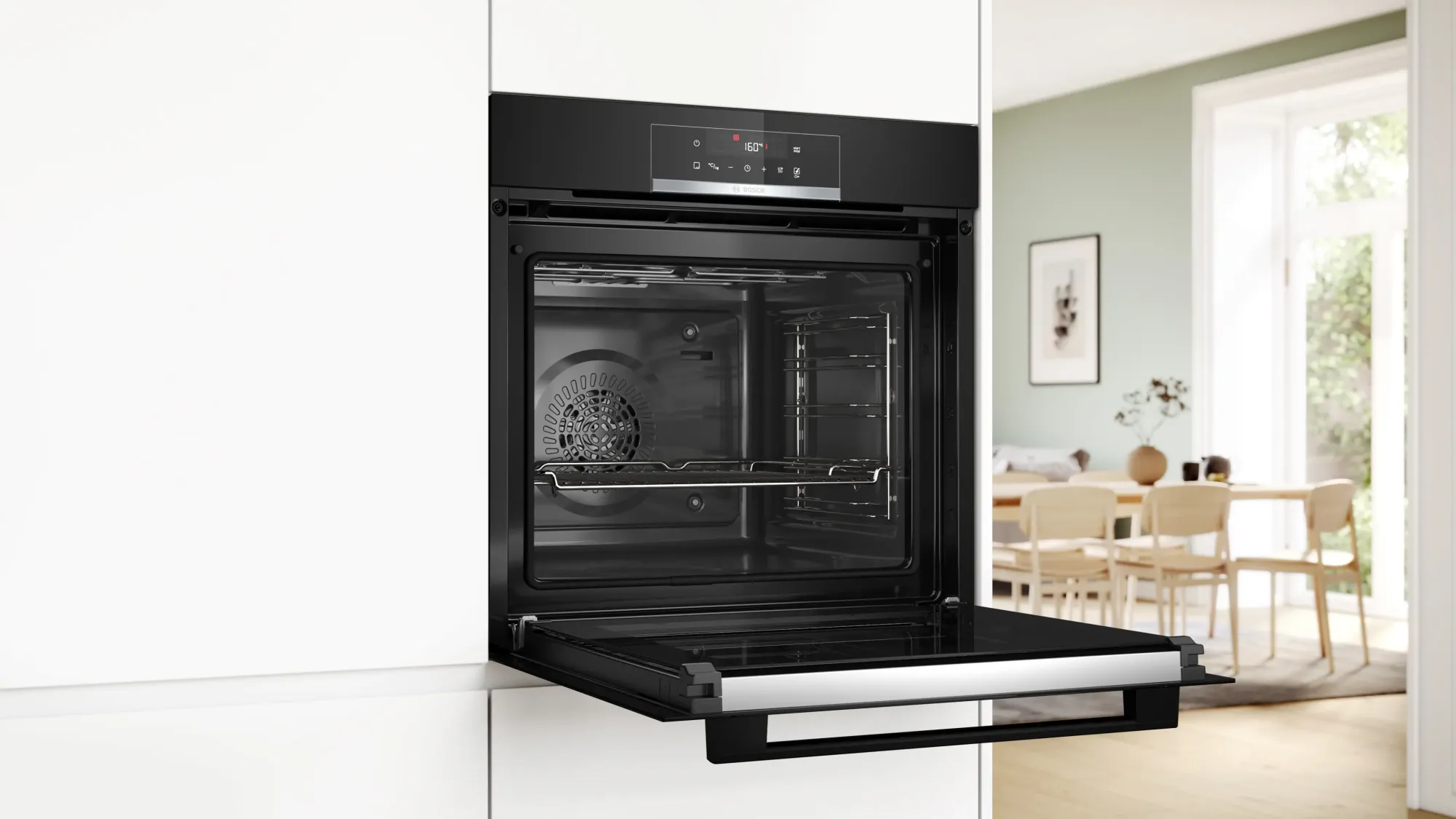
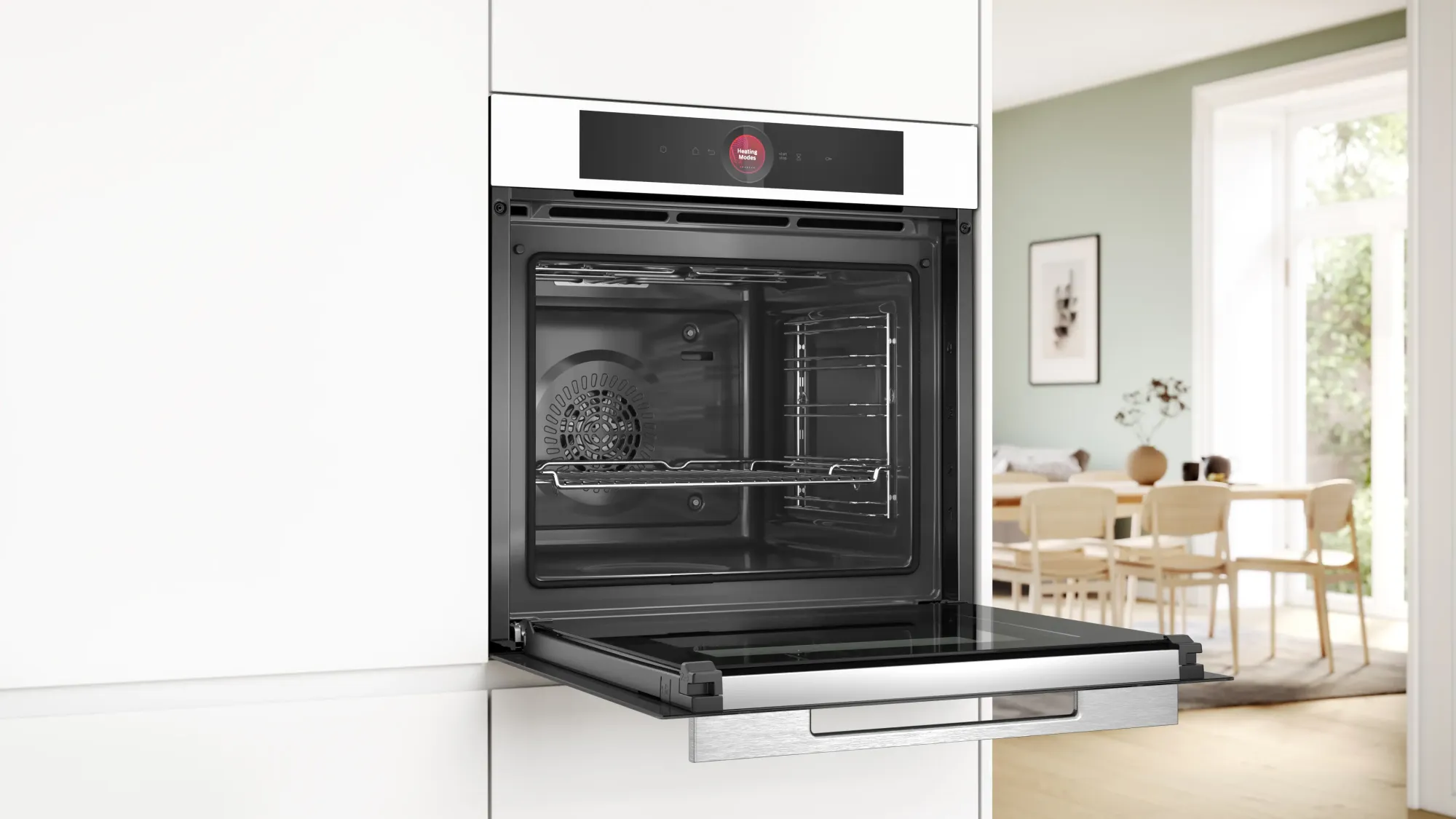
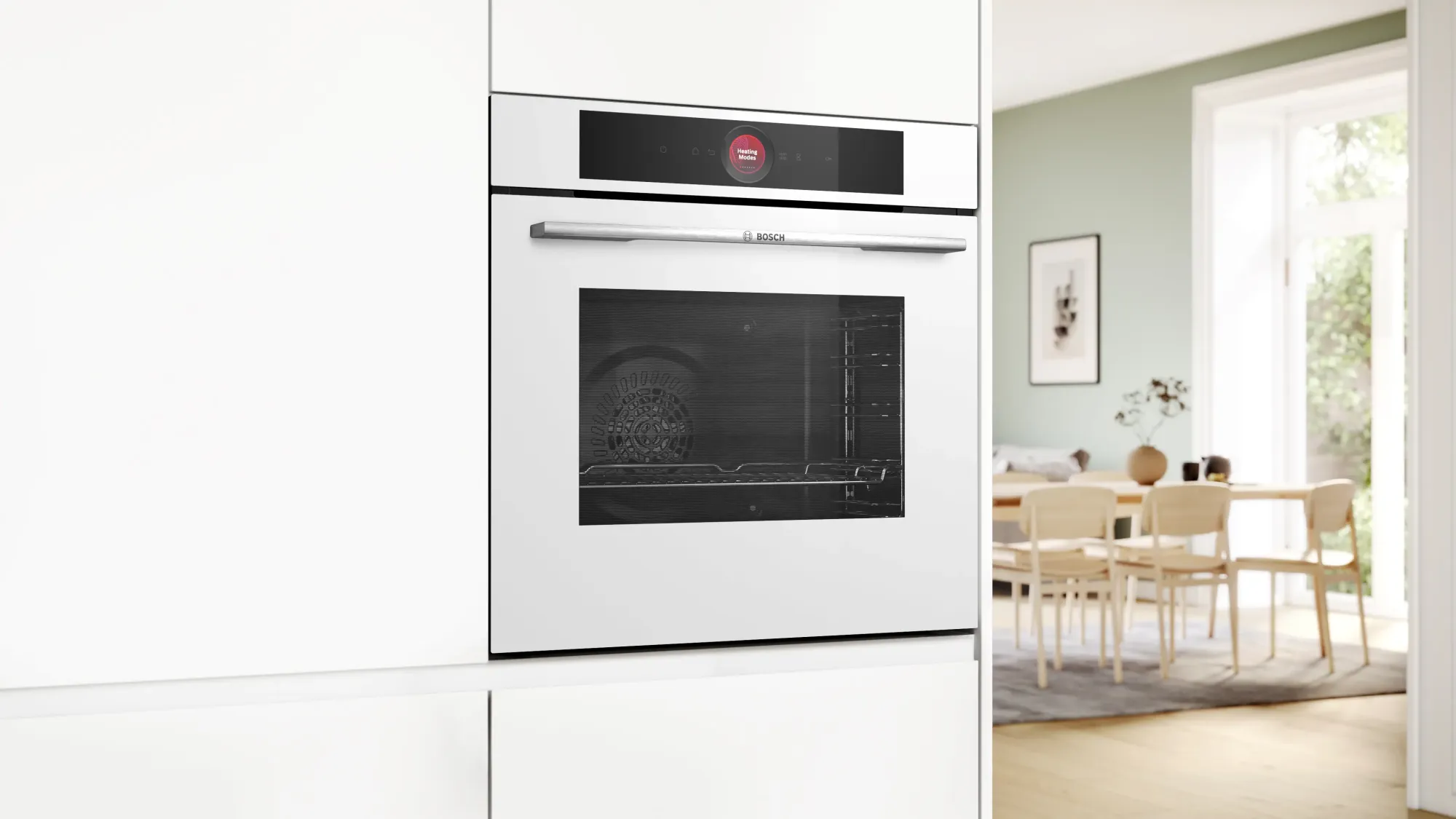
Ovens Bosch
Buying guide: how to choose an oven
What really separates one oven from another is the usable capacity of the cavity, overall energy efficiency, and actual consumption in forced convection mode. These three measures, drawn from recent market listings, are enough to compare models without relying on marketing claims alone.
What to check
Usable capacity
This criterion measures the net usable volume of the cavity, in litres. The higher it is, the more dishes the oven can hold at once, which matters for larger households or when cooking large dishes regularly. Across recent market listings, capacities range from sixty five litres on the lower end to seventy seven litres on the higher end, with a median of seventy two litres. The site’s score places each oven on this scale: a longer bar means a roomier cavity.
Market median: 71 L
Energy efficiency
This criterion compares the oven’s energy efficiency index, an overall measure of how economical it is in use. The higher the index, the less energy the oven uses for the same cooking result, which affects running costs over time. Market listings show values from sixty one point two for the least efficient ovens to ninety five point three for the most efficient, with a median of eighty one point two. A longer bar on this criterion signals an oven that saves energy over its lifetime.
Market median: 0.9 kWh
Forced convection consumption
This criterion measures the energy used by a full cycle in forced convection mode, expressed in kilowatt hours. Here, lower is better: an oven that uses less energy on this setting keeps everyday cooking costs down. Market listings range from zero point nine kilowatt hour for the most energy hungry ovens to zero point fifty two kilowatt hour for the most frugal, with a median of zero point seventy one. On the product page, a longer bar reflects tighter control over consumption on this specific mode.
Market median: 0.7 kWh
Installation and maintenance
An oven needs to fit the available space under a worktop or in a tall unit, along with the electrical connection already present in the kitchen. Day to day maintenance depends on the interior wall finish and any self cleaning functions offered, which reduce how often manual cleaning is needed. These aspects are not covered by the site’s scored criteria, but they shape daily comfort and are worth checking on the product page alongside capacity and consumption scores.
Benchmarks based on 30 recent market listings, collected on 3 October 2026.
What you get for each budget
Under 350 €
At this price level, ovens most often show cavities close to the smaller capacities recorded and energy efficiency that trails behind the best market figures.
350 to 650 €
This range brings together ovens whose capacity and energy efficiency sit close to the median, a balance that covers most everyday needs.
Over 650 €
Above this threshold, ovens more often show cavities close to the largest capacities recorded and energy efficiency closer to the best figures on the market.
Frequent mistakes
Choosing an oven on capacity alone, without checking energy efficiency, risks higher running costs over time.
Mixing up the overall energy efficiency index with forced convection consumption leads to poor comparisons between similar looking ovens.
Overlooking built in dimensions before buying can force a rethink of the kitchen cabinetry afterwards.
Relying only on the listed price without checking capacity and consumption scores hides real differences in everyday use.
Models in this category
Best rated first, among those our merchants offer.
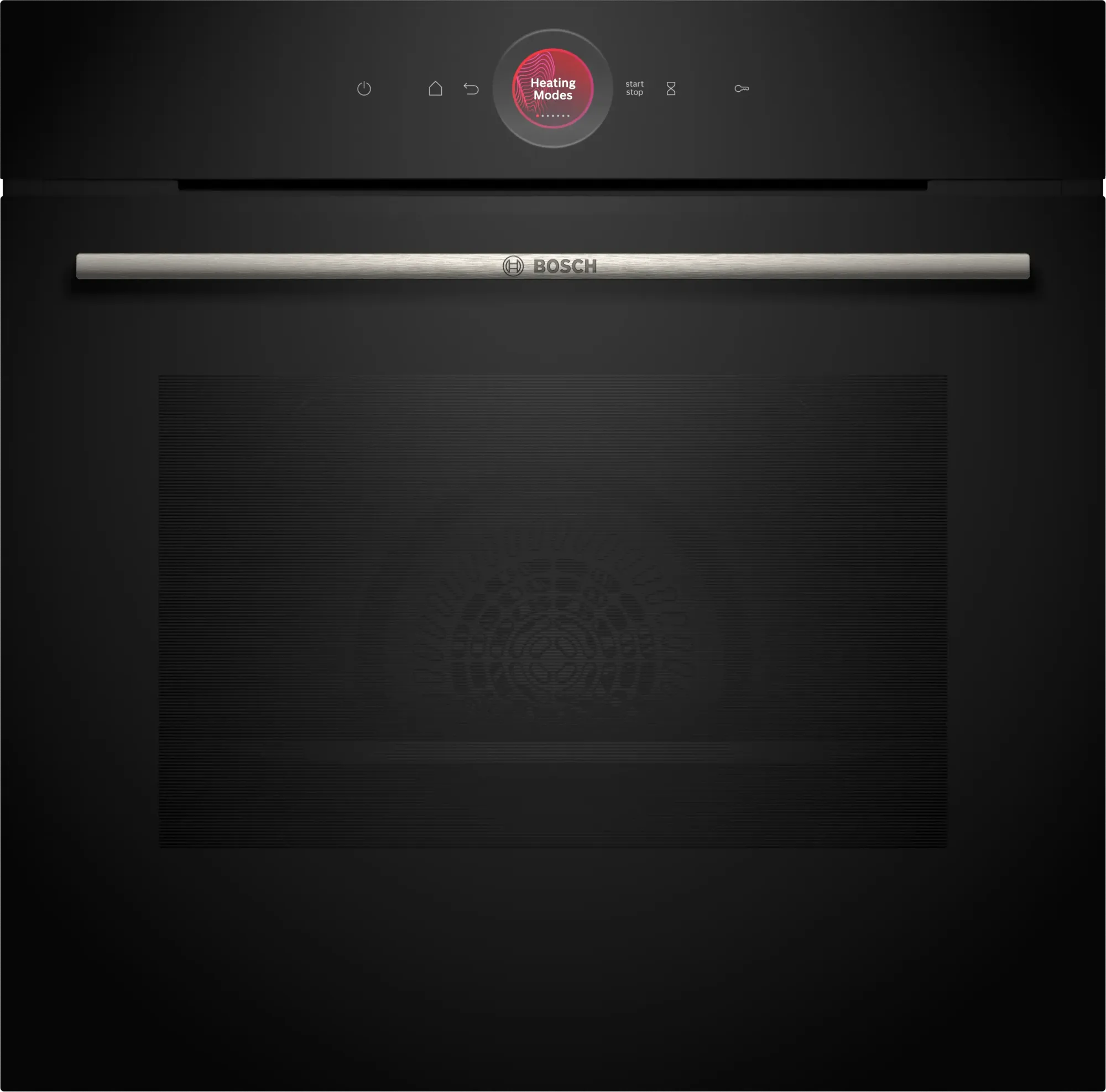
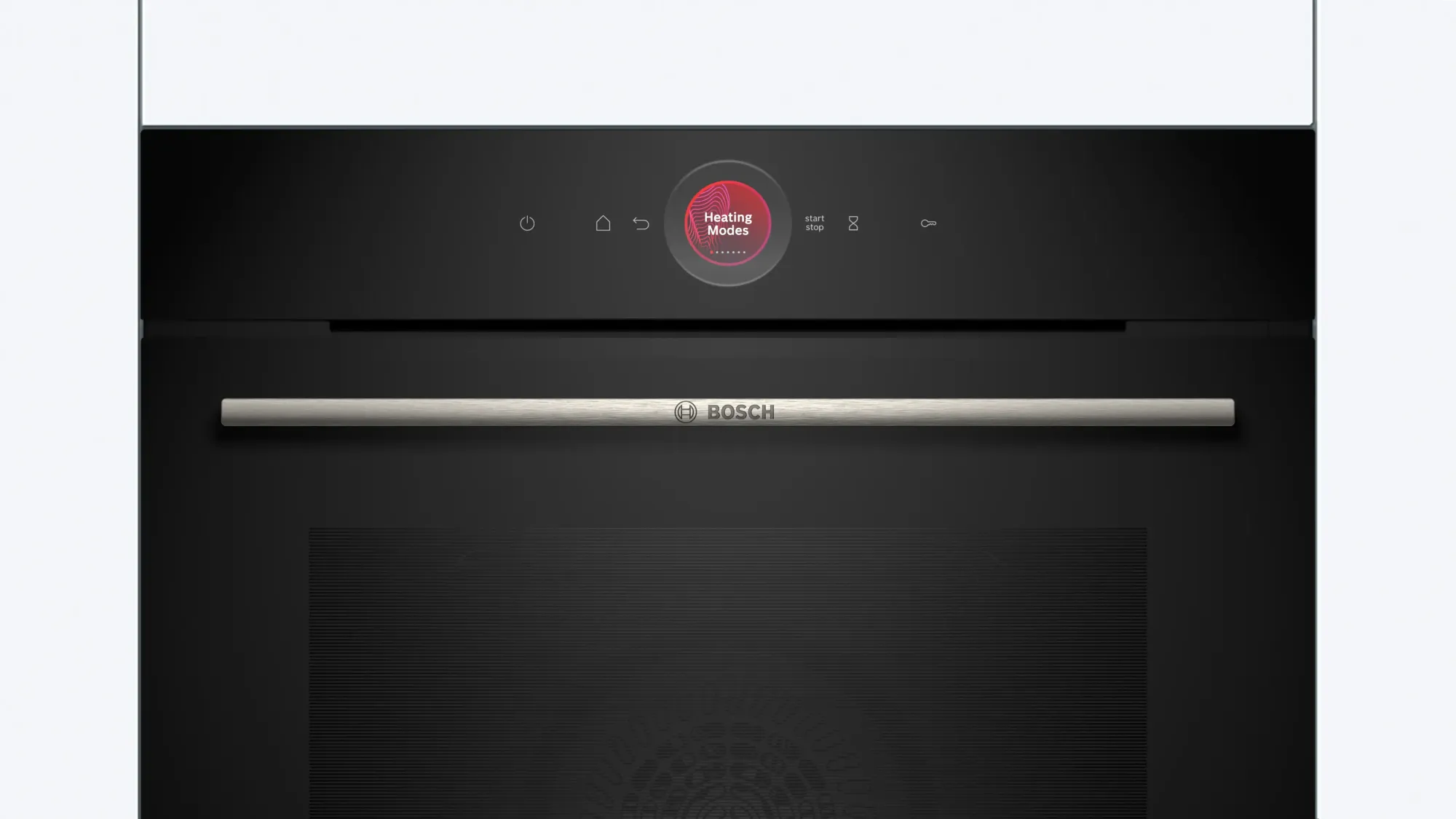
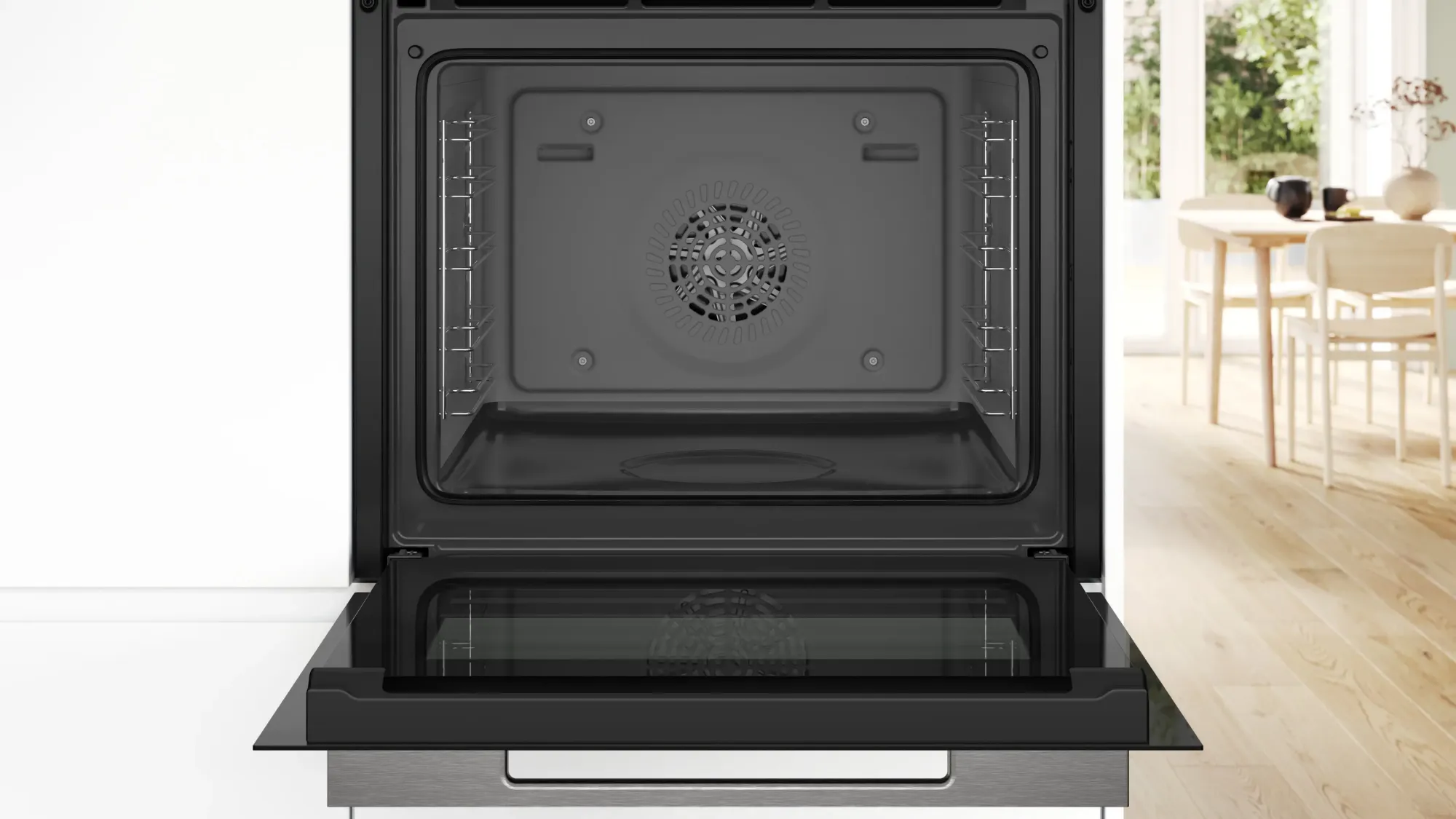
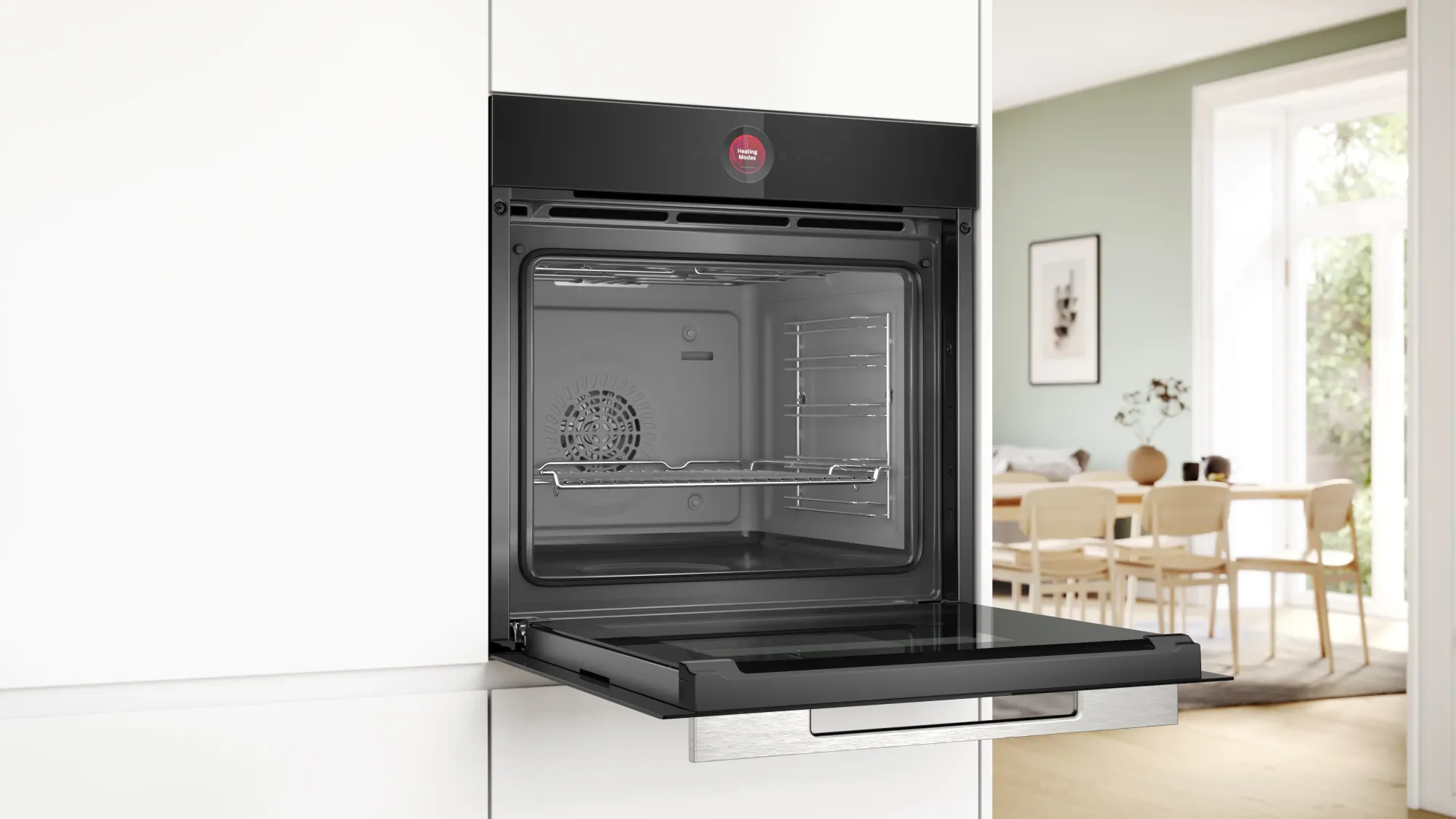
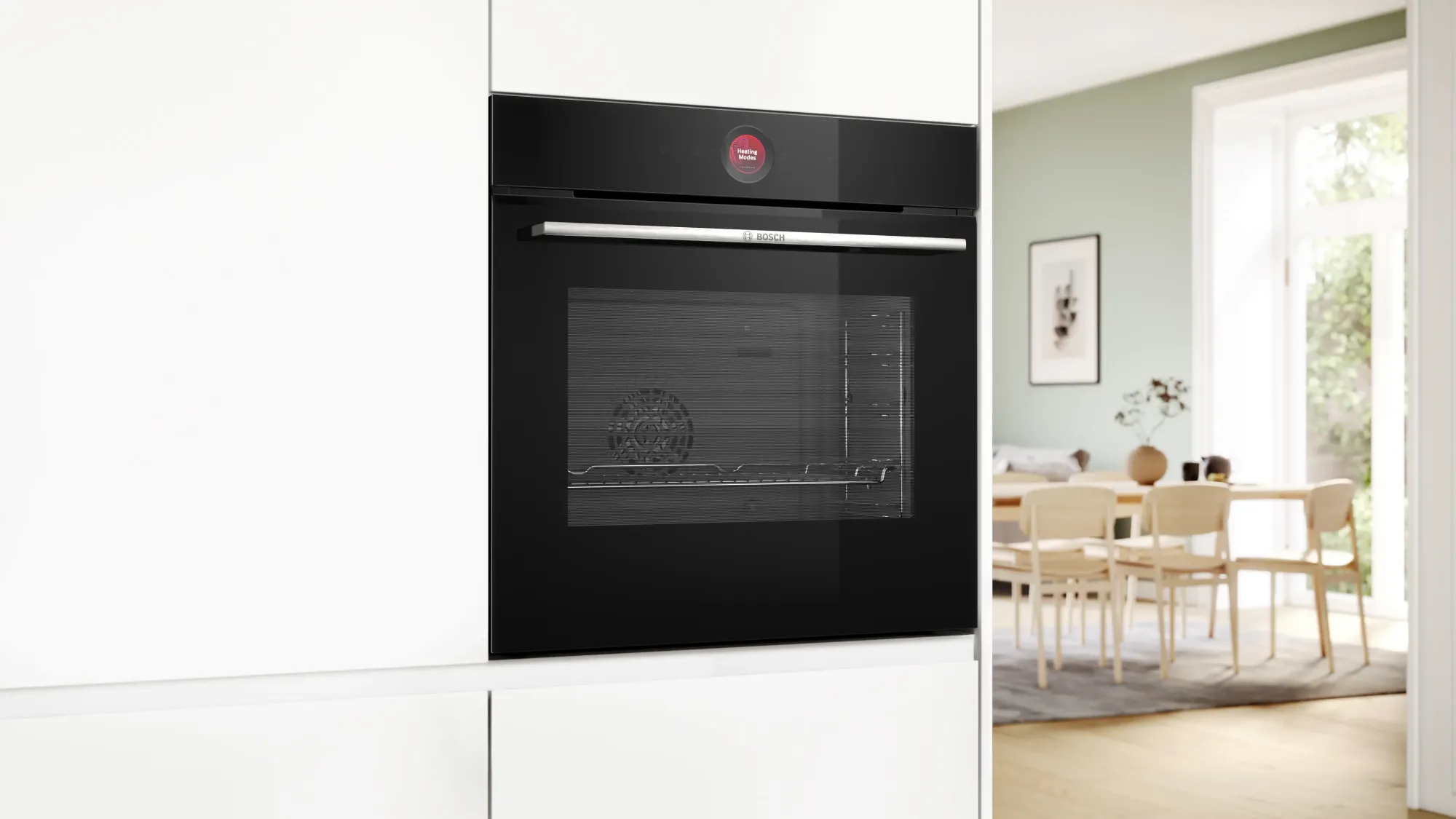
Ovens Bosch
Serie 8 Built-in oven 60 x 60 cm Black HBG7541B1
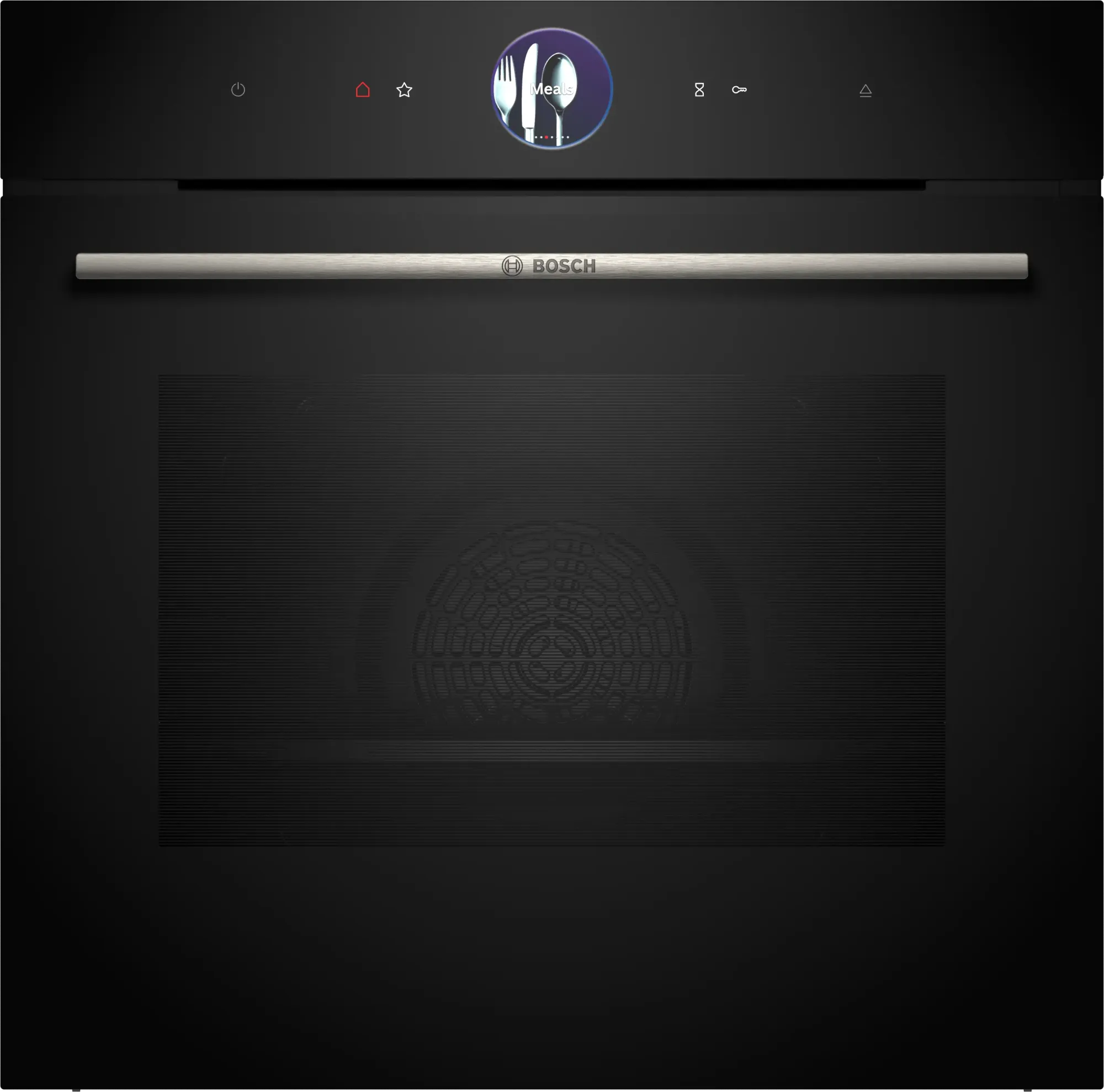
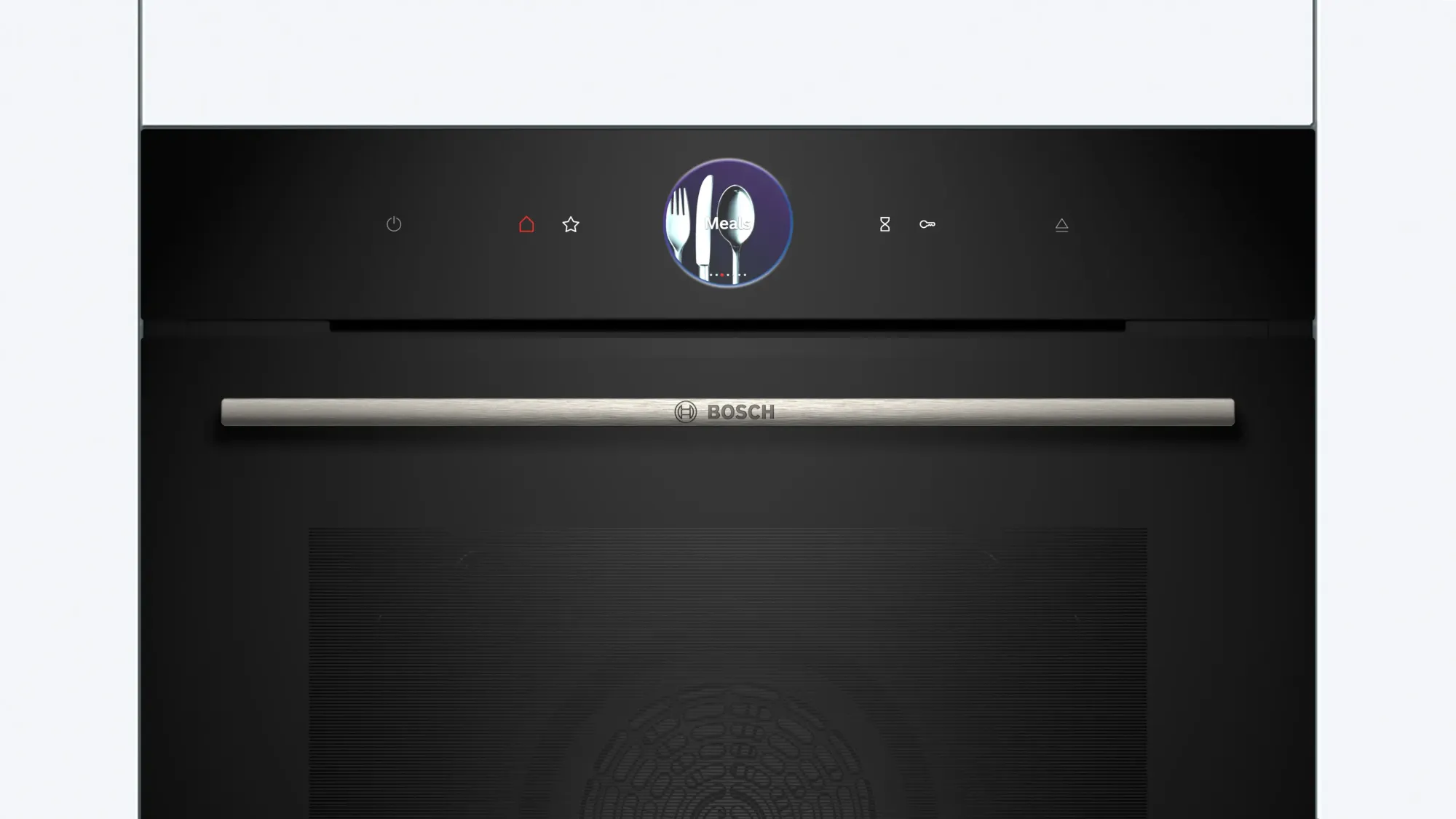
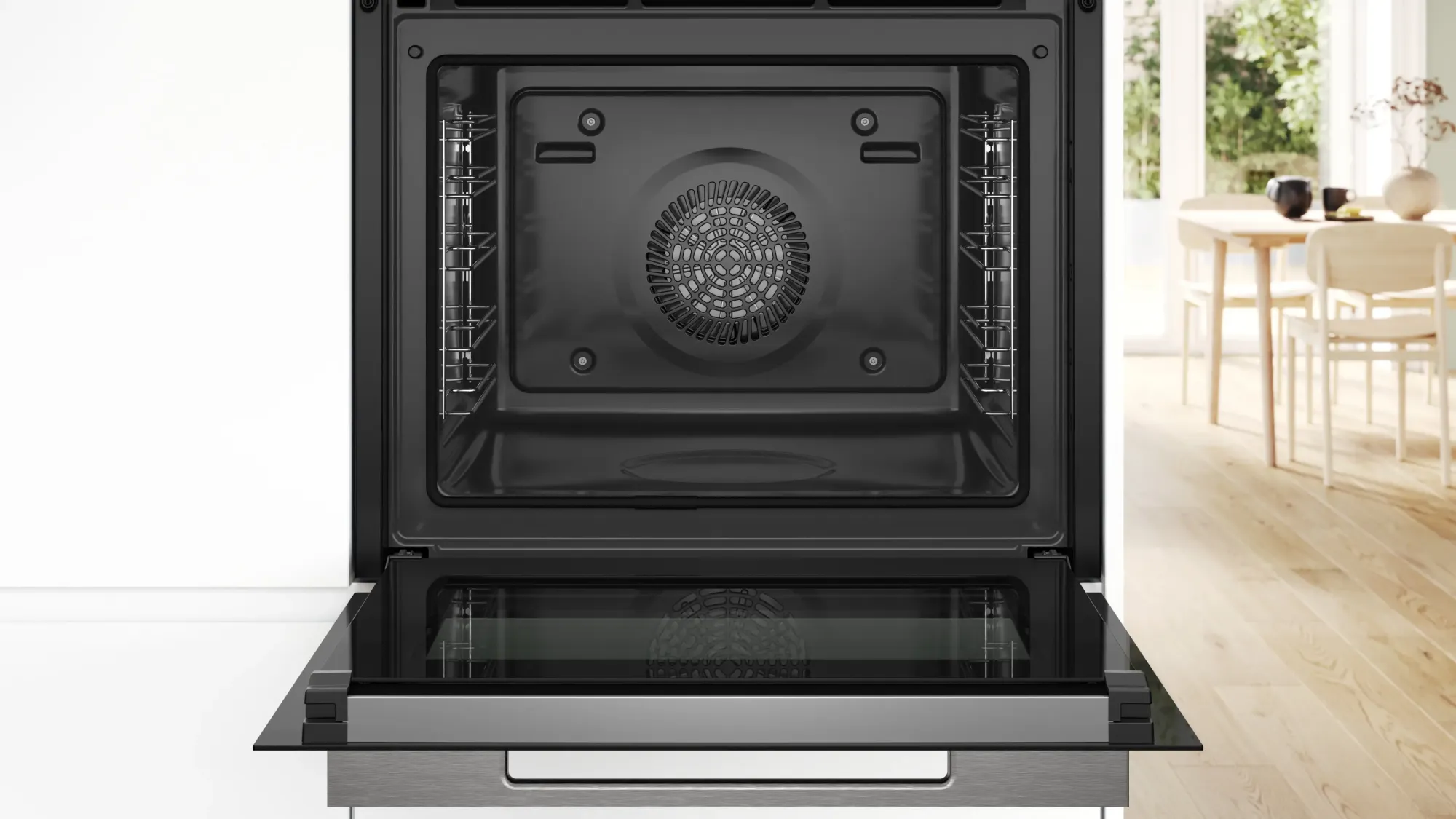
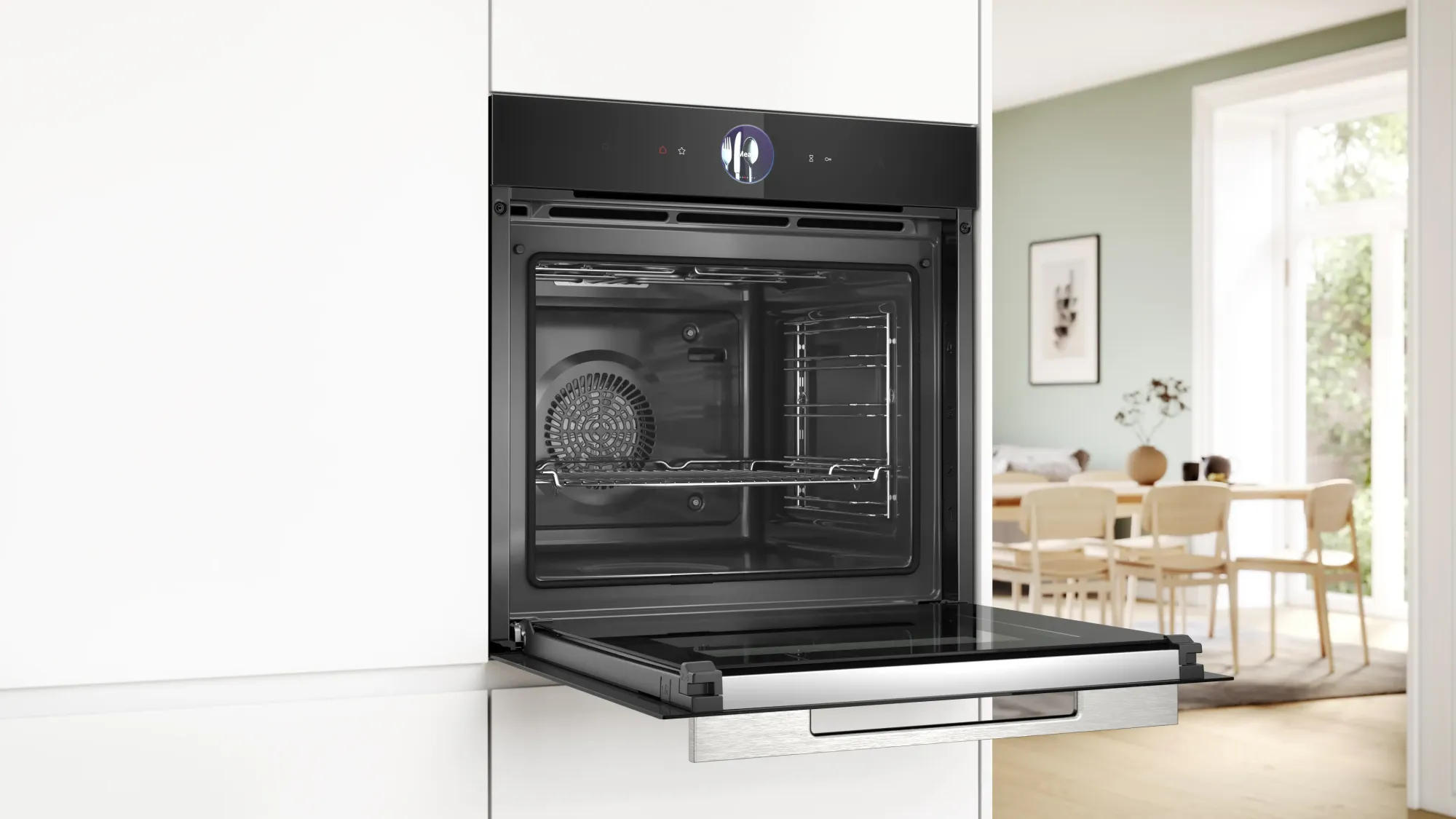
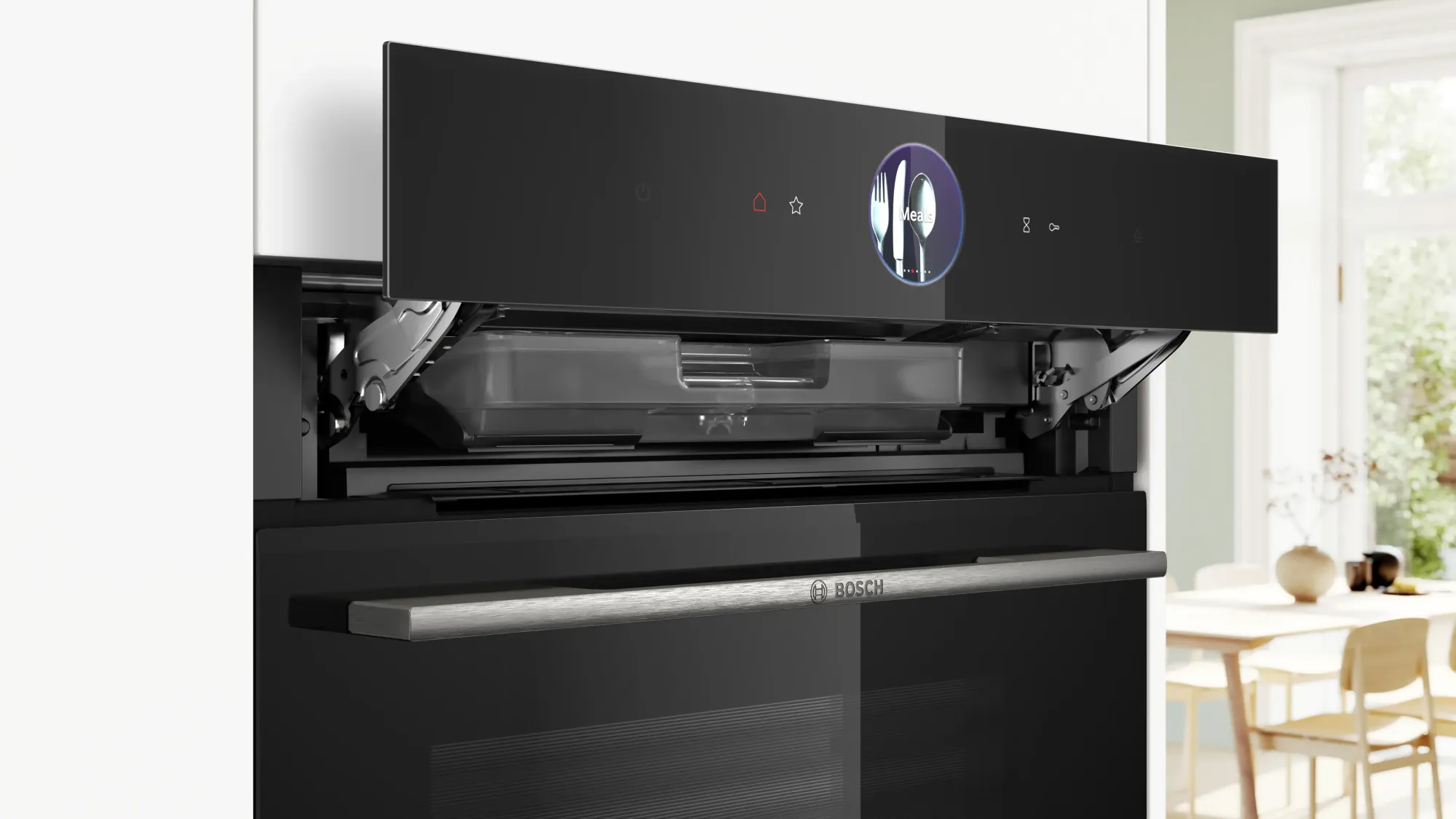
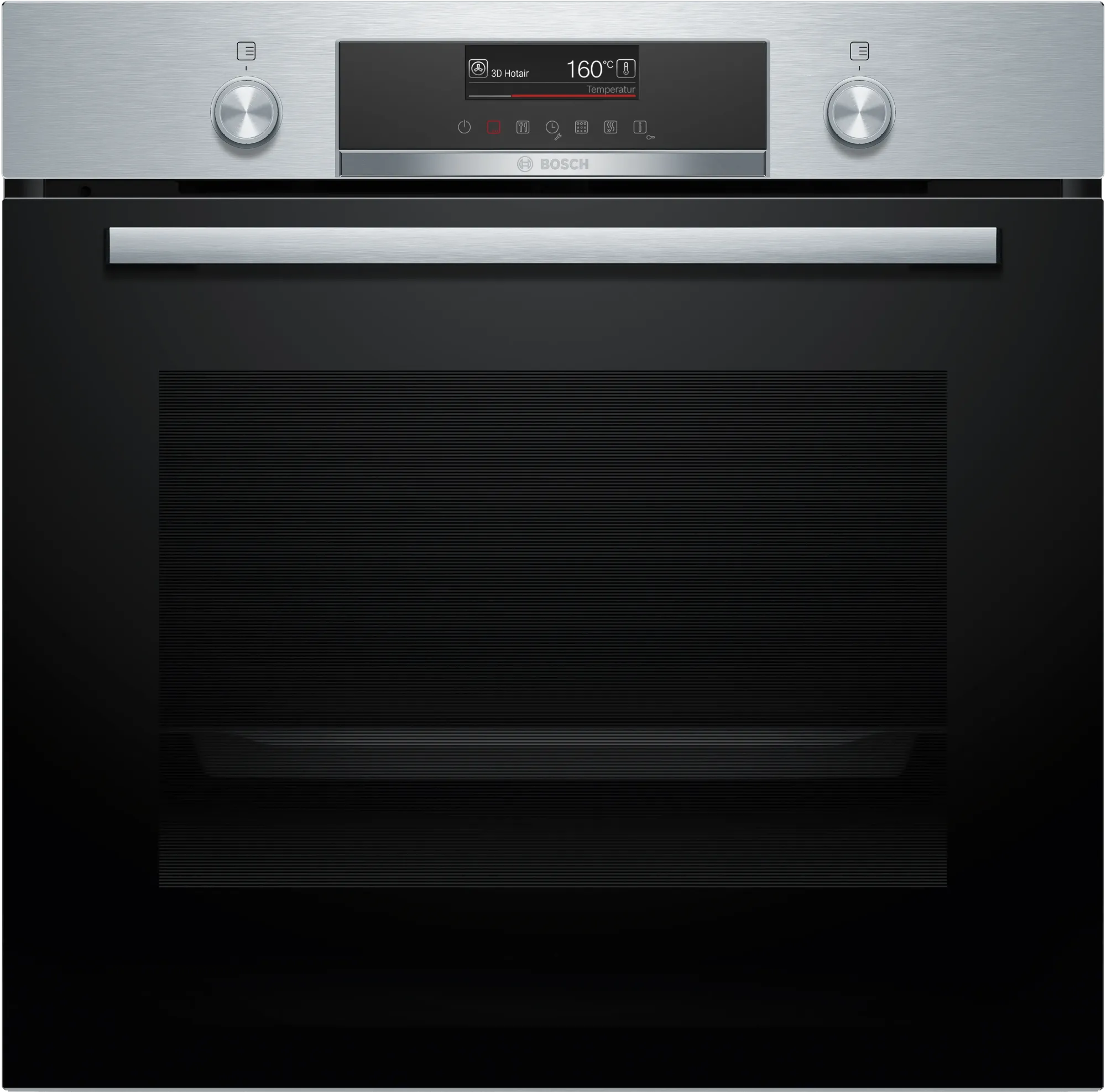
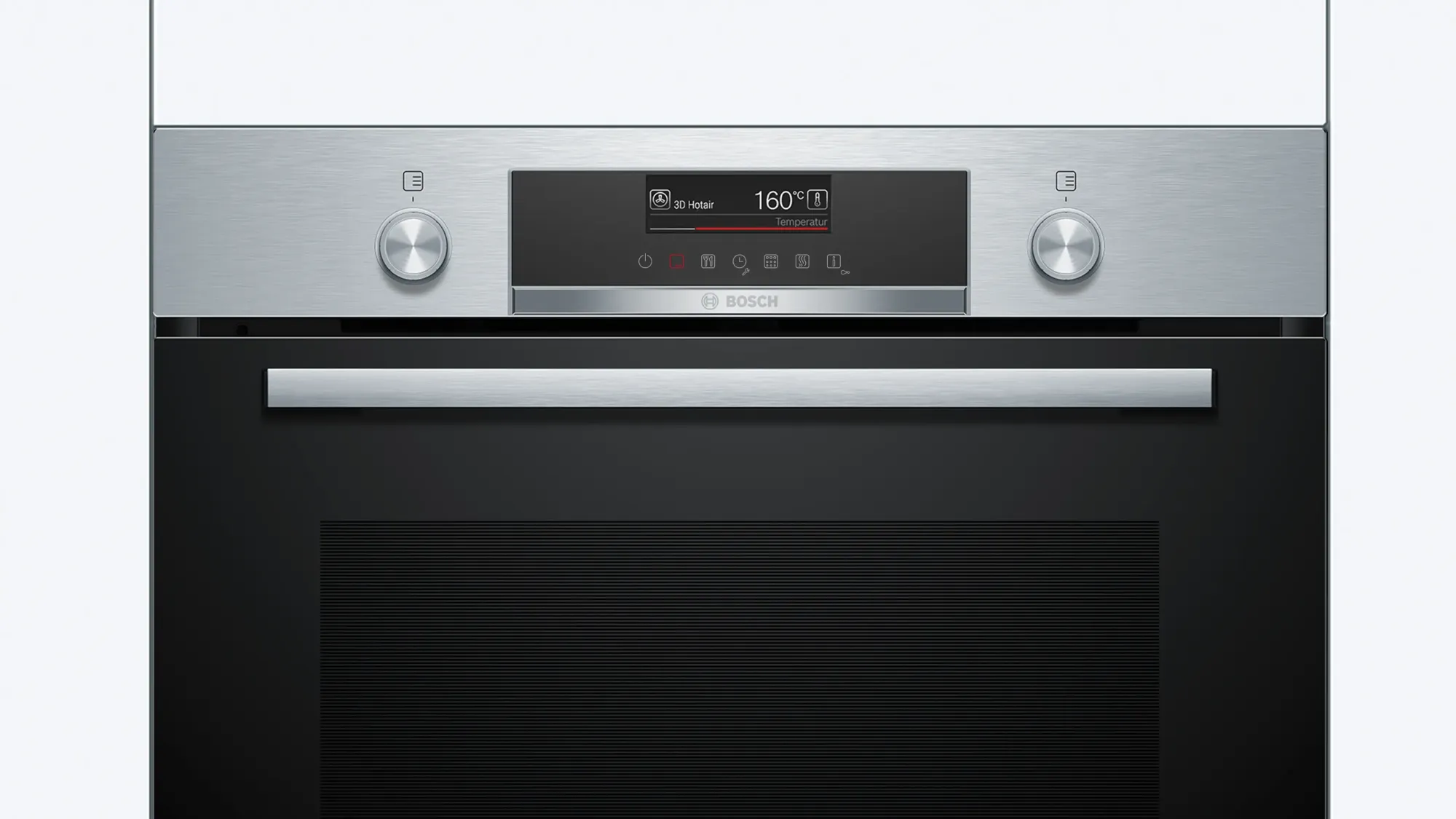
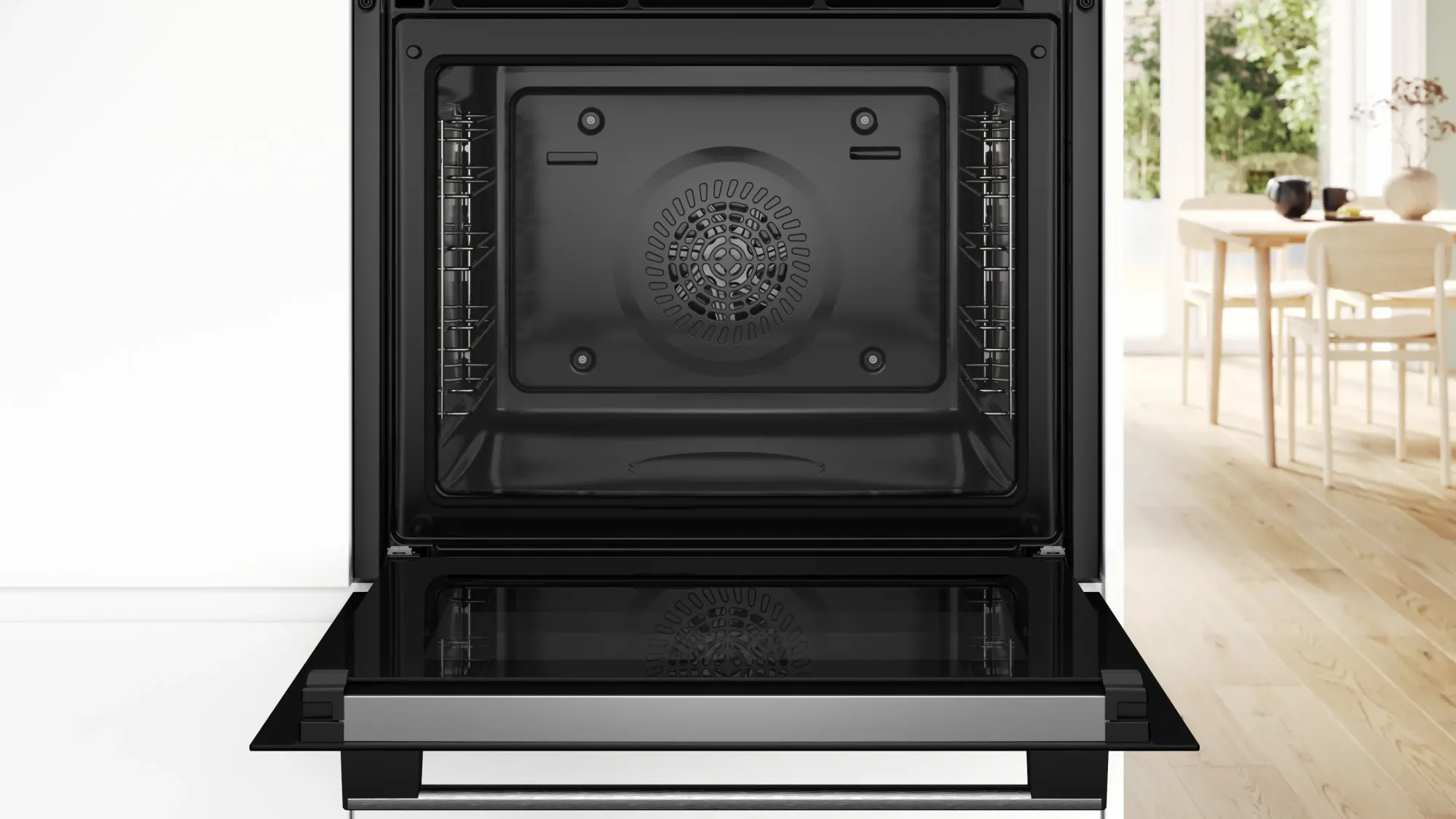
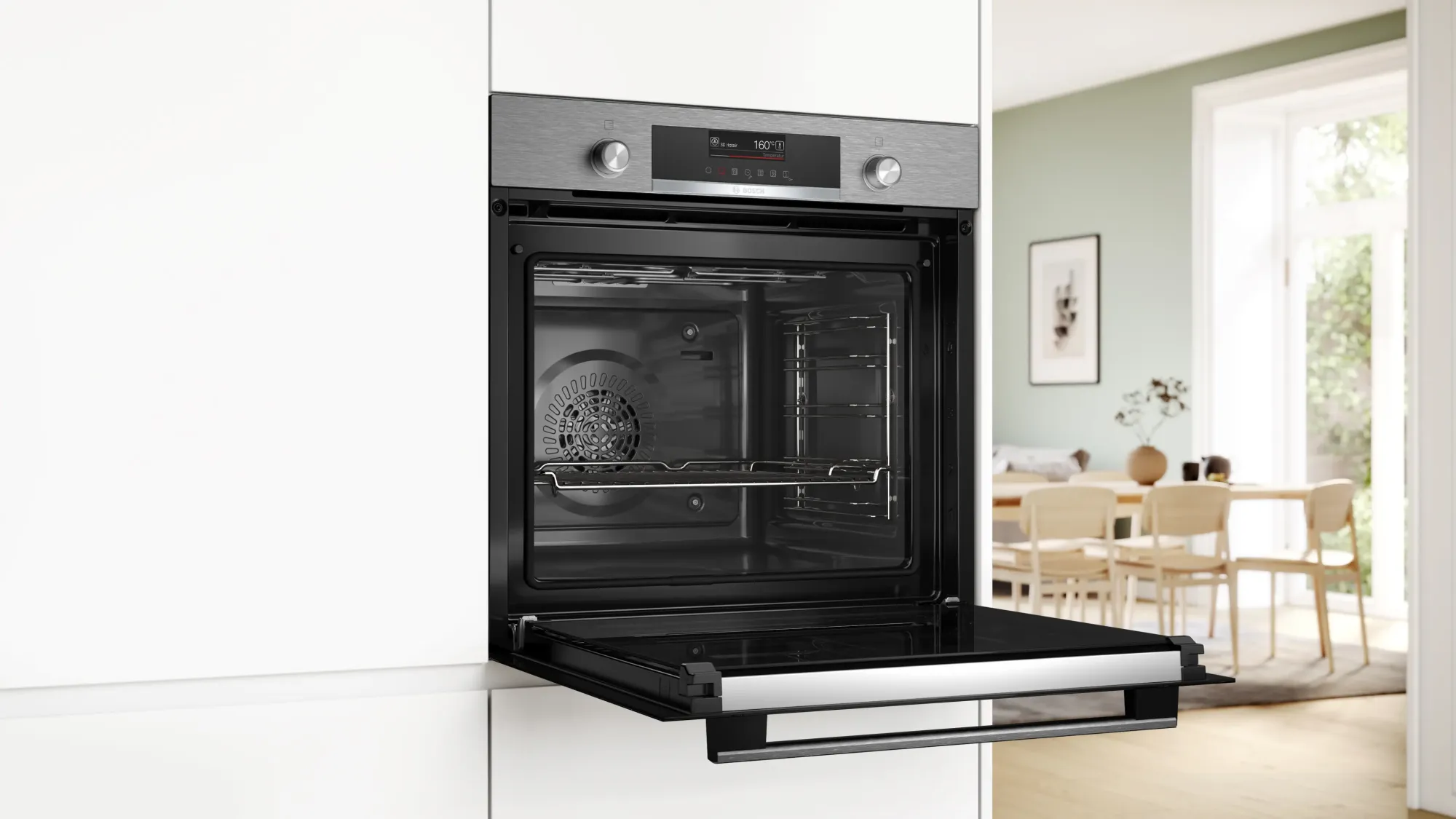
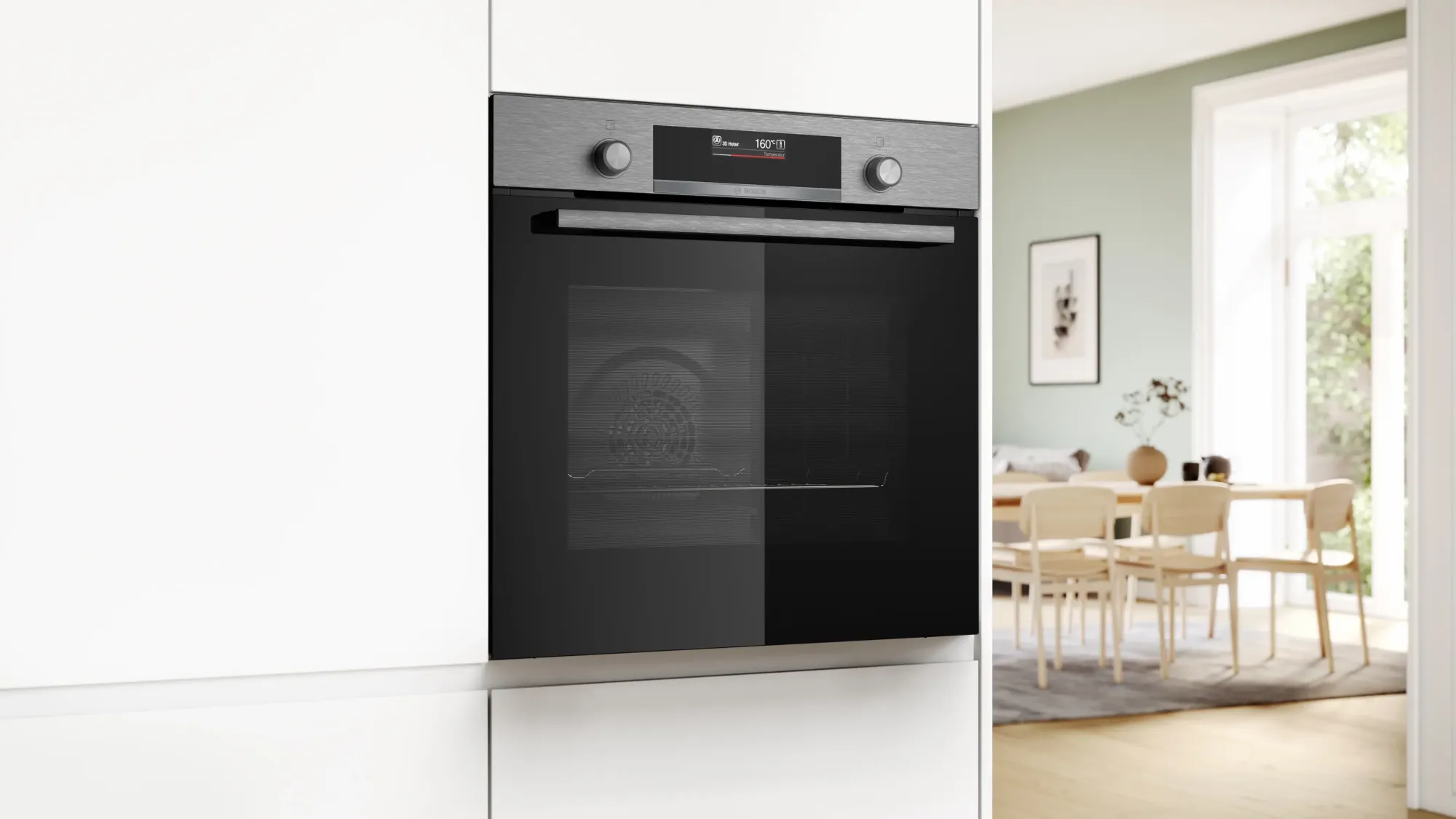
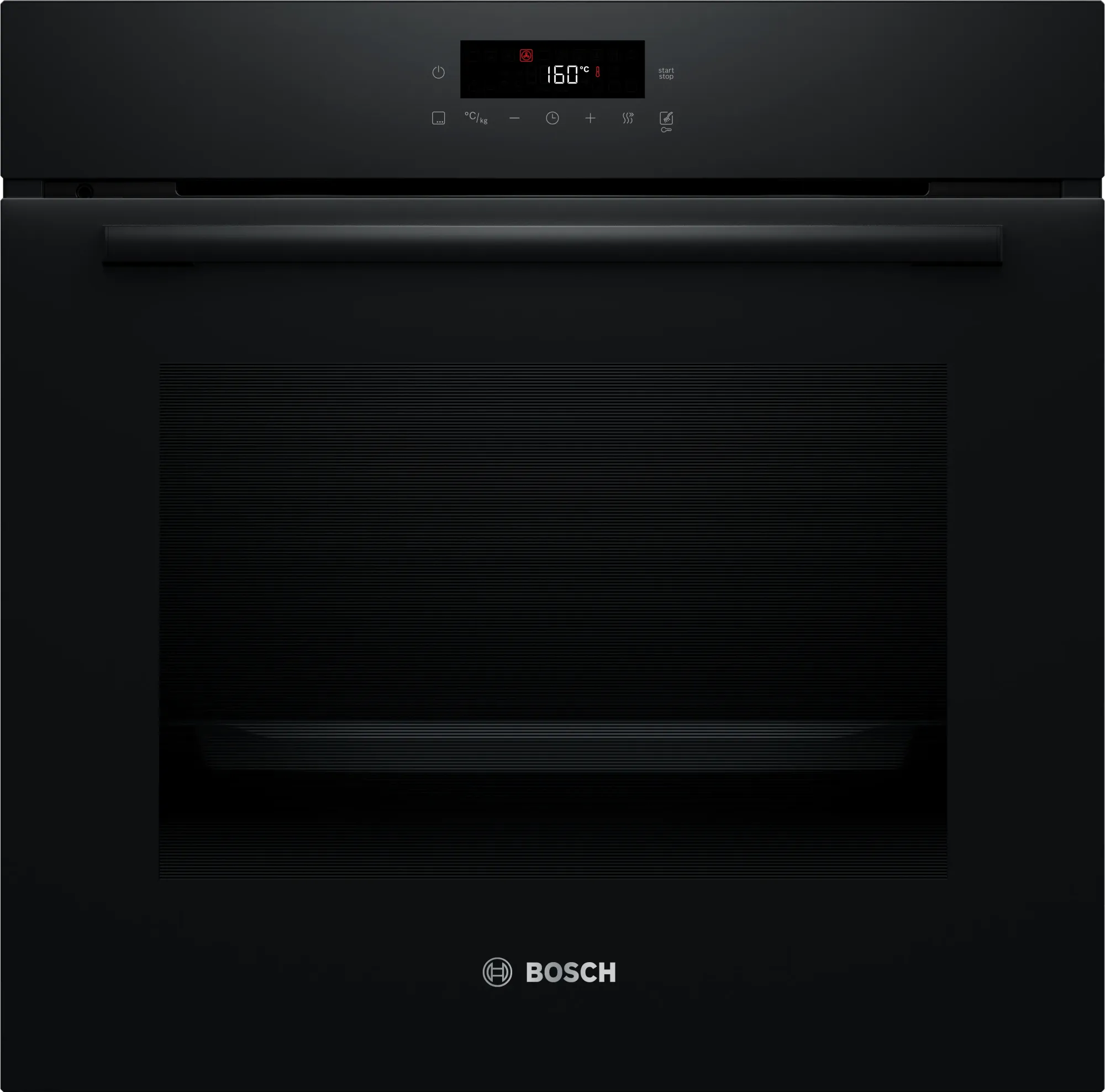
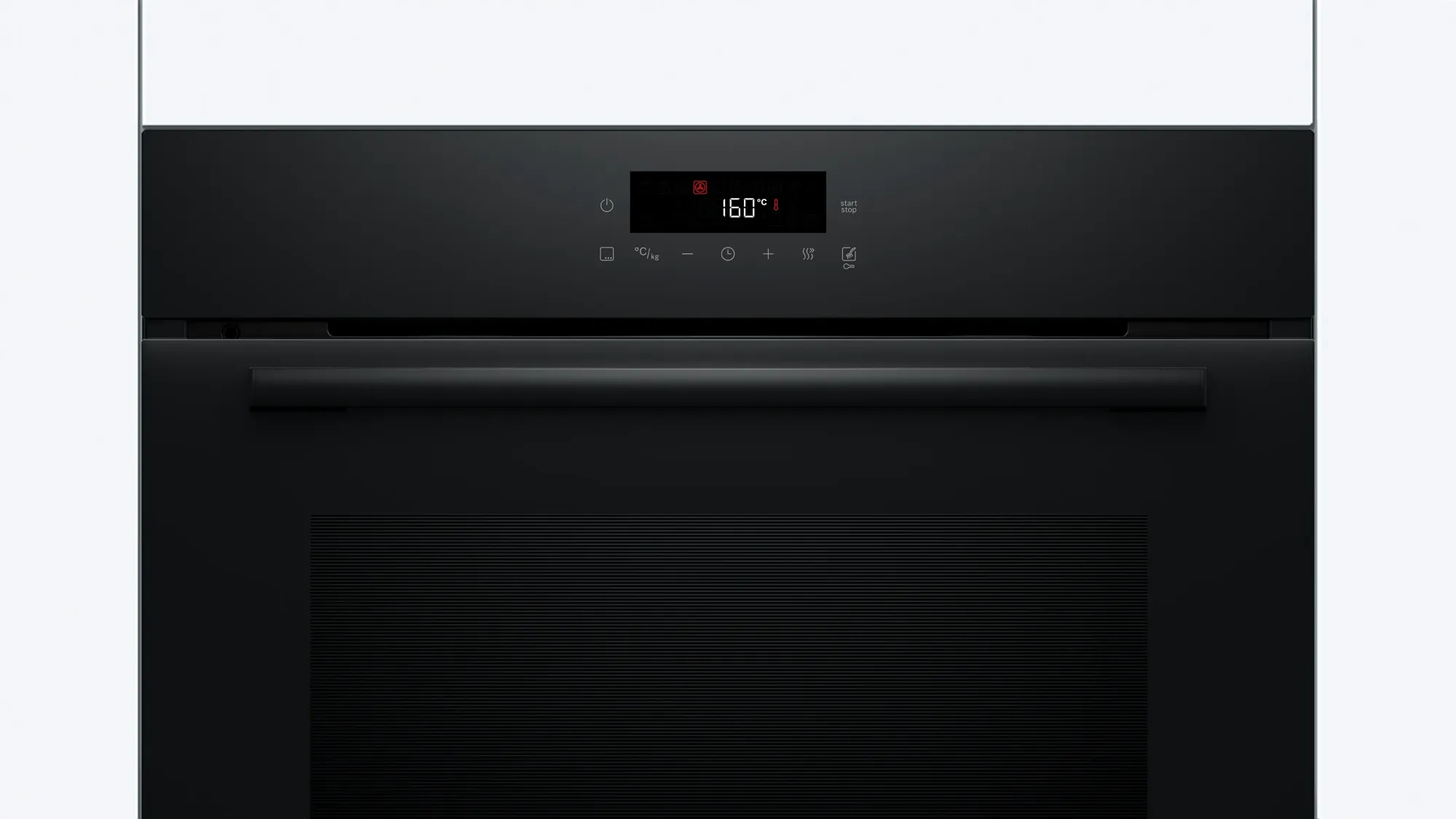
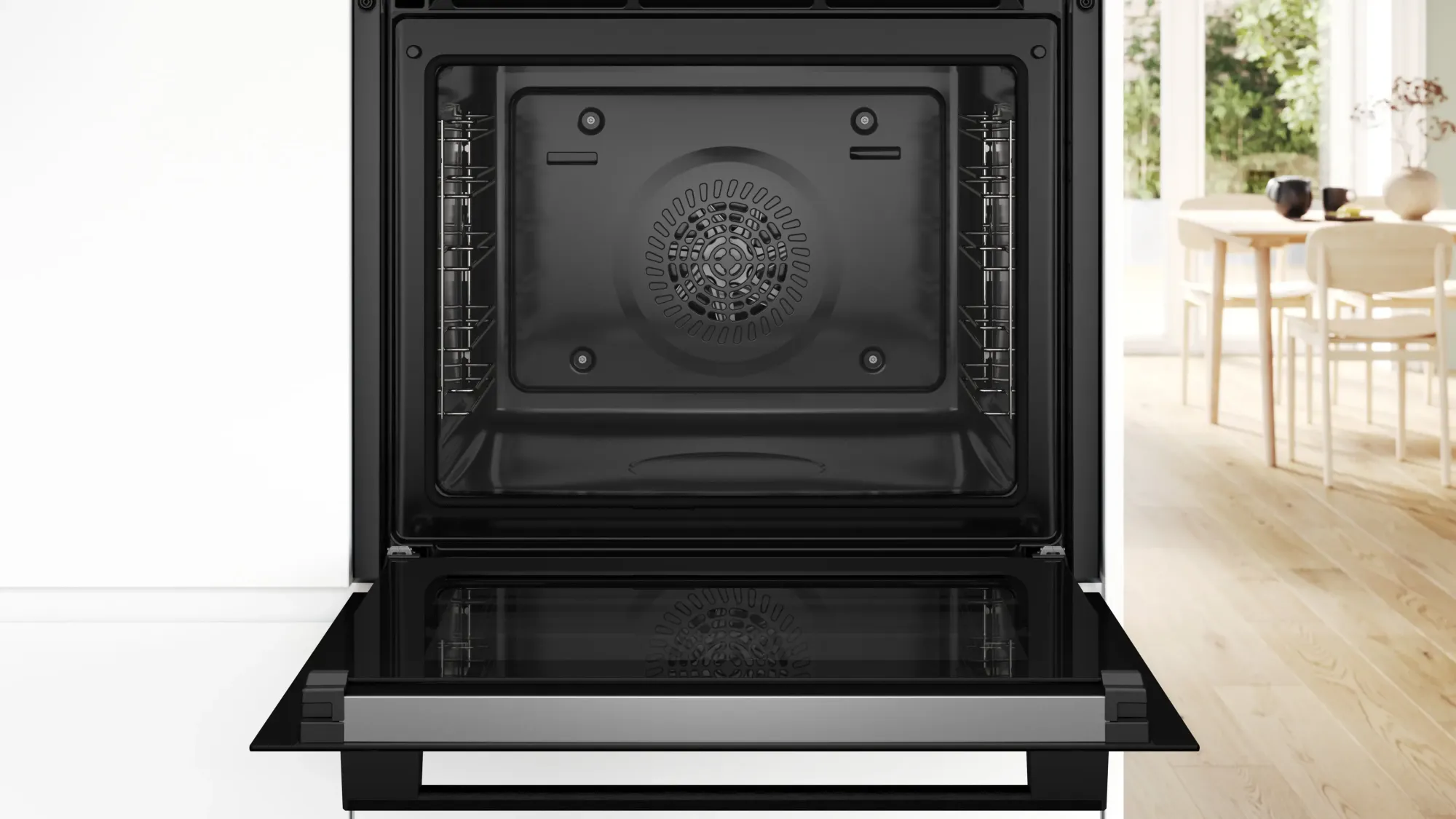
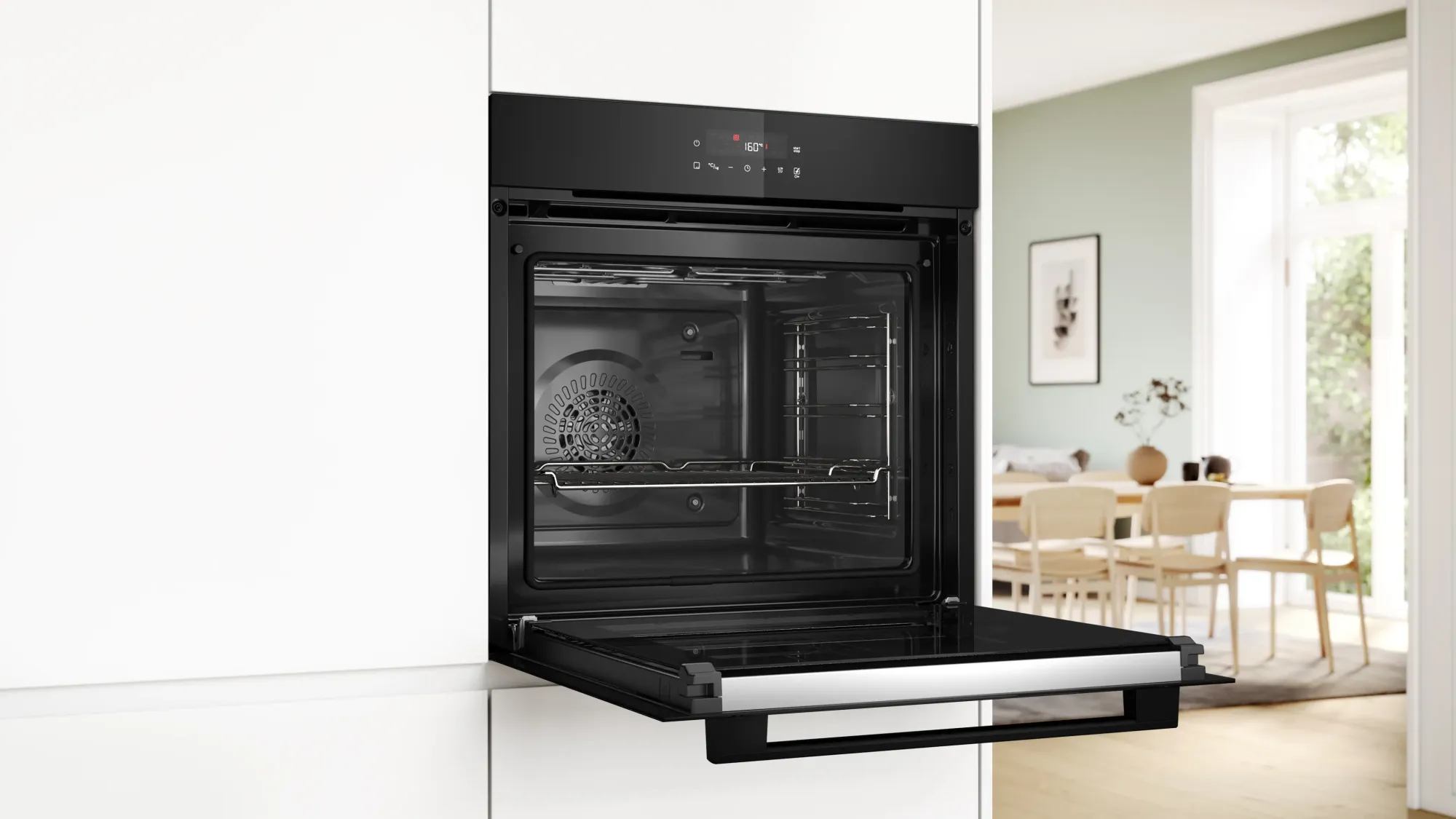
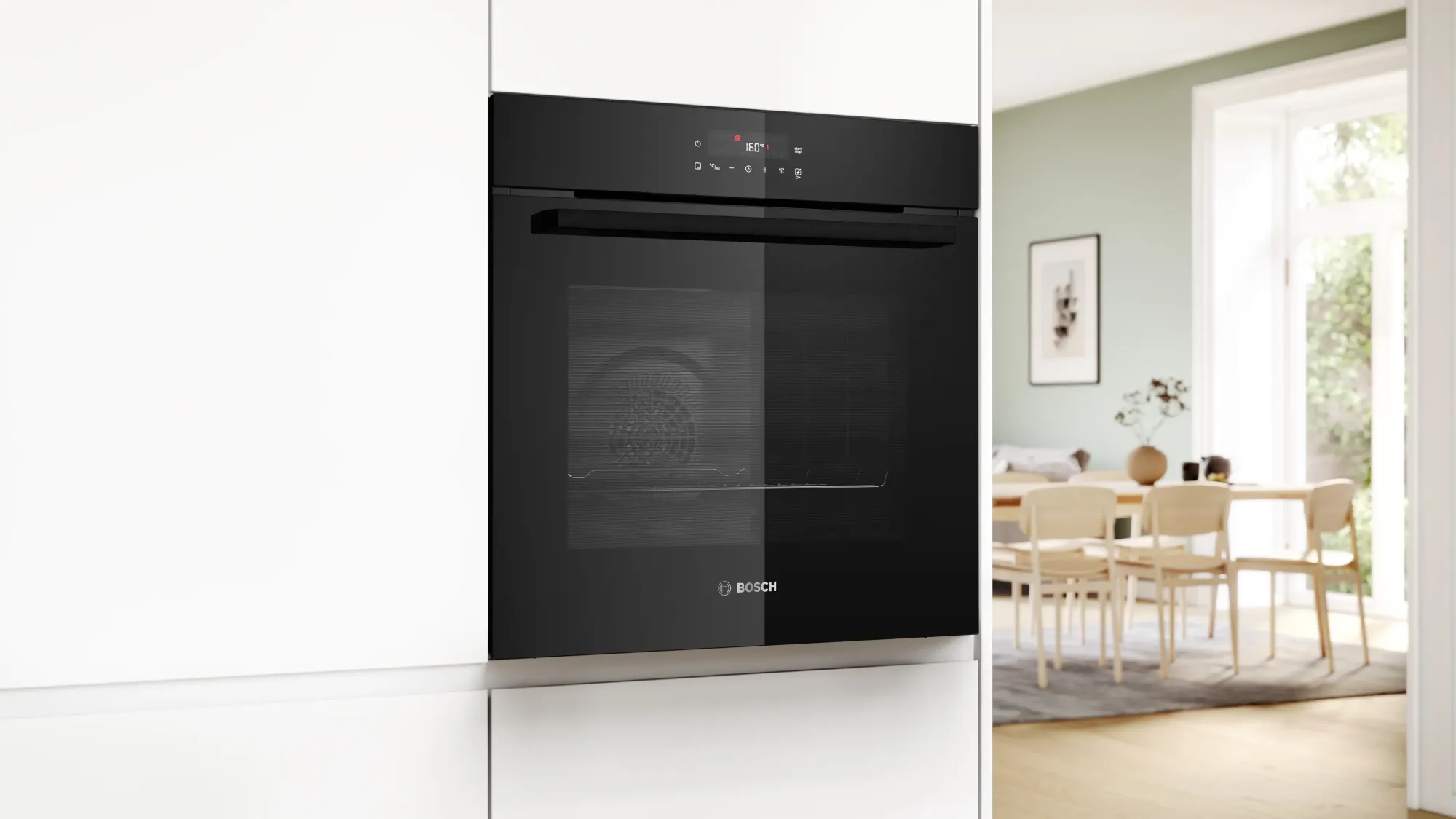
Ovens Bosch
Serie 2 Built-in Oven 60 x 60 cm Black HBA571BB4
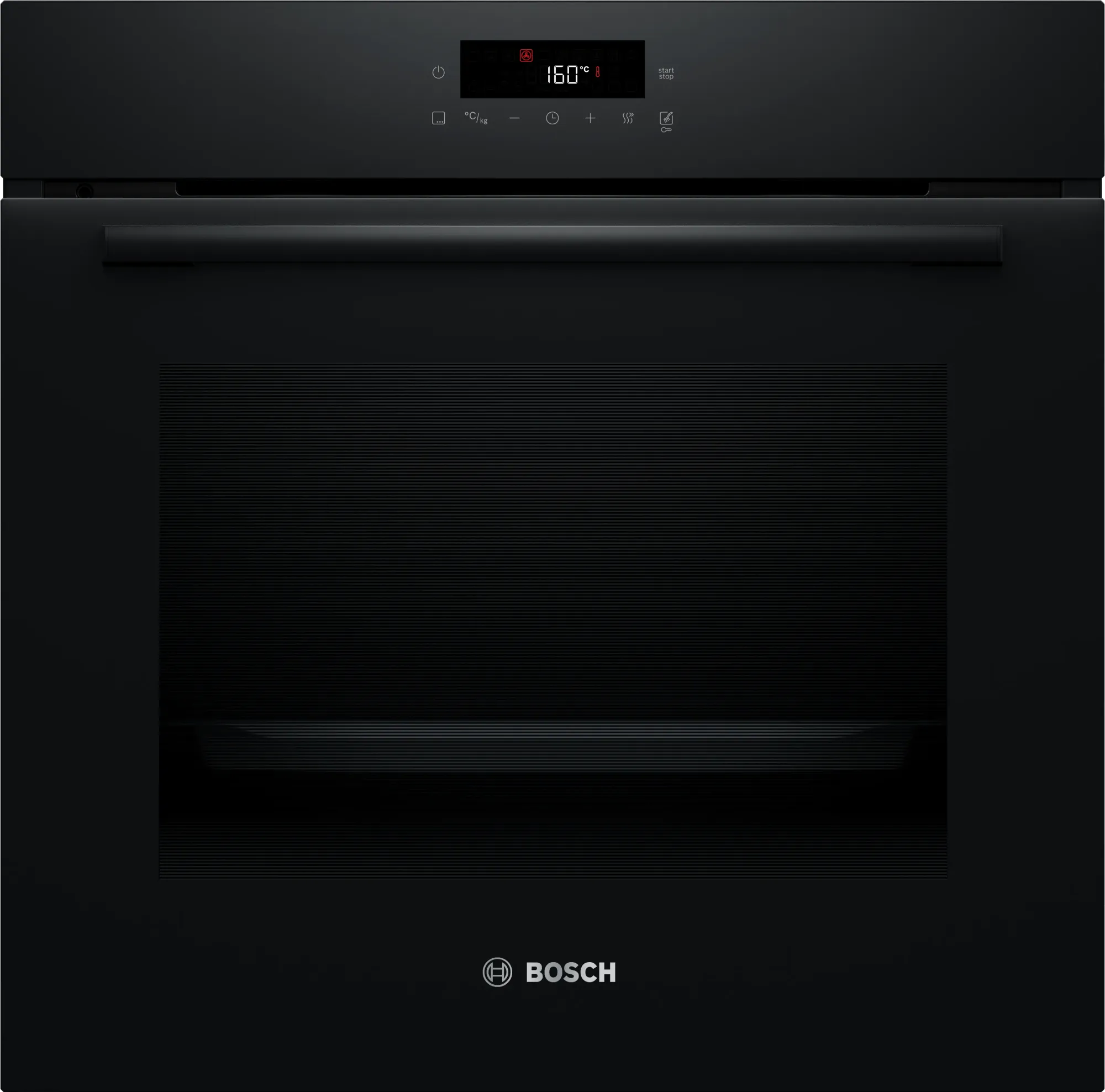
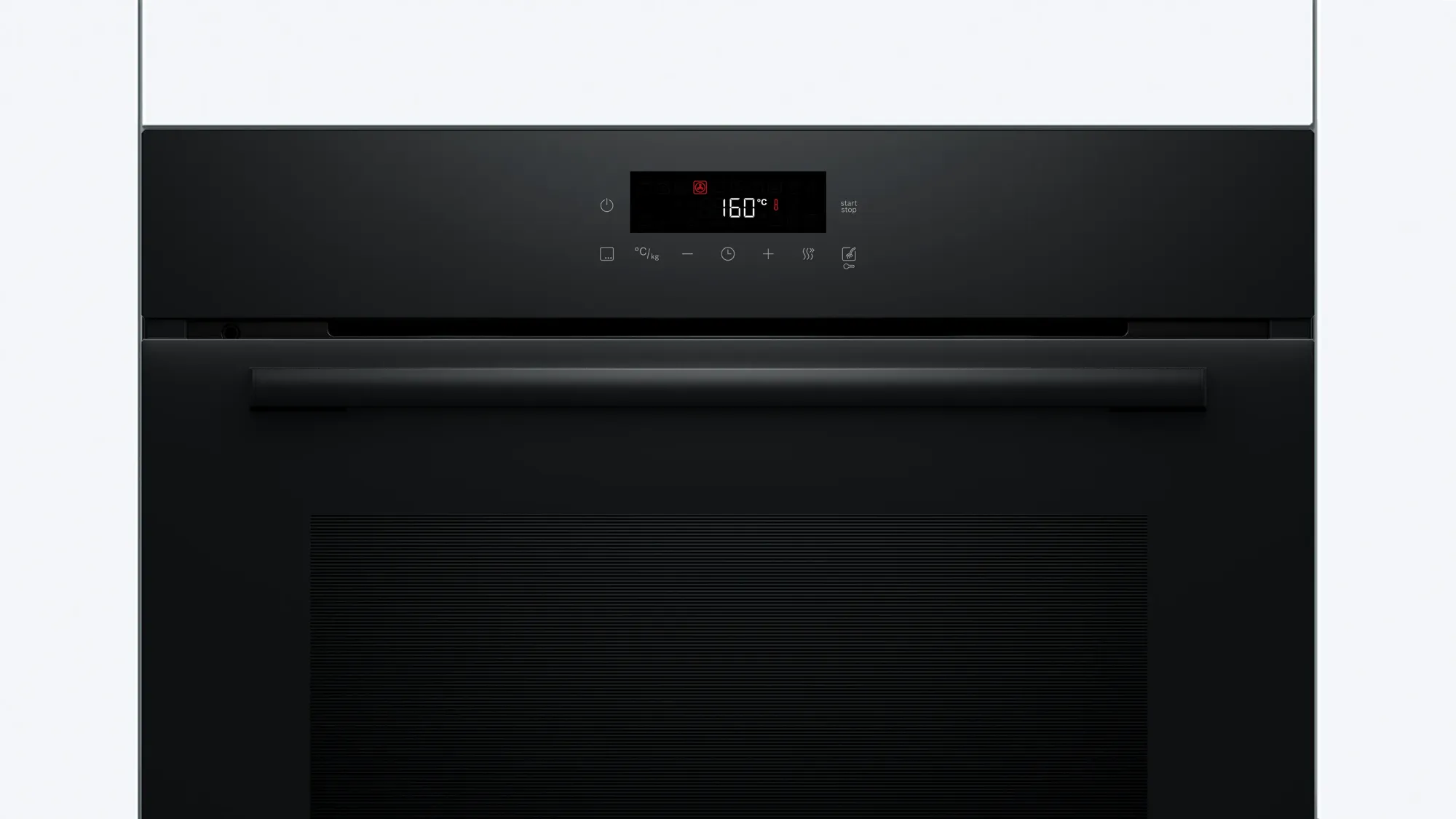
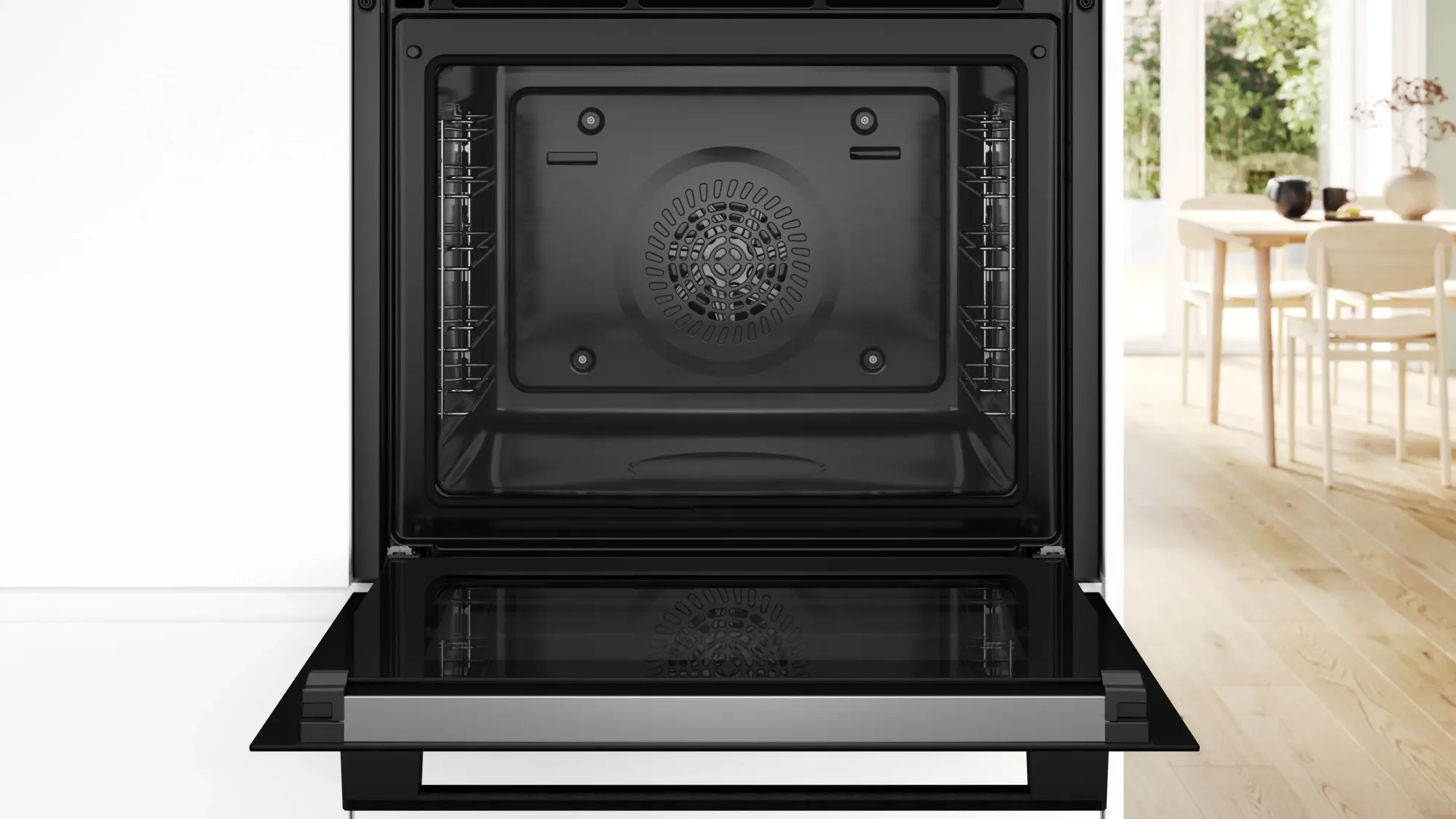
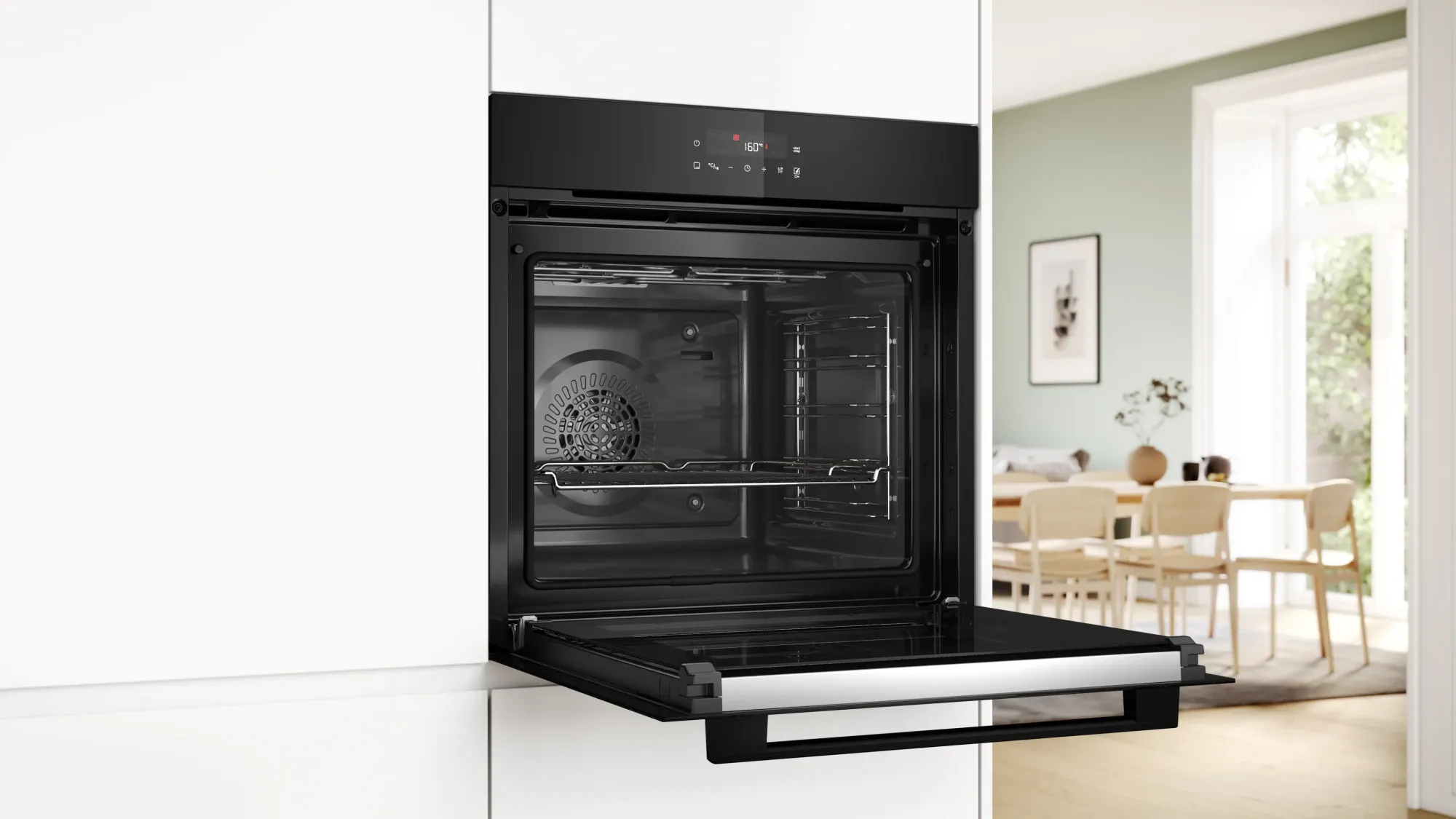
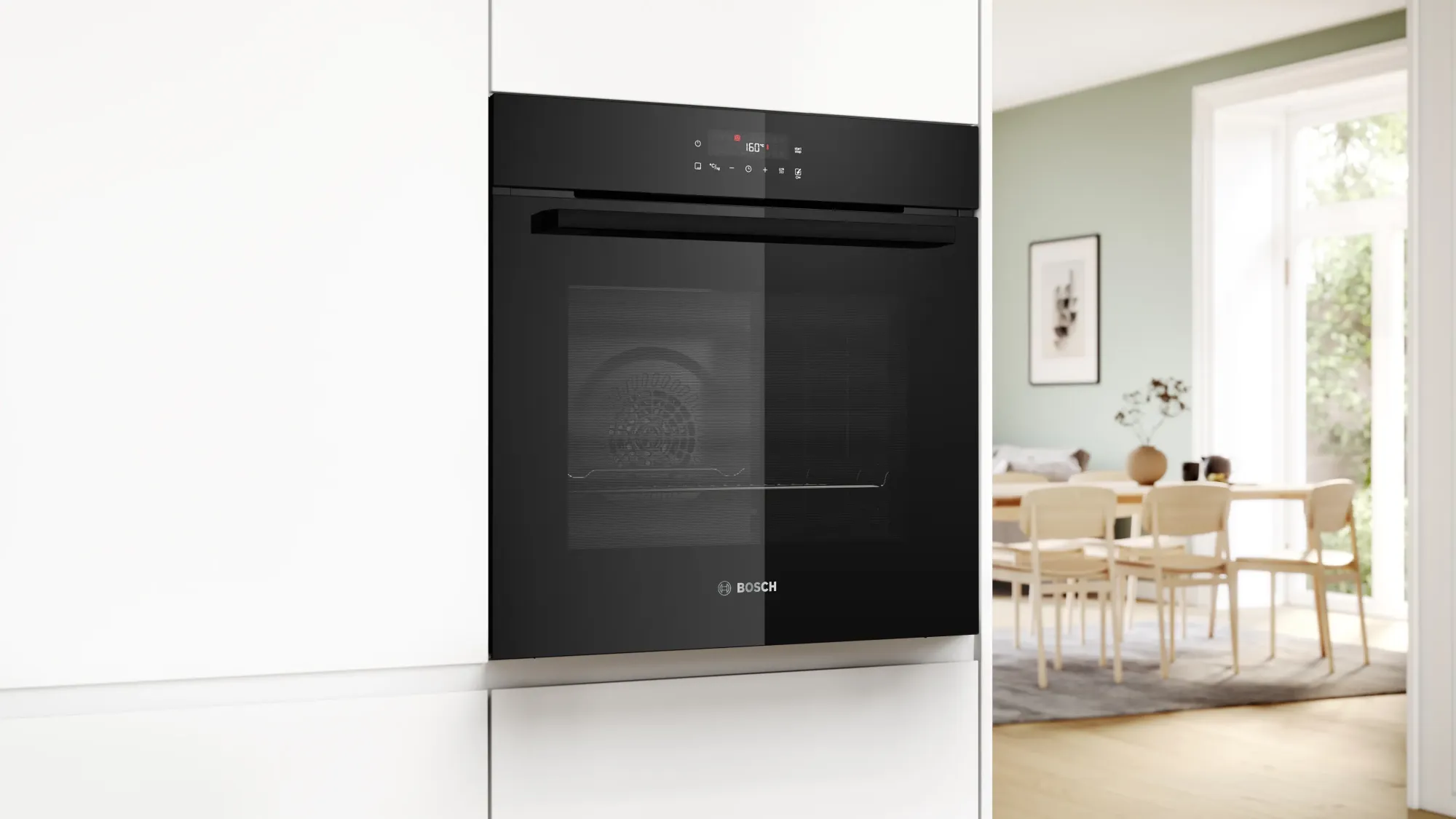
Ovens Bosch
Serie 2 Built-in Oven 60 x 60 cm Black HBA572BB4
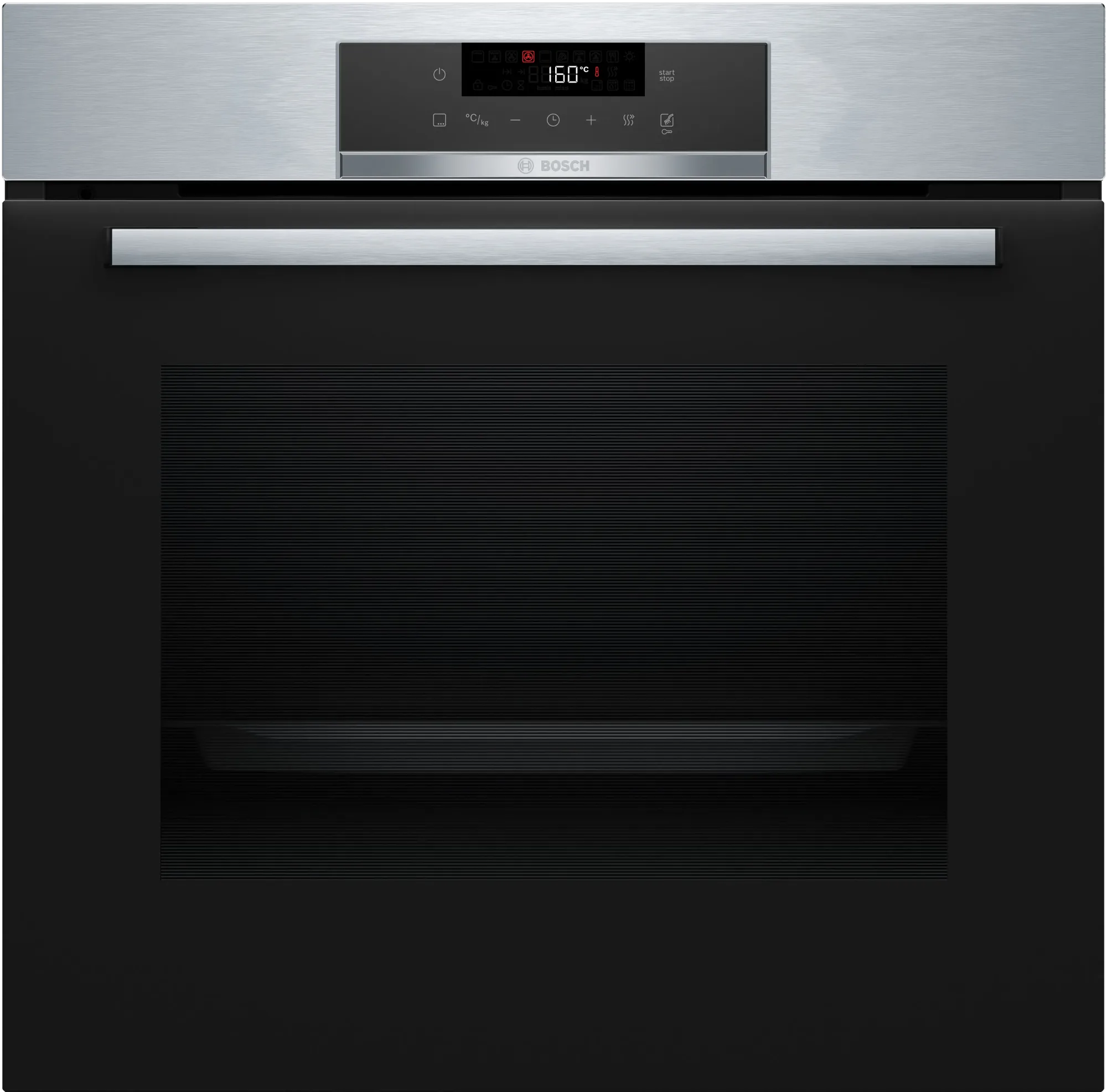
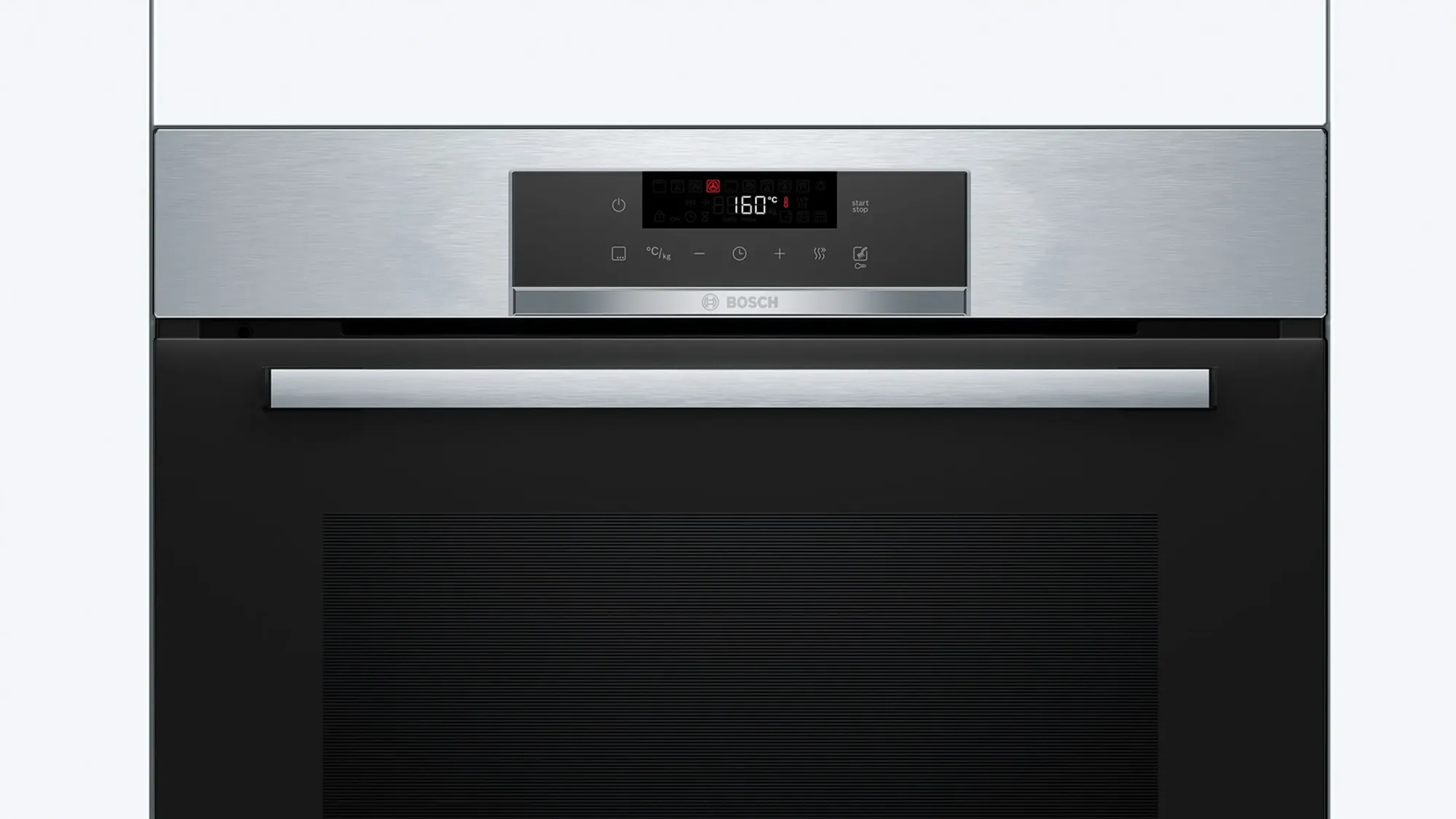
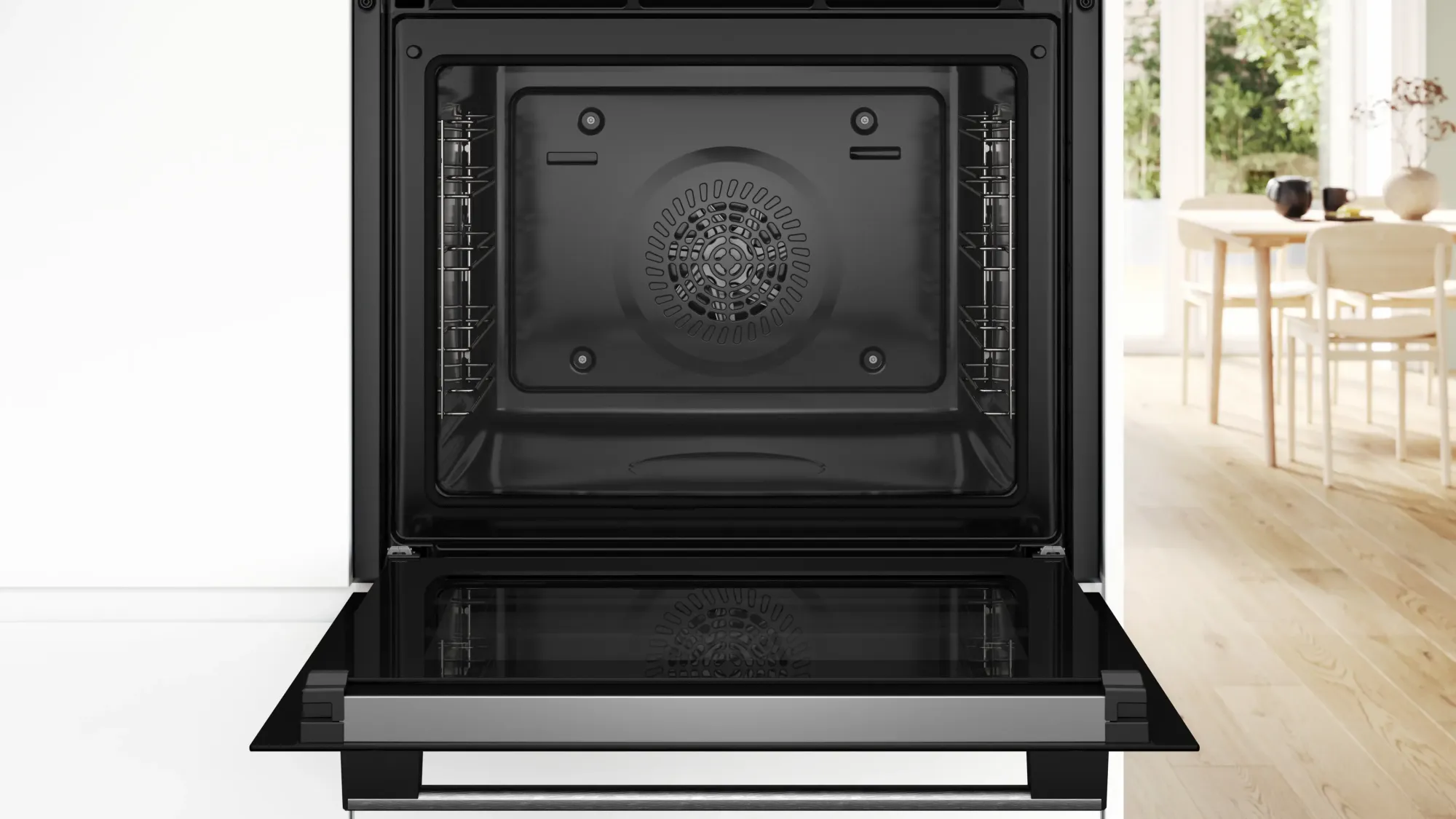
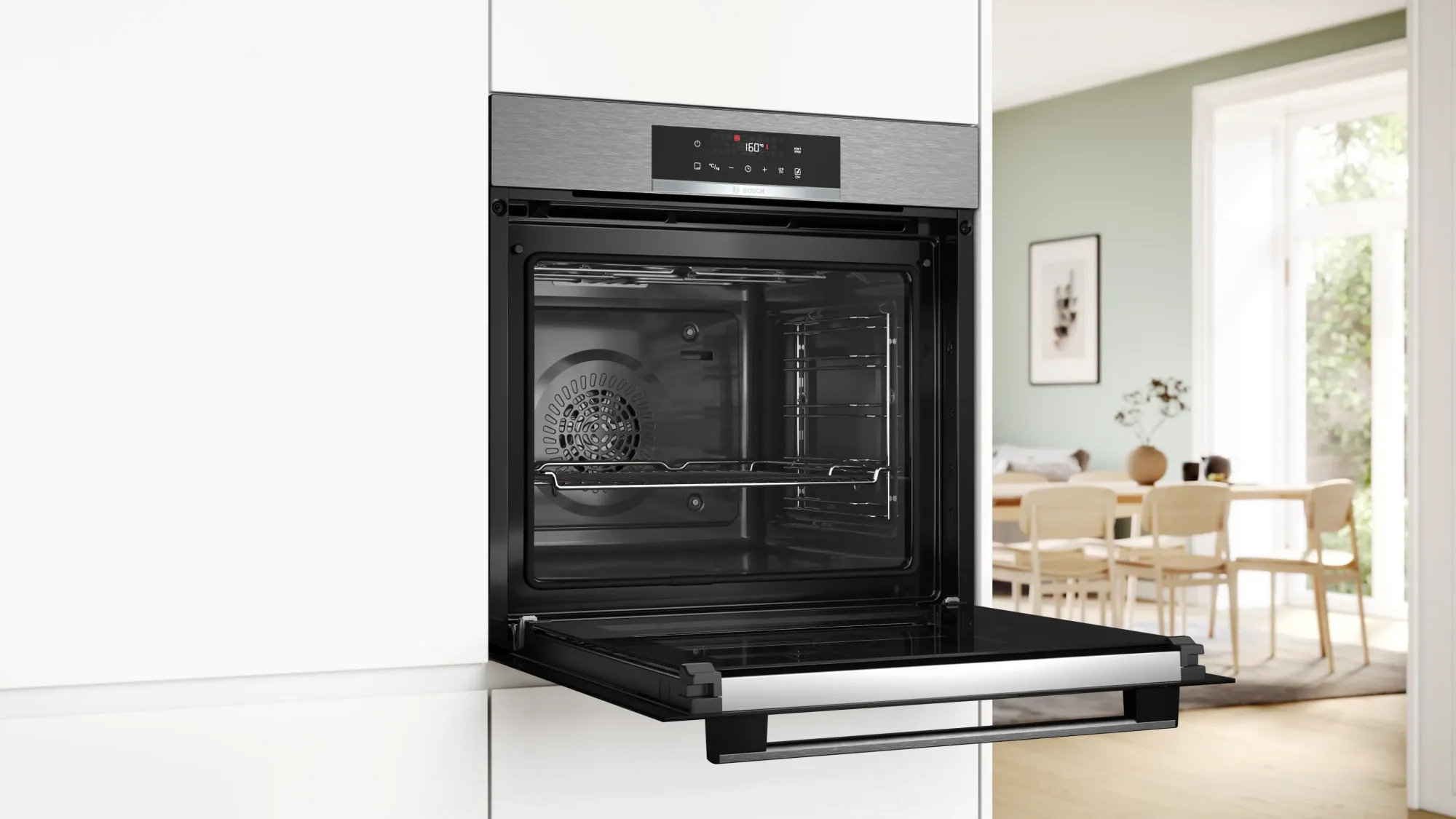
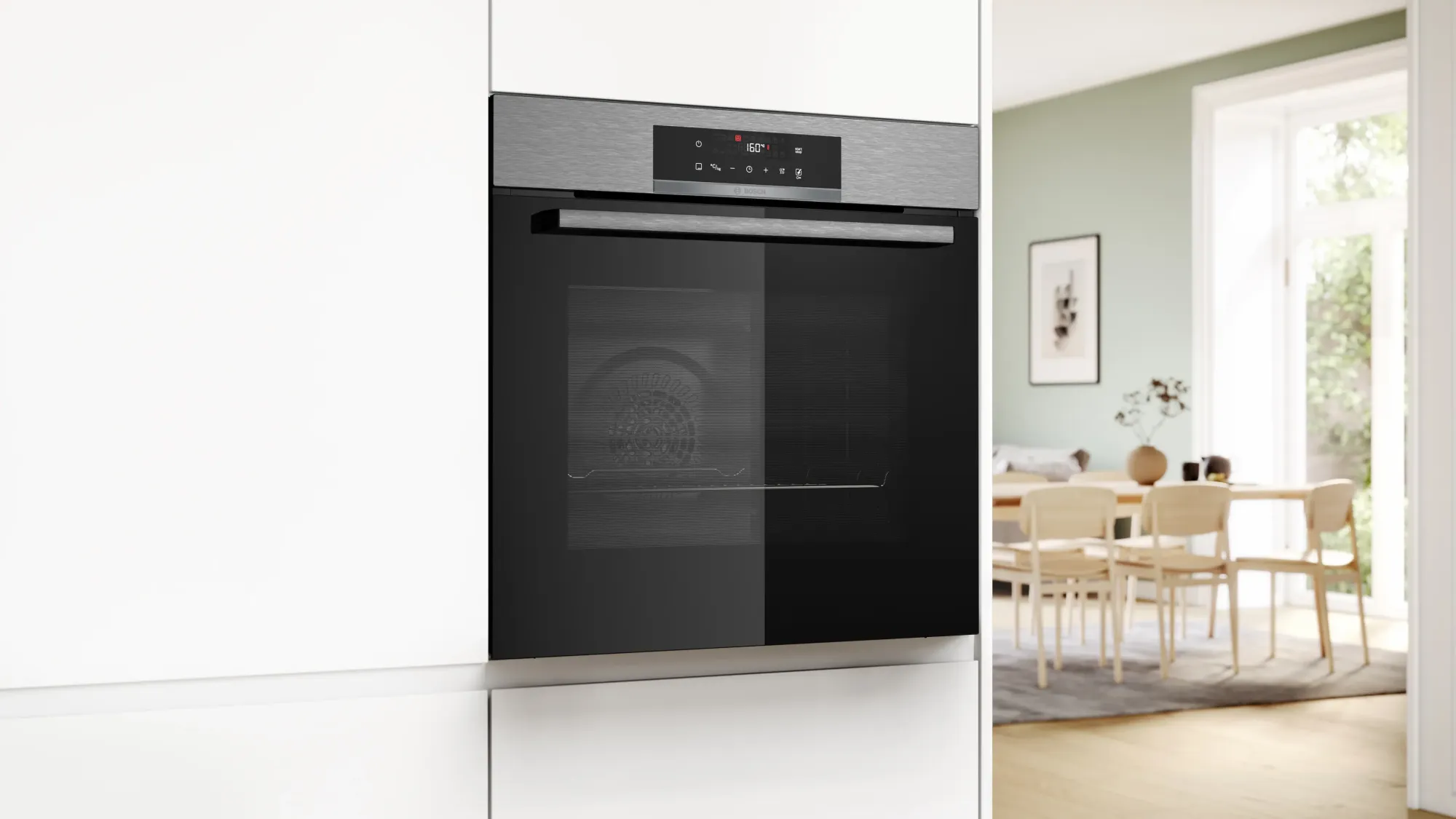
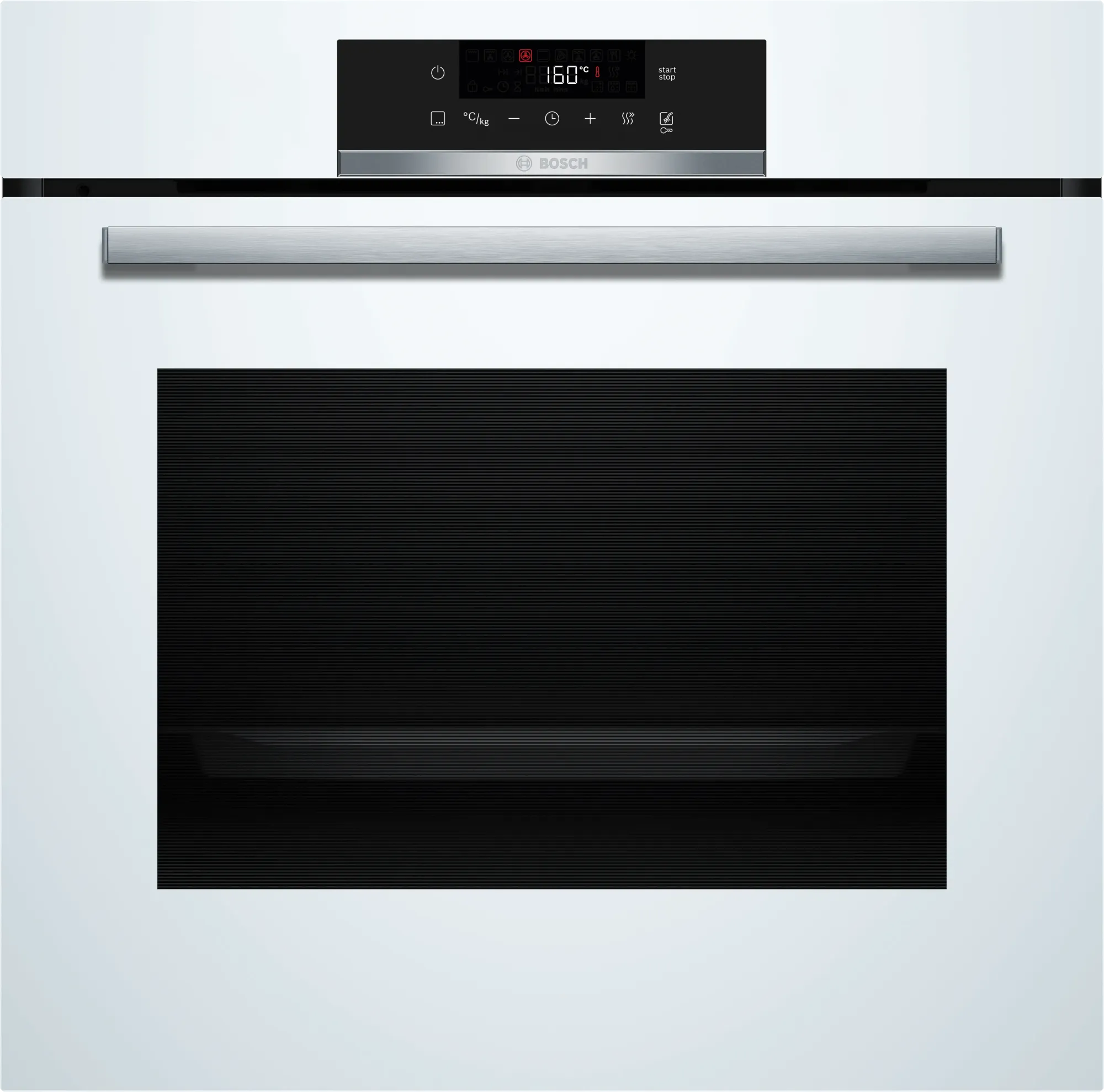
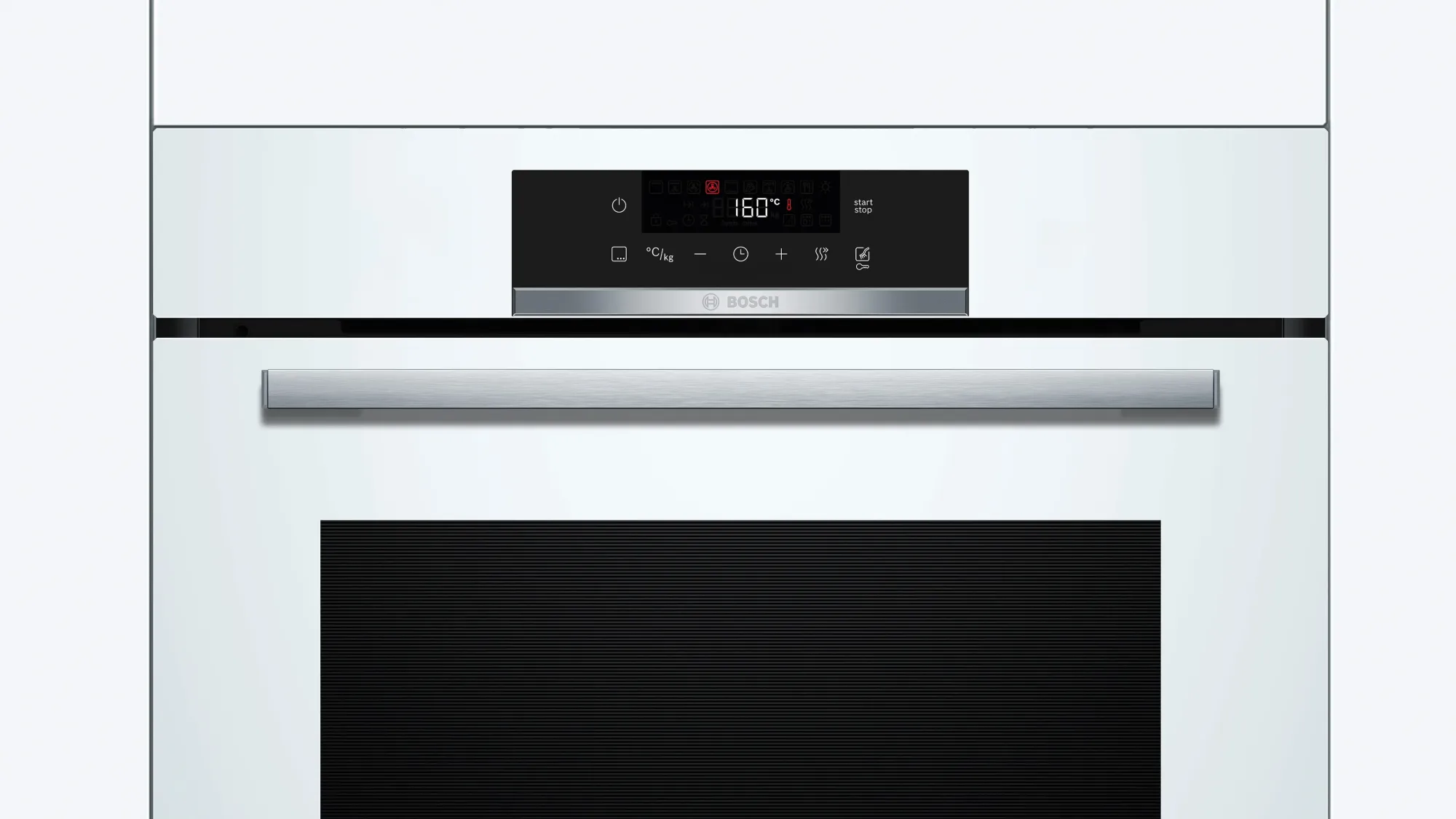
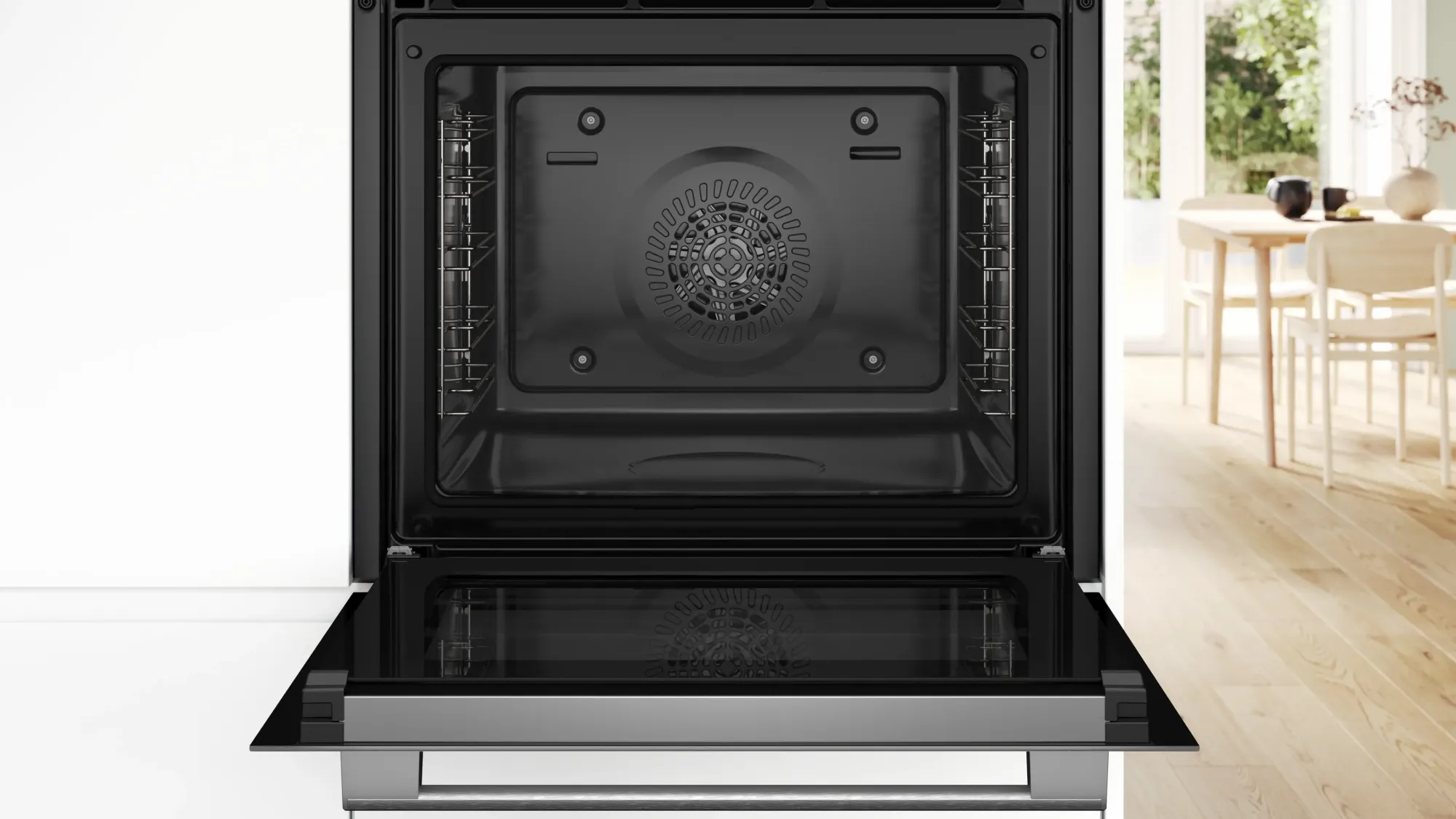
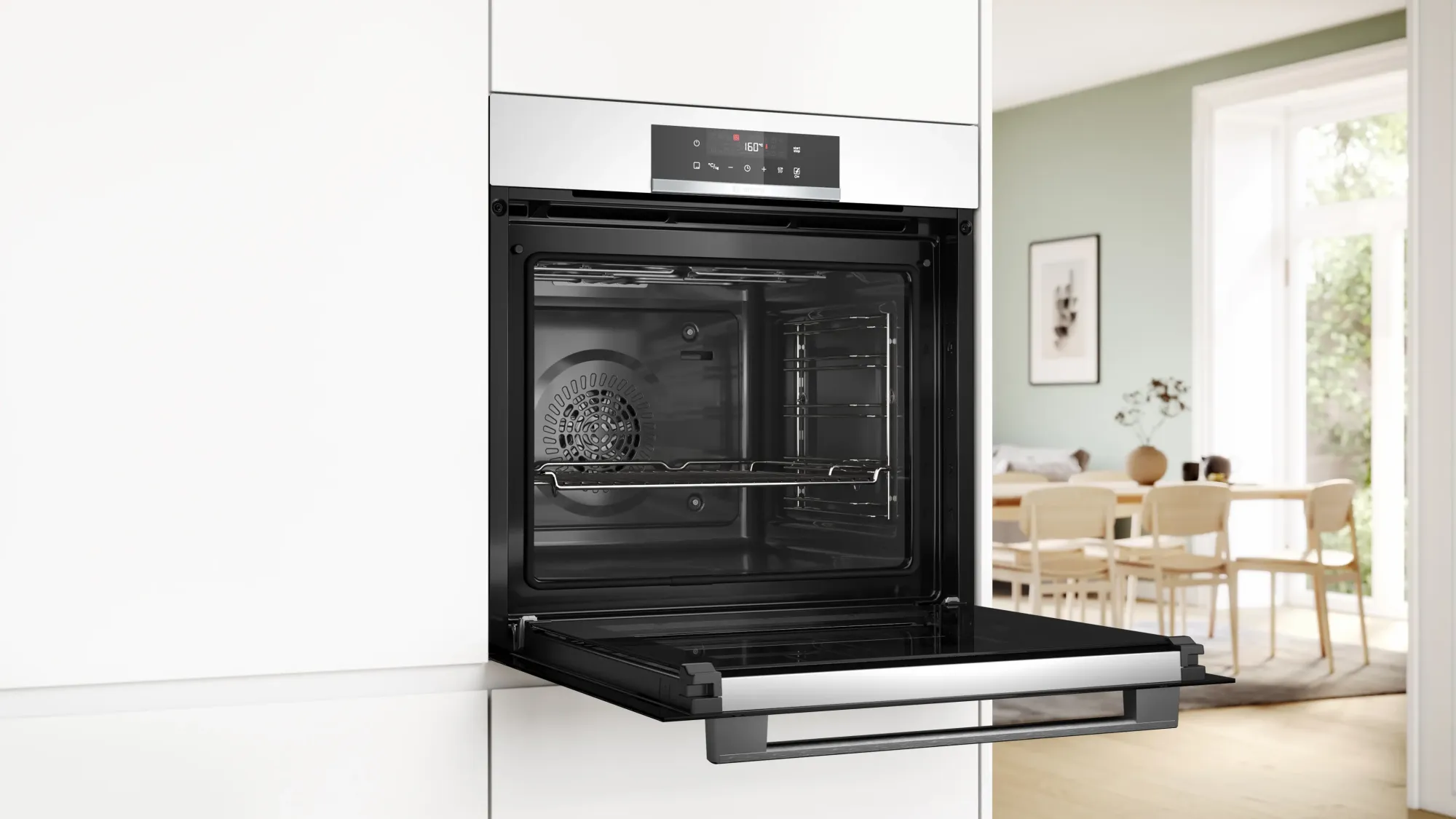
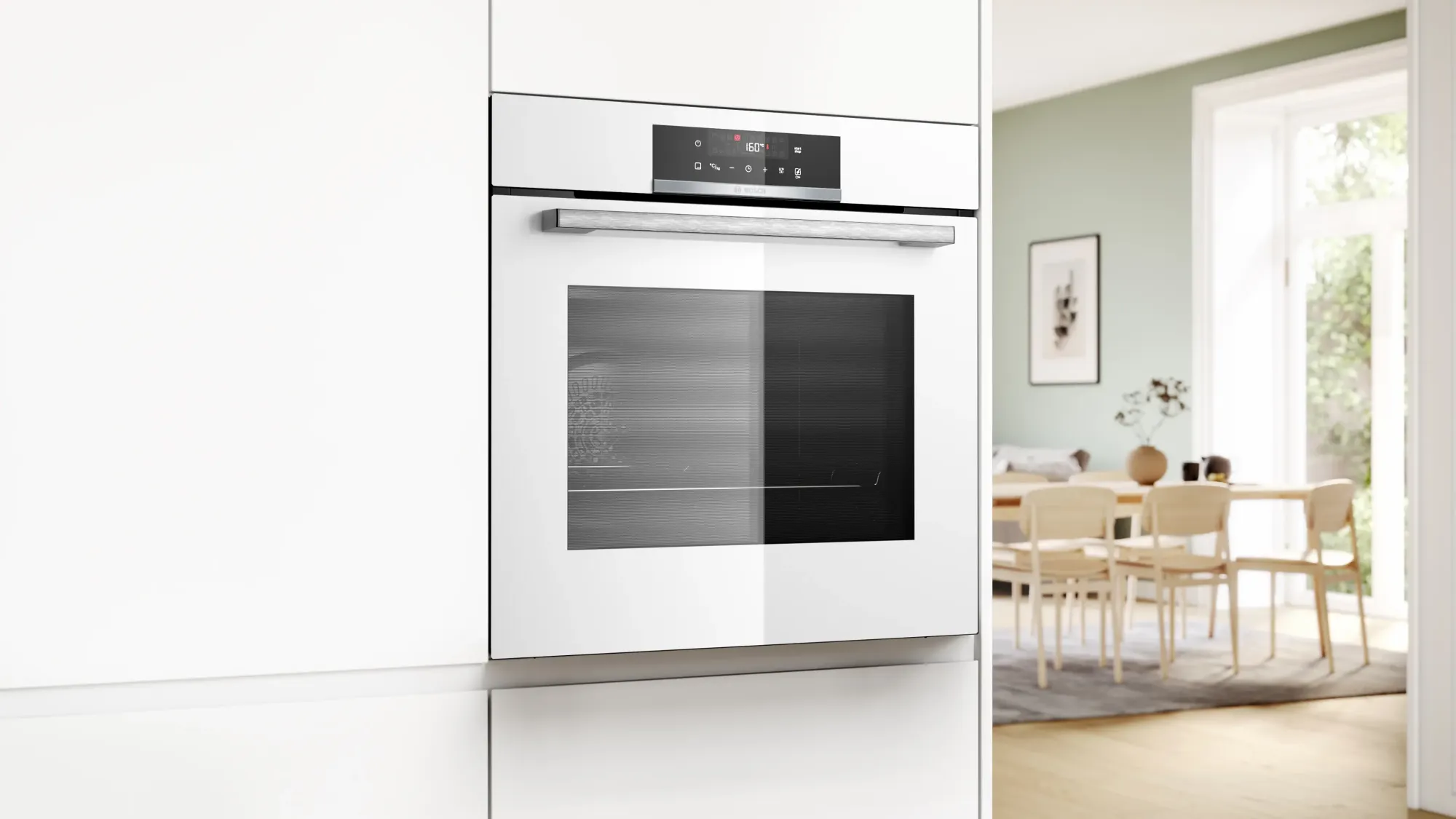
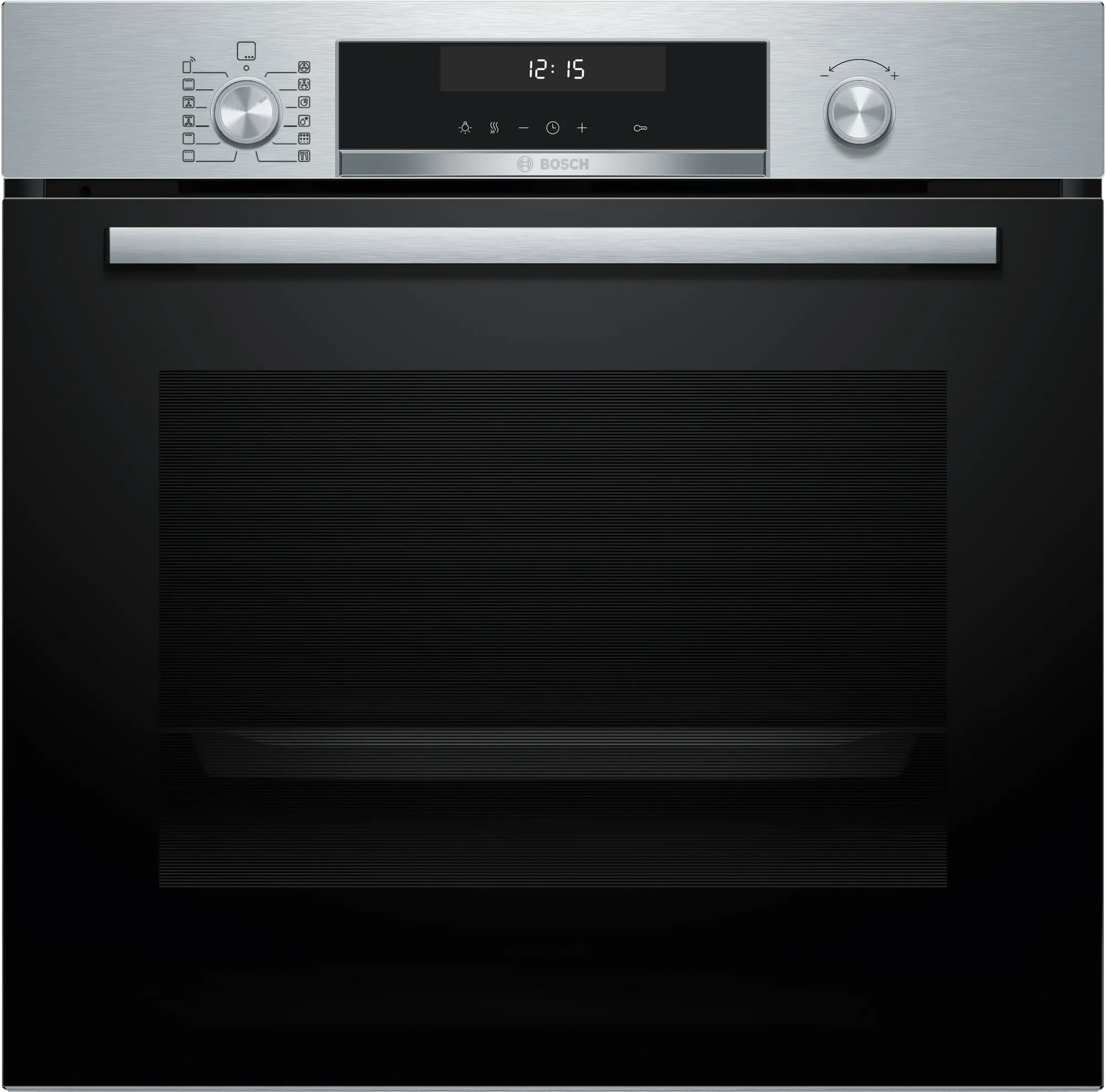
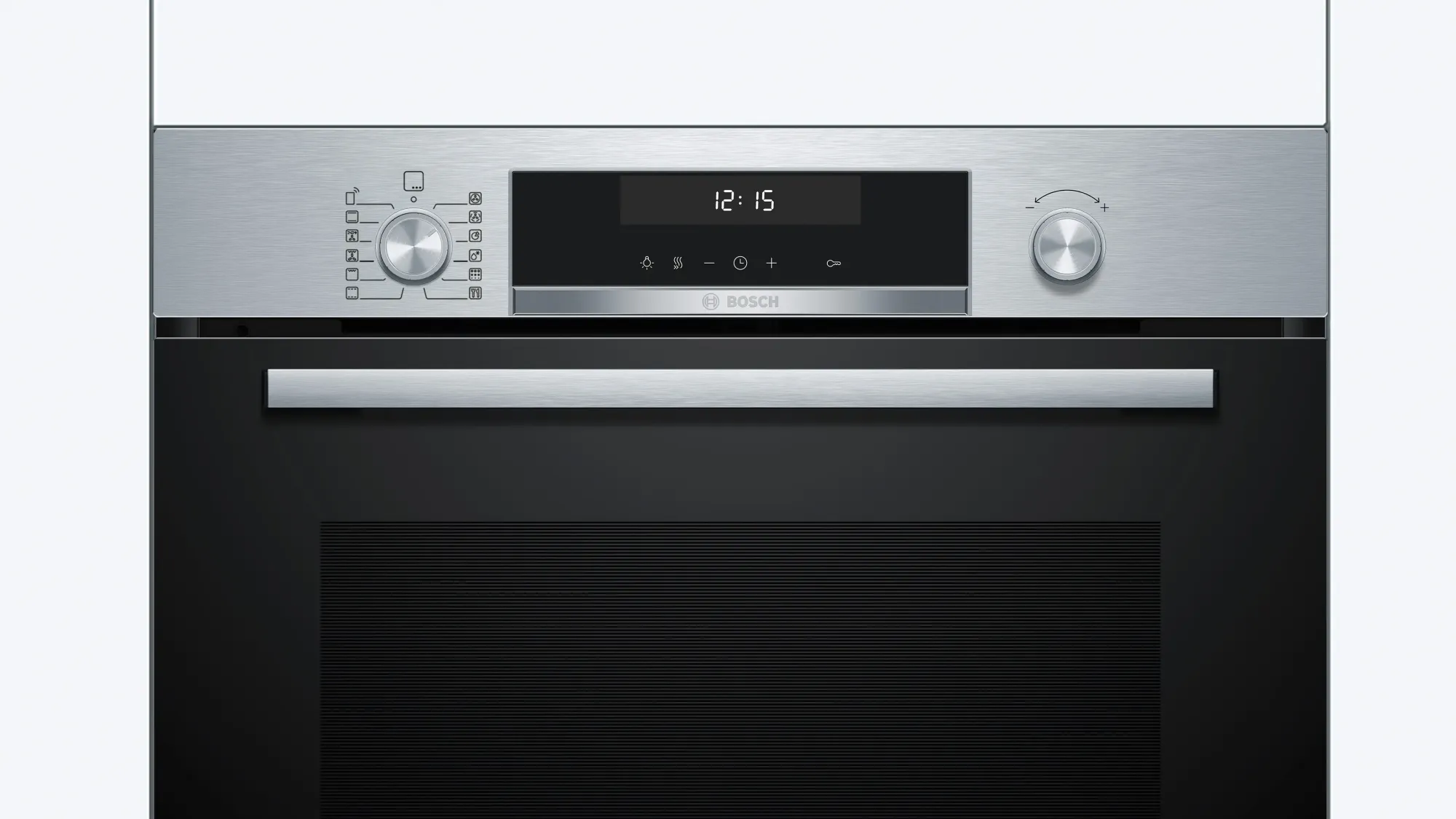
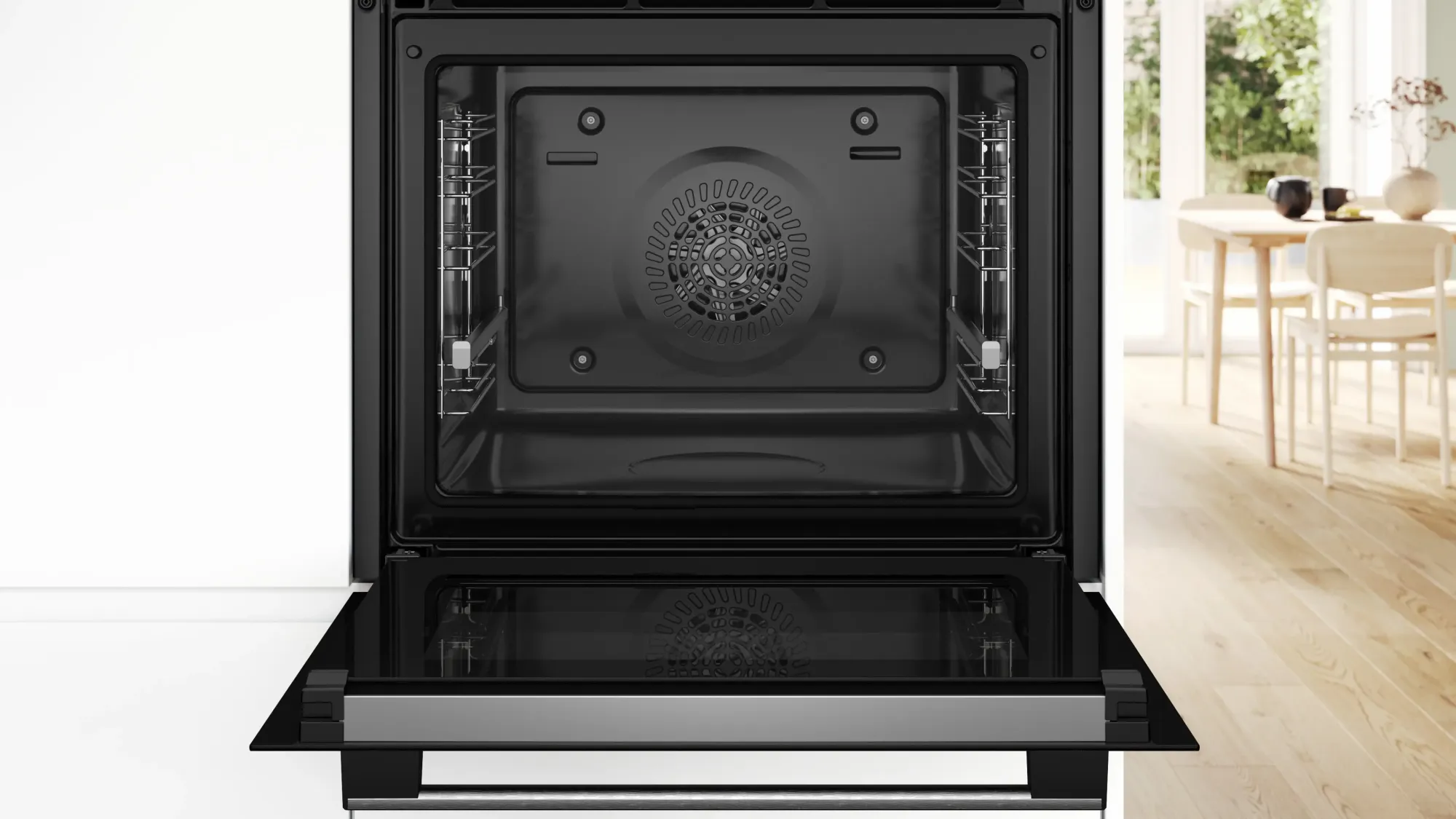
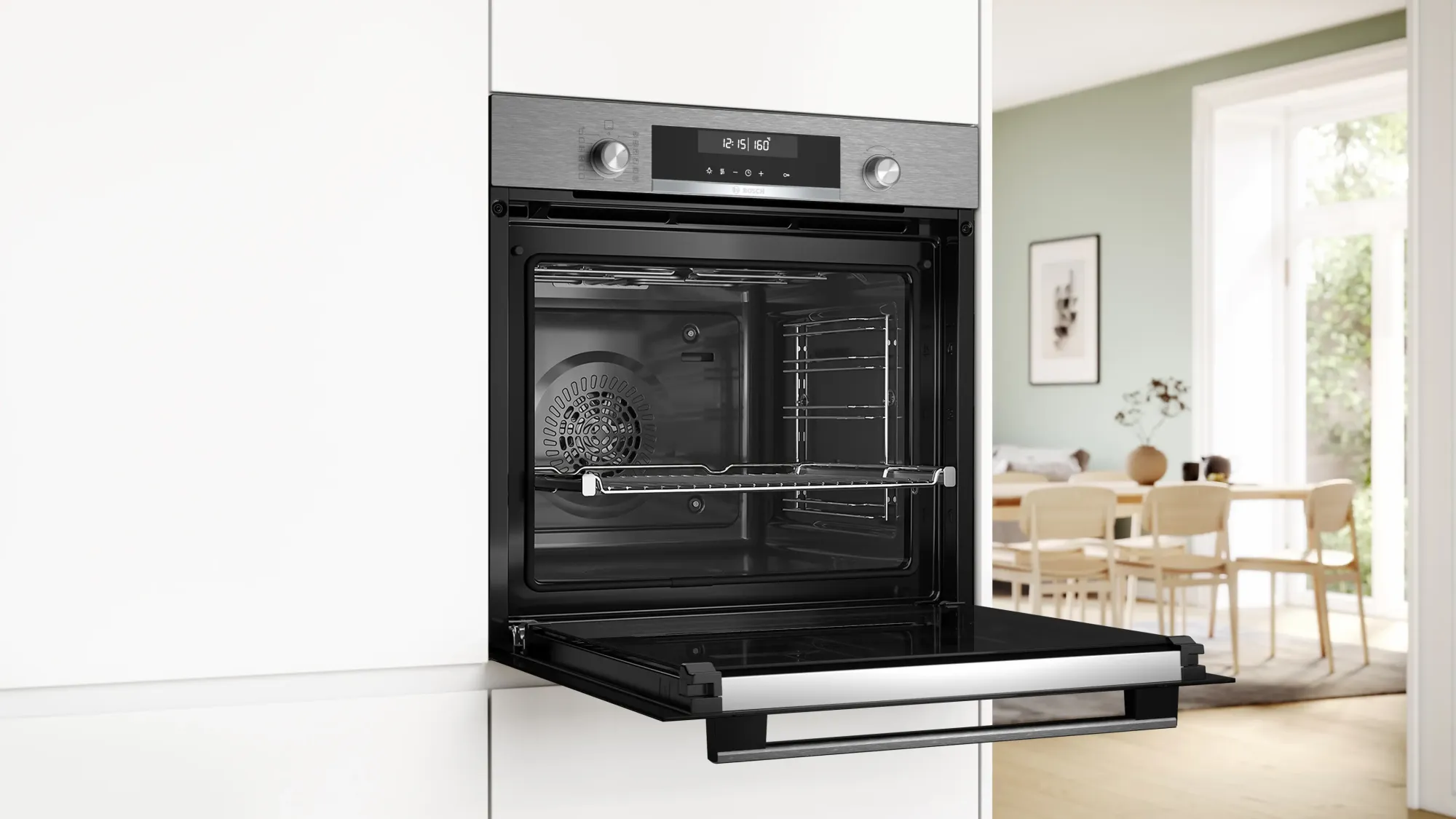
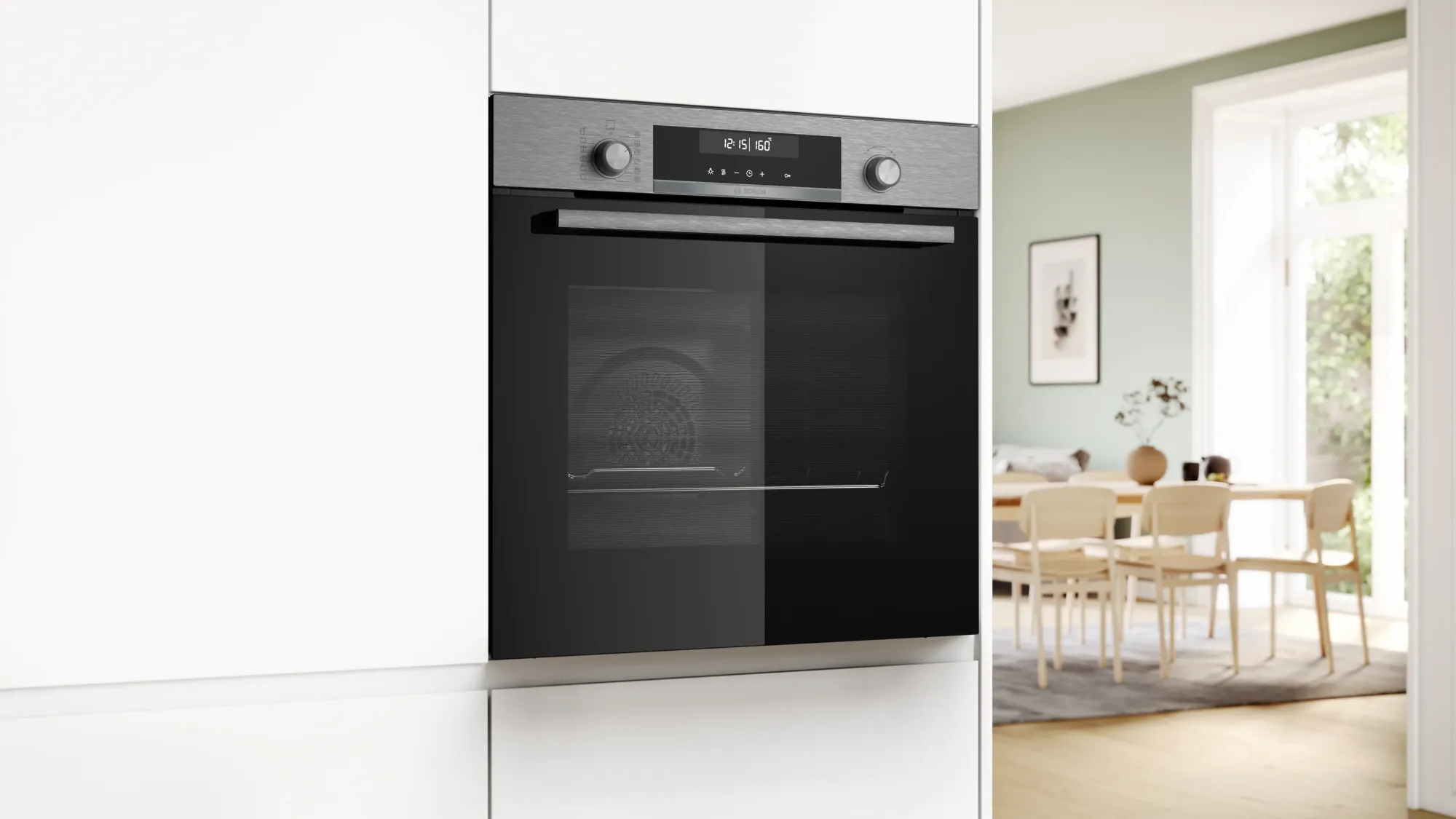
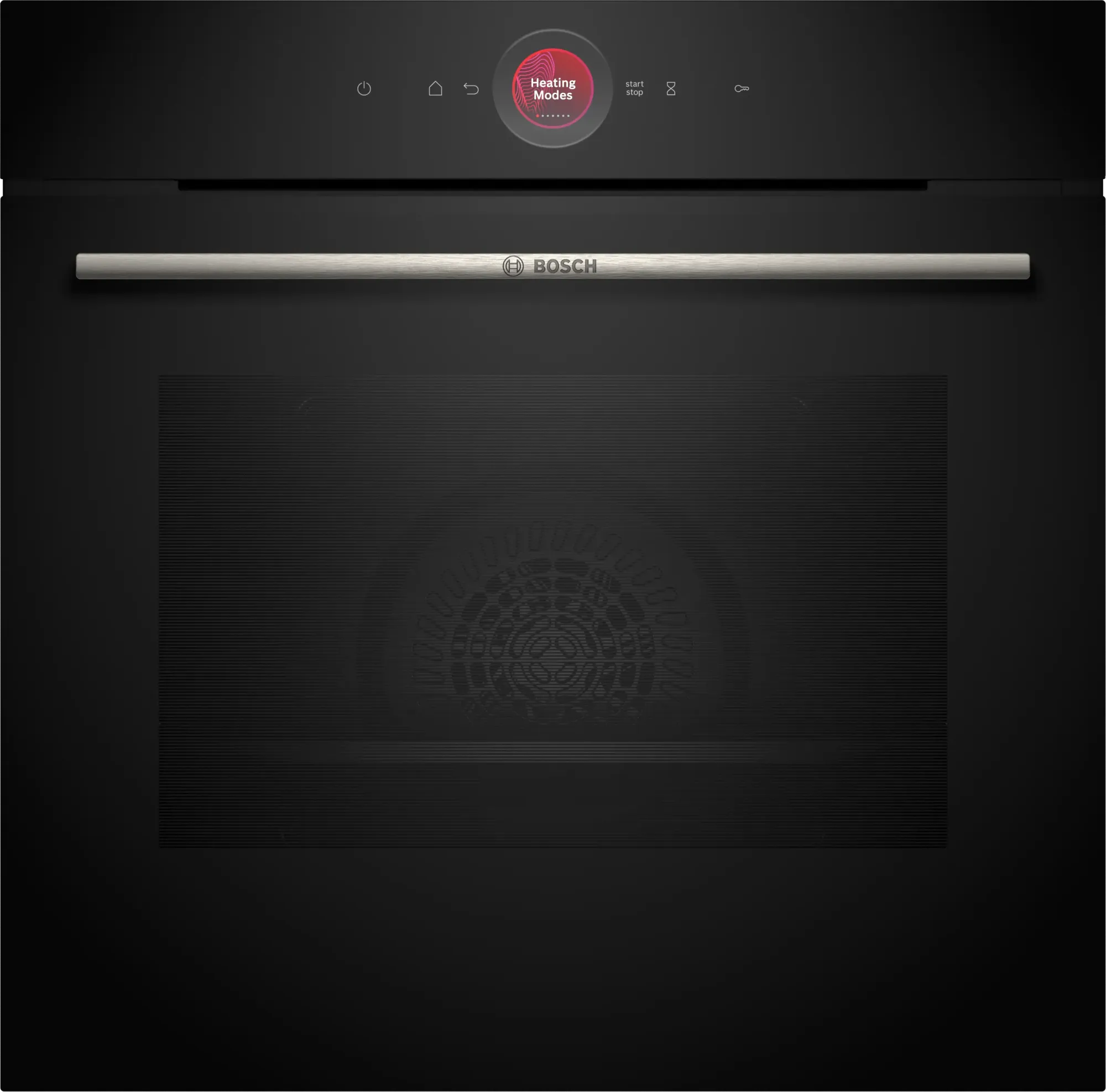
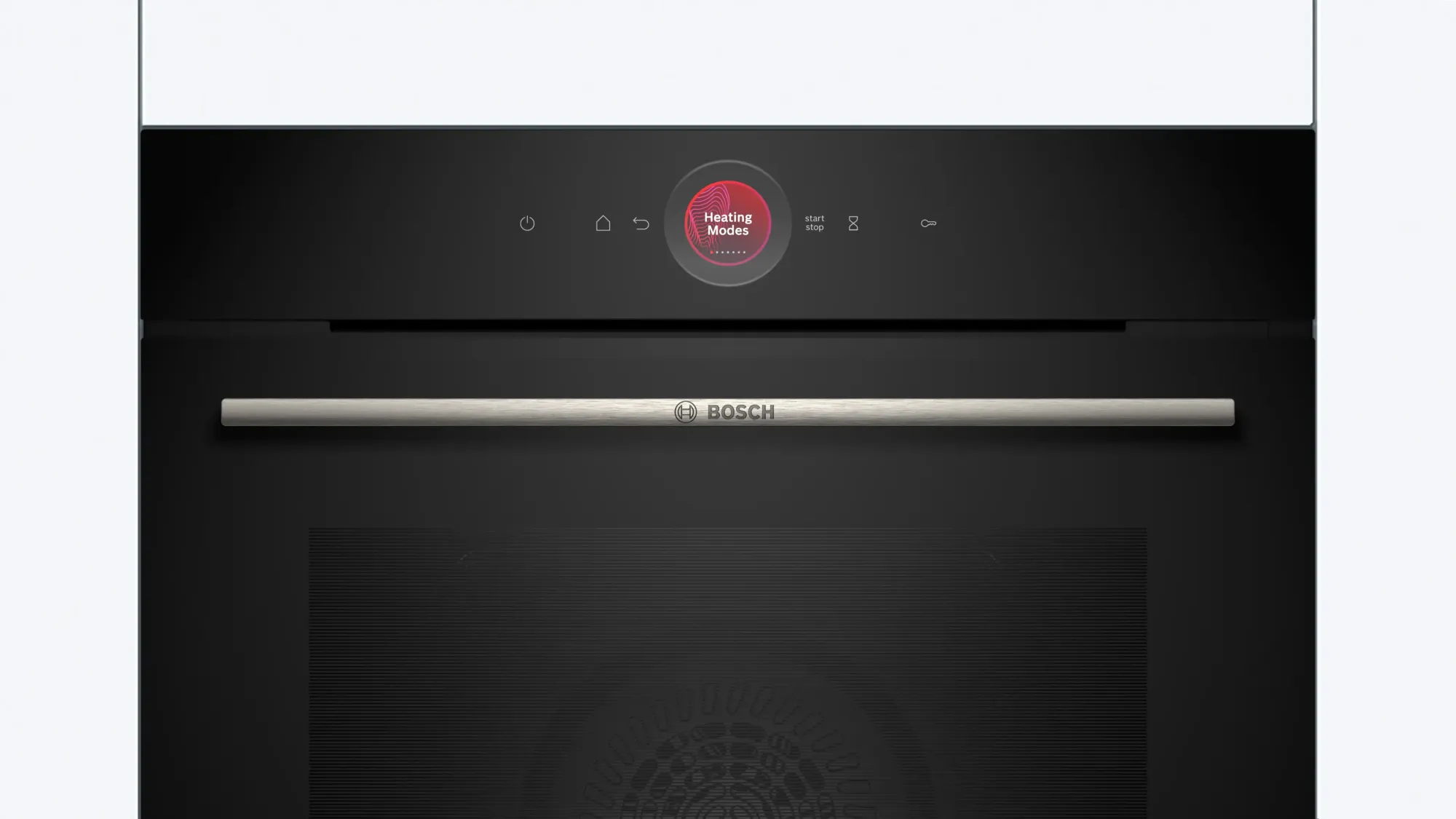
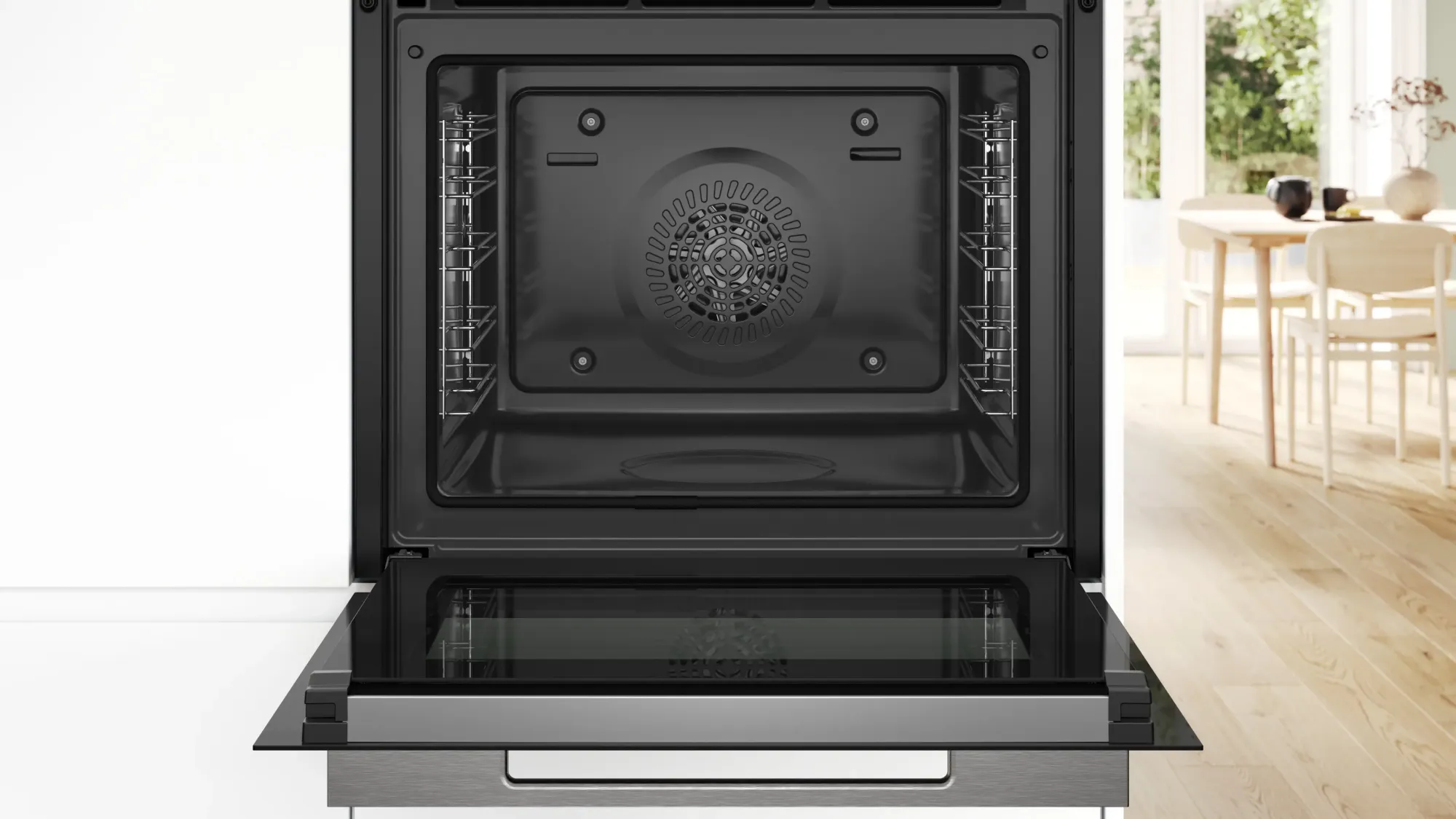
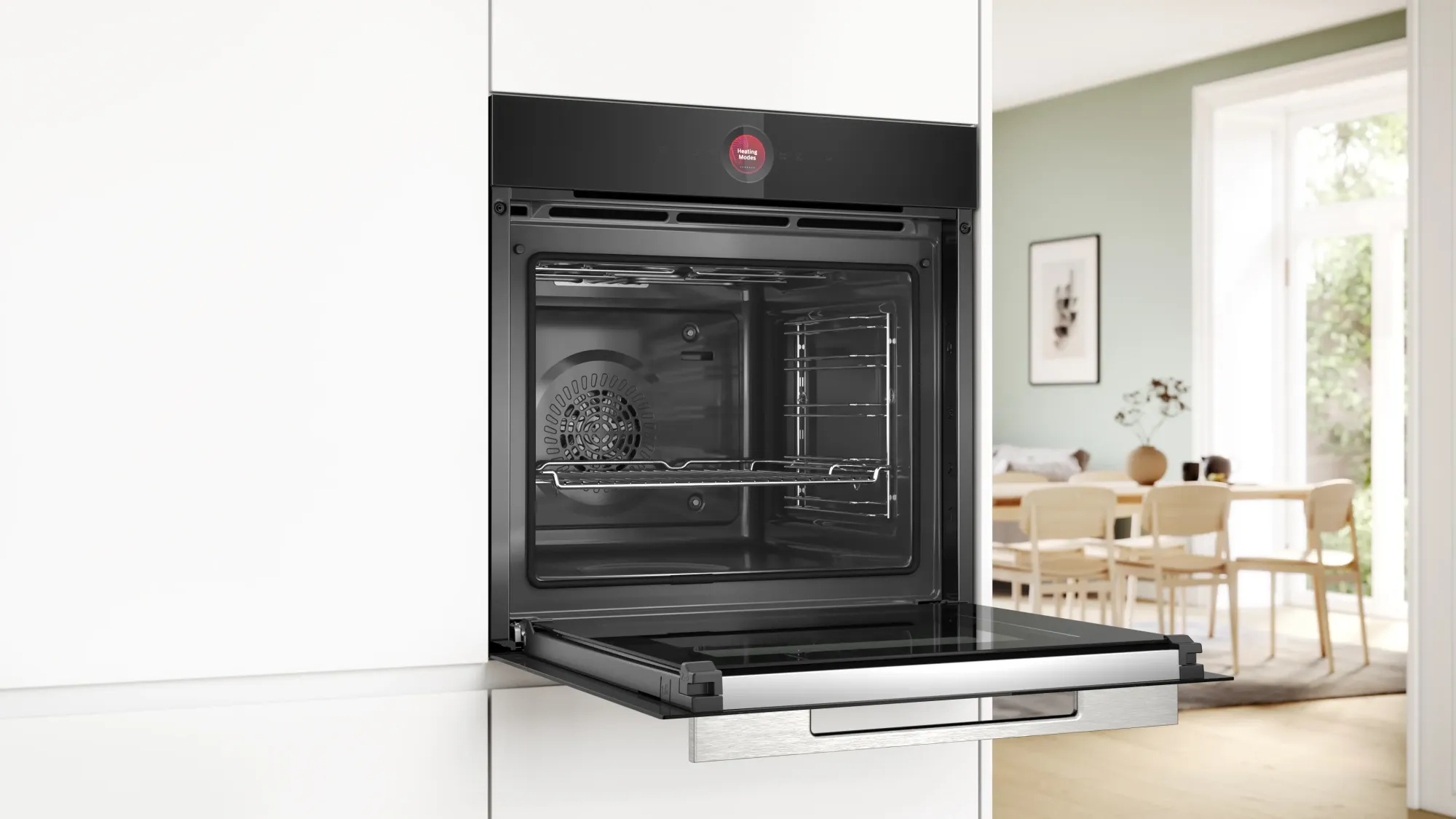
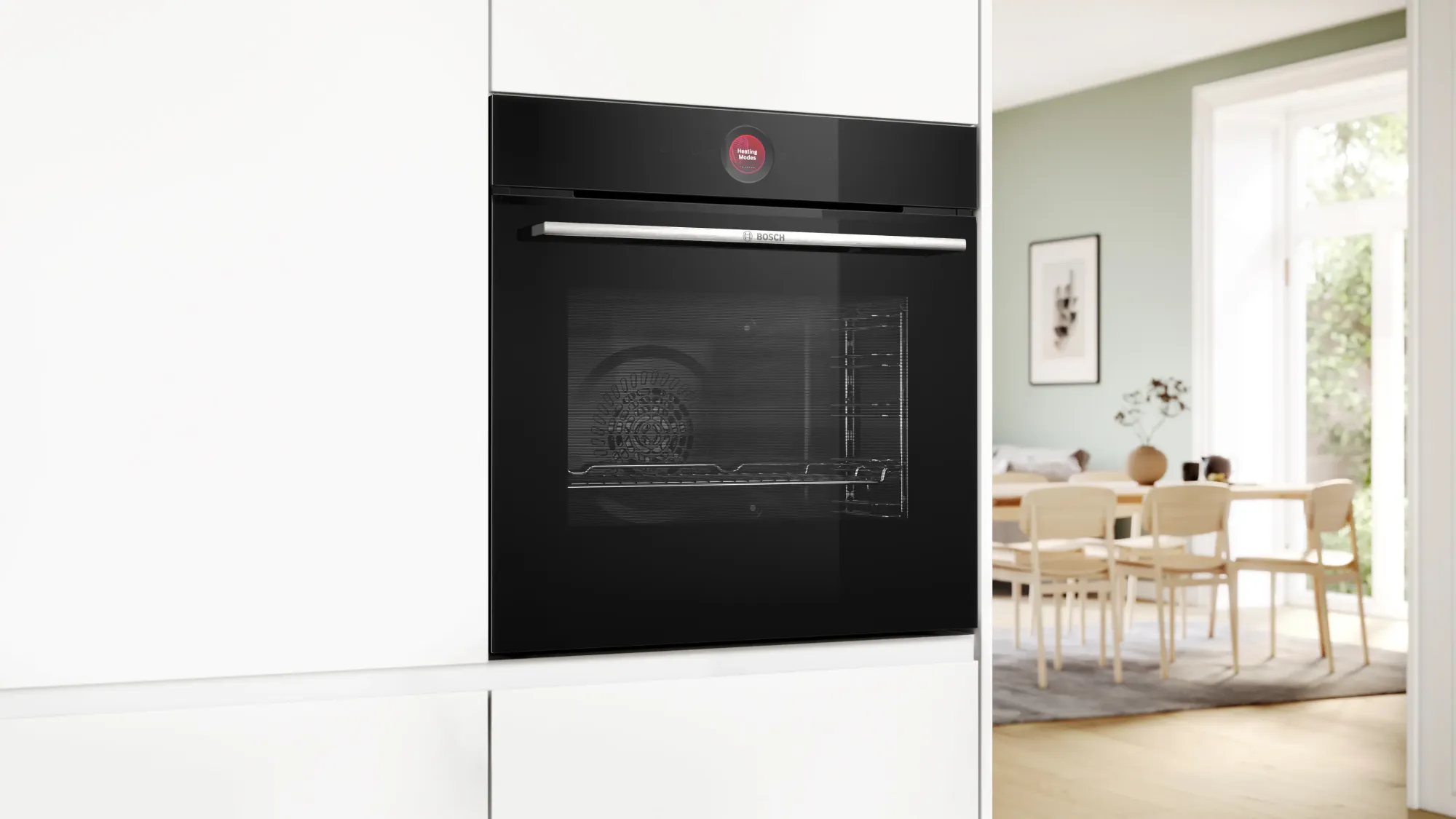
Ovens Bosch
Serie 8 Built-in oven 60 x 60 cm Black HBG7721B1
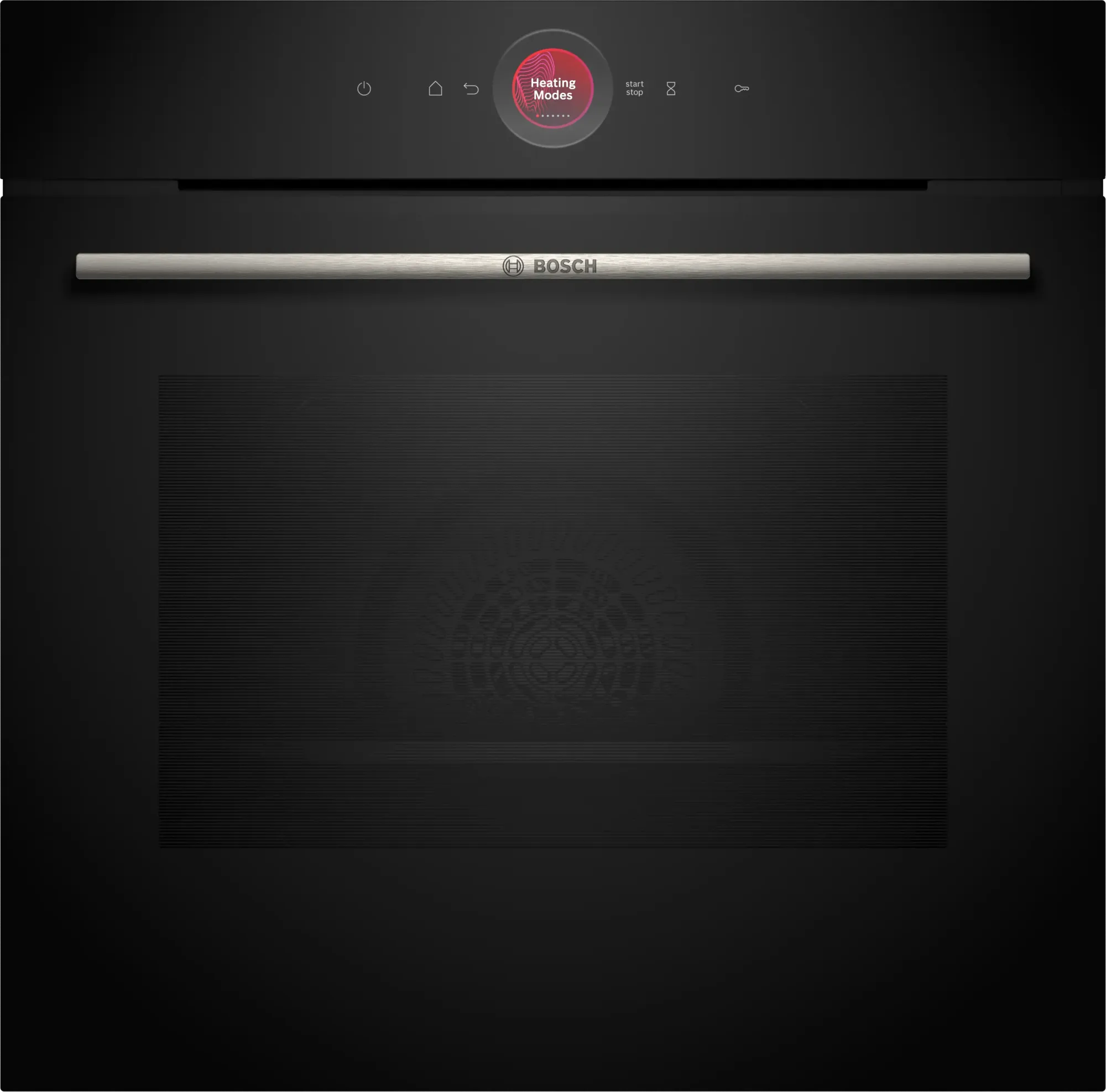
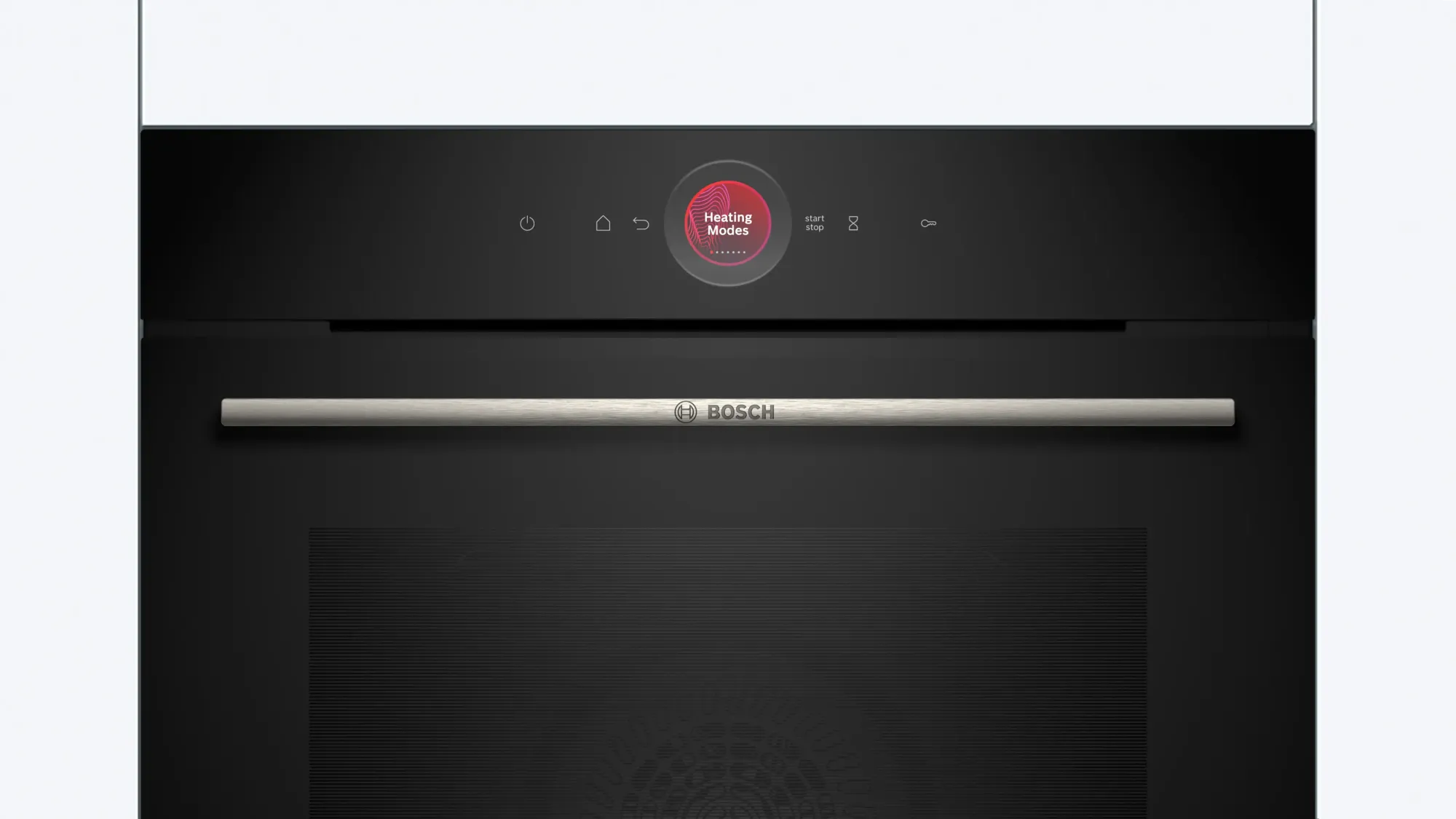
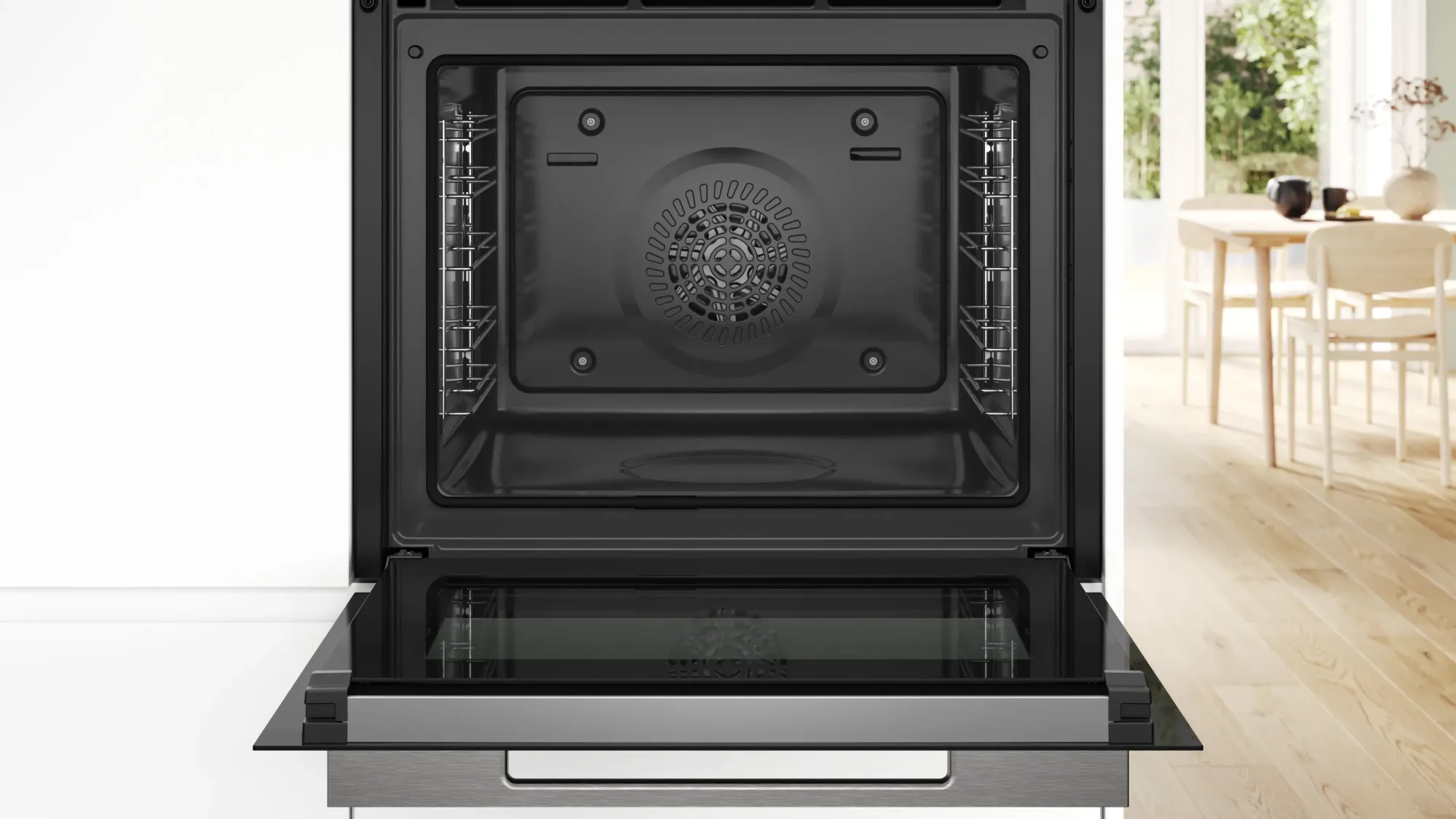
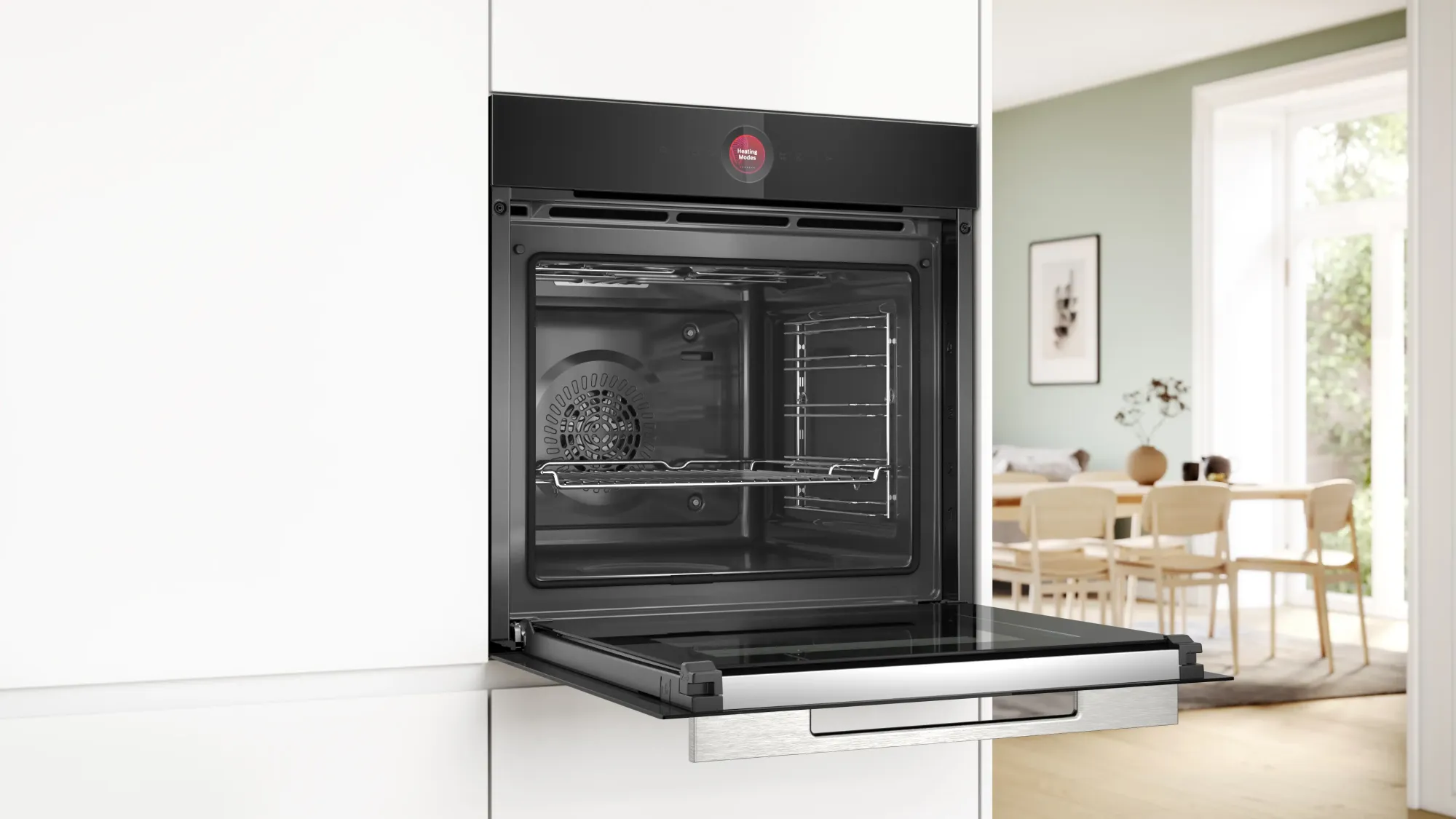
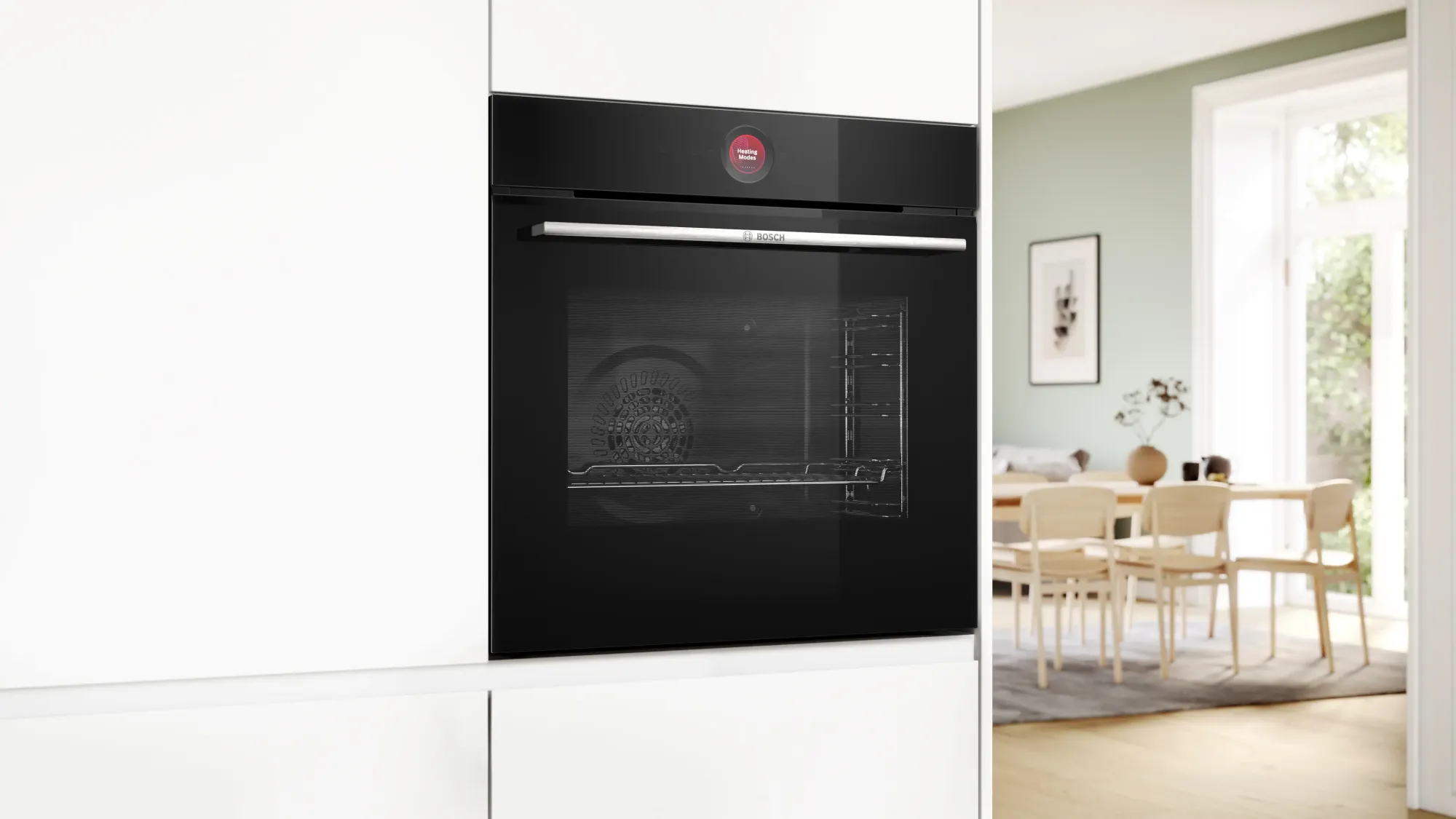
Ovens Bosch