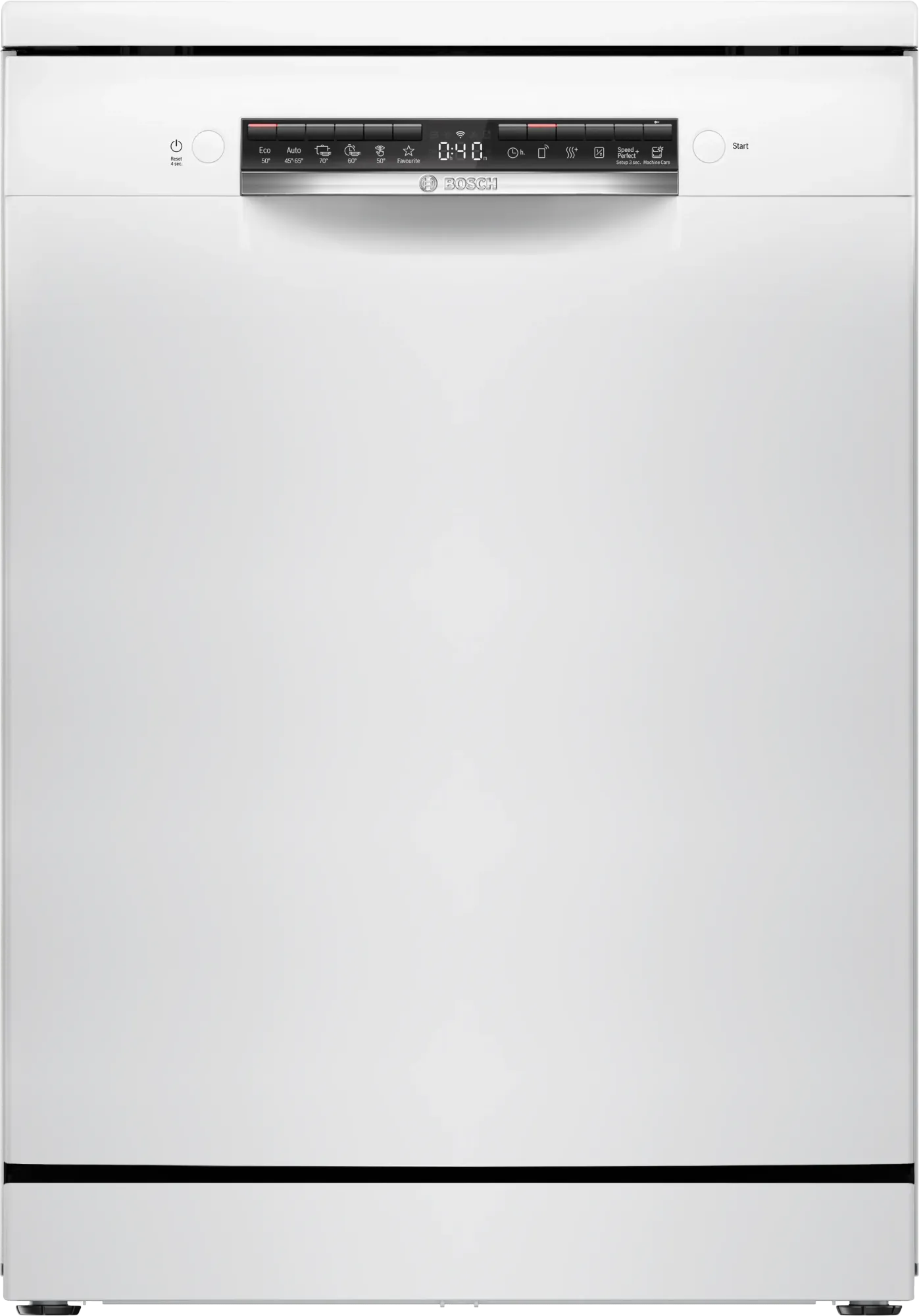
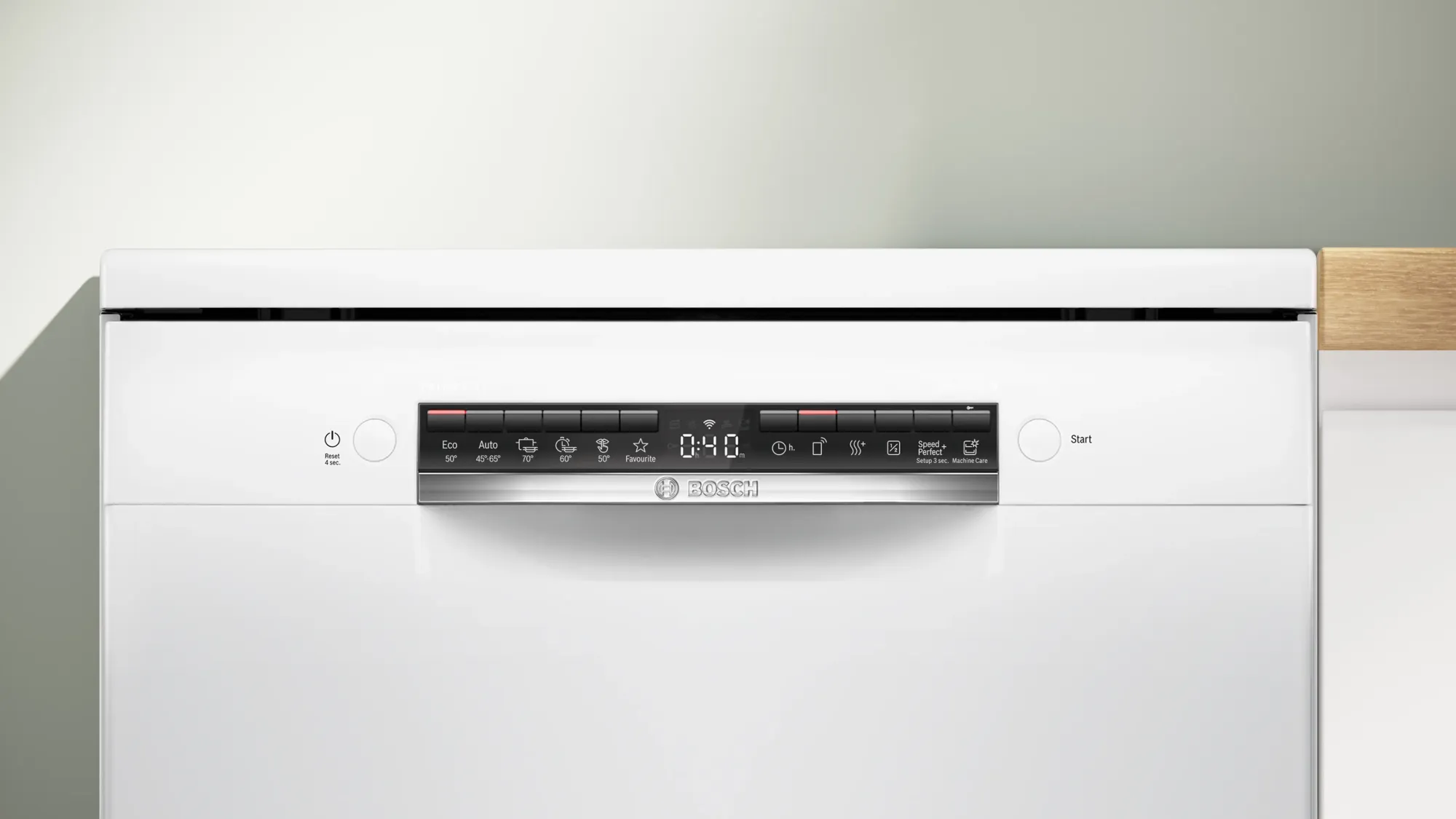
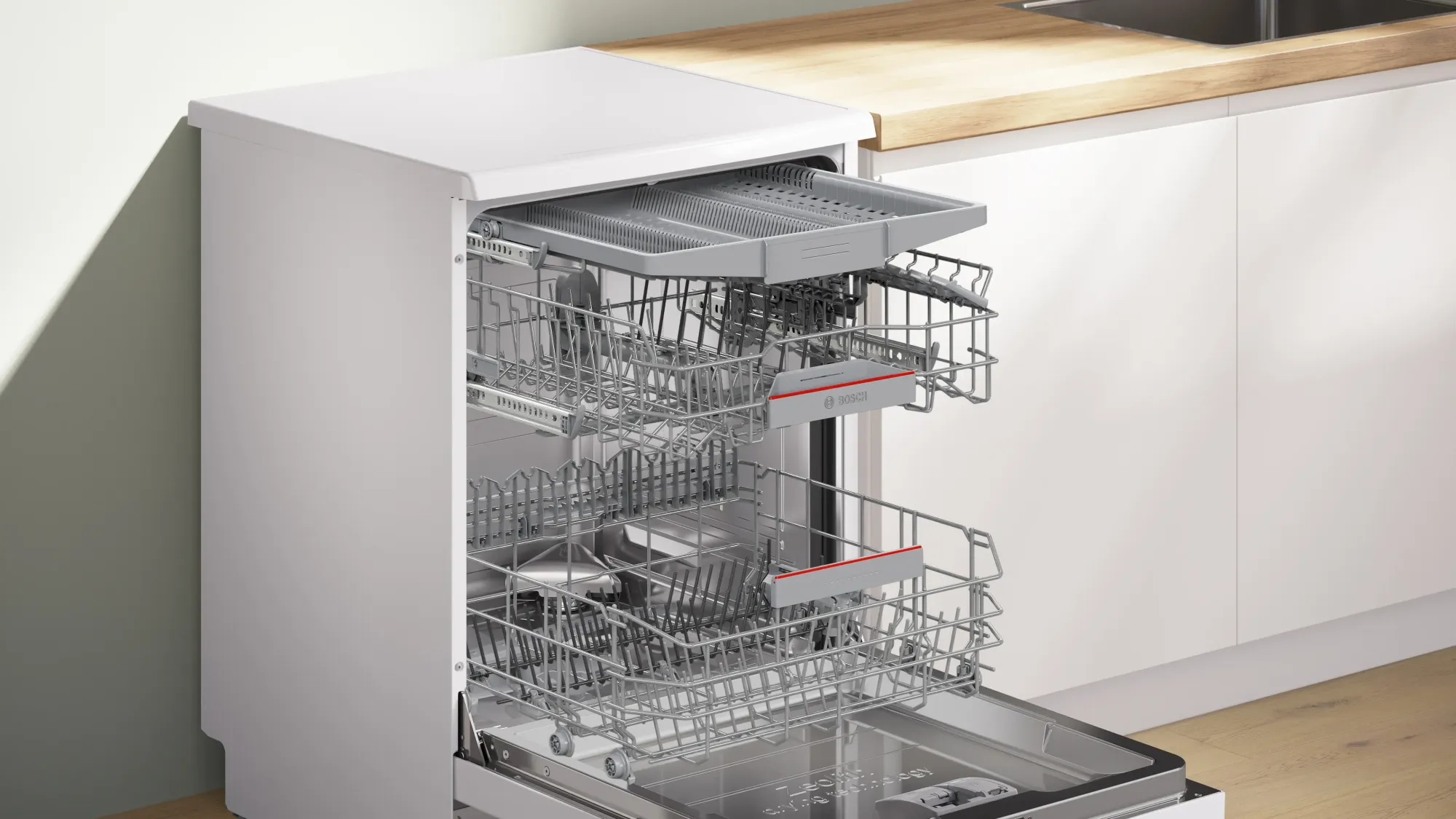
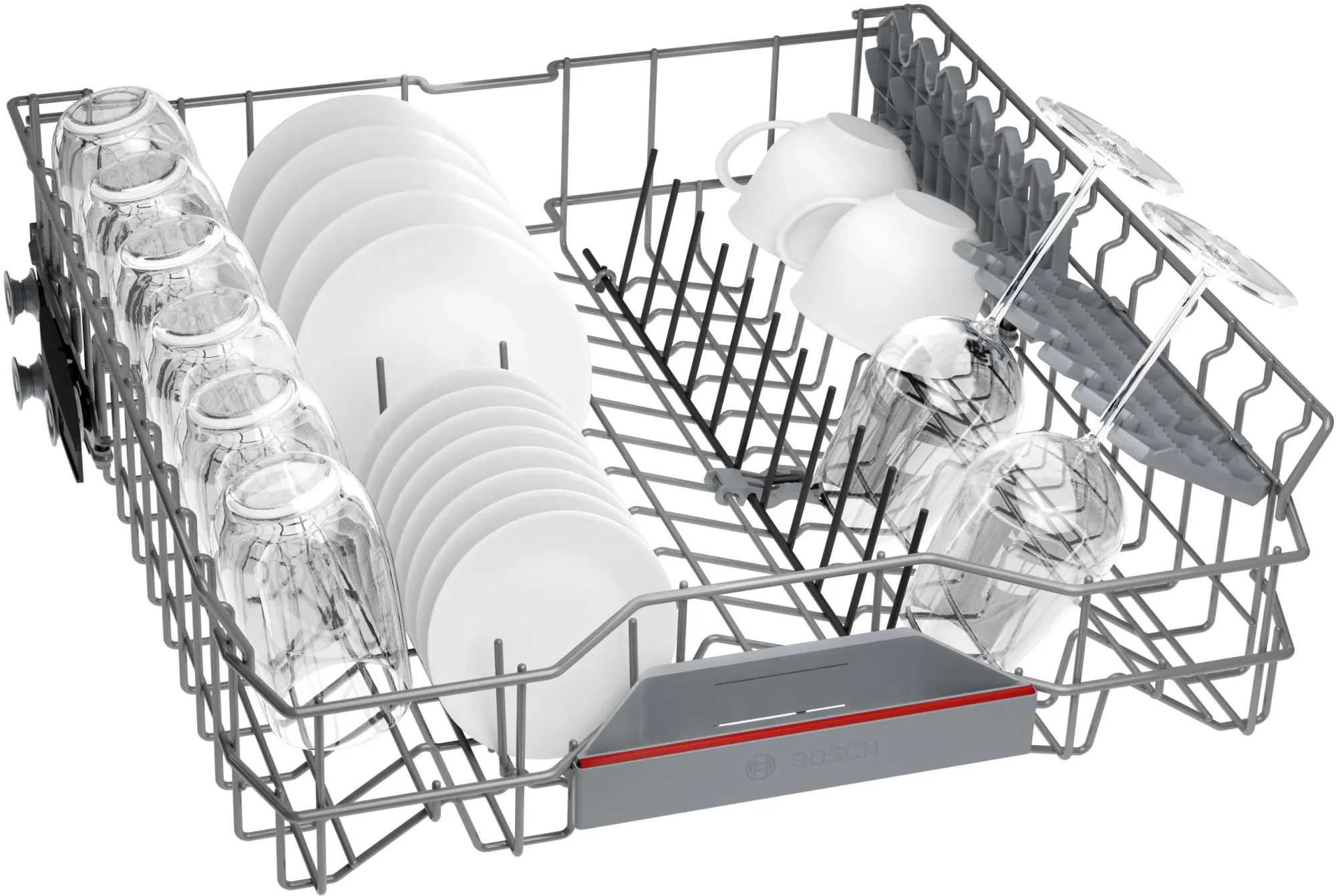
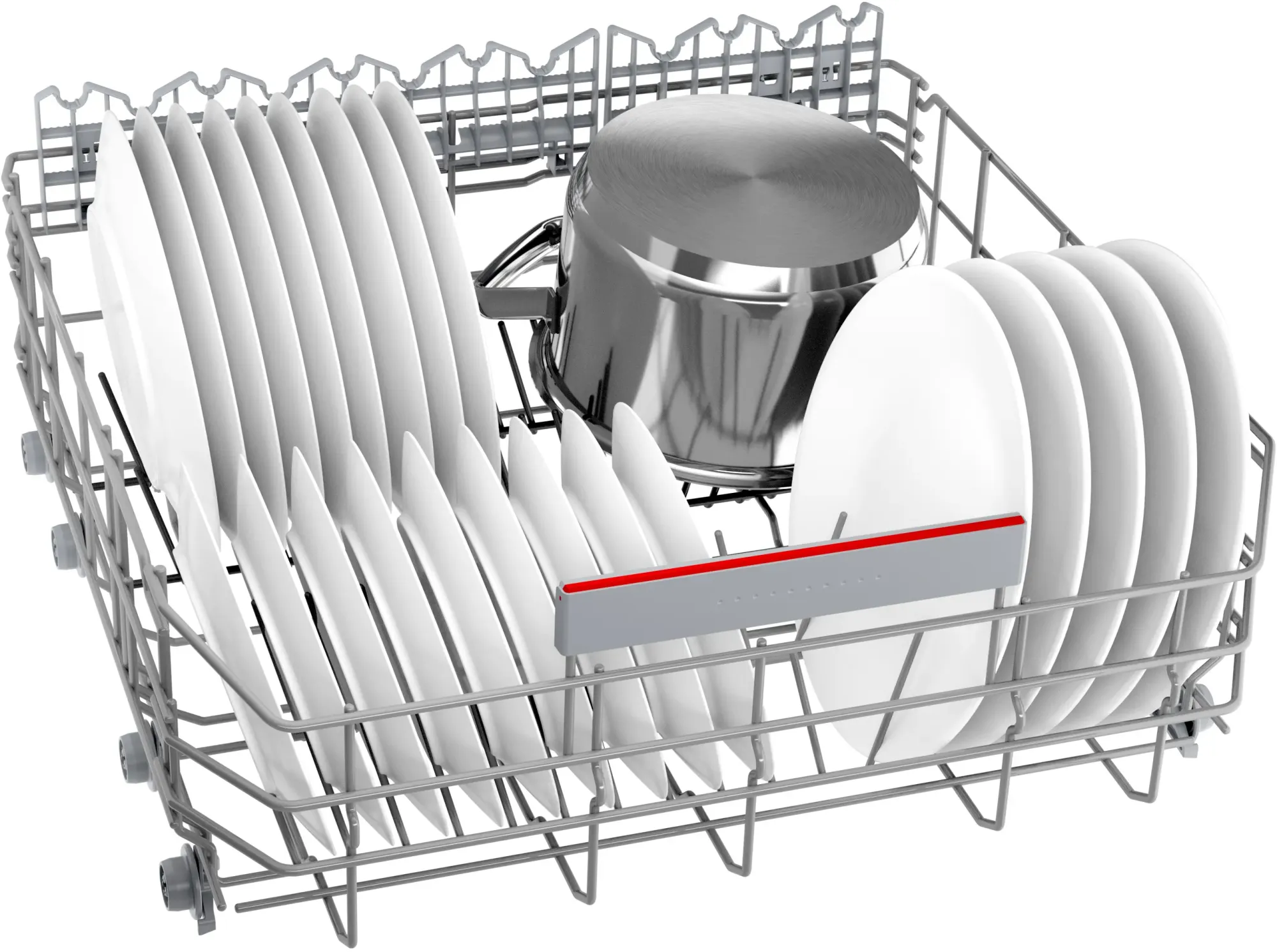
Dishwashers Bosch
Buying guide: how to choose a dishwasher
A dishwasher is chosen first on the noise it makes, the water and energy it uses, then on its capacity and programs. These measured criteria are what truly set appliances apart in daily use.
What to check
Noise level
This criterion measures the noise emitted during a wash cycle, in decibels. The lower the value, the quieter the appliance, which matters especially in open-plan kitchens or when cycles run overnight. Recent market listings range from around forty-nine decibels for the noisiest appliances to around forty decibels for the quietest, with a median near forty-four decibels. On the site, a longer bar signals a quieter appliance: compare this bar first if a calm home matters to you.
Market median: 44 dB
Energy use
This criterion measures the electricity used over one hundred wash cycles, in kilowatt-hours. A lower value means a lighter electricity bill over the appliance’s lifetime, cycle after cycle. Market listings show notable gaps, from close to ninety-four kilowatt-hours for the most demanding appliances to around forty-nine kilowatt-hours for the most efficient, with a median near seventy-five kilowatt-hours. The bar shown on the site lengthens as energy use drops: a useful marker when comparing long-term running costs.
Market median: 75 kWh
Water use
This criterion measures the amount of water used per wash cycle, in litres. The less water an appliance uses, the more economical it is, especially for households running several cycles a week. Market listings range from around twelve litres for the least efficient appliances to around eight point four litres for the most frugal, with a median near nine point nine litres. On the site, a longer bar indicates lower water use: weigh it alongside the other criteria for a balanced choice.
Market median: 9.9 L
Washing capacity
This criterion measures the number of place settings the appliance can wash in a single cycle. A higher number suits larger households or heavier loads of dishes, avoiding the need to run extra cycles. Market listings show capacities from around ten place settings for the most modest models to around sixteen for the most spacious, with a median near fourteen place settings. On the site, the bar lengthens with capacity: larger households should look for a value at or above the median.
Market median: 14 place settings
Range of programs
This criterion measures the number of washing programs the appliance offers. A wider range lets you match the cycle to the load, the level of soiling, or the need for speed, and can help manage water and energy use more precisely. Market listings range from five programs for the simplest appliances to ten programs for the best-equipped, with a median of seven programs. On the site, the bar lengthens with the number of programs available, useful if flexibility matters to you day to day.
Market median: 7
Installation and upkeep
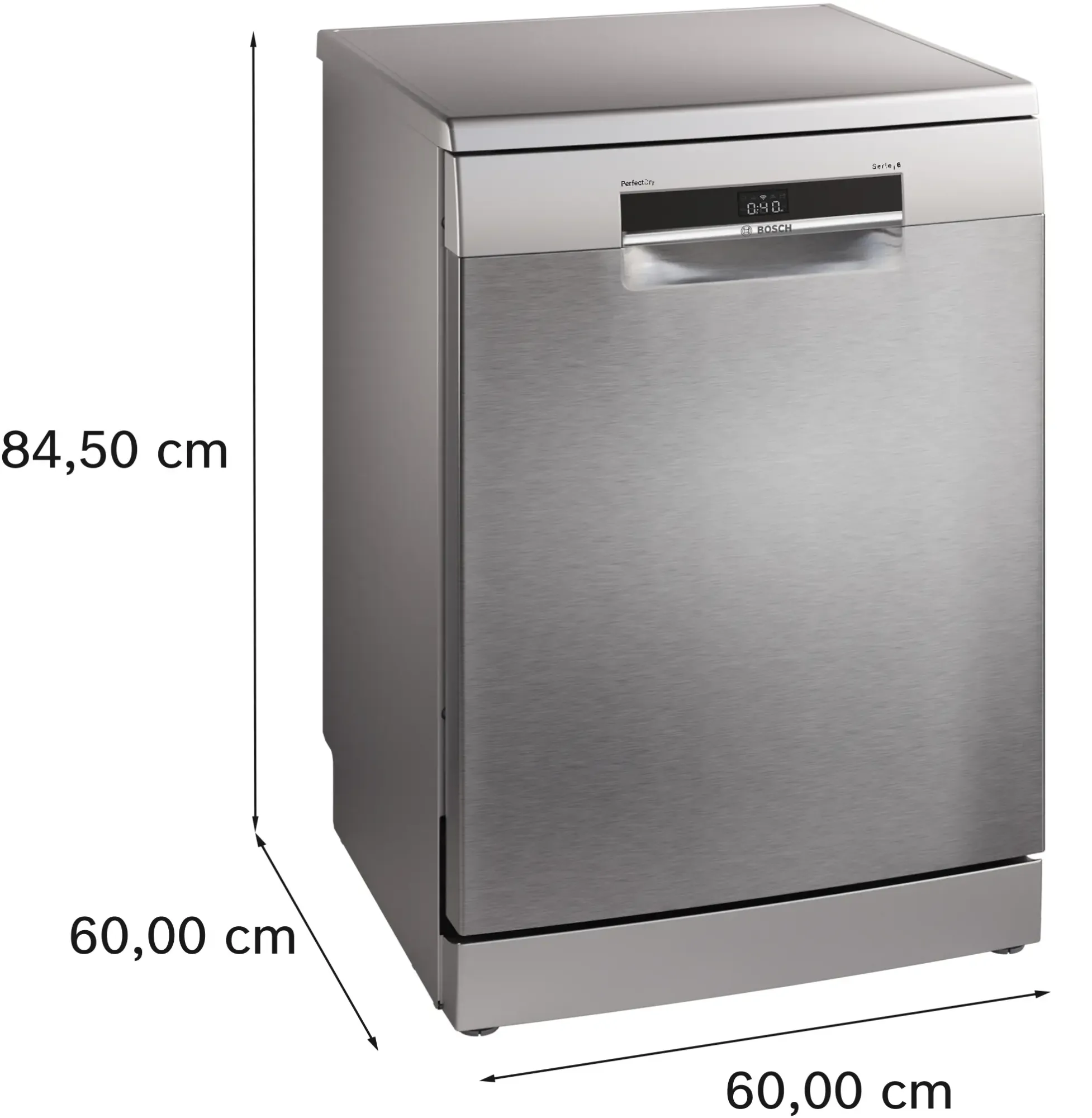
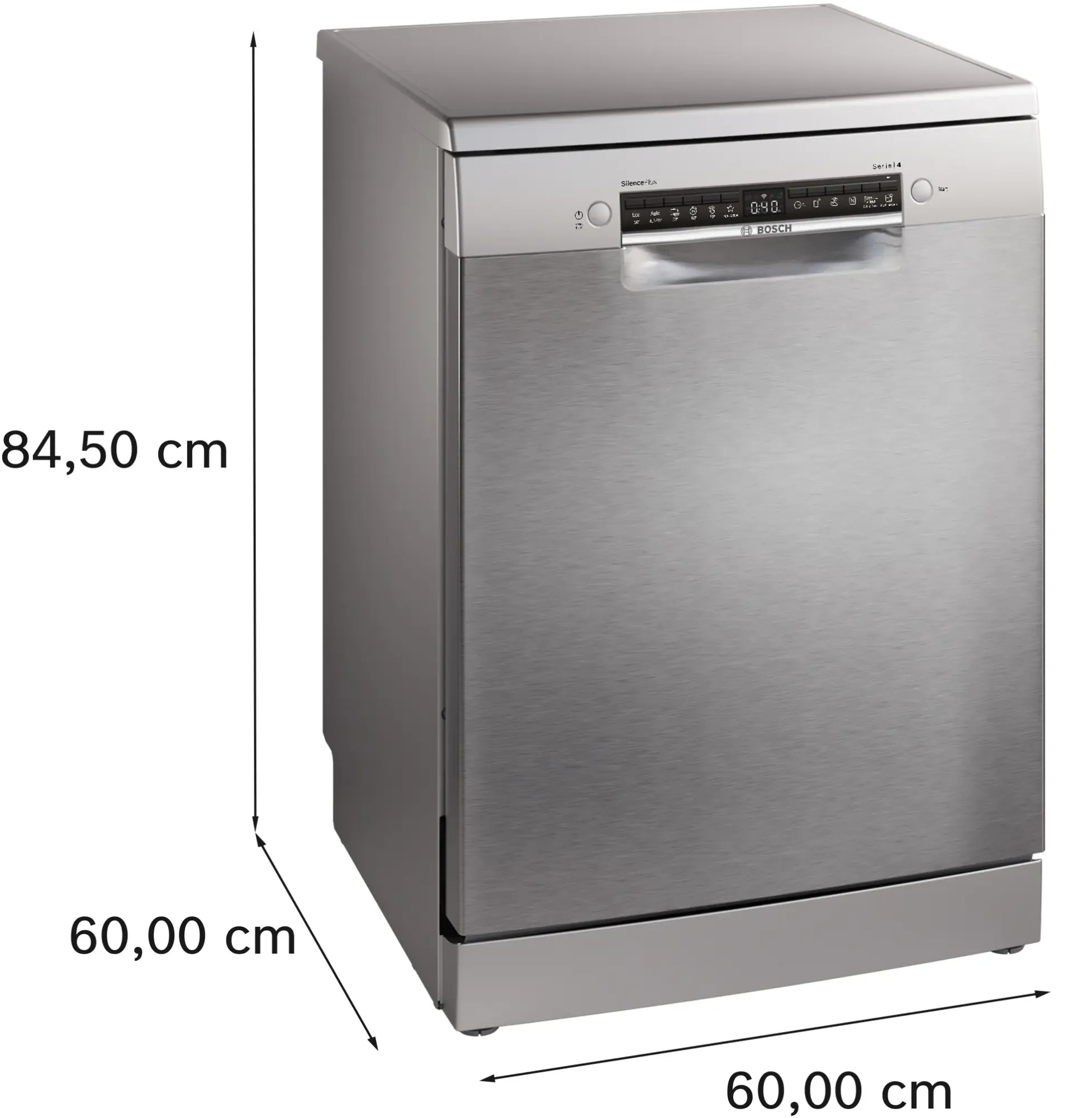
Before buying, check the space available under the worktop and the proximity of a water supply and drain, since a poorly prepared spot complicates installation. Once installed, regular cleaning of the filter and spray arms preserves the performance captured by the criteria, particularly water and energy use, which can drift with neglected maintenance. Also check the appliance’s height and width against your kitchen, details covered on each product page.
Benchmarks based on 30 recent market listings, collected on 1 October 2026.
What you get for each budget
Under 350 €
At this level, appliances often sit around the median for water and energy use, with a more limited choice of programs.
350 to 600 €
This tier opens access to quieter appliances and washing capacity often above the median, without necessarily reaching the best listings overall.
Over 600 €
Beyond this tier, appliances most often show the best listings for noise, water and energy use, along with a wide range of programs.
Frequent mistakes
Choosing solely on capacity while ignoring noise, even though both matter day to day.
Overlooking water and energy use by comparing only the purchase price, even though they weigh on the bill over time.
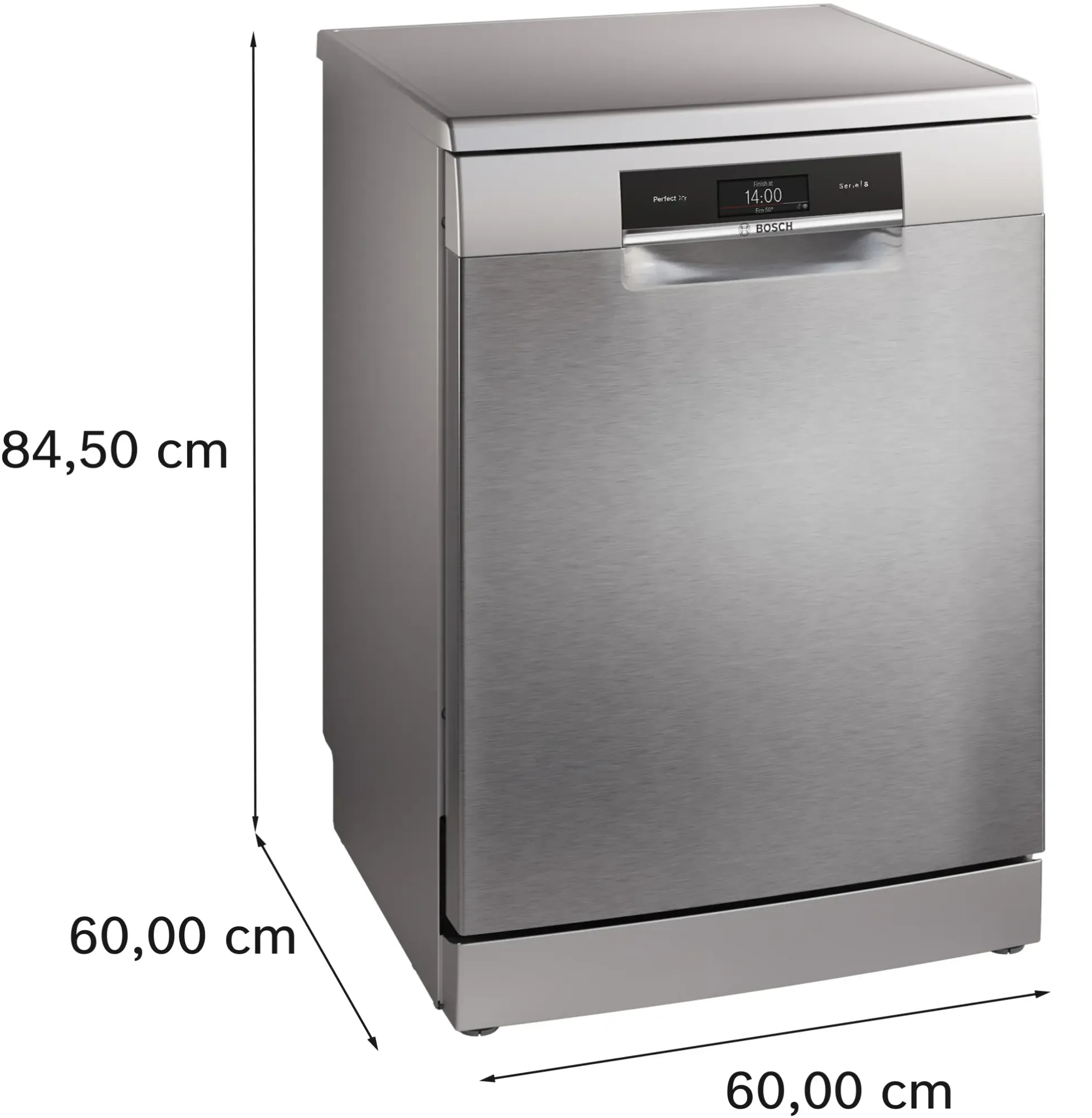
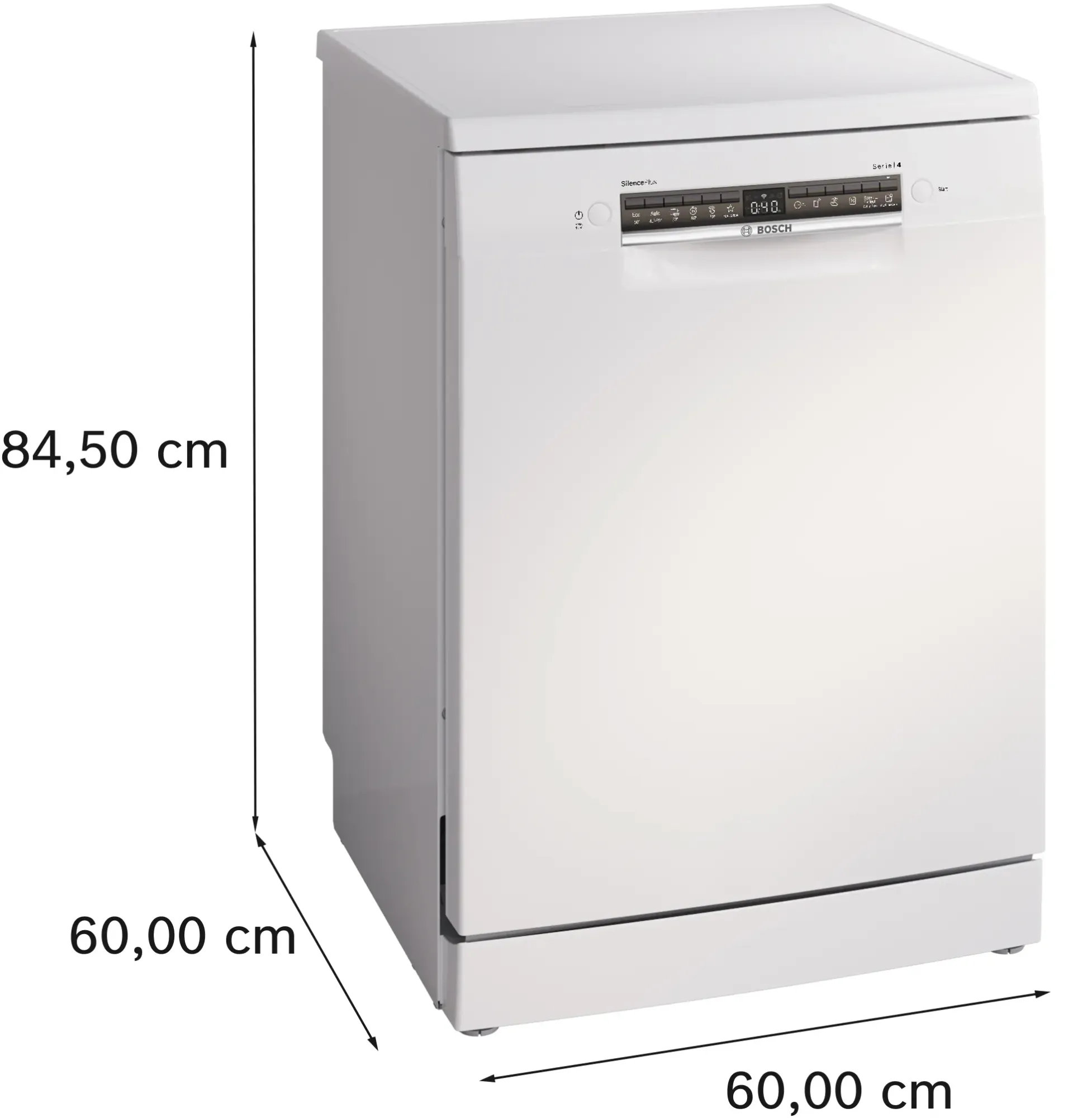
Forgetting to check available space and connections before confirming the appliance’s dimensions.
Mistaking a large number of programs for better wash quality, when this criterion only measures the choice on offer.
Neglecting regular upkeep, which can let water and energy use drift from the figures measured at purchase.
Models in this category
Best rated first, among those our merchants offer.
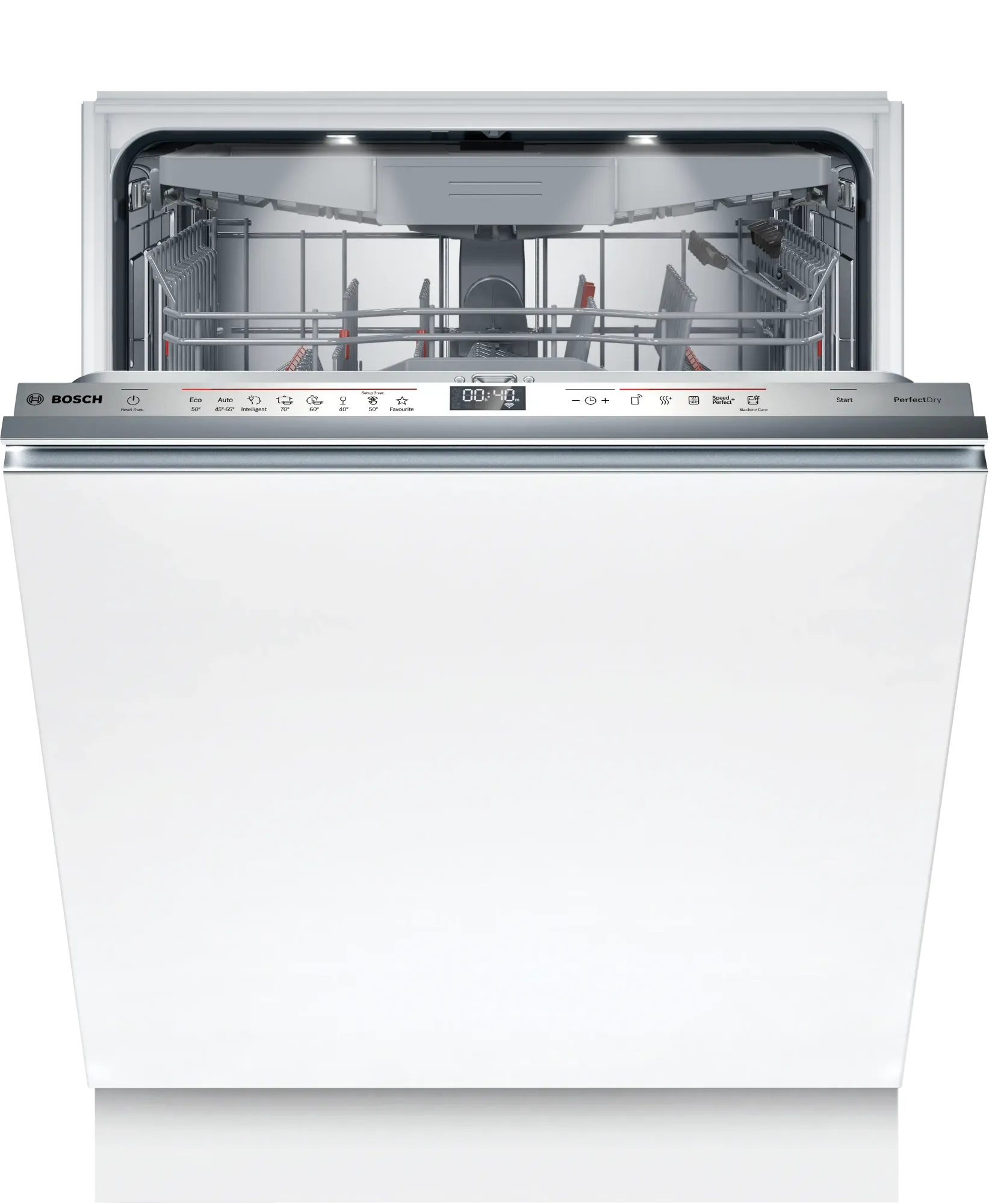
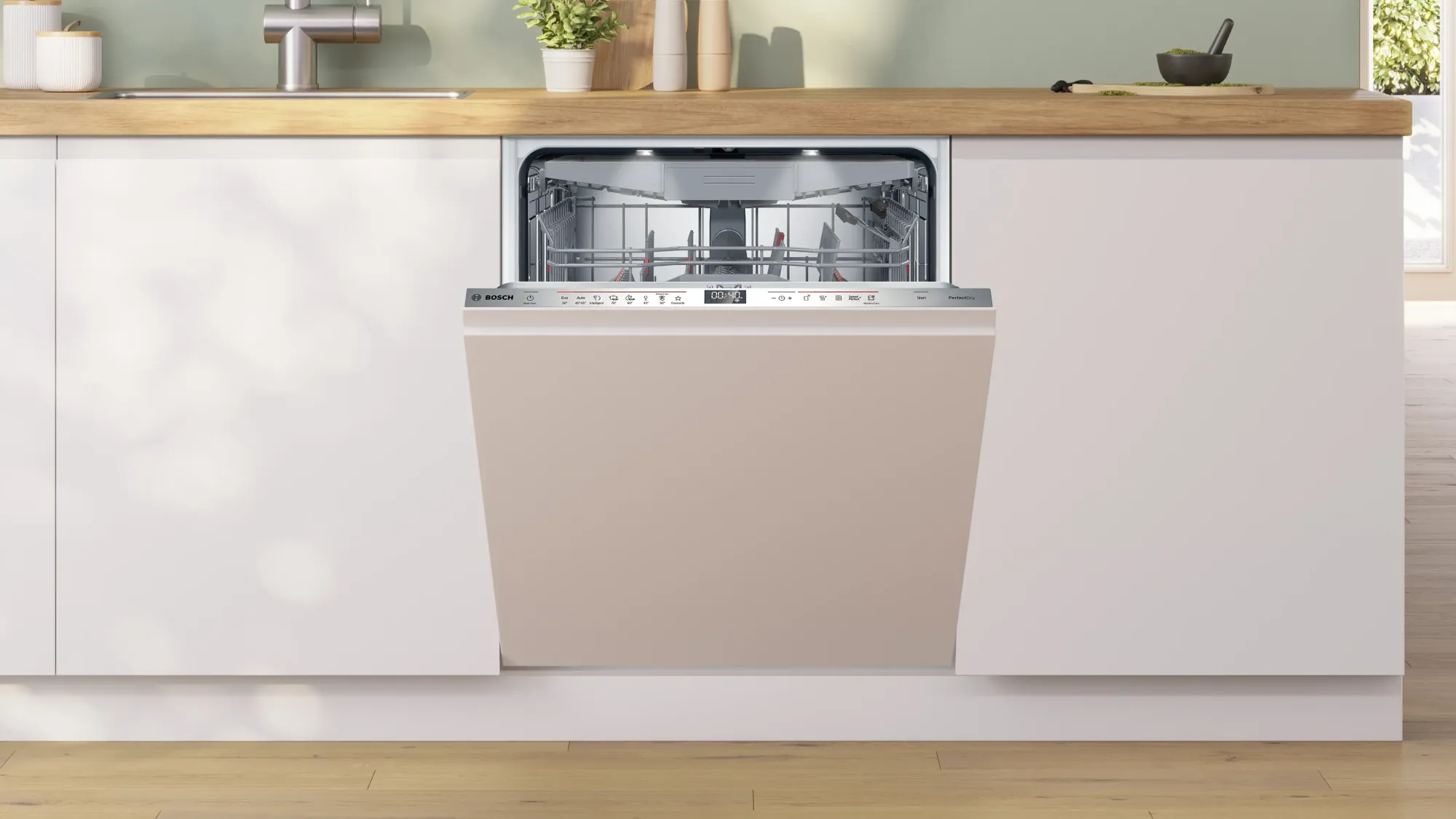
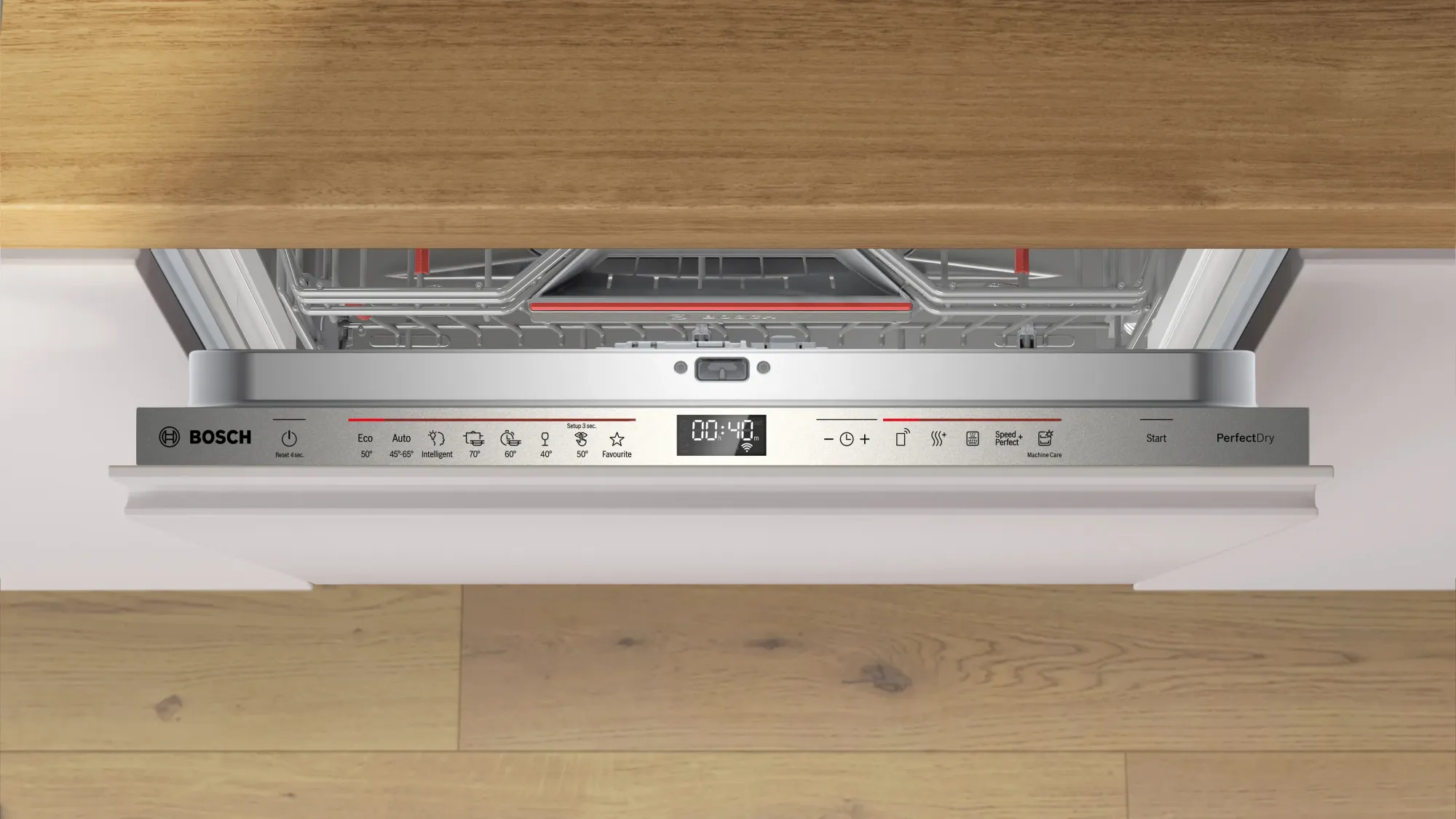
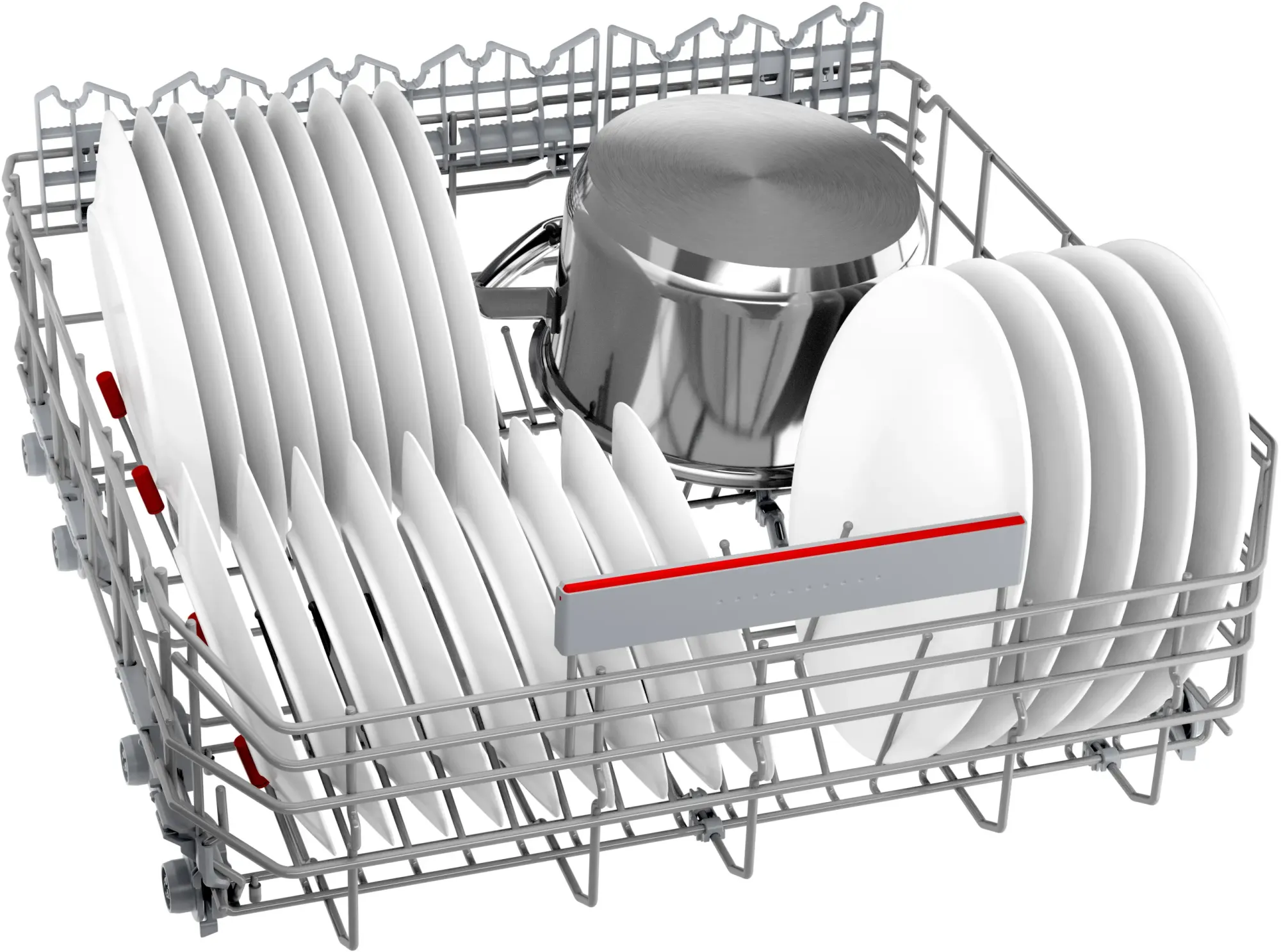
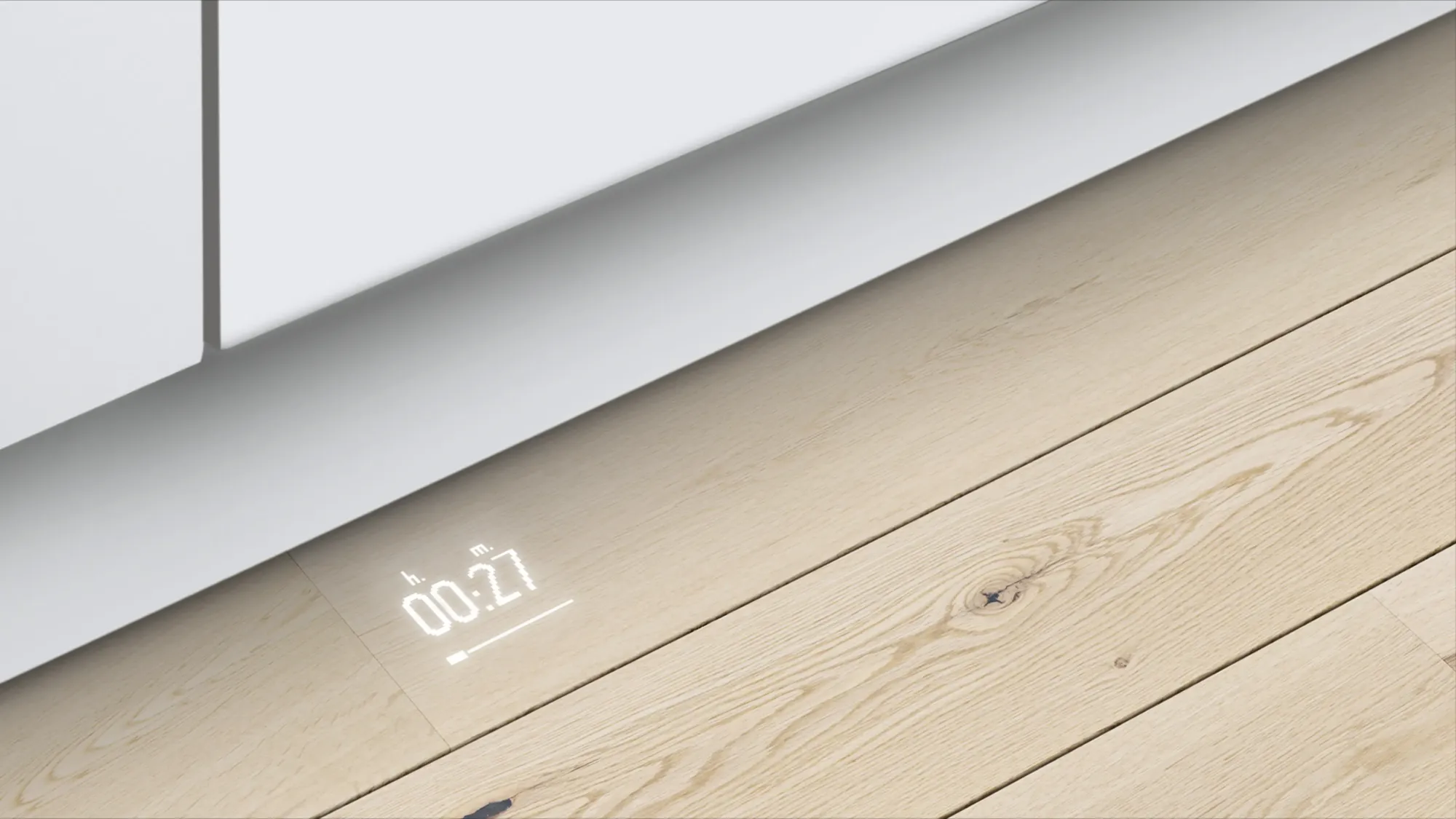
Dishwashers Bosch
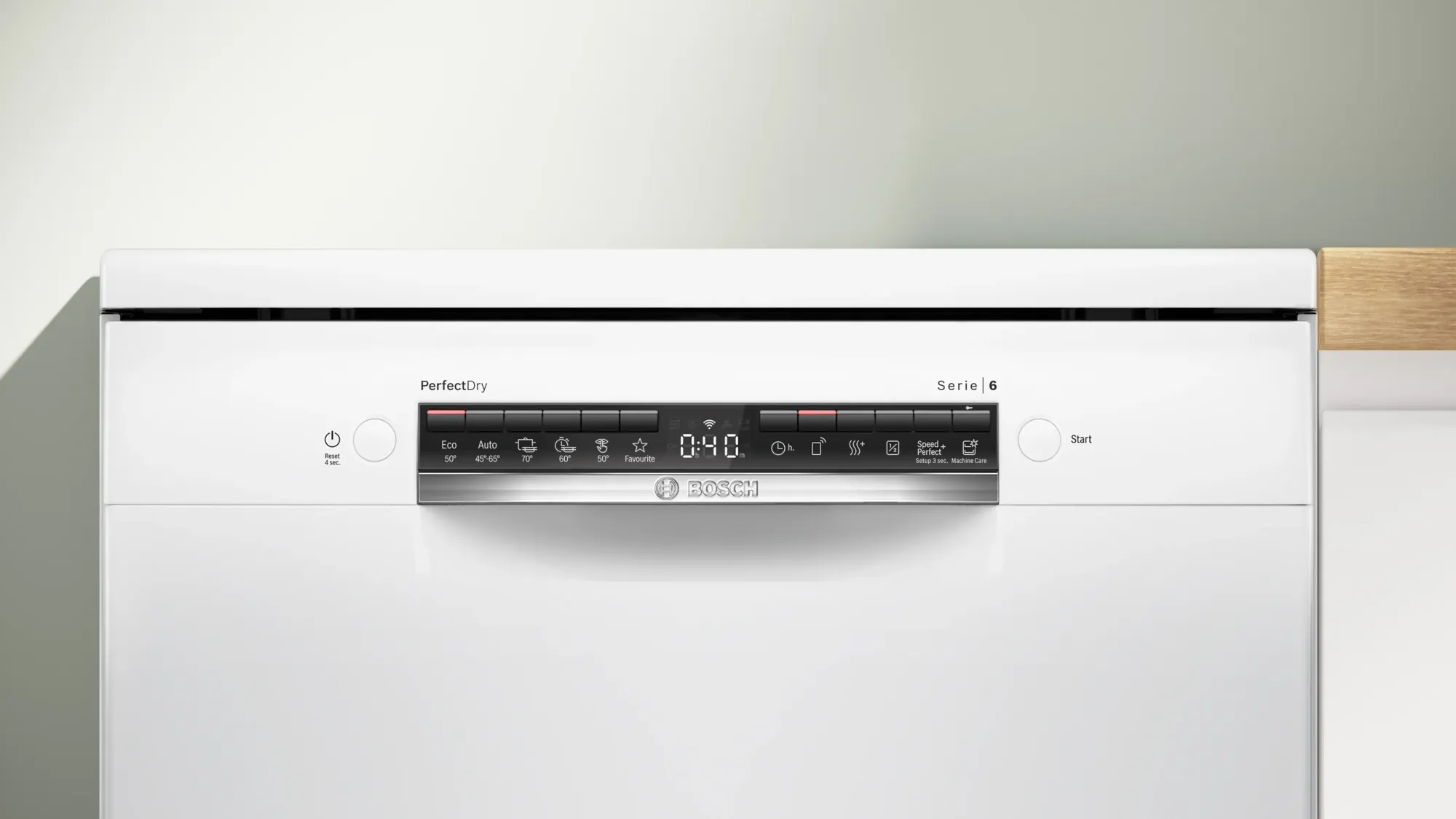
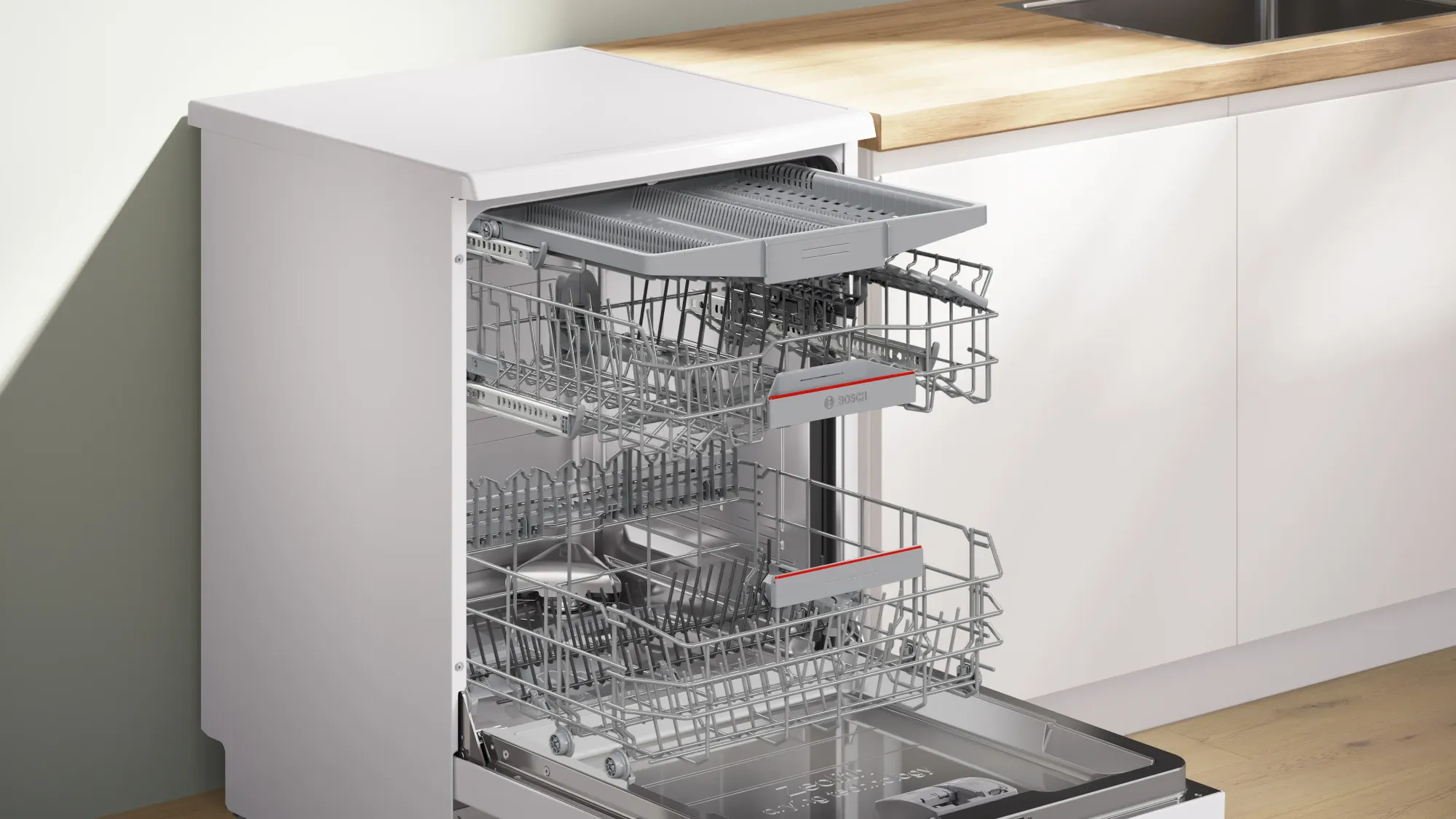
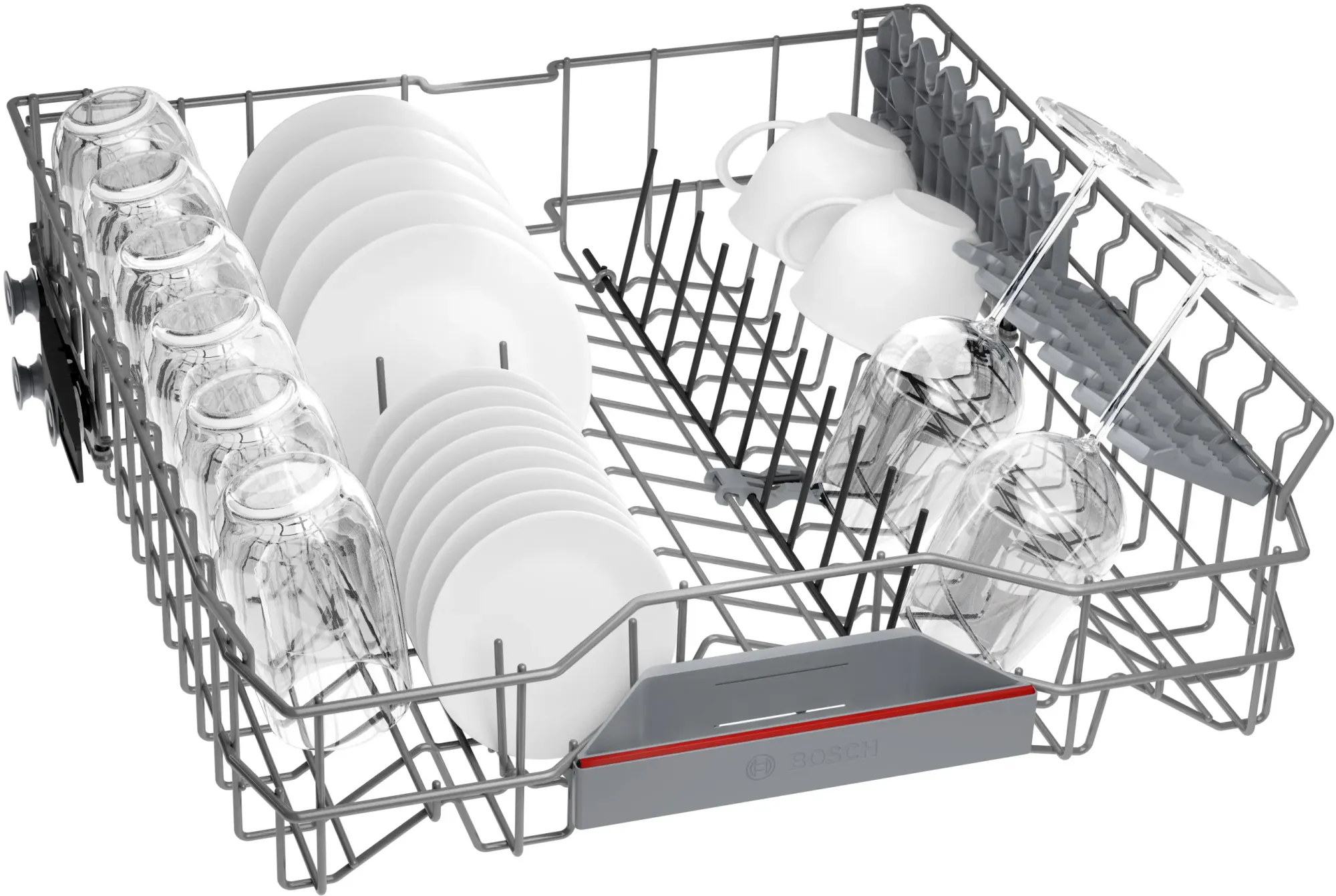
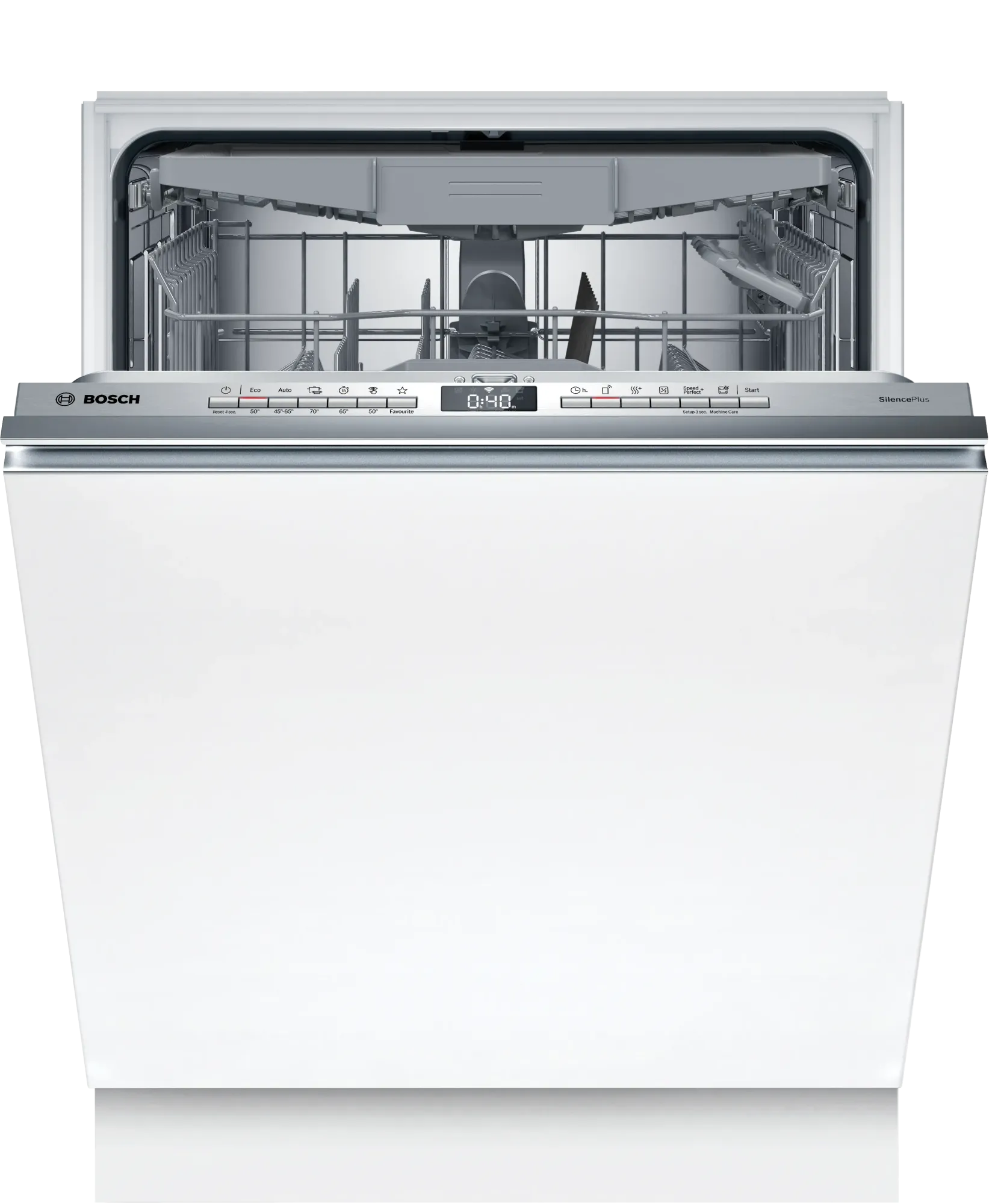
Serie 6 60 cm fully integrated dishwasher SMV6ZCX03E
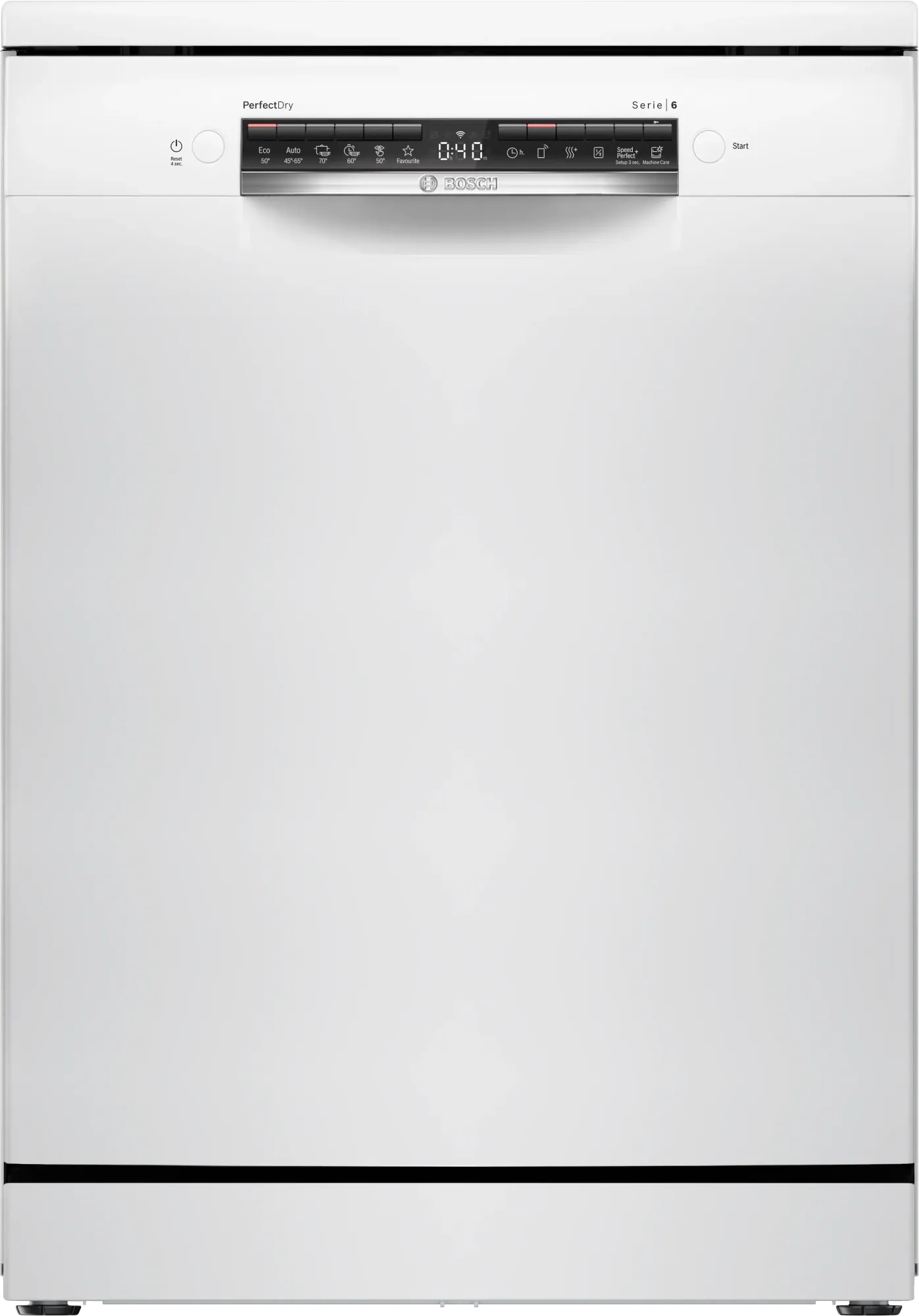
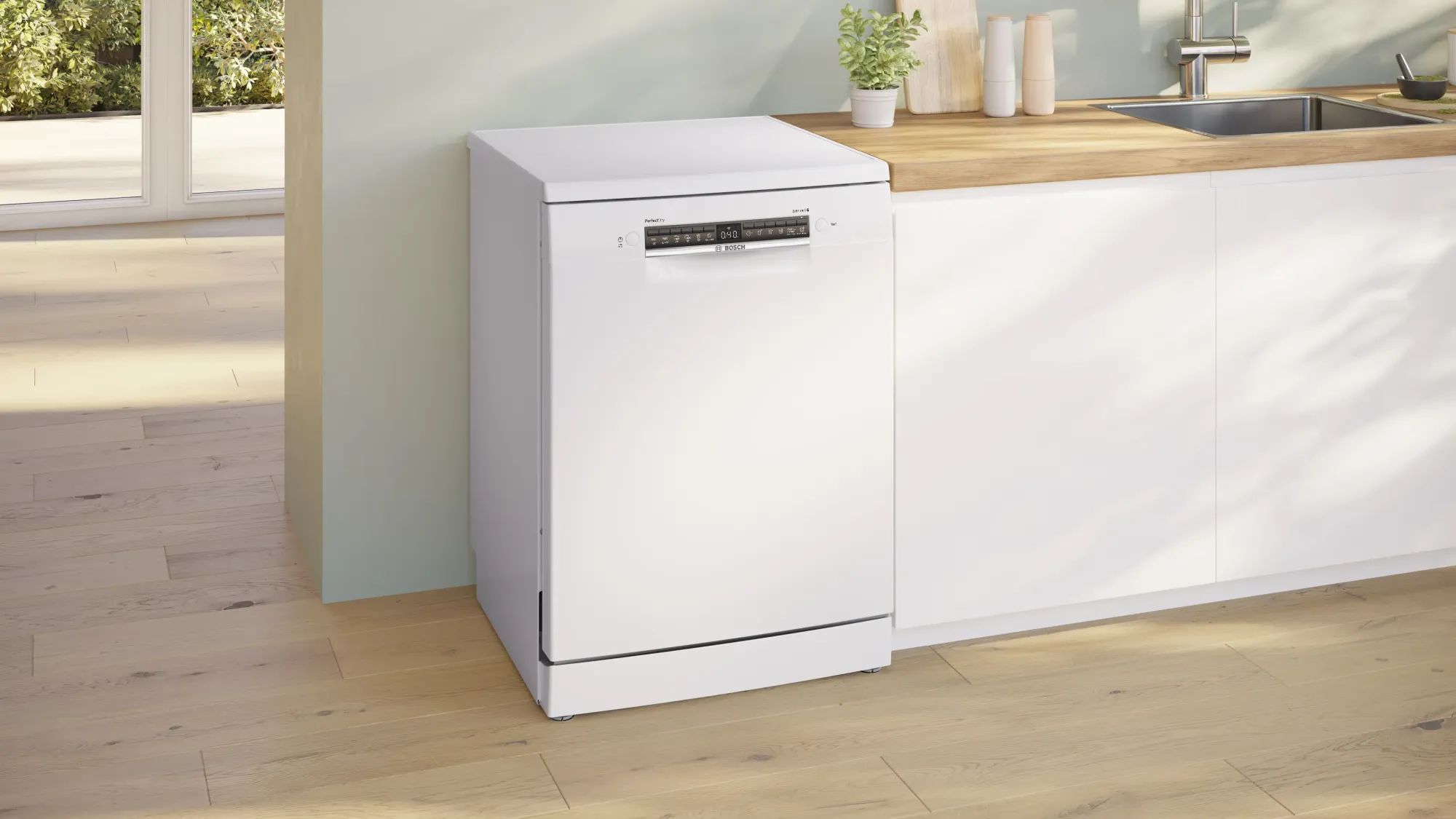
Dishwashers Bosch
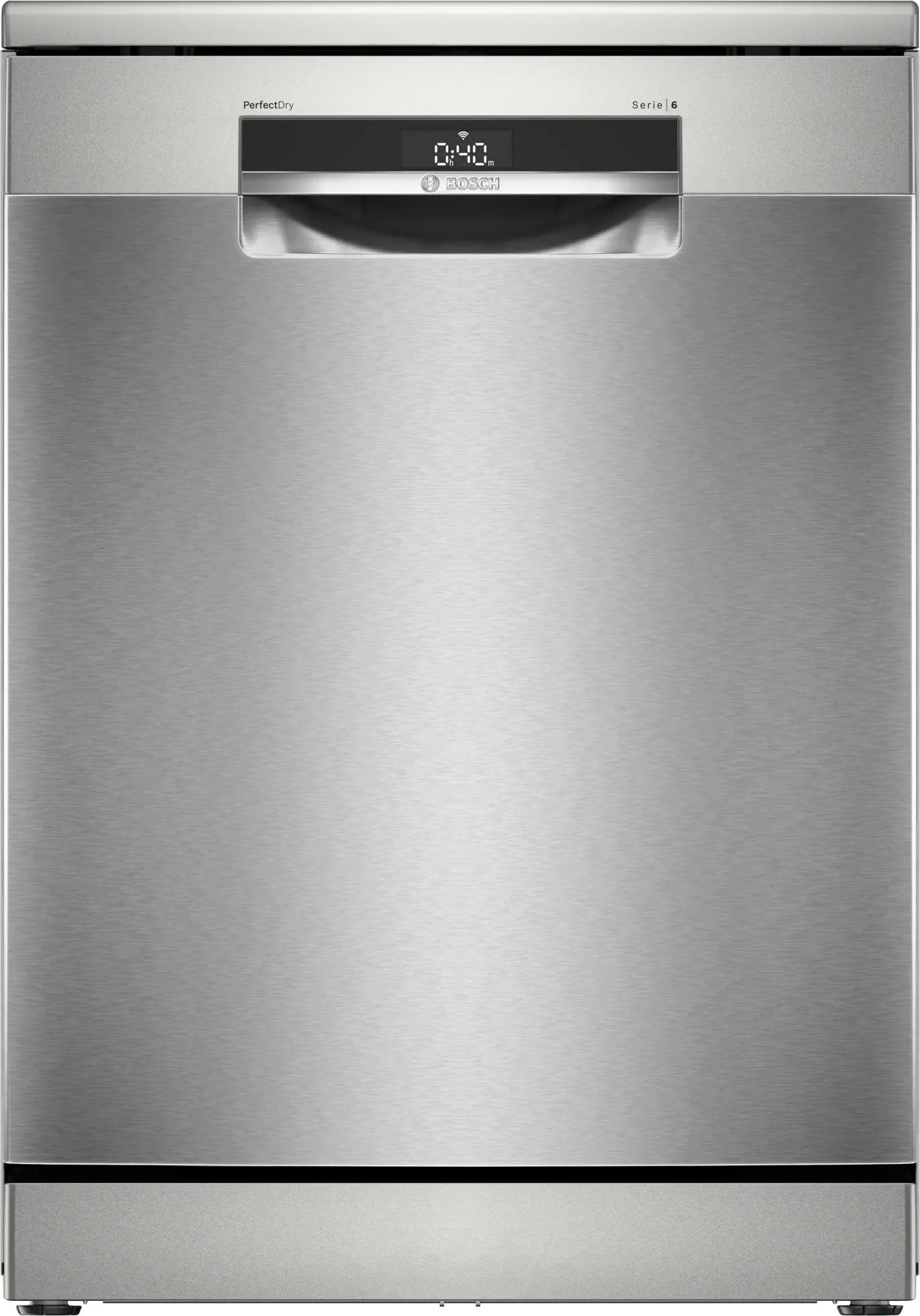
Serie 6 Dishwasher freestanding 60 cm White SMS6ZCW10E
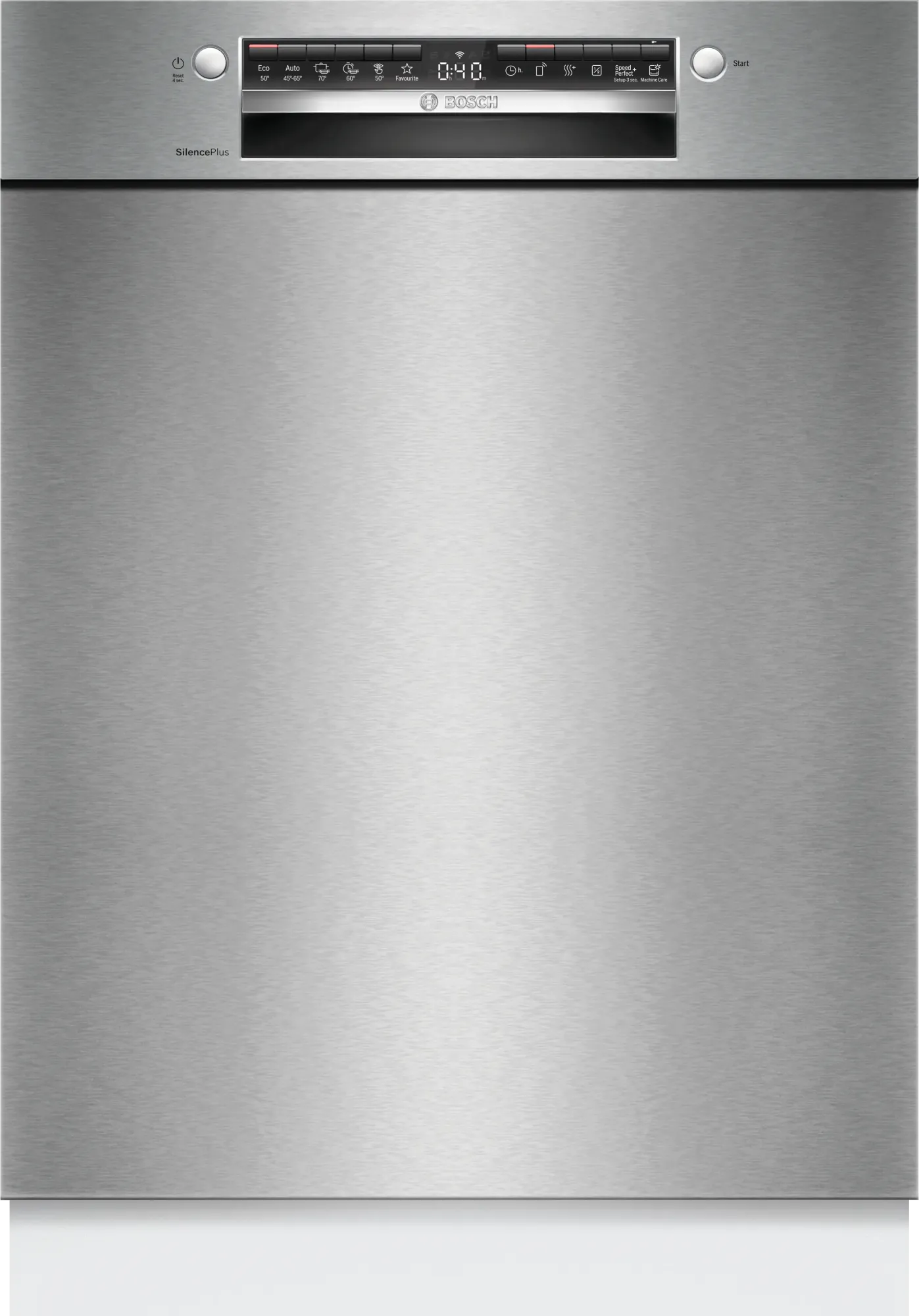
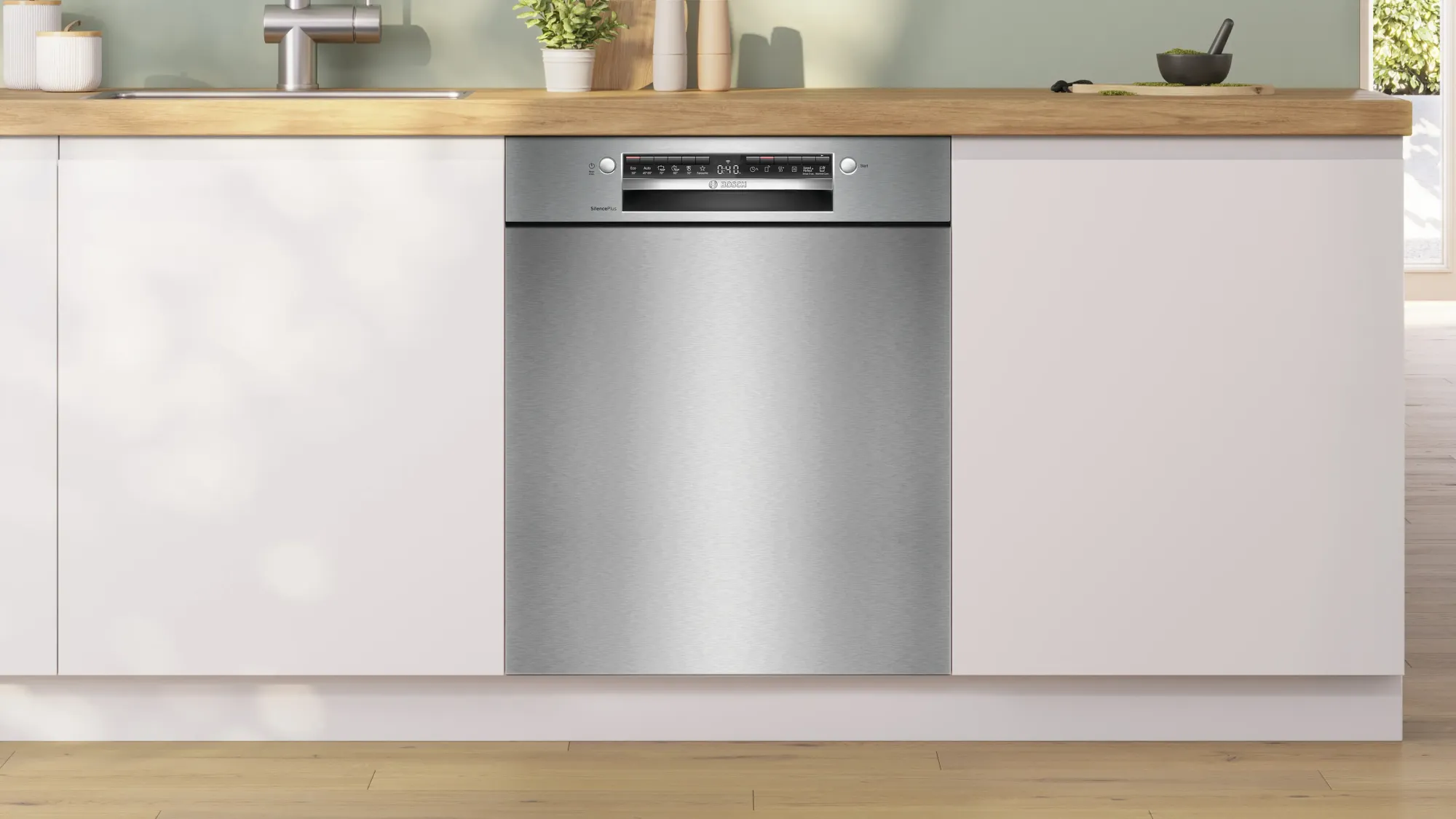
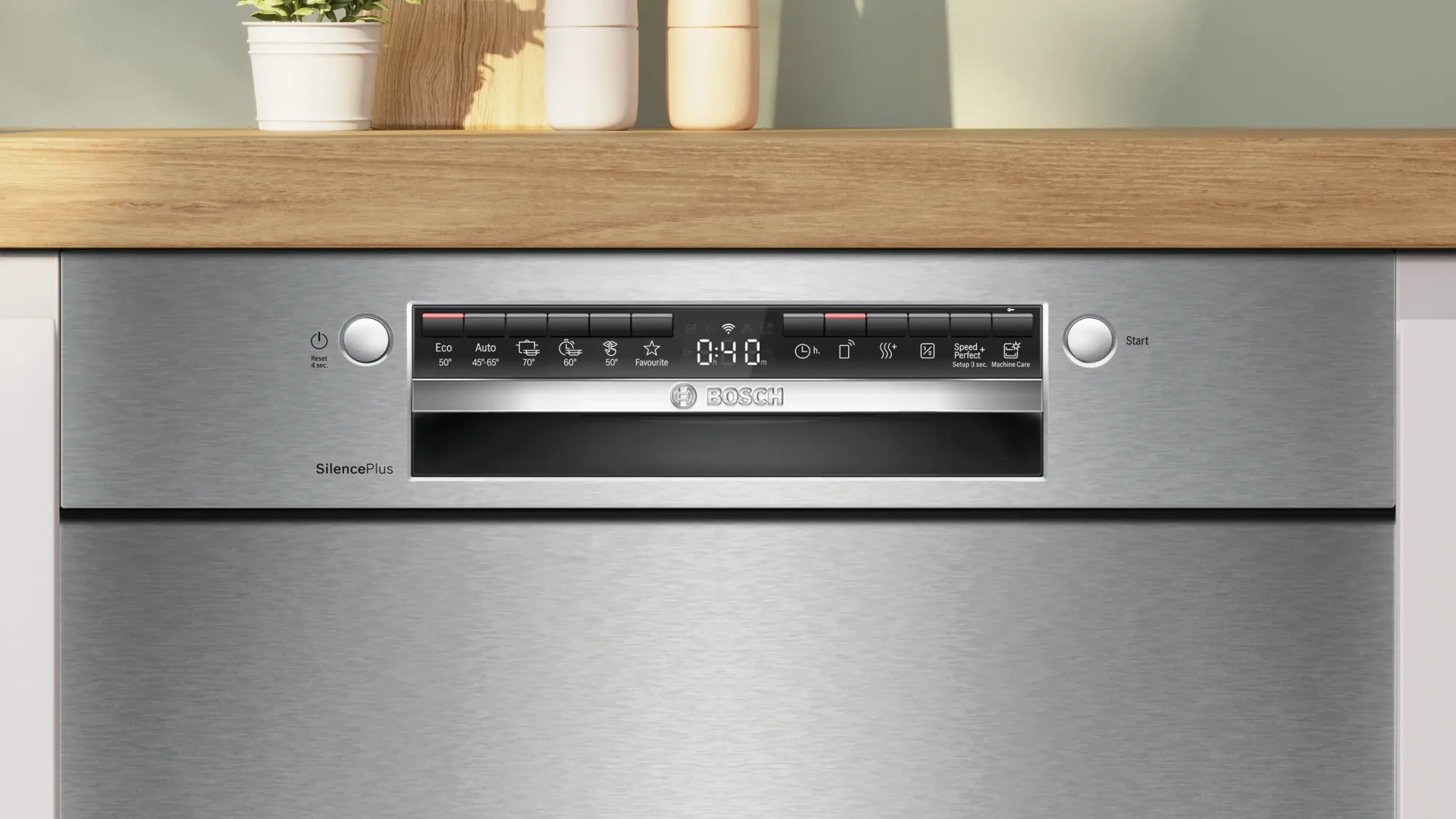
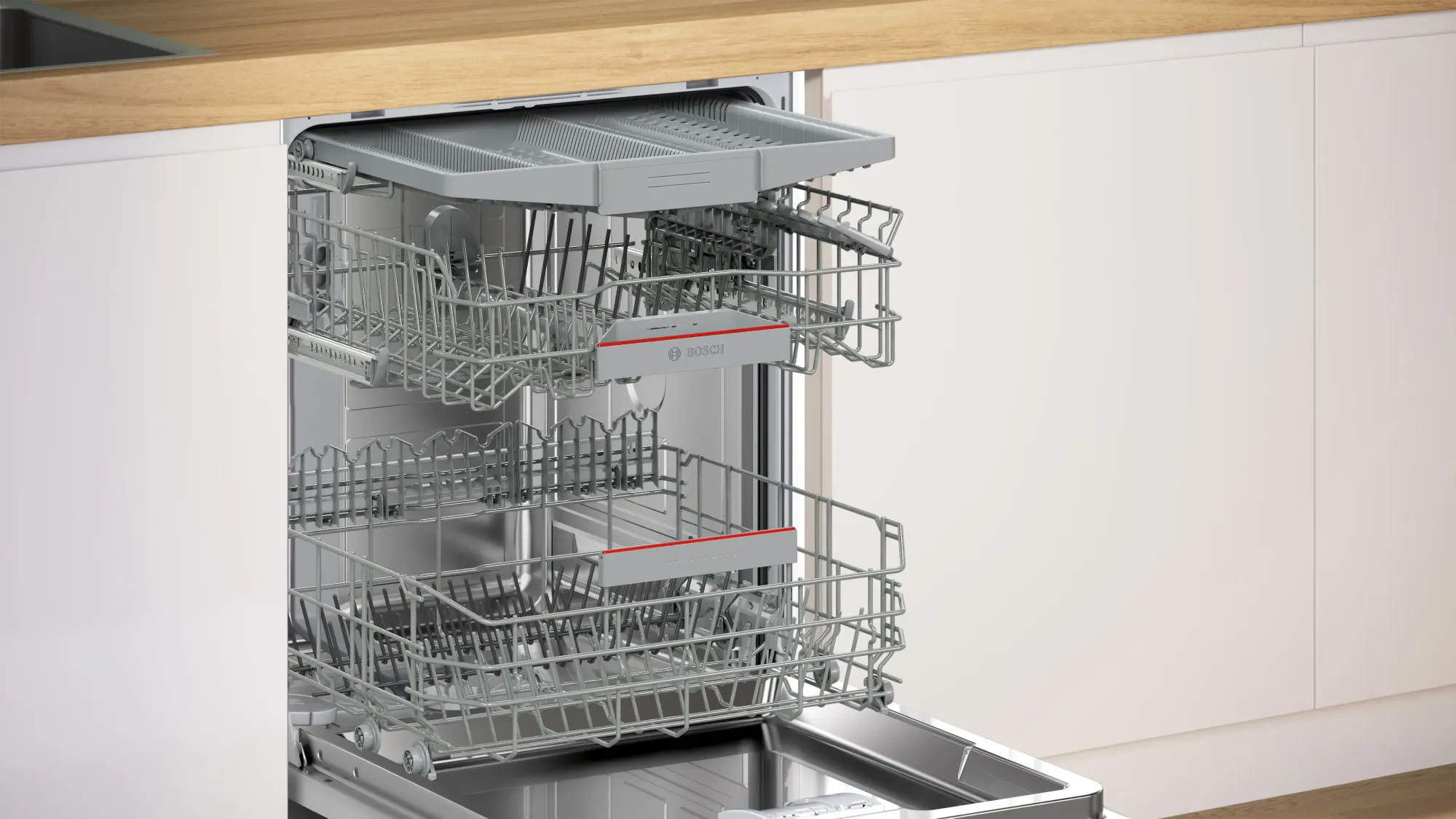
Dishwashers Bosch
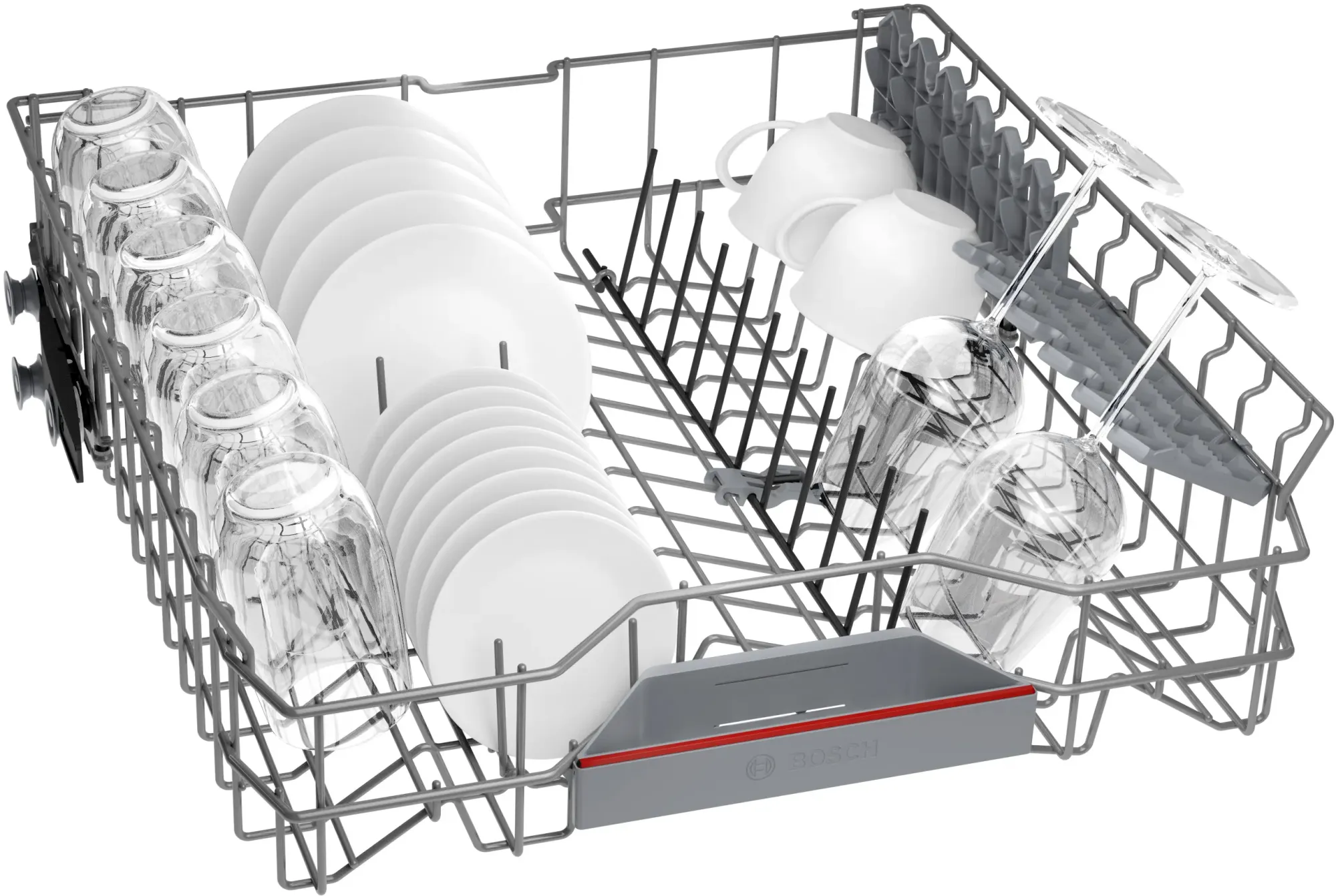
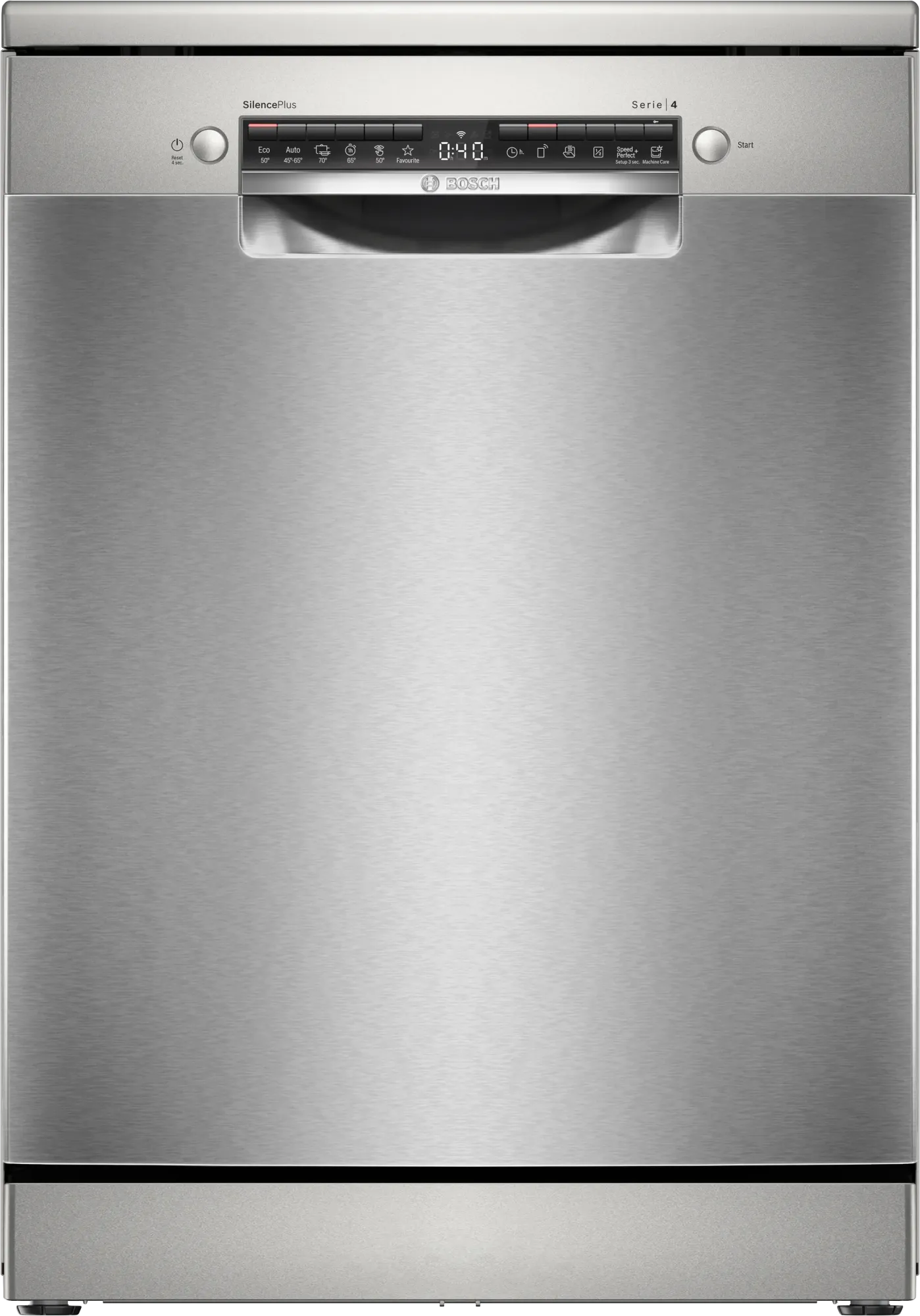
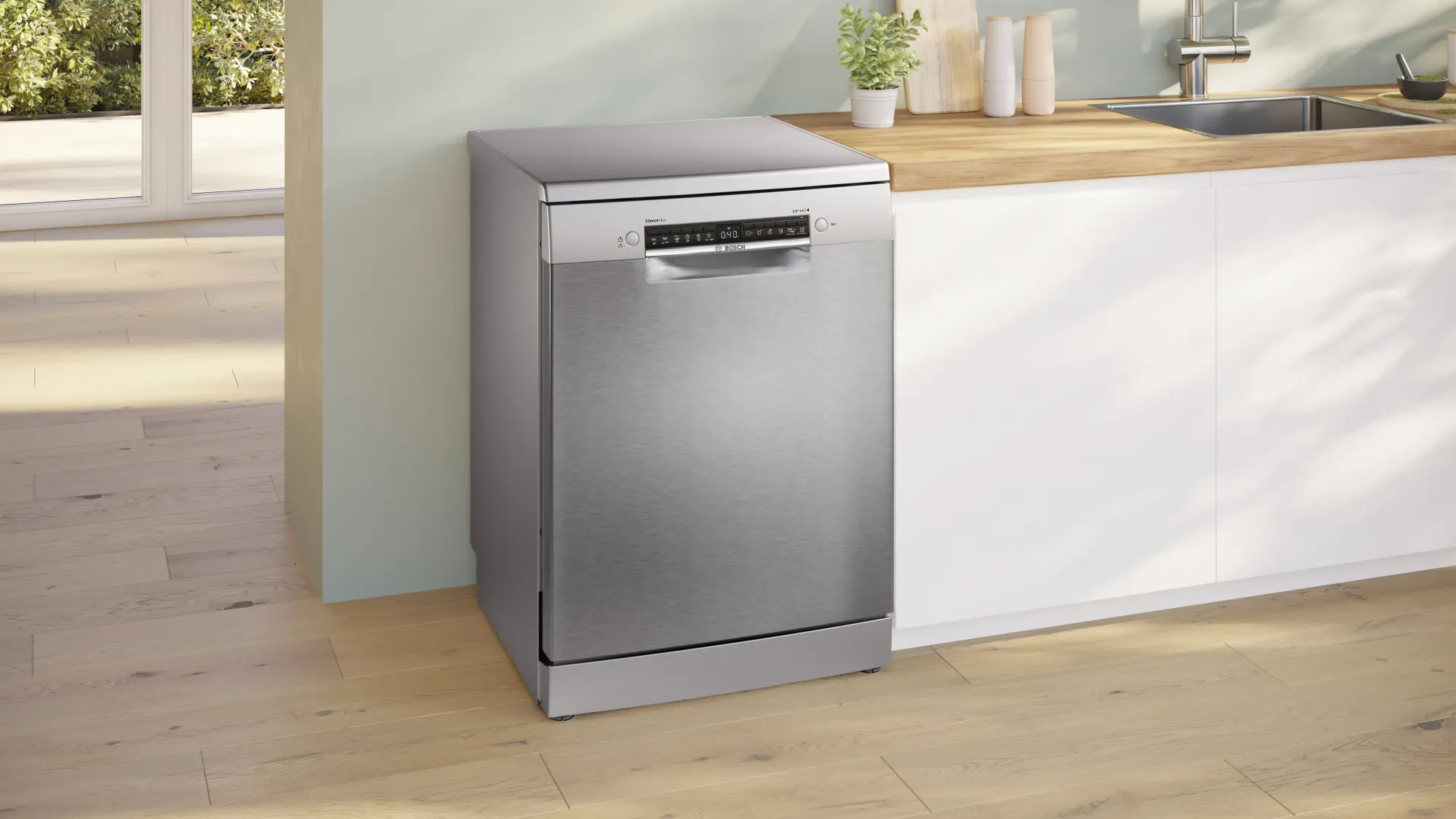
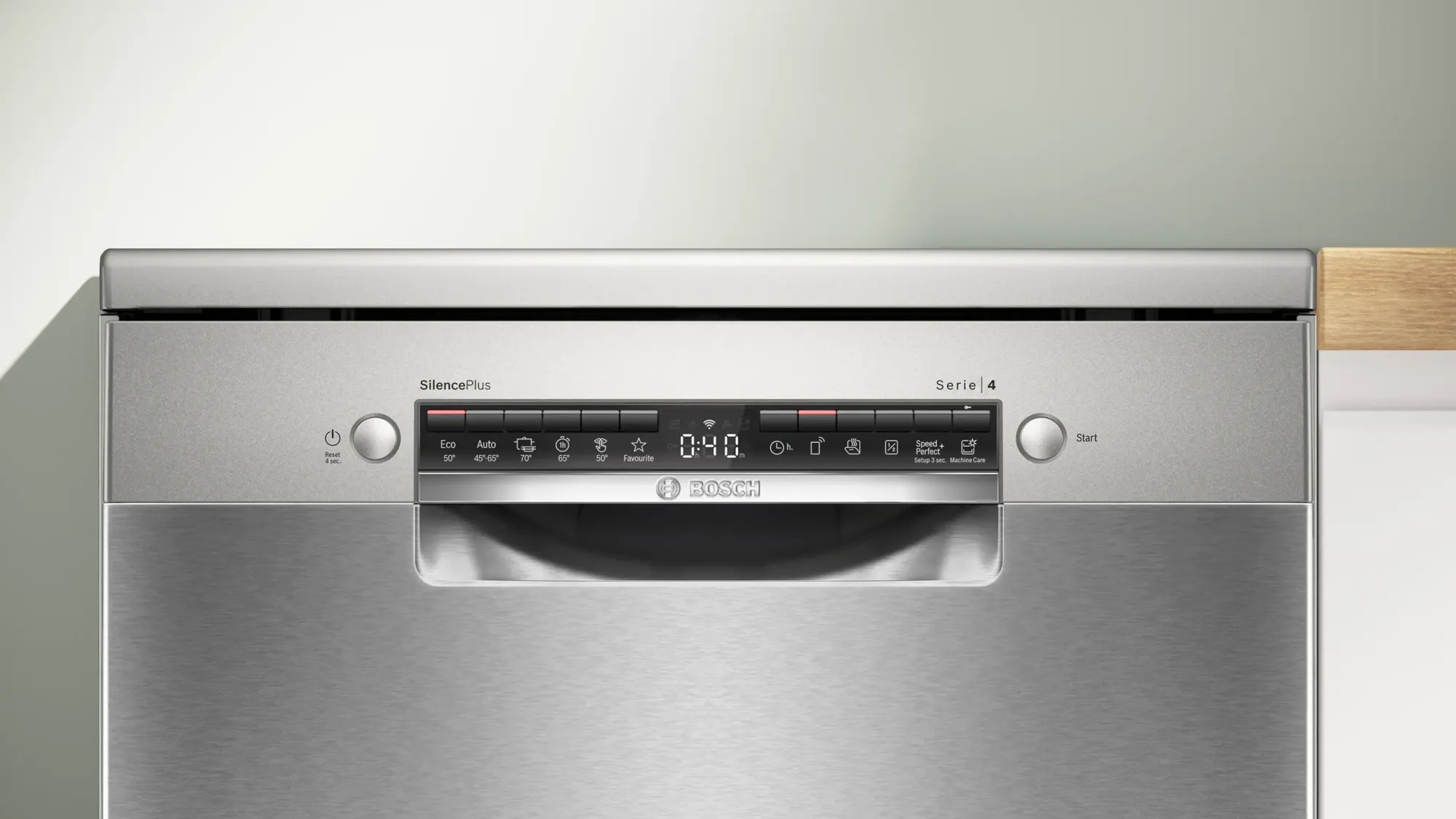
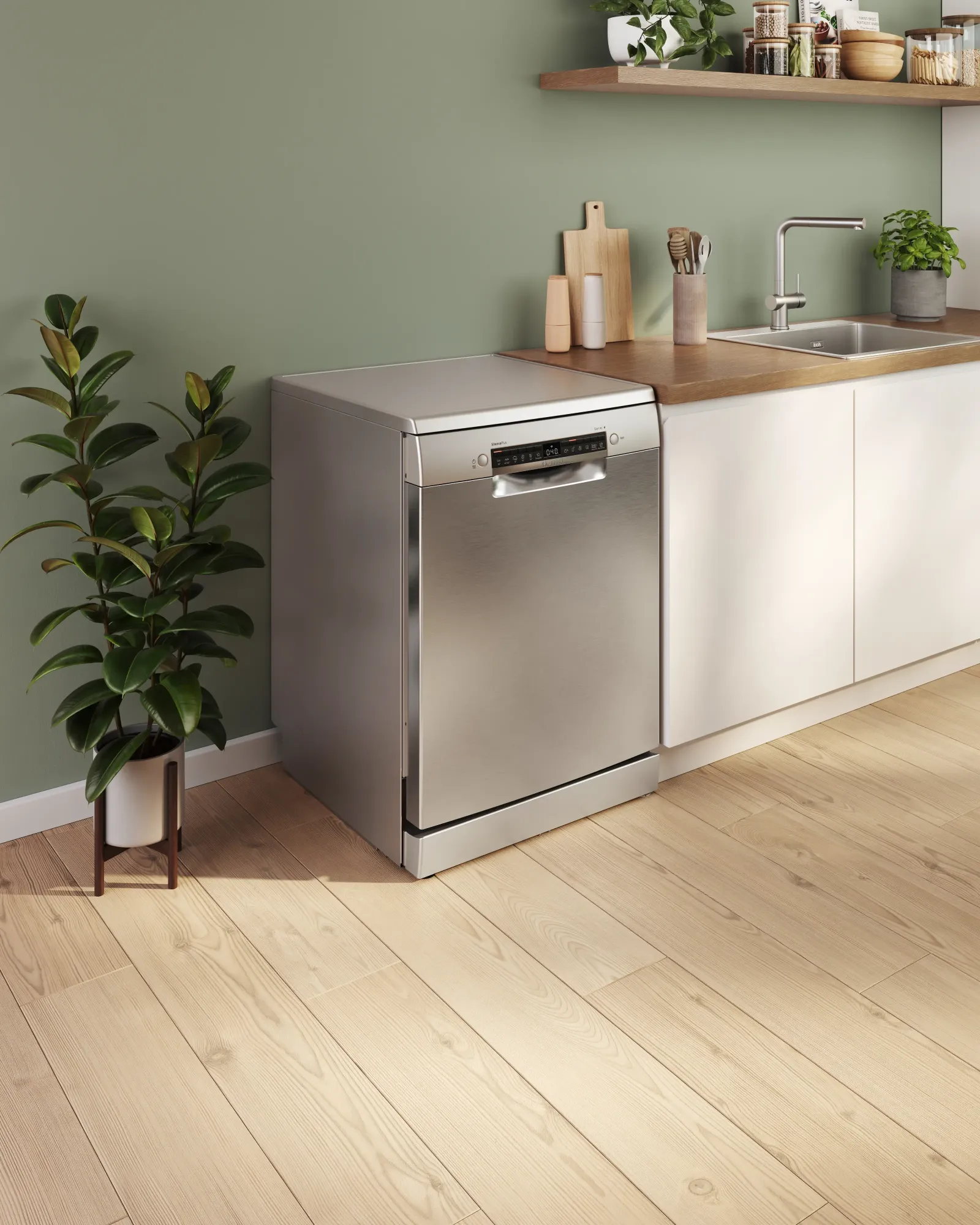
Serie 4 60 cm undercounter dishwasher Brushed Steel SMU4ECS28E
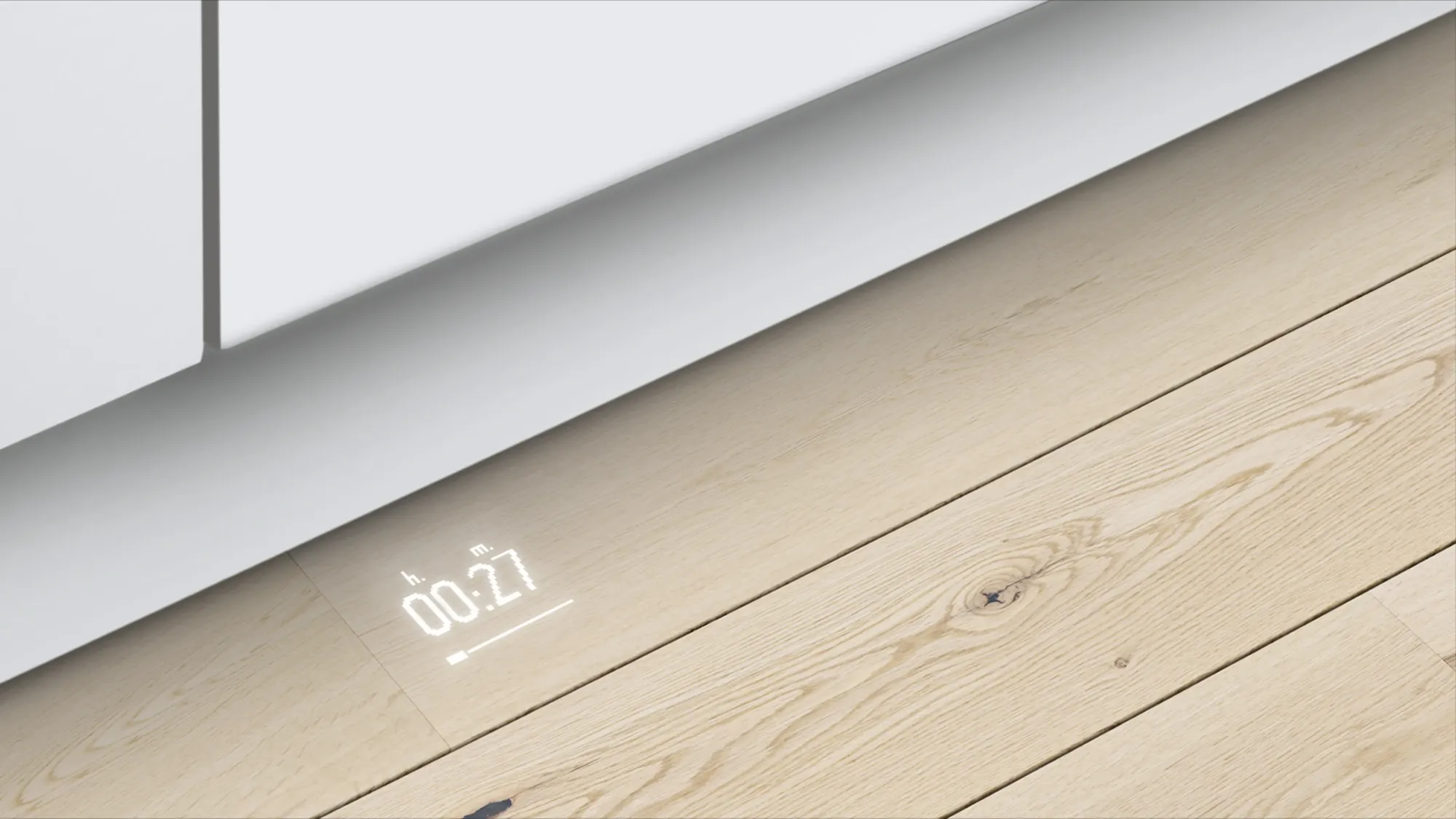
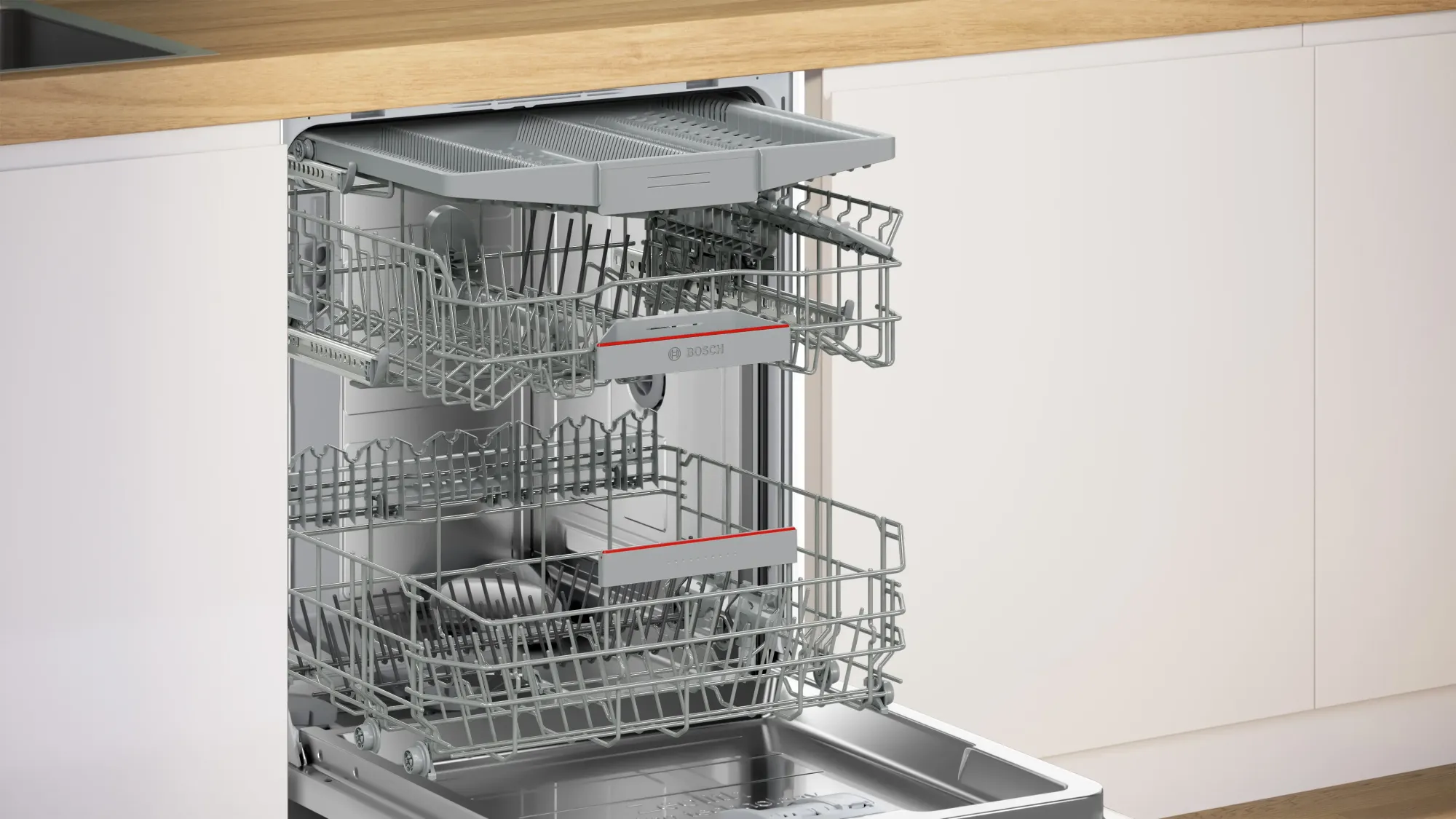
Dishwashers Bosch
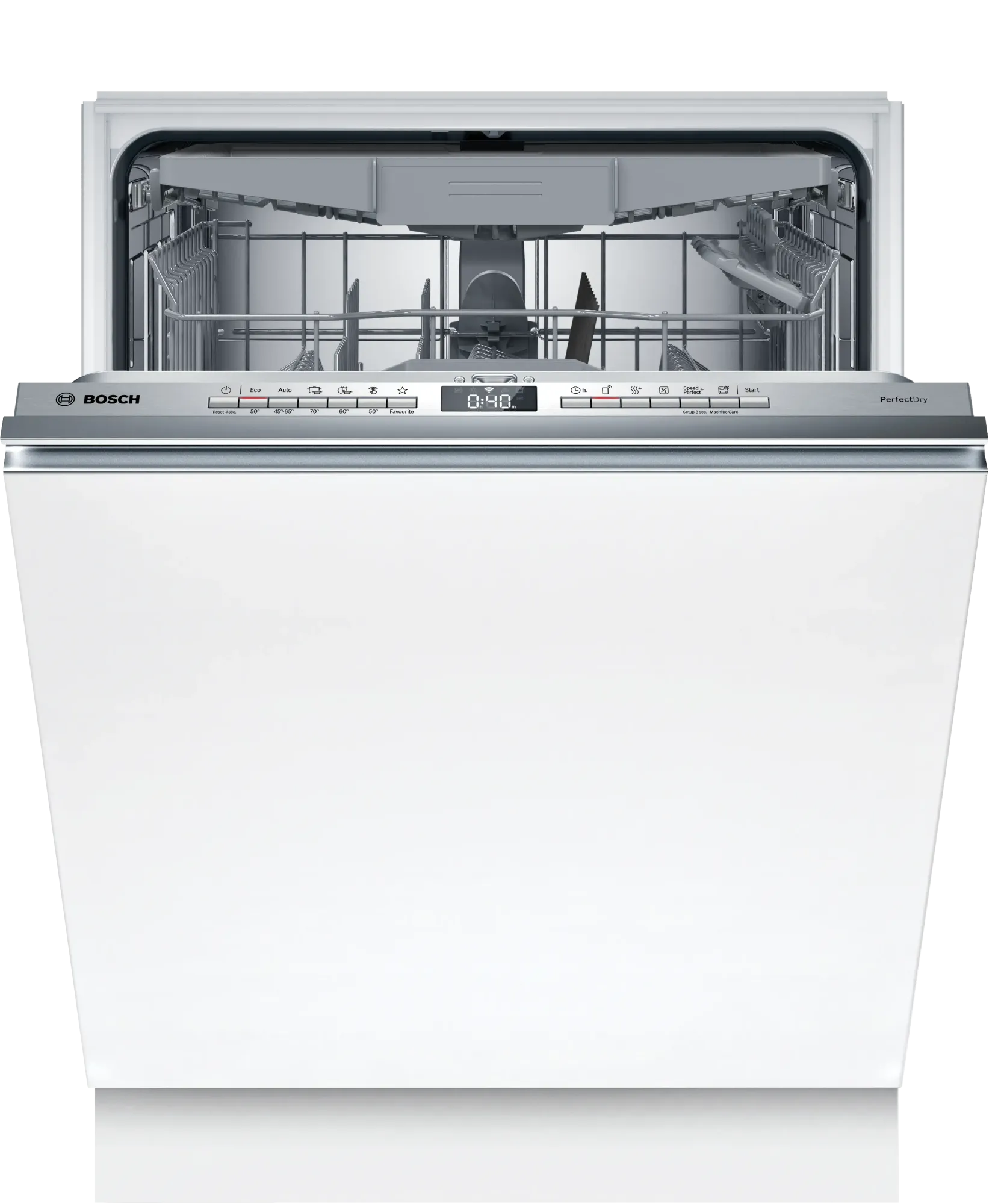
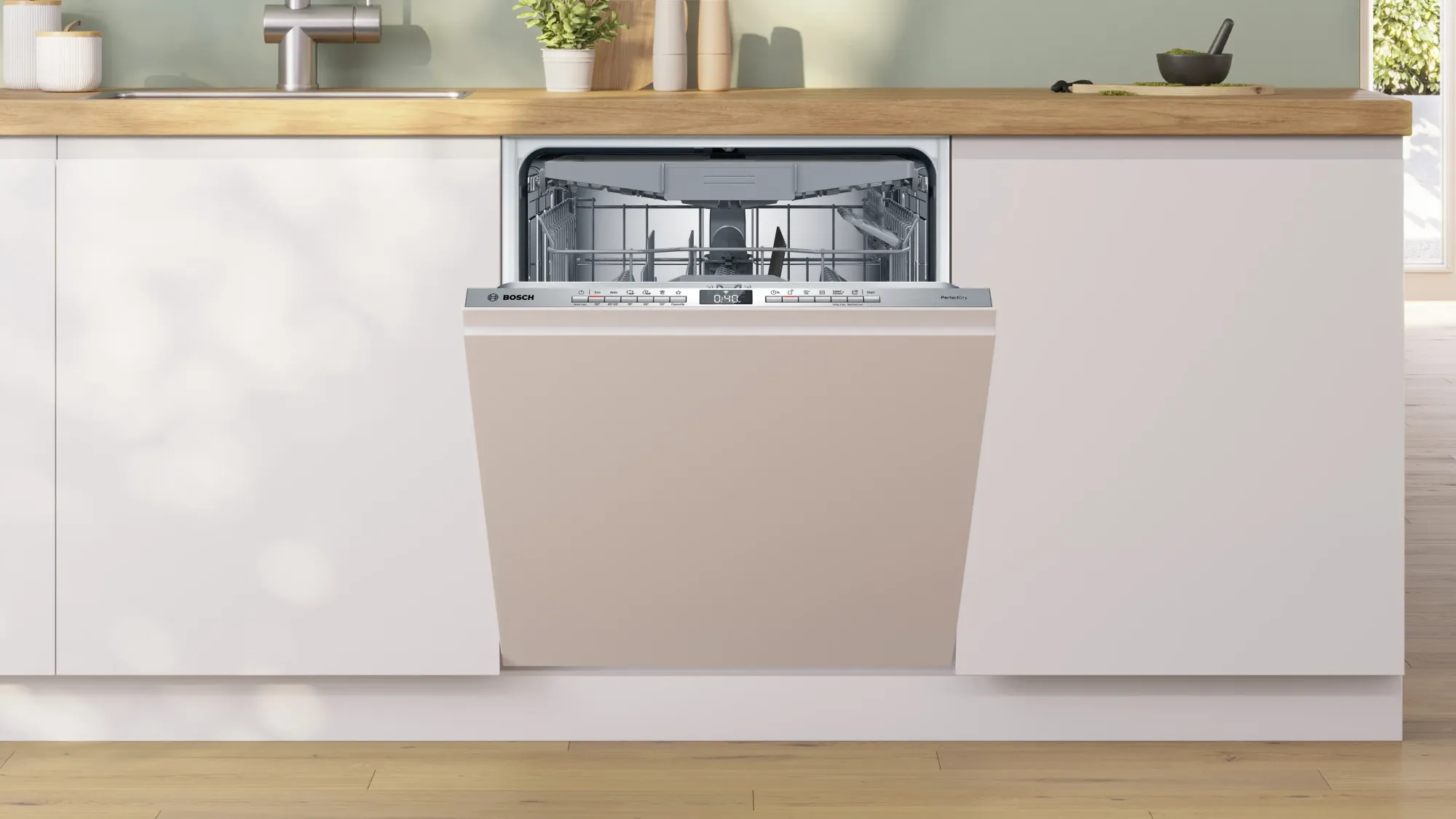
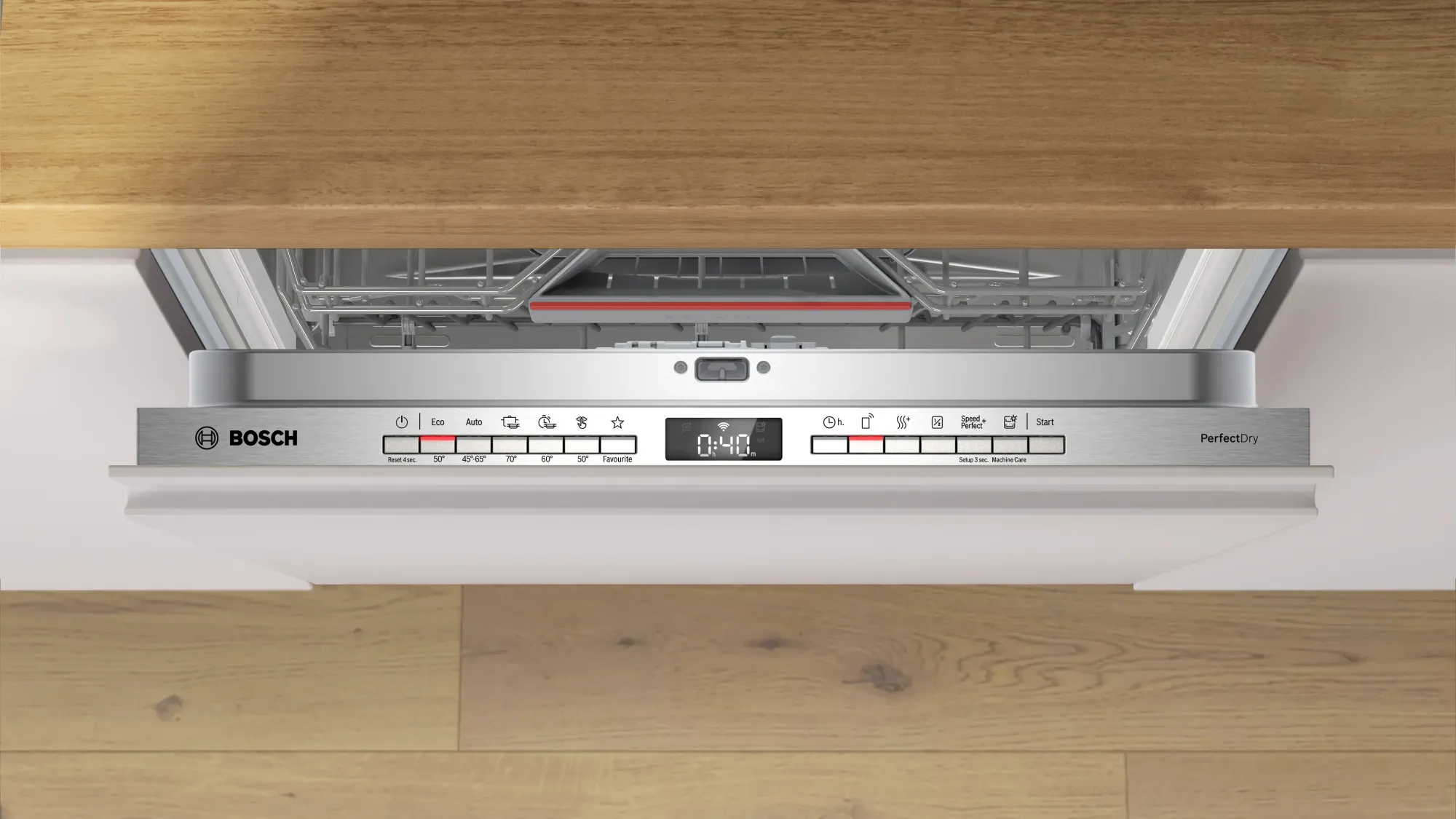
Serie 6 60 cm fully integrated dishwasher SMV6ZCX10E
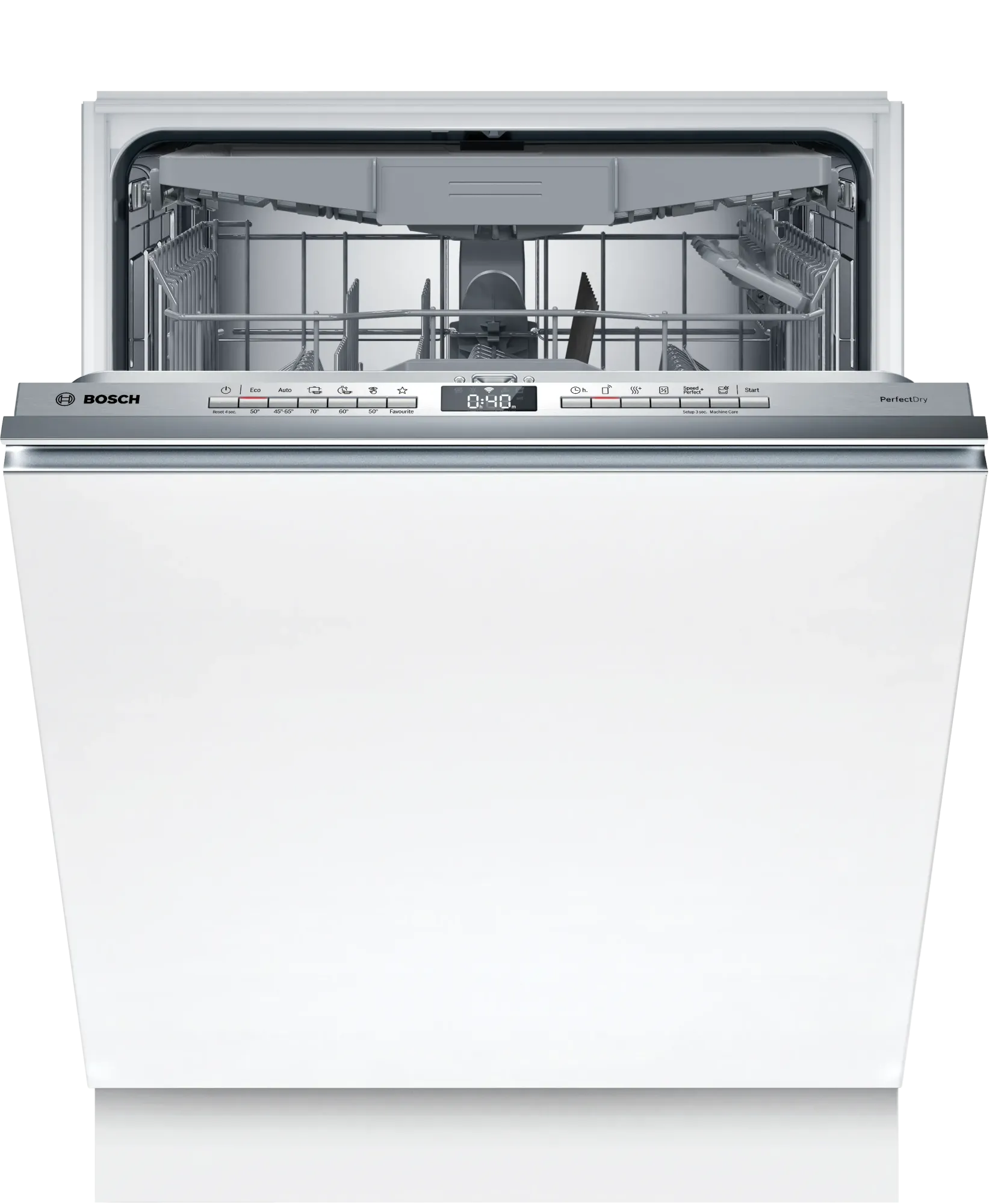
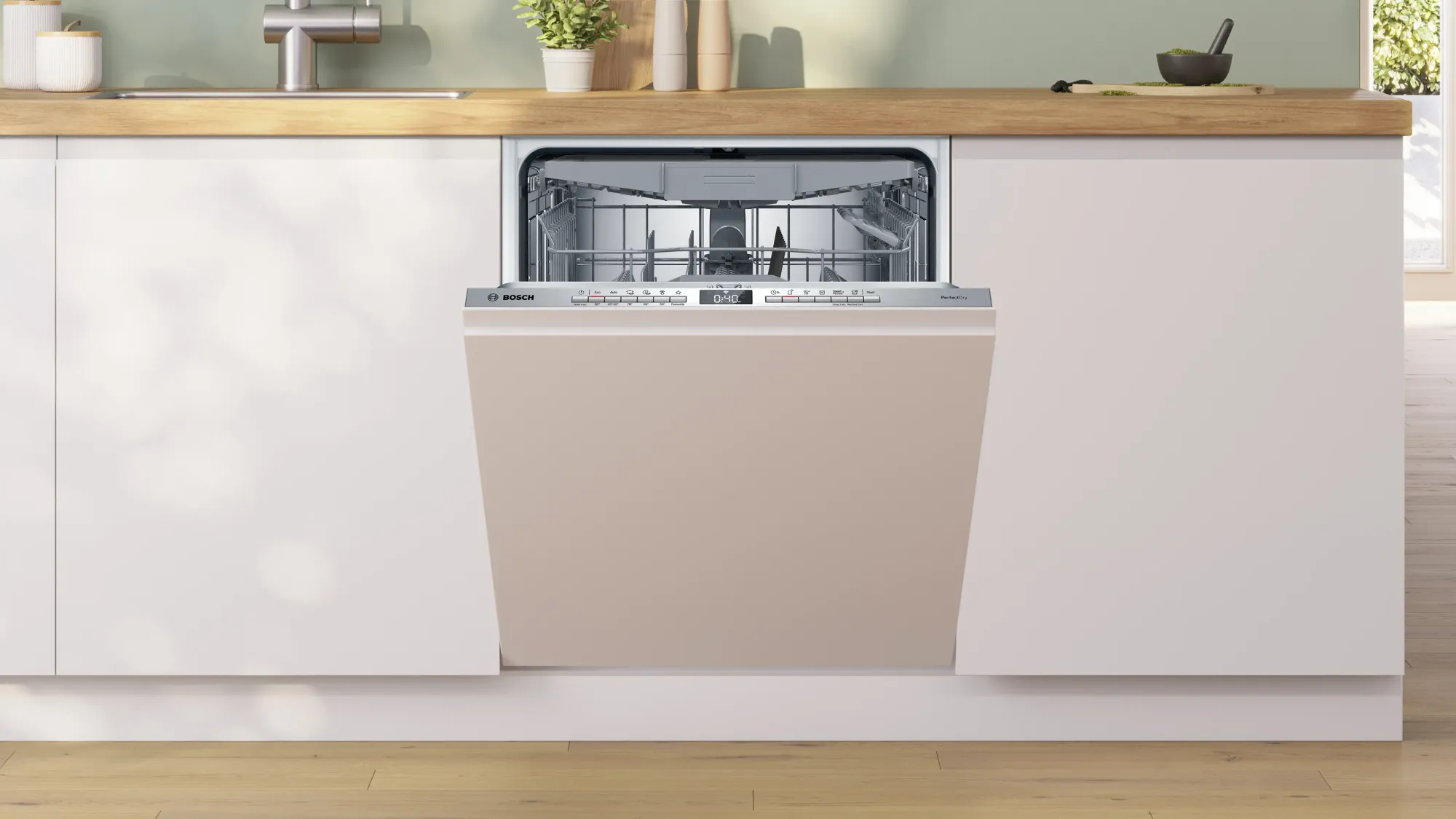
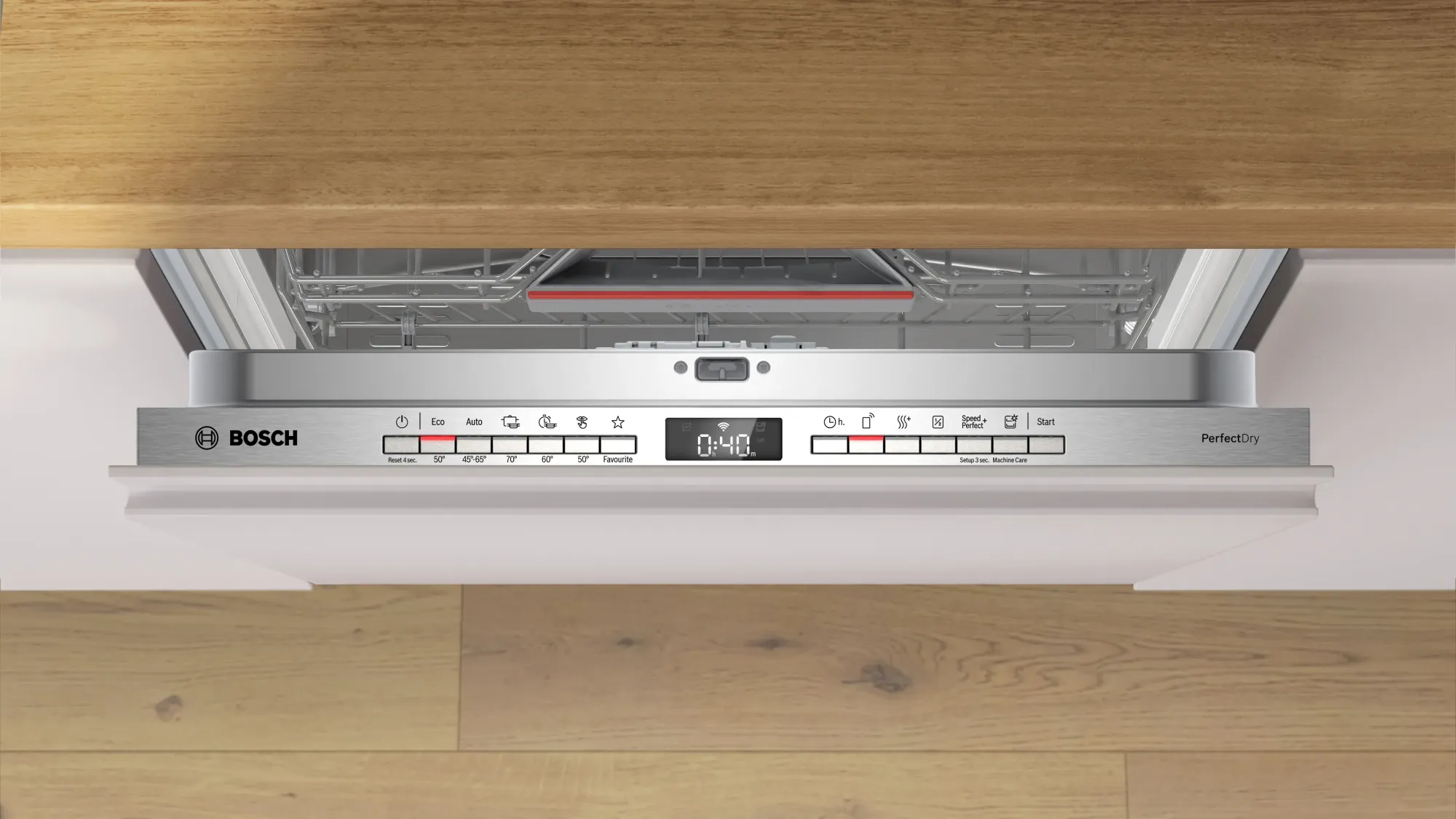
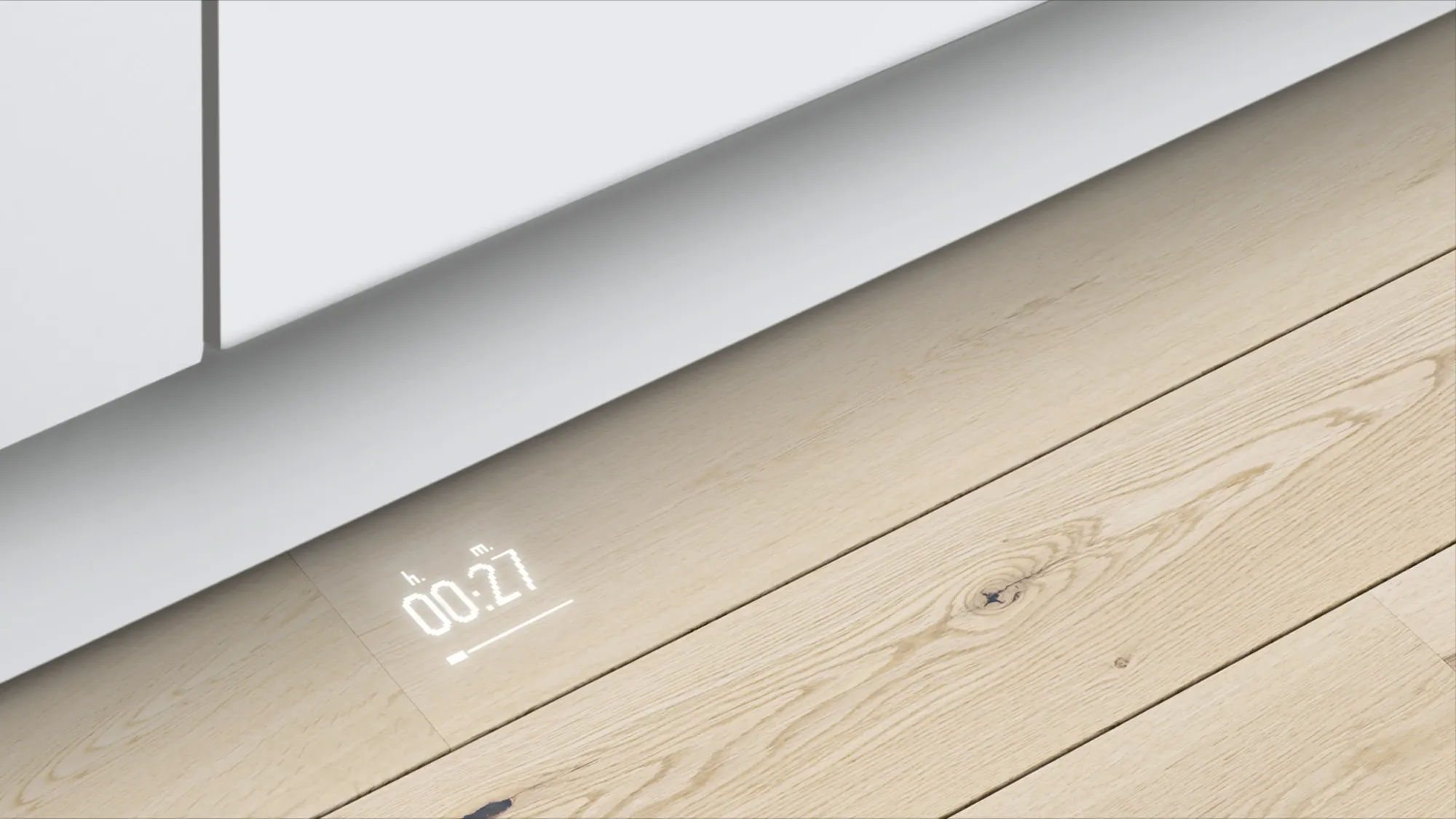
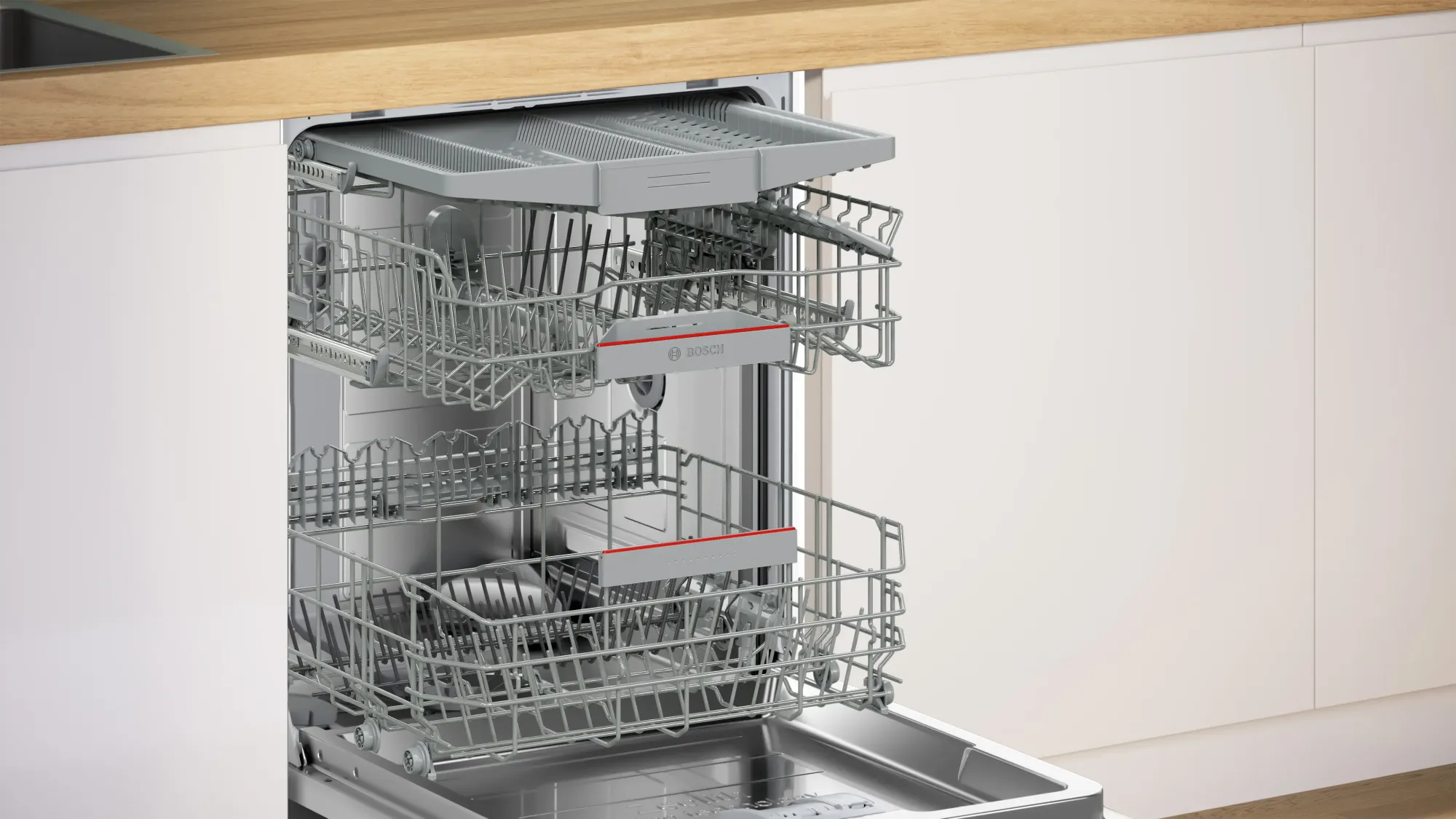
Dishwashers Bosch
Serie 6 Fully integrated dishwasher 60 cm XXL (extra height) SBV6ZCX10E
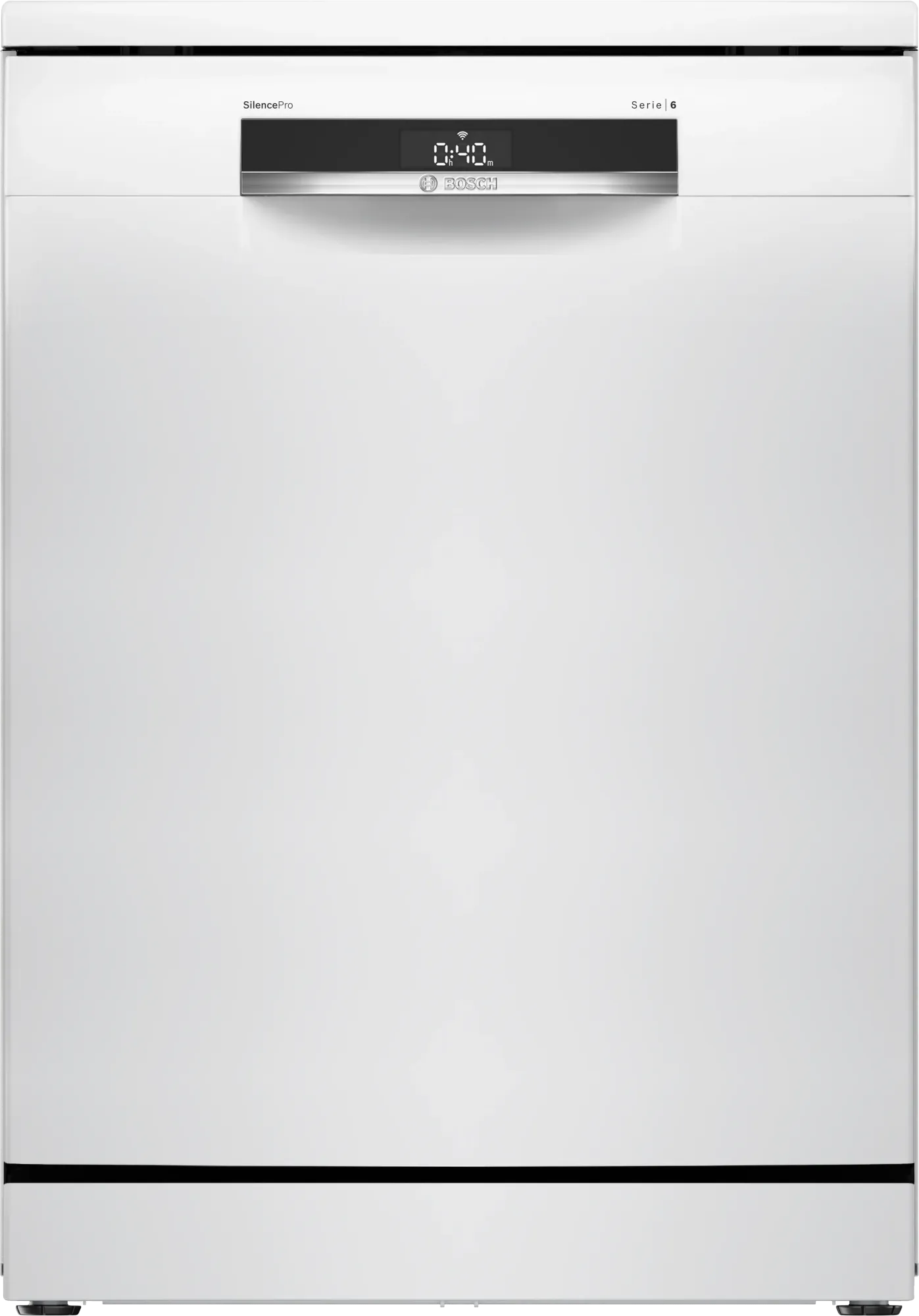
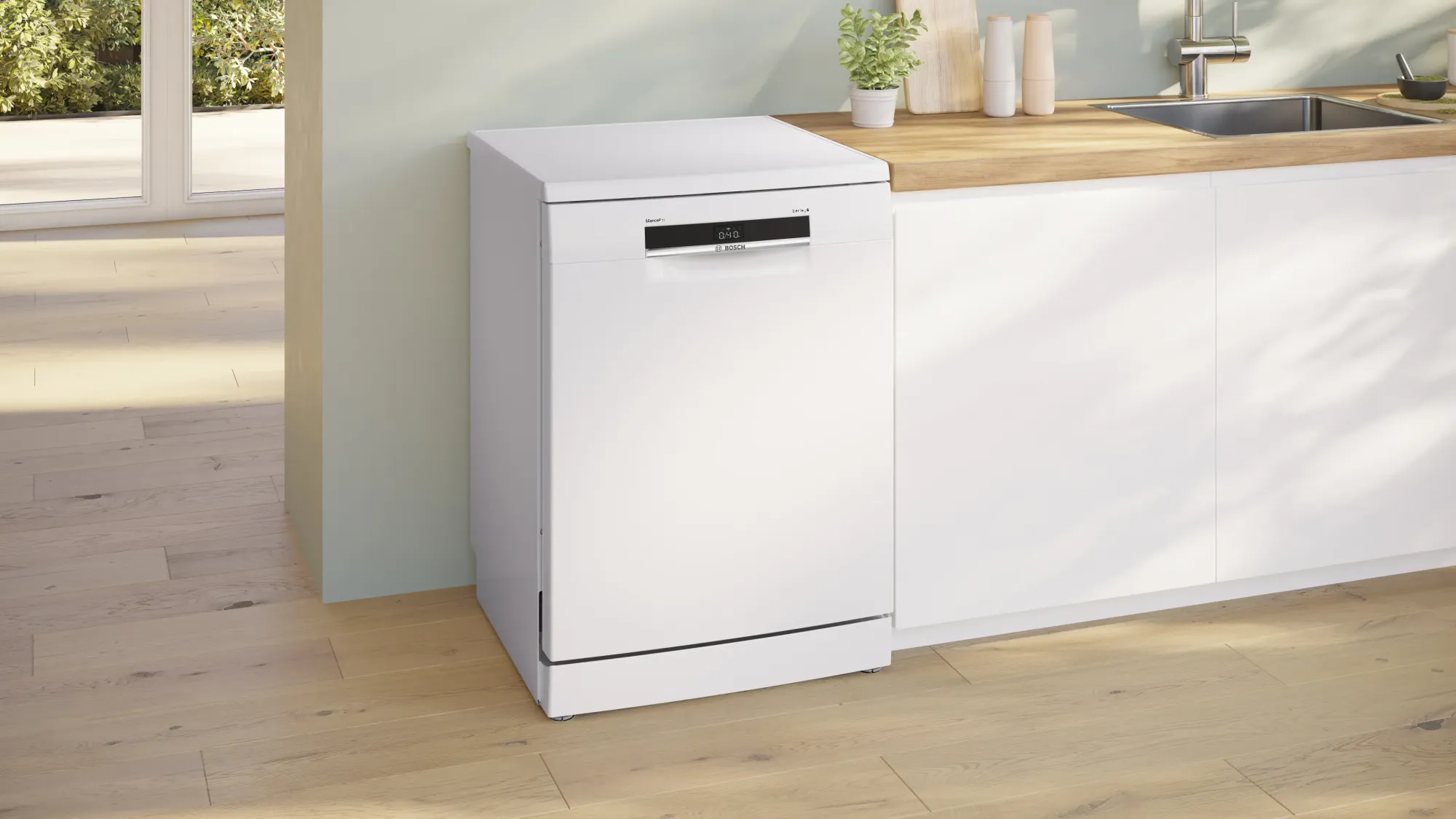
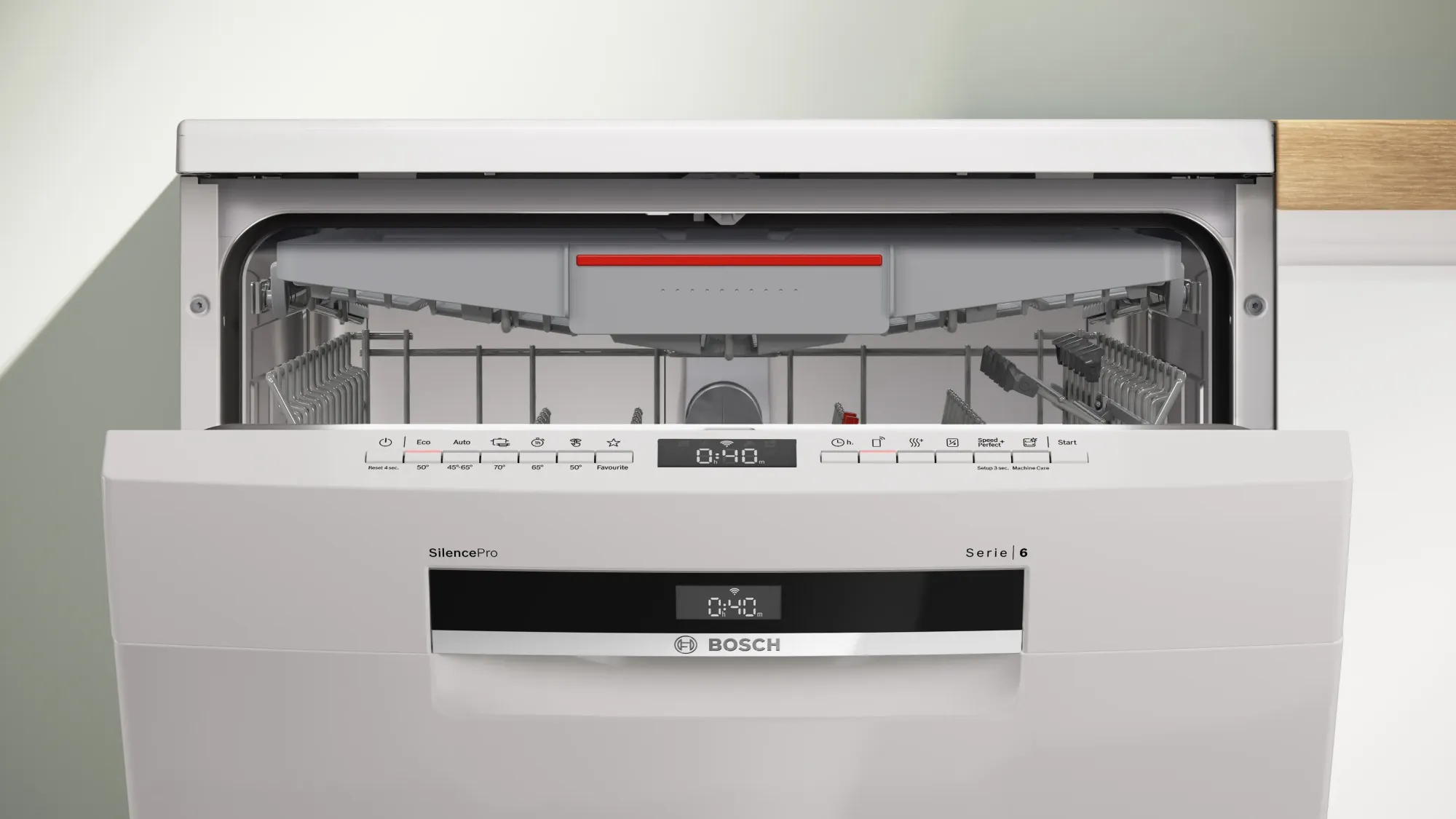
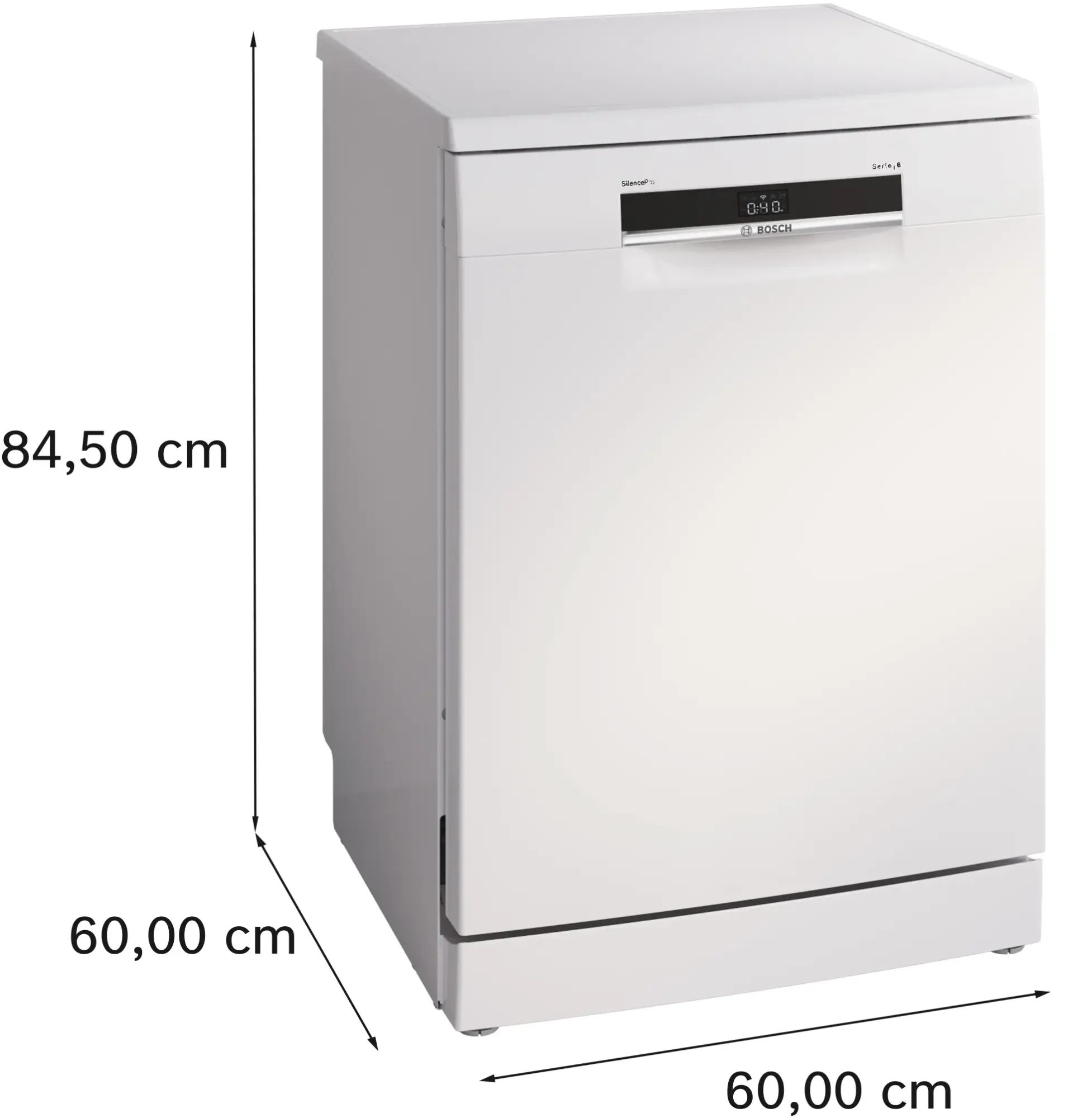
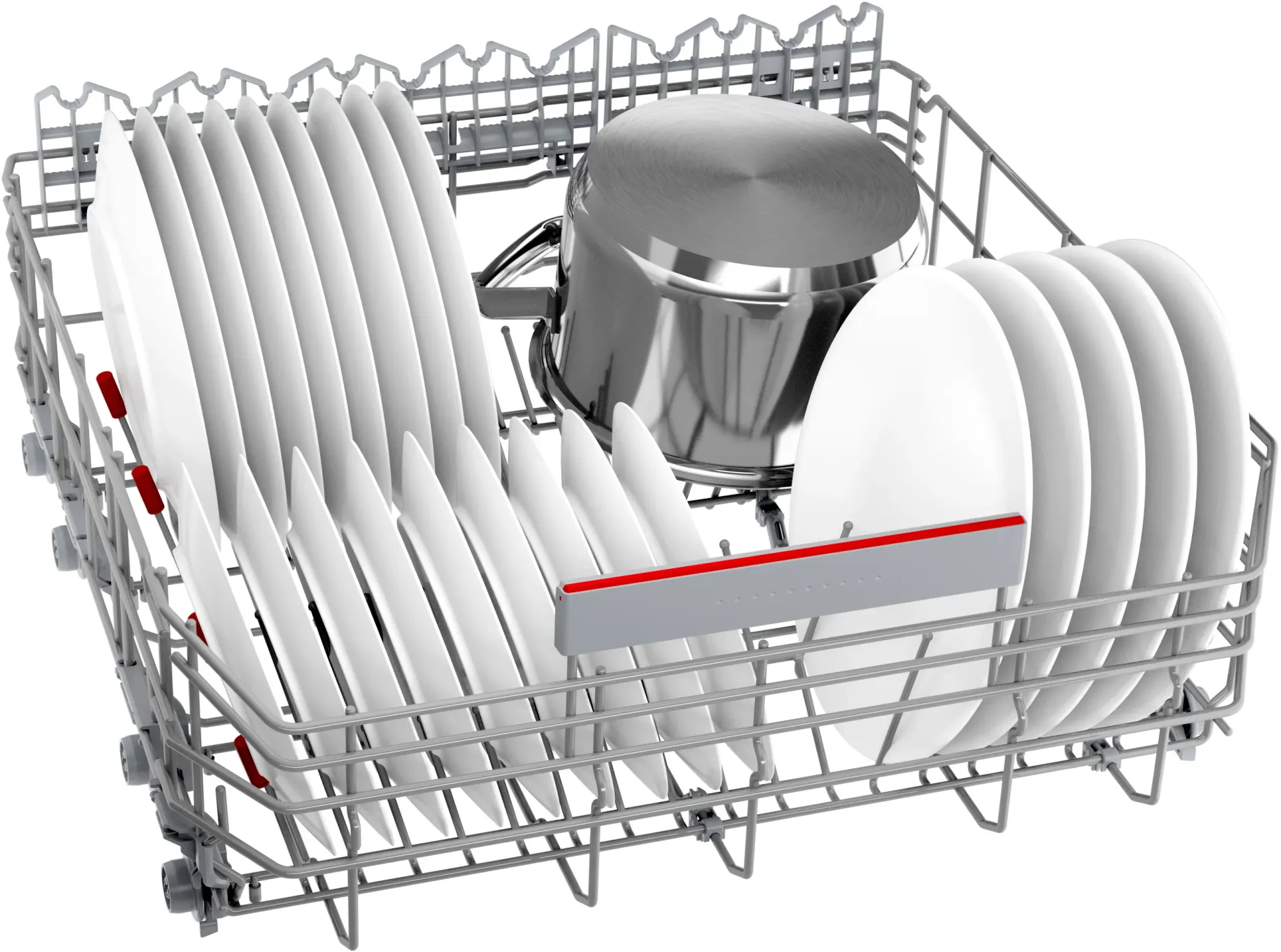
Dishwashers Bosch
Serie 6 Dishwasher freestanding 60 cm White SMS6ZCW12F
Dishwashers Bosch
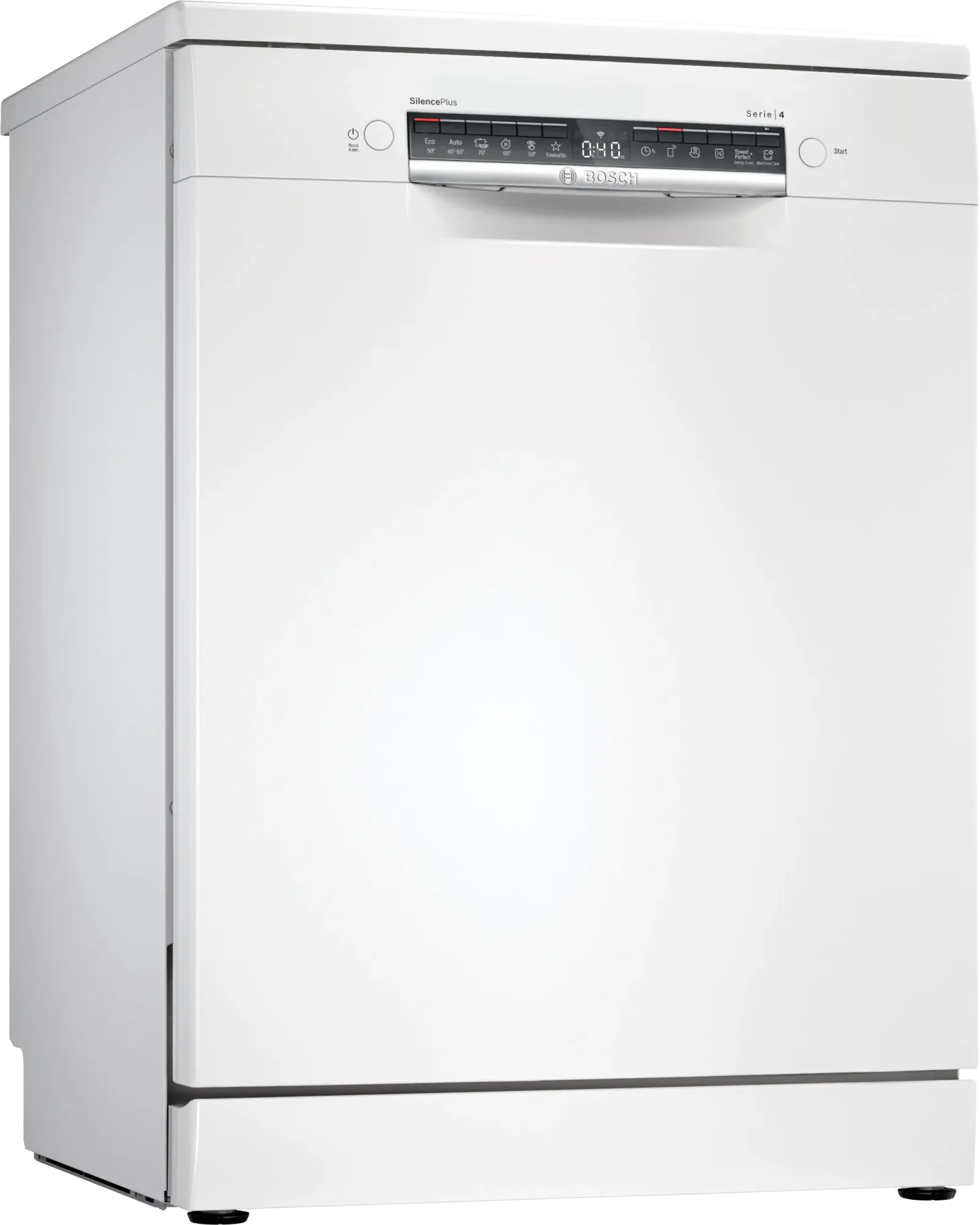
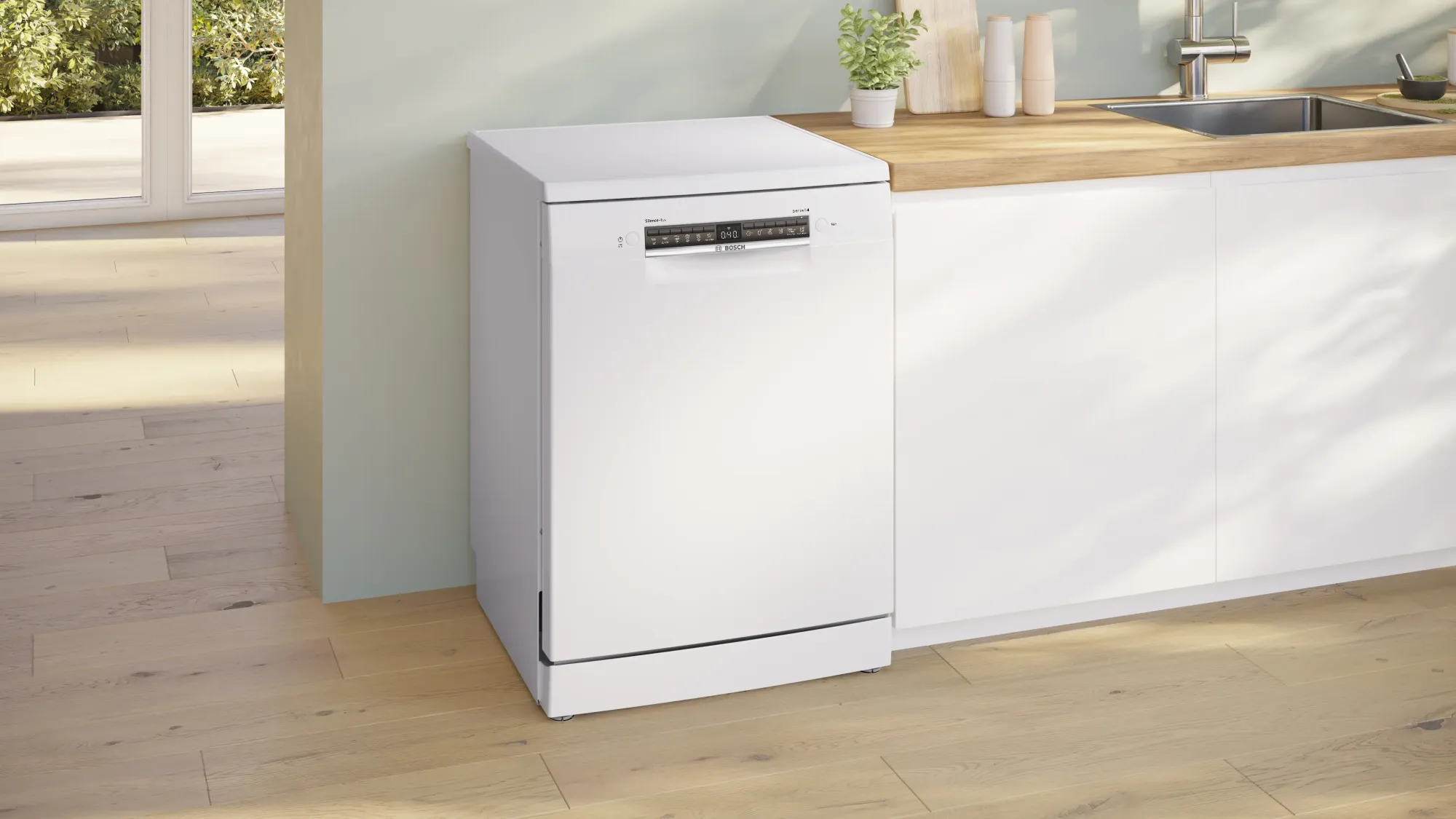
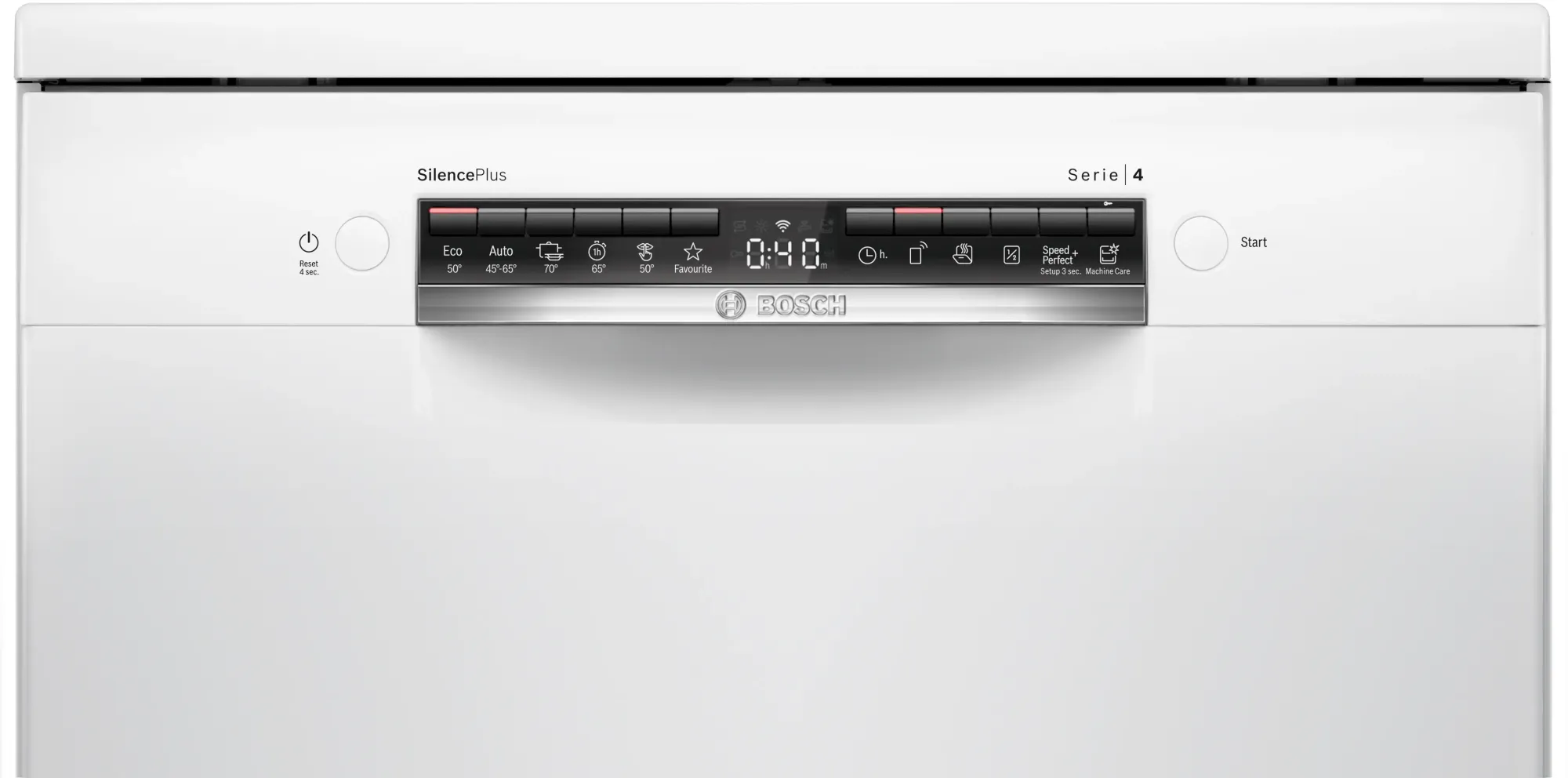
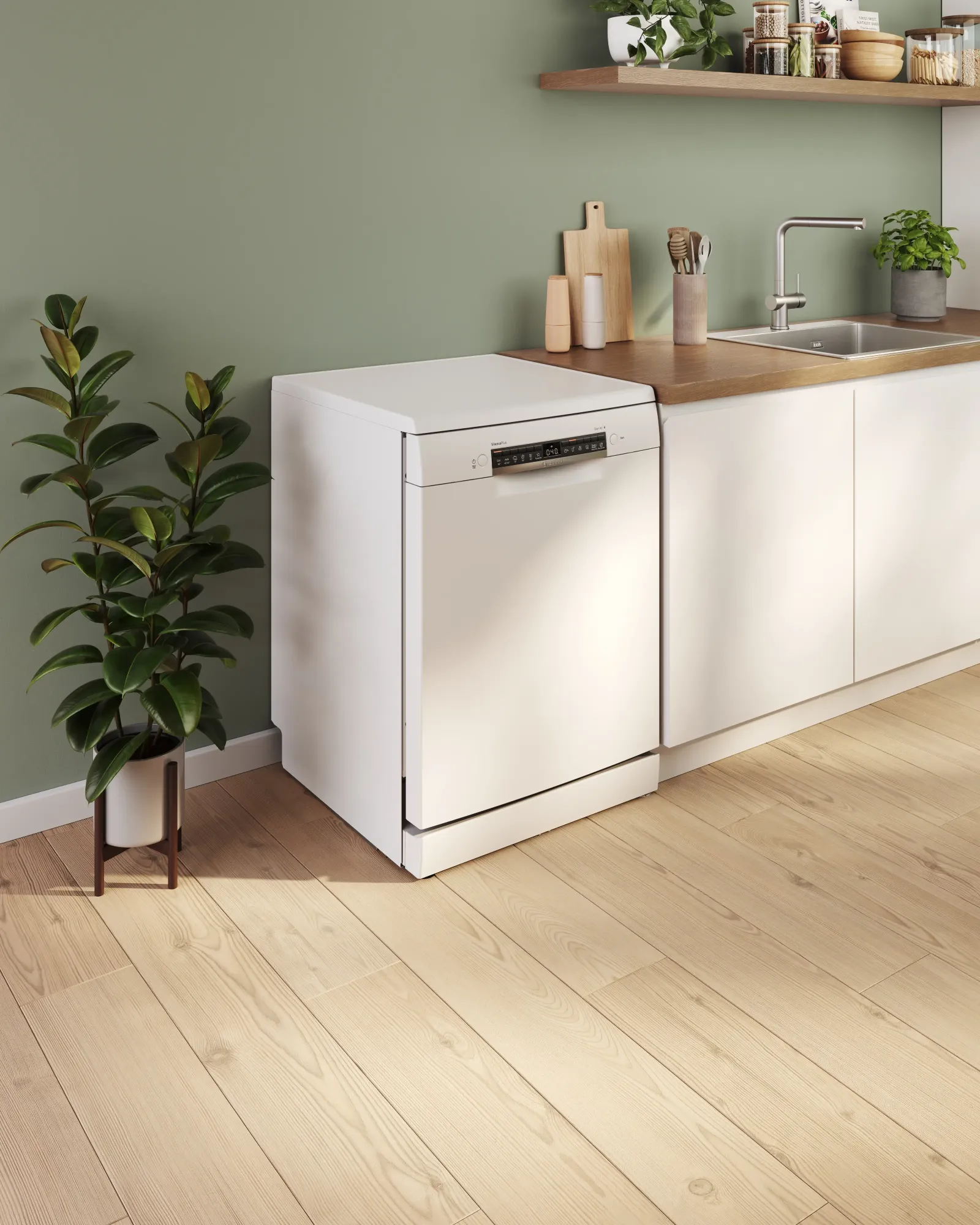
Série 4 Freestanding dishwasher 60 cm White SMS4EMW06E
Dishwashers Bosch