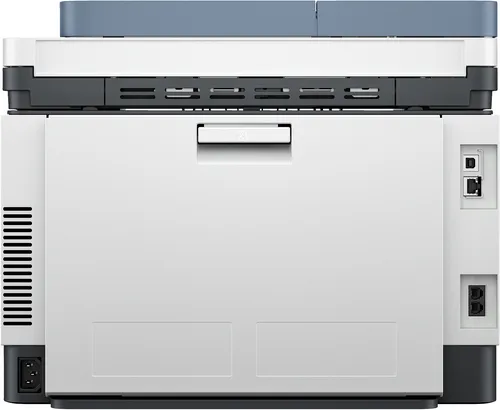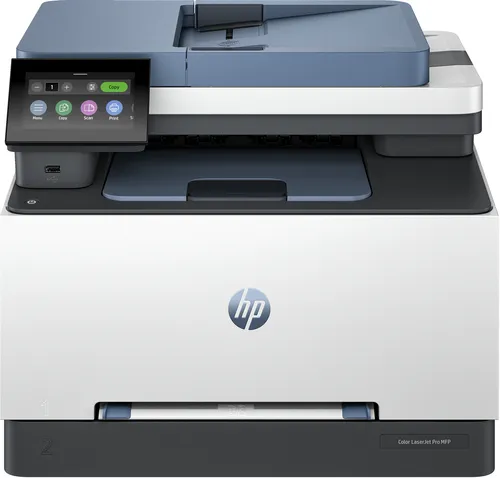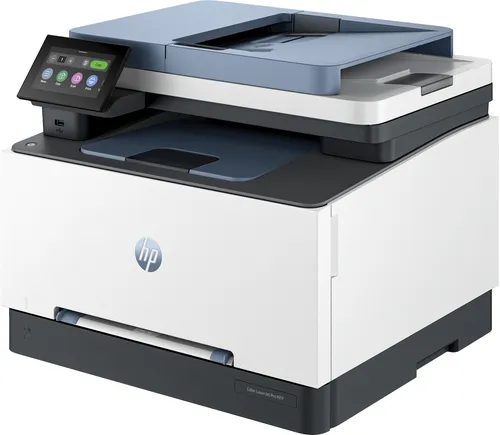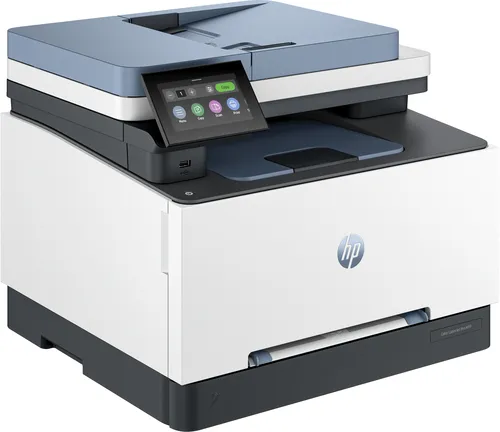
All-in-one printers HP
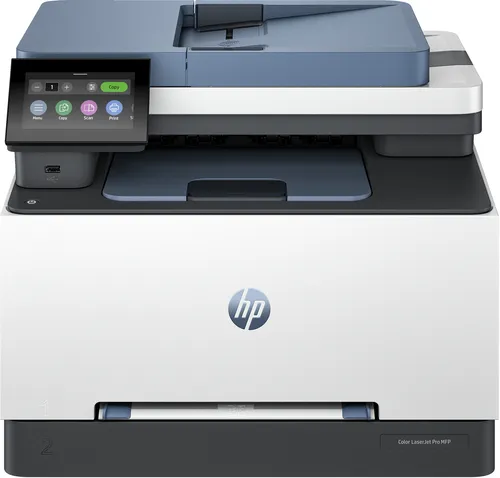
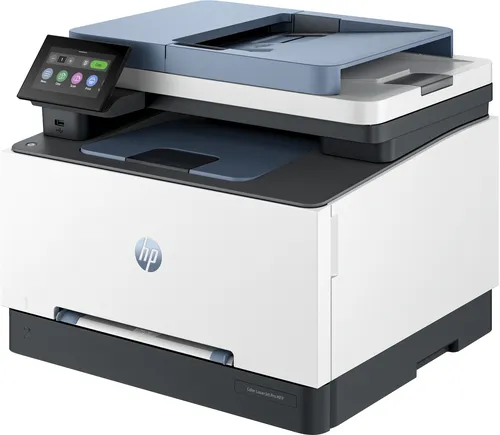
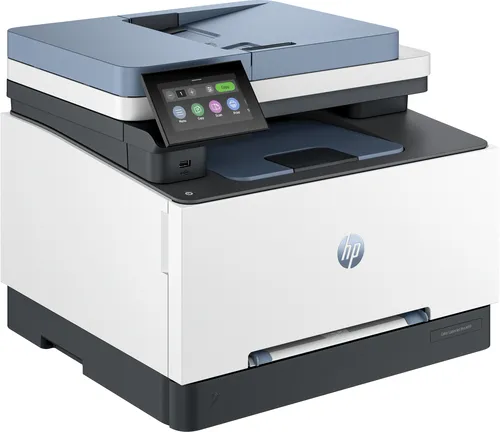
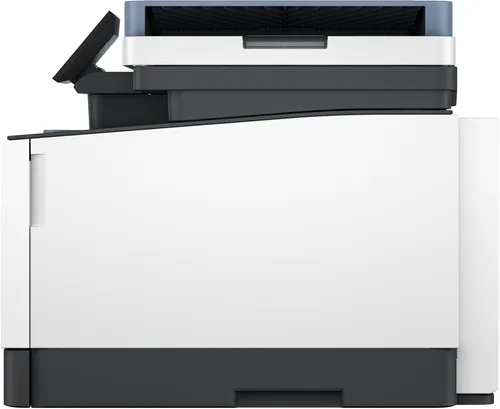
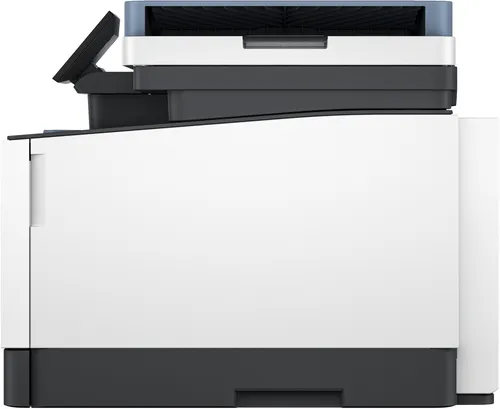
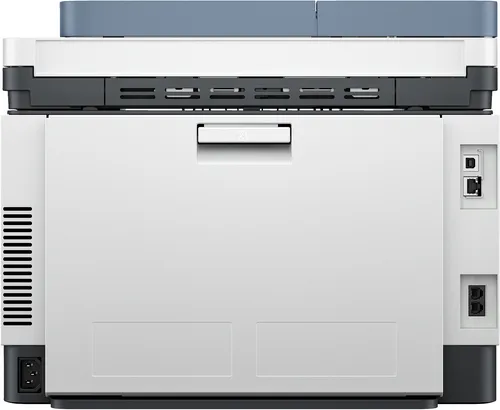
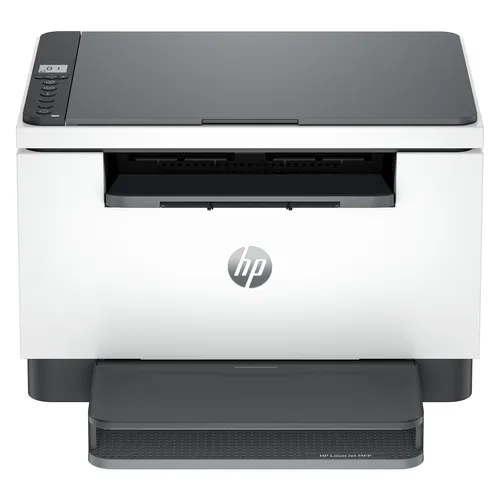
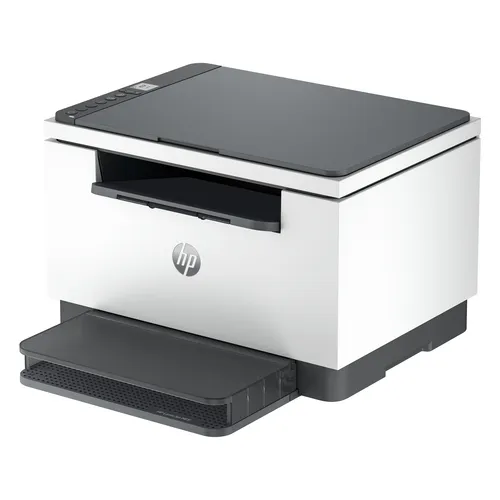
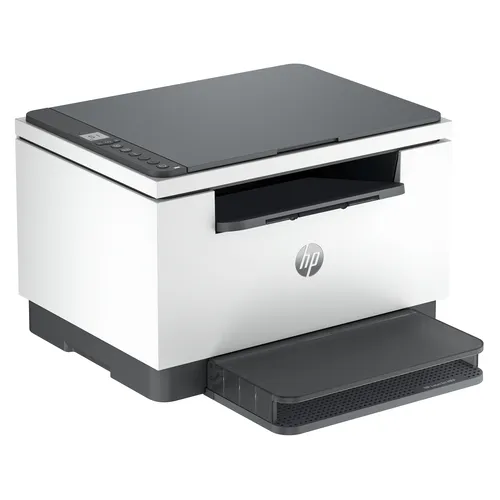
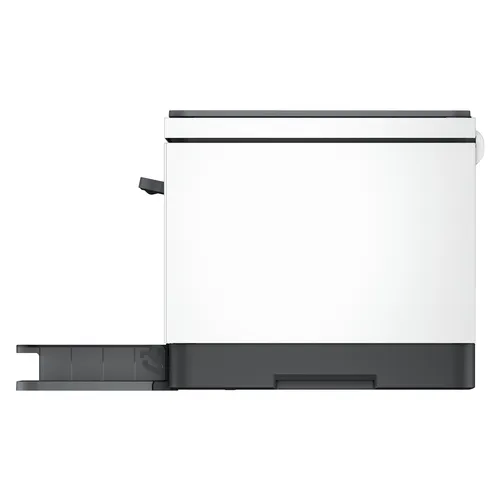
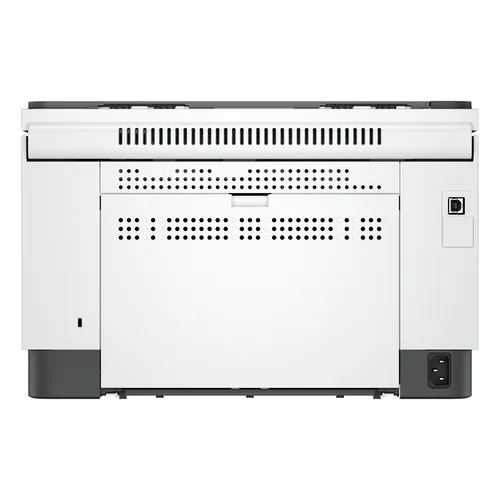
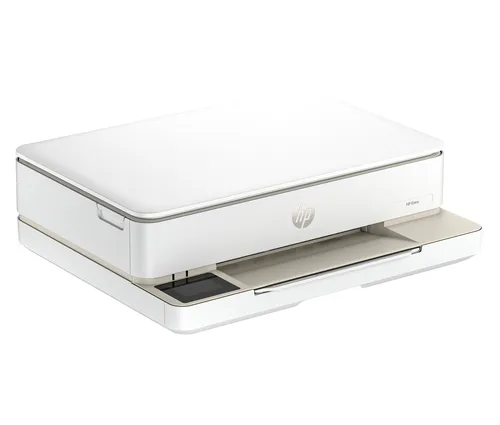
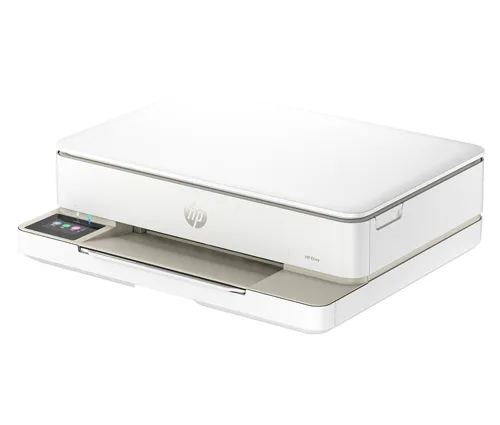
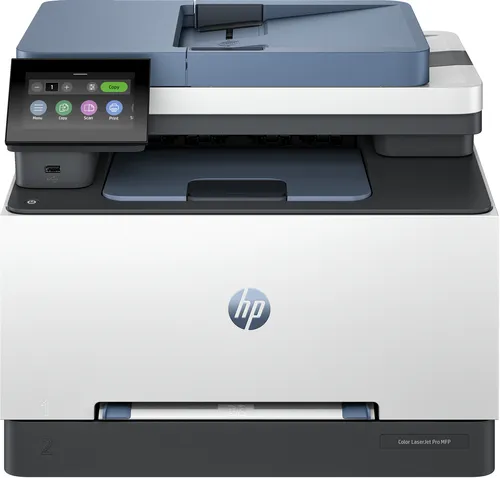
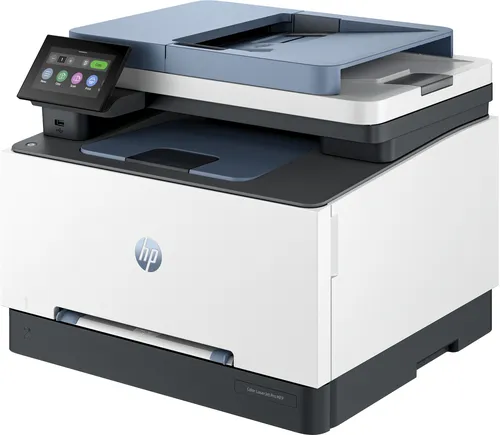
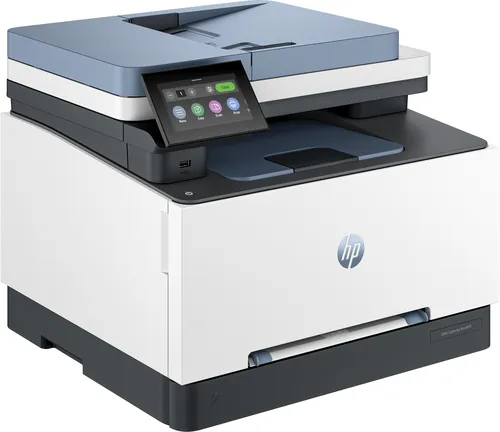
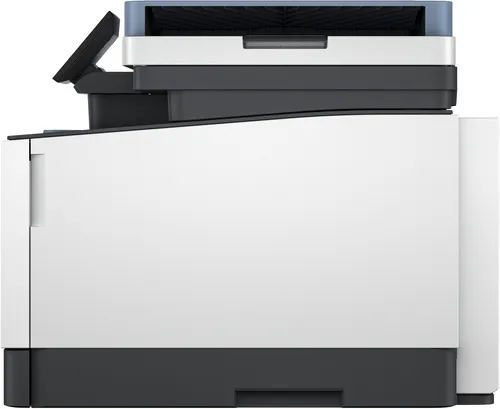
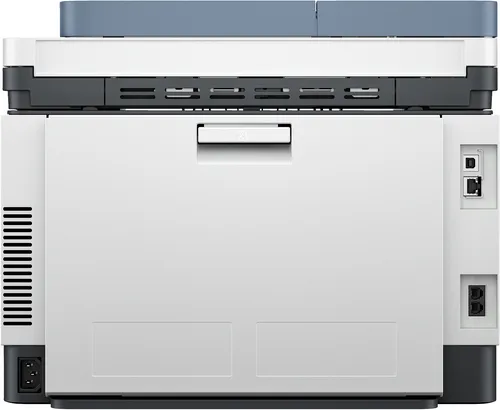
HP Color LaserJet Pro MFP 3302fdn Laser A4 600 x 600 DPI 25 ppm
Networked color laser with 512 MB memory and a 251-sheet tray
An all-in-one printer is chosen first on print speed and paper capacity, two criteria that shape everyday comfort. Power consumption and internal memory then refine the choice according to intended use.
Benchmarks based on 30 recent market listings, collected on 30 September 2026.
Under 70 €
At this price level, printers often show paper capacity and internal memory close to the more modest benchmarks, suiting occasional or undemanding use.
70 to 200 €
This tier brings together devices whose print speed and paper capacity sit near the recorded medians, a fitting balance for regular household or small office use.
Over 200 €
Beyond this threshold sit the fastest devices, with the largest paper capacity and internal memory, built for sustained or shared use.
Best rated first, among those our merchants offer.
All-in-one printers HP
Networked color laser with 512 MB memory and a 251-sheet tray
All-in-one printers HP
Color laser at 25 ppm with 512 MB memory and 251 sheet tray
All-in-one printers HP
Colour laser printer with 512 MB memory and 251-sheet paper capacity
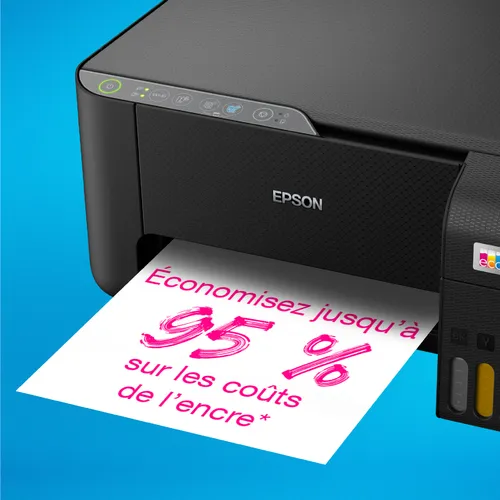
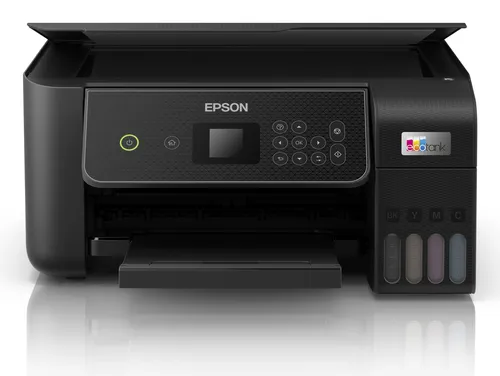
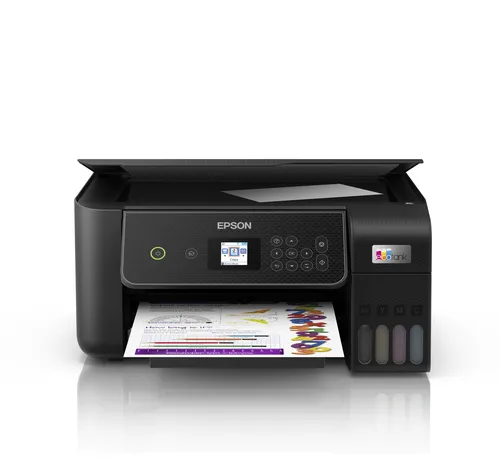
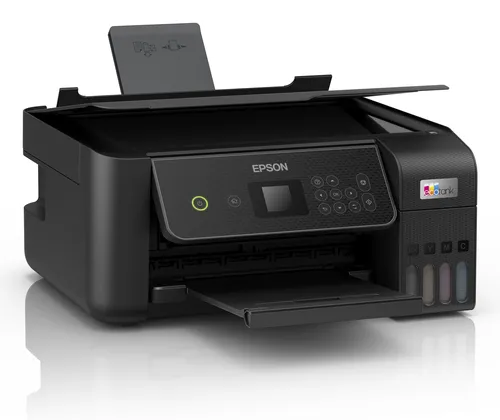
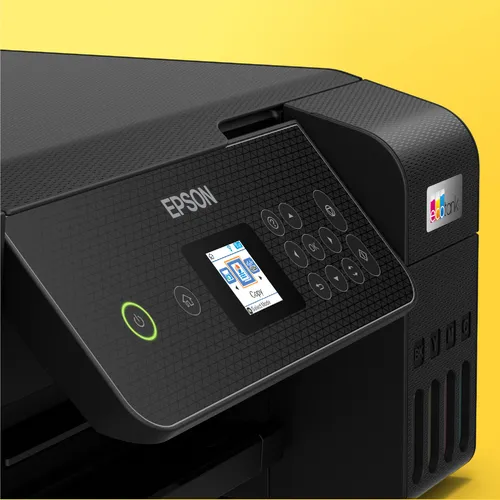
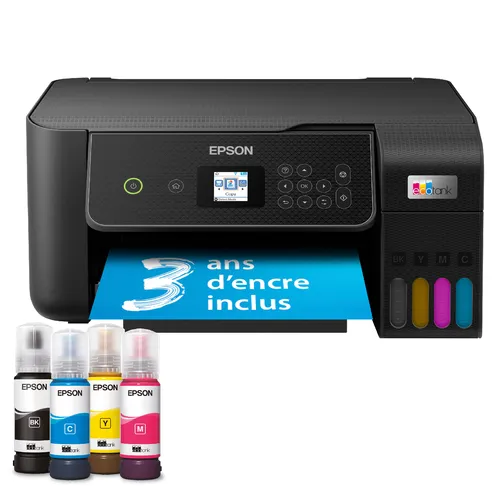
All-in-one printers Epson
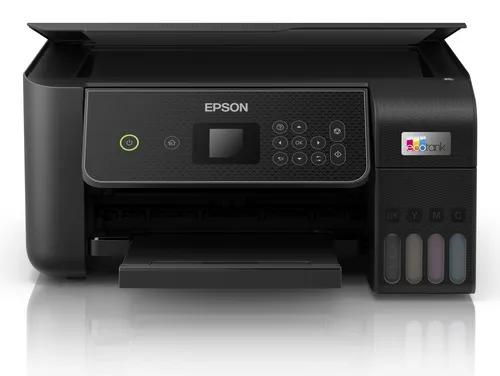
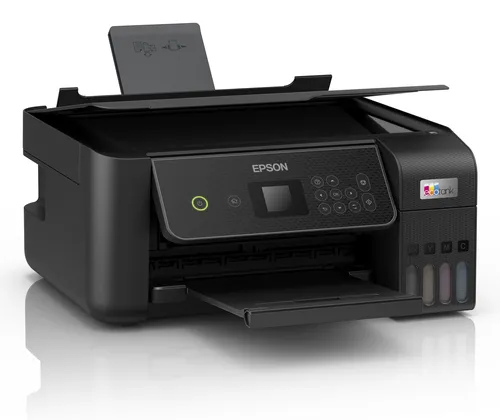
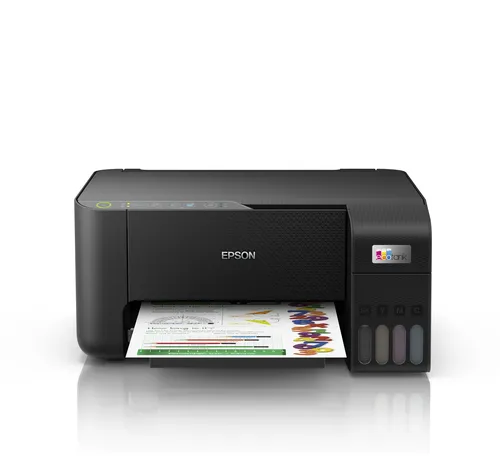
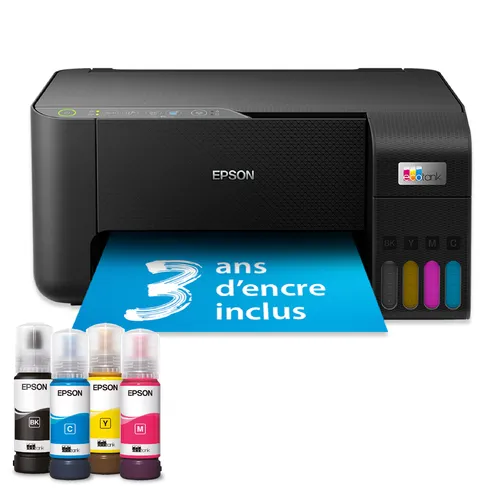
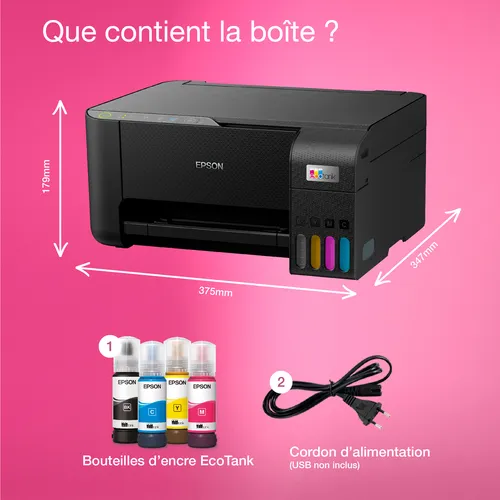
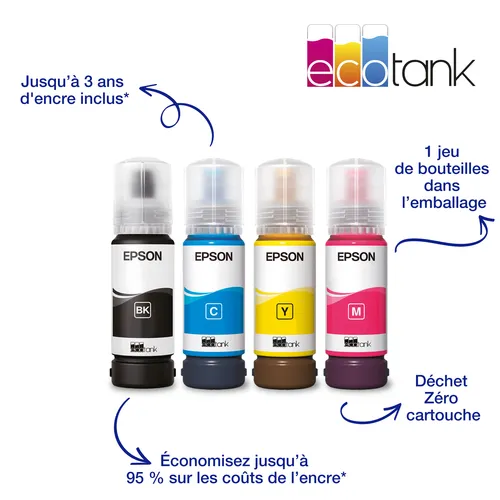
Refillable ink tanks, 33 ppm black printing, 4.1 kg
All-in-one printers Epson
Refillable tanks, 33 ppm speed and 4.5 W on standby
All-in-one printers Epson
Refillable ink tanks, 33 pages per minute, low power consumption
All-in-one printers Epson
Refillable ink tanks, decent speed, low power draw
All-in-one printers HP
Mono laser 29 ppm, very low power use, compact design
All-in-one printers HP
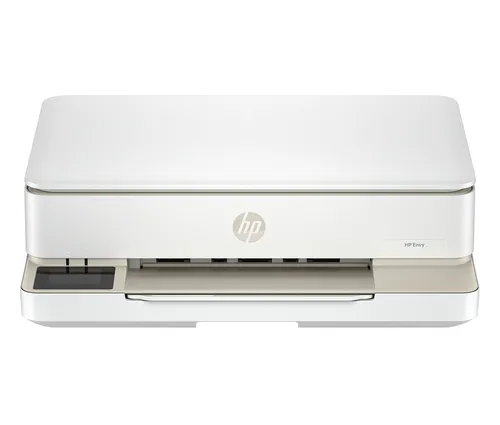
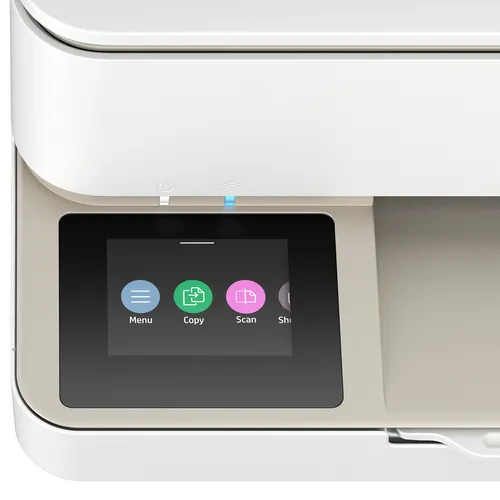
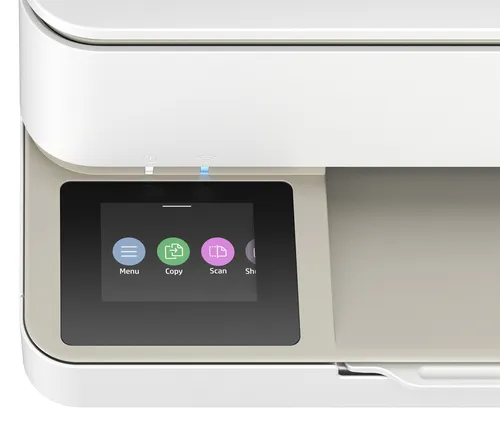
Wifi and touchscreen with Instant Ink, but paper capacity limited to 100 sheets
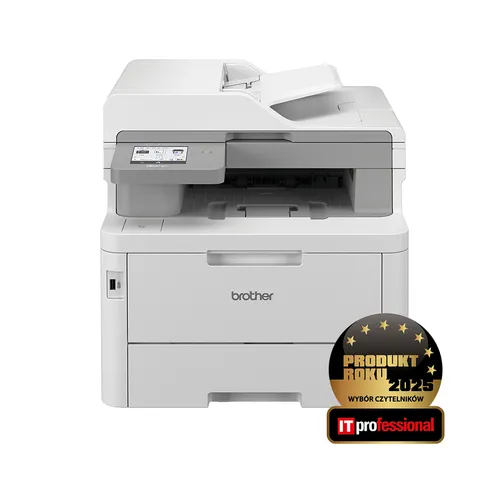
All-in-one printers Brother
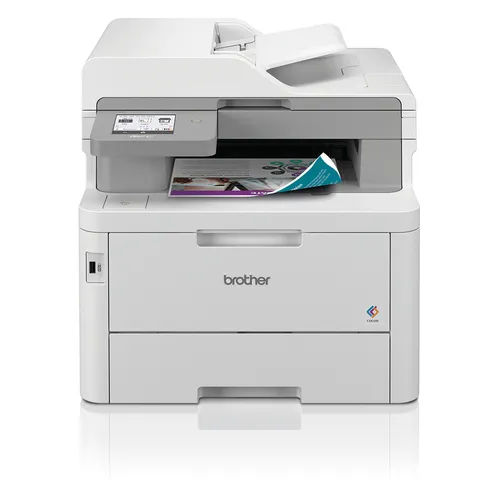
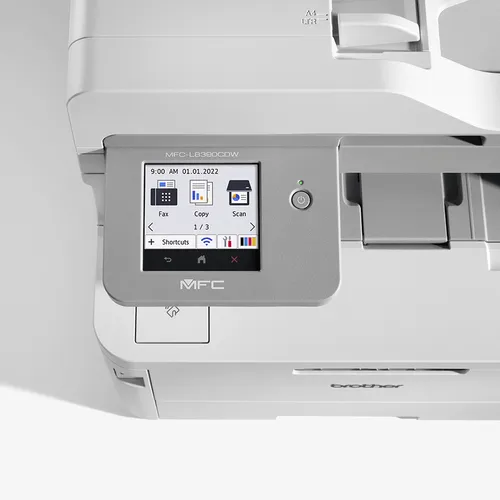
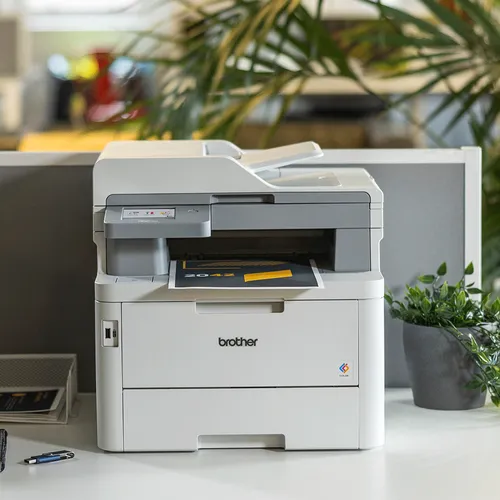
Colour laser all-in-one with 512 MB memory and 30 ppm
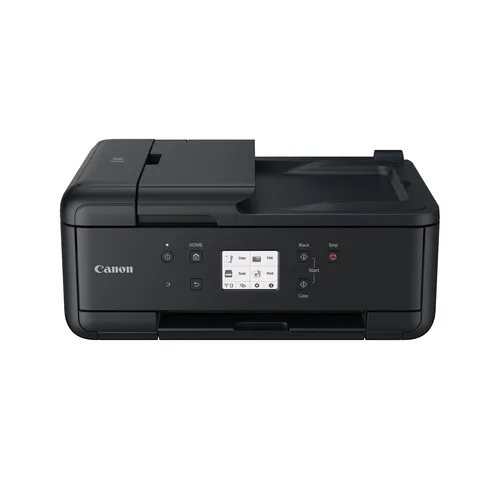
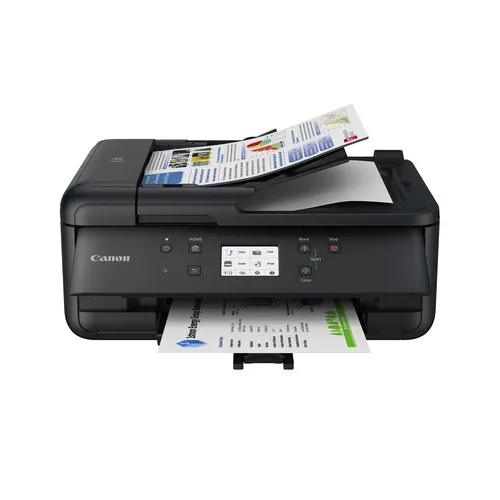
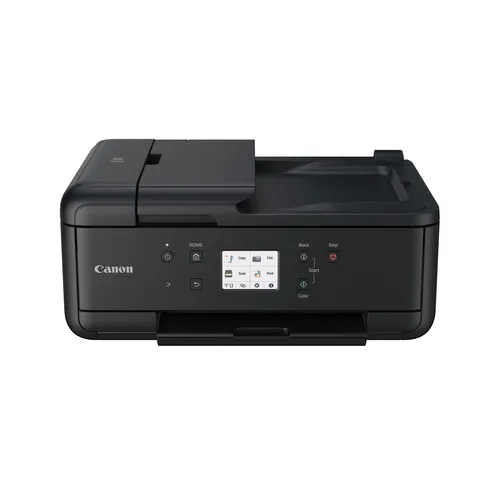
All-in-one printers Canon
5-color inkjet all-in-one, wifi, 3.5 inch touchscreen
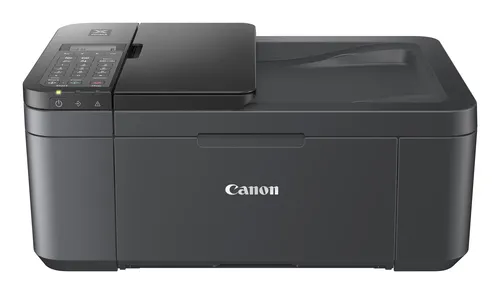
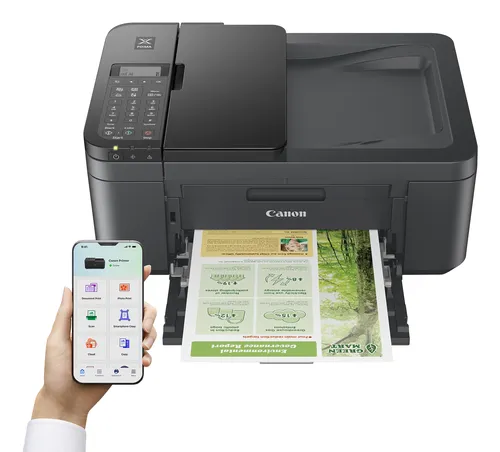
All-in-one printers Canon
Canon multifunction printer with 100-sheet tray, paper score 50/100