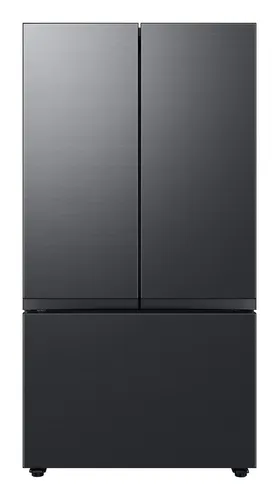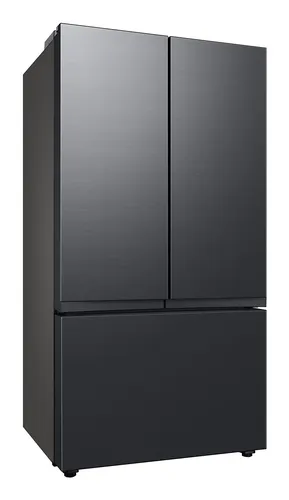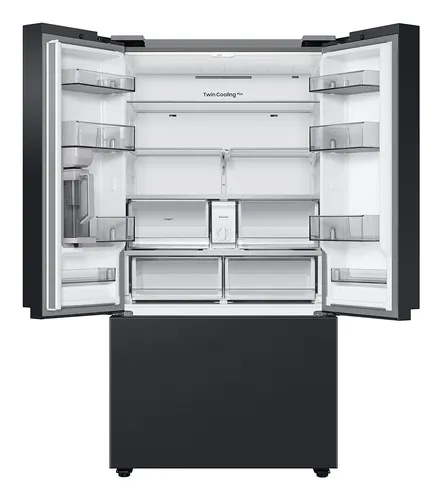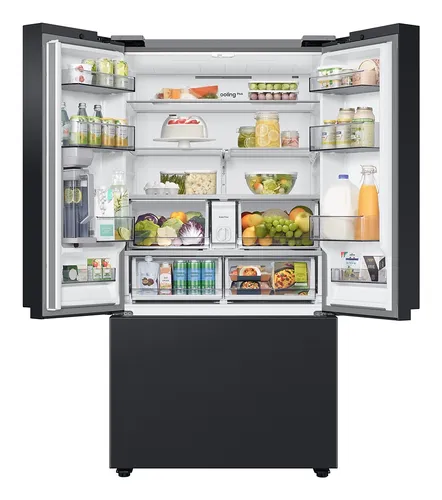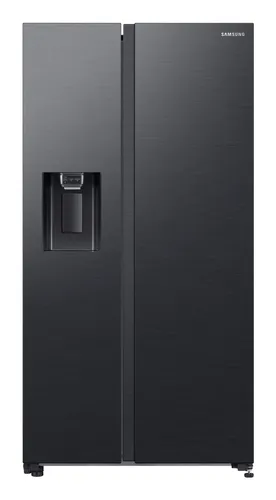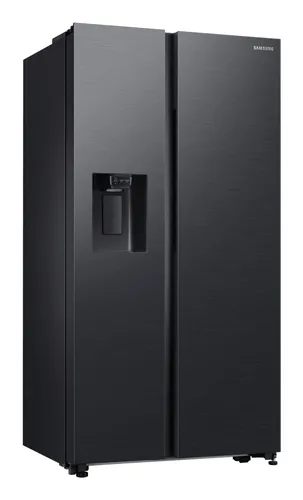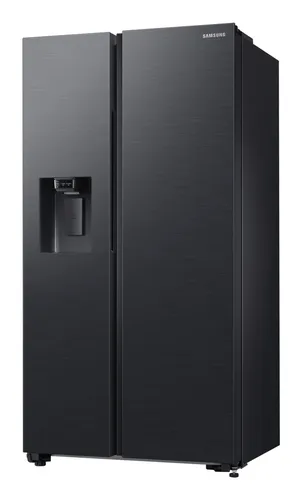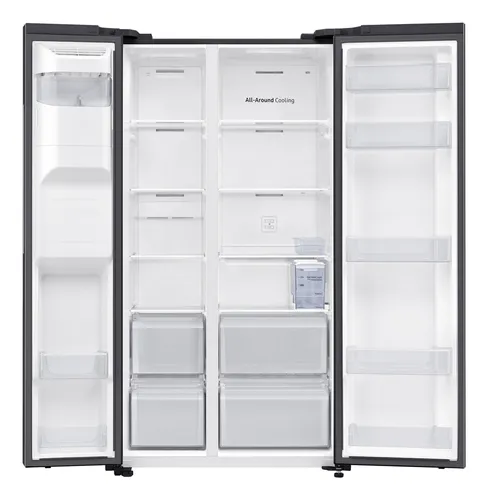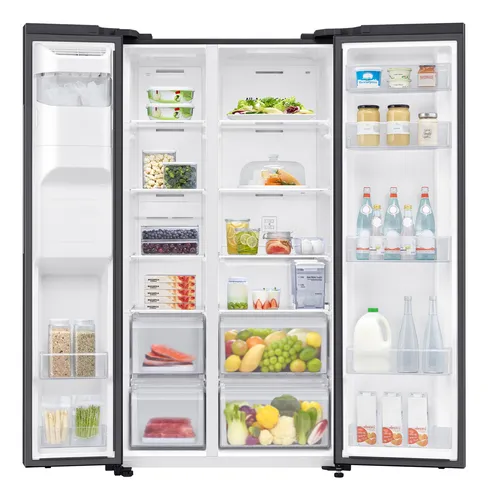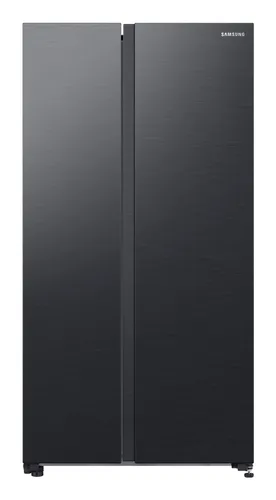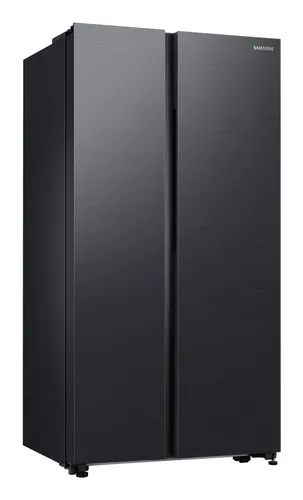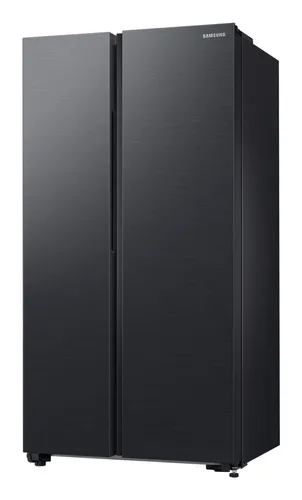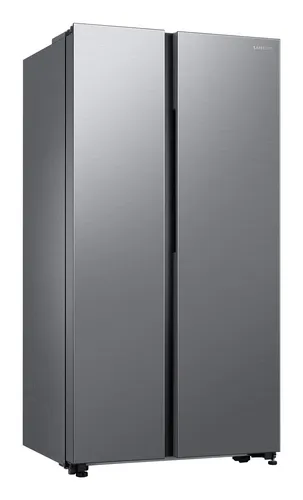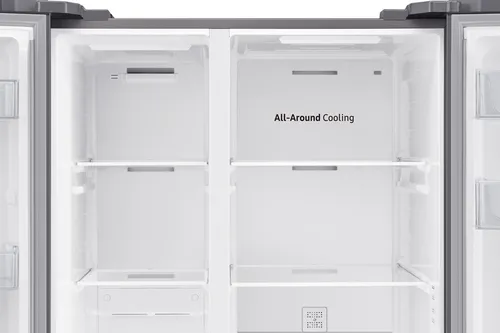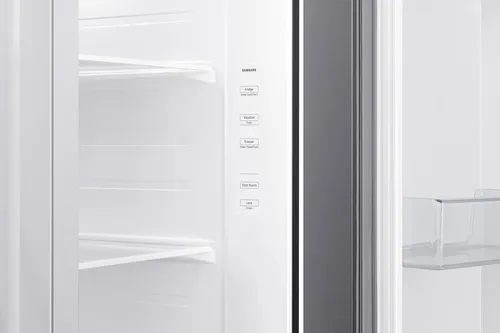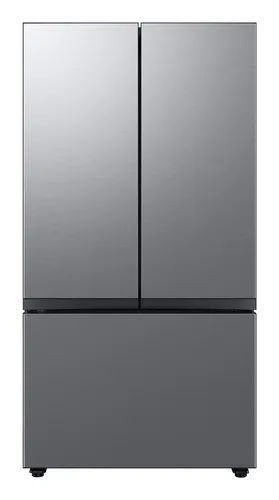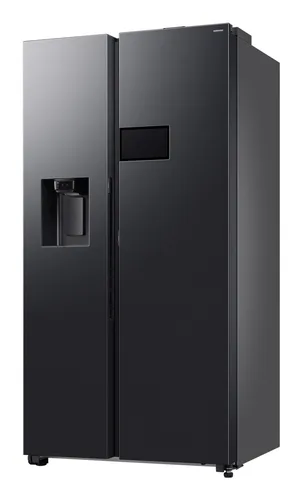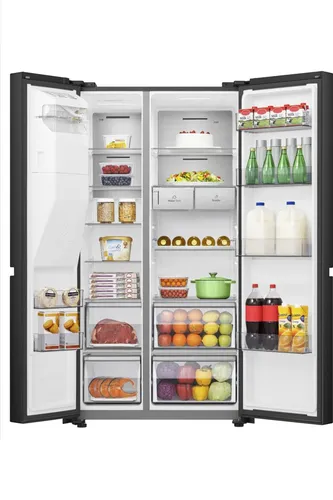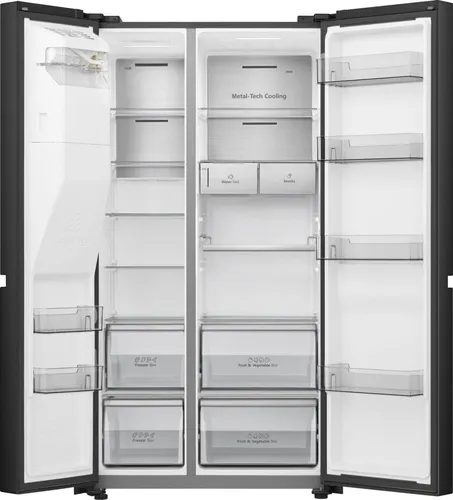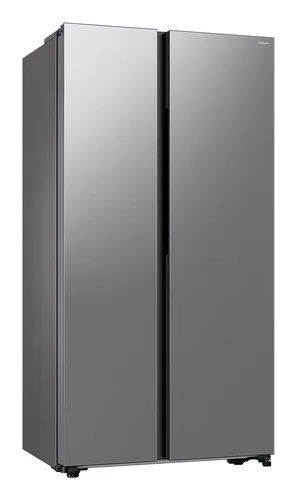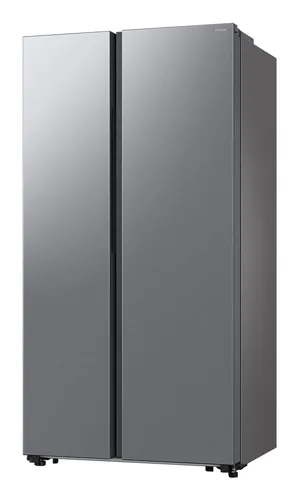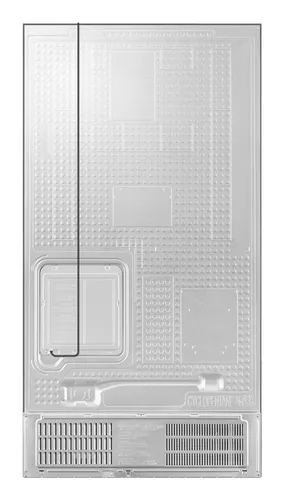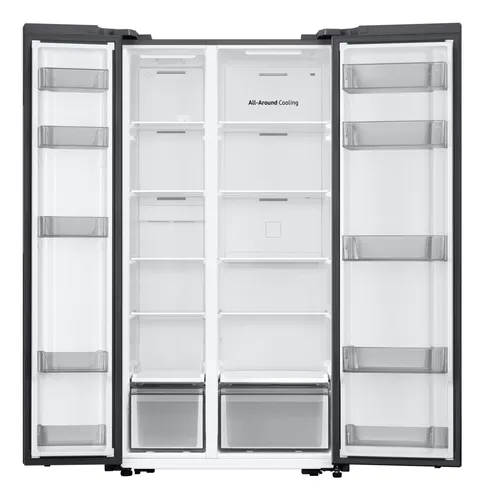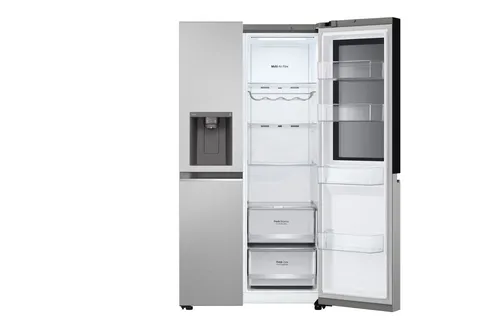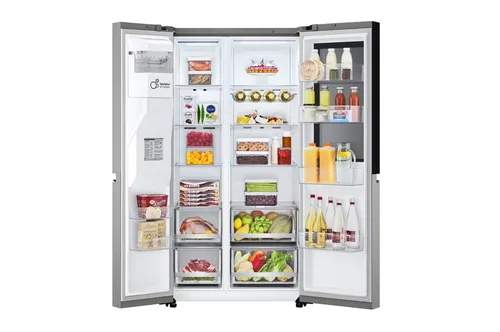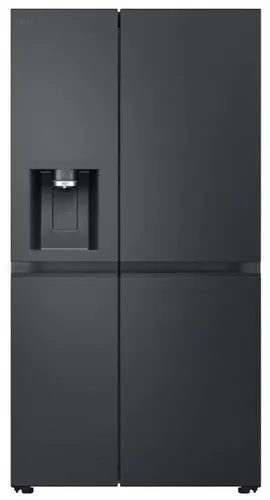
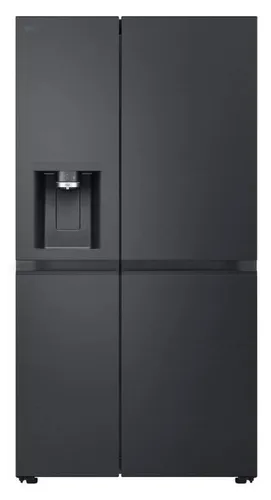
American-style fridge freezers LG
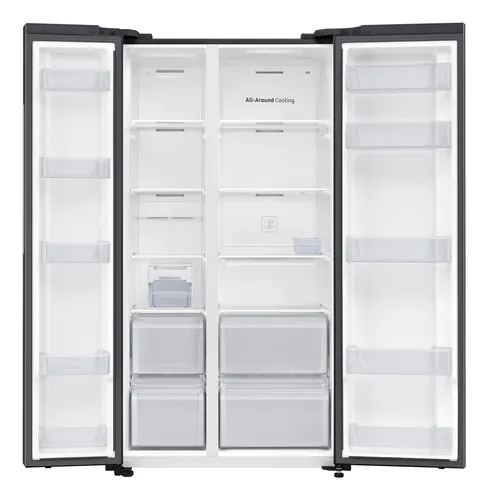
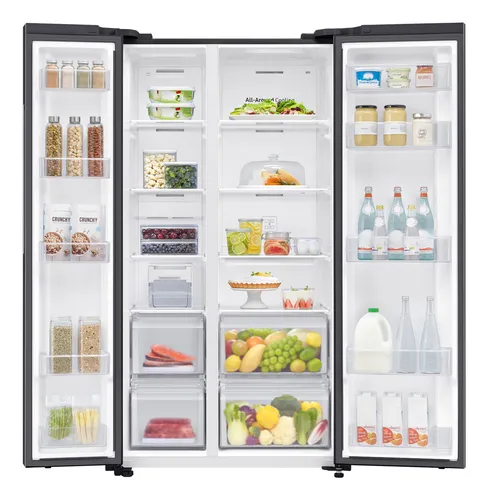
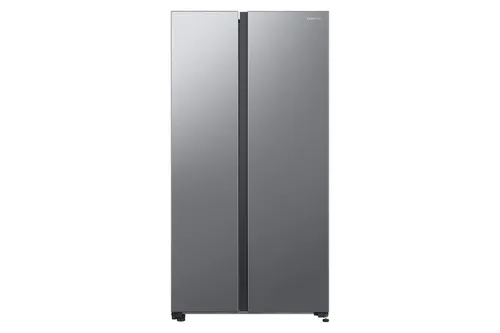
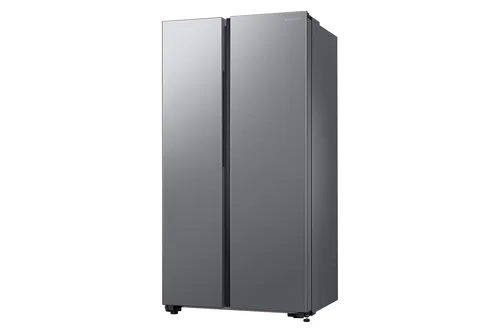
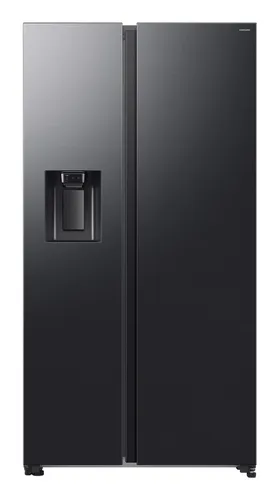
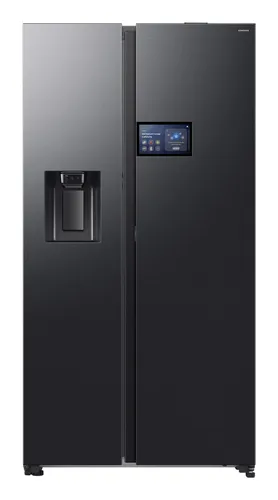
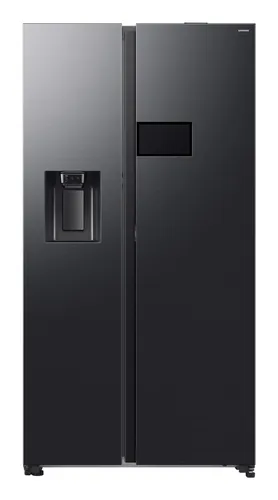
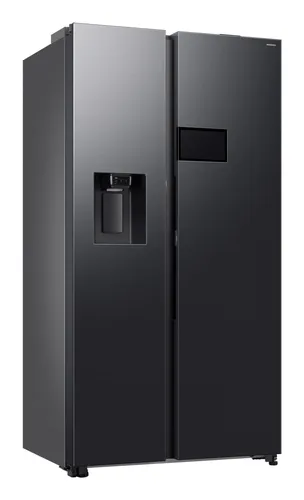
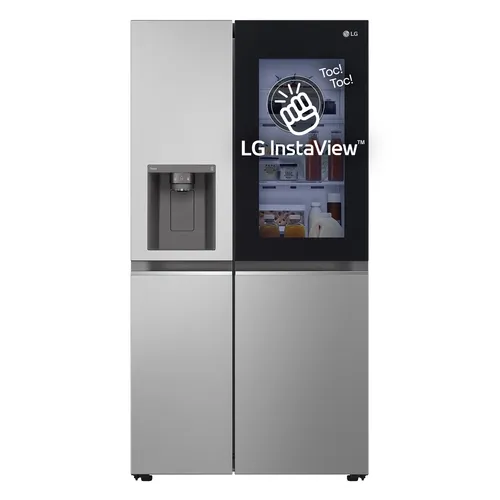
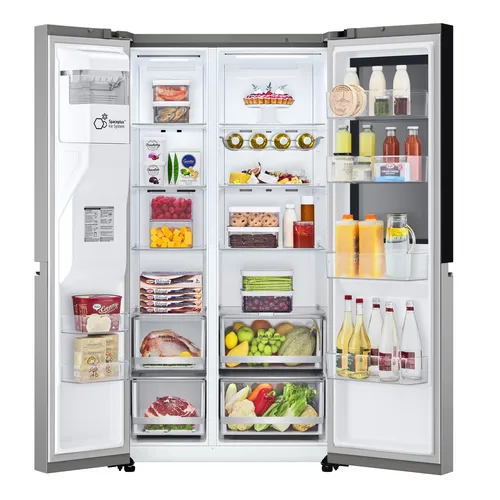
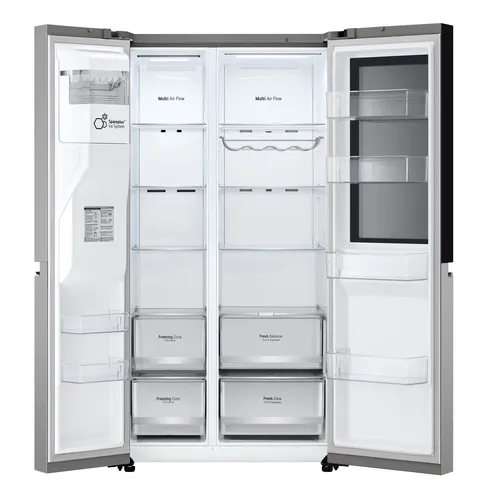
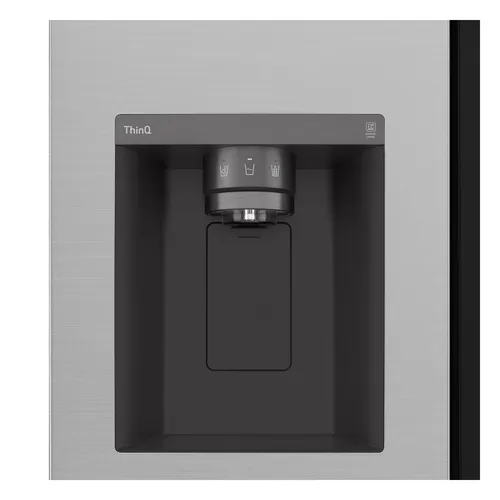
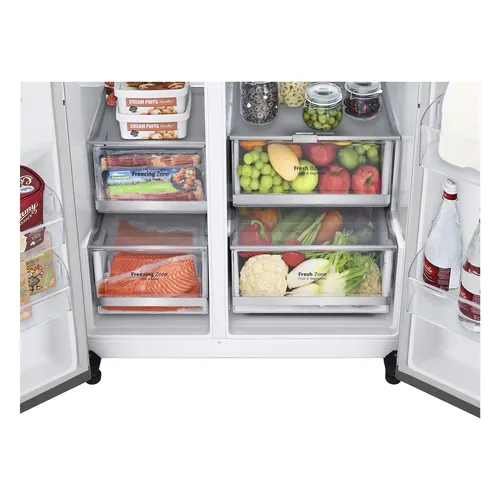
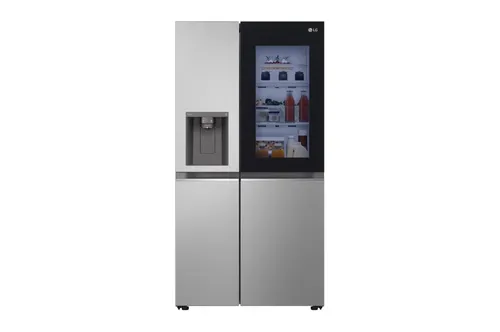
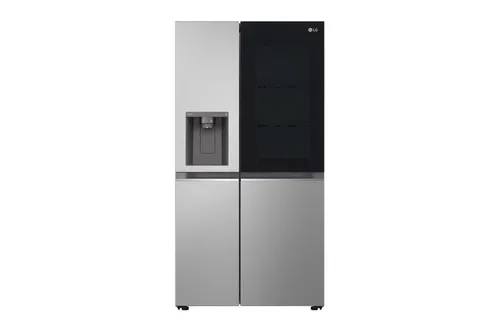
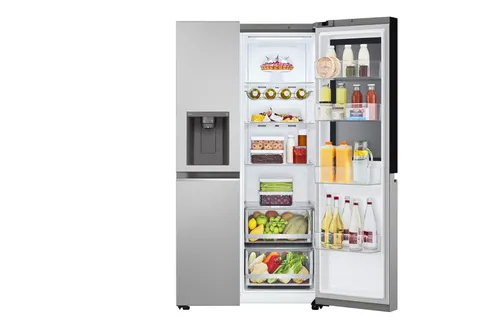
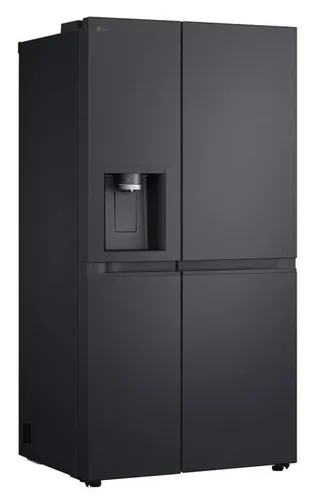
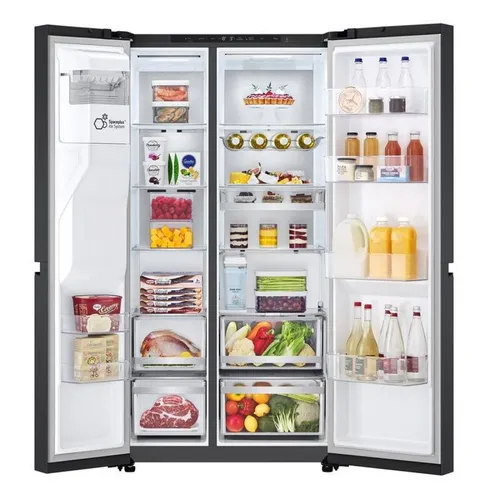
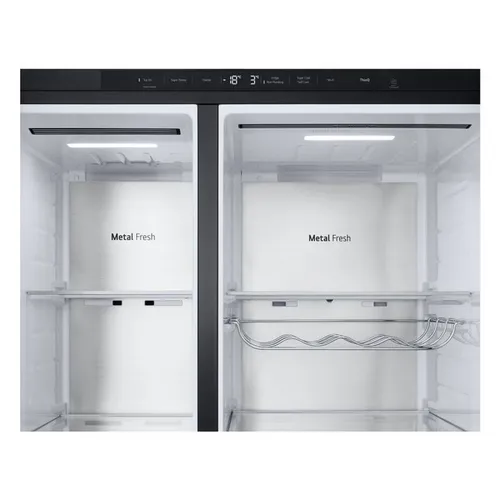
LG GSLE91EVAC side-by-side refrigerator Freestanding 628 L Black
628 L American fridge in black, class C, 34 dB in B
An American-style fridge freezer is chosen mainly on capacity, annual consumption and noise level, three criteria that vary widely between models. Freezing power and storage time during a power cut matter most for households that stock a lot or worry about outages. The scores on this site place each appliance against market benchmarks, so you can compare beyond the price tag alone.
Benchmarks based on 30 recent market listings, collected on 1 October 2026.
Under €1,000
At this level, models cover everyday needs but often score closer to the median on capacity and consumption, sometimes with a more noticeable noise level.
€1,000 to €1,600
This tier opens up better-balanced appliances across capacity, consumption and quietness, with scores that exceed the median on several criteria at once.
Over €1,600
Above that, models aim for top scores on consumption, quietness and storage time during a power cut, for households wanting to optimise every criterion.
Best rated first, among those our merchants offer.
American-style fridge freezers LG
628 L American fridge in black, class C, 34 dB in B
American-style fridge freezers Samsung
674 L french door fridge, No Frost, class E, 38 dB
American-style fridge freezers Samsung
American 628 L fridge freezer, dual No Frost, water and ice, 37 dB
American-style fridge freezers Samsung
American fridge 628 L, 15 kg/24h freezing, 19h power failure autonomy
American-style fridge freezers Samsung
American 655 L, 237 L No Frost freezer, only 37 dB
American-style fridge freezers Samsung
American fridge freezer, 674 L, No Frost, class E, 38 dB
American-style fridge freezers Samsung
American-style fridge freezers Samsung
American 621 L fridge freezer with water and ice dispenser
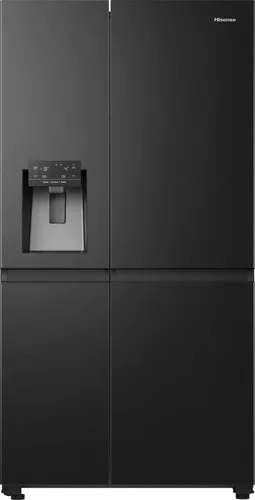
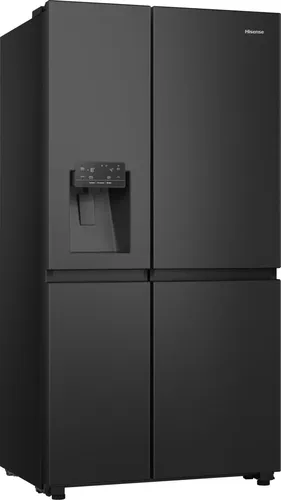
American-style fridge freezers Hisense
632 L, full No Frost, class C efficiency and 38 dB quiet operation
American-style fridge freezers Samsung
American style 583 L, full No Frost, energy class E, 37 dB
American-style fridge freezers LG
635 L American fridge freezer with InstaView screen and water dispenser
American-style fridge freezers LG
American fridge, 635 L, water and ice dispenser, 35 dB