
775 prices collected today 5 countries · 2 merchants tracked No merchant pays for its ranking
How we rank Our method
Skip to content

Buying guide: how to choose a microwave

A microwave is chosen first on its interior capacity, its cooking power and the number of power levels it offers. Power consumption then separates models with similar specs, while price is best compared across merchants for equivalent features.

What to check

Interior capacity This criterion measures the usable volume of the cavity, in litres. The higher it is, the more the appliance can hold large dishes or bigger portions at once, which matters for families or bulky meals. Across the market, the more modest listings sit around 17 L, the median is around 24 L, and the best listings reach about 53 L. The product’s score places its capacity against these benchmarks: the higher the score, the roomier the cavity. Market median: 24 L
Cooking power This criterion measures the microwave power delivered, in watts. The higher it is, the faster dishes heat up or cook, which helps for a busy daily routine. Listings range from around 700 W for the least powerful units to around 1,300 W for the best, with a median near 850 W. The score reflects where a product sits on this scale: a high score means faster cooking. Market median: 850 W
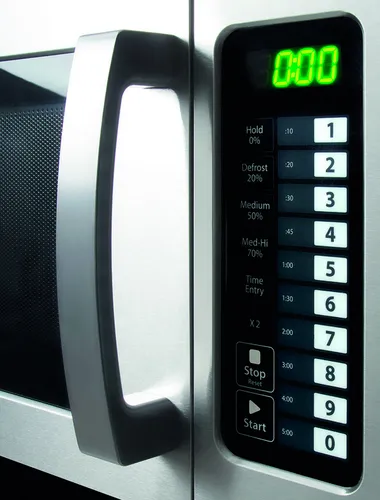
Number of power levels This criterion counts the power settings available on the appliance. The more there are, the easier it is to adjust cooking to each dish, from gentle defrosting to full-power cooking. The most limited listings offer around 5 levels, the median sits at 6, and the best-scoring units offer up to 10. A high score on this criterion points to a more versatile appliance for everyday use. Market median: 6
Power consumption This criterion measures the electrical load drawn by the appliance in operation, in watts. Here, lower is better: an appliance that draws less power weighs less on the electricity bill for equivalent use. The most demanding listings reach around 3,200 W, the median sits near 1,265 W, and the most efficient units drop to around 800 W. The score reflects this efficiency: the higher it is, the less the appliance consumes. Market median: 1,265 W
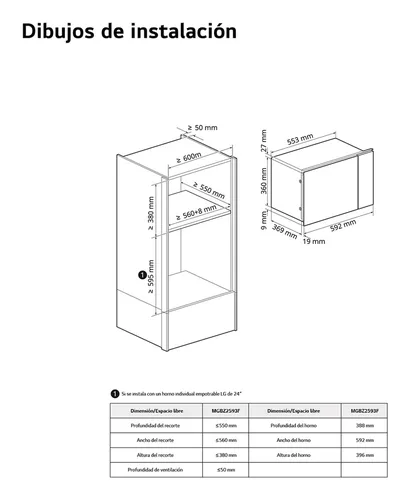
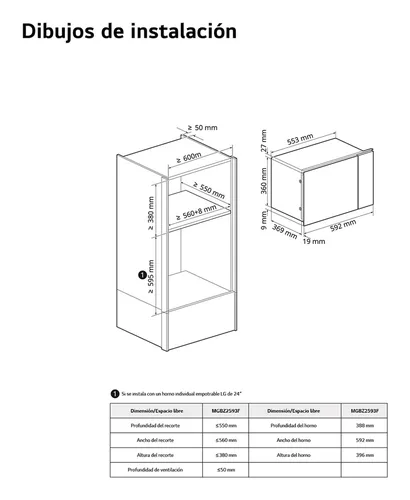
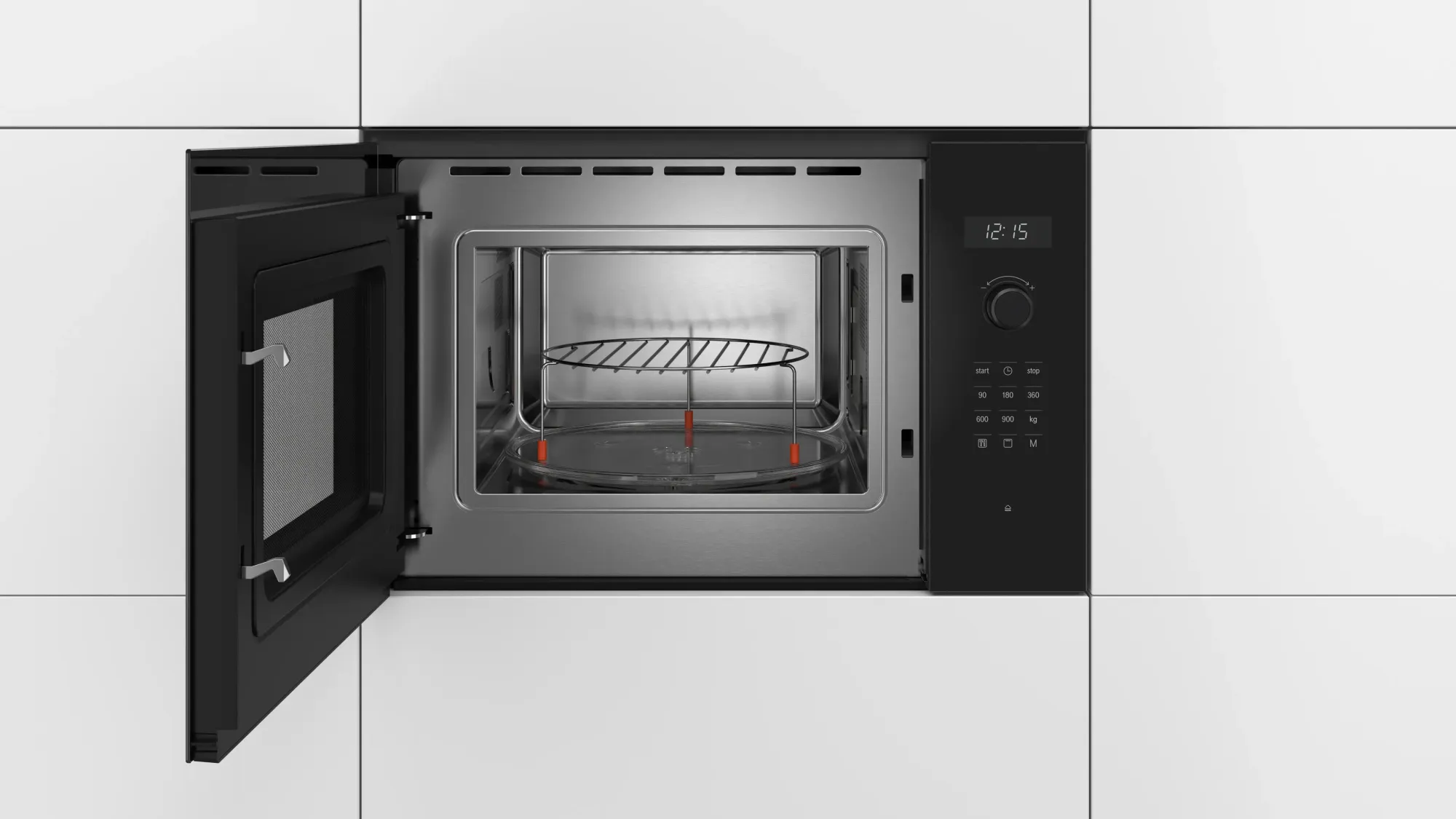
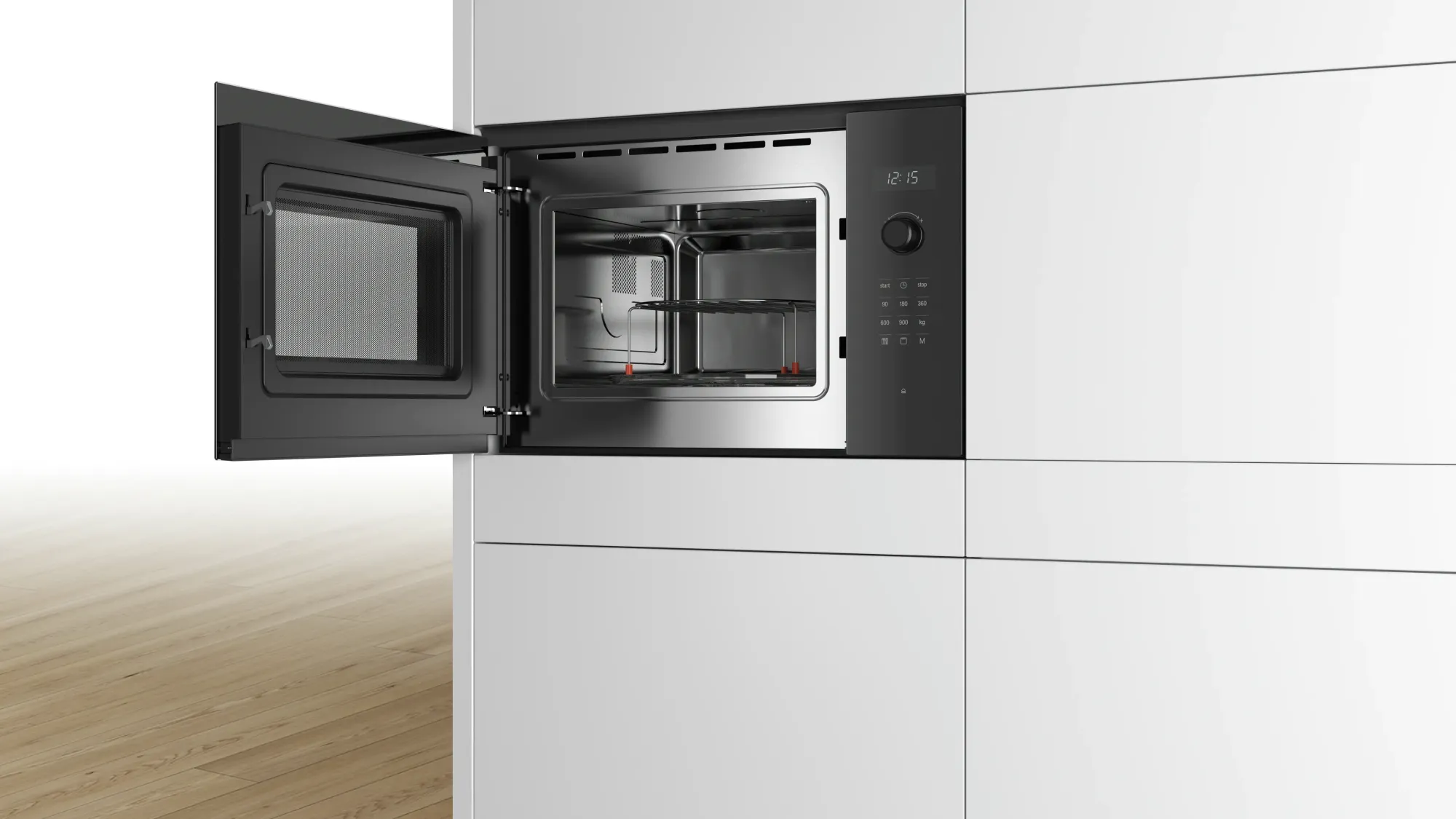
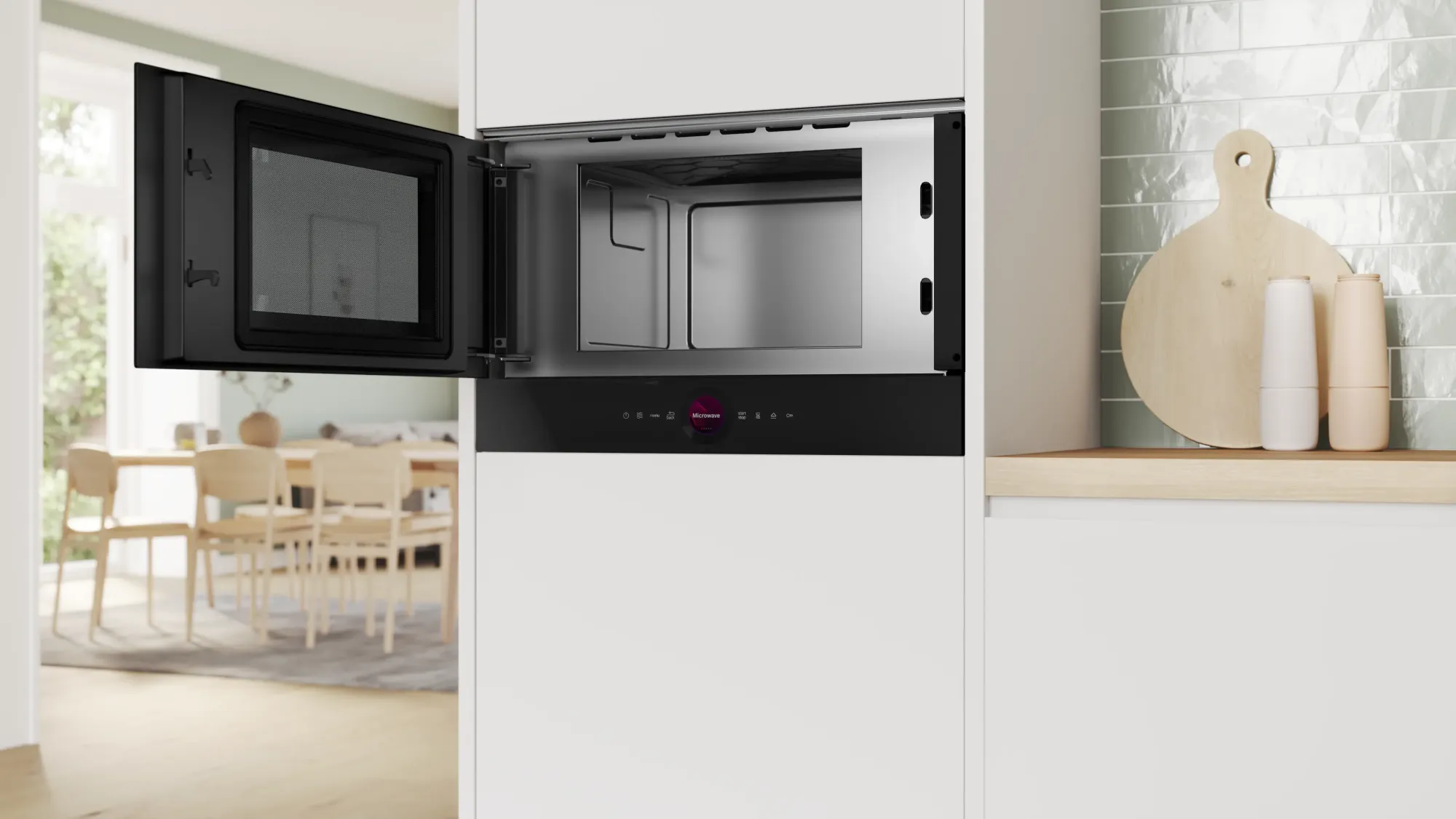
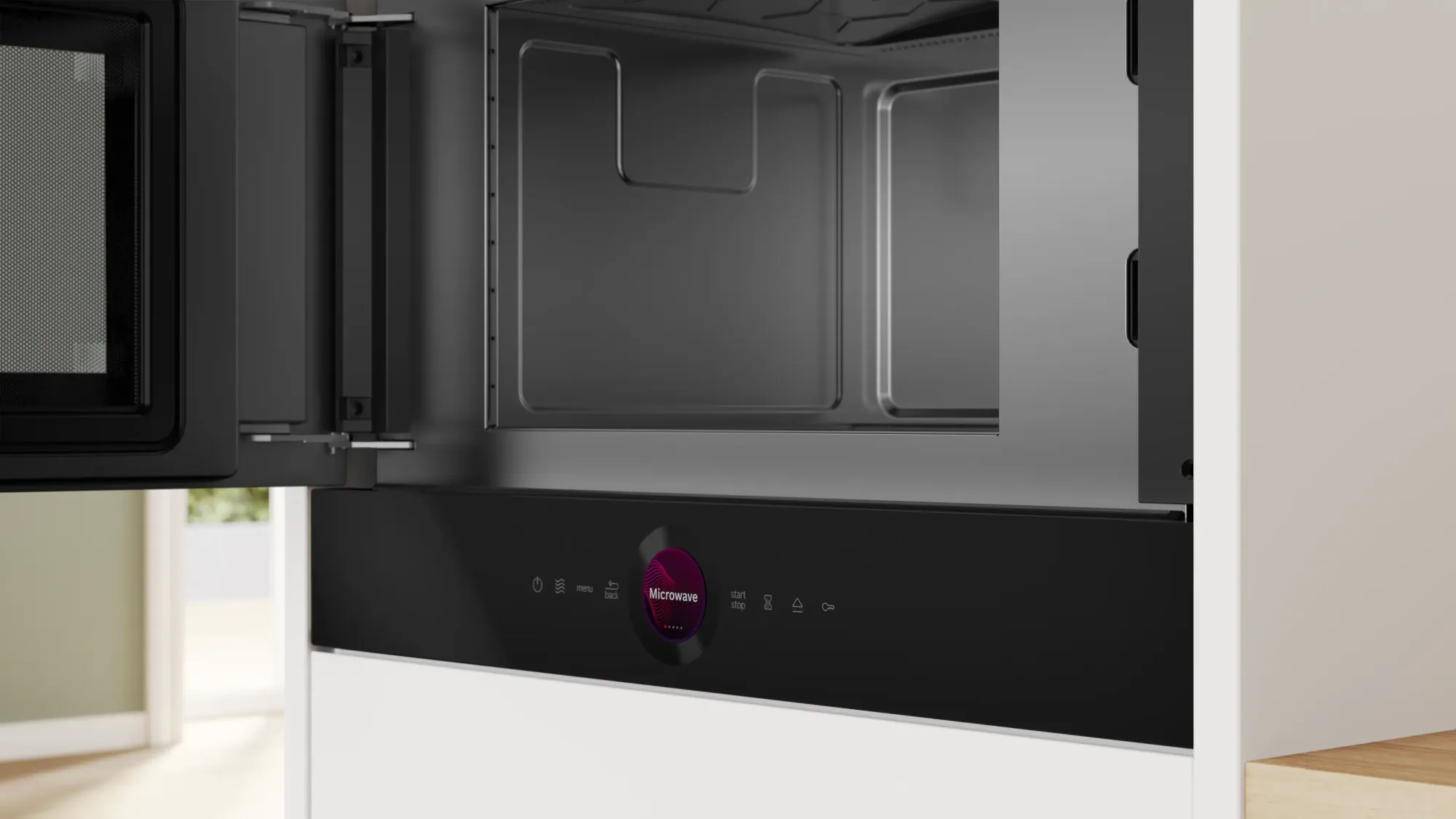
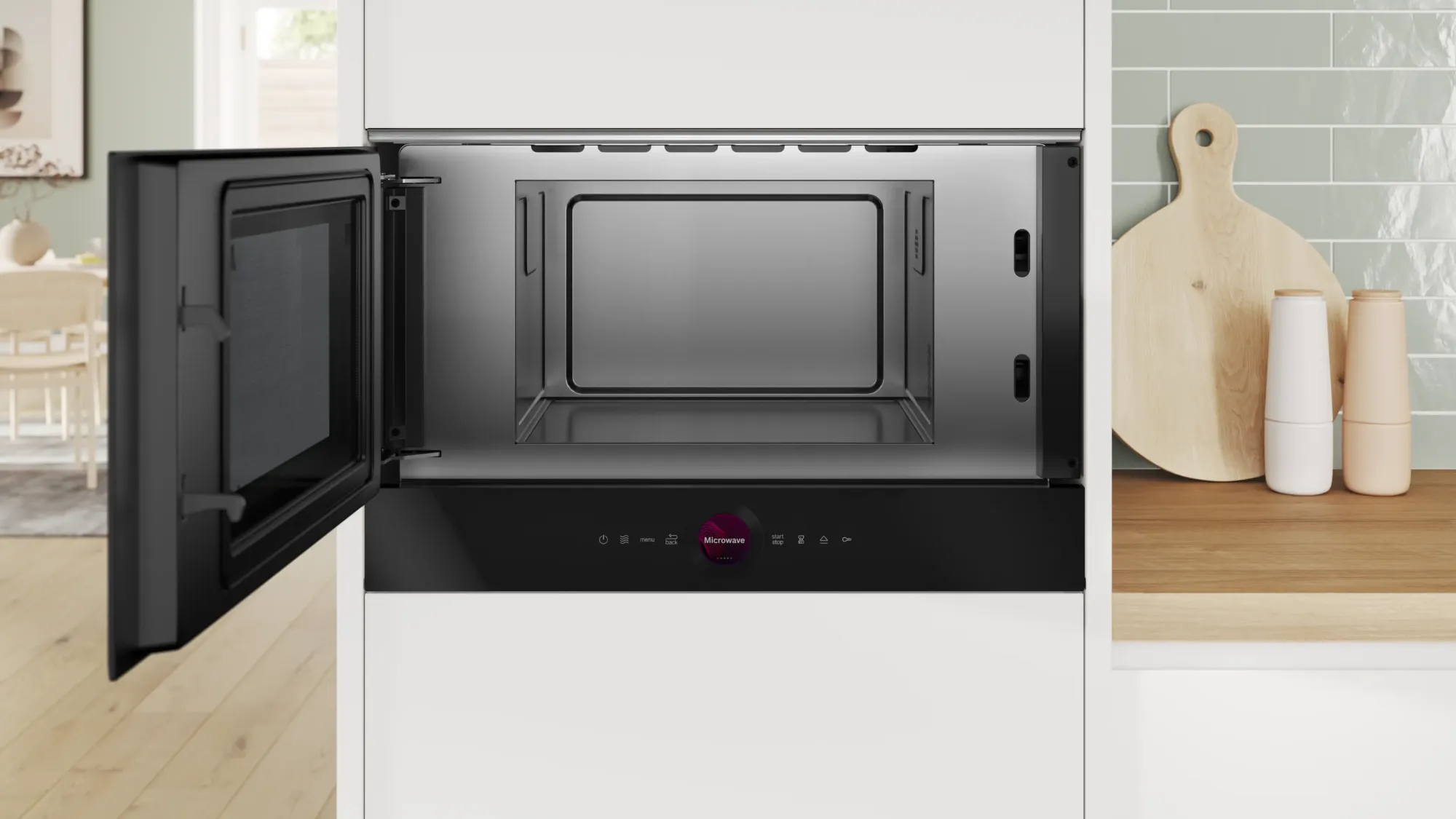
Installation and upkeep A microwave needs a stable surface and enough clearance around the cavity to avoid overheating. Built-in models require a properly sized housing, worth checking before buying. For upkeep, a removable turntable and a smooth interior make regular cleaning easier, which limits odours and extends the appliance’s working life. These points are not scored by the site’s criteria, but they shape day to day comfort of use.

Benchmarks based on 30 recent market listings, collected on 23 September 2026.

What you get for each budget

Under €400

At this level, appliances tend to sit close to the more modest capacity and power benchmarks on the market, often with fewer power levels available.

€400 to €700

This range covers appliances closer to the median values for capacity, power and power levels, sometimes with better energy efficiency.

Over €700

Above this, appliances aim for the highest benchmarks in capacity, power and power levels, while often showing better controlled consumption.

Frequent mistakes

Choosing on power alone without checking capacity risks a fast appliance that is too small for everyday meals.
Confusing power consumption with cooking power: a low consumption is an advantage, unlike low cooking power.
Overlooking the number of power levels, which is useful for defrosting or reheating without drying out food.
Comparing prices without checking that features (capacity, power) are equivalent between appliances.
Forgetting the clearance space needed around the appliance, especially for built-in models.

Models in this category

Best rated first, among those our merchants offer.