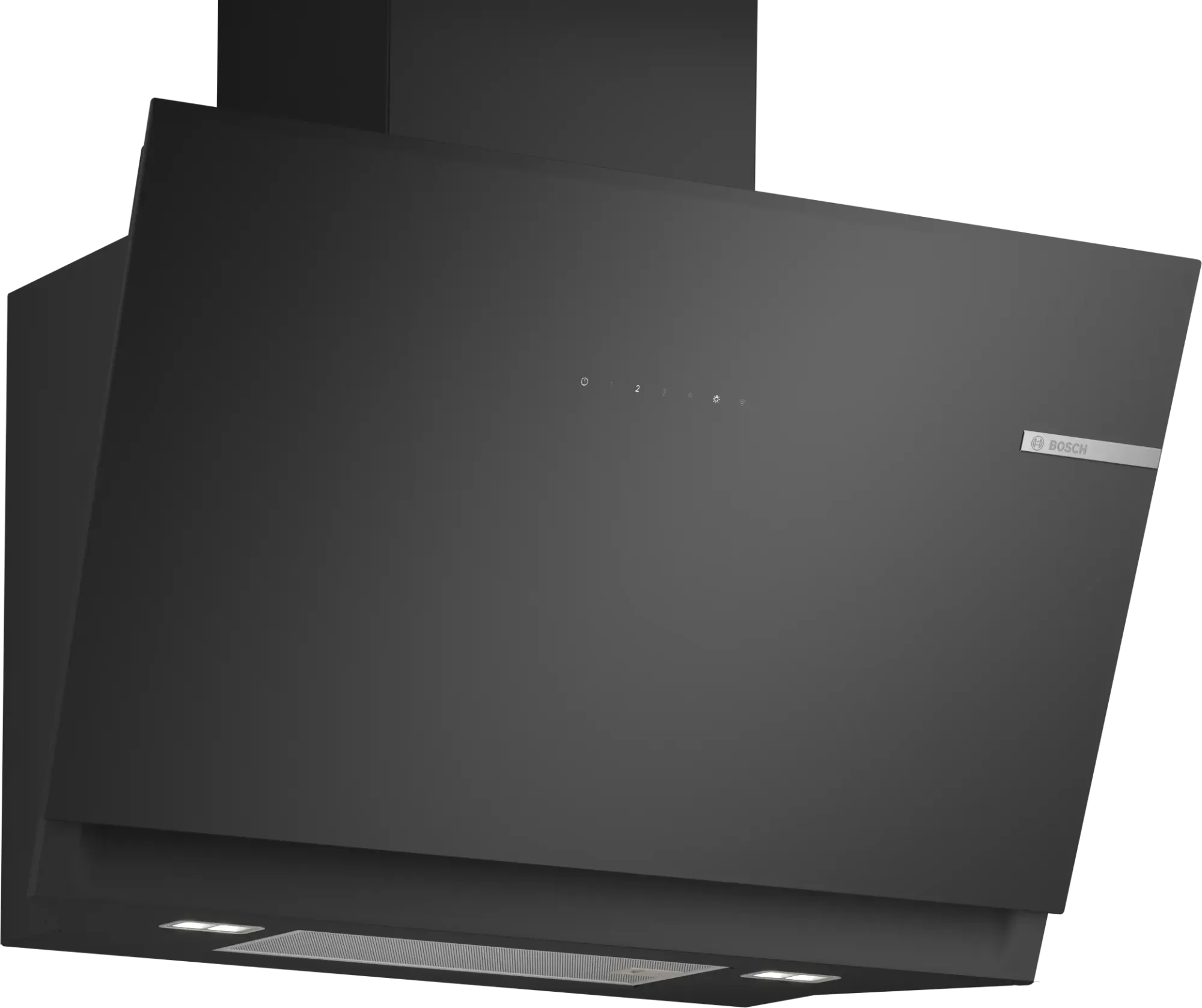
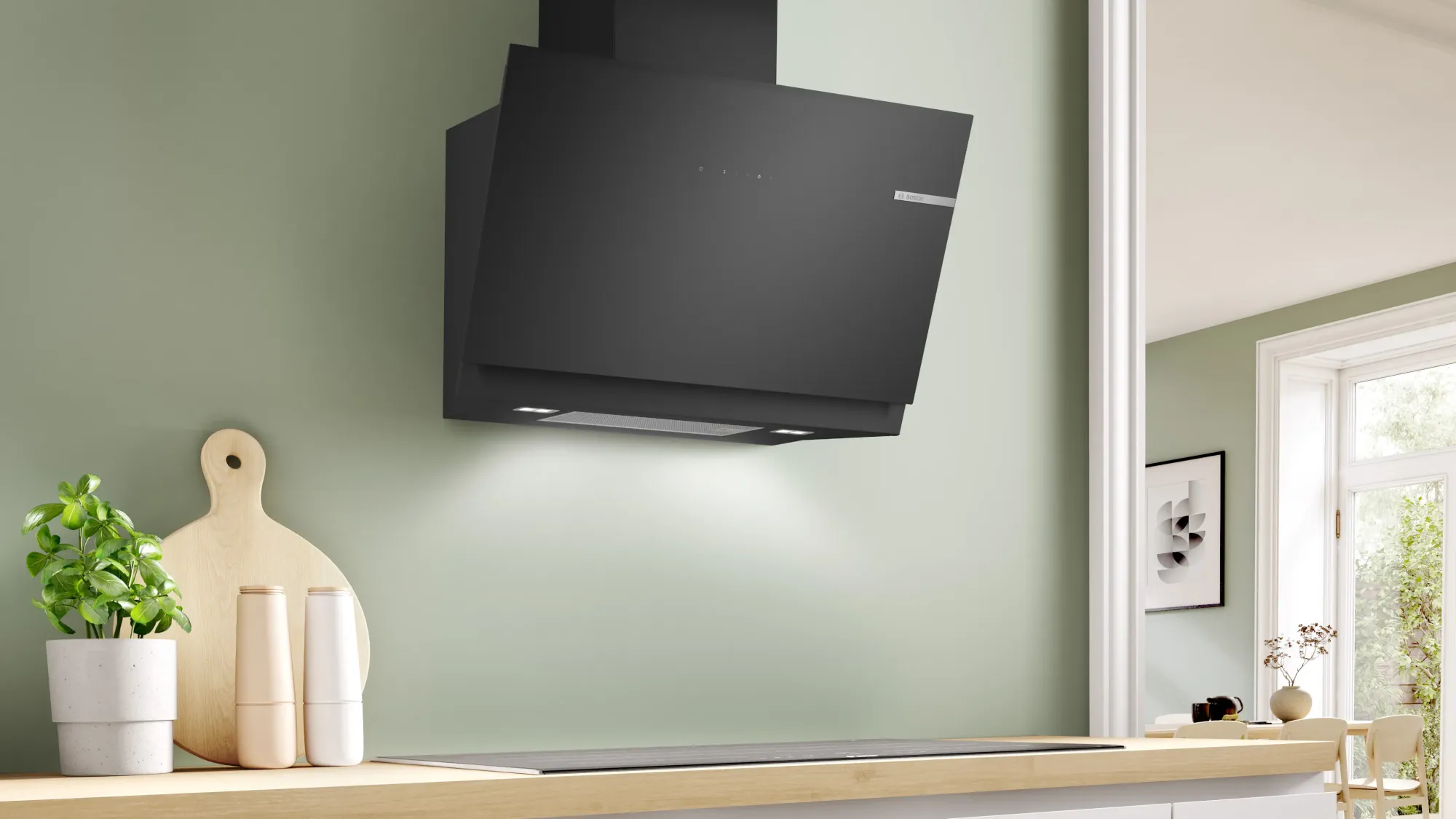
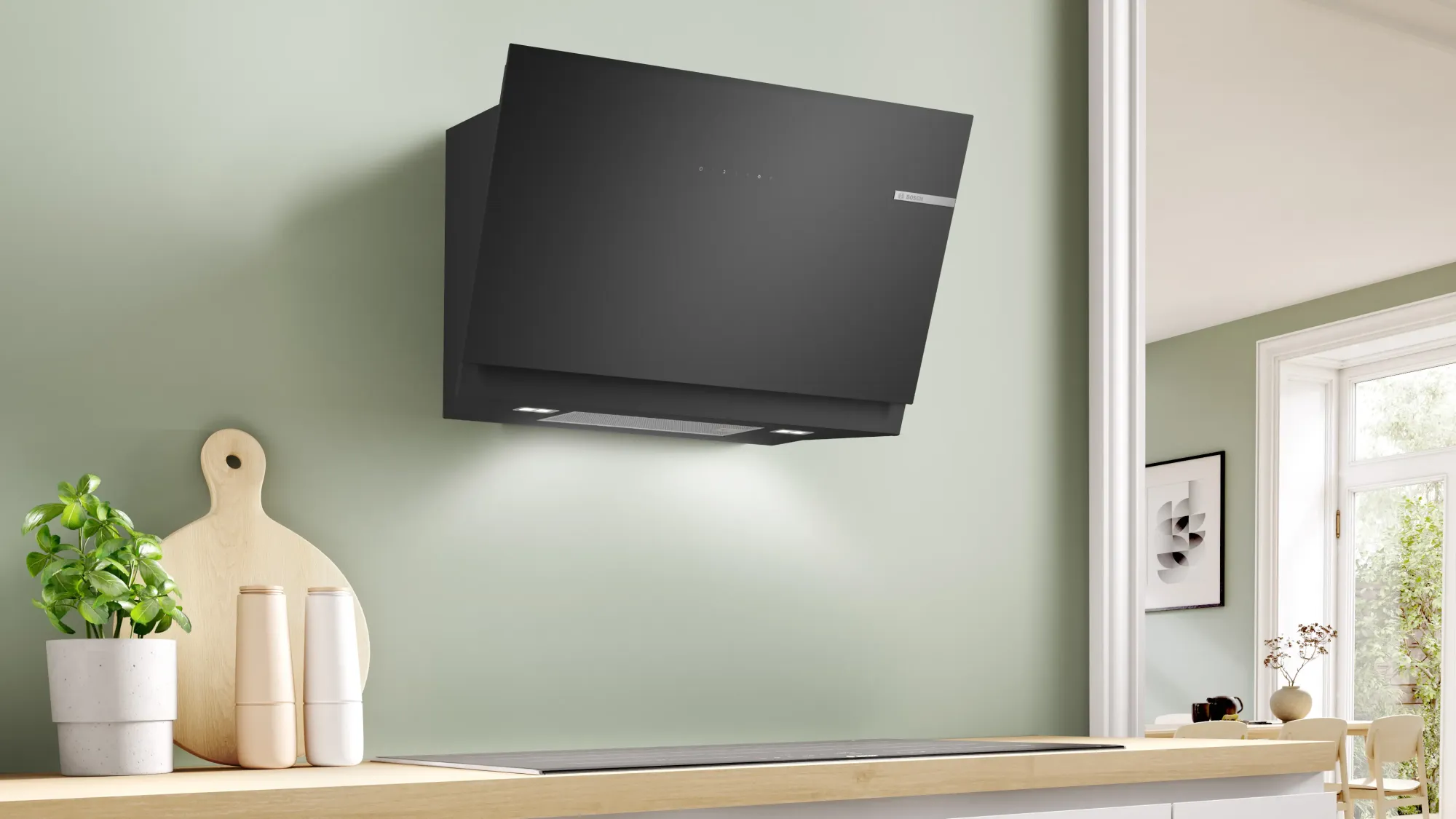
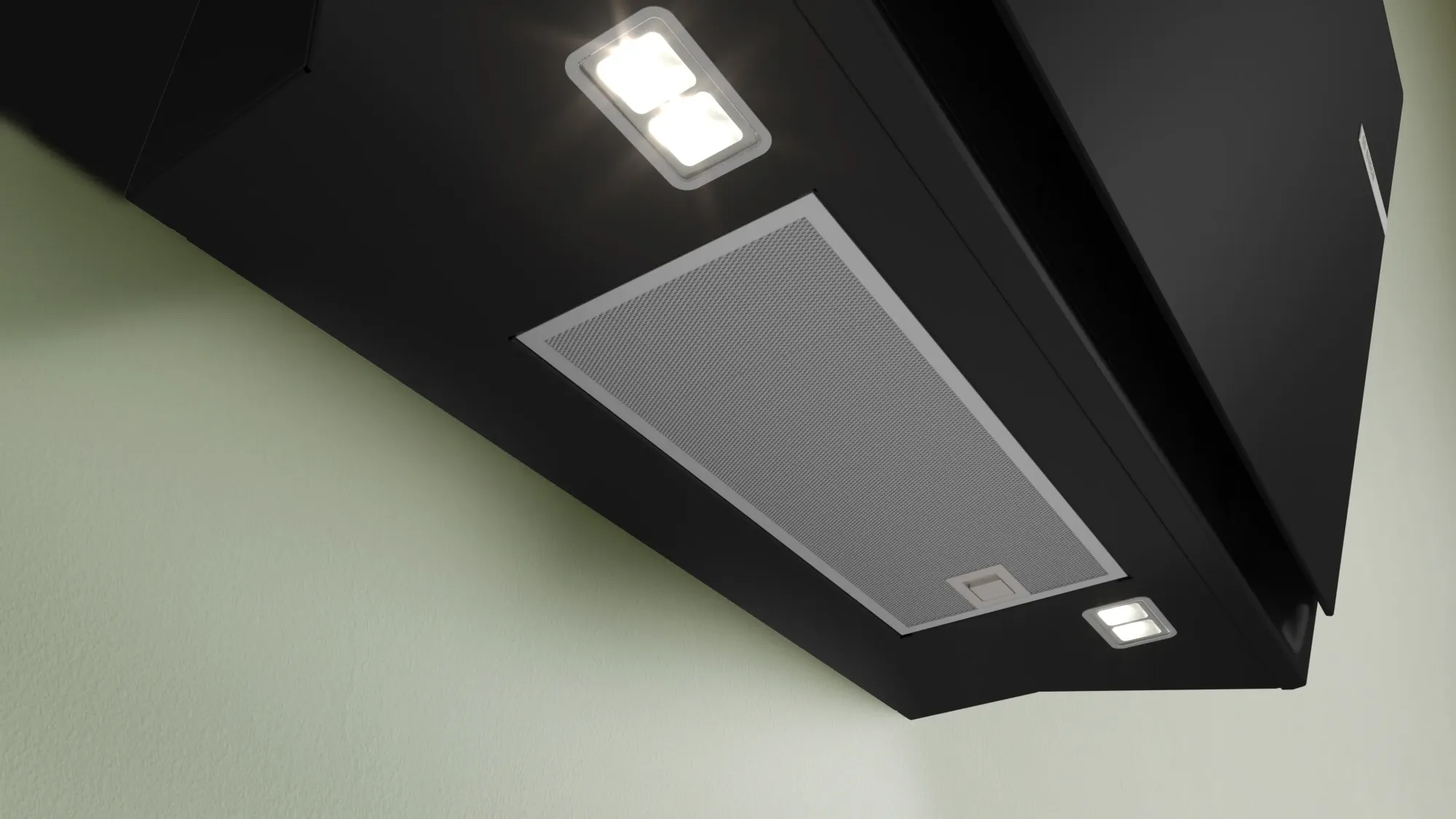
Cooker hoods Bosch
Buying guide: how to choose a cooker hood
A cooker hood is chosen first for its ability to extract stale air without filling the kitchen with noise, then for the flexibility of its speed settings and how little electricity it draws. Lighting over the cooking zone rounds out these criteria, well before price comes into play.
What to check
Extraction power
This criterion measures the maximum air flow the hood can extract, expressed in cubic metres per hour. The higher this flow, the faster the hood clears smoke, steam and cooking odours, which matters most in an open kitchen or with intensive cooking. On the site, the score places each hood against market readings: the weakest models plateau around two hundred and twenty four cubic metres per hour, the median sits near five hundred and twenty seven and a half, and the best approach seven hundred and twenty five cubic metres per hour. A high score here guarantees effective extraction even during heavy cooking.
Market median: 527.5 m³/h
Noise level
This criterion measures the noise produced by the hood at full power, in decibels. Here, lower is better: a quiet hood goes unnoticed even at maximum speed, while a loud one tempts you to lower extraction for comfort, at the cost of efficiency. Market readings show wide gaps: the noisiest models reach seventy decibels, the median sits at sixty four and a half, and the quietest drop to fifty five decibels. A high score on this criterion signals a discreet appliance, not just a powerful one.
Market median: 64.5 dB
Number of speeds
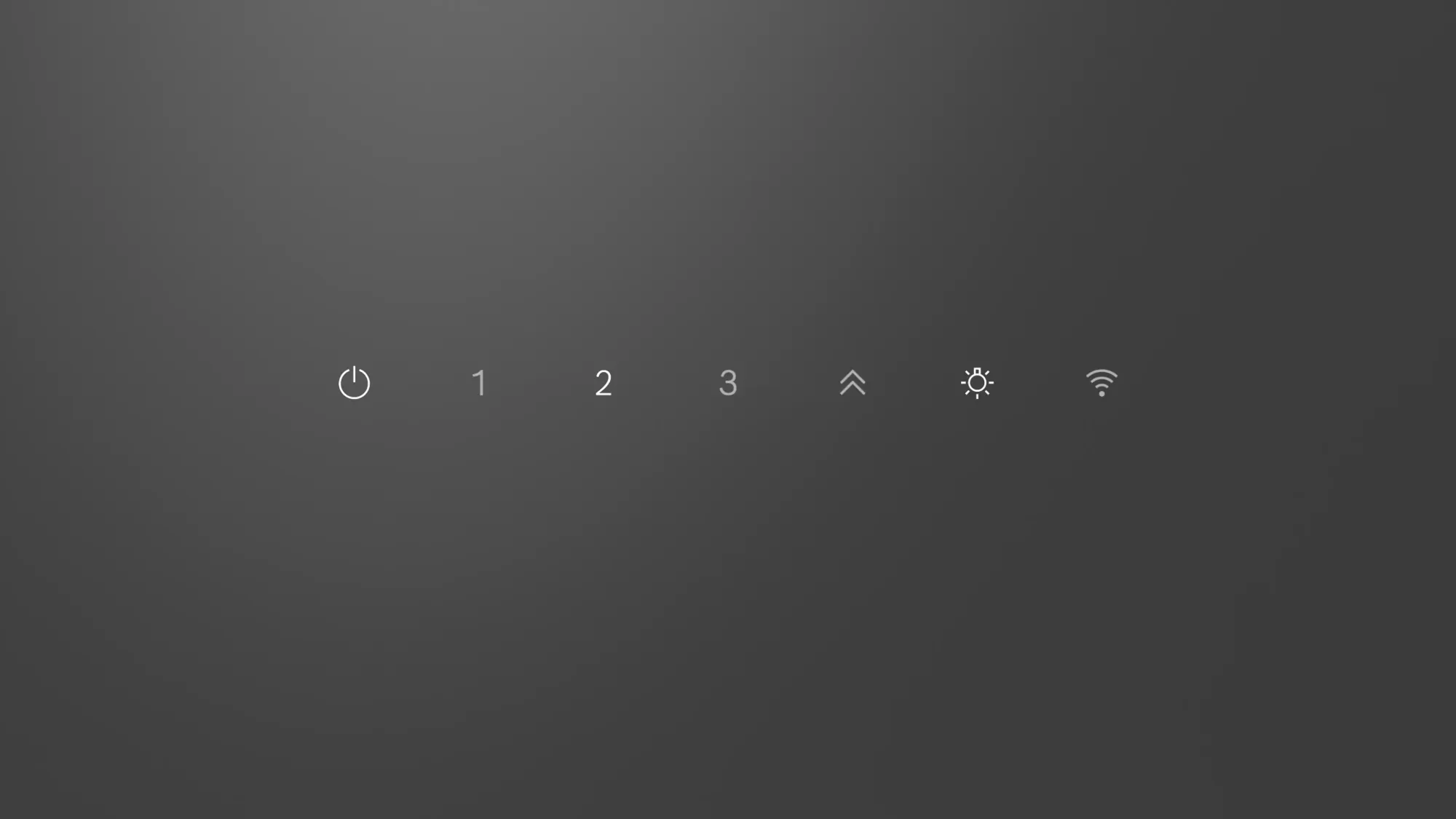
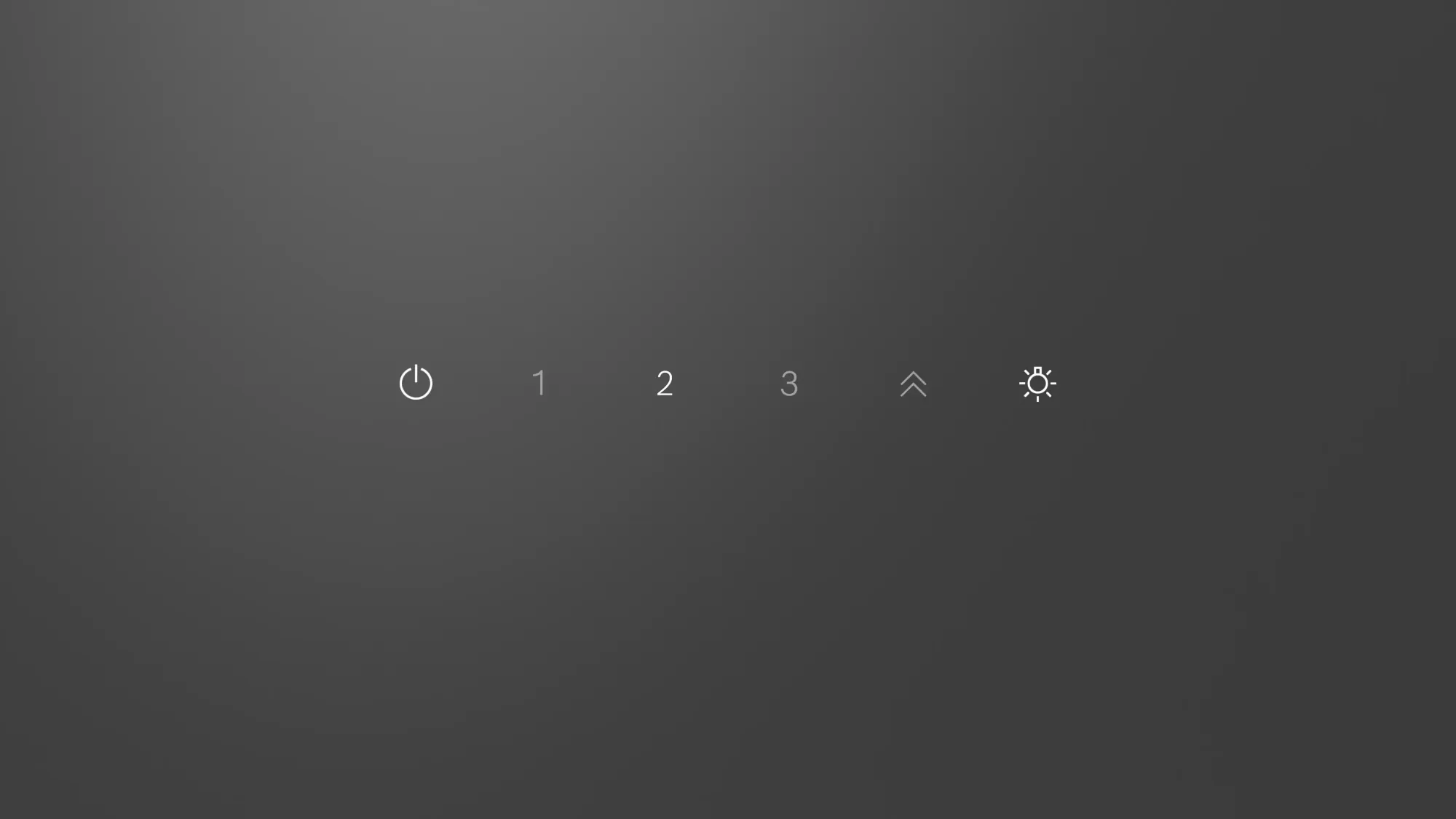
This criterion counts the extraction speeds available on the hood. The more there are, the easier it becomes to match extraction to each type of cooking, from simple simmering to frying that releases a lot of steam. On the market, the simplest models offer three speeds, which also matches the median, while the best equipped offer five. A higher number of speeds allows finer control, useful for saving energy and limiting noise during light cooking.
Market median: 3
Annual energy consumption
This criterion measures the energy the hood consumes over a year of use, in kilowatt hours. A lower value is preferable: it points to an appliance that weighs less on the electricity bill, especially with daily use. Market readings place the most demanding models around seventy four point three kilowatt hours, the median at fifty point four, and the most frugal around thirty eight point seven kilowatt hours. Comparing this criterion helps anticipate the real cost of ownership, beyond the purchase price alone.
Market median: 50.4 kWh
Lighting over the cooking zone
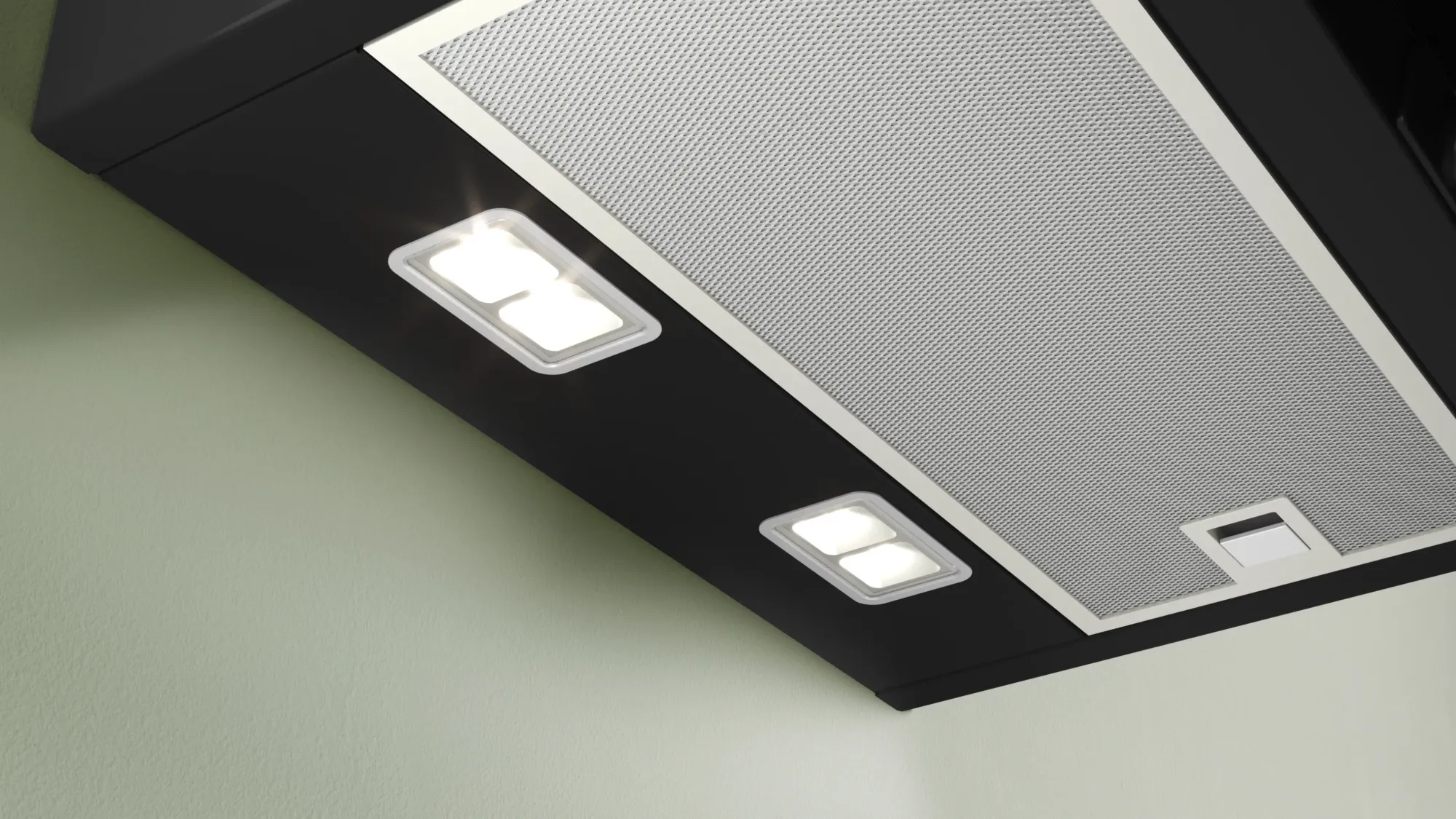
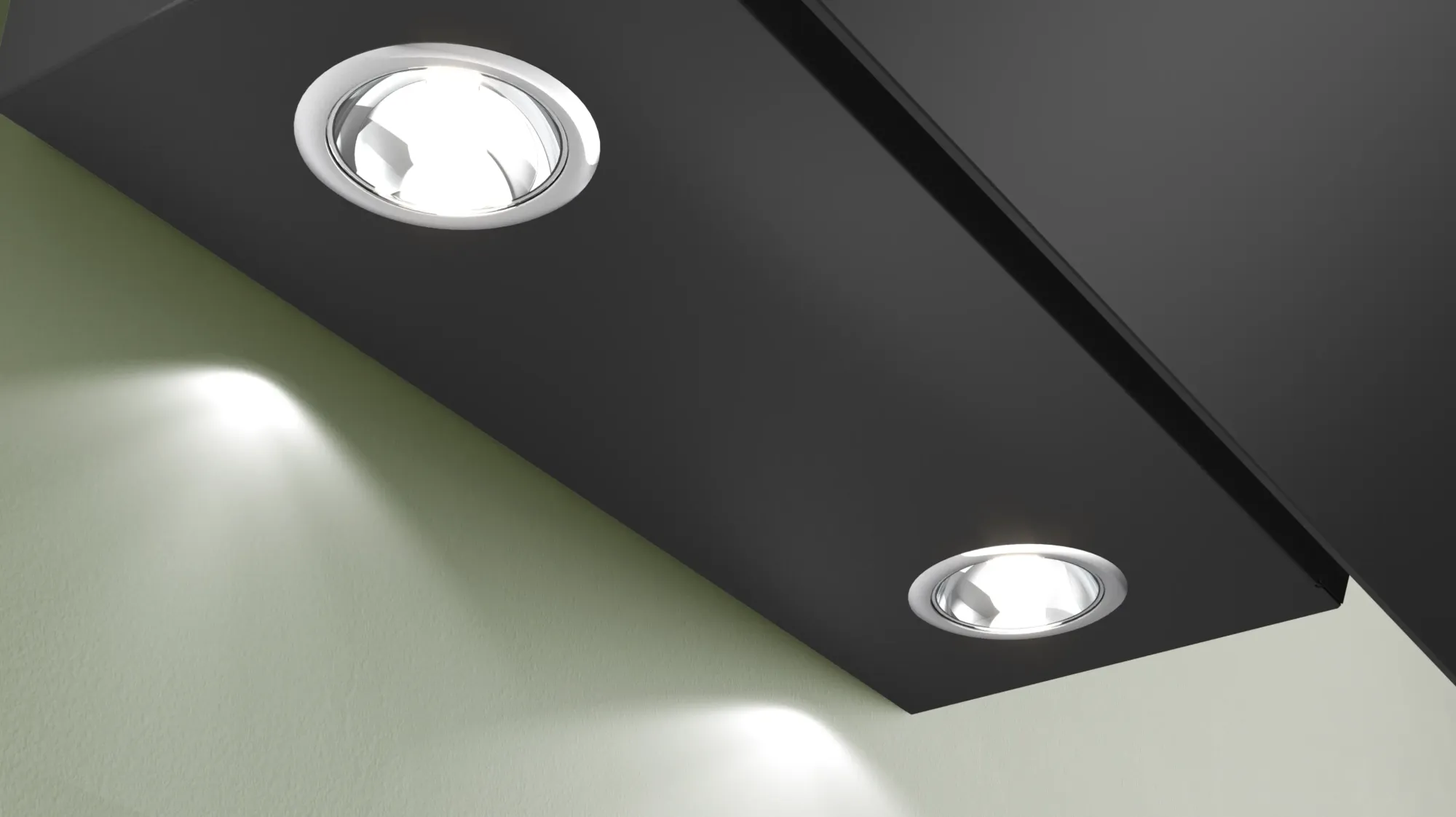
This criterion counts the number of bulbs that light the cooking zone. The more there are, the better dishes are lit during preparation, a welcome comfort for watching delicate cooking closely. On the market, the least equipped models offer only one bulb, the median sits at two, and the best equipped offer four. This criterion weighs less than power or noise in the final choice, but it is worth comparing if the kitchen already lacks natural light.
Market median: 2 bulb(s)
Installation and upkeep
Beyond the measured criteria, fitting a hood depends on the kitchen layout: ducting to the outside or recirculation through a carbon filter, ceiling height, and the distance required above the hob. Regular upkeep of the grease filters also shapes performance over time, since a clogged filter reduces real extraction, even on a well rated model. It is worth checking how easily the filters come out and clean before buying, since this daily task affects comfort far more over the long run than a figure shown once on the sheet.
Benchmarks based on 30 recent market listings, collected on 2 October 2026.
What you get for each budget
Under €100
At this price level, cooker hoods cover basic needs but often show power and speed counts closer to the weakest values recorded on the market.
€100 to €300
This range brings more balanced models, with power closer to the median and sometimes better controlled noise or energy consumption.
Over €300
Beyond this, cooker hoods move closer to the best market readings, whether in power, quietness or energy efficiency, often with more speeds and fuller lighting.
Frequent mistakes
Choosing only on power without checking noise level risks an efficient hood that is unpleasant to live with daily.
Ignoring the number of speeds limits the ability to match extraction to light cooking, which pushes energy use up.
Forgetting to check annual energy consumption hides the real running cost of the appliance beyond the purchase price.
Underestimating lighting over the cooking zone hurts visual comfort during preparation, especially in an already dim kitchen.
Models in this category
Best rated first, among those our merchants offer.
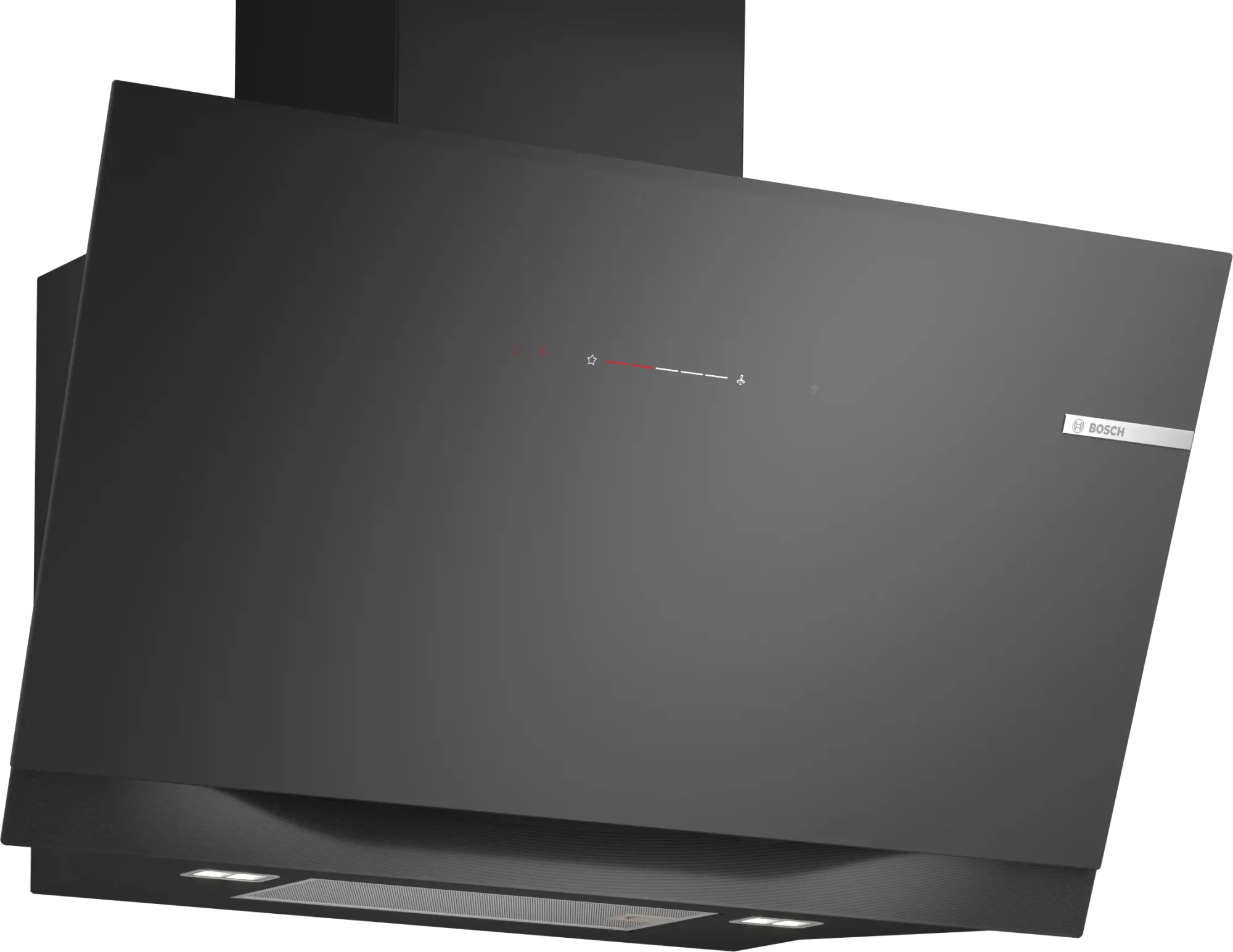
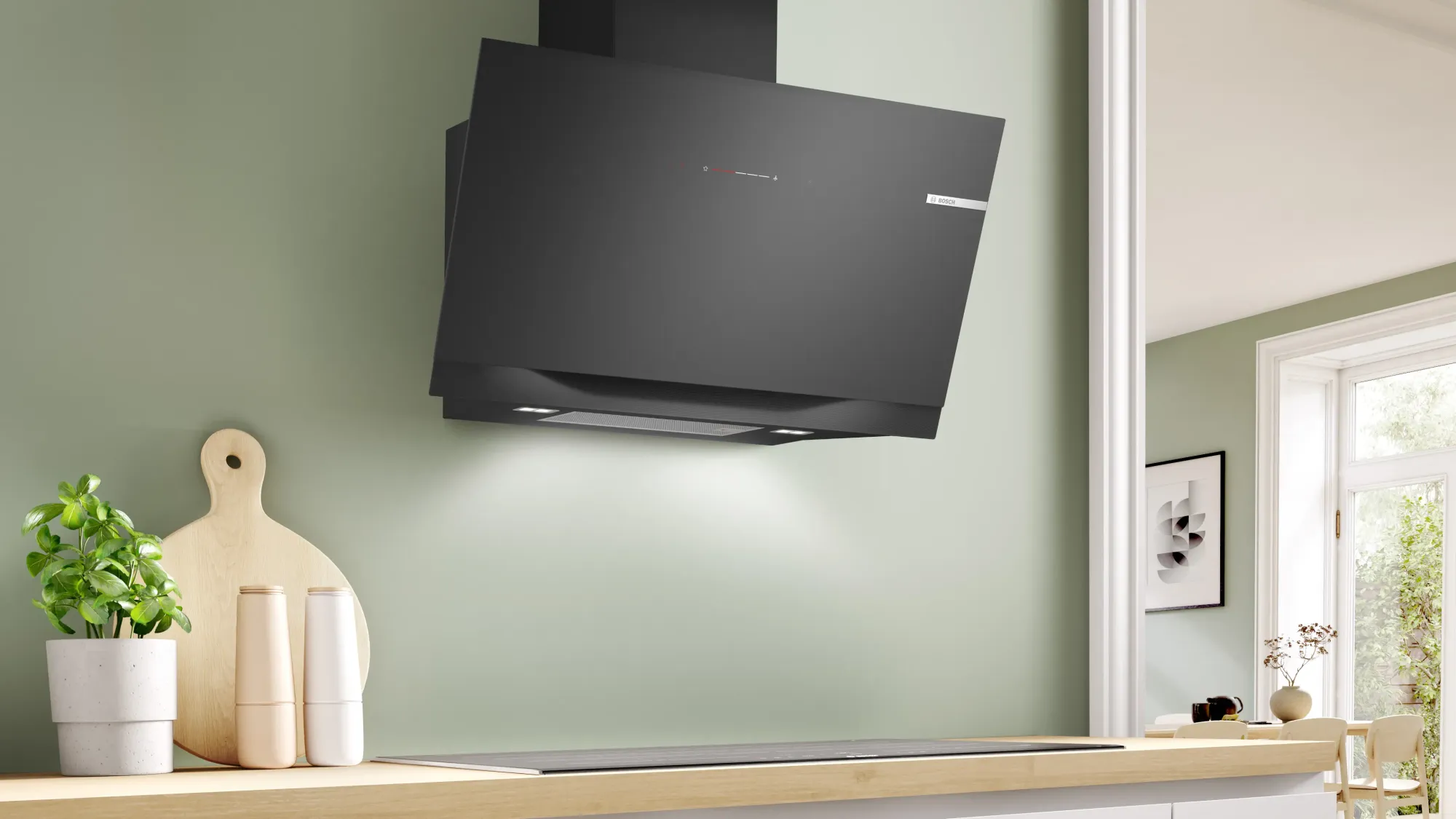
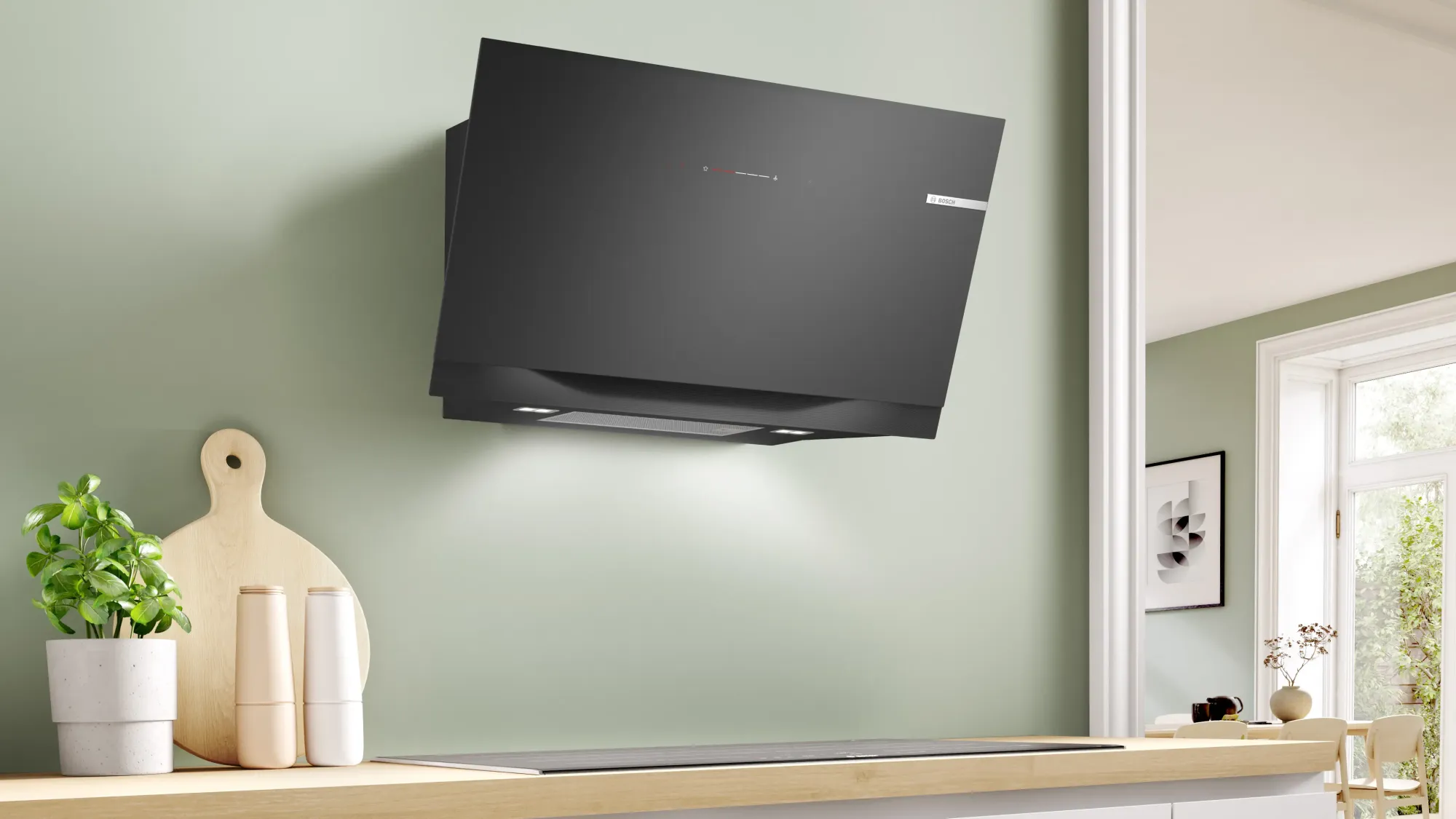
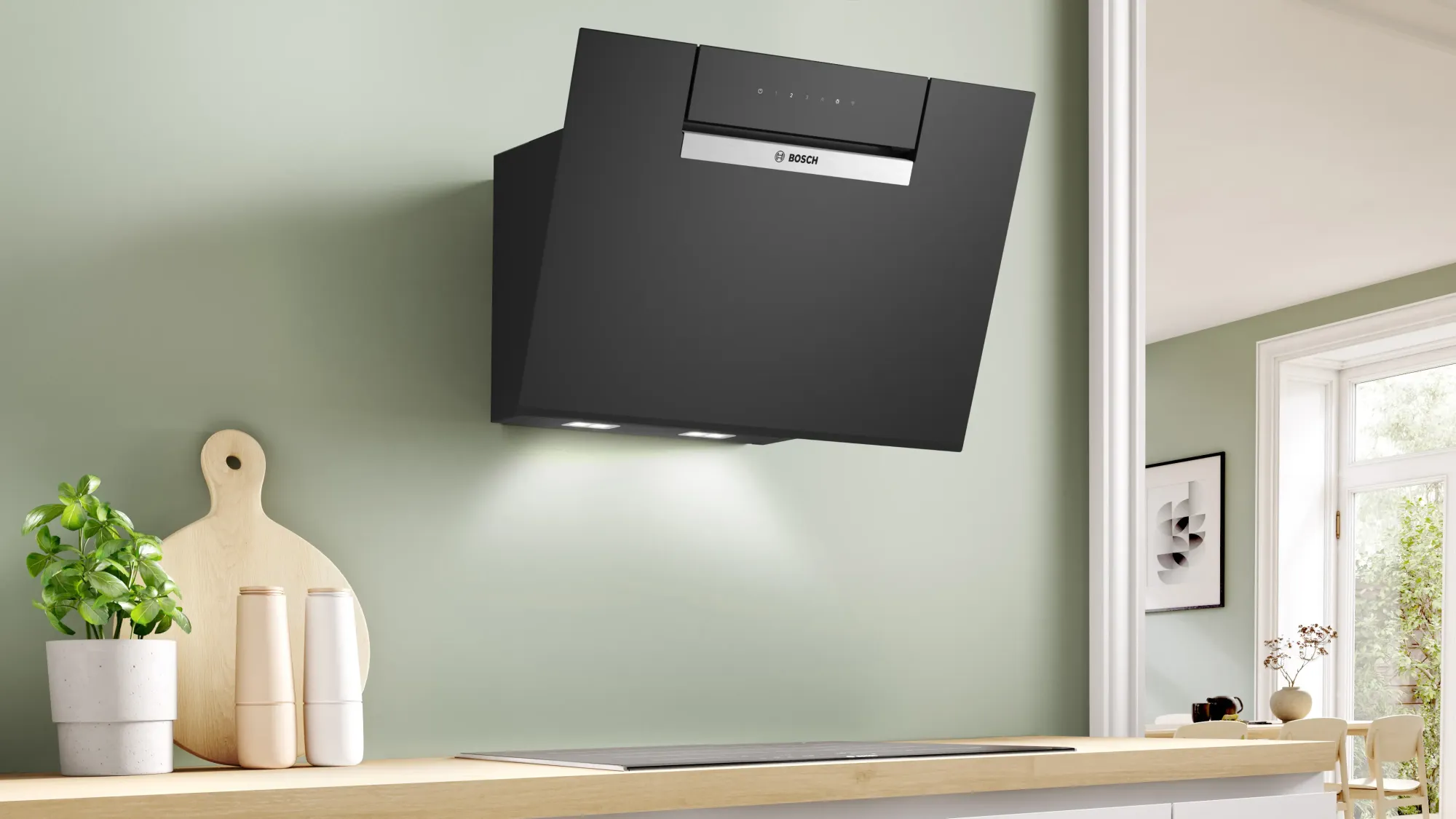
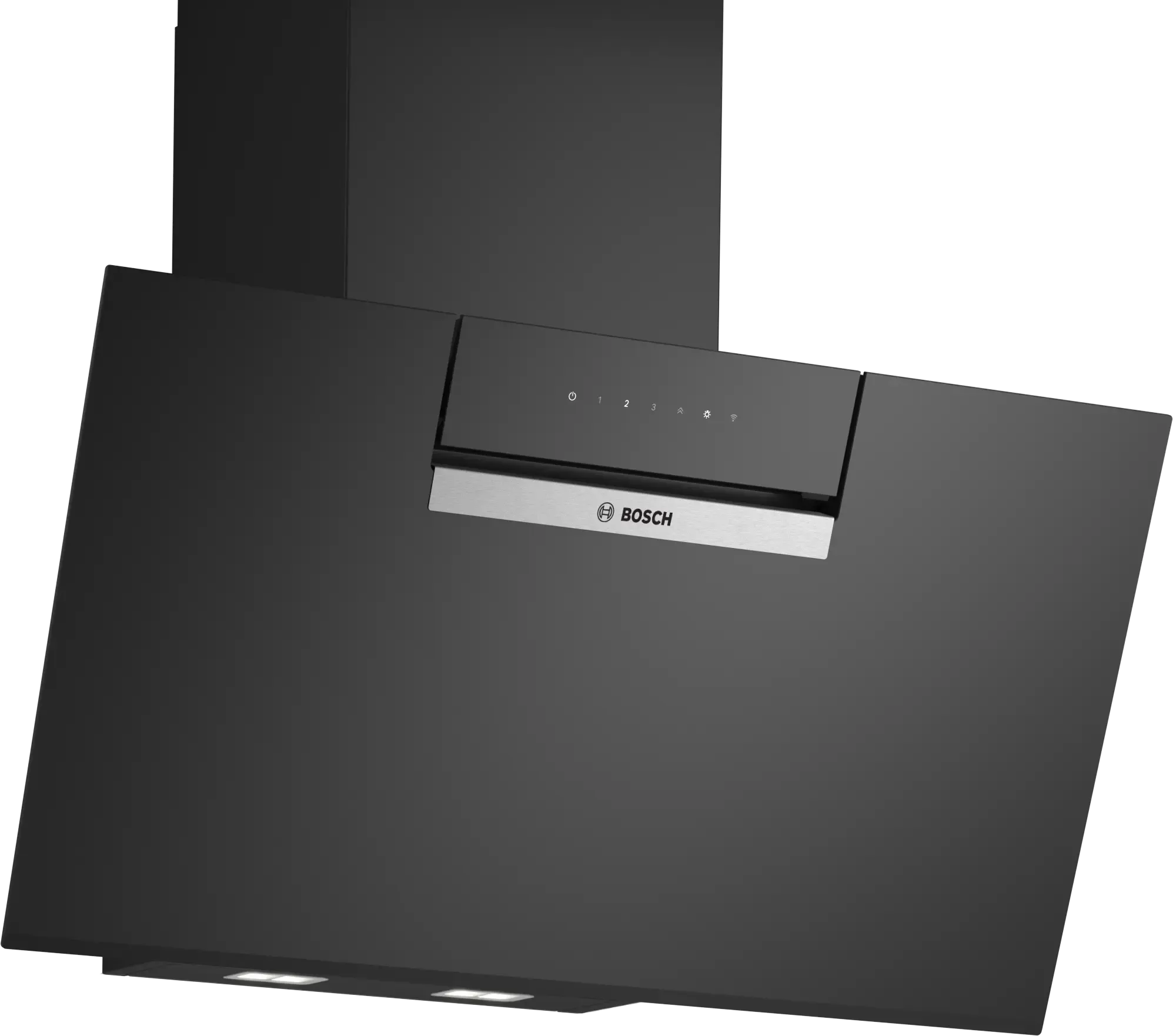
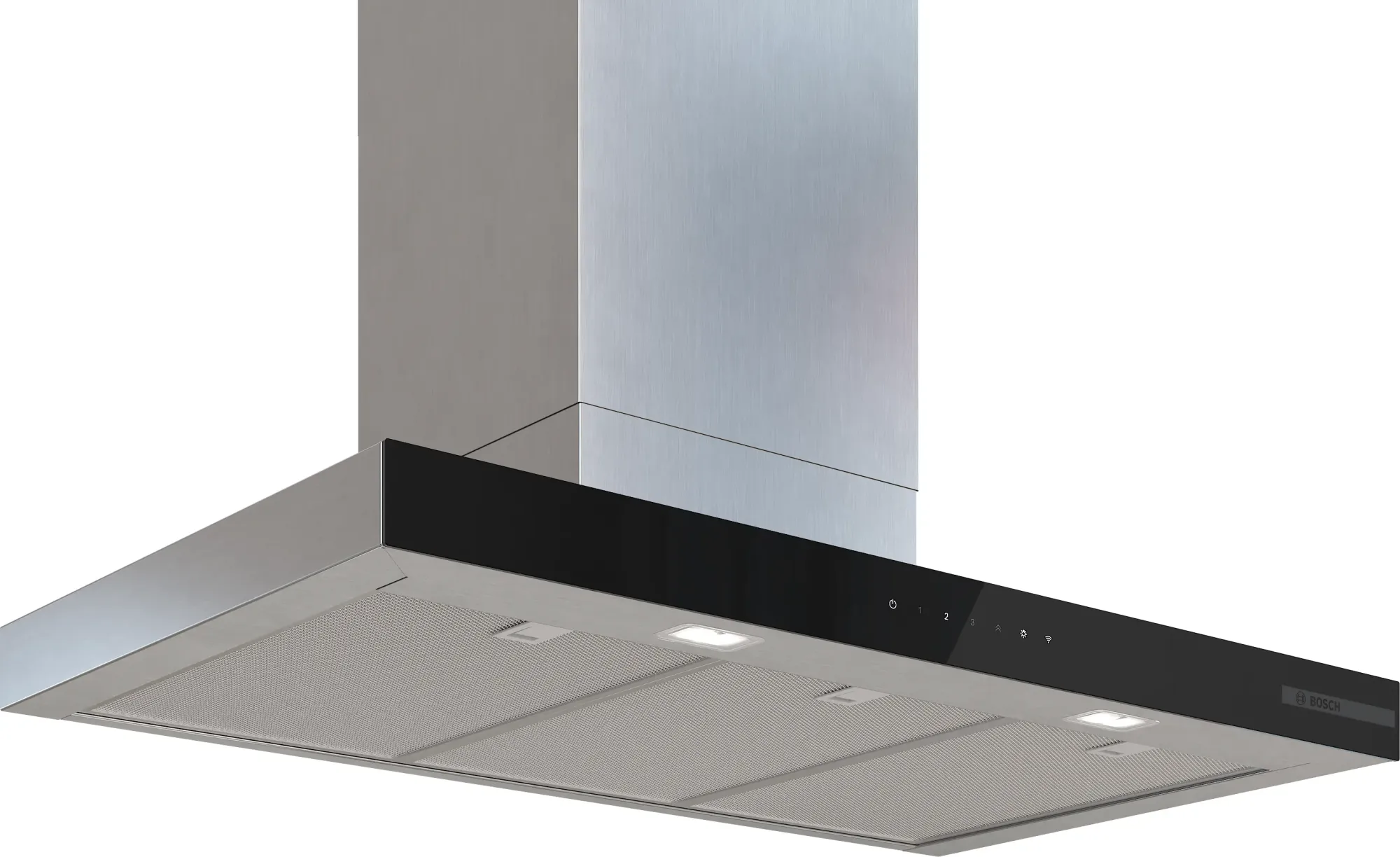
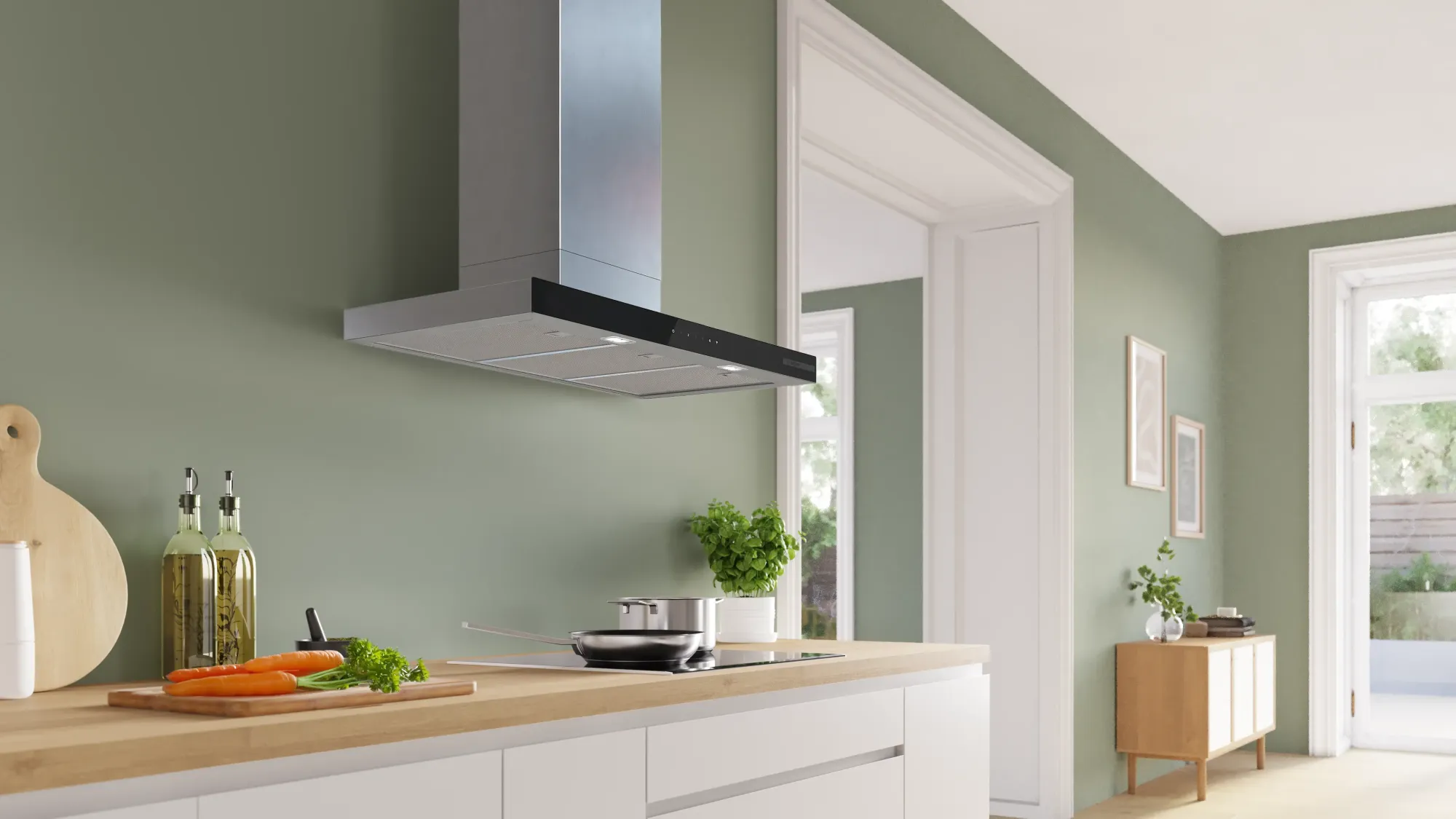
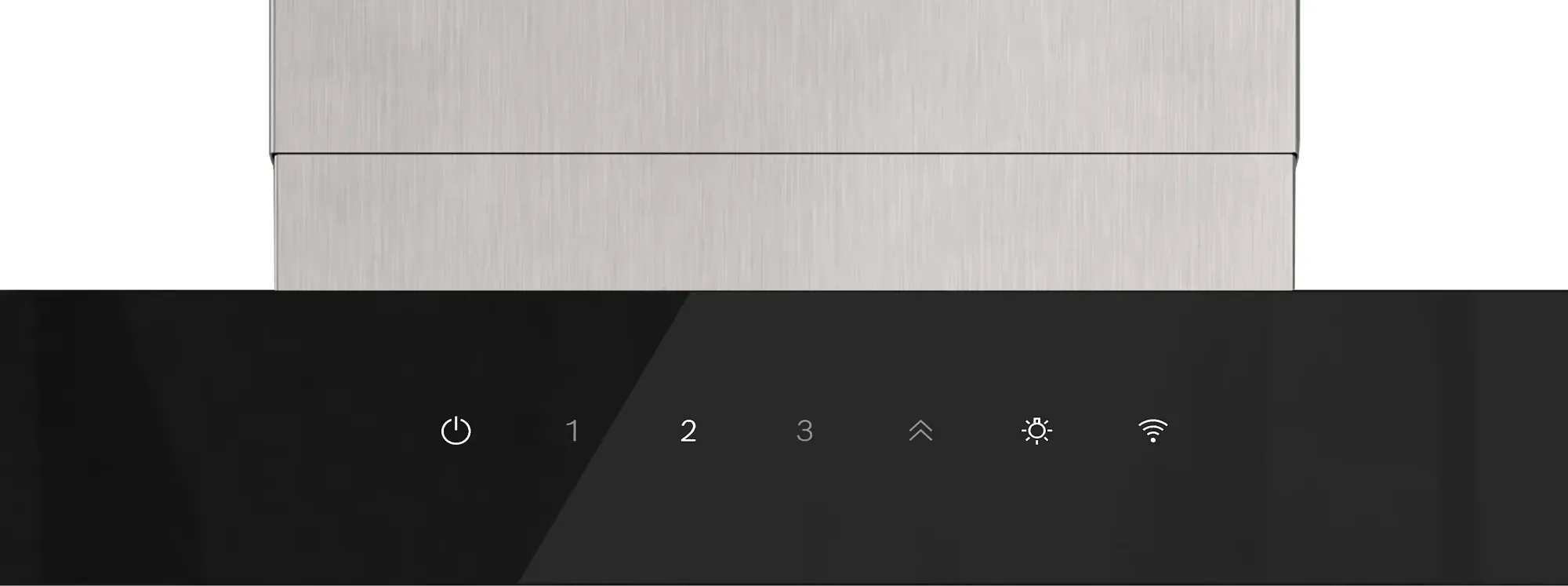
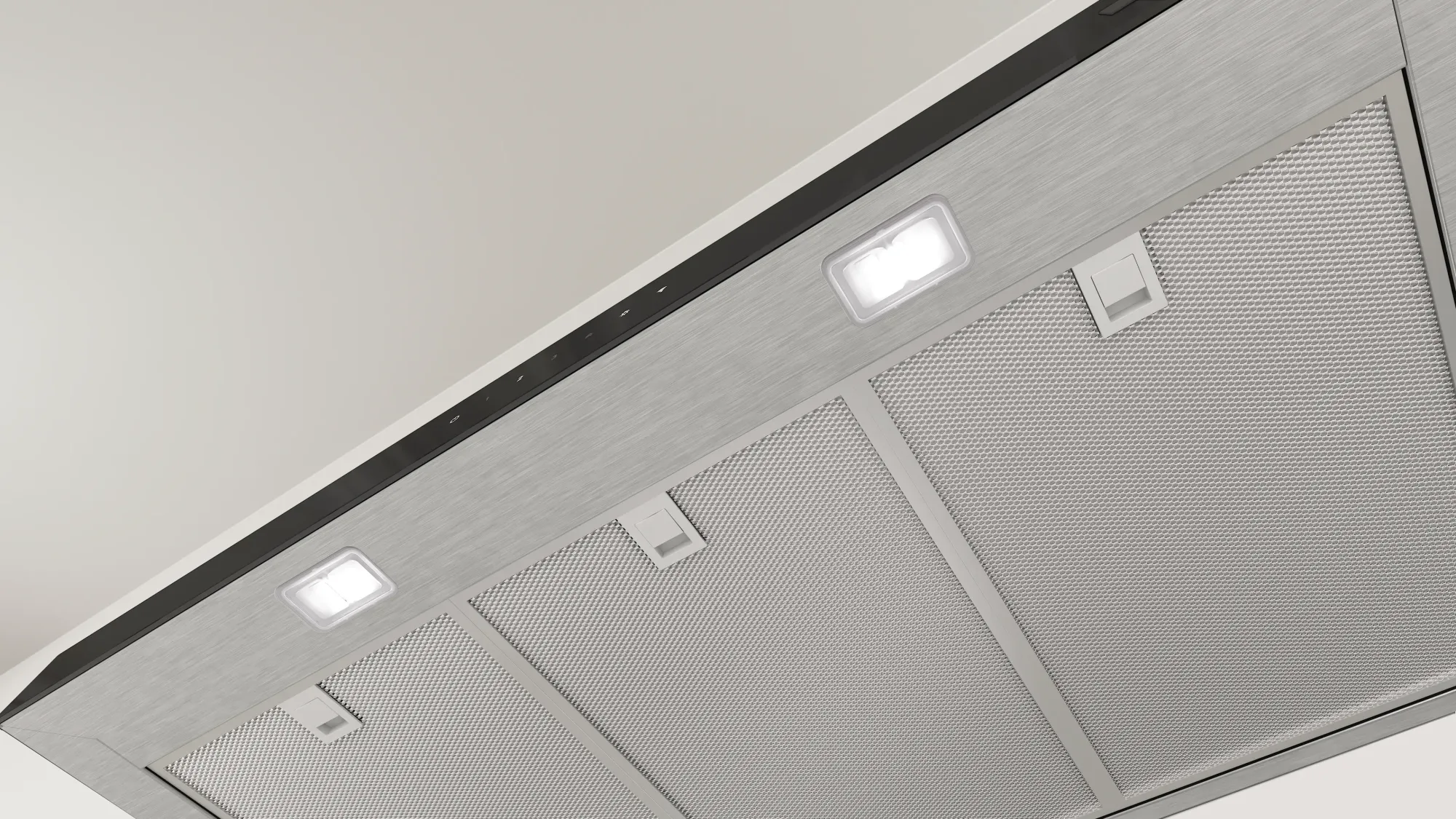
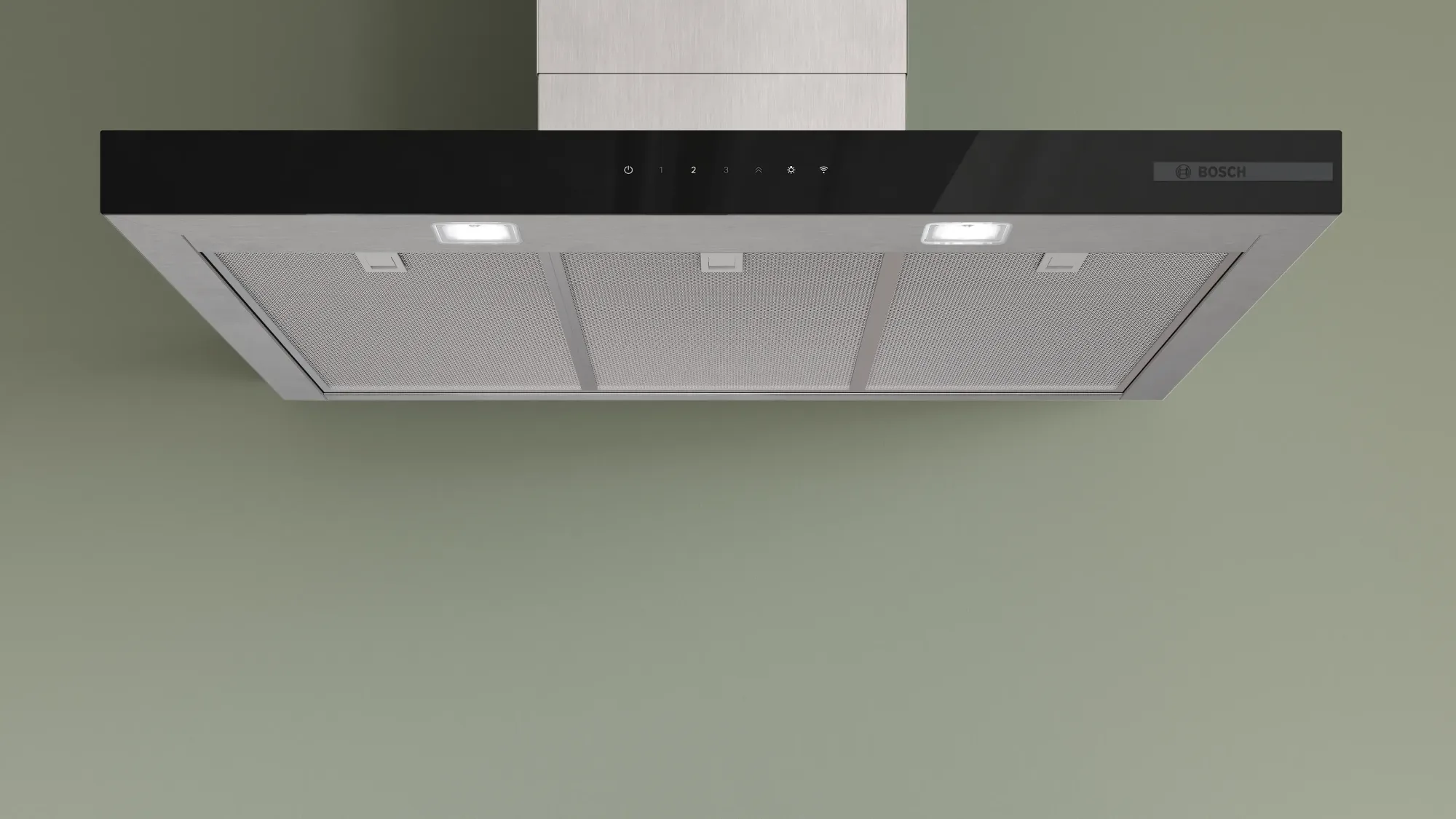
Cooker hoods Bosch
Serie 6 90 cm Stainless steel colour DWB97DN30
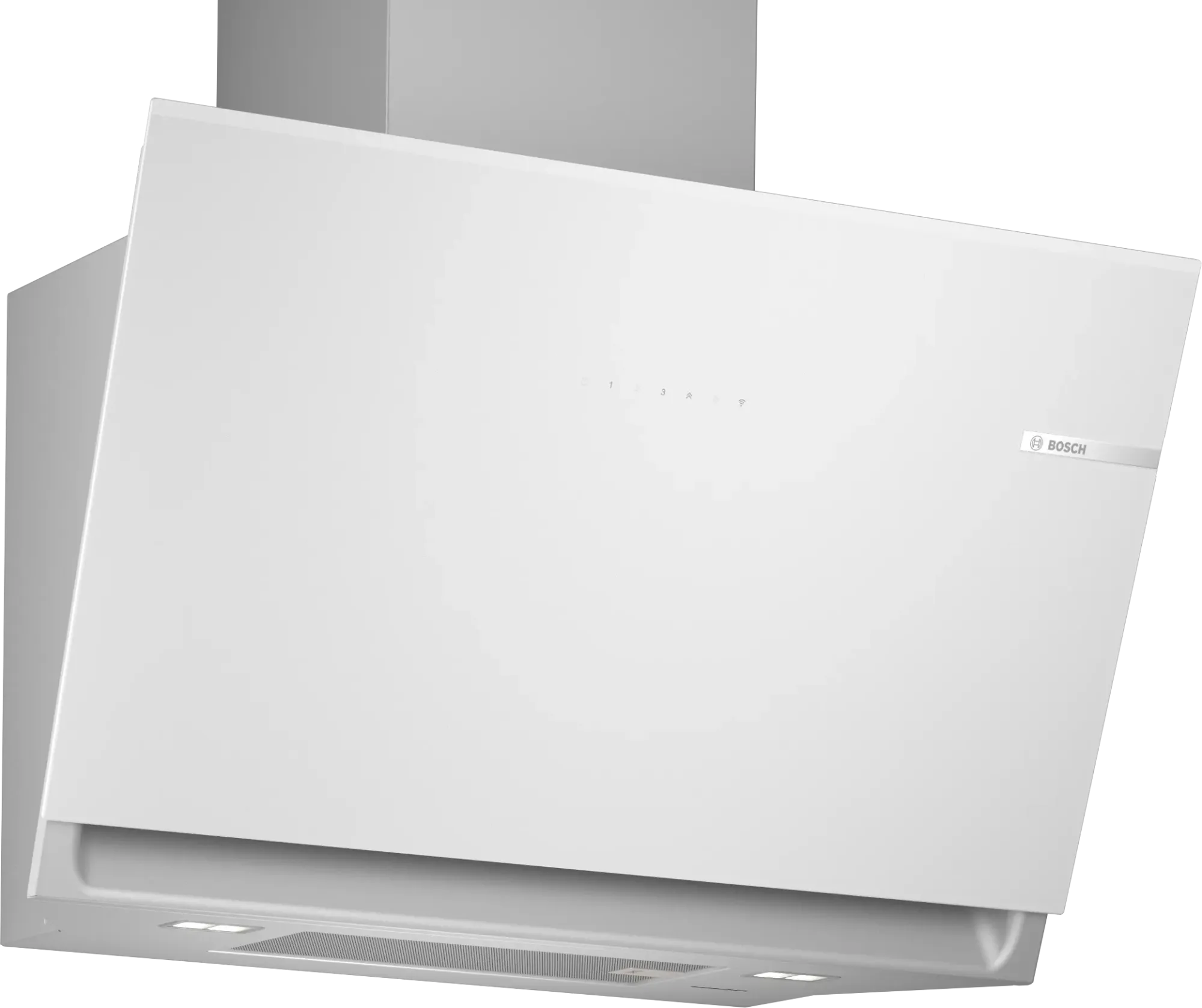
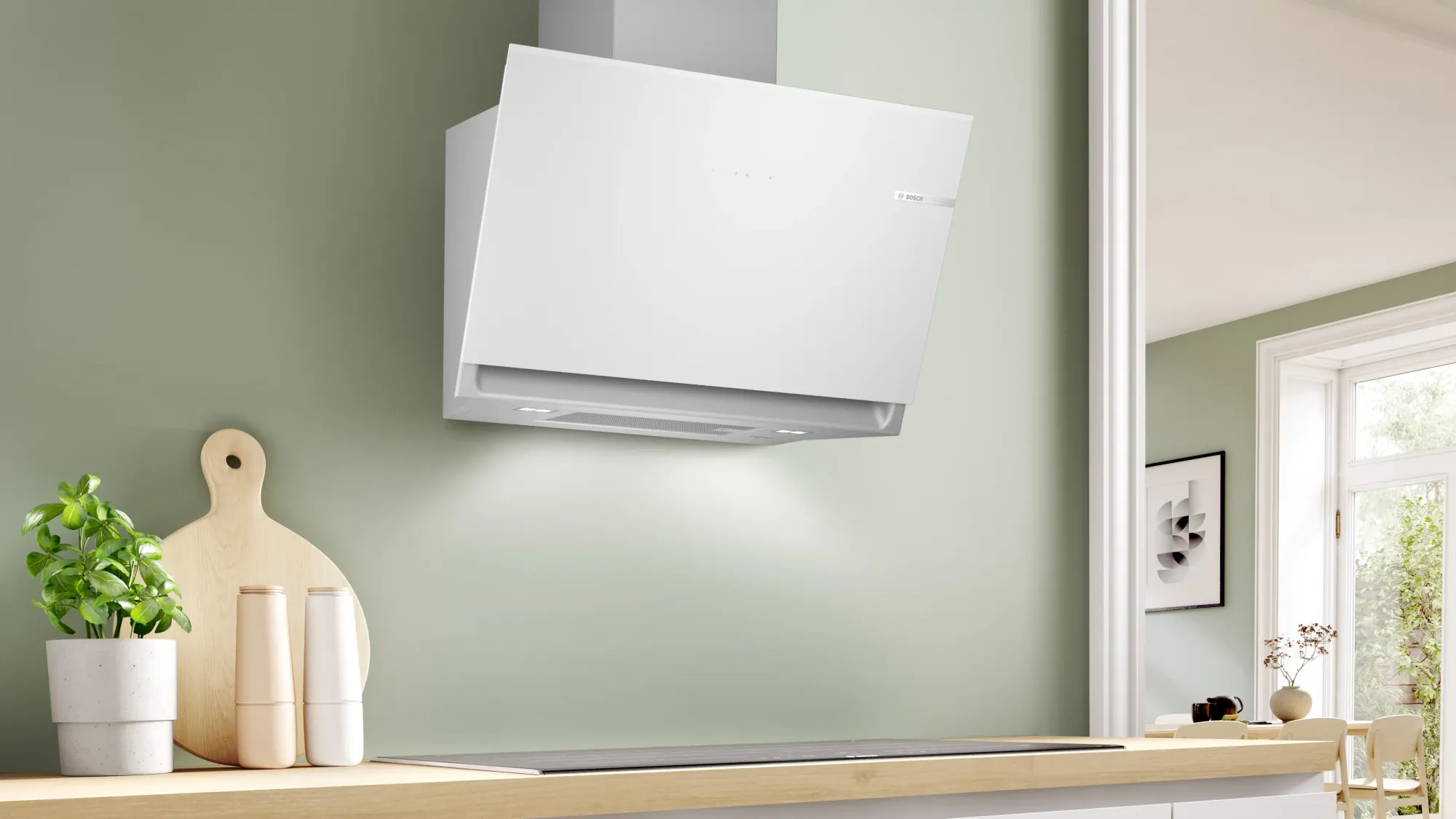

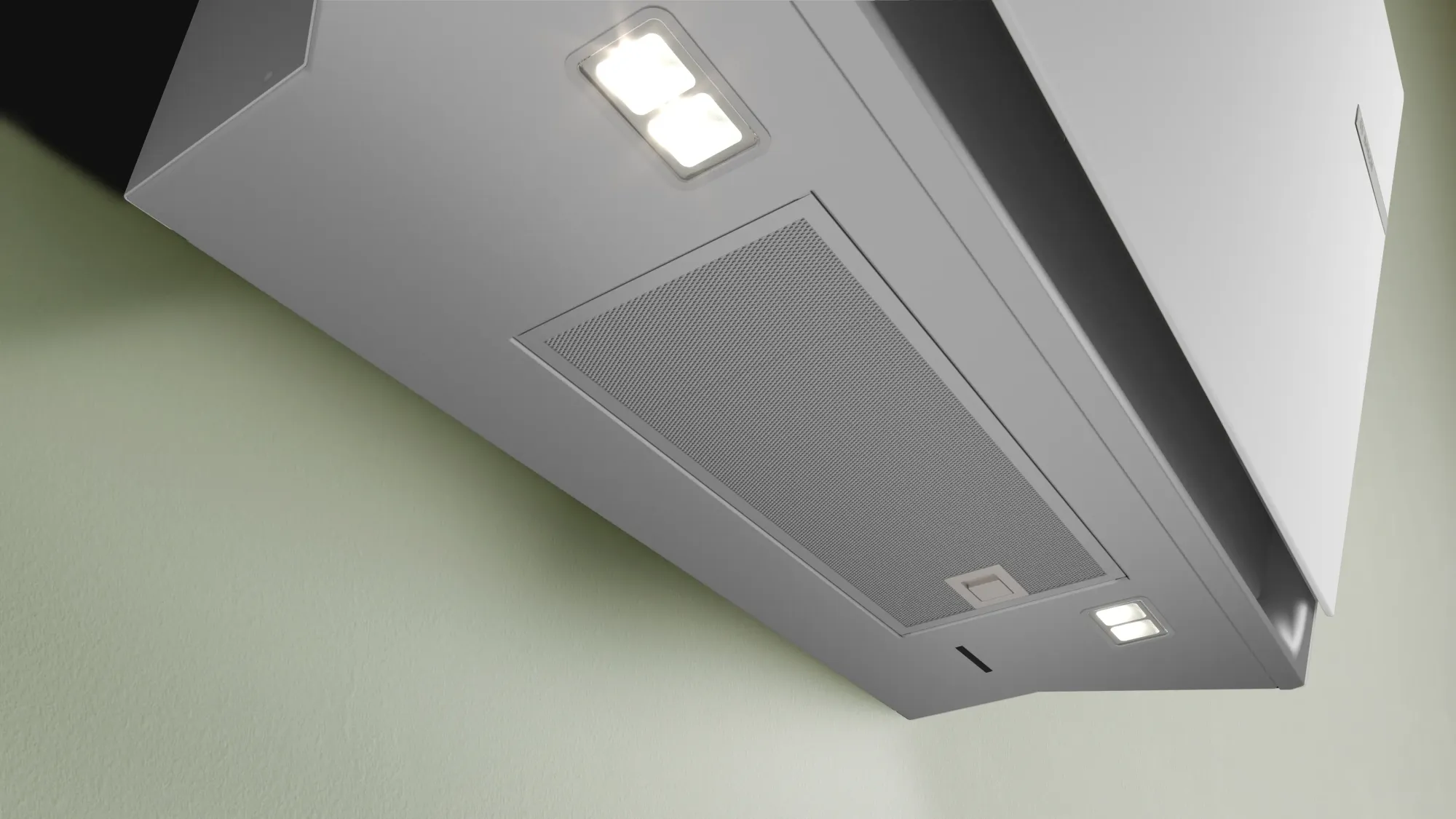
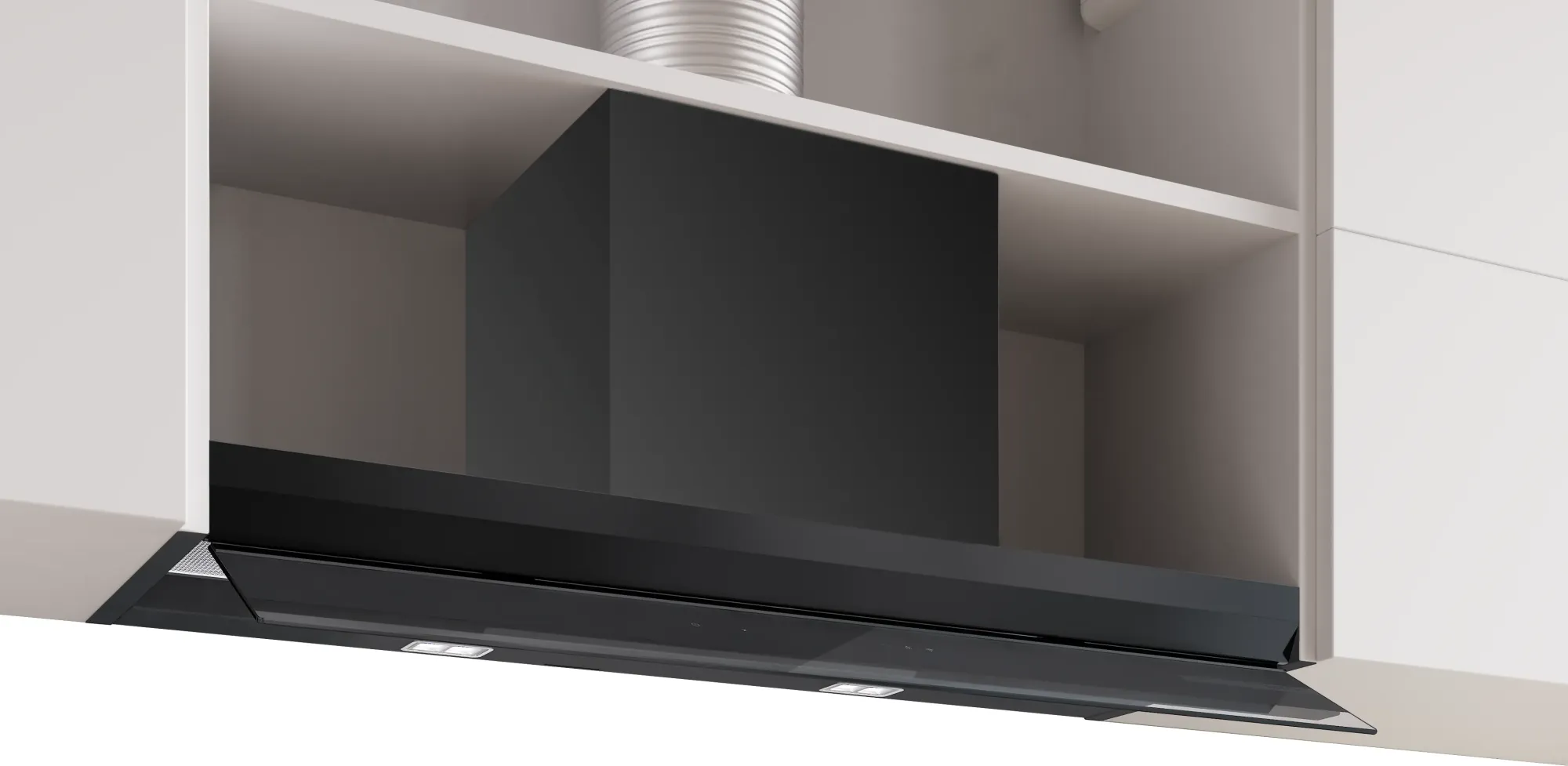
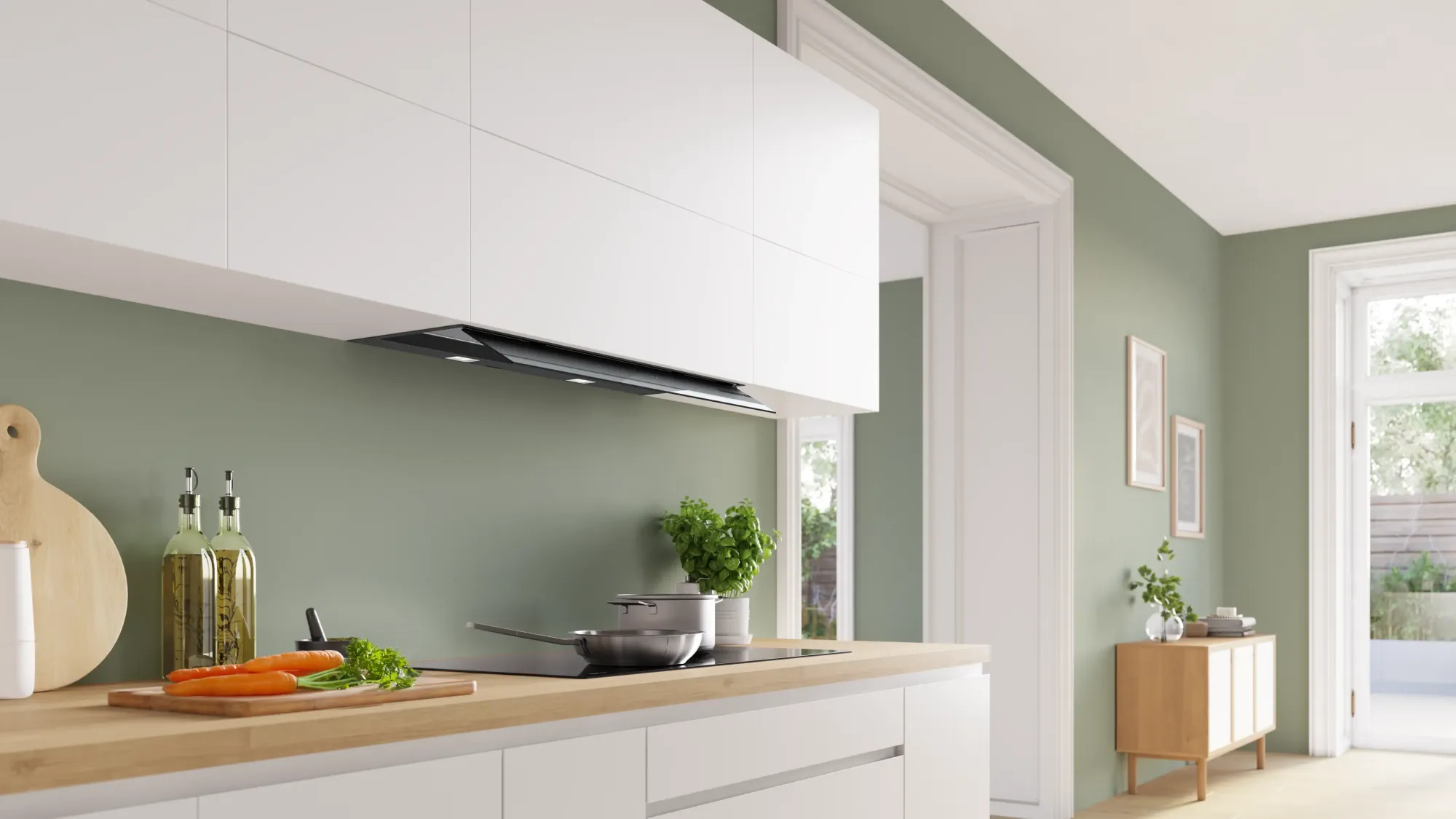
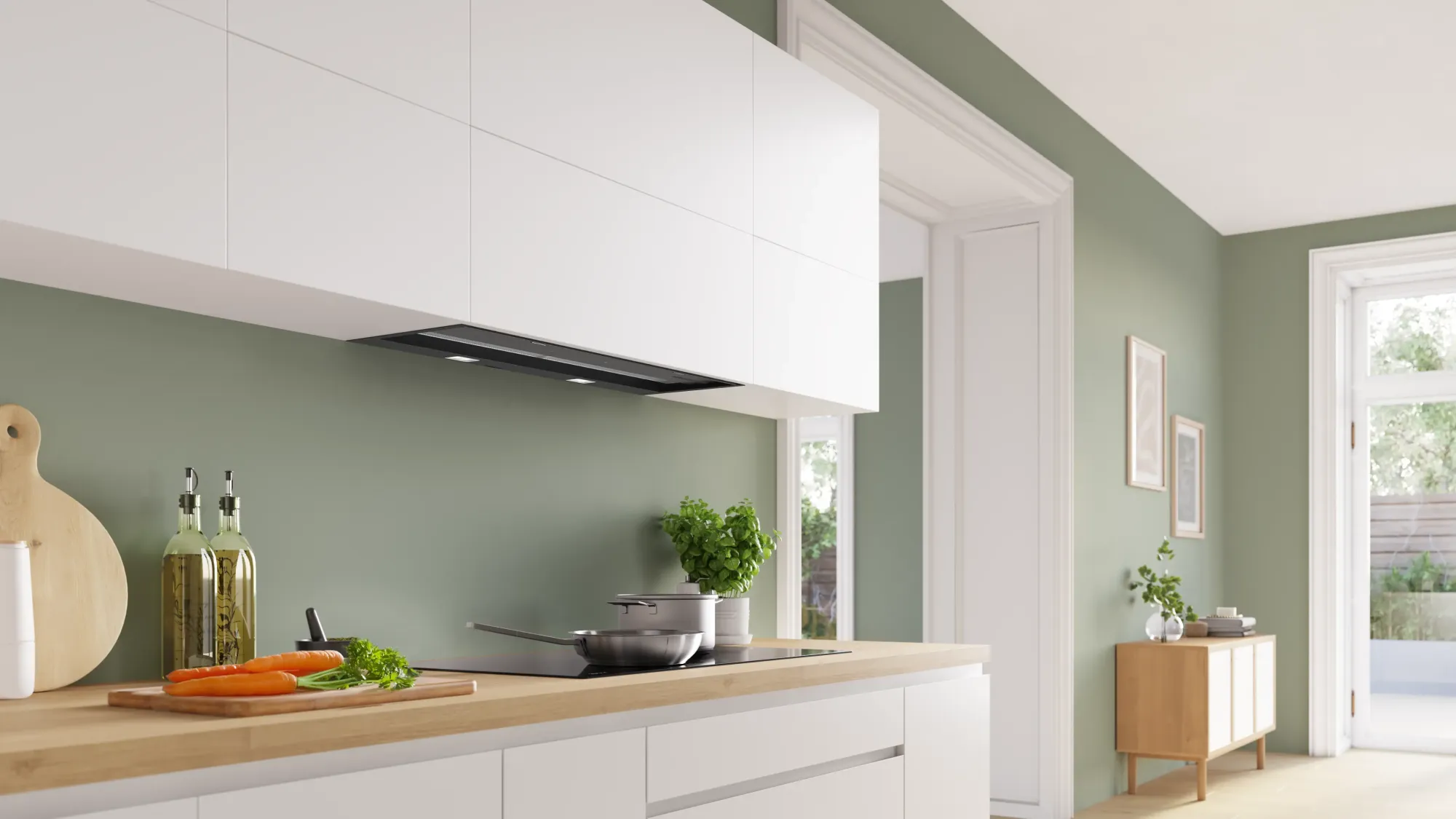
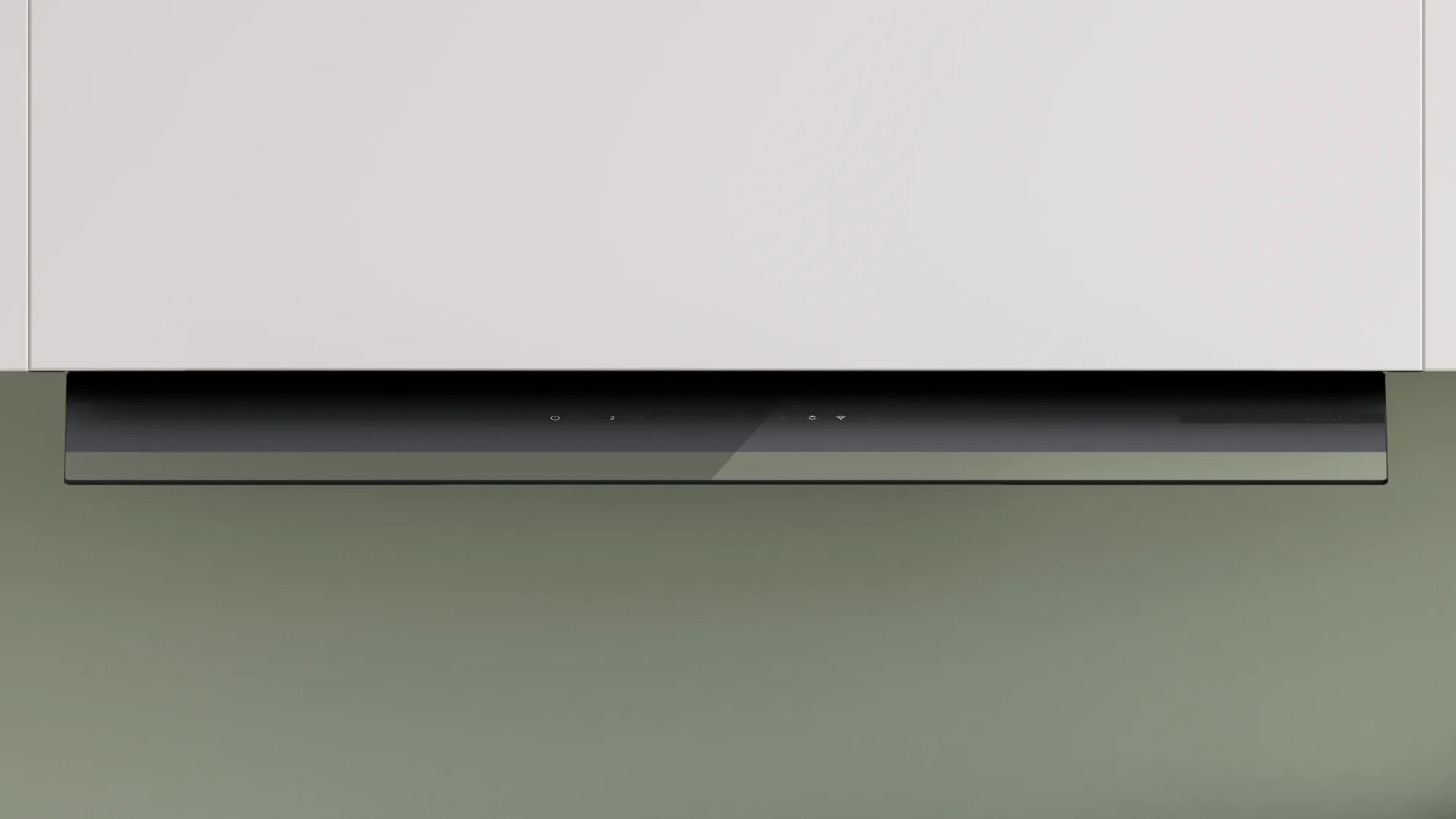
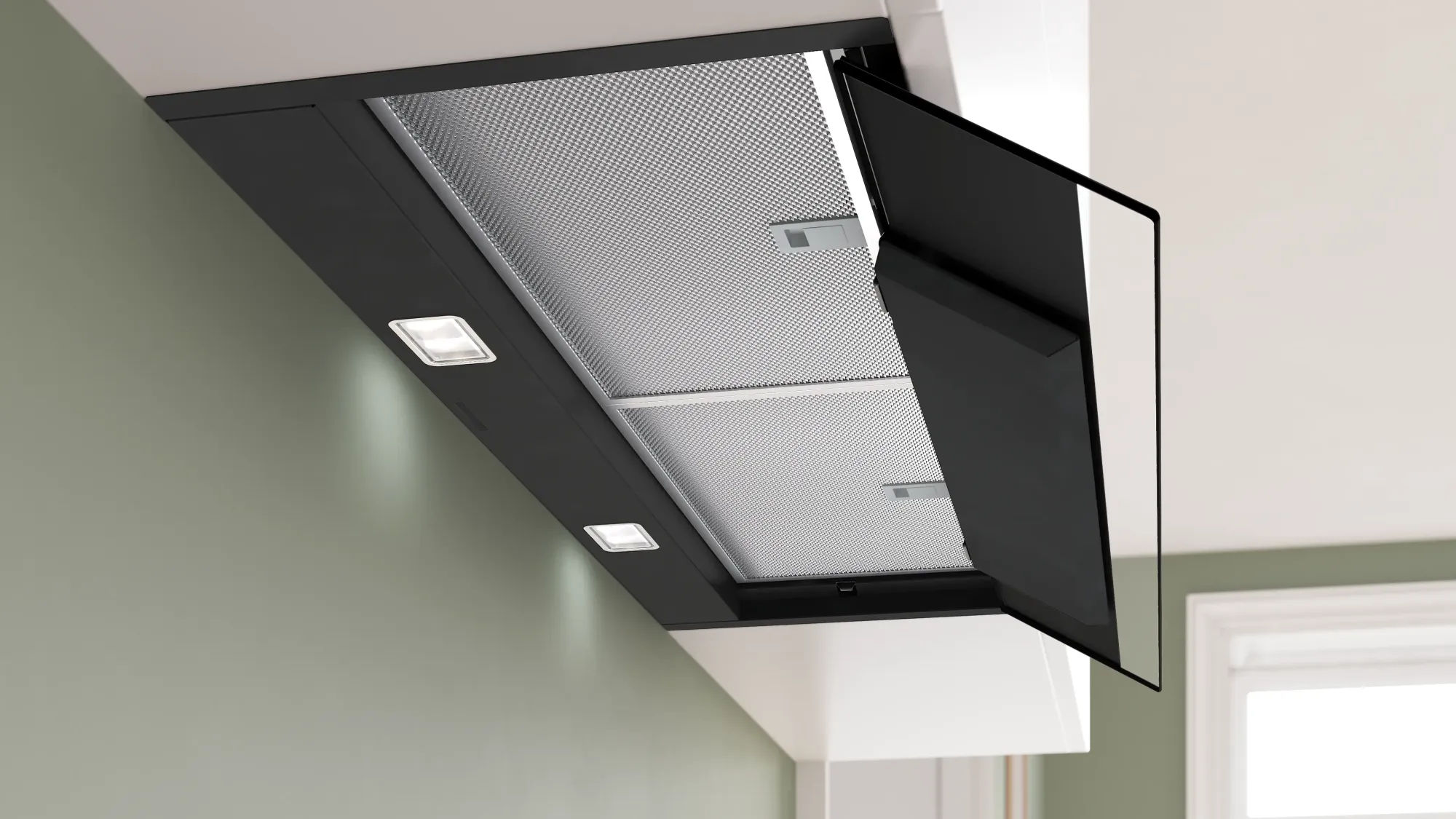
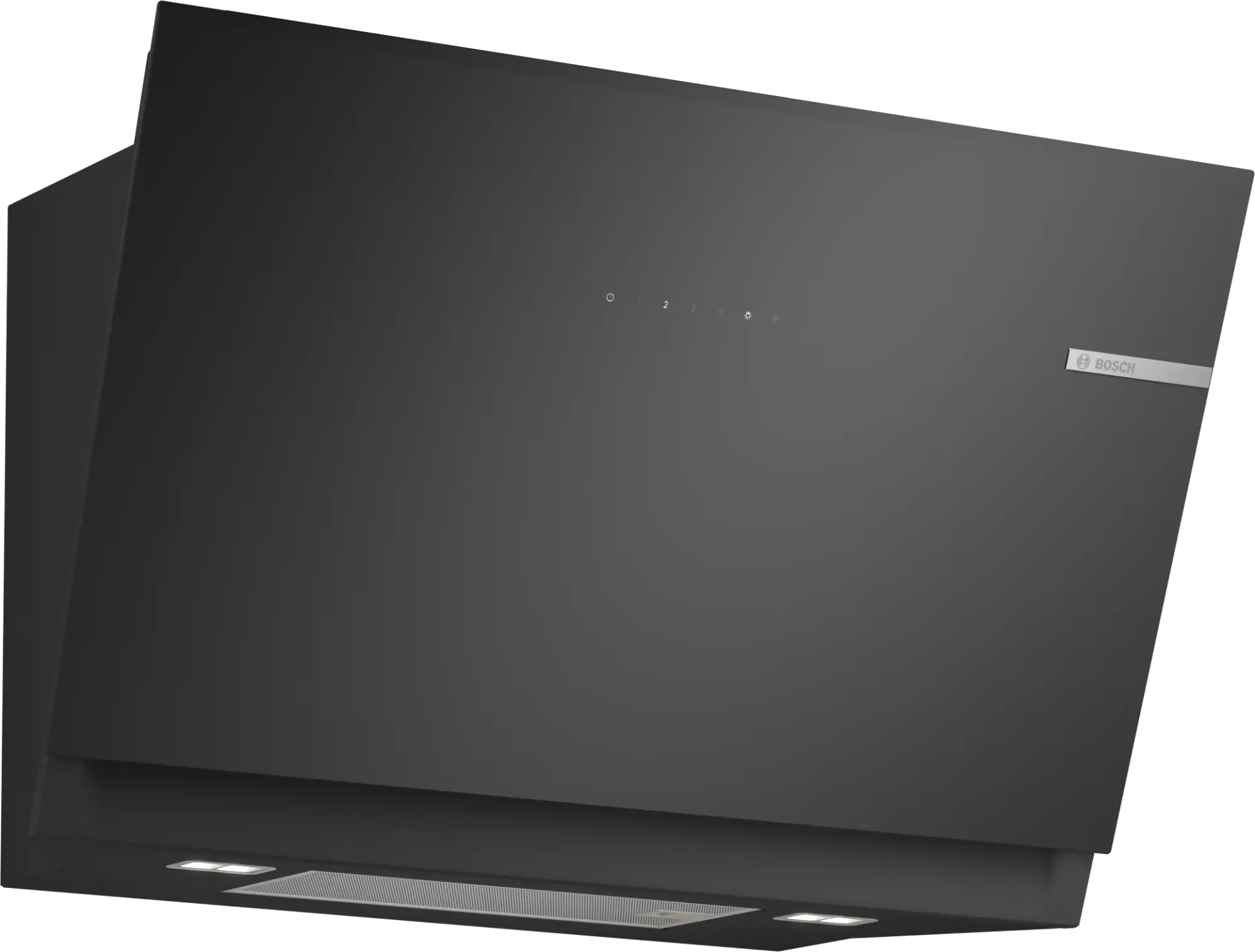
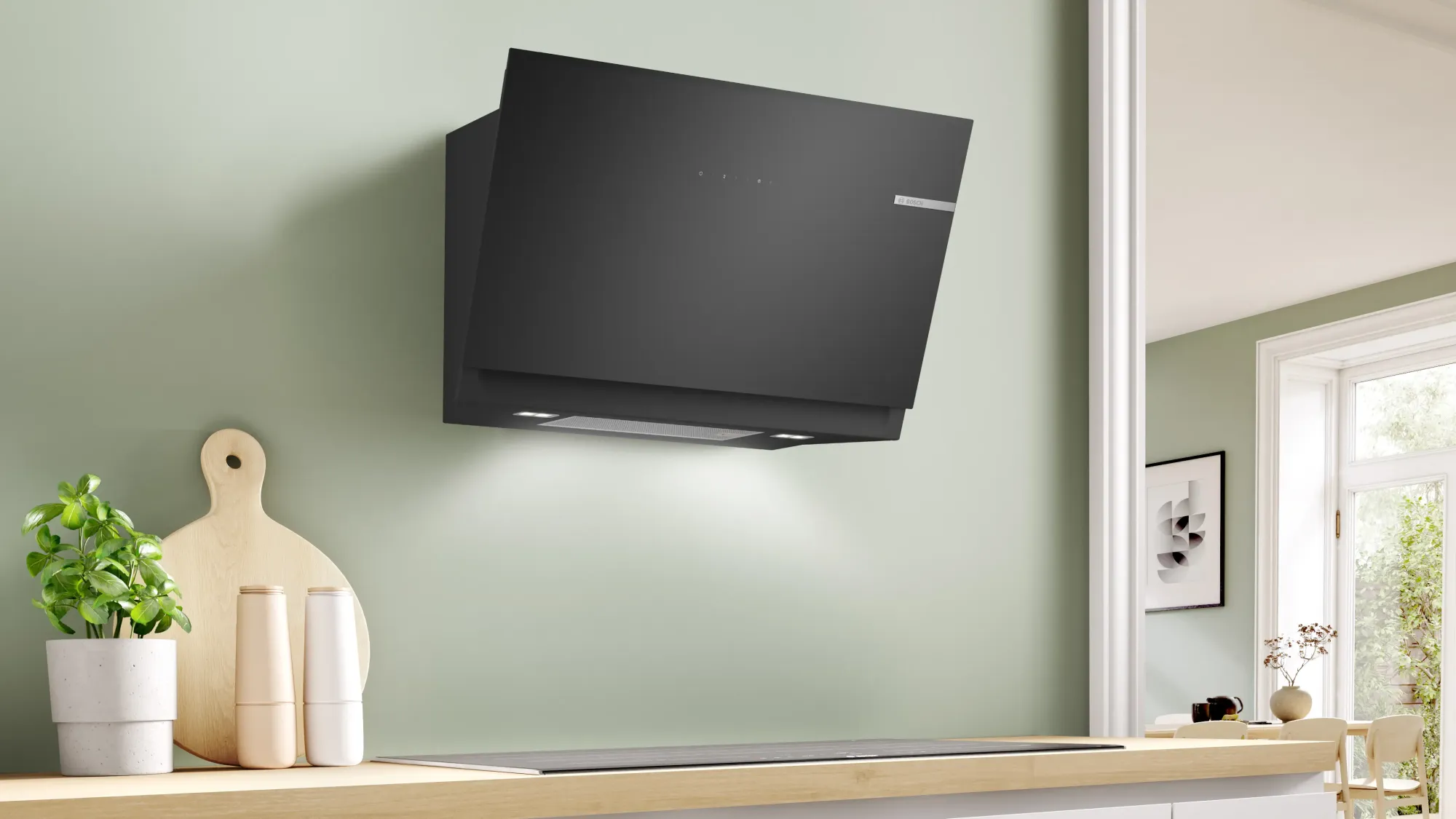
Cooker hoods Bosch
Serie 6 Angled hood 80 cm Black with glass finish, Black DWJ81AN60
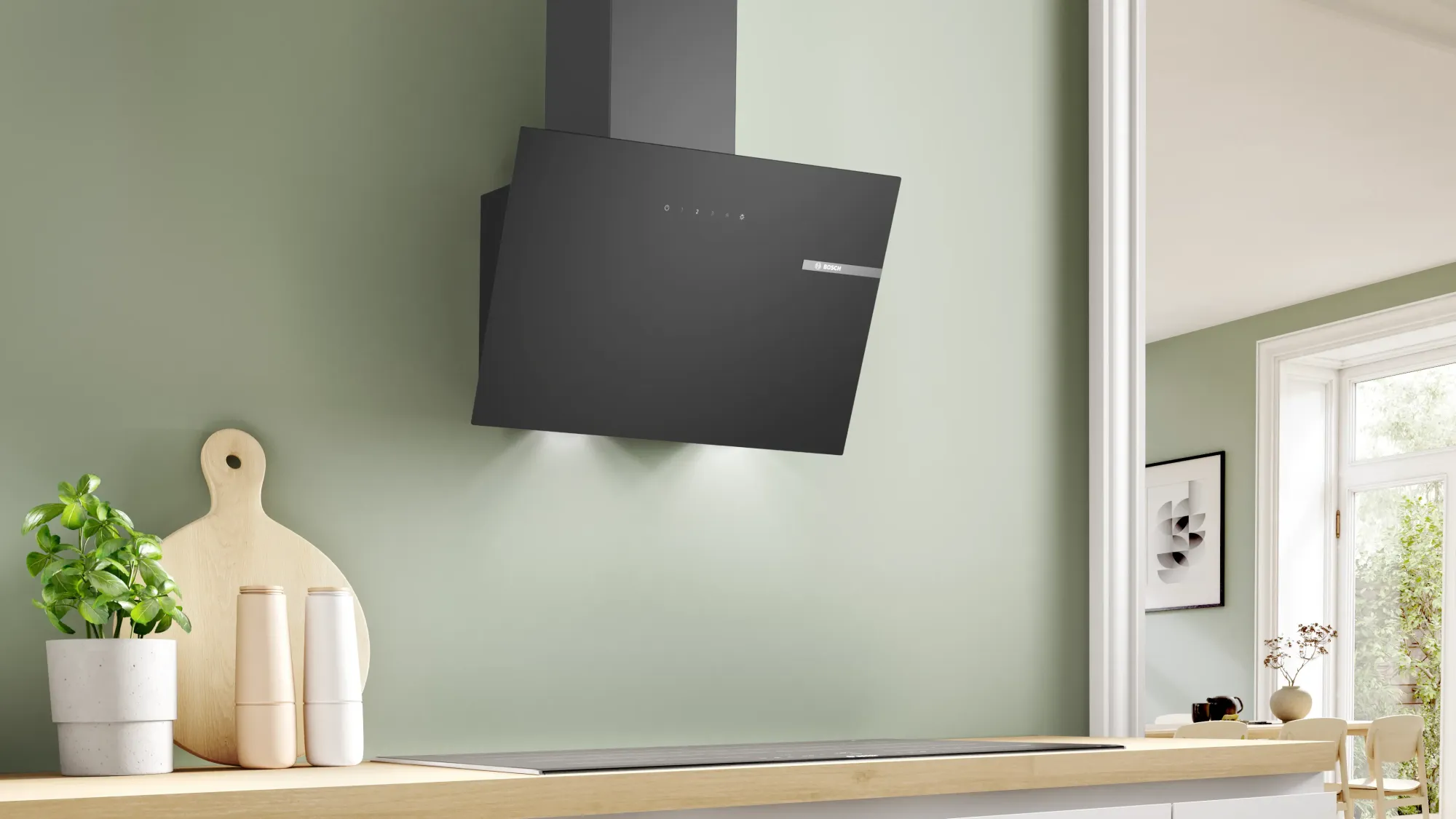
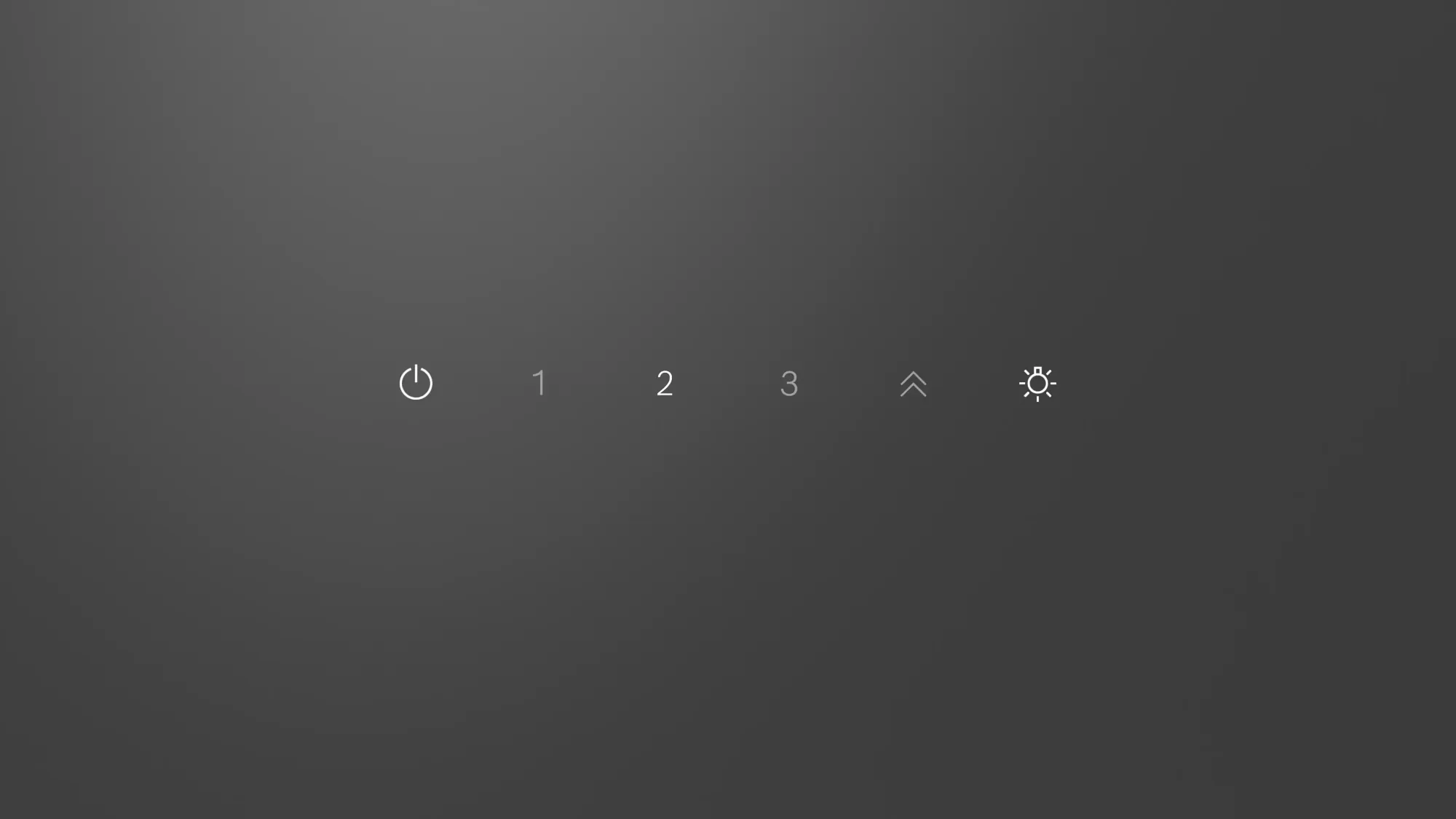
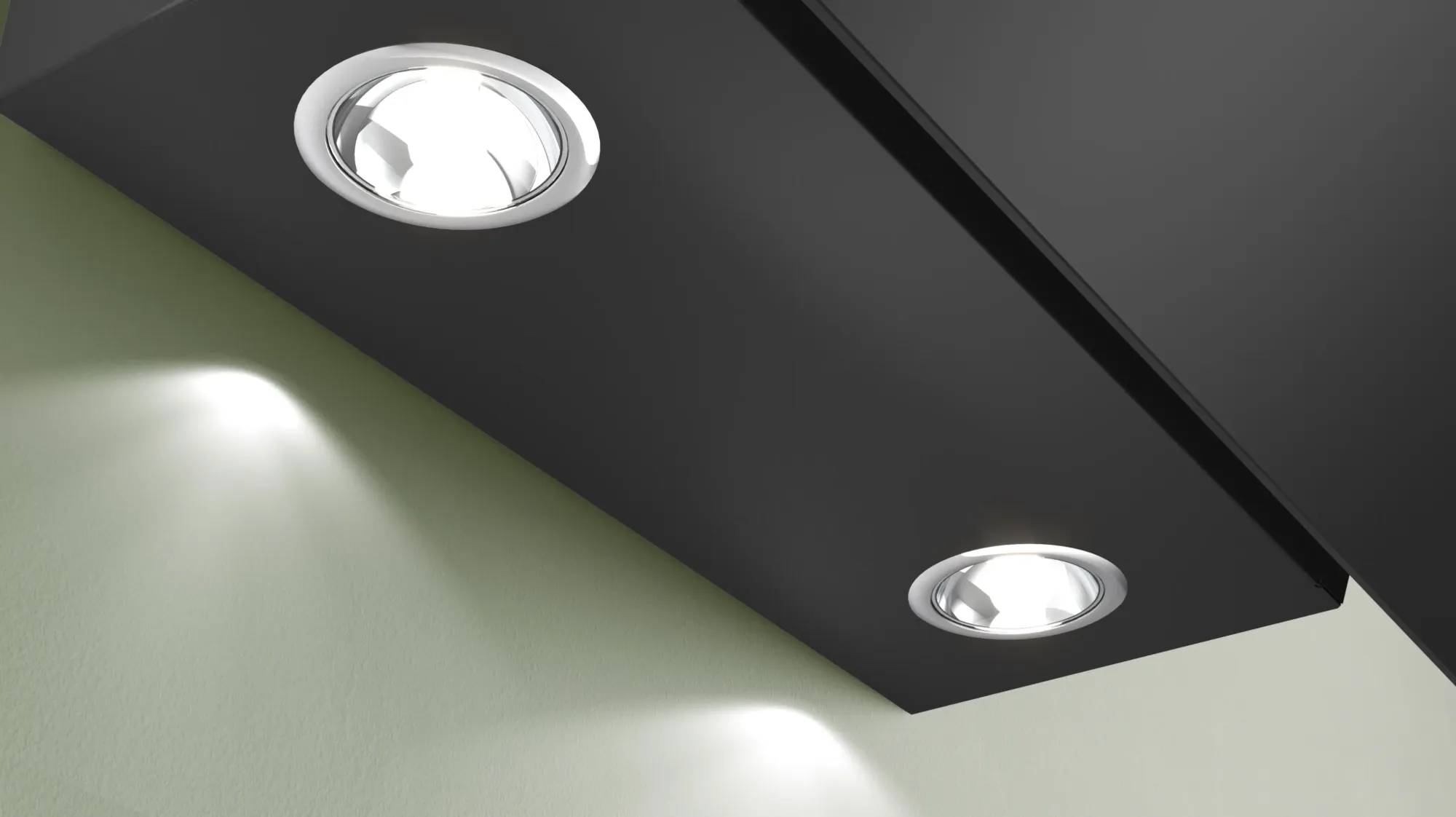
Cooker hoods Bosch
Serie 2 Wall-mounted hood 60 cm Black with glass finish, Black DWK65DK60
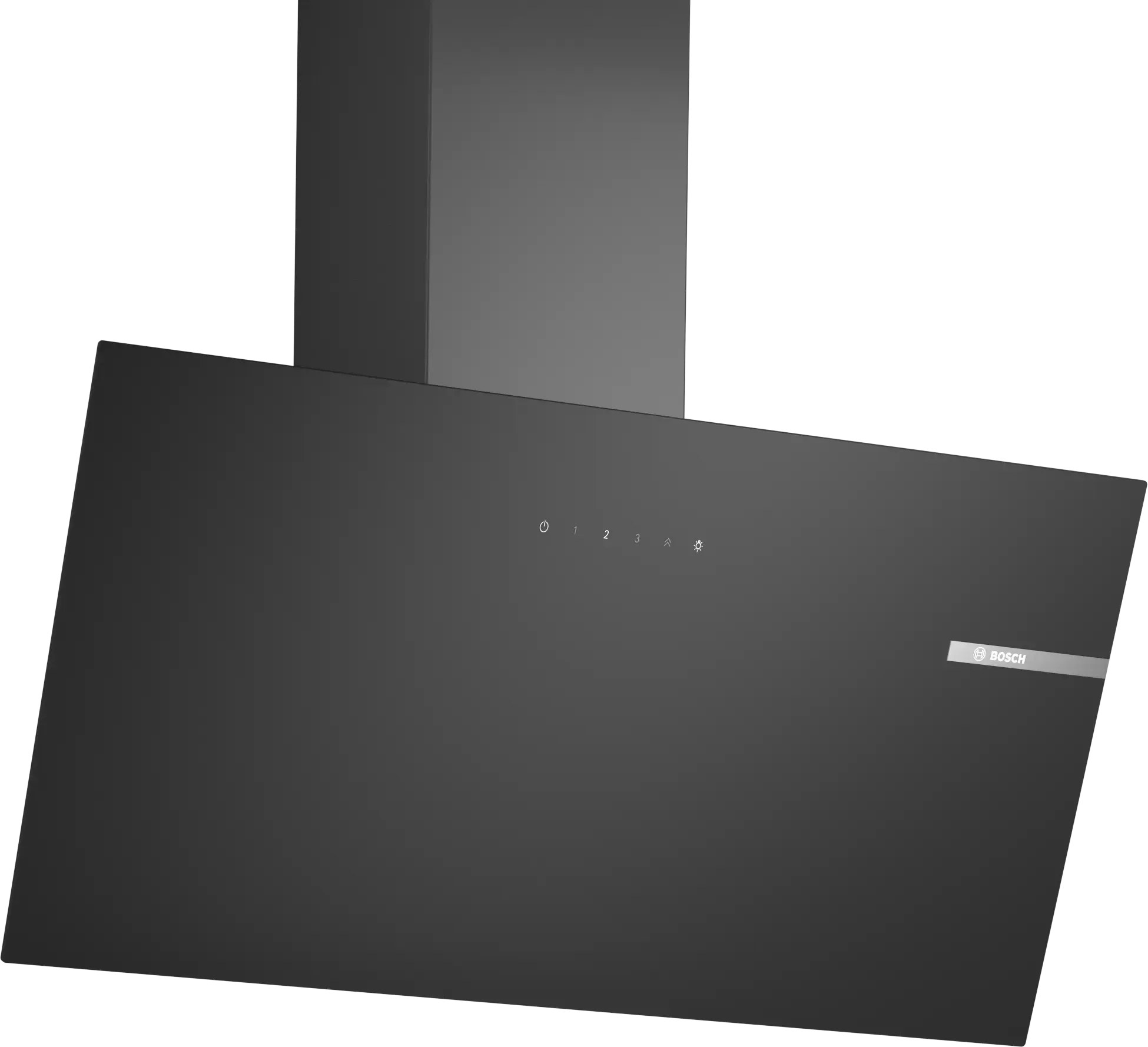
Cooker hoods Bosch
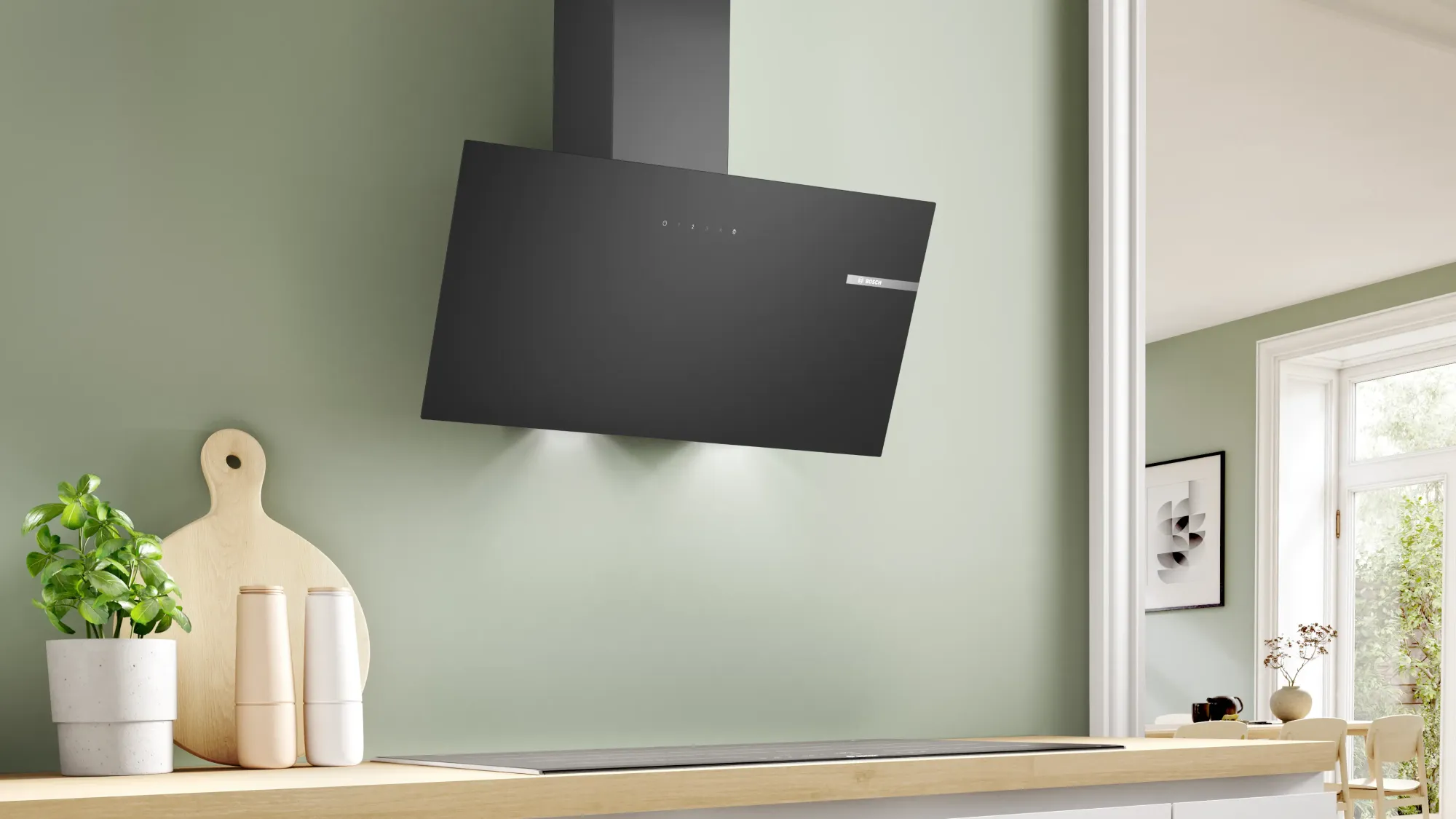
Serie 2 Wall-mounted hood 80 cm Black with glass finish, Black DWK85DK60
Cooker hoods Bosch
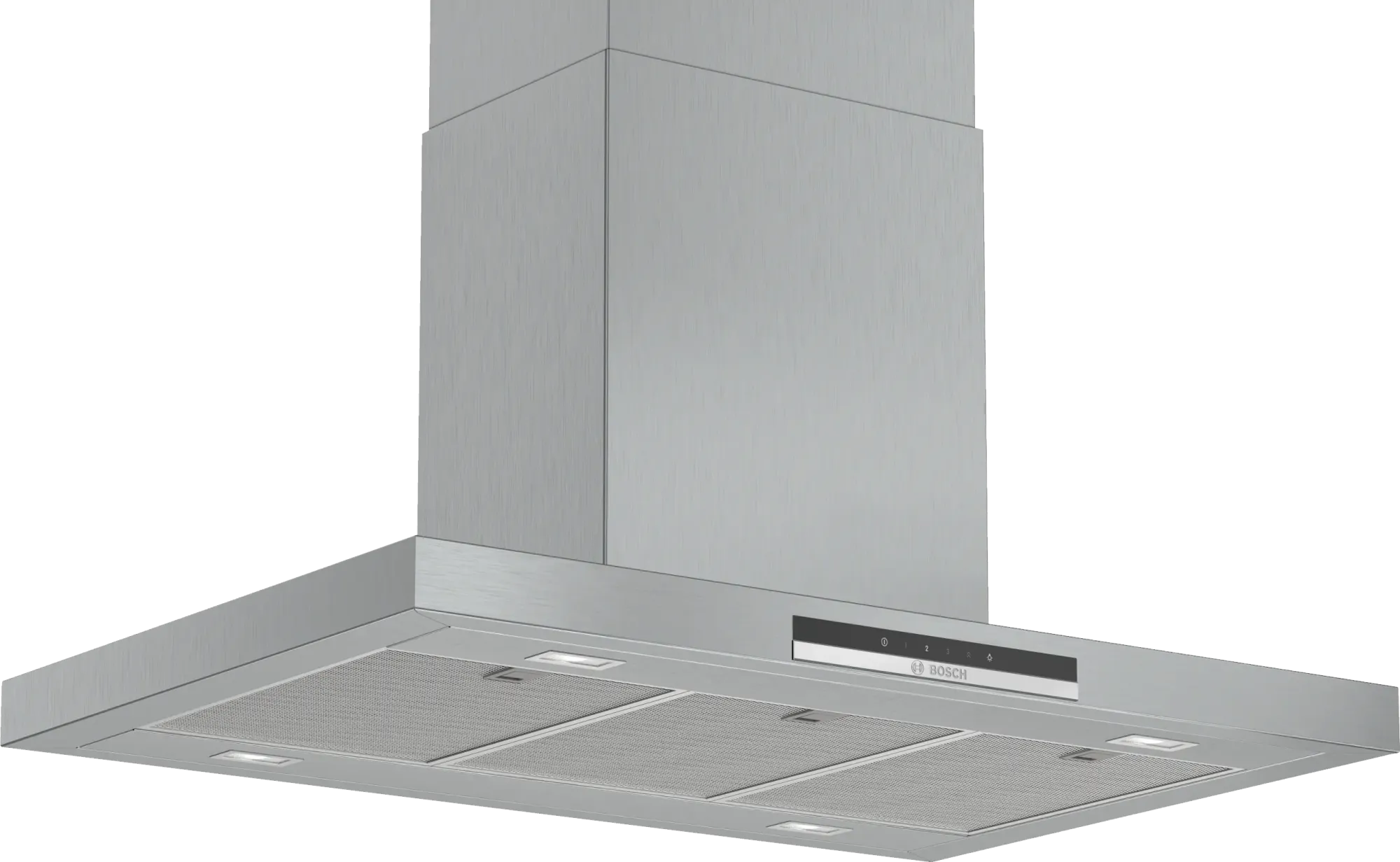
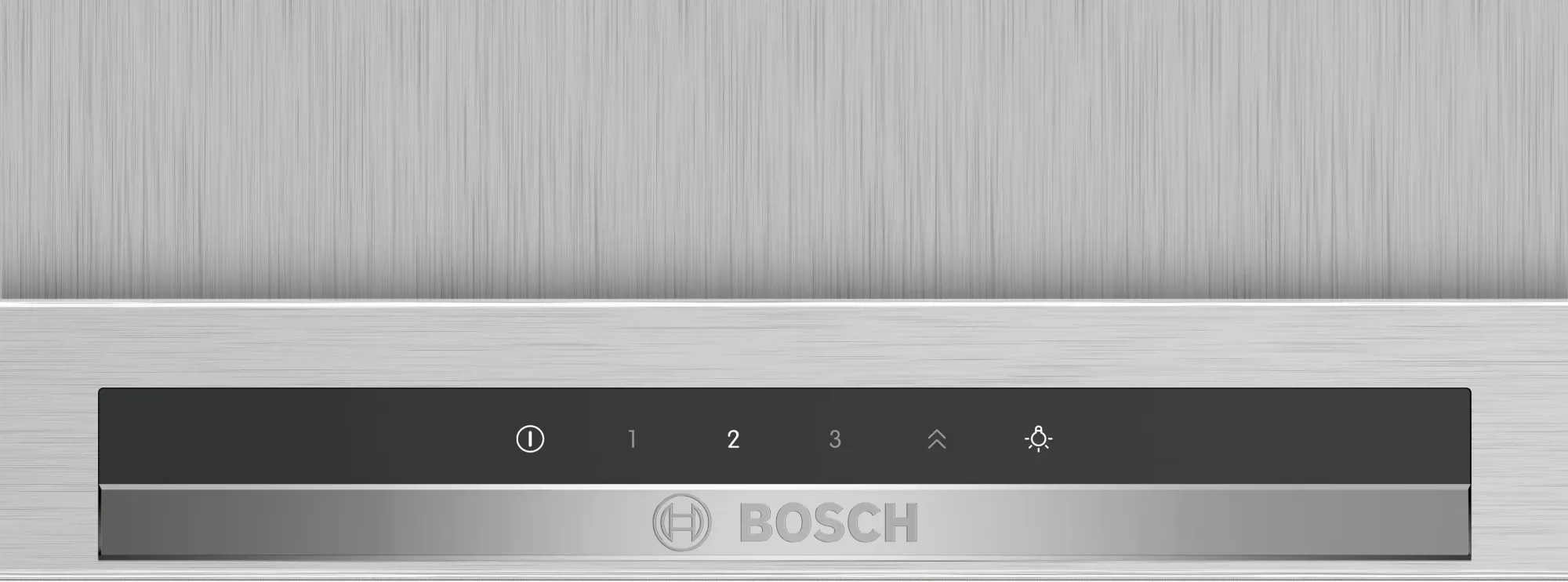
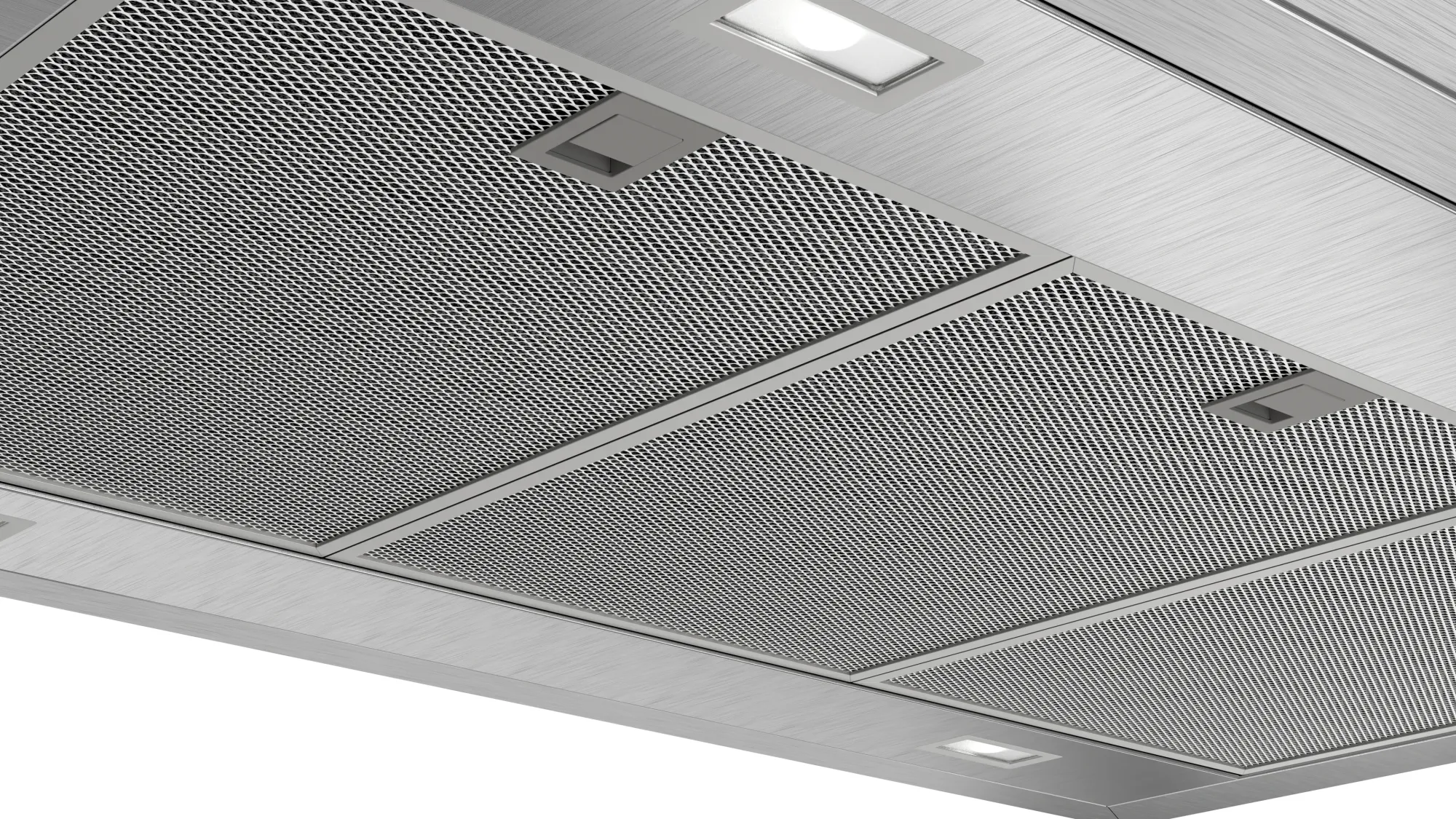
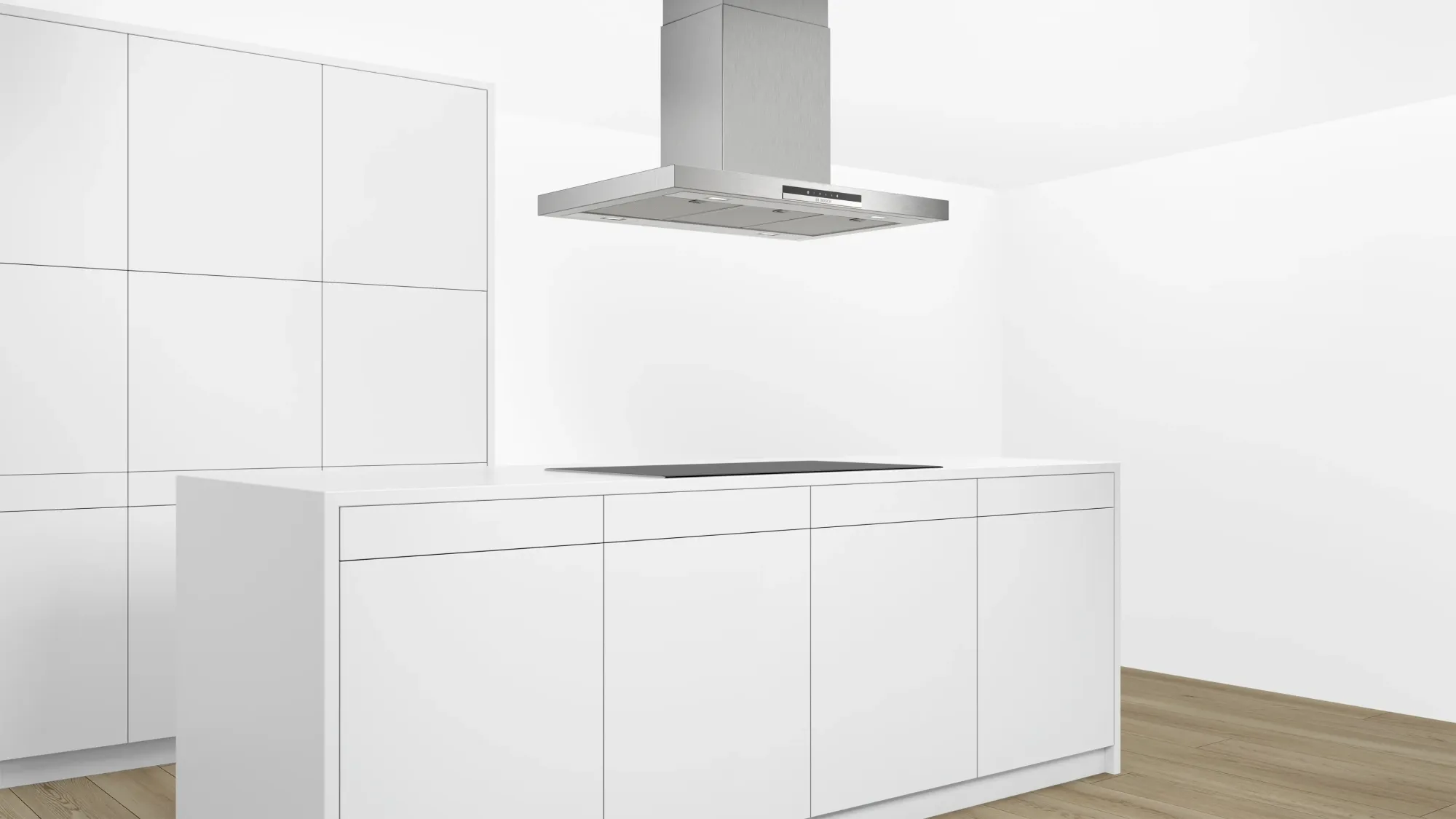
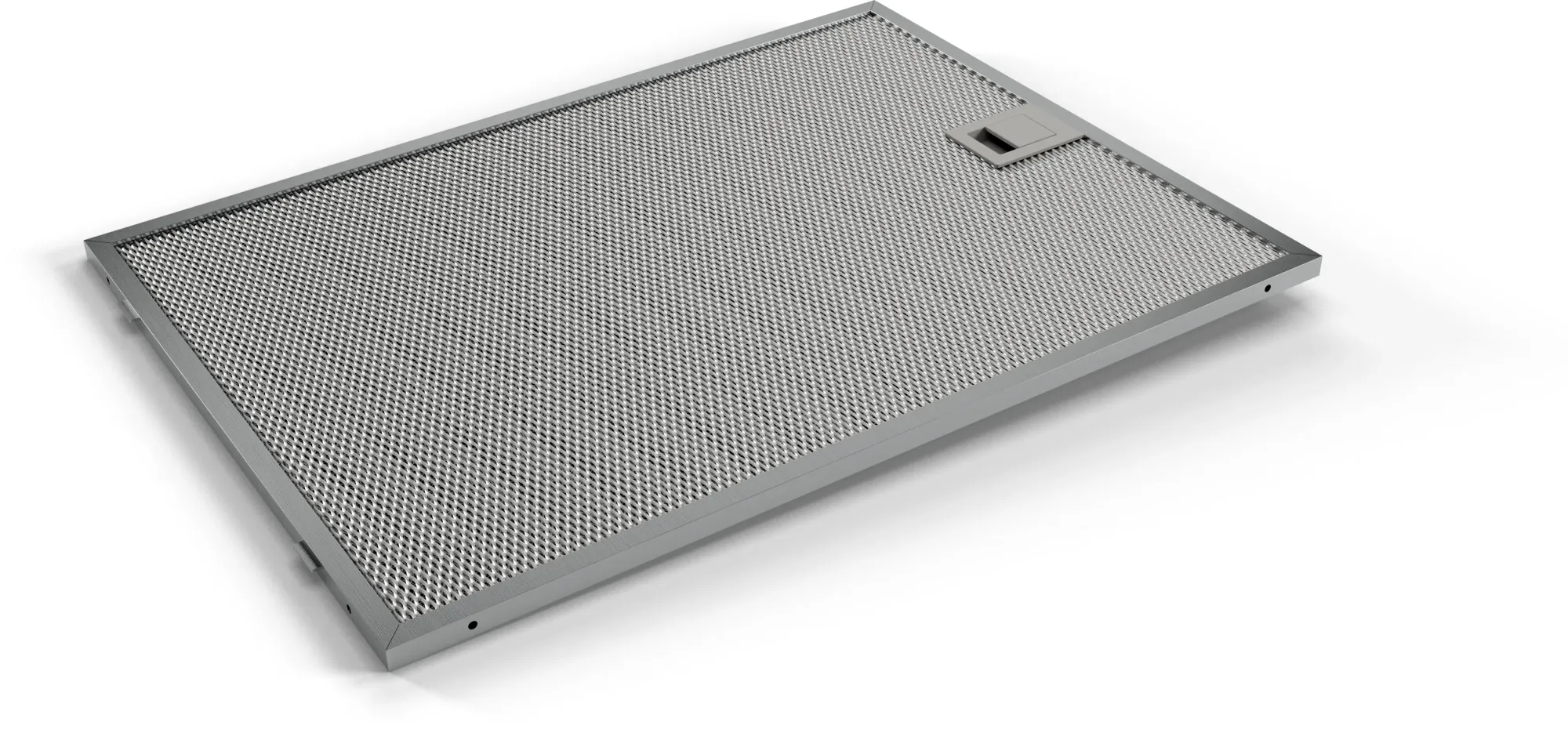
Serie 4 Island hood 90 cm Stainless steel DIB97IM50
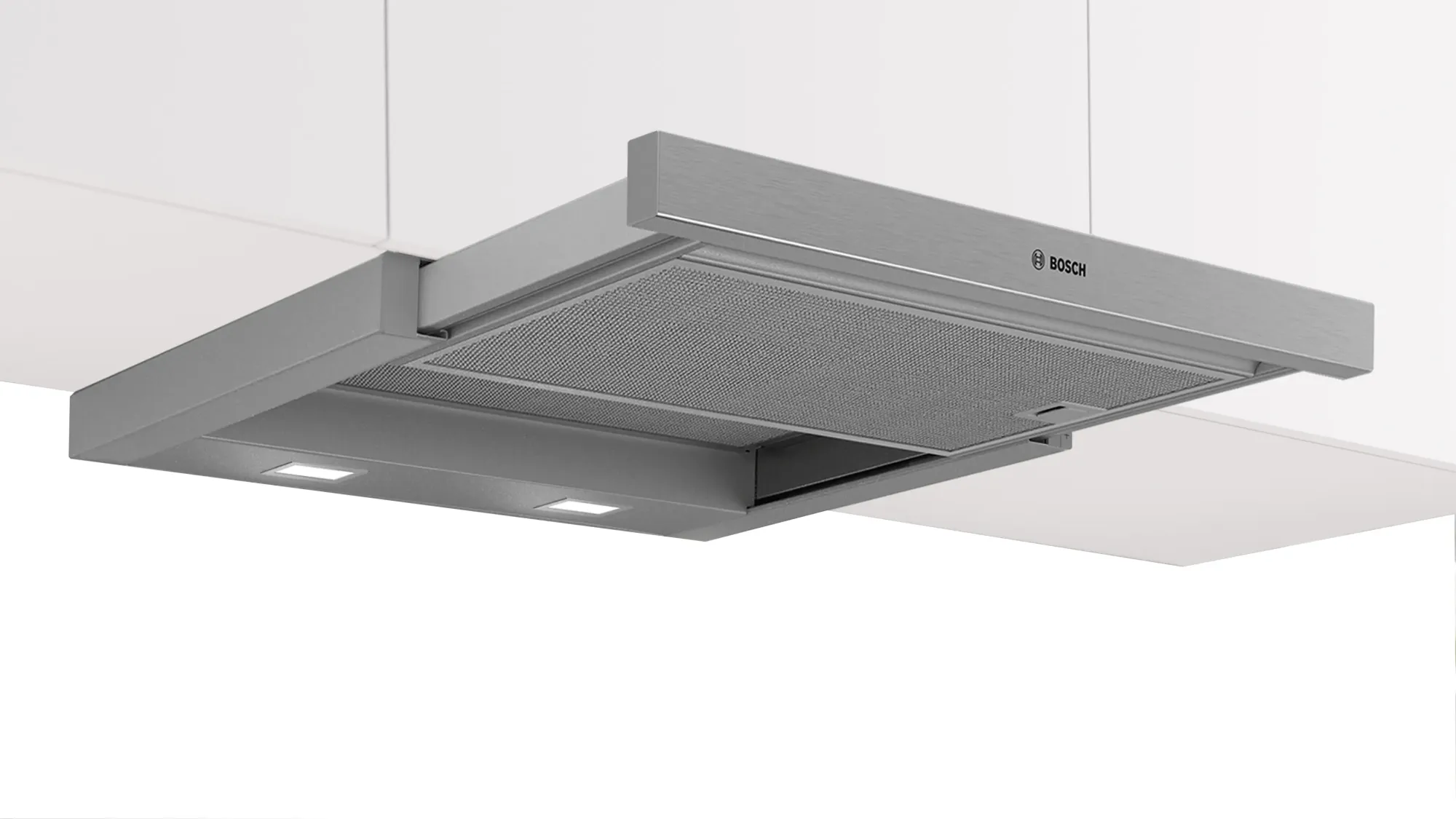
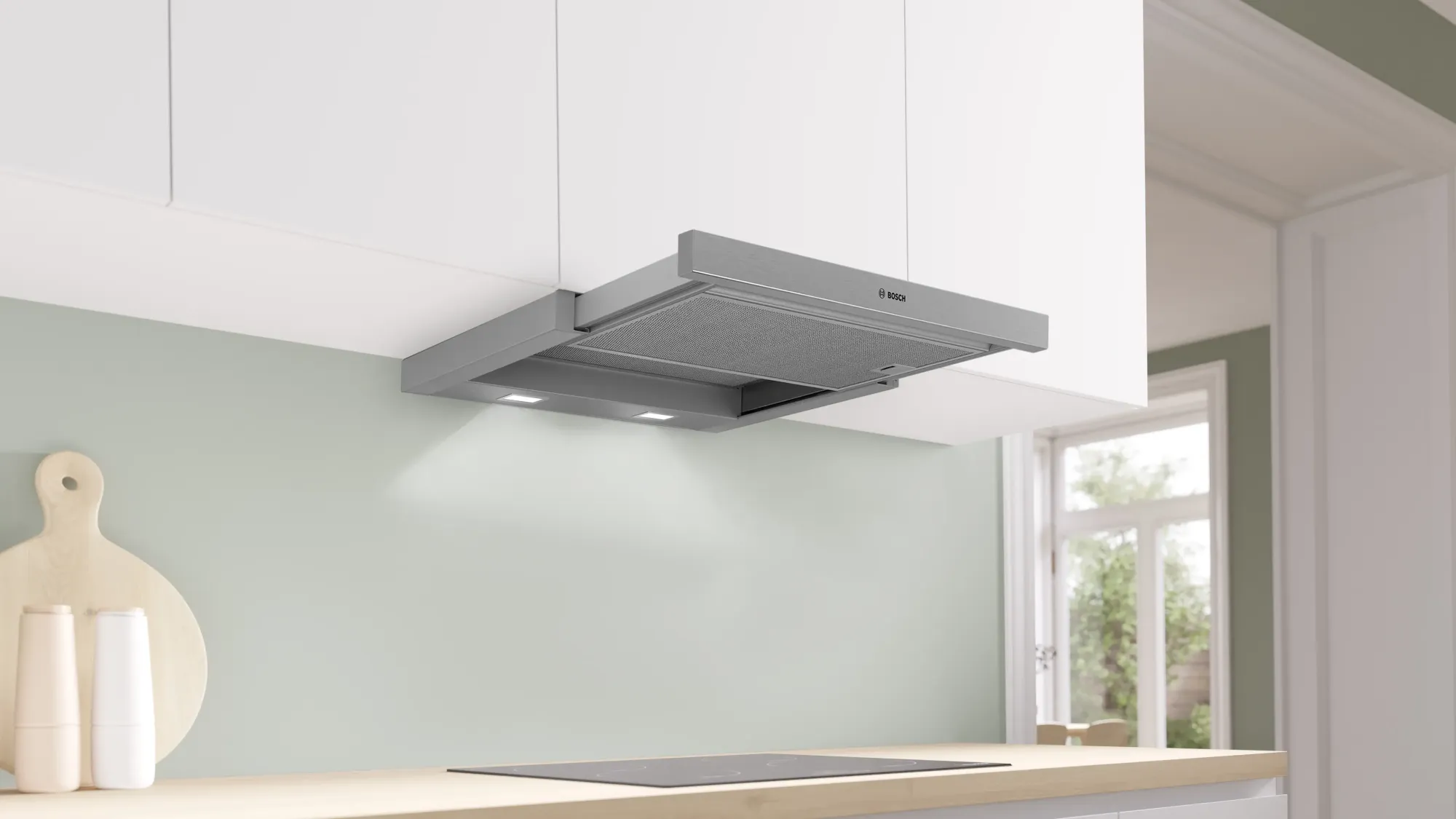
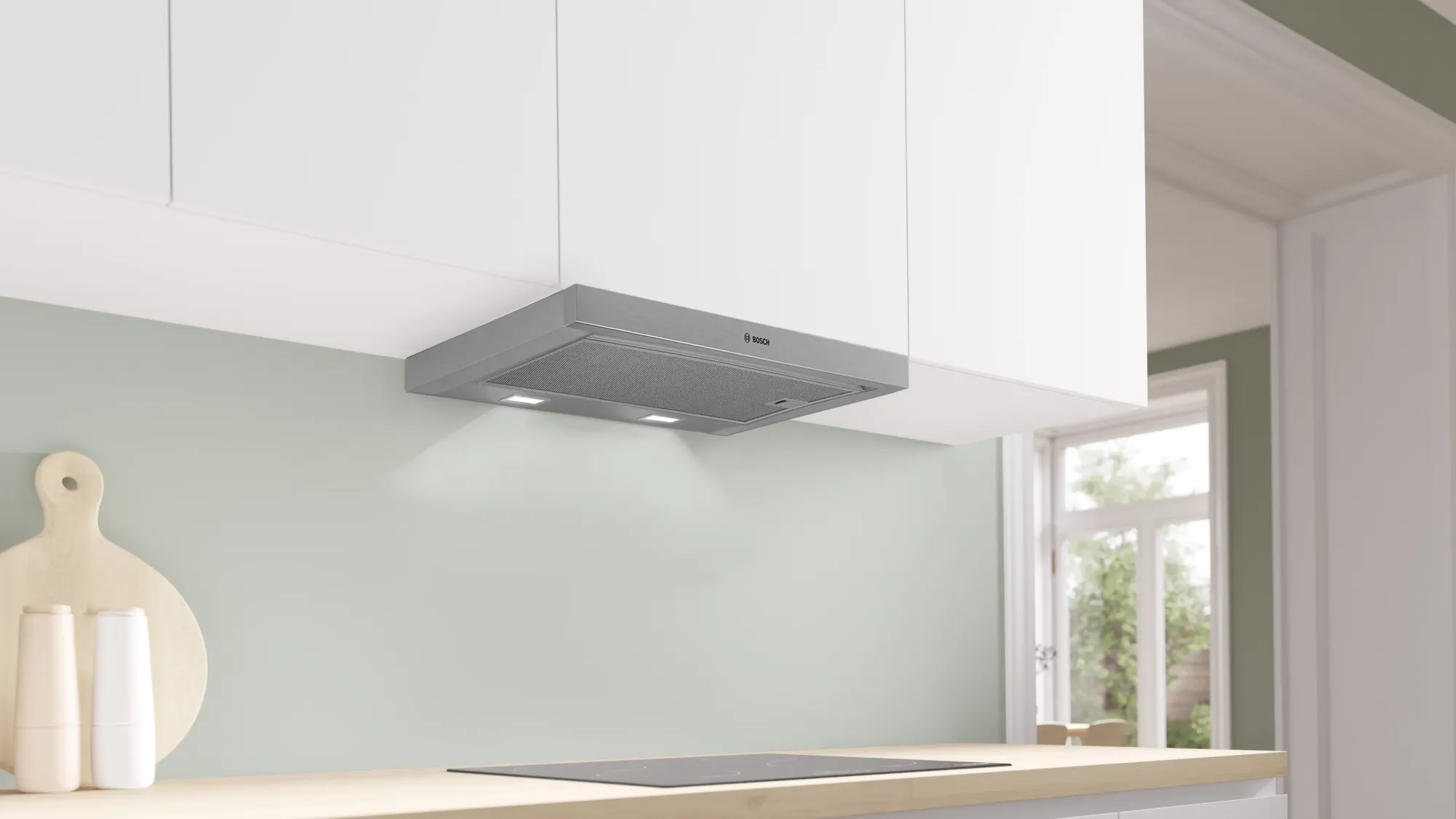
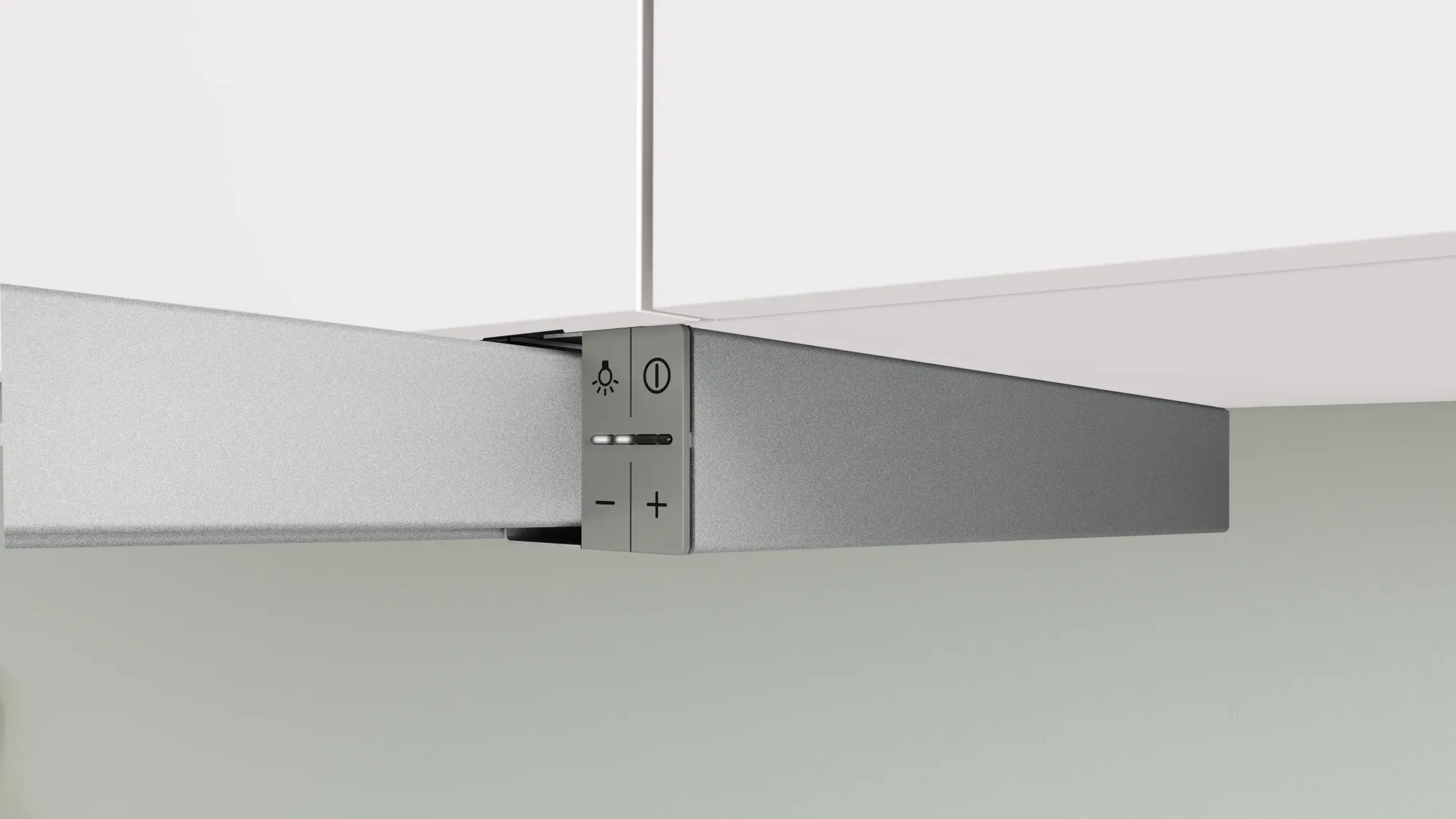
Cooker hoods Bosch