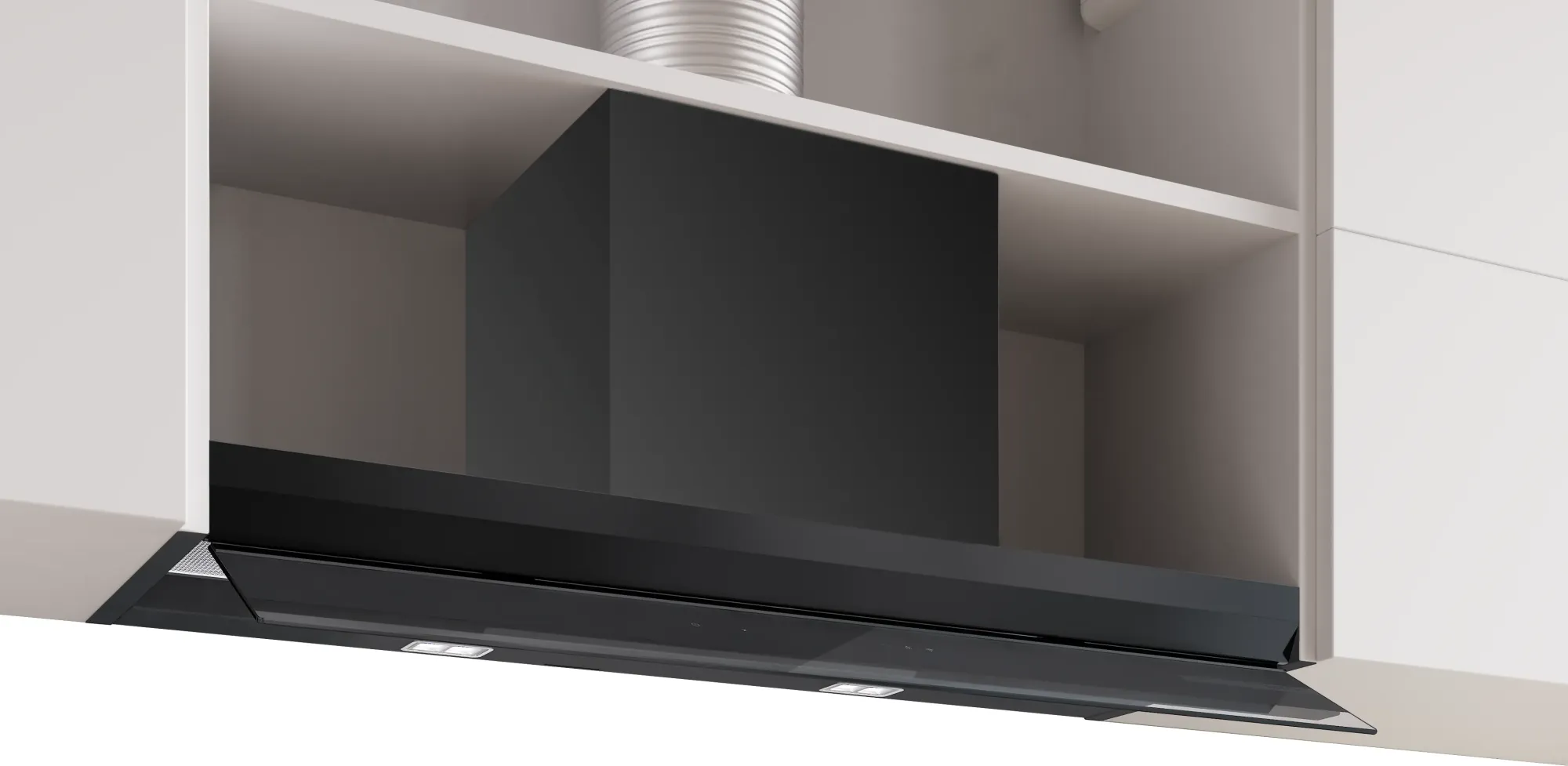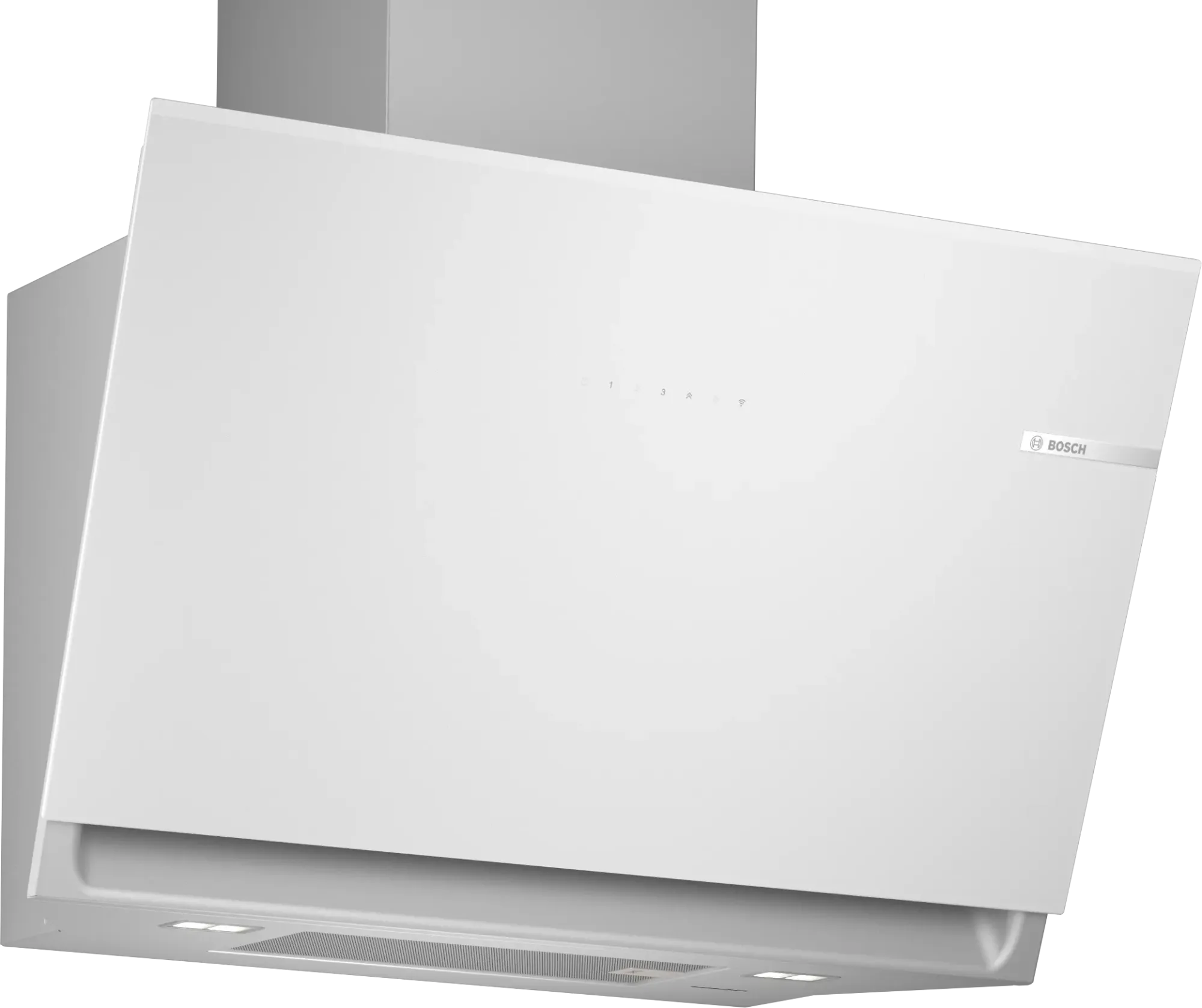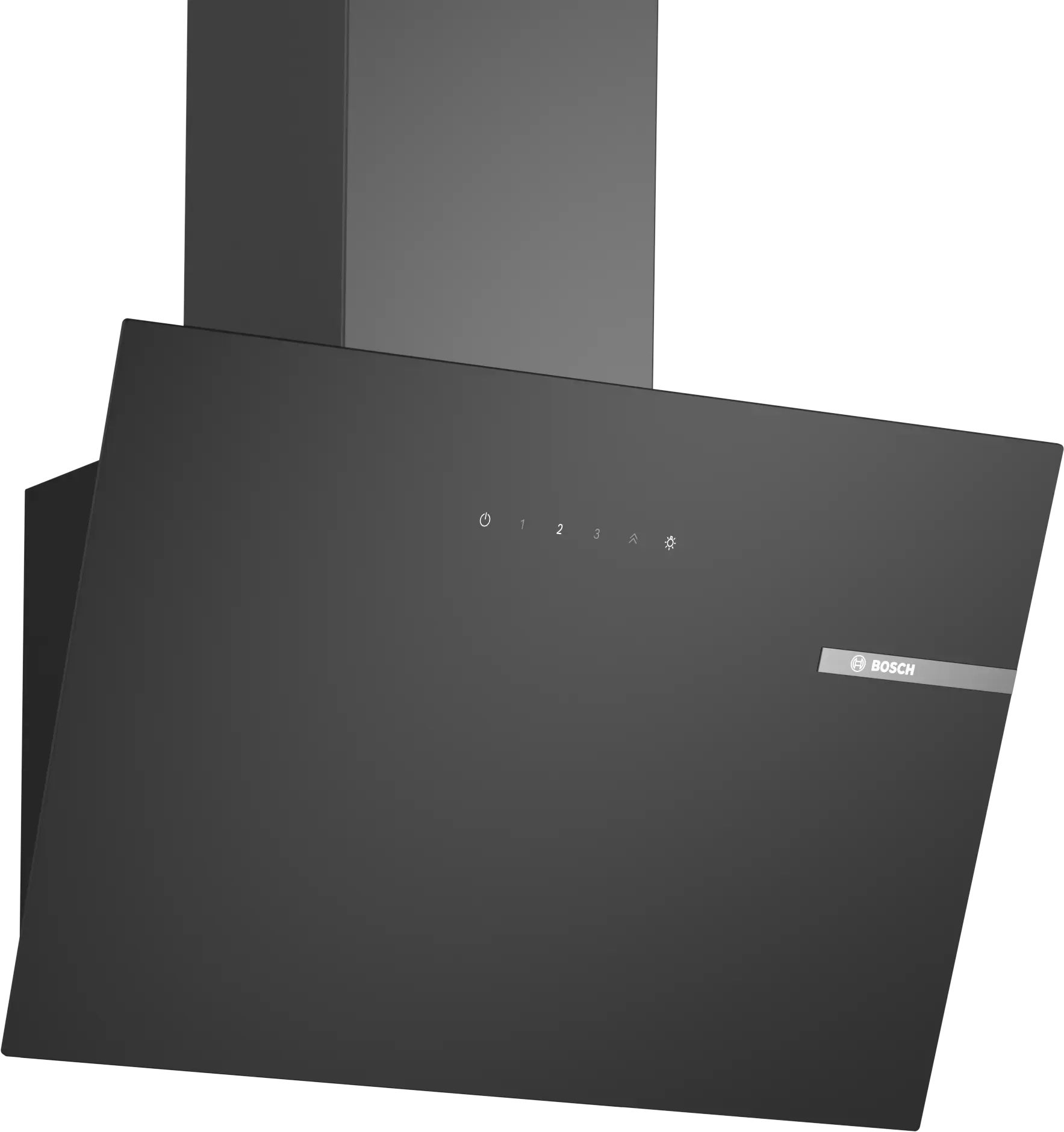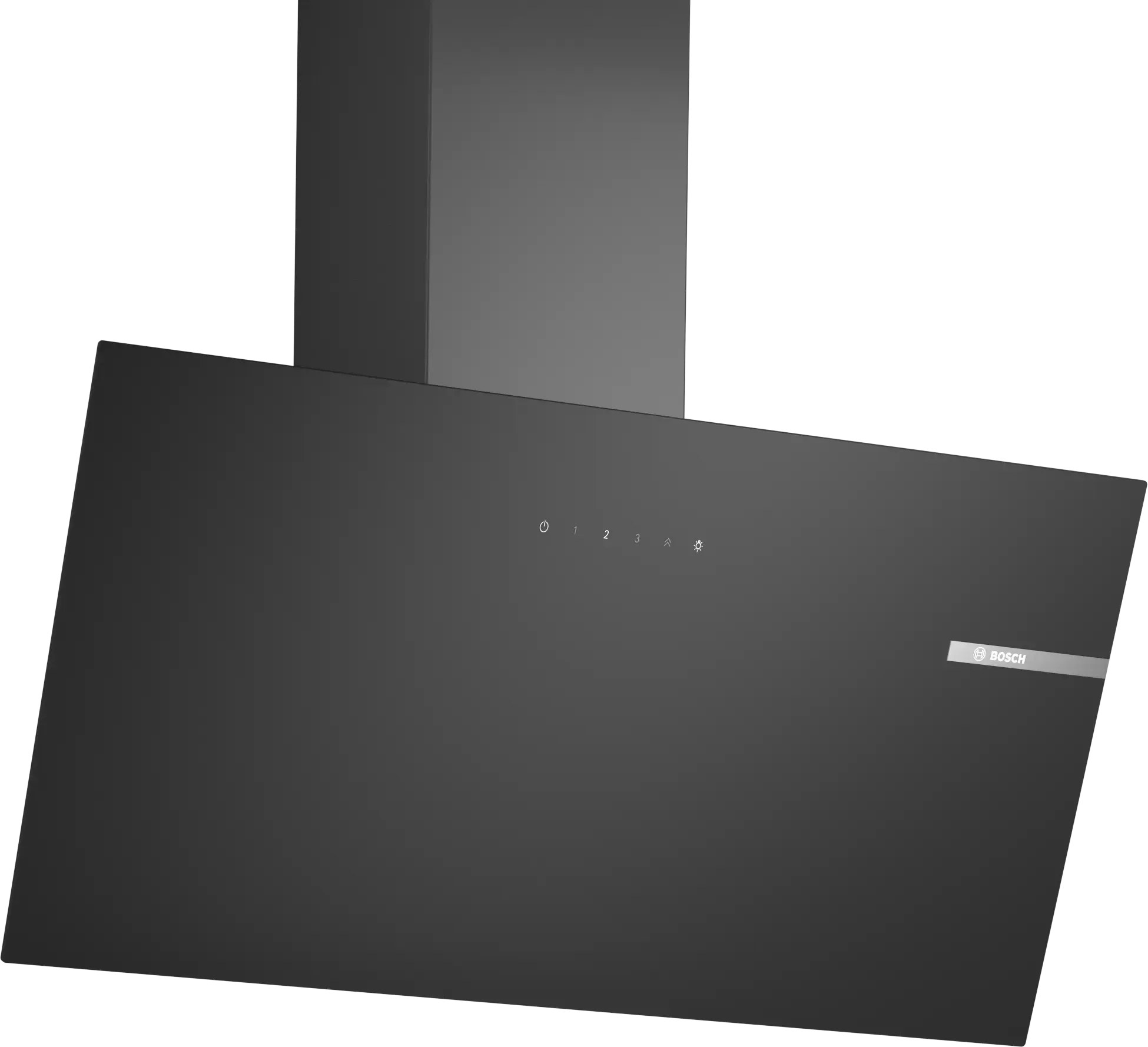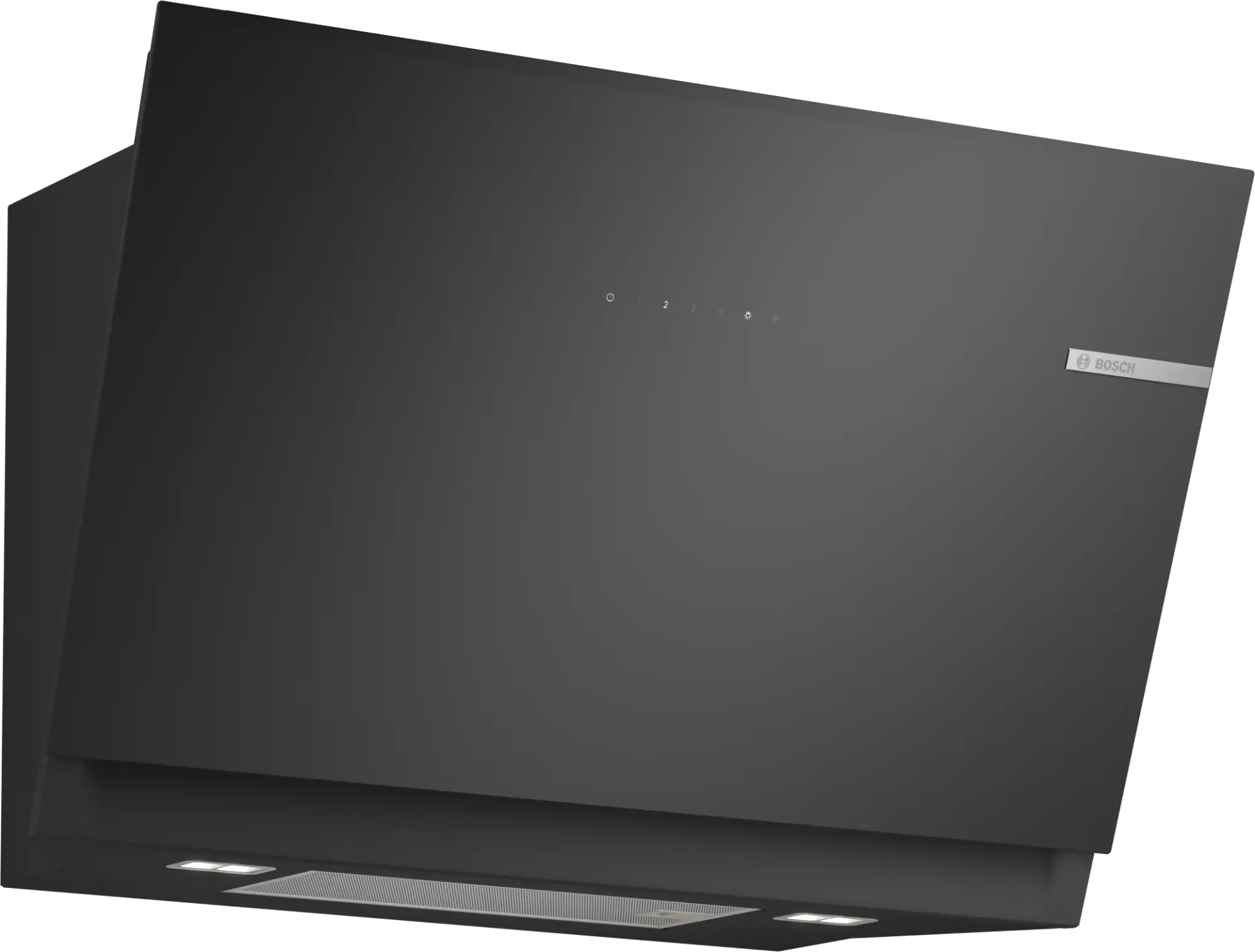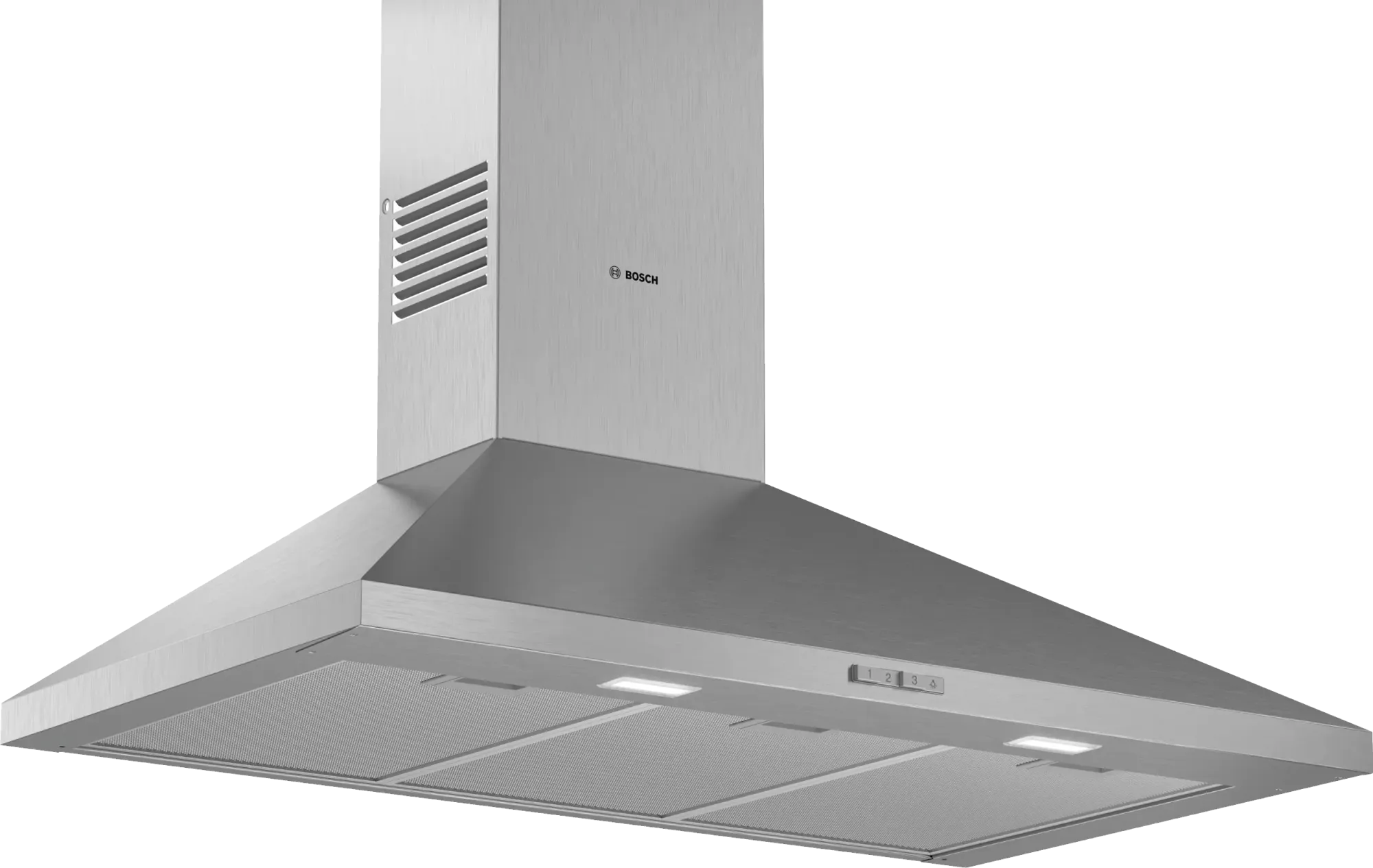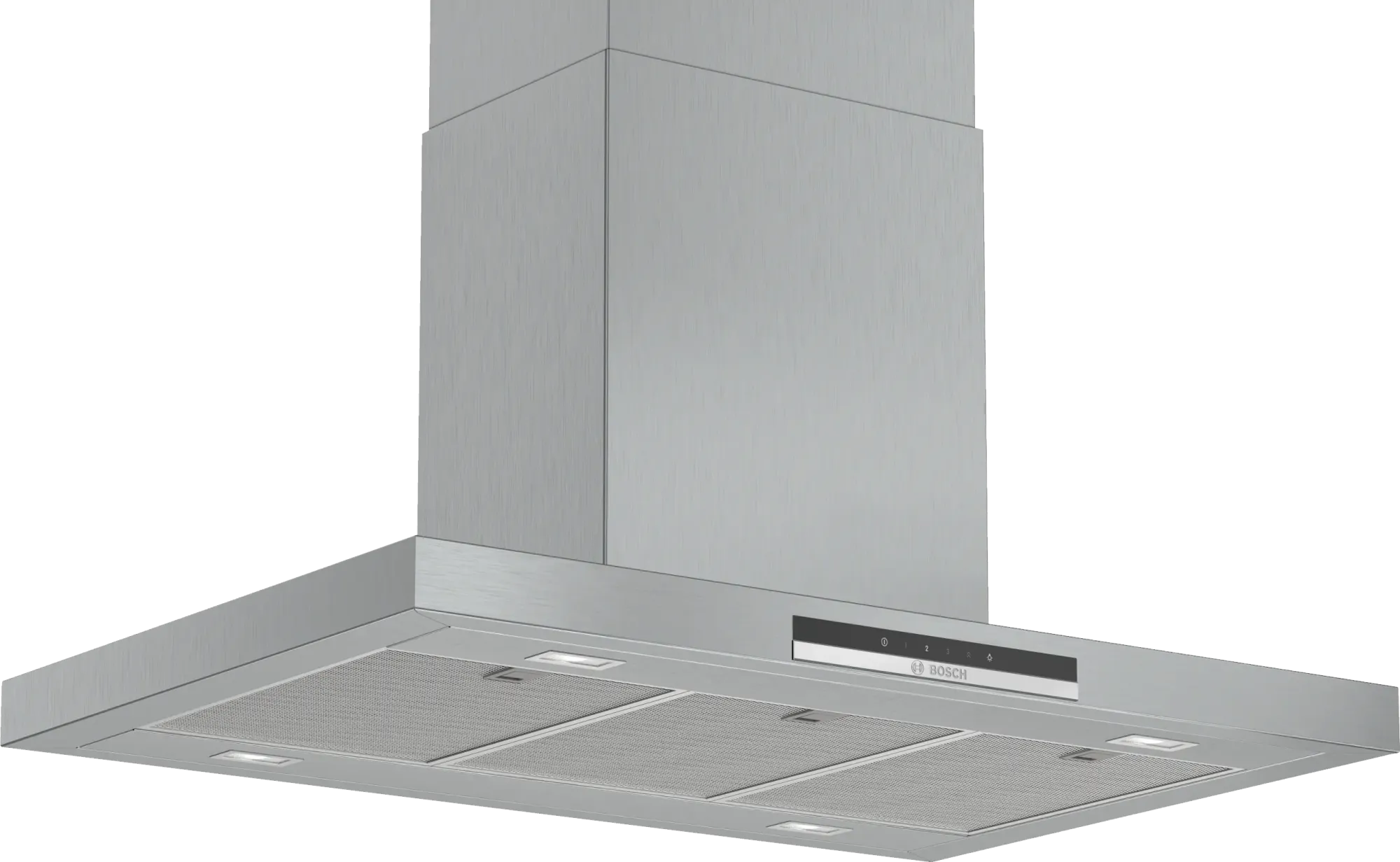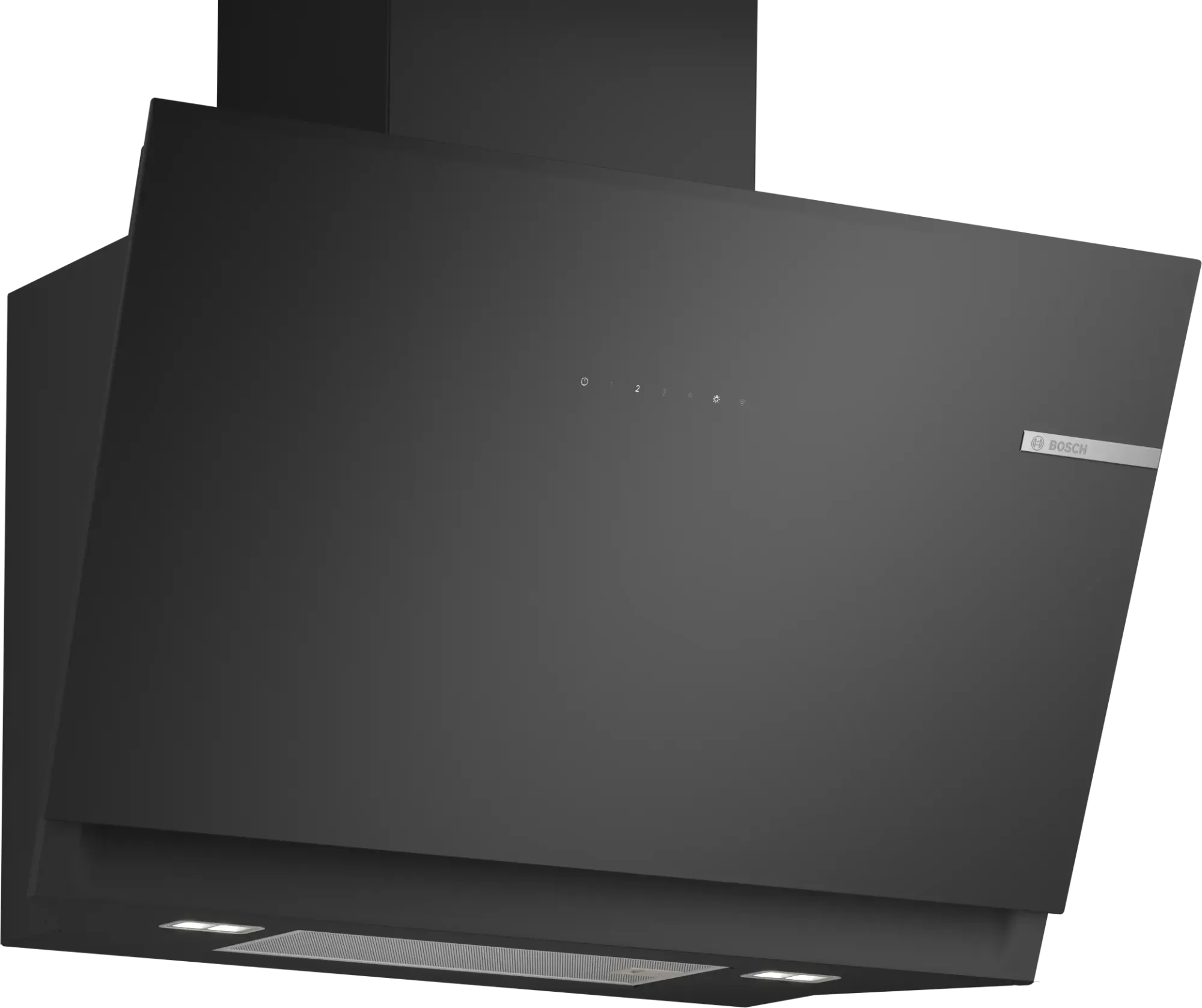
Cooker hoods Bosch
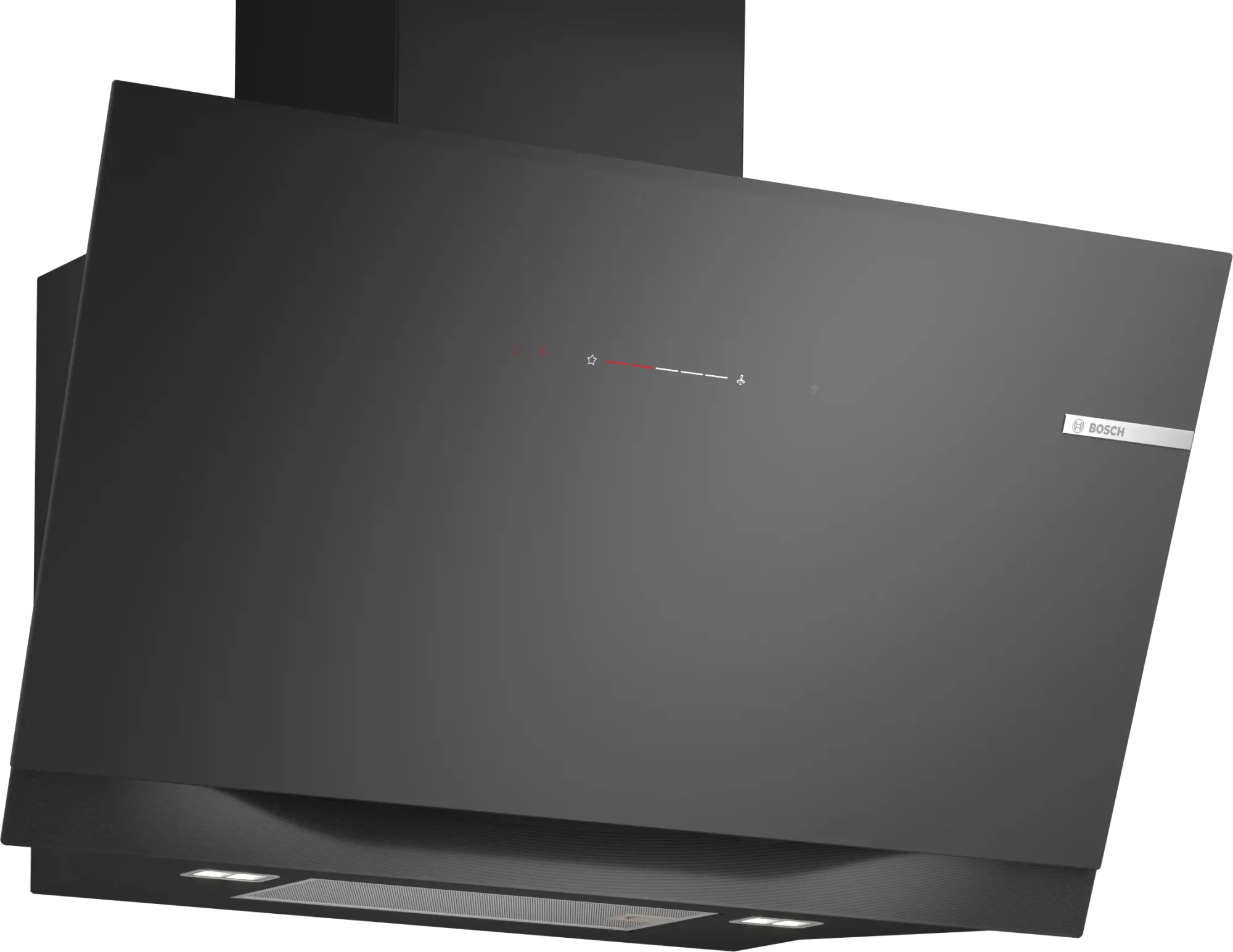
Serie 8 Wall-mounted hood 80 cm Black with glass finish, Black DWK81AN60
Relevance for this use: 90/100
Frequent high-heat cooking, frying, or large batches simmered for a long time produce more smoke and odour than occasional cooking. In this context, the hood must above all extract fast and strongly, even if that means accepting a bit more noise when running at maximum.
This situation reverses part of the usual priorities: extraction power becomes decisive, while noise level, without being ignored, matters less since intensive use mostly happens over short periods where stronger operation is accepted.
The same criteria as on the category page, but not the same weight: here is what goes up and what goes down.
Power becomes the central criterion: the longer the bar, the higher the maximum airflow, and the faster smoke from frying or intense cooking clears. Aiming for a flow near the 725 m³/h benchmark keeps the kitchen from staying smoky.
Noise level matters less here: during frying or heavy cooking, more noise is accepted in exchange for effective extraction. A level near the 64.5 dB median remains reasonable for occasional use at full power.
The number of speeds gains importance: it allows quickly switching to maximum during frying, then returning to a quieter level once cooking ends. Several steps, close to the 5 benchmark, offer this flexibility.
Consumption matters a bit less: intensive but occasional use weighs less on the yearly bill than continuous low power use. Benchmarks around 50.4 kWh remain useful as a reference without being decisive.
Lighting matters a bit less in this choice: it remains useful for watching over frying, but is not the factor that distinguishes models able to handle heavy smoke.
Price matters a bit less than extraction capacity: for this type of cooking, a high flow rate is worth favouring over the lowest price.
The features pushed in this category that make no difference in this context.
High number of bulbs
Generous lighting does not help clear frying smoke faster: this budget is better spent on extraction power.
Lowest noise level on the market
Aiming for absolute silence makes little sense for occasional use at full power: a level near the median is largely sufficient during a few minutes of frying.
Lowest yearly consumption
For intensive but occasional use, favouring only the lowest market consumption often means sacrificing the power actually needed.
Orders of magnitude, not displayed prices: a price only appears on Kalyneo once it has been collected from a merchant, with its collection date.
Under €100
Under €100: extraction flow often remains limited, better reserved for moderate cooking than frequent frying.
€100 to €300
€100 to €300: this range covers most heavy cooking needs with a comfortable flow and several speeds.
Over €300
Over €300: this budget gives access to the highest flow rates on the market, useful for intensive, repeated cooking.
Ranked by relevance for this specific case, not by their overall score.
Cooker hoods Bosch
Relevance for this use: 90/100
Cooker hoods Bosch
Relevance for this use: 89/100
Cooker hoods Bosch
Relevance for this use: 89/100
Cooker hoods Bosch
Relevance for this use: 89/100
Cooker hoods Bosch
Relevance for this use: 79/100
Cooker hoods Bosch
Relevance for this use: 76/100
Cooker hoods Bosch
Relevance for this use: 75/100
Cooker hoods Bosch
Relevance for this use: 75/100
Cooker hoods Bosch
Relevance for this use: 74/100
Cooker hoods Bosch
Relevance for this use: 73/100
Cooker hoods Bosch
Relevance for this use: 68/100
A product only enters this list if it meets every one of these points. Its relevance is rated for this specific use, independently of its overall score in the category.