
Cooking food processors Magimix
How to choose your cooking food processor
A cooking food processor combines preparation and cooking to simplify everyday meals. Maximum temperature determines possible cooking techniques, while power affects kneading and blending efficiency. Your choice depends on culinary needs and desired versatility.
What to check
Maximum temperature
Maximum cooking temperature defines what you can prepare with your processor. On the site, the rating measures this value: a longer bar indicates higher temperature, opening more culinary possibilities. Market benchmarks range from 120 °C to 180 °C, with a median at 150 °C. High temperature allows searing meat, caramelising or simmering at high heat. Models limited to 120 °C suit gentle cooking, steaming and slow-cooked preparations. Above 150 °C, you gain versatility for varied recipes and techniques requiring stronger heat.
Market median: 150 °C
Motor power
Maximum motor power influences the ability to blend, knead and grind food. The site rating displays this data in watts: the longer the bar, the more powerful the motor. Benchmarks recorded range from 1,500 W to 1,550 W, with a median at 1,500 W. High power efficiently handles thick dough, dried fruit or hard vegetables. Less powerful motors suffice for liquid preparations and simple tasks. Check that power matches the textures you regularly prepare, particularly for bread kneading and dense mixtures.
Market median: 1,500 W
Capacity and accessories
Bowl capacity determines quantities you can prepare at once, while included accessories extend the processor’s functions. Consider household size and intended recipe types. Some processors include whisks, specific blades or steam baskets that multiply uses. Check compatibility with your habits: a large household needs generous capacity, while someone living alone prioritises compactness. Removable accessories also facilitate daily cleaning and storage. Verify that included items match your actual cooking needs rather than unused extras.
Maintenance and cleaning
A cooking food processor requires cleaning after each use to preserve hygiene and performance. Removable bowls and accessories simplify dishwasher or hand washing. Verify that elements contacting food dismantle easily. Seals and blades need particular attention to avoid residue buildup. Some models offer automatic cleaning programmes, but manual rinsing often remains necessary. Favour resistant materials and shapes without hard-to-reach corners for quick maintenance. Regular care ensures longevity and prevents odours or staining over time.
Benchmarks based on 19 recent market listings, collected on 30 October 2026.
What you get for each budget
Under €300
Processors under €300 offer basic functions with temperatures and power in the lower benchmarks, suitable for simple cooking and light preparations.
€300 to €600
Between €300 and €600, you find versatile appliances with temperatures and power near the median, allowing diverse culinary techniques.
Over €600
Over €600, models reach the best temperatures and power on the market, with extended accessories and varied programmes for complete cooking.
Frequent mistakes
Choosing insufficient power for the thick dough you regularly prepare.
Neglecting maximum temperature if you wish to sear or caramelise your preparations.
Underestimating required capacity for cooking in sufficient quantity.
Ignoring ease of dismantling elements, making daily cleaning tedious.
Models in this category
Best rated first, among those our merchants offer.
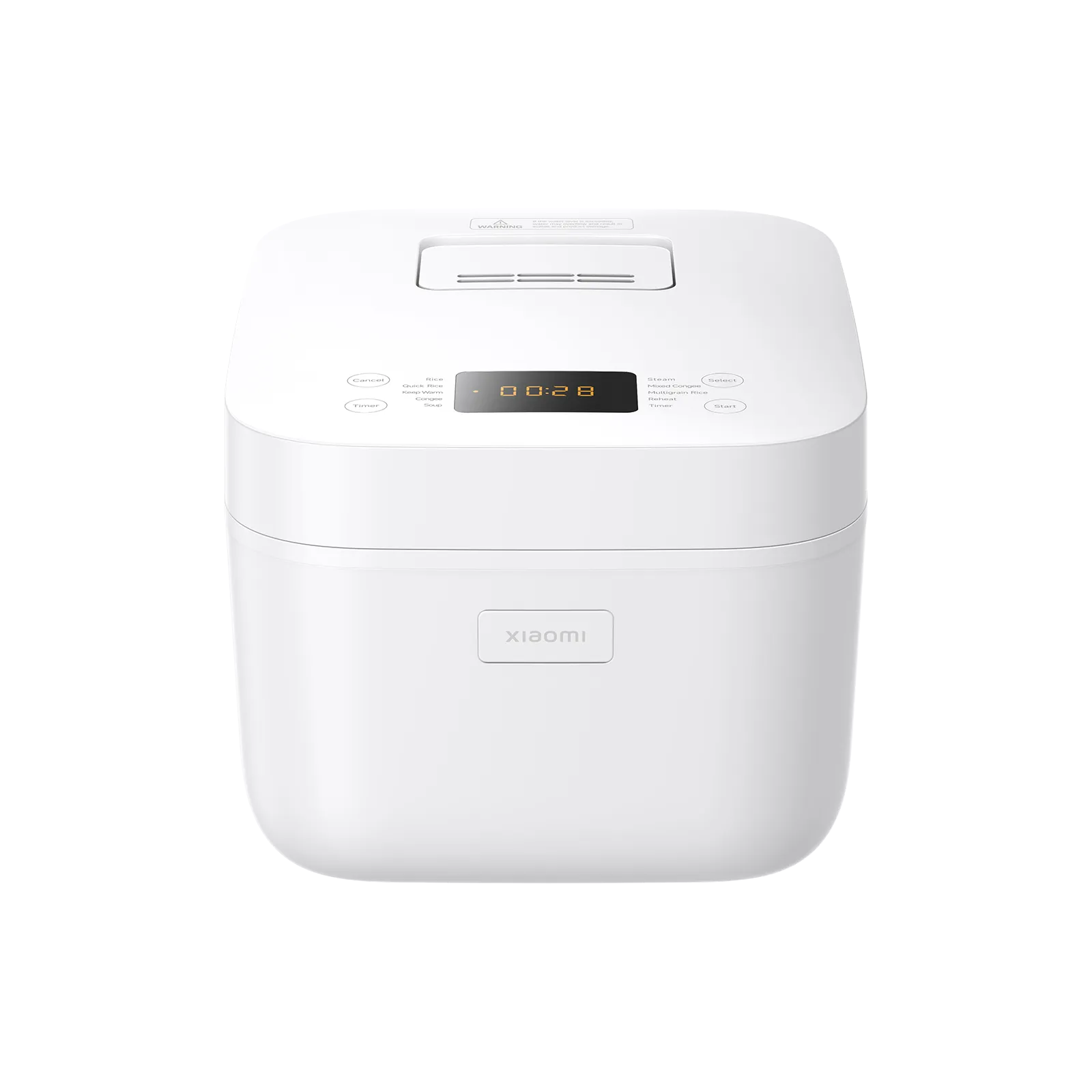
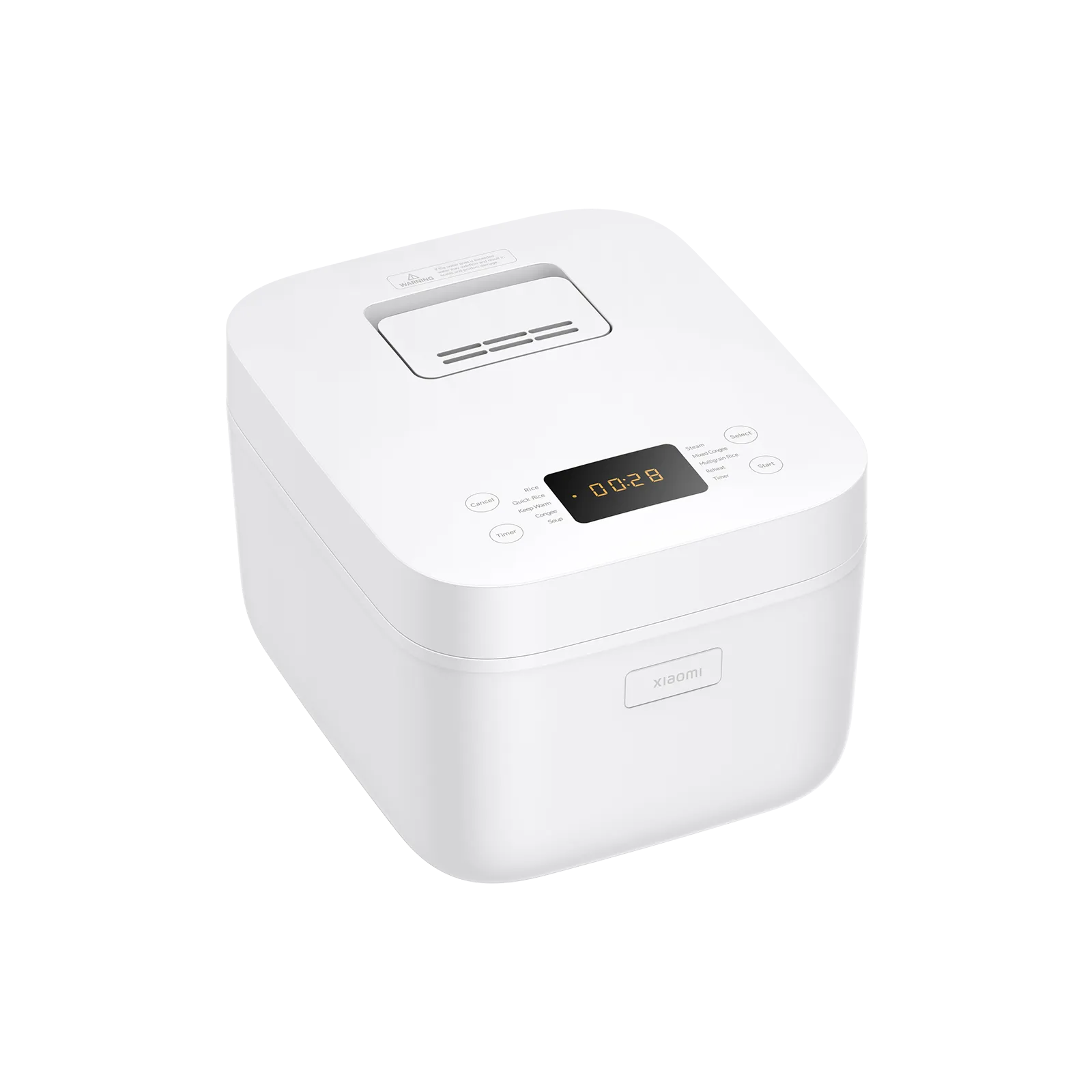
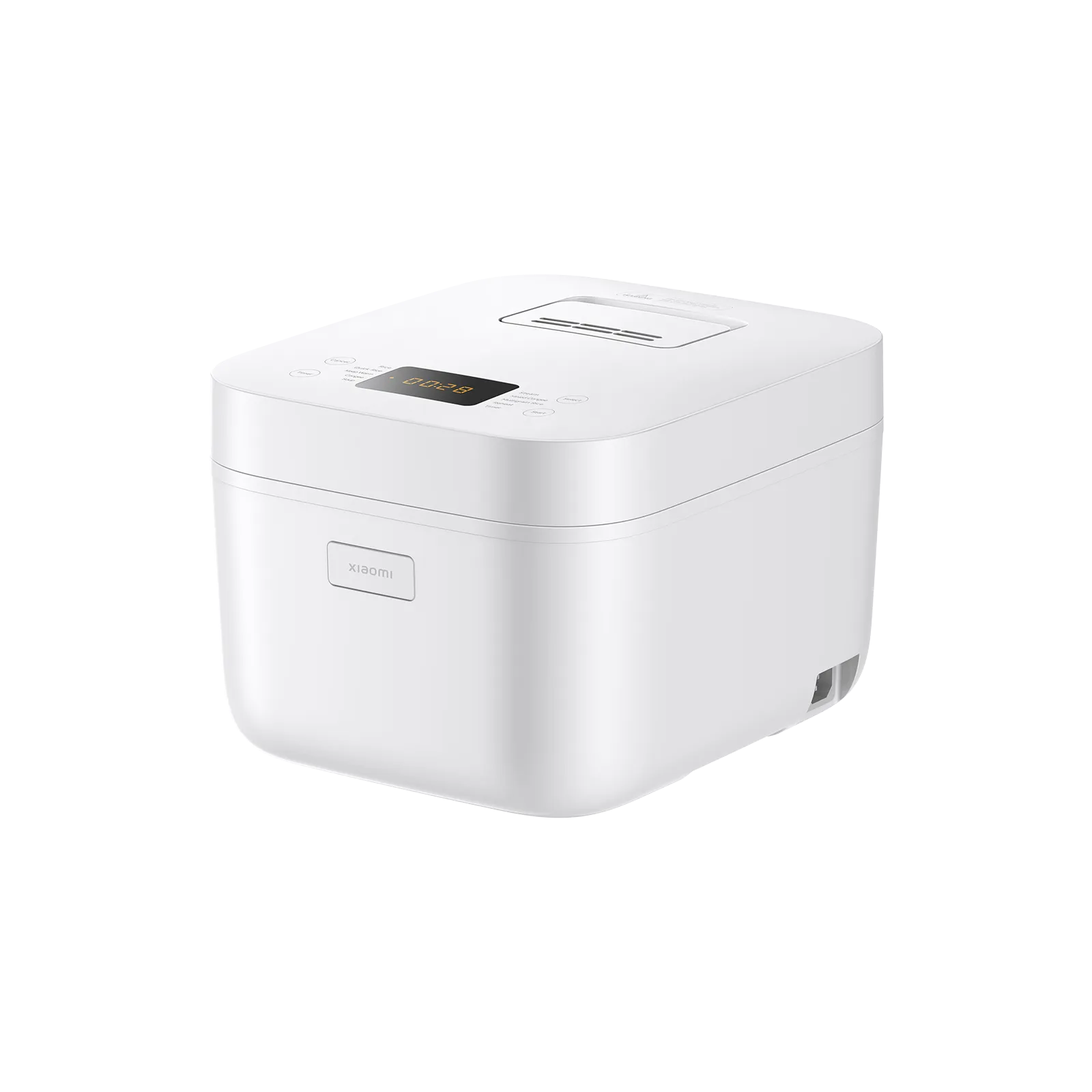
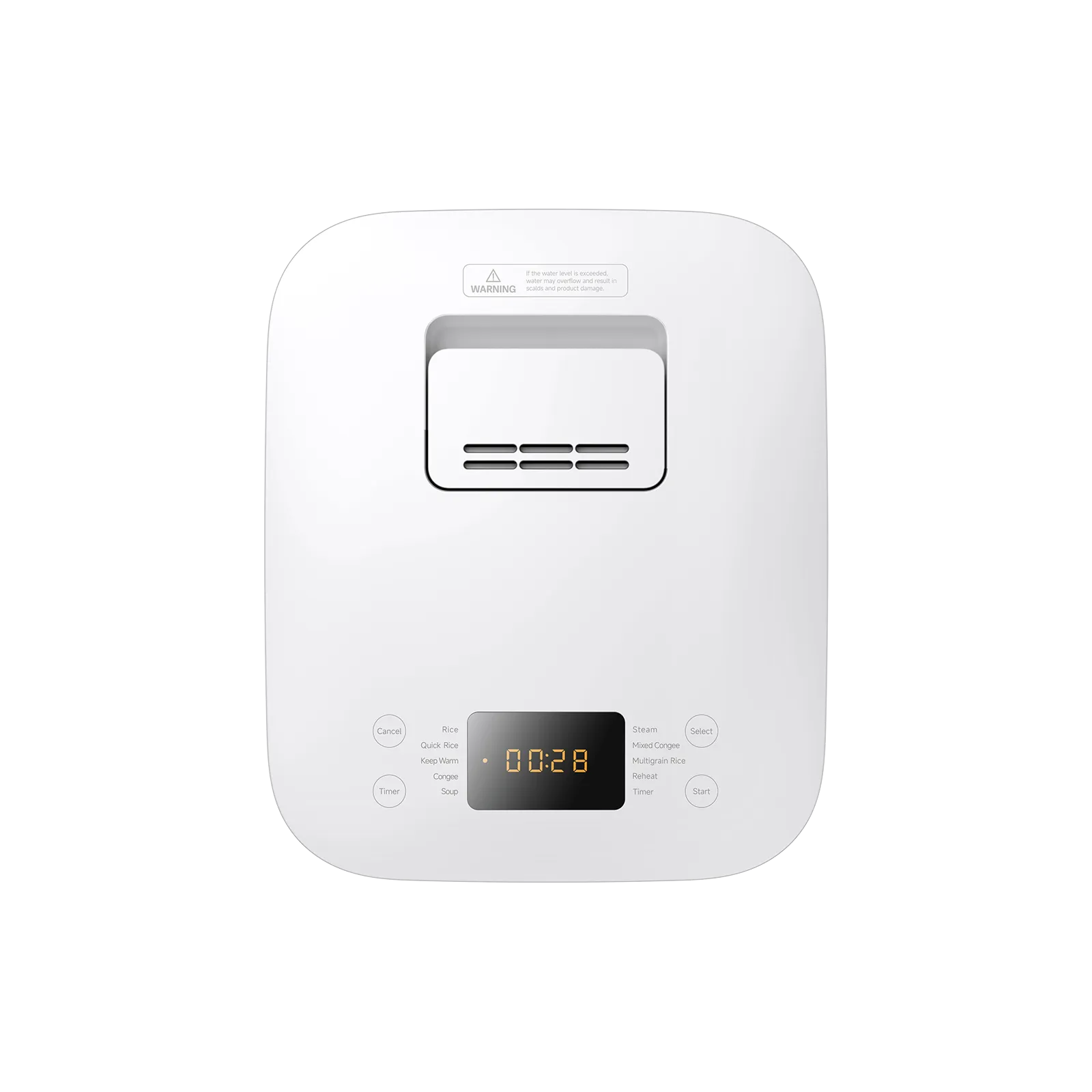
Cooking food processors Xiaomi
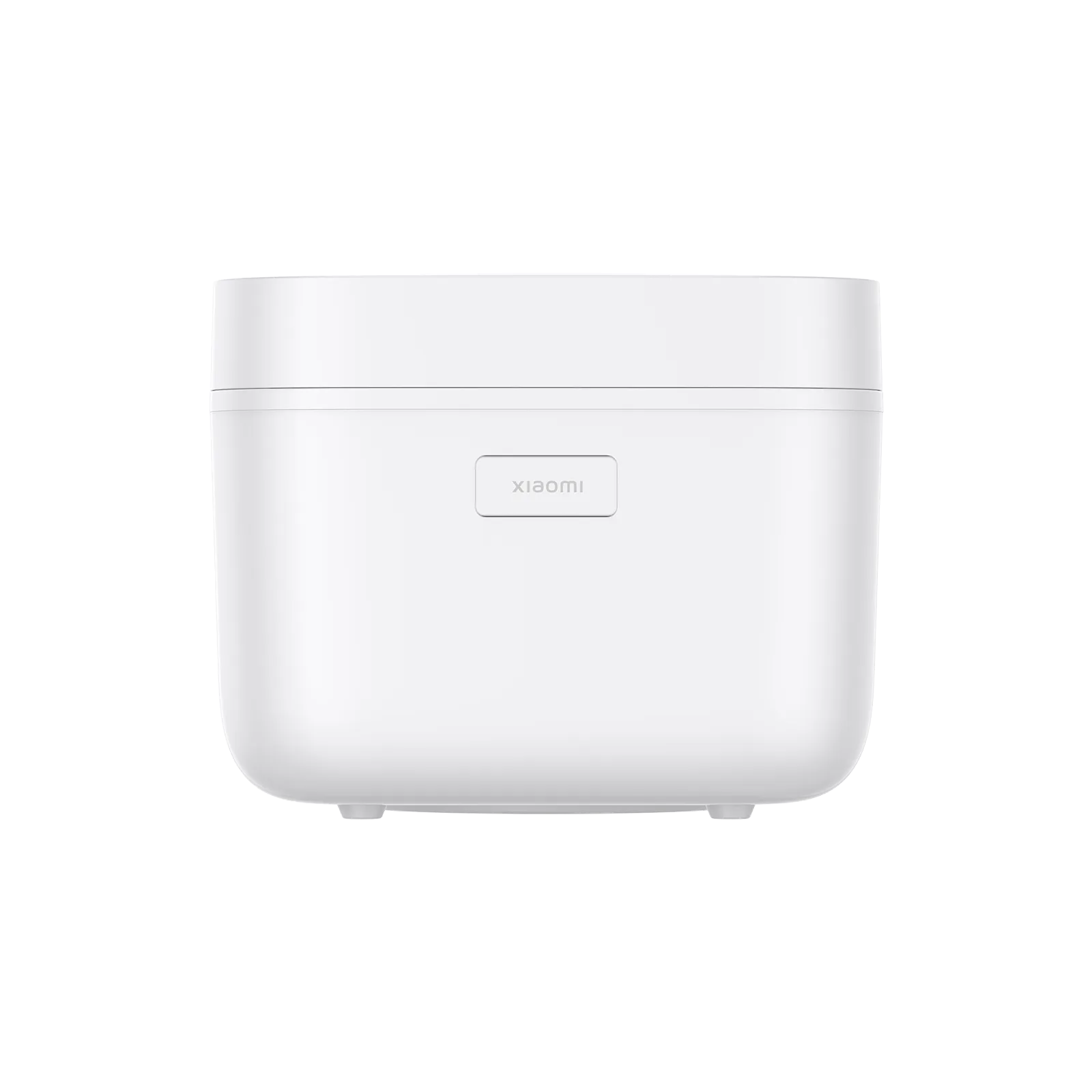
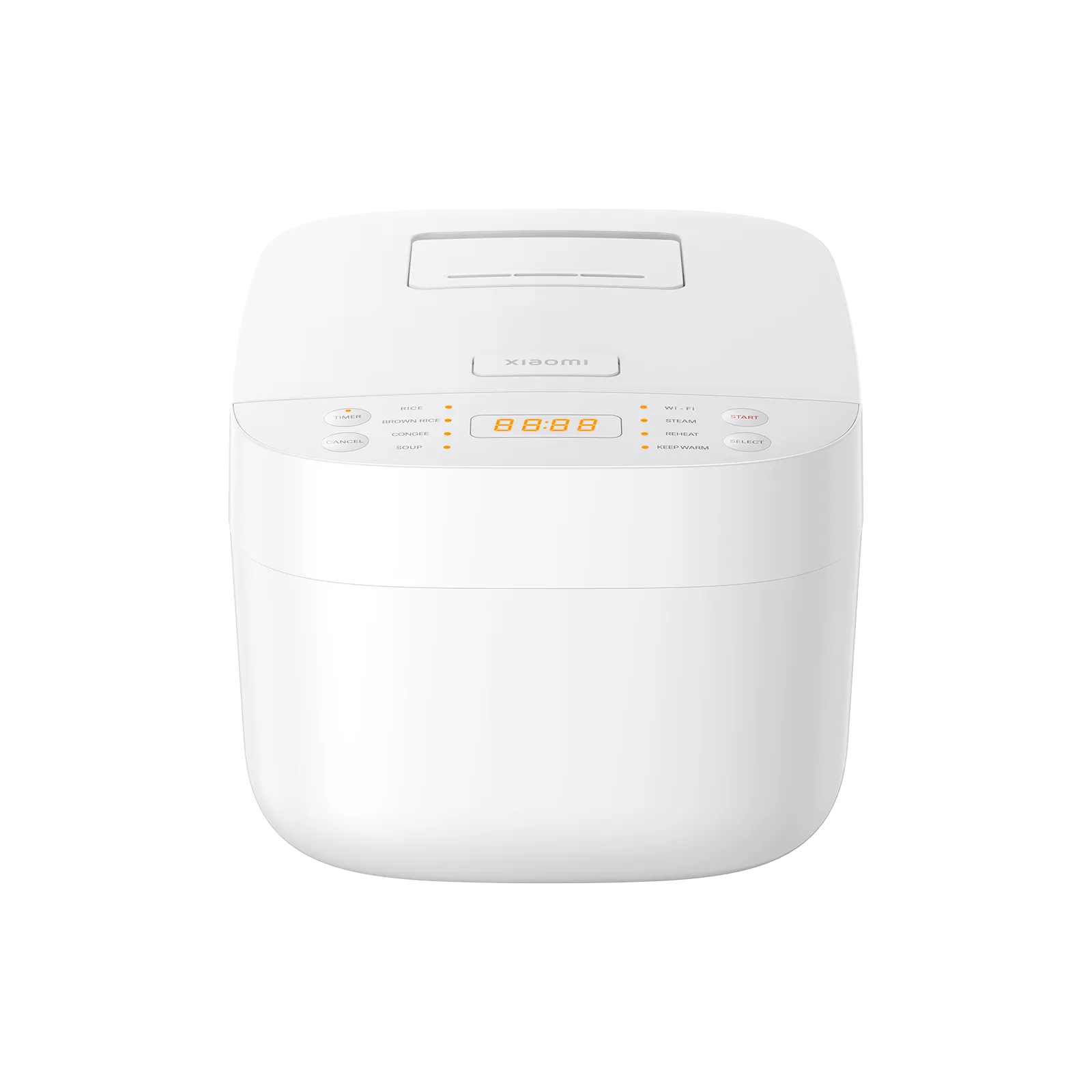
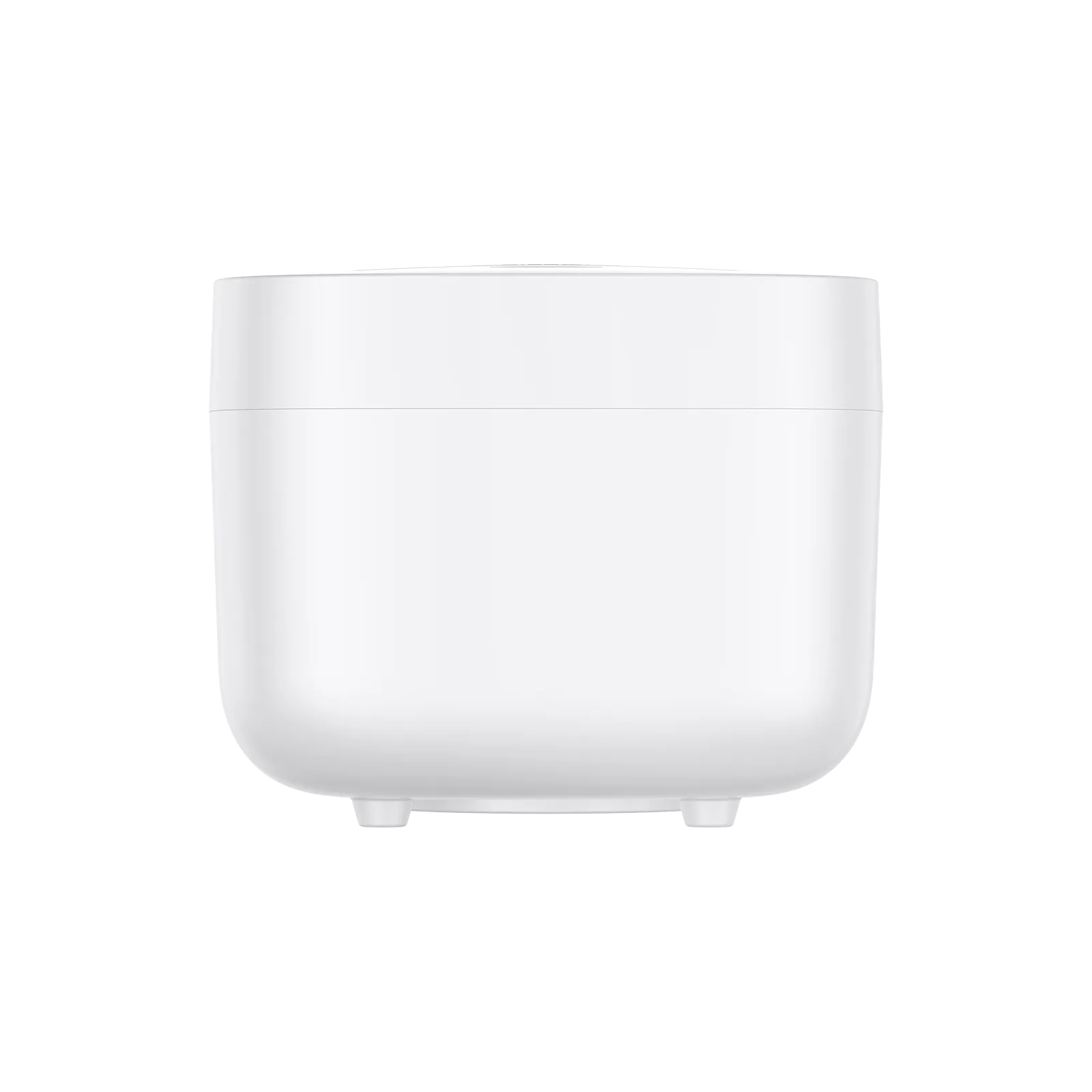
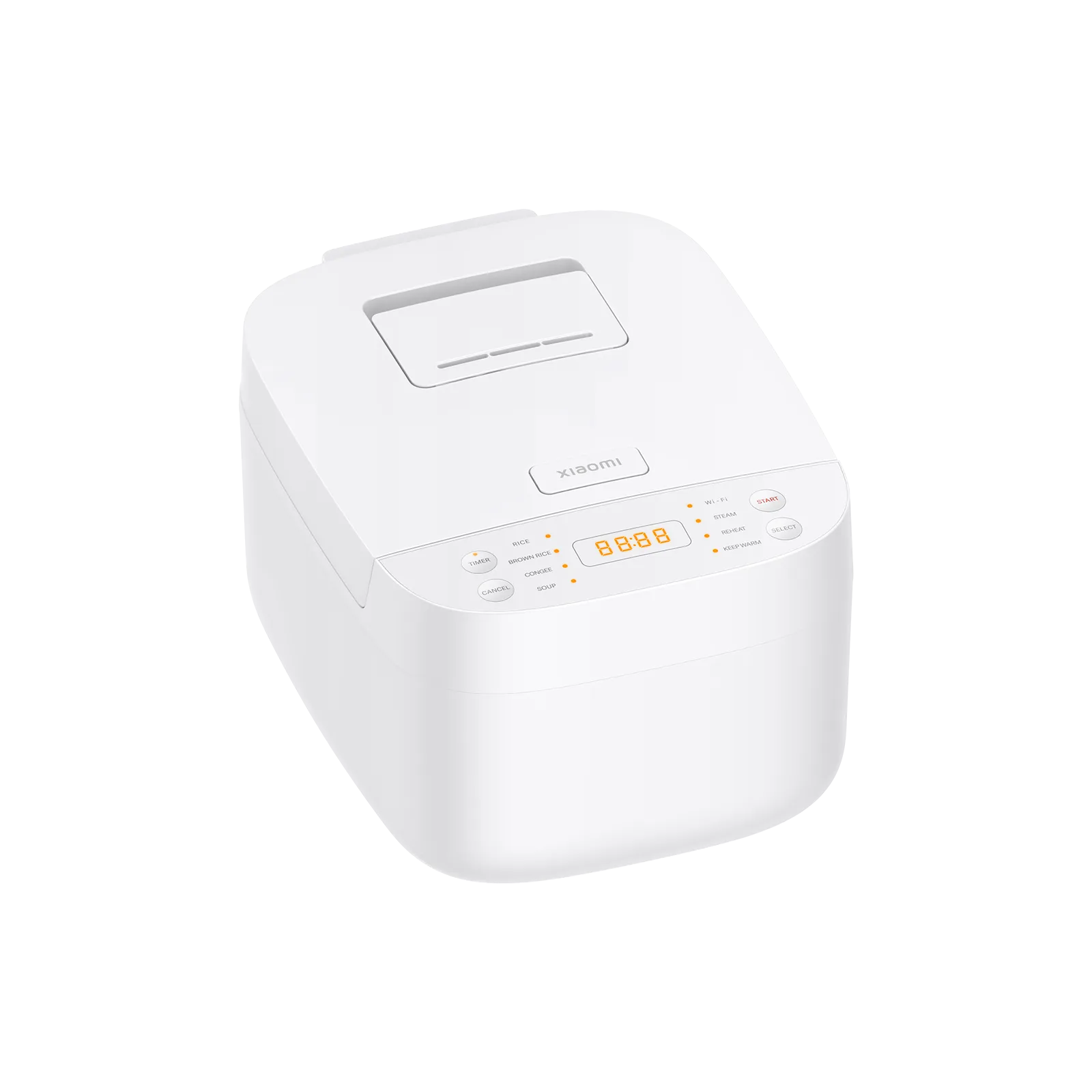
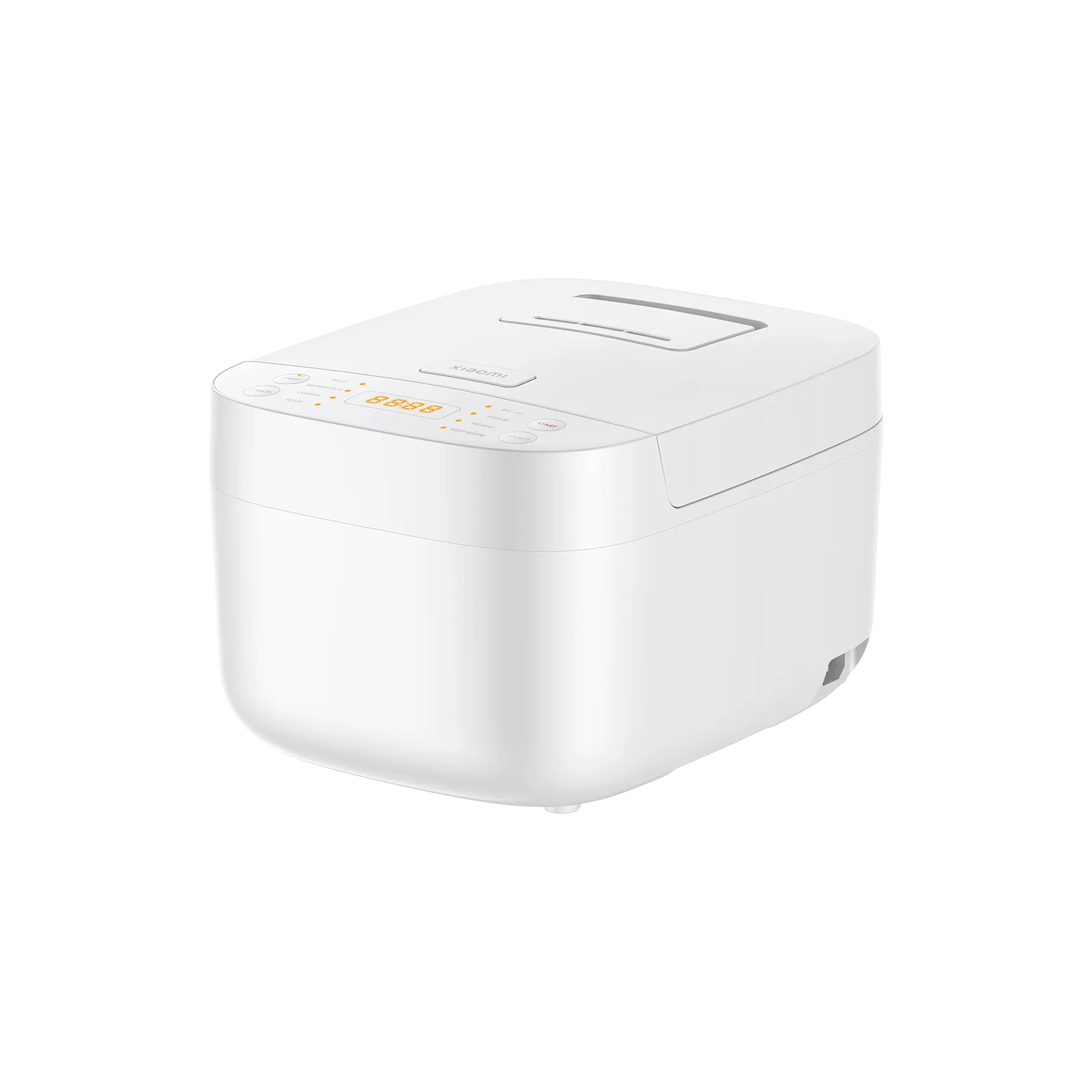
Xiaomi Multifunctional Rice Cooker 4L
4L multifunctional rice cooker, automatic programmes and precise heating technology.
Cooking food processors Magimix
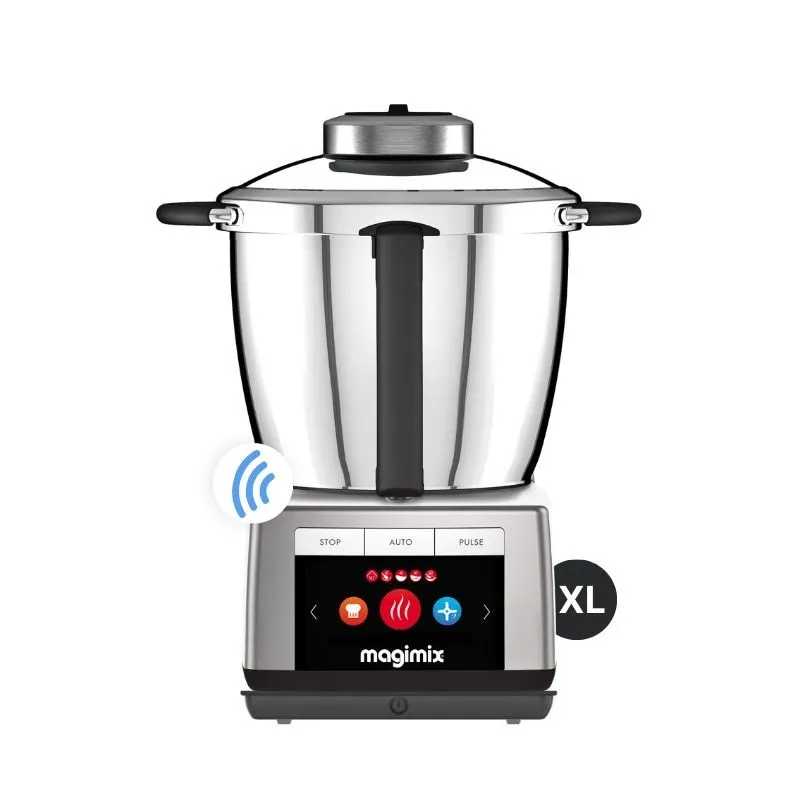
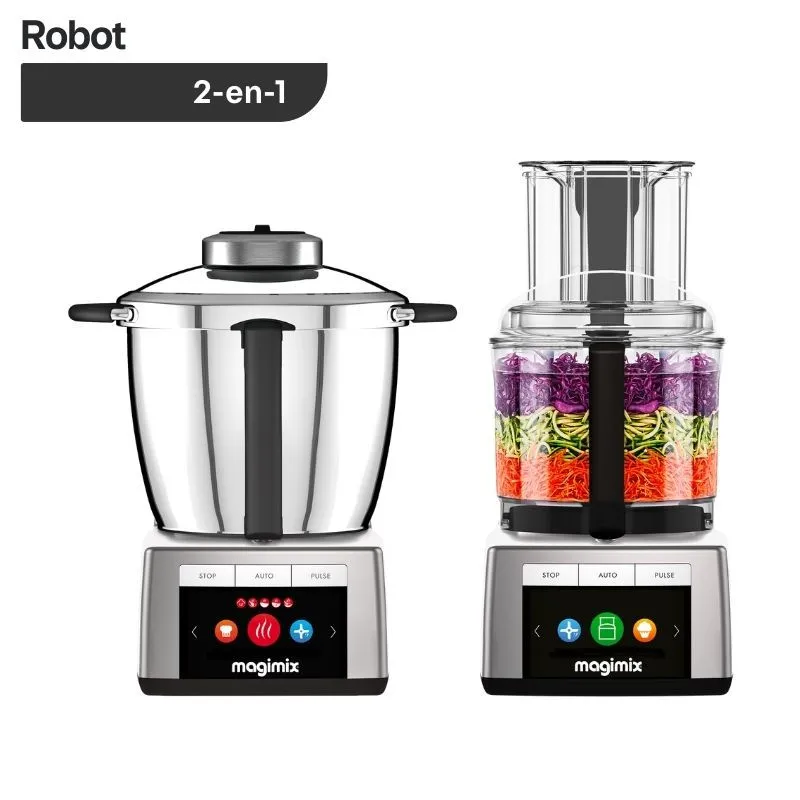
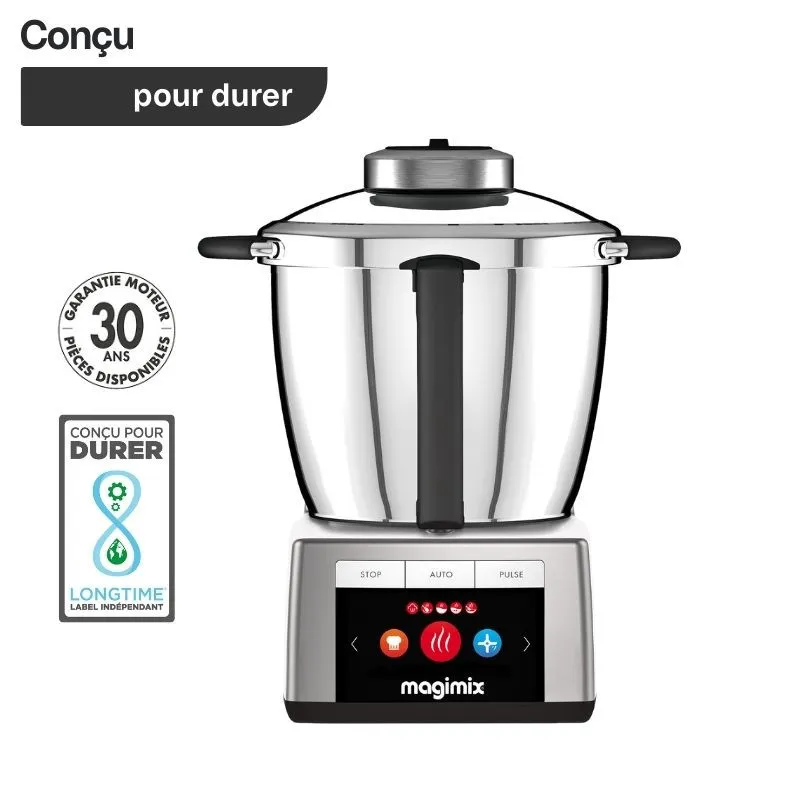
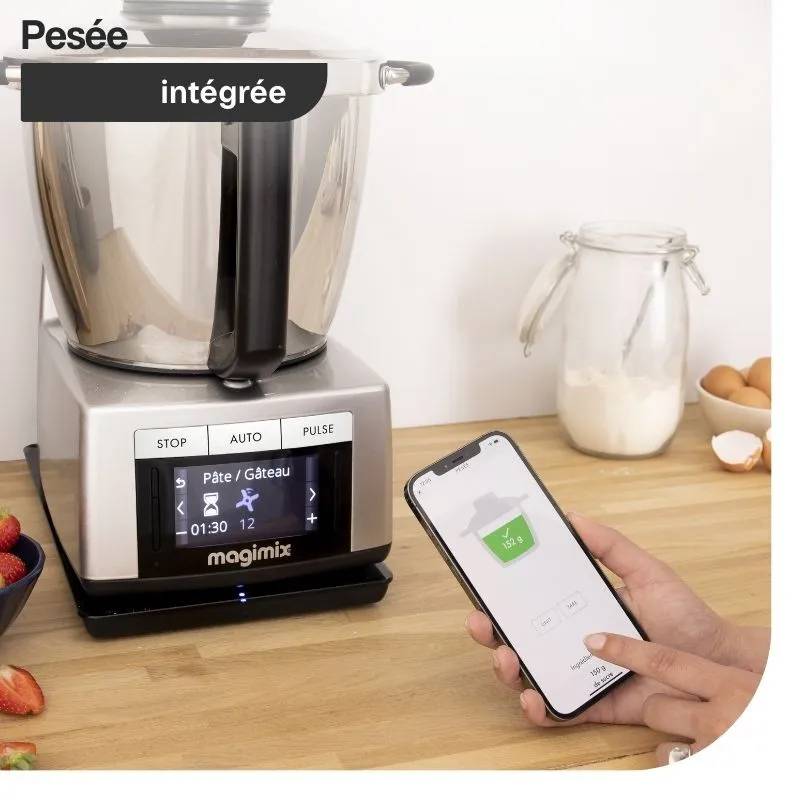
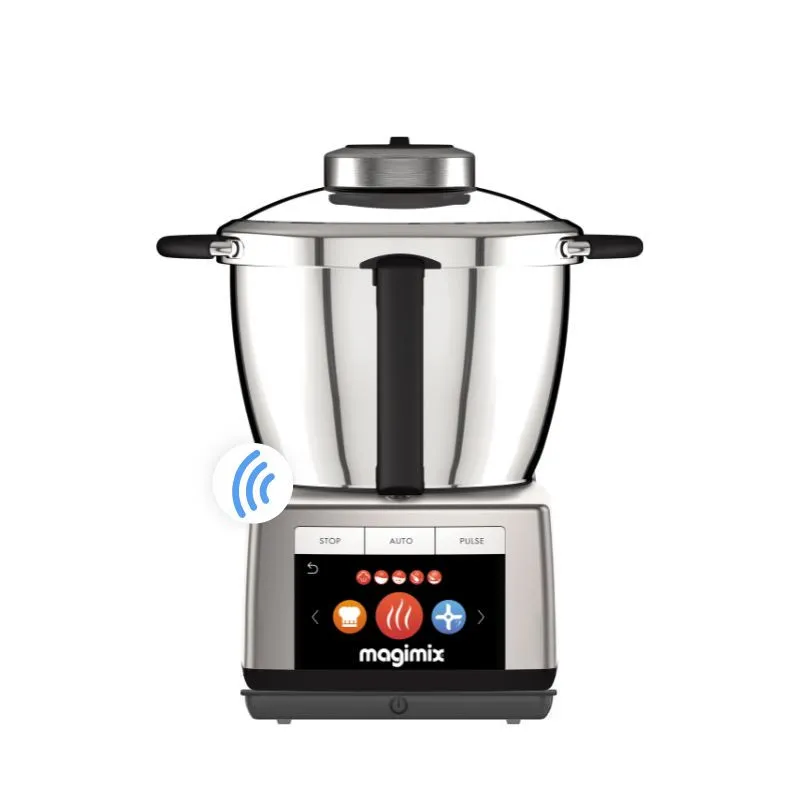
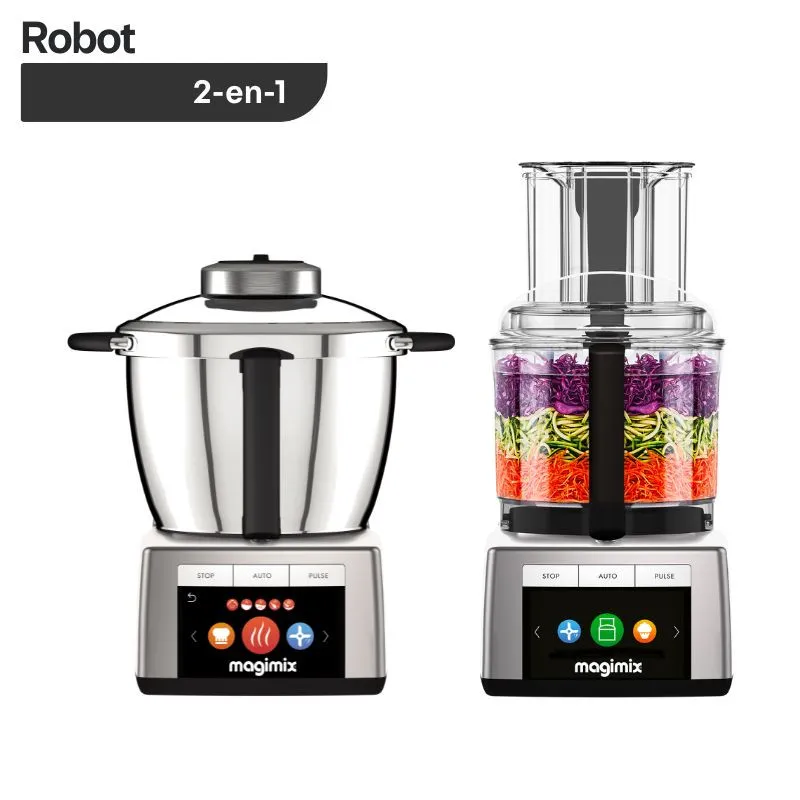
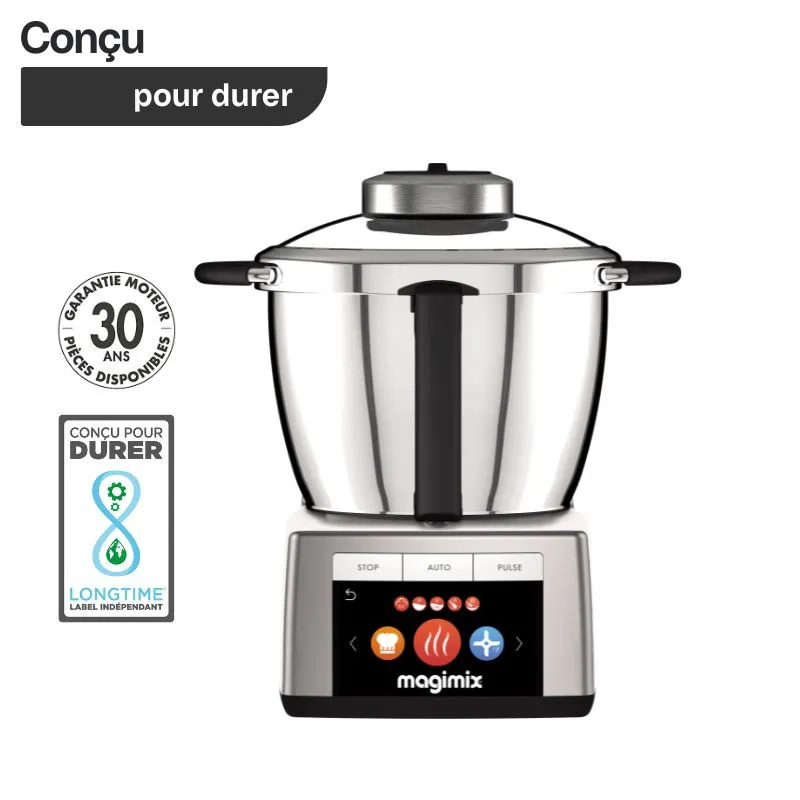
Cooking food processor Cook Expert Connect Matt Chrome
Cooking food processors Xiaomi
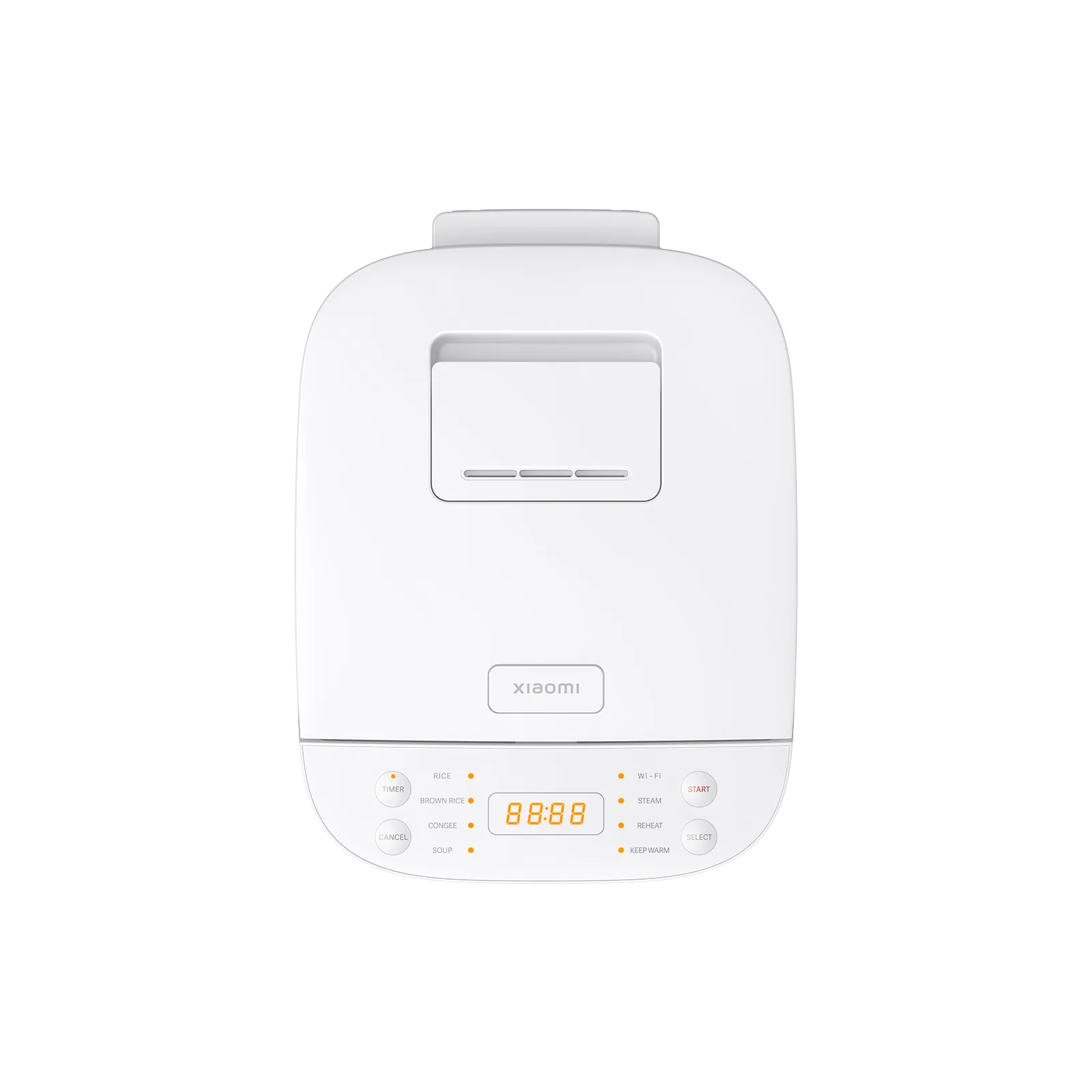
Xiaomi Smart Multifunctional Rice Cooker
Xiaomi smart multifunctional rice cooker for perfect rice and varied cooking modes.