Buying guide: how to choose a tablet
The real gap between tablets for reading and browsing and tablets for work and creation lies in processor power, memory and storage. Battery life and rear camera resolution complete the picture depending on how the tablet will be used.
What to check
Processor power
This criterion measures the number of processor cores. The higher it is, the better the tablet handles multitasking, demanding apps and heavy workloads without slowing down. Market readings range from two cores for the most basic models to twelve cores for the fastest, with a median of eight. The site’s score places each tablet on this scale: a high score signals a processor able to keep up with demanding use, while a lower score suits simpler tasks such as reading or occasional browsing.
Market median: 8
Memory
Memory determines how many applications can stay open at once without the tablet slowing down or closing them automatically. Readings range from three gigabytes for the most limited setups to twelve gigabytes for the most comfortable ones, with a median of seven. A high score here points to a tablet that handles switching between several apps or tabs with ease, while a low score means background applications may close more often.
Market median: 7 GB
Internal storage
This criterion measures the space available for installing apps and storing photos or videos. Market readings go from thirty two gigabytes for the smallest capacities to five hundred twelve gigabytes for the largest, with a median of one hundred twenty eight. A high score signals a tablet with plenty of room, useful for large media libraries or heavy applications. A low score suggests checking whether external or online storage will be needed as a complement.
Market median: 128 GB
Screen size
Screen diagonal shapes comfort when reading, browsing and viewing content. Readings range from eight inches for the most compact formats to fourteen point six inches for the largest, with a median of eleven inches. A high score corresponds to a spacious screen, pleasant for video viewing, document reading or multi window work. A lower score points to a more compact format, designed for portability and one handed use.
Market median: 11 "
Battery life
This criterion measures battery capacity, which determines how long the tablet lasts away from a power outlet. Readings range from five thousand mAh for the most limited batteries to eleven thousand six hundred mAh for the most enduring, with a median of seven thousand eight hundred fifty. A high score indicates a tablet that lasts a full day of use without recharging, an advantage for travel or continuous use. A low score means more frequent charging should be expected.
Market median: 7,850 mAh
Rear camera resolution
This criterion measures the definition of the rear camera sensor, expressed in megapixels. Market readings range from five megapixels for the simplest sensors to thirteen megapixels for the sharpest, with a median of eight. A high score points to more detailed shots, useful for anyone planning to photograph documents or scenes with the tablet. A low score is not a drawback for use centered on reading, browsing or viewing, where the rear camera matters little.
Market median: 8 MP
Benchmarks based on 30 recent market listings, collected on 1 October 2026.
What you get for each budget
Under €150
At this price level, tablets mostly show modest scores for processor power, memory and storage, enough for reading, browsing and occasional viewing.
€150 to €400
This range brings more balanced setups, with scores rising on memory, storage and sometimes battery life, for a more versatile daily use.
Over €400
Beyond this, the highest scores concentrate on processor power, memory, storage and screen, for demanding or extended use.
Frequent mistakes
Choosing based on screen size alone without checking the processor power score, which drives actual smoothness.
Overlooking memory even though it determines how many apps stay open without slowdown.
Underestimating storage needs before installing many applications or media files.
Ignoring the battery life score for frequent mobile use away from a power outlet.
Giving too much weight to rear camera resolution for use mainly focused on reading or browsing.
Models in this category
Best rated first, among those our merchants offer.
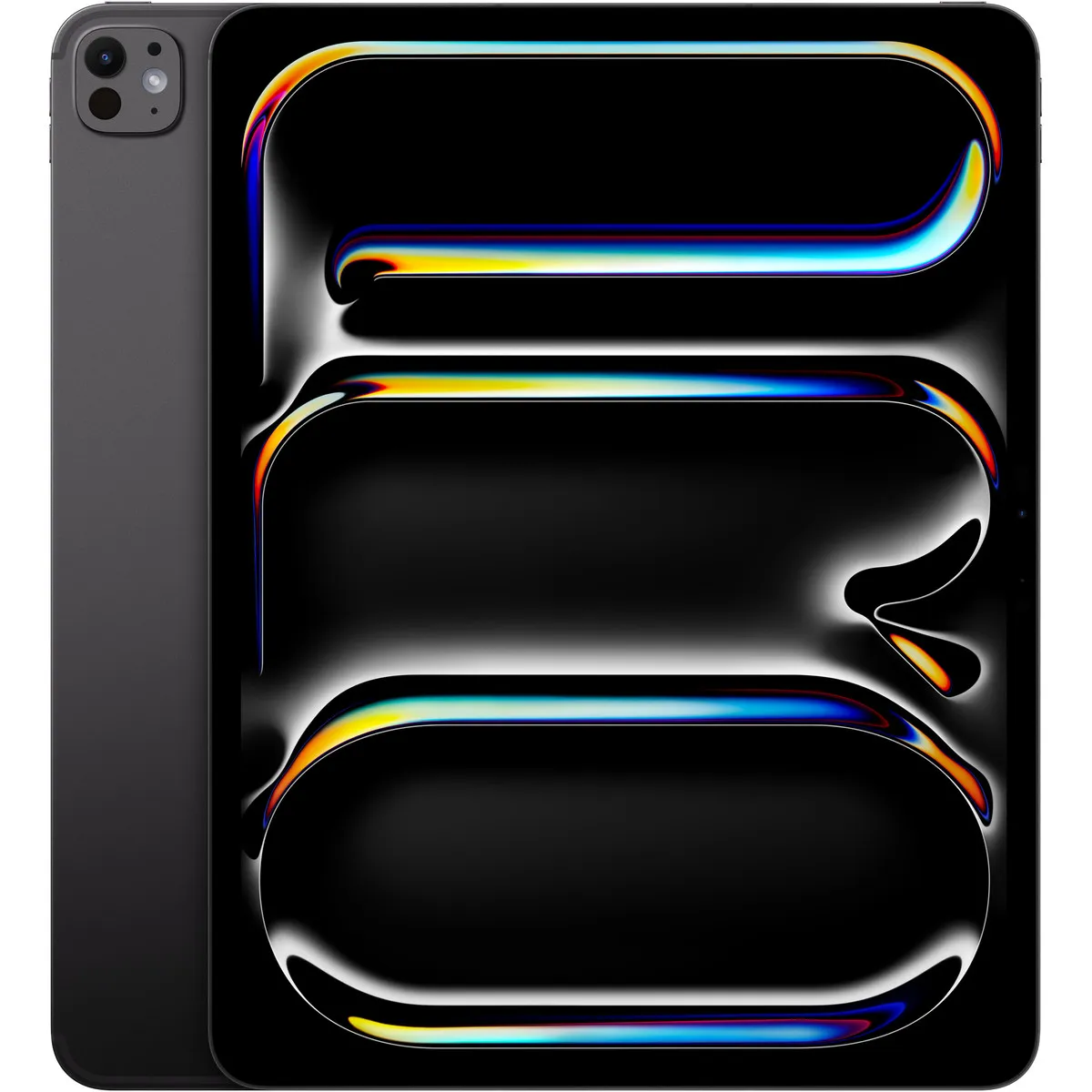
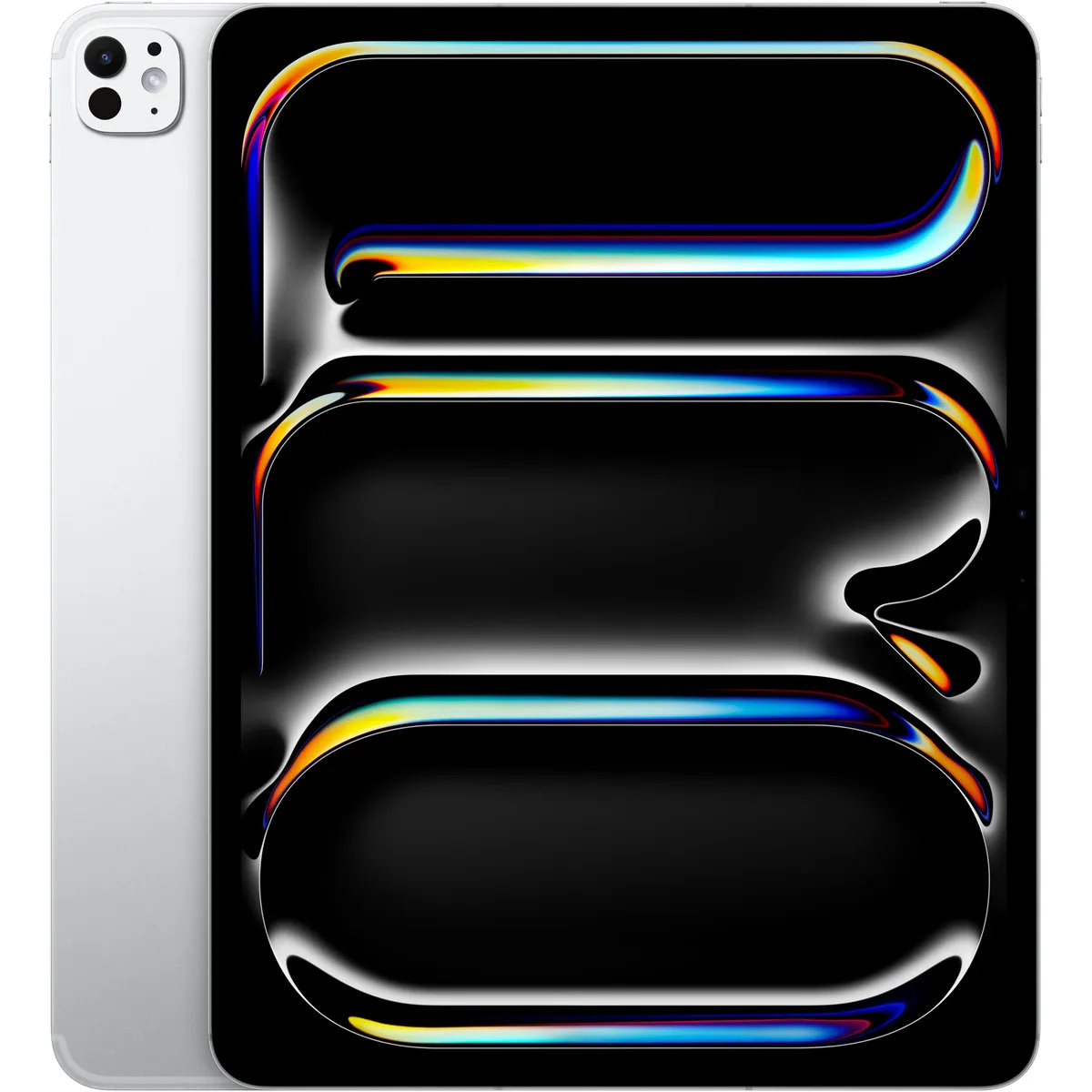
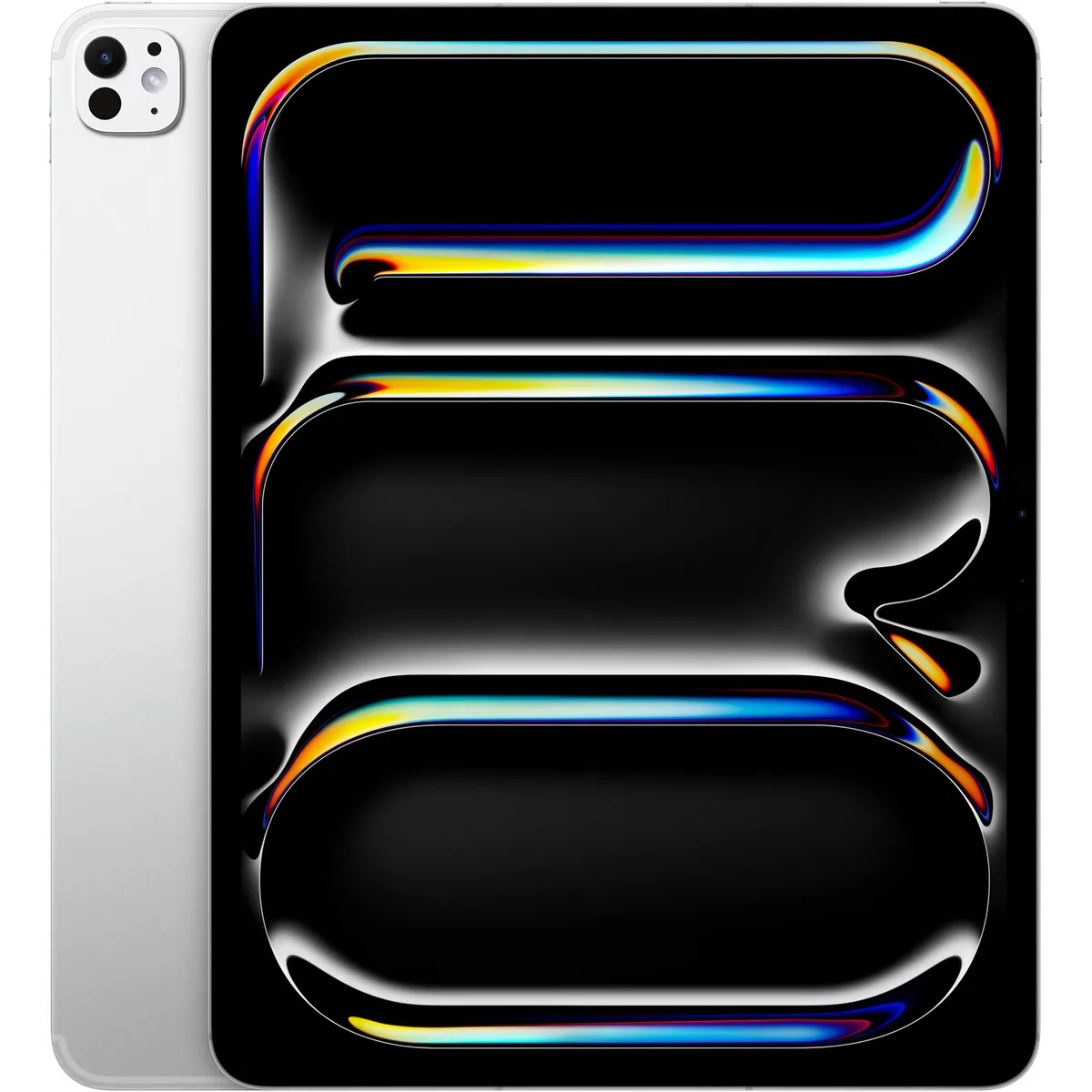
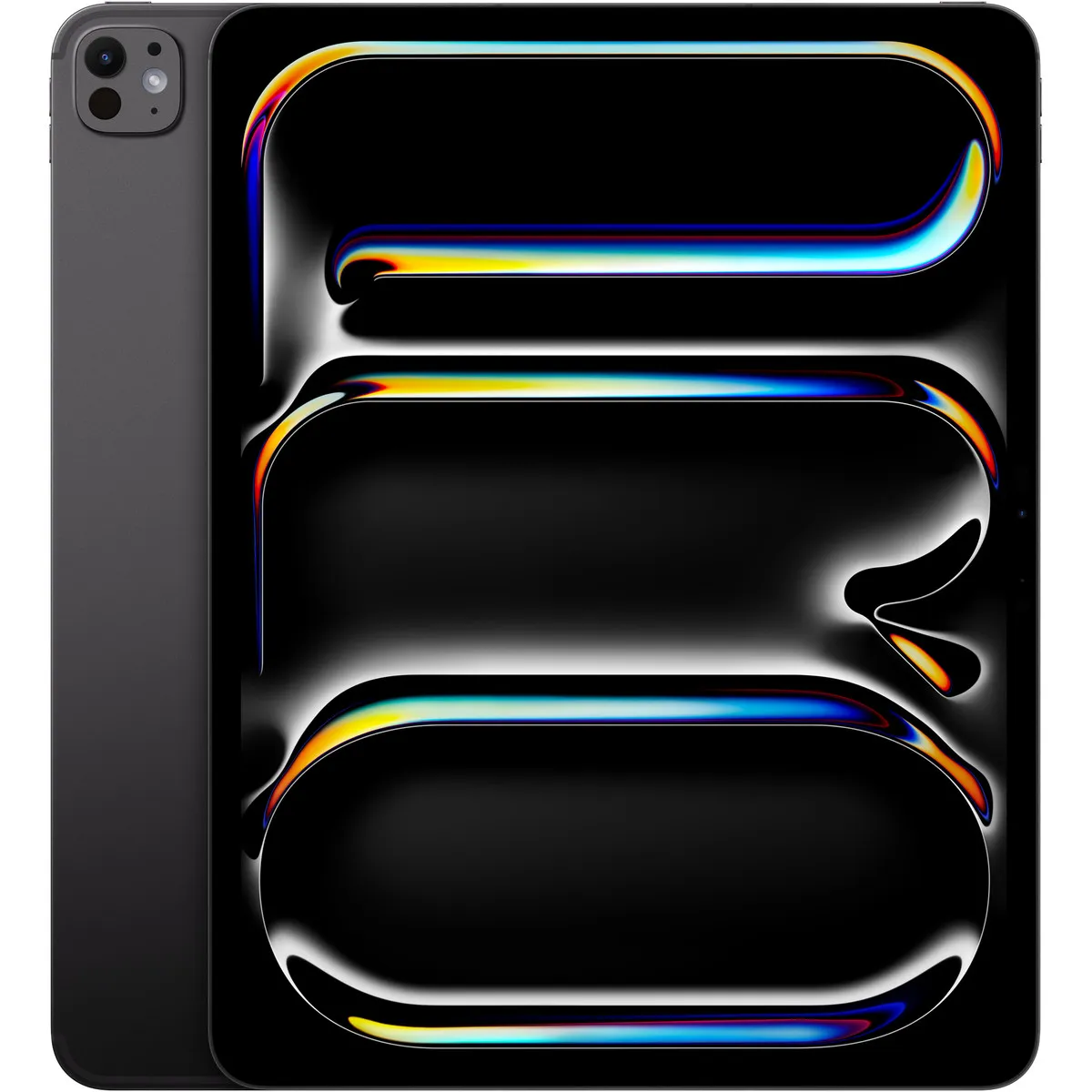
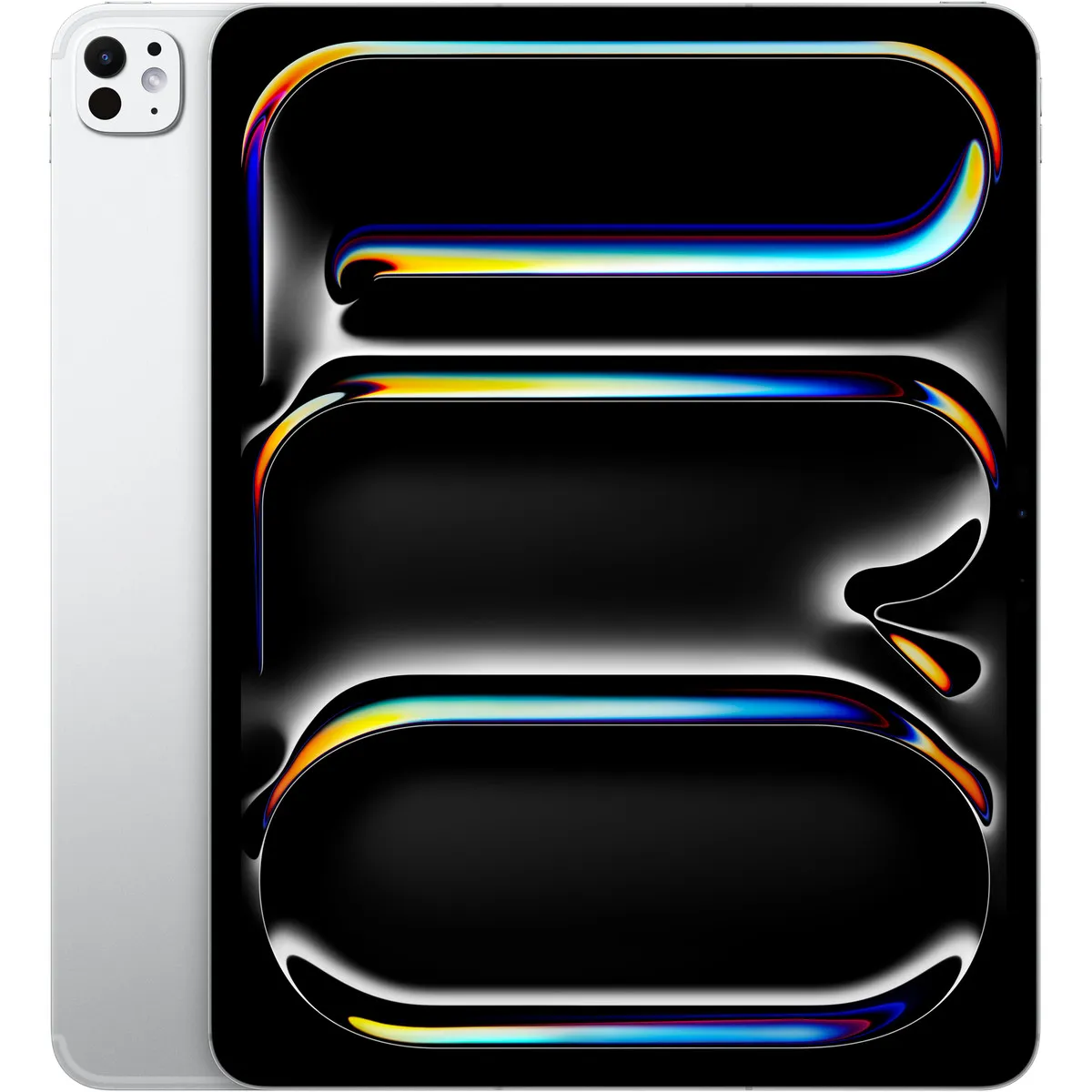
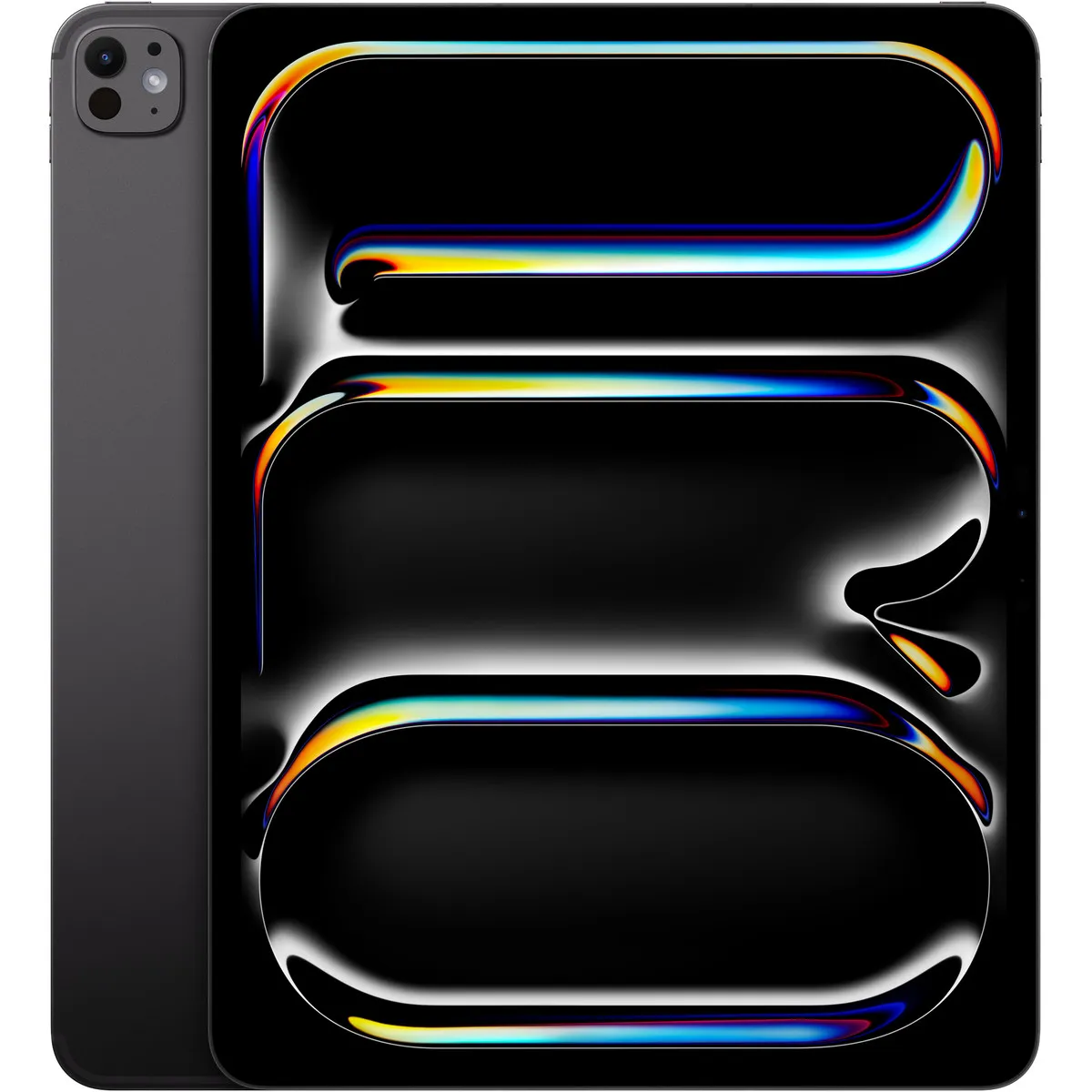
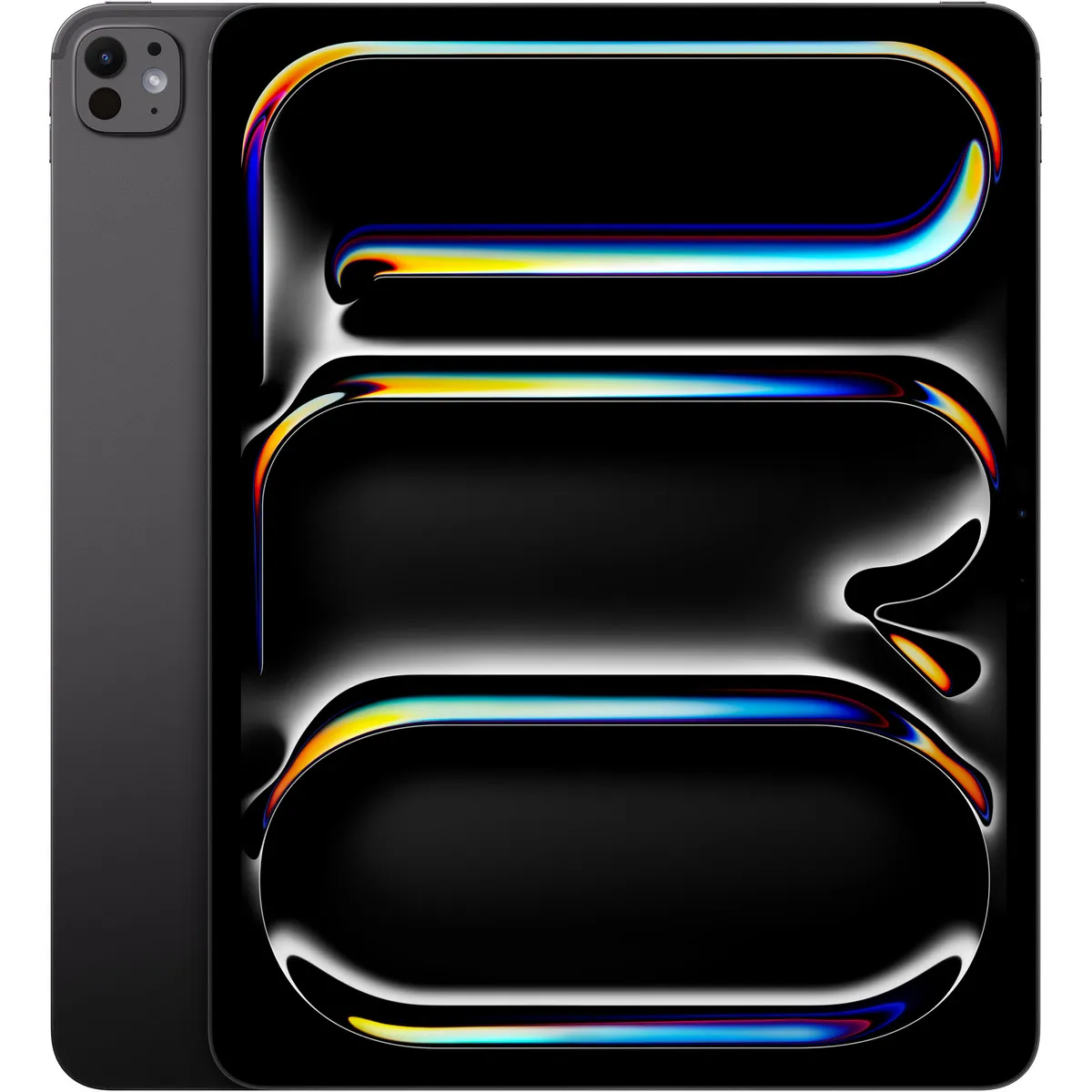
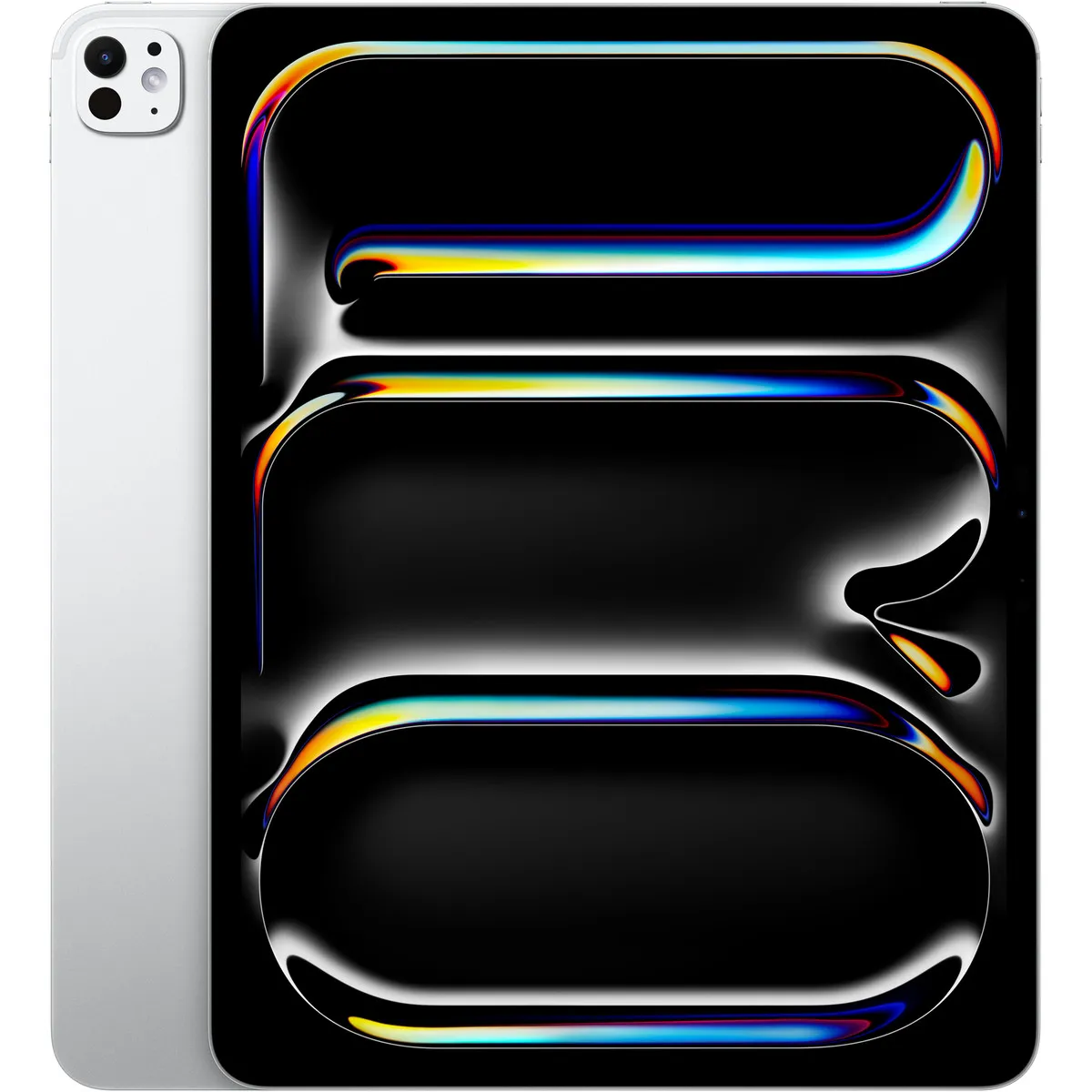
Tablets Apple