Buying guide: how to choose a blender
A blender is chosen first on motor power and number of speeds, which determine how fine the resulting texture is. Bowl capacity comes next, depending on the quantities prepared at each use.
What to check
Motor power
This criterion measures motor power in watts. The higher it is, the more easily the blender crushes ice, frozen fruit or hard ingredients without straining or stalling. Across the market, the weakest listings sit around 180 W, the median stands near 1,000 W, and the strongest models reach about 1,200 W. The site score places each product on this scale: a high score signals a motor able to handle demanding preparations regularly, while a low score suits mostly light and occasional blending.
Market median: 1,000 W
Number of speeds
This criterion counts the number of speeds offered by the appliance. The higher it is, the finer the control over texture, from a simple blend to the smoothest purée. Market benchmarks range from a single setting on the most basic models to a median of three speeds, while the most adjustable appliances offer around twenty five. A high score here means more freedom to fine tune results, useful for varied recipes; a low score reflects a simpler operation, sufficient for repetitive tasks.
Market median: 2
Bowl capacity
This criterion measures the bowl volume in litres. The higher it is, the more it allows large batches to be prepared in a single go, an advantage for families or repeated preparations. Recorded listings show a minimum capacity around 0.48 L, a median close to 0.76 L, and the largest bowls reaching about 2 L. A high score suits shared or bulk use, while a low score fits individual or occasional portions.
Market median: 0.8 L
Setup and everyday maintenance
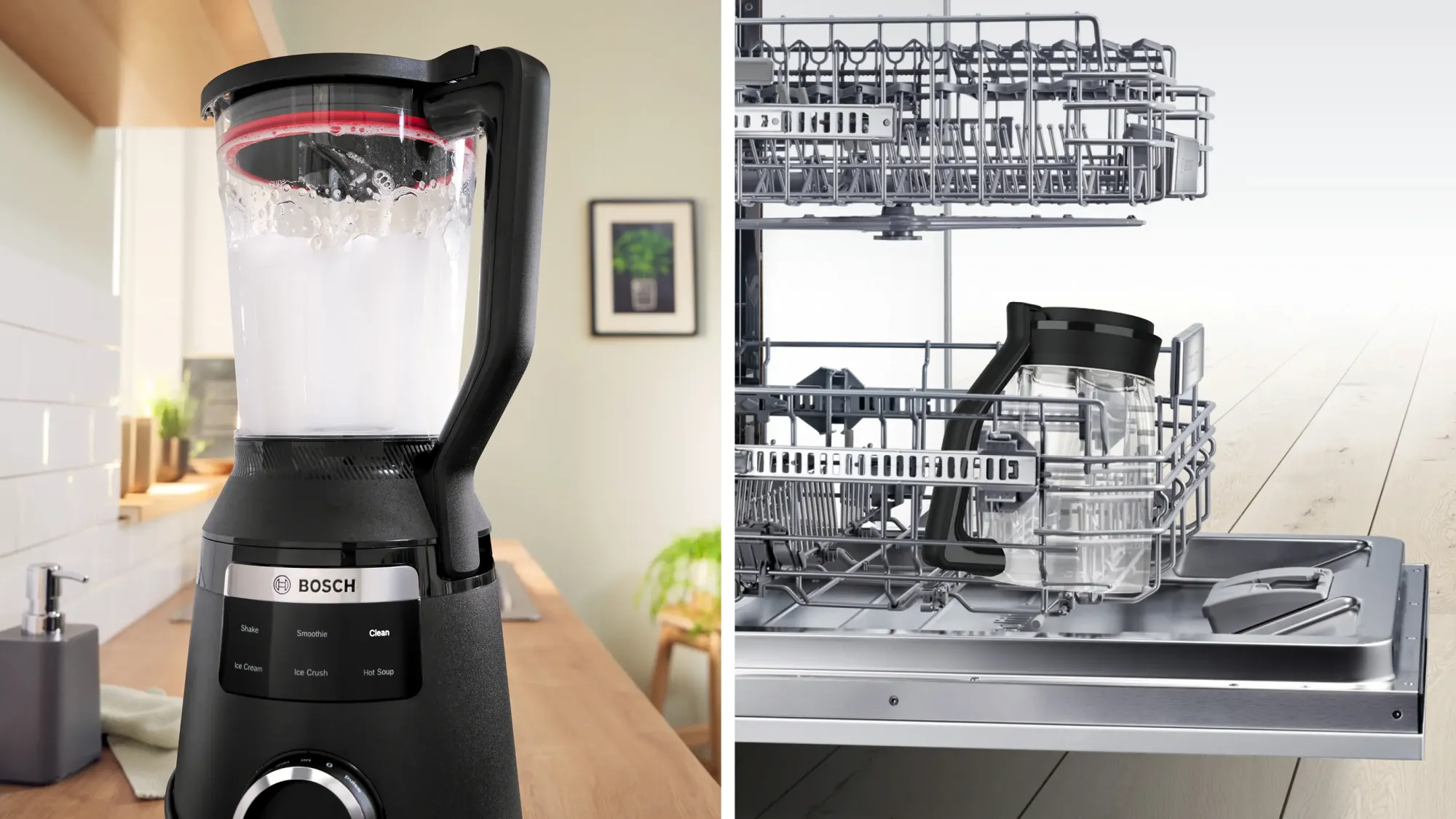
A blender sits on a stable worktop near a power outlet, with enough clearance above to lift the bowl off easily. The motor base is never submerged in water: only the bowl, usually removable, needs cleaning, either by hand or sometimes in a dishwasher depending on the model. Rinsing it soon after use prevents residue from drying onto the blades or the sealing ring, which extends the appliance’s lifespan and avoids lingering odours.
Benchmarks based on 30 recent market listings, collected on 1 October 2026.
What you get for each budget
Under €40
At this price level, power and speed options stay limited, suiting simple and occasional blending rather than intensive use.
€40 to €100
This tier offers a balance of power, speeds and bowl capacity, suited to regular family use without demanding ice crushing.
Over €100
Beyond that, appliances typically show high power and many speeds, with large bowl capacities for generous and varied preparations.
Frequent mistakes
Choosing a blender on price alone without checking power, risking trouble with ice or hard ingredients.
Overlooking the number of speeds when planned recipes require very different textures.
Picking a large bowl capacity for individual use, which complicates cleaning without real benefit.
Submerging the motor base in water during cleaning, which damages the appliance.
Letting residue dry in the bowl after use, making cleaning harder and wearing out the seal prematurely.
Models in this category
Best rated first, among those our merchants offer.
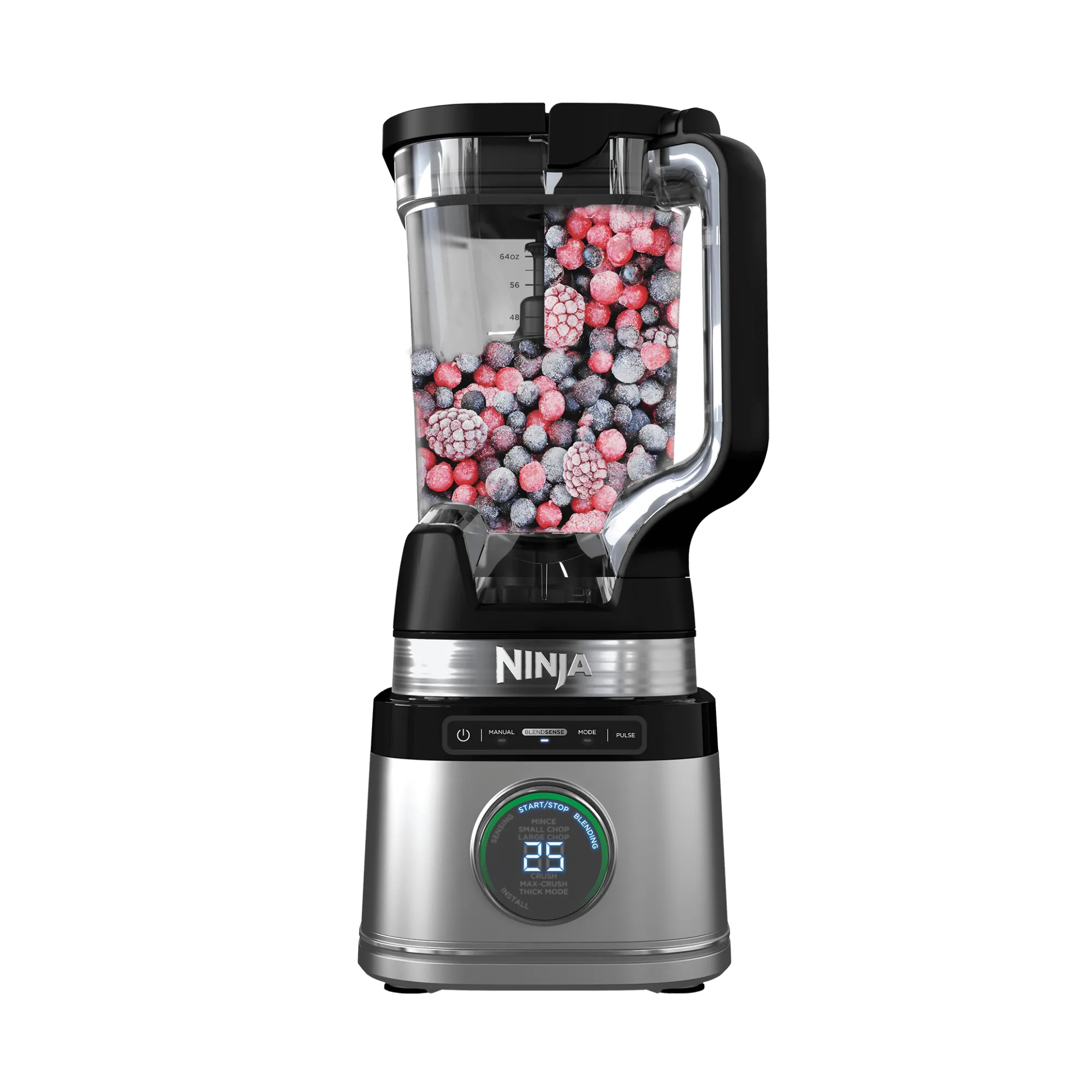

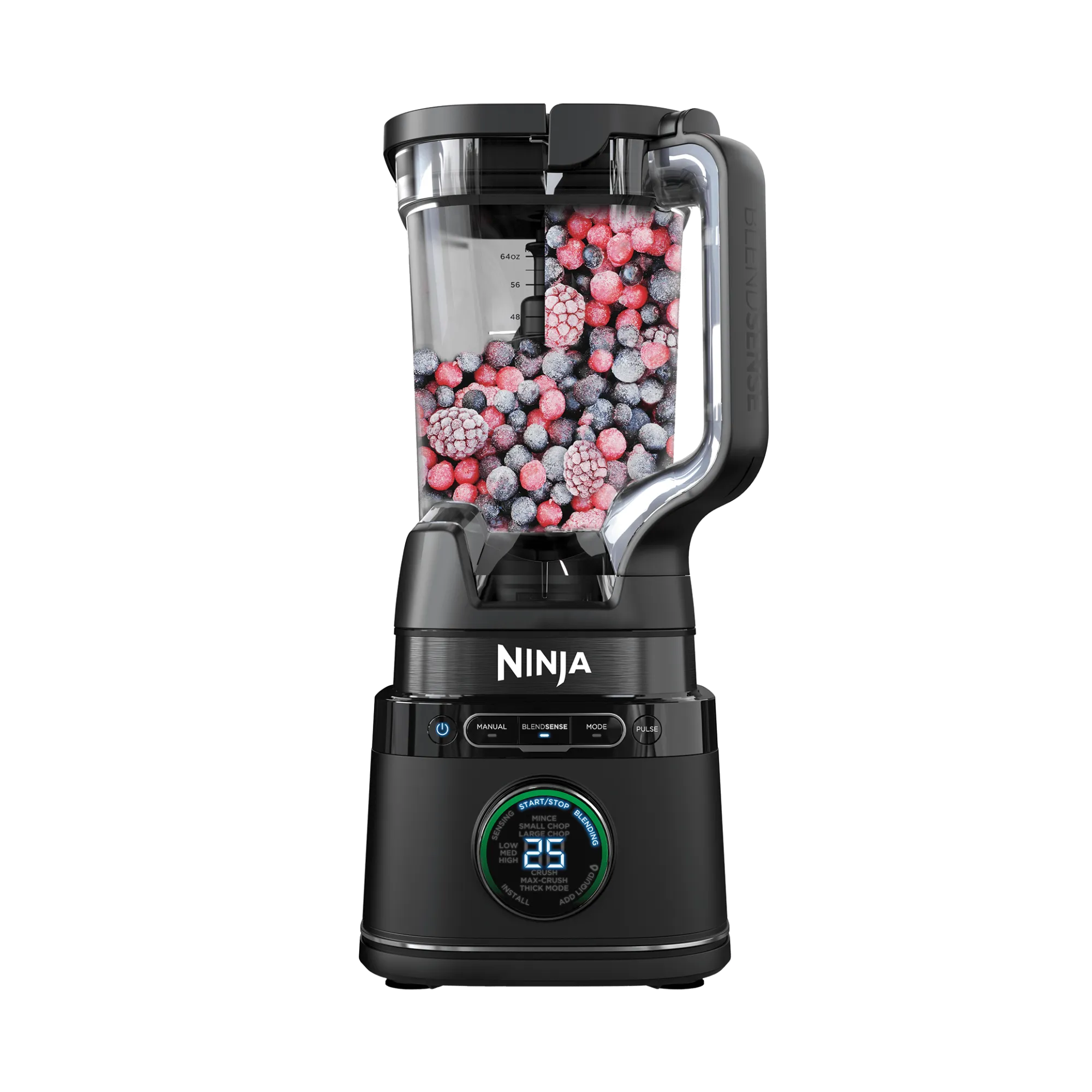
Blenders Ninja
Smart Blender Ninja Detect 1,200 W with 2.1 L pitcher

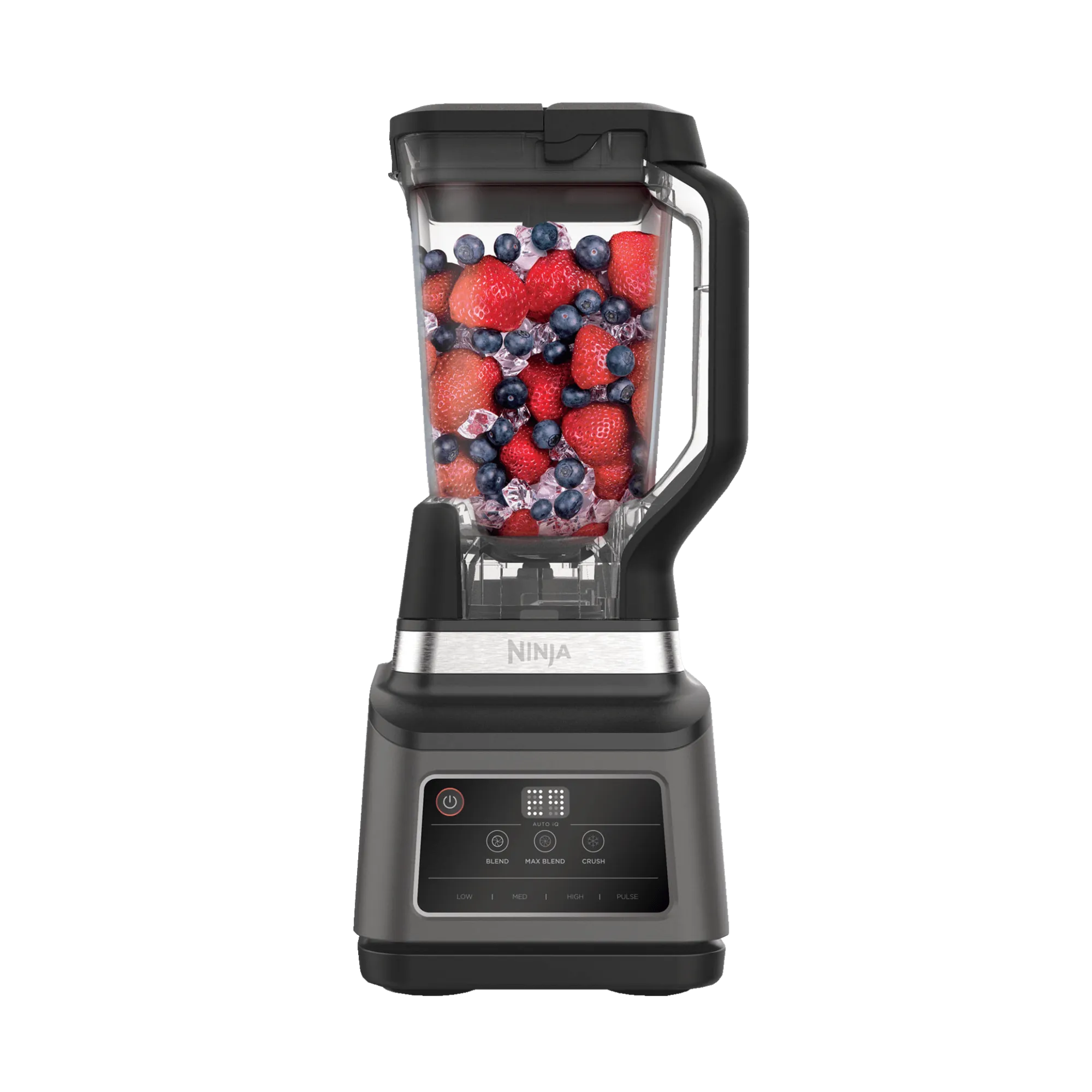

Blenders Ninja
Blender 2-in-1 Ninja Auto-IQ Technology Grey

Blenders Ninja
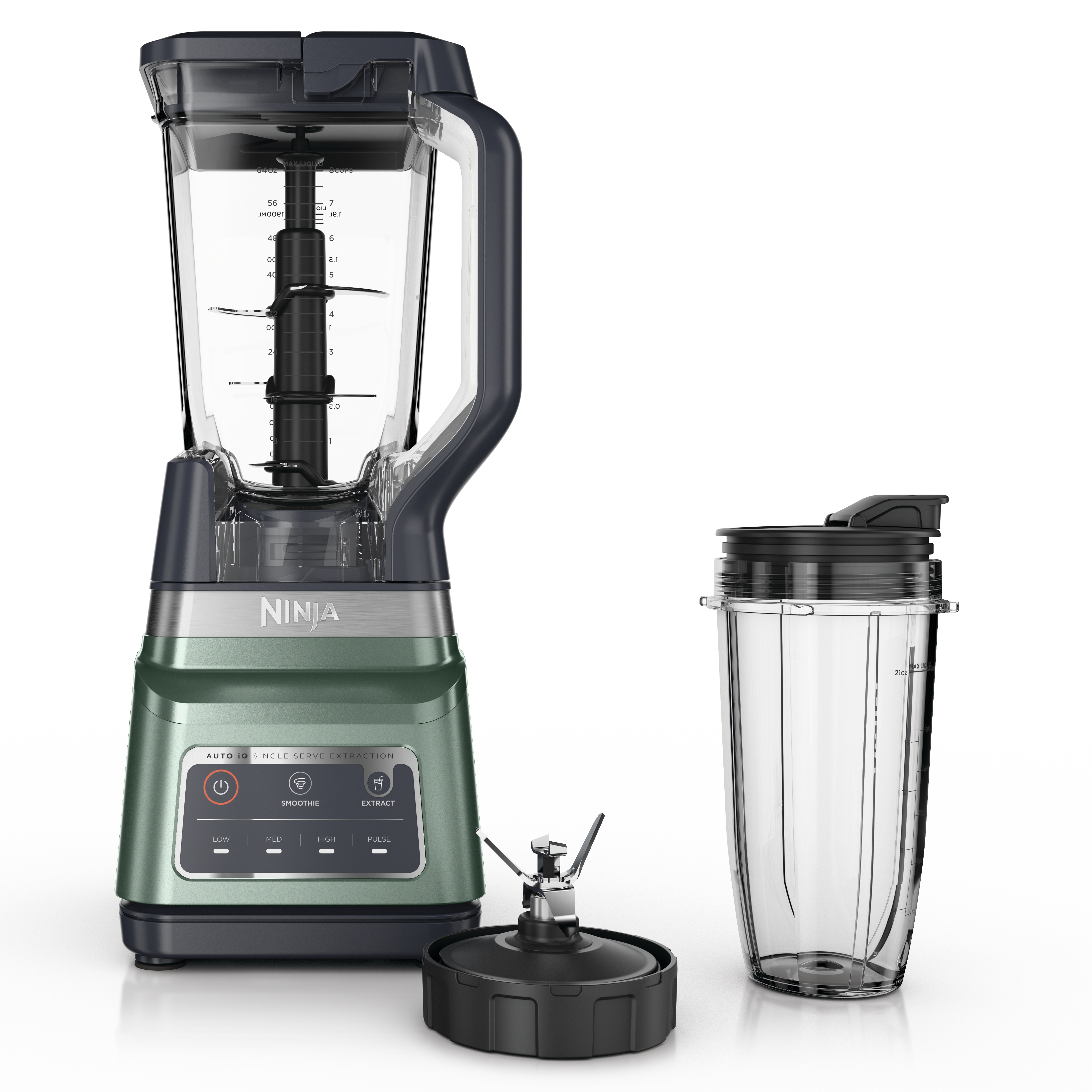
Blender 2-in-1 Ninja Auto-IQ Technology Olive Green

Blenders Ninja
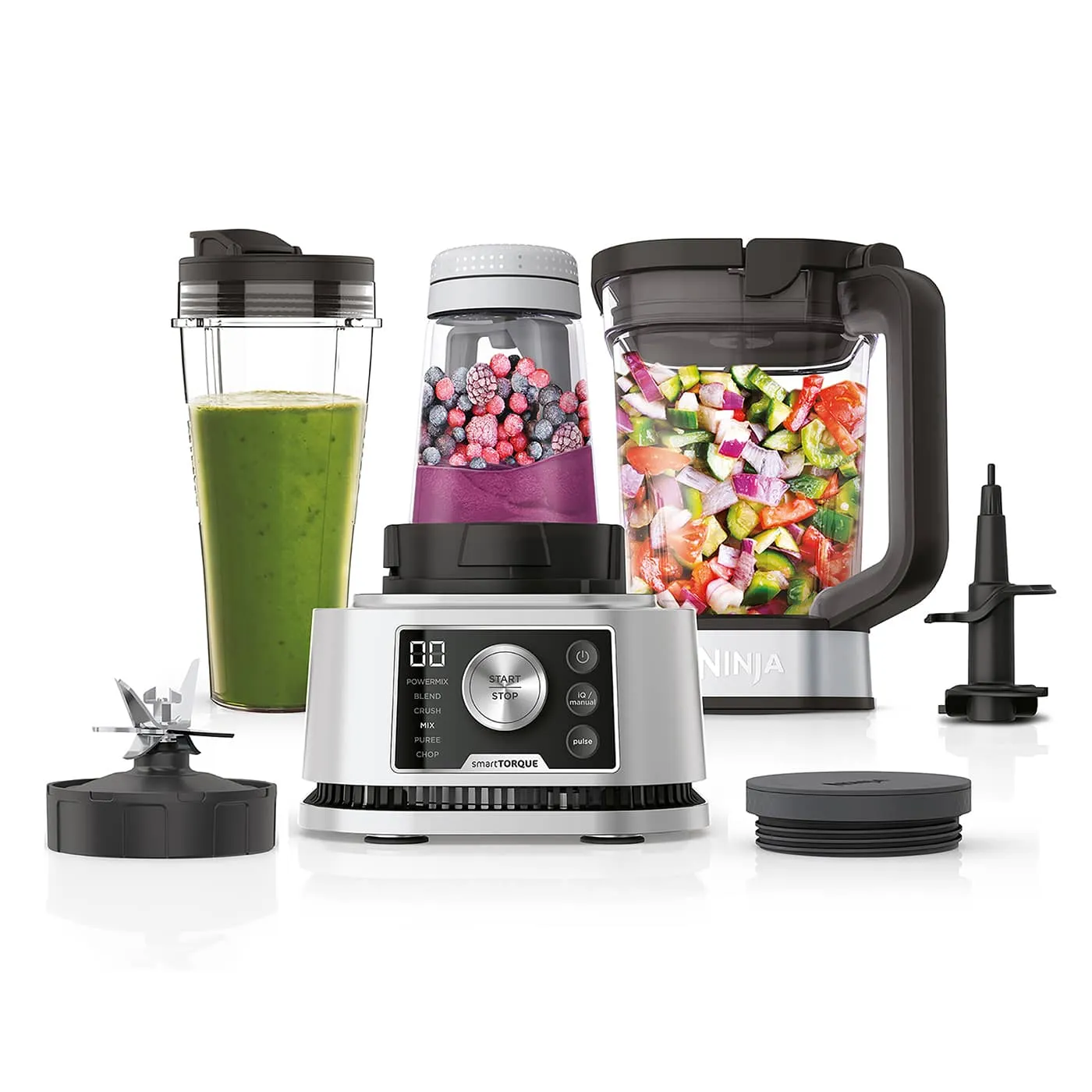
Blender 3-in-1 Ninja Foodi Power Nutri 1,200 W with Auto-iQ

Blenders Ninja
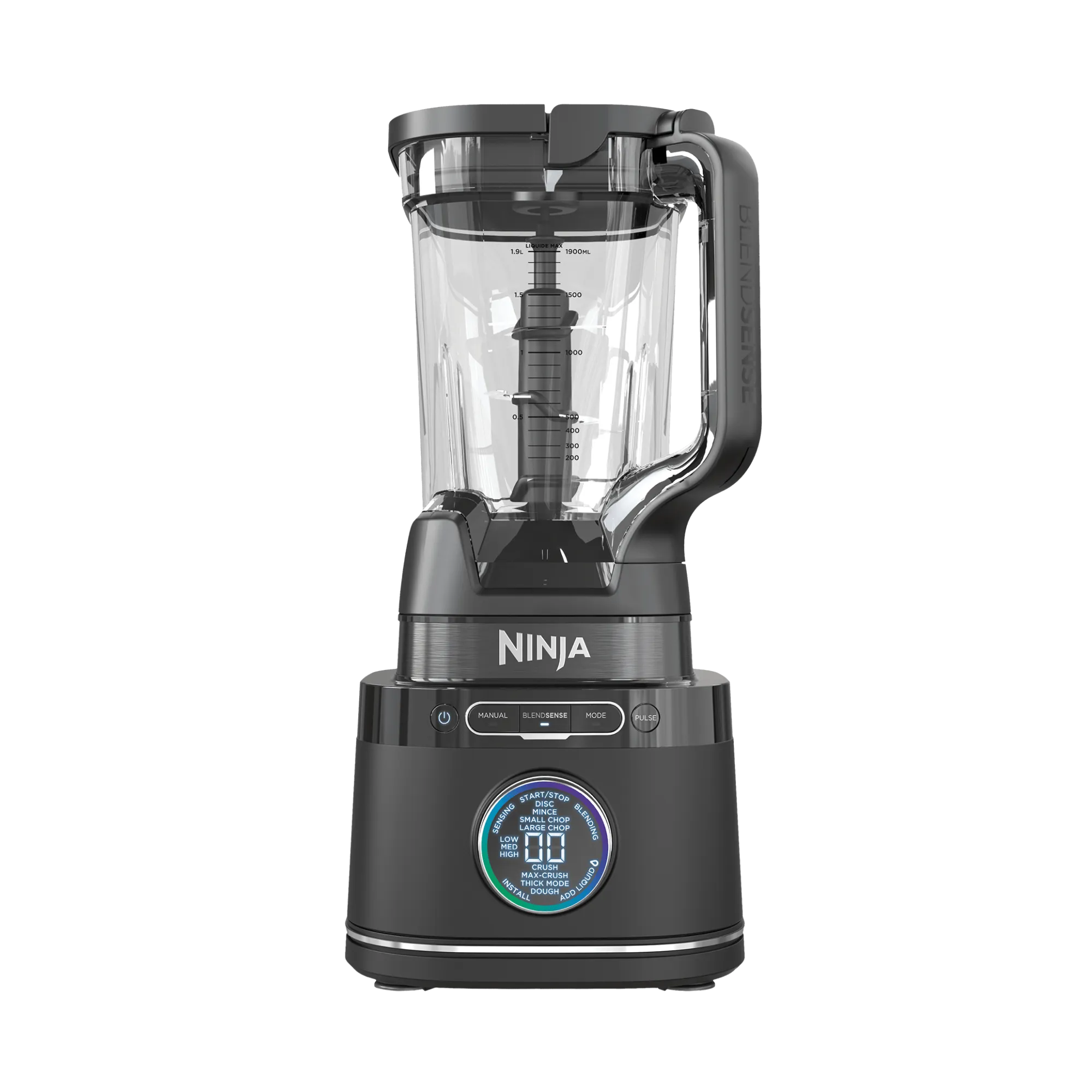
Smart blender and food processor Ninja Detect Black

Blenders Ninja
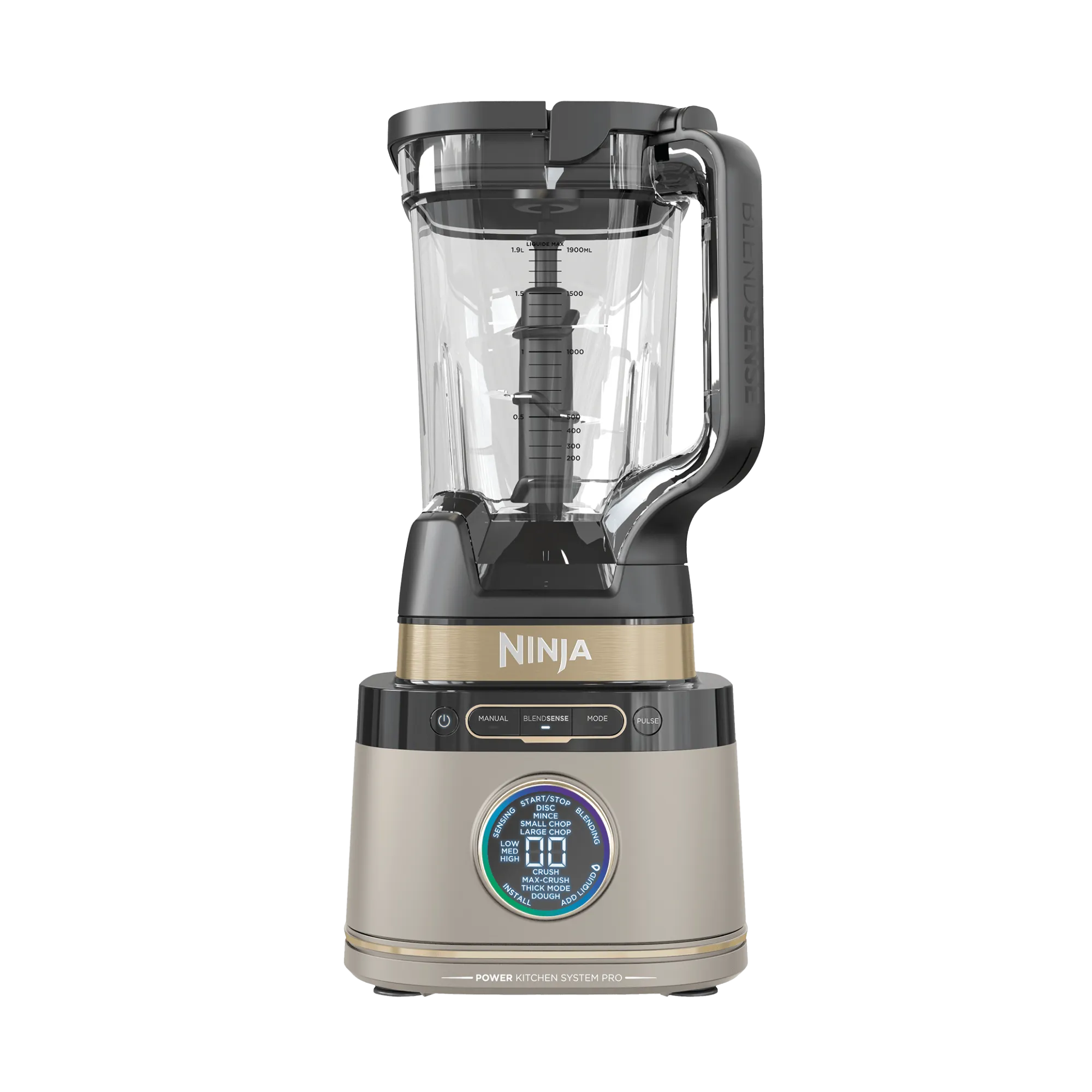
Smart blender and food processor Ninja Detect Beige/Gold
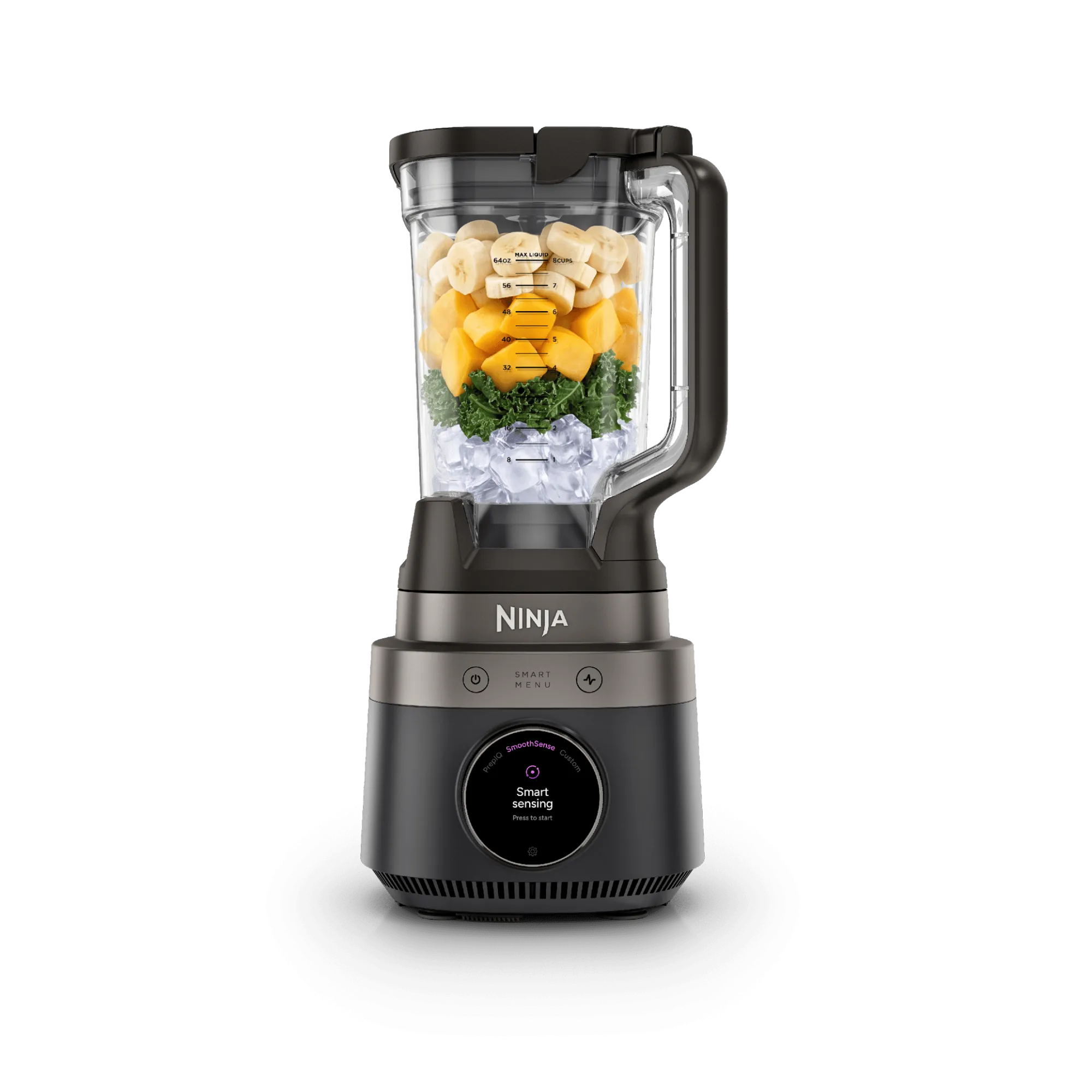

Blenders Ninja
Ninja CrushBOSS smart blender Onyx
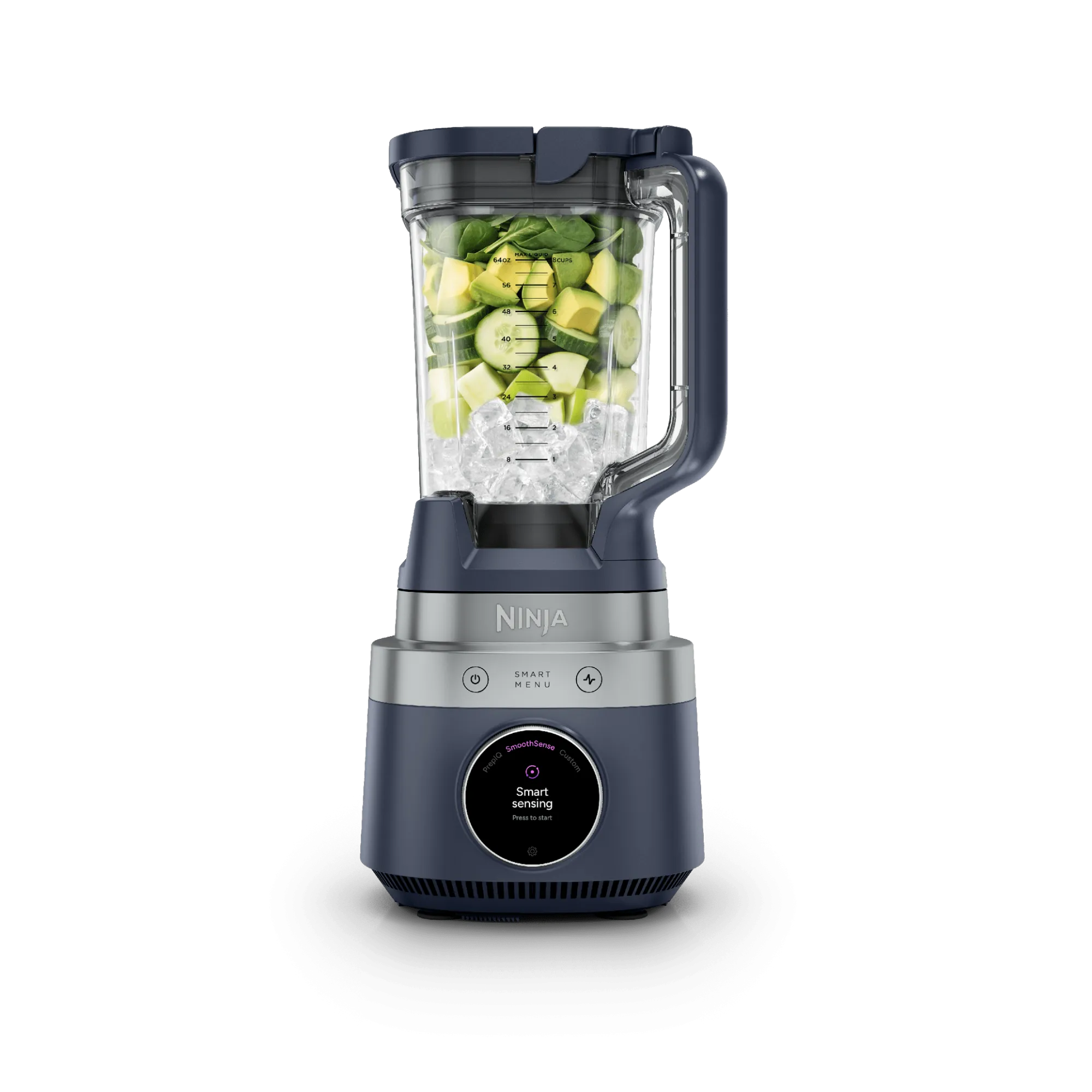

Blenders Ninja
Ninja CrushBOSS smart blender Arctic Blue
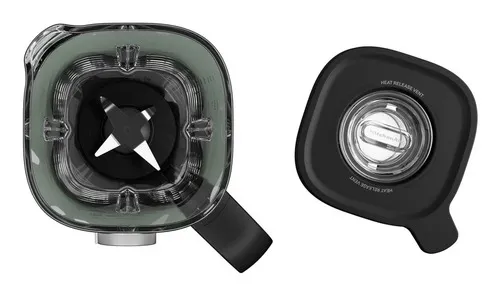
Blenders KitchenAid
KitchenAid 5KSB2071EDC 1.85 L Tabletop blender Black
1.85 L table blender with 10 speeds and ice crush function
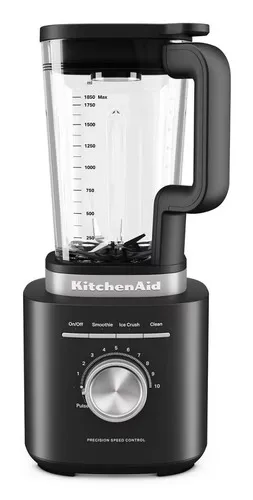
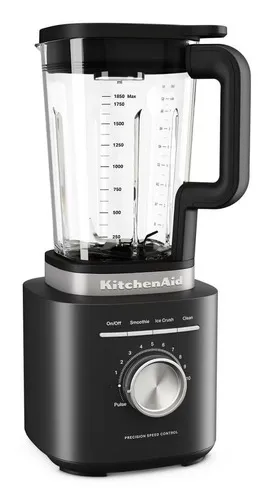
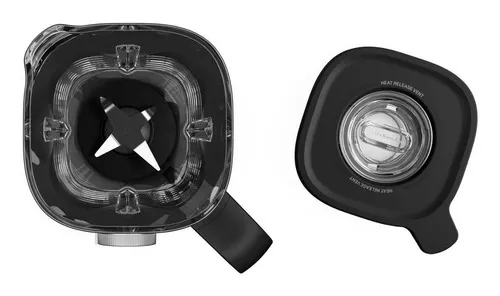
Blenders KitchenAid
KitchenAid 5KSB2071EBM 1.85 L Tabletop blender Black
1.85 L jug, 10 speeds, built in ice crusher function