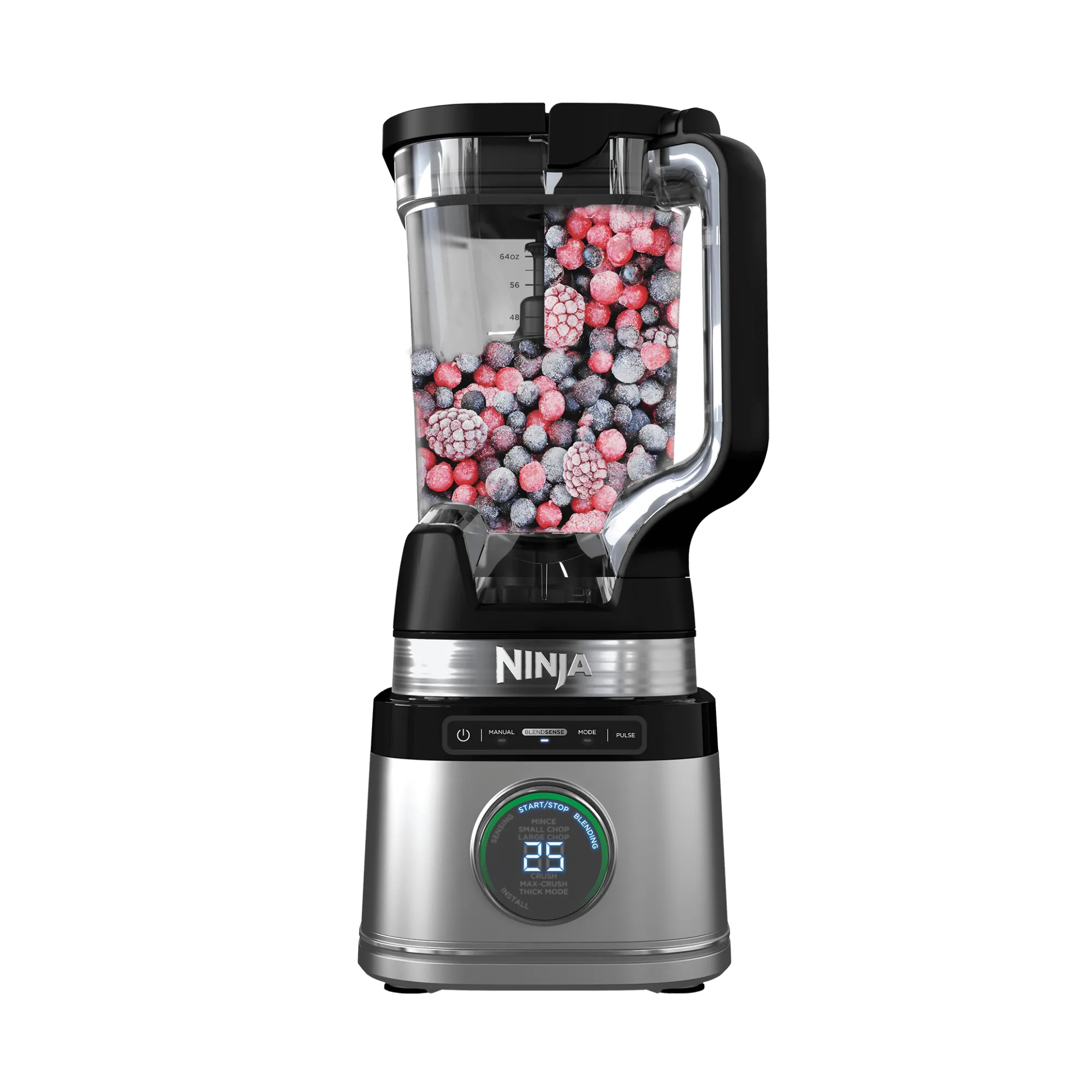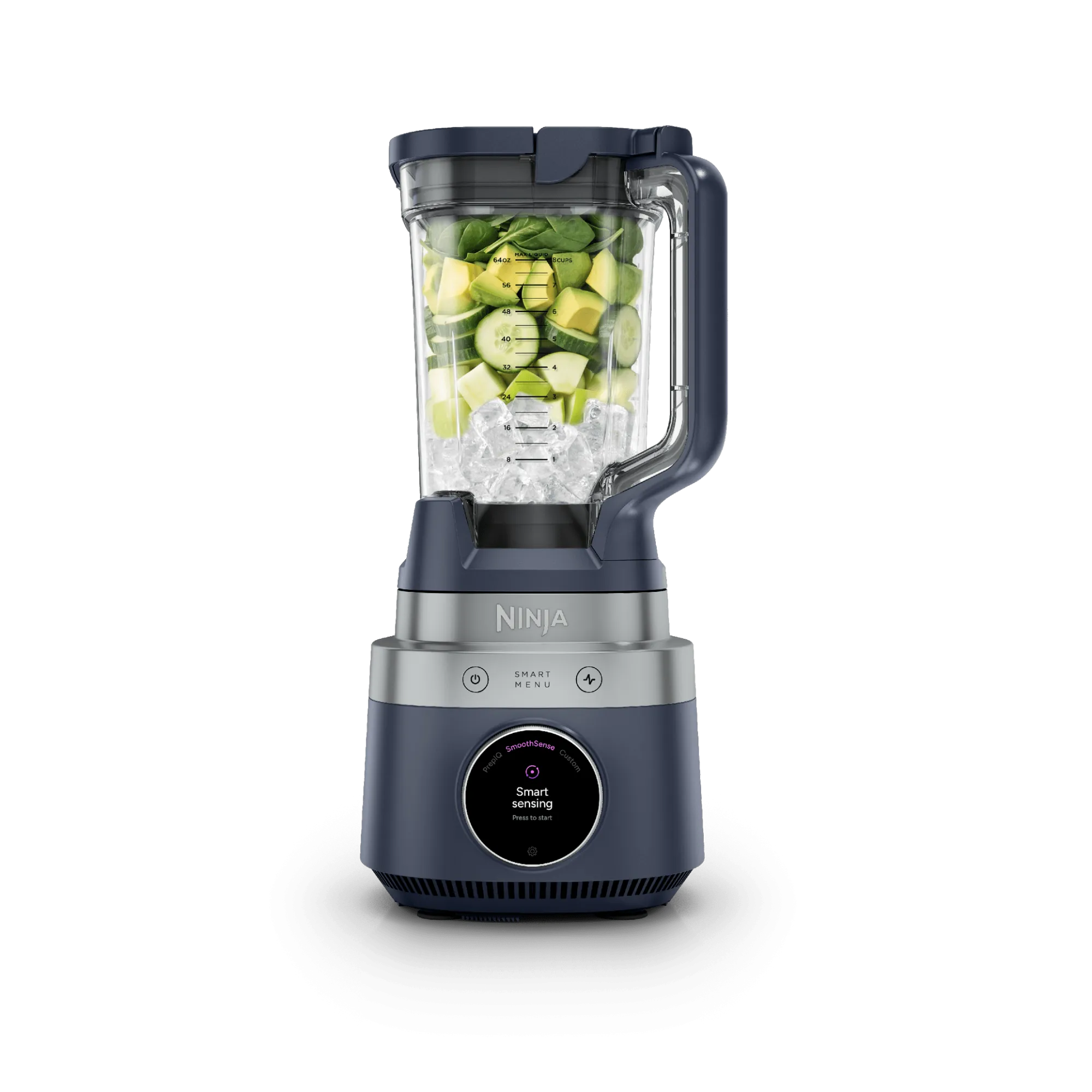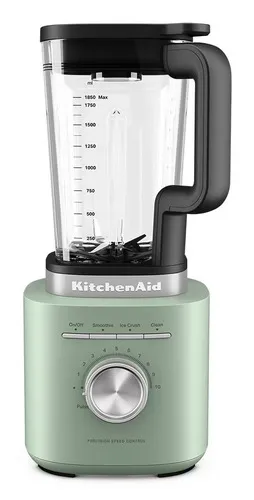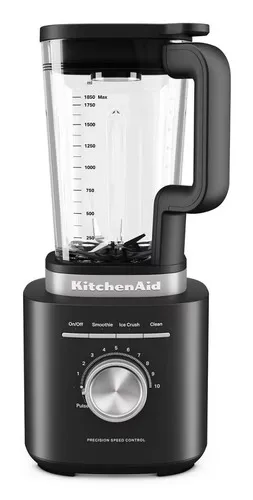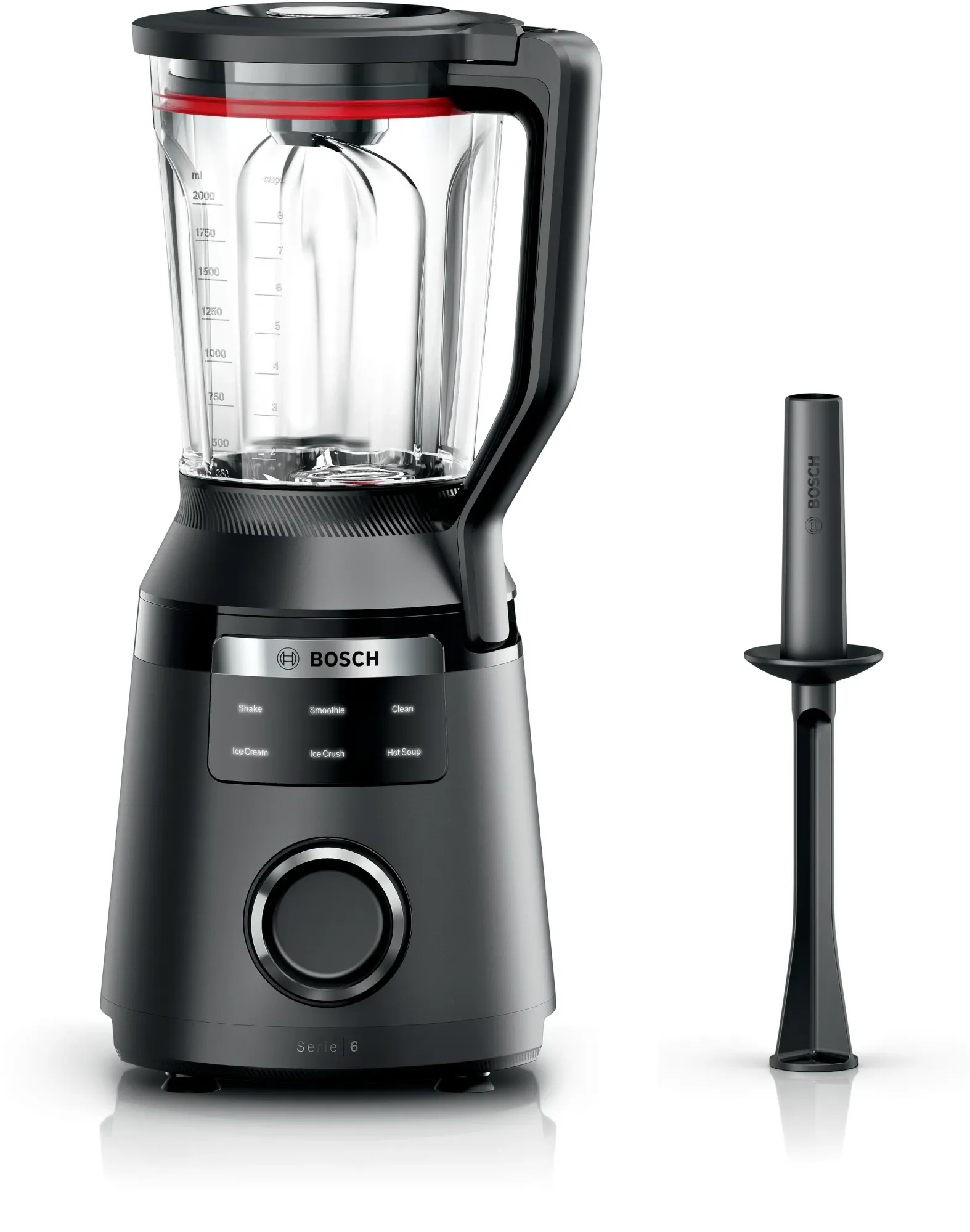
Blenders Bosch
Série 6 VitaPower 1800 W High Performance Blender Black MMB6652B
Relevance for this use: 93/100
Using a blender once or twice a week for a sauce, a soup or a simple mix does not justify investing in an appliance with high-end specifications. What matters most is having a reliable tool for everyday tasks, without overpaying for features that will remain little used week after week.
In this situation, price becomes the main benchmark for the choice, while power, number of speeds and capacity can stay modest without harming the intended use. This trade-off suits a light and infrequent use, where the frequency of use does not justify a high budget.
The reasoning is therefore reversed compared with intensive use: any technical feature that exceeds the actual need becomes an unnecessary expense rather than an advantage.
The same criteria as on the category page, but not the same weight: here is what goes up and what goes down.
Power matters less here: occasional use on soft or already cooked ingredients does not require a powerful motor, and a modest appliance is more than enough for sauces or soups made from time to time. Benchmarks range from 180 W to 1200 W, and a value close to the bottom of that range remains sufficient for this kind of light preparation.
The number of speeds also matters less: one or two settings are enough for simple mixes made from time to time, without needing to fine-tune texture at every preparation. Benchmarks range from 1 to 25 available speeds, and an appliance offering few settings is not a shortcoming in this context.
Capacity also drops in priority: occasional use often involves small quantities, making a large bowl unnecessary, one that would also take up more space and take longer to clean. Benchmarks range from 0.48 L to 2 L, and a volume close to the bottom of that range suits this use perfectly.
Price becomes the dominant criterion: for light use, it makes sense to favour the most contained budget rather than pay for features that will remain underused. This choice covers the actual need without tying up a significant sum in a rarely used appliance.
The features pushed in this category that make no difference in this context.
High power
A motor near the top of the range mainly serves to regularly crush hard foods or ice, which goes beyond occasional use focused on simple preparations.
A high number of speeds
Numerous fine settings add nothing for simple mixes made from time to time, where a single setting is enough to get the expected result.
A large bowl capacity
A bowl near the top of the benchmarks serves to prepare large quantities, a need that does not match infrequent use involving small portions.
Orders of magnitude, not displayed prices: a price only appears on Kalyneo once it has been collected from a merchant, with its collection date.
Under €40
Under €40: this level is more than enough for occasional use, with modest power and capacity suited to simple preparations.
€40 to €100
€40 to €100: this budget brings a little more comfort of use, without being necessary for infrequent use.
Over €100
Over €100: this level exceeds the needs of occasional use, with the extra features remaining underused day to day.
Ranked by relevance for this specific case, not by their overall score.
Blenders Bosch
Relevance for this use: 93/100
Blenders Ninja
Relevance for this use: 91/100
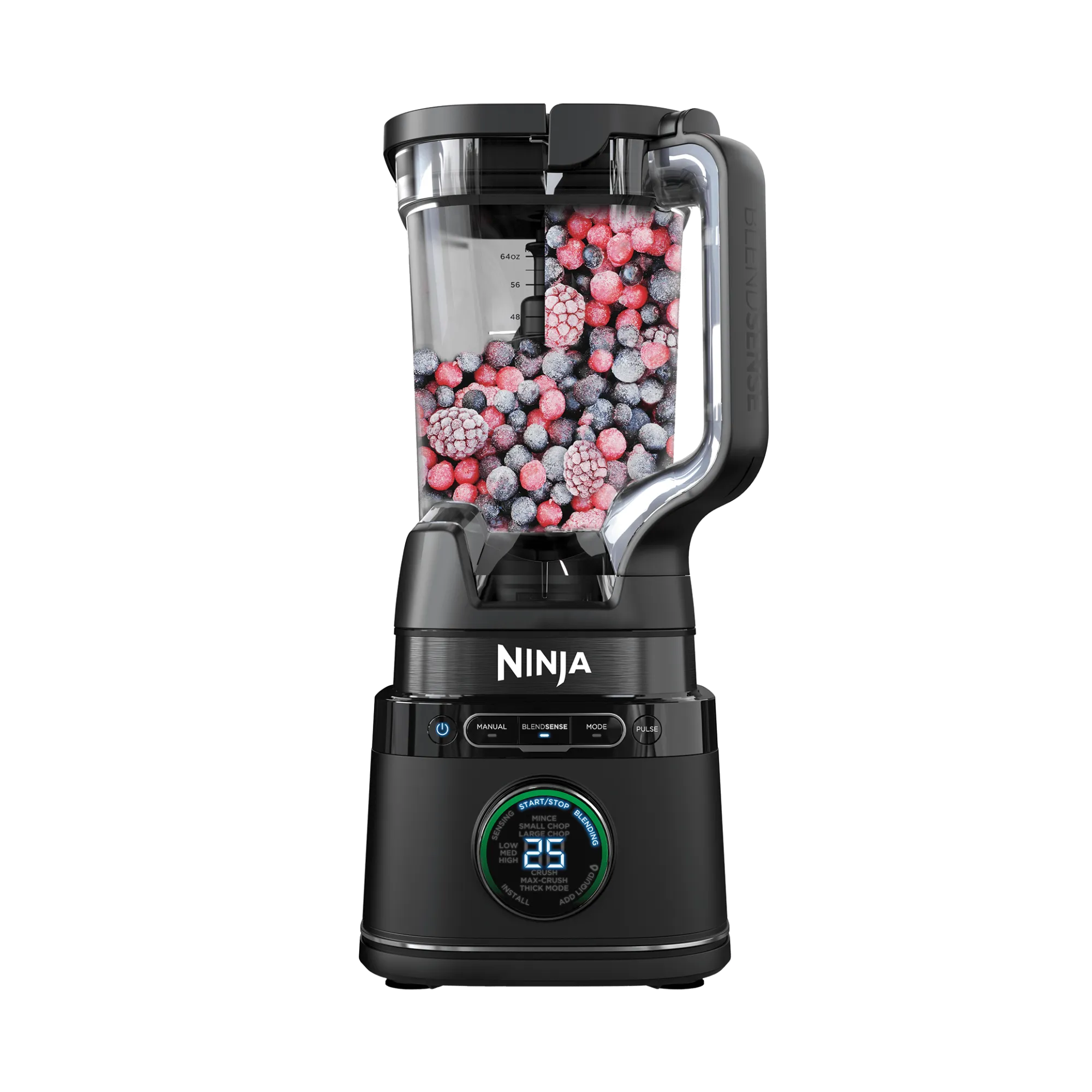
Blenders Ninja
Relevance for this use: 90/100
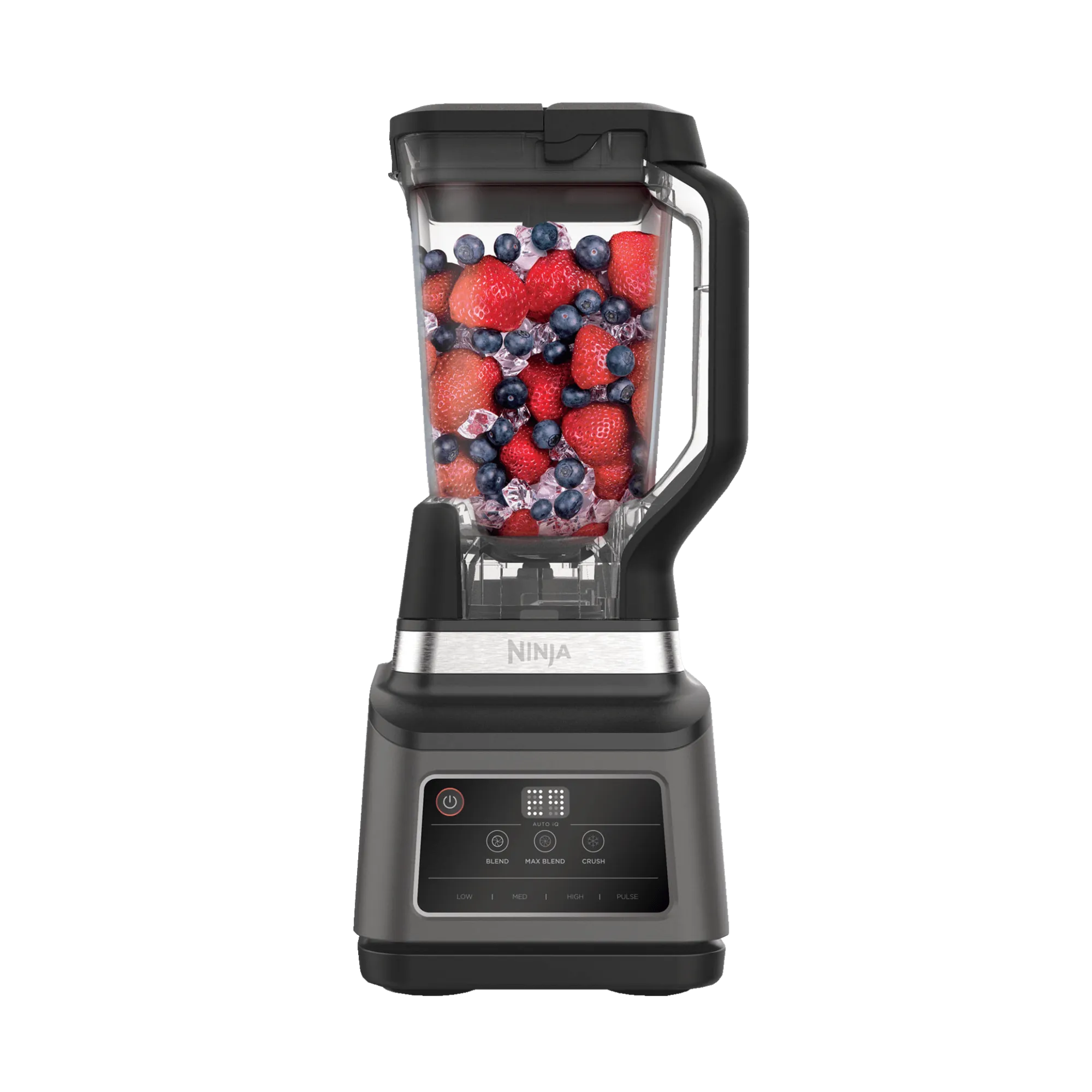
Blenders Ninja
Relevance for this use: 90/100
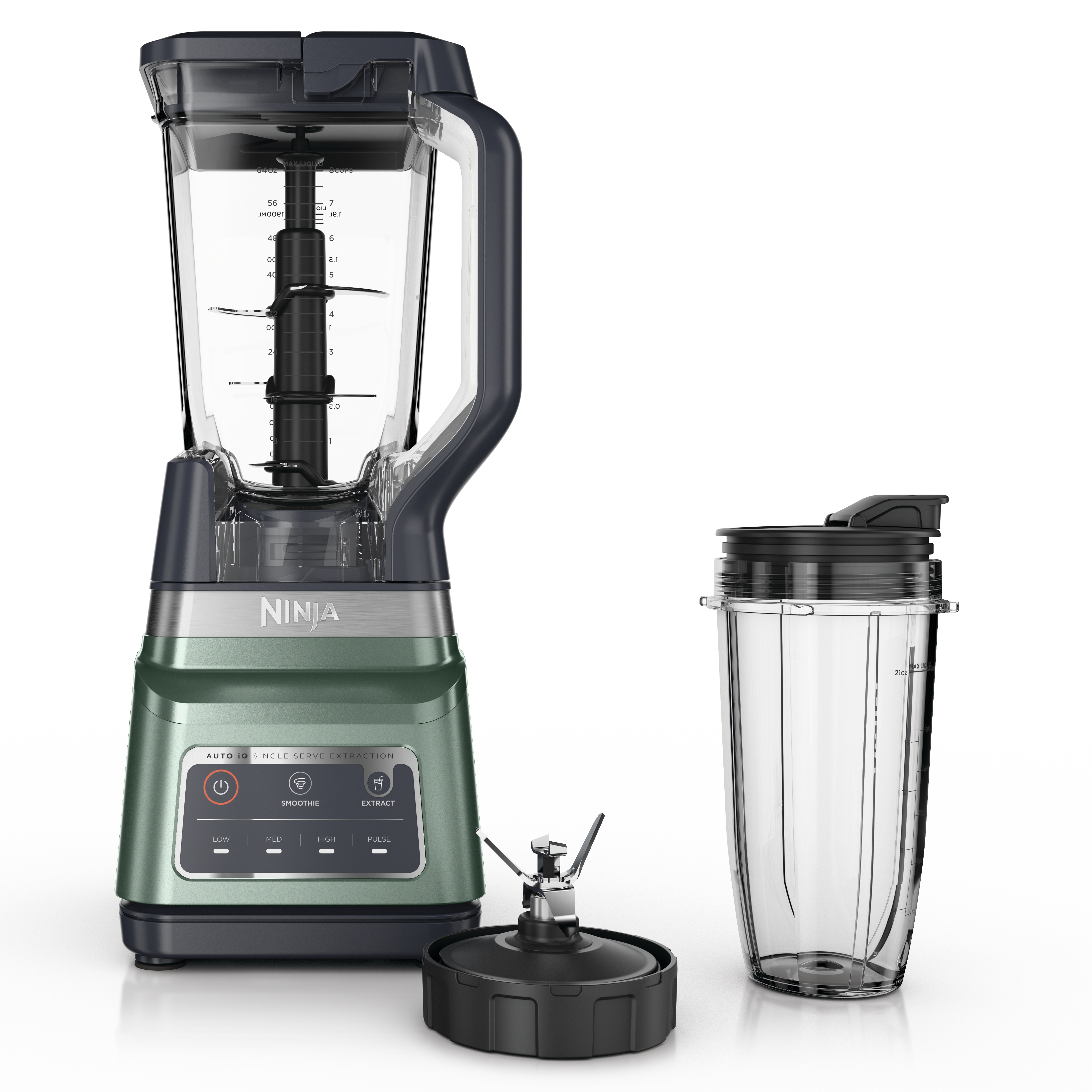
Blenders KitchenAid
Relevance for this use: 89/100
Blenders KitchenAid
Relevance for this use: 89/100
A product only enters this list if it meets every one of these points. Its relevance is rated for this specific use, independently of its overall score in the category.