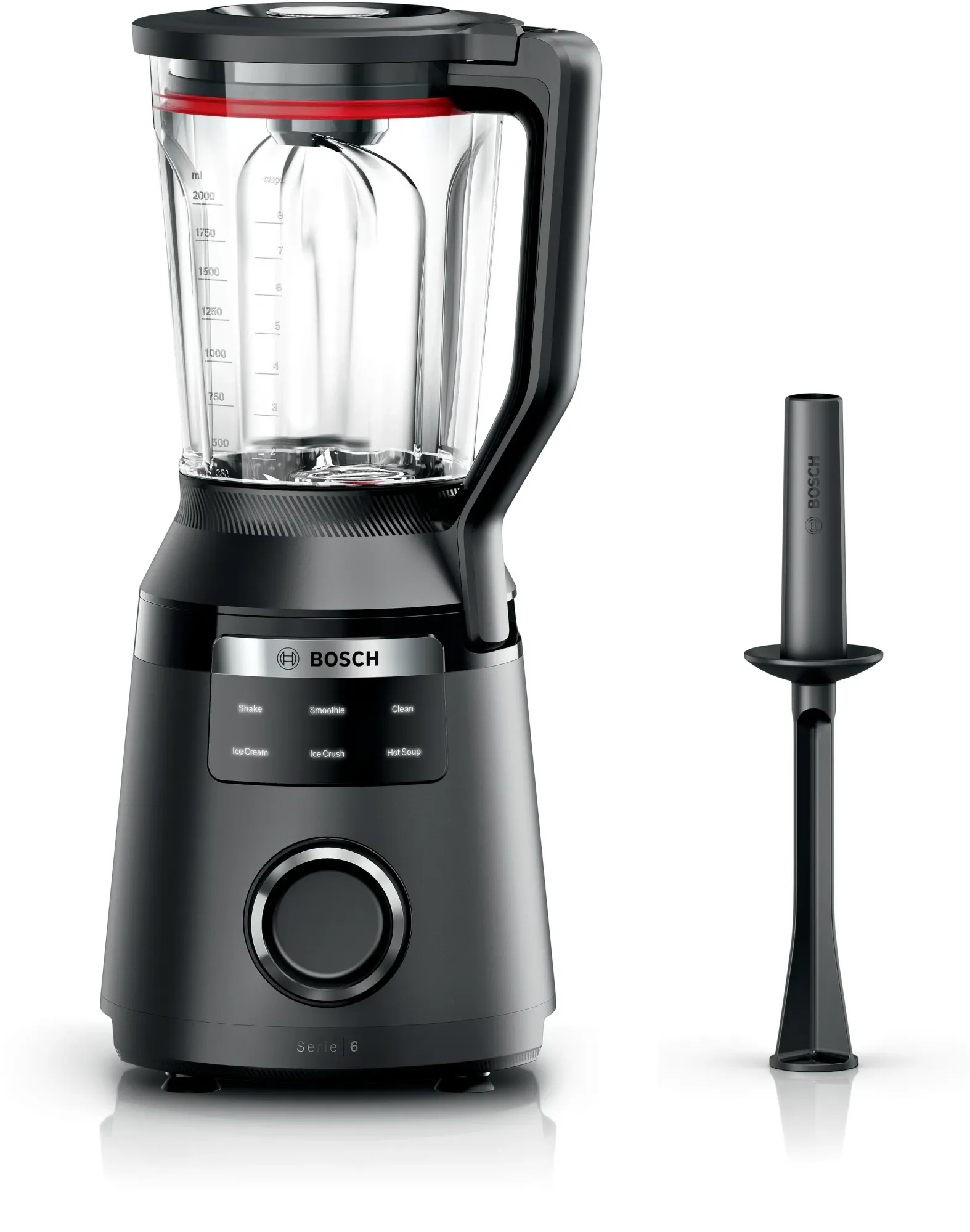
Blenders Bosch
Série 6 VitaPower 1800 W High Performance Blender Black MMB6652B
Relevance for this use: 92/100
Preparing soup for the whole family, juice for several people or a large batch of batter changes what matters most: filling and emptying the bowl several times in a row becomes something to avoid. Available volume becomes the criterion that truly simplifies the preparation, cutting down on trips between the blender and storage containers.
The number of speeds matters less here than usual: preparing a large quantity of soup or juice is often done at one or two settings, without needing fine adjustments to the texture. Power remains useful for blending large volumes without slowing down, but it does not outweigh capacity, which directly determines how many cycles are needed.
This situation therefore shifts priority toward a generous bowl, while fine speed settings and even price accept a few trade-offs in exchange for the time saved.
The same criteria as on the category page, but not the same weight: here is what goes up and what goes down.
Power keeps a weight close to that of the category: blending a large volume requires a motor that does not weaken as the bowl fills up, otherwise the blending time stretches out or chunks remain unblended in the largest batches. Benchmarks range from 180 W to 1200 W, and a value close to or above the median avoids slowdowns on large quantities.
The number of speeds matters less in this choice: preparing a large amount of soup or juice is often done with one or two settings, without needing multiple nuances to adjust texture. Benchmarks range from 1 to 25 available speeds, and an appliance offering few settings remains perfectly suited to this volume-focused rather than precision-focused use.
Capacity becomes the central criterion: a bowl close to the top of the range avoids repeating preparation cycles to feed several people, which genuinely simplifies serving a shared meal. Benchmarks range from 0.48 L to 2 L, and getting closer to the top of that range really changes day-to-day comfort of use.
Price keeps a slightly reduced weight compared with the category: favouring a large bowl may call for a somewhat higher budget, which remains justified by the time saved on repeated preparations and the comfort brought when feeding many people.
The features pushed in this category that make no difference in this context.
A very high number of speeds
Numerous fine settings add nothing when preparation happens at a constant pace for a large volume, and only make everyday use unnecessarily complex.
Extreme power without a need for fine textures
Power far above the median mainly serves to crush very hard foods or ice, a secondary need compared with capacity for large quantities meant for several people.
Orders of magnitude, not displayed prices: a price only appears on Kalyneo once it has been collected from a merchant, with its collection date.
Under €40
Under €40: capacity often stays close to the bottom of the range, forcing several cycles to feed several people.
€40 to €100
€40 to €100: this level provides access to more generous bowls, reducing the number of preparations needed for a family meal.
Over €100
Over €100: capacity reaches the top of the benchmarks, for preparing large quantities in a single batch and serving the whole family without repeating cycles.
Ranked by relevance for this specific case, not by their overall score.
Blenders Bosch
Relevance for this use: 92/100
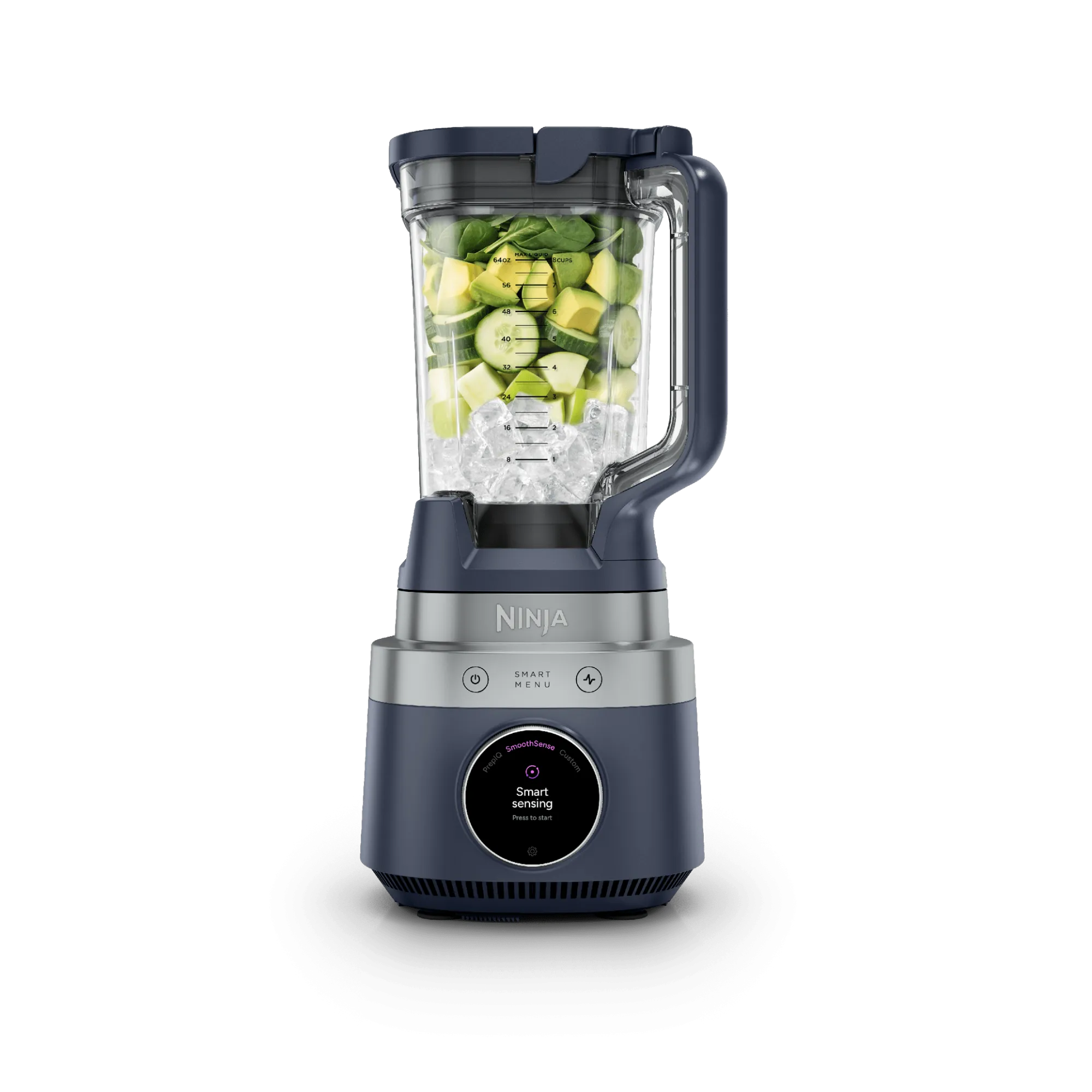
Blenders Ninja
Relevance for this use: 91/100
Blenders Ninja
Relevance for this use: 90/100
Blenders Ninja
Relevance for this use: 90/100
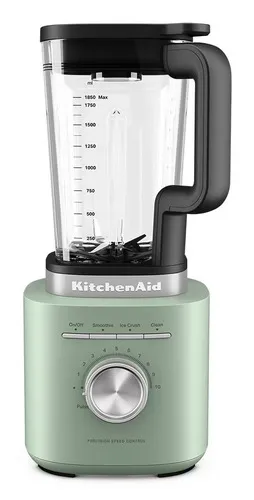
Blenders KitchenAid
Relevance for this use: 89/100
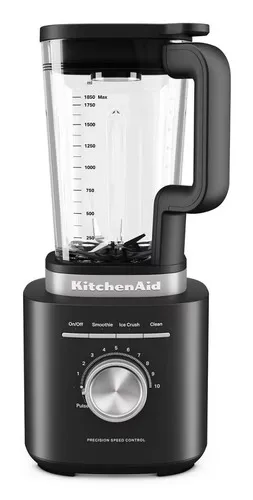
Blenders KitchenAid
Relevance for this use: 89/100
A product only enters this list if it meets every one of these points. Its relevance is rated for this specific use, independently of its overall score in the category.