Quiet graphics card for living rooms
A computer set up in a living room or shared space is not judged the same way as a machine tucked away in a closed office. The noise generated by cooling becomes a daily comfort criterion, especially if the device runs during films, music or simply in the background while others share the room.
Processing power and video memory keep their use for gaming or multimedia, but they matter less than quietness in this context: a slightly less powerful but quiet card often suits better than a loud, even high performing one. Connectivity, useful for plugging in a television or a second screen, stays secondary to this sound comfort concern.
What matters in this specific case
The same criteria as on the category page, but not the same weight: here is what goes up and what goes down.
-
Quietness
Matters more coefficient 2This is the decisive criterion in this situation. A low number of fans, close to the lowest benchmark, strongly limits perceived noise in a living space. A high number, close to the upper benchmark, stands out more when the room is quiet or shared by several people.
-
Processing power
Matters less coefficient 0.6Processing power remains useful for gaming or smooth viewing of demanding content, but it does not need to reach the highest levels: a medium level already covers a large majority of common living room uses.
-
Video memory
Matters less coefficient 0.8Video memory affects comfort in high resolution, for instance on a large television. A medium level suits most multimedia uses, without needing to aim for the upper range.
-
Connectivity
Matters less coefficient 0.6The number of video outputs matters less here, as a single connection to the television or main screen is often enough. A low to medium level stays sufficient for this context.
-
Price
Unchanged weight coefficient 1Budget leans towards quiet models rather than the most powerful ones: there is no point paying for power that comes with loud cooling if sound comfort comes first.
What is not worth paying for
The features pushed in this category that make no difference in this context.
-
Maximum processing power
Aiming for the highest processing power benchmark often means heavier cooling, so potentially louder operation. This choice does not serve the priority of quietness in a living space.
-
Extended connectivity
A large number of video outputs serves no particular purpose if only one screen or television is connected in the room.
-
Top-tier video memory
The highest video memory level mainly benefits demanding professional or creative uses, rarely needed for living room multimedia use.
Price ranges for this use
Orders of magnitude, not displayed prices: a price only appears on Kalyneo once it has been collected from a merchant, with its collection date.
Under €250
Under €250: cards with a reduced number of fans are available, suiting common multimedia use in a living space.
€250 to €600
€250 to €600: the choice of quiet models widens, with processing power reaching the medium level for light to moderate gaming.
Over €600
Over €600: this price level mainly brings high processing power, useful only once quietness is no longer the main priority.
The products selected for this use
Ranked by relevance for this specific case, not by their overall score.
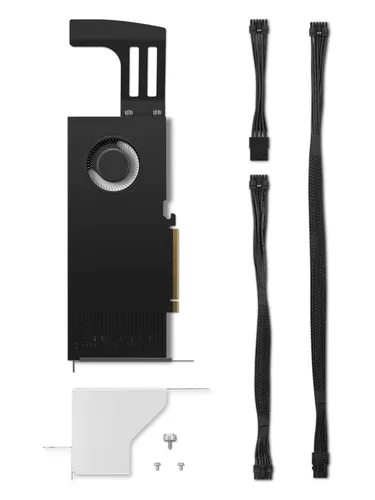
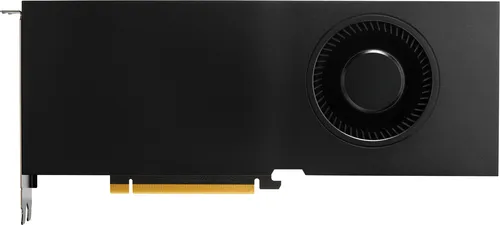
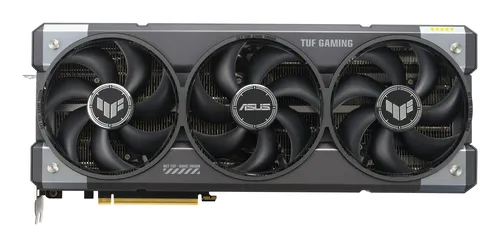
Graphics cards ASUS
ASUS TUF Gaming TUF-RTX5090-32G-GAMING NVIDIA GeForce RTX 5090 32 GB GDDR7
Relevance for this use: 66/100
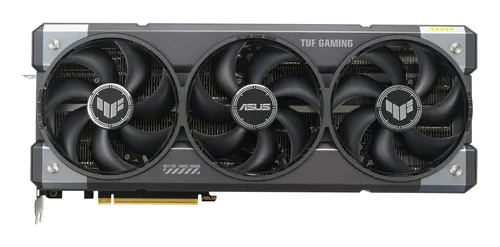
Graphics cards ASUS
ASUS TUF Gaming TUF-RTX5090-O32G-GAMING NVIDIA GeForce RTX 5090 32 GB GDDR7
Relevance for this use: 66/100
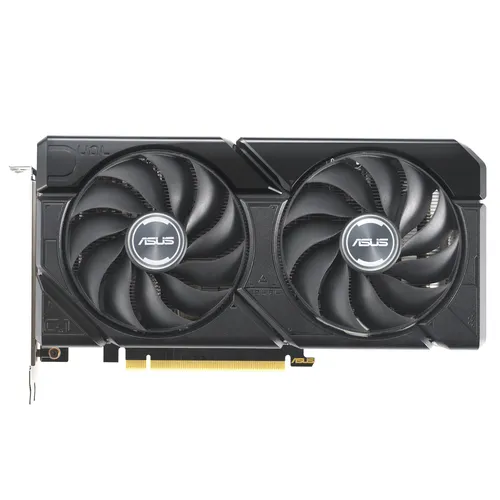
Graphics cards ASUS
ASUS Dual -RTX4060-O8G-EVO NVIDIA GeForce RTX 4060 8 GB GDDR6
Relevance for this use: 62/100
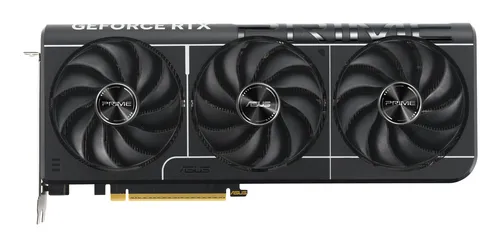
Graphics cards ASUS
ASUS Prime -RTX5080-O16G NVIDIA GeForce RTX 5080 16 GB GDDR7
Relevance for this use: 59/100
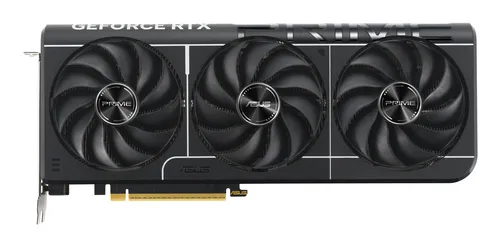
Graphics cards ASUS
ASUS Prime -RTX5070TI-O16G NVIDIA GeForce RTX 5070 Ti 16 GB GDDR7
Relevance for this use: 59/100
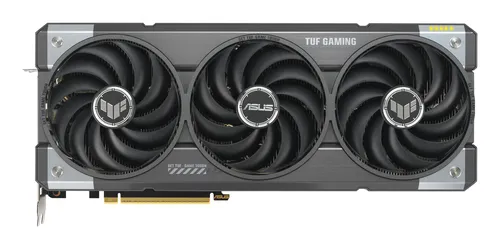
Graphics cards ASUS
ASUS TUF Gaming TUF-RTX5070TI-O16G-GAMING NVIDIA GeForce RTX 5070 Ti 16 GB GDDR7
Relevance for this use: 59/100
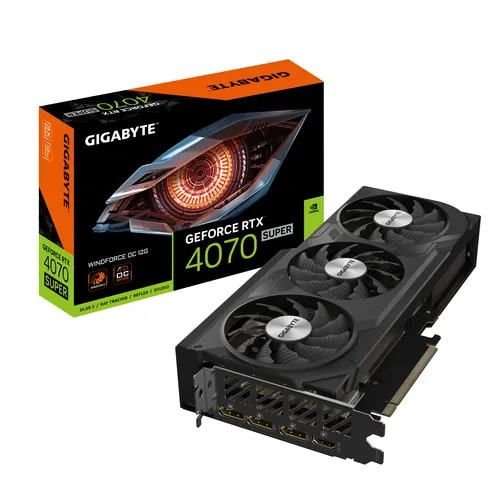
Graphics cards GIGABYTE
GIGABYTE GeForce RTX 4070 SUPER WINDFORCE OC 12G NVIDIA 12 GB GDDR6X
Relevance for this use: 57/100
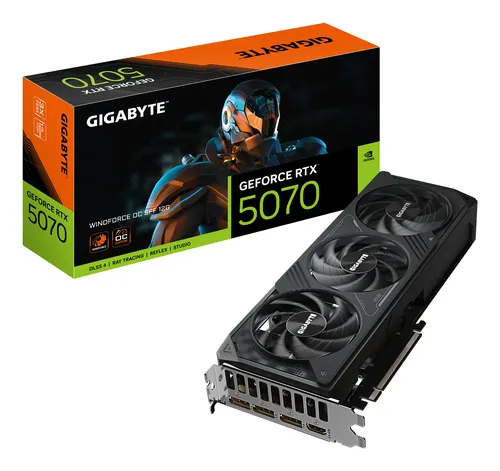
Graphics cards GIGABYTE
GIGABYTE GeForce RTX 5070 WINDFORCE OC SFF 12G Graphics Card
Relevance for this use: 56/100
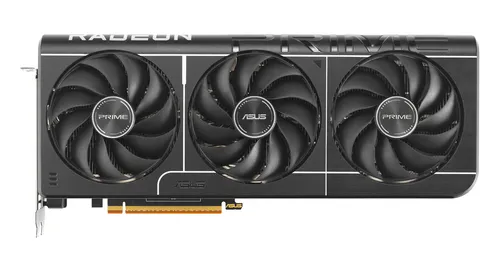
Graphics cards ASUS
ASUS Prime -RX9070XT-O16G AMD Radeon RX 9070 XT 16 GB GDDR6
Relevance for this use: 56/100
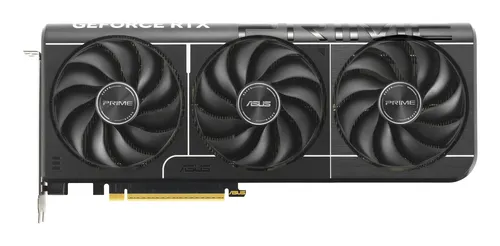
Graphics cards ASUS
ASUS Prime -RTX5070-O12G NVIDIA GeForce RTX 5070 12 GB GDDR7
Relevance for this use: 56/100
Our selection criteria for this use
A product only enters this list if it meets every one of these points. Its relevance is rated for this specific use, independently of its overall score in the category.
- Cards with a low number of fans, close to the lowest benchmark, are highlighted.
- Models with a high number of fans rank lower, even with higher power.
- Processing power and video memory weigh less than quietness in the ranking.
- Price is compared at comparable specifications, without favouring the most expensive models.
Other situations in this category
Graphics card for multi-monitor setups
For a desk with several monitors, a graphics card mainly needs enough video outputs, not high gaming performance.
Read
Graphics card for video editing
For video editing and photo retouching, video memory matters more than connectivity or quietness when choosing a graphics card.
Read