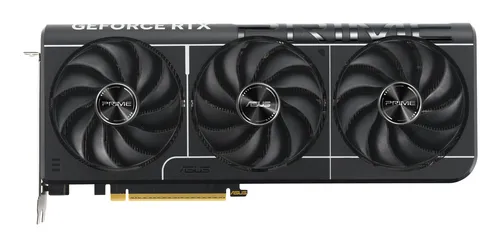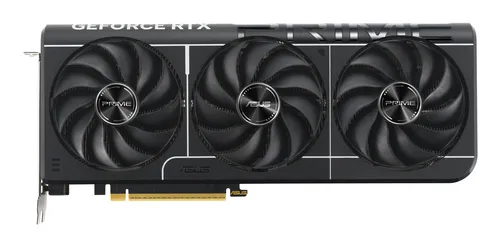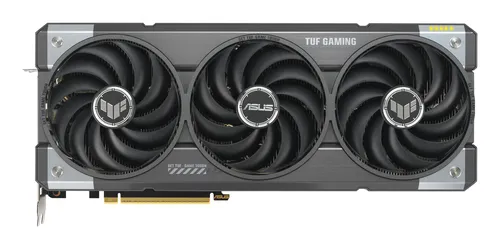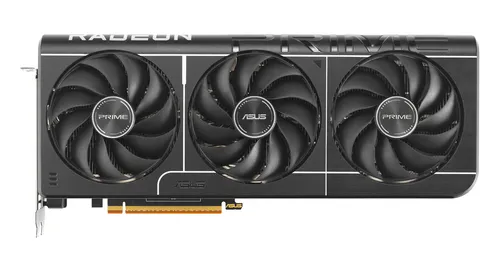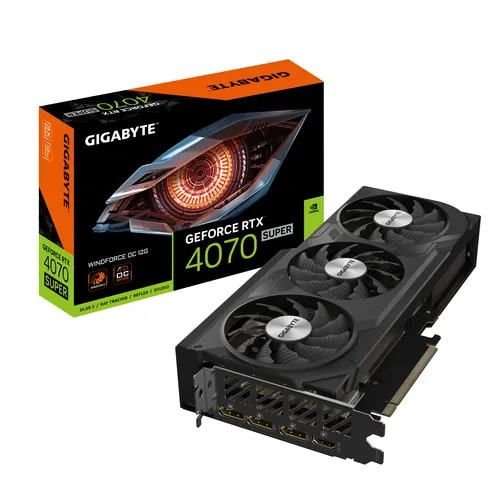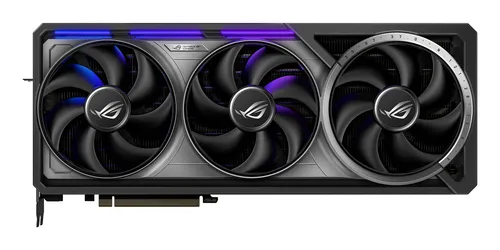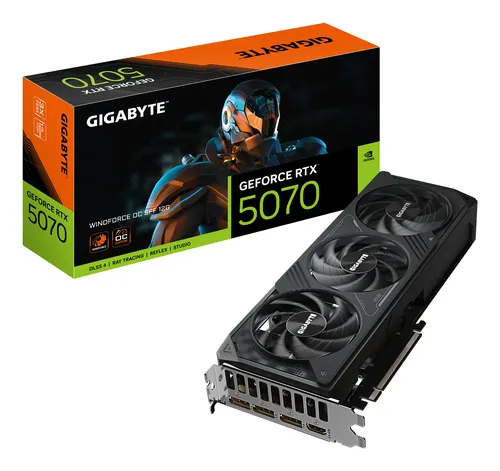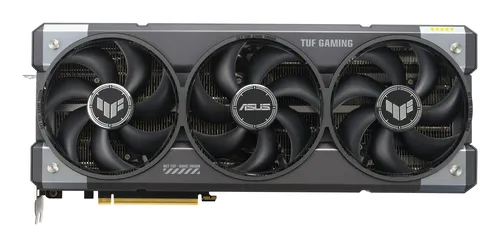
Graphics cards ASUS
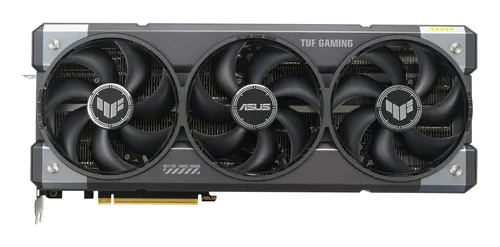
ASUS TUF Gaming TUF-RTX5090-32G-GAMING NVIDIA GeForce RTX 5090 32 GB GDDR7
Relevance for this use: 80/100
Video editing and photo retouching put different demands on a graphics card than gaming does. Large files, multiple layers and high resolution footage call above all for generous video memory, so that heavy projects can be handled without slowdowns while scrubbing through timelines or switching between layers.
Processing power still matters to speed up exports and complex effects, but it ranks below memory in order of priority. Multi screen connectivity and a quiet cooling system matter less than available memory for this use, even though they remain welcome for day to day comfort at the desk.
This page adjusts the weighting of each criterion accordingly, so that cards offering ample video memory come first, ahead of cards that spread their strengths evenly across every specification.
The same criteria as on the category page, but not the same weight: here is what goes up and what goes down.
This is the most important criterion for this use. A level close to the lowest reference quickly limits the size of projects handled without slowdown; a level at or above the median, closer to the highest reference, allows work on heavy files and long sequences without trouble.
High processing power speeds up renders and effects applied in real time. A median level suits regular use; aiming for the highest reference mainly benefits very large projects or complex effect chains.
A second screen makes editing or retouching easier, but two outputs are already enough for this common setup. The number of outputs matters less here than memory capacity.
A moderate number of fans remains comfortable for long working sessions, without this criterion becoming decisive next to memory or processing power.
Budget is best concentrated on memory capacity rather than spread evenly across every specification: favouring this criterion pays off more than balancing the budget across all of them.
The features pushed in this category that make no difference in this context.
Very extensive connectivity
A high number of video outputs, close to the highest reference, goes well beyond the needs of an editing or retouching setup, which rarely uses more than two screens.
Extreme quietness
Aiming for the lowest possible number of fans is not essential for this kind of work, which tolerates a slightly more noticeable cooling system without real discomfort.
Maximum output count
Paying extra for the highest display output count brings little benefit when a single working screen plus one reference monitor already covers most editing needs.
Orders of magnitude, not displayed prices: a price only appears on Kalyneo once it has been collected from a merchant, with its collection date.
Under €250
Under €250: video memory often stays close to the lowest reference, which limits comfort on large projects.
€250 to €600
€250 to €600: video memory more regularly reaches the median level, with processing power sufficient for regular editing or retouching work.
Over €600
Over €600: this price level gives access to video memory close to the highest reference, useful for the largest projects or long sequences in high resolution.
Ranked by relevance for this specific case, not by their overall score.
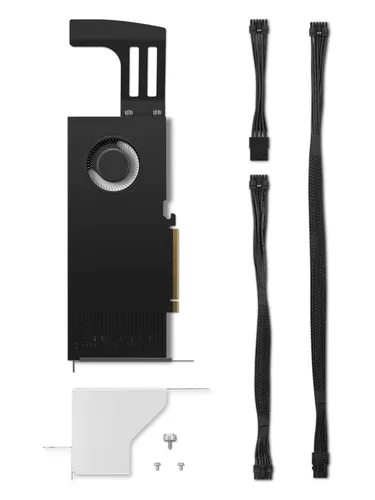
Graphics cards ASUS
Relevance for this use: 80/100
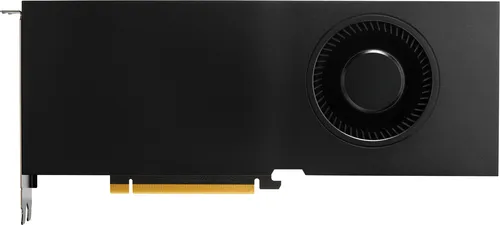
Graphics cards ASUS
Relevance for this use: 80/100
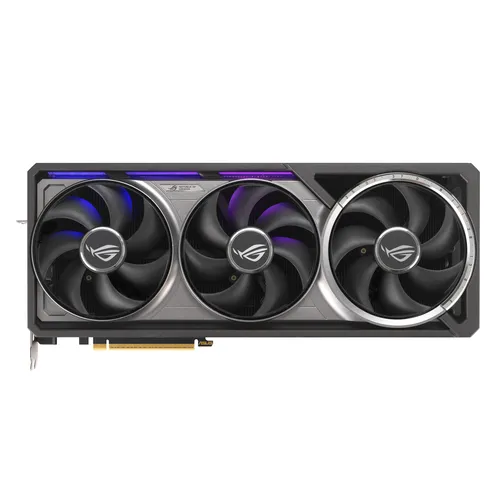
Graphics cards ASUS
Relevance for this use: 76/100
Graphics cards ASUS
Relevance for this use: 67/100
Graphics cards ASUS
Relevance for this use: 67/100
Graphics cards ASUS
Relevance for this use: 67/100
Graphics cards ASUS
Relevance for this use: 64/100
Graphics cards GIGABYTE
Relevance for this use: 63/100
Graphics cards ASUS
Relevance for this use: 63/100
Graphics cards GIGABYTE
Relevance for this use: 62/100
A product only enters this list if it meets every one of these points. Its relevance is rated for this specific use, independently of its overall score in the category.