Wi-Fi extenders TP-Link
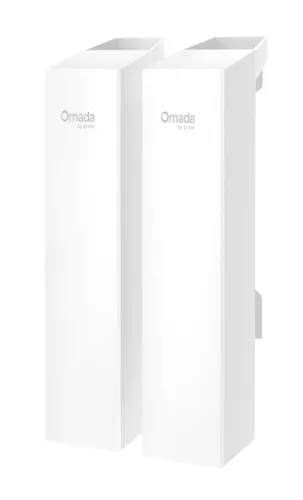
TP-Link Omada 5GHz 867Mbps Long-Range Indoor/Outdoor Wireless Bridge
Relevance for this use: 74/100
Installing an extender in a bedroom allows consulting some light content in the evening and maintaining a connected alarm or monitoring device without requiring the performance of an office or multimedia living room. Priority focuses on link reliability rather than maximum speed, whilst limiting expenditure for equipment serving mainly at night.
Ethernet ports gain relevance for connecting a smart alarm clock, controlled lamp or baby monitor without multiplying radio waves in the rest space. Modest speed amply suffices for nocturnal and morning uses, without justifying capacities reserved for intensive tasks.
The same criteria as on the category page, but not the same weight: here is what goes up and what goes down.
Budget retains notable importance because the bedroom does not concentrate demanding uses justifying high investment. Seeking balance between purchase cost and necessary functions guides towards economical models that fulfil their mission without excessive sophistication. Savings made on this secondary equipment can transfer to other domestic network positions, whilst ensuring reliable connection to the few bedroom devices.
Speed retreats in importance against light bedroom uses. Market benchmarks show that eight hundred sixty-seven megabits per second, recorded among the least powerful across twenty-four listings, greatly exceed the needs of a connected alarm, baby monitor or occasional content consultation before sleep. The median at two thousand five hundred megabits per second and six thousand five hundred megabits among the best equipped bring little added value in this restricted usage context.
Ethernet ports take on increased importance for limiting wireless emissions during the night. Wiring smart alarm clock, controlled lamp or baby monitor reduces exposure to radio waves during sleep hours, whilst guaranteeing stable connection to these safety or comfort devices. Benchmarks across thirty listings reveal a median at one port and maximum at three ports among the best equipped, offering sufficient sockets for typical bedroom needs.
The features pushed in this category that make no difference in this context.
High maximum speeds
Paying for several thousand megabits per second exceeds the actual needs of a bedroom where uses limit themselves to a few light connected devices. This excess capacity increases the price without perceptible benefit.
Guest network functions
Creating a separate network for visitors lacks relevance in a private rest space where no guest stays permanently. This function remains unused in practice.
Multiple indicator lights
Numerous and permanent indicator lights disturb sleep in a dark room. Favouring sober models or allowing light extinction improves nocturnal comfort without premium.
Adjustable external antennas
Manual antenna adjustment mechanisms complicate installation without bringing significant improvement in a small room with short distances. Internal antennas amply suffice.
Orders of magnitude, not displayed prices: a price only appears on Kalyneo once it has been collected from a merchant, with its collection date.
Under €25
Under twenty-five euros provides a simple extender with one Ethernet port, sufficient to stabilise the link of an alarm clock or alarm without speed pretension.
€25 to €60
Twenty-five to sixty euros brings two network ports and increased reliability, ideal for connecting baby monitor and smart lamp whilst occasionally consulting content.
Over €60
Over sixty euros finances oversized capabilities for a bedroom where uses remain limited to nocturnal comfort and safety equipment.
Ranked by relevance for this specific case, not by their overall score.
Wi-Fi extenders TP-Link
Relevance for this use: 74/100
A product only enters this list if it meets every one of these points. Its relevance is rated for this specific use, independently of its overall score in the category.