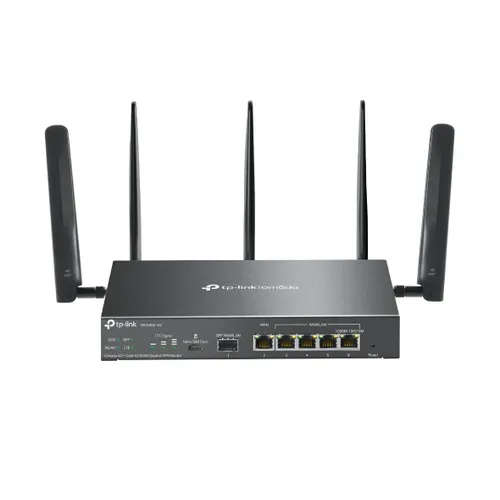
Routers and mesh Wi-Fi systems TP-Link
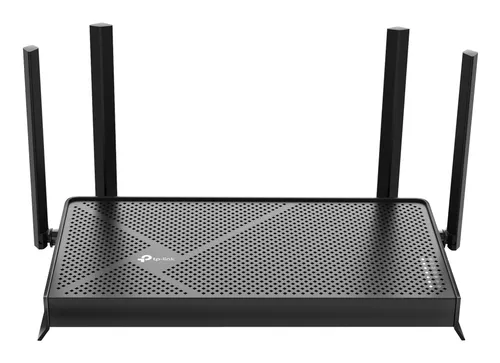
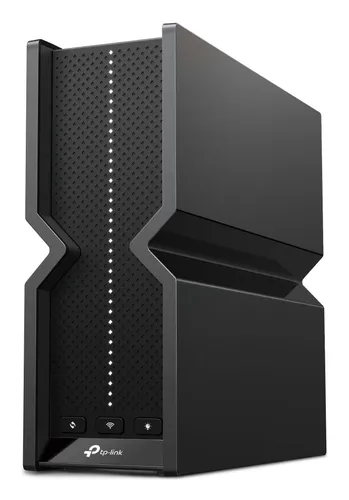
TP-Link Archer BE9300 Tri-Band Wi-Fi 7 Router
Relevance for this use: 86/100
In a small dwelling or studio, the router primarily serves to connect a few devices in limited space. The reduced area requires neither extended coverage nor a high number of antennas, and network traffic remains moderate since few terminals connect simultaneously.
This configuration values accessible pricing and simple installation, without seeking maximum performance that would remain unused. Moderate Wi-Fi throughput suffices for browsing the internet, checking messages and watching content in standard definition. Advanced functions and multiple ports increase cost without bringing concrete benefit in minimal daily usage.
The same criteria as on the category page, but not the same weight: here is what goes up and what goes down.
Price becomes the primary criterion for equipping a small dwelling where network needs remain limited. No reason to invest in a high-end model when an entry-level router fulfils all necessary functions. Models situated in the lower market range offer basic connectivity at contained pricing, which frees budget for other dwelling equipment. In restricted space, simplicity takes precedence over technical sophistication.
Maximum Wi-Fi speed loses importance in a small dwelling where only a few devices connect for light usage. Market benchmarks extend from one thousand one hundred sixty-seven Mbit/s to eleven thousand five hundred thirty Mbit/s across thirty listings, but throughput situated in the lower part of this range suffices amply for browsing, checking emails or watching standard-definition videos. Paying for high throughput would amount to financing unused capacity.
The number of Ethernet ports matters less in a studio where most devices connect via Wi-Fi and where space does not allow multiplying fixed equipment. Recent listings show from one to five ports, with a median at three, but in this context, one or two ports suffice to plug in an internet box or desktop computer if necessary. Additional ports increase price without serving.
Antenna quantity becomes secondary in reduced space where signal travels only a few metres. Recorded values range from two to twelve antennas, with a median at four point five, but in a studio, even a modest number ensures complete coverage without dead zones. Multiplying antennas to improve range makes no sense when the entire surface lies in immediate proximity to the router.
The features pushed in this category that make no difference in this context.
Multi-unit mesh systems
Mesh systems deploy multiple nodes to cover large areas or multi-storey dwellings. In a studio or small flat, a single central unit suffices to ensure connection everywhere. Buying a mesh pack would amount to paying for equipment that would remain in its packaging.
Latest generation Wi-Fi technologies
Most recent wireless standards offer impressive theoretical speeds and optimised management of numerous simultaneous terminals. But in a dwelling where two or three devices connect for basic tasks, these improvements translate into no perceptible gain. An earlier generation perfectly fulfils the mission at lower cost.
Advanced parental control functions
Some routers propose sophisticated content filtering mechanisms, connection schedule management and detailed network activity tracking. In a studio occupied by one or two adults, these functions remain pointless and increase price for unused services.
Powerful multi-core processors
High-end routers embed multi-core processors to handle intense traffic and numerous simultaneous connections. In a small dwelling with few devices and moderate usage, this computing power remains unused. A simple processor suffices to ensure current connection fluidity.
Orders of magnitude, not displayed prices: a price only appears on Kalyneo once it has been collected from a merchant, with its collection date.
Under €70
Under seventy euros: entry-level routers perfectly suited to a studio, offering necessary connectivity without superfluous functions.
€70 to €200
Seventy to two hundred euros: intermediate models bringing some additional functions, but whose extra cost remains difficult to justify in reduced space with few devices.
Over €200
Over two hundred euros: high-performance routers designed for large areas or intensive usage, totally oversized for a small dwelling and representing unnecessary investment.
Ranked by relevance for this specific case, not by their overall score.
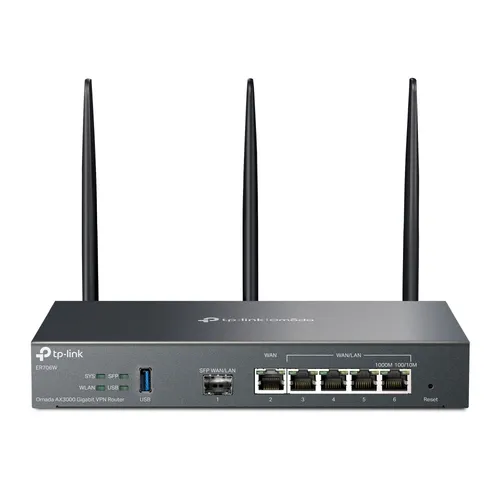
Routers and mesh Wi-Fi systems TP-Link
Relevance for this use: 86/100
Routers and mesh Wi-Fi systems TP-Link
Relevance for this use: 71/100
Routers and mesh Wi-Fi systems TP-Link
Relevance for this use: 70/100
Routers and mesh Wi-Fi systems TP-Link
Relevance for this use: 66/100
Routers and mesh Wi-Fi systems TP-Link
Relevance for this use: 64/100
A product only enters this list if it meets every one of these points. Its relevance is rated for this specific use, independently of its overall score in the category.