Energy-efficient photo printer
Reducing electricity consumption becomes an objective for many households and professional spaces concerned about their energy bill and environmental footprint. A photo printer used regularly can weigh on the balance, especially if it consumes heavily during each print. Favouring the most economical models allows limiting this impact without giving up print quality or essential functions.
Consumption during printing then becomes the central criterion of choice, ahead of screen or lightness. Price takes second place, as energy savings achieved over time often compensate for a slightly higher purchase cost. Compactness retains some relevance to facilitate installation in restricted space, but no longer takes precedence over the device’s energy performance.
What matters in this specific case
The same criteria as on the category page, but not the same weight: here is what goes up and what goes down.
-
Price
Matters less coefficient 0.6Price matters less in this situation, as the main objective lies in reducing electricity consumption. A model somewhat more expensive to purchase but significantly more energy-efficient often proves more advantageous long term. Savings achieved on each print, multiplied by the number of prints over several years, quickly offset the initial price gap. Comparing prices with comparable features nevertheless remains useful to avoid paying for superfluous functions.
-
Display
Matters less coefficient 0.8Screen size loses importance compared to the energy issue. Observed diagonals range from one point one inches to four point three inches, with a median of three inches. A smaller screen generally consumes less energy, but this gain remains marginal compared to the printing mechanism’s consumption itself. This criterion therefore takes second place, the essential being to favour a sober device when printing photos.
-
Power consumption
Matters more coefficient 1.9Power consumption during printing becomes the determining criterion. Recorded values range from seventeen watts for the most economical models to eighty-five watts for the hungriest, with a median of sixty watts. Choosing a device close to the lower bound allows dividing consumption by several units with each print. Over a year of regular use, this difference translates into significant reduction in energy bill and environmental impact.
-
Lightness
Matters more coefficient 1.2Lightness retains moderate relevance in this situation. Models range from two thousand three hundred grams to thirty-two thousand four hundred grams, with a median of fourteen thousand one hundred grams. A lighter device generally occupies less space and facilitates installation in a restricted environment. This criterion nevertheless remains secondary compared to power consumption, even if compact format can accompany energy-efficient design.
What is not worth paying for
The features pushed in this category that make no difference in this context.
-
Large high-resolution screen
A large diagonal screen with high definition increases device consumption, even in standby. For use centred on energy saving, modest-sized display suffices to fulfil basic functions. Investing in oversized screen goes against energy sobriety objective.
-
Very fast printing modes
Mechanisms designed to print at high rate often consume more power during the process. Favouring printing speed at the expense of energy efficiency does not correspond to sober use. Slightly slower print but significantly less watt-hungry remains preferable in this perspective.
-
Multiple connected functions
Numerous network connection options, automatic updates or permanent online services keep device active and increase background consumption. To reduce energy impact, better favour model with essential functions, without multiplication of unnecessary connectivity modules.
Price ranges for this use
Orders of magnitude, not displayed prices: a price only appears on Kalyneo once it has been collected from a merchant, with its collection date.
Under €80
Models under eighty euros rarely display best energy performance, sobriety often being relegated to second place in this range.
€80 to €180
Between eighty and one hundred and eighty euros, some devices combine moderate consumption and suitable functions, offering interesting compromise for regular sober use.
Over €180
Above one hundred and eighty euros, most economical printers stand out through optimised mechanisms, justifying extra cost for those aiming at maximum energy efficiency.
The products selected for this use
Ranked by relevance for this specific case, not by their overall score.
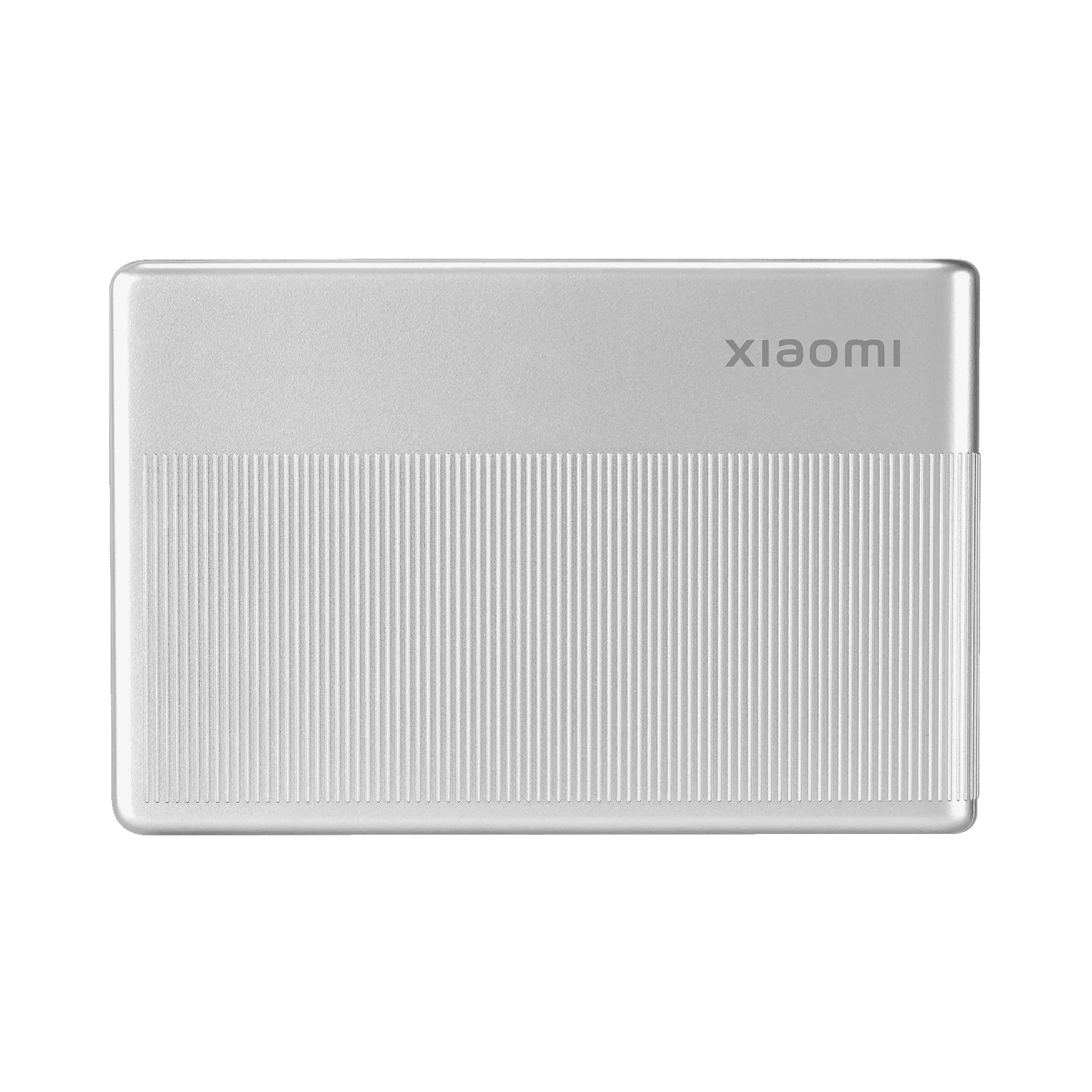
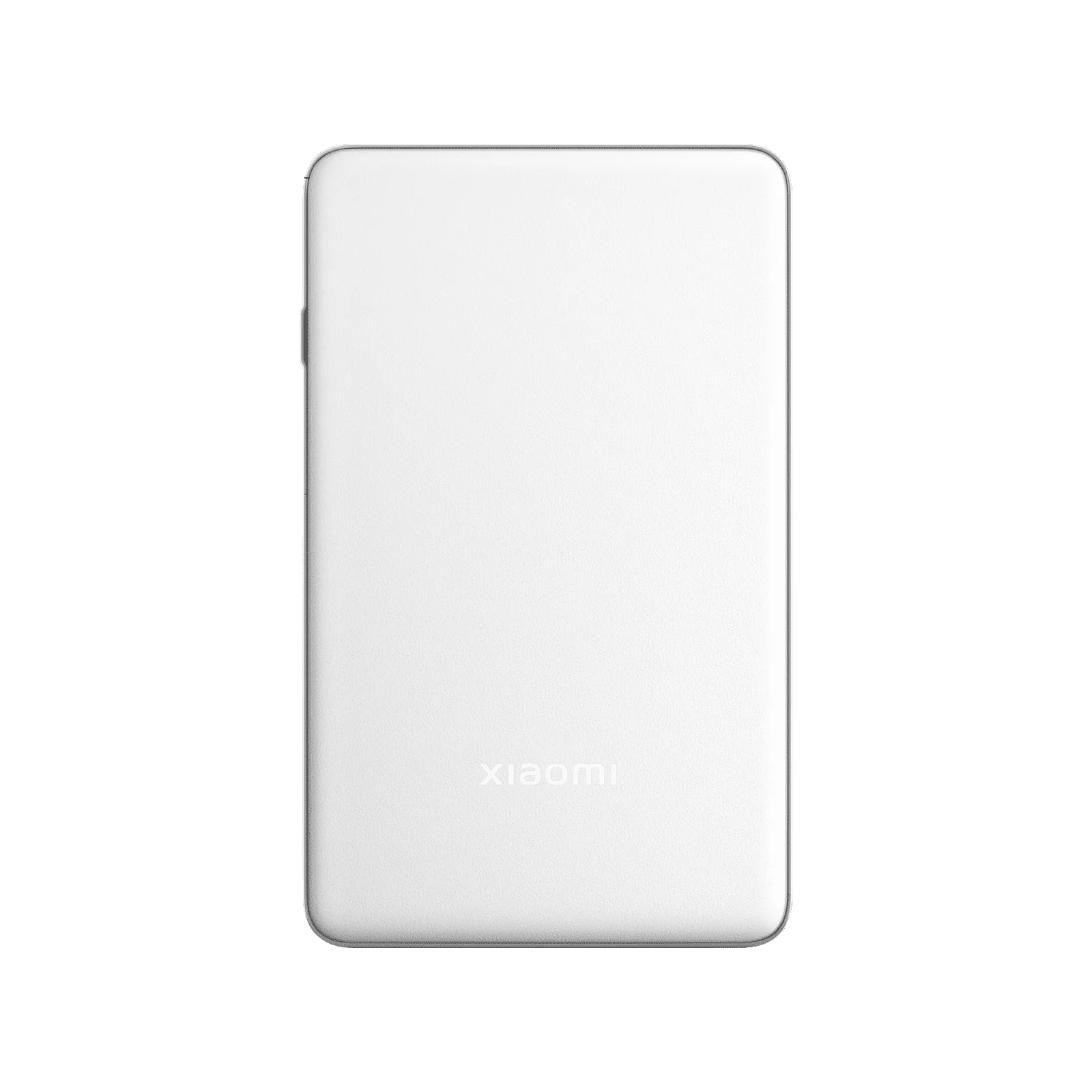
Our selection criteria for this use
A product only enters this list if it meets every one of these points. Its relevance is rated for this specific use, independently of its overall score in the category.
- Selected products display consumption during printing below market median.
- Chosen models prioritise energy efficiency without sacrificing print quality.
- Proposed printers limit superfluous energy-consuming functions.
- Selected devices allow stationary installation to optimise their sober use.