Kettle for occasional use
When you only boil water a few times a week, for the occasional cup of tea or an evening infusion, the selection criteria shift dramatically. There is no need to seek maximum performance: a simple appliance that fulfils its function without straining the budget makes more sense.
Heating speed becomes secondary when you are not rushed. Similarly, large capacity proves unnecessary if you only prepare one or two cups at a time. The key lies in a balanced price-to-quality ratio, for a sensible purchase that will not sit unused on the worktop.
What matters in this specific case
The same criteria as on the category page, but not the same weight: here is what goes up and what goes down.
-
Price
Matters more coefficient 1.8Budget becomes the decisive criterion here. For episodic use, investing in a premium model cannot be justified: the appliance will not run enough to offset its cost. Entry-level models, often below thirty euros, prove perfectly adequate. They deliver the core function without frills, which matches the need exactly. Better to reserve your budget for equipment you will use more intensively day to day. This pragmatic approach avoids financial waste whilst guaranteeing the expected service for those few weekly uses.
-
Boiling speed
Matters less coefficient 0.6Electrical power loses importance in this context. Whether water takes three minutes or five to boil matters little when you are not pressed by breakfast routines or remote working breaks. Less powerful models, around the twelve hundred watts recorded as the lower threshold across thirty datasheets, suit perfectly well. They even consume slightly less with each use, a detail worth noting for sporadic operation. Paying more to save a few dozen seconds makes no sense here: the criterion retains a presence, but its weight diminishes markedly compared to intensive use.
-
Capacity
Matters less coefficient 0.7Large capacity becomes superfluous when you rarely prepare more than one or two cups. Models of one point two five litres, recorded as the lower threshold across thirty datasheets, already meet the need amply. Heating a large volume only to use a fraction wastes energy needlessly. A compact reservoir even offers practical advantages: it occupies less worktop and cupboard space, weighs less to handle and heats precisely what is required. The median at one point seven litres remains accessible, but brings nothing decisive for this use. Emphasis shifts towards the right measure rather than maximum availability.
What is not worth paying for
The features pushed in this category that make no difference in this context.
-
Precise temperature control
Kettles with temperature selectors for different tea types cost noticeably more. For occasional use, this sophistication remains largely unexploited: boiling water suffices in most cases. Avoid paying for this feature if you do not regularly prepare delicate teas requiring specific temperatures.
-
Keep-warm function
Maintaining water hot for thirty minutes or an hour only benefits heavy consumers who brew successive cups. With sporadic use, water will cool between uses spaced days apart. This function increases price without delivering real benefit in this usage context.
-
Premium materials
Brushed stainless steel or borosilicate glass push up the cost without improving function for limited use. Food-grade plastic in entry-level models withstands a few weekly cycles perfectly well. Durability becomes less critical when demand remains moderate. Favour understated finishes.
Price ranges for this use
Orders of magnitude, not displayed prices: a price only appears on Kalyneo once it has been collected from a merchant, with its collection date.
Less than €30
Less than thirty euros: simple plastic models offer exactly what is needed for episodic use, with basic functions well executed.
€30 to €60
Thirty to sixty euros: this range brings neater finishes and better insulation, but without real functional gain for a few uses per week.
More than €60
More than sixty euros: these kettles incorporate technologies superfluous for occasional use and represent investment disproportionate to actual need.
The products selected for this use
Ranked by relevance for this specific case, not by their overall score.
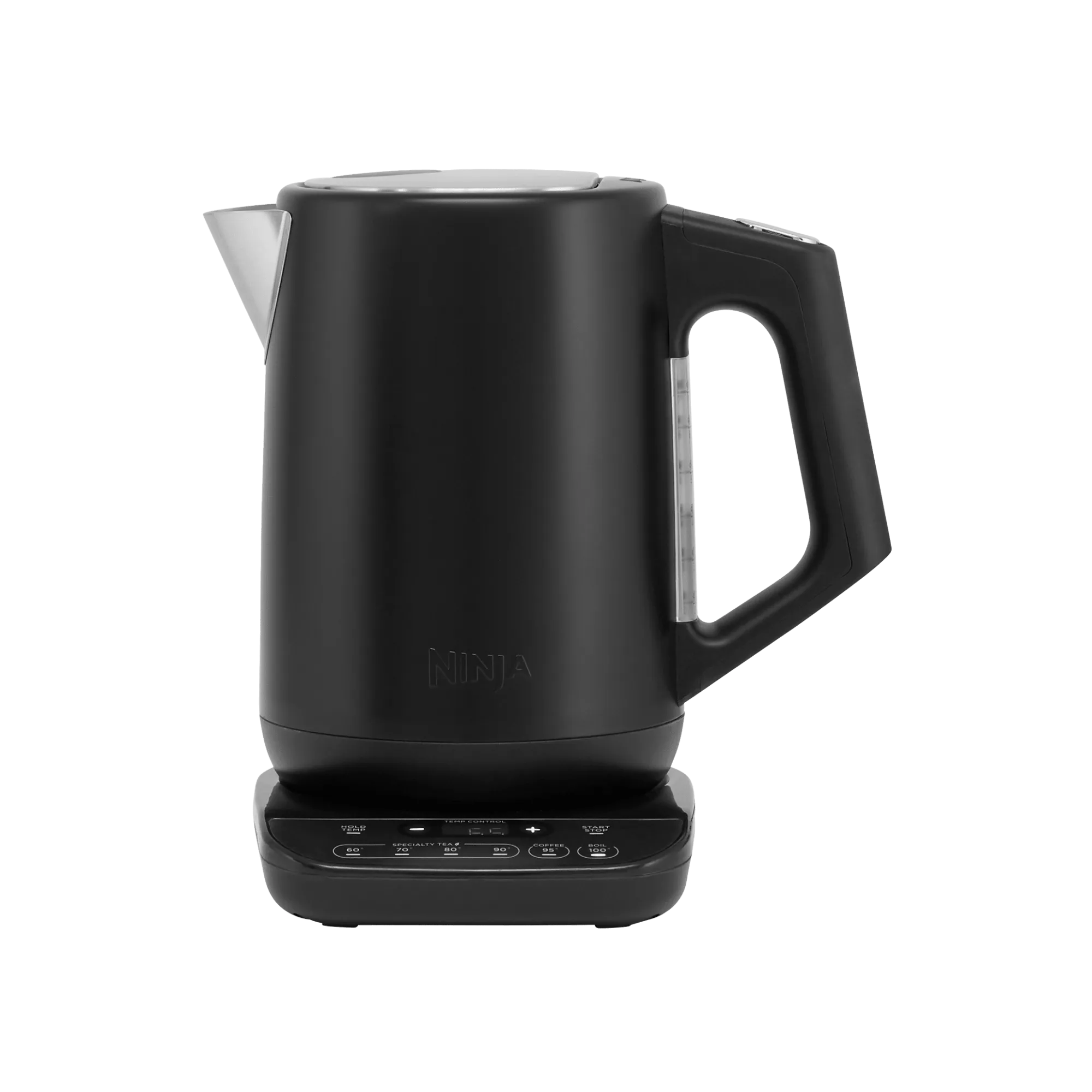
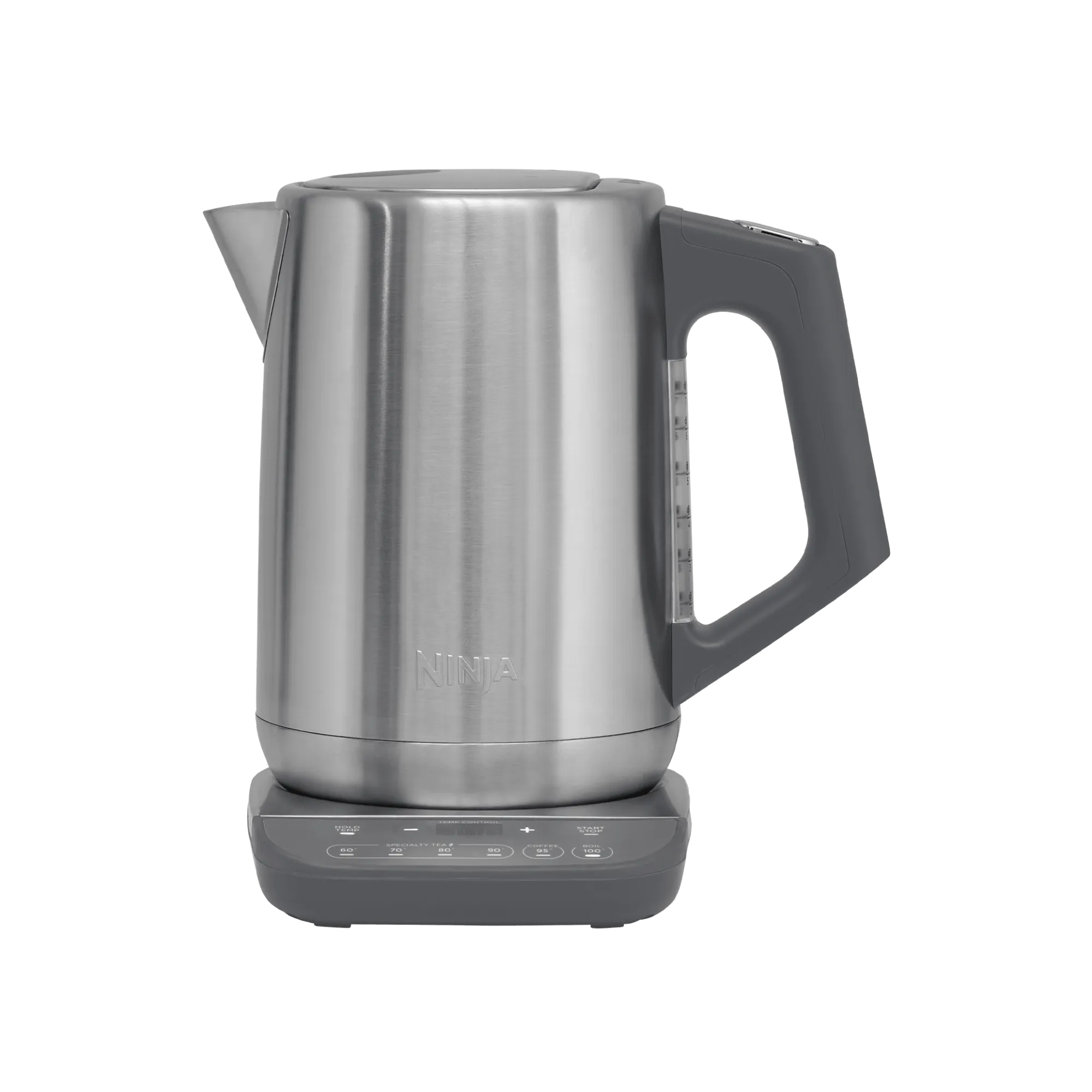
Kettles Ninja
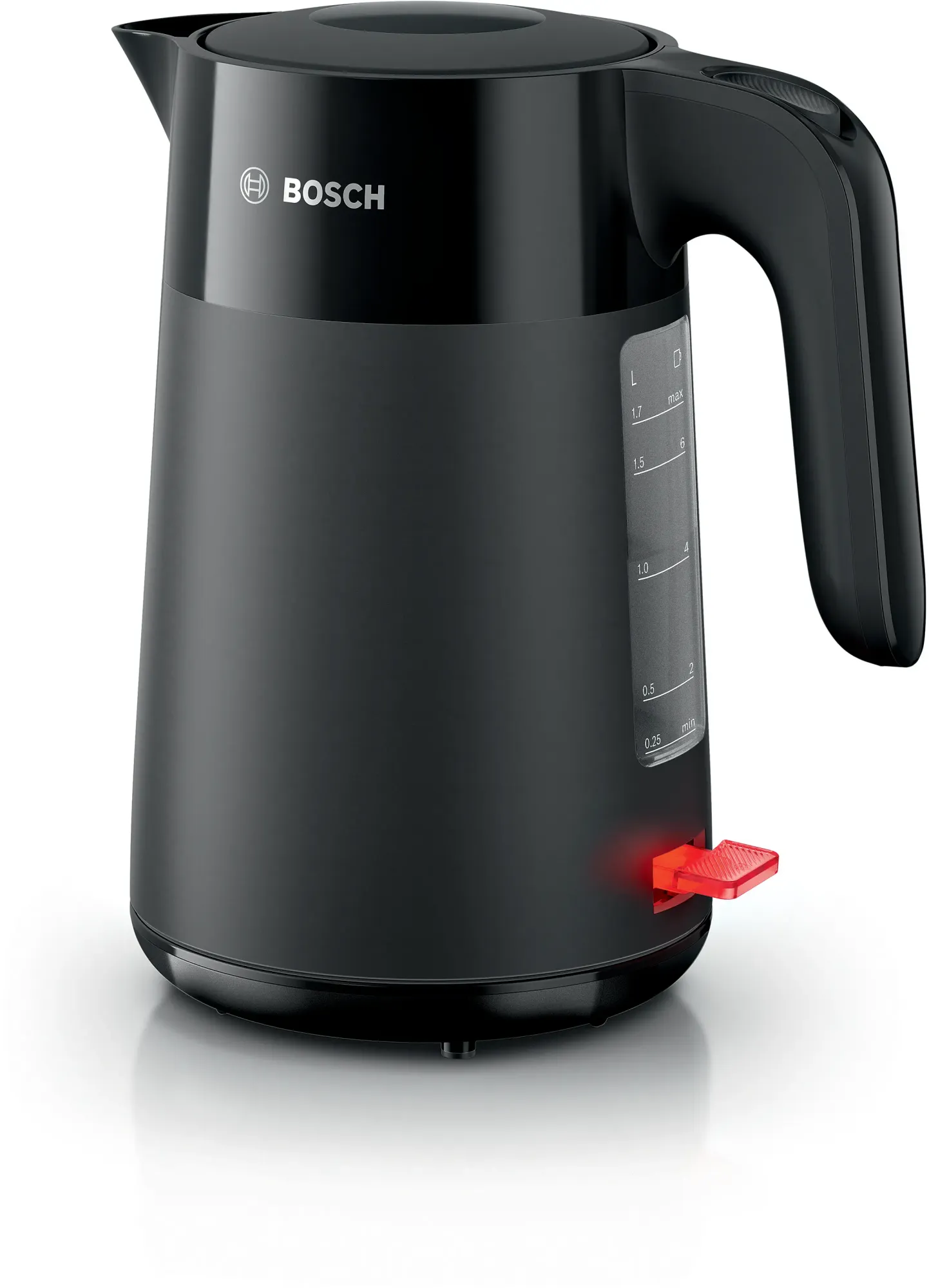
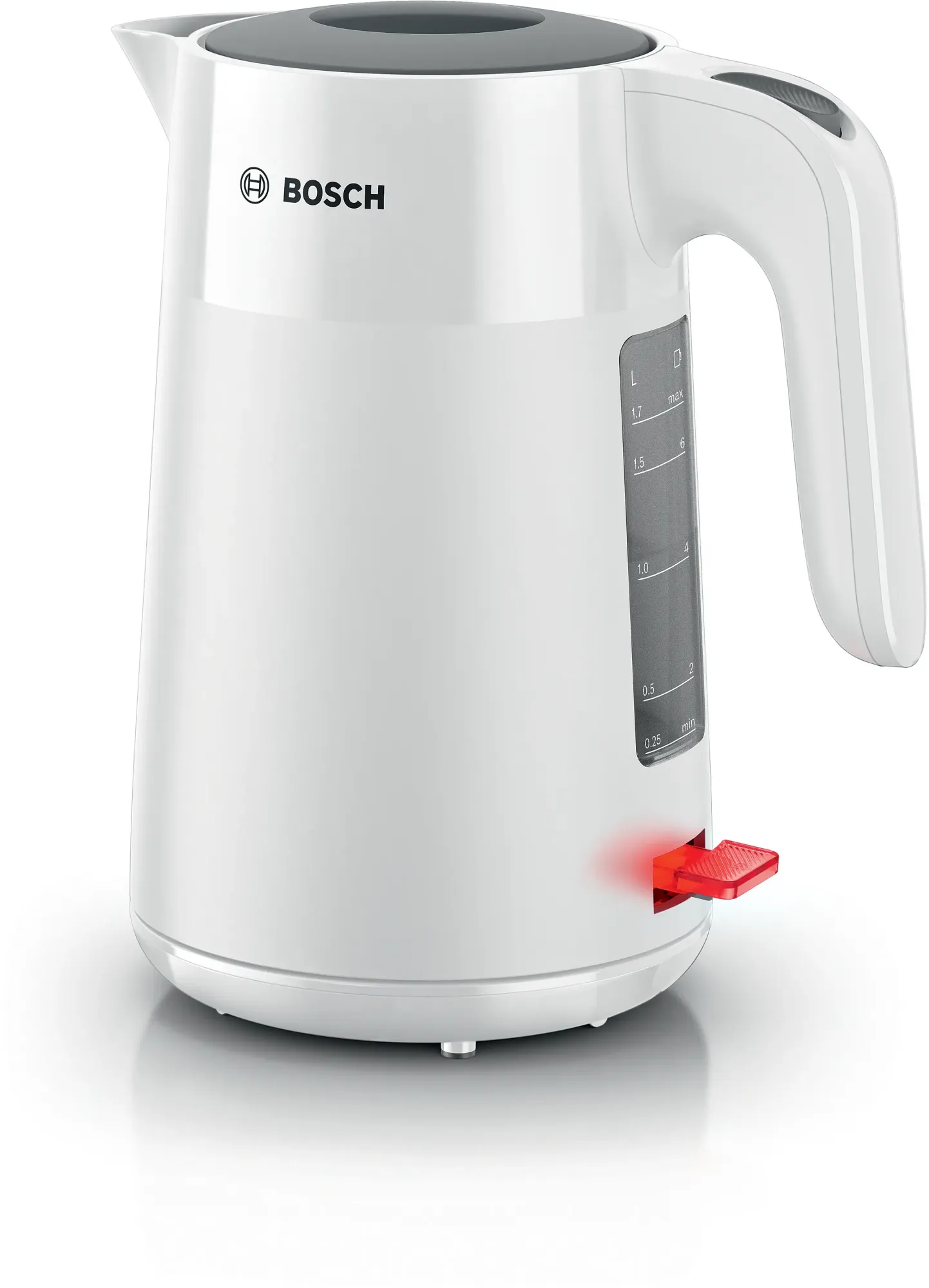
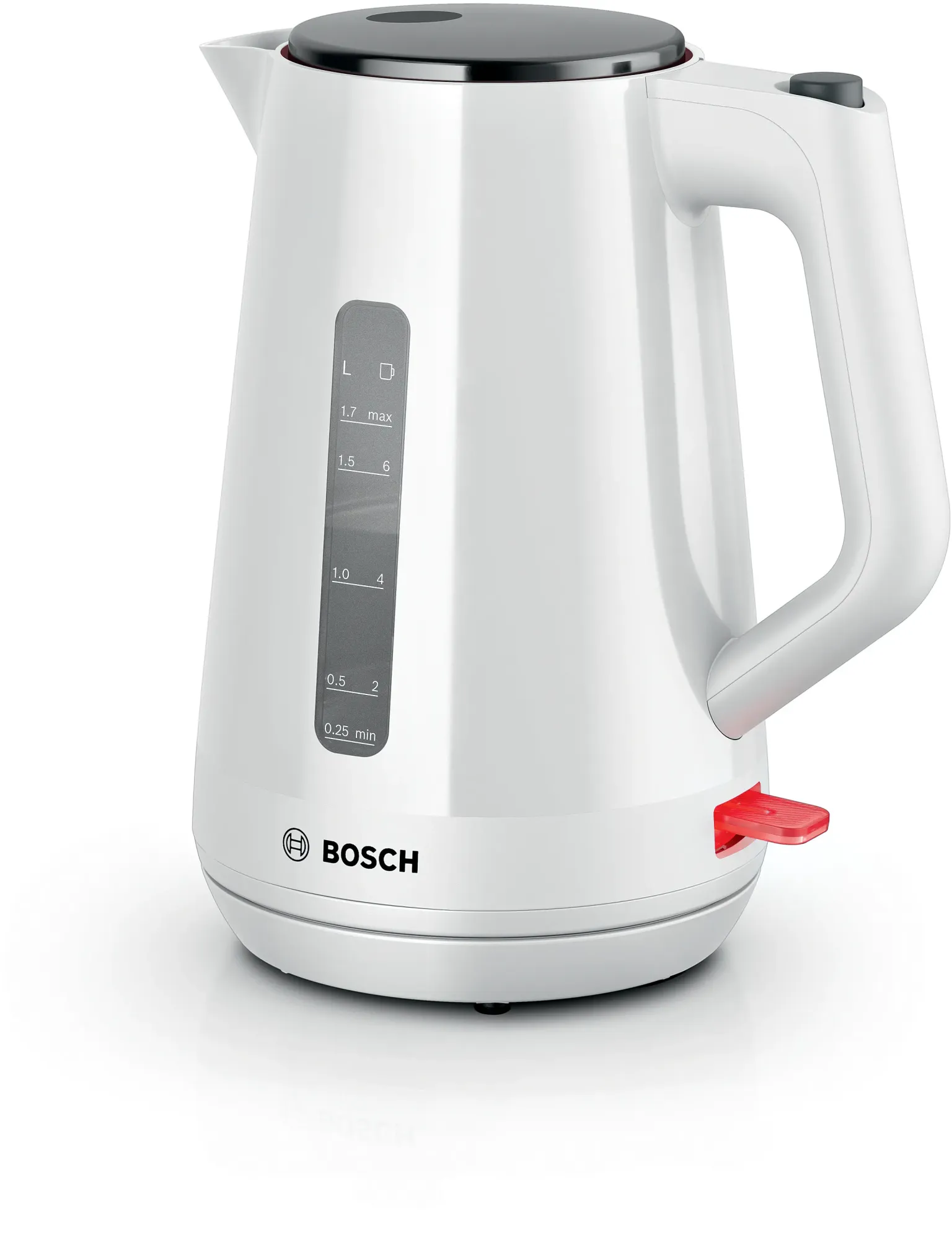
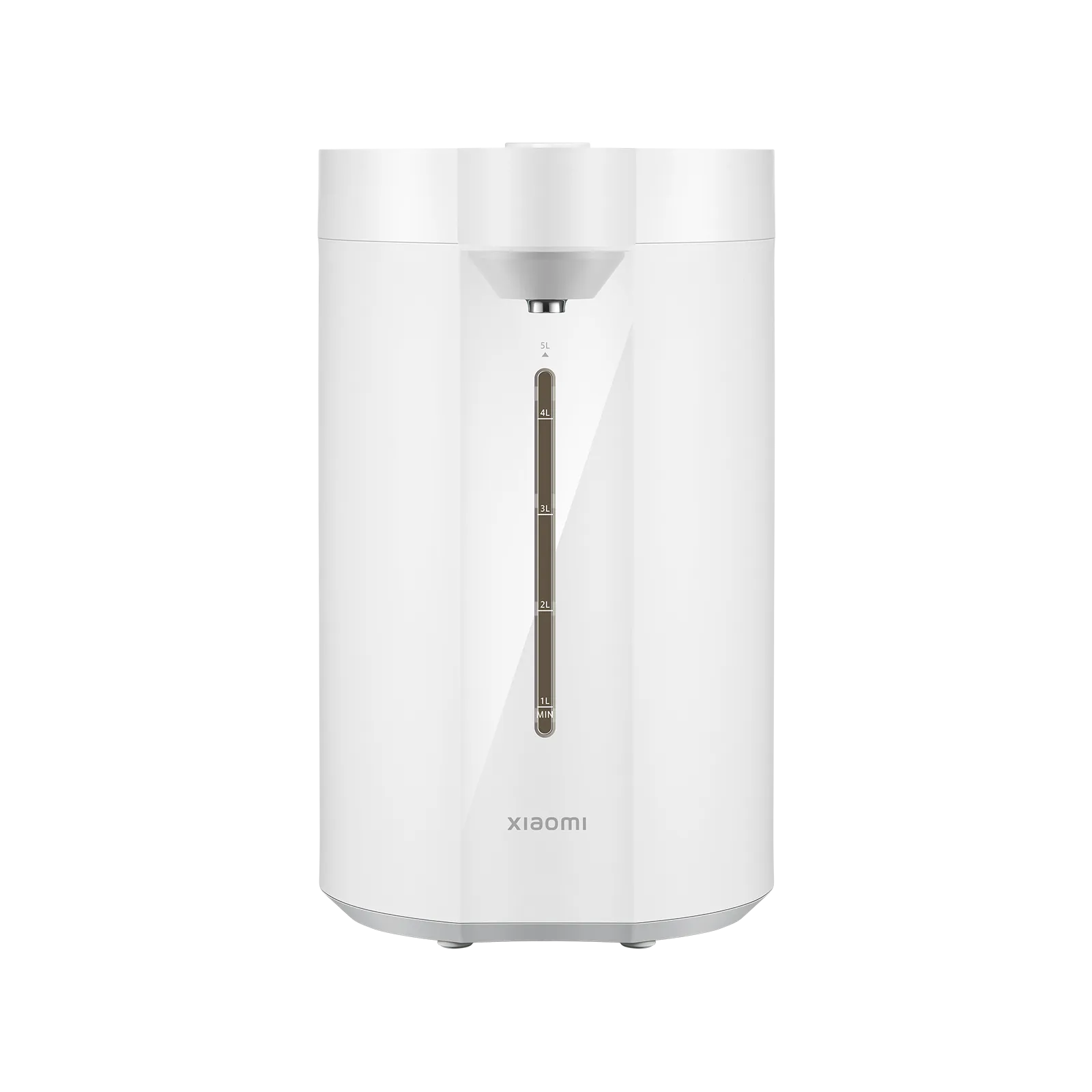
Adjustable temperature kettle Black Ninja Stainless Steel
Relevance for this use: 95/100
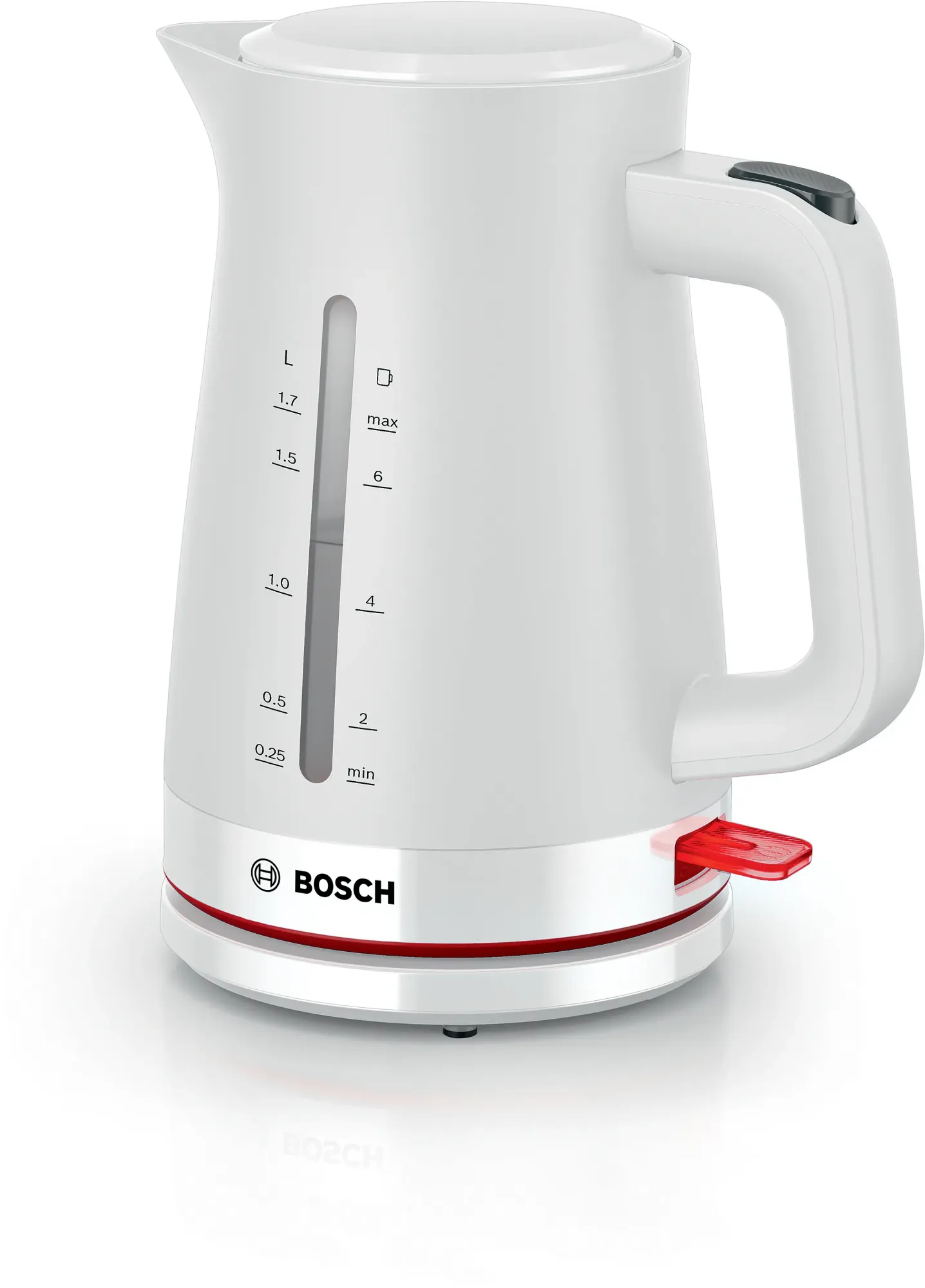
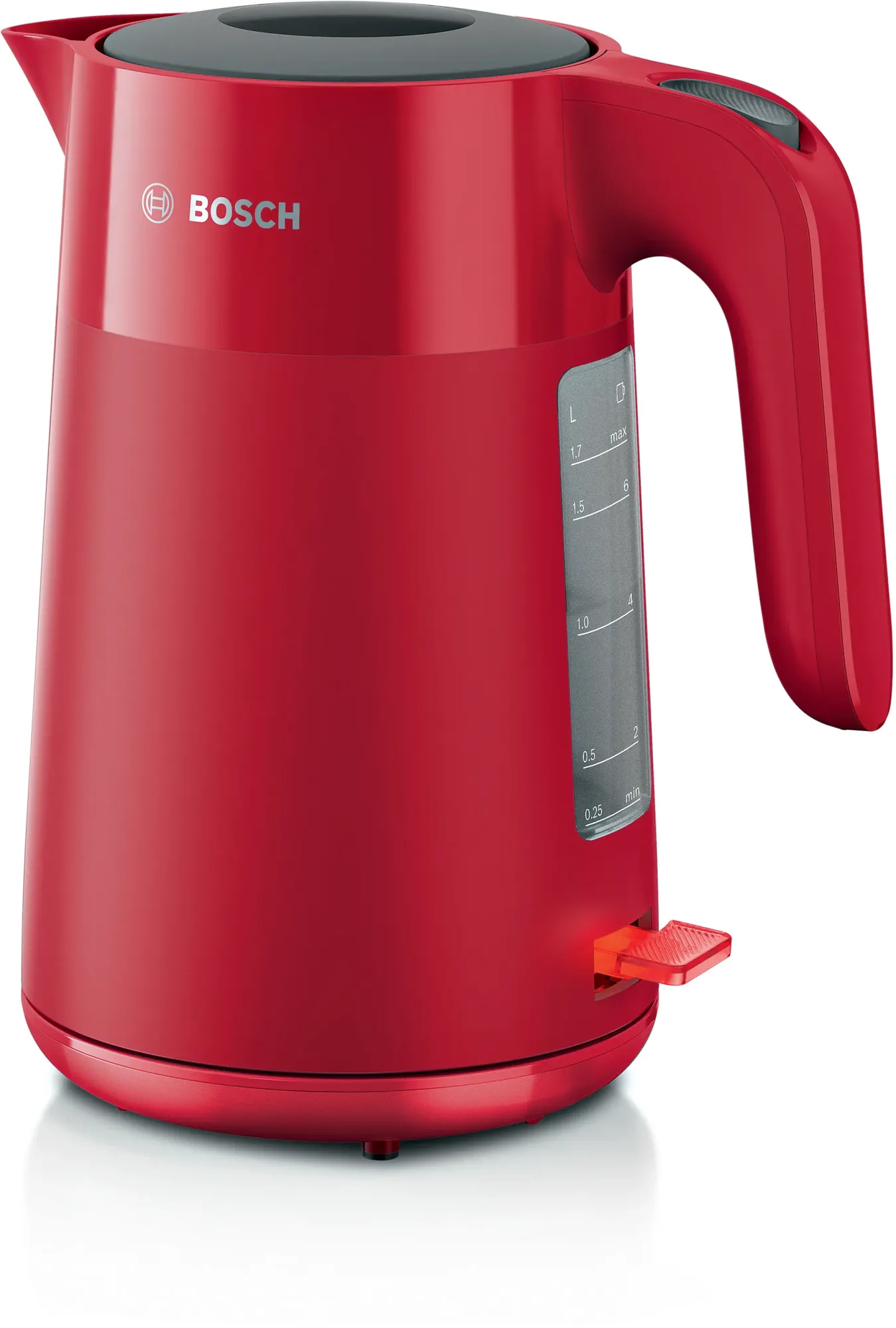
Our selection criteria for this use
A product only enters this list if it meets every one of these points. Its relevance is rated for this specific use, independently of its overall score in the category.
- Capacity sits between one point two five and one point seven litres
- Power reaches at least twelve hundred watts
- Price remains in the bracket below thirty euros
- The appliance features automatic shut-off after boiling