Dehumidifier for large areas and cellars
Cellars, basements and workshops present particular humidity challenges. These often poorly ventilated spaces accumulate moisture over large areas, sometimes exceeding fifty square metres. Confined air promotes condensation on walls and mould development that damages stored materials.
Under these conditions, dehumidification capacity becomes paramount. An undersized appliance runs continuously without managing to dry the air. Autonomy also matters greatly because these spaces are rarely visited daily. Noise level takes second place when nobody stays in the room during operation.
What matters in this specific case
The same criteria as on the category page, but not the same weight: here is what goes up and what goes down.
-
Price
Matters more coefficient 1.2Price gains slightly in importance because these spaces require robust appliances designed to run long periods without supervision. Budget models wear out quickly in these difficult conditions. A slightly higher investment guarantees components more resistant to high humidity and increased reliability, essential when the appliance remains alone for several days.
-
Capacity
Matters more coefficient 2Capacity becomes the central criterion for these large volumes. Between sixteen and twenty-seven litres per day, the gap determines whether the appliance controls humidity or struggles in vain. The best models reach upper benchmarks and effectively treat air in a complete cellar. Below median, you risk permanent operation without satisfactory result, especially if walls seep after rains.
-
Autonomy
Matters more coefficient 1.8Autonomy rises strongly in priority because you do not descend daily into these spaces. A two-litre tank fills in a few hours and stops the appliance until your next visit. Models exceeding six litres run several days without intervention, ideal for weekend cellars or infrequently visited workshops. This characteristic directly conditions real treatment effectiveness.
-
Quietness
Matters less coefficient 0.5Silence loses all importance in these uninhabited spaces. Between thirty-eight and fifty-six decibels, the difference bothers nobody if you do not stay in the room. This criterion can be ignored in favour of more useful characteristics for these uses, such as higher capacity or larger tank at equivalent budget.
-
Power consumption
Matters less coefficient 0.7Power consumption matters slightly less because these appliances run intermittently, according to ambient humidity. The gap between one hundred and fifty and three hundred and fifty watts remains secondary compared to treatment efficiency. A powerful but effective model ultimately consumes less than an economical but undersized model that runs constantly without reaching its target.
What is not worth paying for
The features pushed in this category that make no difference in this context.
-
Silent and night modes
Noise reduction functions serve no purpose in an empty cellar or workshop. These modes often limit power to reduce noise, which slows treatment without real benefit. You pay for unused technology while this sum would finance higher capacity or autonomy.
-
Careful design and premium finishes
Appliances with sleek lines and noble materials cost more without functional contribution in a basement. Nobody looks at aesthetics of a dehumidifier stored near the boiler. Favour robust models with basic finishes, more resistant to splashes and shocks in these working environments.
-
Touchscreens and elaborate interfaces
Sophisticated controls complicate use without improving performance. A rotary button and few indicator lights suffice amply to set target humidity. These fragile interfaces poorly withstand high ambient humidity and fail faster in these conditions.
-
Activated carbon filters and air purification
Advanced filtration systems aim to improve breathed air quality, which matters little in storage space. These filters cost dearly to replace and contribute nothing to humidity treatment. Concentrate your budget on pure dehumidification capacity.
Price ranges for this use
Orders of magnitude, not displayed prices: a price only appears on Kalyneo once it has been collected from a merchant, with its collection date.
Under €150
Models under one hundred and fifty euros lack capacity for large areas and their small tank imposes daily emptying impractical in these rarely visited spaces.
€150 to €300
Between one hundred and fifty and three hundred euros, you find appliances approaching twenty litres per day with four to five litre tanks, suited to medium-sized cellars.
Over €300
Above three hundred euros, premium models exceed twenty-five daily litres with large tanks or permanent connection, perfect for workshops and large basements.
The products selected for this use
Ranked by relevance for this specific case, not by their overall score.
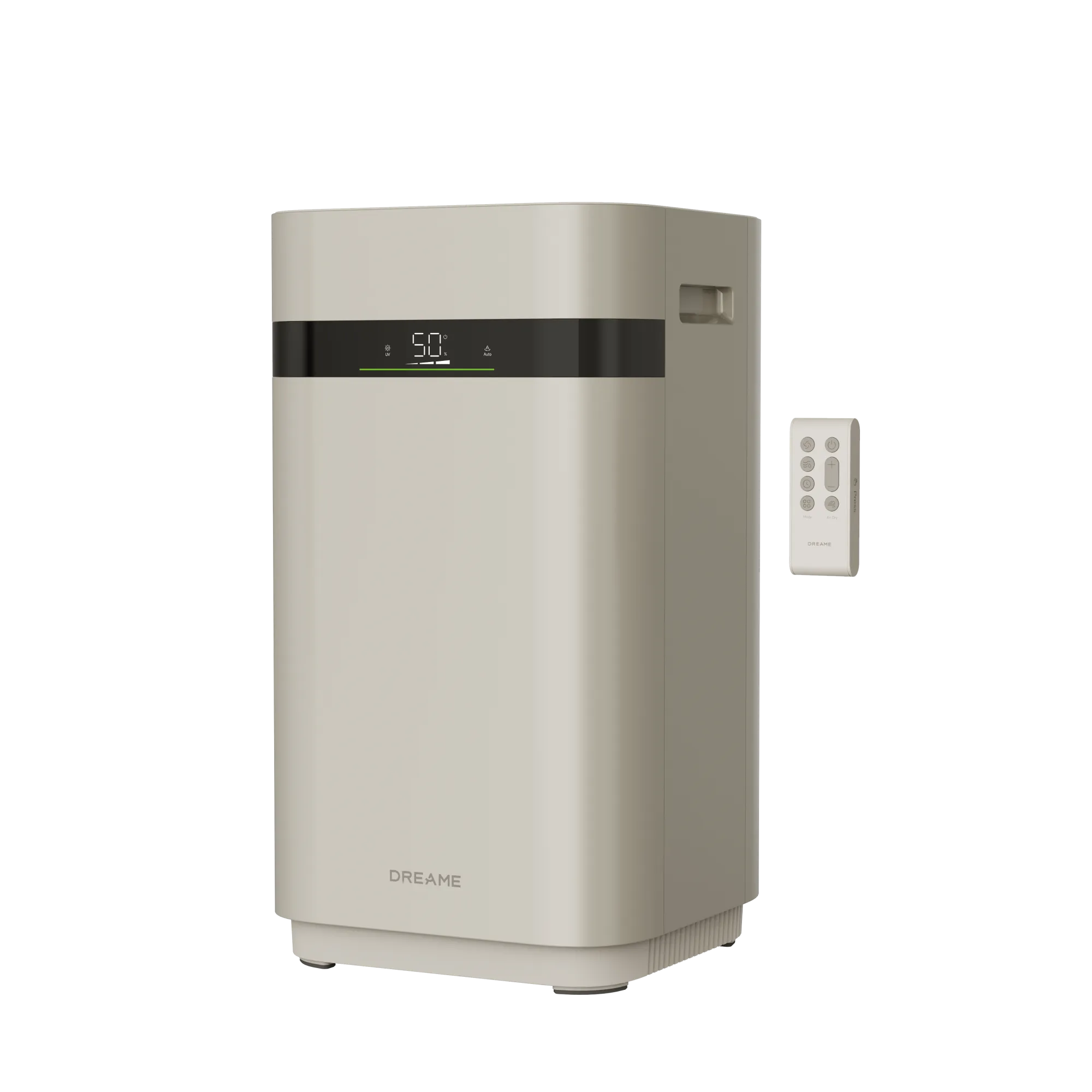
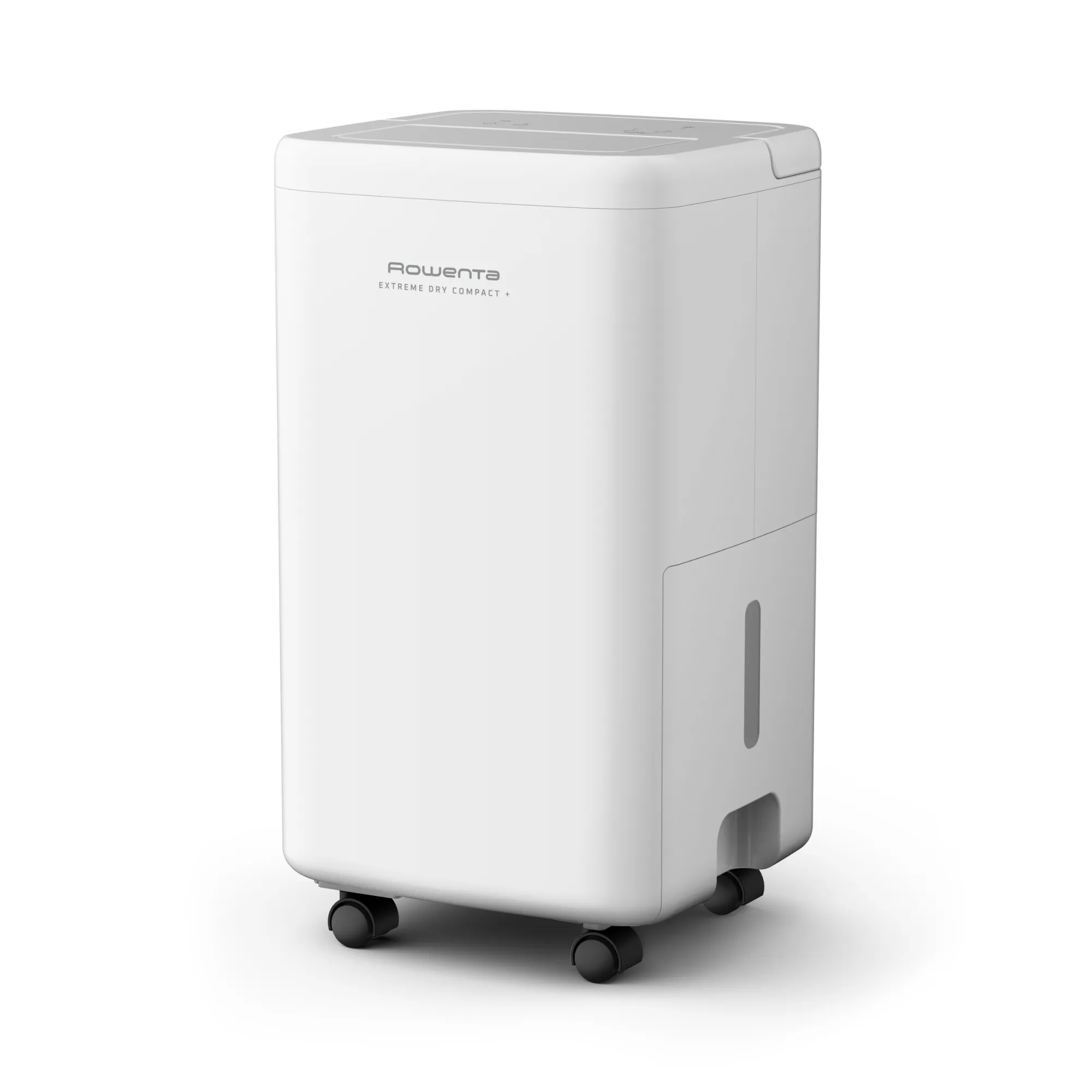
Dehumidifiers Rowenta
Extrême Dry Compact+, Dehumidifier, High Performance (16L/day), Fast Laundry Drying White
Relevance for this use: 63/100
Our selection criteria for this use
A product only enters this list if it meets every one of these points. Its relevance is rated for this specific use, independently of its overall score in the category.
- The product displays dehumidification capacity exceeding sixteen litres per day.
- The tank exceeds four litres or the appliance offers connection for continuous drainage.
- Robust construction resists prolonged humid environments.
- The appliance restarts automatically after power cut.
Other situations in this category
Quiet dehumidifier for bedroom use
Choosing a dehumidifier for your bedroom: silence comes first, moderate consumption and capacity suited to the room size matter most.
Read
Economical dehumidifier for extended use
Choosing a dehumidifier for prolonged daily use: controlled consumption, acceptable noise level and reasonable purchase cost matter most.
Read