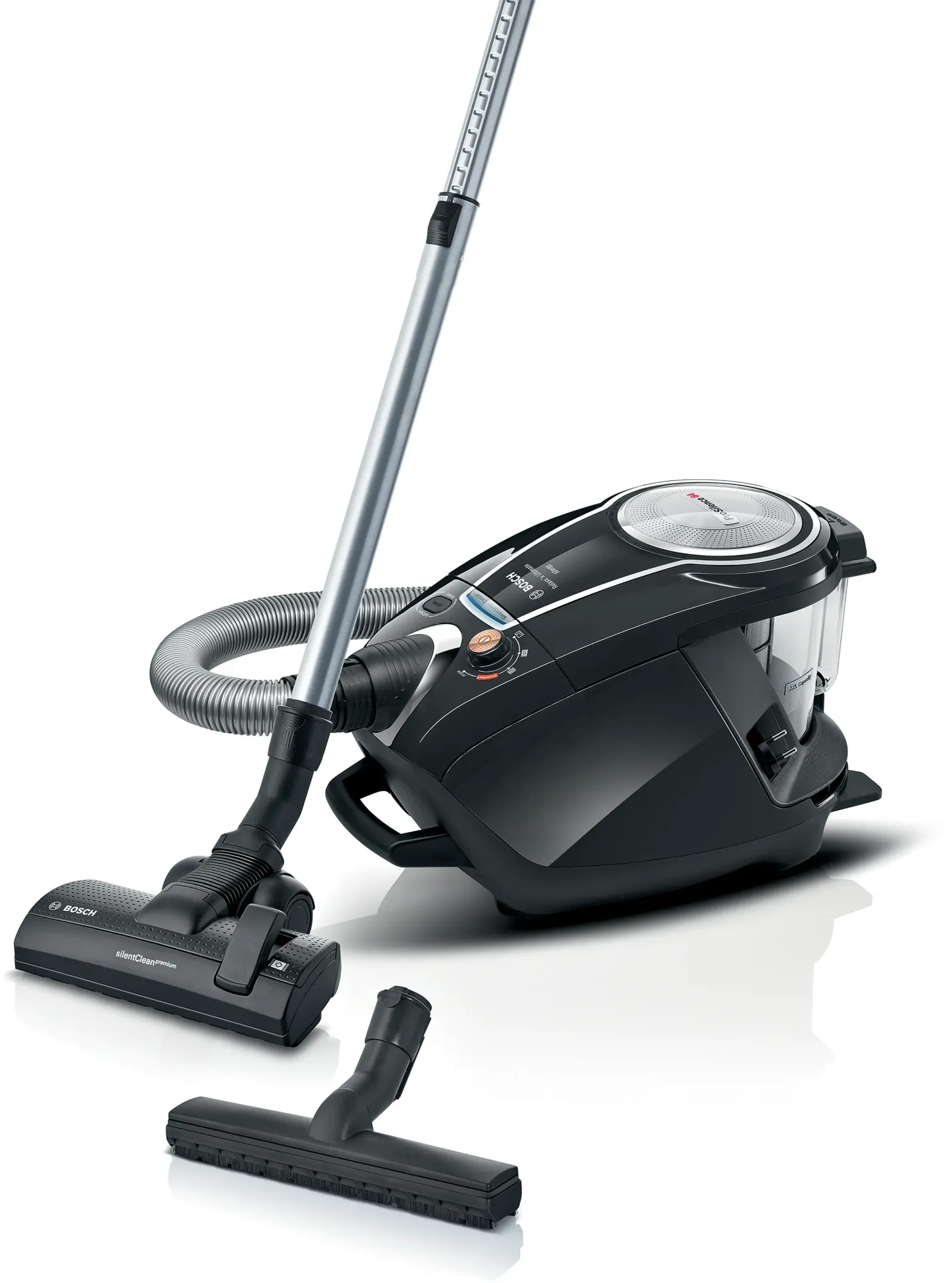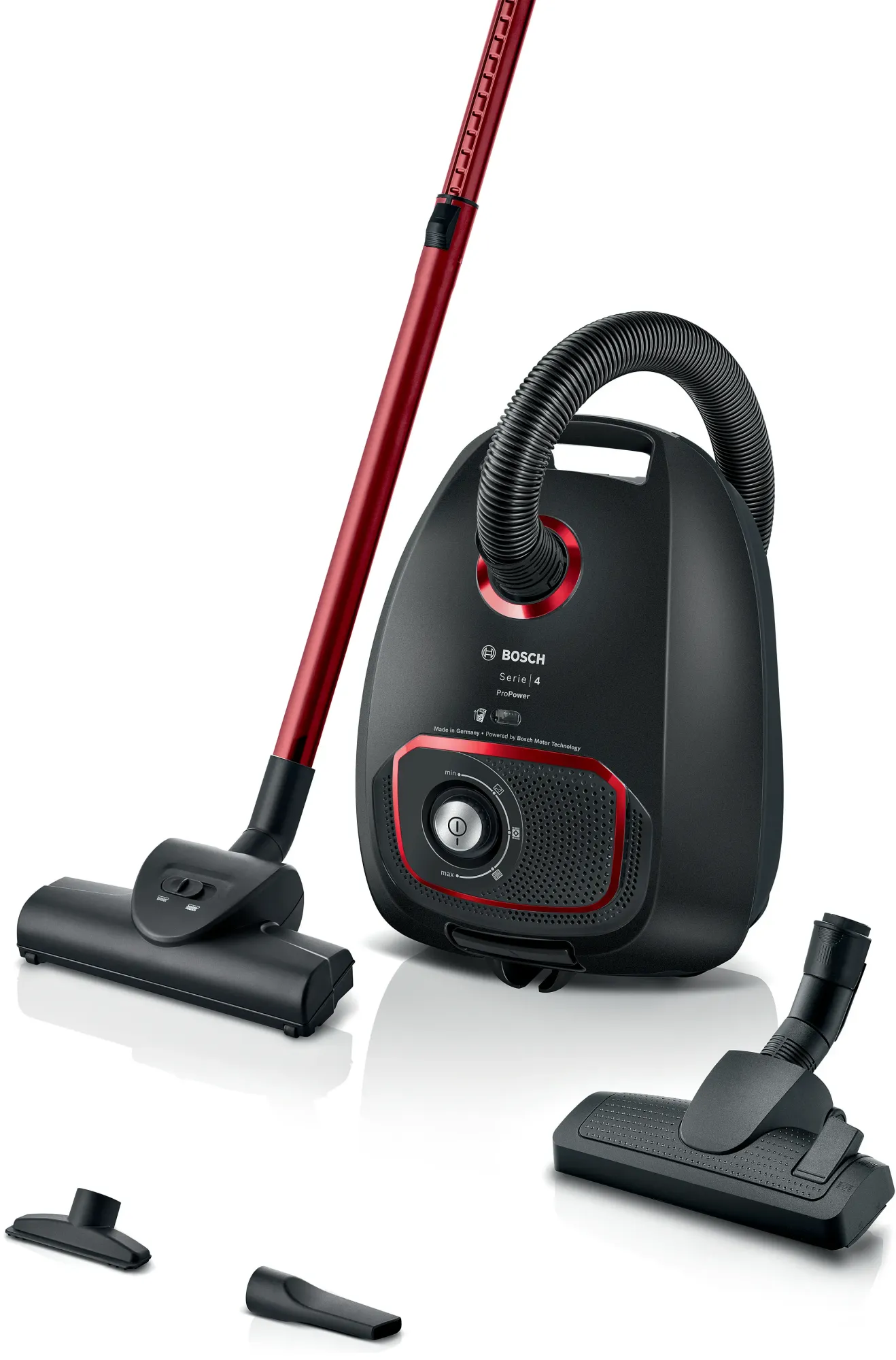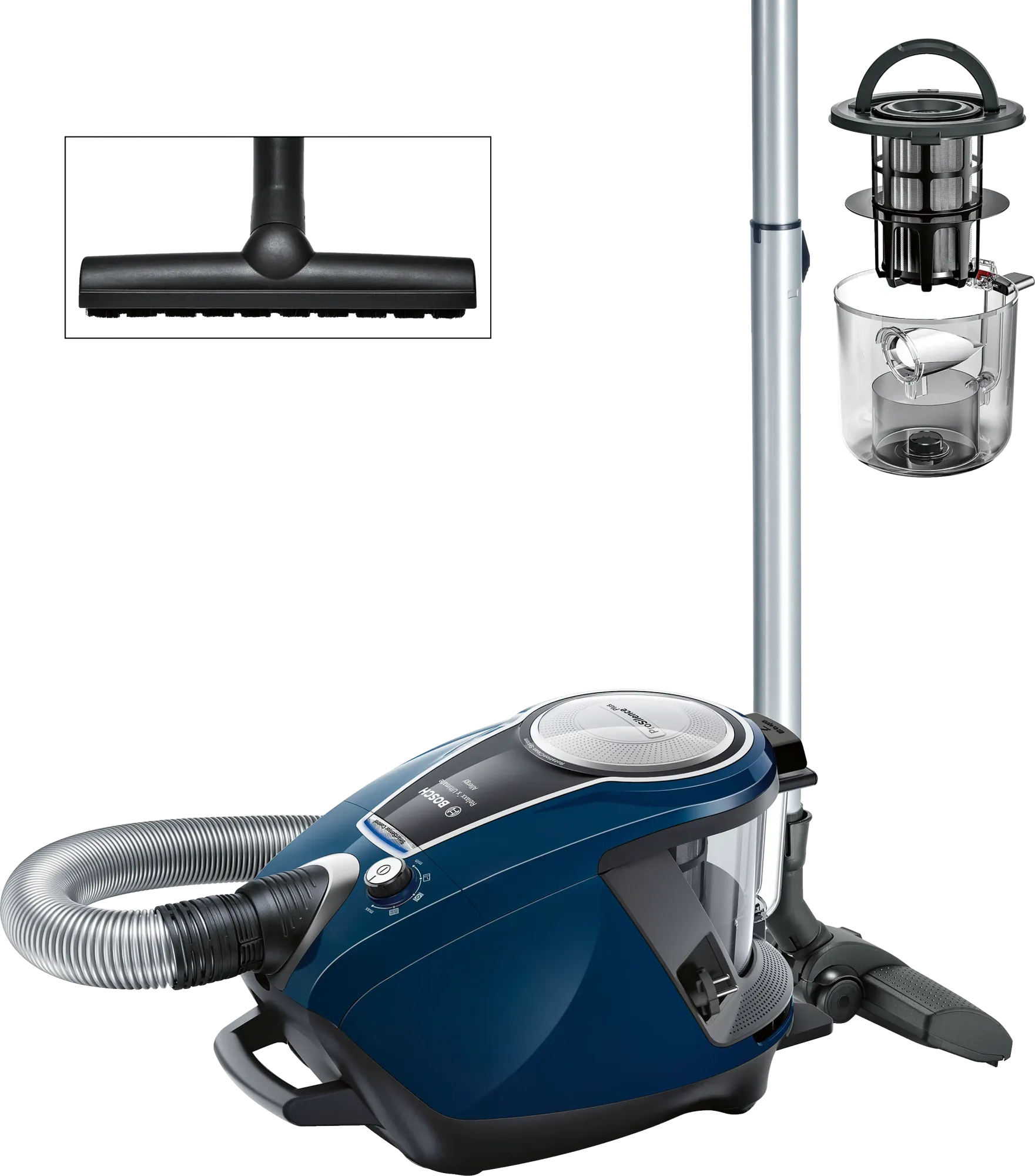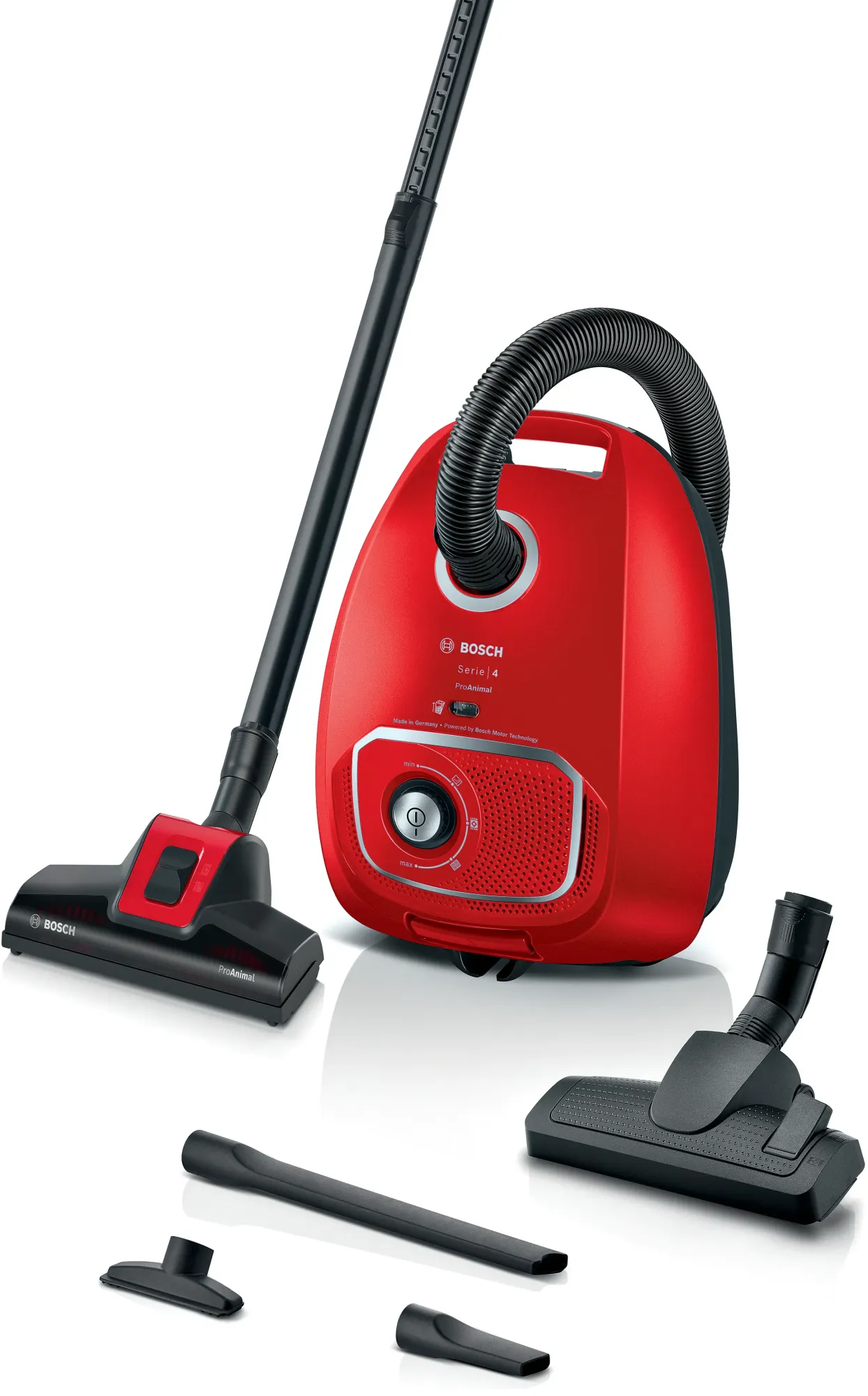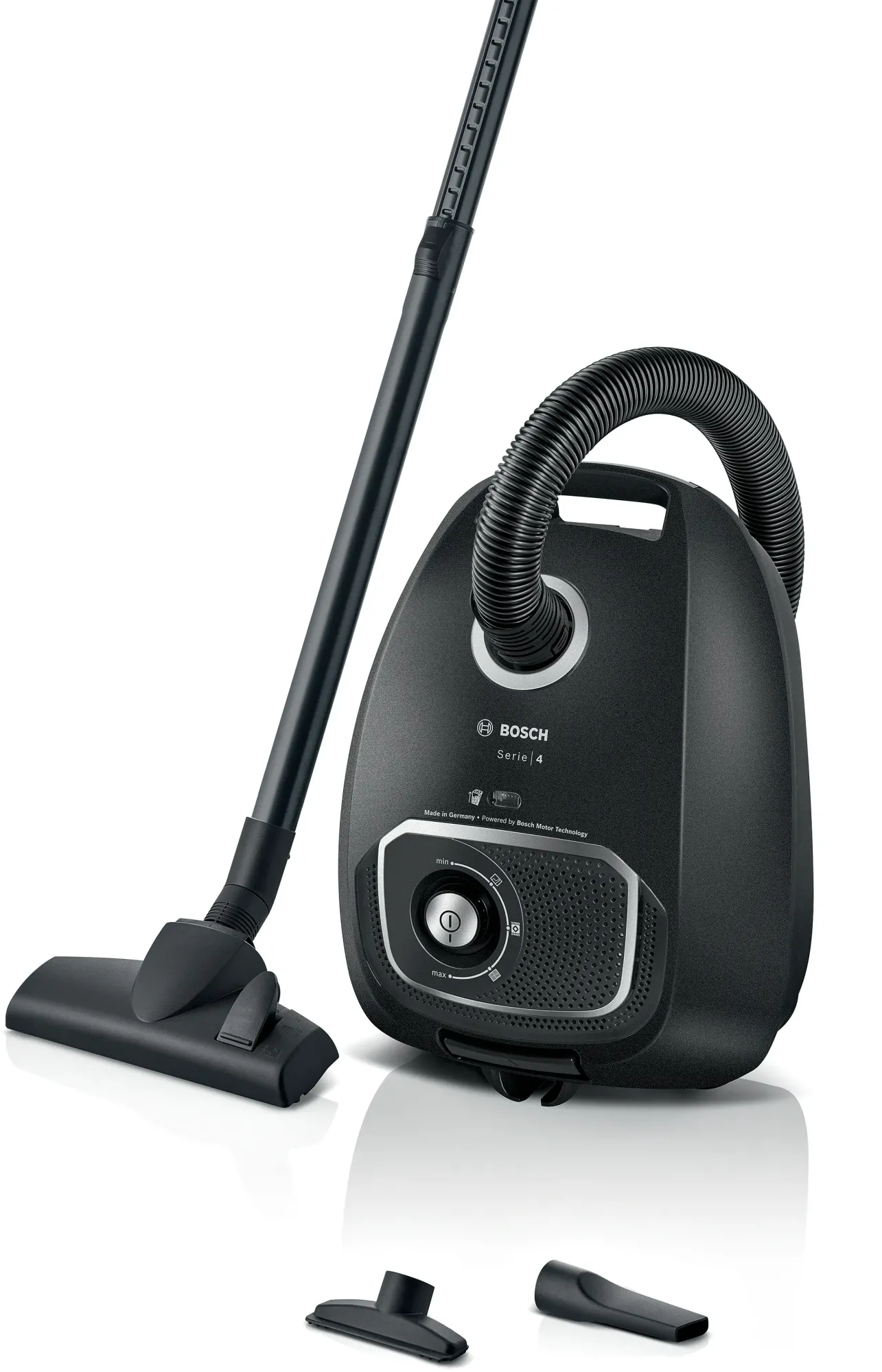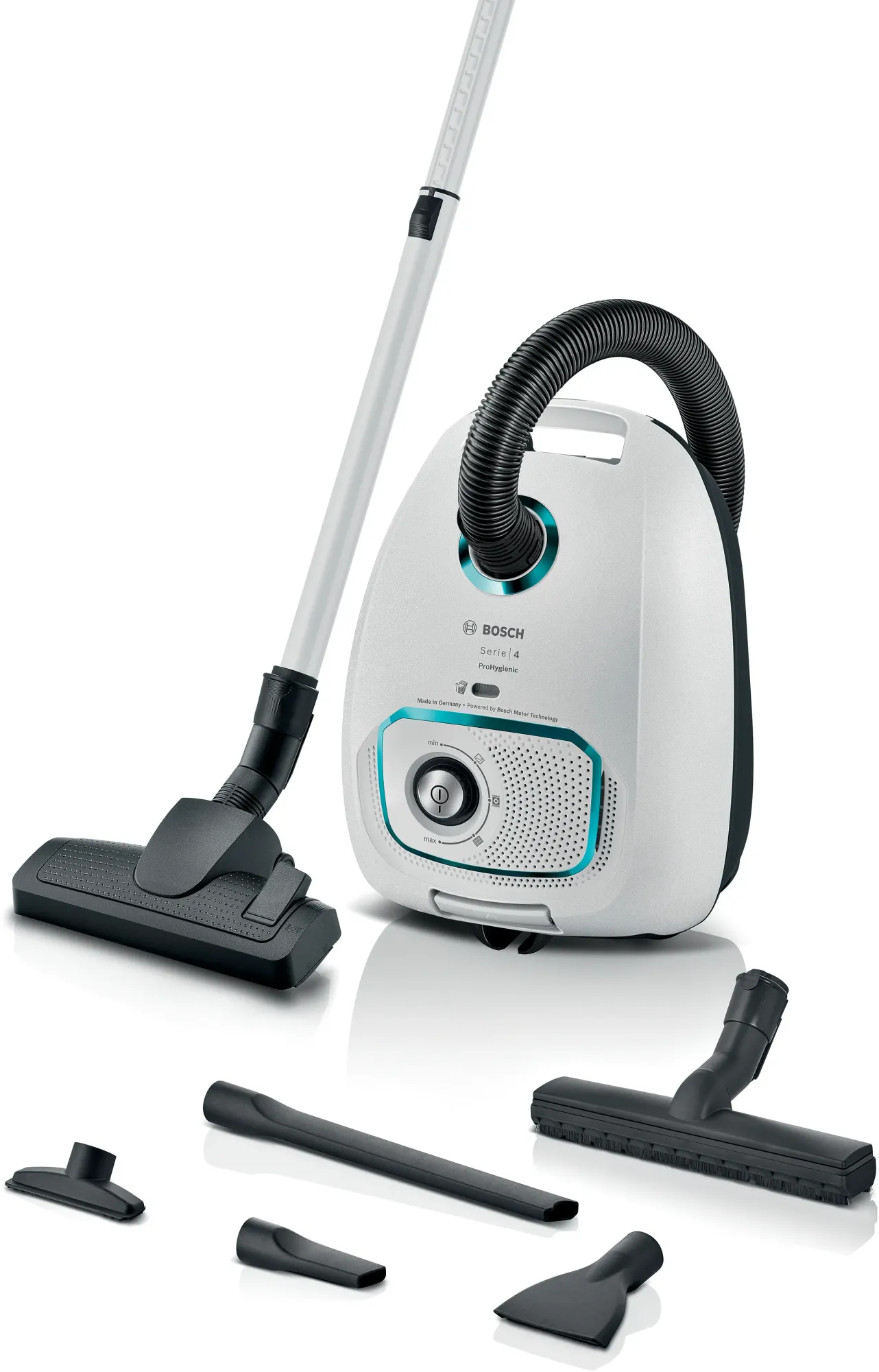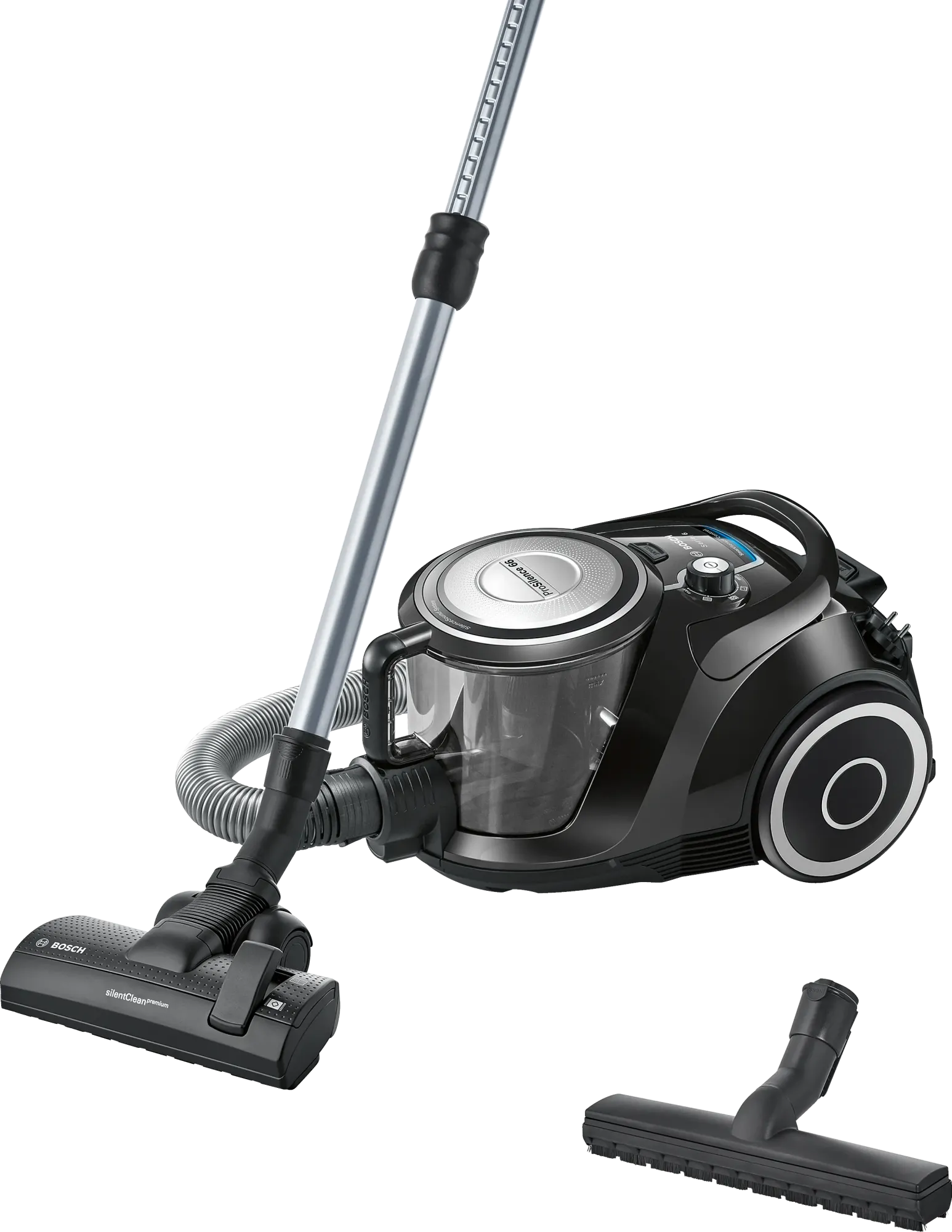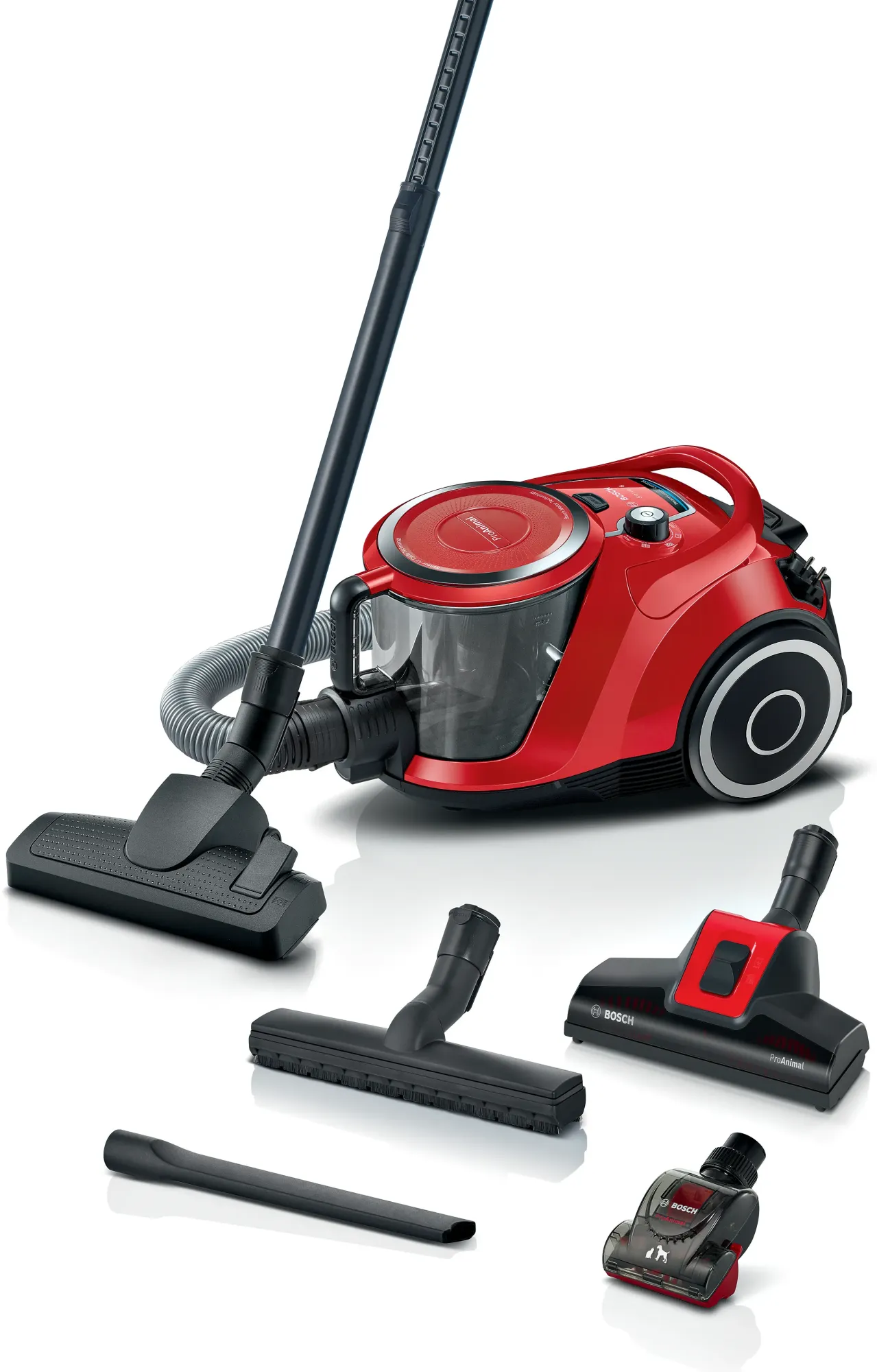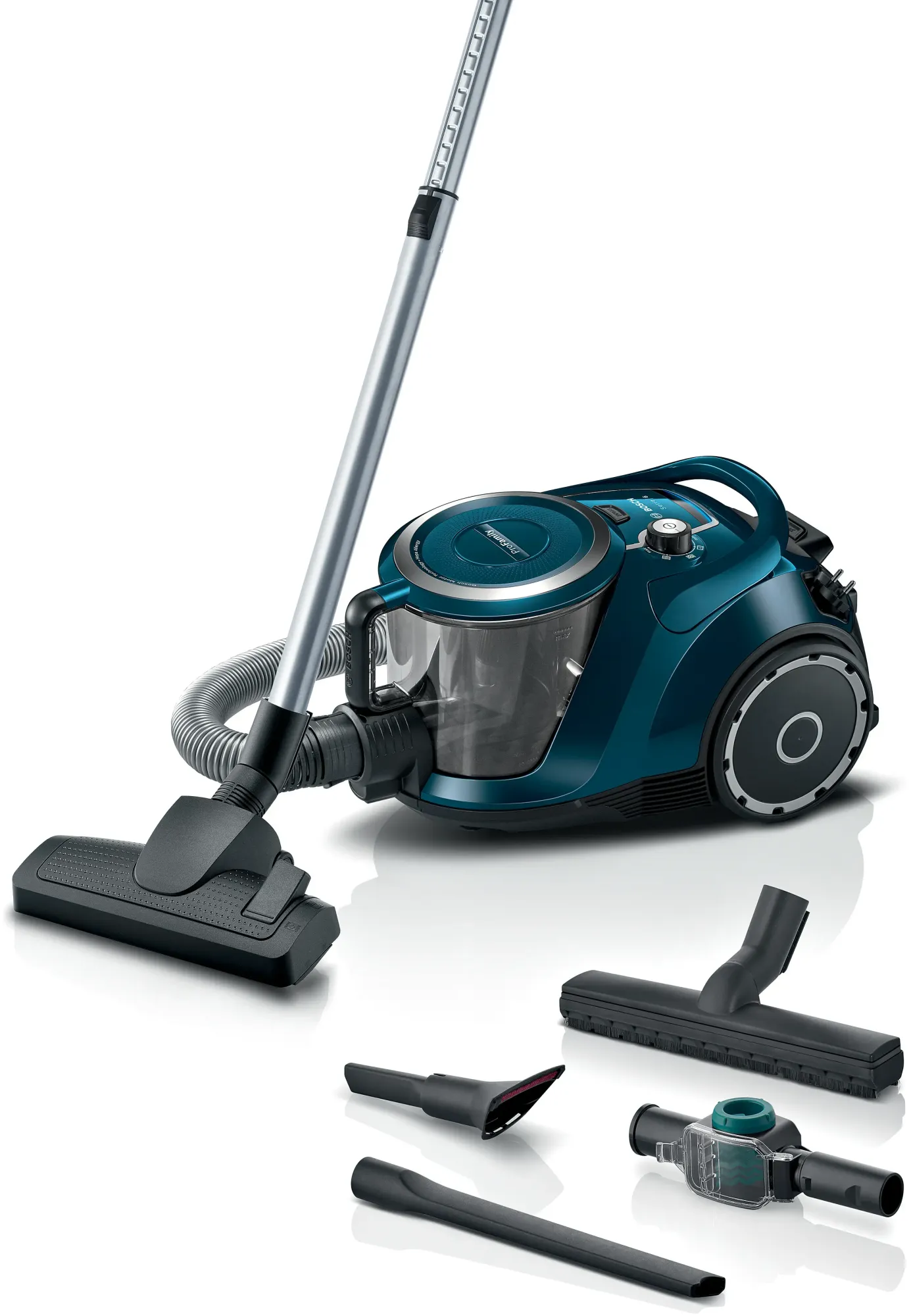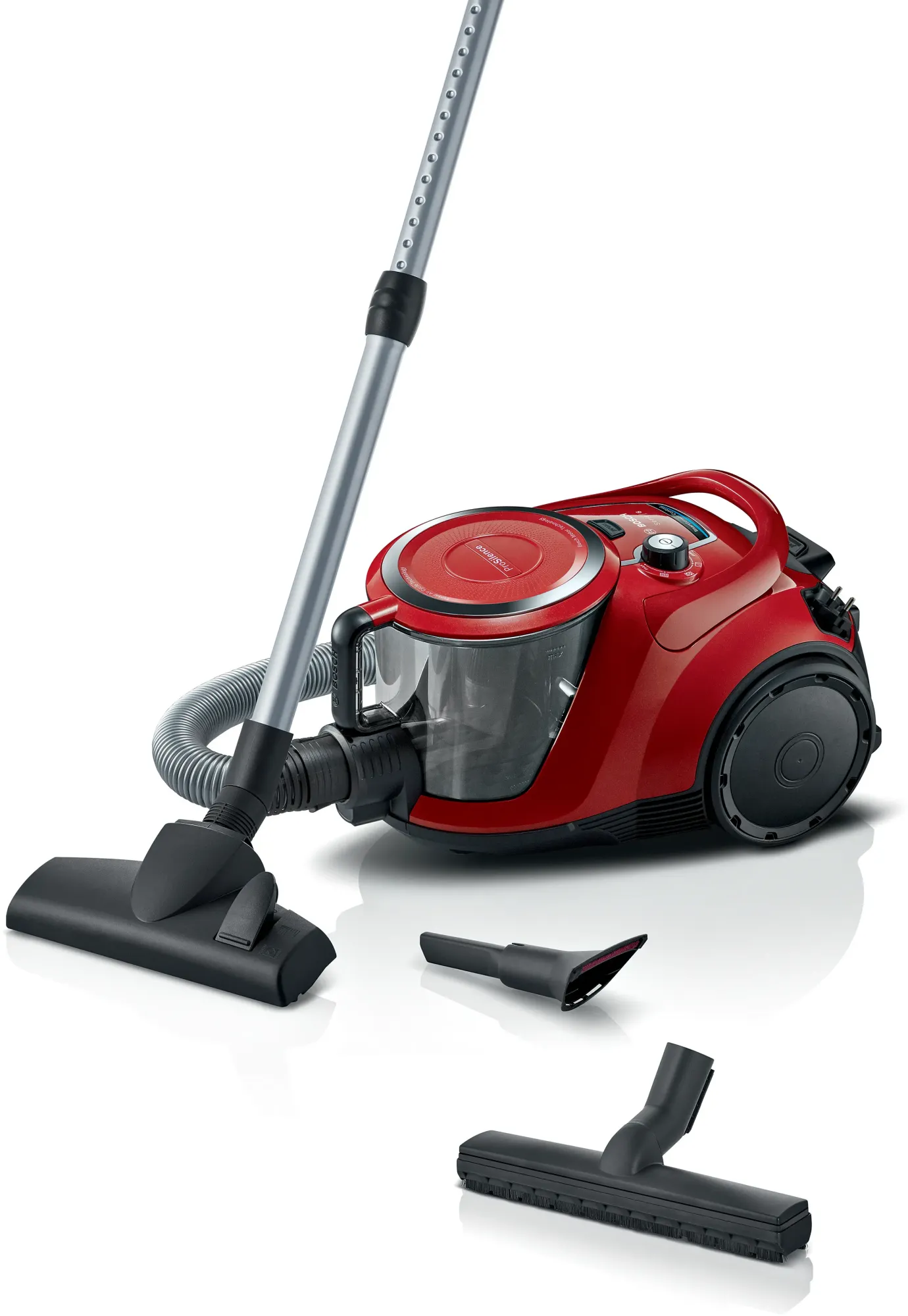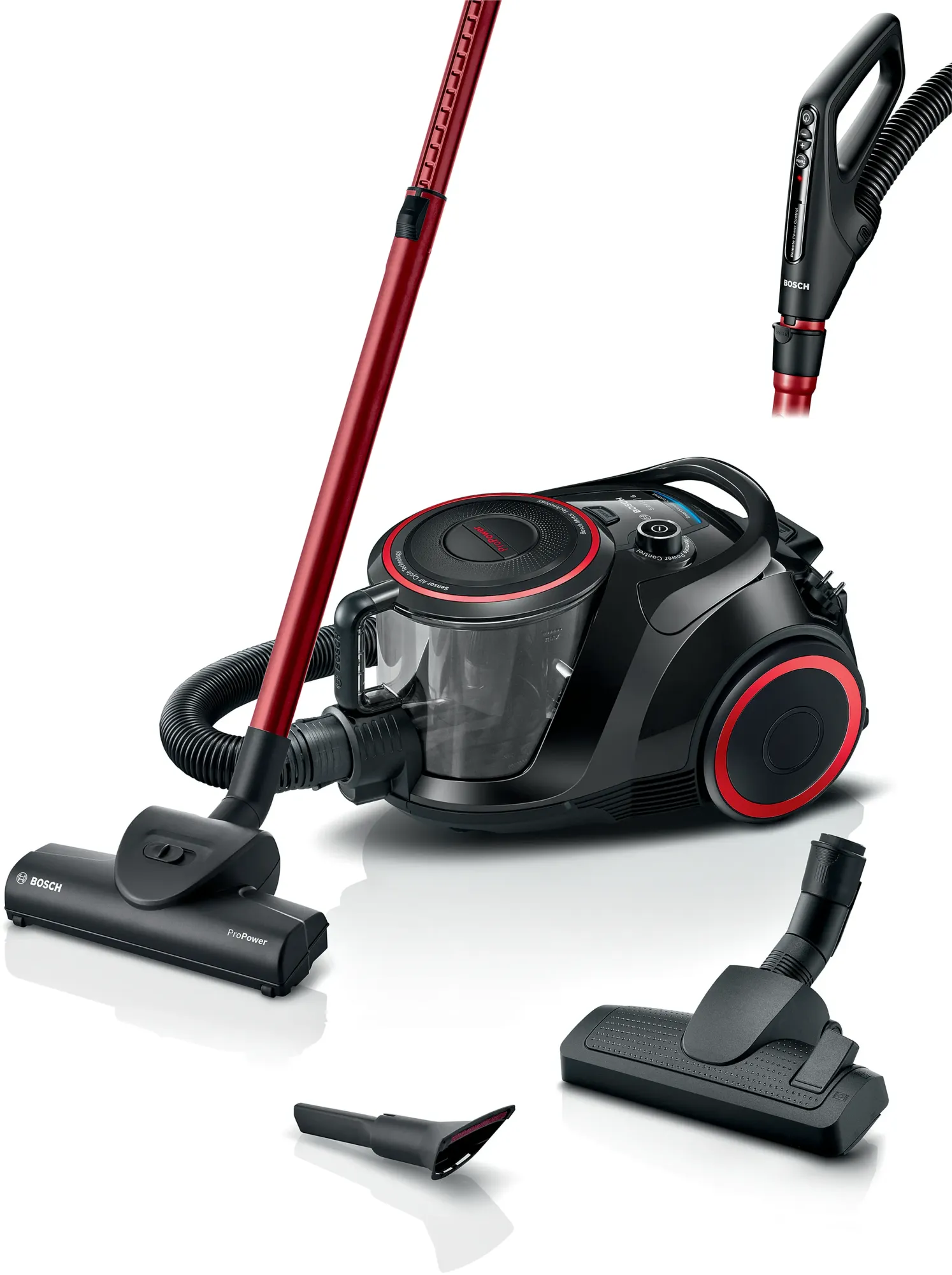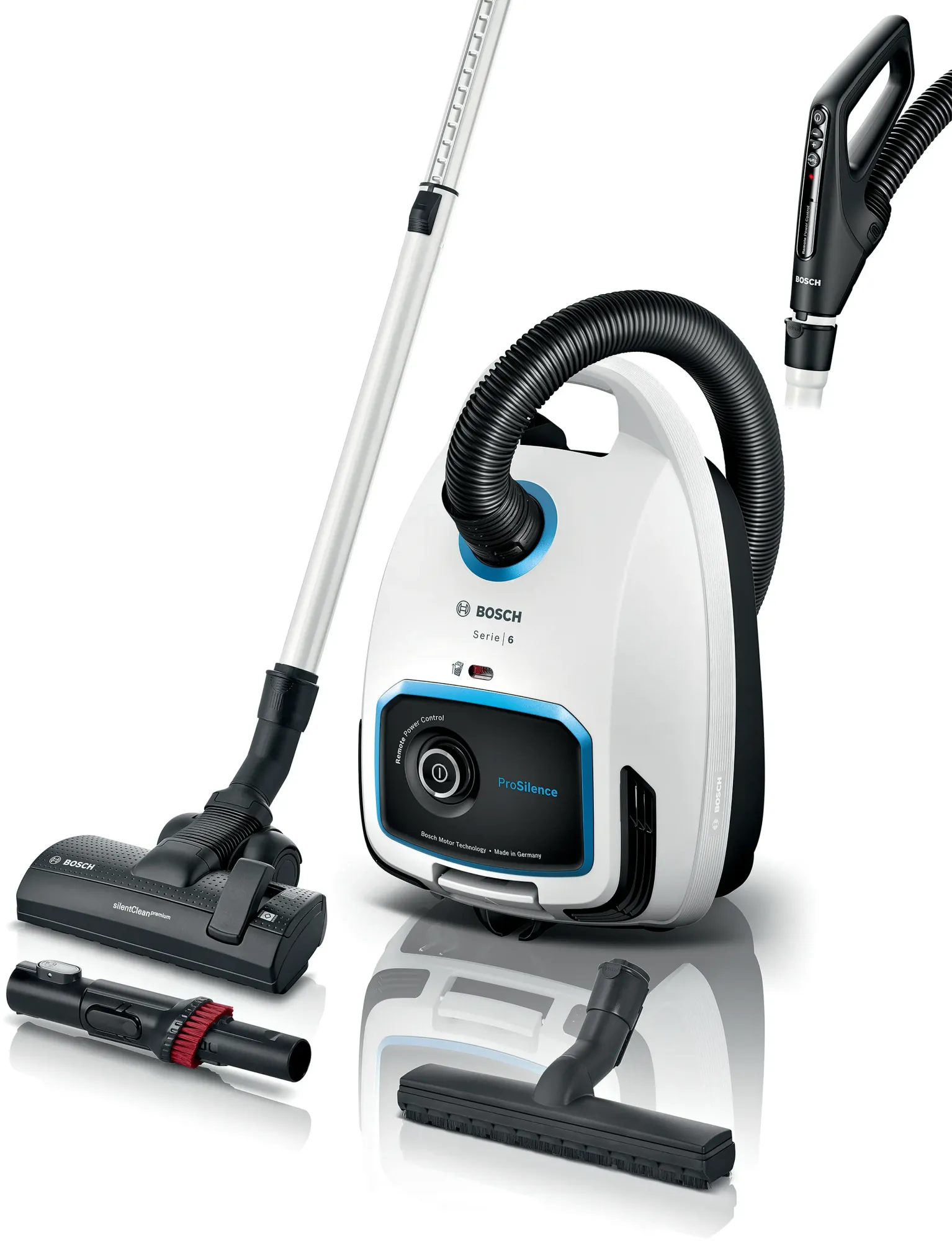
Cylinder vacuum cleaners Bosch
Serie 6 Bagged Vacuum Cleaner ProSilence White BGB6SIL1
Relevance for this use: 83/100
A vacuum cleaner stays switched on several times a week for years: its annual energy use ends up weighing on the household’s electricity budget, far more than one might imagine at the time of purchase. For anyone seeking to limit this recurring expense, this criterion deserves particular attention, alongside the purchase price.
This search for savings does not necessarily involve intensive use: a standard home, cleaned regularly but without any need for extreme power or large capacity, suits this choice well. Power and bin capacity then matter less than controlling overall cost, purchase and electricity combined.
Operating radius keeps its usual weight in this savings logic: a good radius avoids multiplying extension cords or socket changes, which remains a matter of convenience without directly affecting the electricity bill.
The same criteria as on the category page, but not the same weight: here is what goes up and what goes down.
Power matters less in this situation: moderate power is enough for everyday use, and aiming for the market maximum is not necessary to limit costs. Benchmarks range from 340 W to 900 W, with a median of 750 W.
Capacity also matters less here, as regular upkeep makes a large bin unnecessary. Benchmarks range from 1.1 L to 5 L, with a median of 3 L, without the top of this range being sought as a priority.
Silence keeps a slightly higher than usual weight, since an economical appliance is used regularly day to day and comfort of use matters. Benchmarks range from 81.5 dB for the noisiest to 66 dB for the quietest, with a median of 77 dB.
The purchase price matters more in this situation, as the savings sought cover the whole cost, purchase included. It is compared against comparable features across retailers, with no fixed numeric benchmark.
Annual energy use becomes the central criterion: the longer the bar, the less electricity the vacuum uses over time. Benchmarks range from 34 kWh for the most demanding models to 21.8 kWh for the most economical, with a median of 27.95 kWh.
Operating radius keeps its usual weight: a good radius simplifies use without weighing on the electricity bill, which stays consistent with the search for overall savings. Benchmarks range from 7.5 m for the most limited to 12 m for the best, with a median also at 12 m.
The features pushed in this category that make no difference in this context.
Maximum suction power
Everyday use does not require reaching the top of the power range recorded on the market; this extra power does not reduce the electricity bill and often raises the purchase price.
A very large bin capacity
A home cleaned regularly gains nothing from a bin near the recorded maximum; frequent upkeep makes this capacity unnecessary against the goal of savings.
Orders of magnitude, not displayed prices: a price only appears on Kalyneo once it has been collected from a merchant, with its collection date.
Under 80 €
Under 80 €: the purchase price is low, but the annual energy use shown by these models is rarely optimised, which can reduce overall savings over time.
80 to 200 €
80 to 200 €: this range often allows finding a good balance between a reasonable purchase price and better controlled annual energy use.
Over 200 €
Over 200 €: at this level, annual energy use reaches its best results, but the electricity savings achieved must be weighed against the higher purchase price.
Ranked by relevance for this specific case, not by their overall score.
Cylinder vacuum cleaners Bosch
Relevance for this use: 83/100
Cylinder vacuum cleaners Bosch
Relevance for this use: 81/100
Cylinder vacuum cleaners Bosch
Relevance for this use: 79/100
Cylinder vacuum cleaners Bosch
Relevance for this use: 77/100
Cylinder vacuum cleaners Bosch
Relevance for this use: 75/100
Cylinder vacuum cleaners Bosch
Relevance for this use: 74/100
Cylinder vacuum cleaners Bosch
Relevance for this use: 74/100
Cylinder vacuum cleaners Bosch
Relevance for this use: 72/100
Cylinder vacuum cleaners Bosch
Relevance for this use: 71/100
Cylinder vacuum cleaners Bosch
Relevance for this use: 71/100
Cylinder vacuum cleaners Bosch
Relevance for this use: 70/100
Cylinder vacuum cleaners Bosch
Relevance for this use: 70/100
A product only enters this list if it meets every one of these points. Its relevance is rated for this specific use, independently of its overall score in the category.