Energy-efficient cooker
Reducing a cooker’s energy consumption allows decreasing the electricity bill in the long term, whilst limiting the environmental impact of each cooking session. The most efficient models consume seventy-five hundredths of a kilowatt-hour per cycle in forced convection, against eighty-seven for the least effective, a gap that translates into significant cumulative savings over several years of daily use.
The choice concentrates on cookers displaying the best energy performance, without sacrificing essential cooking functions. Oven capacity and number of zones move to the background compared to efficiency, as an economical appliance consumes less even with a generous volume. The purchase price remains proportionate, the investment paying for itself through energy savings achieved with each use.
What matters in this specific case
The same criteria as on the category page, but not the same weight: here is what goes up and what goes down.
-
Price
Matters less coefficient 0.9Price loses slightly in importance when priority goes to energy efficiency. An economical model may display a slightly higher purchase cost than a standard appliance, but this difference is quickly offset by energy savings achieved over time. The initial investment is measured against kilowatt-hours saved year after year, rather than solely the amount paid at purchase. This criterion nevertheless retains its weight to avoid unjustified extra costs.
-
Capacity
Matters less coefficient 0.7Oven capacity matters less in a search for energy efficiency, as a well-insulated generous volume can consume as much as a poorly designed compact oven. The benchmarks show that the most economical models exist in all capacity ranges, from fifty-five to eighty-seven litres. This criterion therefore sees its weight decrease, the essential being to favour thermal insulation and construction quality rather than gross available volume.
-
Cooking zones
Unchanged weight coefficient 1The number of cooking zones keeps its usual weight in an economical cooker, as it does not directly determine the oven’s energy consumption. Four or five hobs meet current needs without major impact on the appliance’s overall efficiency. This criterion therefore remains neutral compared to the general category, efficiency playing out above all on oven design and its cooking modes.
-
Consumption
Matters more coefficient 1.9Forced convection consumption becomes the decisive criterion in a search for energy efficiency. The most economical models consume seventy-five hundredths of a kilowatt-hour per cycle, sixteen per cent less than the least efficient at eighty-seven hundredths. Over three hundred annual cycles, this gap represents a saving of thirty-six kilowatt-hours per year, several euros of electricity saved each year. This criterion therefore sees its weight significantly increase, as it directly conditions the environmental and financial impact of each cooking session.
What is not worth paying for
The features pushed in this category that make no difference in this context.
-
Poorly insulated oven
An oven whose thermal insulation remains mediocre lets heat escape and consumes more to maintain cooking temperature. Heat loss increases warm-up time and extends cycles, wasting energy with each use. Good insulation is essential for real efficiency.
-
Energy-intensive cooking modes
Certain specialised programmes, such as pyrolysis or long cooking at high temperature, consume far more than standard forced convection. Favouring economical modes for daily uses limits consumption without giving up quality of preparations.
-
Large capacity without enhanced insulation
A voluminous oven without effective insulation heats a large volume of air unnecessarily, extends cooking times and wastes energy. Better a modest well-insulated volume than a large oven that consumes empty half its cycle.
-
Absence of accurate thermostat
An approximate thermostat forces overheating to guarantee cooking, consuming more than necessary. Fine regulation maintains the right temperature without waste and improves energy efficiency of each cycle.
Price ranges for this use
Orders of magnitude, not displayed prices: a price only appears on Kalyneo once it has been collected from a merchant, with its collection date.
Under €400
Under four hundred euros, economical models exist but remain rare, with compromises on finish or robustness to achieve reduced consumption.
€400 to €700
From four hundred to seven hundred euros, efficient cookers multiply, combining effective insulation, accurate regulation and consumption among the lowest on the market.
Over €700
Above seven hundred euros, high-end models display maximum efficiency with advanced materials and technologies, justifying investment through long-term savings.
The products selected for this use
Ranked by relevance for this specific case, not by their overall score.
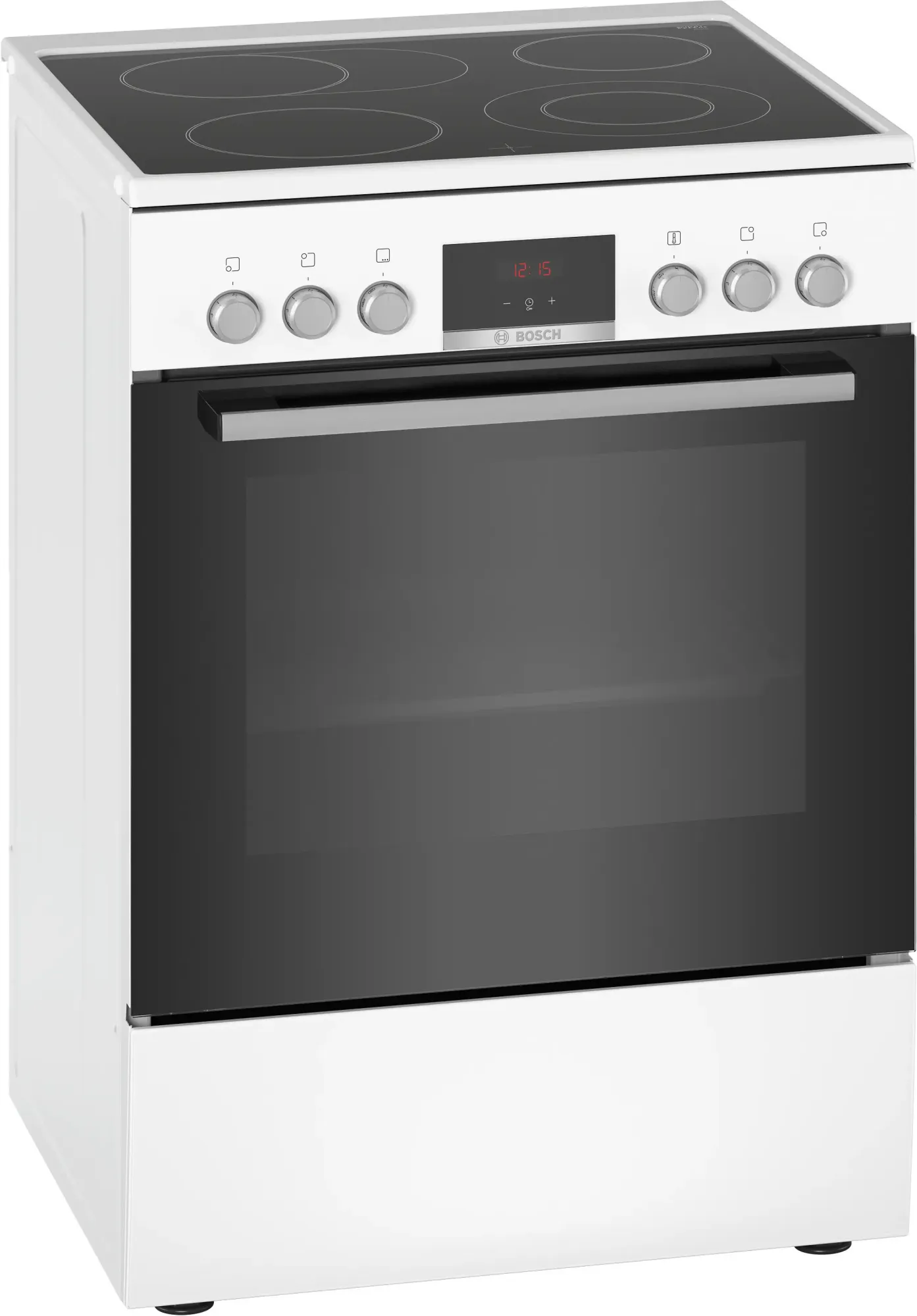
Our selection criteria for this use
A product only enters this list if it meets every one of these points. Its relevance is rated for this specific use, independently of its overall score in the category.
- Products display forced convection consumption among the lowest on the market, closest to seventy-five hundredths of a kilowatt-hour per cycle.
- Oven thermal insulation limits heat loss and optimises energy efficiency.
- Thermostats offer accurate regulation to maintain temperature without unnecessary overheating.
- Cooking modes favour efficiency without sacrificing quality of preparations.
- Purchase price remains proportionate to energy savings achieved over usage duration.
Other situations in this category
Cooker for studio and small flat
Choosing a cooker for a studio or compact flat: affordable models, suitable capacity and reduced consumption for one or two people.
Read
Cooker for large family
Choosing a cooker for a large family: large oven capacity, numerous cooking zones and performance for simultaneous meals preparation.
Read